Wine Advisor



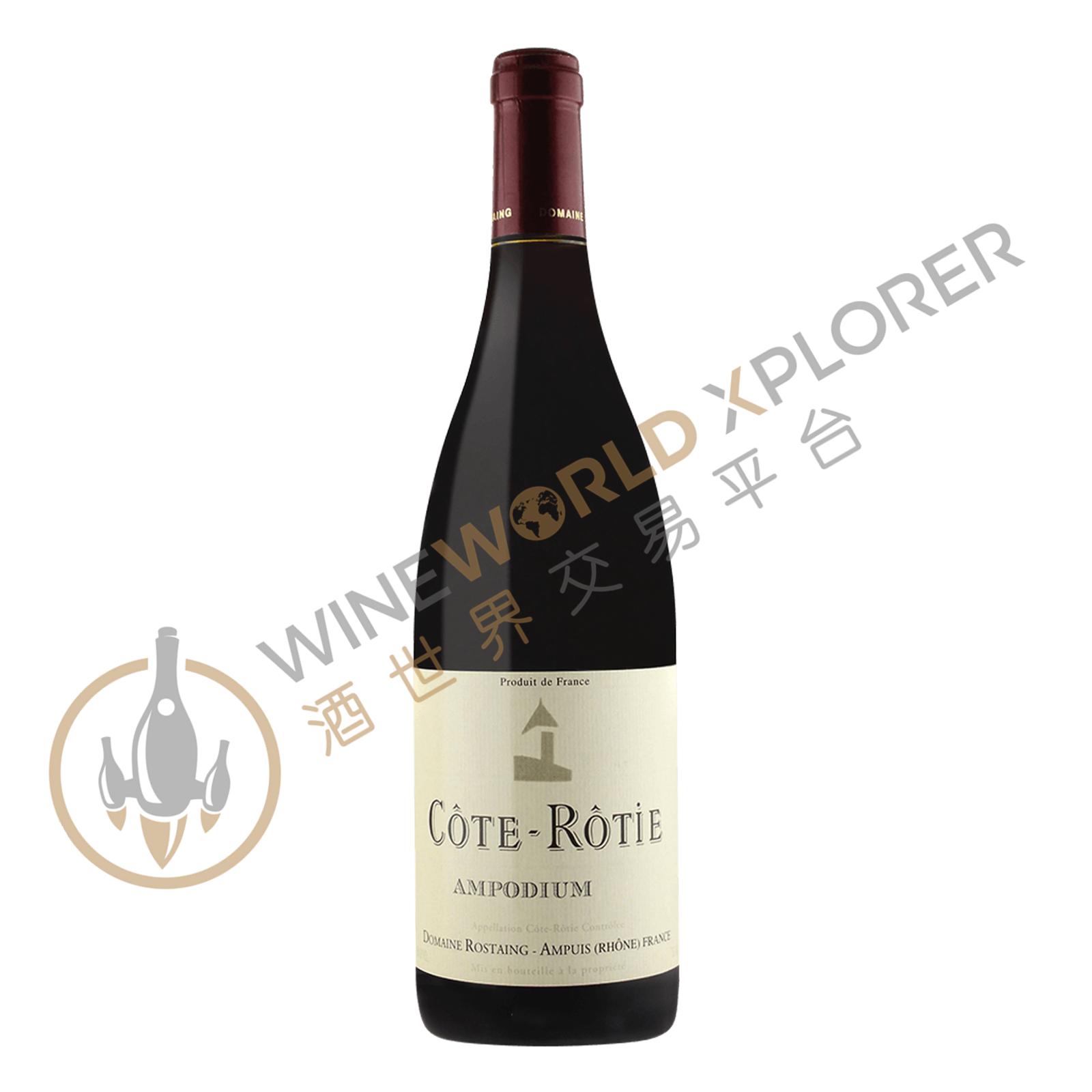
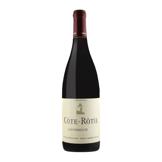
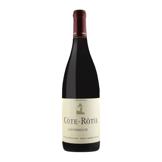
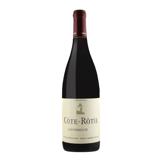
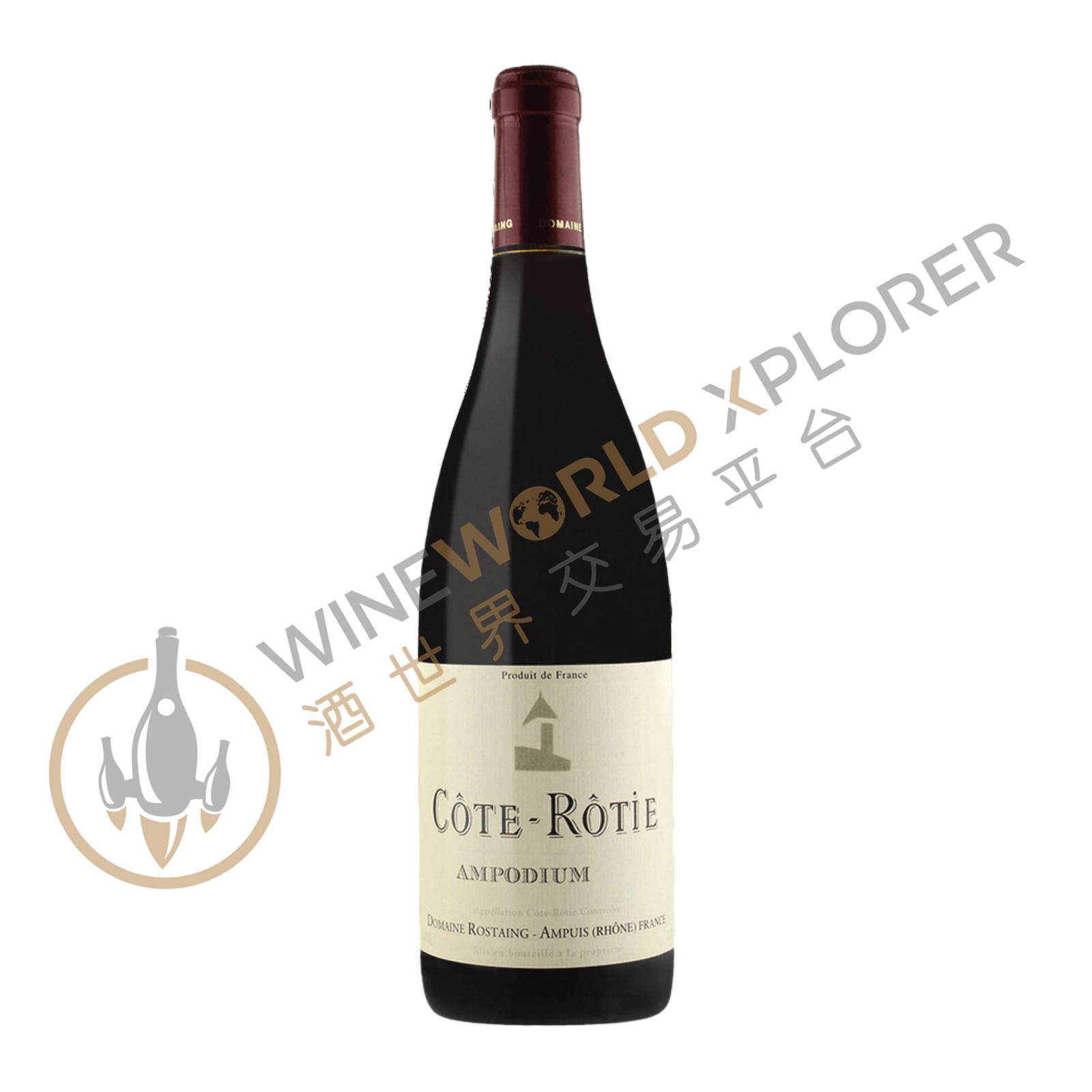
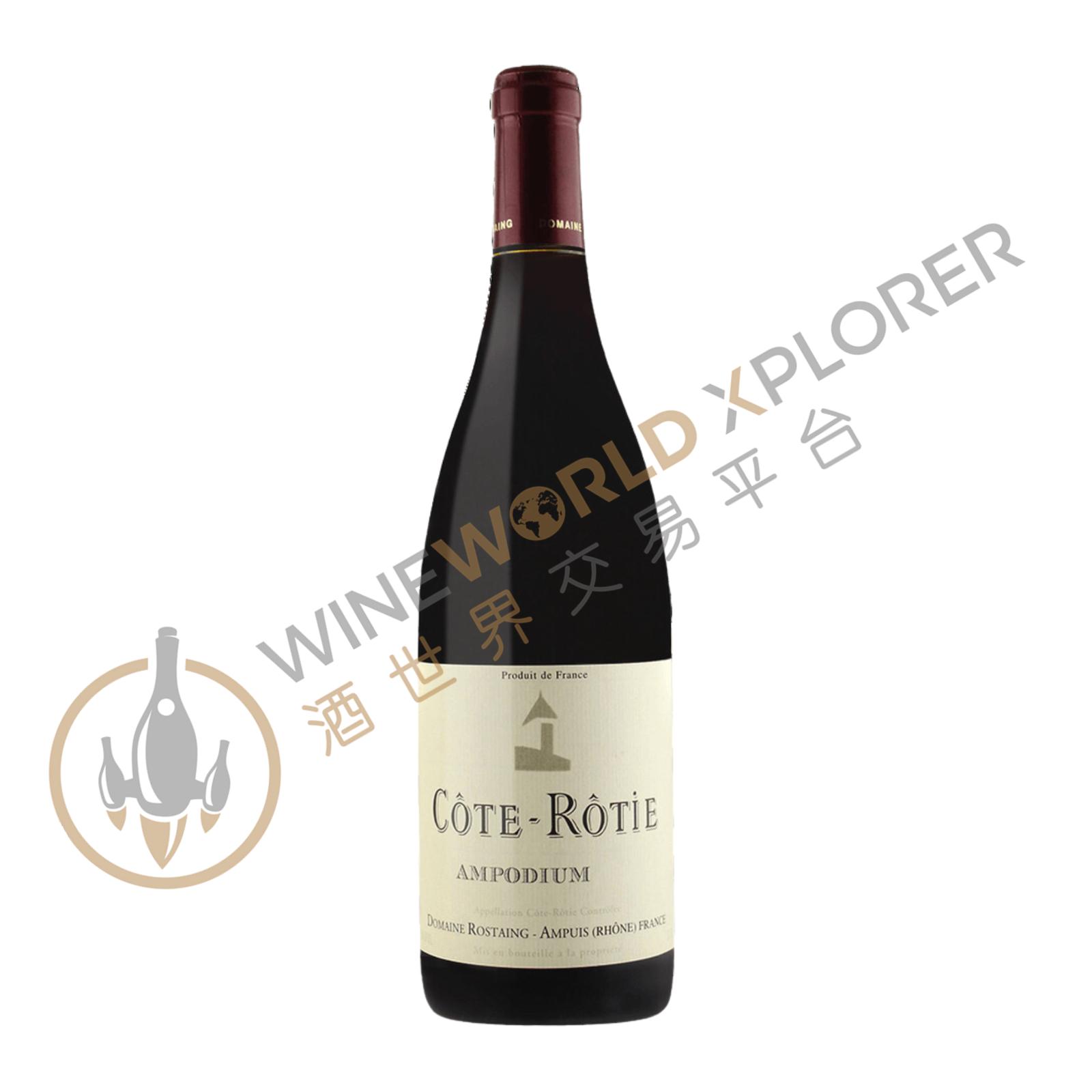
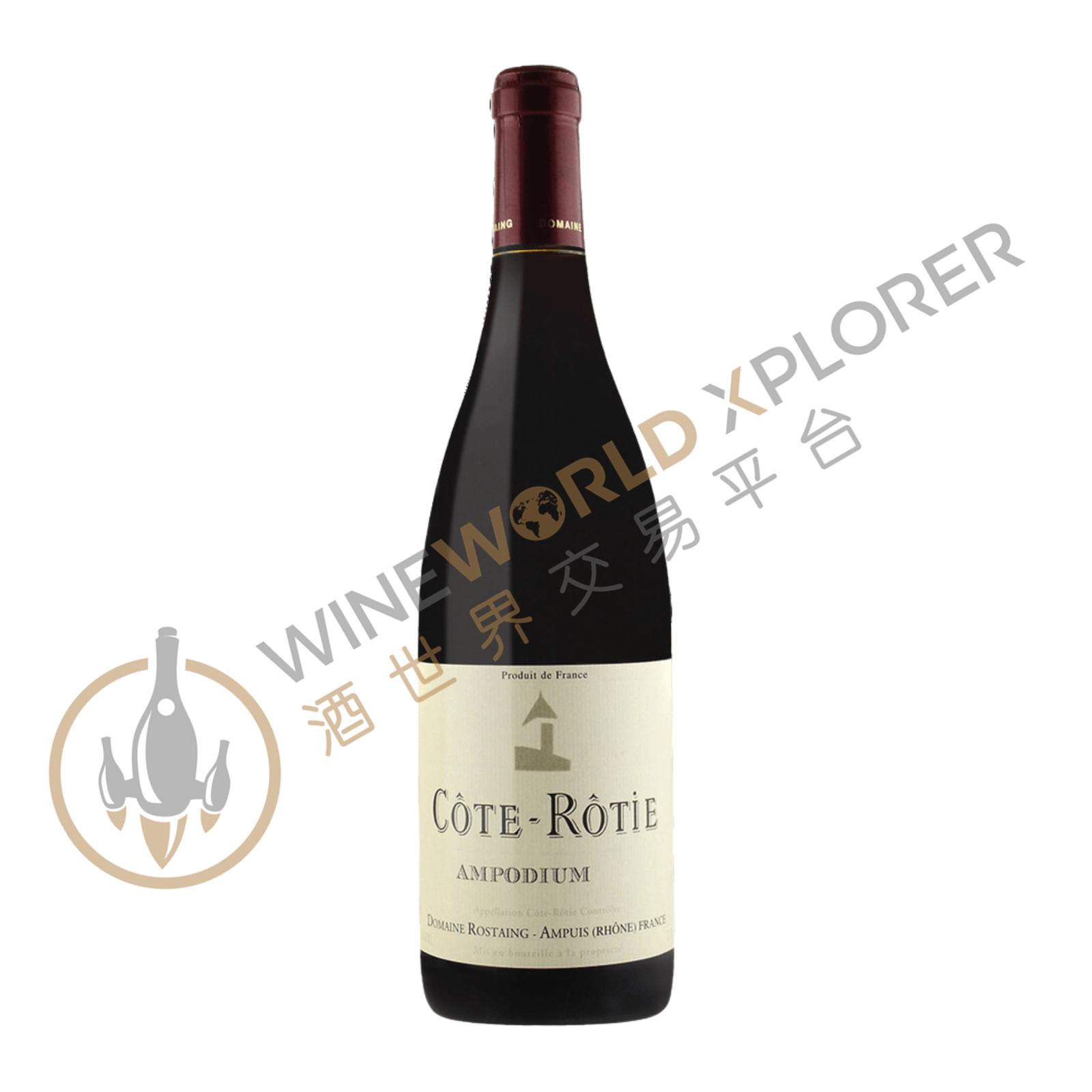
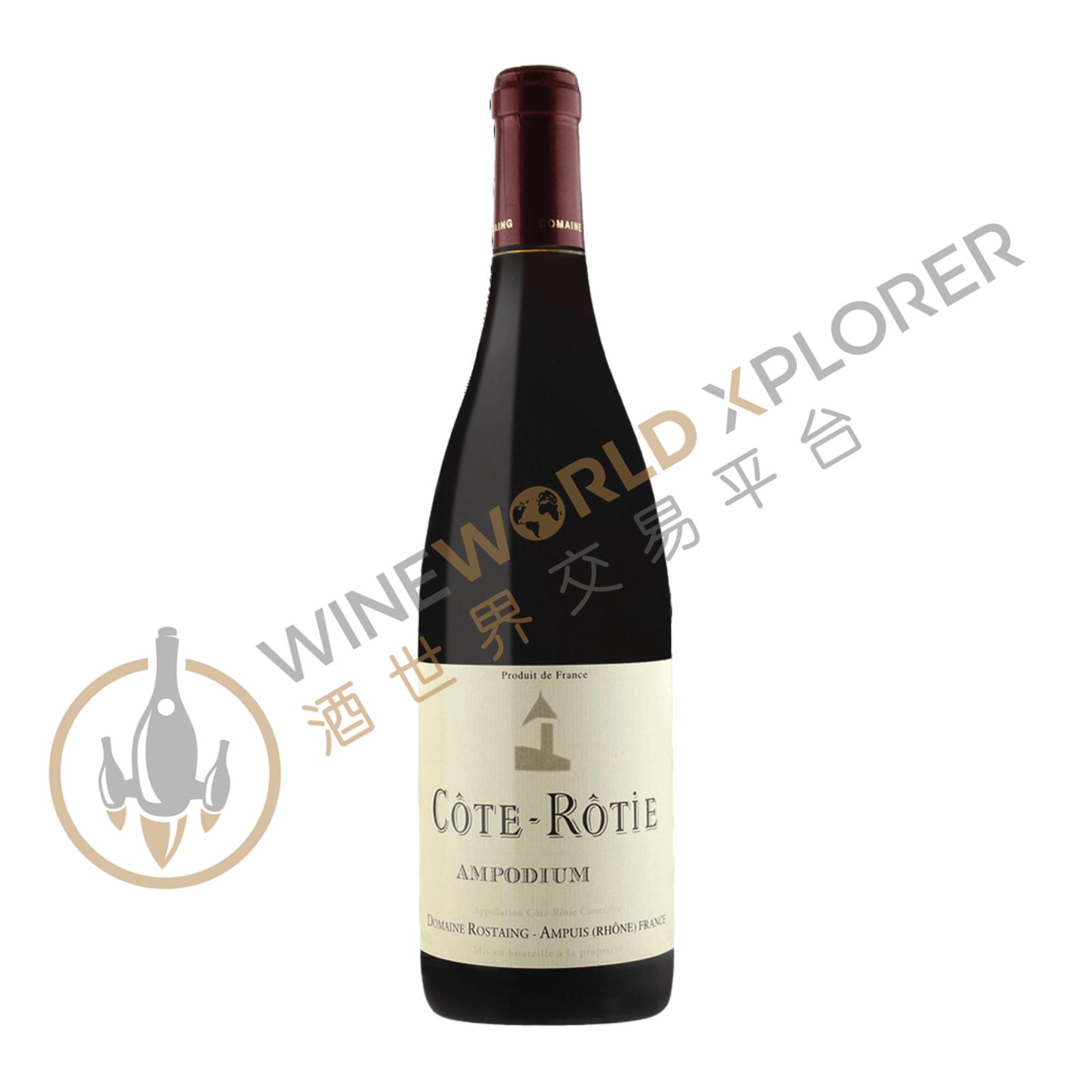
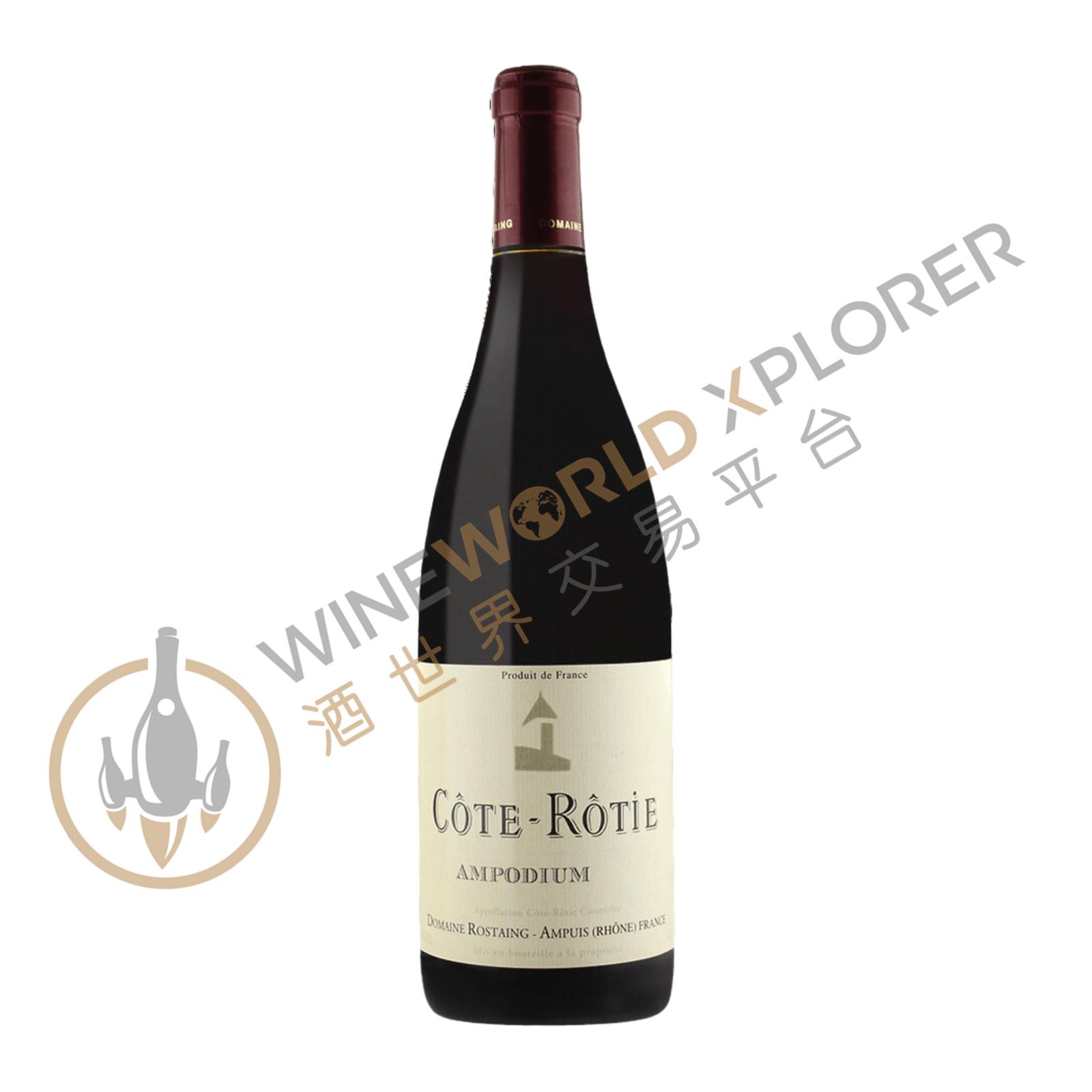
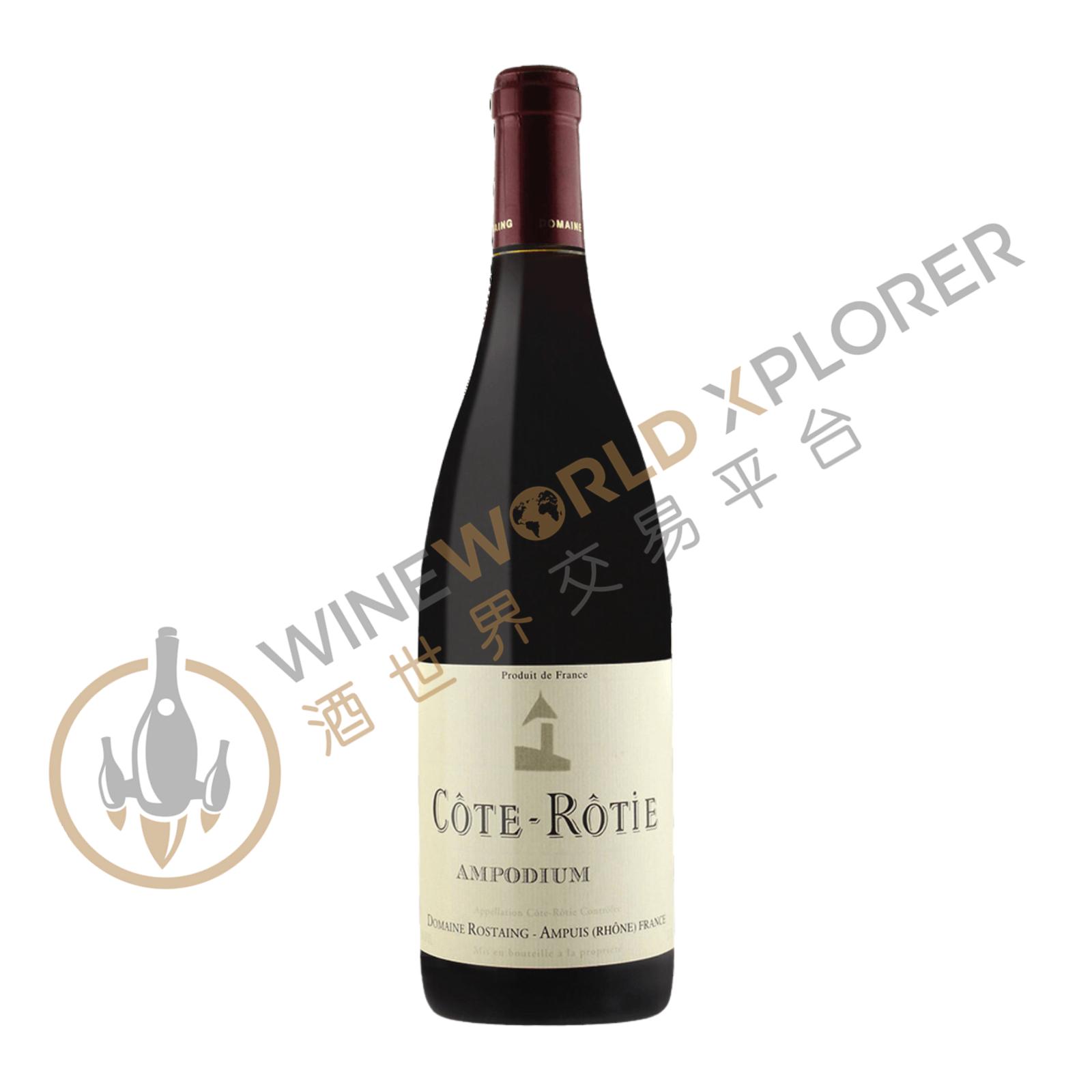
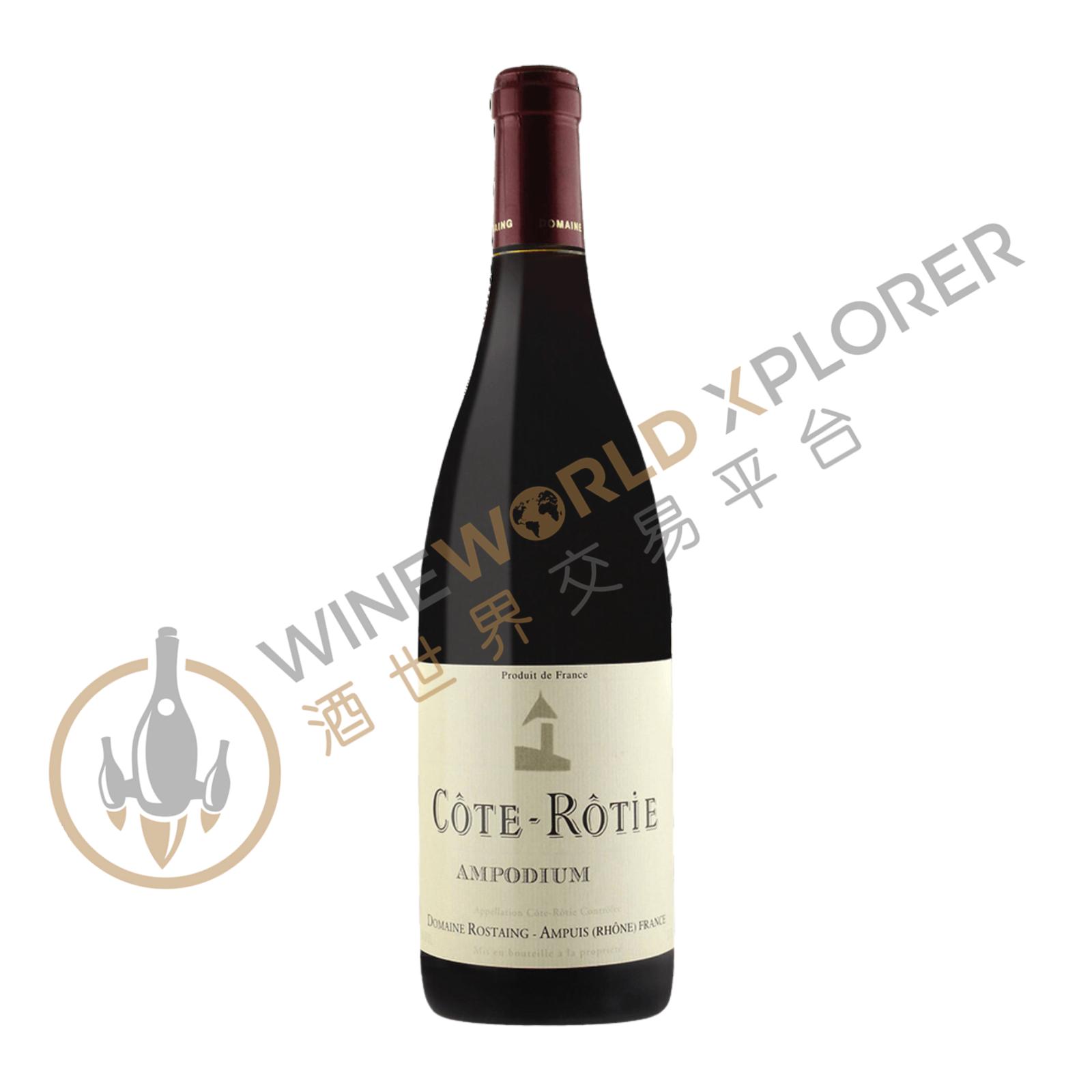
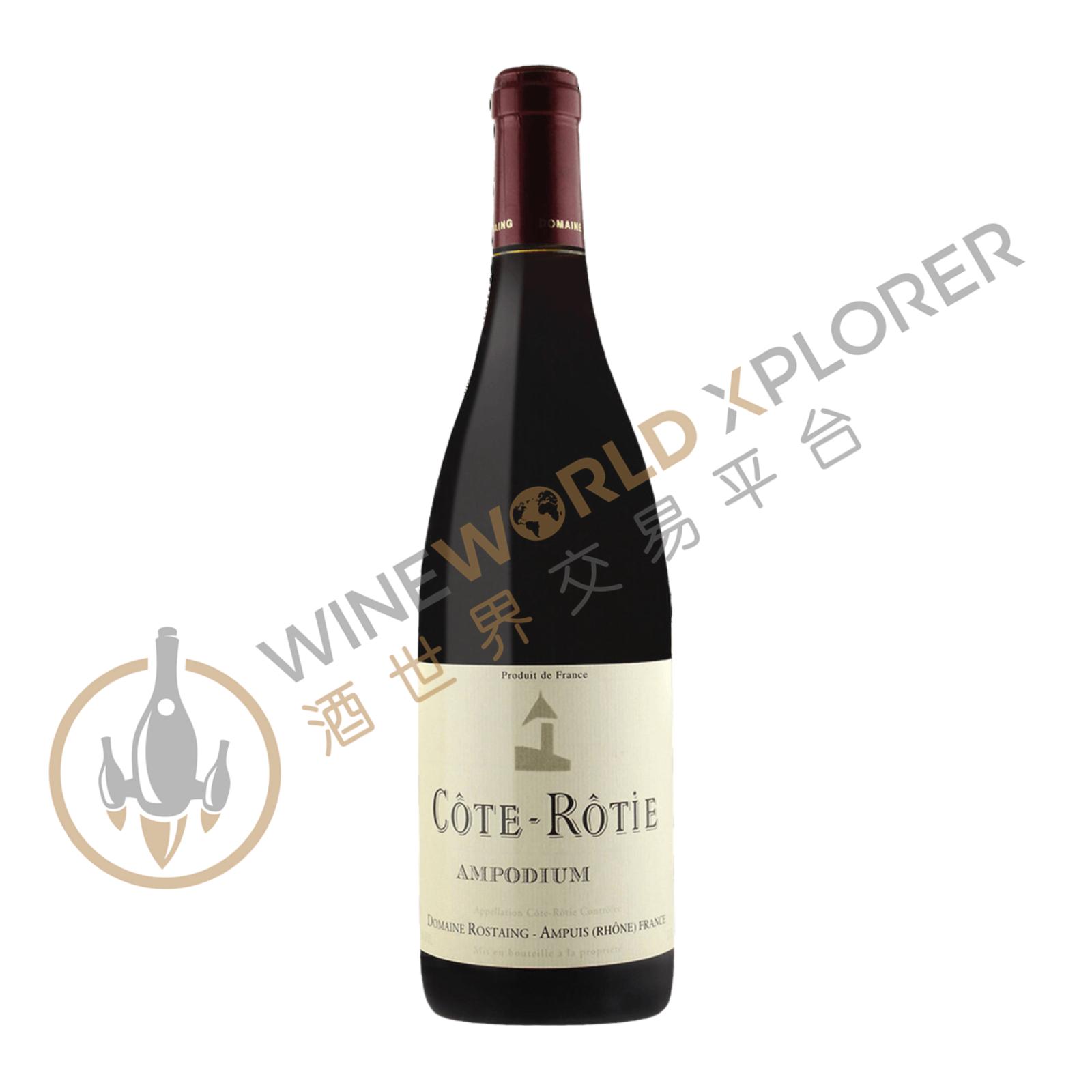
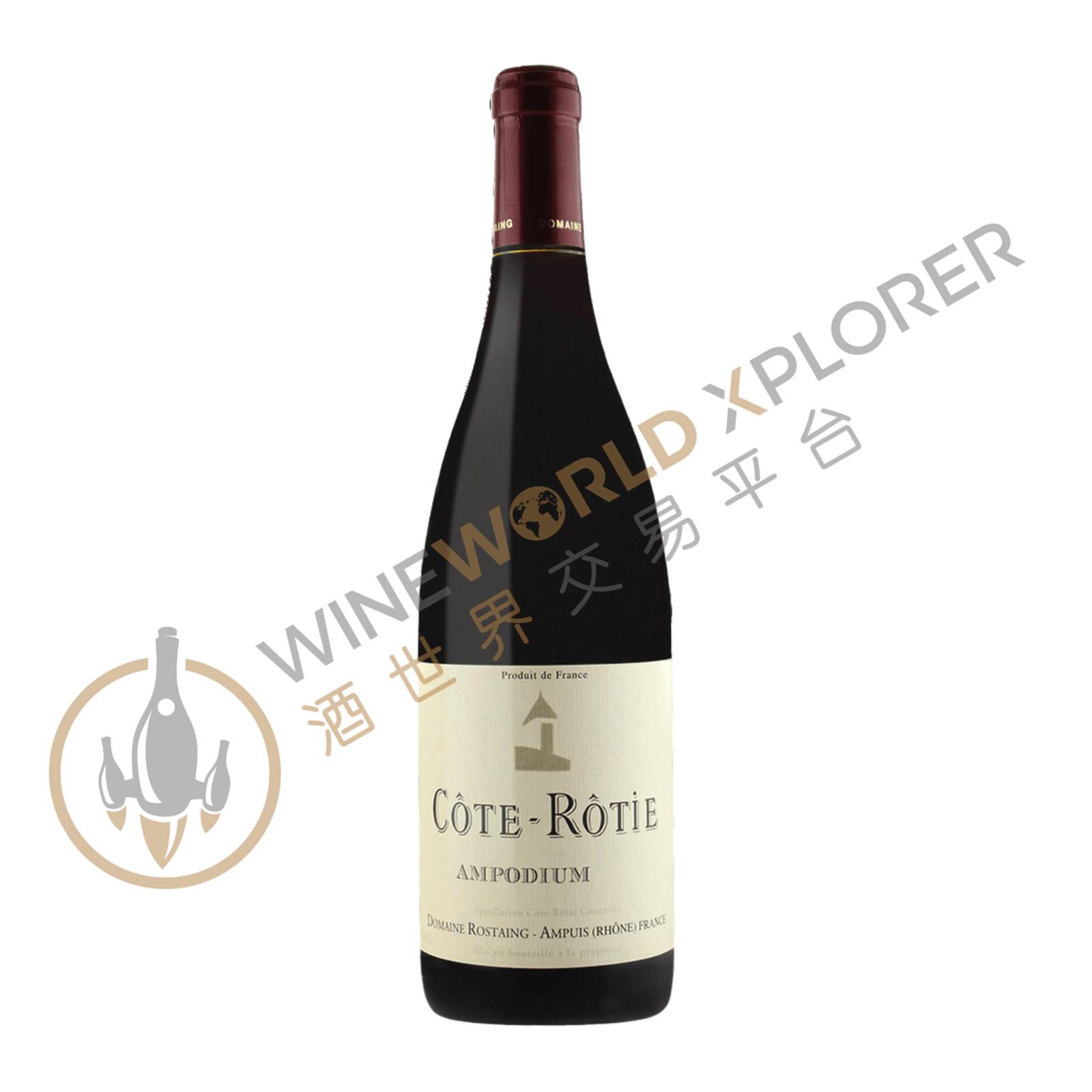
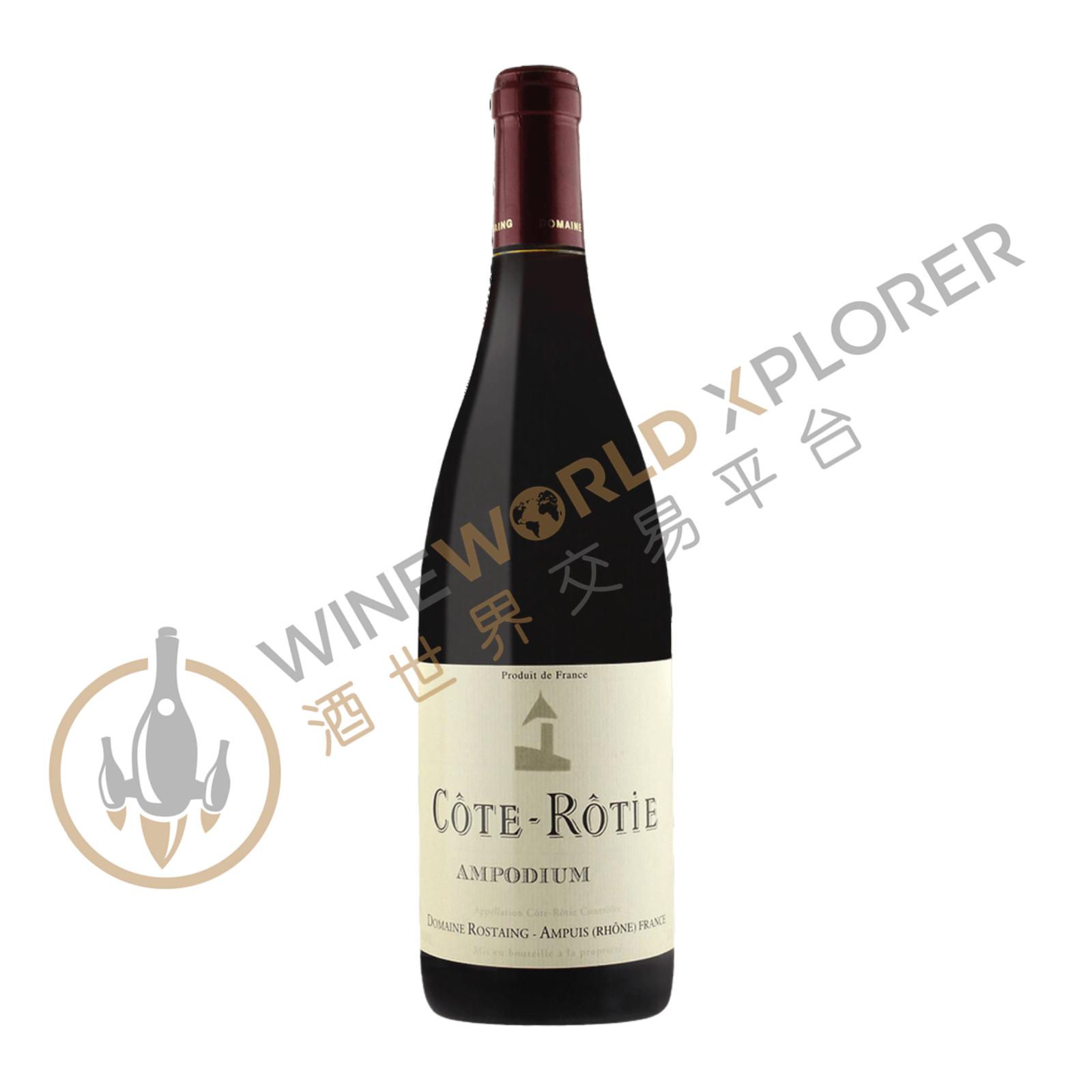
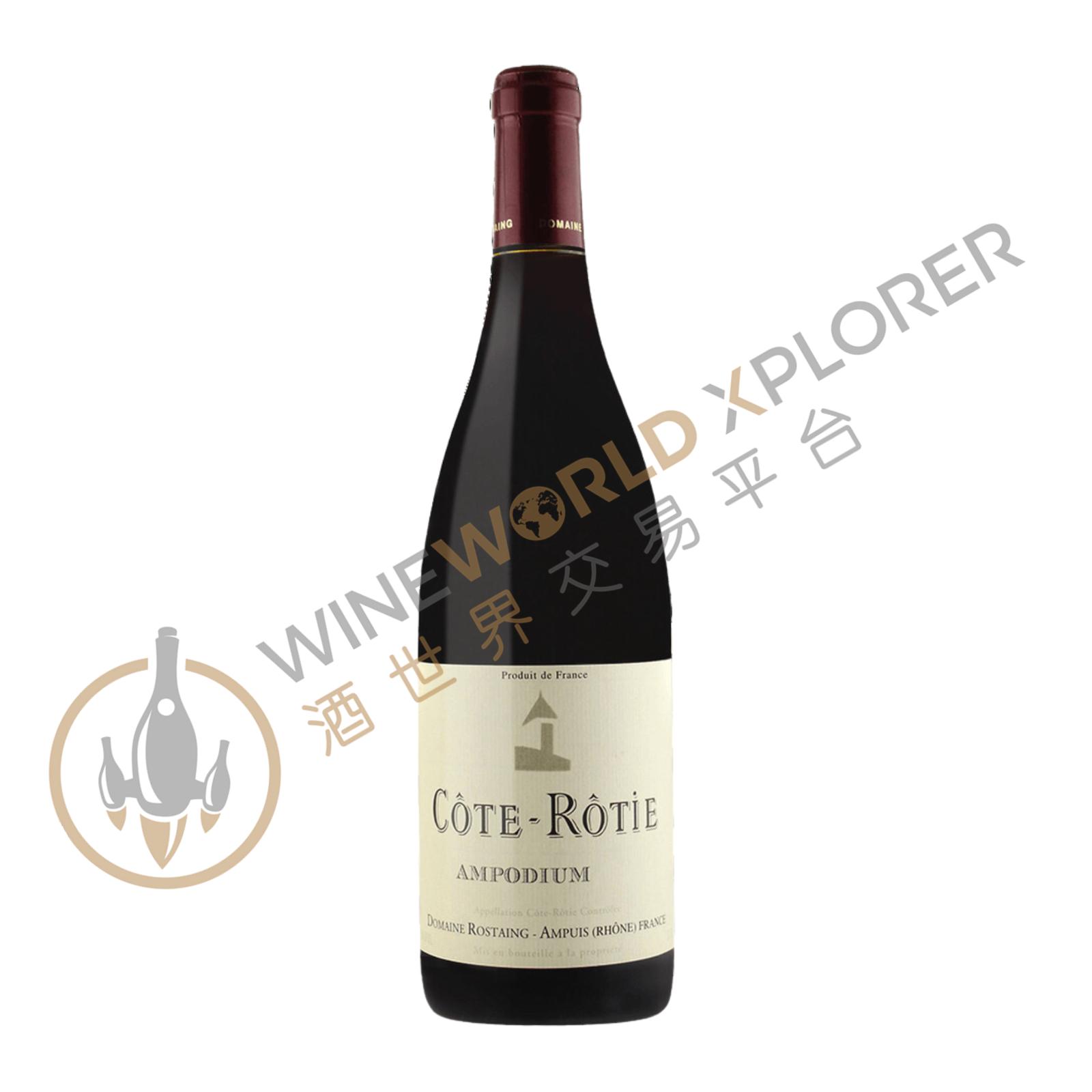
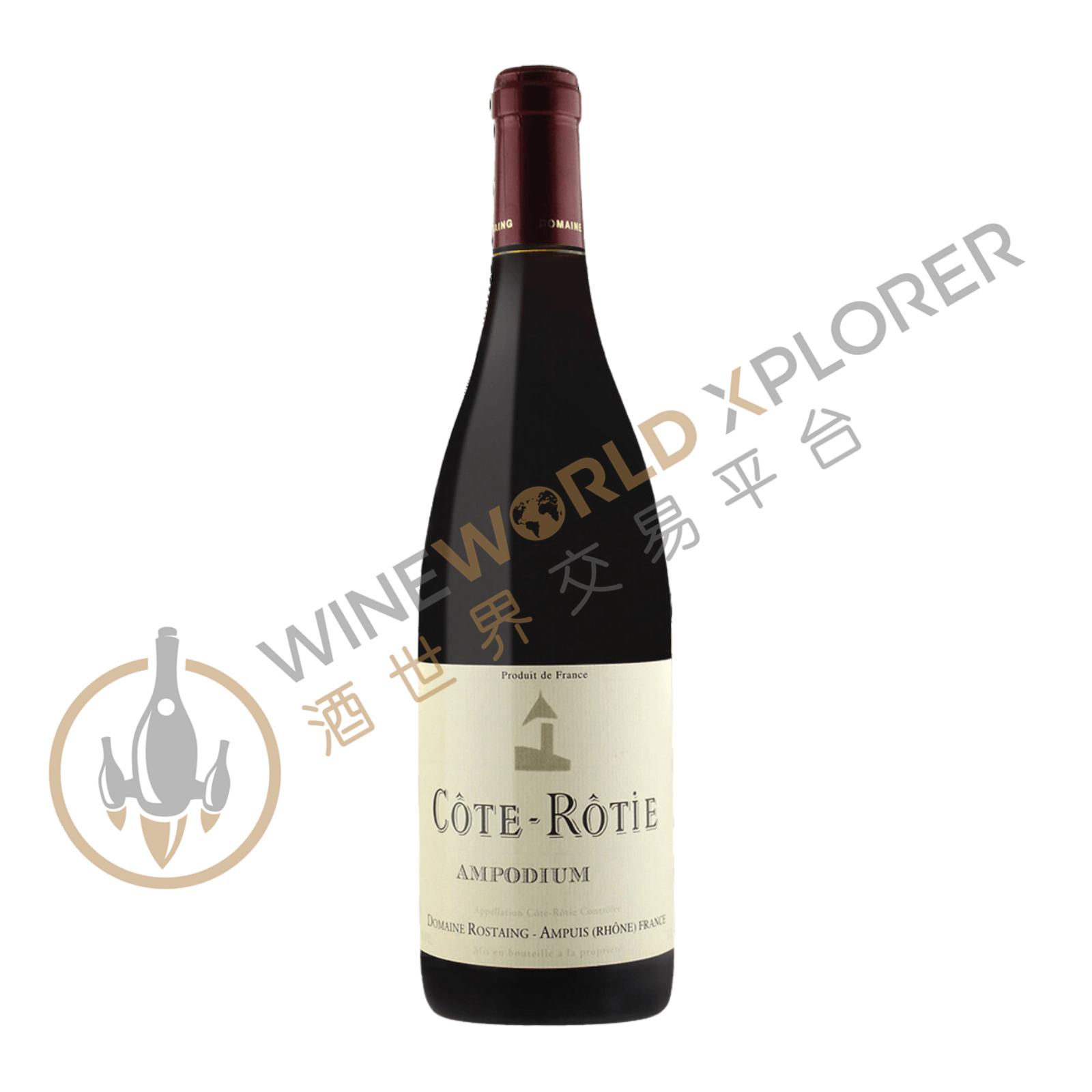
Rene Rostaing, Cote Rotie Ampodium 2018
 View analysis


Description
Tasting notes

Reviewed by: Josh Raynolds
Opaque ruby. Spice-accented aromas of black raspberry, violet and smoky minerals, plus a hint of cola. Smooth and expansive on the palate, offering juicy cherry, dark berry, floral pastille and cracked pepper flavors and a hint of smokiness. Fleshes out slowly with air and shows excellent clarity and repeating spiciness on the long, discreetly tannic finish.
Reviewed by: Josh Raynolds
Aromas of ripe, spice-tinged dark berries and pungent flowers are sharpened by sneaky mineral and spice flourishes. Spicy and focused on the palate, offering juicy blackberry, cherry and violet pastille flavors that are complicated by salty olive and cracked pepper nuances. Fleshes out with air while maintaining liveliness and finishes bright, spicy and quite long, displaying sharp clarity, even tannins and lingering florality.
Reviewed by: Josh Raynolds
Expressive blue fruit, floral and spice character on the nose and in the mouth. Lively and in a relatively elegant style, with just a hint of fine-grained tannins adding closing grip to a finish that leaves boysenberry and cracked pepper notes behind.
Reviewed by: Joe Czerwinski
Mostly blended but still in barrel, the 2018 Cote Rotie Ampodium is a terrific introduction to the Côte Rôties of Rostaing. Mulberries and licorice appear on the nose, followed by savory notes of espresso and black olives on the medium to full-bodied palate. It's silky, fine and complex, with a long, softly dusty finish. I also tasted a richer, more structured lot from la Viallière that will be blended in, along with a terrific-looking barrel from Leyat that will add floral, raspberry and mocha notes.
About the Producer
Rene Rostaing is quite famous in the Cote-Rotie area of the North Rhone. In 1971, there were only 0.47 hectares of vineyards, distributed in Cote Blonde and La Landonne. After inheritance and harvesting in recent years, the winery's vineyards have reached 6 hectares, and he also has 0.2 hectares of vineyards in Condrieu. The winery has introduced high-tech equipment in recent years, which can automatically stir and mix the grapes and grape skins. The soaking time can be as long as three weeks, which is longer than the average winery time, and the temperature is automatically raised to about 37 degrees, allowing the grape juice to absorb For more grape color and tannin, filtering before bottling depends on the quality of the wine of the year. If the winery believes that the safety is sufficient, the filtering action will not be carried out. Rostaing's general-grade Cote-Rotie and Cote Blonde are completely de-stemmed, while La Landonne is 50% de-stemmed. In theory, the wine is stronger and more resistant to aging and has more tannins. This winery produces five wines, basically Cuvee La Landonne is the best product of the winery, containing three vineyards, using 100% Syrah; next is the Cuvee Cote Blonde, containing two vineyards, which contains The 75-year-old vine is mainly made of Syrah, with a small proportion of Viognier added; in 1990, the owner inherited 3.5 hectares of vineyards from his father-in-law Albert Dervieux-Thaize, and later the wine was La Viailliere; The winery's general-grade wine, Cuvee Classique, is a blend of grapes from the three Cuvee plots above, mainly La Viaillere. The wine label only shows Cotie-Rotie without the Cuvee name, and uses 100% Syrah; in addition, in the Condrieu area, it is Liquor with the name of La Bonette, brewed by Viognier, with an annual output of about 160 cases, is not easy to find in Taiwan. The winery has two other VdP wines: Les Lezardes Syrah and Les Lezardes Viognier The owner also has Domaine de Puech Chaud in the Languedoc area of southern France. It produces one red and one white. The red wine is made with 80% Syrah. I am very interested to try it out and see how to use the exquisite technique of the Beilong winery. Brutal Syrah grapes from Xunhua South France.