Wine Advisor



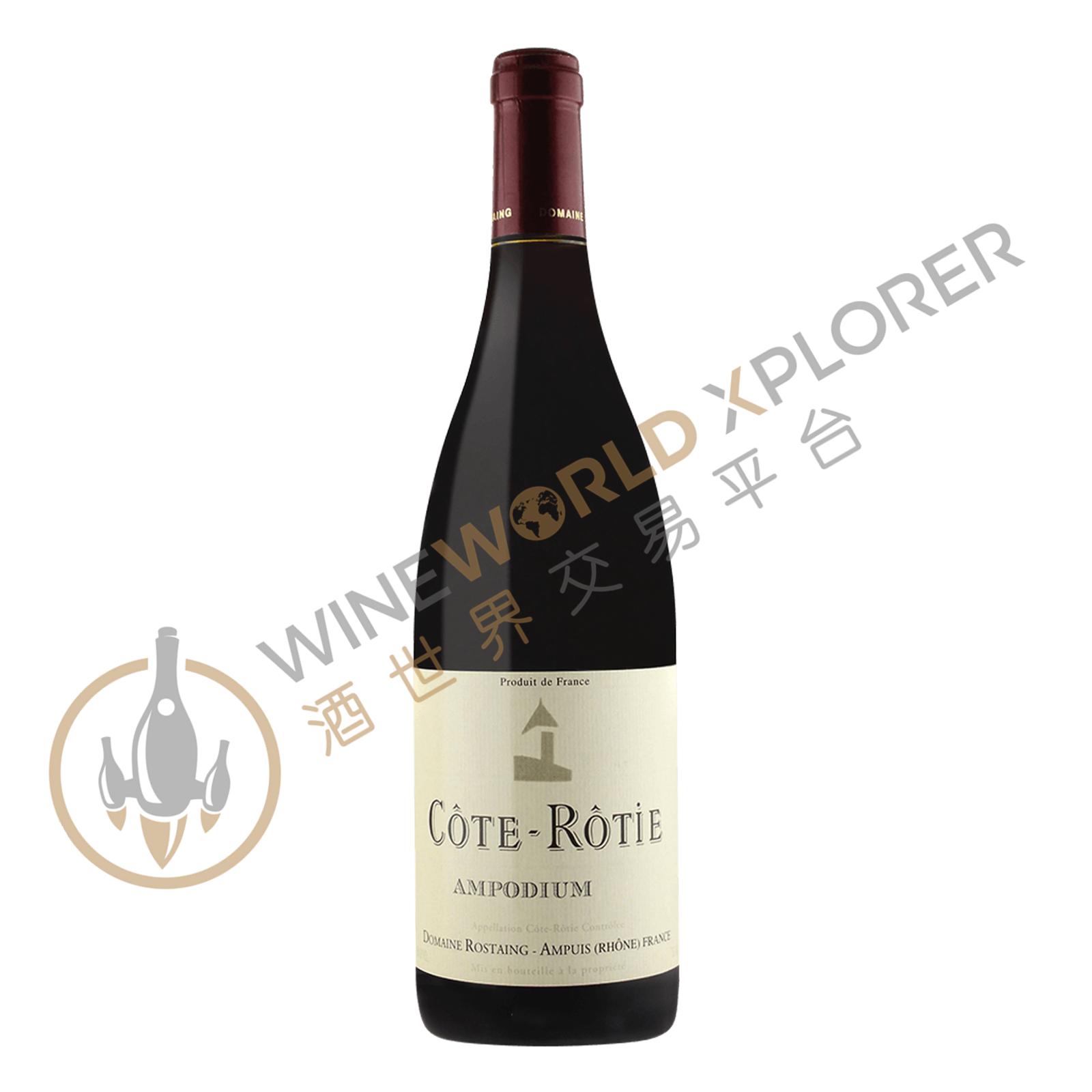
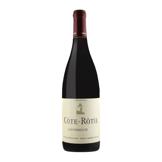
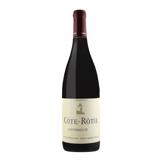
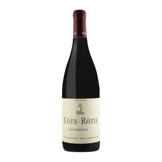
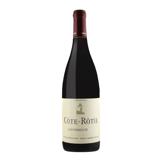
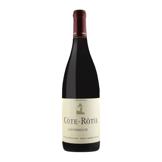
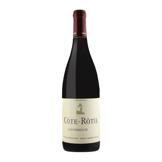
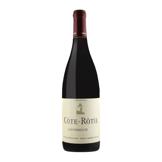
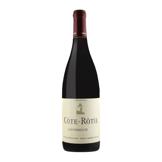
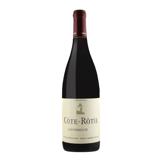
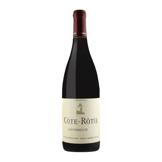
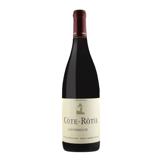
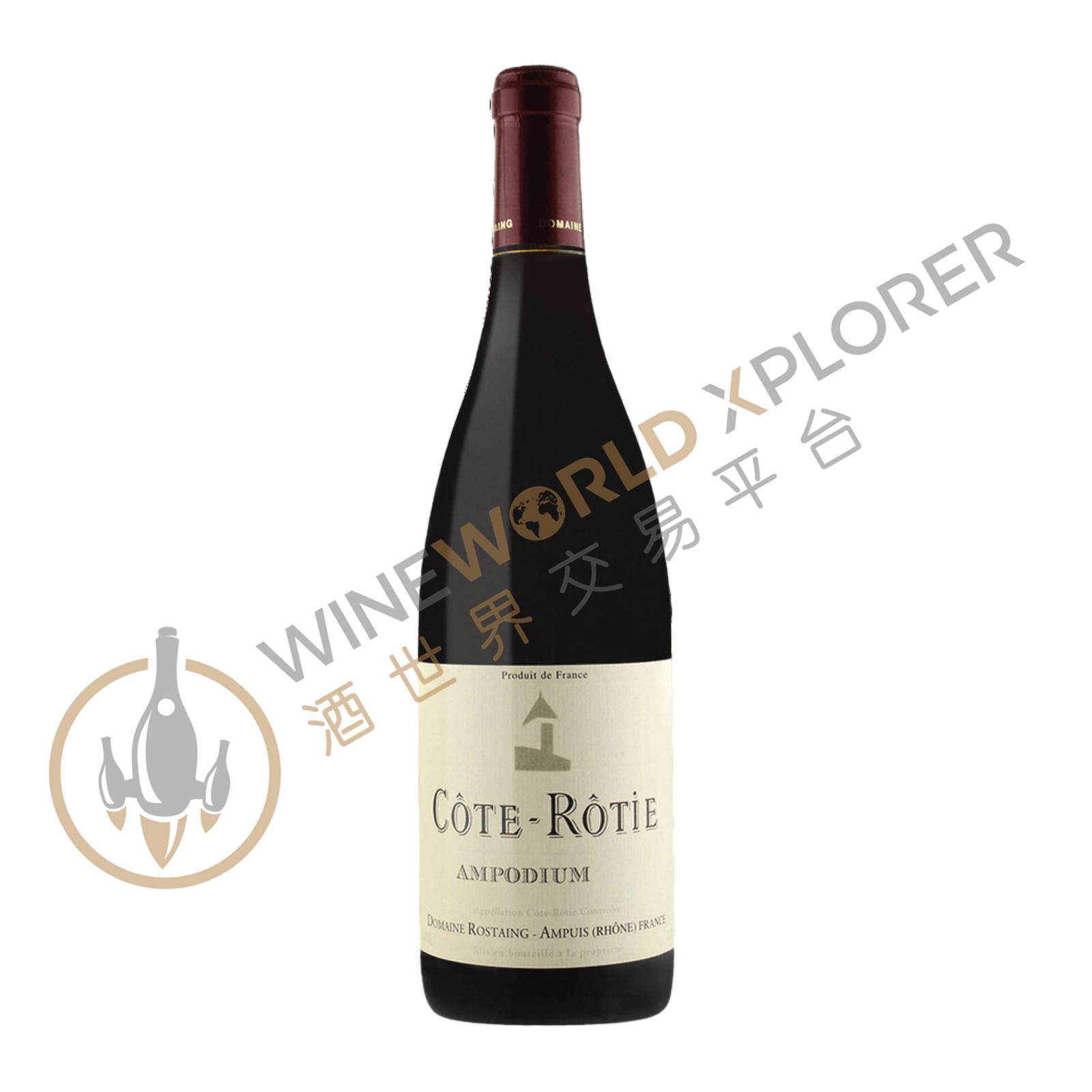
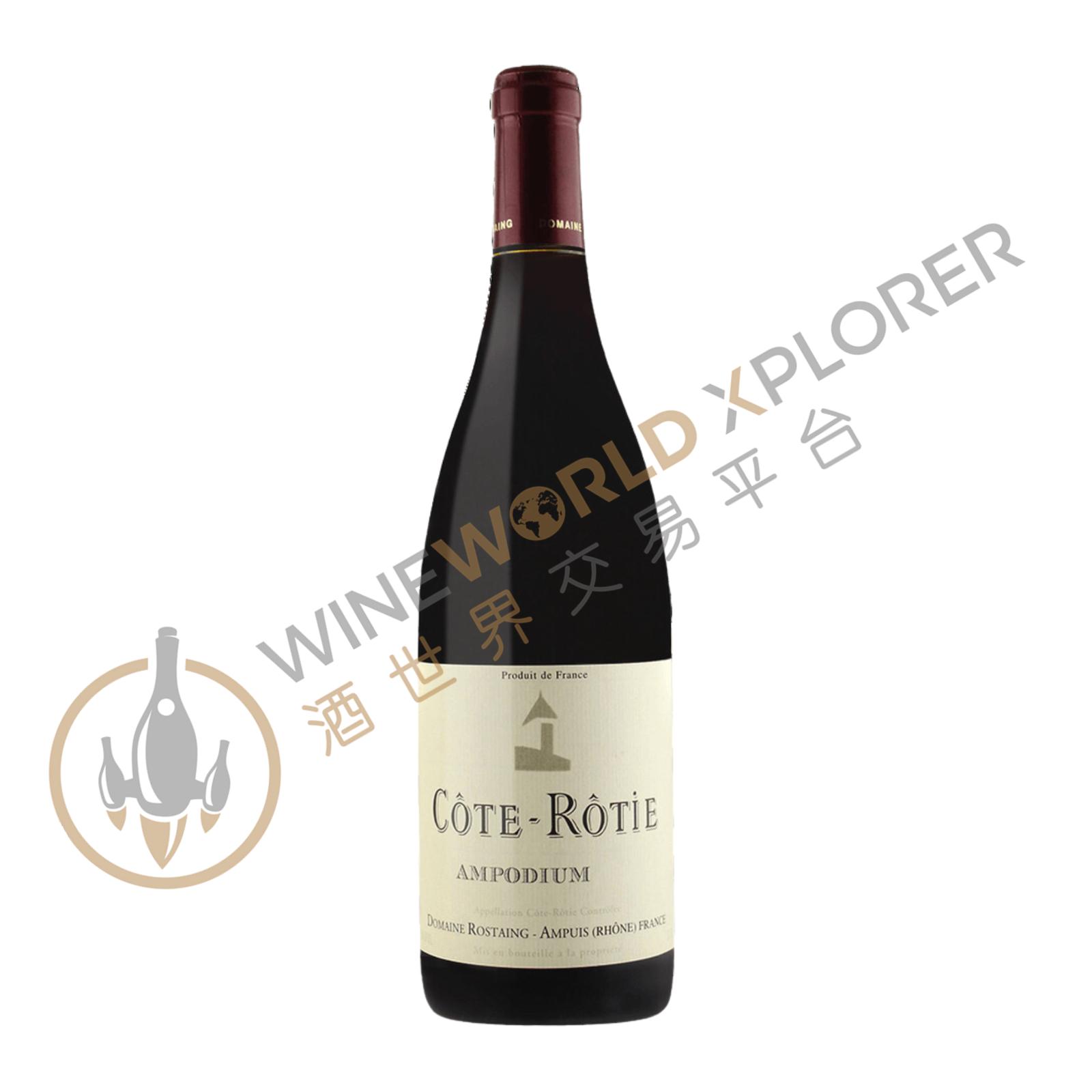
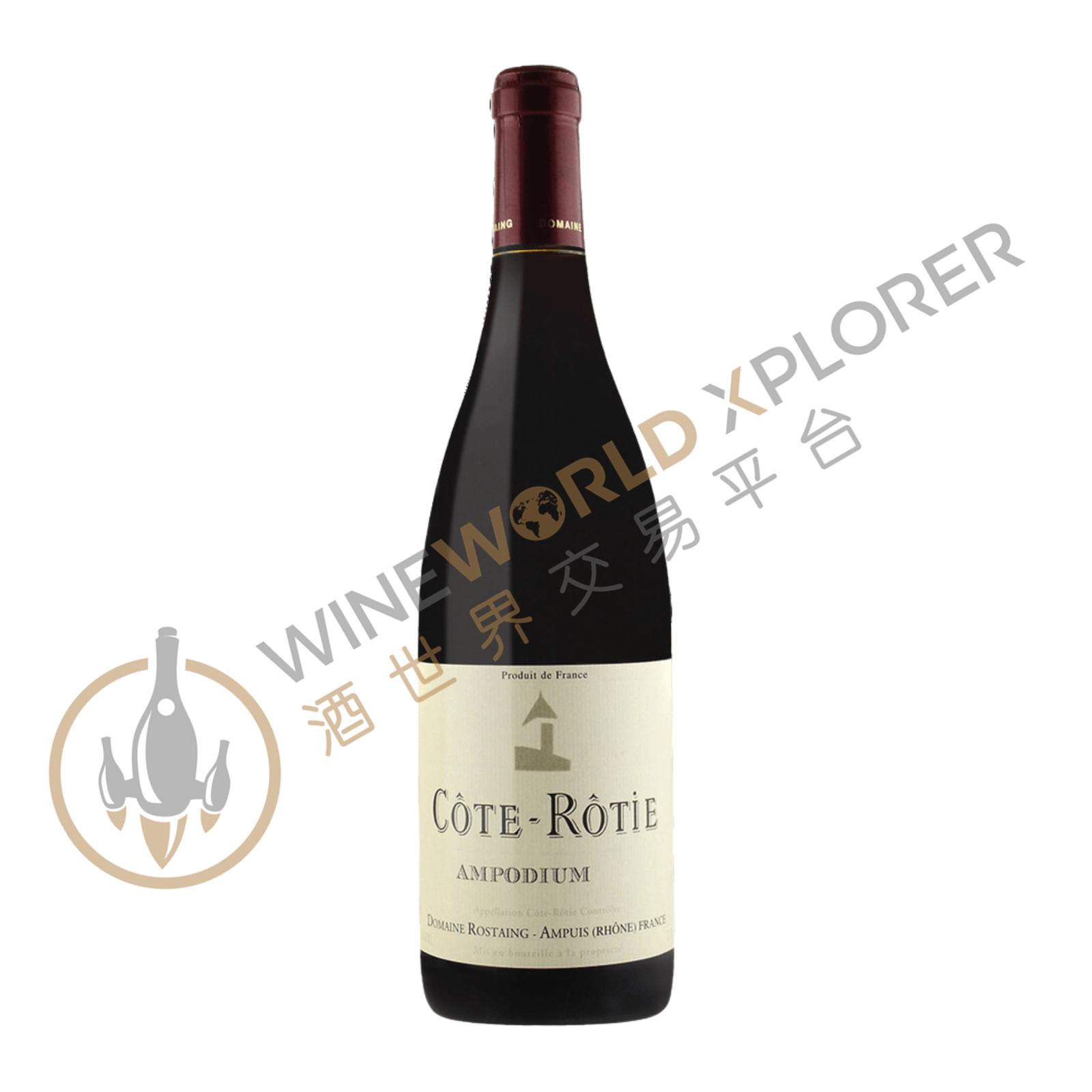
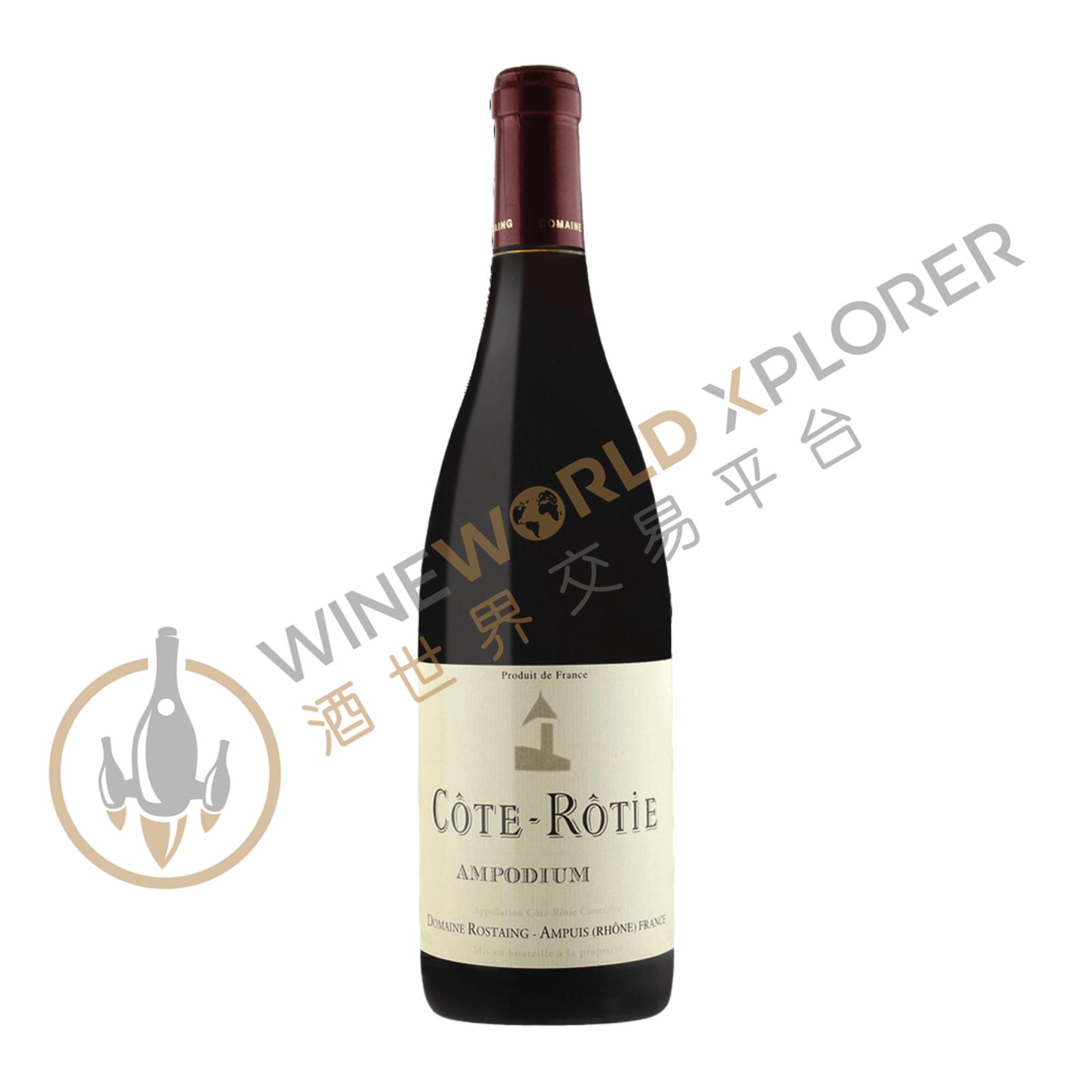
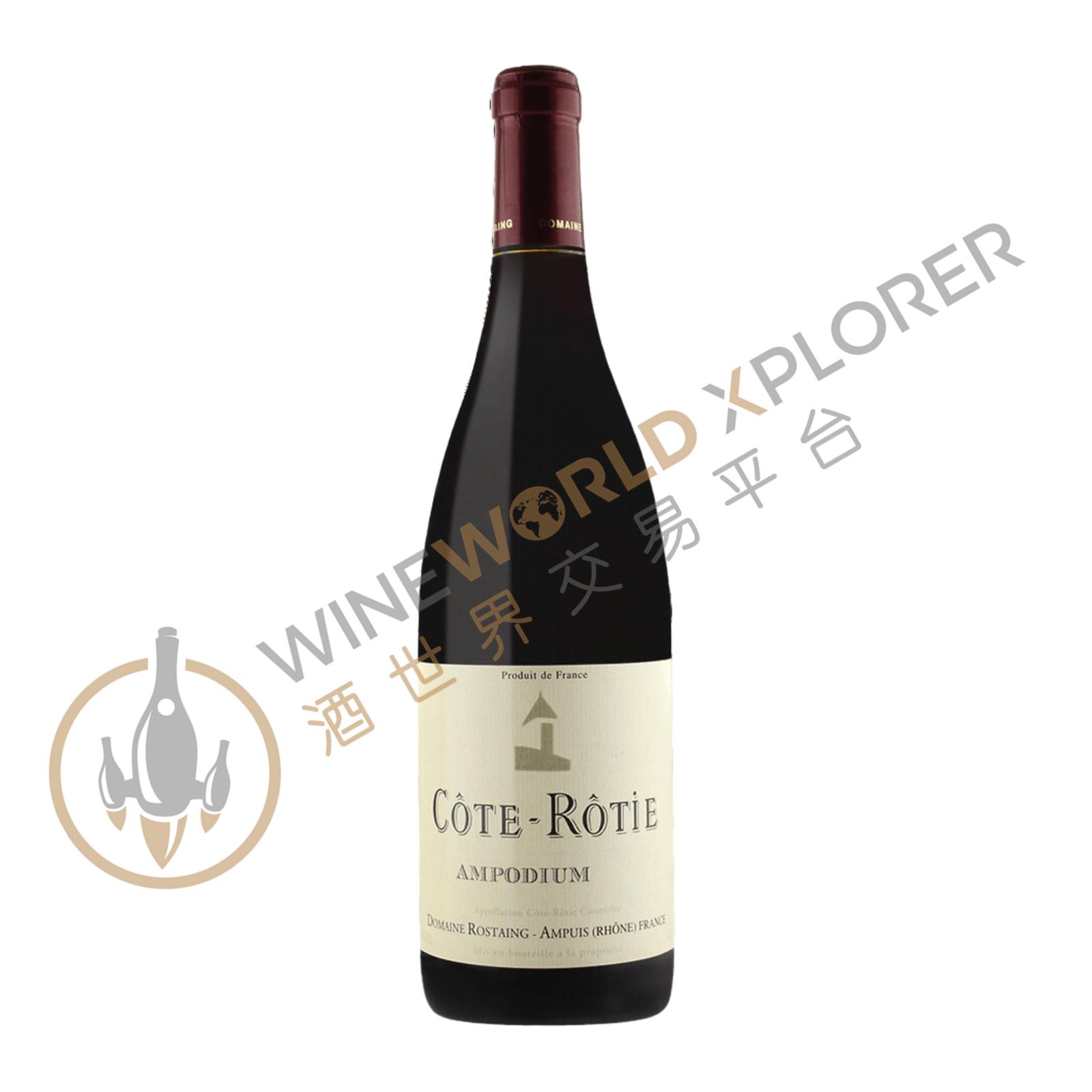
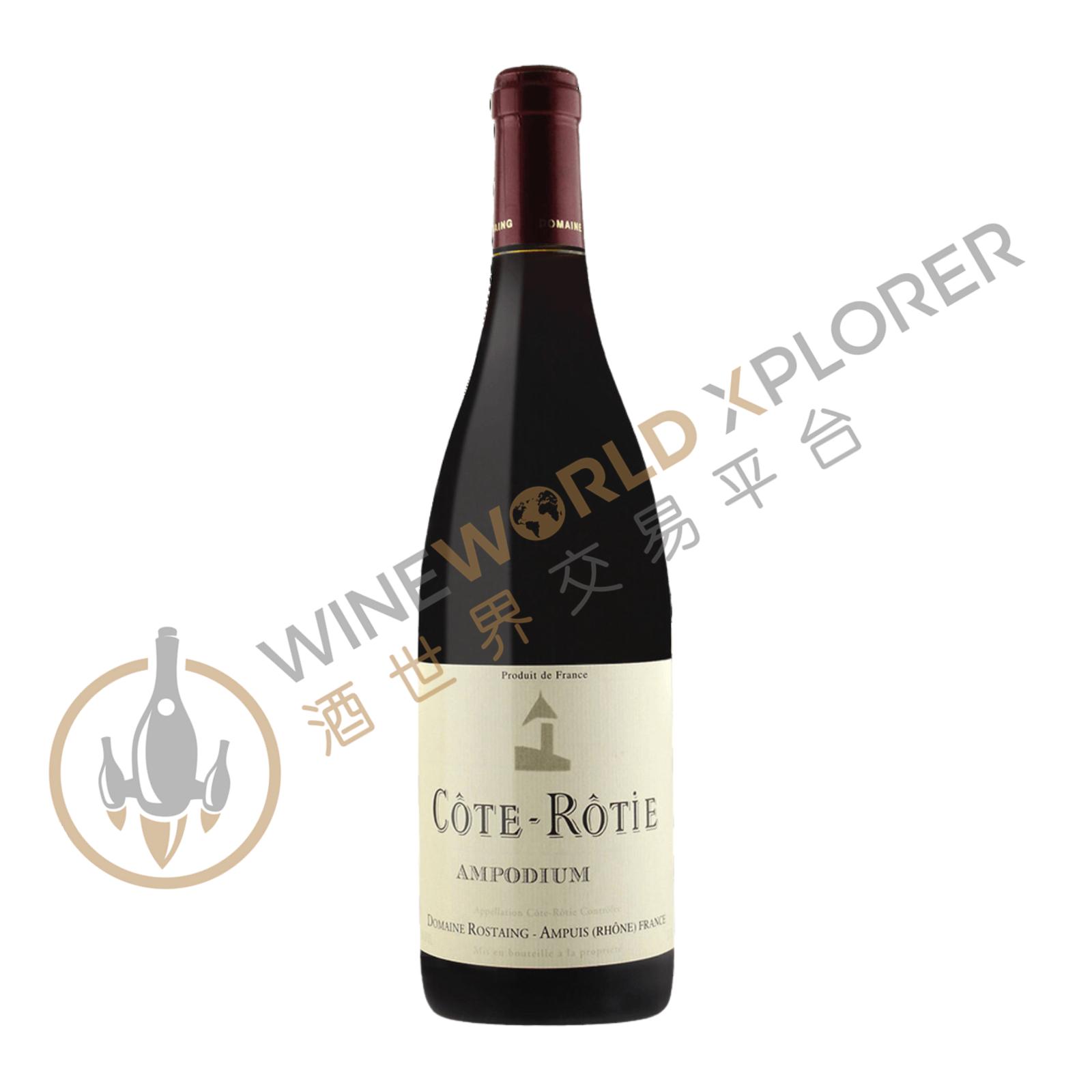
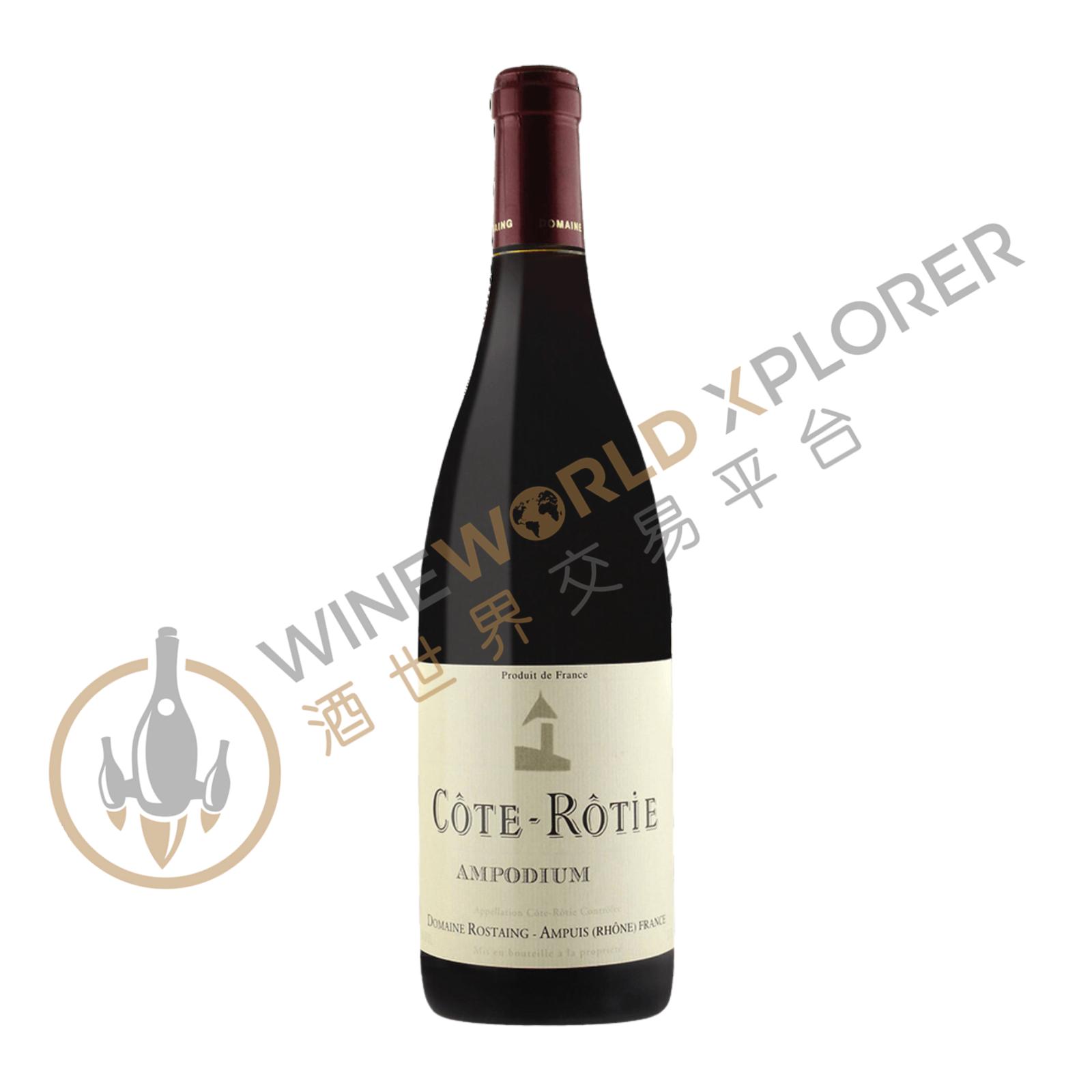
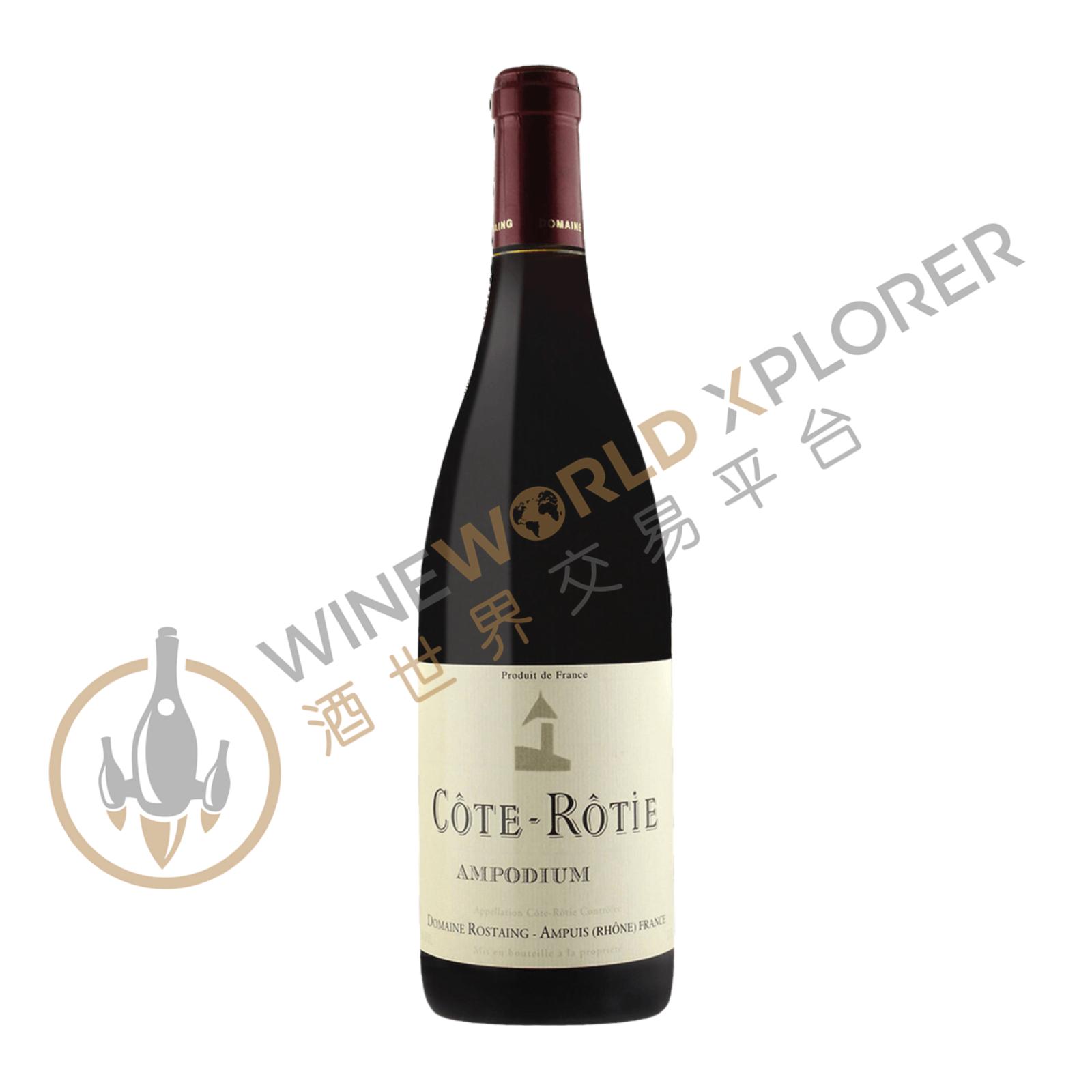
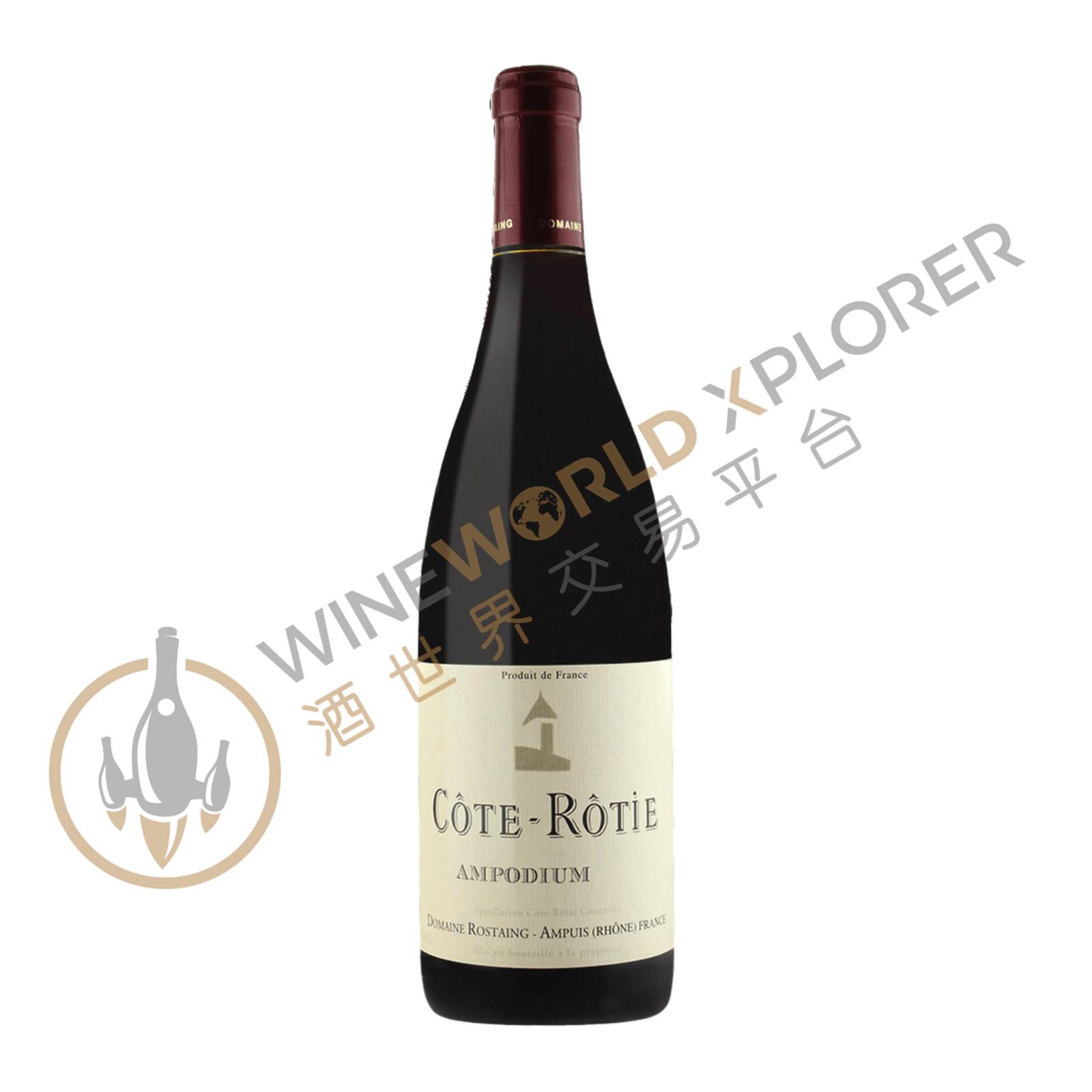
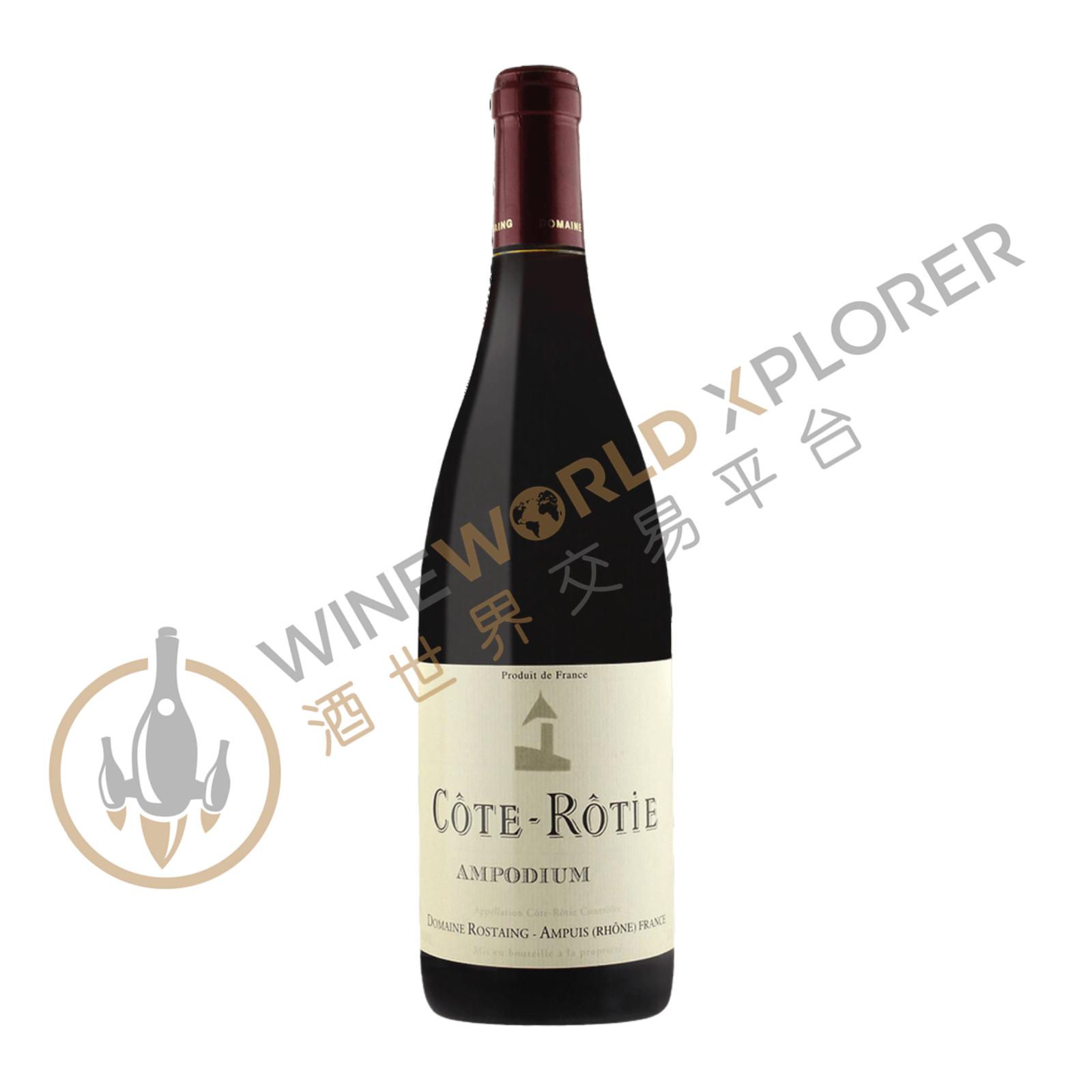
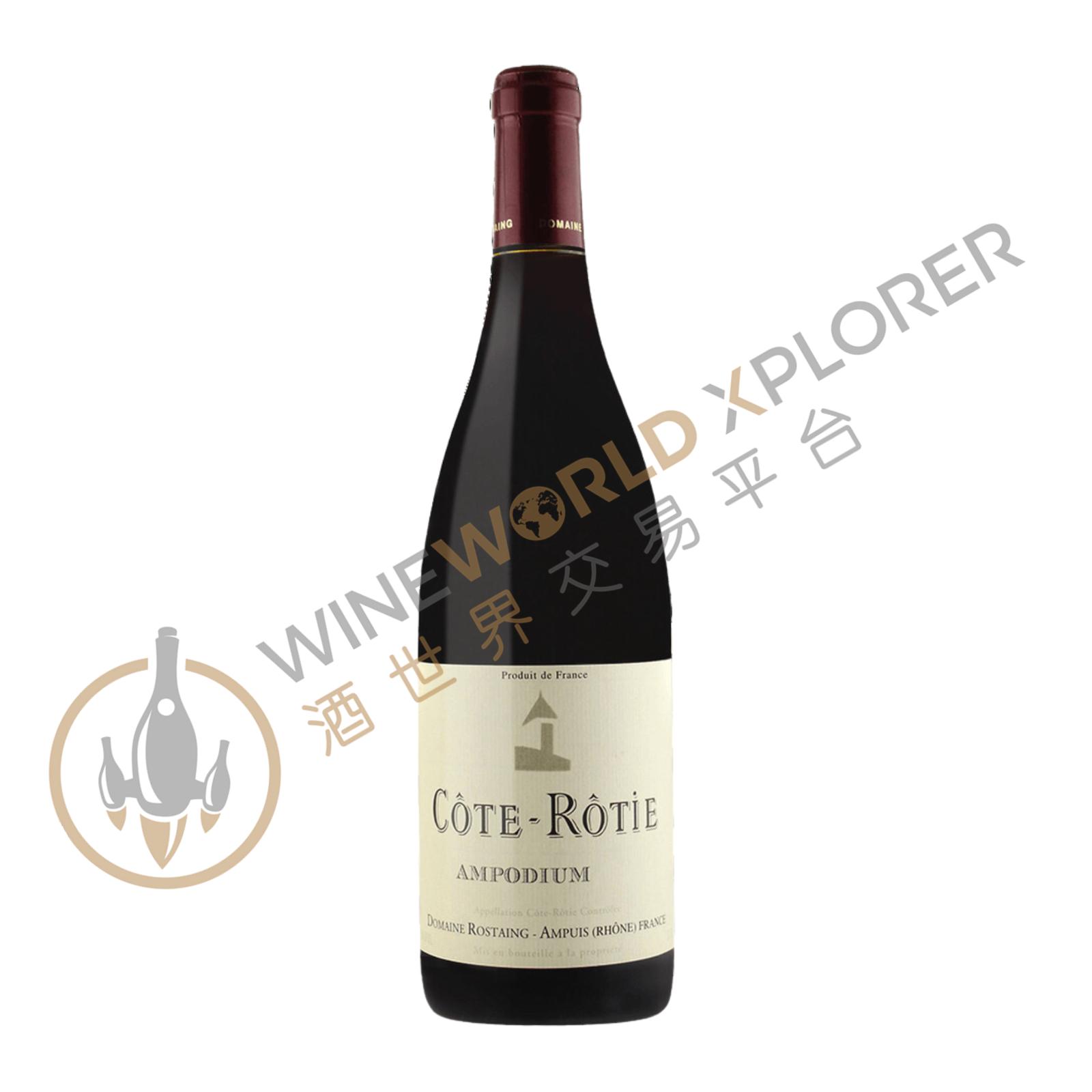
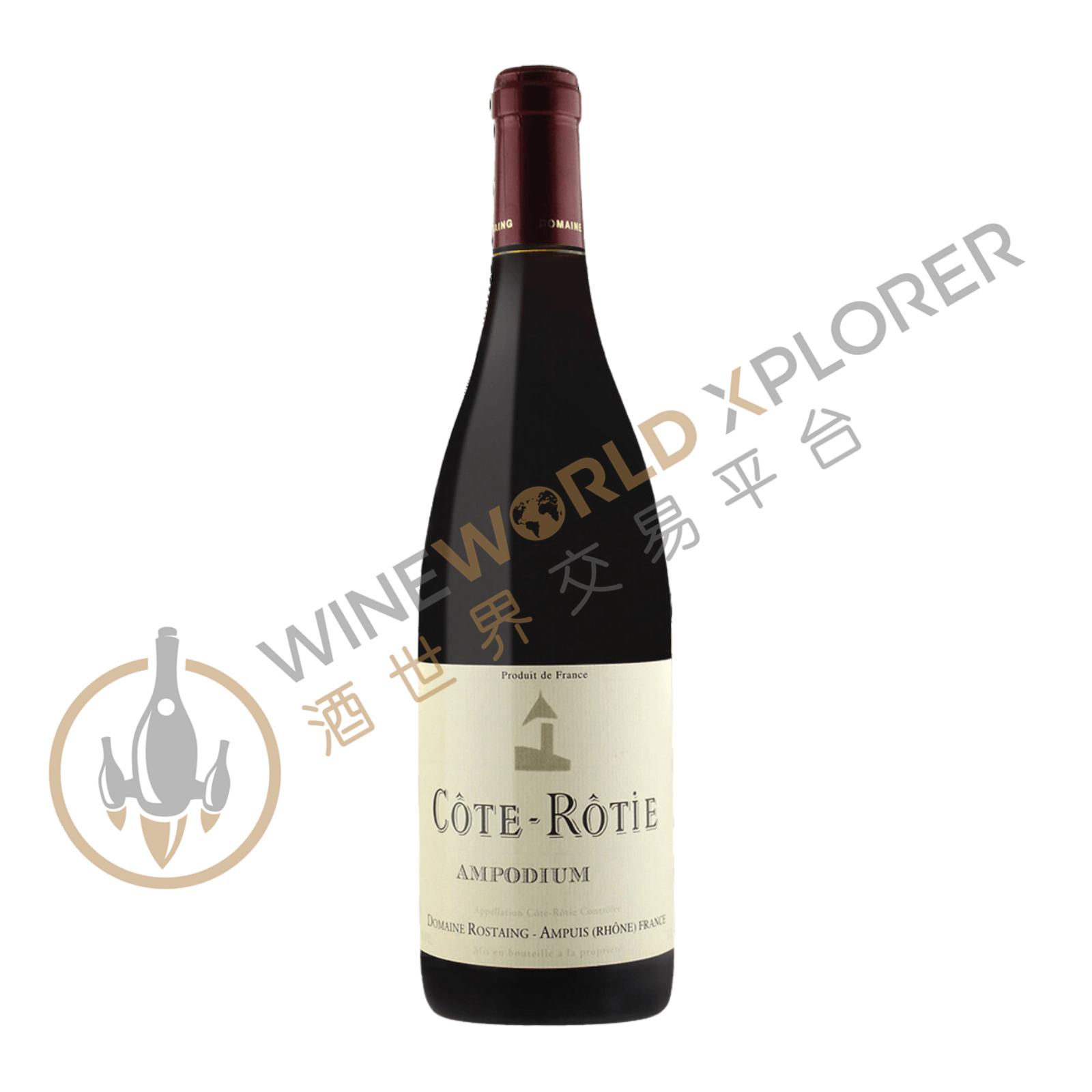
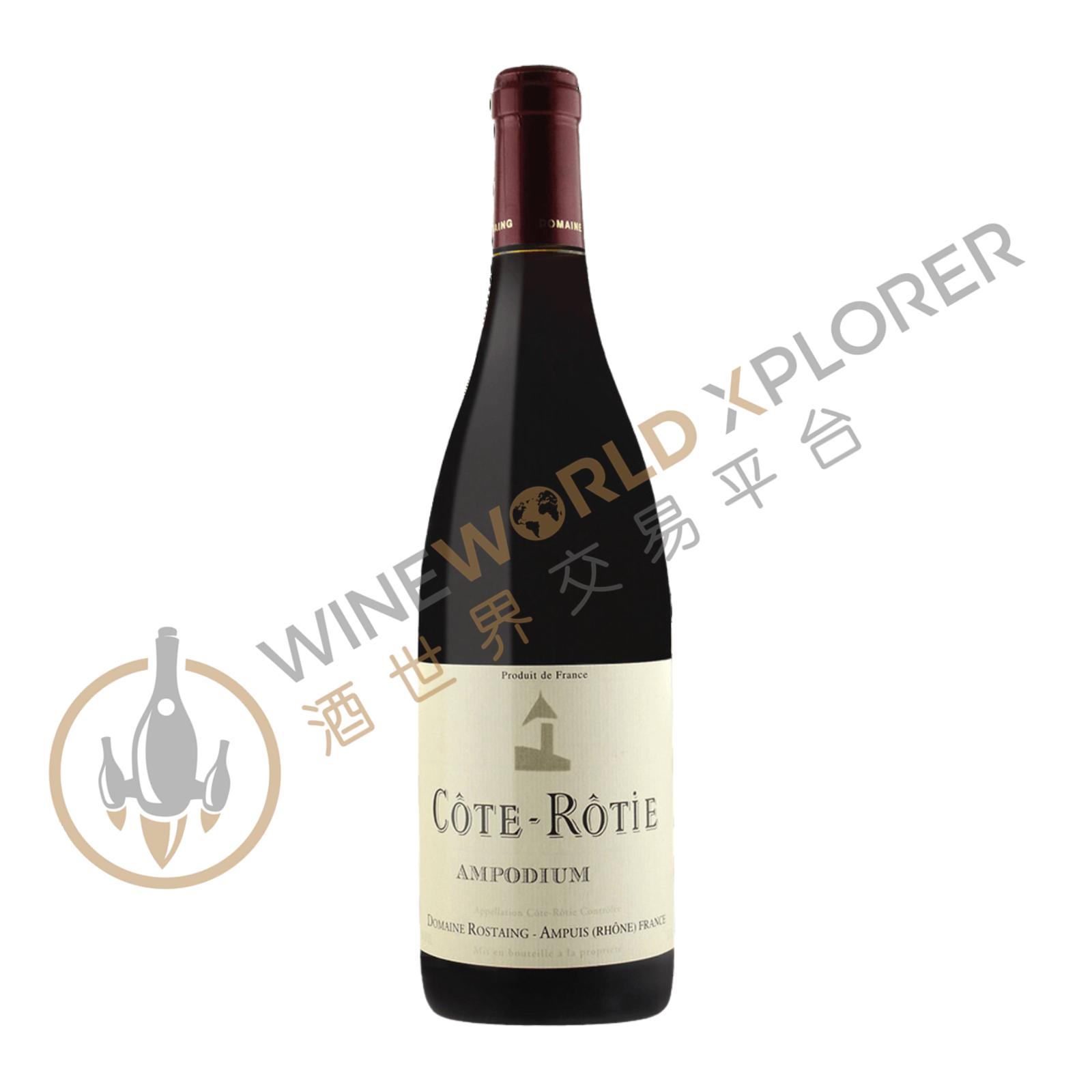
Rene Rostaing, Cote Rotie Ampodium 2012
 View analysis


Description
Tasting notes

Reviewed by: Jeb Dunnuck
Starting with the 2012s, the 2012 Cote Rotie Ampodium, which is named after the Romain name for Ampuis, sees the most destemming (somewhere around 75% destemmed), comes from 13 different terroirs, and is aged in both demi-muid and older barrels (Rene only uses roughly 5% new oak for all his cuvees). It offers a pure, classical and yet supple profile, with beautiful, peppery and spice-driven aromas, as well as a core of vibrant berry fruit. It should be approachable on release, yet evolve gracefully for 10-15 years. (Not yet released) A bastion of traditional wine making, Rene Rostaing (who previously worked in real-estate) has been working the vineyards of Cote Rotie for the past 40 years, yet didn’t really switch to wine full time until the 1990s. He now owns roughly 20 acres of prime terroir, spread across 14 lieux-dits and 20 separate plots (there can be multiple plots within a lieu-dit). Since 1996, he has produced three separate Cote Roties; the Classique (which is now label Ampodium), the La Landonne, and his personal favorite, the Cote Blonde. He has excelled in both 2011 and 2012. In addition to his superb Northern Rhones, Rene also releases a knockout, Syrah-dominated bottling from the Pic Saint-Loup region in the Languedoc. I’ll review those efforts in the upcoming Languedoc issue. Importer: Manny Berk, The Rare Wine Co., Sonoma, CA; tel. (707) 996-4484
Reviewed by: Jeb Dunnuck
Starting with Rene's classic Cote Rotie, the 2012 Cote Rotie Ampodium is a mostly destemmed blend from Rene's 13 different terroirs. It's aged in a combination of demi-muid and older barrels, with just 5% being new. It's smoking base cuvee that does everything right, offering up tons of sweet blackberry, wild herbs, pepper, spice and olive aromas and flavors. Full-bodied, beautifully textured and with impressive concentration, all while stay classic and elegant, it's a no-brainer purchase and will have 15-20 years of longevity.
About the Producer
Rene Rostaing is quite famous in the Cote-Rotie area of the North Rhone. In 1971, there were only 0.47 hectares of vineyards, distributed in Cote Blonde and La Landonne. After inheritance and harvesting in recent years, the winery's vineyards have reached 6 hectares, and he also has 0.2 hectares of vineyards in Condrieu. The winery has introduced high-tech equipment in recent years, which can automatically stir and mix the grapes and grape skins. The soaking time can be as long as three weeks, which is longer than the average winery time, and the temperature is automatically raised to about 37 degrees, allowing the grape juice to absorb For more grape color and tannin, filtering before bottling depends on the quality of the wine of the year. If the winery believes that the safety is sufficient, the filtering action will not be carried out. Rostaing's general-grade Cote-Rotie and Cote Blonde are completely de-stemmed, while La Landonne is 50% de-stemmed. In theory, the wine is stronger and more resistant to aging and has more tannins. This winery produces five wines, basically Cuvee La Landonne is the best product of the winery, containing three vineyards, using 100% Syrah; next is the Cuvee Cote Blonde, containing two vineyards, which contains The 75-year-old vine is mainly made of Syrah, with a small proportion of Viognier added; in 1990, the owner inherited 3.5 hectares of vineyards from his father-in-law Albert Dervieux-Thaize, and later the wine was La Viailliere; The winery's general-grade wine, Cuvee Classique, is a blend of grapes from the three Cuvee plots above, mainly La Viaillere. The wine label only shows Cotie-Rotie without the Cuvee name, and uses 100% Syrah; in addition, in the Condrieu area, it is Liquor with the name of La Bonette, brewed by Viognier, with an annual output of about 160 cases, is not easy to find in Taiwan. The winery has two other VdP wines: Les Lezardes Syrah and Les Lezardes Viognier The owner also has Domaine de Puech Chaud in the Languedoc area of southern France. It produces one red and one white. The red wine is made with 80% Syrah. I am very interested to try it out and see how to use the exquisite technique of the Beilong winery. Brutal Syrah grapes from Xunhua South France.