Wine Advisor



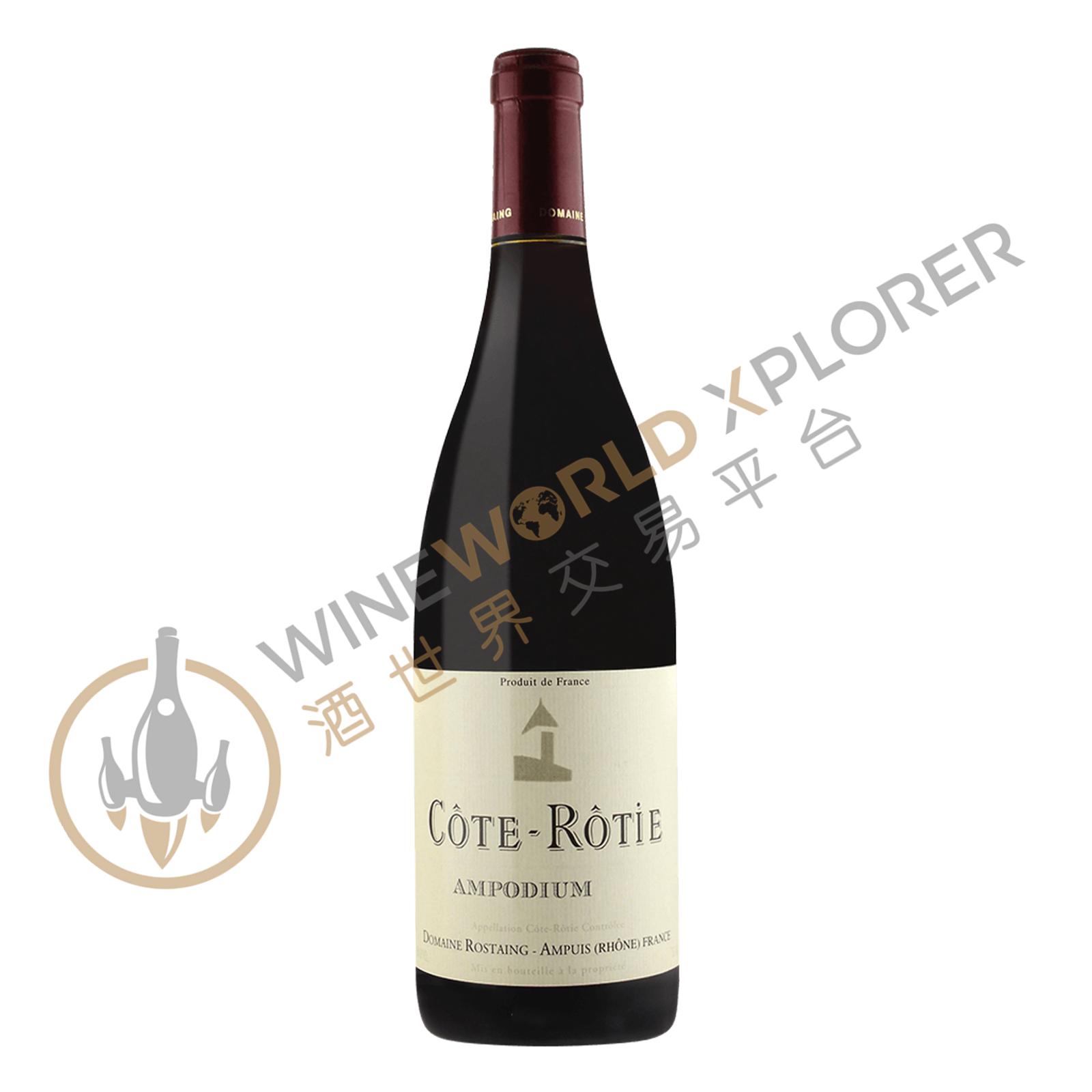
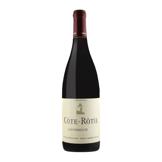
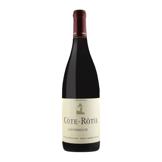
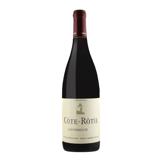
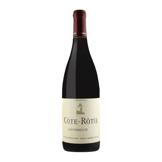
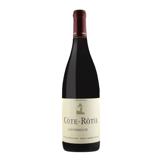
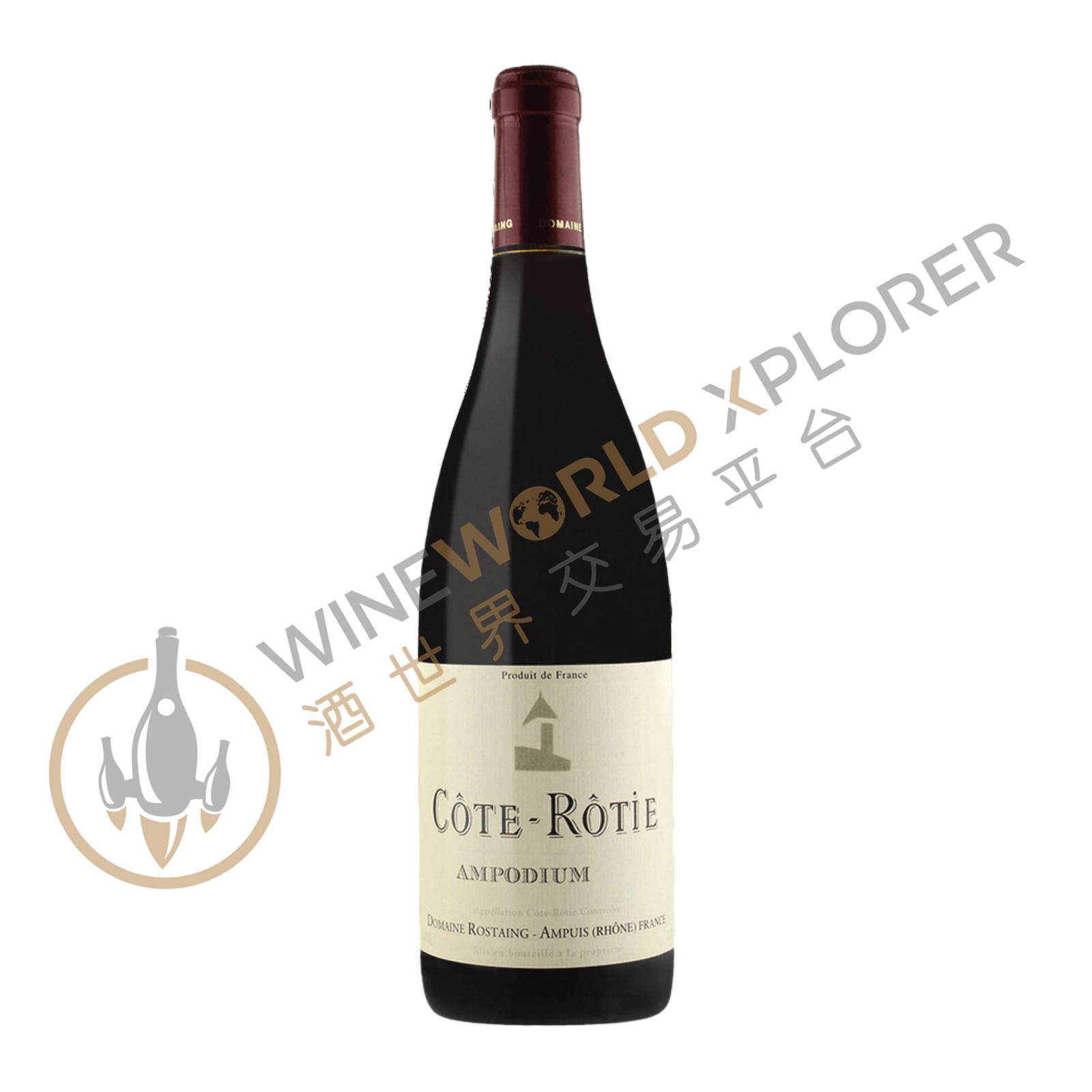
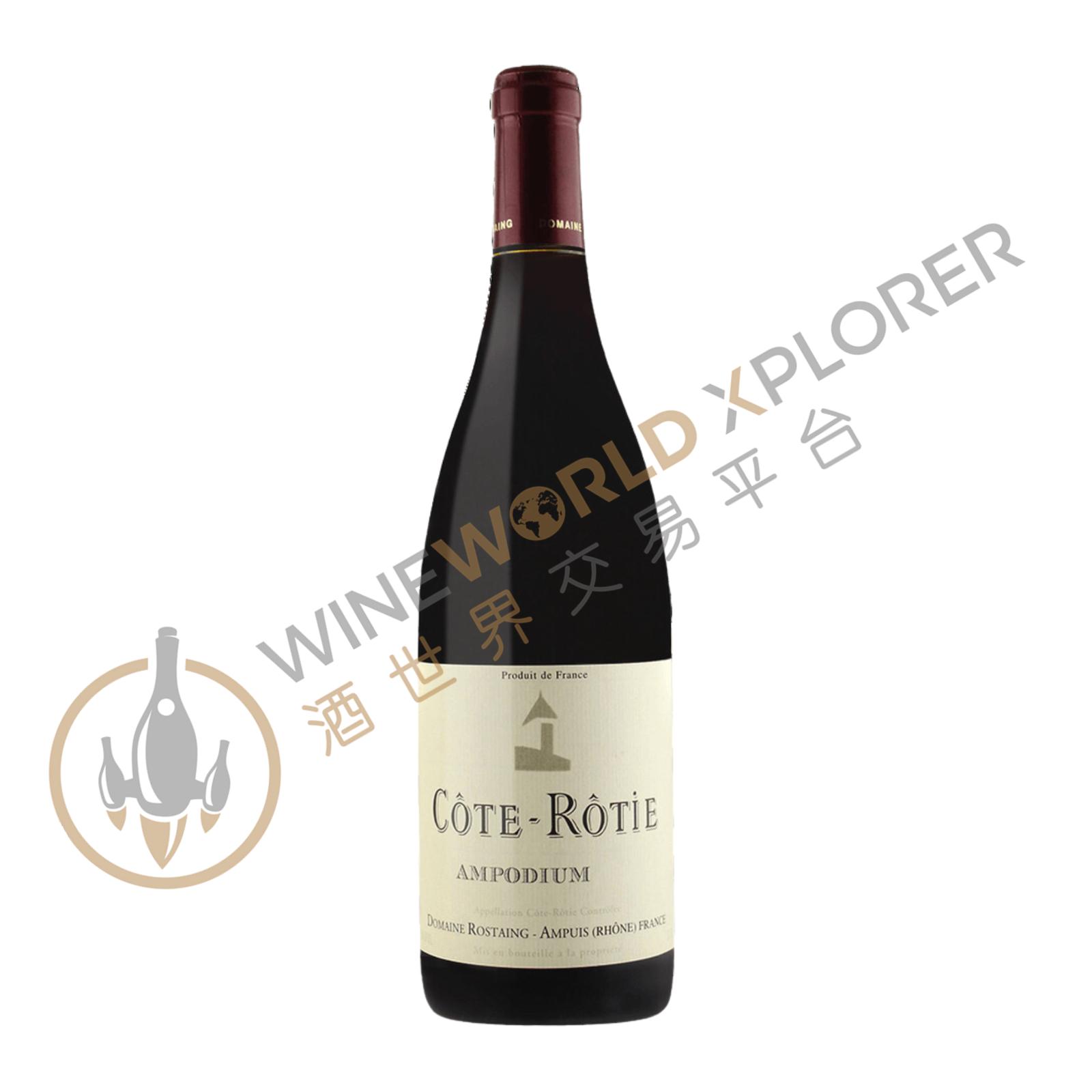
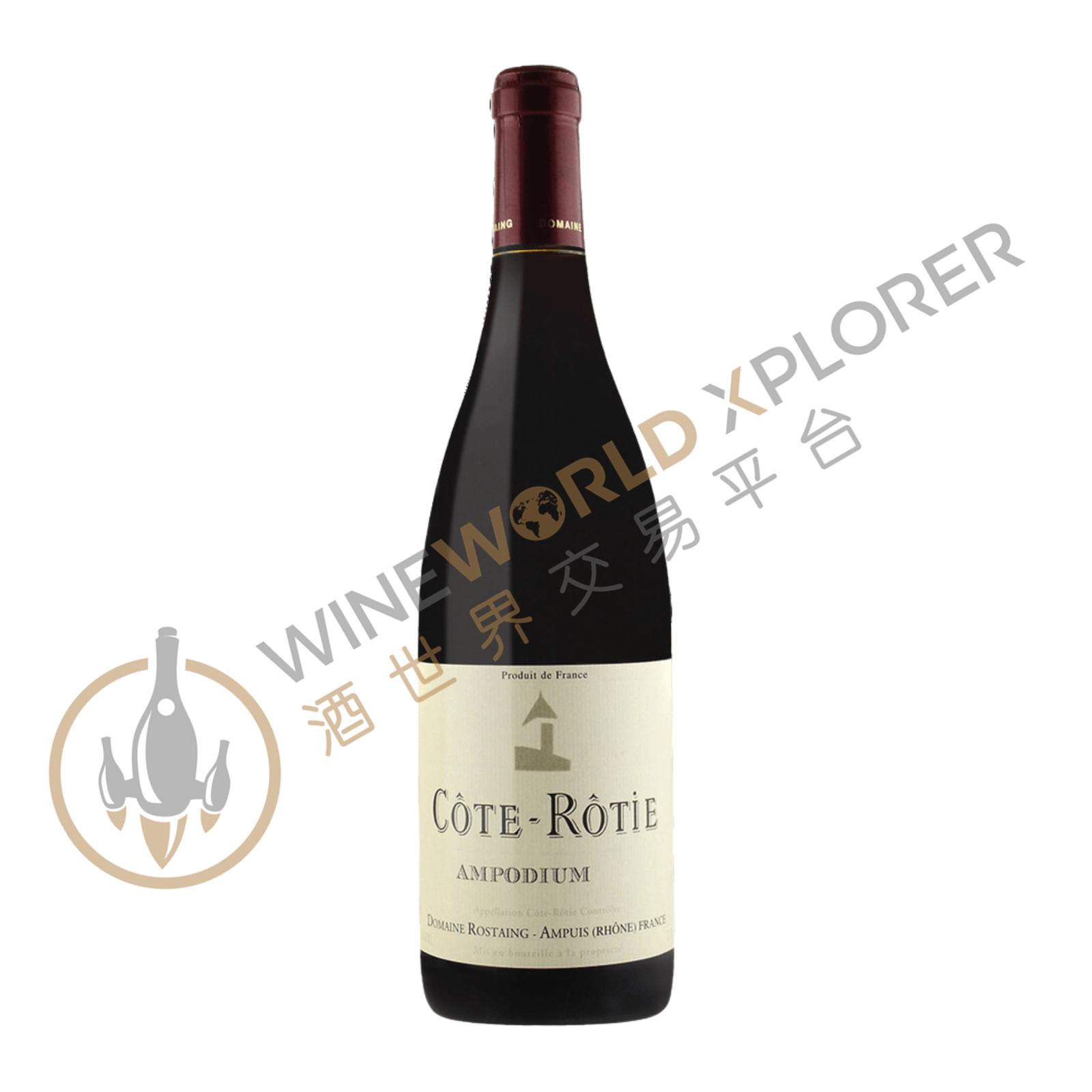
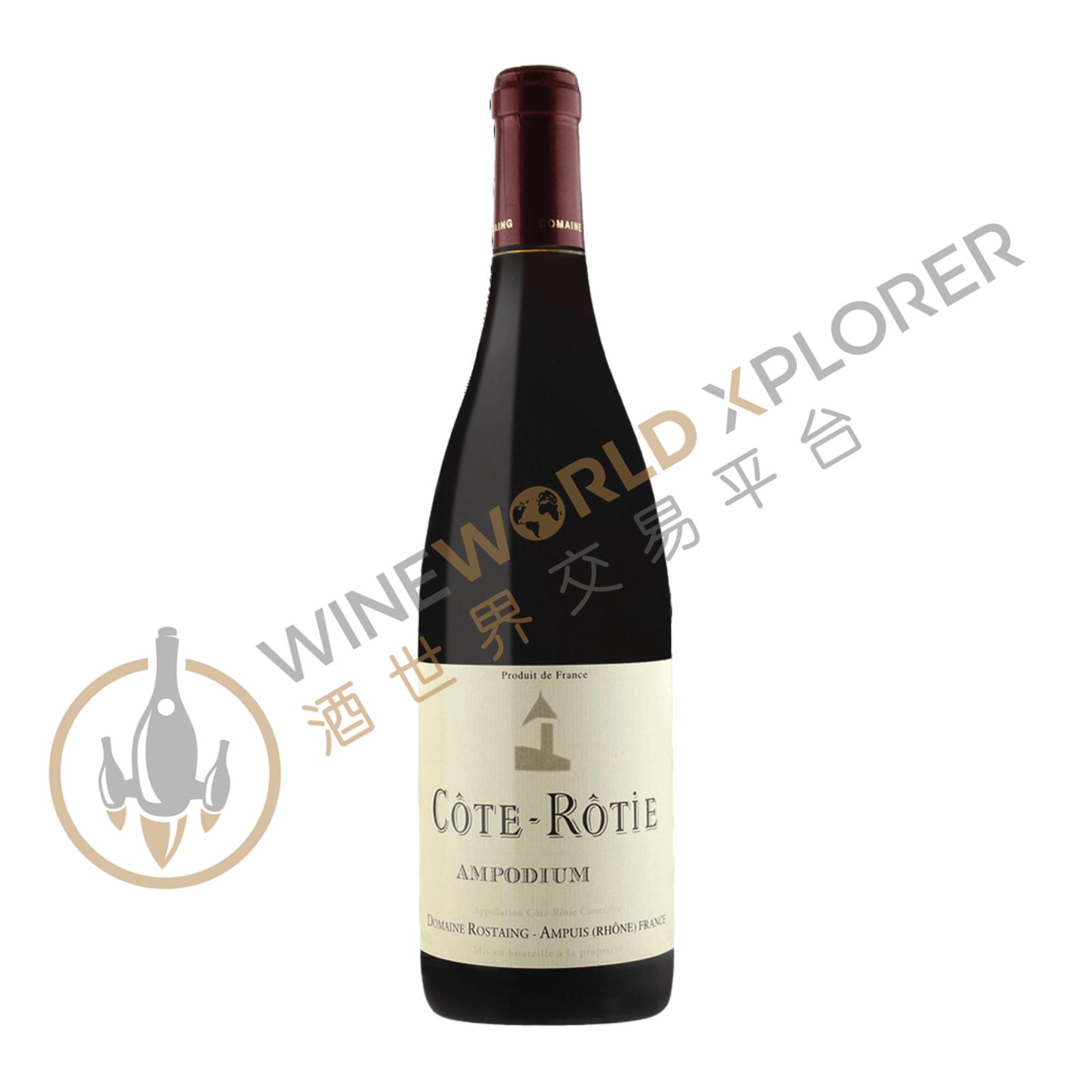
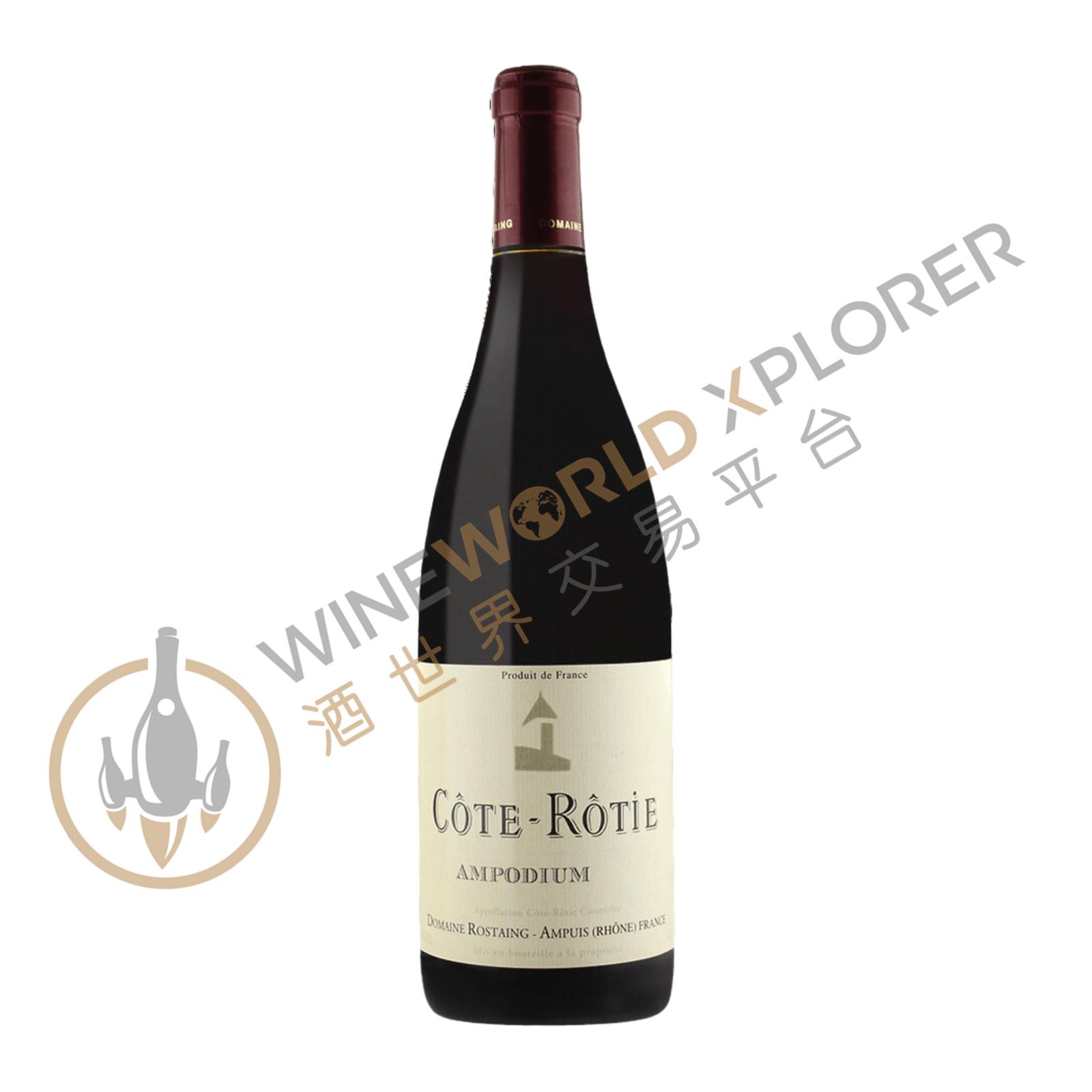
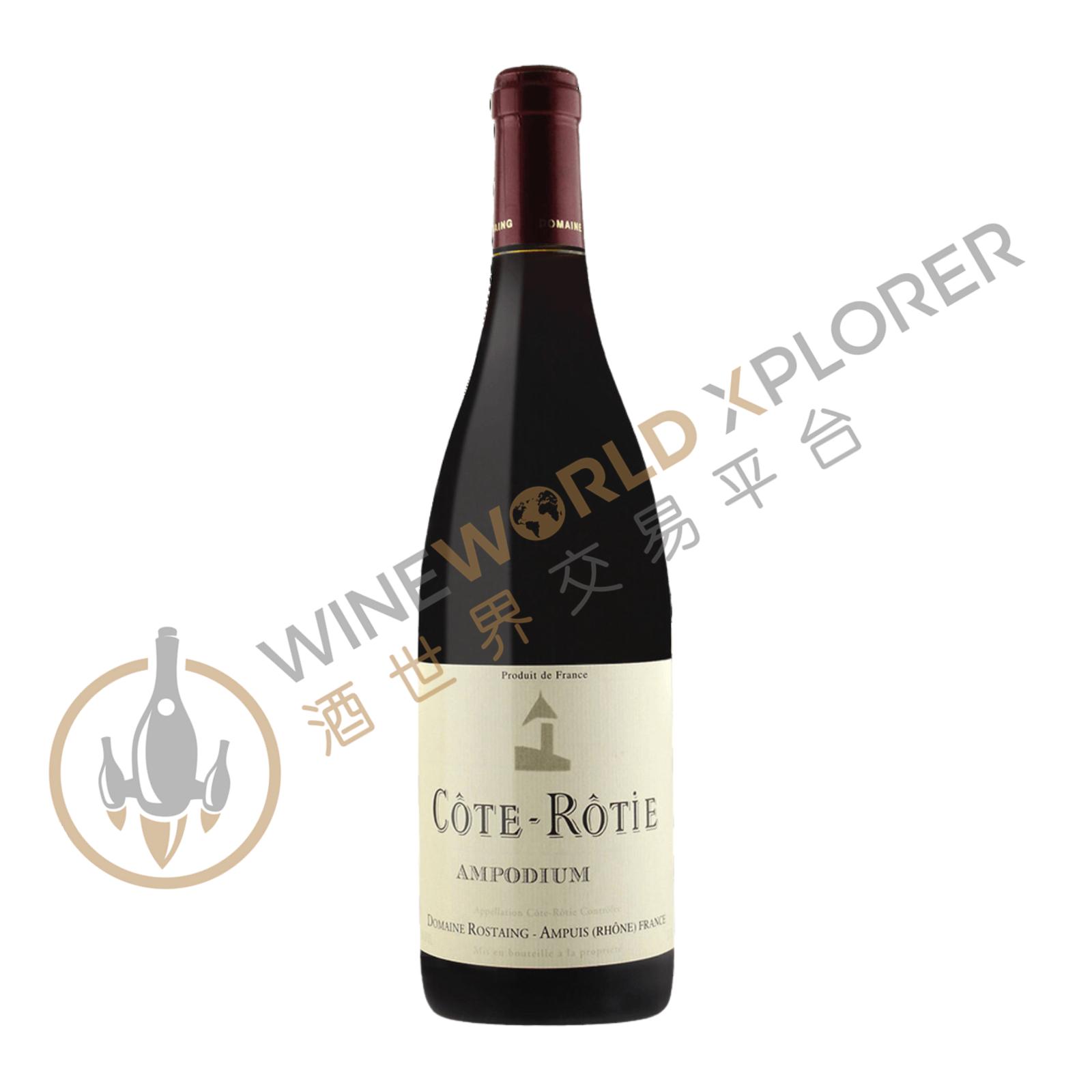
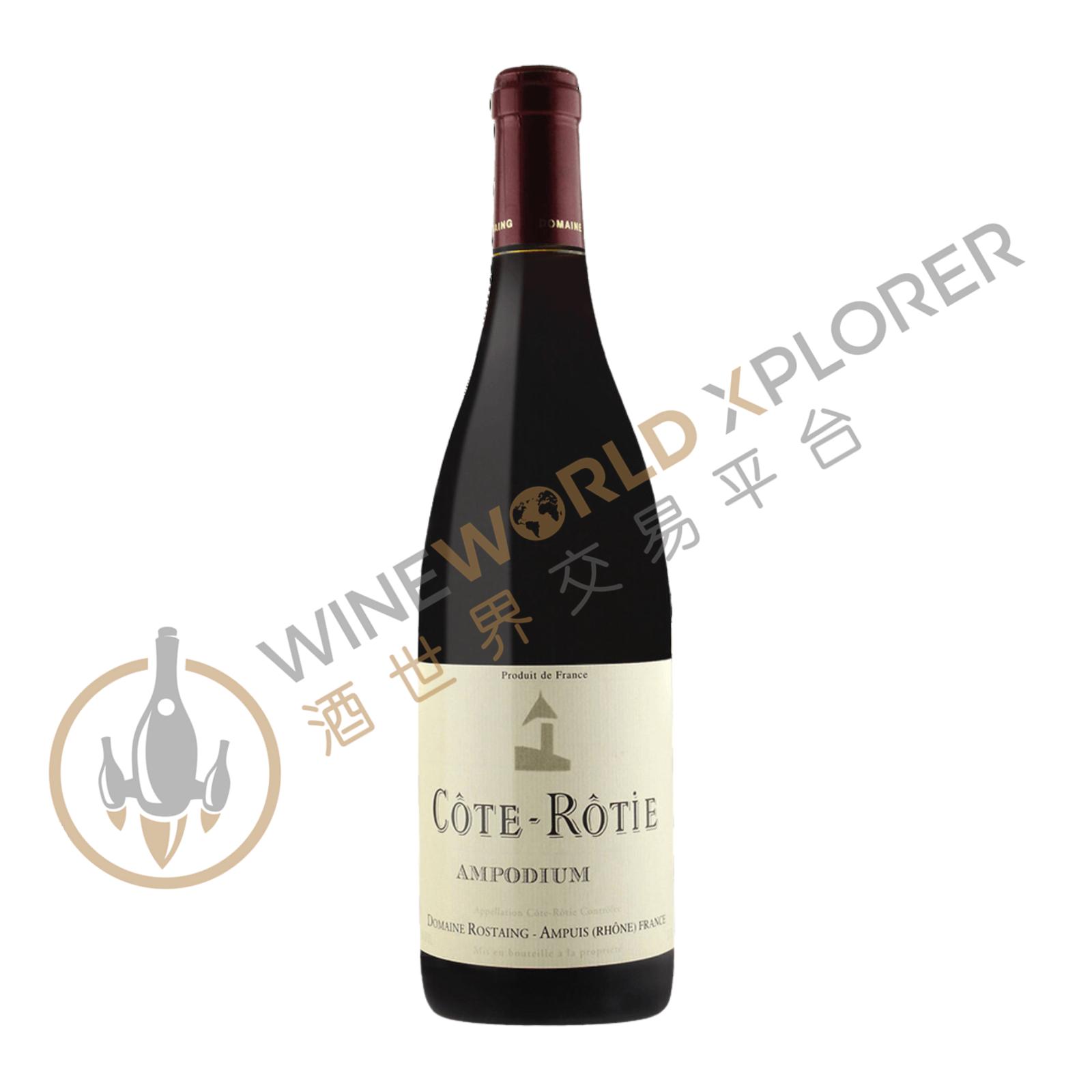
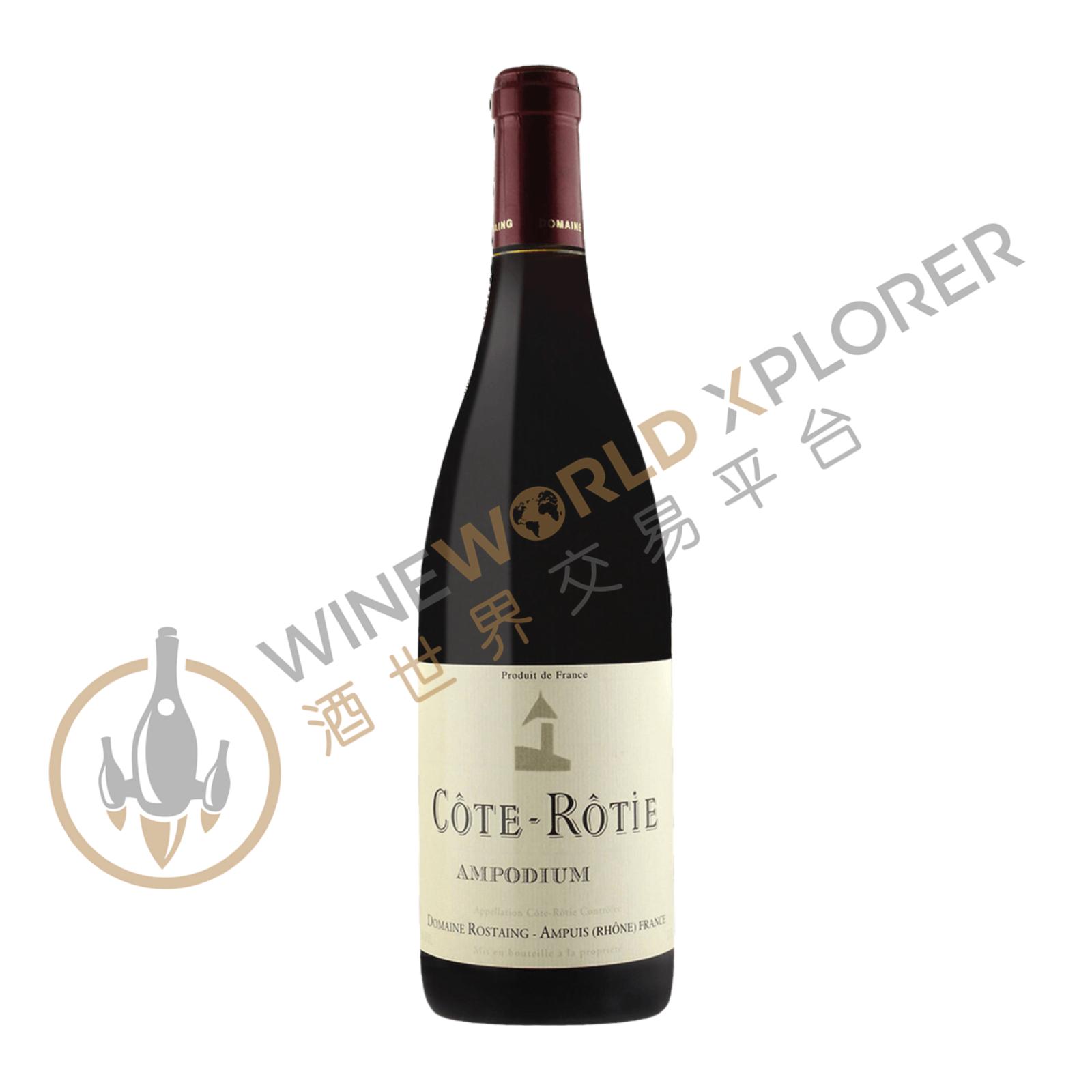
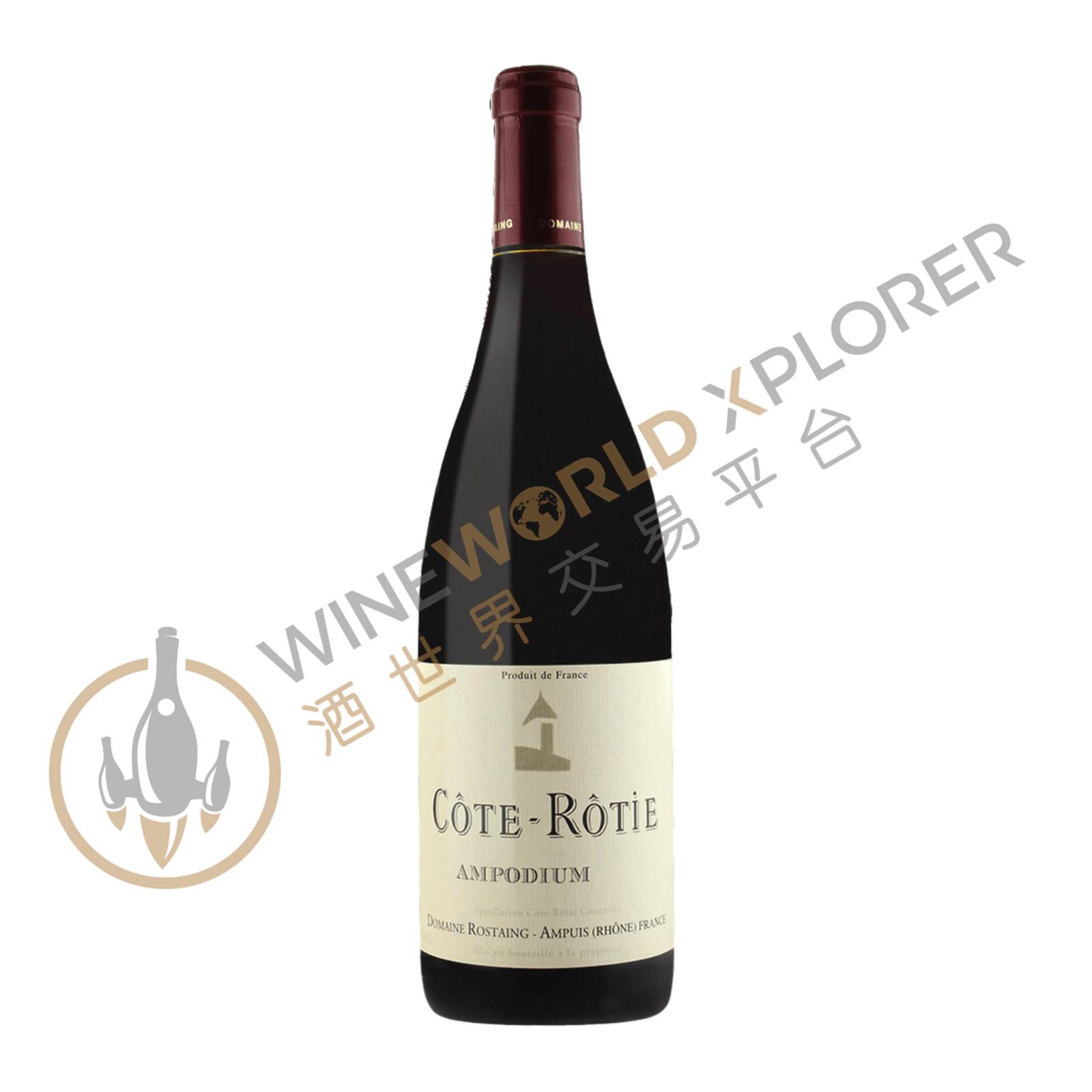
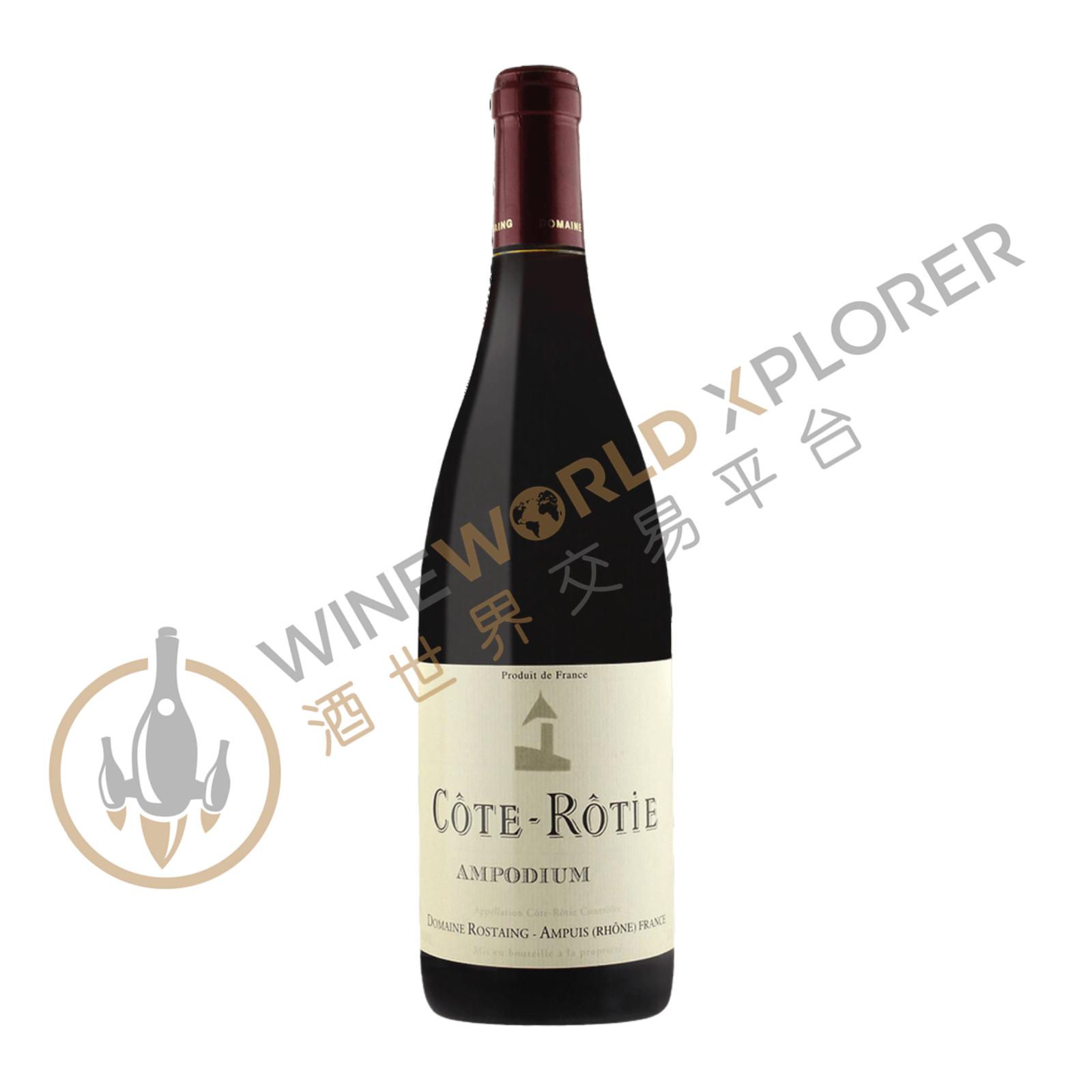
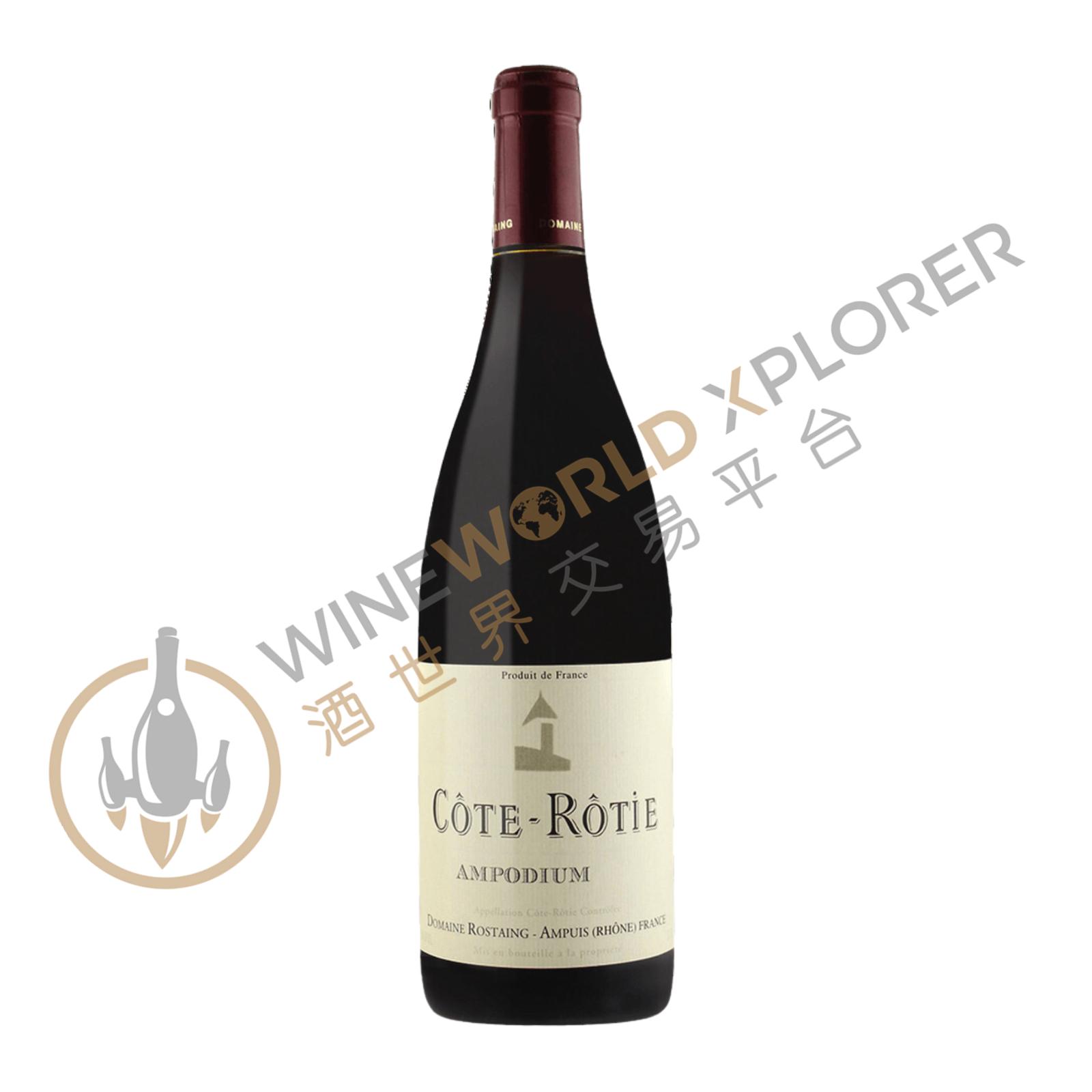
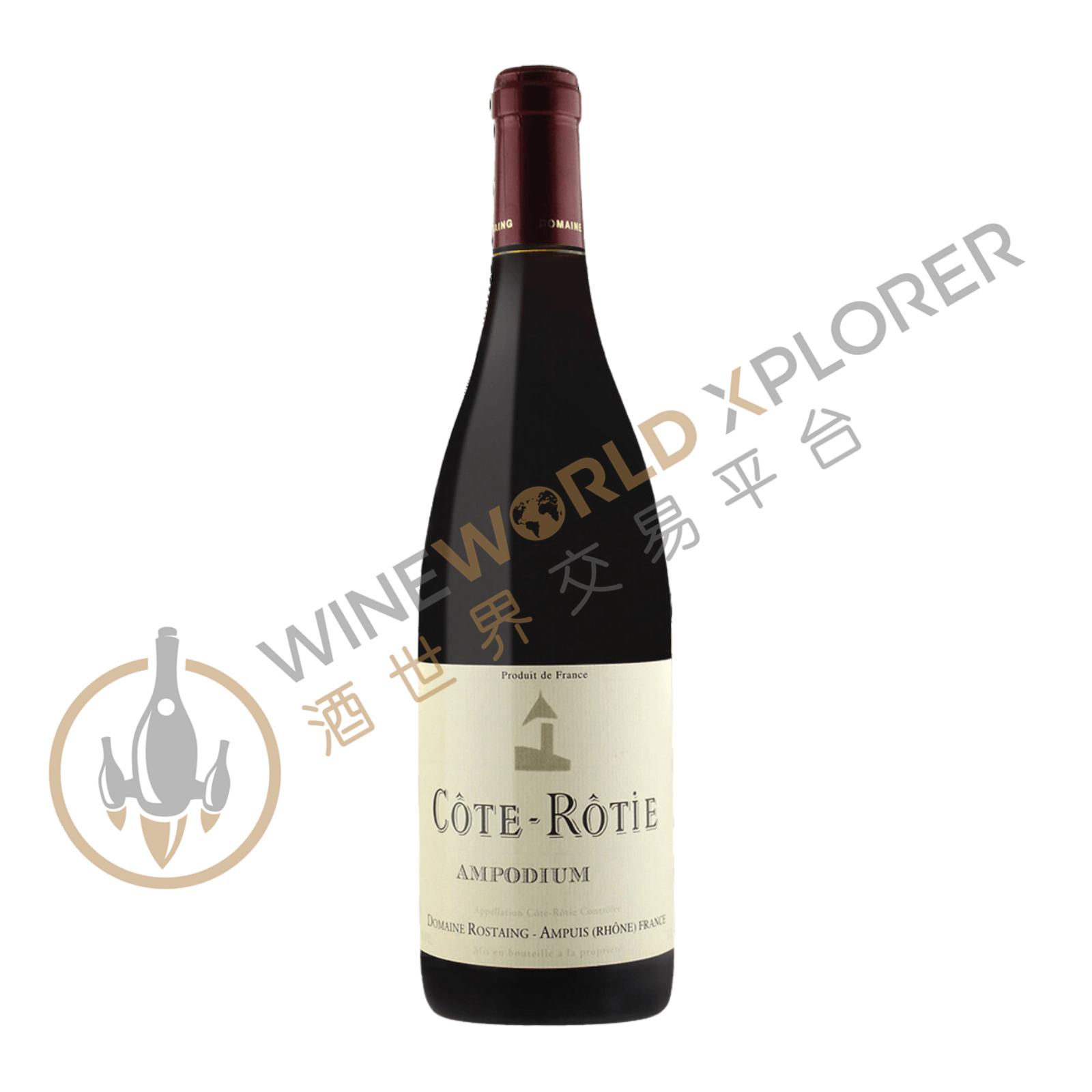
Rene Rostaing, Cote Rotie Ampodium 2010
 View analysis


Description
Tasting notes

Reviewed by: Robert M. Parker, Jr.
The 2010 Cote Rotie Ampodium is performing much better from bottle than it did last year. Fashioned from a dozen separate terroirs in Cote Rotie, it exhibits tell-tale notes of licorice, tapenade, black currants and black raspberries with a floral component in the background. Beautifully textured, medium to full-bodied, rich and opulent, this superb Cote Rotie can be drunk now or cellared for 10-15 years. P.S. Readers should not forget Rostaing’s brilliant 2009 Coteaux de Languedoc Puech Noble, which received a score of 90 last year. I retasted it this year and rated it identically. It is a sleeper selection from Rostaing, and if you can not find or afford his Cote Roties, this wine (70% Syrah and the rest equal parts Mourvedre and Grenache aged in a combination of tank and older wood) is a brilliant 30,000-bottle cuvee that represents great value. Rene Rostaing believes the finest vintages in Cote Rotie have been 1971, 1991 and 2010. I would add 2009 as Rostaing made spectacular wines in that vintage, although I understand that for his personal taste they are at the limit of extreme ripeness. A perfectionist, Rostaing has made exceptionally strong wines in both 2011 and 2010. Importer: Manny Berk, The Rare Wine Co., Sonoma, CA; tel. (707) 996-4484
Reviewed by: Robert M. Parker, Jr.
The 2010 Cote Rotie Ampodium, which comes from nearly a dozen different lieux-dits in Cote Rotie, reveals lovely raspberry and floral notes intertwined with notions of forest floor and spice. It is reminiscent of a grand cru Burgundy in its delicacy, elegance and sublime qualities. Like all of the Rostaing cuvees, it sees only 15-25% new oak, and most of the wine is aged in 600-liter demi-muids and, occasionally, smaller barrels. With more minerality, lots of fragrance, medium body, luscious fruit and sweet tannin, this is a pretty red to drink over the next decade. (Not yet released) Rene Rostaing’s elegant style is well-displayed in both 2010 and the riper, more fleshy, exuberant 2009 vintage. Always the sexiest wine in Rostaing’s cellar is the Cote Rotie Cote Blonde. It includes 3-4% co-fermented Viognier and is always the most seamless wine resembling haute couture. Importer: Manny Berk, The Rare Wine Co., Sonoma, CA; tel. (707) 996-4484
Reviewed by: Josh Raynolds
Vivid ruby. Intense, spice- and floral-accented aromas of dark berry preserves, potpourri and Asian spices, with a bright mineral nuance gaining strength with air. Fresh and incisive, offering sappy black raspberry and boysenberry flavors and a sexy note of candied violet. Fine-grained tannins shape the long, juicy and penetrating finish, which echoes the floral note.
Reviewed by: Josh Raynolds
Ruby-red. Pungent aromas of cherry, black raspberry and violet, with a spicy overtone. Bright and energetic on the palate, displaying kirsch and dark berry flavors and energizing spiciness. Dusty tannins add support to the sweet, persistent, well-focused finish. Shows the vivacious character of the vintage to full advantage. This is the new name for Rostaing's Cote-Rotie classique, which he emphasized he didn't want to be known as the little wine in my cellar.
About the Producer
Rene Rostaing is quite famous in the Cote-Rotie area of the North Rhone. In 1971, there were only 0.47 hectares of vineyards, distributed in Cote Blonde and La Landonne. After inheritance and harvesting in recent years, the winery's vineyards have reached 6 hectares, and he also has 0.2 hectares of vineyards in Condrieu. The winery has introduced high-tech equipment in recent years, which can automatically stir and mix the grapes and grape skins. The soaking time can be as long as three weeks, which is longer than the average winery time, and the temperature is automatically raised to about 37 degrees, allowing the grape juice to absorb For more grape color and tannin, filtering before bottling depends on the quality of the wine of the year. If the winery believes that the safety is sufficient, the filtering action will not be carried out. Rostaing's general-grade Cote-Rotie and Cote Blonde are completely de-stemmed, while La Landonne is 50% de-stemmed. In theory, the wine is stronger and more resistant to aging and has more tannins. This winery produces five wines, basically Cuvee La Landonne is the best product of the winery, containing three vineyards, using 100% Syrah; next is the Cuvee Cote Blonde, containing two vineyards, which contains The 75-year-old vine is mainly made of Syrah, with a small proportion of Viognier added; in 1990, the owner inherited 3.5 hectares of vineyards from his father-in-law Albert Dervieux-Thaize, and later the wine was La Viailliere; The winery's general-grade wine, Cuvee Classique, is a blend of grapes from the three Cuvee plots above, mainly La Viaillere. The wine label only shows Cotie-Rotie without the Cuvee name, and uses 100% Syrah; in addition, in the Condrieu area, it is Liquor with the name of La Bonette, brewed by Viognier, with an annual output of about 160 cases, is not easy to find in Taiwan. The winery has two other VdP wines: Les Lezardes Syrah and Les Lezardes Viognier The owner also has Domaine de Puech Chaud in the Languedoc area of southern France. It produces one red and one white. The red wine is made with 80% Syrah. I am very interested to try it out and see how to use the exquisite technique of the Beilong winery. Brutal Syrah grapes from Xunhua South France.