
 Wine Advisor



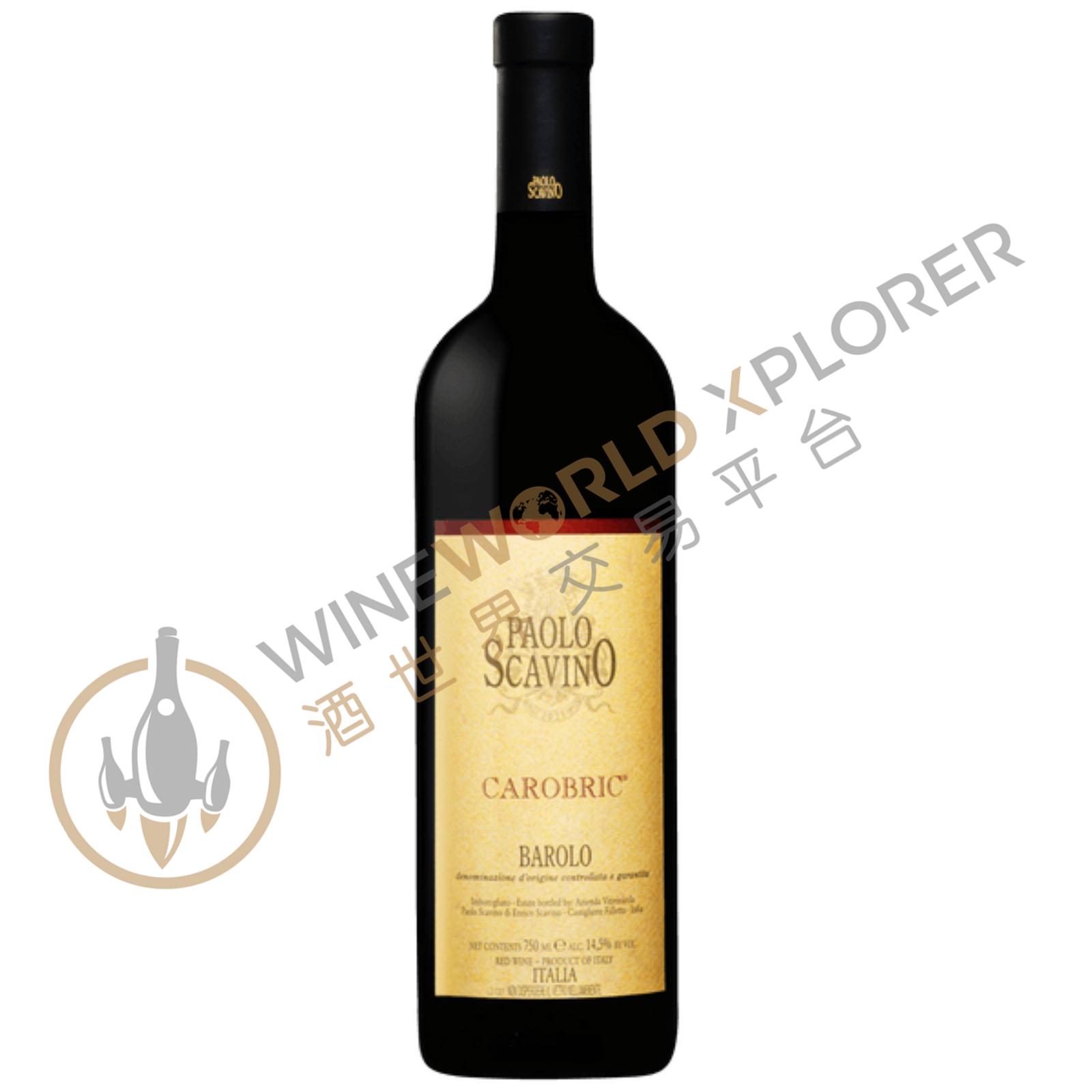
Paolo Scavino, Barolo Carobric 2000
 View analysis


Description
Tasting notes

Reviewed by: Antonio Galloni
The 2000 Barolo Carobric (magnum) is an exotic, full-bodied wine loaded with scorched earth, licorice, tar and smoke, all of which add considerable nuance to a massive core of fruit. This hulking, seamless Barolo is at least a few years from early maturity and should continue to drink well for many, many years. It is simply magnificent. Anticipated maturity: 2015-2030. Enrico Scavino’s 2000s must be considered among the successes of the vintage. At the time, the wines were made with short fermentations lasting just four days, if not a little less. Stylistically the wines are among Scavino’s most modern Baroli. The 2000s won’t appeal to all readers, but there is little question the wines have aged exquisitely. I tasted all of the wines from magnum, but lest readers think that was an overwhelming factor in how these wines showed, the most backward wine was the Cannubi, and it was the only wine I tasted from bottle!
Reviewed by: Daniel Thomases
The 2000 Barolo Carobric is admirably fresh, floral and tarry in its aromatic gamut, round and voluminous in its flavors. But the finish, here as well, is less supple than in truly superior vintages. Drink: 2005-2016. A Marc de Grazia Selection, various American importers, including Michael Skurnik, Syosset, NY; tel. (516) 677-9300, Vin Divino, Chicago, IL; tel. (773) 334-6700, and Estate Wines, Ltd., San Rafael, CA; tel. (415) 492-9411
Reviewed by: Antonio Galloni
The 2000 Carobric is not terribly expressive in its aromatics, but it really shines on the palate where it opens to reveal masses of deeply concentrated fruit and brooding, full-bodied personality. As it sits in the glass notes of tar, licorice and tobacco gradually emerge, but it remains a densely packed wine in need of at least several years of cellaring. It also comes across as the most successful vintage for this wine and is irresistible. 92+/Anticipated maturity: 2008-2018.
Reviewed by: Antonio Galloni
2000 Scavino Barolo Carobric—A blend of fruit sourced from Cannubi, Rocche di Castiglione and Bric del Fiasc. More aromatic on the nose, although pretty closed on the palate right now, with plenty of mouth-puckering tannins. Tough to fully assess now. 91+? points/drink 2007-2018 I also tasted the 2003 Dolcetto which shows lots of fresh berry flavors and is not as extracted as some wines from the vintage, and a very good 2002 Langhe Nebbiolo, that while still very closed, has nice bright cherry and tar flavors. The Nebbiolo is made from fruit that at one point was destined to be bottled as Barolo, and was vinified as such. The wine appears to be a mini- Barolo of sorts, and I doubt most tasters, including myself, would know the difference if tasting the wines blind. My thinking on Scavino has changed significantly over the last two vintages. Scavino has gone from barrique to large barrels for the second year of aging for his Barolos and I think the wines benefit from greater focus and livelier acidity. The 2000 Scavinos were among the best I tasted for their overall balance and class.
Reviewed by: James Suckling
Wow what a nose! Citrus, flowers, blackberries. Tons of dark fruits. Full-bodied with round, fresh tannins and ripe, wonderful palate. Turns slightly raisiny then hits you with intense dried mushrooms, think porcini. From a magnum.
Reviewed by: Antonio Galloni
The 2000 Carobric is not terribly expressive in its aromatics, but it really shines on the palate where it opens to reveal masses of deeply concentrated fruit and brooding, full-bodied personality. As it sits in the glass notes of tar, licorice and tobacco gradually emerge, but it remains a densely packed wine in need of at least several years of cellaring. It also comes across as the most successful vintage for this wine and is irresistible.
About the Producer
Paolo Scavino is an estate in Barolo known for its polished, elegant red wines from the Nebbiolo grape variety. The estate owns 23 hectares (57 acres) entirely within Barolo with parcels in 19 different cru vineyards in all but three of the Barolo communes. The range of nine Barolo wines is led by the Bric Dël Fiasc (from the Fiasco cru in Castiglione Falletto, and produced in both standard and Riserva bottlings), the Cannubi, and the Riserva Rocche dell'Annunziata which is aged for an additional year both in large casks and in bottle, and is sourced from a cru vineyard in La Morra. The portfolio of red wines also includes a Langhe Nebbiolo, two Barbera d'Alba wines, a Dolcetto d'Alba, and a Vino Rosso blended from the younger vines grown on the estate. The Langhe Sorriso is Paulo Scavino's key white wine made from Chardonnay, Sauvignon Blanc and Viognier. The company was founded in 1921 in Castiglione Falleto by Lorenzo Scavino and his son Paolo. Enrico Scavino has been working in the winery since the age of ten, beginning in 1951. He now runs his estate with his daughters, who are the fourth generation.
