Wine Advisor



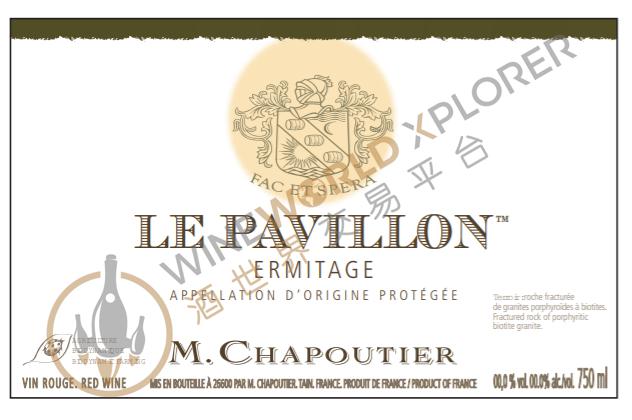
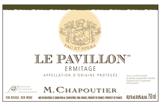
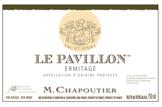
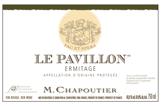
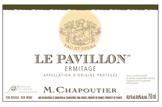
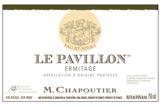
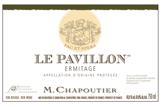
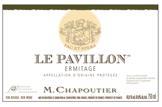
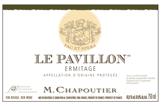
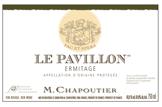
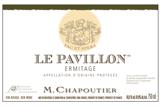
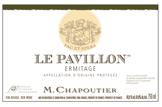
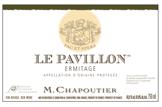
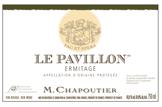
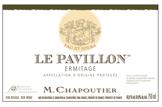
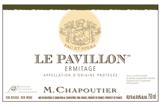
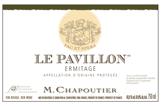
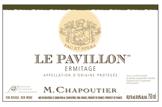
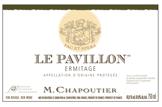
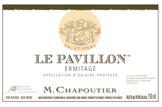
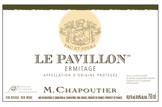
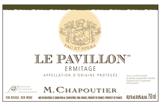
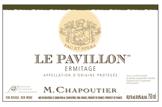
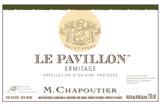
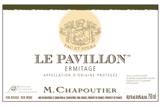
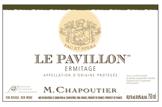
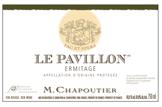
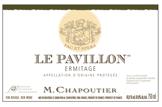
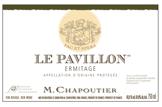
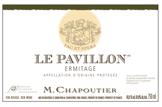
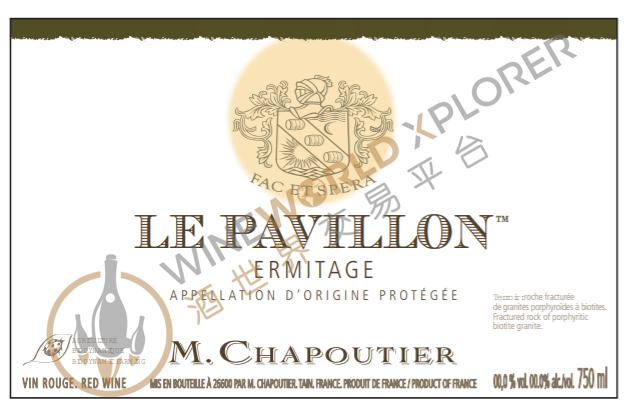
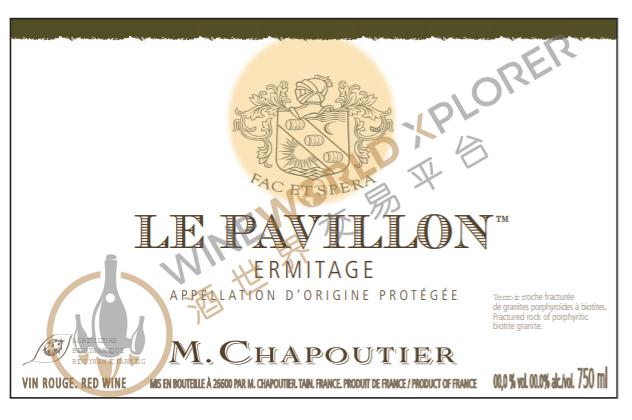
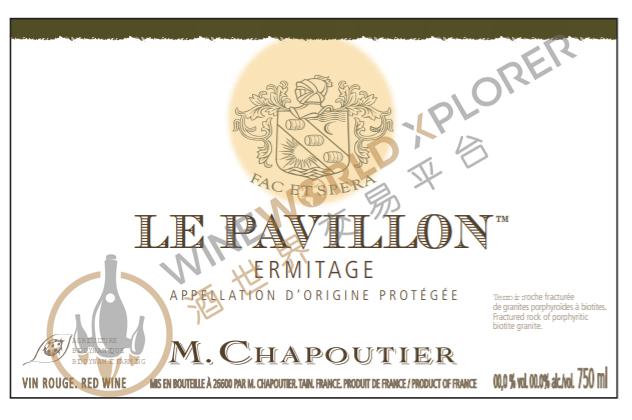
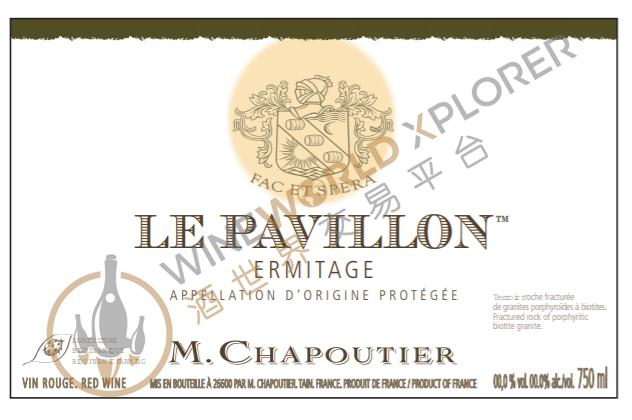
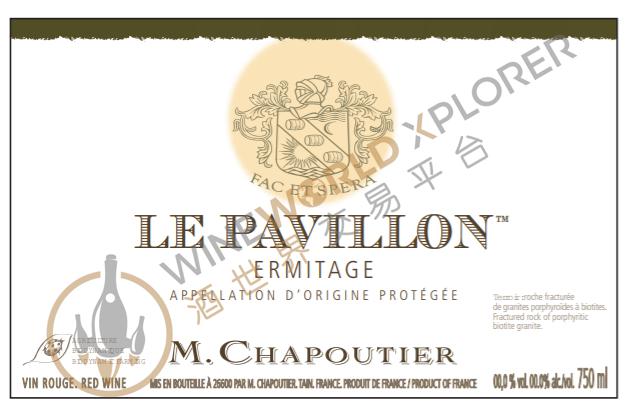
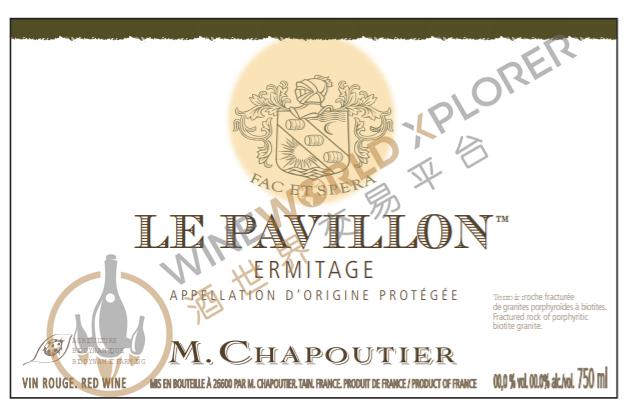
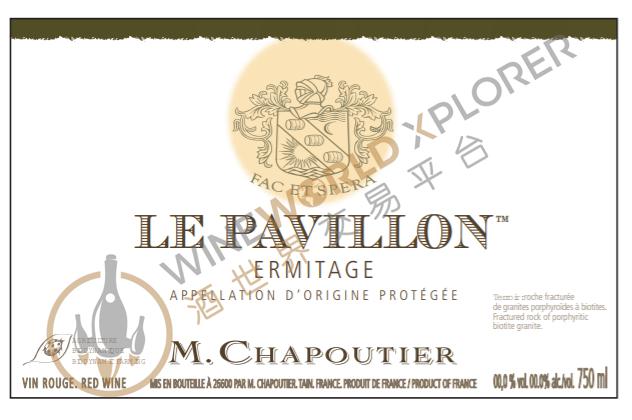
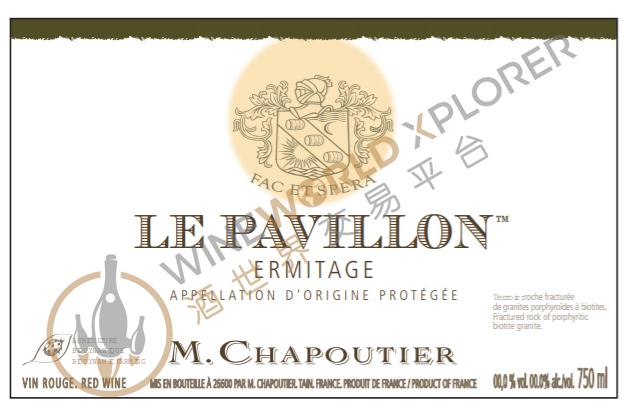
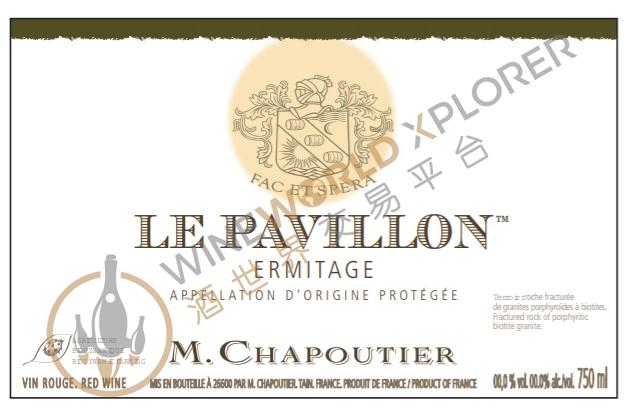
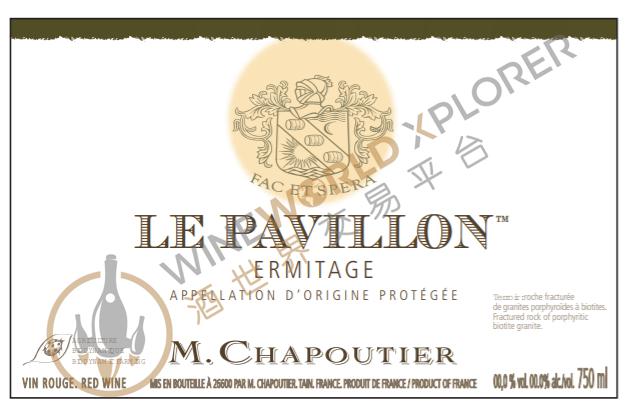
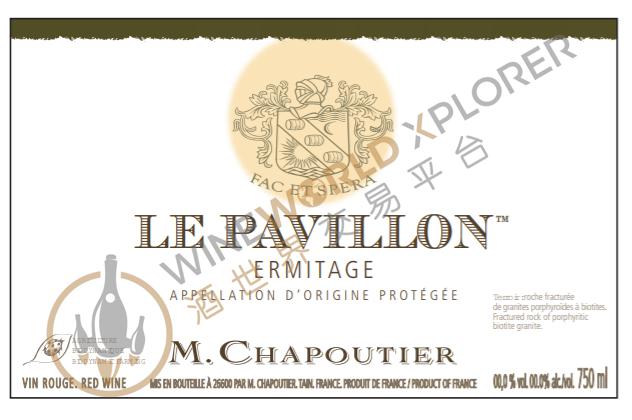
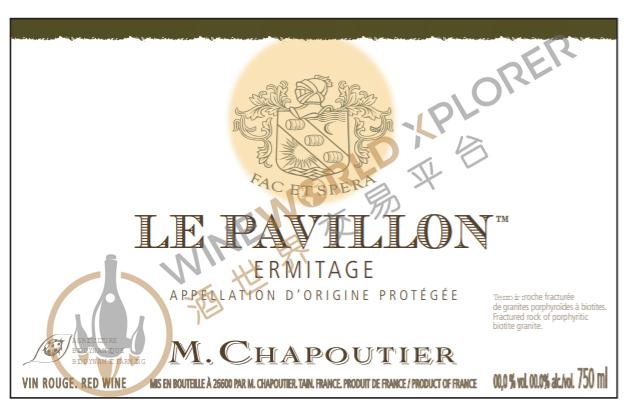
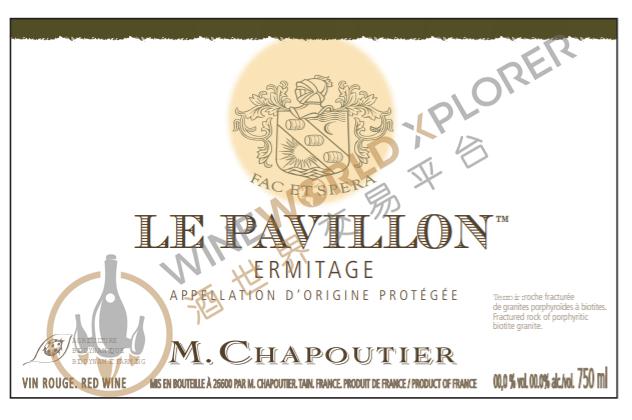
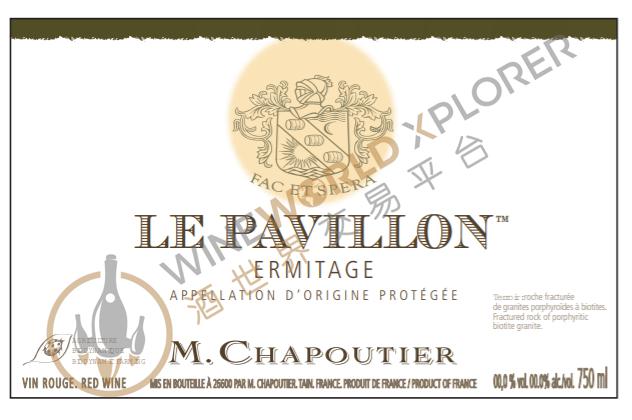
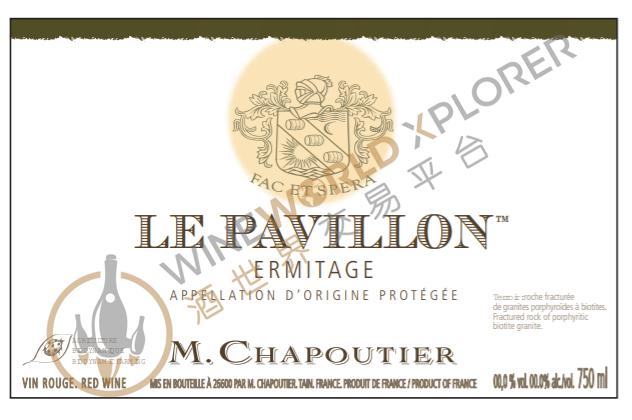
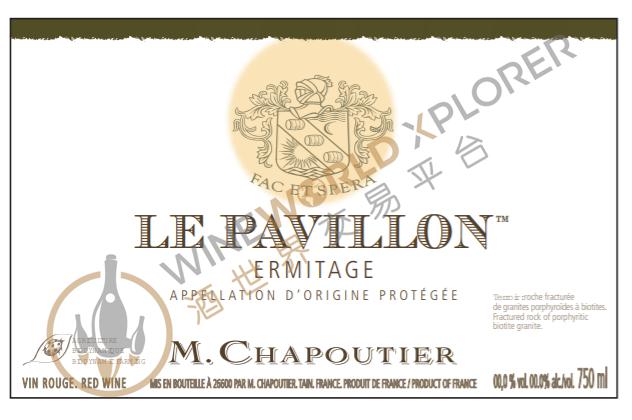
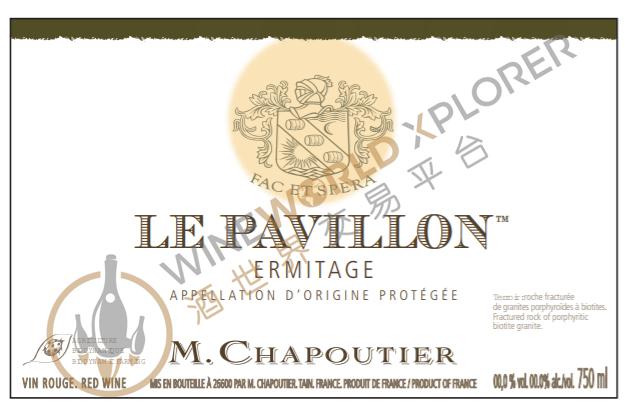
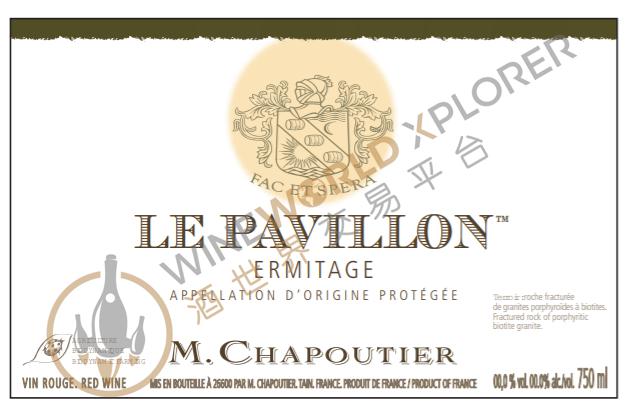
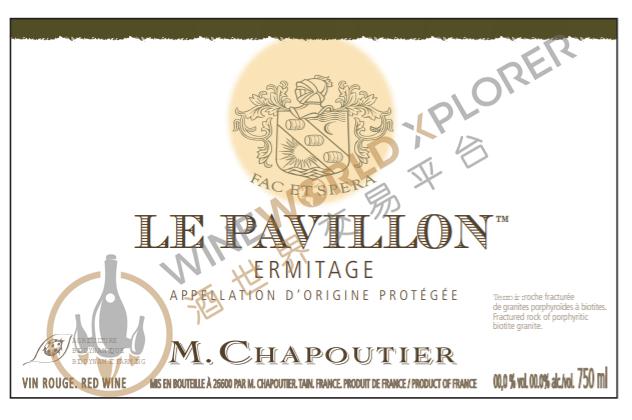
M. Chapoutier, Ermitage Le Pavillon 2017
 View analysis


Description
Tasting notes

Reviewed by: Josh Raynolds
Brilliant purple. Highly expressive blackberry, cherry preserve, licorice pastille, exotic spice and potpourri scents are complemented by a strong mineral overtone. Seamless and broad on the palate, offering deeply concentrated black/blue fruit liqueur, cola and candied violet flavors that become more energetic as the wine opens up. Finishes extremely long with emphatic mineral, floral and dark fruit character, with youthful but well-knit tannins and superb tenacity.
Reviewed by: Josh Raynolds
Deep, brilliant magenta. Displays powerful, expansive aromas of ripe black/blue fruits, incense and potpourri, with olive paste and exotic spice nuances building in the glass. Displays alluringly sweet, mineral- and spice-laced blackcurrant, boysenberry, spicecake and violet pastille flavors that deepen steadily through the midpalate and show outstanding delineation and back-end thrust.
Reviewed by: Joe Czerwinski
Potentially perfect and quite likely a 30-year wine, Chapoutier's 2017 Ermitage le Pavillon makes a strong case for the vintage. From its compelling aromas of crushed stone, cassis, licorice and chocolate and the incredibly intense notes of salted licorice to the full-bodied, concentrated, chewy palate and tremendous length, there's absolutely nothing to find fault with.
Reviewed by: Joe Czerwinski
Cassis and crushed stone join on the nose of the 2017 Ermitage le Pavillon. More austere than les Geffieux or le Méal, le Pavillon is rooted more firmly in granite, with crisply defined edges and firm tannins. It's impressive for sure, full-bodied, loaded with extract and almost creamy across the mid-palate, but ultimately it needs time. Give it 10 years to soften and develop a bit more charm—it has the concentrated dark fruit to carry it the distance.
About the Producer
Founded in 1808, M. Chapoutier owns 175 hectares of vines in five appellations in the Rhone Valley and is now run by the energetic and brilliant Michel Chapoutier. Since Michel started running the estate, the quality of the winemaking has improved very quickly and the philosophy of winemaking has changed considerably. Michel Chapoutier's achievements caused an instant sensation in the winemaking world and he completely changed the way Chapoutier wines were made and the winemaking process, eventually making wines to rival those made by Marcel Guigal, one of the best winemakers in the Rhone Valley. The vineyards of Château Sapoutier range from the Rhone Valley to Châteauneuf-du-Pape, with a number of quality vineyards planted with Syrah, Grenache, Marsanne, Roussanne and other major grape varieties. The winery is "mono-varietal" (i.e. making wines from a single variety), for example, all Syrah for the Châteauneuf-du-Rotie wines, all Marsanne for the Hermitage whites and all Chateauneuf-du-Pape wines. The wines of Chateauneuf-du-Pape are all Grenache. Château Sapoutier has worked tirelessly to improve the quality of its wines, even though each single vineyard produces far more than the 500 cases of fine wine. Since 1989, Château Sapoutier has been using biodynamic farming and winemaking methods with the aim of producing wines that are the purest and closest to the natural terroir. Every decision, every step of the viticultural and winemaking process is designed to add to the terroir, varietal character and vintage identity of the wines. Only wild yeasts are used for fermentation and the wines are made in small oak barrels. The best red and white wines are not clarified or filtered before bottling.
1989(1)1990(1)1991(2)1994(2)1999(2)2000(4)2001(2)2002(1)2003(9)2004(1)2005(6)2006(5)2007(1)2008(3)2009(5)2010(3)2011(4)2012(1)2013(3)2014(1)2015(4)2016(7)
Package Size
3 x 1.5L