Wine Advisor



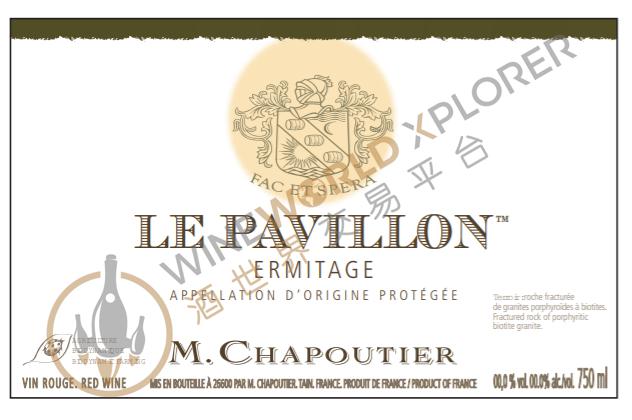
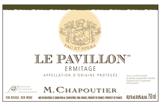
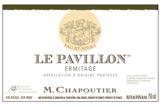
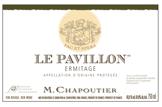
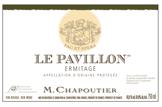
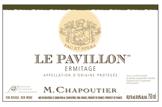
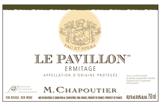
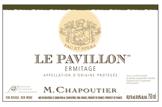
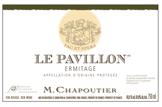
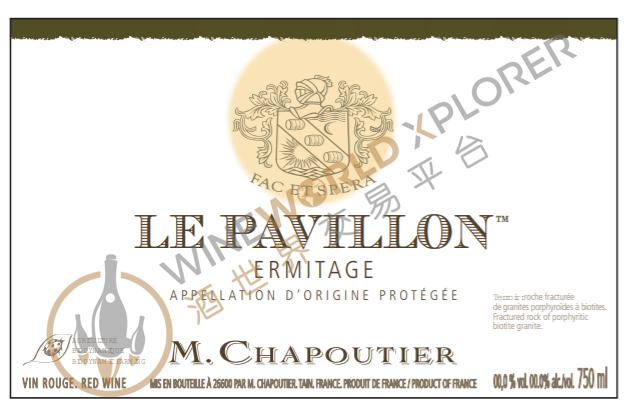
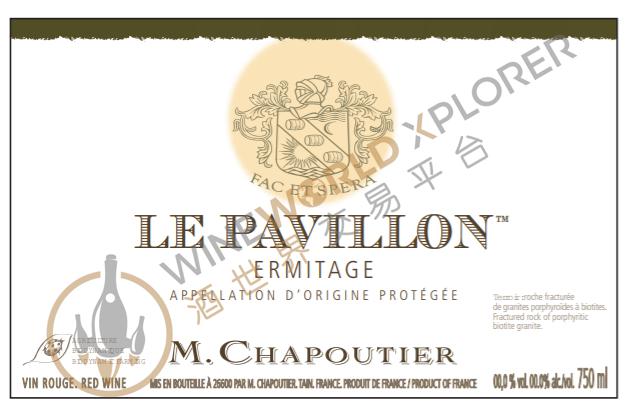
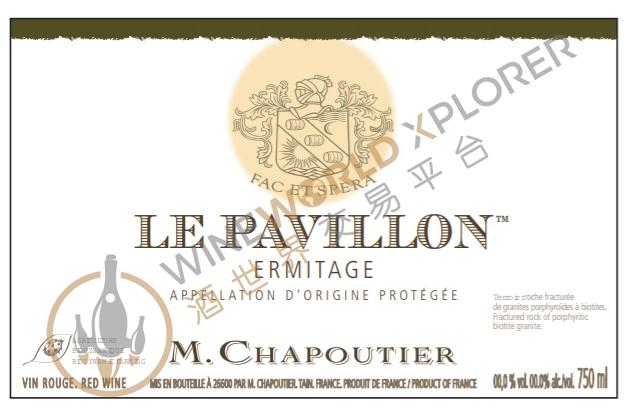
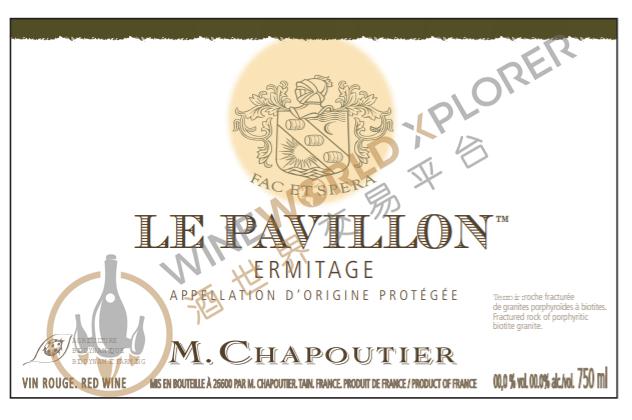
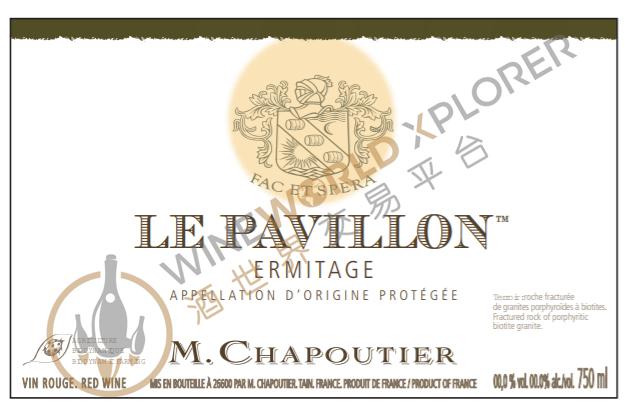
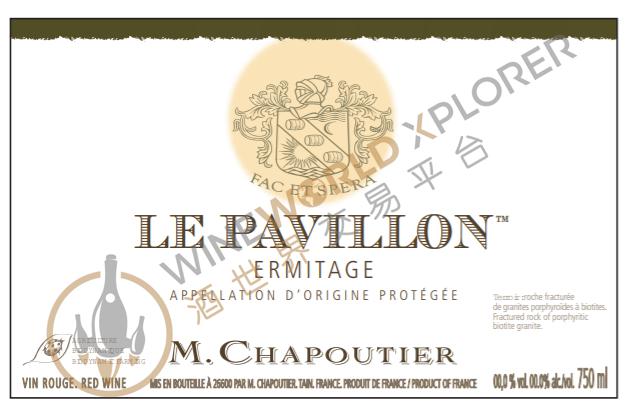
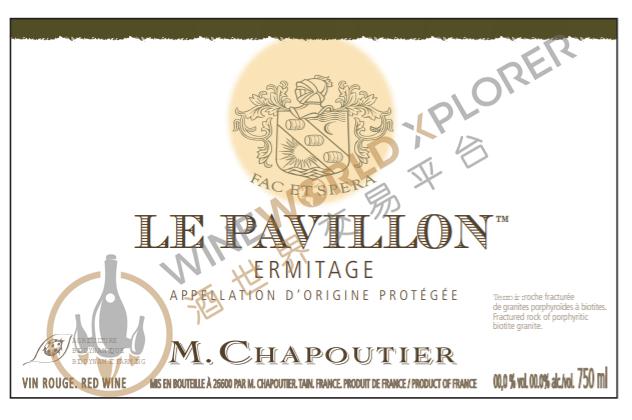
M. Chapoutier, Ermitage Le Pavillon 2013
 View analysis


Description
Tasting notes

Reviewed by: Jeb Dunnuck
Moving to the 2013 Ermitage le Pavillon, it has terrific depth, density and concentration to go with layers of crème de cassis, Asian spice, toasted bread, licorice and the essence of granite-induced minerality. While this vintage produced more fresh, firm wines, this has a generosity and sexiness that defines the stereotype. Nevertheless, I suspect short-term cellaring will be required for it to be approachable, and it will have a long life.
Reviewed by: Jeb Dunnuck
The star of the show in 2013 is the 2013 Ermitage le Pavillon. Coming from the west and eastern edges of the Bessards lieu-dit and aged in 30% new French oak, its sensational black/blue color is followed by the awesome bouquet of cassis, smoked earth, graphite and caramelized meats that could come from no other terroir in the world. Full-bodied, massive, dense, sexy and with a liquid rock-like character that comes out with time in the glass, it has sweet tannin and a blockbuster finish that keeps you coming back to the glass. It needs 5-6 years of cellaring and will have 30-40 years of more of ultimate longevity.
Reviewed by: Josh Raynolds
Saturated ruby. Pungent, spice- and mineral-accented aromas of dark fruits, candied violet and licorice pick up a peppery topnote in the glass. Sappy, incisive and pure, offering vivacious, deeply concentrated black raspberry and boysenberry flavors and a spicy topnote. The endless finish shows superb clarity and power, harmonious tannins and a strong mineral quality.
Reviewed by: Josh Raynolds
Glass-staining purple. Sexy spice-accented black raspberry and violet candy aromas are complemented by star anise and olive, with suave vanilla and mineral nuances in the background. Shows excellent clarity and energy on the palate, with sappy, densely packed cherry and raspberry flavors becoming sweeter and deeper with air. Lithe and penetrating in the style of the best wines of the vintage, finishing with excellent lift and length and smooth, late-arriving tannins that add grip.
About the Producer
Founded in 1808, M. Chapoutier owns 175 hectares of vines in five appellations in the Rhone Valley and is now run by the energetic and brilliant Michel Chapoutier. Since Michel started running the estate, the quality of the winemaking has improved very quickly and the philosophy of winemaking has changed considerably. Michel Chapoutier's achievements caused an instant sensation in the winemaking world and he completely changed the way Chapoutier wines were made and the winemaking process, eventually making wines to rival those made by Marcel Guigal, one of the best winemakers in the Rhone Valley. The vineyards of Château Sapoutier range from the Rhone Valley to Châteauneuf-du-Pape, with a number of quality vineyards planted with Syrah, Grenache, Marsanne, Roussanne and other major grape varieties. The winery is "mono-varietal" (i.e. making wines from a single variety), for example, all Syrah for the Châteauneuf-du-Rotie wines, all Marsanne for the Hermitage whites and all Chateauneuf-du-Pape wines. The wines of Chateauneuf-du-Pape are all Grenache. Château Sapoutier has worked tirelessly to improve the quality of its wines, even though each single vineyard produces far more than the 500 cases of fine wine. Since 1989, Château Sapoutier has been using biodynamic farming and winemaking methods with the aim of producing wines that are the purest and closest to the natural terroir. Every decision, every step of the viticultural and winemaking process is designed to add to the terroir, varietal character and vintage identity of the wines. Only wild yeasts are used for fermentation and the wines are made in small oak barrels. The best red and white wines are not clarified or filtered before bottling.
1989(1)1990(1)1991(2)1994(2)1999(2)2000(4)2001(2)2002(1)2003(9)2004(1)2005(6)2006(5)2007(1)2008(3)2009(5)2010(3)2011(4)2012(1)
Package Size