Wine Advisor



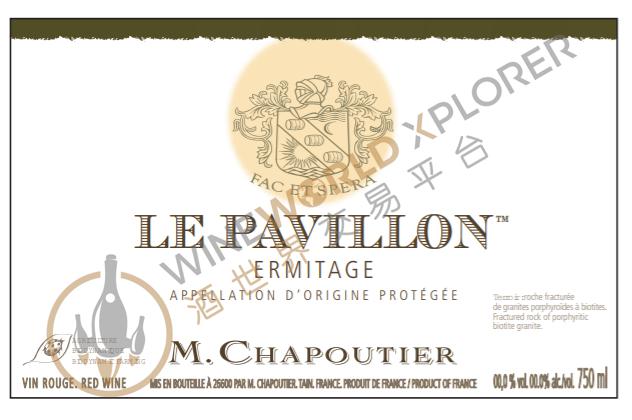
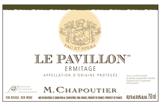
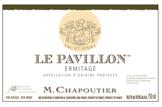
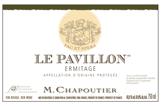
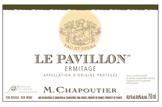
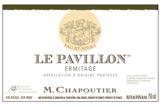
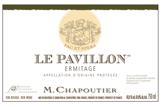
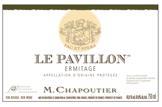
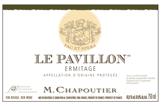
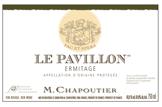
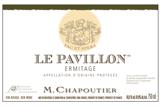
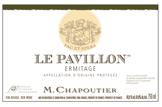
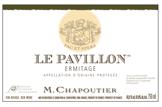
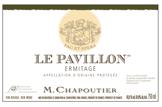
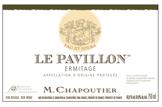
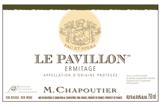
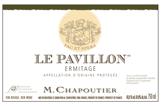
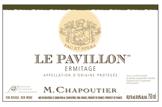
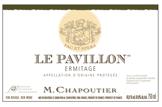
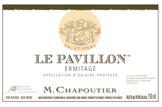
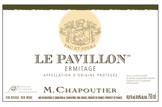
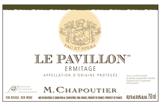
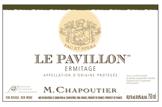
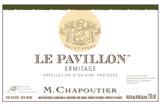
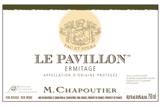
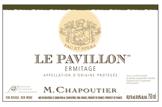
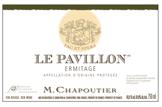
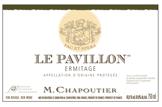
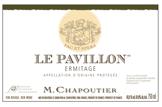
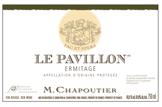
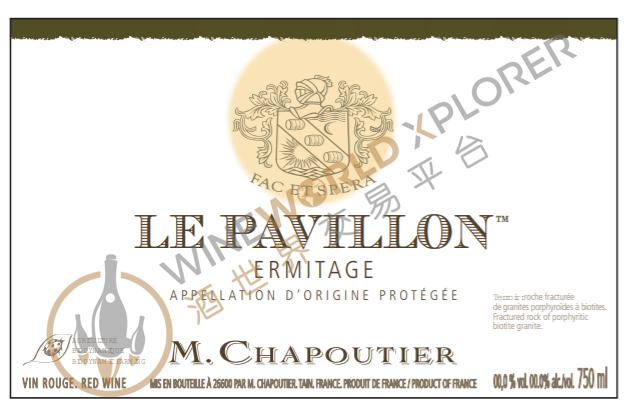
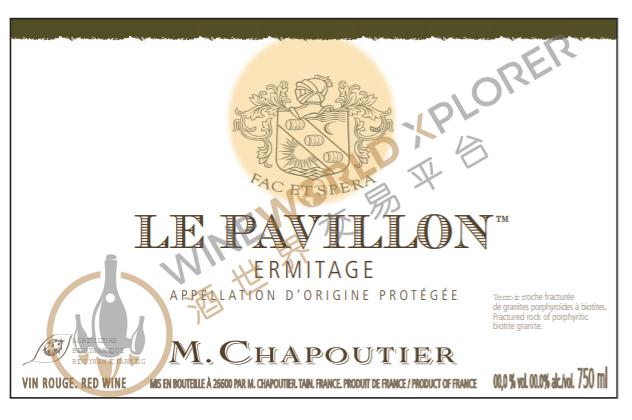
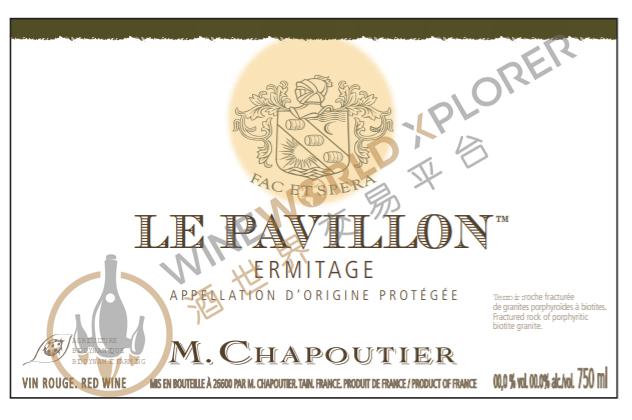
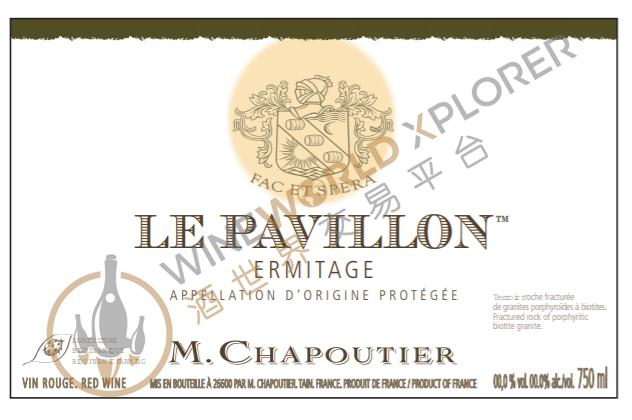
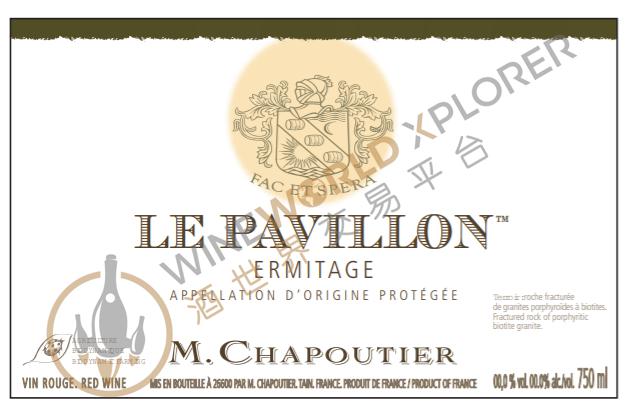
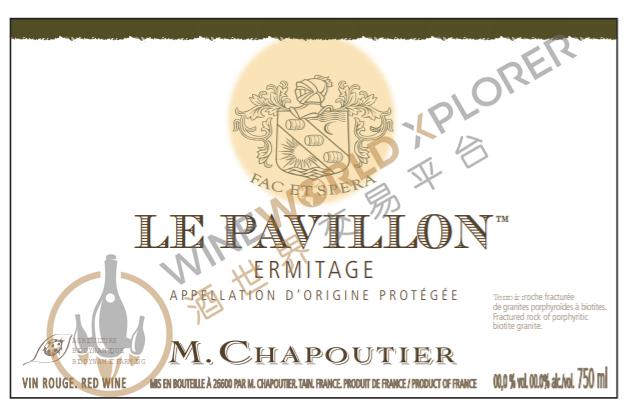
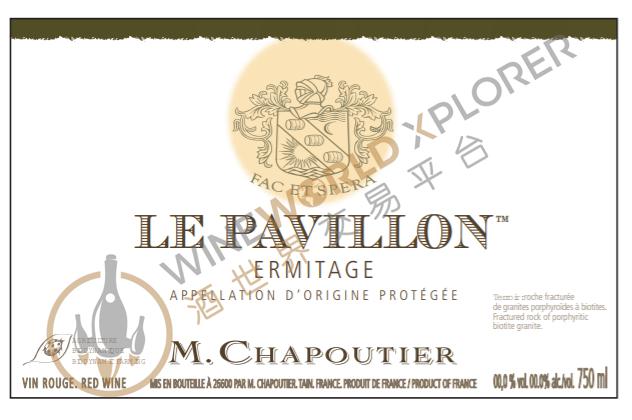
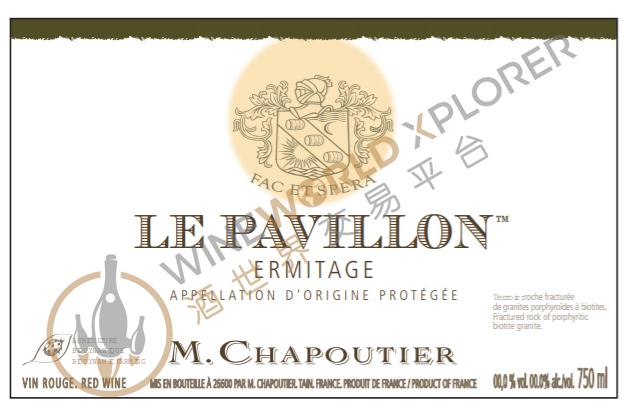
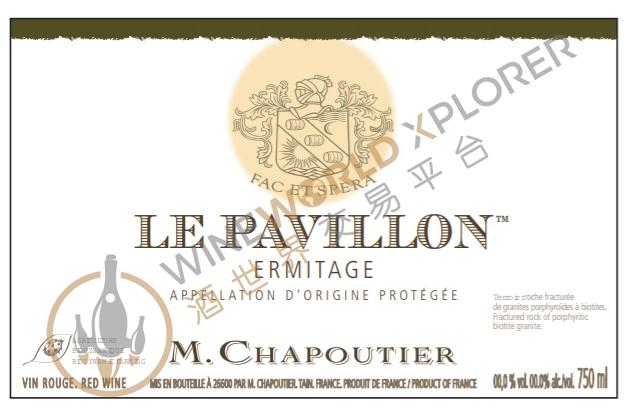
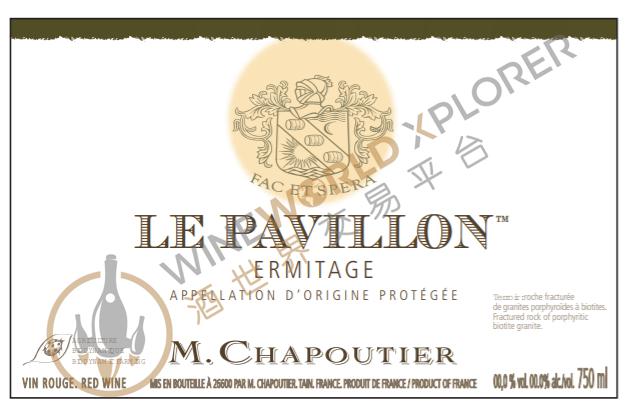
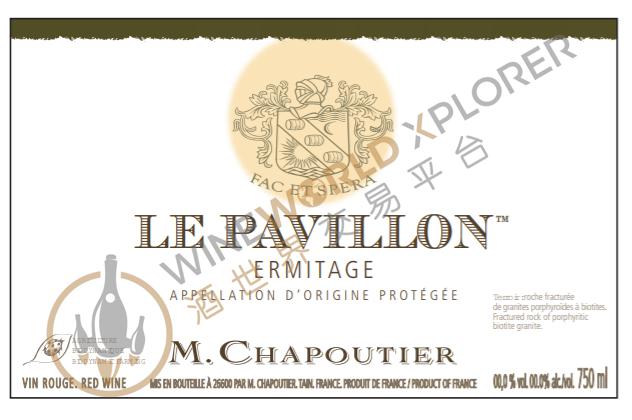
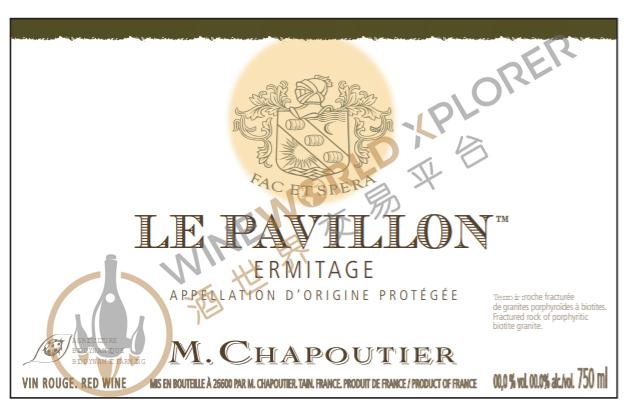
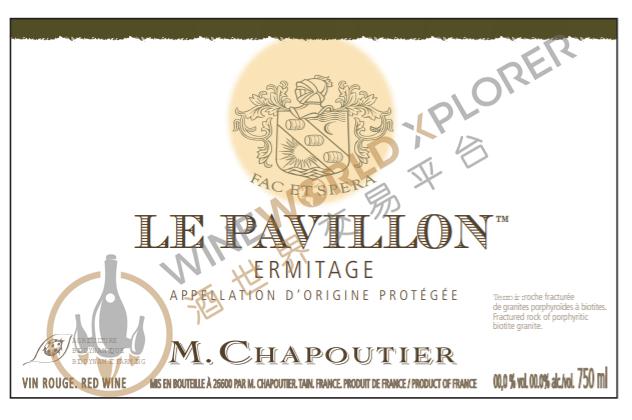
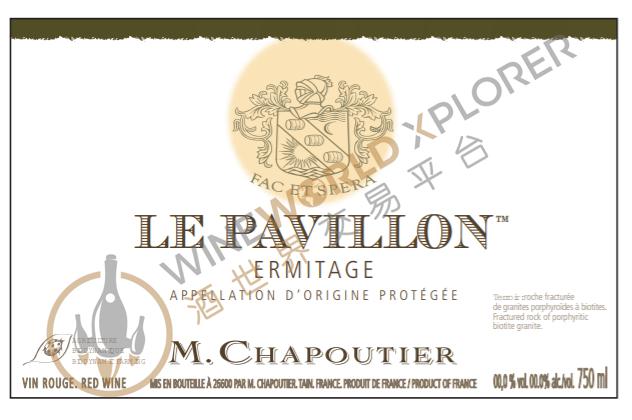
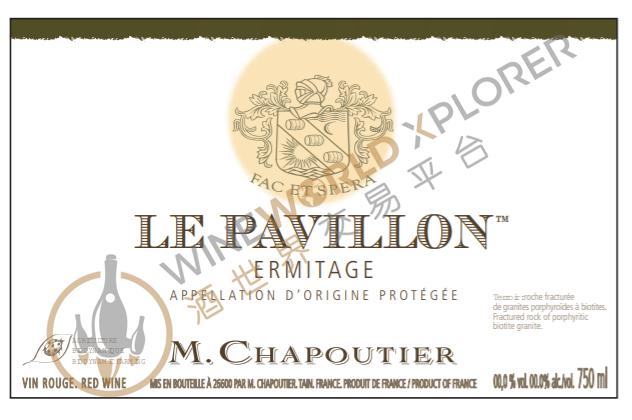
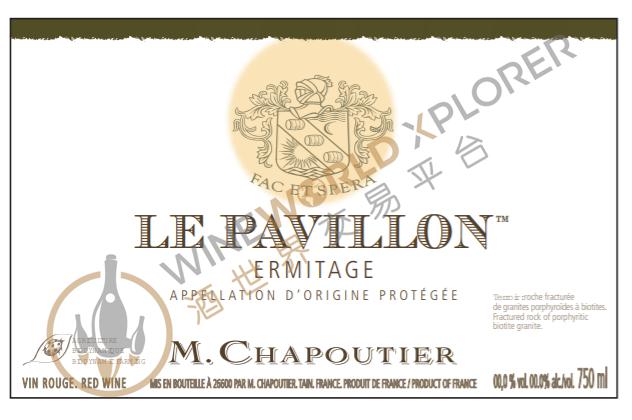
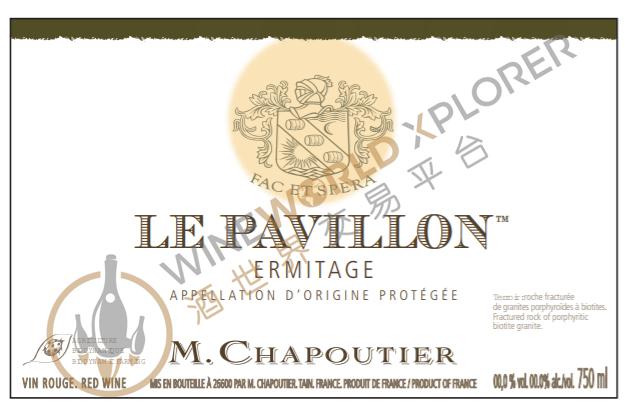
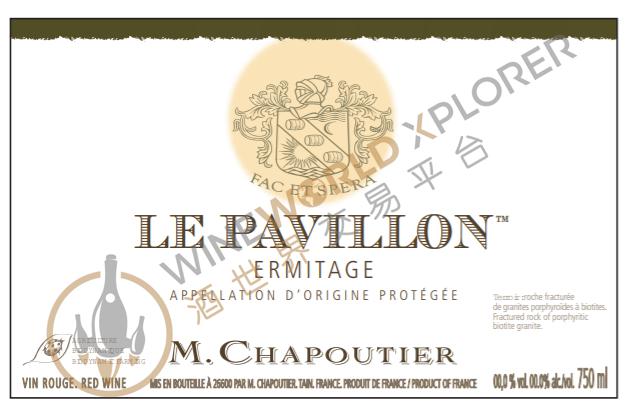
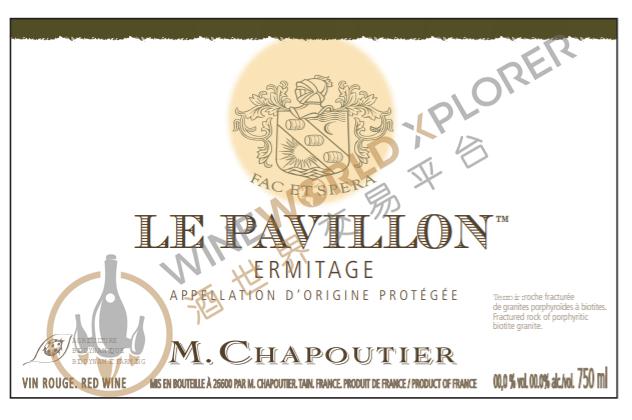
M. Chapoutier, Ermitage Le Pavillon 1999
 View analysis


Description
Tasting notes

Reviewed by: Robert M. Parker, Jr.
The opaque inky-colored 1999 Ermitage Le Pavillon (it actually smells of ink) is fresh yet powerful, thick yet not heavy, full-bodied, and bigger than life, with exquisite concentration and depth. Anticipated maturity: 2007-2040. Importer: Paterno Imports, Lake Bluff, IL; tel. (847) 604-89000
Reviewed by: Robert M. Parker, Jr.
The prodigious 1999 Ermitage Le Pavillon boasts creme de cassis aromatics intermixed with unmistakable aromas of ink. It is full-bodied and fabulously concentrated as well as powerful, with a finish that lasts for fifty seconds. This saturated black/purple-colored 1999 exhibits remarkable symmetry, purity, and overall massive size all juxtaposed with a sense of elegance and restraint. It is a monumental achievement, but ultimately is less successful than the great 1998 or 2000. Importer: Paterno Imports, Lake Bluff, IL; tel. (847) 604-89000
About the Producer
Founded in 1808, M. Chapoutier owns 175 hectares of vines in five appellations in the Rhone Valley and is now run by the energetic and brilliant Michel Chapoutier. Since Michel started running the estate, the quality of the winemaking has improved very quickly and the philosophy of winemaking has changed considerably. Michel Chapoutier's achievements caused an instant sensation in the winemaking world and he completely changed the way Chapoutier wines were made and the winemaking process, eventually making wines to rival those made by Marcel Guigal, one of the best winemakers in the Rhone Valley. The vineyards of Château Sapoutier range from the Rhone Valley to Châteauneuf-du-Pape, with a number of quality vineyards planted with Syrah, Grenache, Marsanne, Roussanne and other major grape varieties. The winery is "mono-varietal" (i.e. making wines from a single variety), for example, all Syrah for the Châteauneuf-du-Rotie wines, all Marsanne for the Hermitage whites and all Chateauneuf-du-Pape wines. The wines of Chateauneuf-du-Pape are all Grenache. Château Sapoutier has worked tirelessly to improve the quality of its wines, even though each single vineyard produces far more than the 500 cases of fine wine. Since 1989, Château Sapoutier has been using biodynamic farming and winemaking methods with the aim of producing wines that are the purest and closest to the natural terroir. Every decision, every step of the viticultural and winemaking process is designed to add to the terroir, varietal character and vintage identity of the wines. Only wild yeasts are used for fermentation and the wines are made in small oak barrels. The best red and white wines are not clarified or filtered before bottling.
1989(1)1990(1)1991(2)1994(2)
Package Size
1 x 6L