Wine Advisor



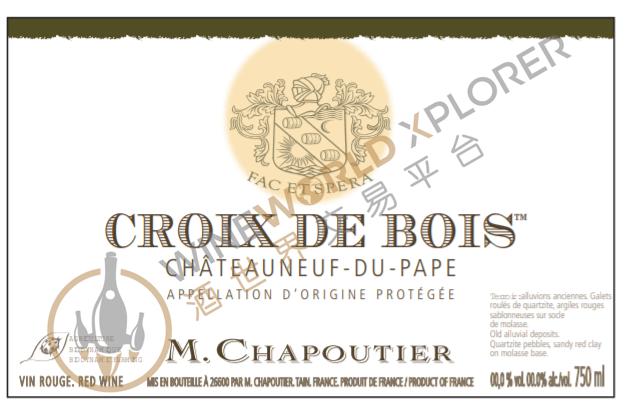
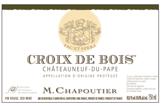
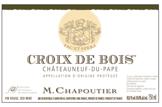
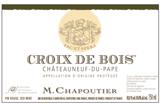
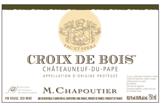
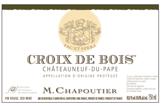
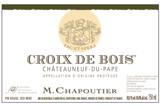
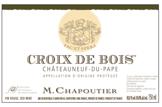
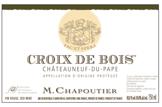
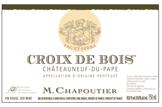
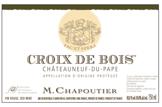
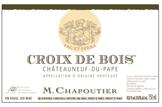
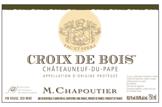
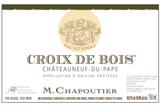
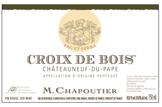
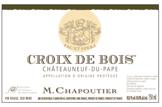
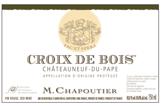
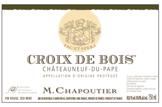
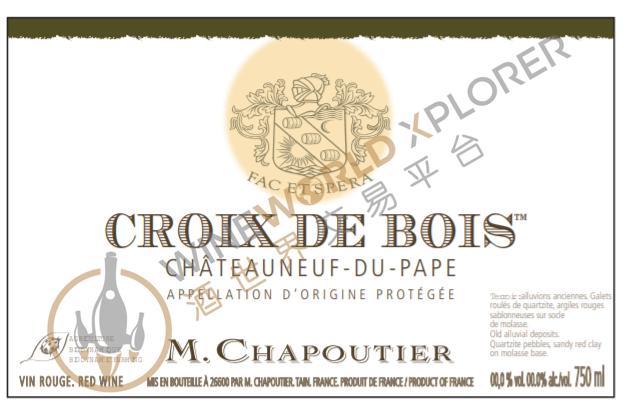
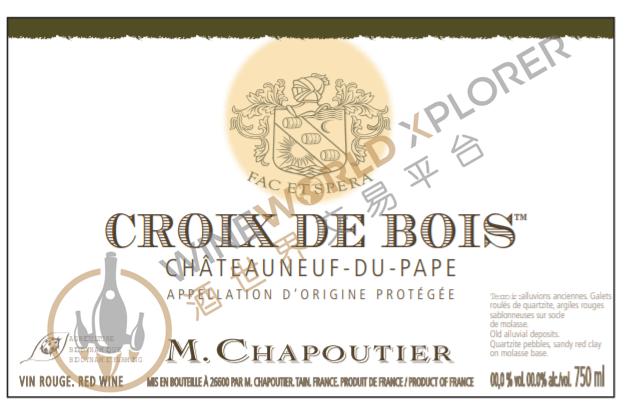
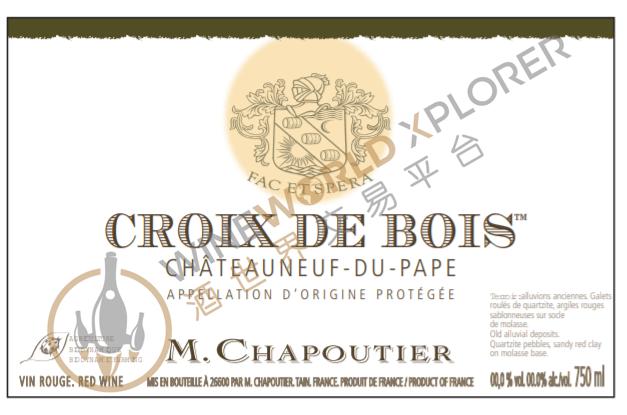
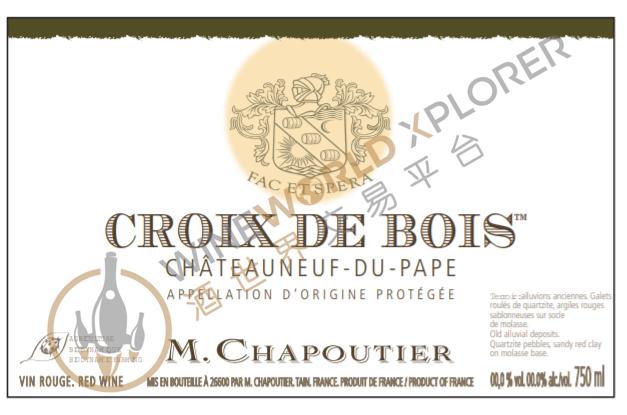
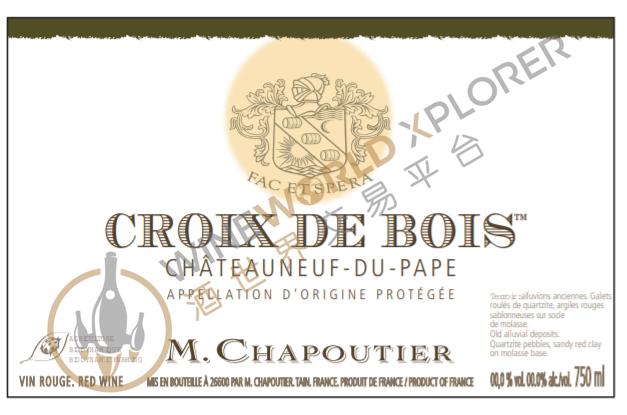
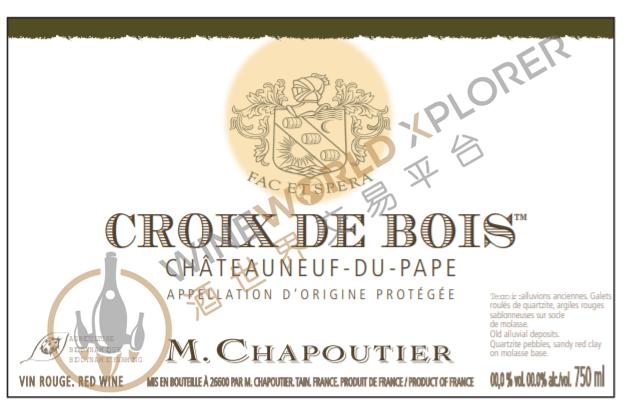
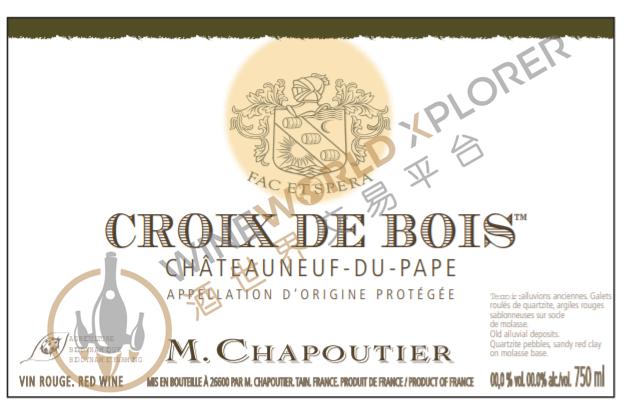
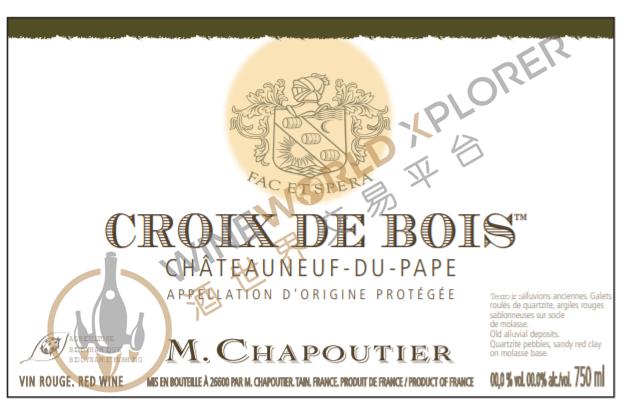
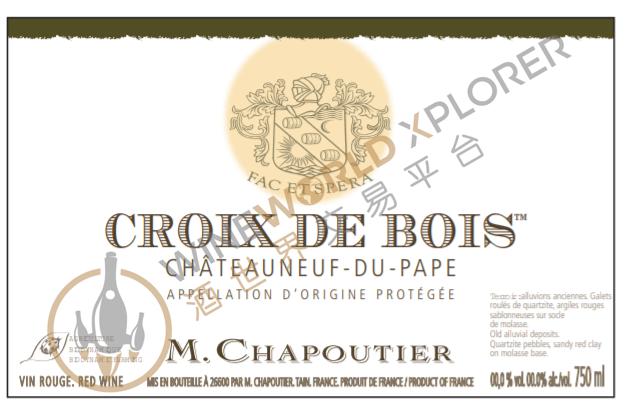
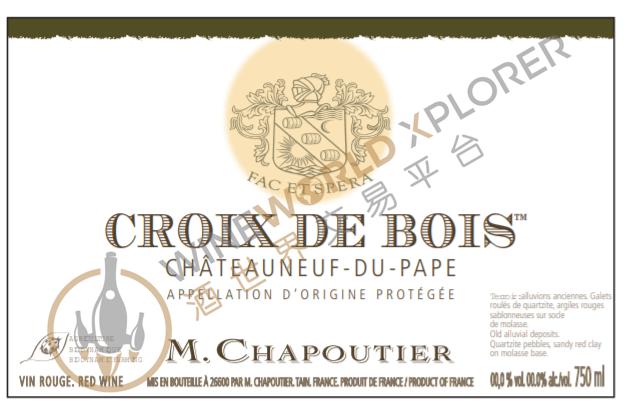
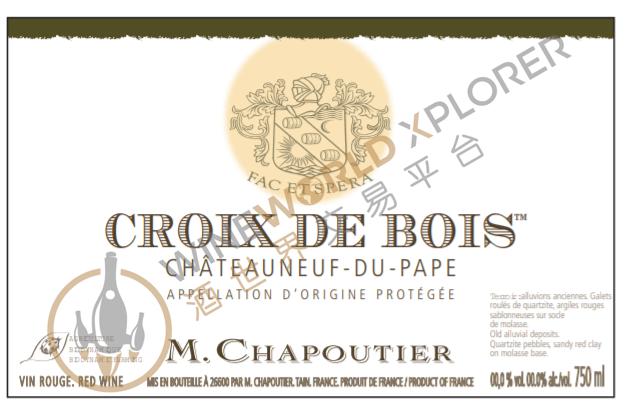
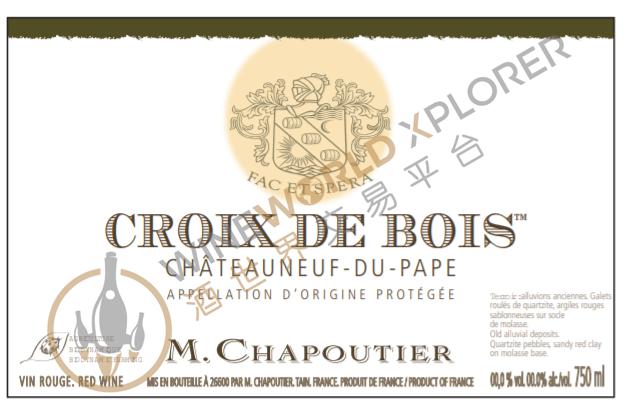
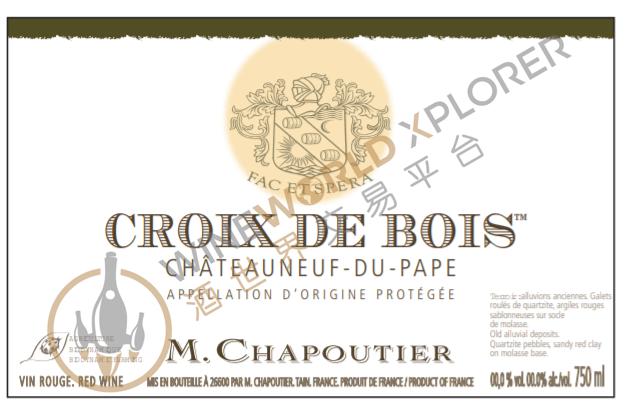
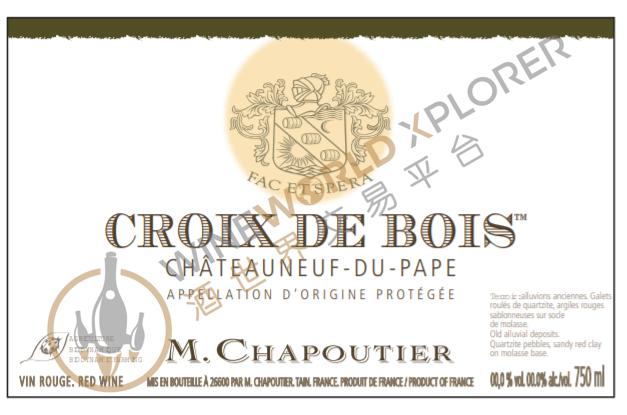
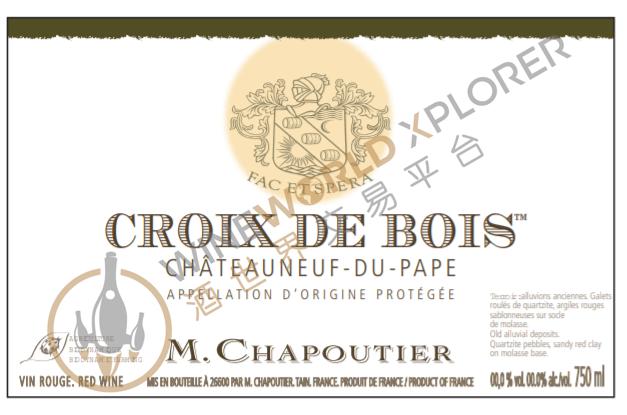
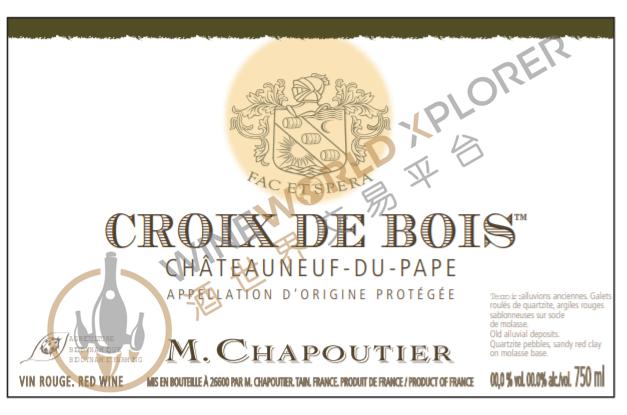
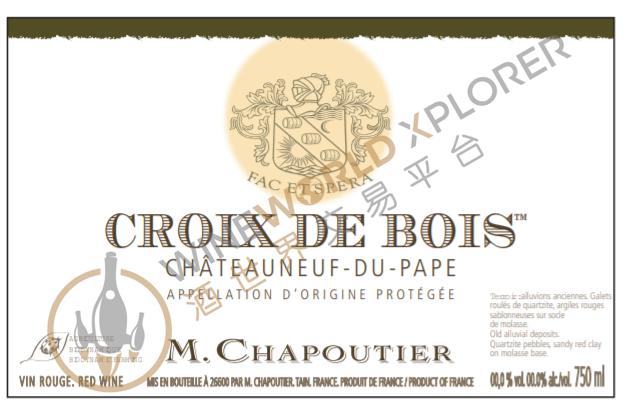
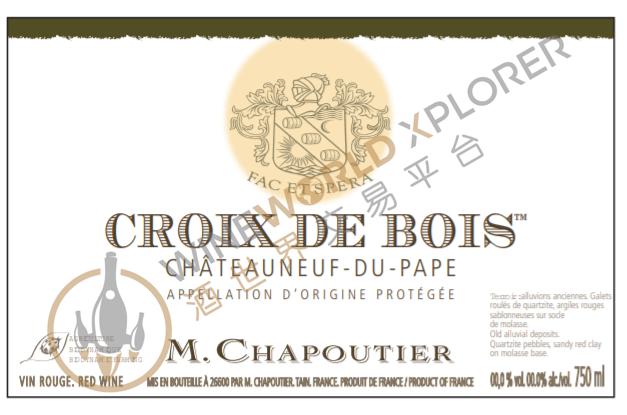
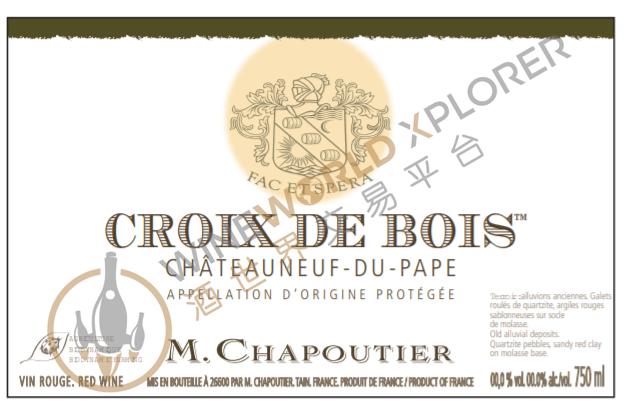
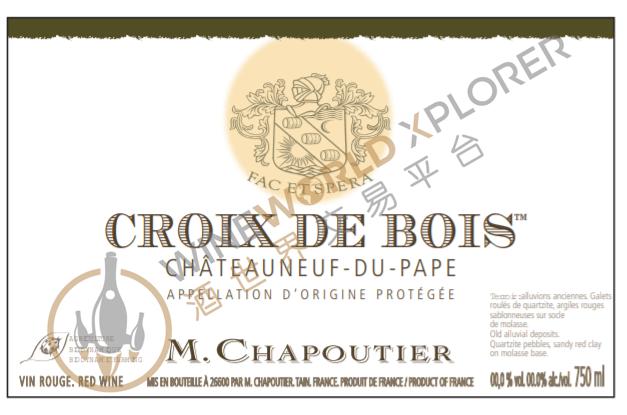
M. Chapoutier, Chateauneuf Du Pape Croix De Bois 2015
 View analysis


Description
Tasting notes

Reviewed by: Joe Czerwinski
At the top end of Chapoutier's Southern Rhône hierarchy are the two sélections parcellaires from Châteauneuf du Pape. I had a slight preference for the 2015 Chateauneuf du Pape Croix de Bois, which comes from the Bédarrides (eastern) side of the appellation, a site with galets roulés over clay, which Chapoutier says resists drought. This is a full-bodied, dense, plummy wine, but it retains ample freshness and offers loads of spicy complexity, including exotic notes like cumin and coriander that linger enticingly on the finish.
Reviewed by: Jeb Dunnuck
The 2015 Châteauneuf du Pape Croix de Bois possesses a more fruit forward and exuberant character compared to the Barbe Rac and dishes out tons of blackberry, blueberry, raspberry, violets and spice characteristics. Beautifully pure and fresh on the palate, with full-bodied richness, building, sweet tannin and blockbuster length, I wouldn’t be surprised to see this be the best vintage for this cuvée to date. While I’ve always preferred the Barbe Rac cuvée in the past, the quality of the Croix de Bois cuvée continues to soar, and today I find these two wines – while very different in style – generally equal in terms of overall quality.
Reviewed by: Jeb Dunnuck
At the top end of Chapoutier's Southern Rhône hierarchy are the two sélections parcellaires from Châteauneuf du Pape. I had a slight preference for the 2015 Chateauneuf du Pape Croix de Bois, which comes from the Bédarrides (eastern) side of the appellation, a site with galets roulés over clay, which Chapoutier says resists drought. This is a full-bodied, dense, plummy wine, but it retains ample freshness and offers loads of spicy complexity, including exotic notes like cumin and coriander that linger enticingly on the finish.
Reviewed by: James Suckling
Wild, dried roses and hospital bandage. The 2015 and the 2016 are chalk and cheese. Where the 2016 is fresh, this is rustic and full of barnyard funk. Intrusive on the nose and palate. From organically grown grapes. Hard to reconcile.
About the Producer
Founded in 1808, M. Chapoutier owns 175 hectares of vines in five appellations in the Rhone Valley and is now run by the energetic and brilliant Michel Chapoutier. Since Michel started running the estate, the quality of the winemaking has improved very quickly and the philosophy of winemaking has changed considerably. Michel Chapoutier's achievements caused an instant sensation in the winemaking world and he completely changed the way Chapoutier wines were made and the winemaking process, eventually making wines to rival those made by Marcel Guigal, one of the best winemakers in the Rhone Valley. The vineyards of Château Sapoutier range from the Rhone Valley to Châteauneuf-du-Pape, with a number of quality vineyards planted with Syrah, Grenache, Marsanne, Roussanne and other major grape varieties. The winery is "mono-varietal" (i.e. making wines from a single variety), for example, all Syrah for the Châteauneuf-du-Rotie wines, all Marsanne for the Hermitage whites and all Chateauneuf-du-Pape wines. The wines of Chateauneuf-du-Pape are all Grenache. Château Sapoutier has worked tirelessly to improve the quality of its wines, even though each single vineyard produces far more than the 500 cases of fine wine. Since 1989, Château Sapoutier has been using biodynamic farming and winemaking methods with the aim of producing wines that are the purest and closest to the natural terroir. Every decision, every step of the viticultural and winemaking process is designed to add to the terroir, varietal character and vintage identity of the wines. Only wild yeasts are used for fermentation and the wines are made in small oak barrels. The best red and white wines are not clarified or filtered before bottling.