Wine Advisor



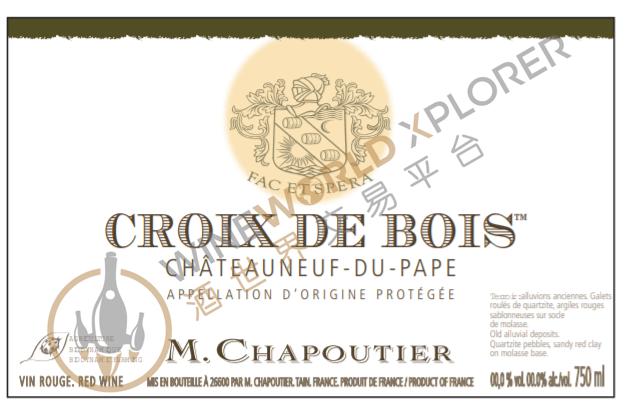
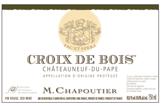
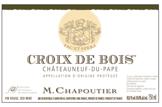
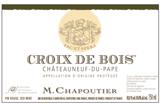
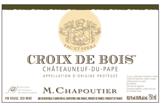
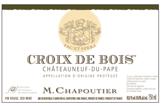
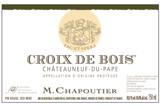
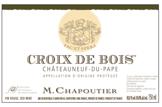
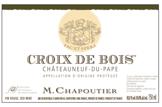
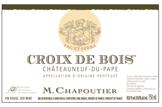
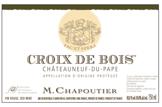
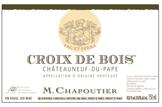
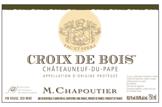
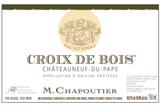
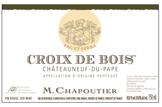
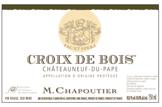
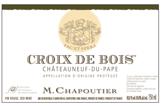
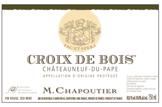
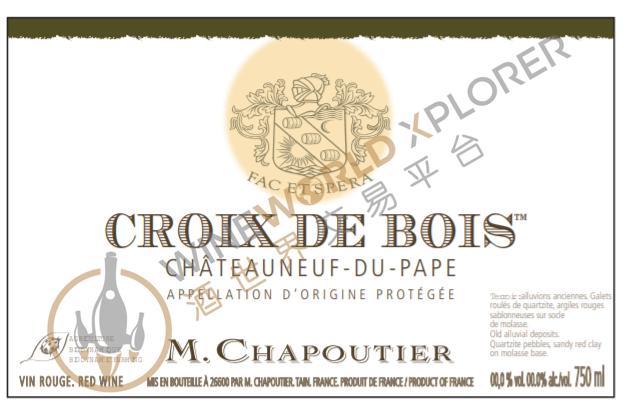
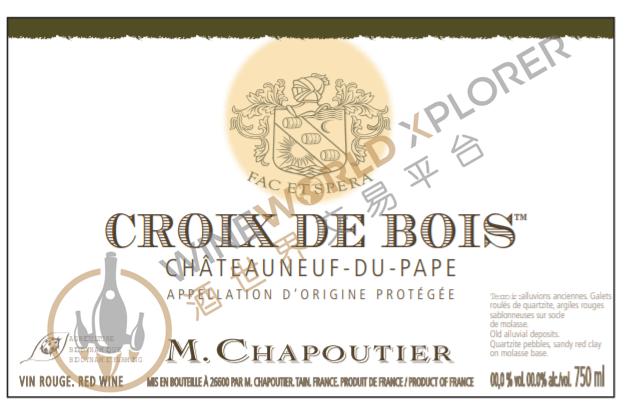
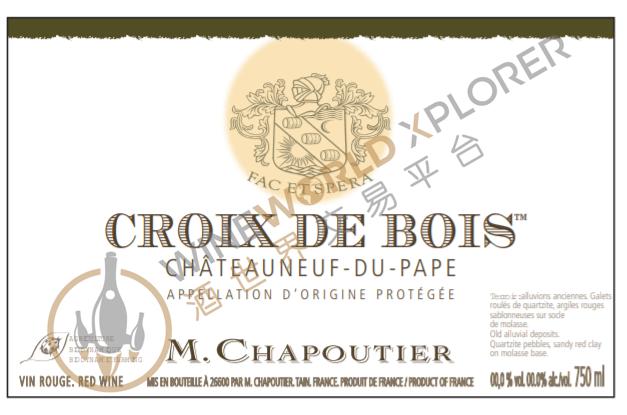
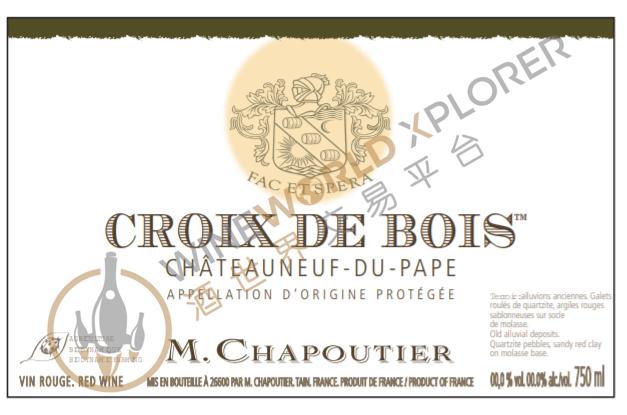
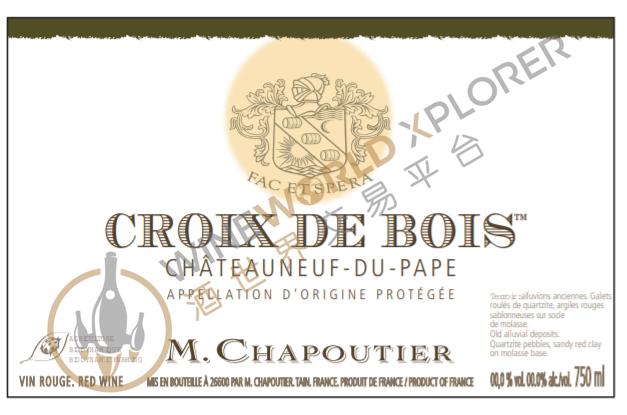
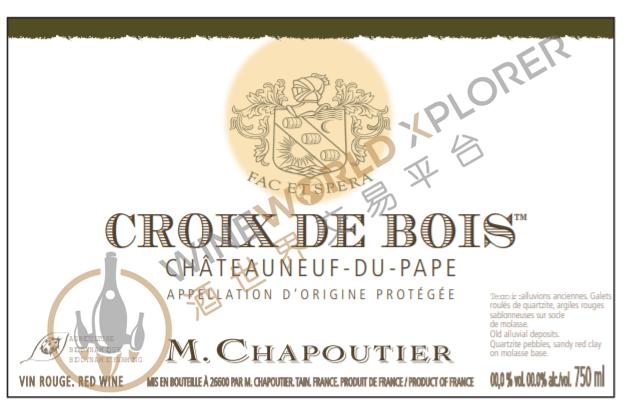
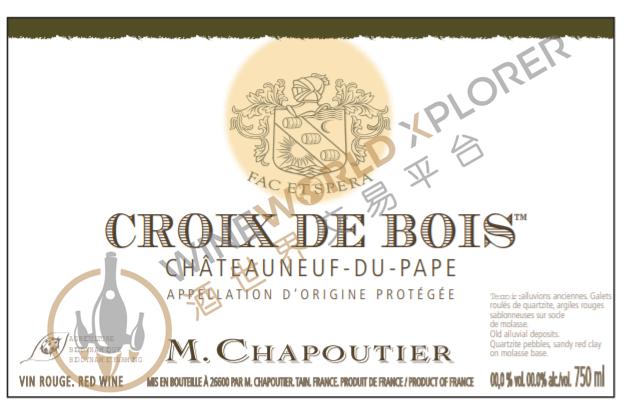
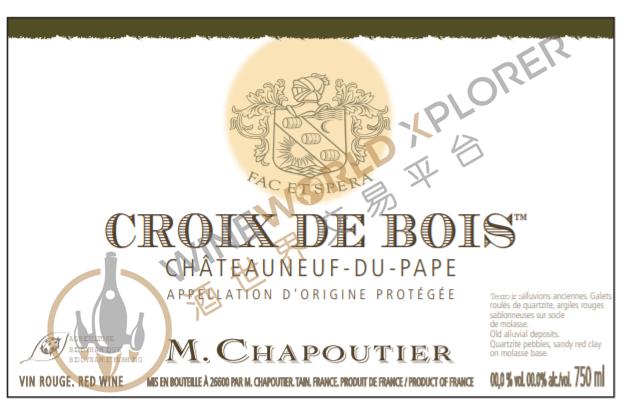
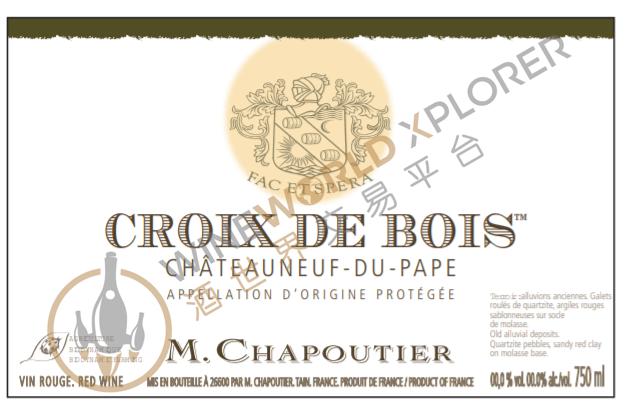
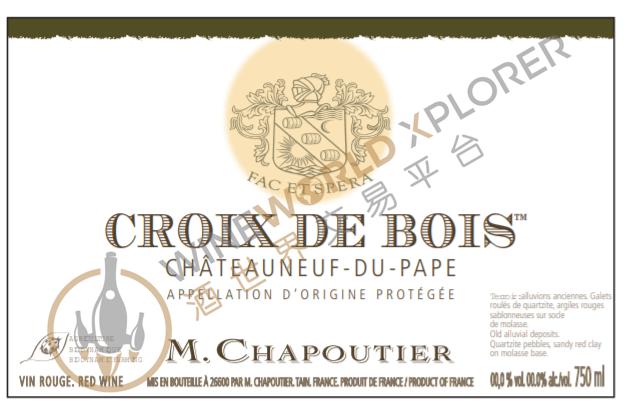
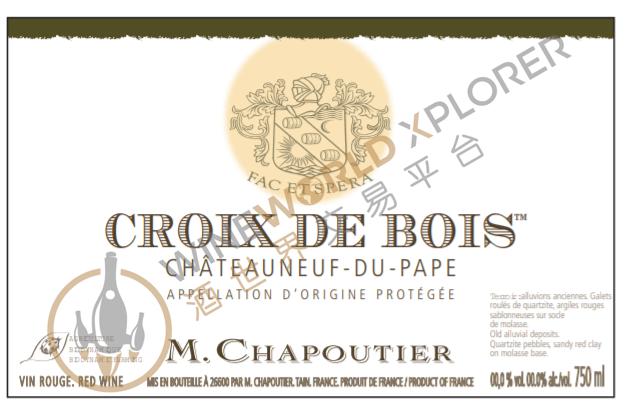
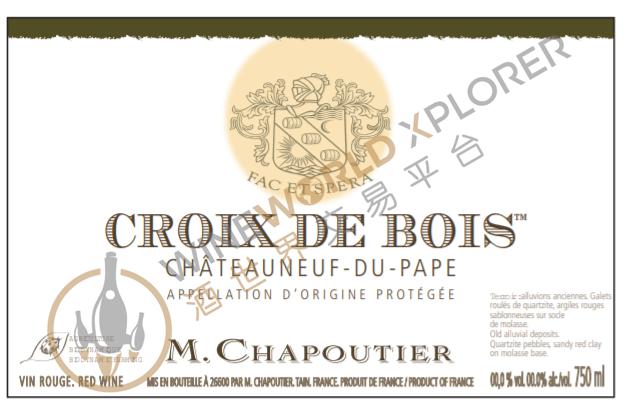
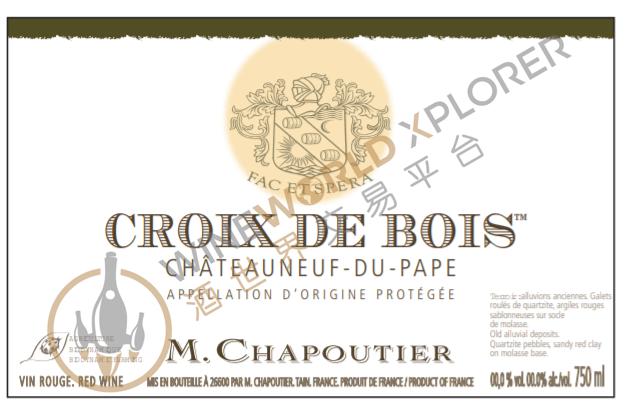
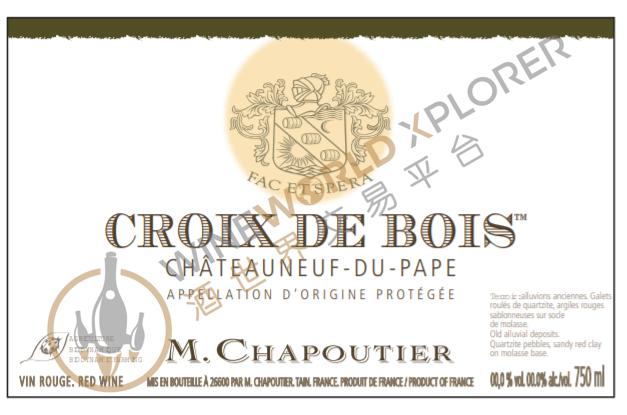
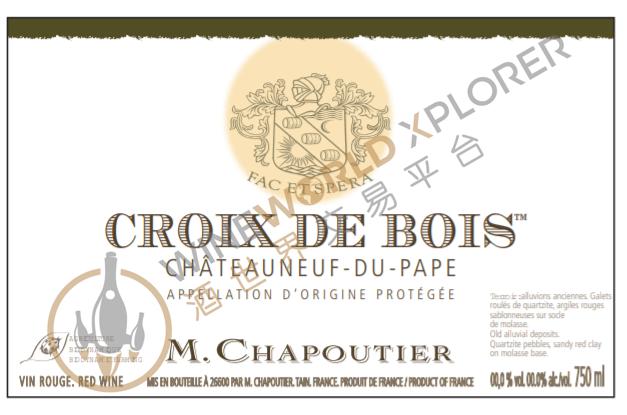
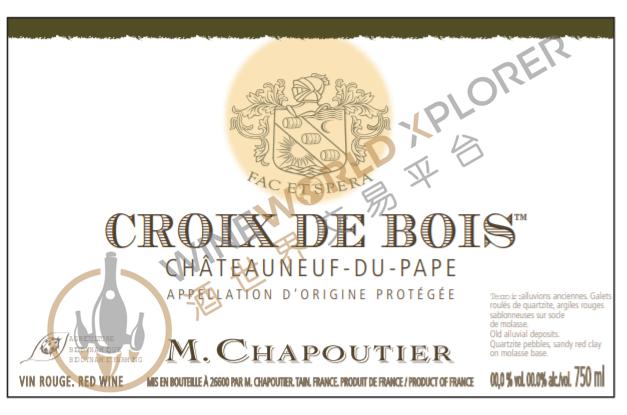
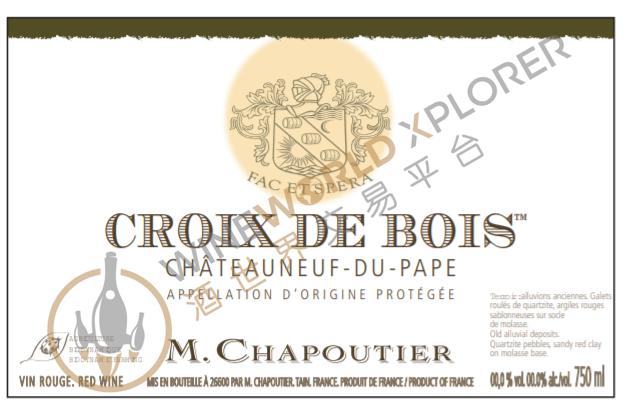
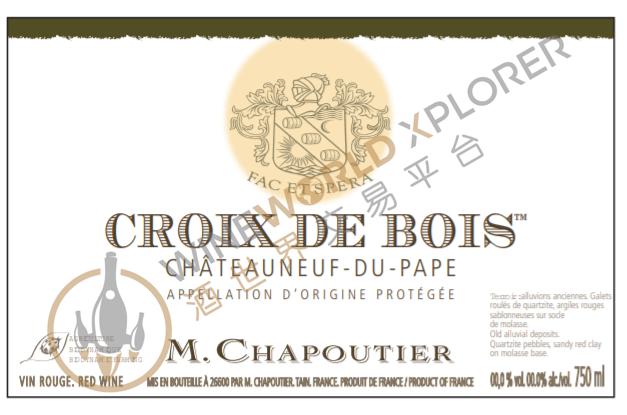
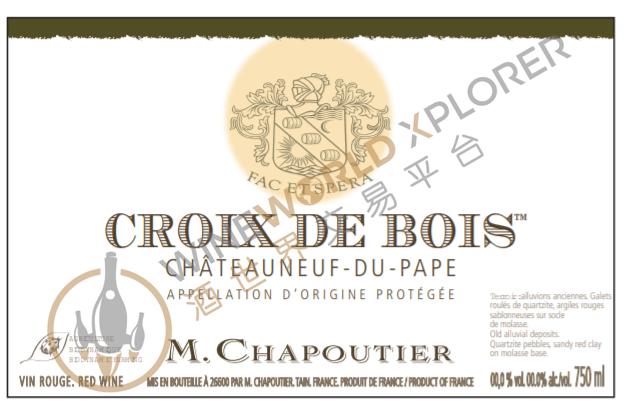
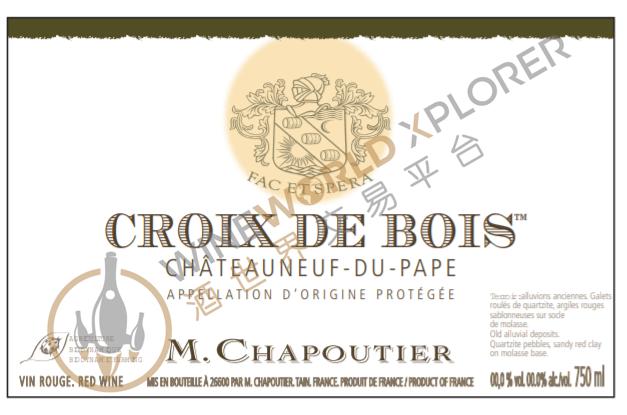
M. Chapoutier, Chateauneuf Du Pape Croix De Bois 2006


Description
Tasting notes

Reviewed by: Josh Raynolds
Bright red. Highly perfumed nose offers raspberry, lavender, pungent herbs and minerals. Enticingly fresh and sweet, with deep but lively red berry preserve flavors and tangy minerality. With its excellent finishing lift and persistence, this reminded me a lot of pinot noir.
Reviewed by: Josh Raynolds
Medium red. Seductively perfumed aromas of vibrant strawberry, raspberry, flowers and minerals, complicated by exotic pit fruit and blood orange qualities. Stony red fruit flavors are silky and poised but possess sneaky depth and power, finishing with vivid cherry and candied licorice notes. This is really sexy.
Reviewed by: Robert M. Parker, Jr.
The 2006 Chateauneuf du Pape Croix de Bois shows intense cedary incense and Provencal herb notes mixed with ground pepper in a sexy, hedonistic style with plump, full-bodied, soft black cherry fruit, licorice, and spice. It is a very aromatic style without the density and weight of its sibling in 2005, but it is gorgeously pure and very seductive. Drink it over the next 10-15 years. The great terroiriste and biodynamic farmer of the northern Rhone, Michel Chapoutier, continues to display impressive talent for turning out strong wines from the southern Rhone even though his undeniably strengths are his single-vineyard wines from the north. Importer: Terlato Wines International, Lake Bluff, IL; tel. (847) 604-8900
Reviewed by: Robert M. Parker, Jr.
The 2006 Chateauneuf du Pape Croix de Bois reveals an intense Provencal herb character as well as peppery, roasted meat, garrigue, and kirsch liqueur notes, full body, good richness, and a long finish. Chapoutier’s single vineyard Chateauneuf du Papes represent two different areas of the appellation, with the Croix de Bois coming from the eastern sector in the Bedarrides region. Chapoutier has adjusted the manner in which he ages these cuvees, as they are now completely aged in tank. Yields for this offering (made from 100+-year-old Grenache vines in the Galets Roulets area) are typically less than .5 tons of fruit per acre. Both the Barbe Rac and Croix de Bois are 100% Grenache. Michel Chapoutier continues to expand his considerable empire throughout southern France. Recently he purchased Jean Marchand’s Domaine des Pontifes in Chateauneuf du Pape, so I would not be surprised to see a third luxury cuvee of Chateauneuf du Pape emerge from this passionate biodynamic producer of Rhone wines. The less expensive Chapoutier offerings continue to increase in quality. Importer: Paterno Imports, Lake Bluff, IL; tel. (847)-604-8900
About the Producer
Founded in 1808, M. Chapoutier owns 175 hectares of vines in five appellations in the Rhone Valley and is now run by the energetic and brilliant Michel Chapoutier. Since Michel started running the estate, the quality of the winemaking has improved very quickly and the philosophy of winemaking has changed considerably. Michel Chapoutier's achievements caused an instant sensation in the winemaking world and he completely changed the way Chapoutier wines were made and the winemaking process, eventually making wines to rival those made by Marcel Guigal, one of the best winemakers in the Rhone Valley. The vineyards of Château Sapoutier range from the Rhone Valley to Châteauneuf-du-Pape, with a number of quality vineyards planted with Syrah, Grenache, Marsanne, Roussanne and other major grape varieties. The winery is "mono-varietal" (i.e. making wines from a single variety), for example, all Syrah for the Châteauneuf-du-Rotie wines, all Marsanne for the Hermitage whites and all Chateauneuf-du-Pape wines. The wines of Chateauneuf-du-Pape are all Grenache. Château Sapoutier has worked tirelessly to improve the quality of its wines, even though each single vineyard produces far more than the 500 cases of fine wine. Since 1989, Château Sapoutier has been using biodynamic farming and winemaking methods with the aim of producing wines that are the purest and closest to the natural terroir. Every decision, every step of the viticultural and winemaking process is designed to add to the terroir, varietal character and vintage identity of the wines. Only wild yeasts are used for fermentation and the wines are made in small oak barrels. The best red and white wines are not clarified or filtered before bottling.