Wine Advisor



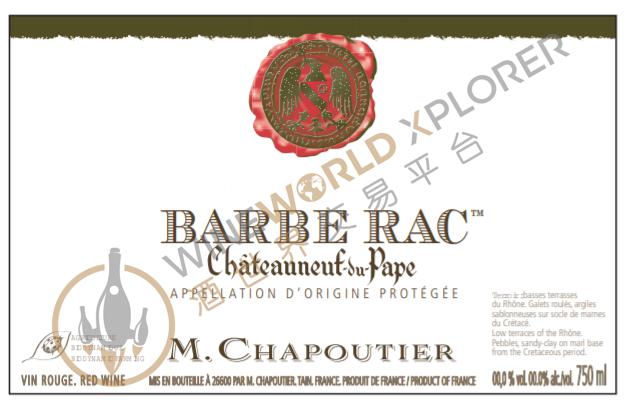
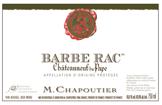
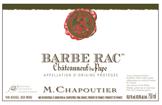
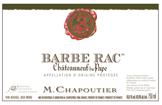
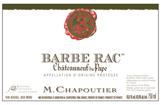
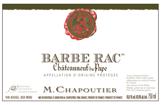
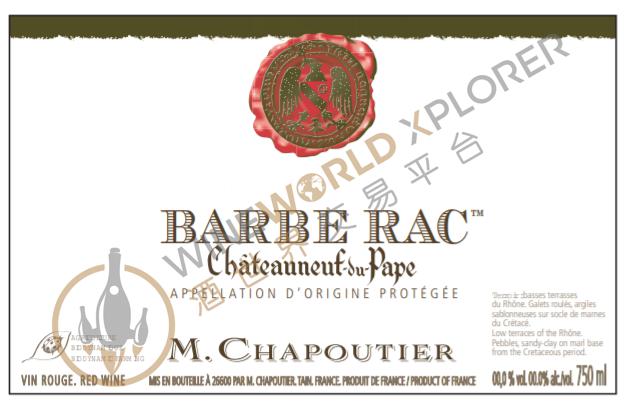
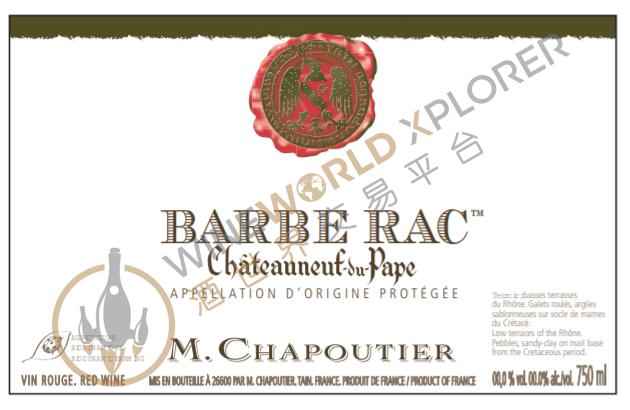
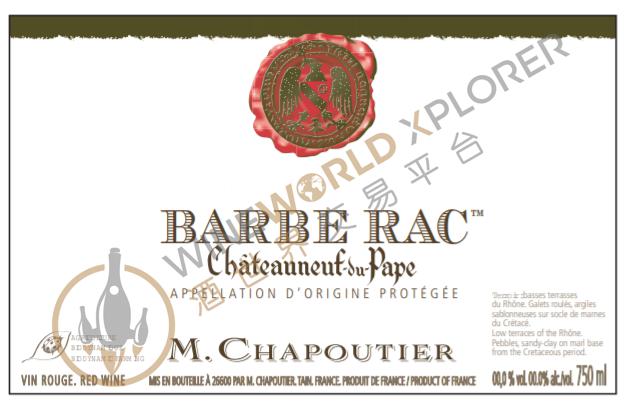
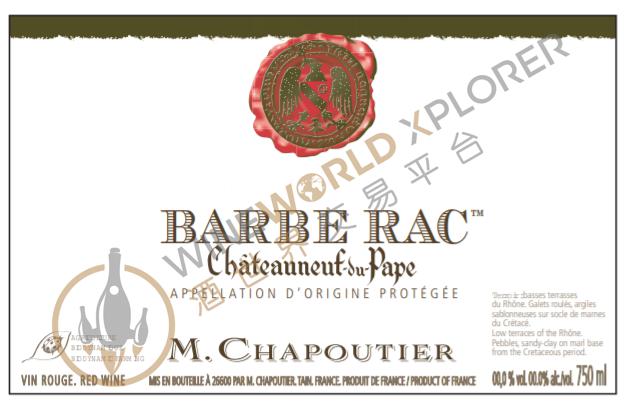
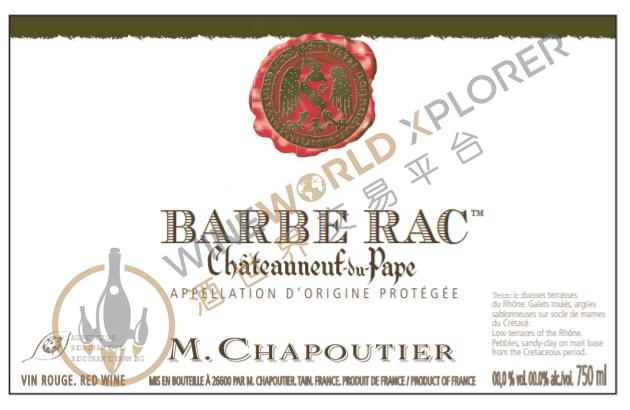
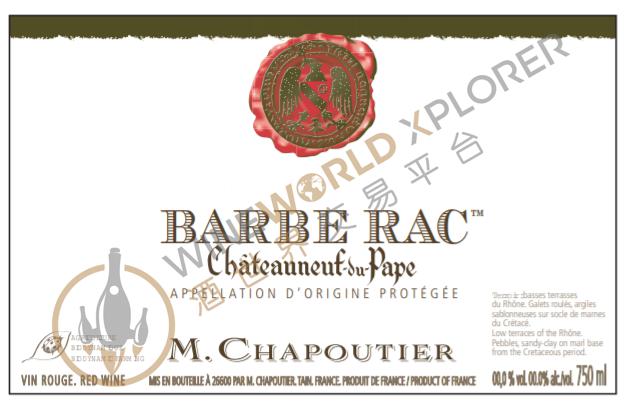
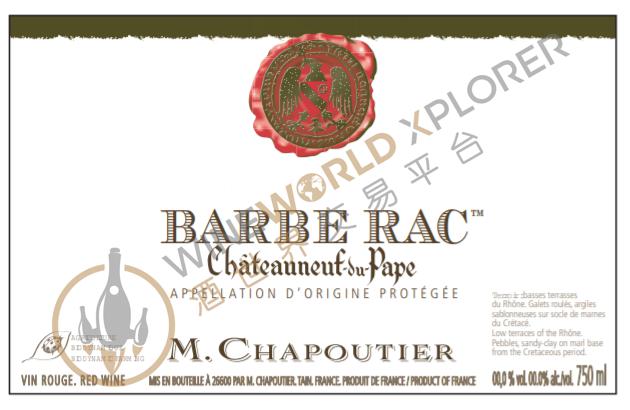
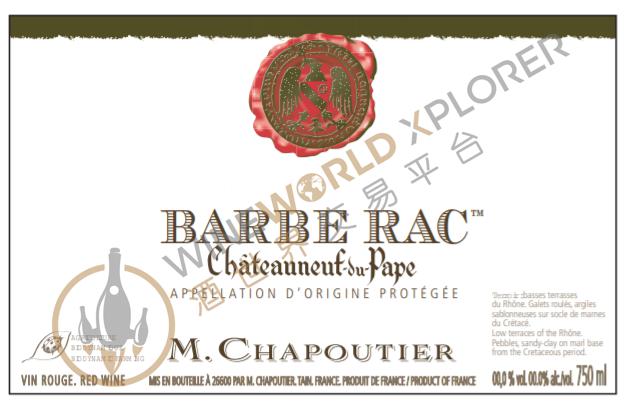
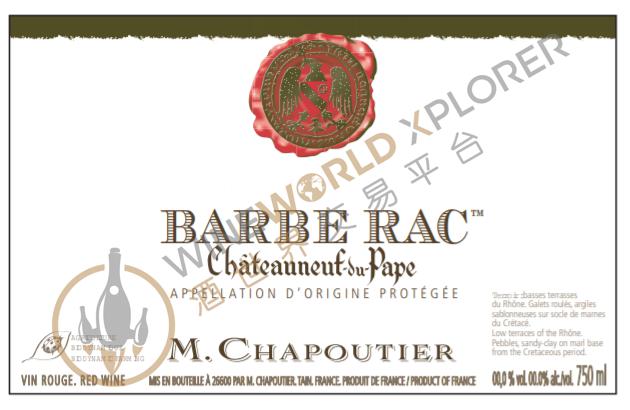
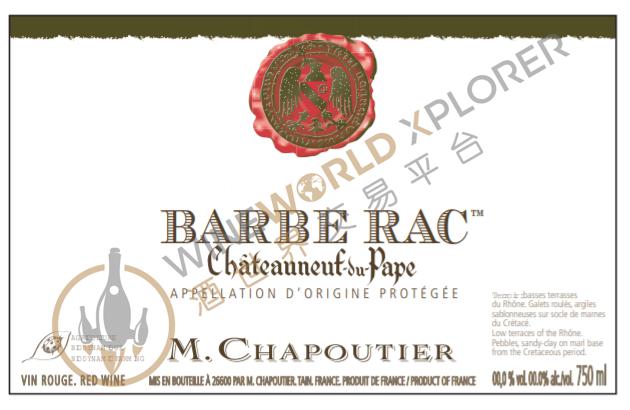
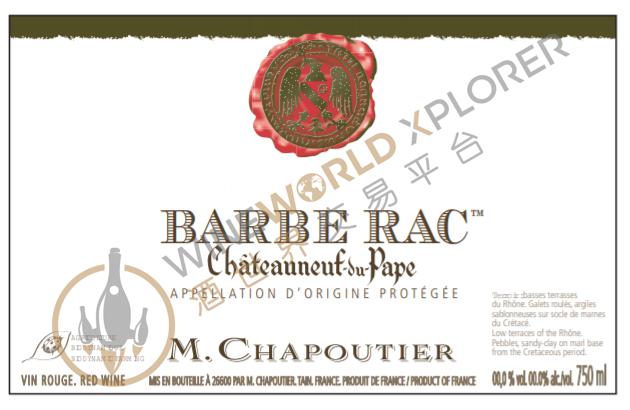
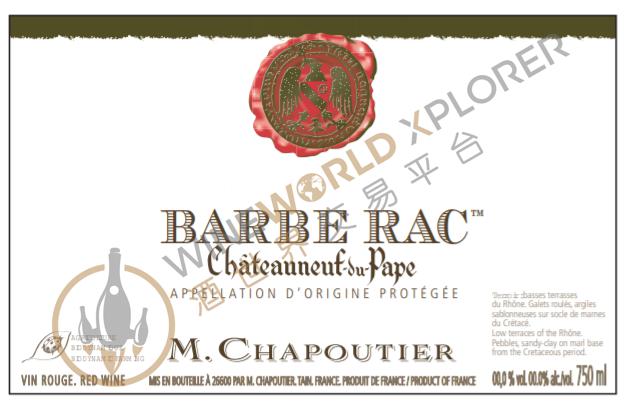
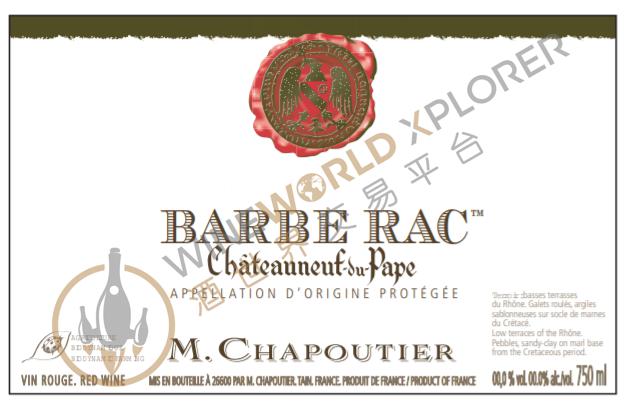
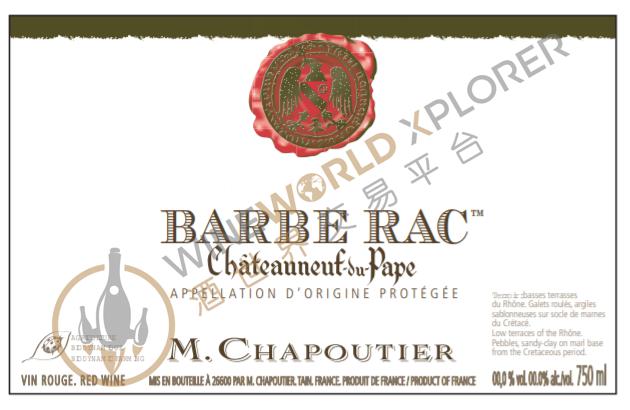
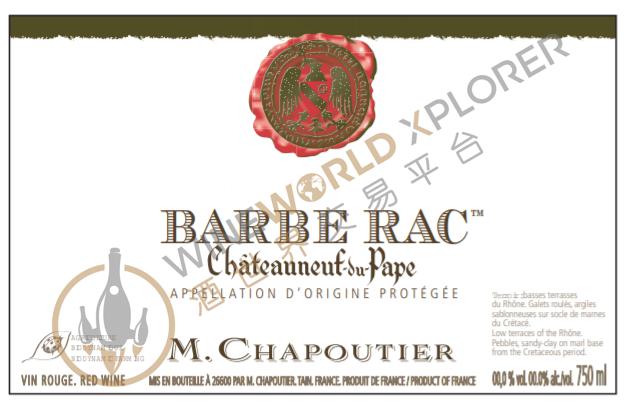
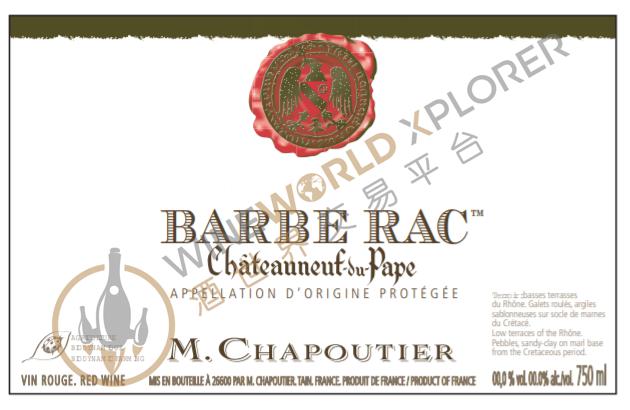
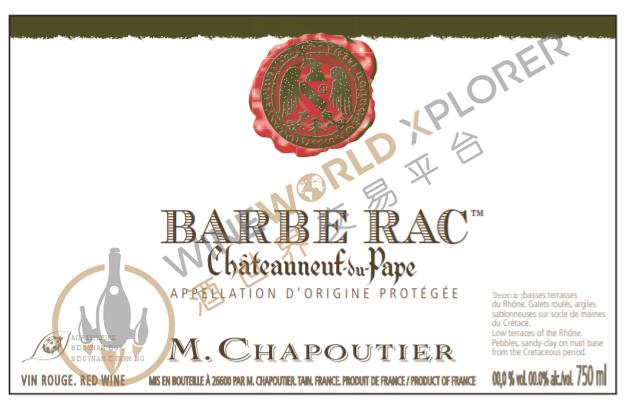
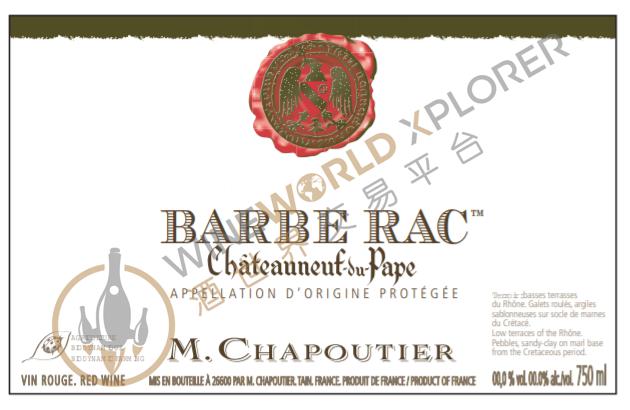
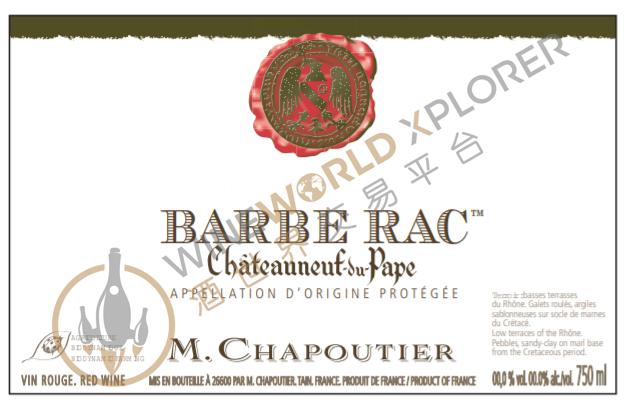
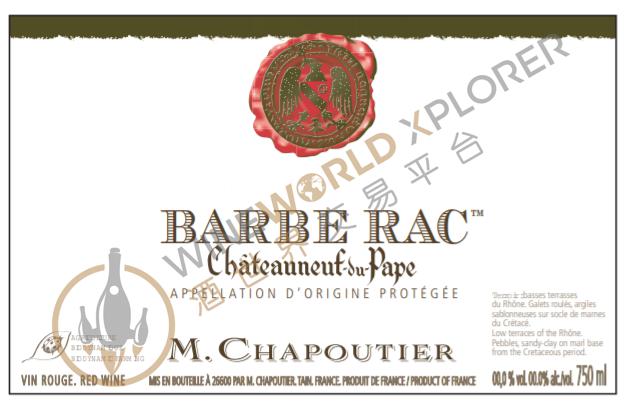
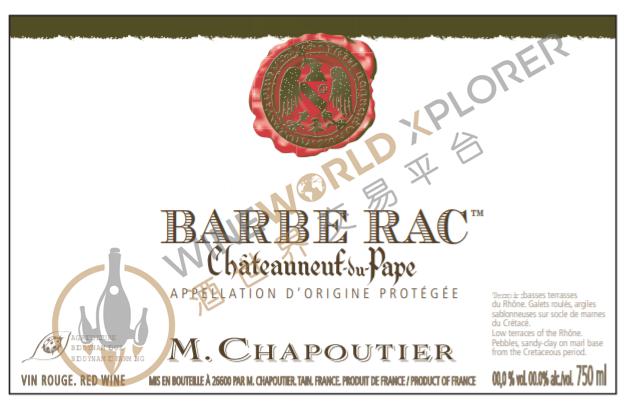
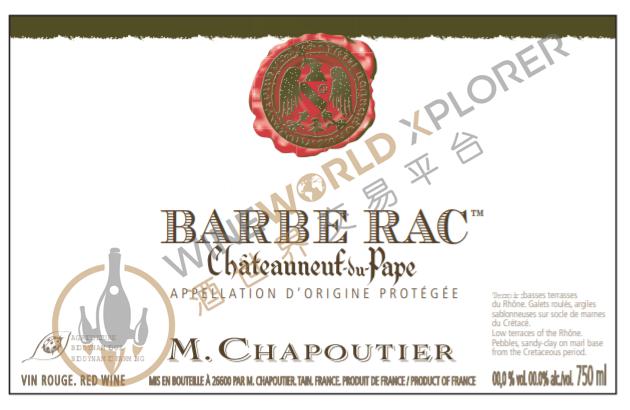
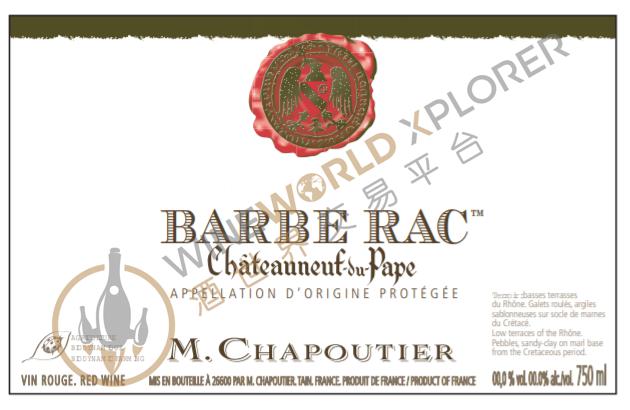
M. Chapoutier, Chateauneuf Du Pape Barbe Rac 2007
 View analysis


Description
Tasting notes

Reviewed by: Robert M. Parker, Jr.
Reminiscent of the 1990, the dense ruby/purple-tinged 2007 Chateauneuf du Pape Barbe Rac is an astonishingly full-bodied, opulent, flamboyant wine displaying an extraordinary bouquet of incense, lavender, kirsch, resin, the seaweed wrappers used in sushi restaurants, and licorice. Chapoutier’s single vineyard Chateauneuf du Papes represent two different areas of the appellation, with the Barbe Rac coming from the western corridor, not far from the Plateau of Mont-Redon. Chapoutier has adjusted the manner in which he ages these cuvees, as they are now completely aged in tank. Made from a minuscule 10 hectoliters per hectare, it reveals great texture, an amazing finish, and riveting overall balance and purity. It should hit its peak in 3-5 years, and last for 20-25. Both the Barbe Rac and Croix de Bois are 100% Grenache. Michel Chapoutier continues to expand his considerable empire throughout southern France. Recently he purchased Jean Marchand’s Domaine des Pontifes in Chateauneuf du Pape, so I would not be surprised to see a third luxury cuvee of Chateauneuf du Pape emerge from this passionate biodynamic producer of Rhone wines. The less expensive Chapoutier offerings continue to increase in quality. Importer: Paterno Imports, Lake Bluff, IL; tel. (847)-604-8900
Reviewed by: Neal Martin
This is much tighter on the nose than the Croix de Bois, more stony with blackberry leaf, a touch of hedgerow. This is very supple, spicy with a certain femininity to it, although it just lacks a little weight and persistency on the finish. Still very fine, very pure and honest. Amazing precision and sense of symmetry. Drink 2010-2020. Tasted March 2008.
Reviewed by: Robert M. Parker, Jr.
The 2007 Chateauneuf du Pape Barbe Rac, which comes from the western part of the appellation from a vineyard planted in 1901 and 1902, is, like the Croix de Bois, 100% Grenache aged totally in cement tanks. It boasts a dense purple color along with a sumptuous nose of black raspberries, black currants, incense, camphor, licorice, and garrigue. Full-bodied, voluptuously-textured, exuberant, rich, and pure with stunning depth and concentration, it can be drunk young or cellared for 15-20 years. Chapoutier’s holdings in Chateauneuf du Pape continue to grow as he purchased the Bois Dauphin estate recently. He now owns 100 acres (all planted with Grenache) in the appellation (all of them biodynamically farmed). Michel Chapoutier fashions some terrific low-end wines that sell for a song, and in 2007, they are of exceptionally high quality. The handful of 2008s I tasted also look very good for the vintage. These are sleeper selections, especially his La Ciboise and Estubiers from the Coteaux du Tricastin. Importer: Paterno Imports, Lake Bluff, IL; tel. (847) 604-8900
About the Producer
Founded in 1808, M. Chapoutier owns 175 hectares of vines in five appellations in the Rhone Valley and is now run by the energetic and brilliant Michel Chapoutier. Since Michel started running the estate, the quality of the winemaking has improved very quickly and the philosophy of winemaking has changed considerably. Michel Chapoutier's achievements caused an instant sensation in the winemaking world and he completely changed the way Chapoutier wines were made and the winemaking process, eventually making wines to rival those made by Marcel Guigal, one of the best winemakers in the Rhone Valley. The vineyards of Château Sapoutier range from the Rhone Valley to Châteauneuf-du-Pape, with a number of quality vineyards planted with Syrah, Grenache, Marsanne, Roussanne and other major grape varieties. The winery is "mono-varietal" (i.e. making wines from a single variety), for example, all Syrah for the Châteauneuf-du-Rotie wines, all Marsanne for the Hermitage whites and all Chateauneuf-du-Pape wines. The wines of Chateauneuf-du-Pape are all Grenache. Château Sapoutier has worked tirelessly to improve the quality of its wines, even though each single vineyard produces far more than the 500 cases of fine wine. Since 1989, Château Sapoutier has been using biodynamic farming and winemaking methods with the aim of producing wines that are the purest and closest to the natural terroir. Every decision, every step of the viticultural and winemaking process is designed to add to the terroir, varietal character and vintage identity of the wines. Only wild yeasts are used for fermentation and the wines are made in small oak barrels. The best red and white wines are not clarified or filtered before bottling.