Wine Advisor



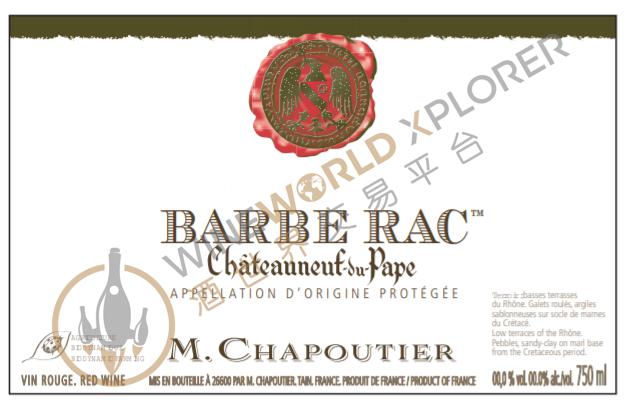
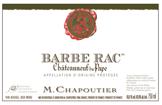
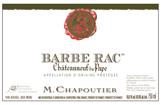
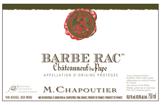
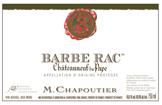
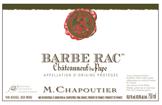
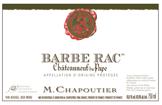
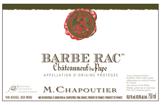
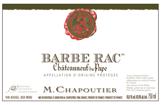
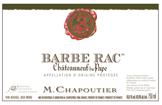
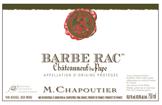
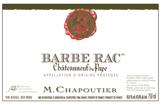
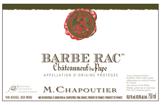
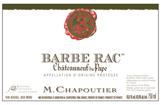
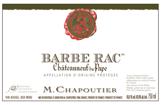
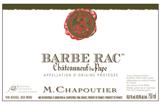
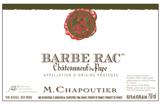
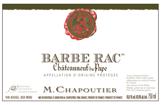
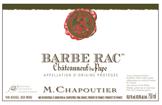
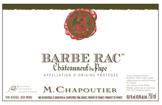
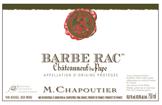
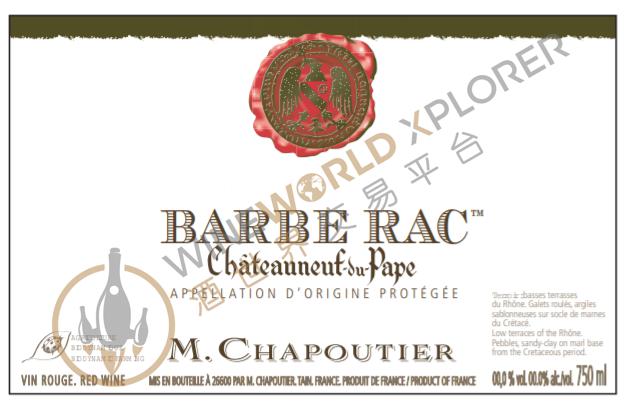
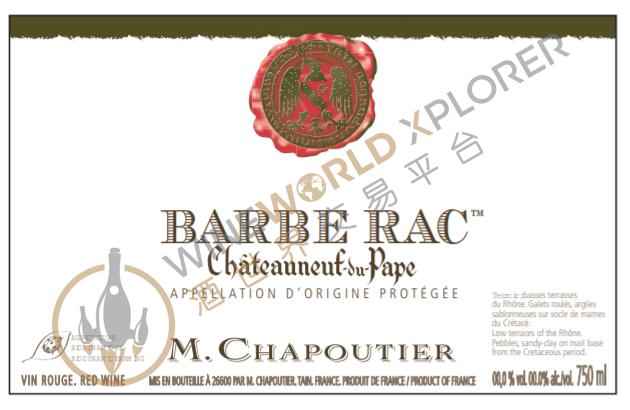
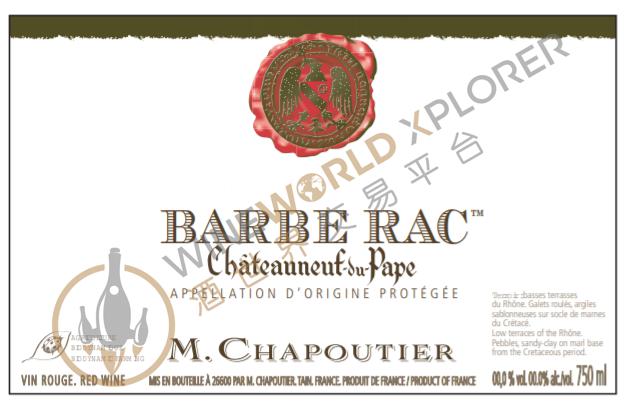
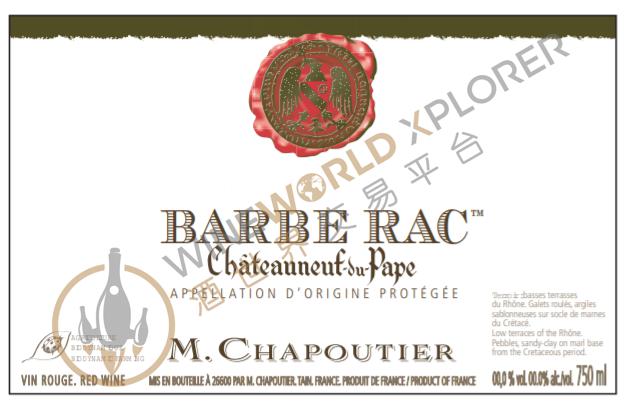
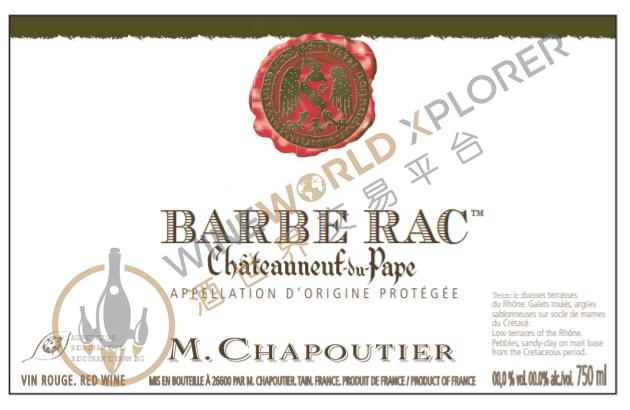
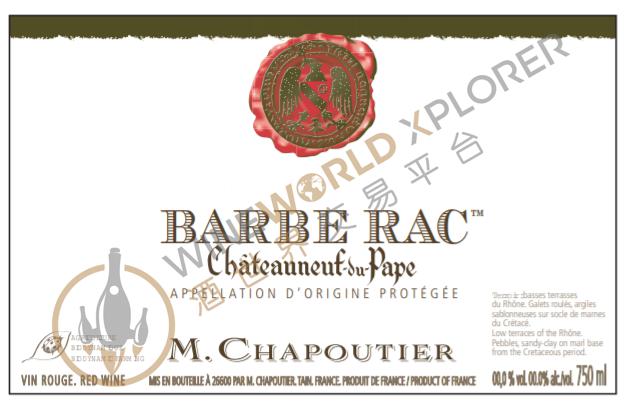
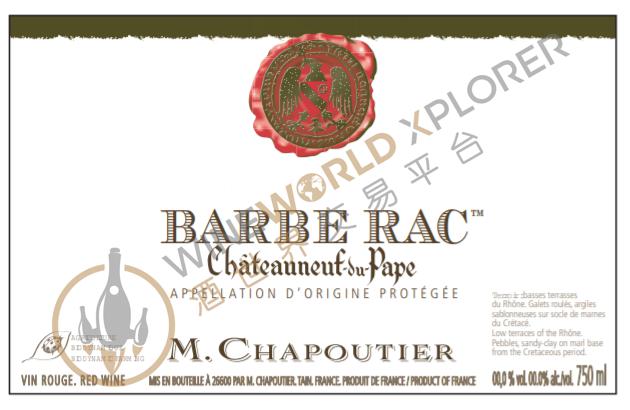
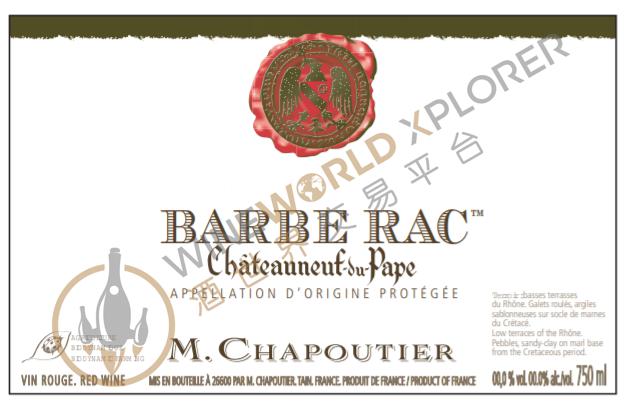
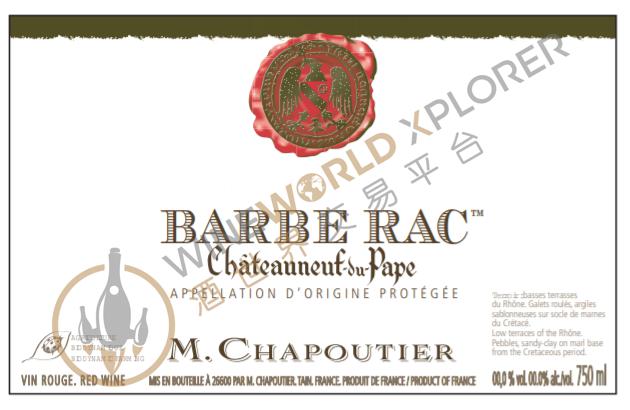
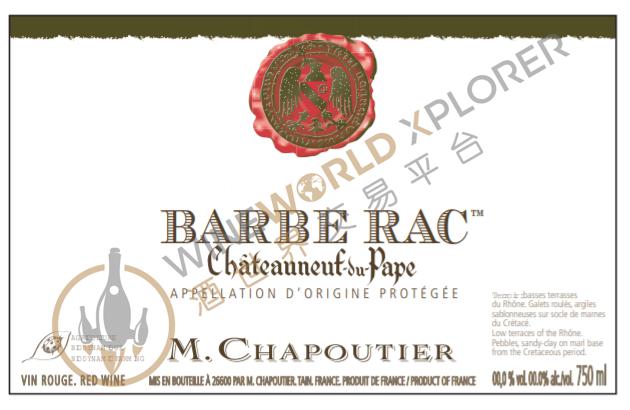
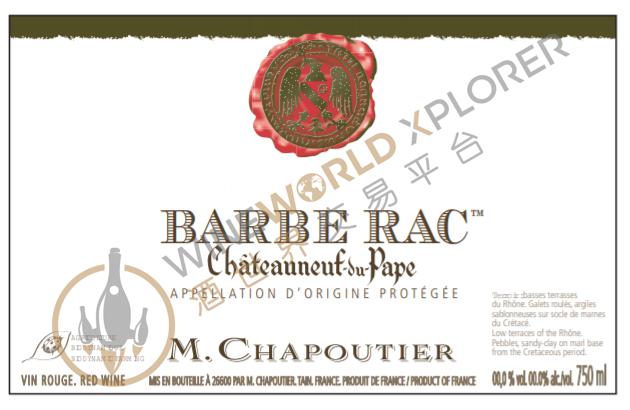
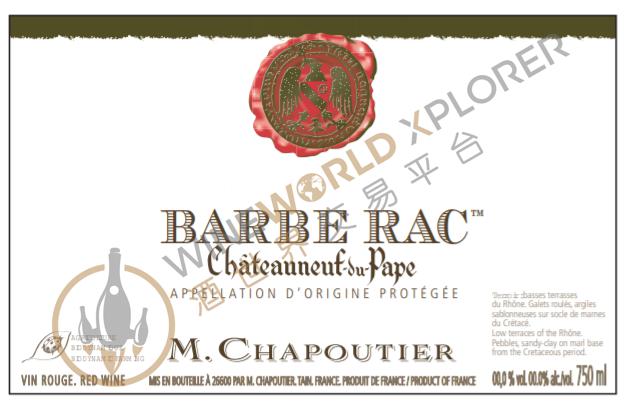
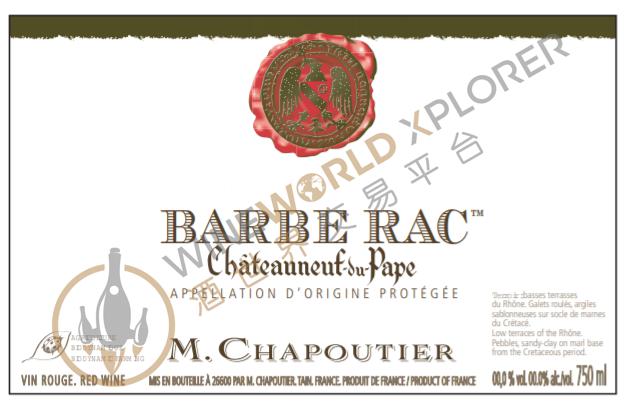
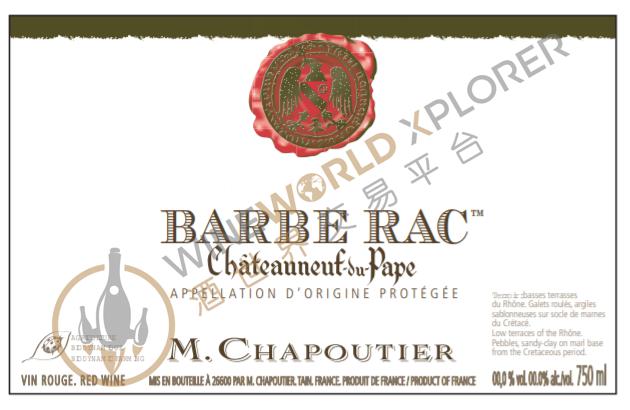
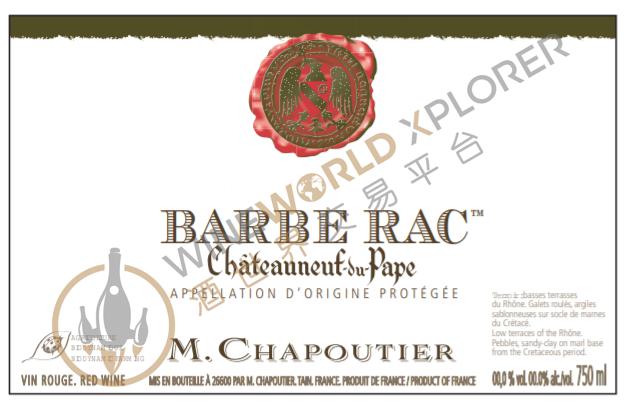
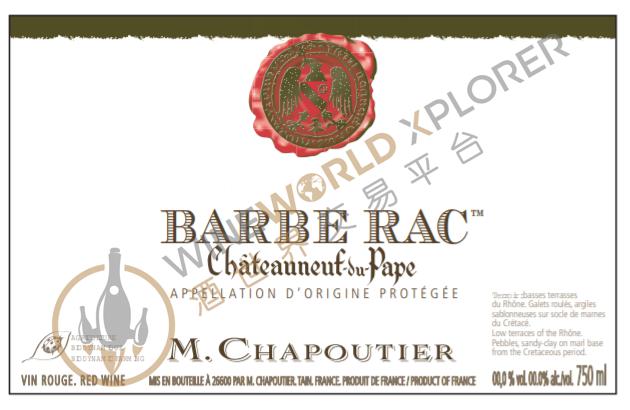
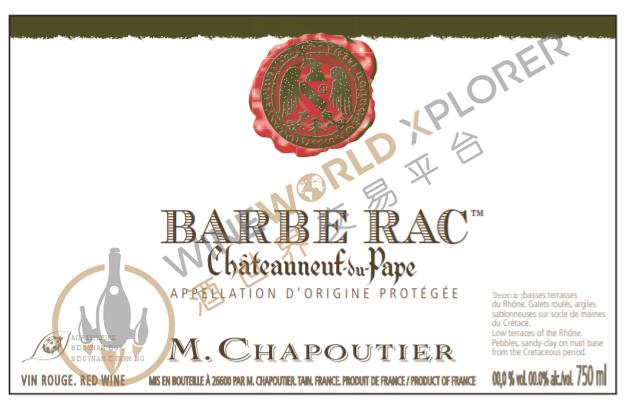
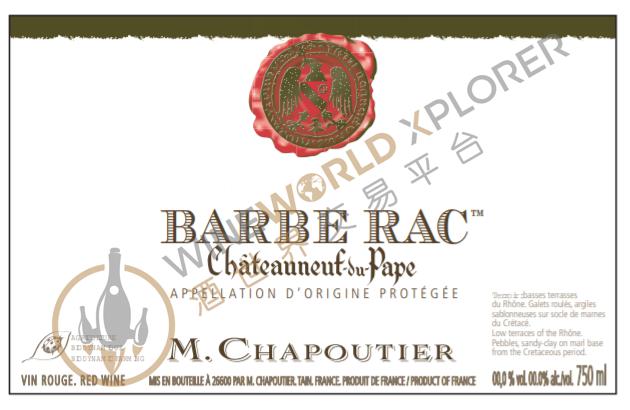
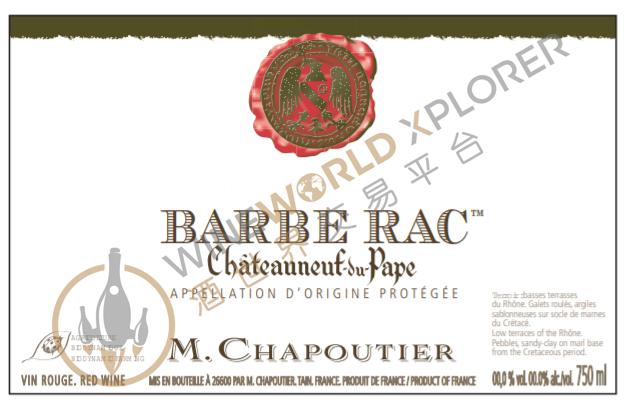
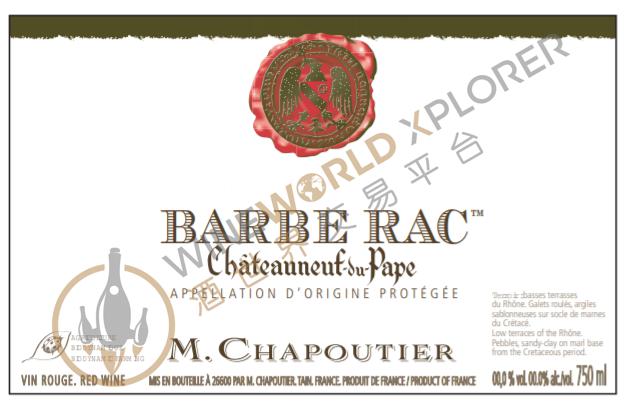
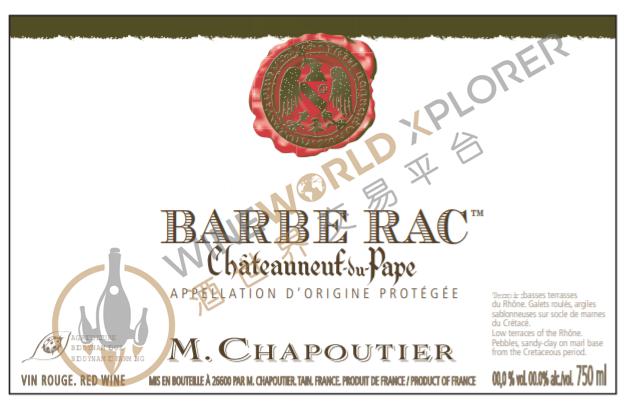
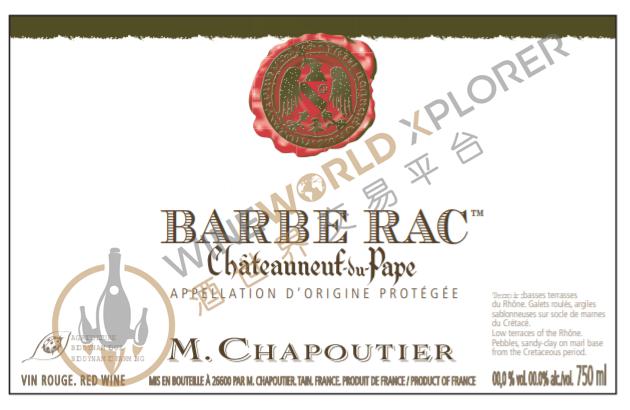
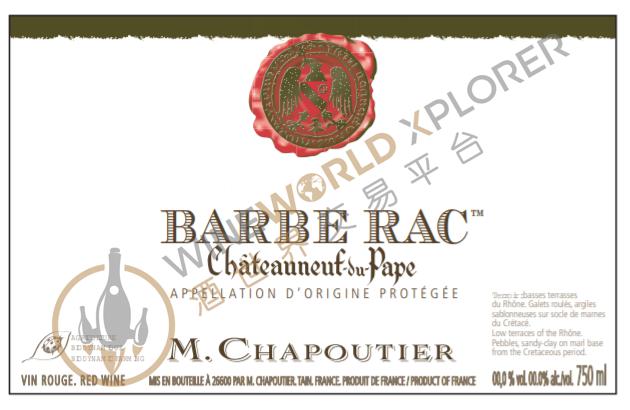
M. Chapoutier, Chateauneuf Du Pape Barbe Rac 1990
 View analysis


Description
Tasting notes

Reviewed by: Robert M. Parker, Jr.
In 1990 (less than 5,000 bottles produced), the yields were a microscopic 15 hectoliters per hectare, or roughly one-half ton of grapes per acre. The wine was cold macerated for several days before fermentation. The cuvaison lasted for a month! The result is one of the most awesome red wines I have ever tasted. The opaque dark ruby/purple color is followed by a nose that is at first reticent and backward. With airing, powerful aromas of black raspberries, chocolate, roasted nuts, herbs, and earth eventually emerge. In the mouth there is extraordinary richness, gobs of glycerin, a full-bodied, unctuous texture, and a finish that reveals stunning extraction of flavor and high tannins. My instincts suggest a probable 25-35 years of longevity. If Michel Chapoutier is aiming for a style of Chateauneuf du Pape that emulates the renowned Chateau Rayas, but even more concentrated and intense, he has achieved that goal with the 1990 Barbe Rac. Anticipated maturity: 1998-2020. Last tasted 12/95.
Reviewed by: Neal Martin
The ’90 Barbe Rac continues to be a superb wine from Michel Chapoutier, with more secondary characteristics on this bottle compared to the one a couple of years ago. Here those red cherries have given way for wild herbs and an attractive lavender note. The palate is quite tight and very focused, retaining a sense of tautness and a pleasing supple mid-palate with hints of walnut and tobacco towards the finish. Excellent. Drink now-2020. Tasted June 2010.
Reviewed by: Neal Martin
Now at 18-years of age, this Barbe Rac has an earthy, cedar-scented nose with hints of macerated red cherries, tree bark and even a touch of sea salt. Complex and intellectual. The palate is understated on the entry, but builds nicely to a compact, straight-laced, rigid finish of blackberry, walnut, tobacco and black pepper. It is surprisingly backward and on this showing has a long plateau ahead. Impressive. Drink now-2020. Tasted June 2008.
Reviewed by: Robert M. Parker, Jr.
Chapoutier's luxury cuvee of Chateauneuf du Pape, Barbe Rac, is the result of a specific portion of their vineyard that is extremely old and densely planted with nearly 11,000 vines per hectare. In 1990 (less than 5,000 bottles produced), the yields were a microscopic 15 hectoliters per hectare, or roughly one-half ton of grapes per acre. The wine is cold macerated for several days before fermentation. The cuvaison lasted for a month! The result is one of the most awesome red wines I have ever tasted. The opaque dark ruby/purple color is followed by a nose that is at first reticent and backward. With airing, powerful aromas of black-raspberries, chocolate, roasted nuts, herbs, and earth eventually emerge. In the mouth, there is extraordinary richness, gobs of glycerin, a full-bodied, unctuous texture, and a finish that reveals stunning extraction of flavor and high tannins. My instincts suggest that 25-35 years of longevity is probable. If Michel Chapoutier is aiming for a style of Chateauneuf du Pape that emulates the renowned Chateau Rayas, but even more concentrated and intense, he has achieved that goal with the 1990 Barbe Rac. It should drink well by the mid-nineties and last for 2-3 decades. Importer: Paterno Imports, Chicago, IL.
Reviewed by: Robert M. Parker, Jr.
The blockbuster 1990 is just now approaching full maturity. It possesses a dense ruby/purple color as well as a gorgeous bouquet of prunes, kirsch liqueur, balsam wood, incense, and fruitcake. Full-bodied, with a viscous texture, and a long, concentrated finish exhibiting admirable purity and balance, it can be drunk now and over the next 17-18 years. Importer: Paterno Imports, Lake Bluff, IL; tel. (847) 604-8900
About the Producer
Founded in 1808, M. Chapoutier owns 175 hectares of vines in five appellations in the Rhone Valley and is now run by the energetic and brilliant Michel Chapoutier. Since Michel started running the estate, the quality of the winemaking has improved very quickly and the philosophy of winemaking has changed considerably. Michel Chapoutier's achievements caused an instant sensation in the winemaking world and he completely changed the way Chapoutier wines were made and the winemaking process, eventually making wines to rival those made by Marcel Guigal, one of the best winemakers in the Rhone Valley. The vineyards of Château Sapoutier range from the Rhone Valley to Châteauneuf-du-Pape, with a number of quality vineyards planted with Syrah, Grenache, Marsanne, Roussanne and other major grape varieties. The winery is "mono-varietal" (i.e. making wines from a single variety), for example, all Syrah for the Châteauneuf-du-Rotie wines, all Marsanne for the Hermitage whites and all Chateauneuf-du-Pape wines. The wines of Chateauneuf-du-Pape are all Grenache. Château Sapoutier has worked tirelessly to improve the quality of its wines, even though each single vineyard produces far more than the 500 cases of fine wine. Since 1989, Château Sapoutier has been using biodynamic farming and winemaking methods with the aim of producing wines that are the purest and closest to the natural terroir. Every decision, every step of the viticultural and winemaking process is designed to add to the terroir, varietal character and vintage identity of the wines. Only wild yeasts are used for fermentation and the wines are made in small oak barrels. The best red and white wines are not clarified or filtered before bottling.