Wine Advisor



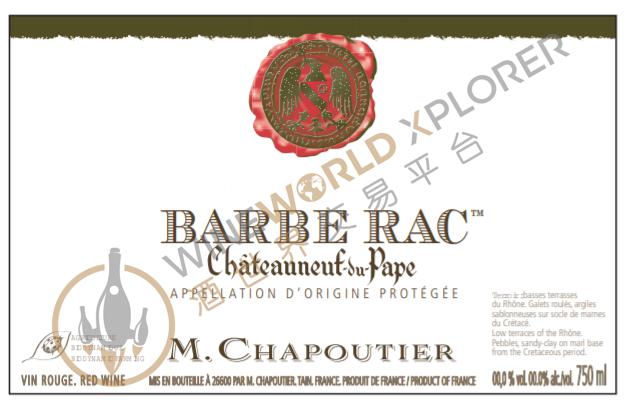
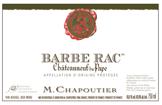
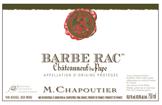
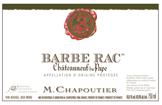
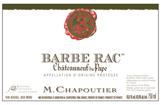
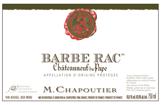
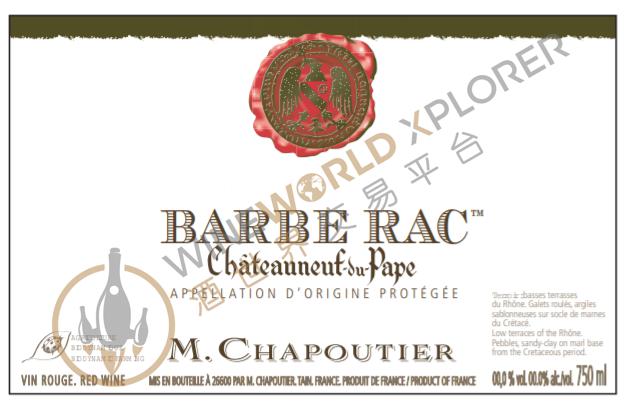
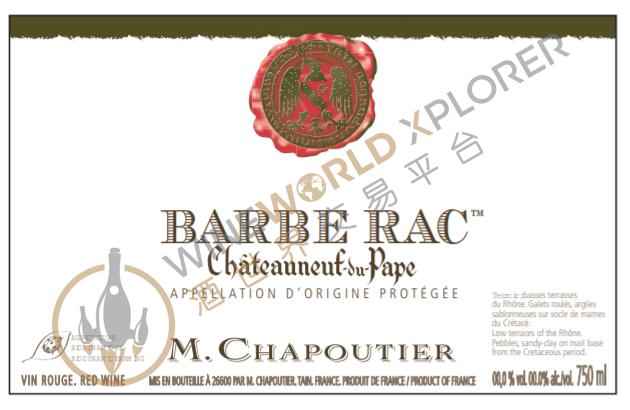
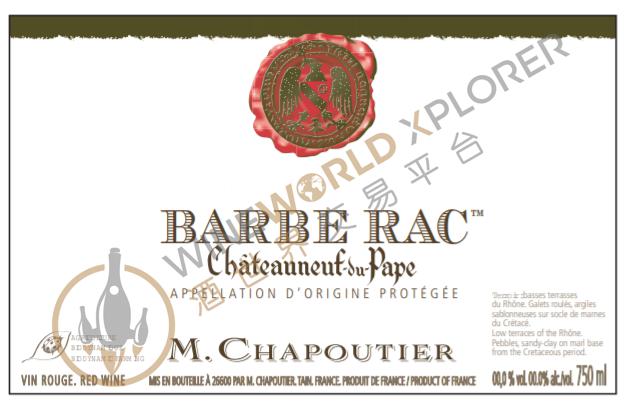
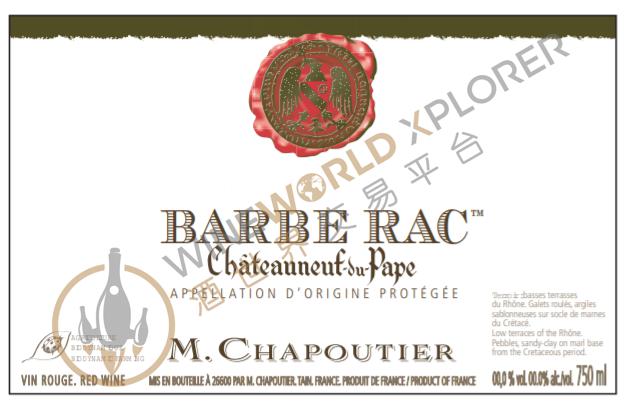
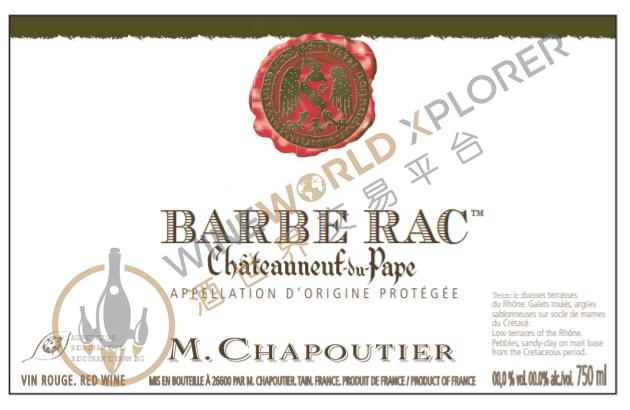
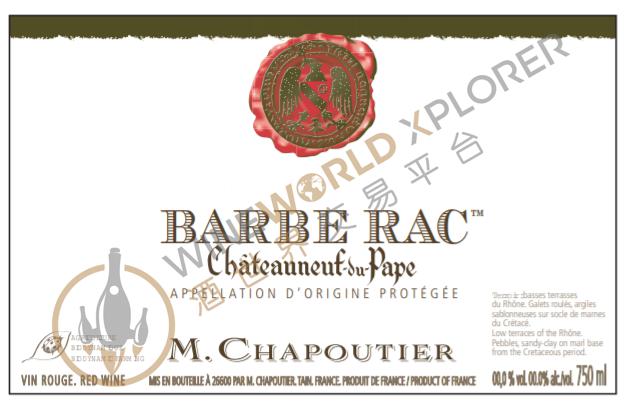
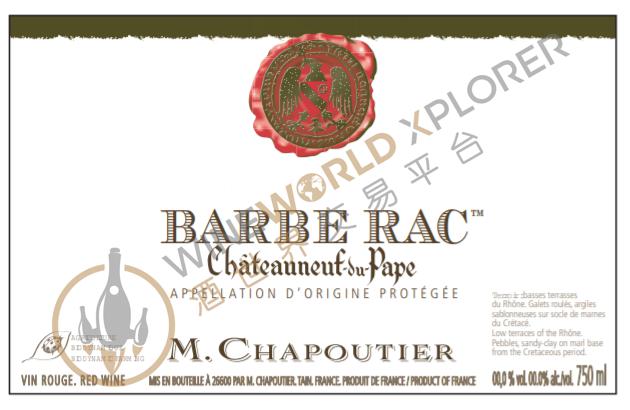
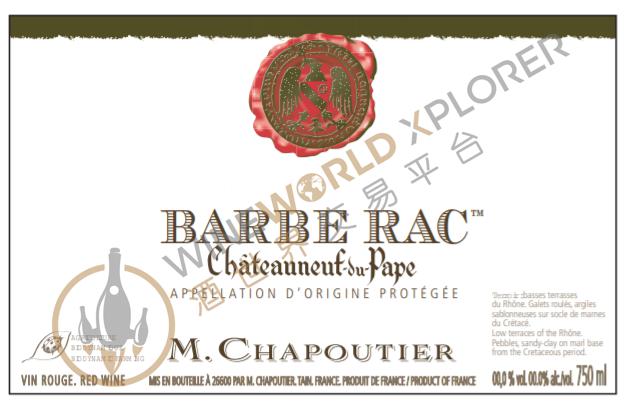
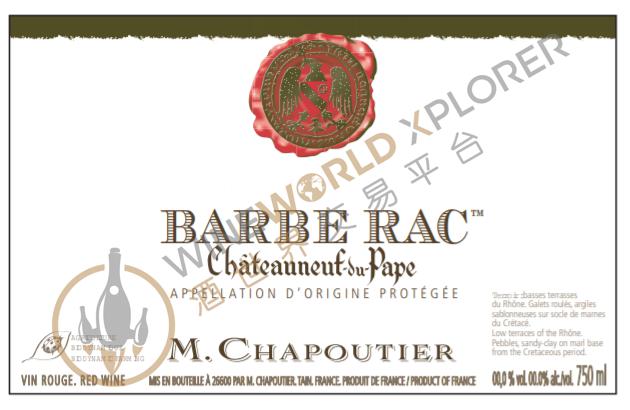
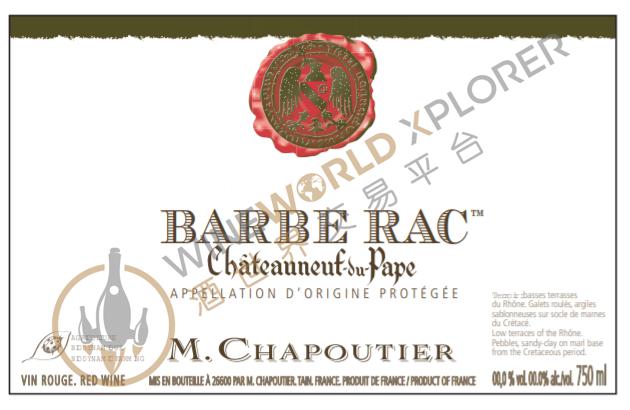
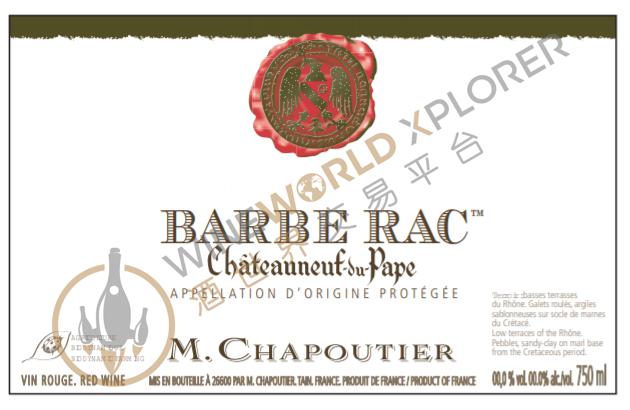
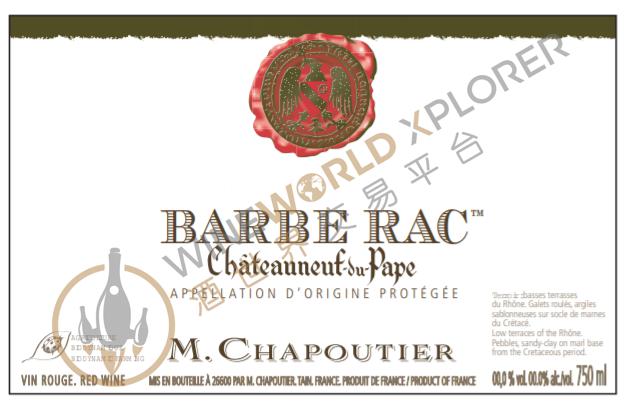
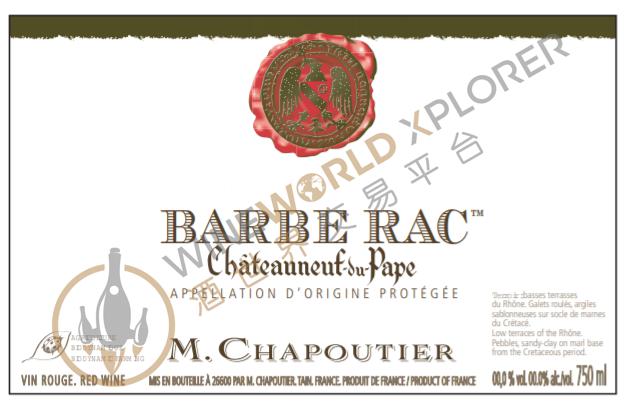
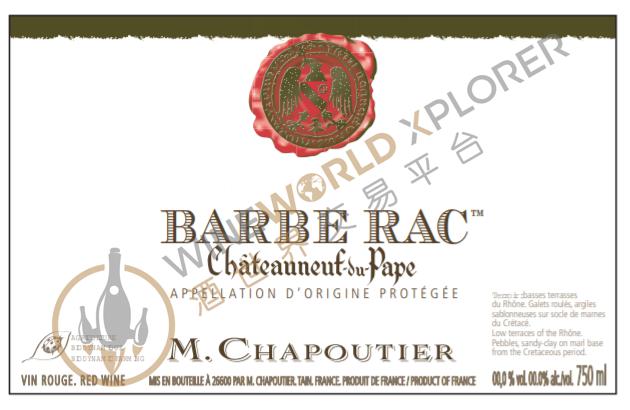
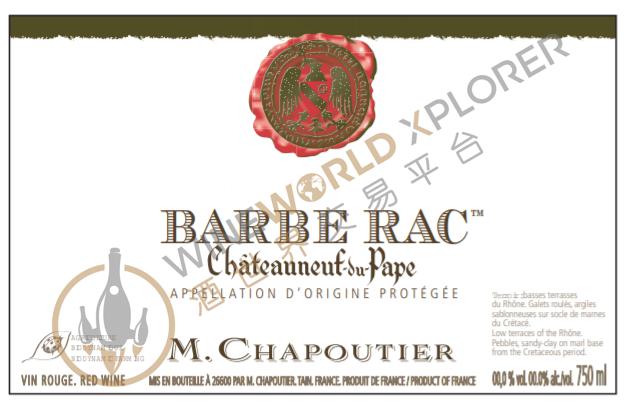
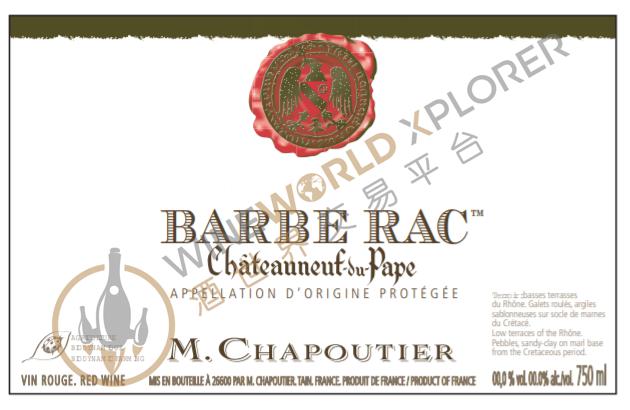
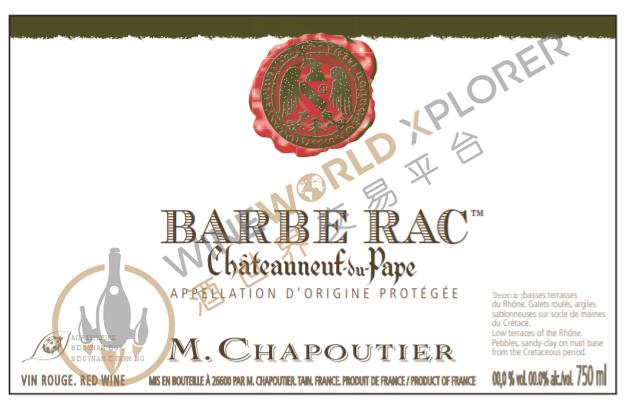
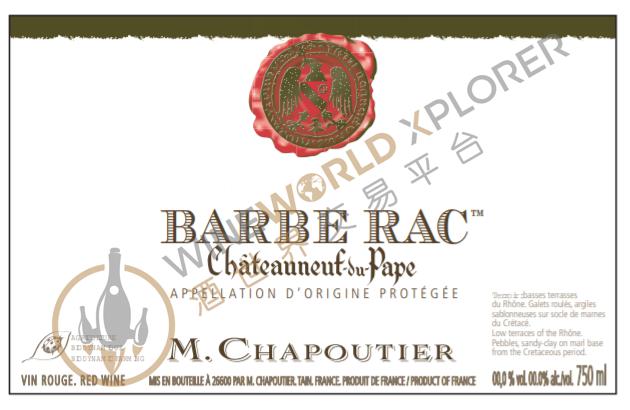
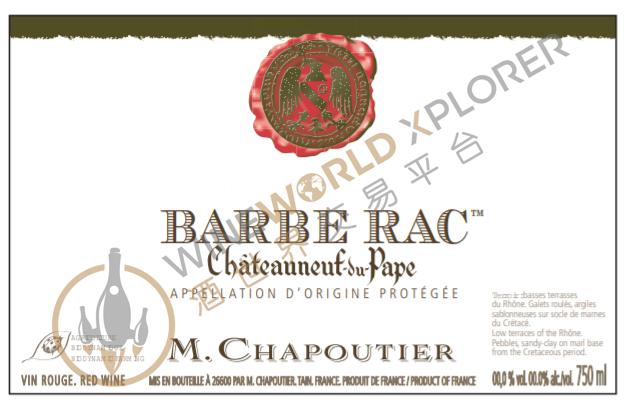
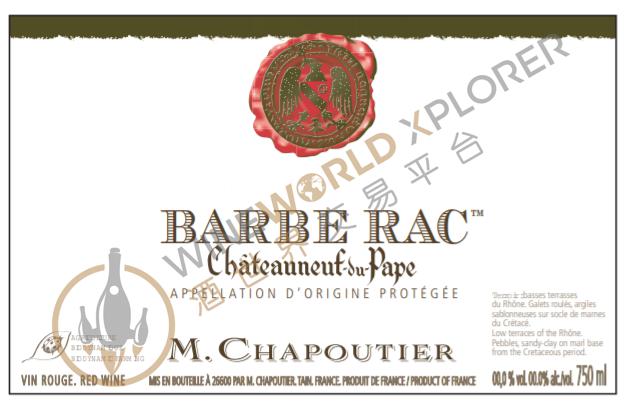
M. Chapoutier, Chateauneuf Du Pape Barbe Rac 1998
 View analysis


Description
Tasting notes

Reviewed by: Jeb Dunnuck
More concentrated and rich than the Croix de Bois, the 1998 Chateauneuf du Pape Barbe Rac offers a blockbuster bouquet of blackberries, kirsch, ground herbs, licorice and scorched earth. Coming from the southwestern sector of the appellation and vines planted in 1901, this full-bodied, layered and sexy 1998 has enough fruit and depth to continue drinking nicely for another decade.
Reviewed by: Robert M. Parker, Jr.
There are approximately 600 cases of the 1998 Chateauneuf du Pape Barbe Rac, which comes from a parcel of Grenache vines planted in 1901 in the western sector of the appellation. A dark plum/purple color is accompanied by a smoky, kirsch, roasted meat, and saddle leather-scented bouquet. The wine took a full year to ferment dry. The result is a blockbuster, full-bodied, super-concentrated Chateauneuf du Pape with multiple nuances of spice and Christmas fruit cake, as well as a lusty, heady, alcoholic finish nicely balanced by abundant quantities of glycerin and dense, layered fruit. Don't hesitate to drink it now as well as over the next two decades. Importer: Paterno Imports, Lake Bluff, IL; tel. (847) 604-8900
Reviewed by: Robert M. Parker, Jr.
Deep, with a saturated color, and additional body, depth, and richness, the 1998 Barbe Rac reveals less garrigue and more black raspberry, cherry, earthy, peppery fruit. It is fabulously concentrated and long and full. Give it another 1-3 years of cellaring, and drink it over the following 20-25 years.
Reviewed by: Robert M. Parker, Jr.
The 1998, which comes from a parcel of Grenache vines planted in 1901 in the western sector of the appellation. A dark plum/purple color is accompanied by a smoky, kirsch, roasted meat, and saddle leather-scented bouquet. The wine took a full year to ferment dry. The result is a blockbuster, full-bodied, super-concentrated Chateauneuf du Pape with multiple nuances of spice and Christmas fruit cake, as well as a lusty, heady, alcoholic finish nicely balanced by abundant quantities of glycerin and dense, layered fruit. Don’t hesitate to drink it now as well as over the next two decades. Importer: Paterno Imports, Lake Bluff, IL; tel. (847) 604-8900
Reviewed by: Robert M. Parker, Jr.
Chapoutier’s 1998 Barbe Rac is close to full maturity. It exhibits an abundance of Provencal herbs intermixed with new saddle leather, kirsch, framboise, and spice box. The intoxicatingly heady, complex aromatics are followed by a full-bodied, lush, succulent style of wine with a relatively high alcohol/glycerin content and loads of fruit. This wine is drinking terrifically well after going through an awkward stage about two to three years ago. Drink it between now and 2020.
Reviewed by: Robert M. Parker, Jr.
The superb 1998 Chateauneuf du Pape Barbe Rac is a complete and concentrated wine. The murky, dark ruby/plum color is followed by aromas of sweet, jammy black cherries/raspberries, dried herbs, and grilled meats. Soft, unctuously-textured, fat, and alcoholic, with a chewy, lush finish, this powerhouse Chateauneuf du Pape should drink well young, but last for 15-20 years. It is a blockbuster. A bottle kept open over night (because of concerns about this wine's fragility given its low acidity) revealed no signs of oxidation after twenty-four hours - always a good sign. Importer: Paterno Imports, Lake Bluff, IL; tel. (847) 604-8900
About the Producer
Founded in 1808, M. Chapoutier owns 175 hectares of vines in five appellations in the Rhone Valley and is now run by the energetic and brilliant Michel Chapoutier. Since Michel started running the estate, the quality of the winemaking has improved very quickly and the philosophy of winemaking has changed considerably. Michel Chapoutier's achievements caused an instant sensation in the winemaking world and he completely changed the way Chapoutier wines were made and the winemaking process, eventually making wines to rival those made by Marcel Guigal, one of the best winemakers in the Rhone Valley. The vineyards of Château Sapoutier range from the Rhone Valley to Châteauneuf-du-Pape, with a number of quality vineyards planted with Syrah, Grenache, Marsanne, Roussanne and other major grape varieties. The winery is "mono-varietal" (i.e. making wines from a single variety), for example, all Syrah for the Châteauneuf-du-Rotie wines, all Marsanne for the Hermitage whites and all Chateauneuf-du-Pape wines. The wines of Chateauneuf-du-Pape are all Grenache. Château Sapoutier has worked tirelessly to improve the quality of its wines, even though each single vineyard produces far more than the 500 cases of fine wine. Since 1989, Château Sapoutier has been using biodynamic farming and winemaking methods with the aim of producing wines that are the purest and closest to the natural terroir. Every decision, every step of the viticultural and winemaking process is designed to add to the terroir, varietal character and vintage identity of the wines. Only wild yeasts are used for fermentation and the wines are made in small oak barrels. The best red and white wines are not clarified or filtered before bottling.