
 Wine Advisor



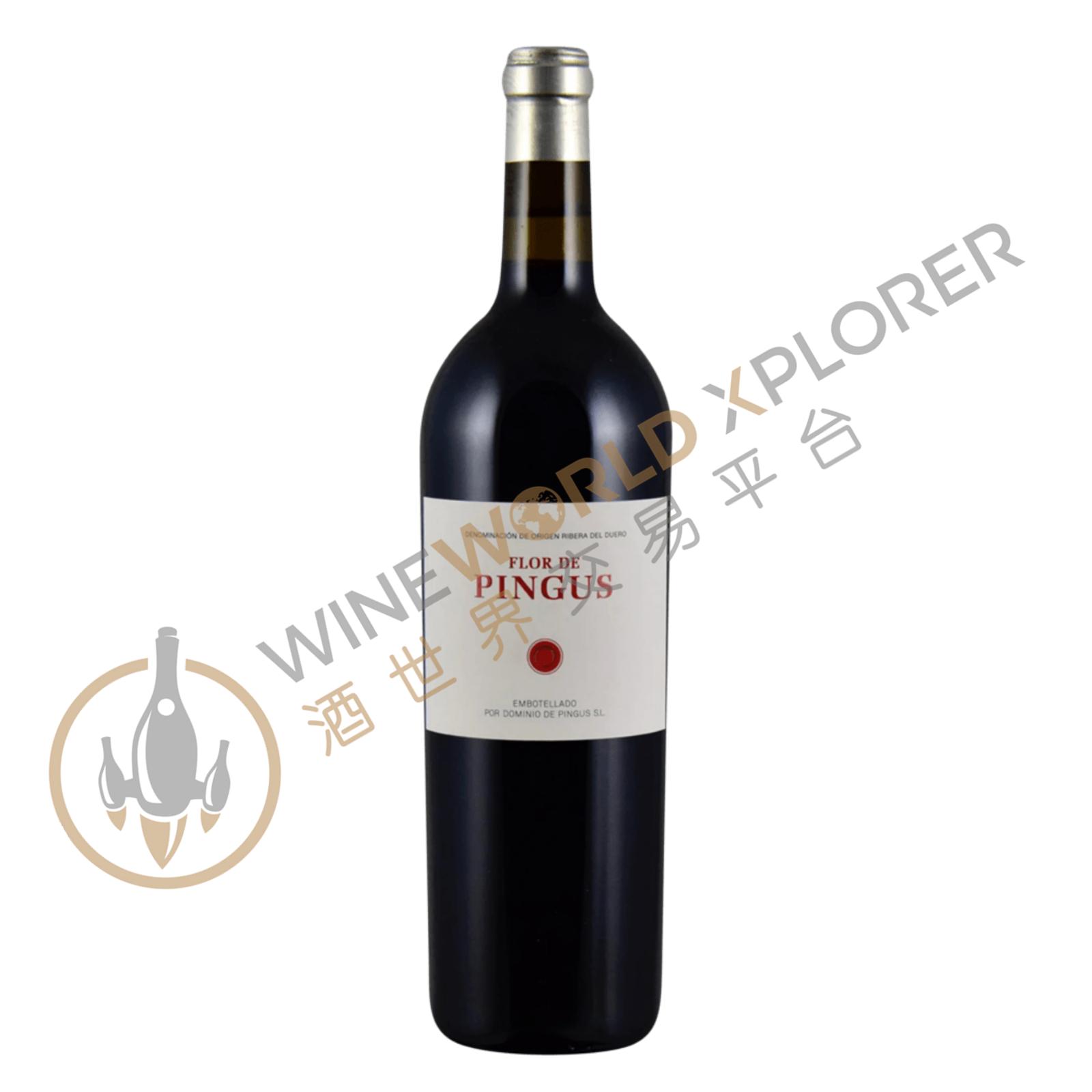
Dominio De Pingus, Flor de Pingus 2018
 View analysis


Description
Tasting notes

Reviewed by: Luis Gutiérrez
Like the rest of the wines, I tasted the bottled 2018 Flor de Pingus—which I tasted unbottled last year—next to the 2019 that will be bottled in June 2021, and it was great to see how the wines reflected the character of the two vintages. All of the estate vineyards are certified organic, and this is pure Tinta del País, the local strain of Tempranillo, from 40 hectares in five different locations (parajes) of the village of La Horra where the Pingus vineyards are also located. It fermented with natural yeasts and also natural malolactic and matured for 18 months in French oak barrels, 25% new. The day I tasted it, the wine was oakier than normal, but the amount of new oak is not higher than normal. The palate showed much better, with very fine and polished tannins. There is freshness, even red fruit and good balance. The oak should integrate with a little more time in bottle. 120,000 bottles produced. It was bottled in July 2020.
Reviewed by: Luis Gutiérrez
Like the rest of the wines, I tasted the bottled 2018 Flor de Pingus—which I tasted unbottled last year—next to the 2019 that will be bottled in June 2021, and it was great to see how the wines reflected the character of the two vintages. All of the estate vineyards are certified organic, and this is pure Tinta del País, the local strain of Tempranillo, from 40 hectares in five different locations (parajes) of the village of La Horra where the Pingus vineyards are also located. It fermented with natural yeasts and also natural malolactic and matured for 18 months in French oak barrels, 25% new. The day I tasted it, the wine was oakier than normal, but the amount of new oak is not higher than normal. The palate showed much better, with very fine and polished tannins. There is freshness, even red fruit and good balance. The oak should integrate with a little more time in bottle. 120,000 bottles produced. It was bottled in July 2020.
Reviewed by: Luis Gutiérrez
One year or so into its élevage, the 2018 Flor de Pingus was very impressive. They have added grapes from four hectares of vineyards they had planted, with only a small percentage of Garnacha (which in the future might represent between 2% and 4% of the blend but not this year), which means there is a little more wine in 2018, which was a more generous crop to start with. There is very good ripeness while keeping freshness and texture, the palate is vibrant and the tannins are fine-grained but present. It's expressive, approachable and harmonious. I tasted a hypothetical blend of the different lots and taken from new and older barrels, and the oak felt very integrated. It looks like a very promising vintage for Flor, somewhat in line with the style of 2016. They expect to fill some 115,000 bottles of this wine in the summer of 2020.
About the Producer
Dominio de Pingus is a prestigious winery located in Quintanilla de Onésimo, within the Ribera del Duero region of Spain. Founded in 1995 by Danish oenologist Peter Sisseck, the winery is renowned for its limited production of high-quality wines, particularly its flagship wine, Pingus, which is considered a "cult wine" and commands high prices. The estate focuses on old-vine Tempranillo, with vineyards that have never been treated with pesticides or fertilizers. Dominio de Pingus also produces a second wine, Flor de Pingus, and a special cuvée called Ribera del Duero "Amelia." The winery emphasizes biodynamic practices and minimal intervention in winemaking, resulting in wines that showcase the unique terroir of the region.
