
 Wine Advisor



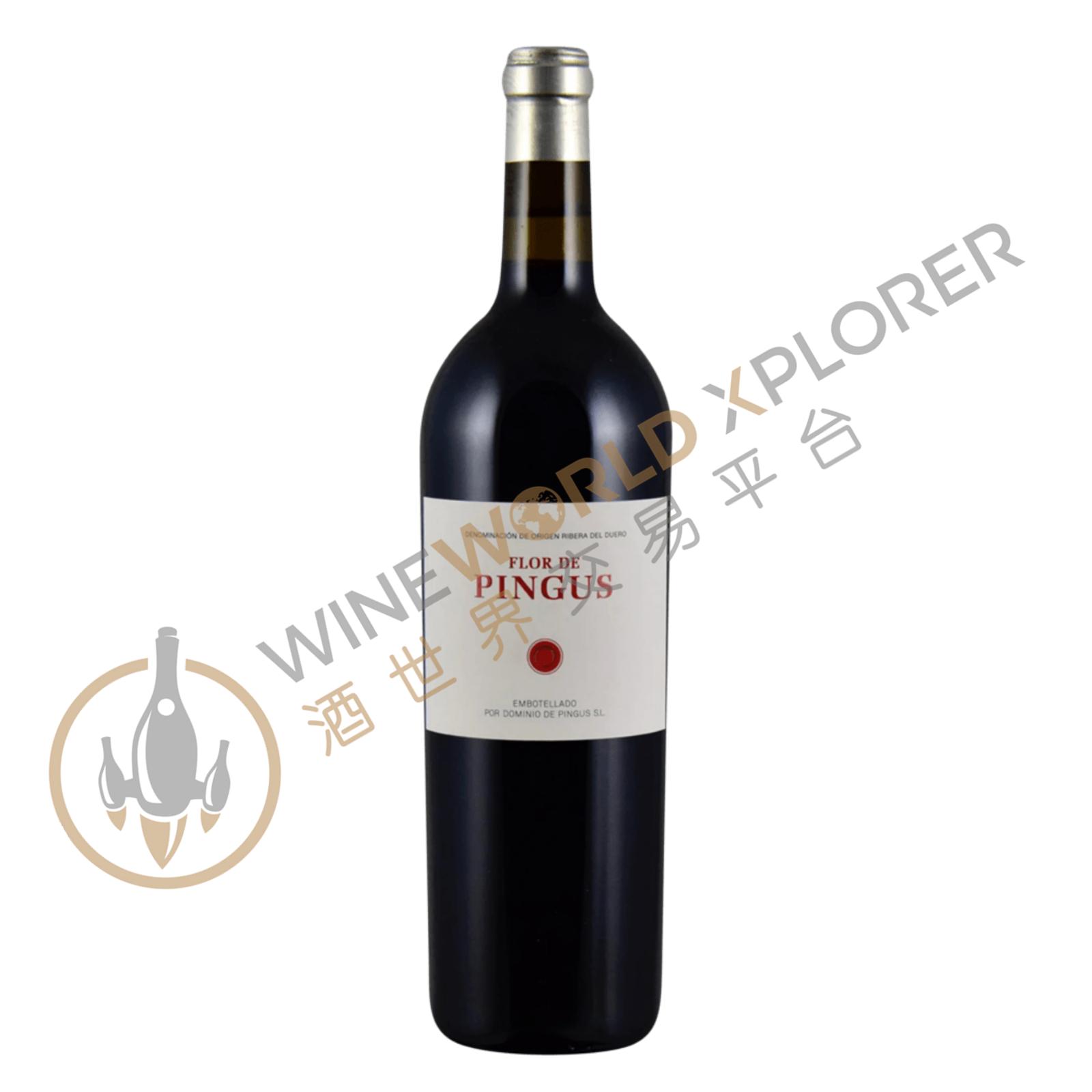
Dominio De Pingus, Flor de Pingus 2023
 View analysis


Description
Tasting notes

Reviewed by: Joaquín Hidalgo
The 2023 Flor de Pingus is made from over 20 hectares of old Tinta del País vines and 15 hectares of Garnacha in Ribera del Duero. It was aged in 10–15% new oak. Violets, fresh plum and a delicate touch of oak open on the nose. Fine-grained reactive tannins define the texture. A red with charming nuances and evolving character.
Reviewed by: Luis Gutiérrez
The 2023 Flor de Pingus spent eight months in oak barrels, and this year they introduced six 2,000-liter oak vats for the élevage of part of the wine, which represents around 15% of the volume. It matured in the oak vats for 12 months (the élevage was a little shorter in 2023 for all the wines). Peter considers this his most personal project because he had the chance to select the vineyards. In the Pingus wine, the place is very strong, so he doesn't have to do much. But Flor had an evolution: the massal selection is aromatic and pretty and chosen to make a more expressive wine, and adding Garnacha made it quite unique. For him, 2023 is a good interpretation of the year in La Horra, with purity, good definition and notes of cherries; it's elegant and not heavy. It has the texture of Tempranillo, keeping the elegance. It was a very dry year, and despite the extreme year, the way they work in the vineyard—organically and biodynamically—keeps the wine fresh; the tannins are not harsh, and it's juicy and has a clean, fresh and long finish. They avoided the risk of too much concentration in 2023. It's a wine of tension. They produced 92,000 bottles. It was bottled in May 2025.
About the Producer
Dominio de Pingus is a prestigious winery located in Quintanilla de Onésimo, within the Ribera del Duero region of Spain. Founded in 1995 by Danish oenologist Peter Sisseck, the winery is renowned for its limited production of high-quality wines, particularly its flagship wine, Pingus, which is considered a "cult wine" and commands high prices. The estate focuses on old-vine Tempranillo, with vineyards that have never been treated with pesticides or fertilizers. Dominio de Pingus also produces a second wine, Flor de Pingus, and a special cuvée called Ribera del Duero "Amelia." The winery emphasizes biodynamic practices and minimal intervention in winemaking, resulting in wines that showcase the unique terroir of the region.
