
 Wine Advisor



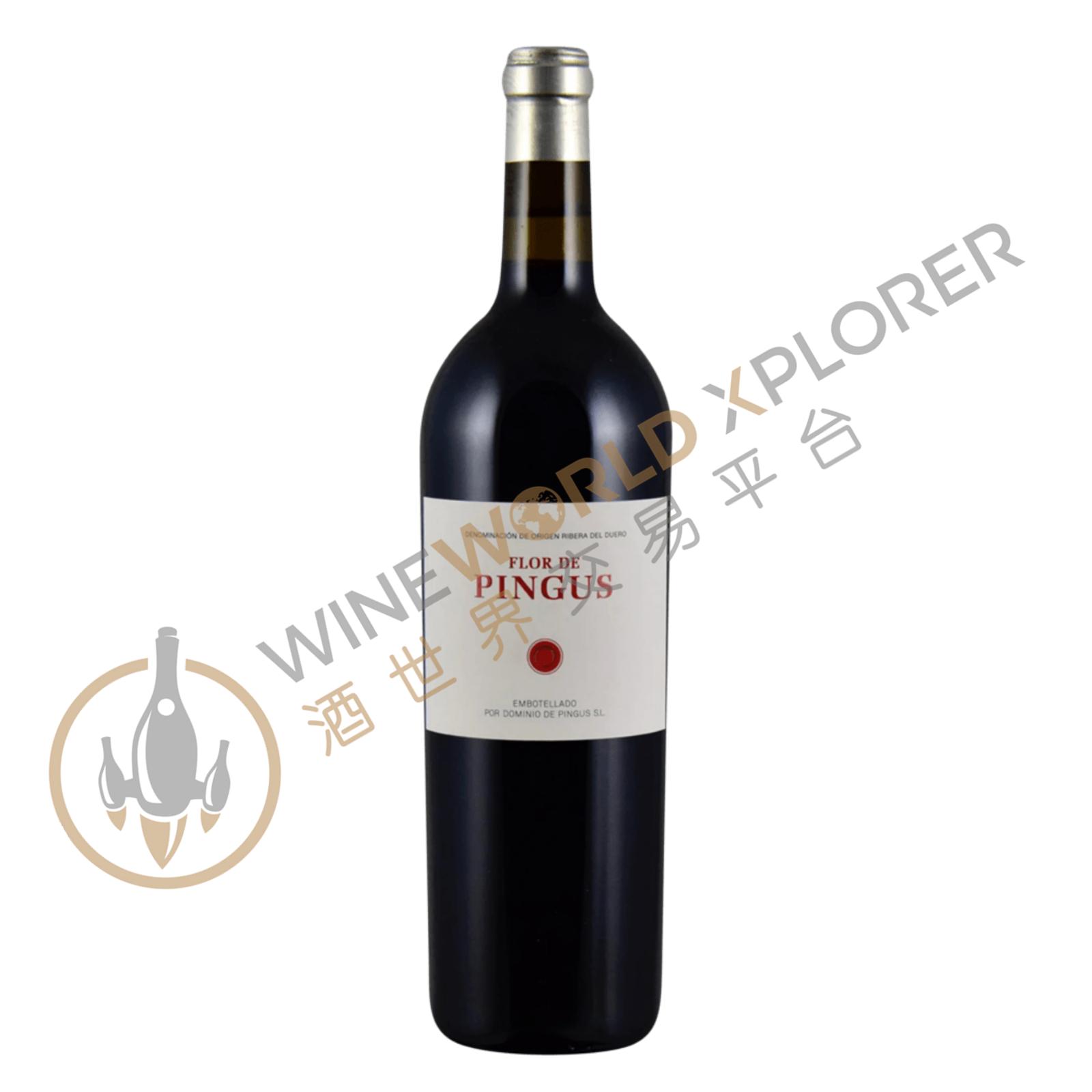
Dominio De Pingus, Flor de Pingus 2011
 View analysis


Description
Tasting notes

Reviewed by: Luis Gutiérrez
The 2011 Flor de Pingus is a ripe and powerful Flor that reached 15.5% alcohol in a very warm vintage. The wine is always a combination of 16 separate plots of Tempranillo from the village of La Horra, some young, and some old that are fermented individually in 4,000-liter stainless steel vats. In this ripe and powerful vintage that Sisseck compares with 2009, he decided to age the wine for 18 months in used French oak barrels. This shows riper than other 2011s from Sisseck (is it because it-s only Tempranillo?), with aromas of ripe plums, dark cherries, cinnamon and cloves with a slight lactic touch. The palate is full-bodied, lush and round, with plenty of glycerin, but fresh flavors and good balancing acidity. A powerful, slightly warm vintage of Flor. 70,000 bottles produced. Drink 2014-2017. I had a relaxed and superb tasting with Peter Sisseck, where we had time to discuss the wines and Ribera del Duero in general as Sisseck is now part of the Consejo Regulador. It was also a great learning experience as he showed me some experimental wines that resulted in adjustments from the 2012 vintage onward, and a big jump in precision for the wines, with the yet unbottled 2012 Pingus verging on perfection. He explained the range of wines he produces as it follows: PSI is the regional wine, Flor de Pingus is the village, and Pingus is the Cru. PSI is the newer wine in the lineup and the one that might require more explanation. In 2007, a difficult vintage in Ribera del Duero, he lost quite a lot of grapes for Flor de Pingus because of a big hailstorm, so he had to look for grapes he could purchase. He then realized how much Ribera had grown: from 6,000 hectares in 1985 to 9,000 hectares in 1990 and more than 22,000 hectares today! There is a big surplus of grapes, so the grapes from old vineyards are not valued. He decided that he wanted to support the people who were keeping their old vineyards and not ripping them up, or going to younger vines and high yields. He purchased their grapes, paid a fair price and produced PSI with them. Besides tasting extensively and slowly, I retasted 2010 Pingus and I also had the chance to preview the 2013 Pingus (clean, pure, with great acidity, but still too young) plus some experimental cuvees, some of which might see the light in the future. They have never produced better wines at Pingus. Bravo! Importer: The Rare Wine Company, Sonoma, CA; www.rarewineco.com
Reviewed by: Neal Martin
The 2011 Flor de Pingus demonstrates wonderful purity on the nose, perhaps more feminine and wily than the 2010 with luscious raspberry, blackberry and forest floor notes. The palate is full-bodied with filigree tannins and a little more volume than the 2010. It seems generous and very supple at this early juncture with a caressing, peppery finish that is extremely well focused. There 2011 has awesome potential and I cannot wait to taste this after two or three years in bottle.
About the Producer
Dominio de Pingus is a prestigious winery located in Quintanilla de Onésimo, within the Ribera del Duero region of Spain. Founded in 1995 by Danish oenologist Peter Sisseck, the winery is renowned for its limited production of high-quality wines, particularly its flagship wine, Pingus, which is considered a "cult wine" and commands high prices. The estate focuses on old-vine Tempranillo, with vineyards that have never been treated with pesticides or fertilizers. Dominio de Pingus also produces a second wine, Flor de Pingus, and a special cuvée called Ribera del Duero "Amelia." The winery emphasizes biodynamic practices and minimal intervention in winemaking, resulting in wines that showcase the unique terroir of the region.
2003(3)2004(2)2005(3)2006(3)2007(1)2008(2)2009(1)2010(2)
Package Size
