
 Wine Advisor



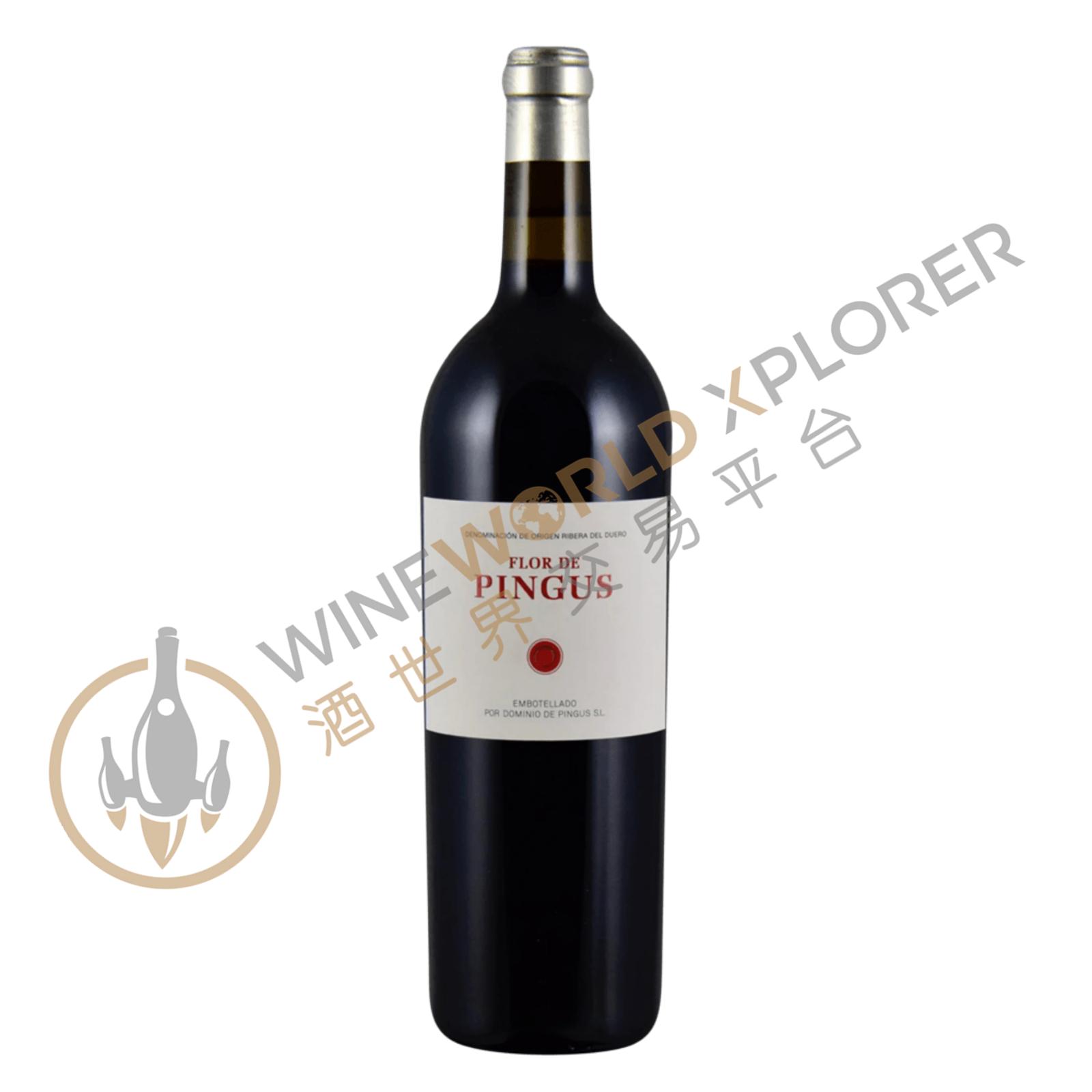
Dominio De Pingus, Flor de Pingus 2016
 View analysis


Description
Tasting notes

Reviewed by: Josh Raynolds
Deep violet. Smoke- and spice-accented dark berries and cherry on the highly perfumed nose. Lively bitter cherry, blueberry and violet pastille flavors stain the palate, showing fine definition and a supporting spine of tangy acidity. Opens up and deepens on the strikingly long, incisive finish, which features gently chewy tannins and lingering florality.
Reviewed by: Luis Gutiérrez
I caught the 2016 Flor de Pingus days before it was due for bottling, so what I tasted was the final blend (done after the time in barrel was over) that was just settling in tank before being bottled. The paradox of 2016 is that it was a warm year, but the resulting wines have great freshness, which also happened in 1996 (one of my favorite old vintages of Pingus). The yields were higher, which brought more freshness to the wines; and the wines are airier and not as compact as, for example, 2015. In fact, what they have been doing for some time now is to work in viticulture—the pruning and what you do with the canopy—to achieve slightly higher yields and get the plants to balance, because as you increase the yields, the ripening takes longer. Even though it's young, this shows amazing perfume that should bloom with a year in bottle. This has all the signals to become one of the greatest vintages of Flor de Pingus. They expect to fill some 105,000 bottles in June 2018. I already look forward to tasting this in my next round, after it has spent a year or more in bottle.
Reviewed by: Luis Gutiérrez
I also tasted the unbottled 2016 Flor de Pingus before, so a revisit now, some 15 months after it was bottled, was due. There is great freshness in these 2016s, with a character that reminded me of orange peel, citrus and floral. There is great balance in the palate, and the tannins are velvety within the faintly rustic character of the zone; keeping the style of the zone, that texture is what Peter Sisseck calls "three-dimensional" tannins—very clean and focused, long and tasty and ending with great freshness. They were able to harvest early with proper ripeness and tons of freshness; in fact, that year they finished harvesting when some had not even started in the zone... In the future, they will include some Garnacha in the blend of Flor de Pingus (starting with 2018 with a very small percentage), as they have planted some vines selected from old vineyards in the region. They now have 35 hectares from four parajes in the village of La Horra for this wine, and in 2016, they produced 105,000 bottles. It was bottled in June 2018.
Reviewed by: Josh Raynolds
Deep violet. Smoke- and spice-accented dark berries and cherry on the highly perfumed nose. Lively bitter cherry, blueberry and violet pastille flavors stain the palate, showing fine definition and a supporting spine of tangy acidity. Opens up and deepens on the strikingly long, incisive finish, which features gently chewy tannins and lingering florality.
About the Producer
Dominio de Pingus is a prestigious winery located in Quintanilla de Onésimo, within the Ribera del Duero region of Spain. Founded in 1995 by Danish oenologist Peter Sisseck, the winery is renowned for its limited production of high-quality wines, particularly its flagship wine, Pingus, which is considered a "cult wine" and commands high prices. The estate focuses on old-vine Tempranillo, with vineyards that have never been treated with pesticides or fertilizers. Dominio de Pingus also produces a second wine, Flor de Pingus, and a special cuvée called Ribera del Duero "Amelia." The winery emphasizes biodynamic practices and minimal intervention in winemaking, resulting in wines that showcase the unique terroir of the region.
2003(3)2004(2)2005(3)2006(3)2007(1)2008(2)2009(1)2010(2)2011(3)2012(7)2013(1)2014(10)2015(6)
Package Size
