Wine Advisor



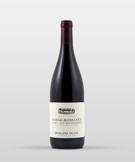
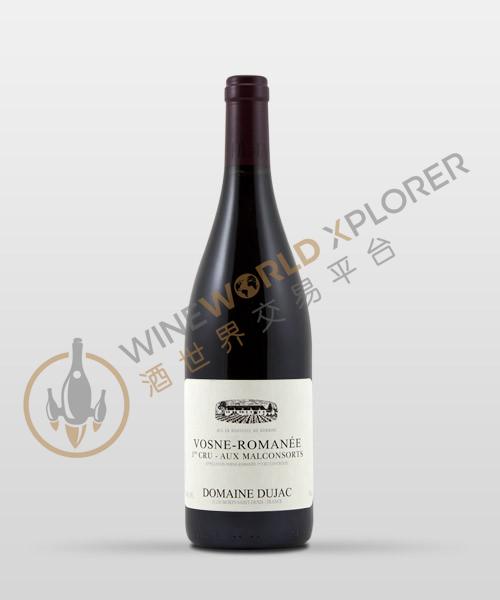
Domaine Dujac, Vosne Romanee 1er Cru Aux Malconsorts 2014
 View analysis


Description
Tasting notes

Reviewed by: Neal Martin
The 2014 Vosne-Romanée 1Er Cru Malconsorts is more opulent and generous on the nose compared to the Beaumonts with blueberry and black cherry fruit, more red plum and strawberry notes evolving with time. The palate is medium-bodied with fine tannin, a gentle grip in the mouth, the whole bunch fruit lending freshness and subtle sous-bois character on the finish. There is a little new wood to be subsumed on the finish, but it has great potential and represents one of the best Malconsorts you will find this year.
Reviewed by: Neal Martin
The 2014 Vosne-Romanée Aux Malconsorts 1er Cru has an intense bouquet with open-knit wild strawberry, raspberry and subtle ferrous notes. This is still quite backward as you would expect, but unfurls to reveal veins of orange rind and even a hint of tangy marmalade. The palate is medium-bodied with a grippy entry. This is perhaps the first Malconsorts from Dujac where I really notice the backbone and density, perhaps the first where I can really commend the typicité that floods through on the finish. I would not touch bottles for three or four years but there is clearly great potential. Tasted at Flint Wines's Domaine Dujac tasting in London.
Reviewed by: Stephen Tanzer
Medium red. This wine showed an exhilarating hint of orange zest a year ago from barrel and has carried that energy into the bottle, which boasts terrific lift to its aromas of raspberry, iron, minerals and white pepper. At once suave and powerful, full yet weightless, offering outstanding precision to its flavors of berries, flowers, spices and orange blossom. A lovely sappy wine with perfectly judged extraction, this savory beauty finishes with stunning rising perfume and outstanding clarity and breadth.
Reviewed by: Stephen Tanzer
Deep, bright red. Soil-driven aromas of raspberry, blackberry, blood orange and iodiney minerality, with a complementary element of sexy oak. Juicy and intense but still youthfully imploded; totally different in grain and texture from the more pliant Beaux Monts. Finishes with terrific sappy energy and serious tannic spine. This will need a minimum of seven or eight years of cellaring.
Reviewed by: Neal Martin
The 2014 Vosne-Romanée Aux Malconsorts 1er Cru has an intense bouquet with open-knit wild strawberry, raspberry and subtle ferrous notes. This is still quite backward as you would expect, but unfurls to reveal veins of orange rind and even a hint of tangy marmalade. The palate is medium-bodied with a grippy entry. This is perhaps the first Malconsorts from Dujac where I really notice the backbone and density, perhaps the first where I can really commend the typicité that floods through on the finish. I would not touch bottles for three or four years but there is clearly great potential. Tasted at Flint Wines's Domaine Dujac tasting in London.
About the Producer
Domaine Dujac is managed by the Seysses family. It was founded in 1967 by Jacque Seyesses. At the beginning, Château Dujac had only 4.5 hectares of vineyards in Morey-Saint-Denis. The vineyards were expanded with the purchase of Echezeaux, Bonnes MaresChambertin, Romanee St Vivant and Vosene-Romanee. The estate also owns 1.95 hectares of vineyards in the Clos de la Roche, where the vines are on average 45 to 50 years old. The estate also has 1.45 hectares of vineyards in Clos Saint-Denis, with vines of an average age of 45 to 50 years. In 2005, Château Dujac, together with Chateau de Puligny-Montrachet, acquired Domaine Charles Thomas, acquiring Charles Thomas' shares in the vineyards of Chambertin, Vosne- Romanee and other vineyards. However, the estate sold some of its vineyards after the purchase in order to finance the purchase. However, this acquisition allowed the estate to expand to around 15.5 hectares. Under Jacques' leadership, Château Dujac has developed very well. The grapes were pressed whole and the must was fermented in new oak barrels, and in 1999, when Jacques handed over the running of the estate to his son, the way the estate was made changed dramatically: the grapes were sometimes destemmed and the barrels used for fermentation were probably only 25% new oak. However, the estate's Grand Cru wines are still matured in new oak barrels, while the Grand Cru wines are matured in 60% to 80% new oak barrels. Bottling usually takes place in February or March of the following year. The estate produces around 4,650 bottles/hectare of wine.
2005(1)2006(3)2007(2)2008(2)2009(4)2010(2)2011(3)2012(2)2013(5)
Package Size