
 Wine Advisor



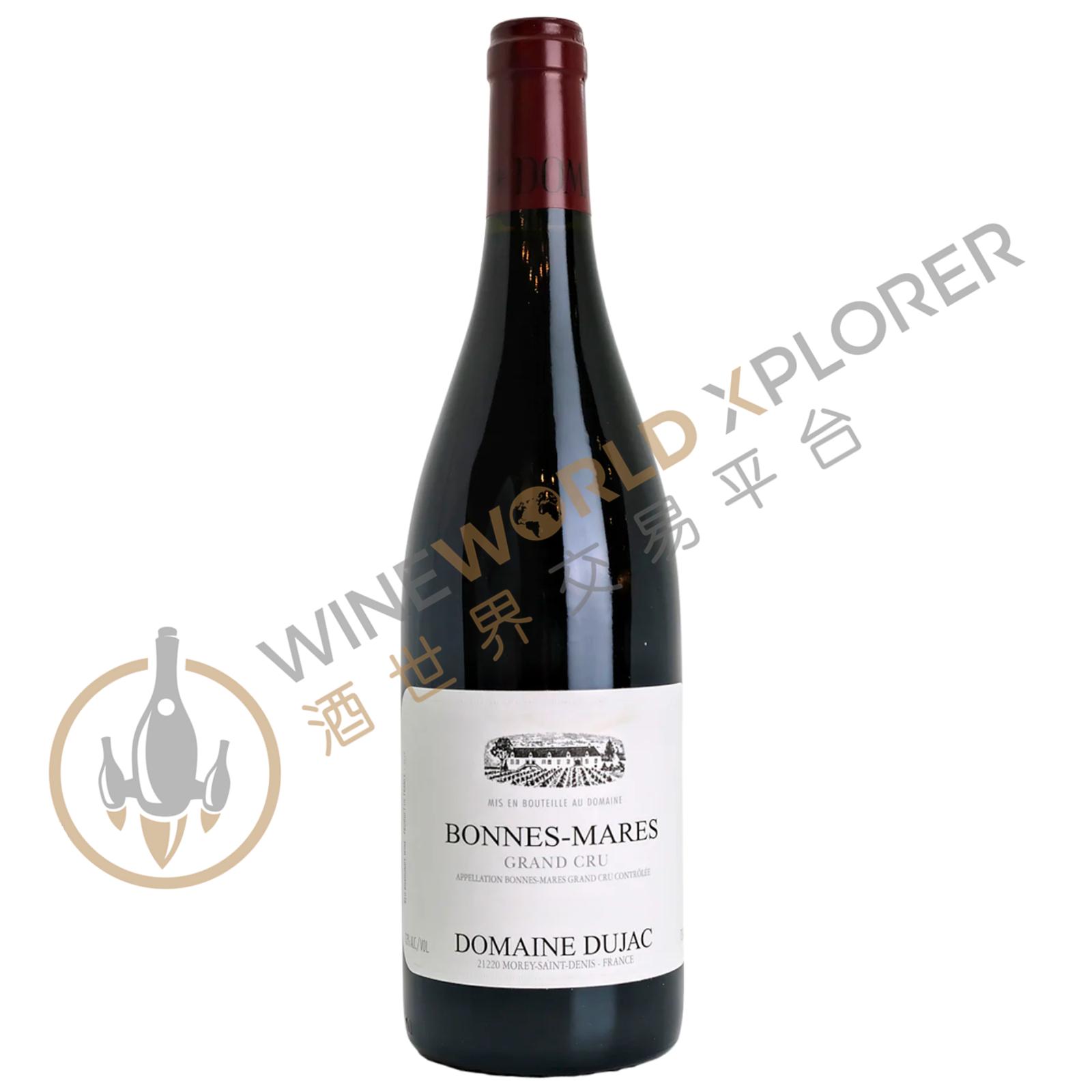
Domaine Dujac, Bonnes Mares Grand Cru 2017
 View analysis


Description
Tasting notes

Reviewed by: William Kelley
One of the highlights of the Dujac portfolio this year, the 2017 Bonnes-Mares Grand Cru reveals a stunning nose of peony, red cherries, wild berries, espresso roast, grilled squab, heather and rich soil, framed by a deft touch of new wood. On the palate, the wine is medium to full-bodied, deep and layered with excellent concentration, chalky structuring tannin and a long, delineated finish. Even in this vintage, it's a wine that will demand a dozen years' bottle age but its potential is considerable. I expect it to land at the upper end of my banded score.
Reviewed by: William Kelley
Unwinding in the glass with notes of cassis, wild plums and red berries that are complemented by nuances of peonies, heather and dark chocolate, Dujac's 2017 Bonnes-Mares Grand Cru is full-bodied, deep and incisive, its tight-knit core structured around fine but chalky tannins and tangy acids. Firm and introverted, as is so often the case, it has superb potential and will reward the patient, but readers considering purchasing this serious Bonnes-Mares should count on exercising over a decade's patience before opening bottles.
Reviewed by: Neal Martin
The 2017 Bonnes-Mares Grand Cru is quite closed and broody on the nose, or at least it was on the day of my visit to the _ domaine_. Dark red fruit, cranberry and raspberry aromas reveal scents of crushed stone and damp autumn leaves. The nicely structured, medium-bodied palate features tea leaf and bay leaf on the entry. Midway through, it delivers the precision and openness you expect from this vineyard, then goes on to demonstrate superb clarity on the aftertaste. This is a lighter style of Bonnes-Mares and yet it will still need time in bottle.
About the Producer
Domaine Dujac is managed by the Seysses family. It was founded in 1967 by Jacque Seyesses. At the beginning, Château Dujac had only 4.5 hectares of vineyards in Morey-Saint-Denis. The vineyards were expanded with the purchase of Echezeaux, Bonnes MaresChambertin, Romanee St Vivant and Vosene-Romanee. The estate also owns 1.95 hectares of vineyards in the Clos de la Roche, where the vines are on average 45 to 50 years old. The estate also has 1.45 hectares of vineyards in Clos Saint-Denis, with vines of an average age of 45 to 50 years. In 2005, Château Dujac, together with Chateau de Puligny-Montrachet, acquired Domaine Charles Thomas, acquiring Charles Thomas' shares in the vineyards of Chambertin, Vosne- Romanee and other vineyards. However, the estate sold some of its vineyards after the purchase in order to finance the purchase. However, this acquisition allowed the estate to expand to around 15.5 hectares. Under Jacques' leadership, Château Dujac has developed very well. The grapes were pressed whole and the must was fermented in new oak barrels, and in 1999, when Jacques handed over the running of the estate to his son, the way the estate was made changed dramatically: the grapes were sometimes destemmed and the barrels used for fermentation were probably only 25% new oak. However, the estate's Grand Cru wines are still matured in new oak barrels, while the Grand Cru wines are matured in 60% to 80% new oak barrels. Bottling usually takes place in February or March of the following year. The estate produces around 4,650 bottles/hectare of wine.
