
 Wine Advisor



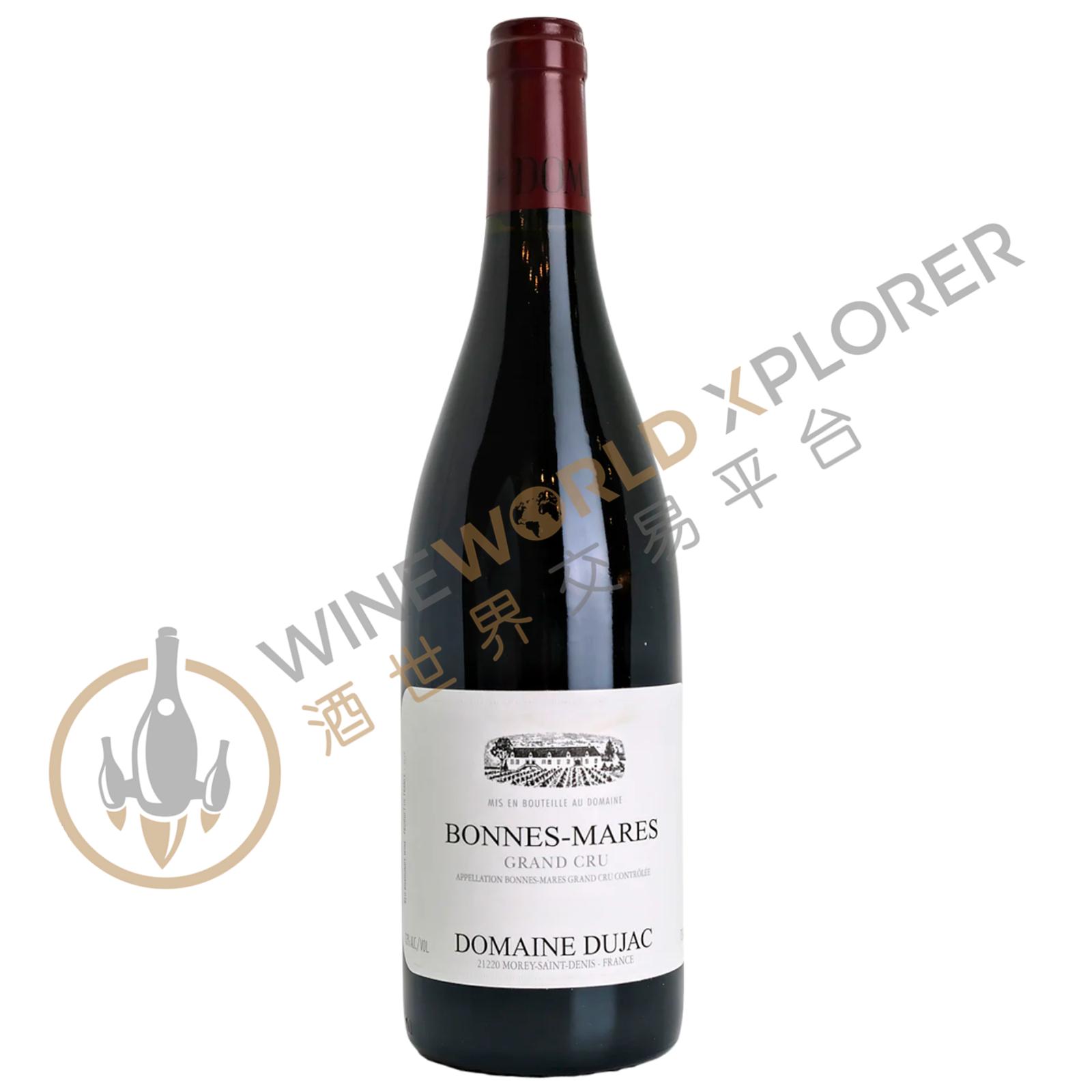
Domaine Dujac, Bonnes Mares Grand Cru 2010
 View analysis


Description
Tasting notes

Reviewed by: Antonio Galloni
The 2010 Bonnes-Mares boasts gorgeous energy and precision in its aromatics. Sweet red cherries, flowers, mint and spices are some of the nuances that flow from this elegant, refined Bonnes-Mares. The theme of finesse is woven throughout this sleek, engaging beauty, while some of the wilder notes that are at times present in the wine seem tamed, at least today. Anticipated maturity: 2020-2040. Dujac fans will be thrilled with these 2010s. They are off the charts. The most difficult thing will no doubt be finding them. Jeremy Seysses reported yields down by 30-50% across the board, although his Morey blanc was down a whopping 90%. The poor flowering and wet summer resulted in loose bunches with a high amount of shot berries. The wines came in at 12 to 12.5% potential alcohol and were lightly chaptalized. Seysses used 80-90% stems for most of the wines, a little less for some, such as the Charmes and Combettes (around 70%) and more for the Chambertin and RSV (both 100%). Unfortunately, the 2010 Morey 1er Cru was too reduced to evaluate, so I will have to wait for another opportunity to taste the wine. I also tasted the entire range of 2009s. I will report on those wines in the April issue. Importers: The Sorting Table, Napa, CA; tel. (415) 491-4724; Martin Scott Wines, Little Neck, NY; tel. (516) 327-0808; Chambers & Chambers, San Francisco, CA; tel. (415) 642-5500
About the Producer
Domaine Dujac is managed by the Seysses family. It was founded in 1967 by Jacque Seyesses. At the beginning, Château Dujac had only 4.5 hectares of vineyards in Morey-Saint-Denis. The vineyards were expanded with the purchase of Echezeaux, Bonnes MaresChambertin, Romanee St Vivant and Vosene-Romanee. The estate also owns 1.95 hectares of vineyards in the Clos de la Roche, where the vines are on average 45 to 50 years old. The estate also has 1.45 hectares of vineyards in Clos Saint-Denis, with vines of an average age of 45 to 50 years. In 2005, Château Dujac, together with Chateau de Puligny-Montrachet, acquired Domaine Charles Thomas, acquiring Charles Thomas' shares in the vineyards of Chambertin, Vosne- Romanee and other vineyards. However, the estate sold some of its vineyards after the purchase in order to finance the purchase. However, this acquisition allowed the estate to expand to around 15.5 hectares. Under Jacques' leadership, Château Dujac has developed very well. The grapes were pressed whole and the must was fermented in new oak barrels, and in 1999, when Jacques handed over the running of the estate to his son, the way the estate was made changed dramatically: the grapes were sometimes destemmed and the barrels used for fermentation were probably only 25% new oak. However, the estate's Grand Cru wines are still matured in new oak barrels, while the Grand Cru wines are matured in 60% to 80% new oak barrels. Bottling usually takes place in February or March of the following year. The estate produces around 4,650 bottles/hectare of wine.
