Wine Advisor



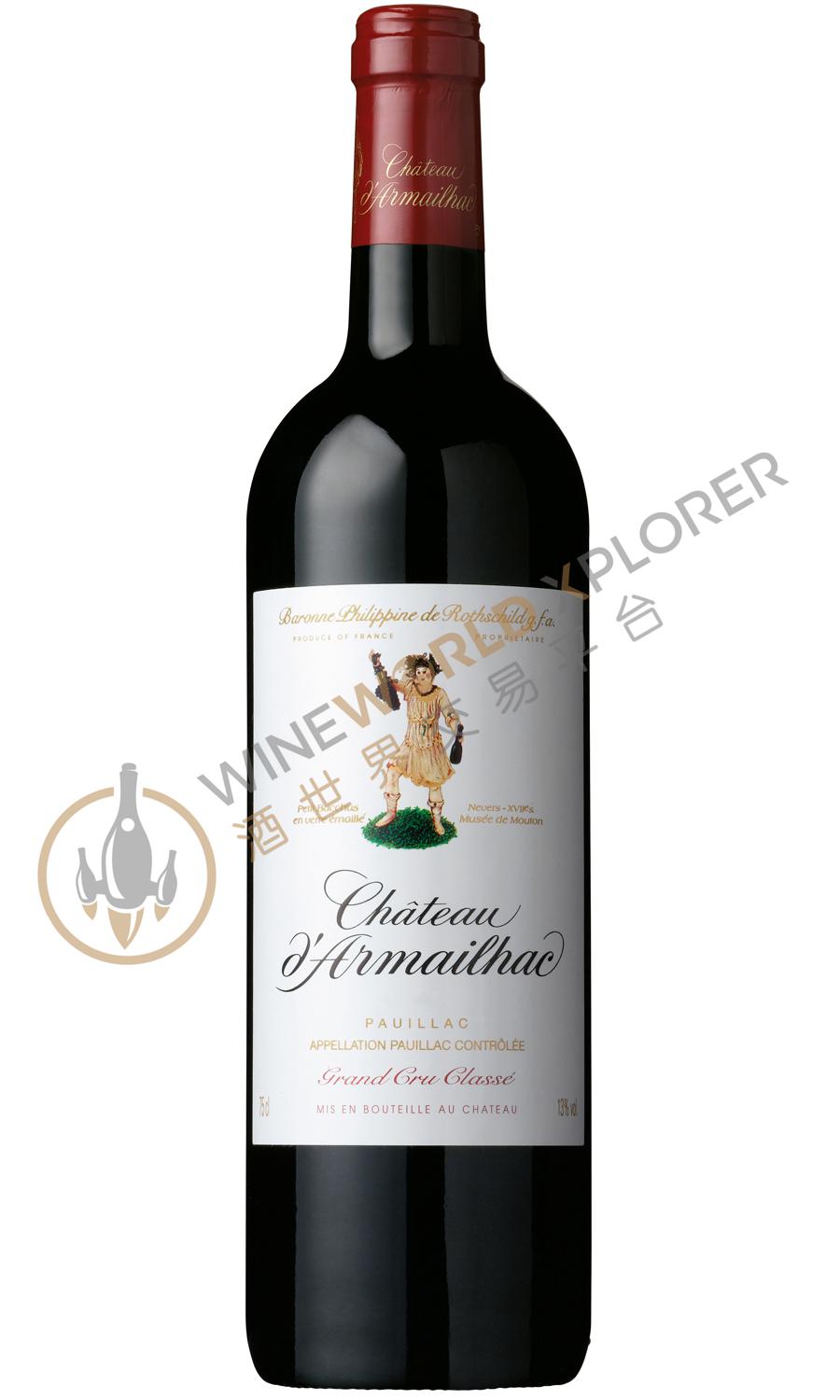
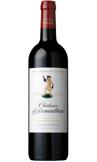
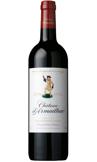
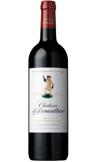
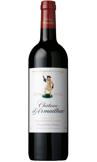
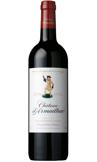
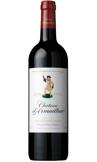
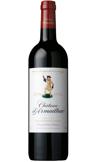
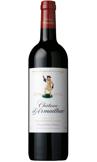
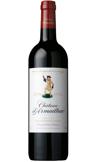
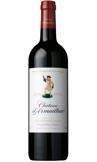
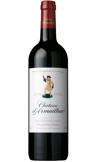
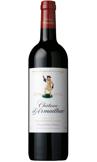
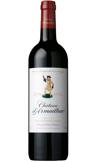
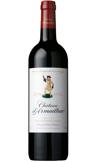
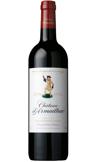
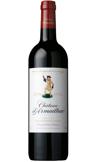
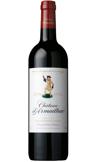
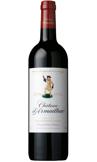
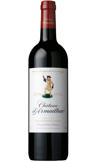
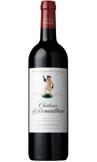
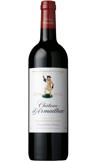
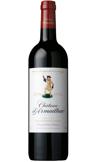
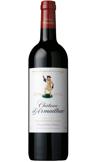
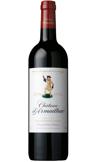
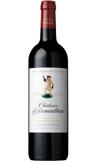
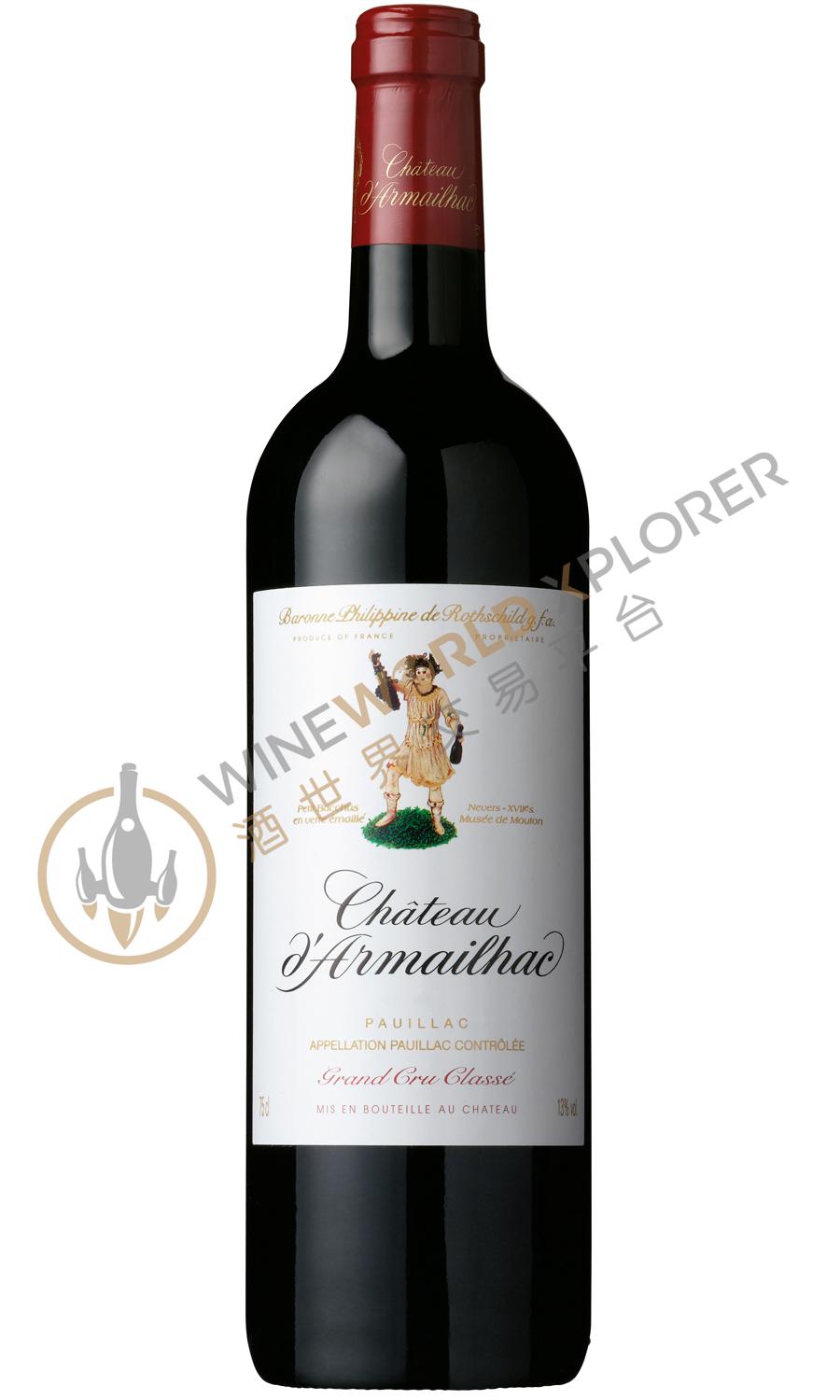
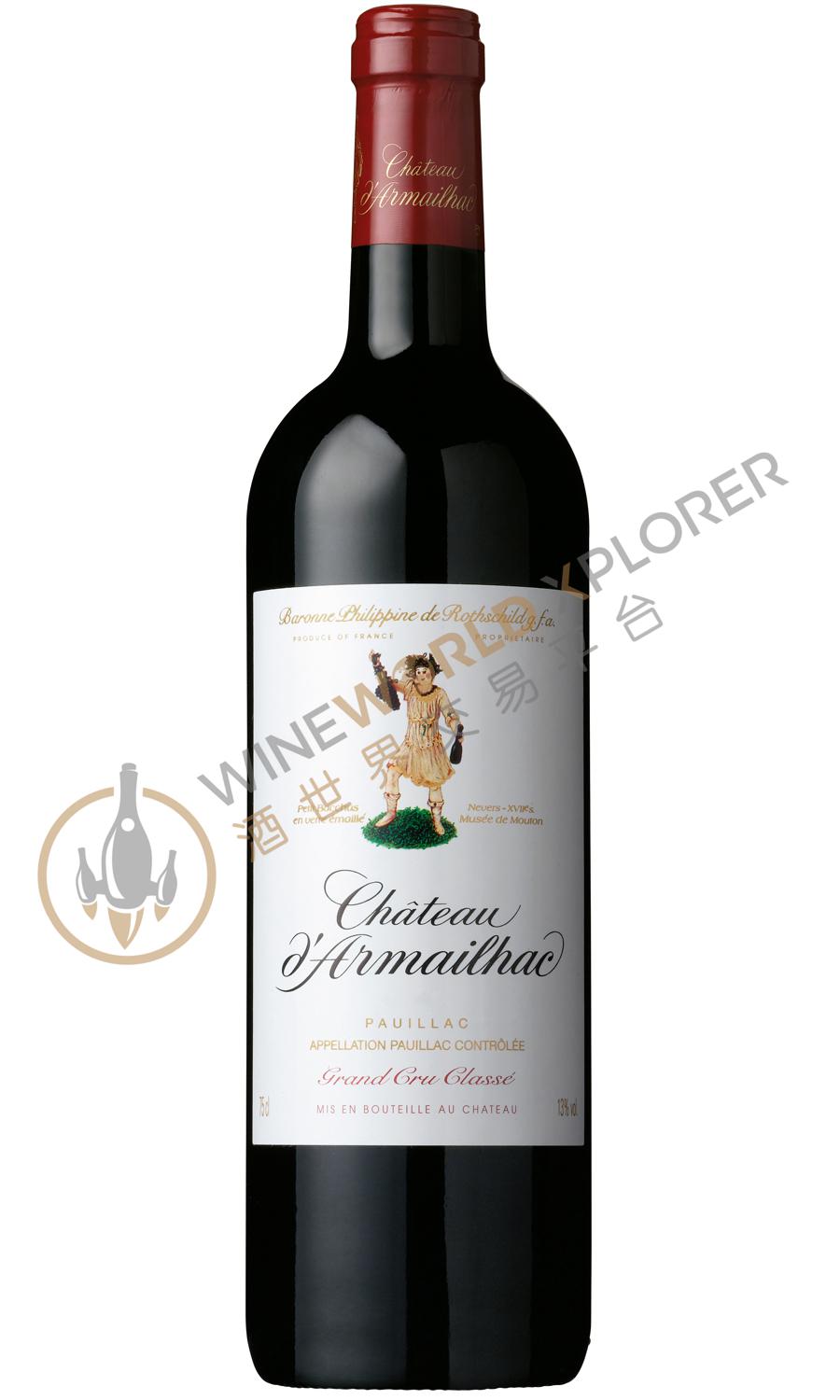
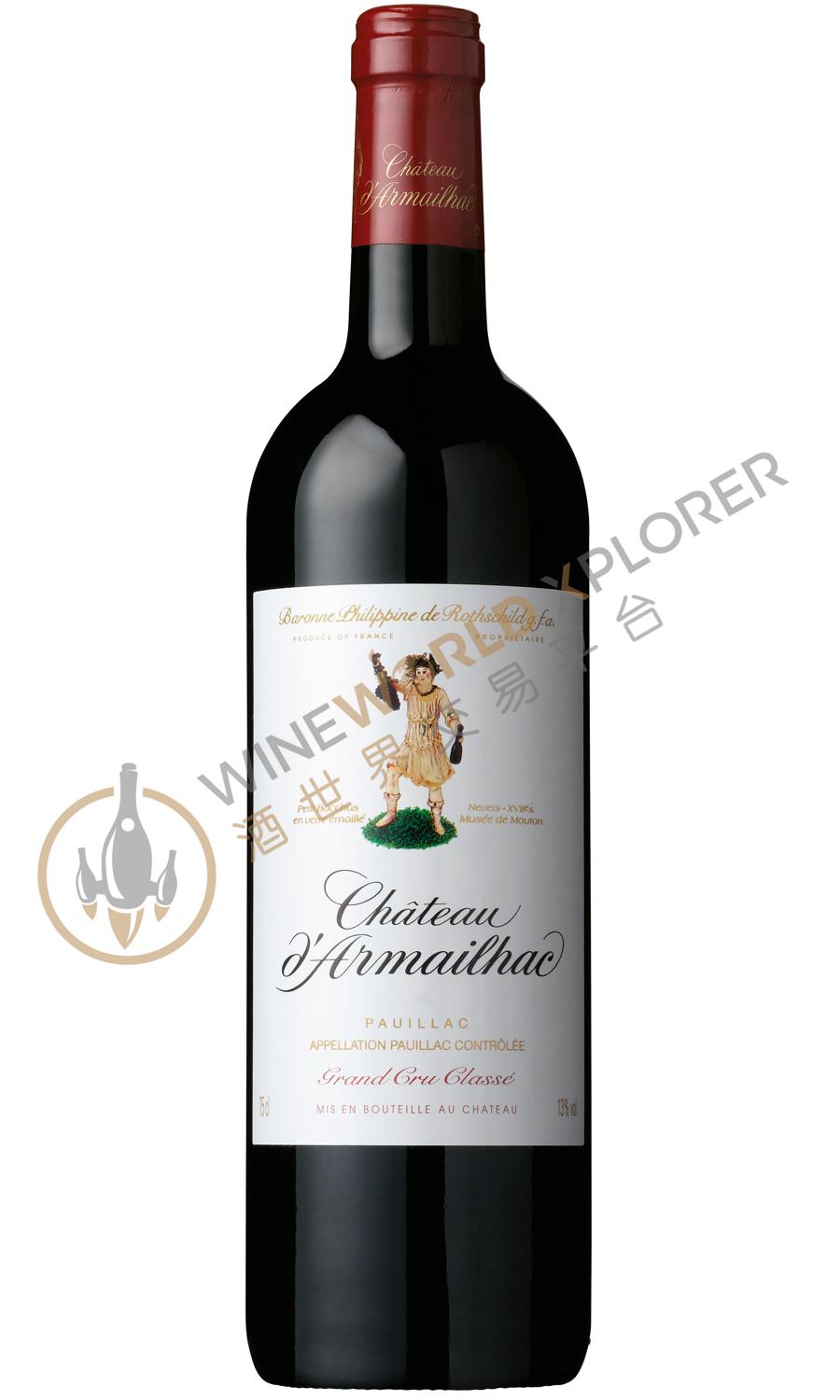
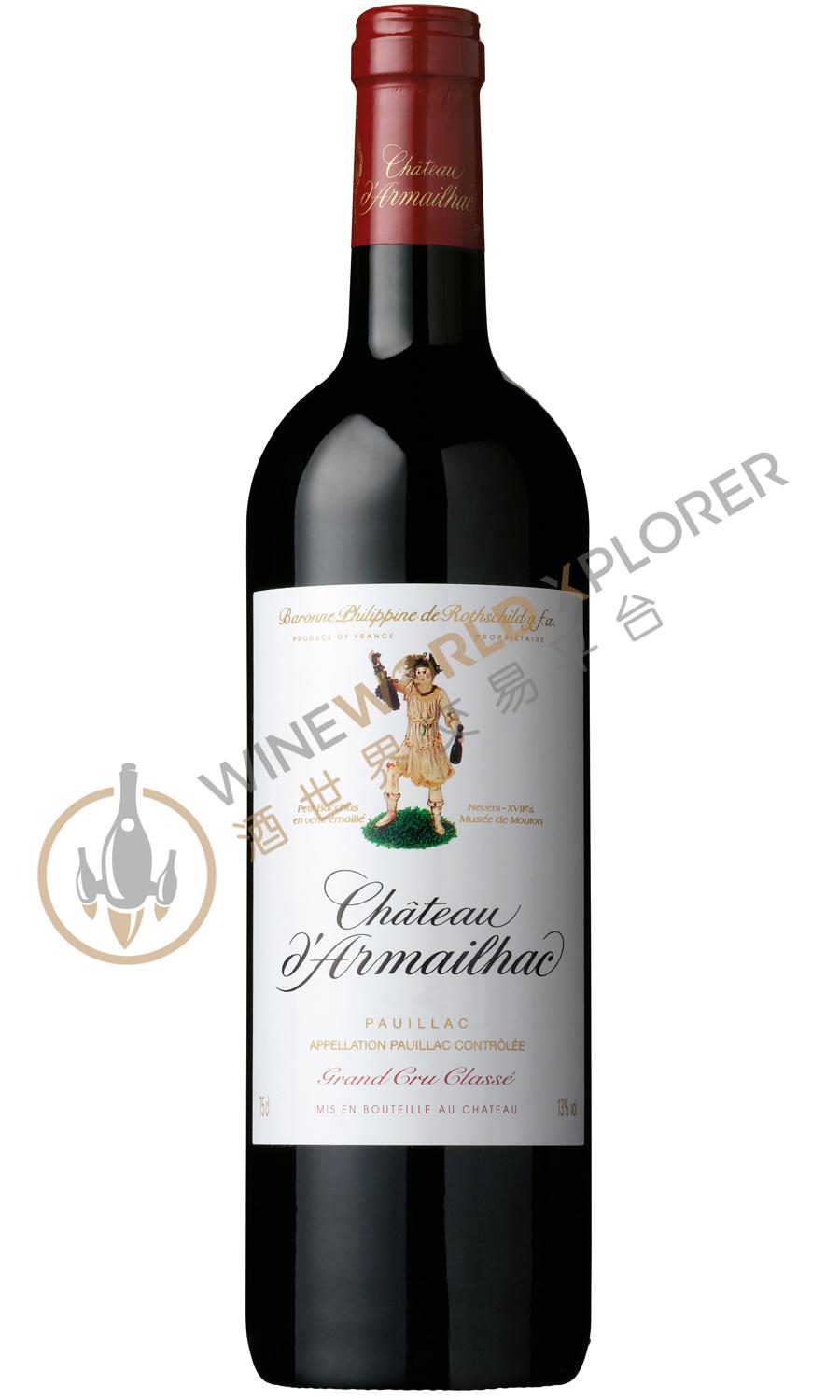
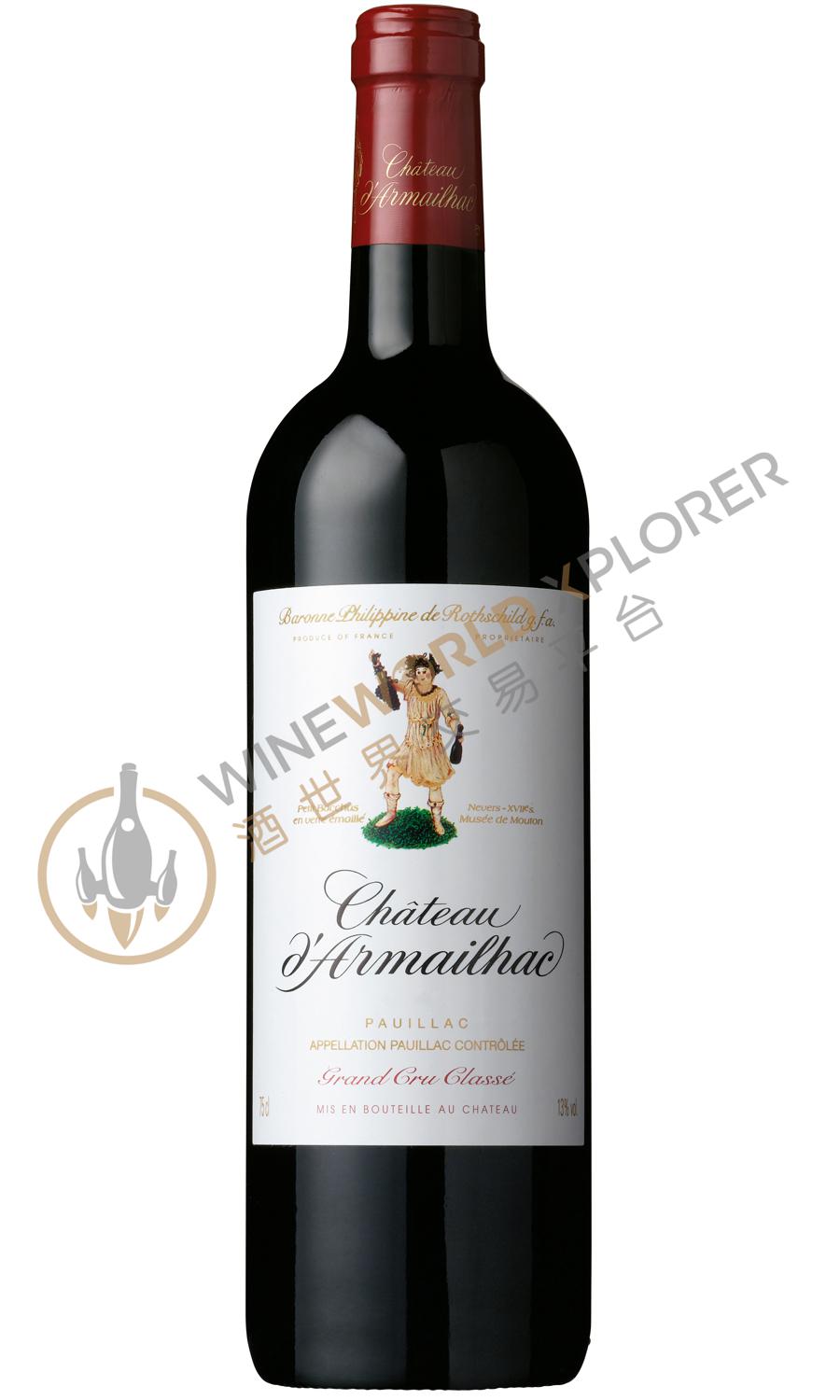
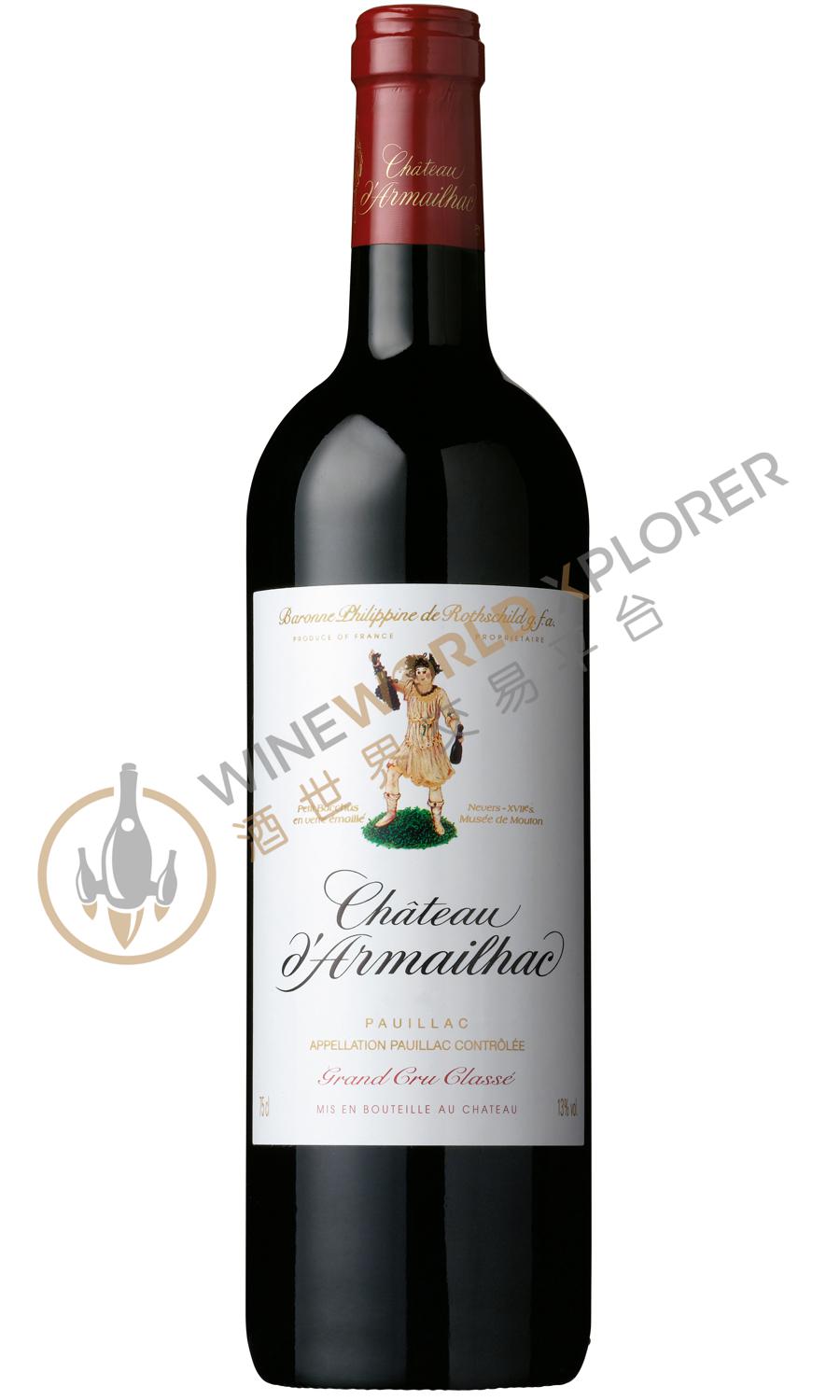
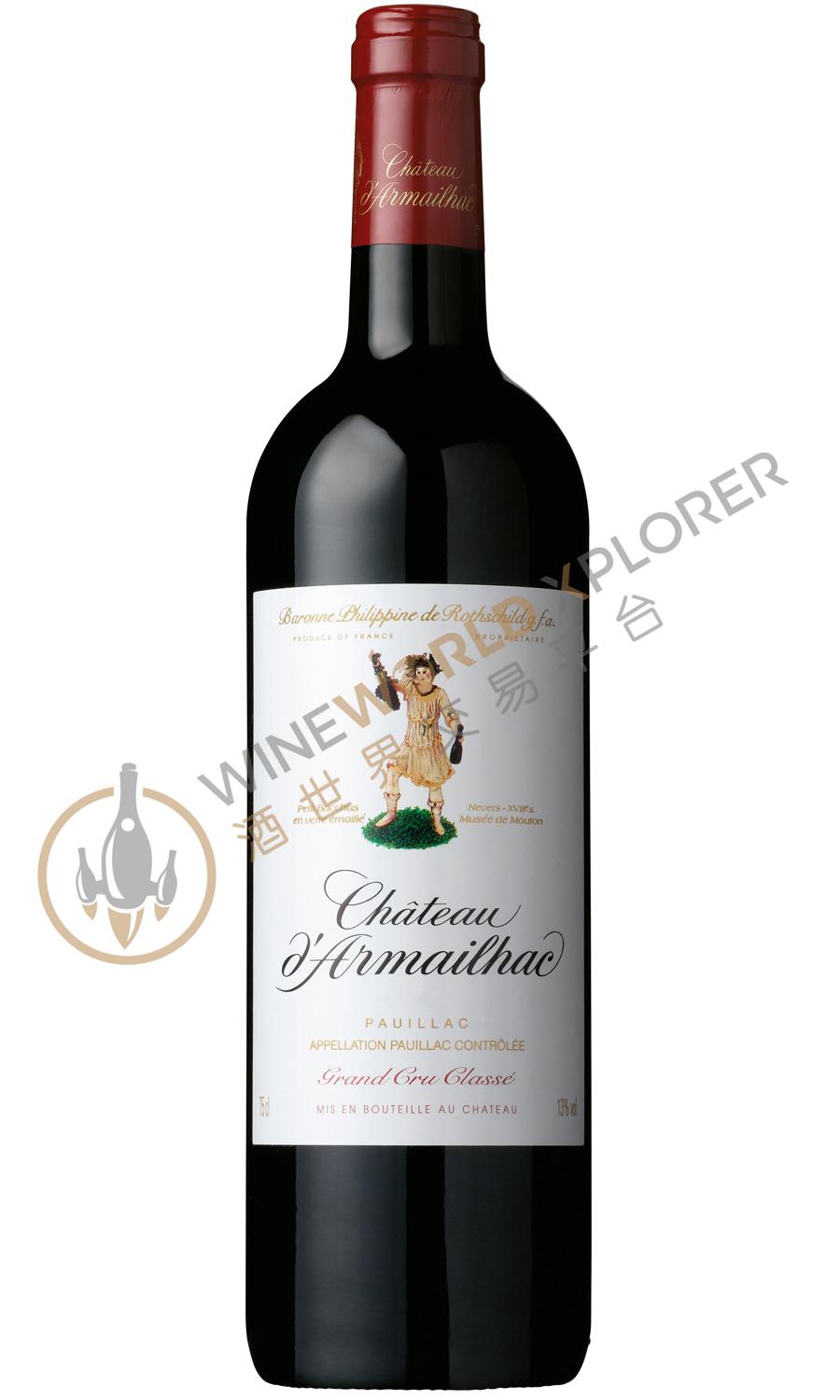
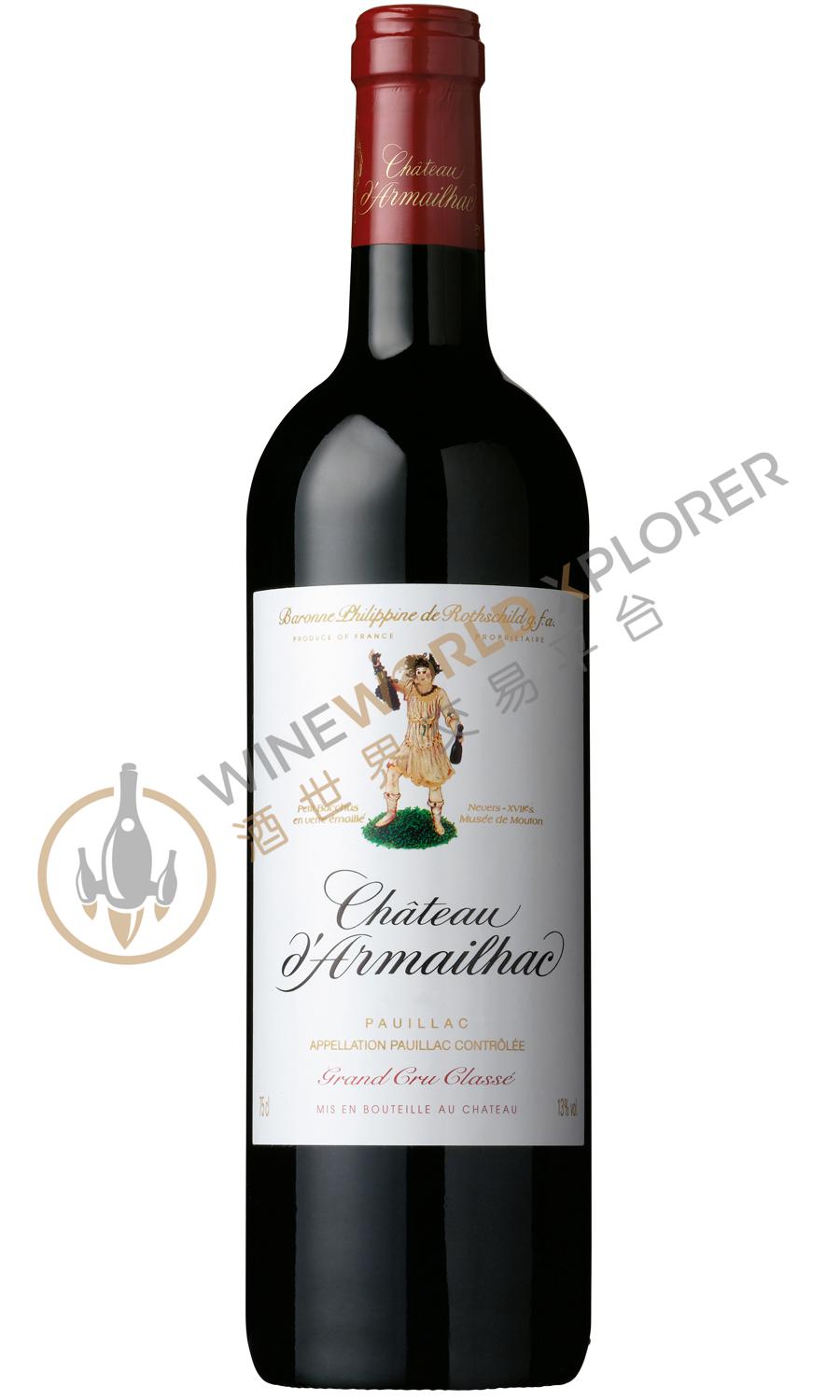
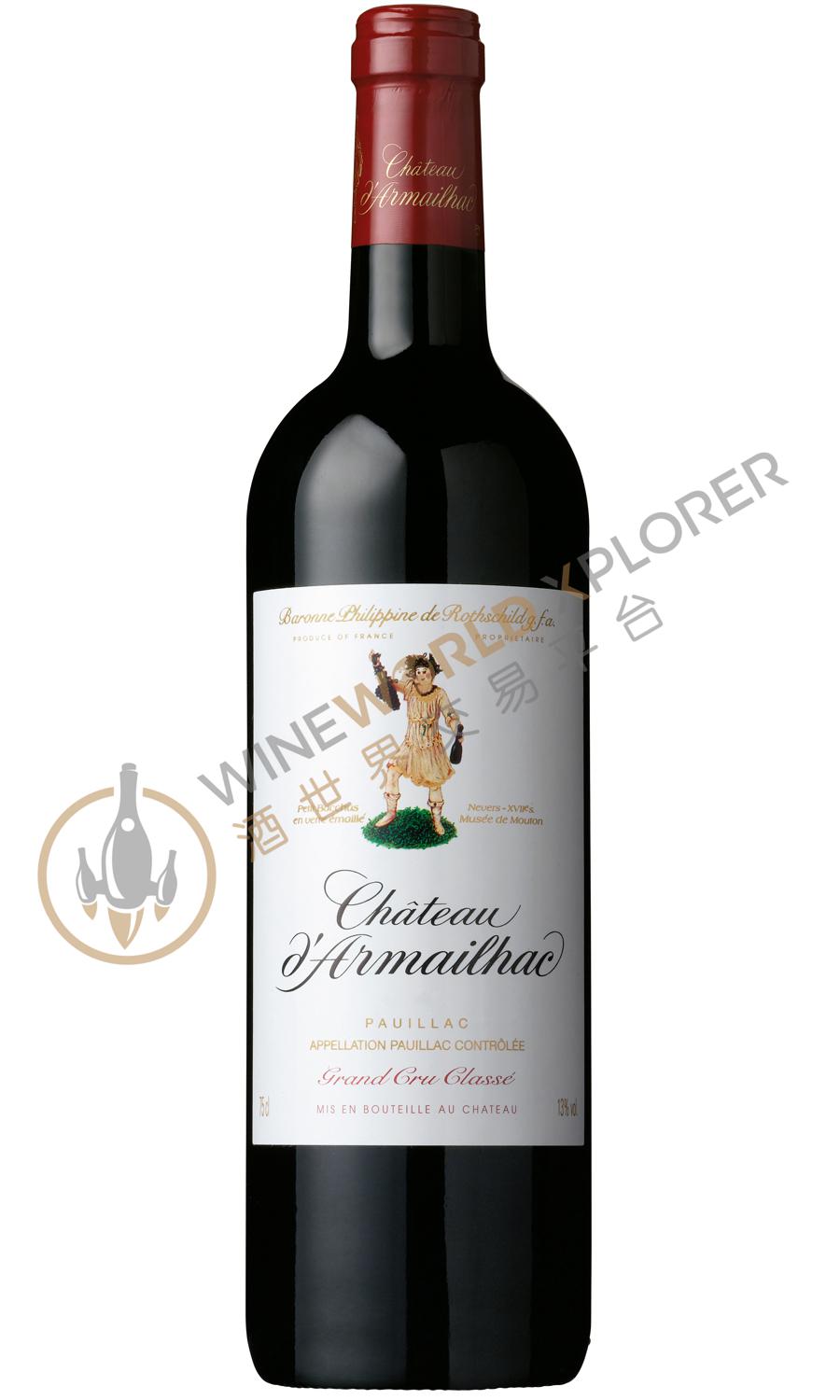
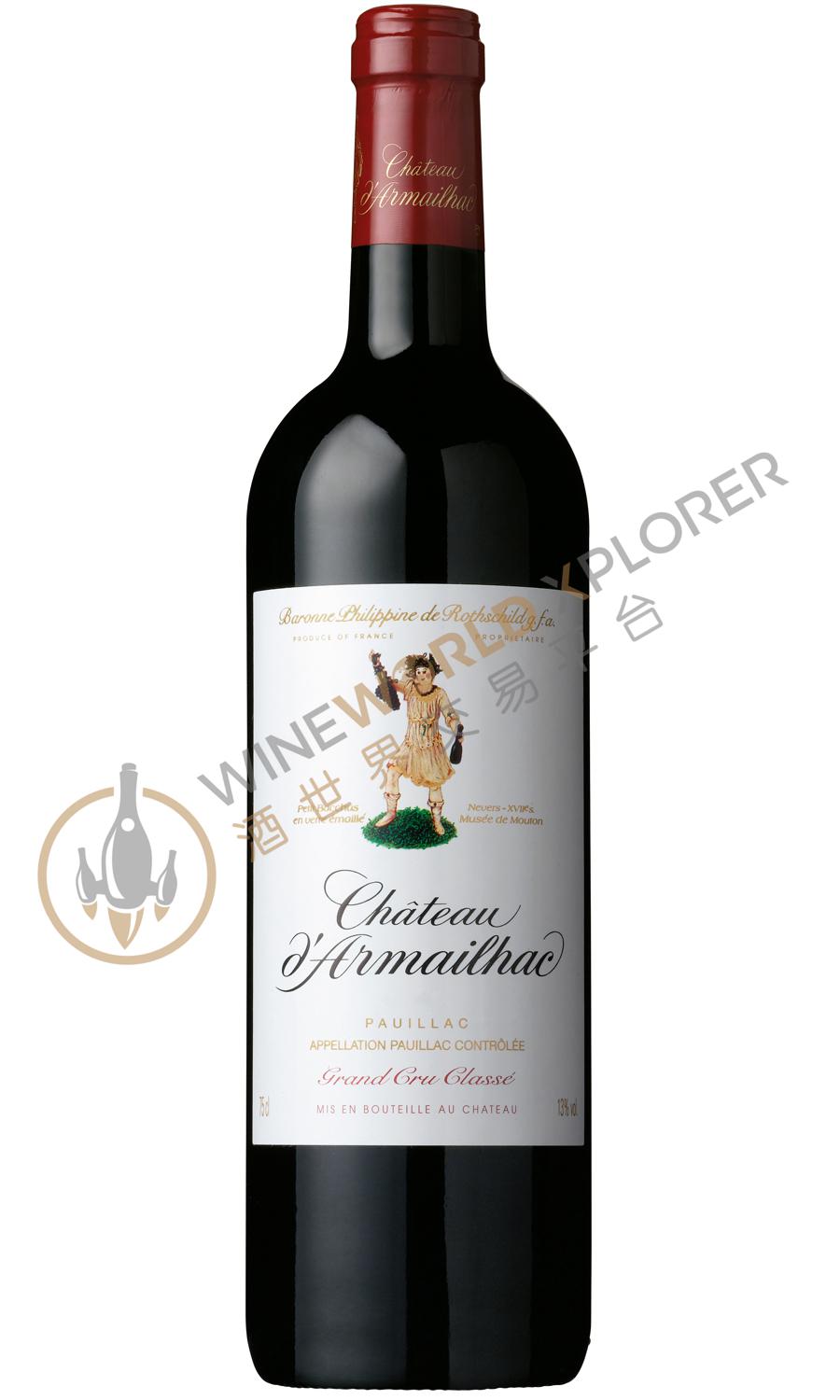
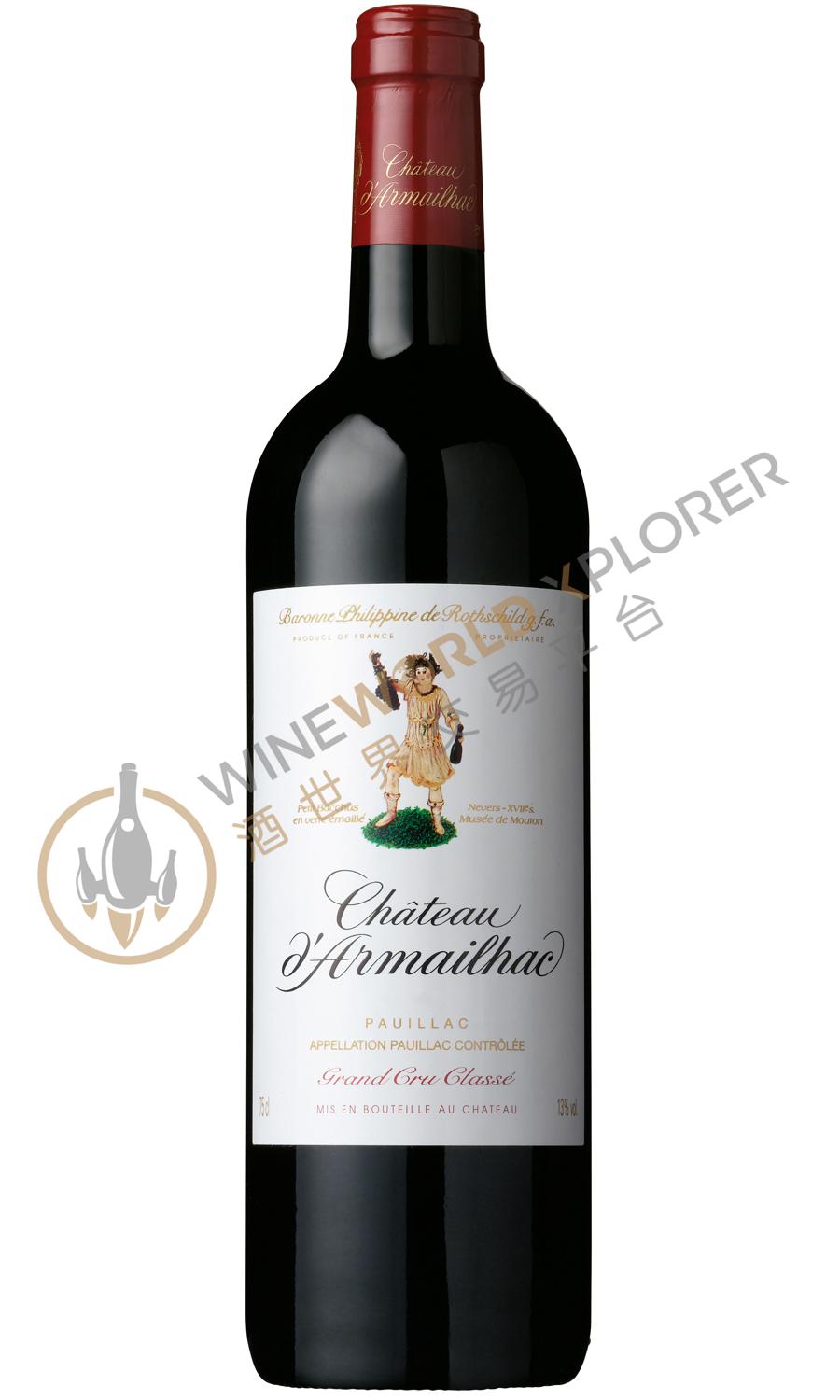
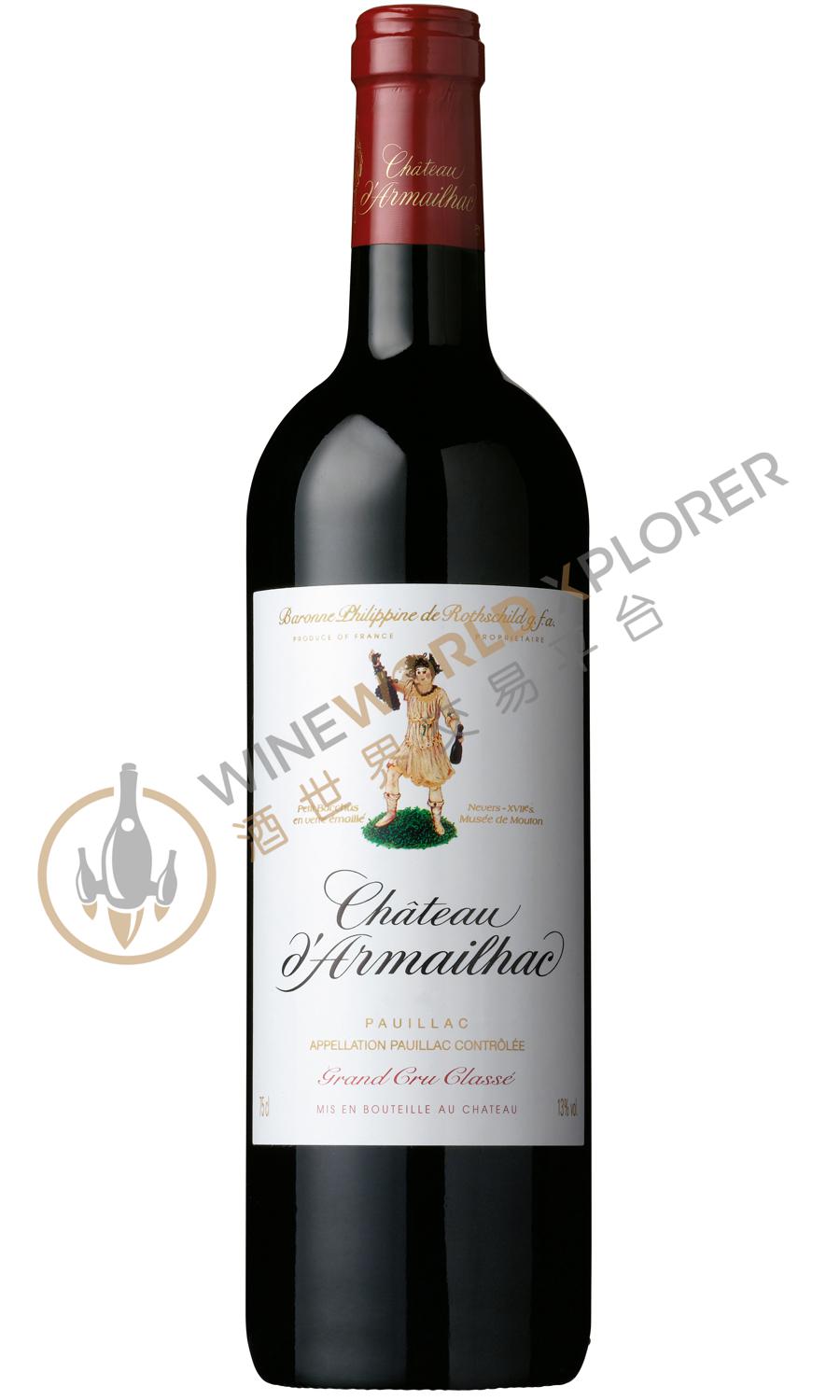
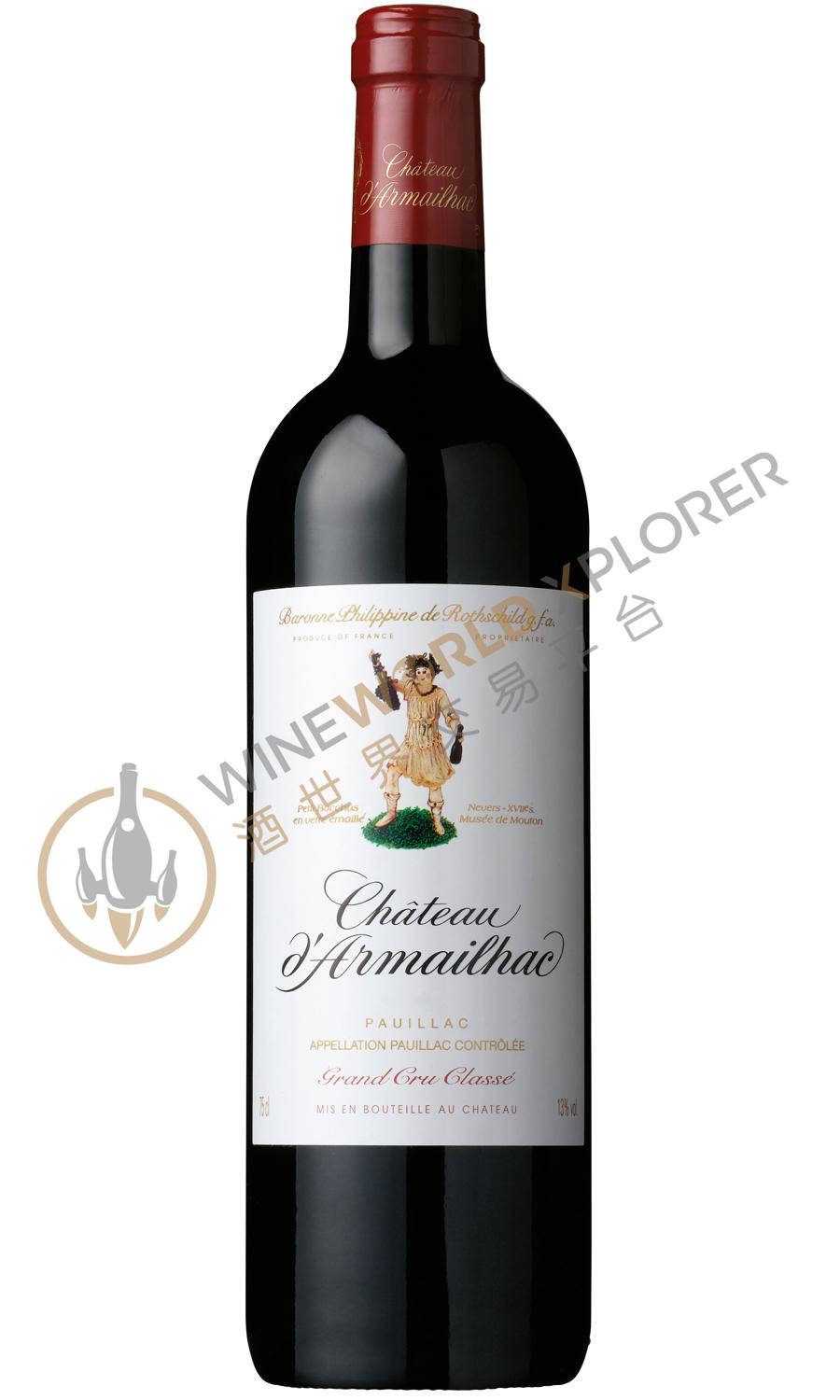
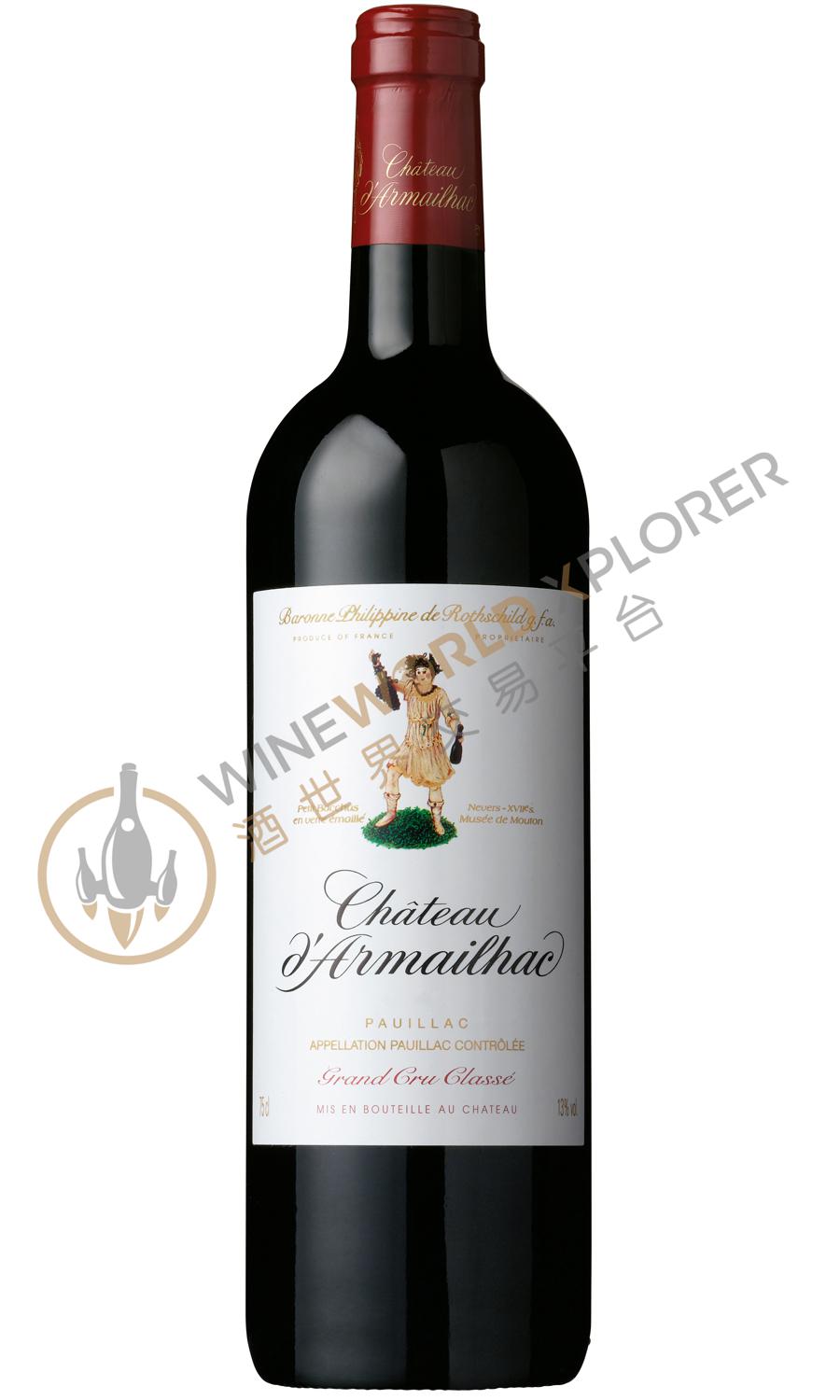
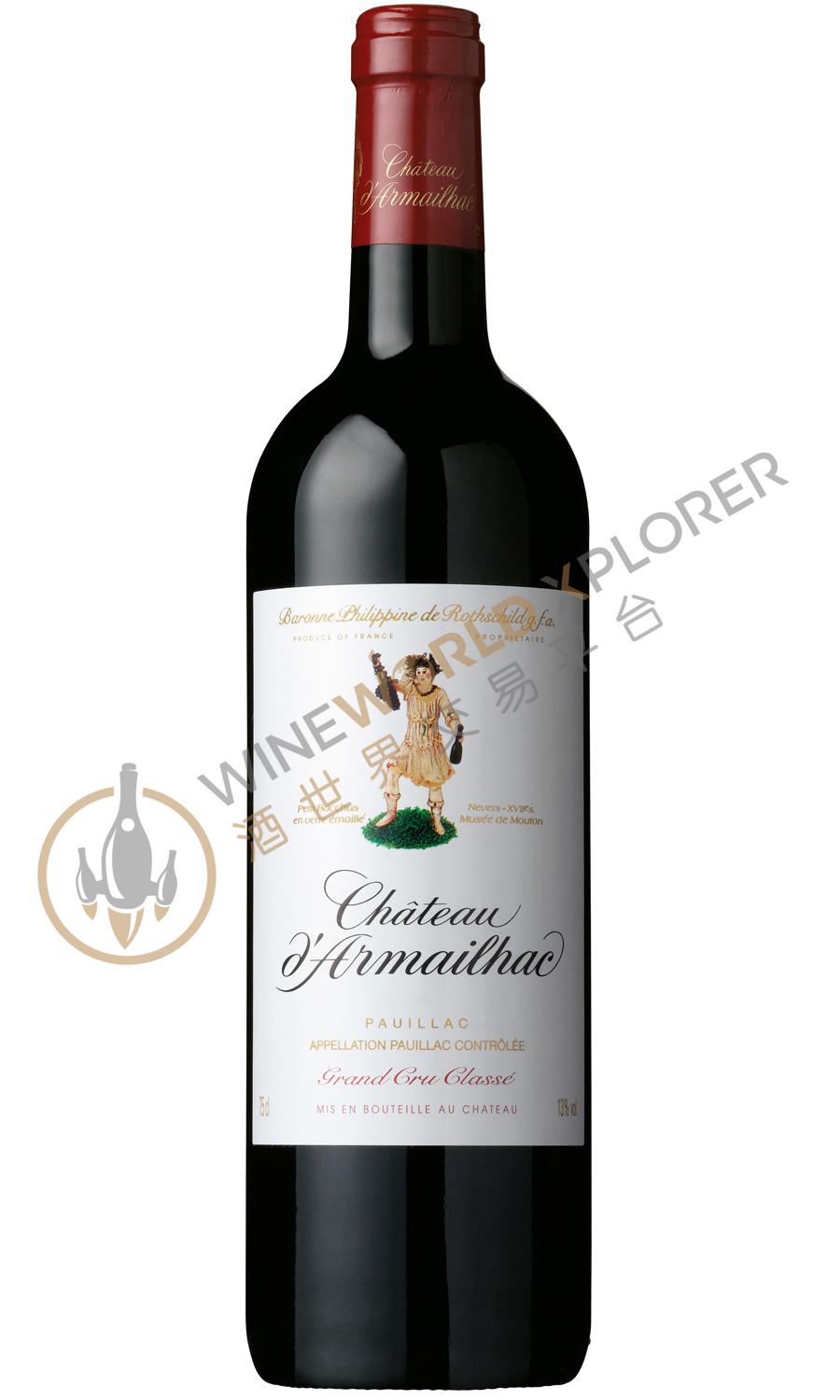
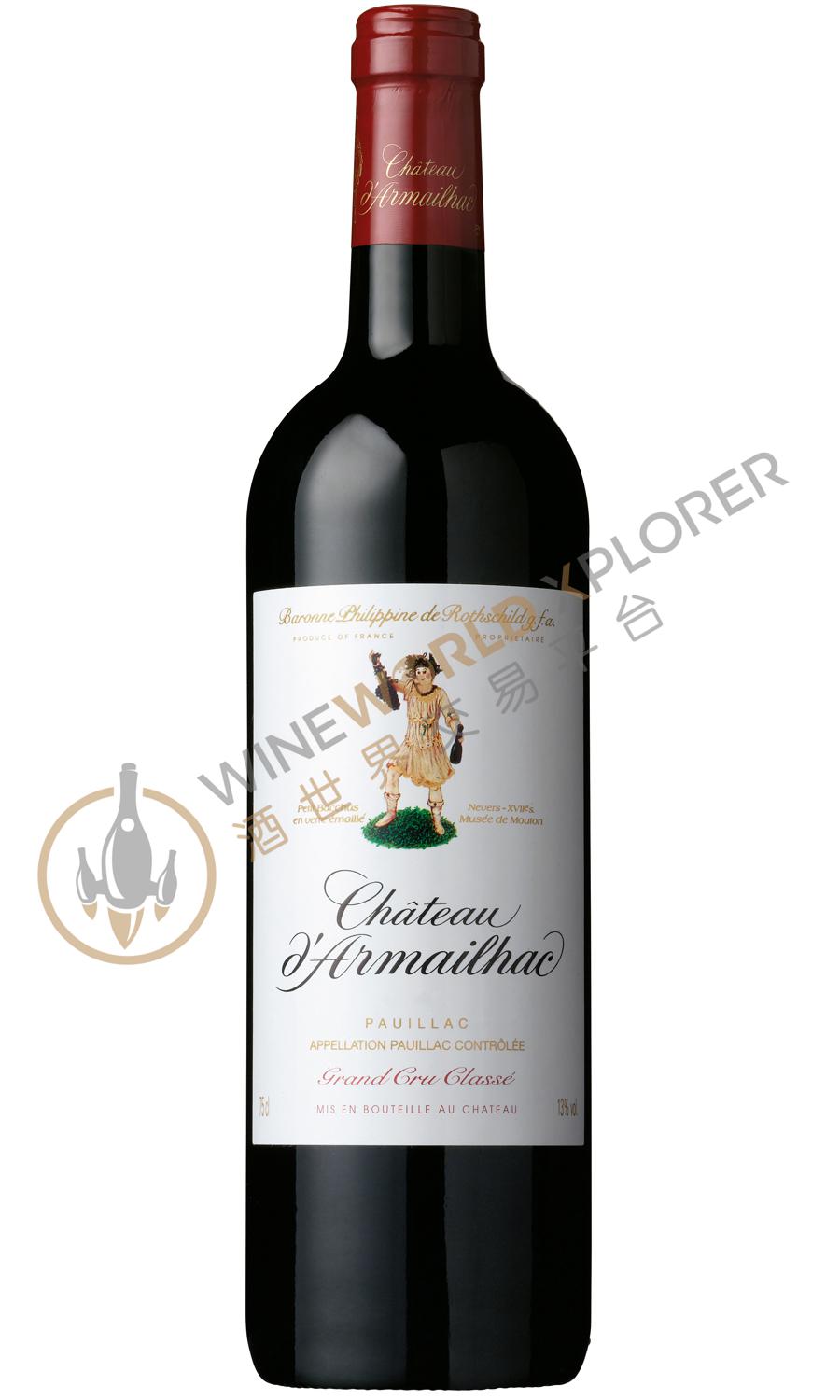
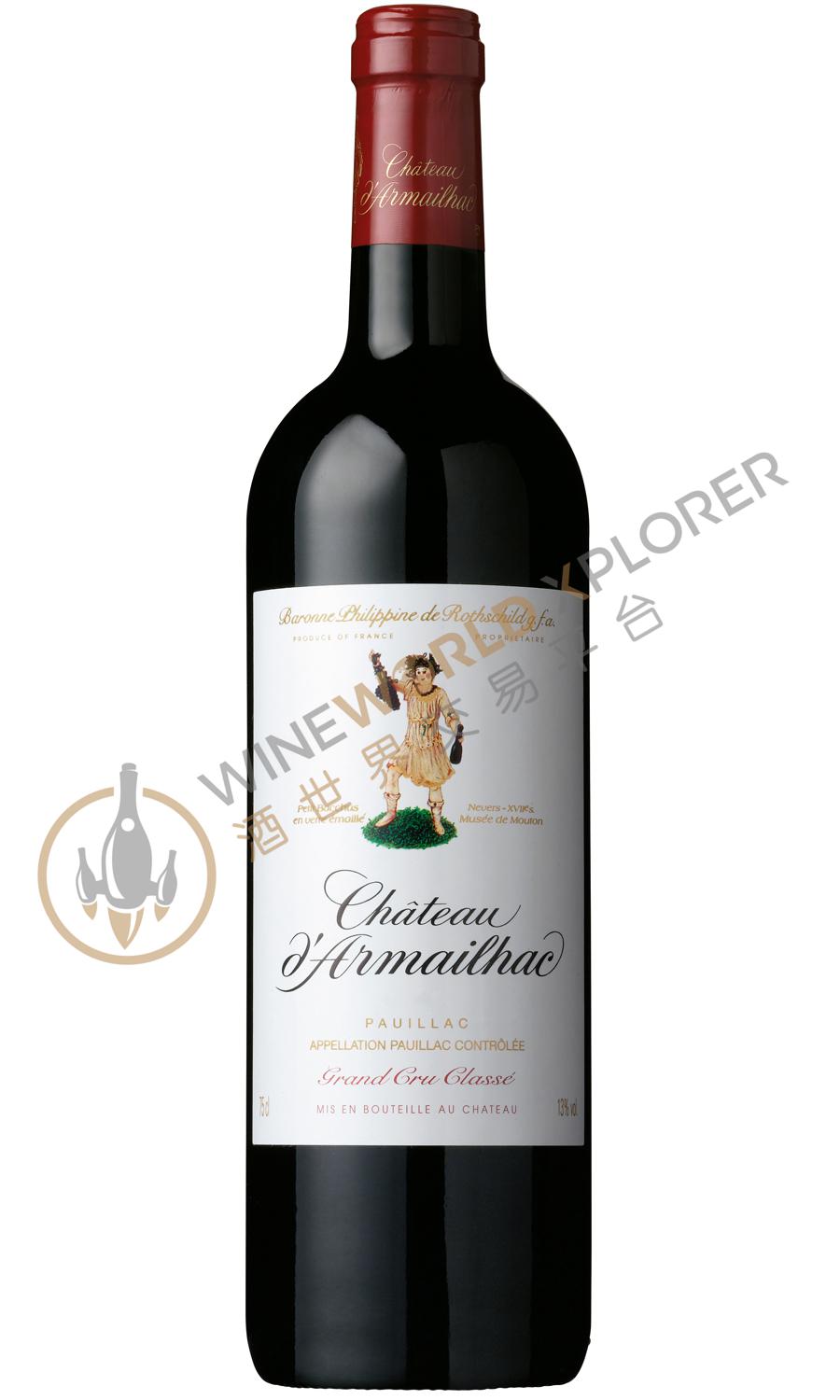
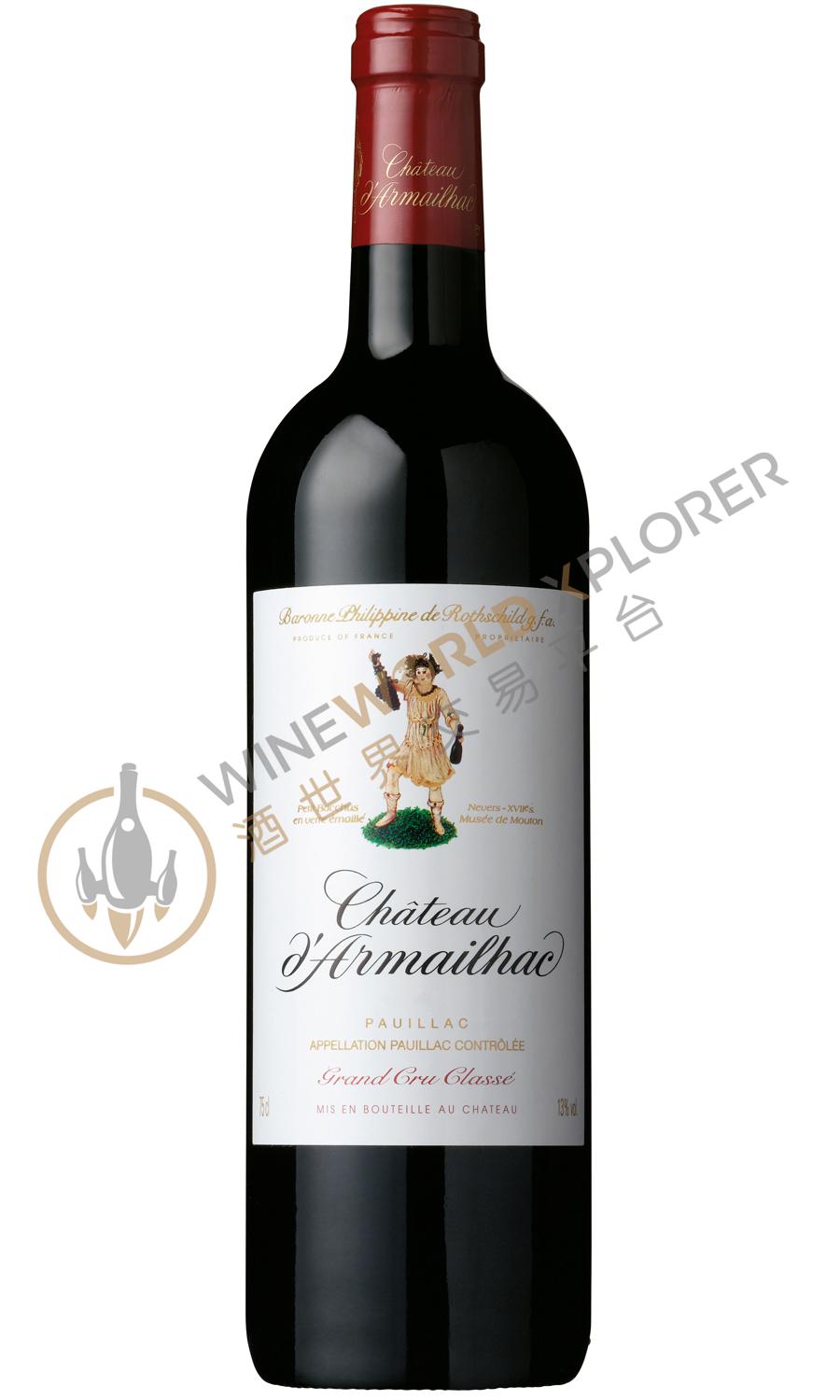
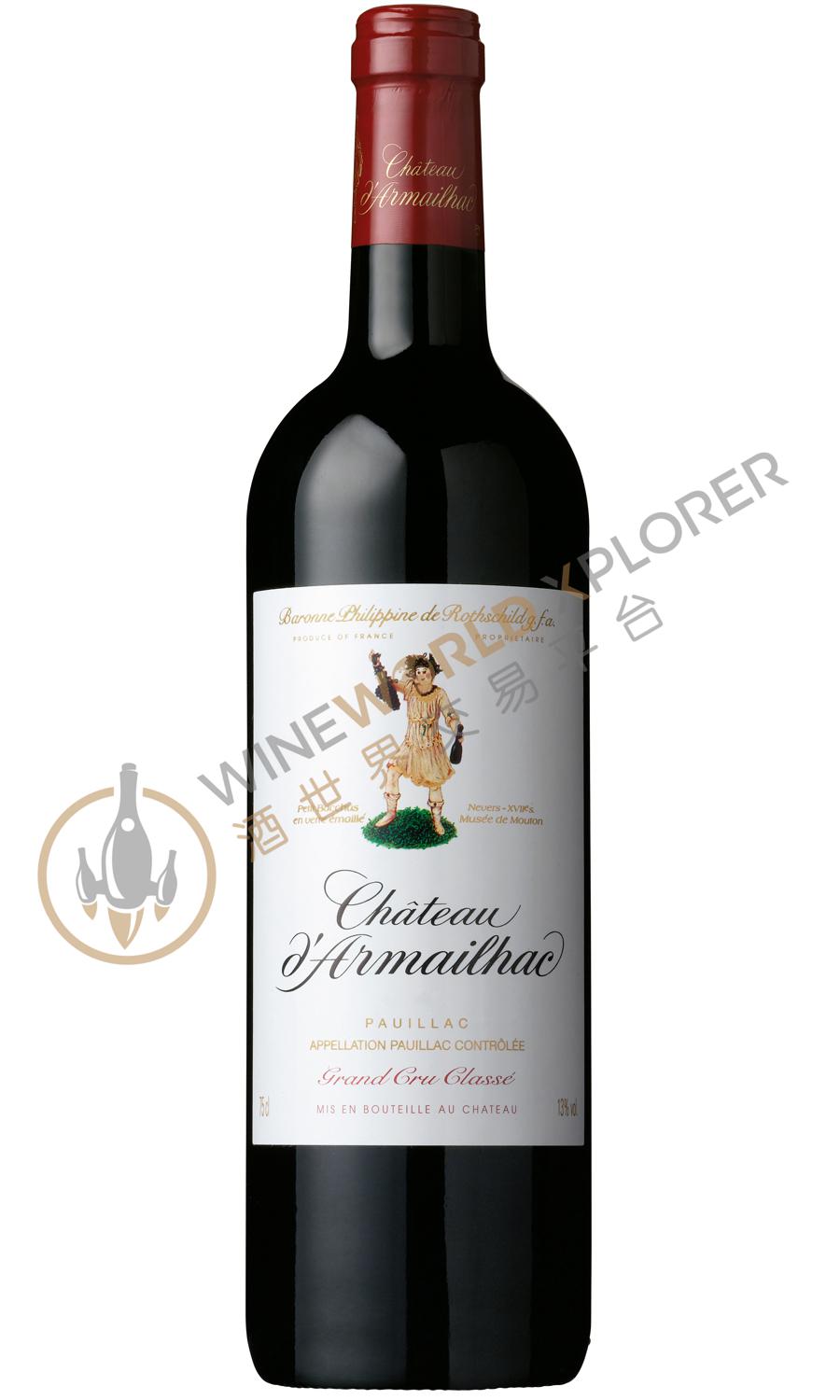
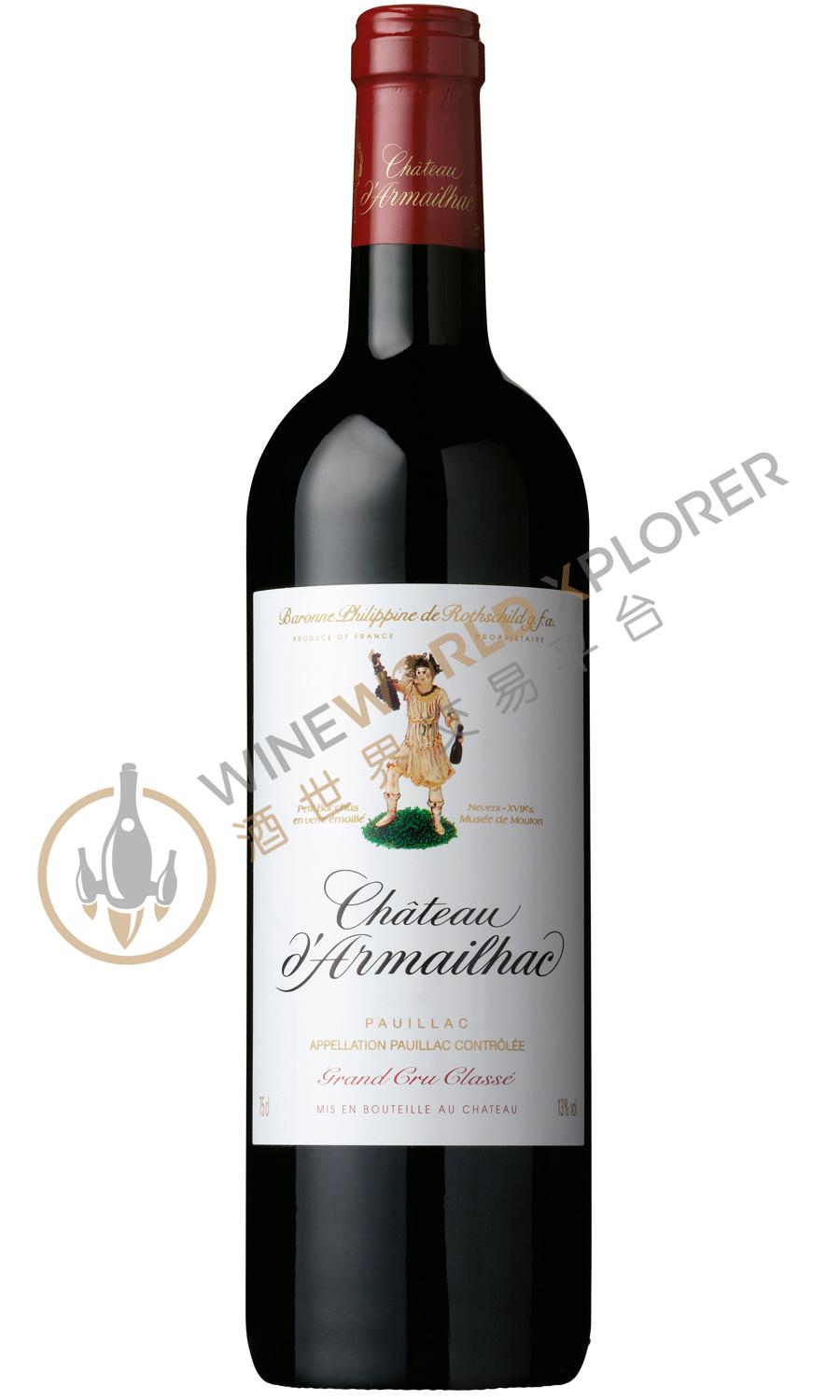
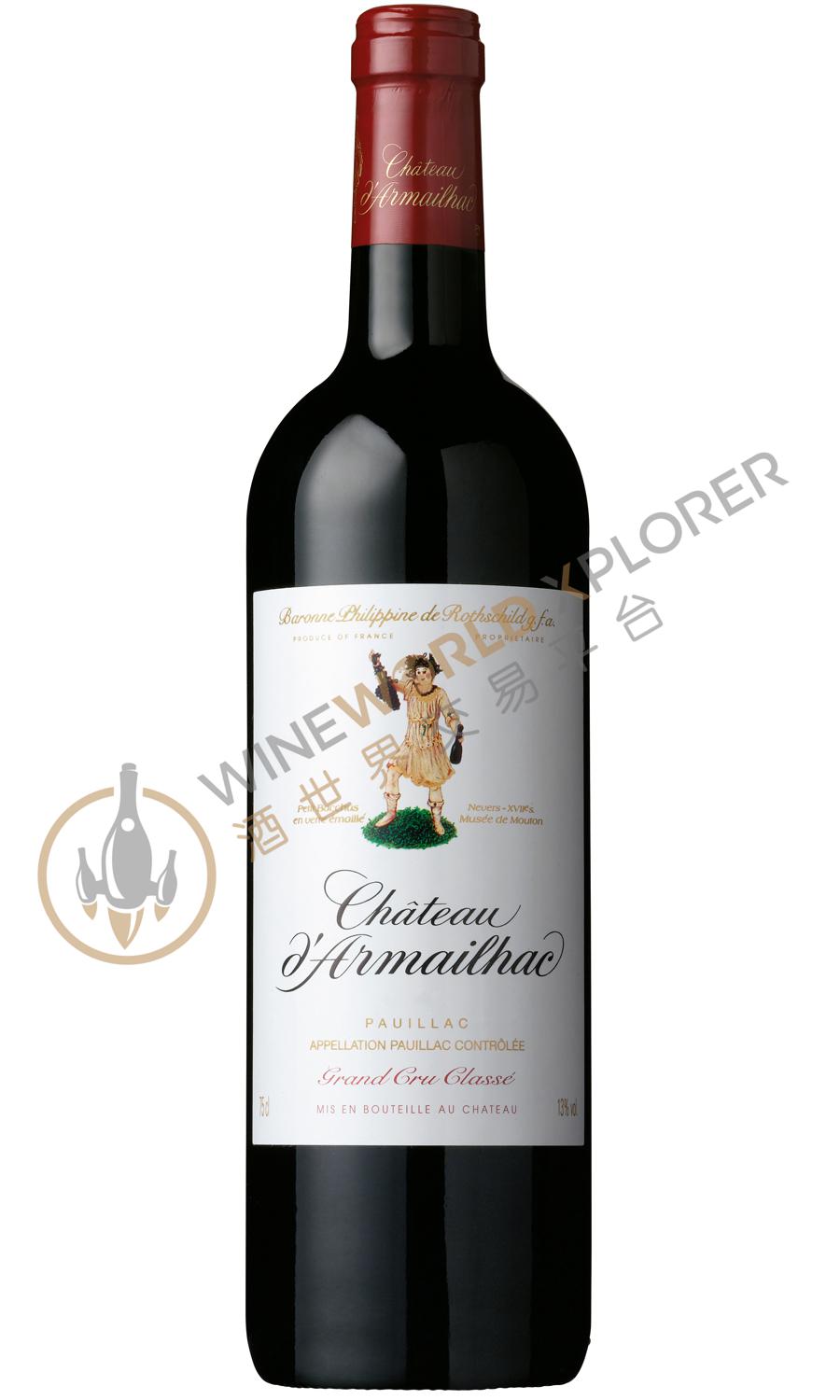
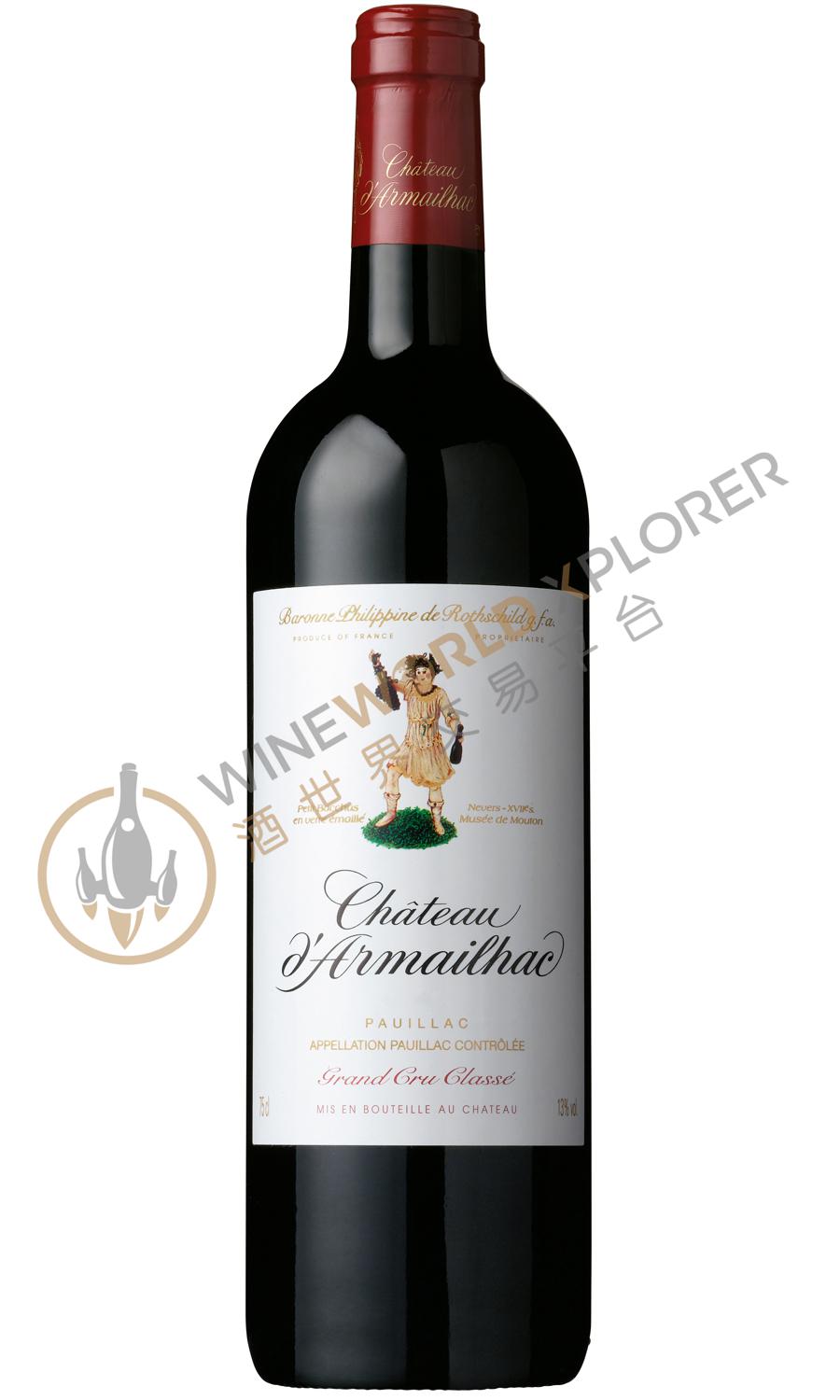
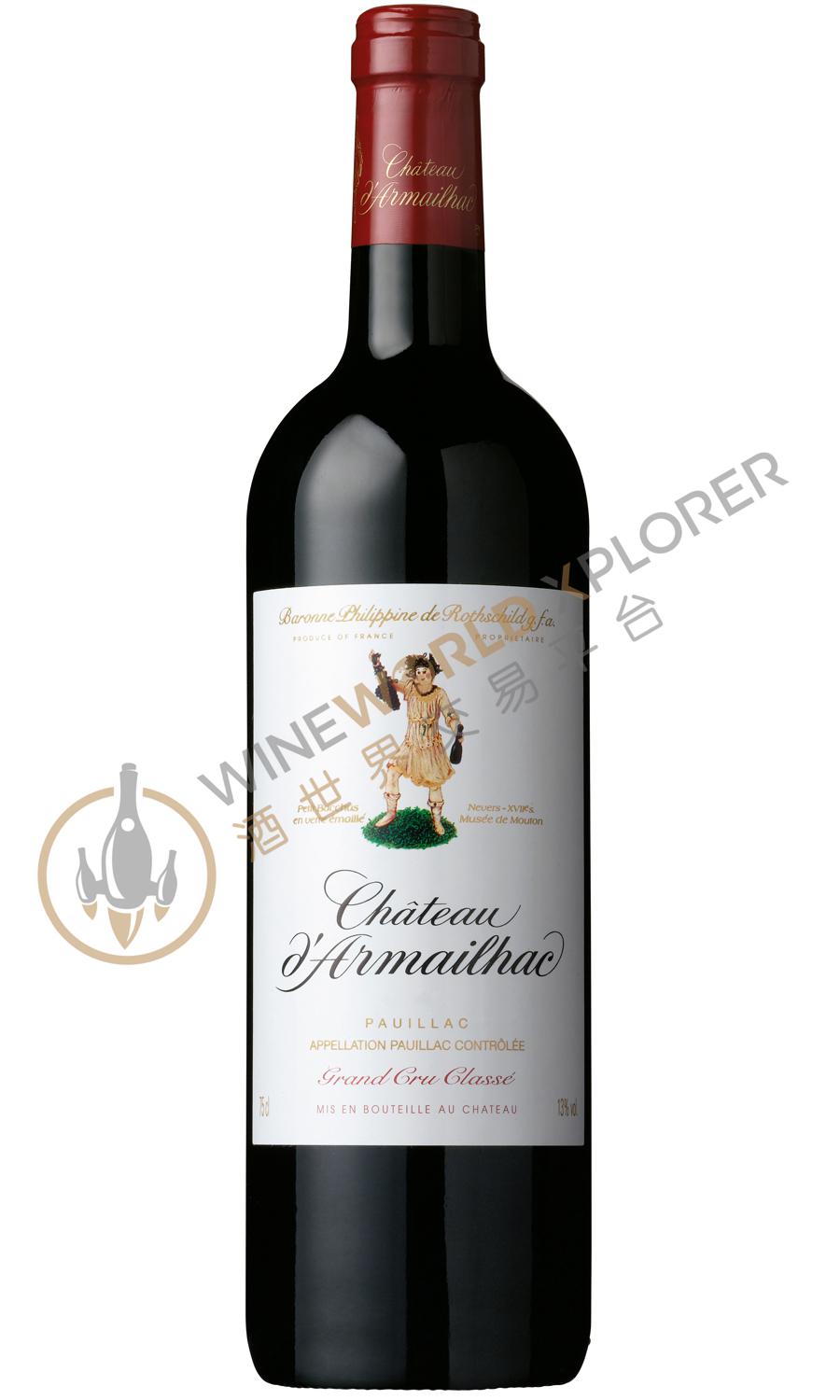
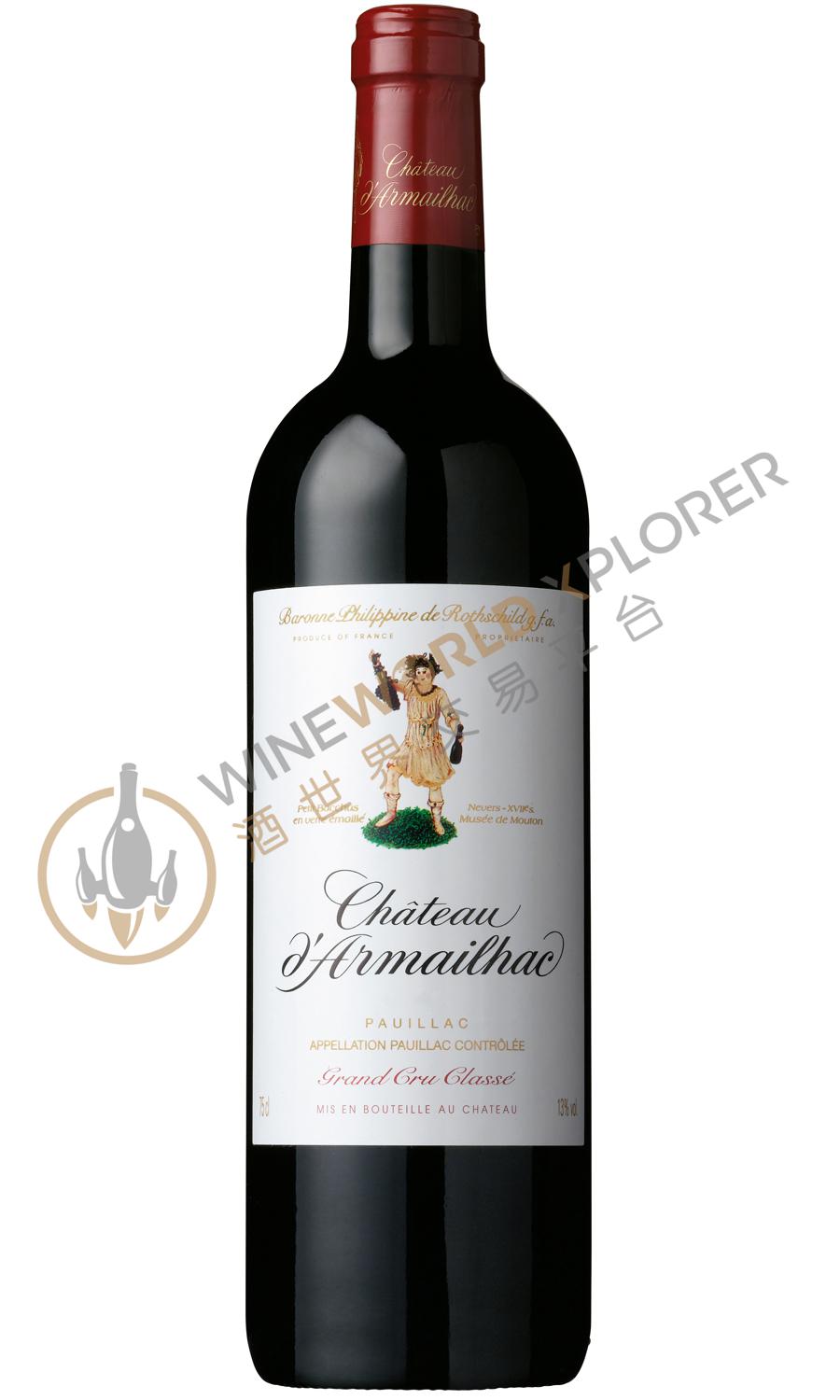
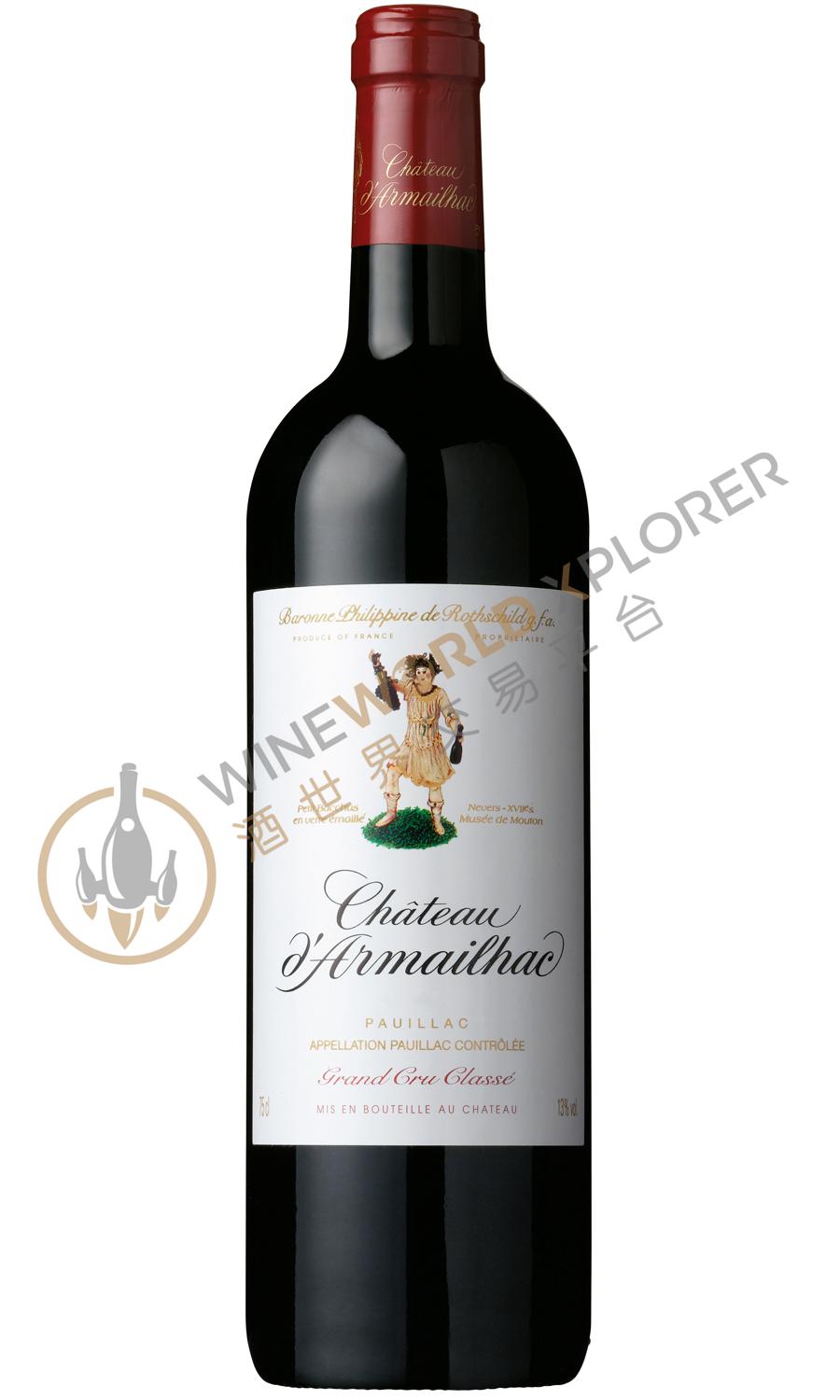
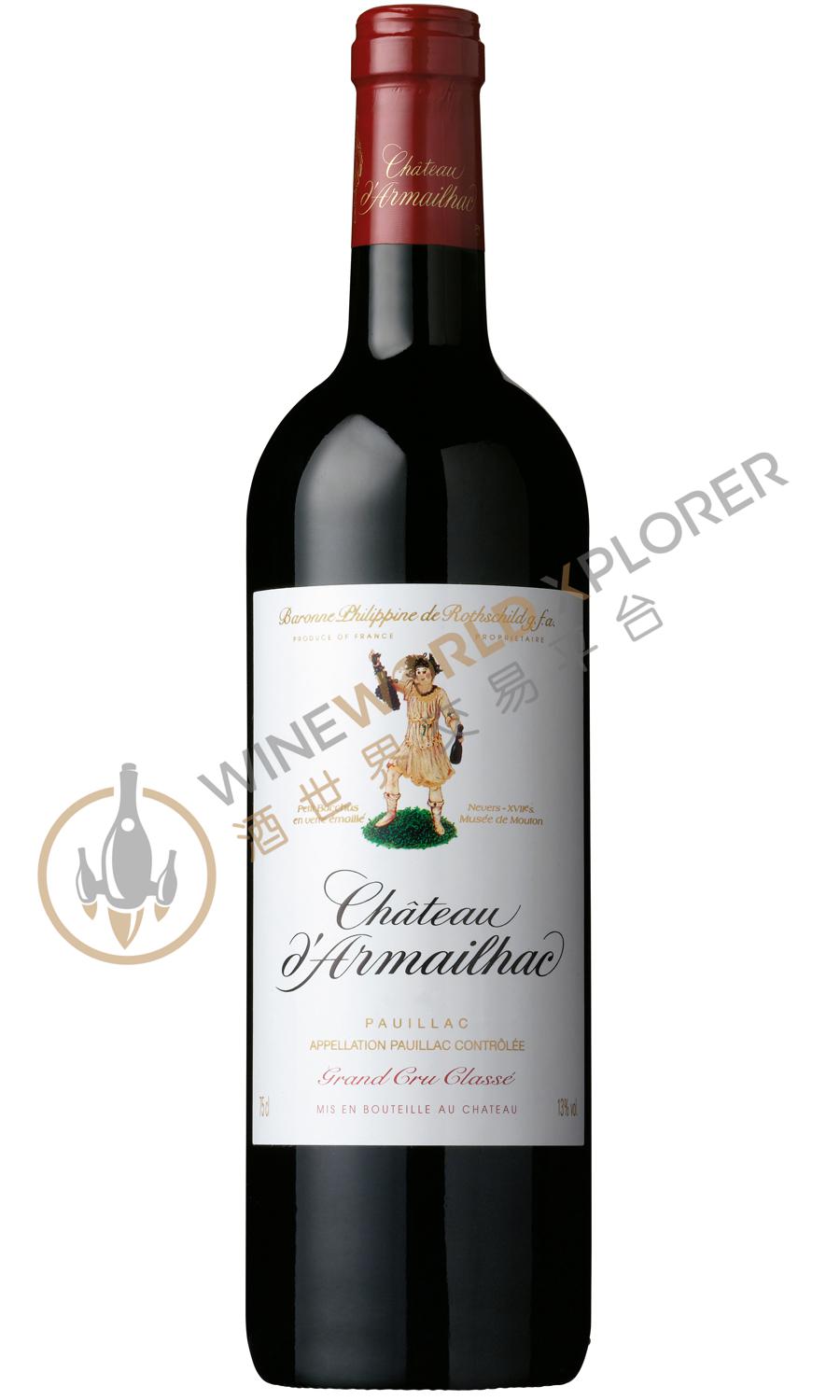
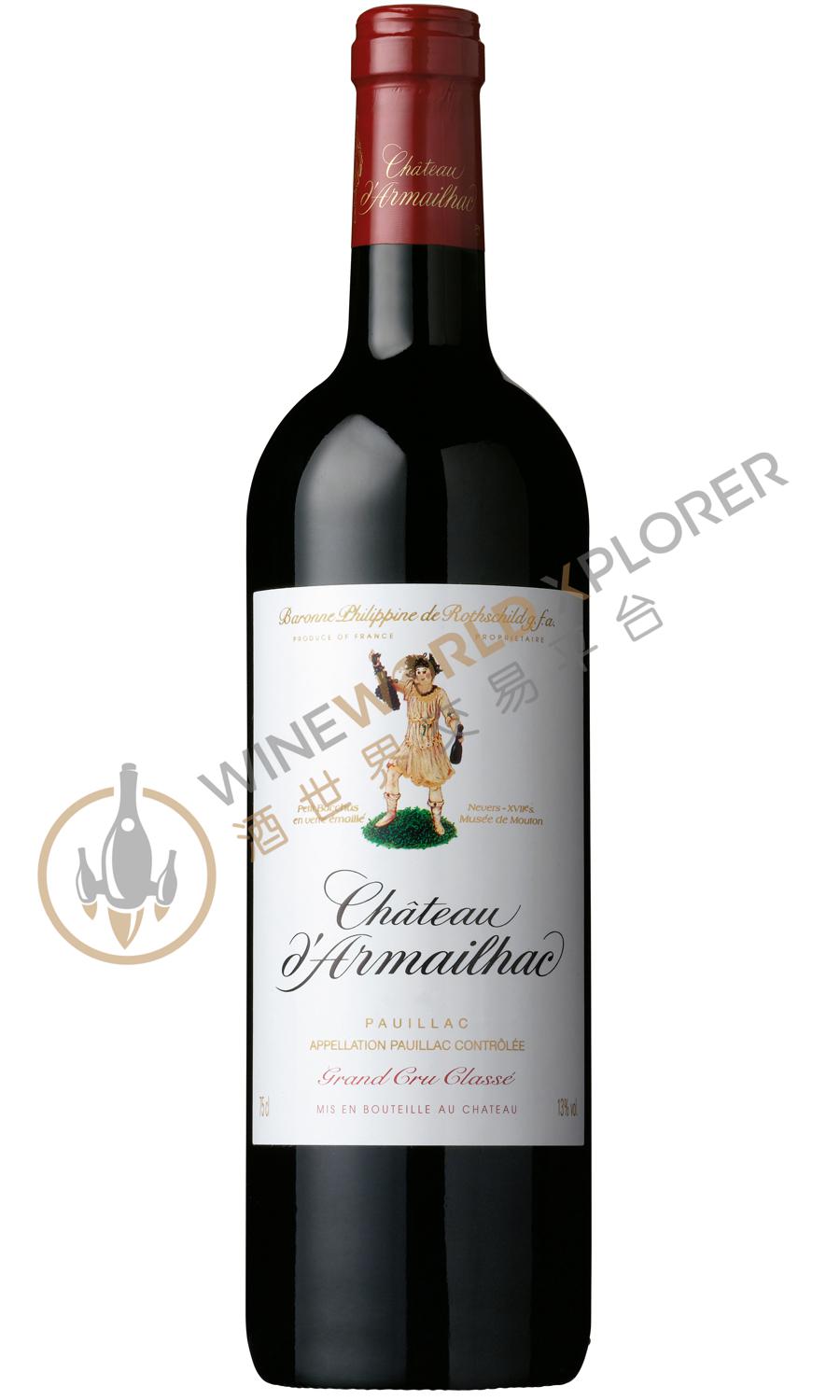
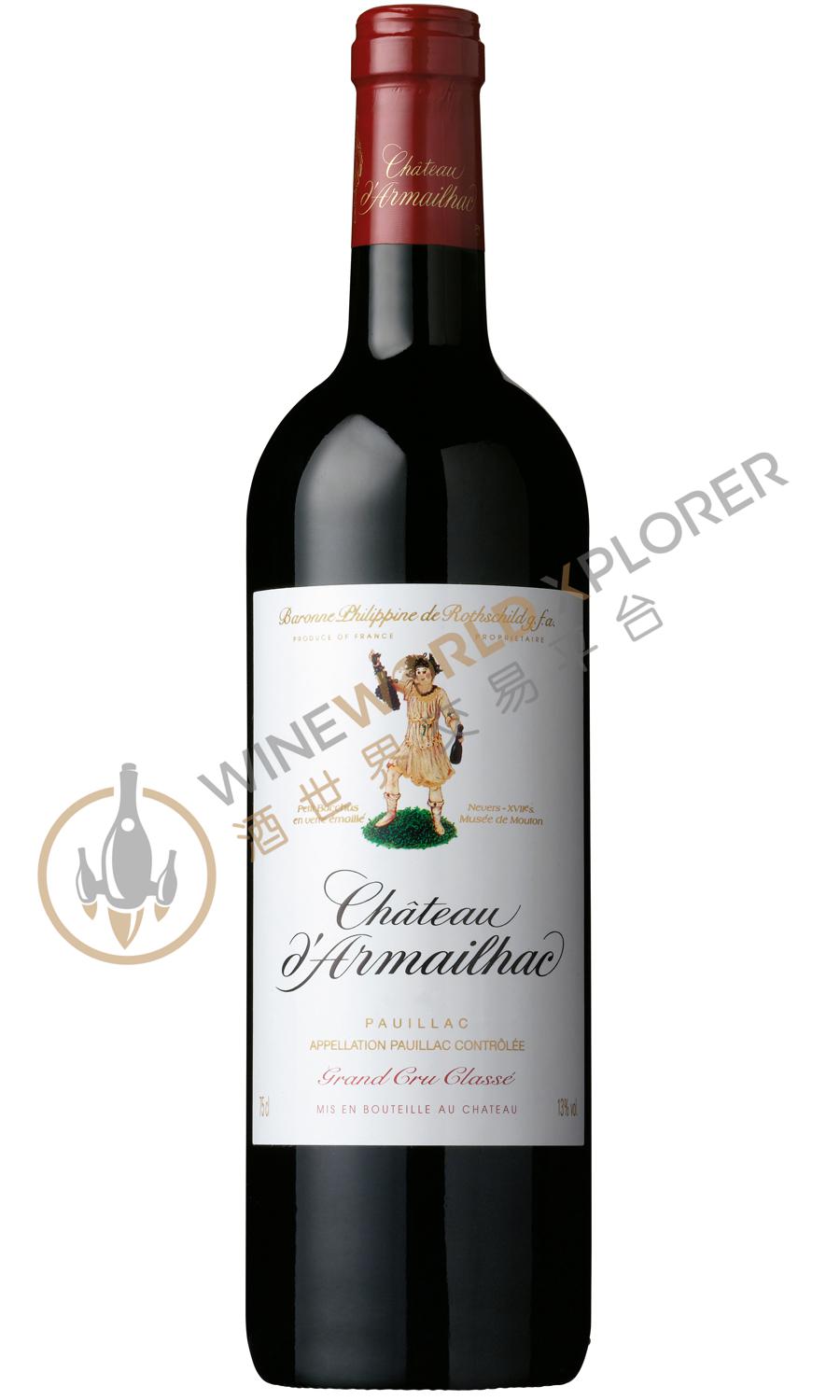
D'Armailhac 2020
 View analysis


Description
Tasting notes

Reviewed by: William Kelley
The 2020 d'Armailhac is excellent, bursting with aromas of blackberries, violets, burning embers and licorice, followed by a medium to full-bodied, rich and fleshy palate that's broad but precise, with powdery tannins and a lively core of fruit. It's a blend of 59% Cabernet Sauvignon, 30% Merlot, 8% Cabernet Franc and 3% Petit Verdot.
Reviewed by: Lisa Perrotti-Brown
Medium to deep garnet-purple colored, the 2020 D'Armailhac strides confidently out of the glass with classic scents of cassis, warm plums and cedar chest, plus wafts of pencil lead, bay leaves and kirsch. The medium-bodied palate has a sturdy frame of chewy tannins and plenty of freshness to support the crunchy black and red fruits, finishing savory. The blend this year is 59% Cabernet Sauvignon, 30% Merlot, 8% Cabernet Franc and 3% Petit Verdot, with an alcohol of 13.3%.
Reviewed by: Antonio Galloni
The 2020 d'Armailhac has all the fruit of the en primeur wine, and all the tannin too, almost like a barrel sample. I imagine the 2020 is going to need at least a few years to shed some of that tannic clout. Dark red cherry, red plum, pomegranate, blood orange, iron, white pepper and mint literally saturate the palate. The 2020 is a dense, plush d'Armailhac. It's a real head-turner.
Reviewed by: Antonio Galloni
The 2020 d'Armailhac is bold, assertive and full of character. Inky red fruit, red plum, iron, gravel and incense all hit the palate. The tannins are a bit severe, but then again, that's Armailhac. The Cabernets seem especially expressive, in both the aromatics and the tannin structure. One of the recent developments here has been a move toward slightly longer élevage to complement fruit that is a bit more structured than in the past because of changes in farming. Tasted two times.
Reviewed by: Neal Martin
The 2020 d'Armailhac has a very pure bouquet with blackberry, bilberry, crushed iris flowers and hints of potpourri, tightly-wound at first but opening nicely in the glass. The palate is medium-bodied with slightly angular tannins at first, fine acidity, pure blackberry and graphite notes becoming more accentuated towards the finish. That could only come from Pauillac. A classy d'Armailhac that bestows great terroir expression and sense of classicism.
Reviewed by: Neal Martin
The 2020 d’Armailhac, raised in 50% new oak with a planned 17-month barrel maturation, is a little deeper in color compared to the Clerc Milon. I find more complexity on the nose of blackberry, briar, cedar and pencil box aromas, less extravagant than previous vintages and more terroir-driven, perhaps. The palate is medium-bodied with fine tannins that have a little more edge than the Clerc Milon, plus there is slightly more mineralité and depth. In particular, the finish is very harmonious and fans out wonderfully. This Château d’Armailhac is a splendid wine in the making, and one of the best examples from the estate that I have tasted out of barrel.
Reviewed by: Neal Martin
The 2020 d'Armailhac has a more backward nose than its peers, though it gradually unfurls to reveal wonderful blackberry, pencil shaving and violet scents that are very delineated and precise. The palate is medium-bodied with succulent ripe black fruit, quite a "juicy" Pauillac with a lot of concentration that masks the structure underneath. Very persistent on the finish with a dash of black pepper on the aftertaste, this is another long-term Pauillac. Tasted blind at the annual Southwold tasting.
Reviewed by: James Suckling
A fresh, layered red with blackberry and chocolate. It’s full and beautiful. Cool finish. Soft tannins spread across the finish. Savory.
Reviewed by: James Suckling
Bright aromas of currants and raspberries, oranges, and roses. Peach skin. Medium- to full-bodied with creamy and velvety tannins. So much finesse and balance. It’s savory and slightly salty. 59% cabernet sauvignon, 30% merlot, 8% cabernet franc and 3% petit verdot. Drink after 2027.
About the Producer
The existence of Château d’Armailhac dates back to the late 17th century, as evidenced in a land register from 1680 which mentions the brothers Dominique and Guilhem Armailhacq, owners of parcels of land in Pauillac. Another land register from 1750 notes that their descendants have “planted with vines” the family estate, covering 15 to 16 hectares (37-39 acres). By the end of the 18th century the estate has grown to 52 hectares (128 acres) but the brokers of the time describe its wine as “disappointingly thin”. Throughout the following century, Mouton d’Armailhacq’s owners work unceasingly to improve its quality, using techniques such as topping-up, running-off, barrel disinfection and fining. Their efforts are rewarded in 1831, when the wines of Mouton d’Armailhacq sell for twice as much as their more highly reputed neighbours. The ultimate recompense, Château Mouton d’Armailhacq is given Fifth Growth status in the 1855 Classification – the same one which made Château Mouton Rothschild “First of the Seconds”. The “first wine”, the only one authorised to bear the growth’s name, is distinguished from the “second wine”, less rich and sold for consumption in local taverns. In 1931, the young Baron Philippe de Rothschild became a minority shareholder of the Société Anonyme du Domaine de Mouton d’Armailhacq, then in 1933 acquired all the shares from the Comte de Ferrand in return for a life annuity. A year later, on the Comte de Ferrand’s death, he became the effective owner of the estate. The Mouton d’Armailhacq portfolio included the Société Vinicole de Pauillac, forerunner of what is now Baron Philippe de Rothschild SA. Inseparable from Château Mouton Rothschild, Château Mouton d’Armailhacq houses all the technical and agricultural equipment for the two estates in its extensive outbuildings. From 1956 to 1988, the wine was called Mouton Baron Philippe, then Mouton Baronne Philippe. A Fifth Growth of acknowledged quality, its original identity as Château d’Armailhac was patly restored in 1989.
1964(2)1973(1)1978(1)1986(1)1987(1)1989(1)1995(2)1996(2)2000(4)2001(5)2002(1)2003(3)2004(2)2005(5)2006(2)2007(2)2008(5)2009(10)2010(6)2011(7)2012(4)2013(3)2014(10)2015(4)2016(21)2017(15)2018(28)2019(25)
Package Size
1 x 3L1 x 6L12 x 75cl