Wine Advisor



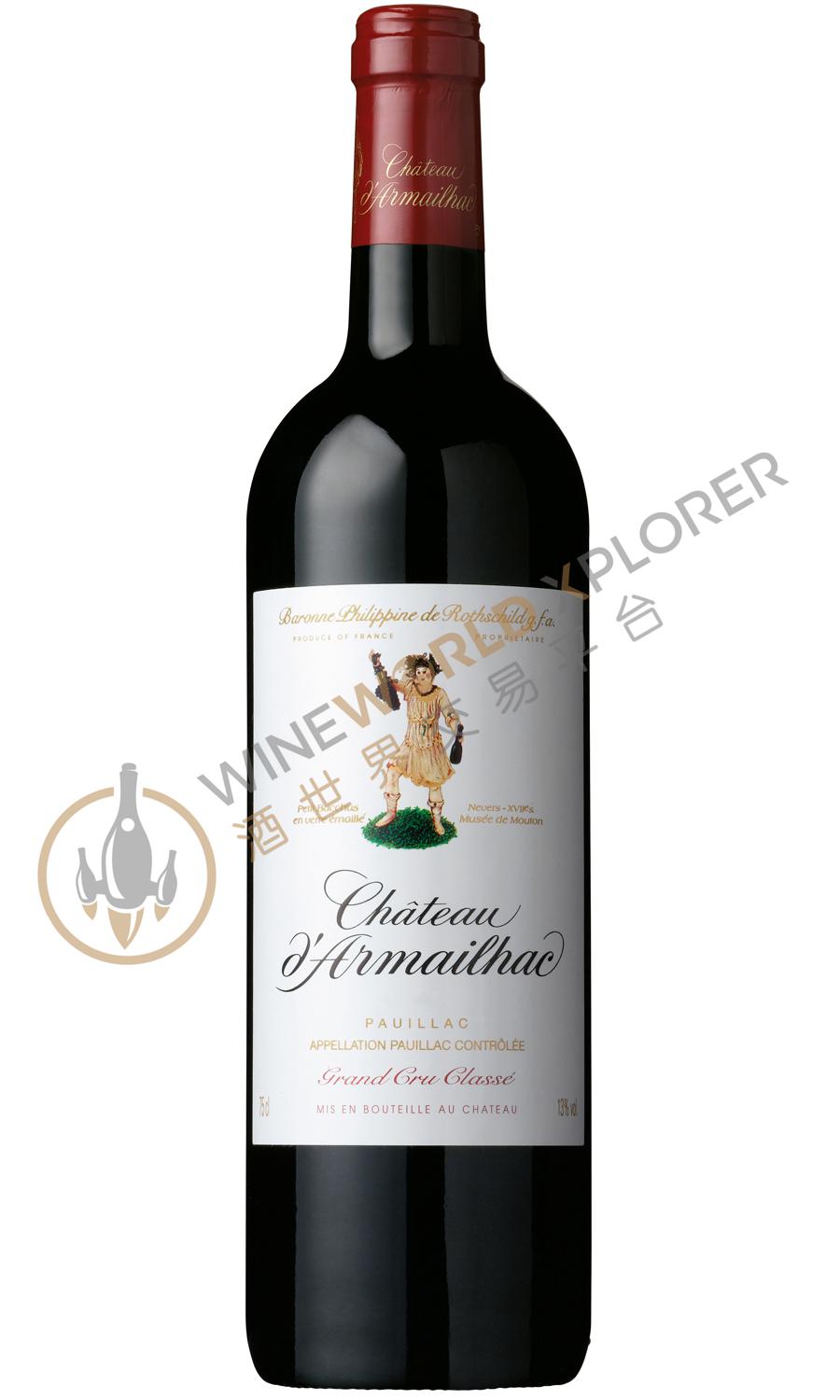
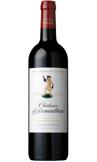
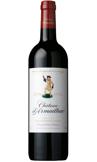
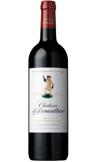
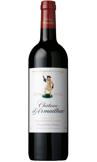
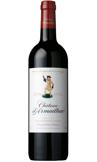
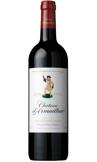
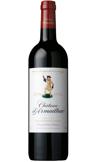
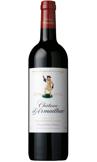
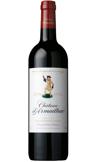
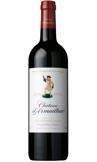
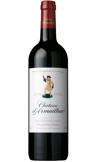
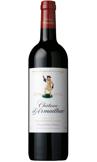
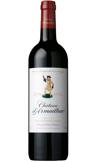
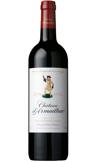
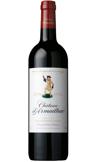
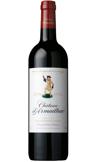
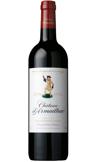
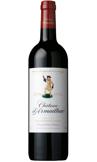
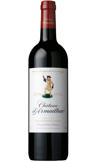
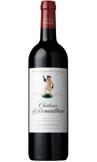
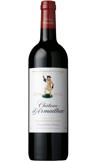
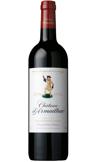
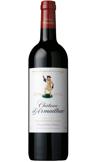
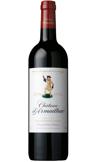
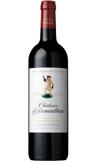
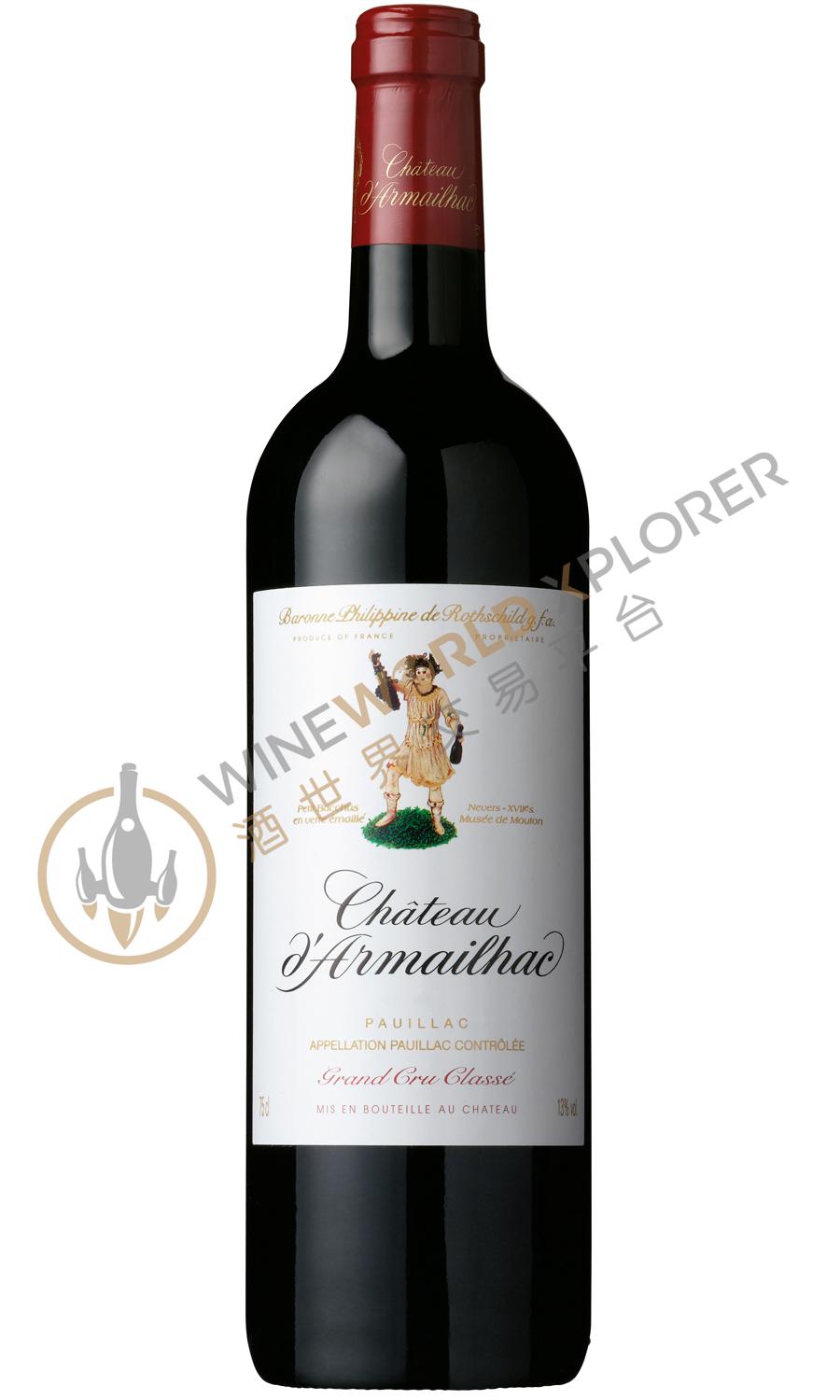
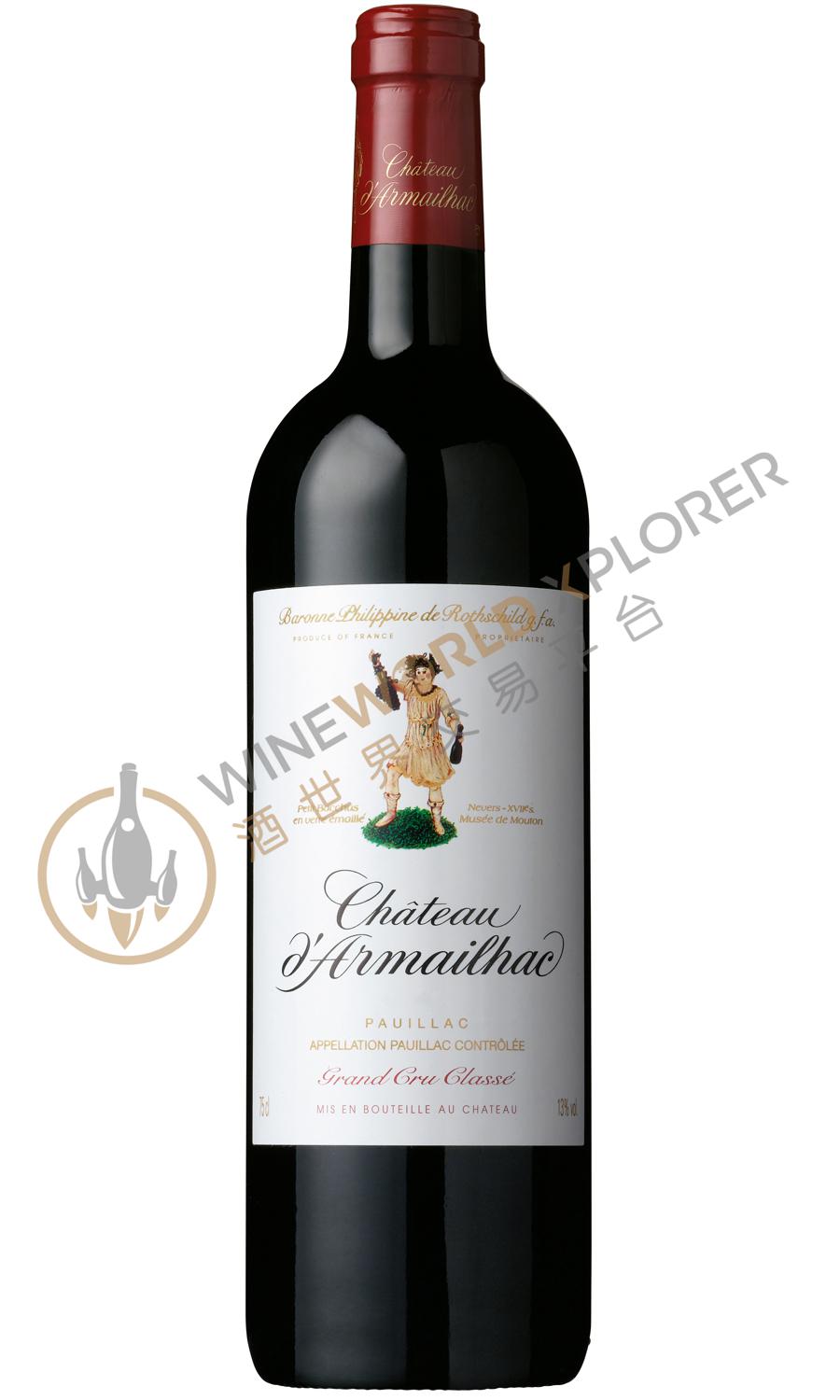
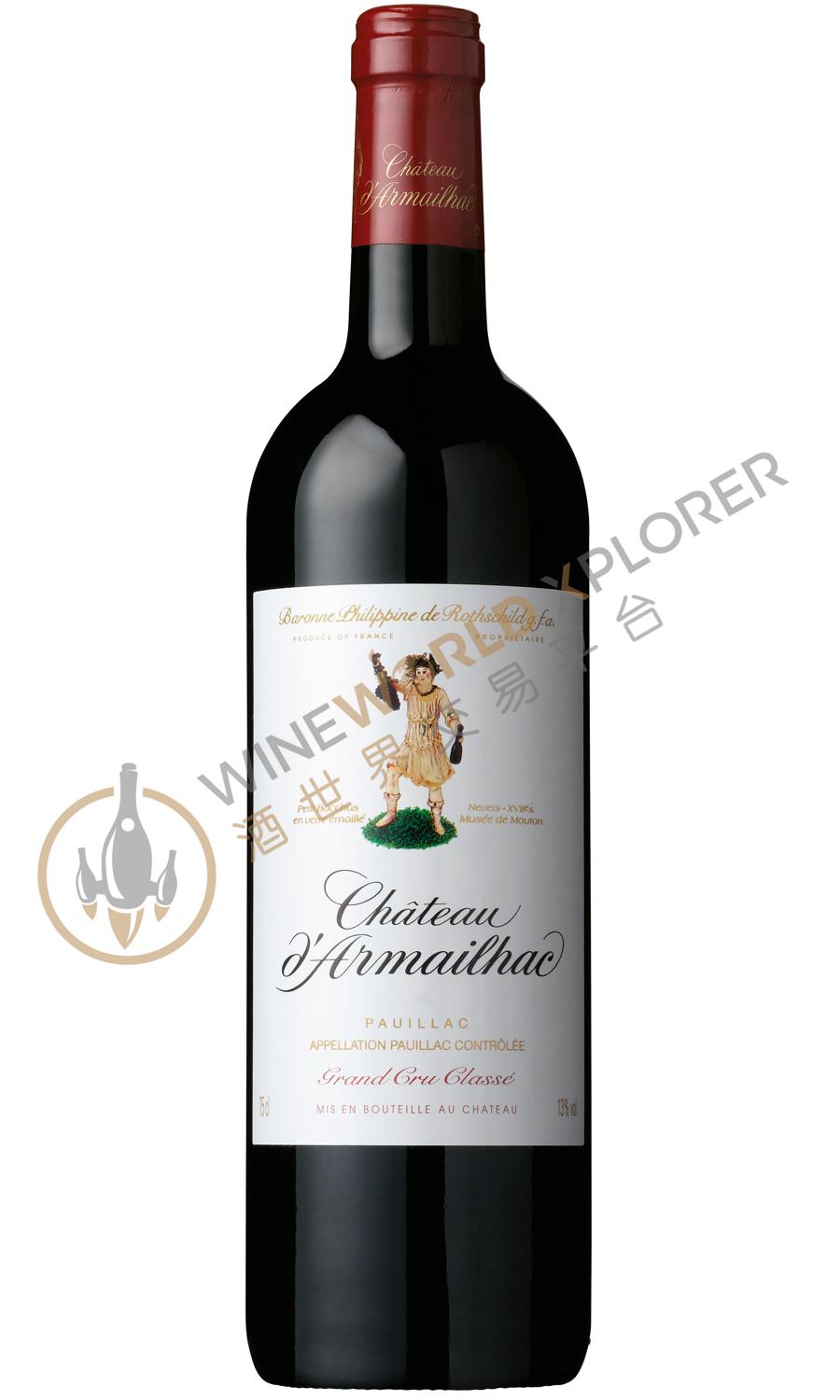
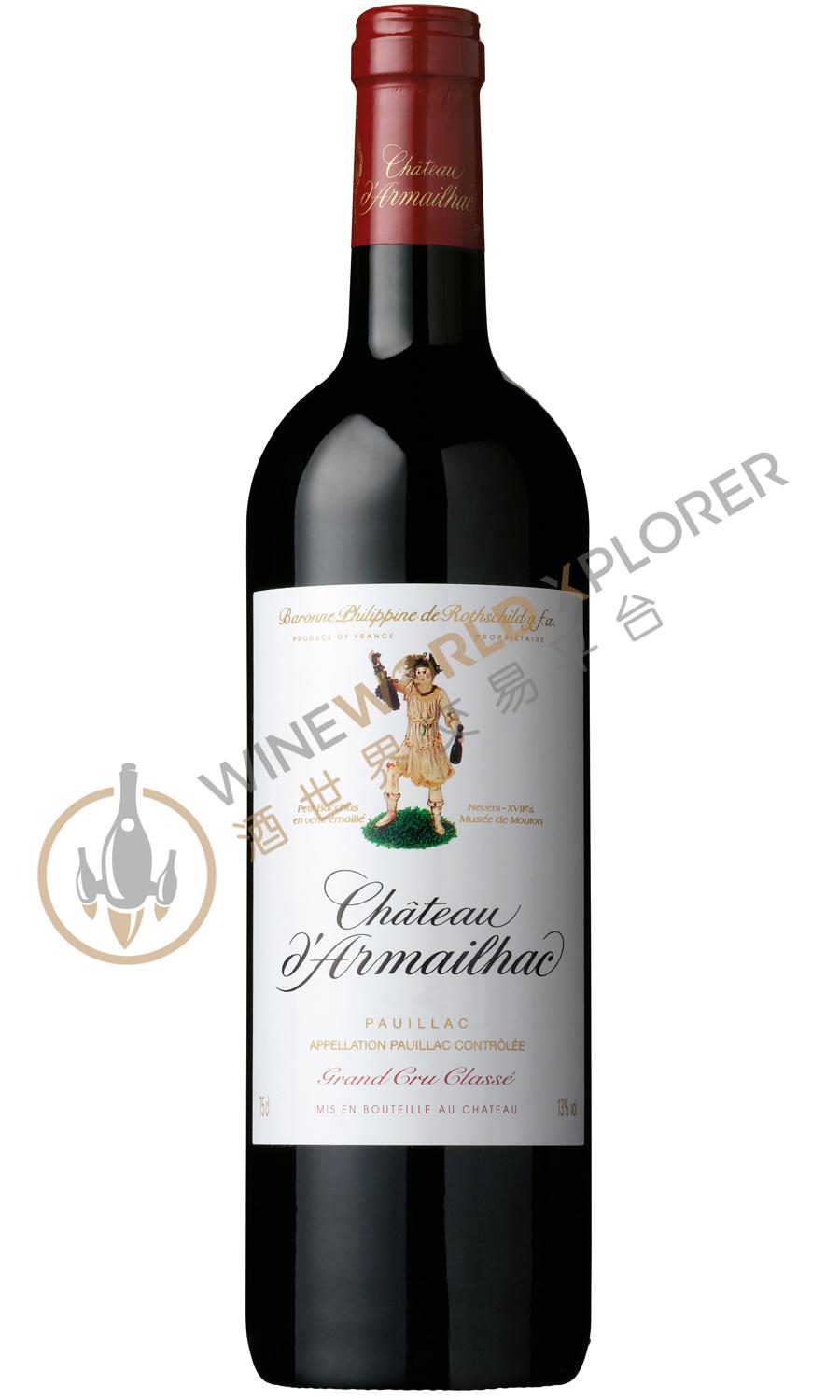
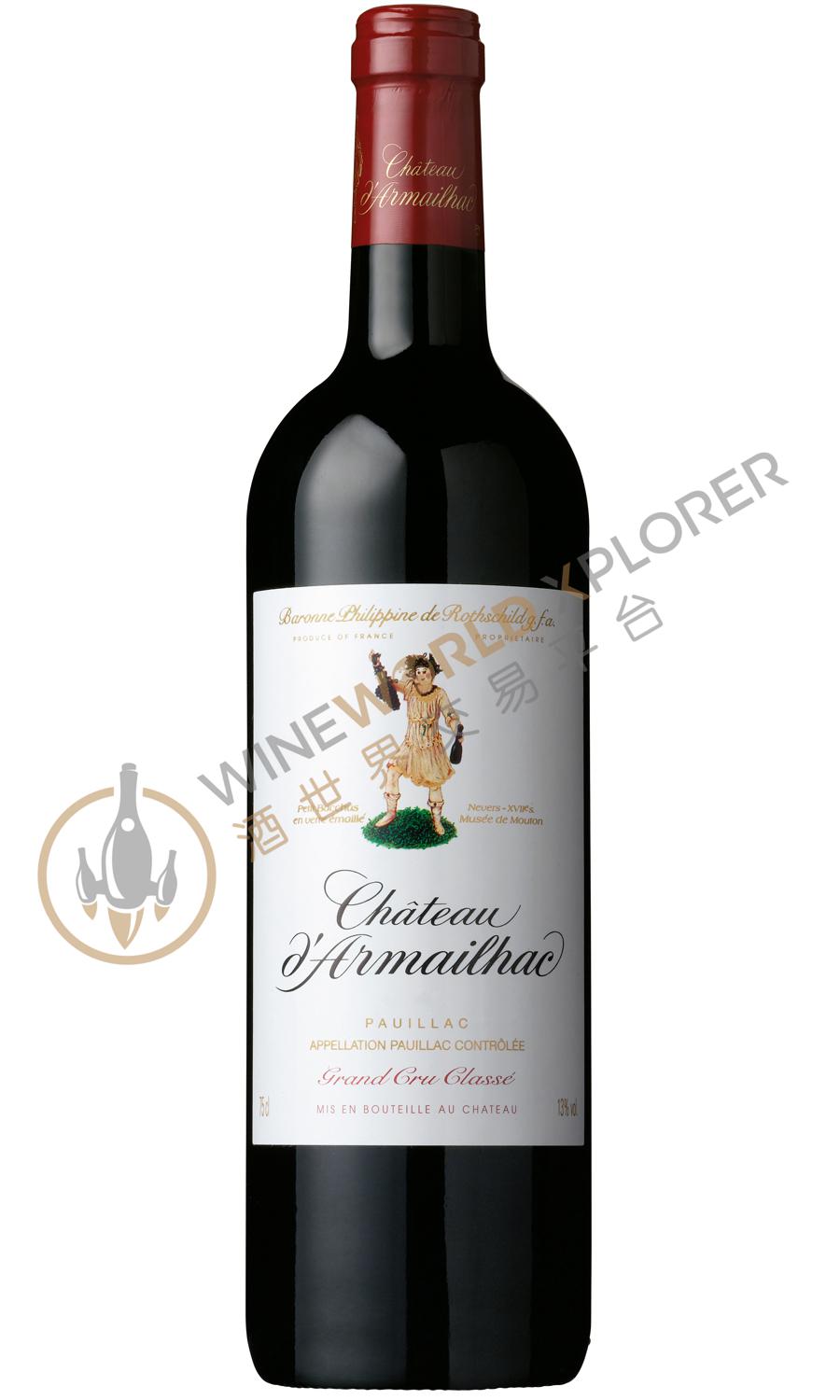
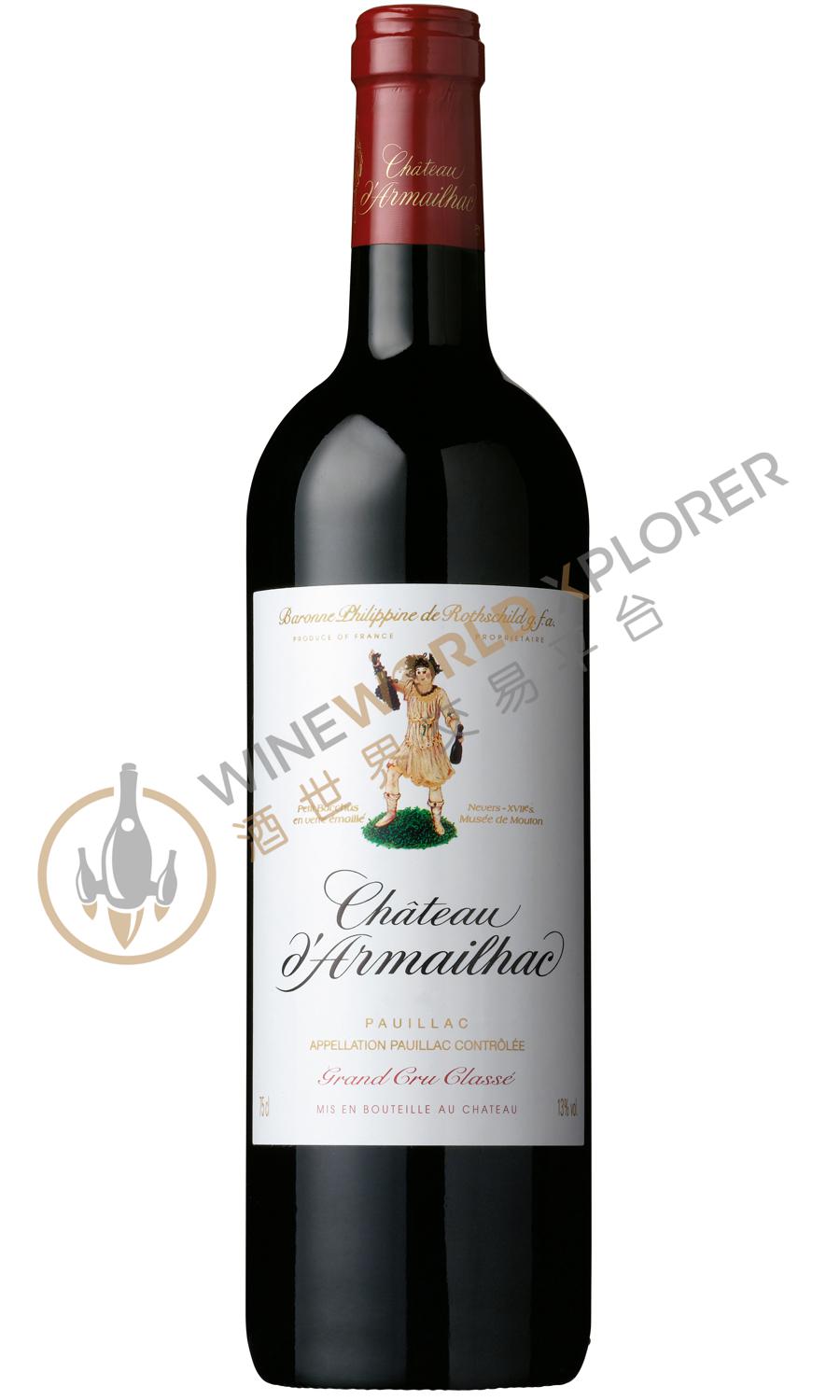
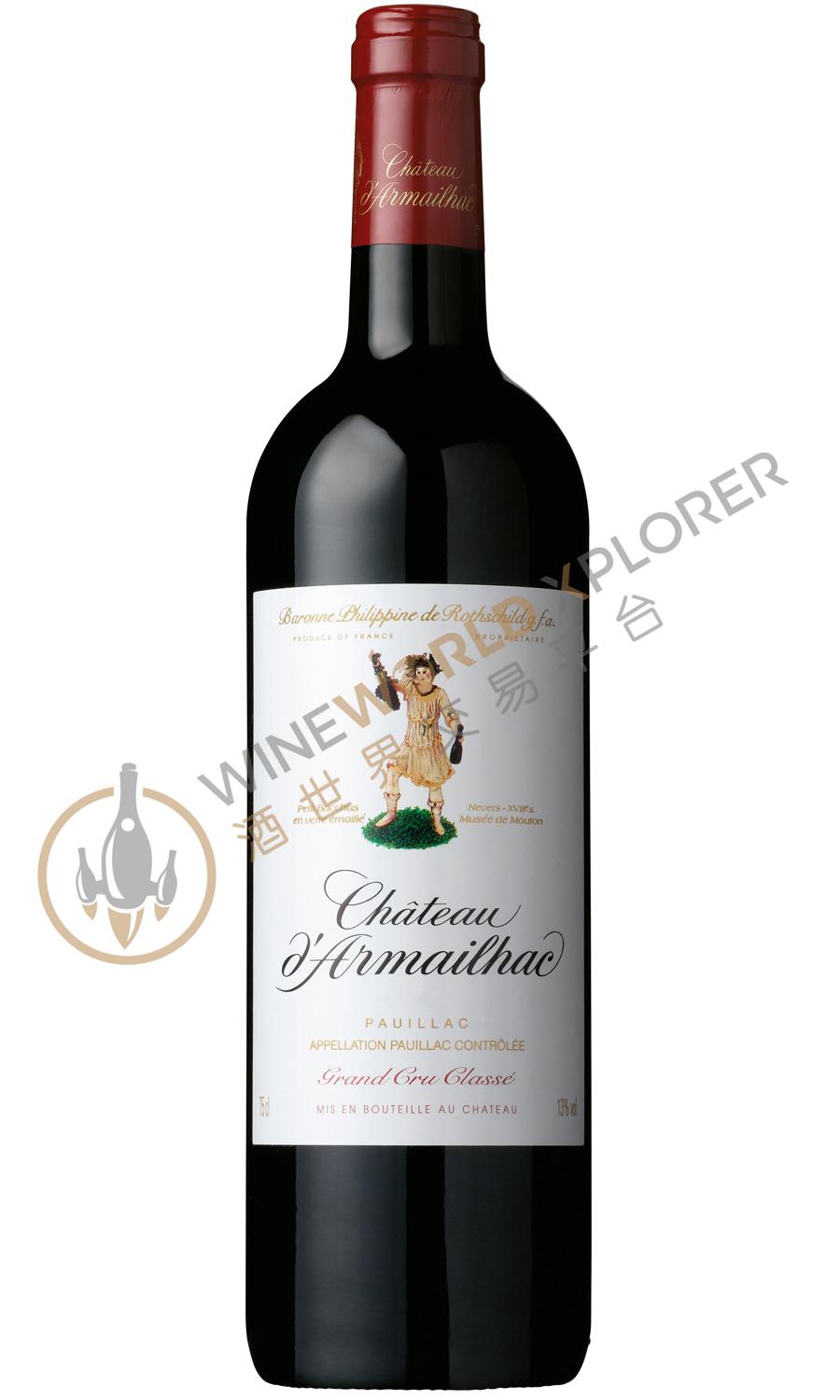
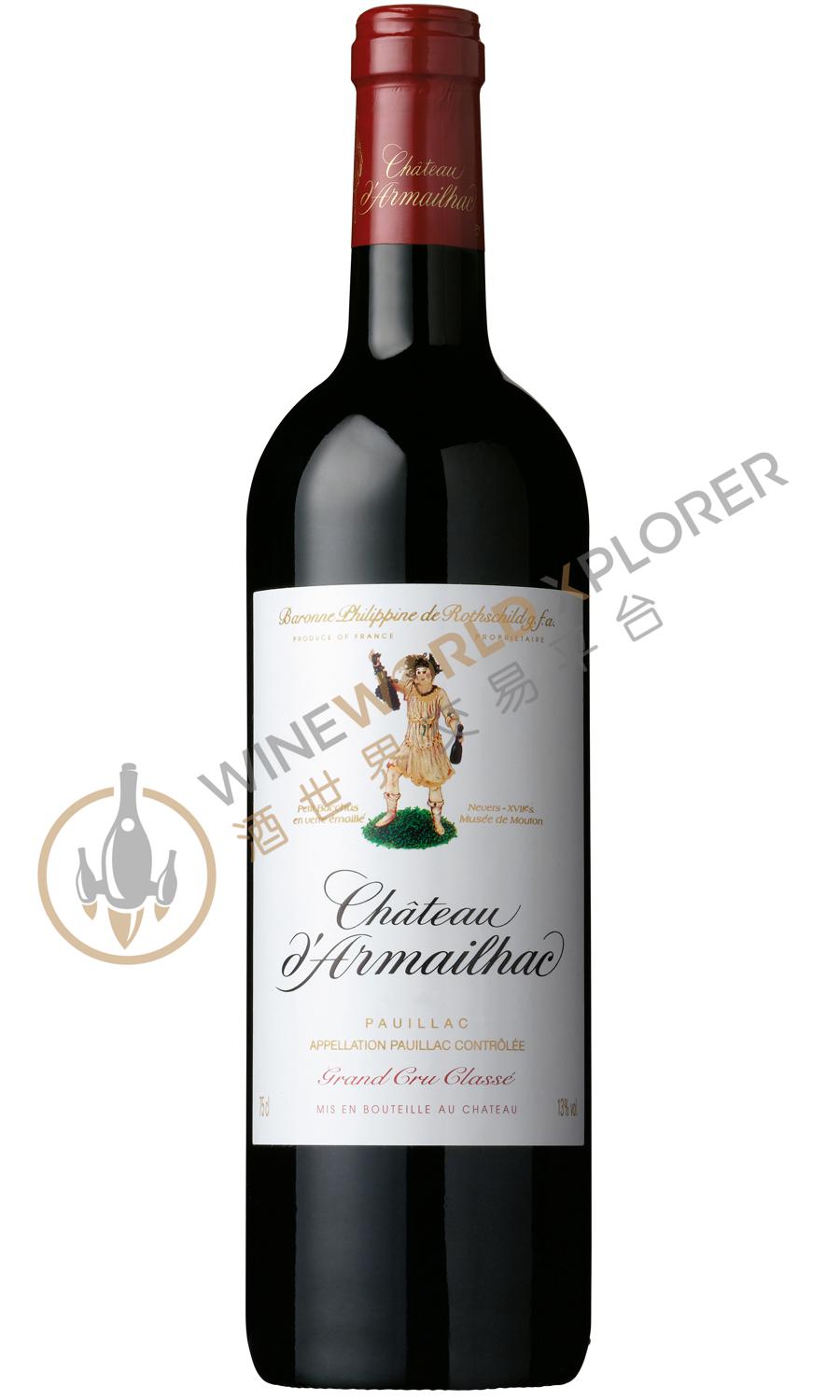
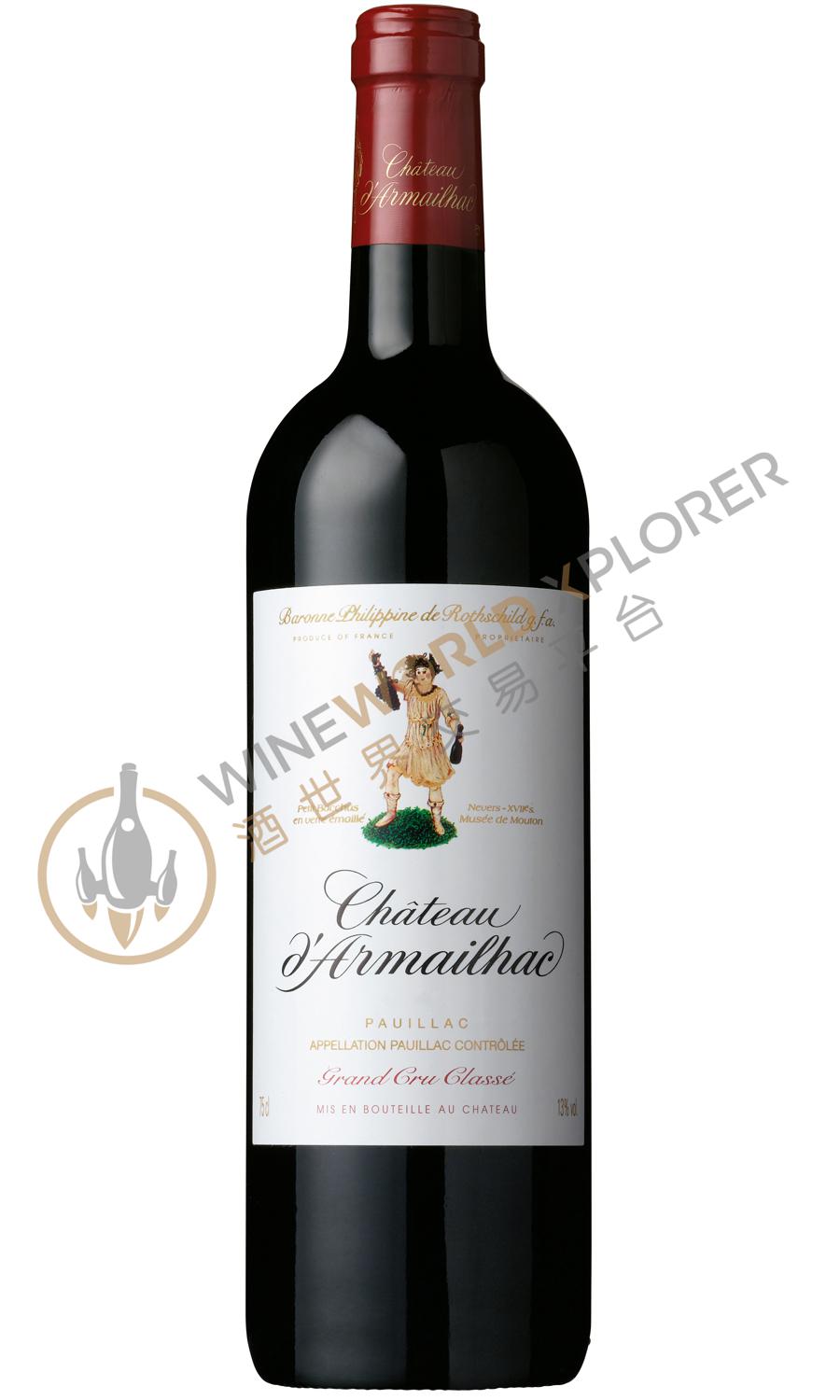
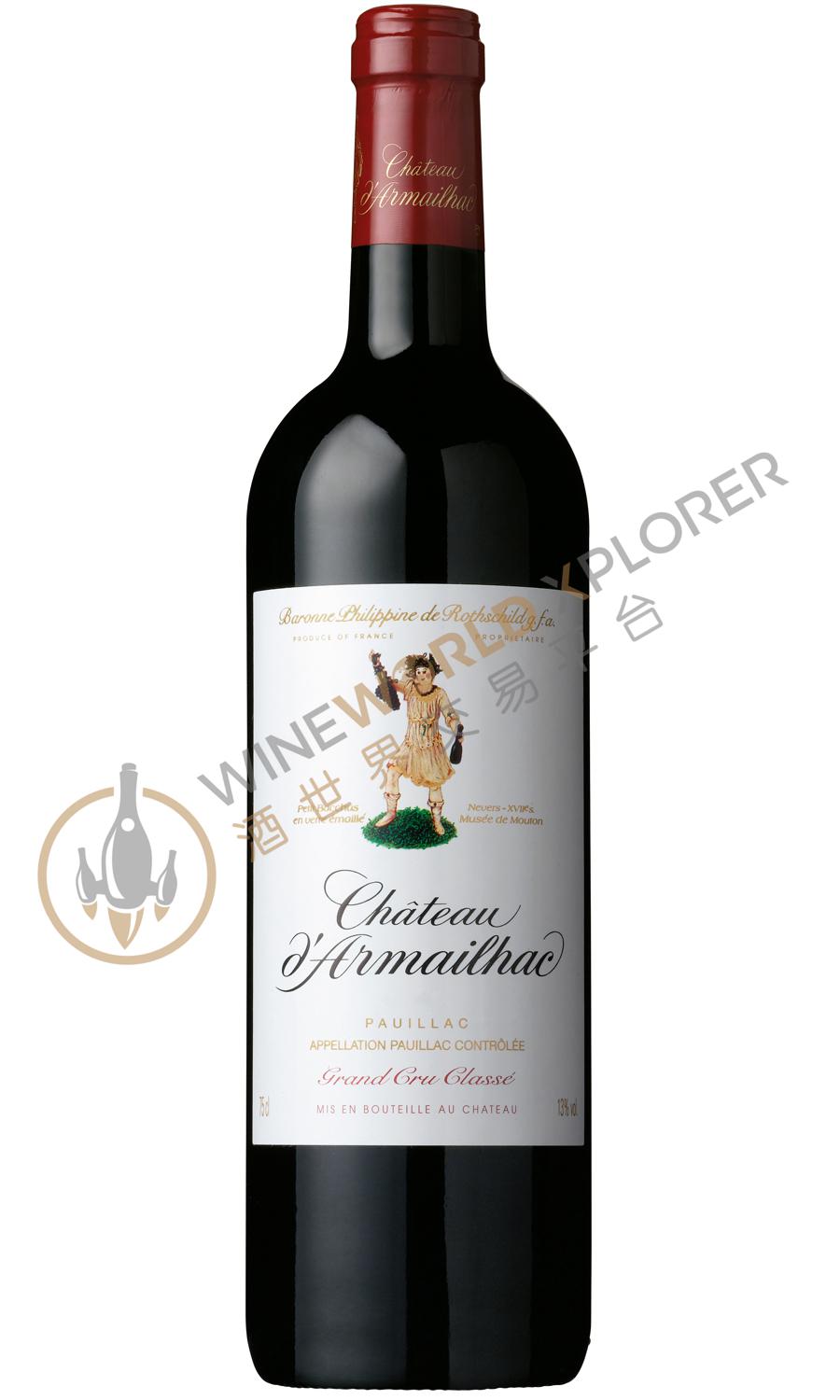
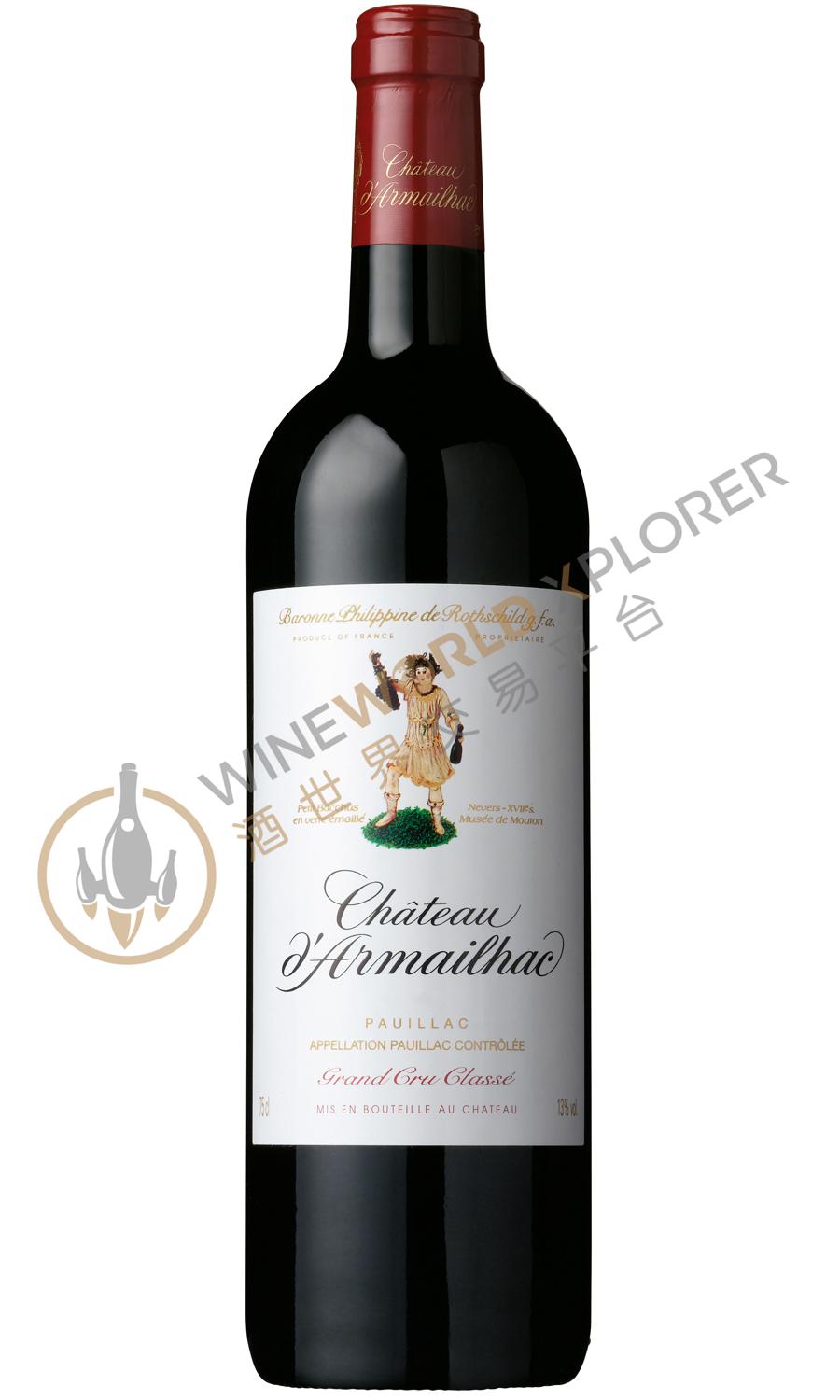
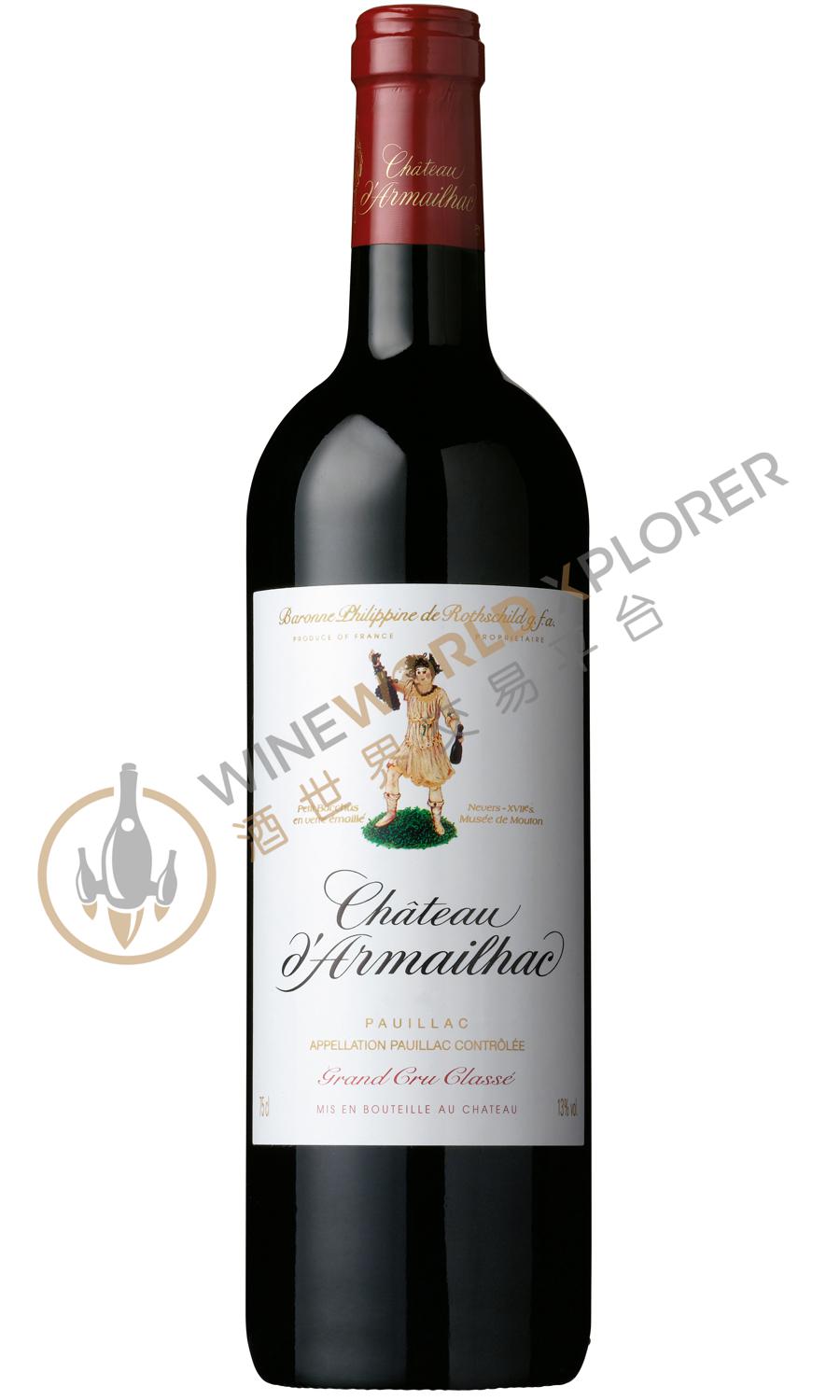
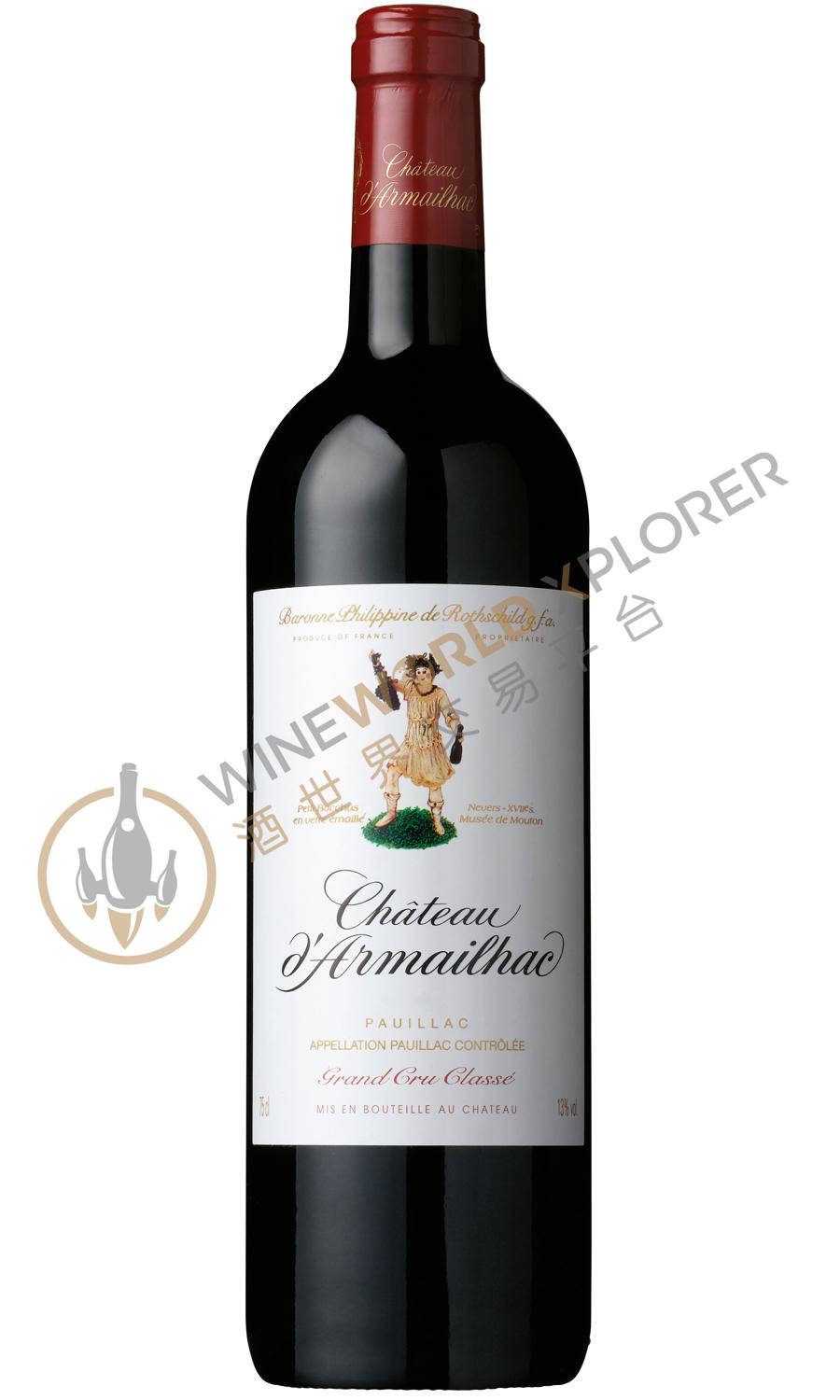
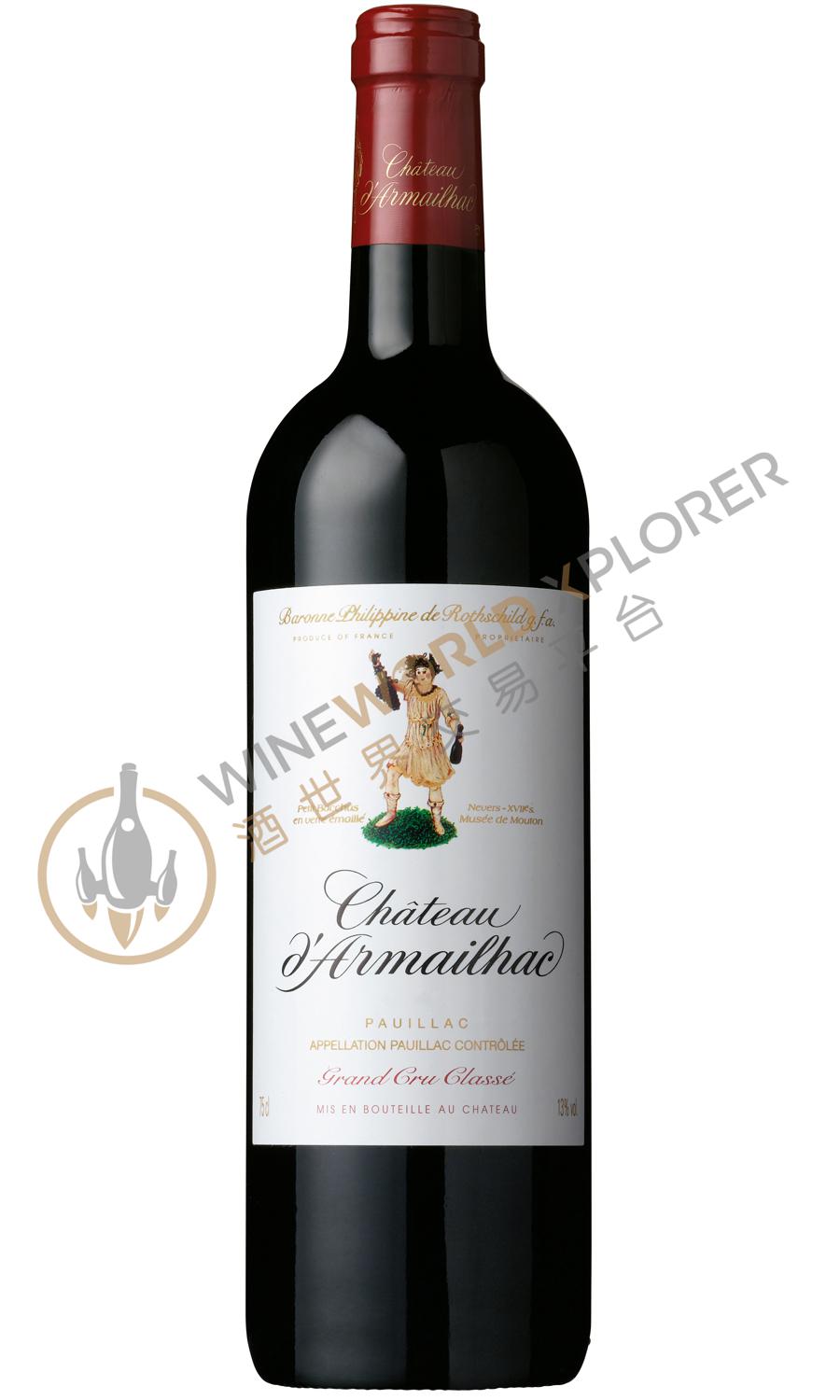
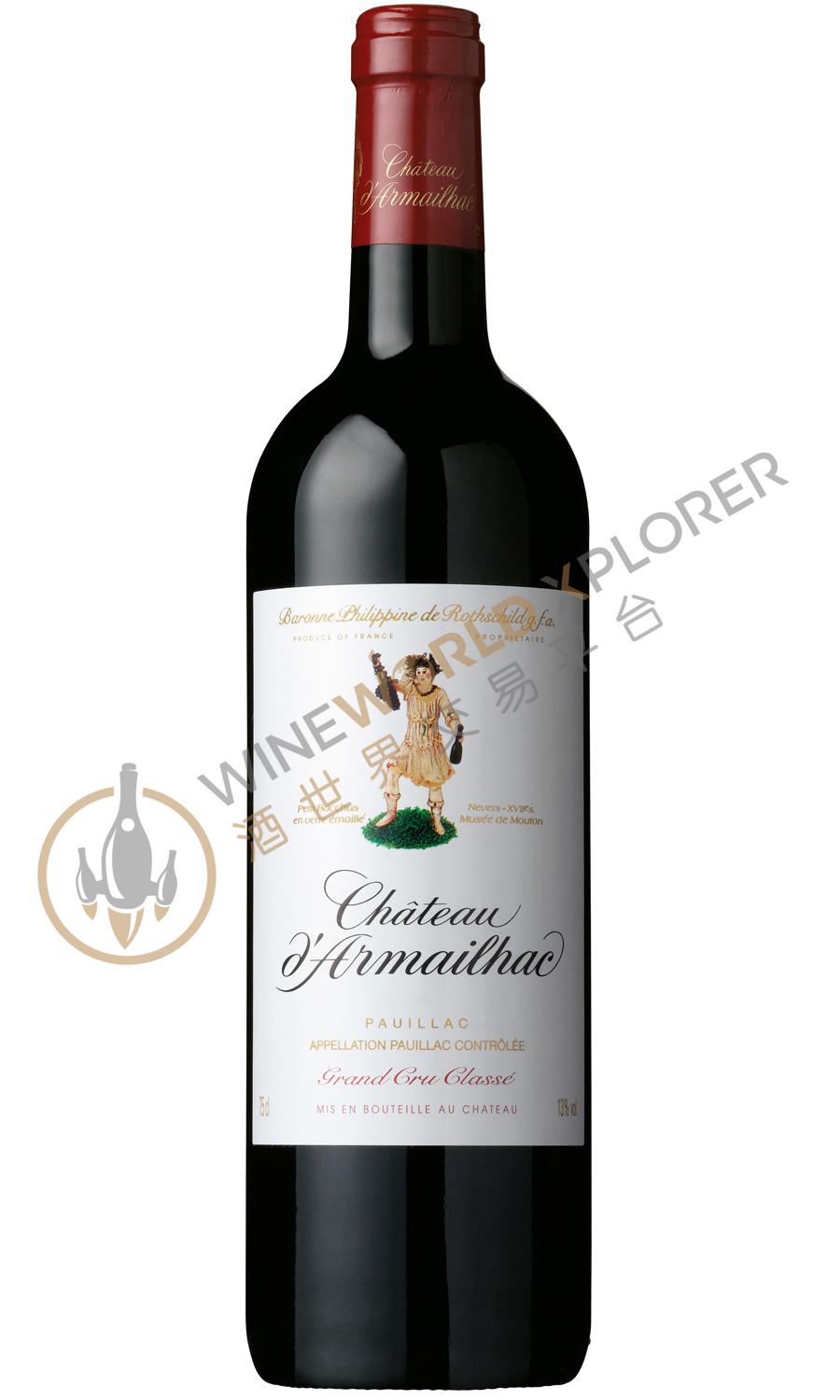
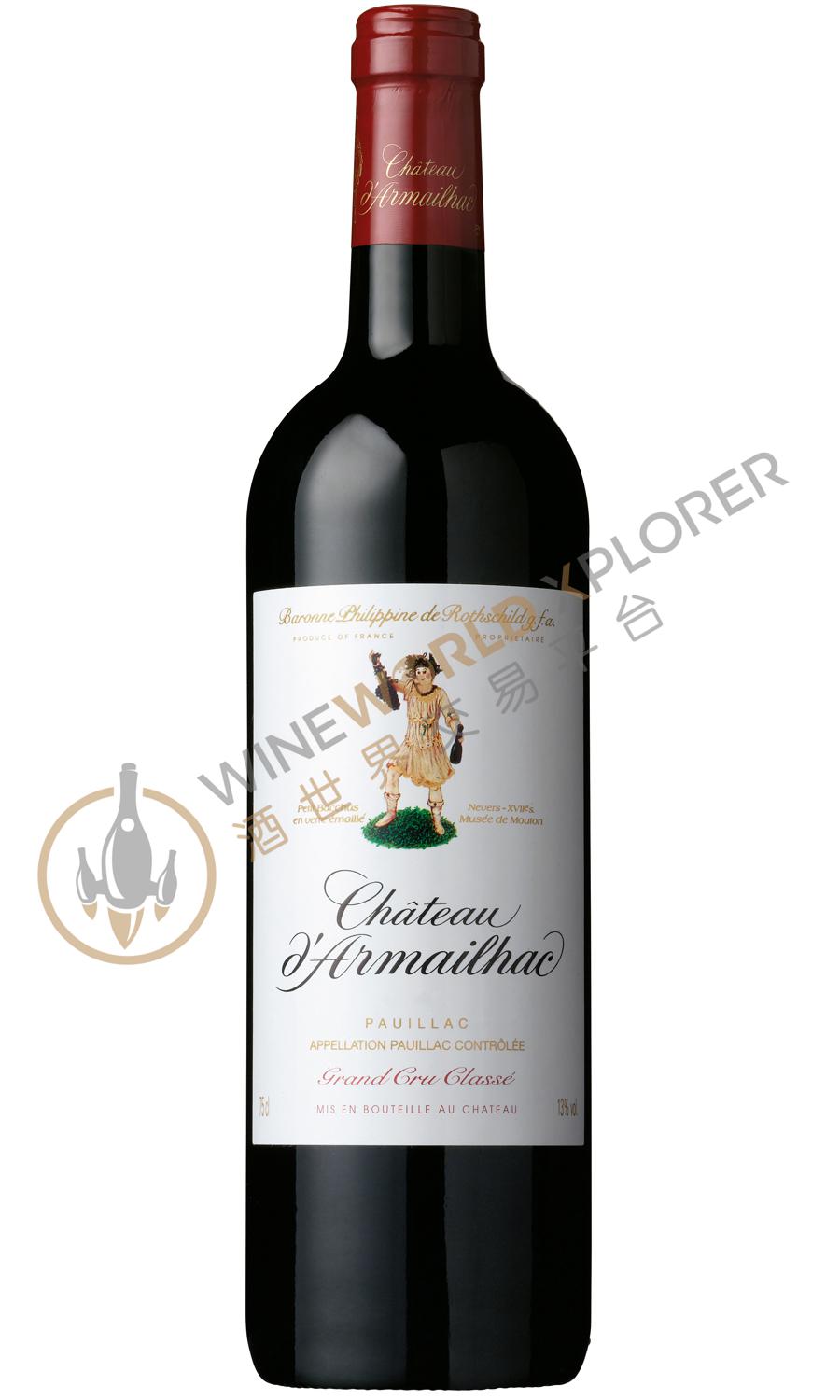
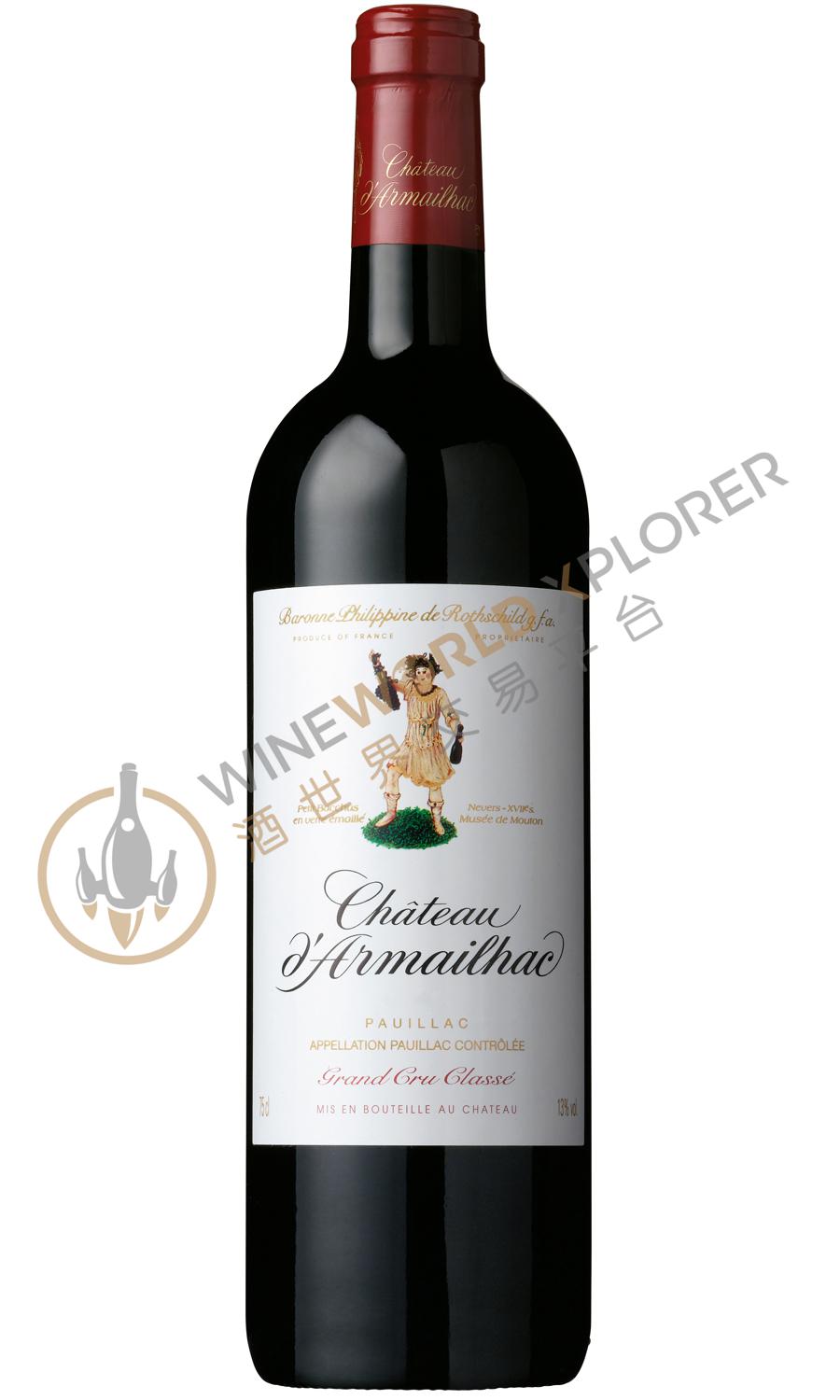
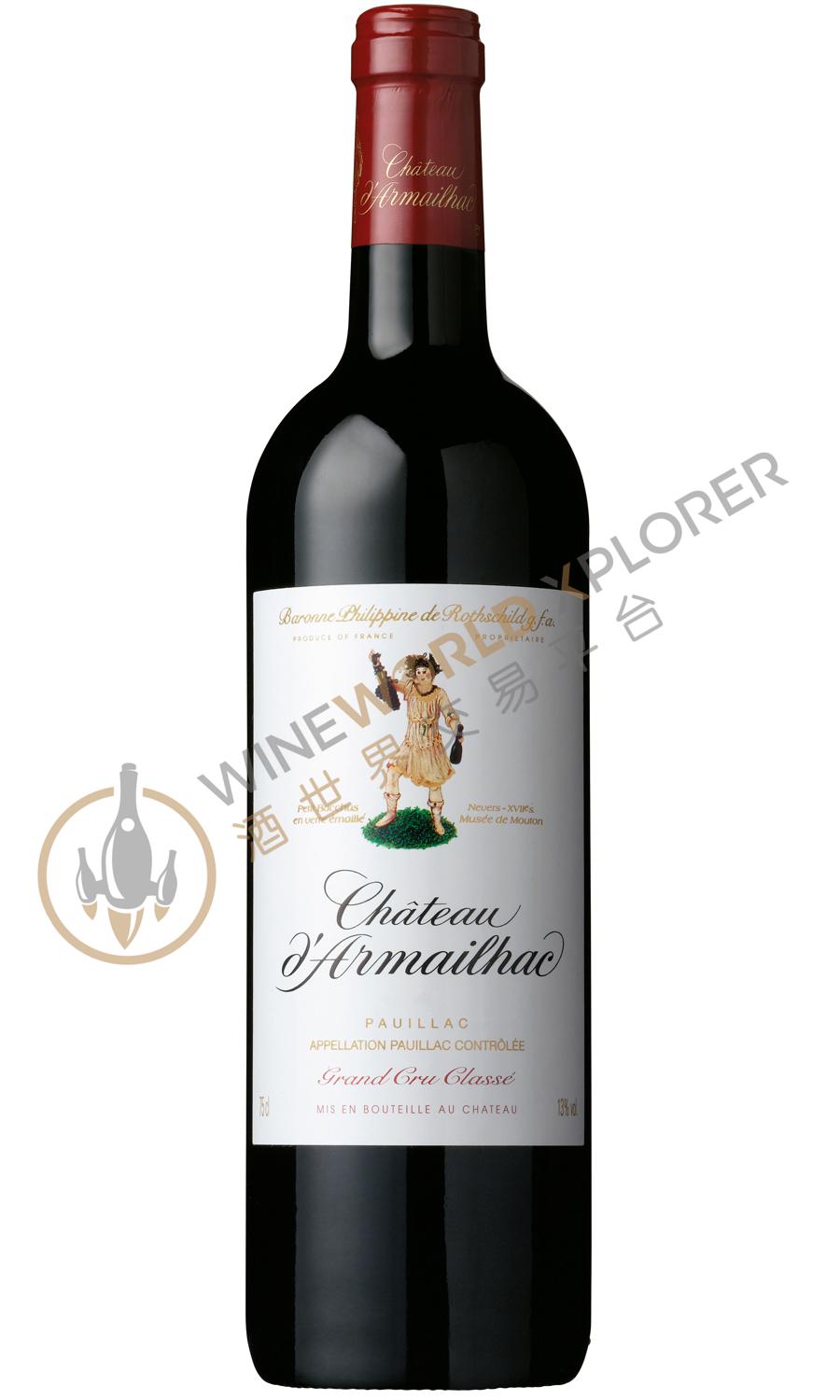
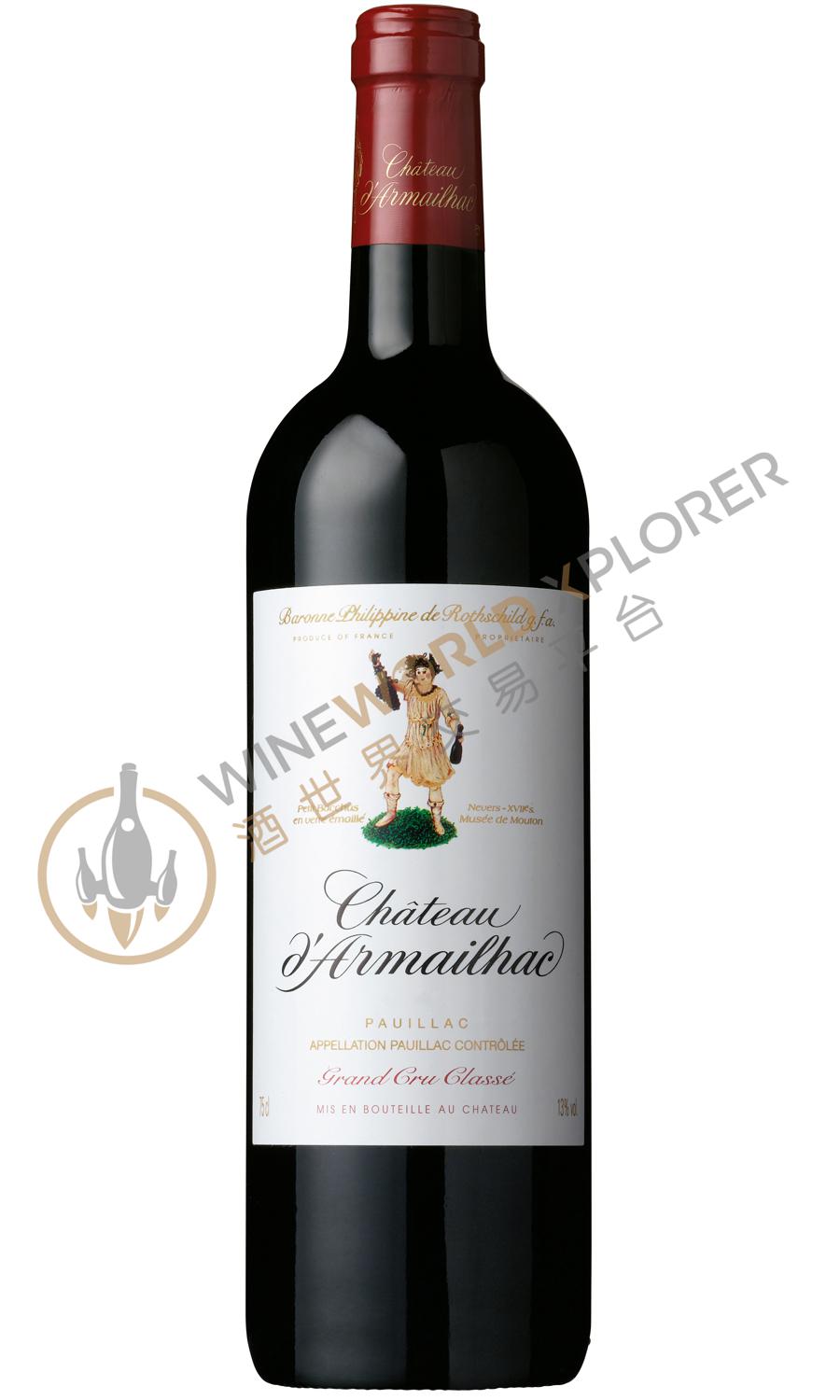
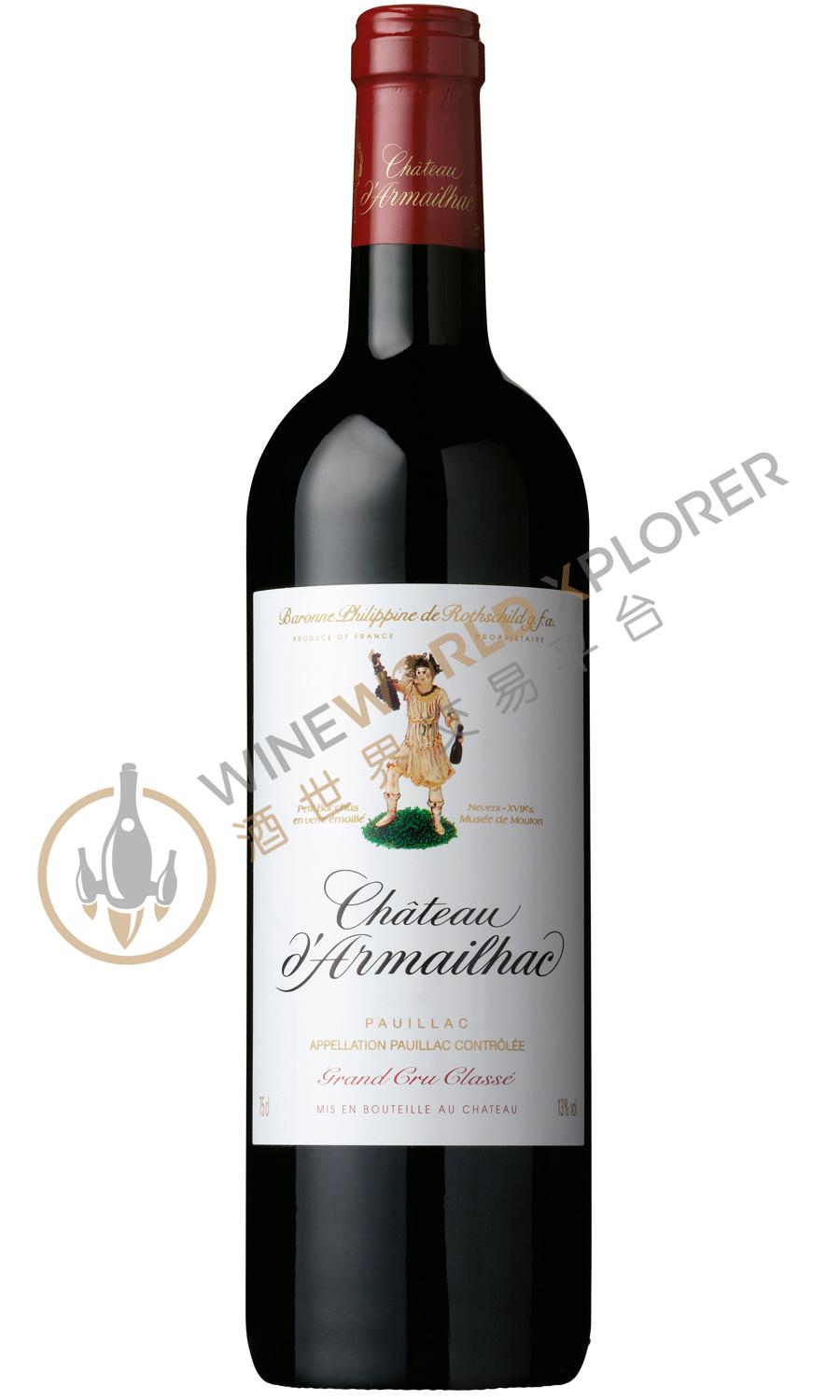
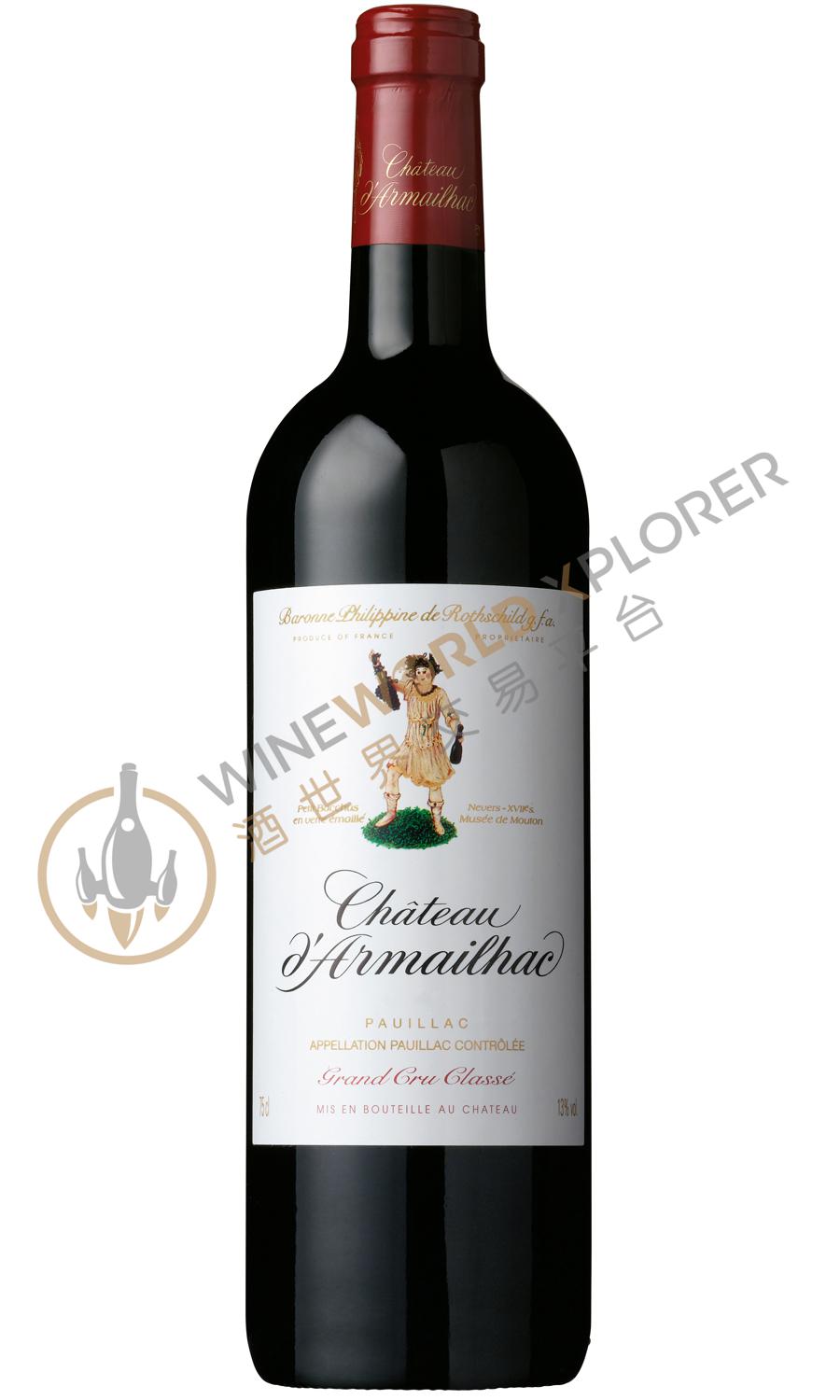
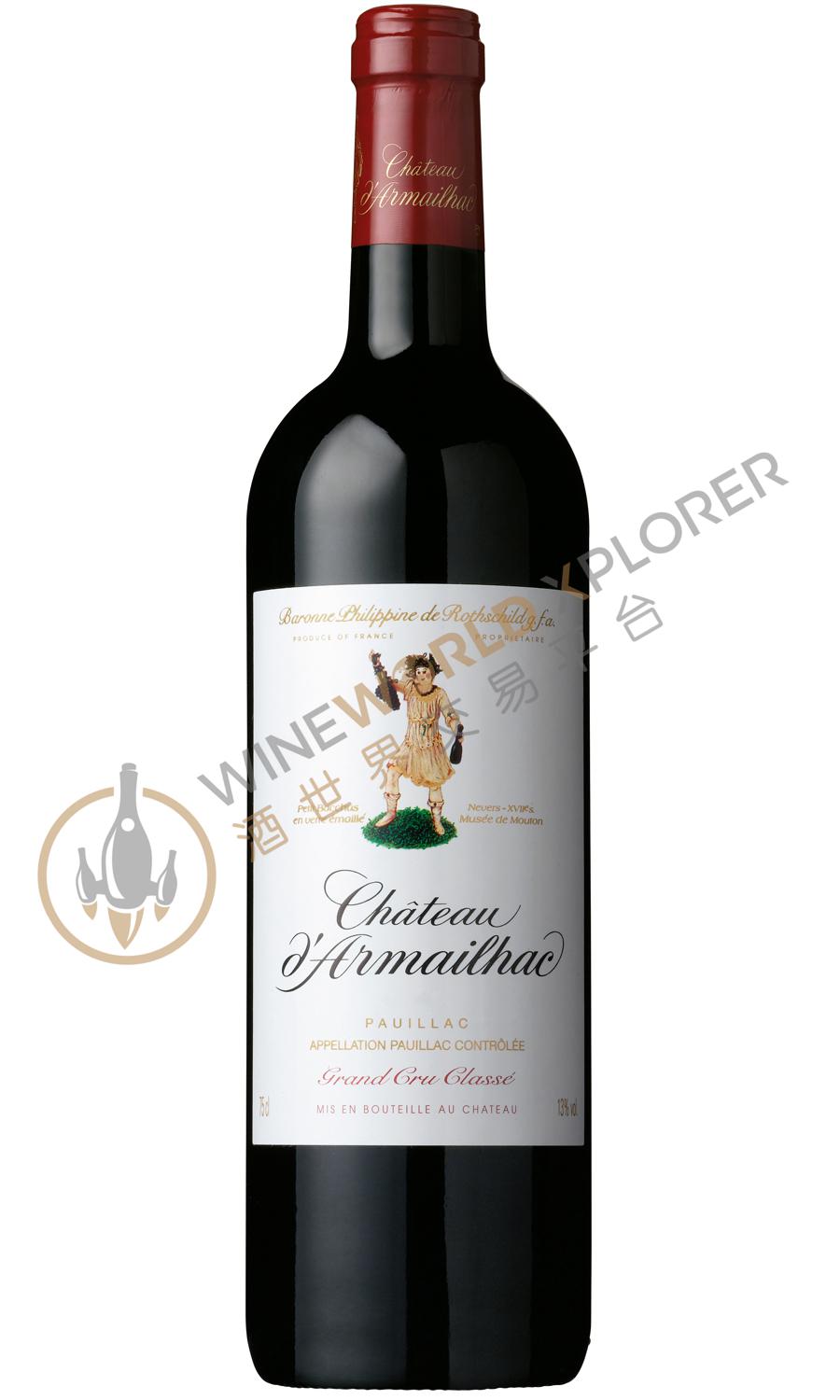
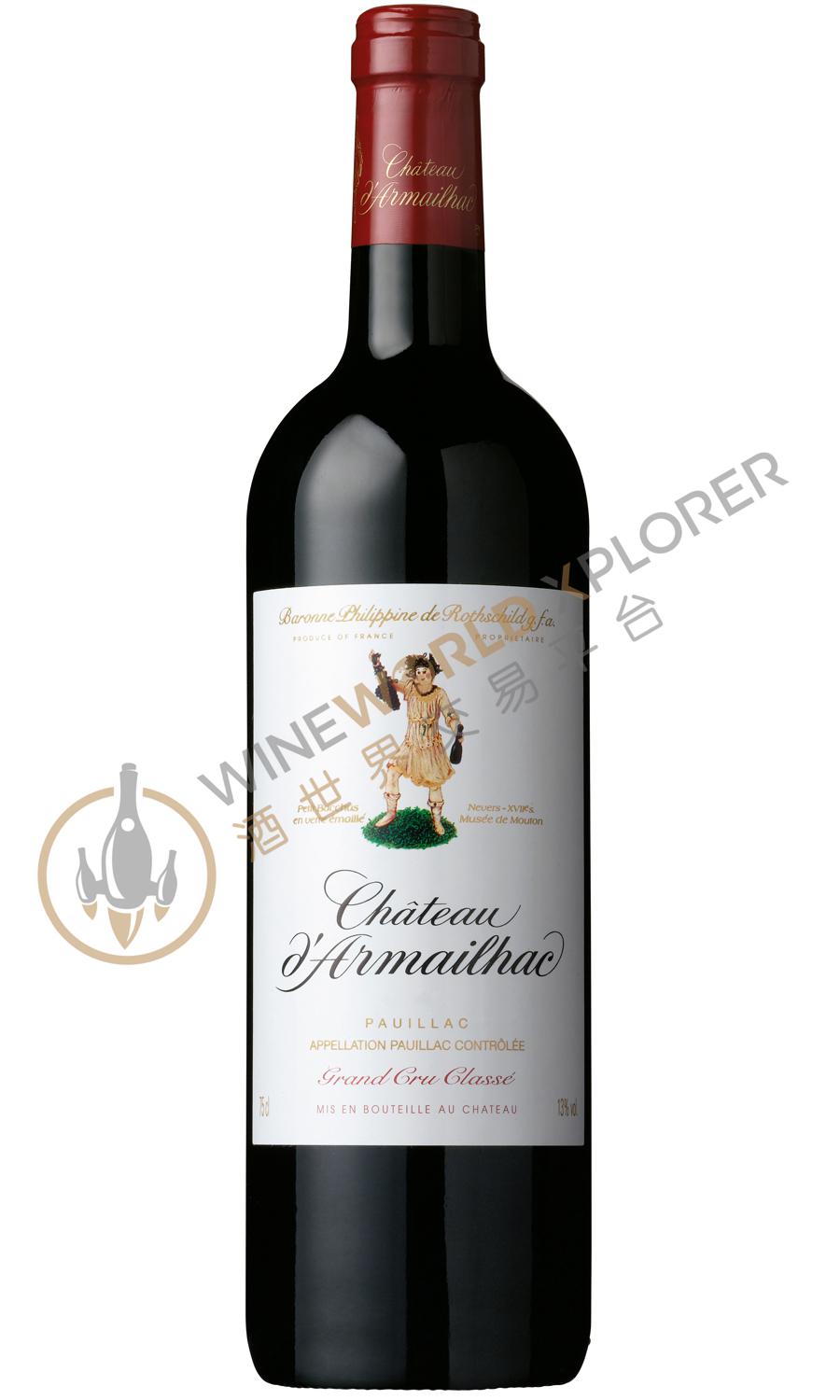
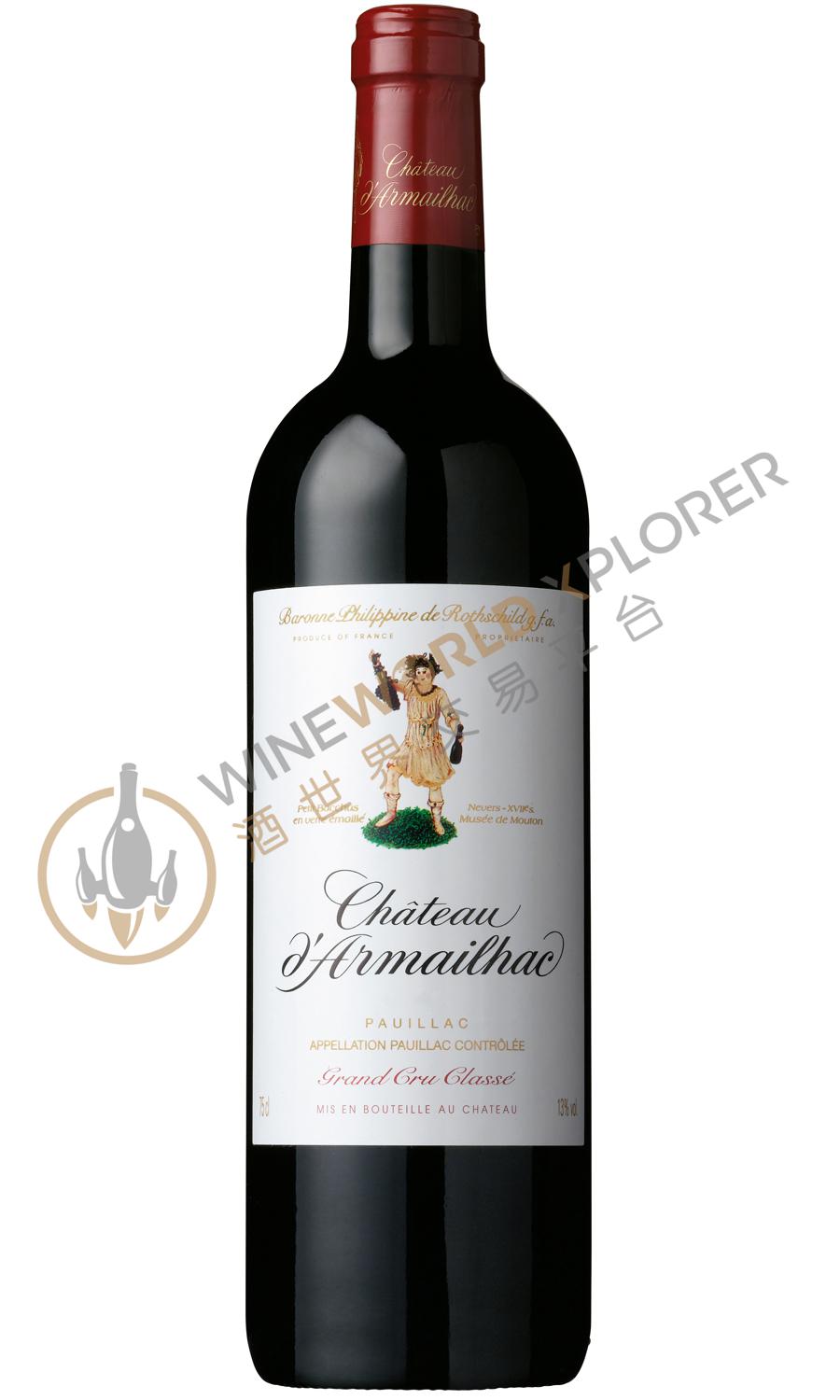
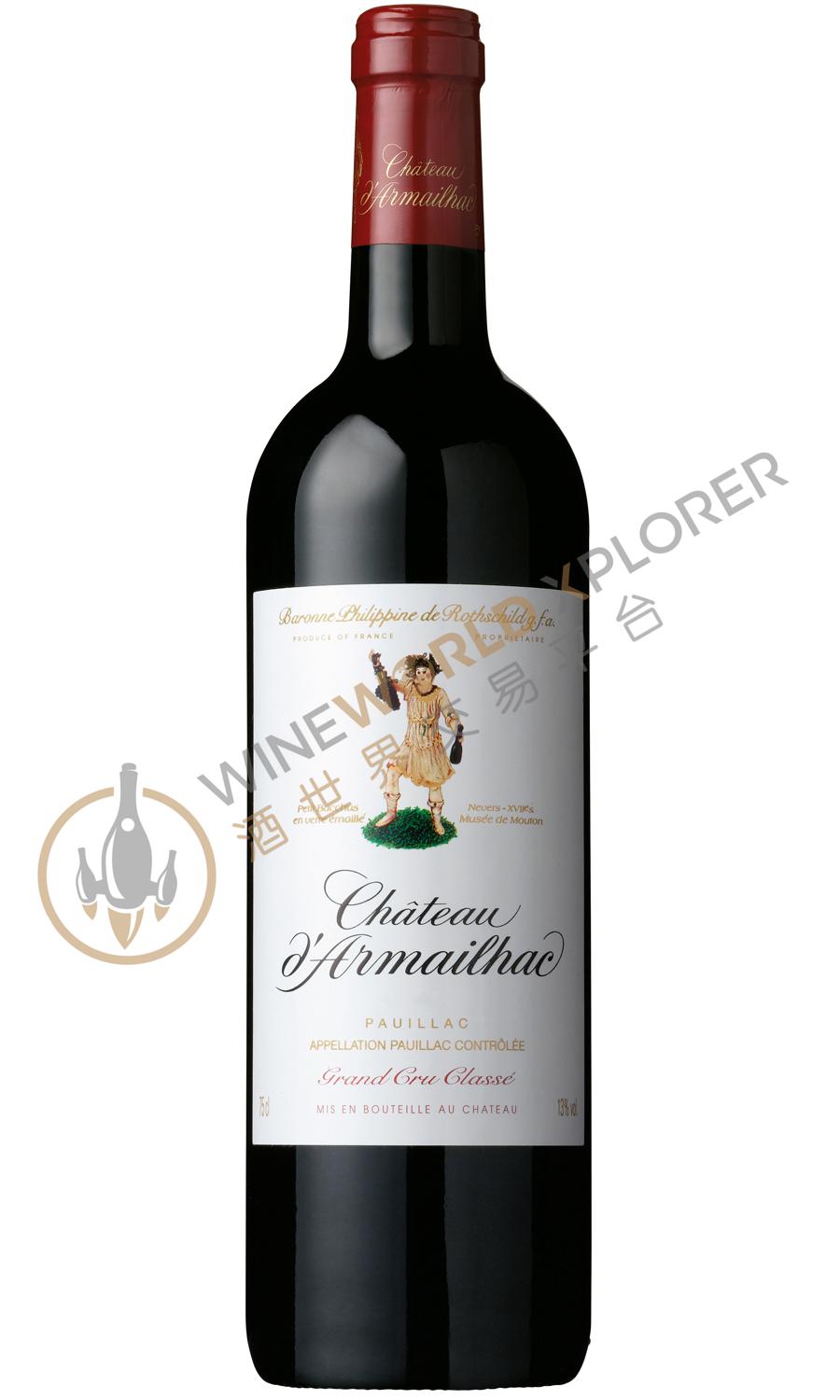
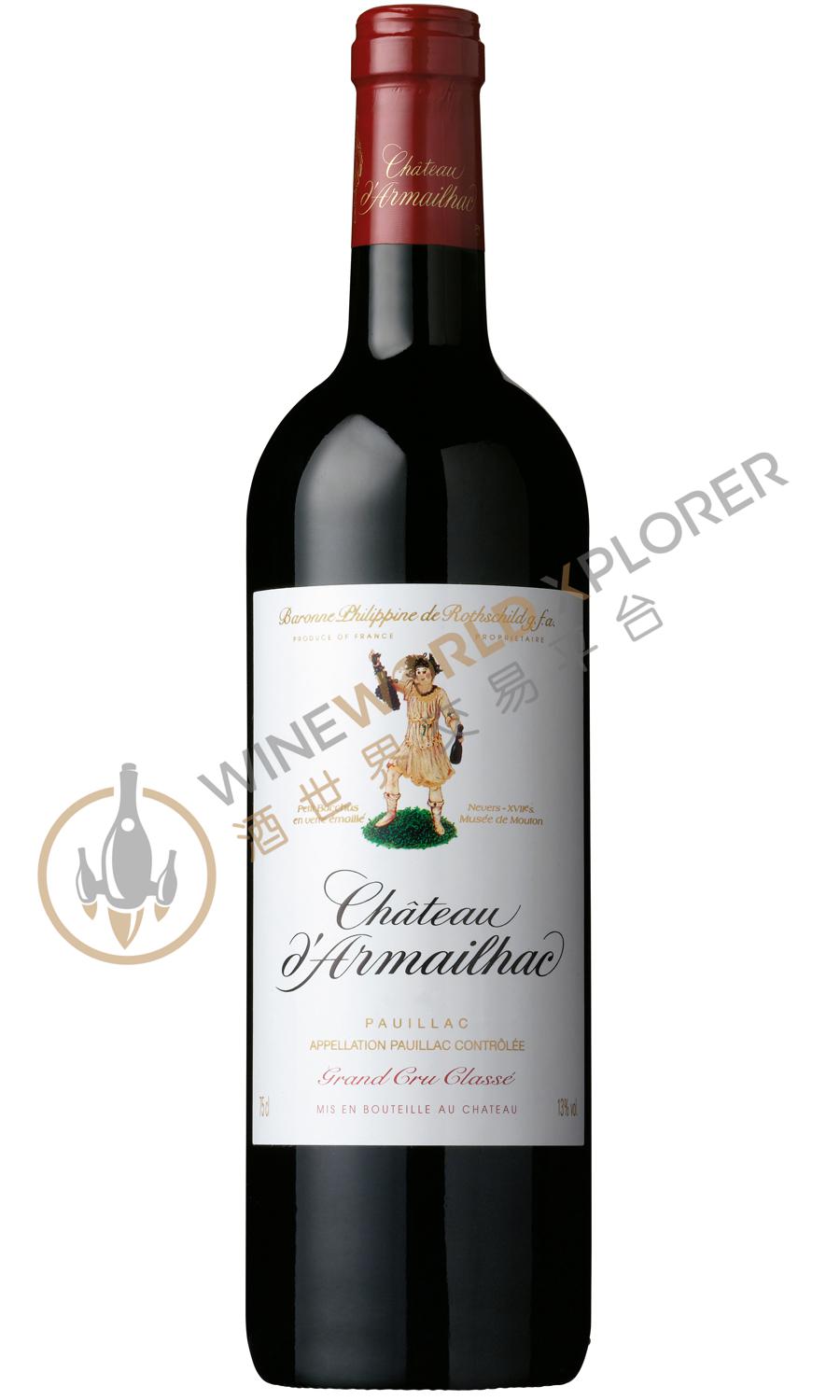
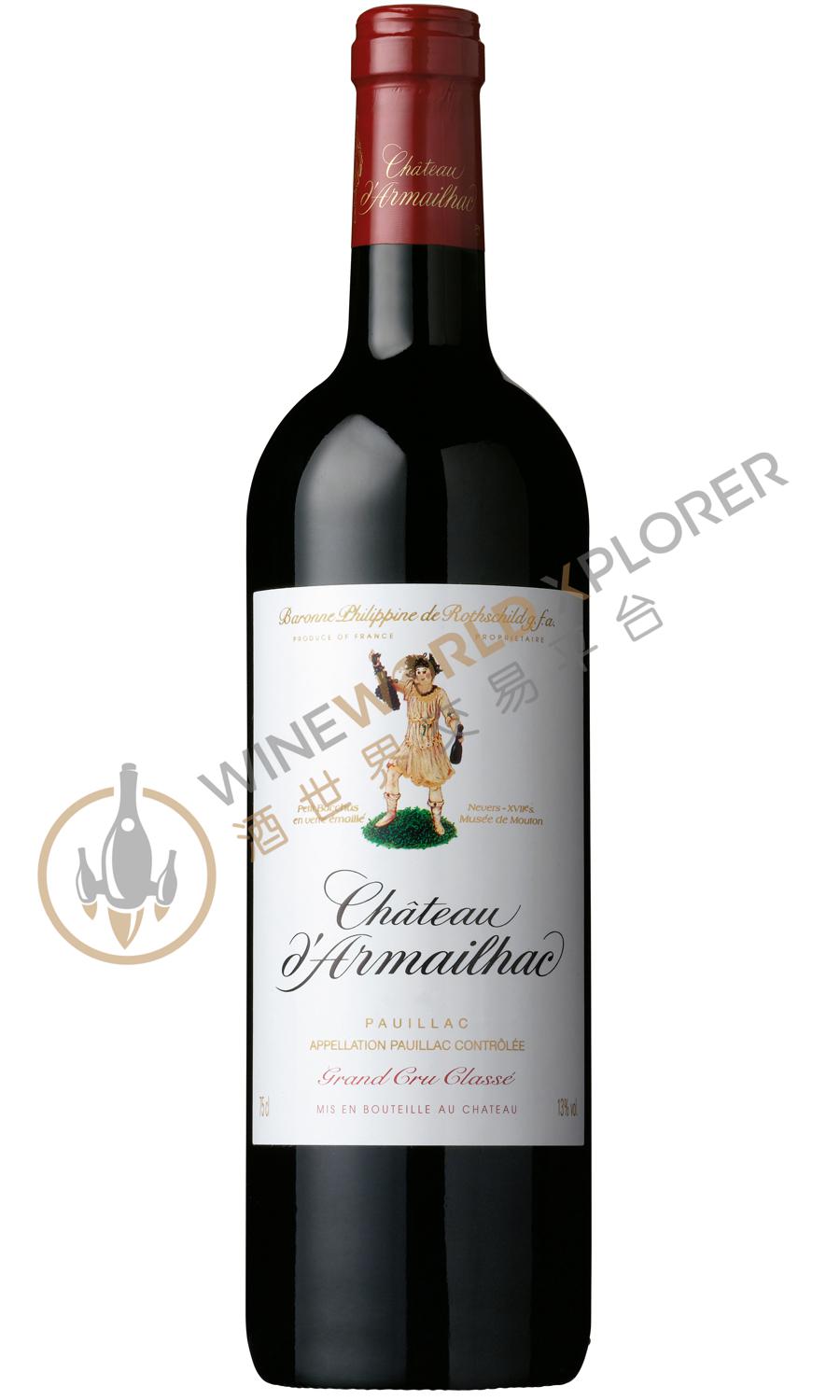
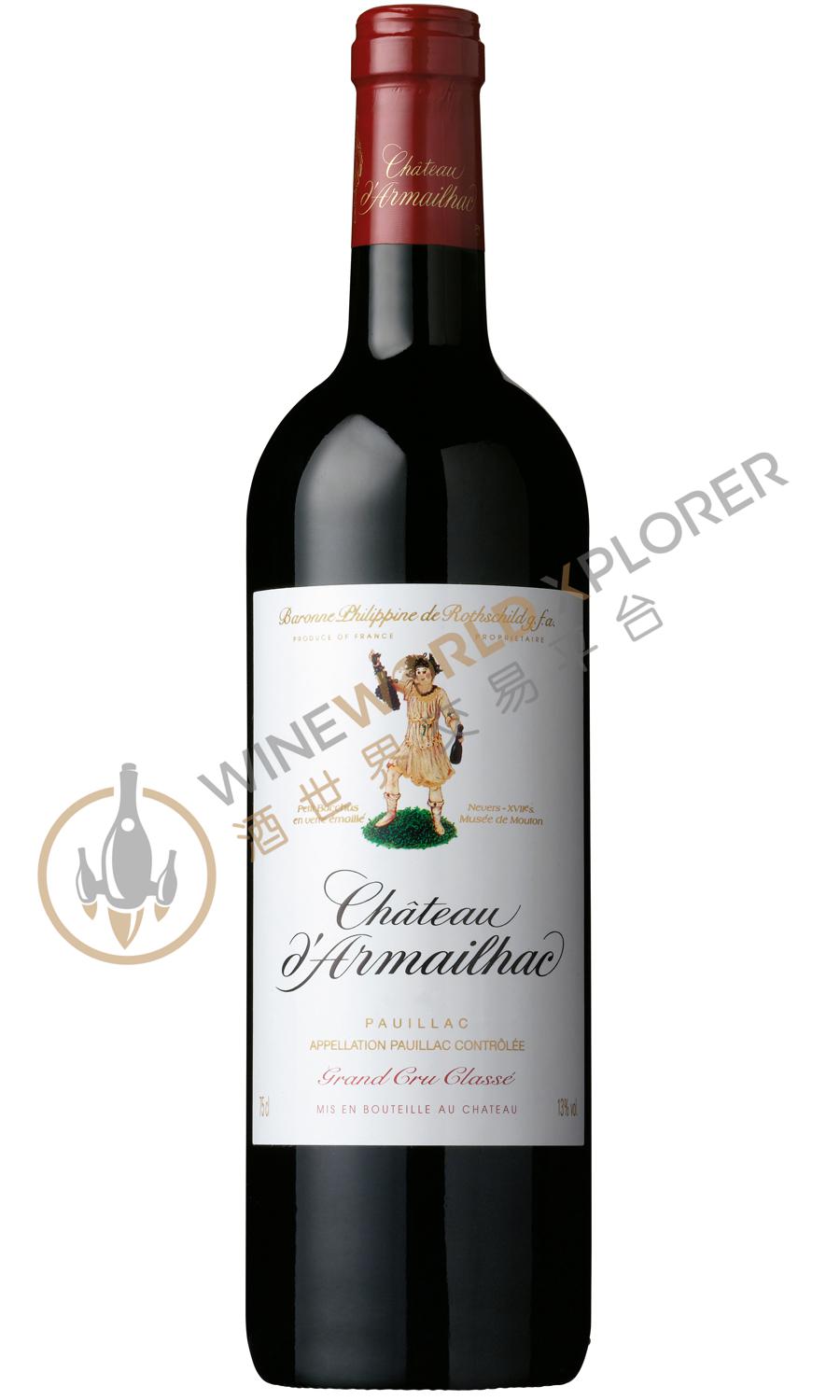
D'Armailhac 2019
 View analysis


Description
Tasting notes

Reviewed by: Lisa Perrotti-Brown
This year the blend is 62%Cabernet Sauvignon, 27% Merlot, 9% Cabernet Franc and 2% Petit Verdot, harvested from the 19th of September to the 9th of October. The 2019 D'Armailhac sports a medium to deep garnet-purple color and notes of warm plums, stewed cherries, mulberries and blackcurrant pastilles with touches of aniseed, wild thyme and chocolate box. The medium-bodied palate has a firm frame of fine-grained tannins and bold freshness supporting the expressive black and blue fruits, finishing with a provocative herbal lift.
Reviewed by: William Kelley
More classically proportioned than the exuberant 2018, the 2019 D'Armailhac wafts from the glass with aromas of violets, blackberries and cassis complemented by subtle hints of licorice, sweet soil tones and warm spices. Medium to full-bodied, velvety and perfumed, it's fleshy and enveloping, with an ample core of succulent fruit and beautifully polished, powdery tannins.
Reviewed by: Antonio Galloni
The 2019 d'Armailhac is impeccable, just as it was from barrel. Sweet red cherry, blood orange, mint and cinnamon all run through the 2019, but it is brightness and energy I admire most. The purity of the fruit is compelling, as is the wine's balance. The 2019 was the last vintage made in the old facility. It will be fascinating to see where the Mouton takes d'Armailhac from here.
Reviewed by: Antonio Galloni
The 2019 d'Armailhac is bright, punchy and full of character. The purity of the flavors is just striking. Sweet red cherry, white pepper, mint and citrus notes lend energy. In the glass, 2019 d'Armailhac sizzles with tension. If I didn't know this was from a warm year, I would never guess it. D'Armailhac is super classy in 2019. This is the last vintage made in the old cellars. Among other things, the new facility contains 50 fermentation tanks as opposed to the 22 in the current winery. The move towards smaller tanks and the ensuing precision that can be taken in the field is one of the major quality improvements in Bordeaux over the last generation. It will certainly be interesting to see what happens here.
Reviewed by: Neal Martin
The 2019 d'Armailhac is very perfumed, quite floral on the nose, touches of mint and cassis pinning this down as a Pauillac. The palate is medium-bodied with a slight bitterness on the entry. The tannins are rougher than its peers, yet balanced with a fresh saline, rather sinewy finish. Tasted blind at the Southwold annual tasting.
Reviewed by: Neal Martin
The 2019 d'Armailhac requires a few minutes to open up. It has an intense bouquet of blackberry and small black cherries, iodine and crushed violet, plus a faint hint of tobacco (less than last year). The palate is medium-bodied with crunchy black fruit, this 2019 having gained some backbone during its barrel maturation. Solid grip and flavors of black pepper and mint toward the chalky finish. This is excellent, but it will need longer in bottle than I originally envisaged.
Reviewed by: Neal Martin
The 2019 d'Armailhac was the last vintage made in the old winery that has since been demolished to make way for a new gravity-fed facility that will be equipped with 50 smaller vats tailored to the parcels in the vineyard. It will provide greater space that will permit longer élevage if desired. It is fascinating to juxtapose again its Clerc Milon stablemate. There is more amplitude on the nose, it is more forthright with blackberry, wild hedgerow, tobacco and a subtle leather aroma. It comes across less high-toned than previous vintages. The palate is medium-bodied with very fine tannins and slightly more mid-palate depth/grip than the Clerc Milon. The crescendo here is wonderful, fanning out towards the finish with subtle black pepper, sage and mint notes. This is a delicious d'Armailhac in the making.
Reviewed by: Neal Martin
The 2019 d'Armailhac is bright, punchy and full of character. The purity of the flavors is just striking. Sweet red cherry, white pepper, mint and citrus notes lend energy. In the glass, 2019 d'Armailhac sizzles with tension. If I didn't know this was from a warm year, I would never guess it. D'Armailhac is super classy in 2019. This is the last vintage made in the old cellars. Among other things, the new facility contains 50 fermentation tanks as opposed to the 22 in the current winery. The move towards smaller tanks and the ensuing precision that can be taken in the field is one of the major quality improvements in Bordeaux over the last generation. It will certainly be interesting to see what happens here.
Reviewed by: James Suckling
A polished, refined red with blueberries, blackberries and some dark chocolate and spice, such as cloves and black pepper. Full-bodied, round and ripe. Crisp and fresh at the end. Juicy and delicious already.
Reviewed by: James Suckling
A solid, linear red with a beautiful core of fruit and firm tannins, showing blackcurrants and finesse. Full and compact. It’s very fresh and aromatic with violets and hints of spices. Clean and vivid at the end, 62% cabernet sauvignon, 27% merlot, 9% cabernet franc and 2% petit verdot. Try after 2025.
About the Producer
The existence of Château d’Armailhac dates back to the late 17th century, as evidenced in a land register from 1680 which mentions the brothers Dominique and Guilhem Armailhacq, owners of parcels of land in Pauillac. Another land register from 1750 notes that their descendants have “planted with vines” the family estate, covering 15 to 16 hectares (37-39 acres). By the end of the 18th century the estate has grown to 52 hectares (128 acres) but the brokers of the time describe its wine as “disappointingly thin”. Throughout the following century, Mouton d’Armailhacq’s owners work unceasingly to improve its quality, using techniques such as topping-up, running-off, barrel disinfection and fining. Their efforts are rewarded in 1831, when the wines of Mouton d’Armailhacq sell for twice as much as their more highly reputed neighbours. The ultimate recompense, Château Mouton d’Armailhacq is given Fifth Growth status in the 1855 Classification – the same one which made Château Mouton Rothschild “First of the Seconds”. The “first wine”, the only one authorised to bear the growth’s name, is distinguished from the “second wine”, less rich and sold for consumption in local taverns. In 1931, the young Baron Philippe de Rothschild became a minority shareholder of the Société Anonyme du Domaine de Mouton d’Armailhacq, then in 1933 acquired all the shares from the Comte de Ferrand in return for a life annuity. A year later, on the Comte de Ferrand’s death, he became the effective owner of the estate. The Mouton d’Armailhacq portfolio included the Société Vinicole de Pauillac, forerunner of what is now Baron Philippe de Rothschild SA. Inseparable from Château Mouton Rothschild, Château Mouton d’Armailhacq houses all the technical and agricultural equipment for the two estates in its extensive outbuildings. From 1956 to 1988, the wine was called Mouton Baron Philippe, then Mouton Baronne Philippe. A Fifth Growth of acknowledged quality, its original identity as Château d’Armailhac was patly restored in 1989.
1964(2)1973(1)1978(1)1986(1)1987(1)1989(1)1995(2)1996(2)2000(4)2001(5)2002(1)2003(3)2004(2)2005(5)2006(2)2007(2)2008(5)2009(10)2010(6)2011(7)2012(4)2013(3)2014(10)2015(4)2016(21)2017(15)2018(28)
Package Size