Wine Advisor



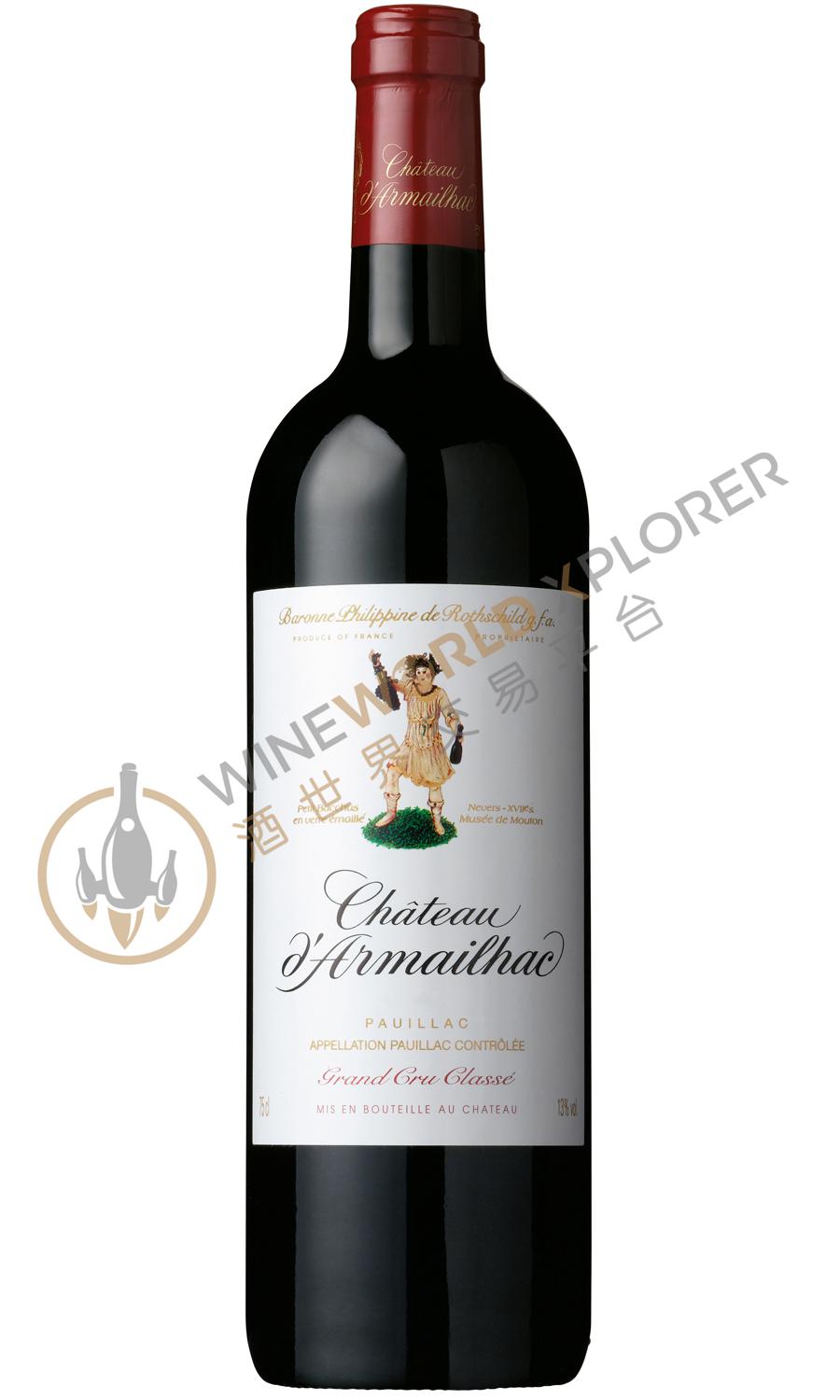
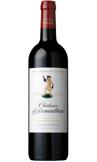
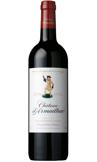
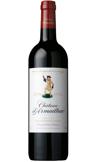
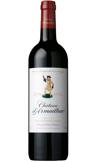
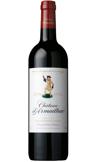
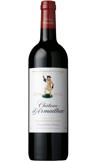
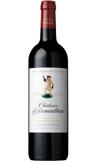
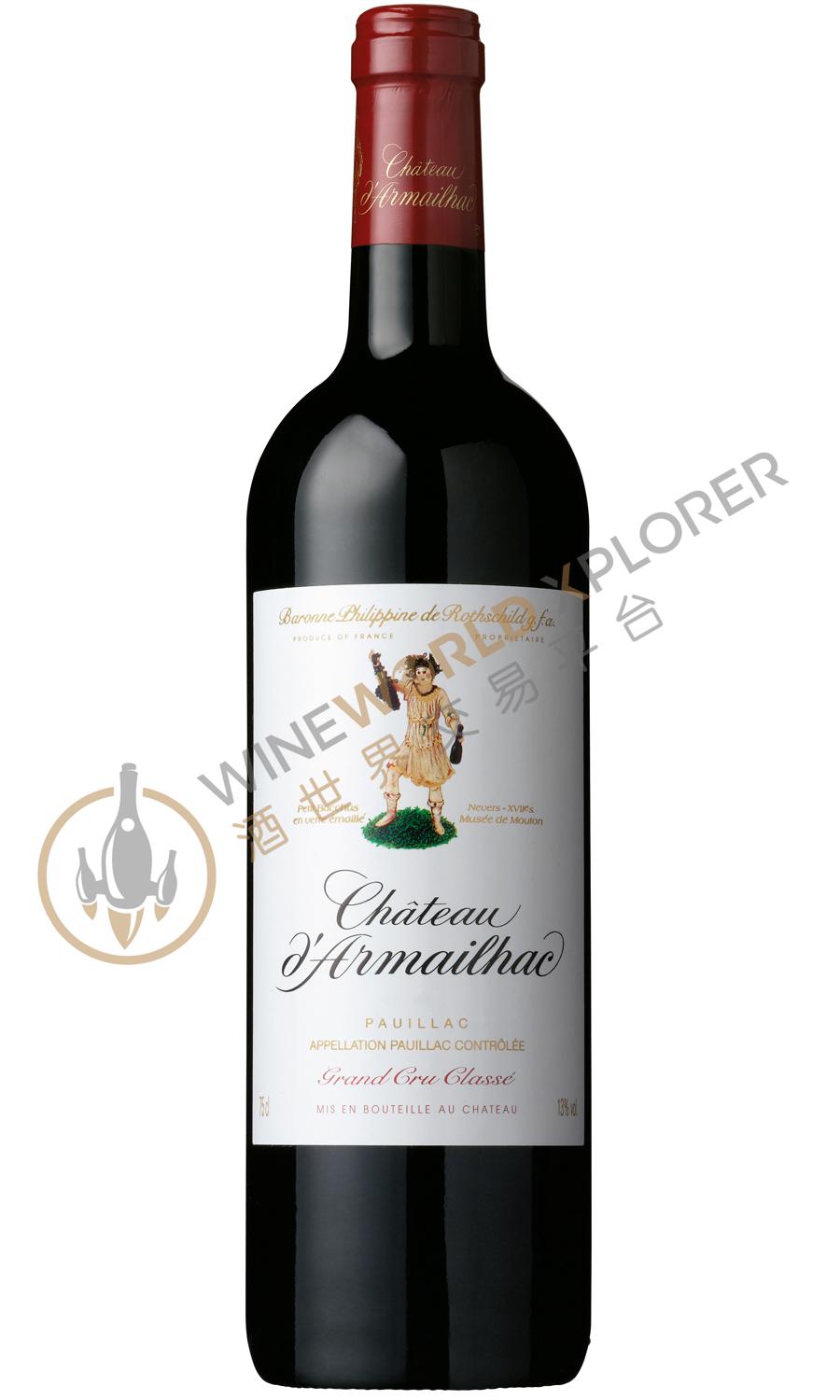
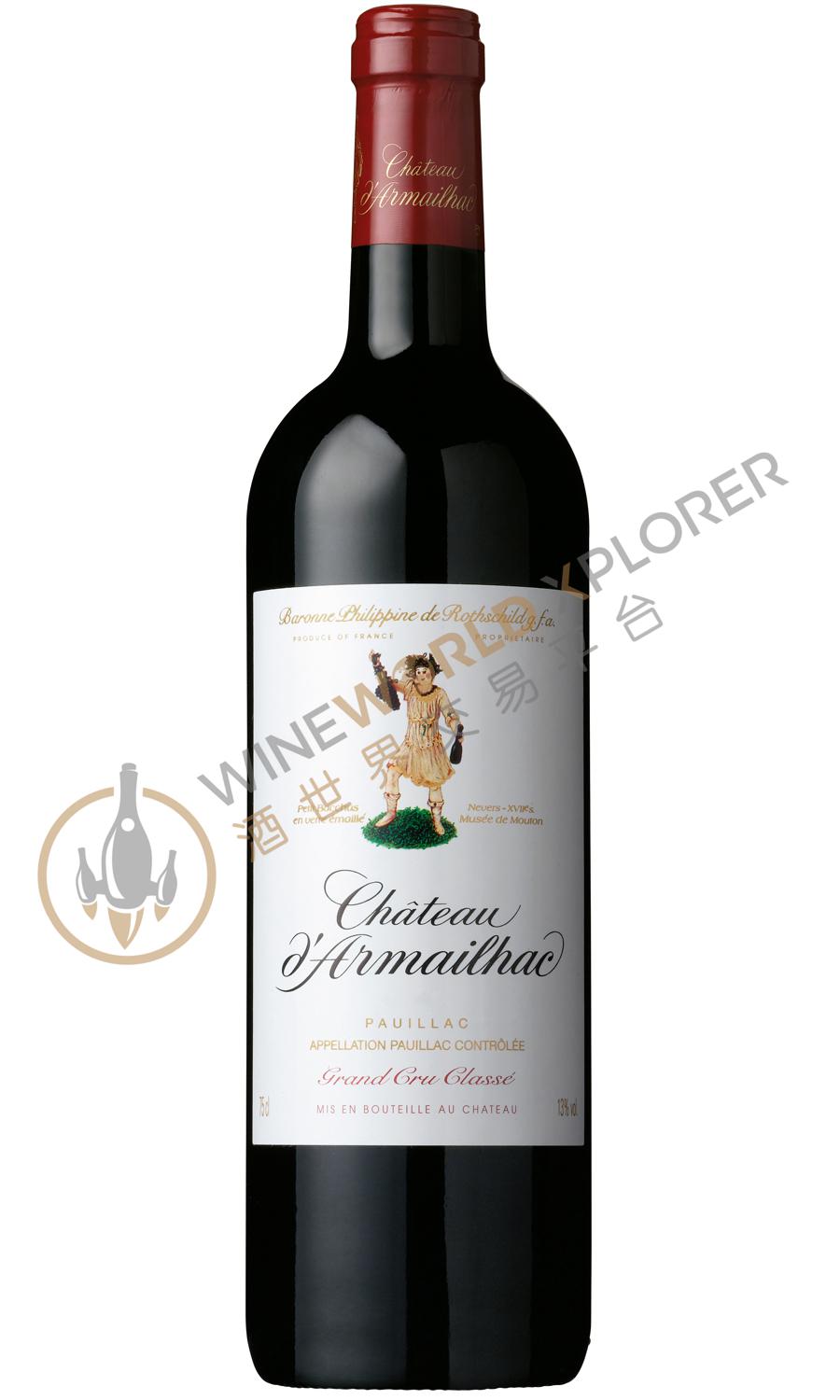
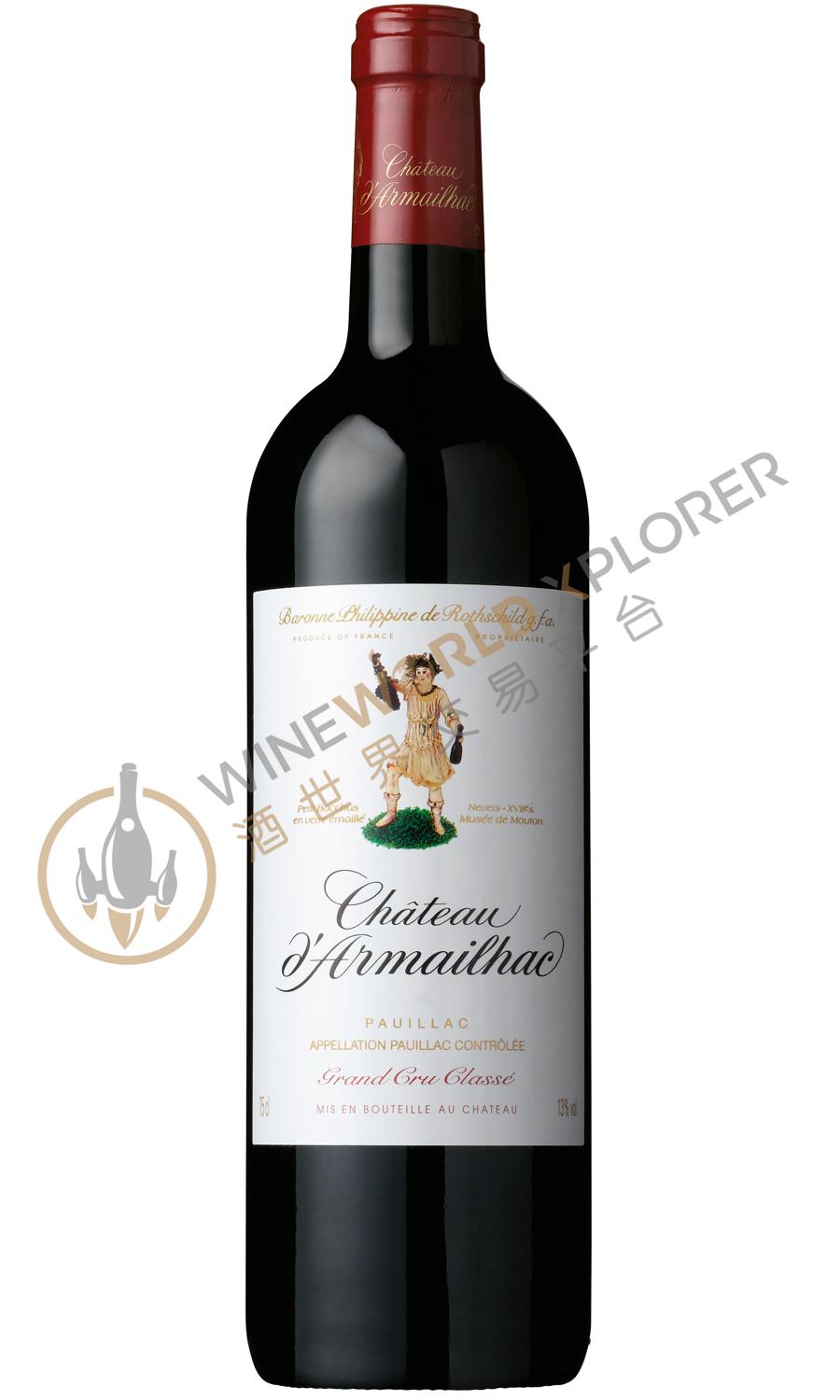
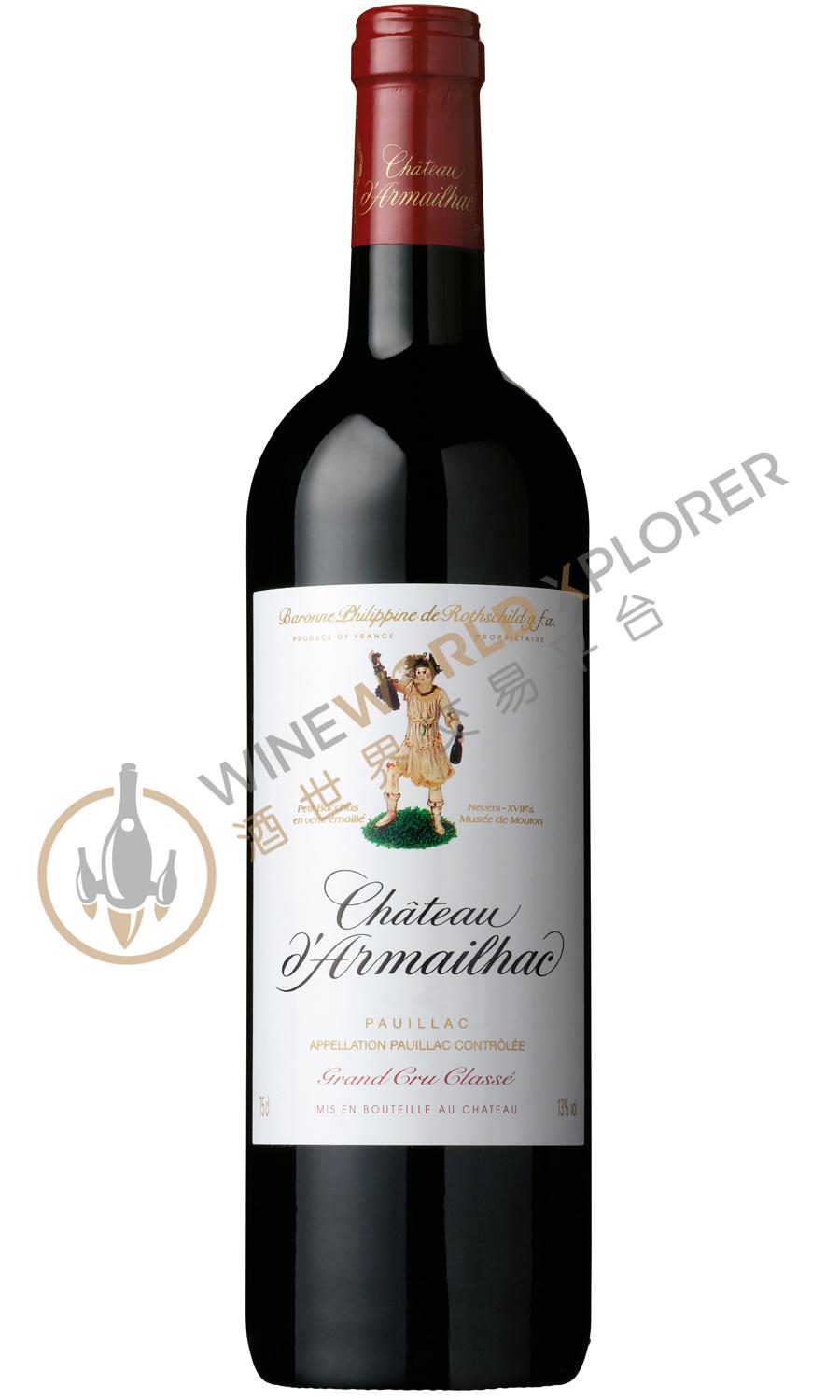
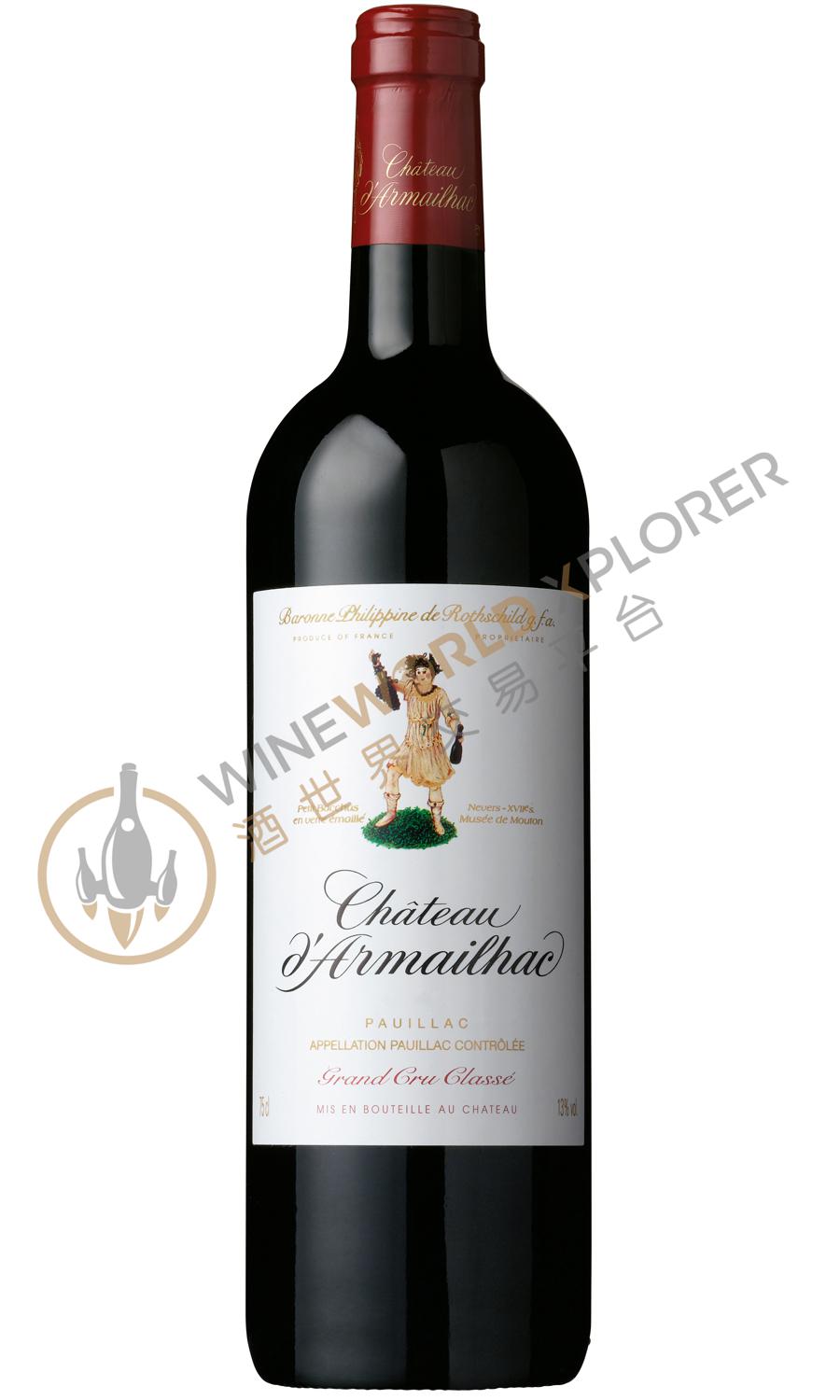
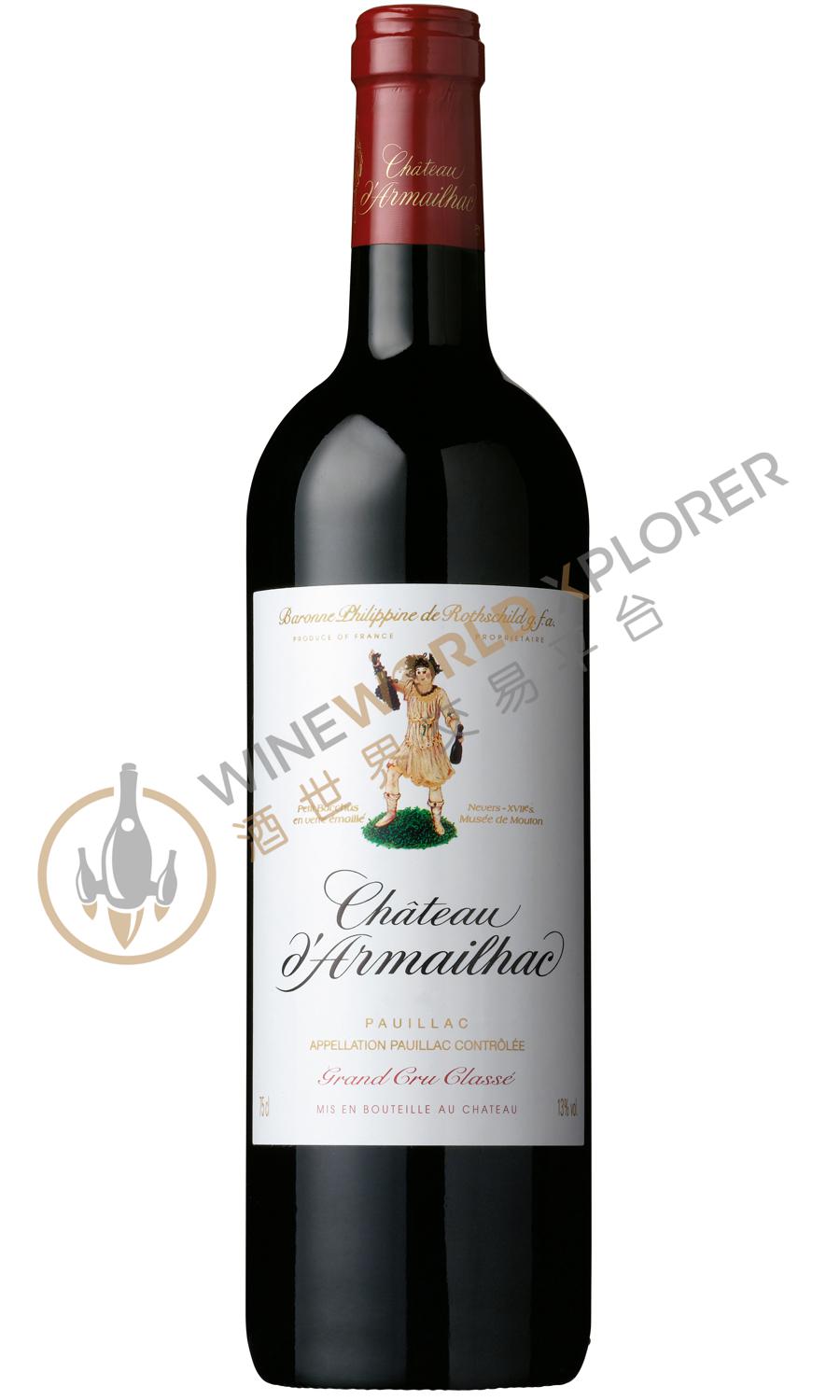
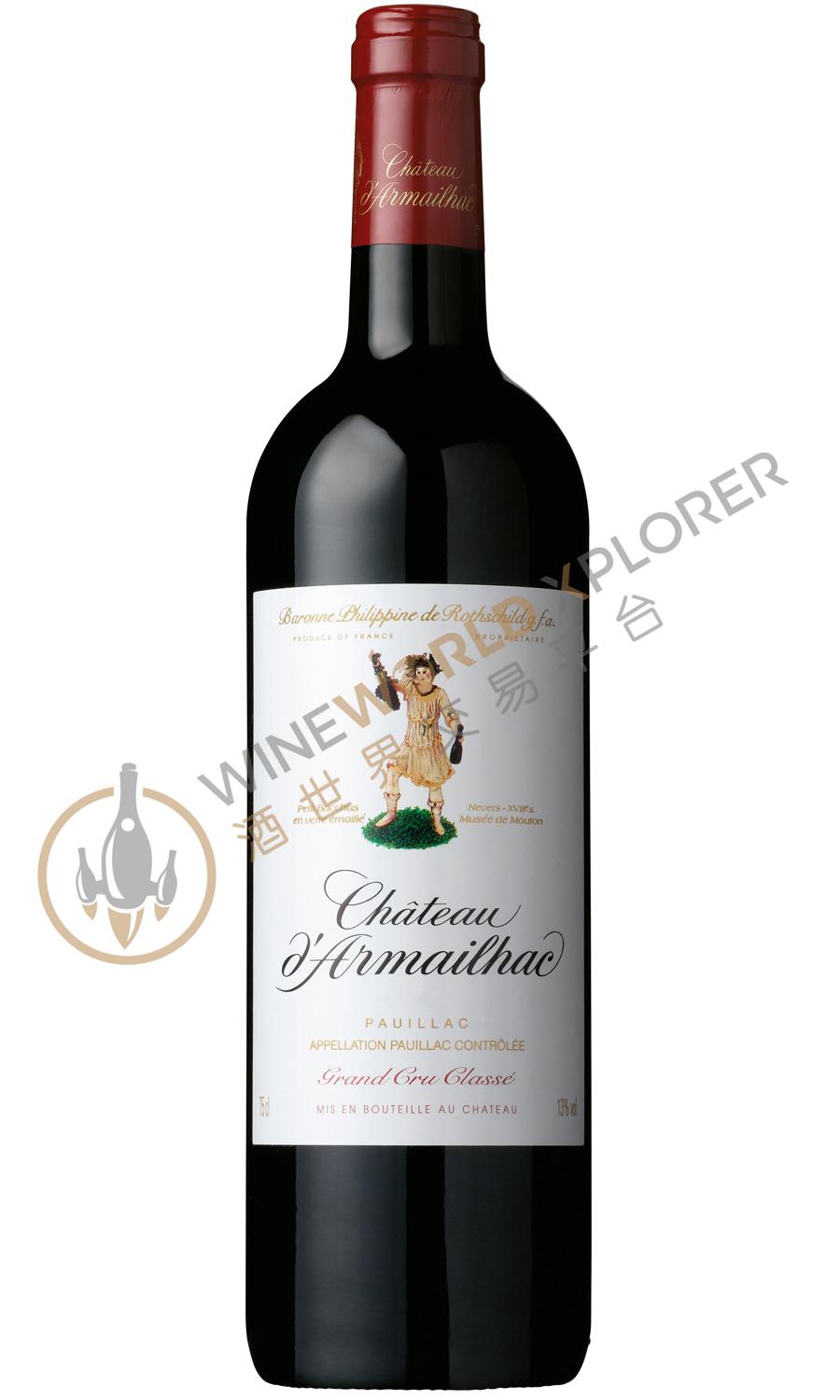
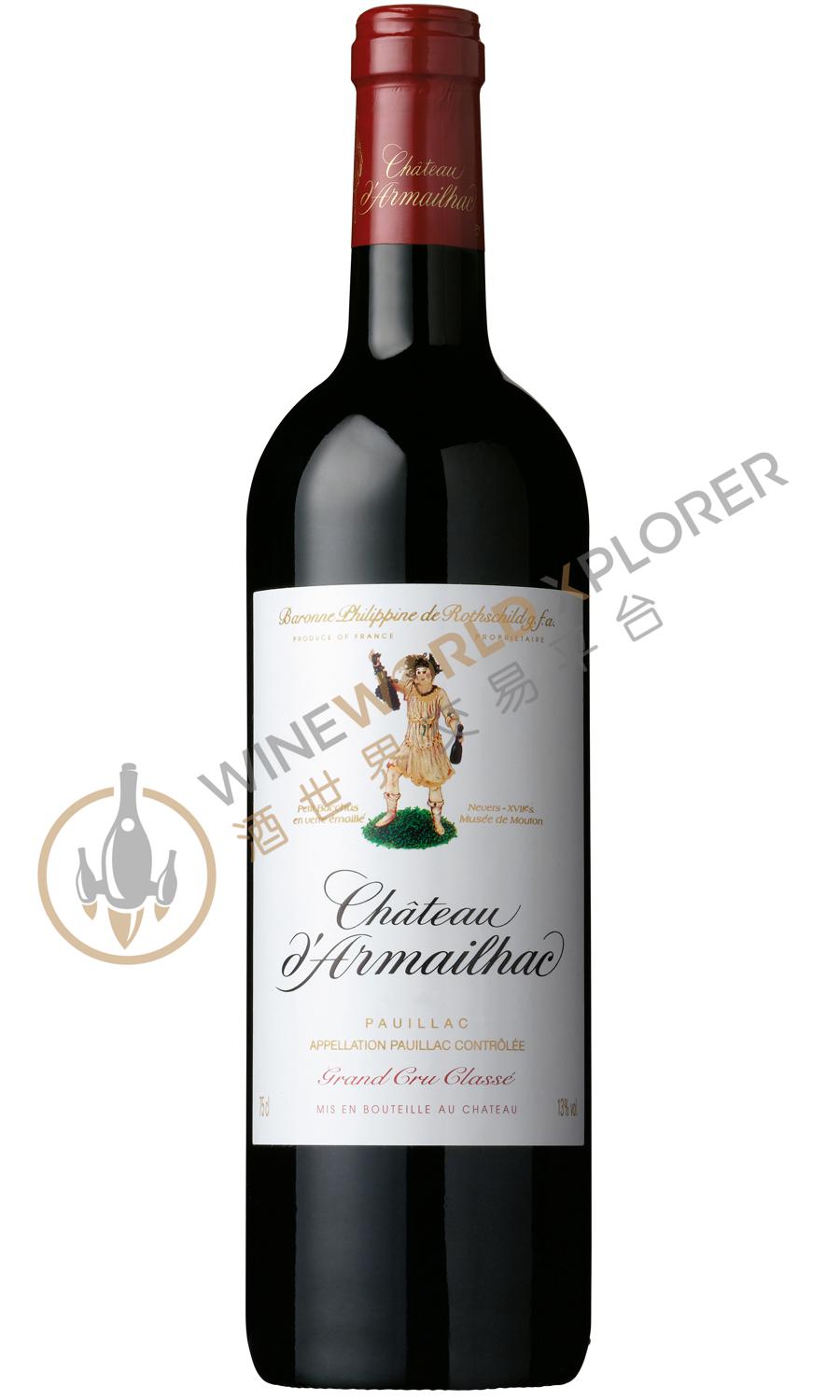
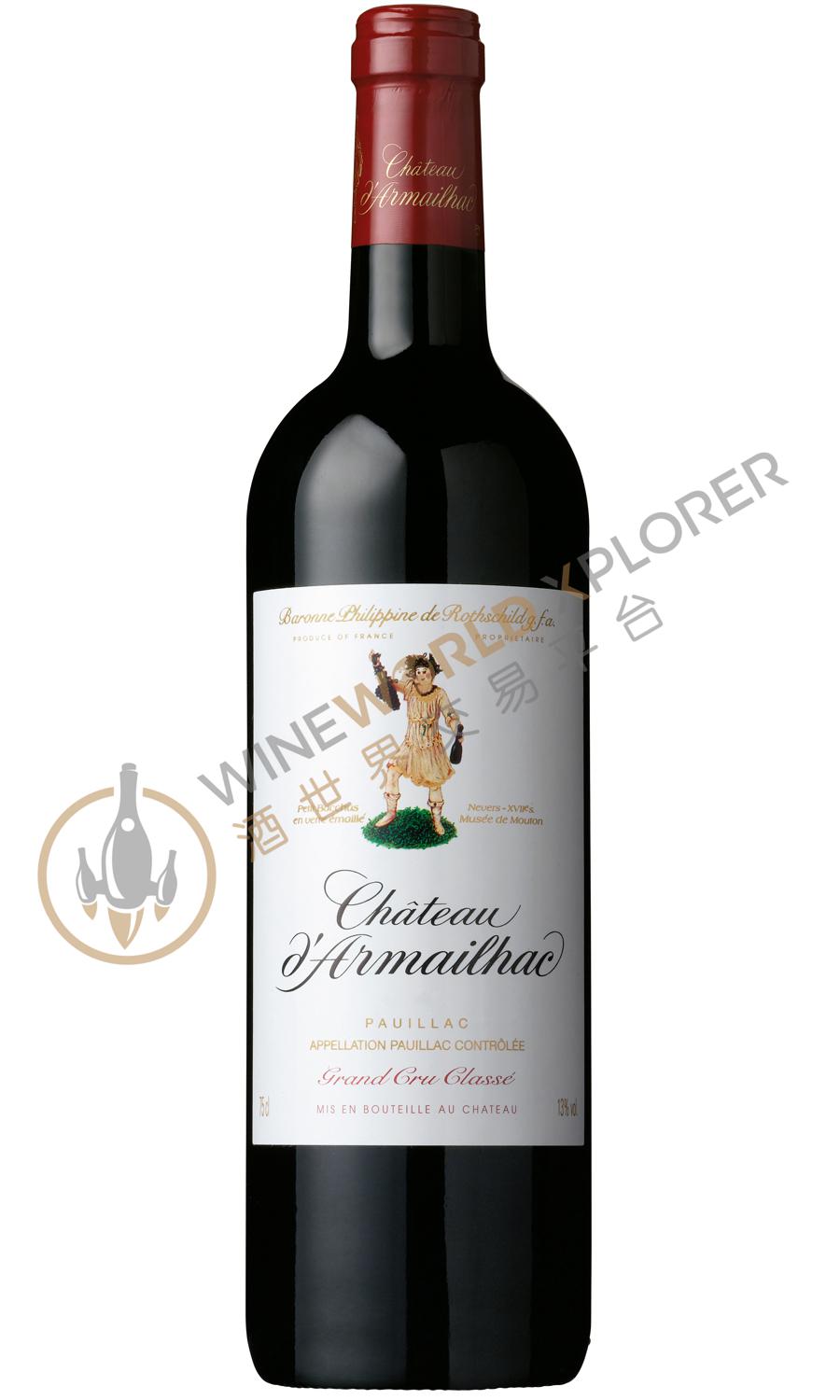
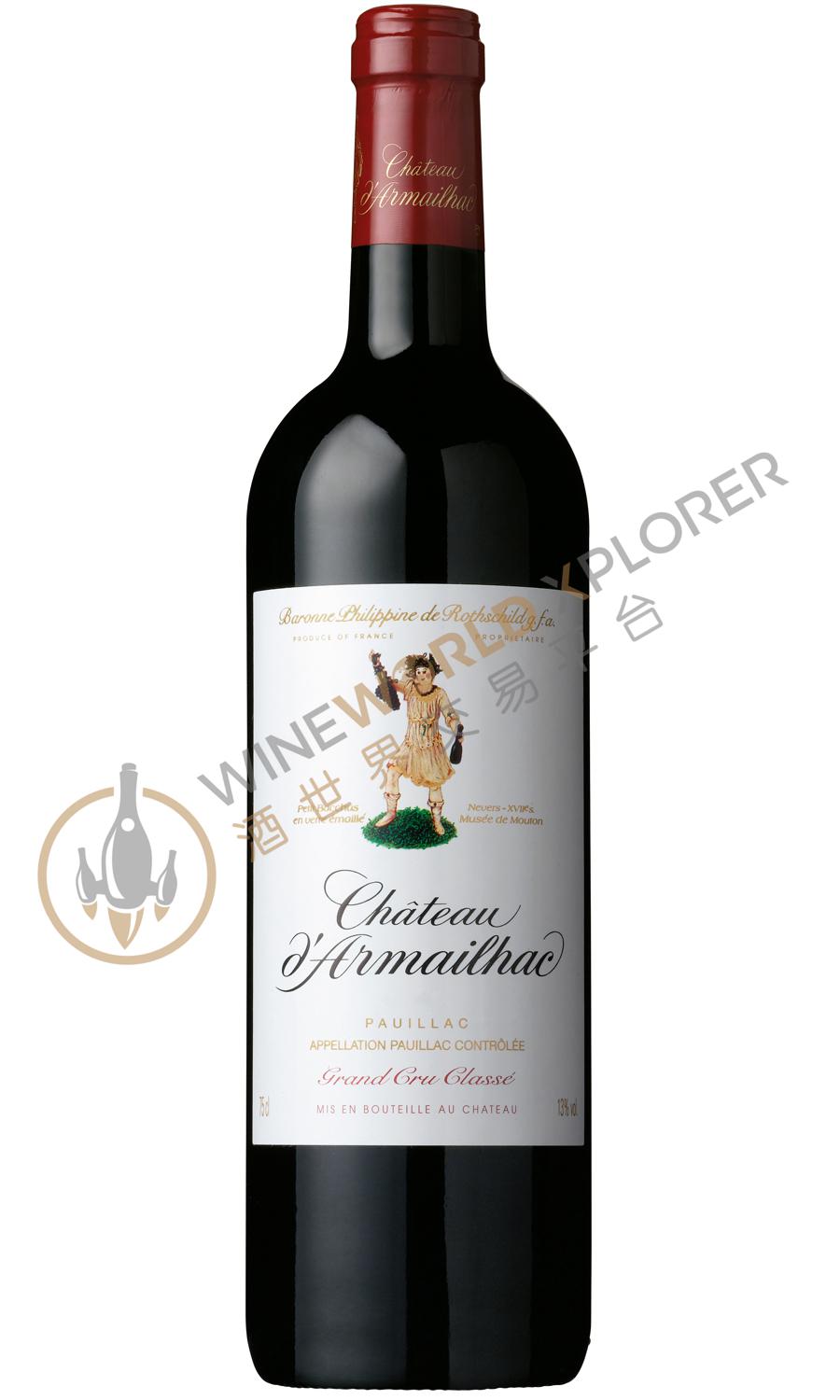
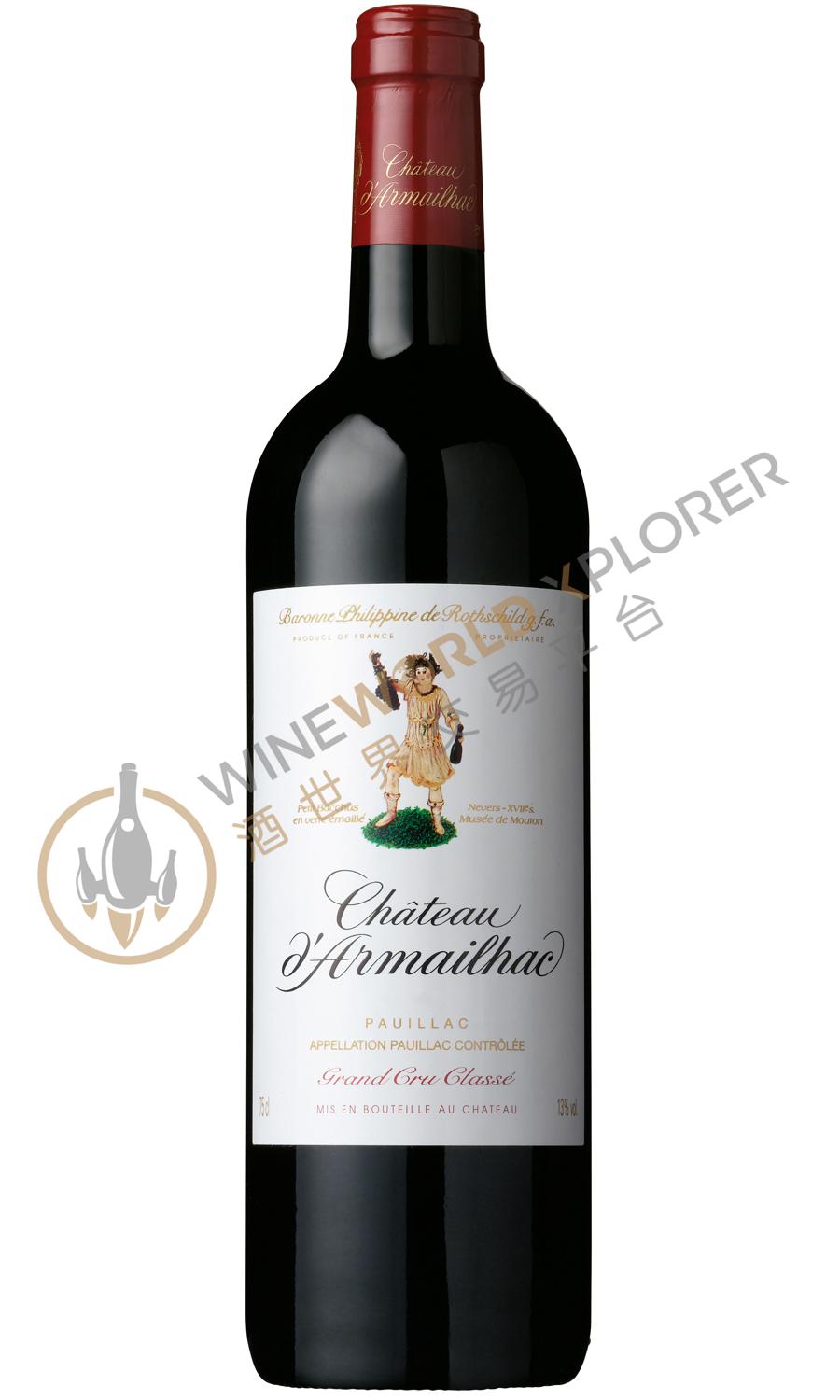
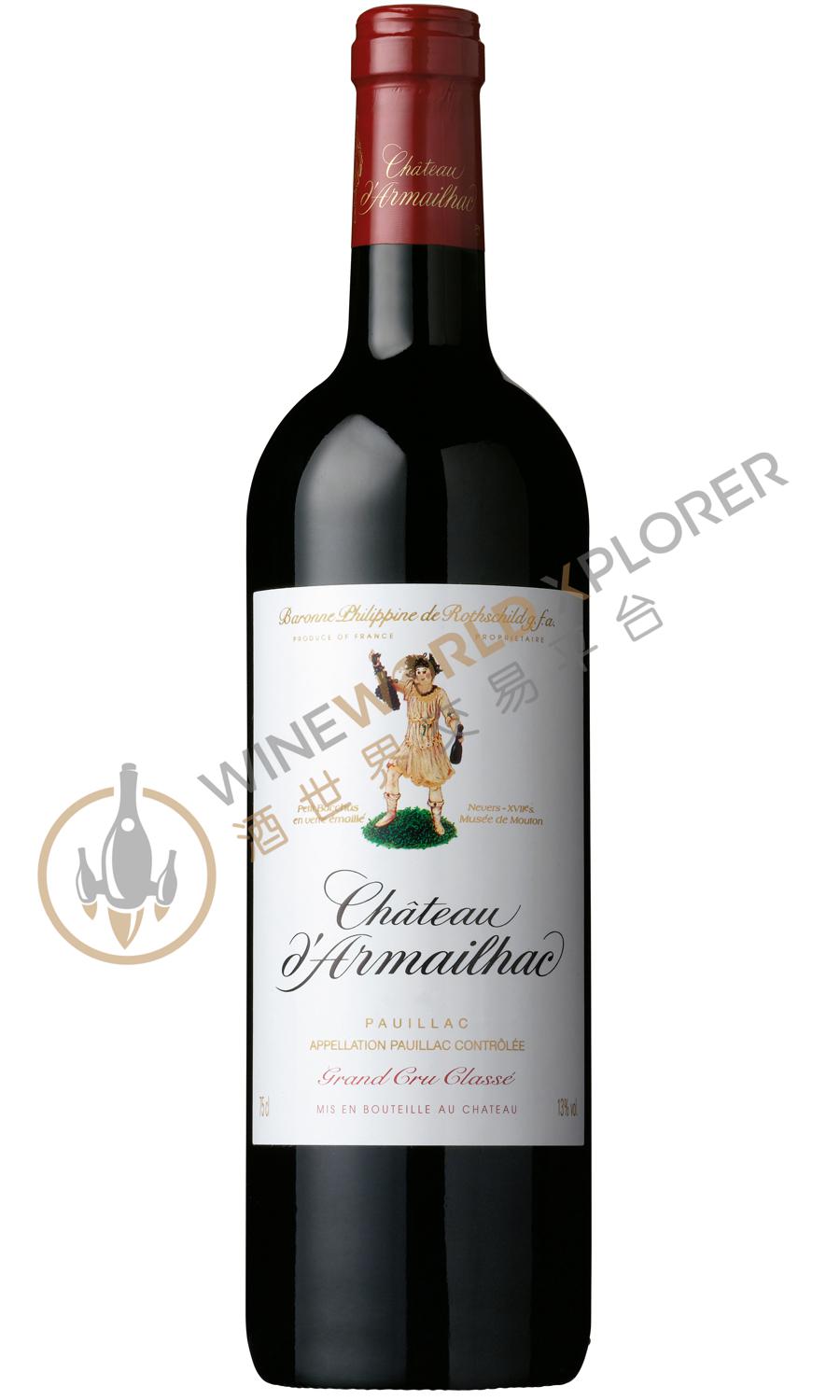
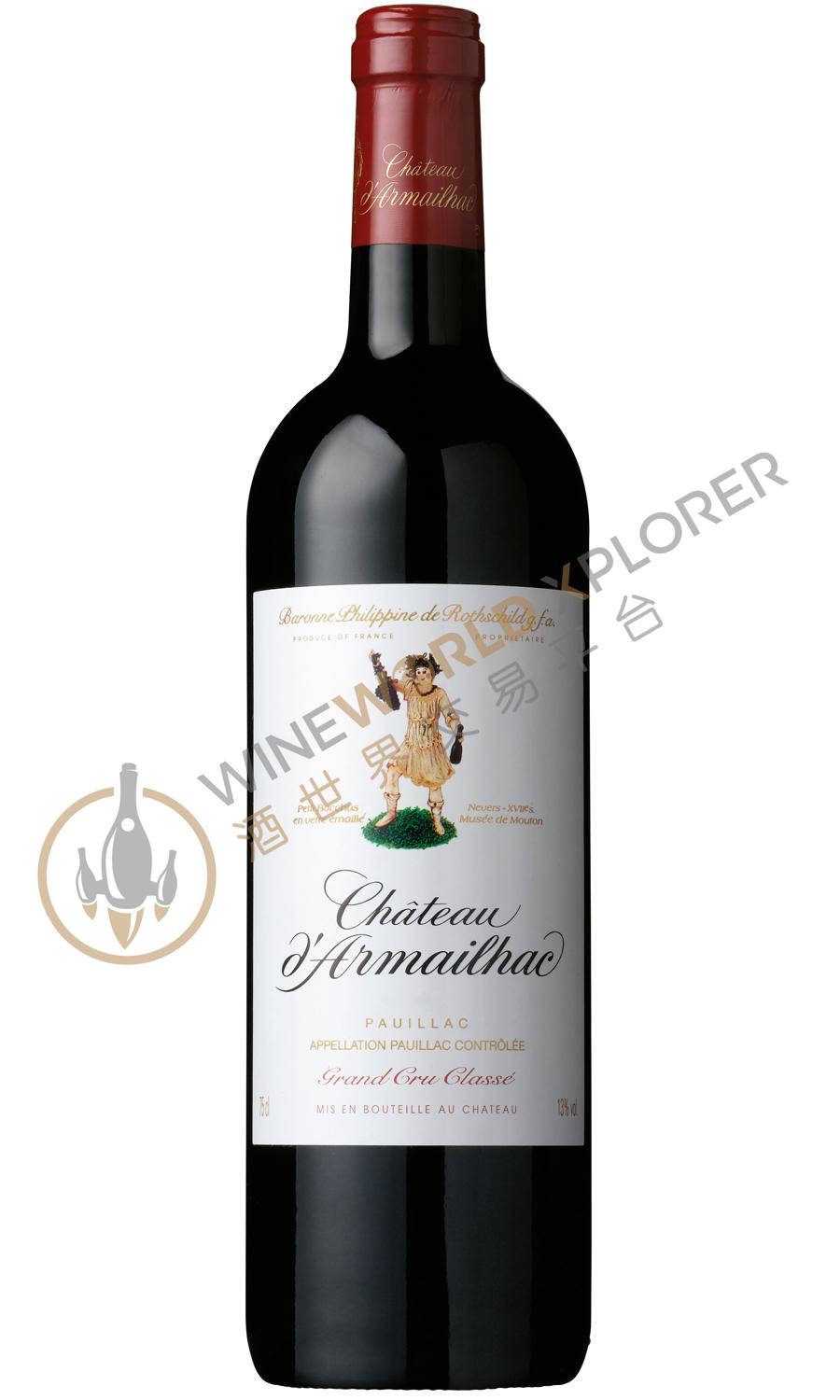
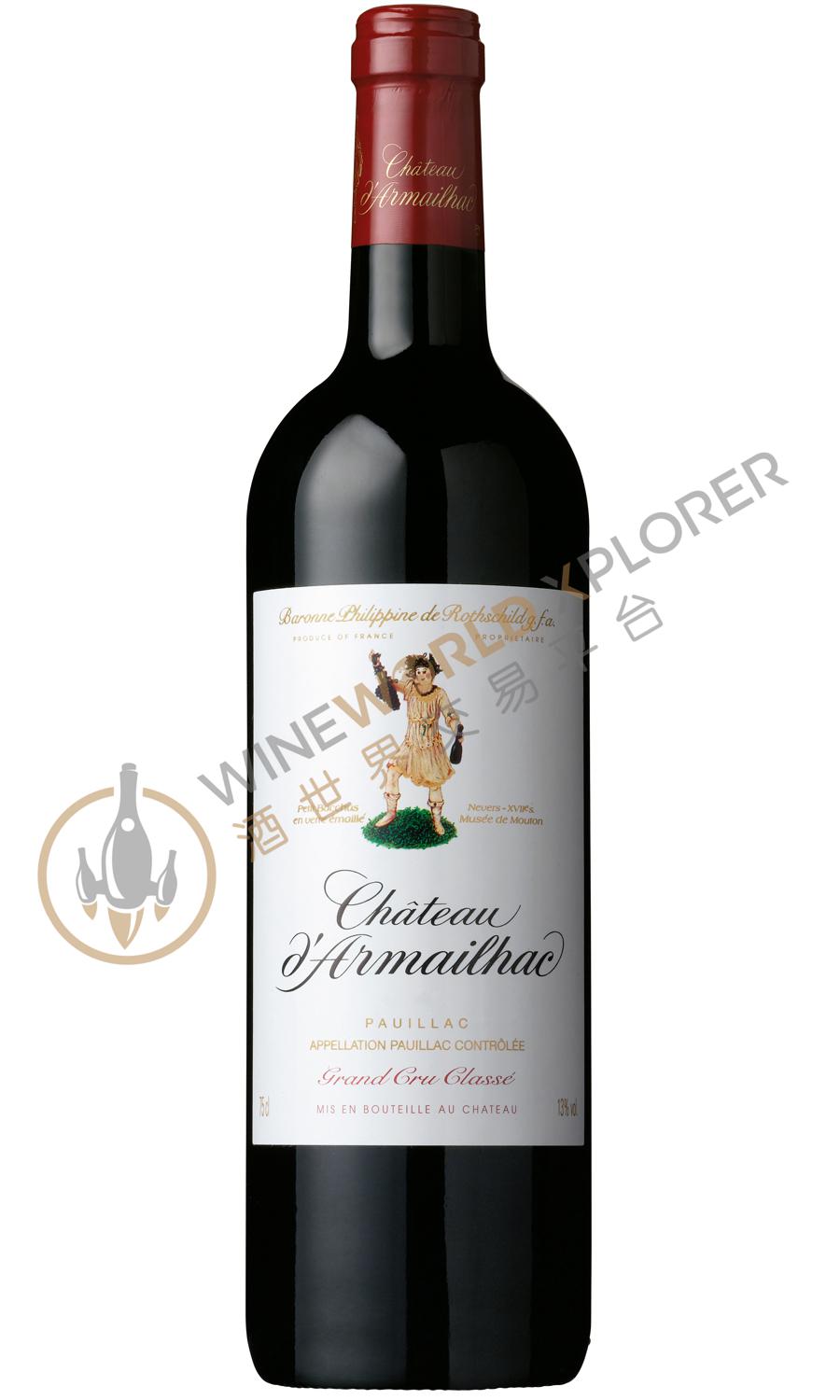
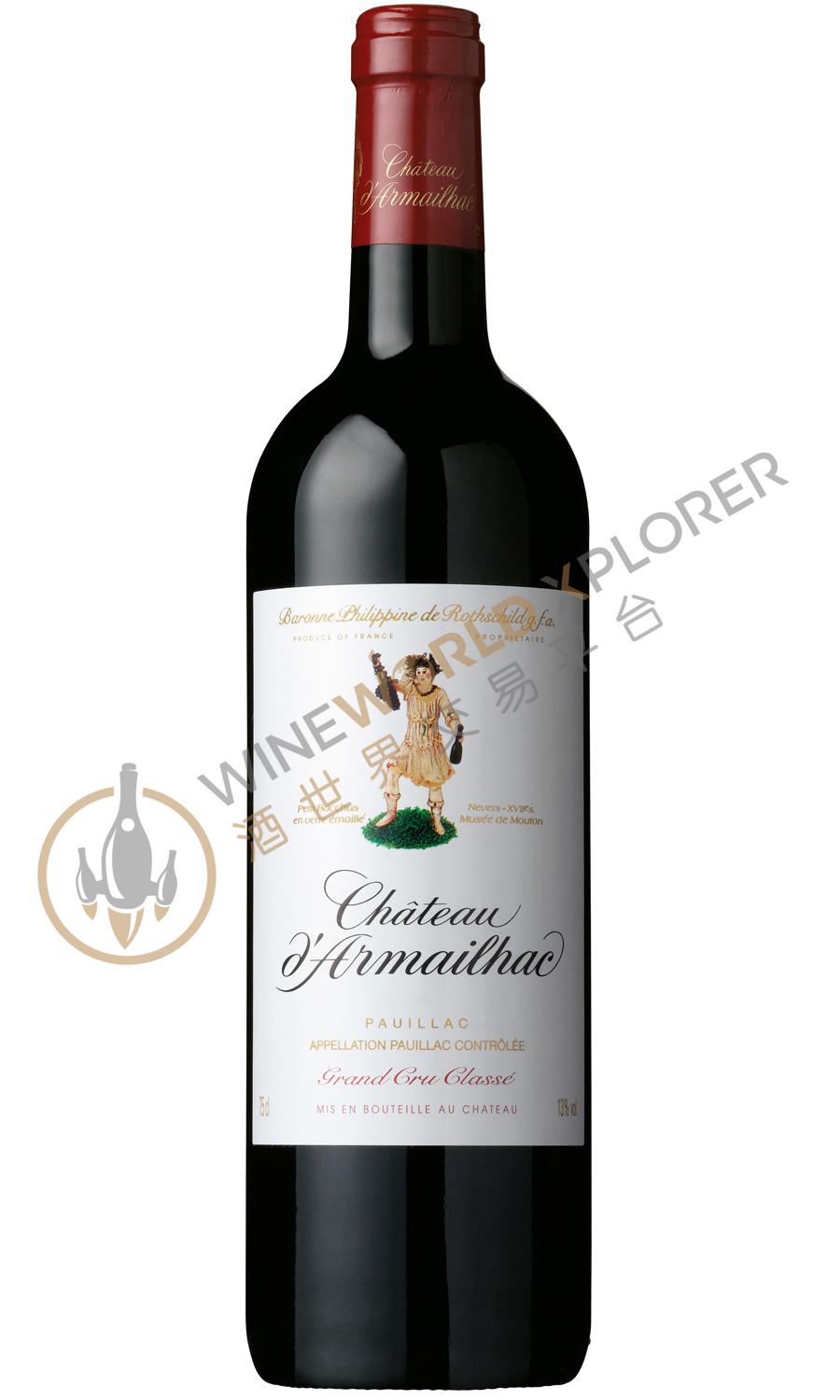
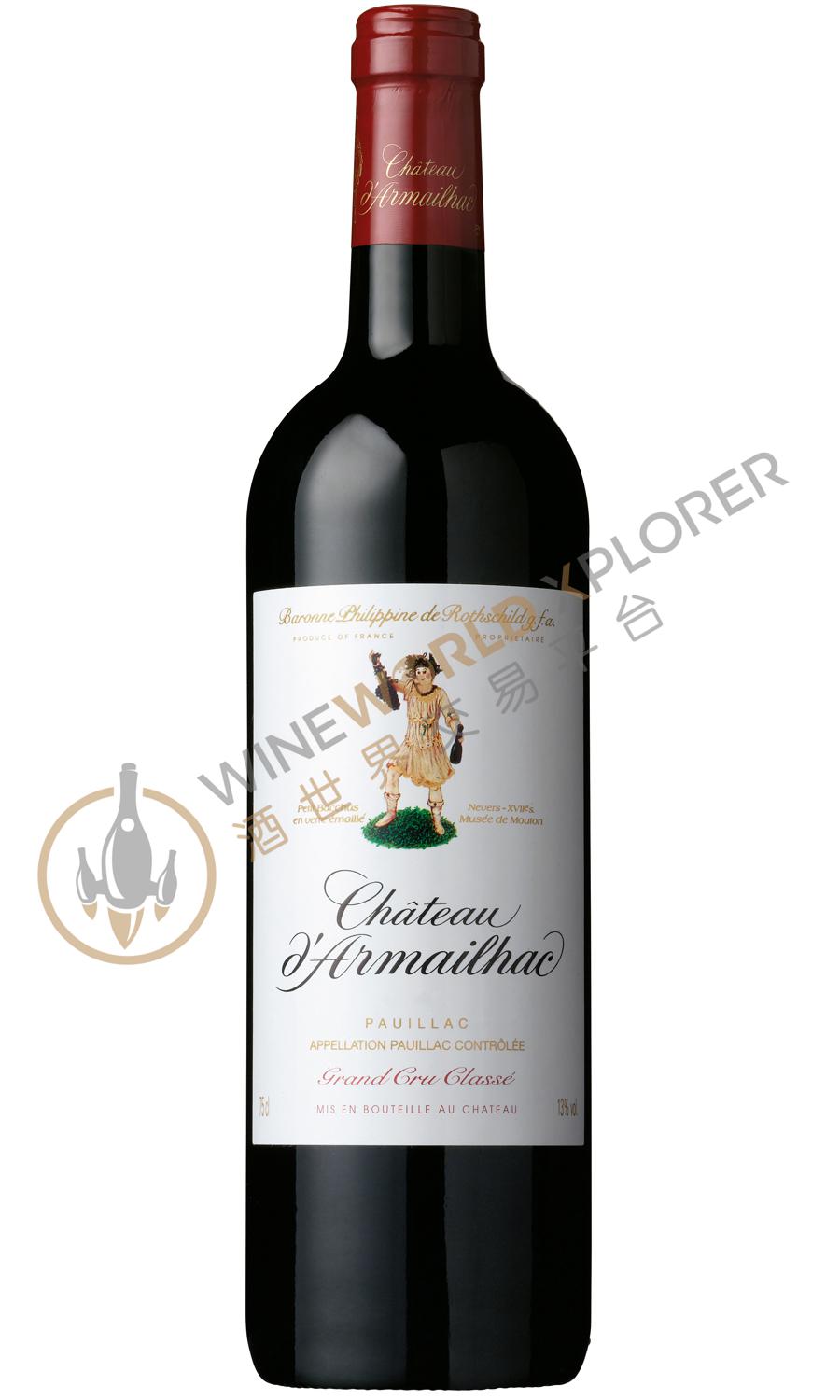
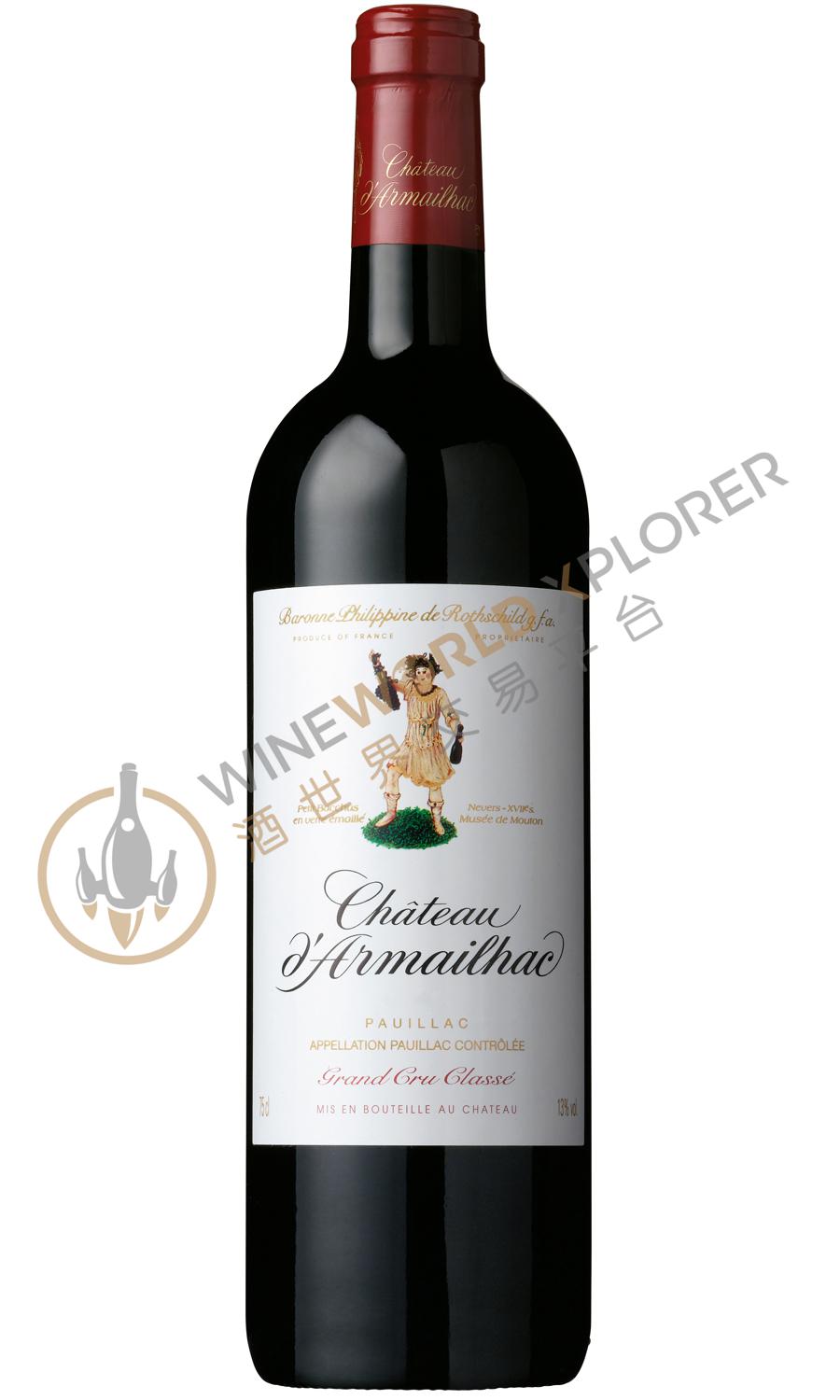
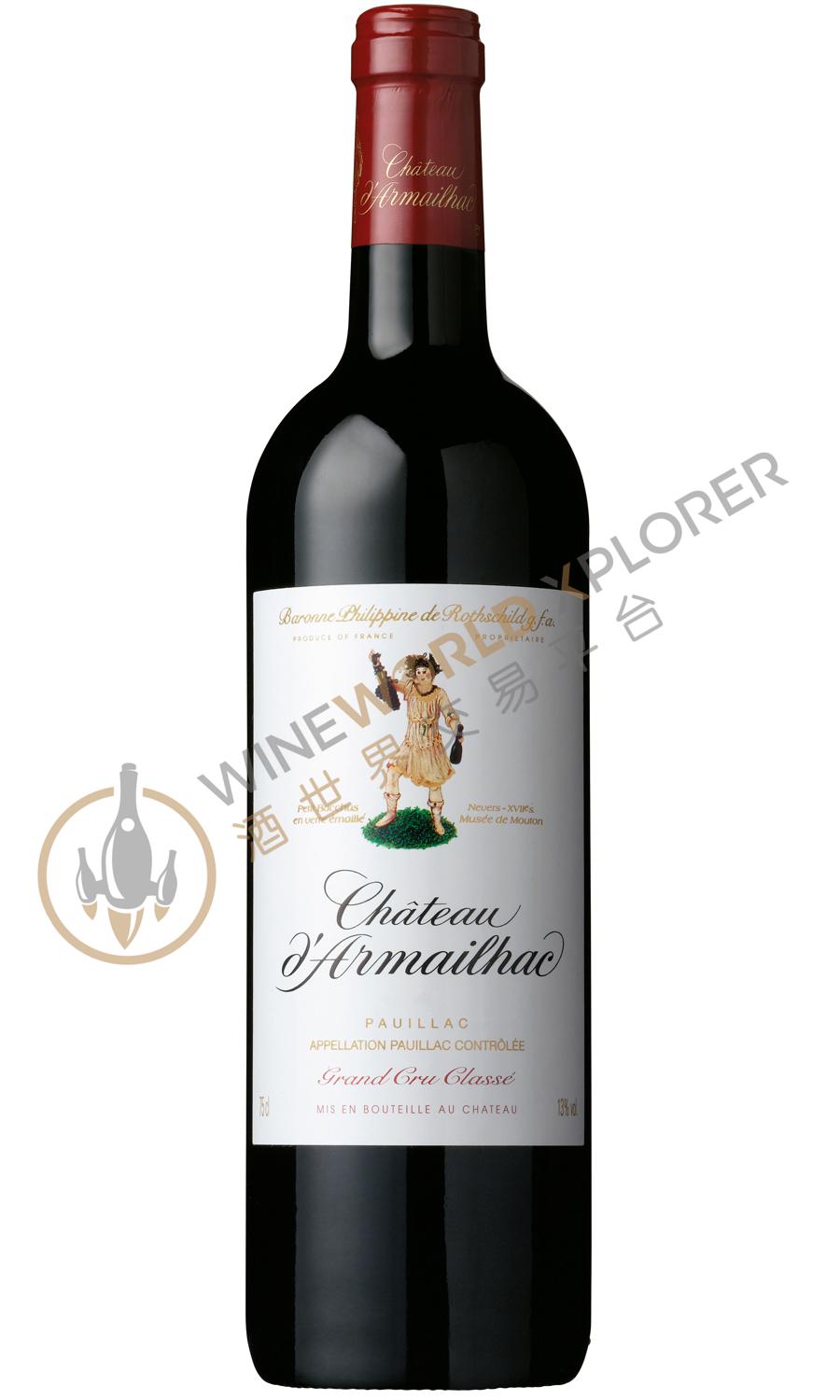
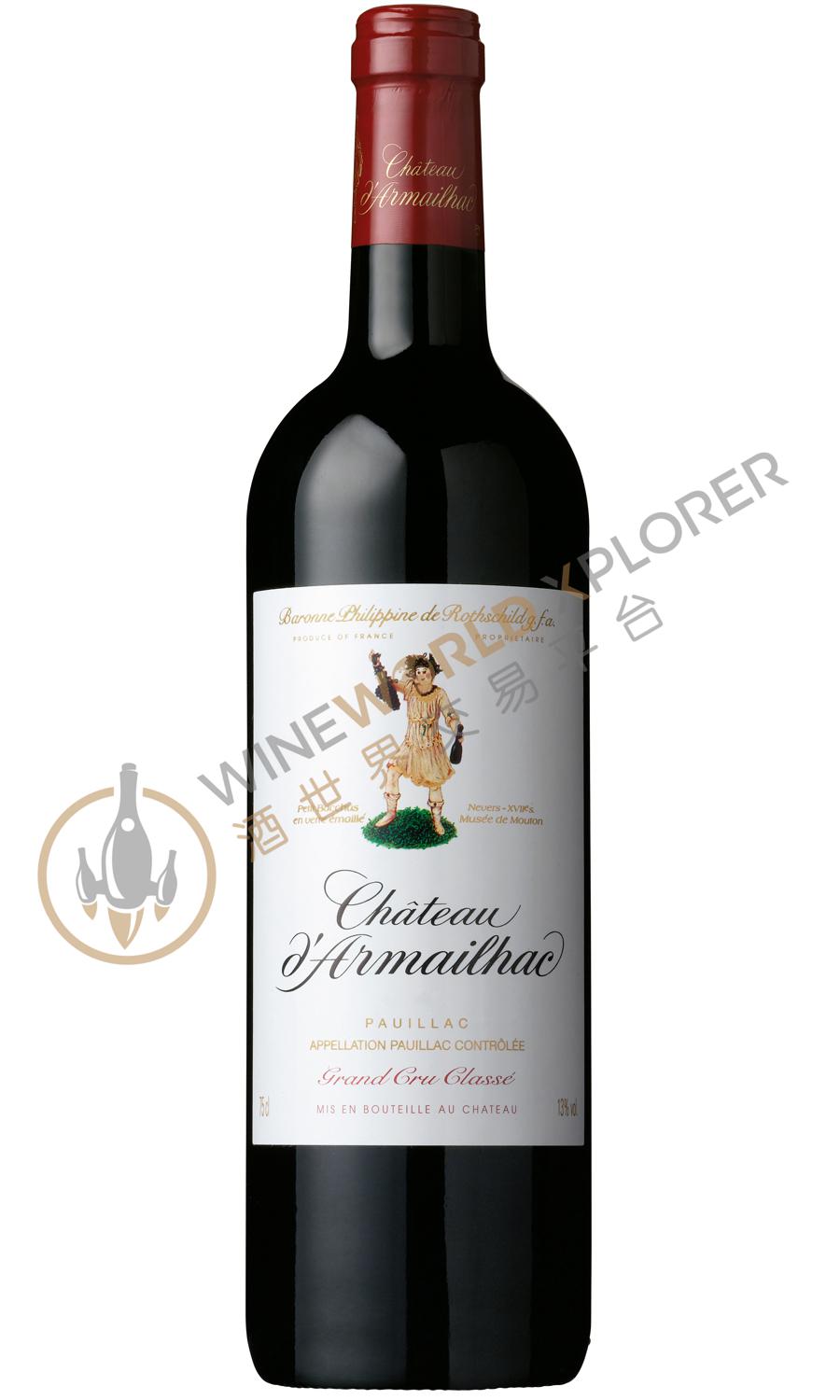
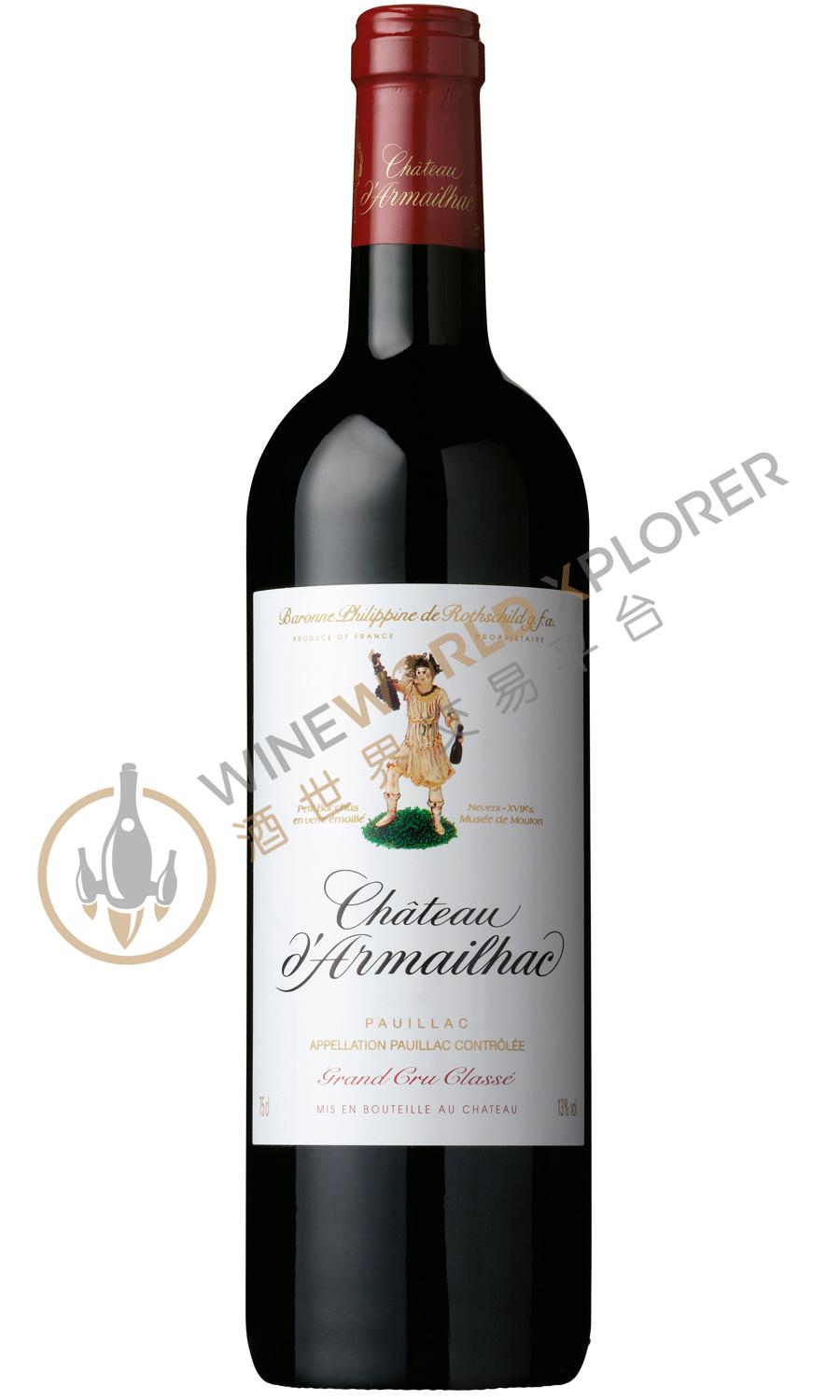
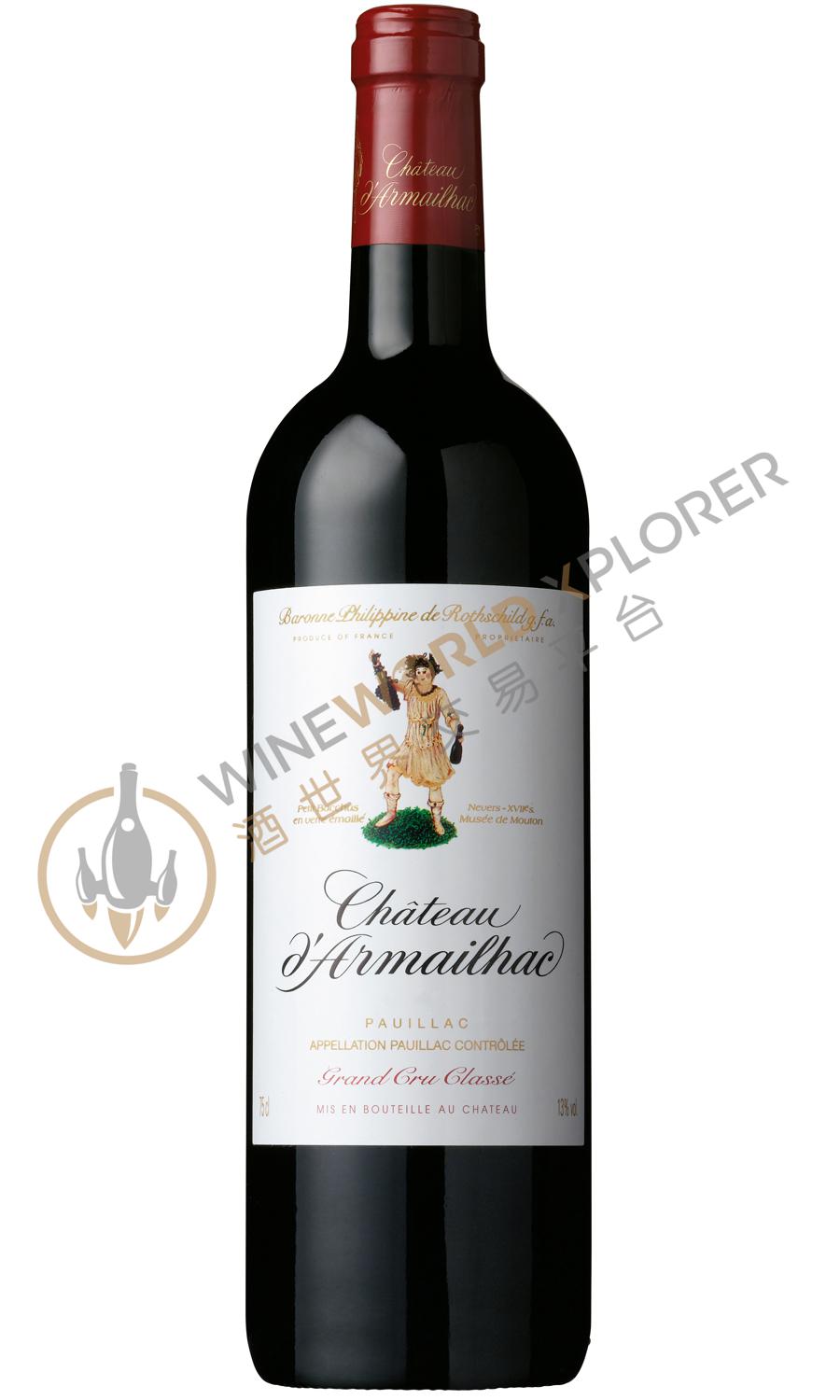
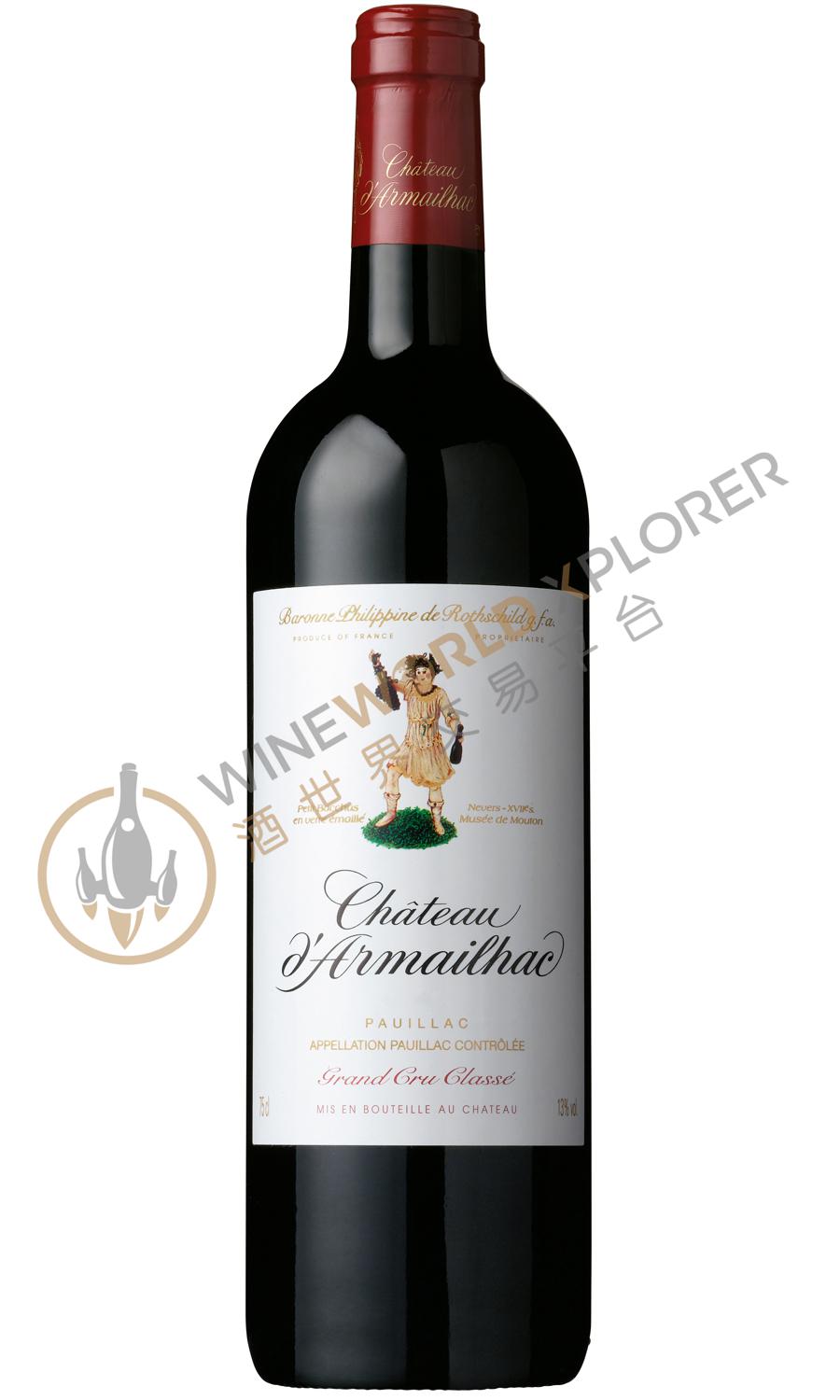
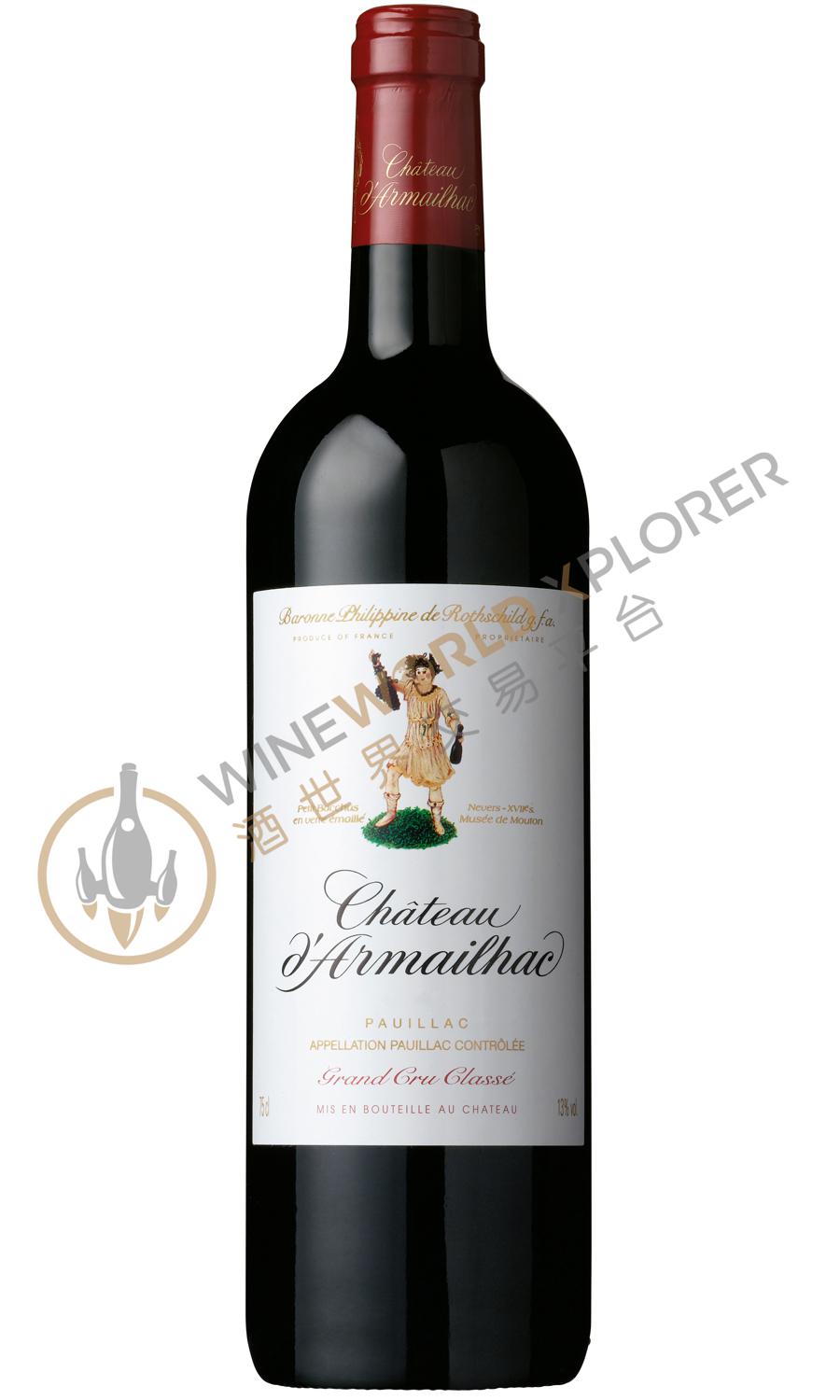
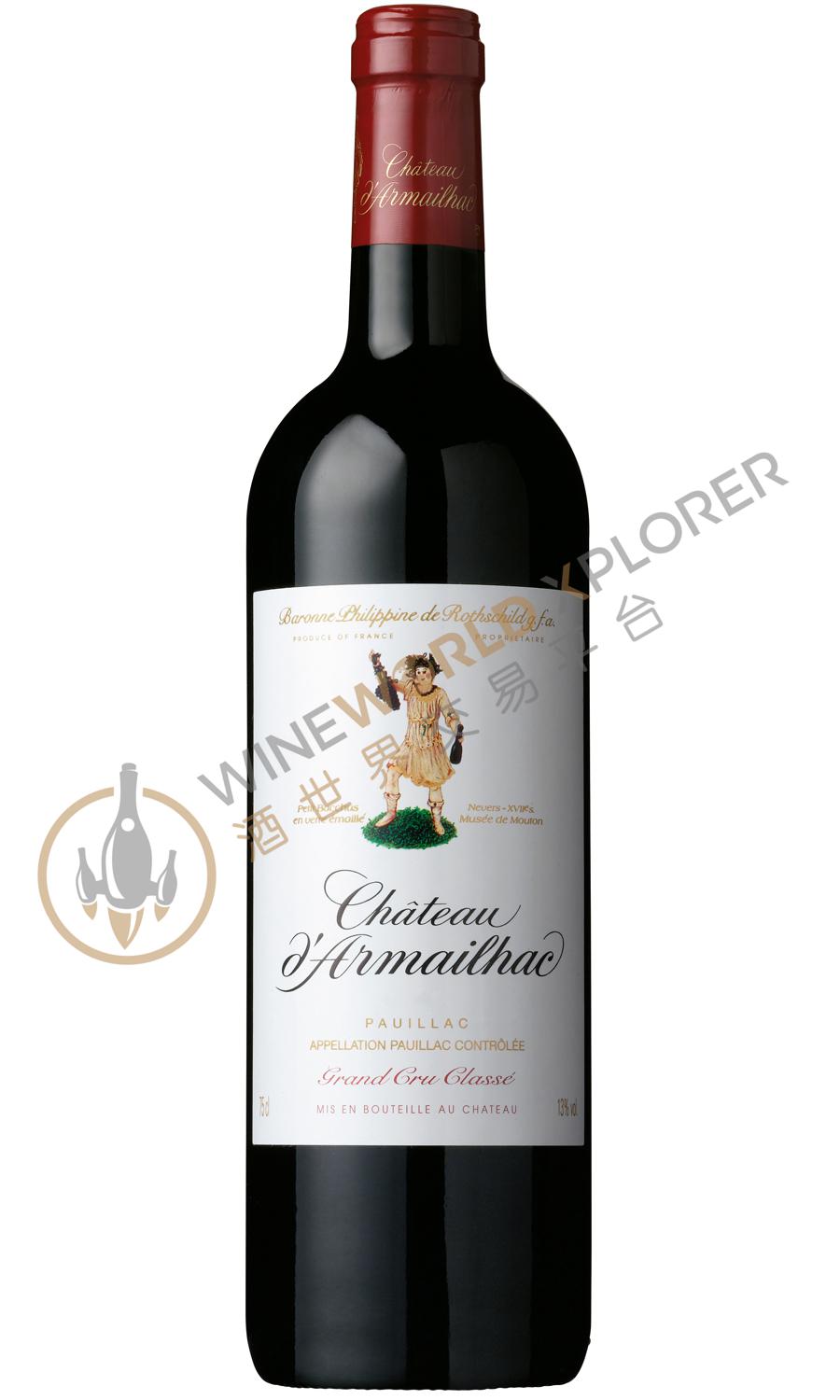
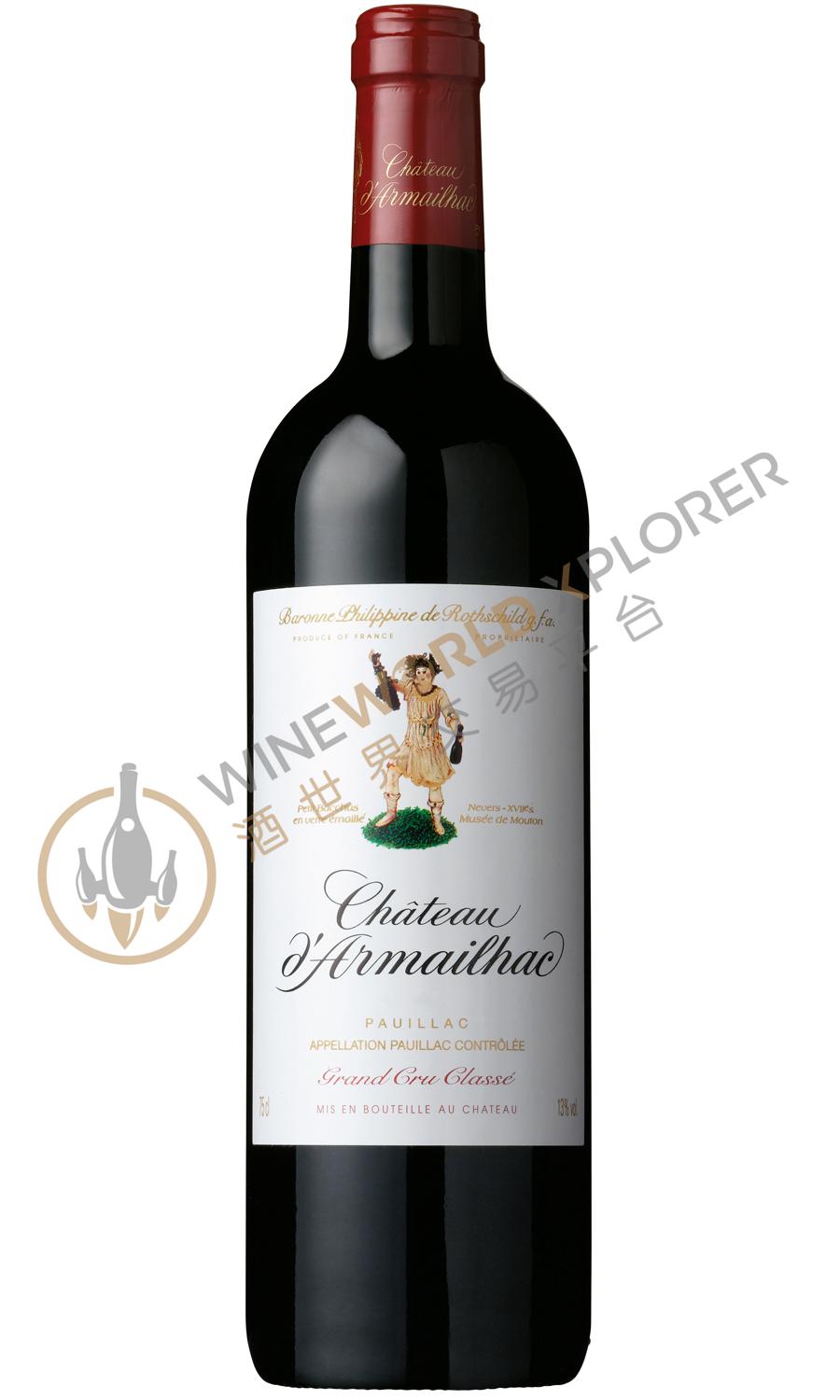
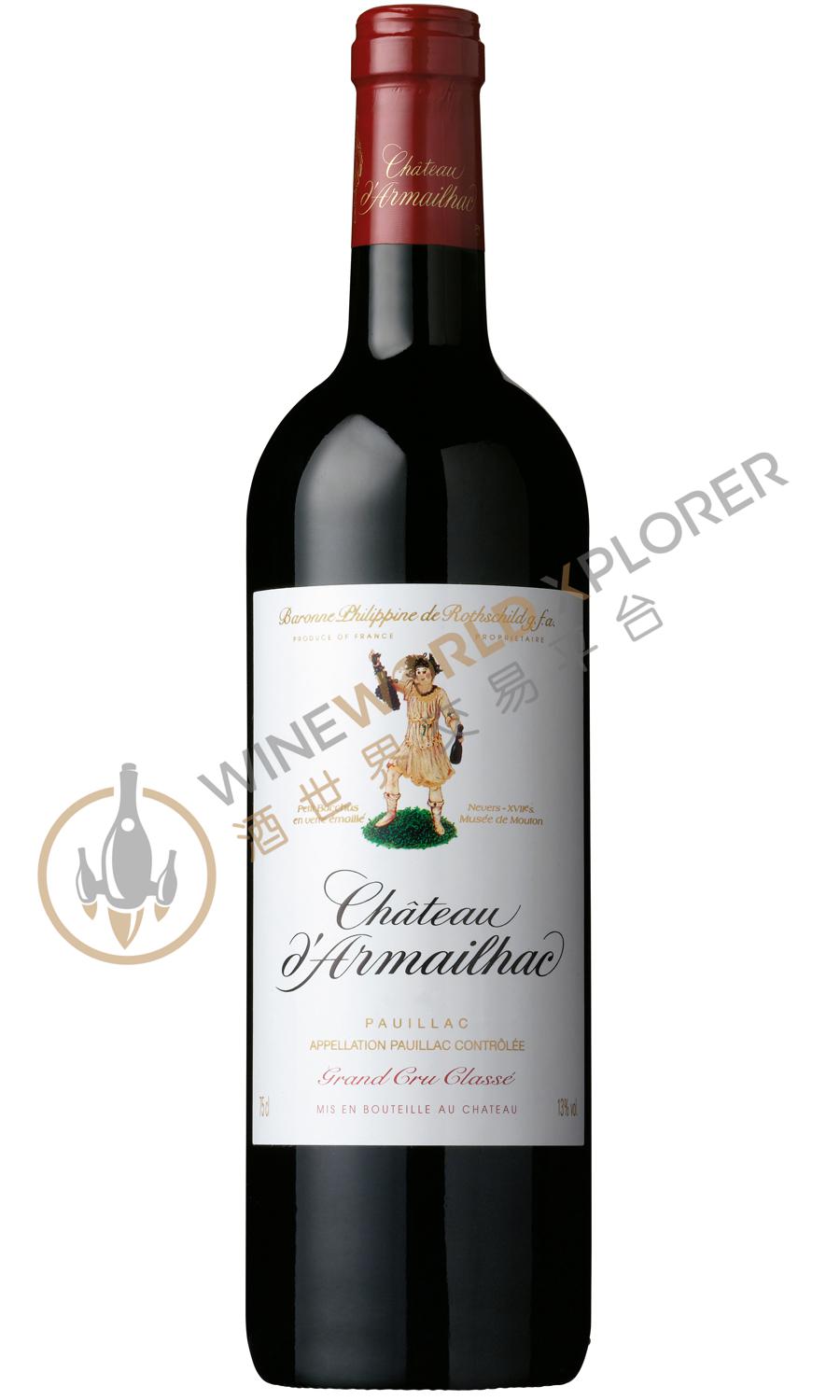
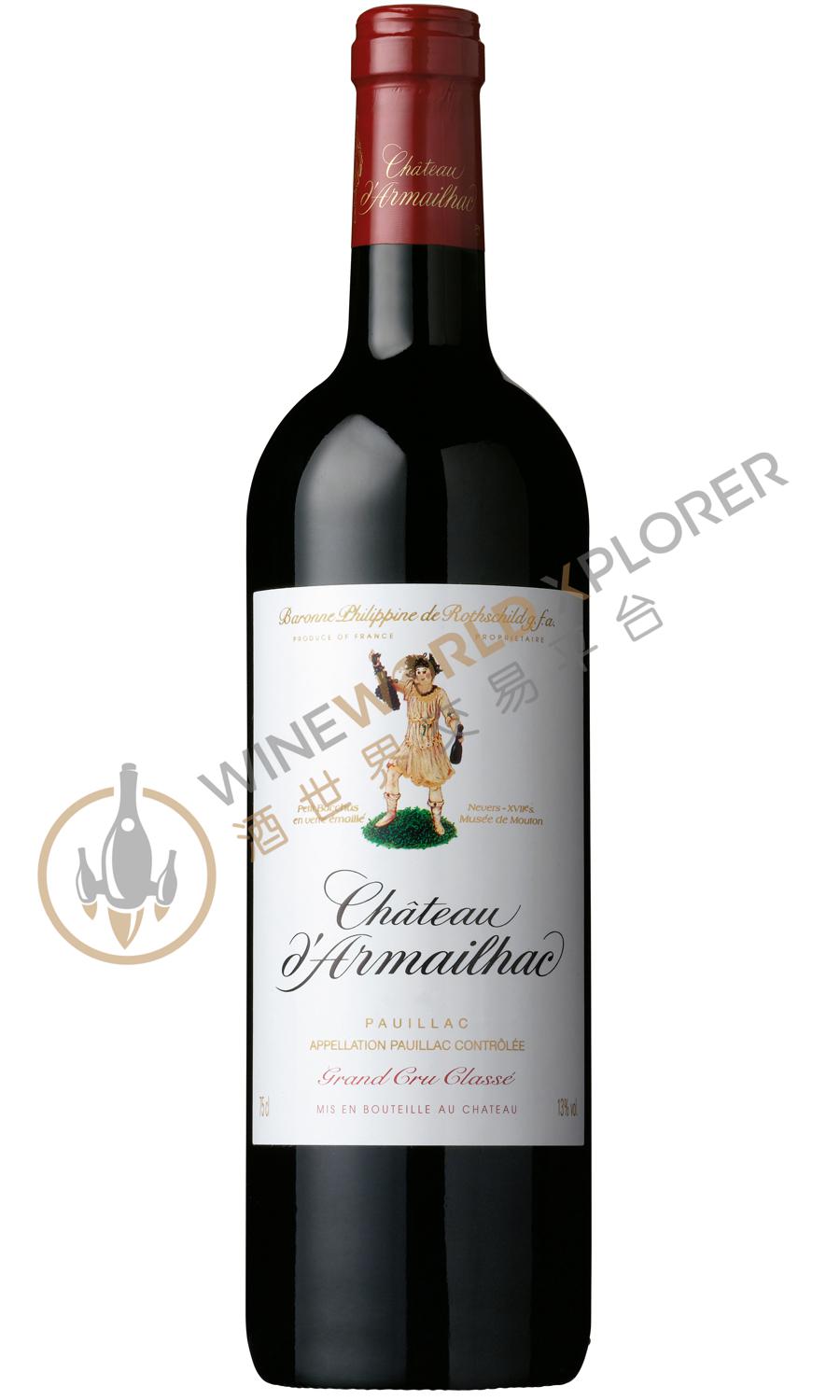
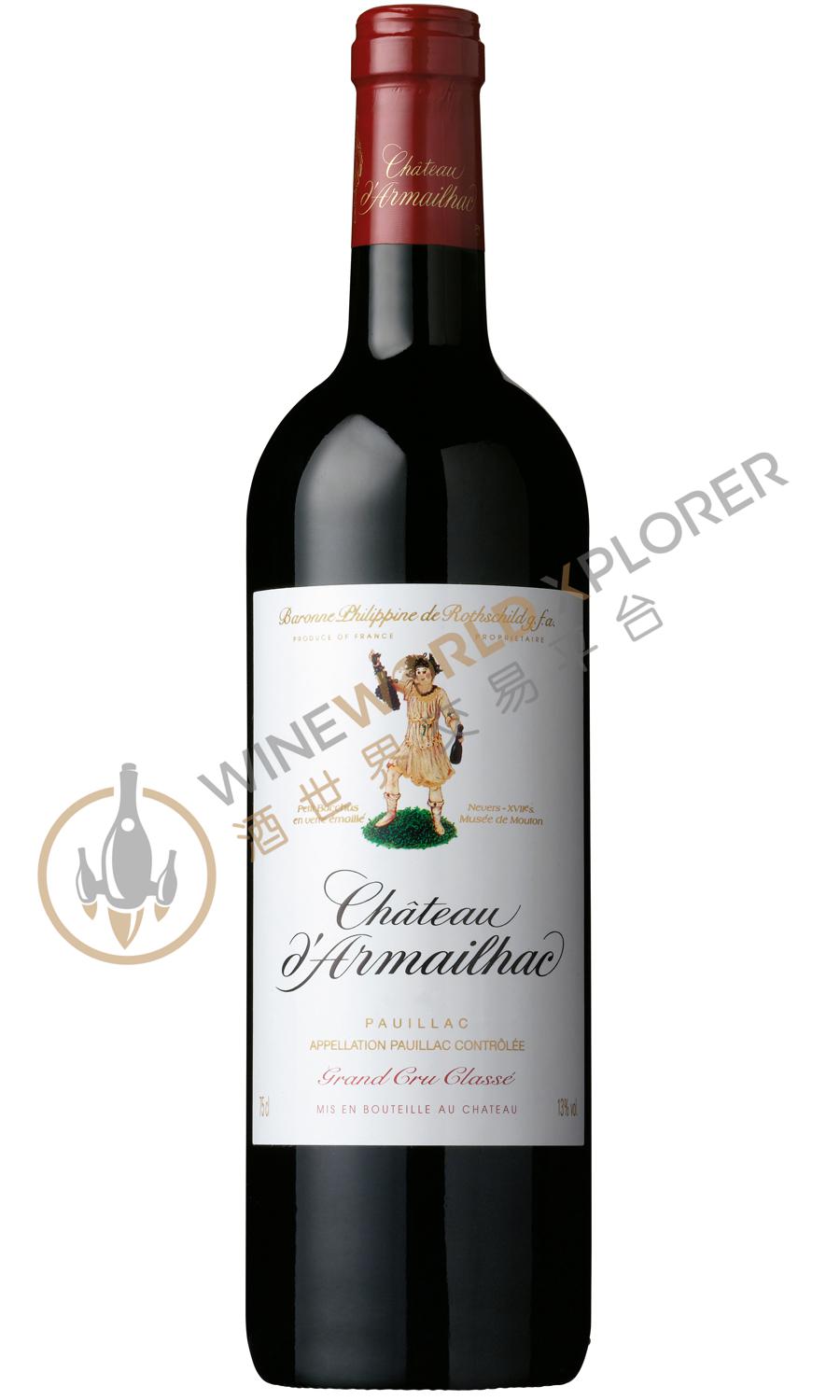
D'Armailhac 1995
 View analysis


Description
Tasting notes

Reviewed by: Neal Martin
Lighter in hue than the others. A bit dull on the nose - maybe still a bit closed. Firm grip - quite robust tannins. Sweet cherry and strawberry flavours but missing some depth and roundness. I expected a little more from this good vintage. Tasted September 2000.
Reviewed by: Robert M. Parker, Jr.
One of the better D'Armailhacs of recent vintages, this dark purple-colored wine offers pure cassis aromas, medium body, fine ripeness, surprising power and intensity, and sweet tannin nicely balanced by glycerin and extract. It requires 4-5 years to develop more aromatic complexity, but this is a 15-year wine.
Reviewed by: Robert M. Parker, Jr.
One of the better D'Armailhacs of recent vintages, this dark purple-colored wine offers pure cassis aromas, medium body, fine ripeness, surprising power and intensity, and sweet tannin nicely balanced by glycerin and extract. It requires 4-5 years to develop more aromatic complexity, but this is a 15-year wine. Last tasted 1/97
Reviewed by: Robert M. Parker, Jr.
This Pauillac estate, part of the Mouton quality hierarchy, is producing better and better wines. The grapy, unformed 1995 is ripe and sweet, with an uncomplicated fruitiness. This enjoyable, pleasant wine should drink well when released and last for a decade. It is fat, fruity, and pleasing. All of the wines in this segment were tasted between March 19 and March 28 in Bordeaux. Most of the important wines from both the 1994 and 1995 vintages were tasted three separate times during my ten-day stay in Bordeaux.
Reviewed by: Neal Martin
Tasted at the Bordeaux lunch at The Ledbury. I have never been particularly impressed by this vintage. Here is has a very foursquare, conservative bouquet with dusty dark fruits, leather and thyme. Not the best delineation. The palate is medium-bodied, a tad brusque on the entry, quite masculine and linear with jus a hint of liquorice on the finish. Not terrible, but neither is it memorable. Drink now-2015. Tasted May 2010.
Reviewed by: Robert M. Parker, Jr.
The 1995 is possibly the finest d'Armailhac I have yet tasted. The blend was 50% Cabernet Sauvignon, 18% Cabernet Franc, and 32% Merlot. This deep ruby/purple-colored wine possesses low acidity, plenty of sweet tannin, and, in both its aromatics and flavors, gobs of ripe cassis fruit are nicely framed by the judicious use of toasty oak. Flavorful, round, generous, and hedonistic, this is a crowd-pleaser! Anticipated maturity: Now-2012.
Reviewed by: Stephen Tanzer
Very good deep color. Deeply pitched, very reticent Pauillac aromas of cassis, shoe polish and mint. Sweeter and denser than the '94, but with some dull ripe notes in the middle. Finishes with substantial tannins. This gained shape with time in the glass.
About the Producer
The existence of Château d’Armailhac dates back to the late 17th century, as evidenced in a land register from 1680 which mentions the brothers Dominique and Guilhem Armailhacq, owners of parcels of land in Pauillac. Another land register from 1750 notes that their descendants have “planted with vines” the family estate, covering 15 to 16 hectares (37-39 acres). By the end of the 18th century the estate has grown to 52 hectares (128 acres) but the brokers of the time describe its wine as “disappointingly thin”. Throughout the following century, Mouton d’Armailhacq’s owners work unceasingly to improve its quality, using techniques such as topping-up, running-off, barrel disinfection and fining. Their efforts are rewarded in 1831, when the wines of Mouton d’Armailhacq sell for twice as much as their more highly reputed neighbours. The ultimate recompense, Château Mouton d’Armailhacq is given Fifth Growth status in the 1855 Classification – the same one which made Château Mouton Rothschild “First of the Seconds”. The “first wine”, the only one authorised to bear the growth’s name, is distinguished from the “second wine”, less rich and sold for consumption in local taverns. In 1931, the young Baron Philippe de Rothschild became a minority shareholder of the Société Anonyme du Domaine de Mouton d’Armailhacq, then in 1933 acquired all the shares from the Comte de Ferrand in return for a life annuity. A year later, on the Comte de Ferrand’s death, he became the effective owner of the estate. The Mouton d’Armailhacq portfolio included the Société Vinicole de Pauillac, forerunner of what is now Baron Philippe de Rothschild SA. Inseparable from Château Mouton Rothschild, Château Mouton d’Armailhacq houses all the technical and agricultural equipment for the two estates in its extensive outbuildings. From 1956 to 1988, the wine was called Mouton Baron Philippe, then Mouton Baronne Philippe. A Fifth Growth of acknowledged quality, its original identity as Château d’Armailhac was patly restored in 1989.
1964(2)1973(1)1978(1)1986(1)1987(1)1989(1)
Package Size