Wine Advisor



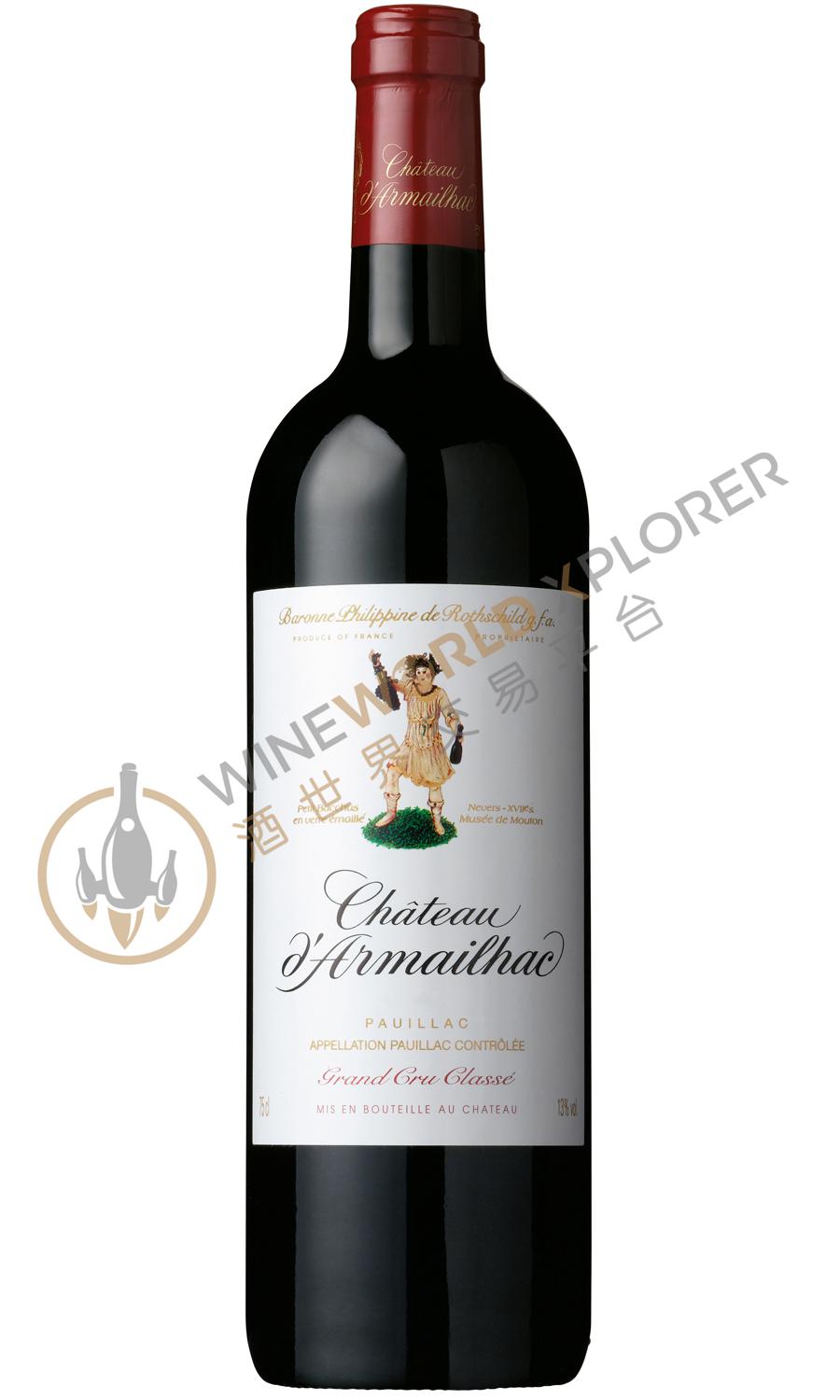
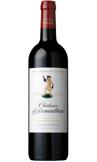
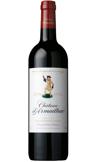
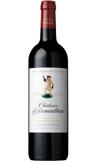
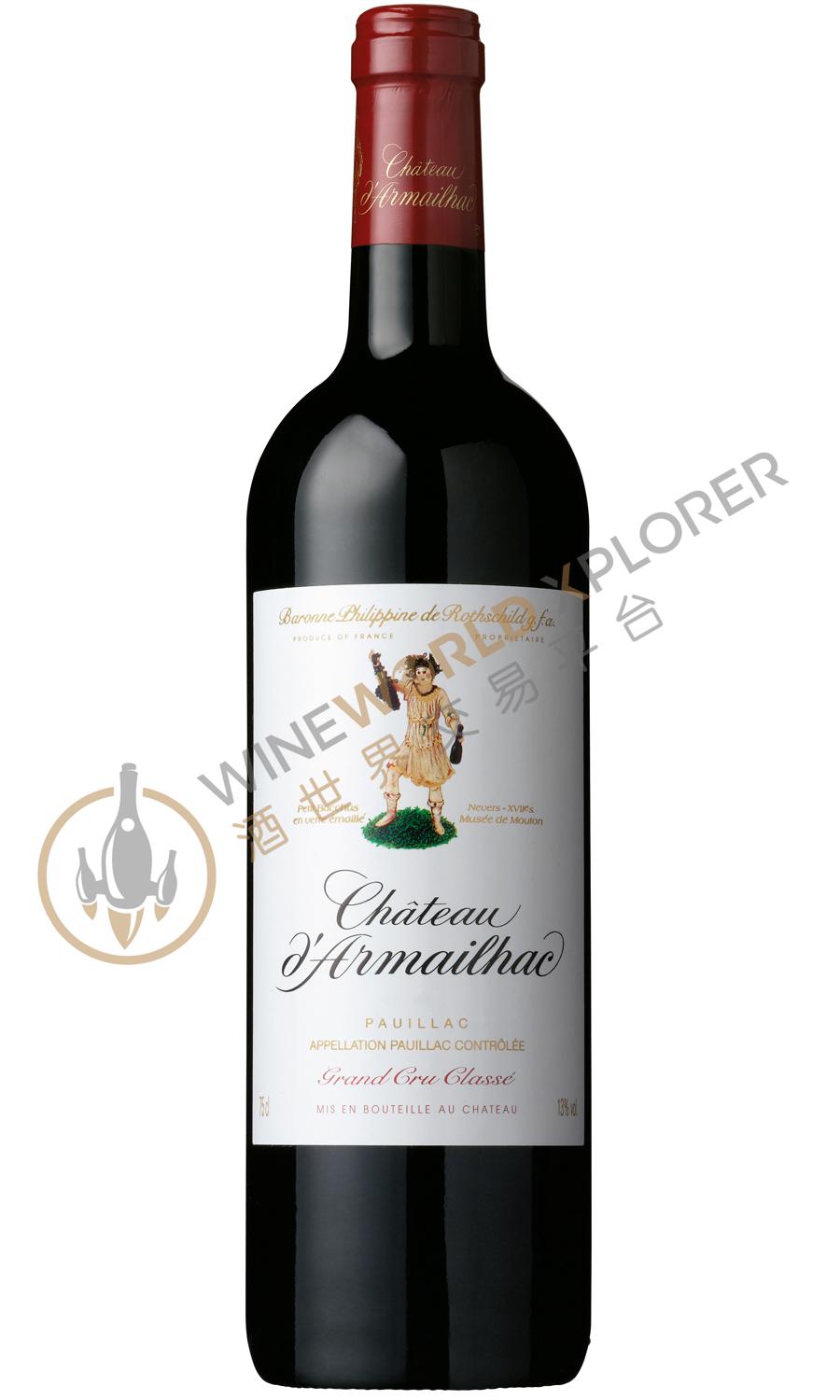
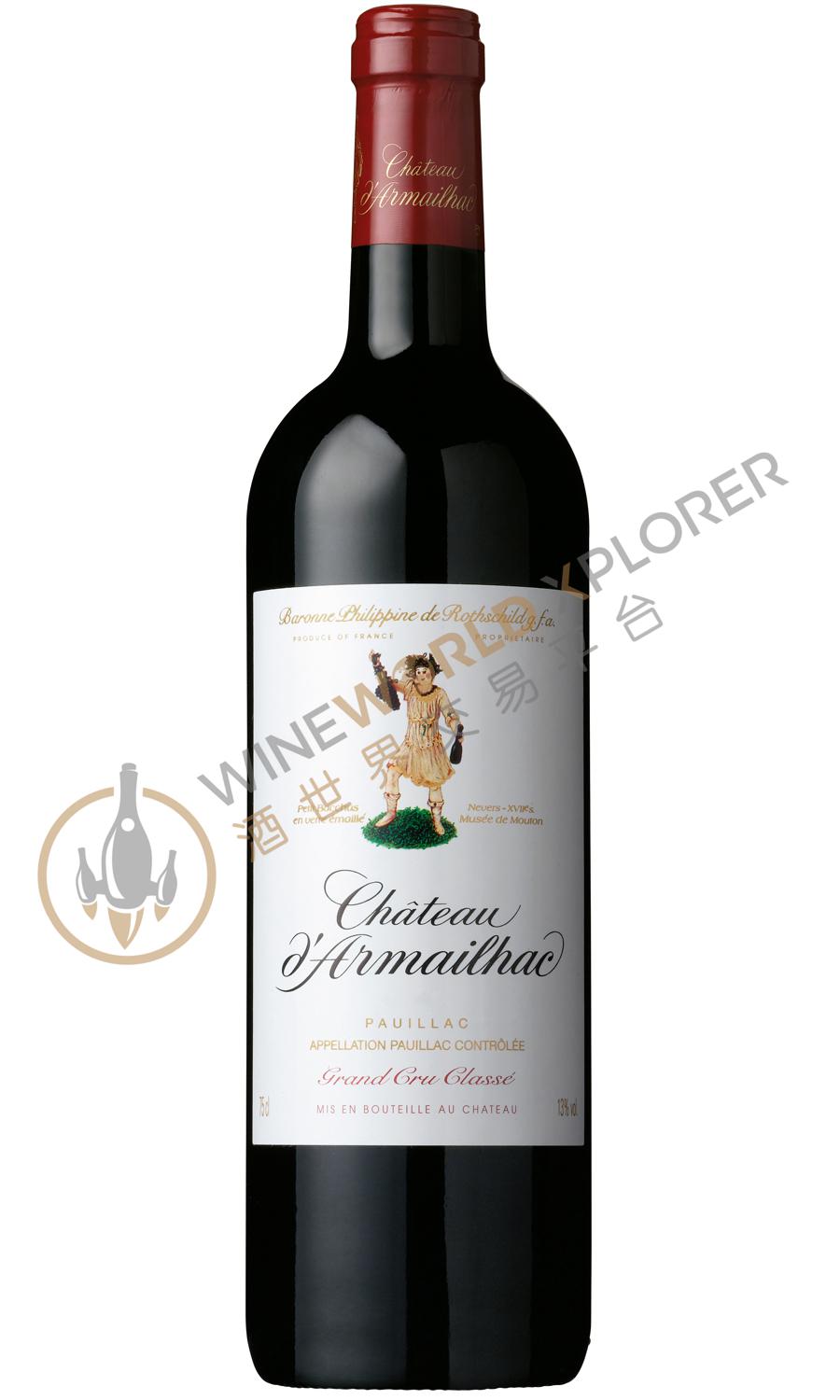
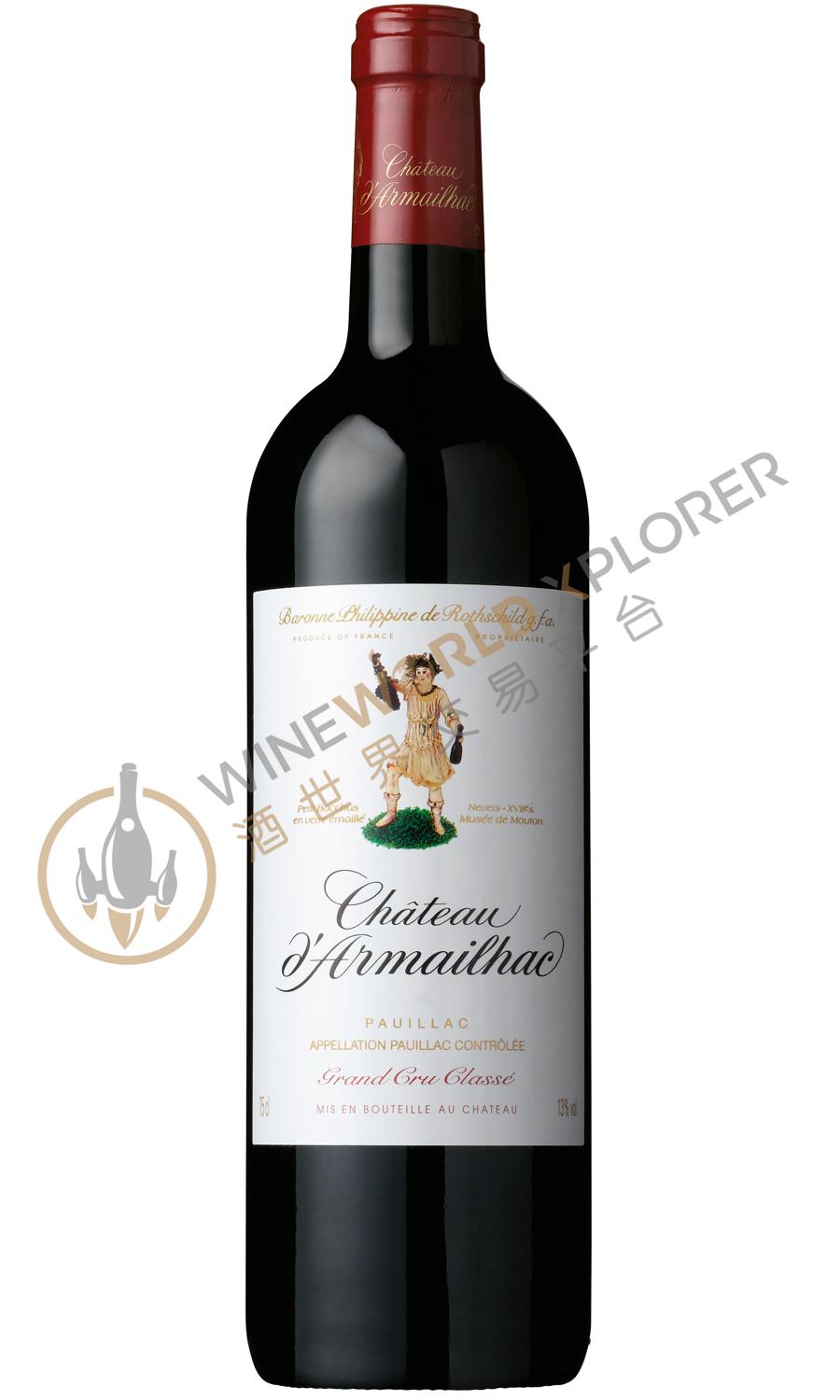
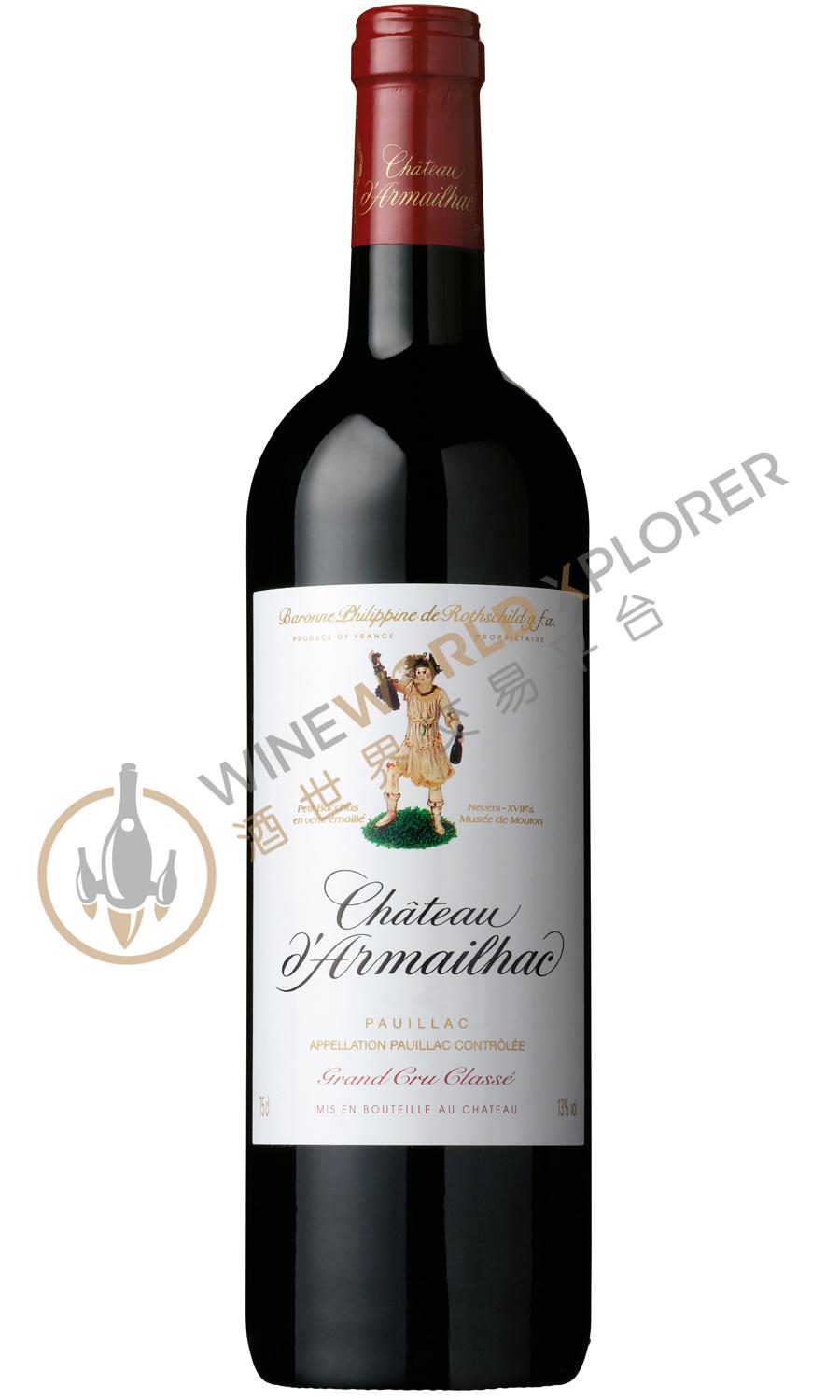
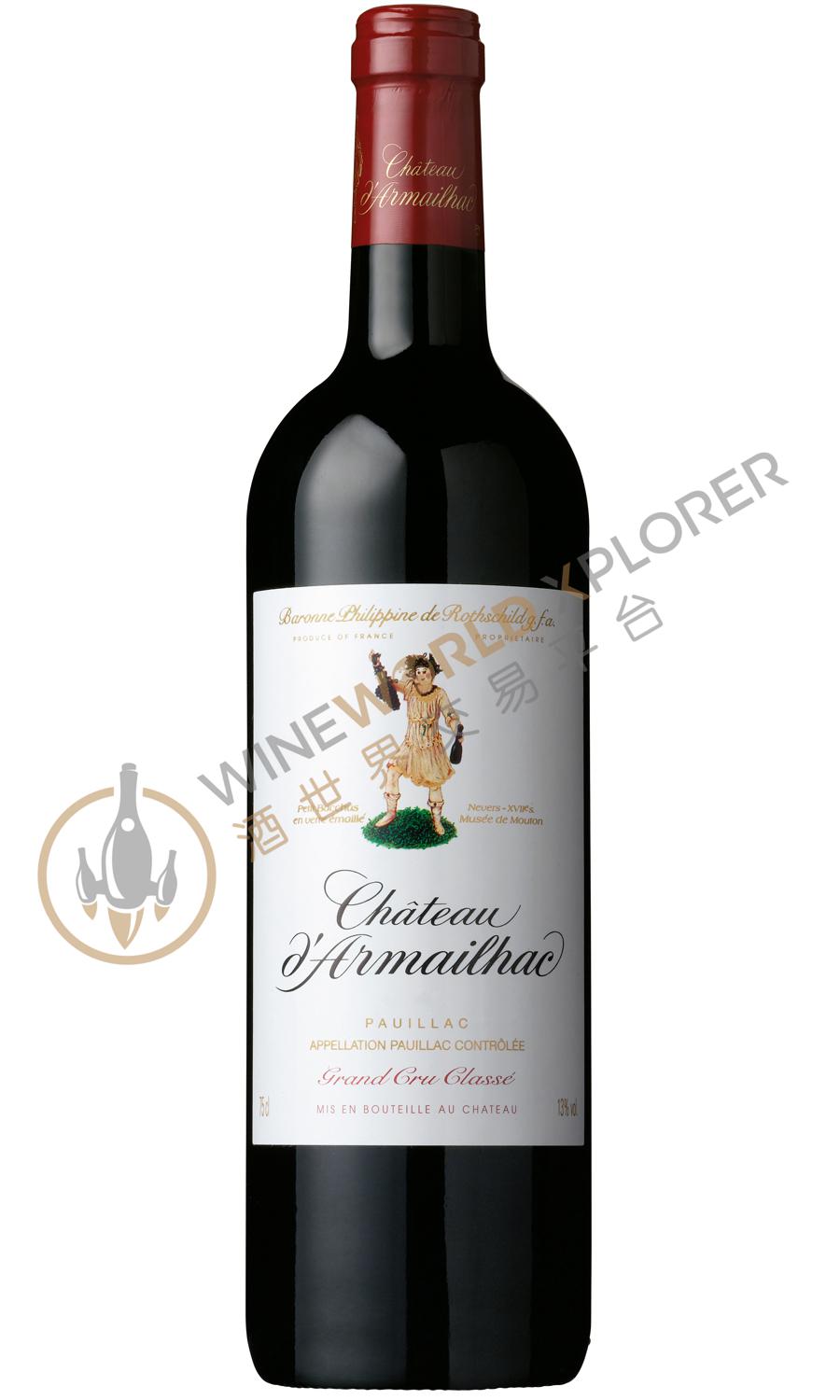
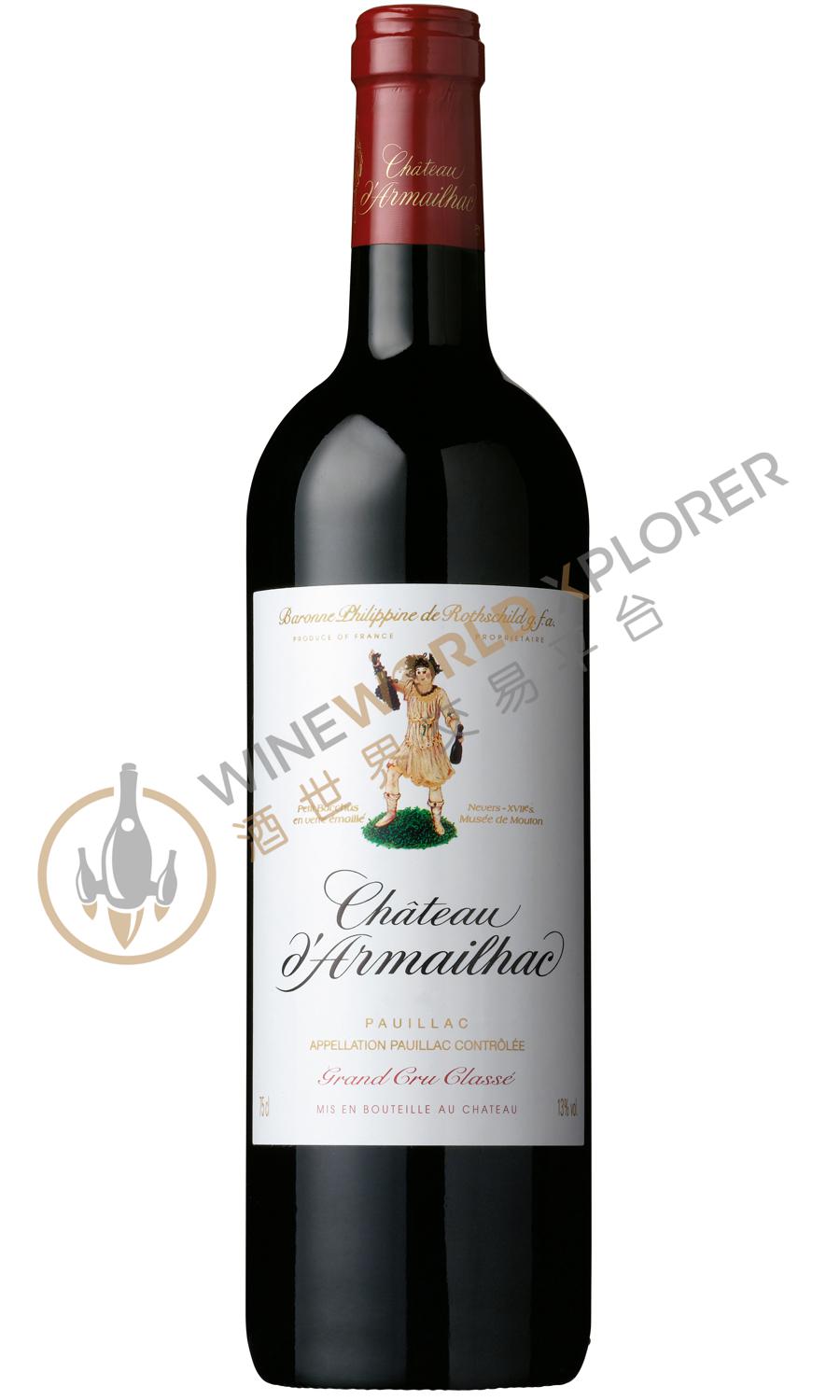
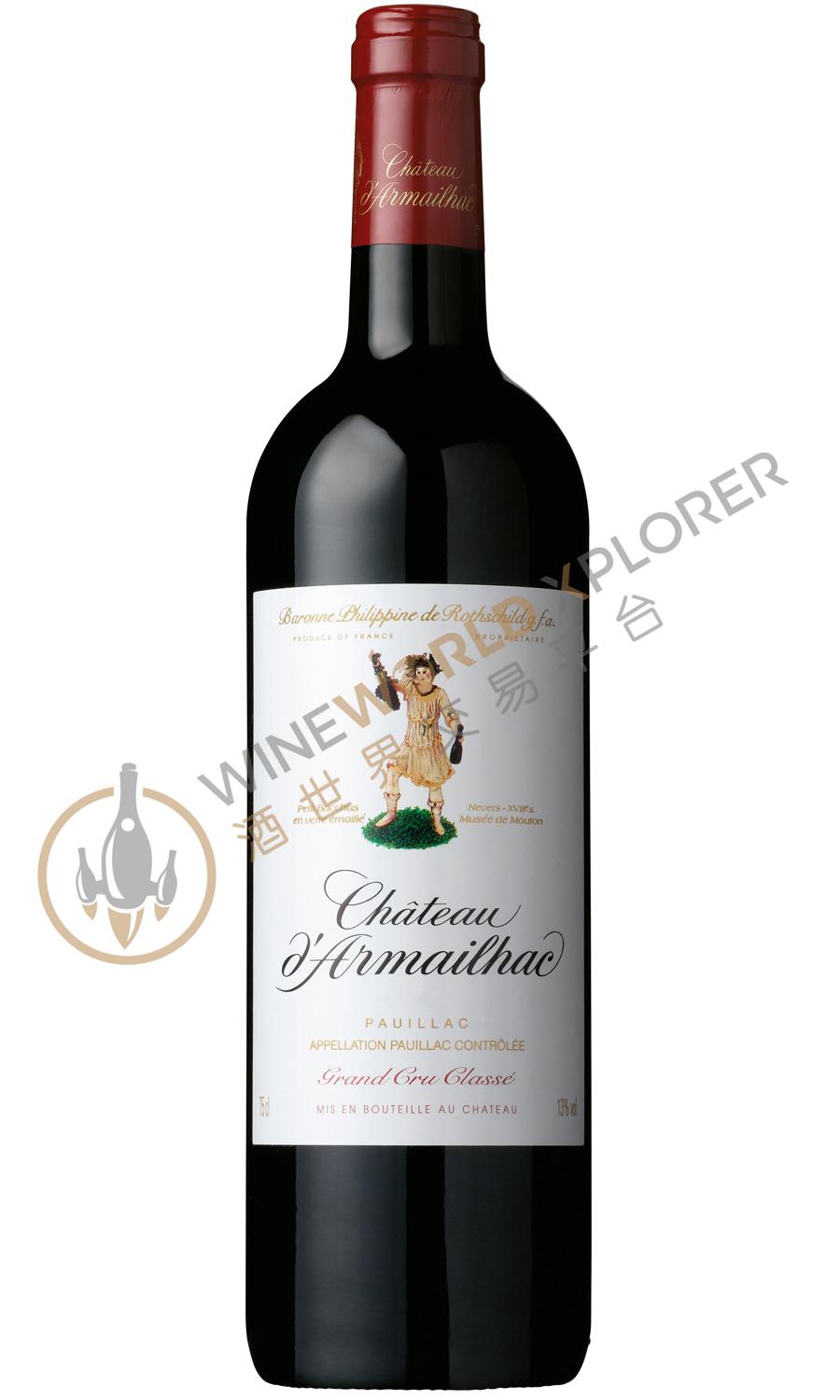
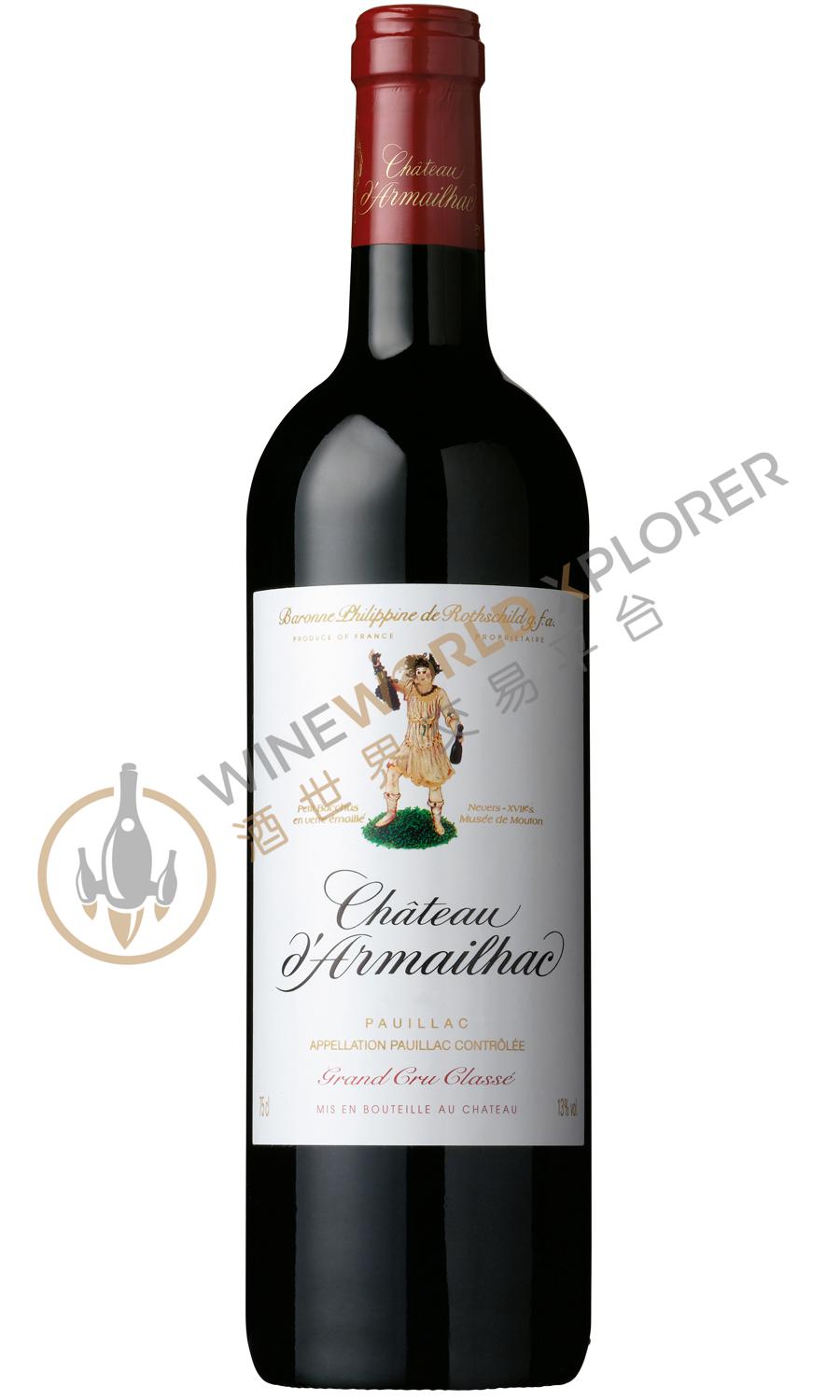
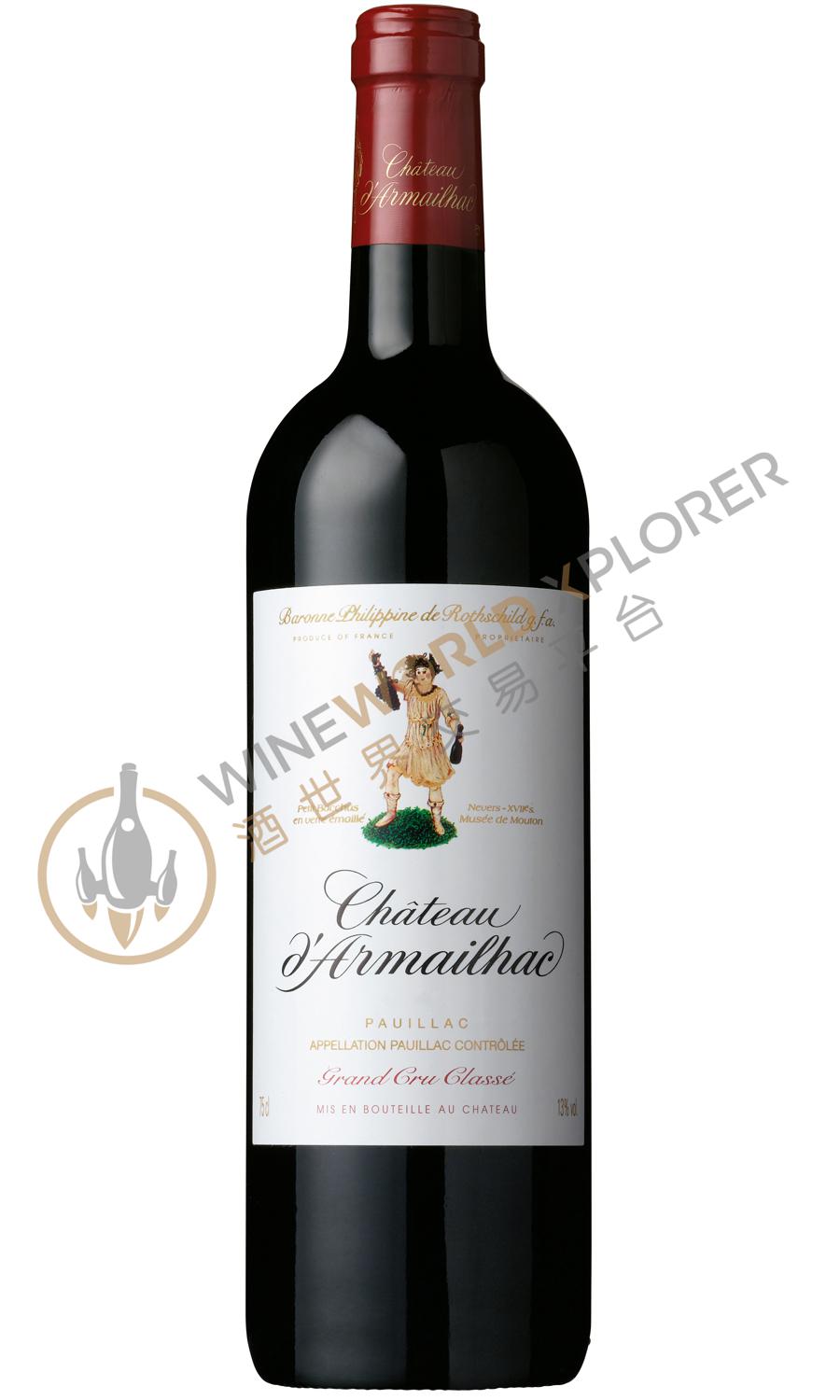
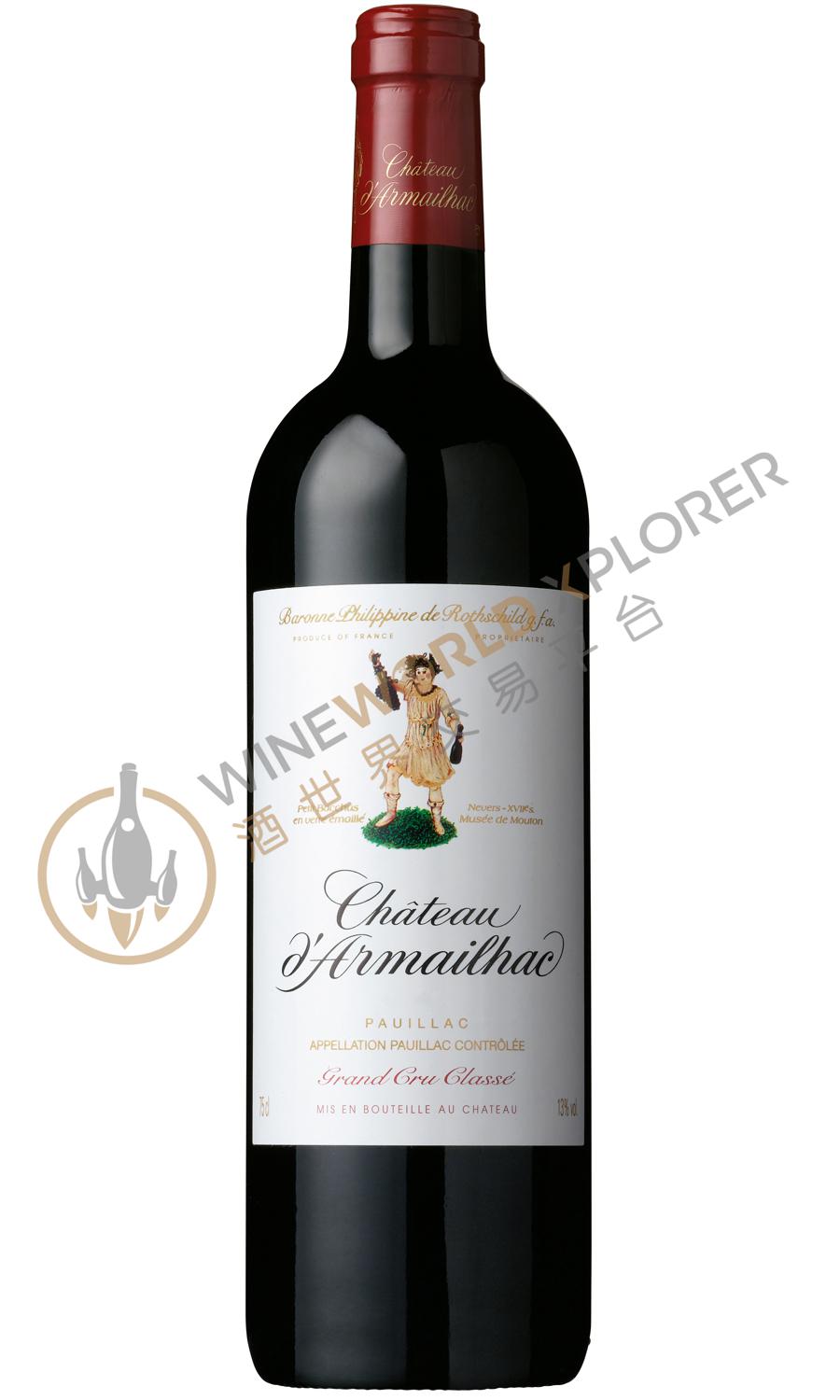
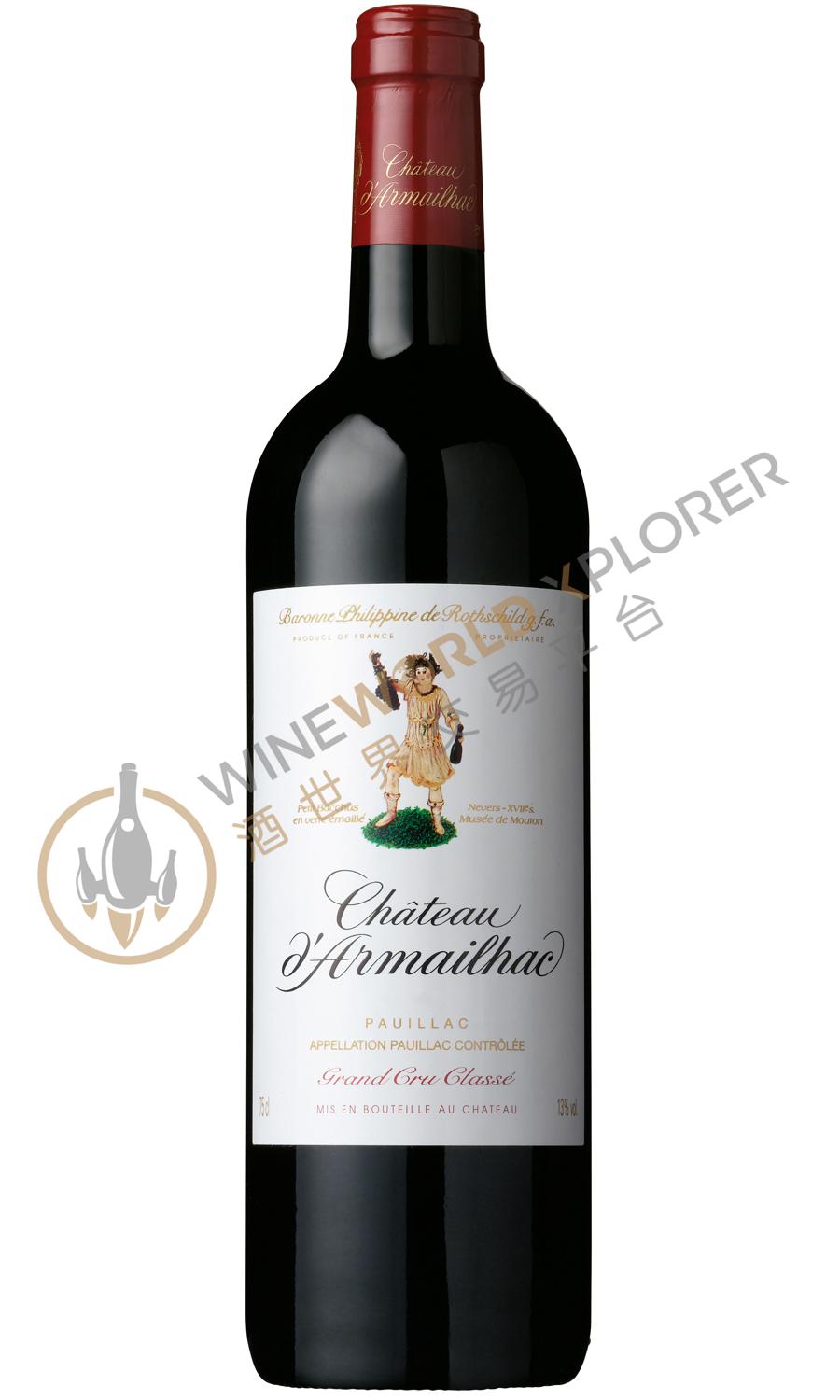
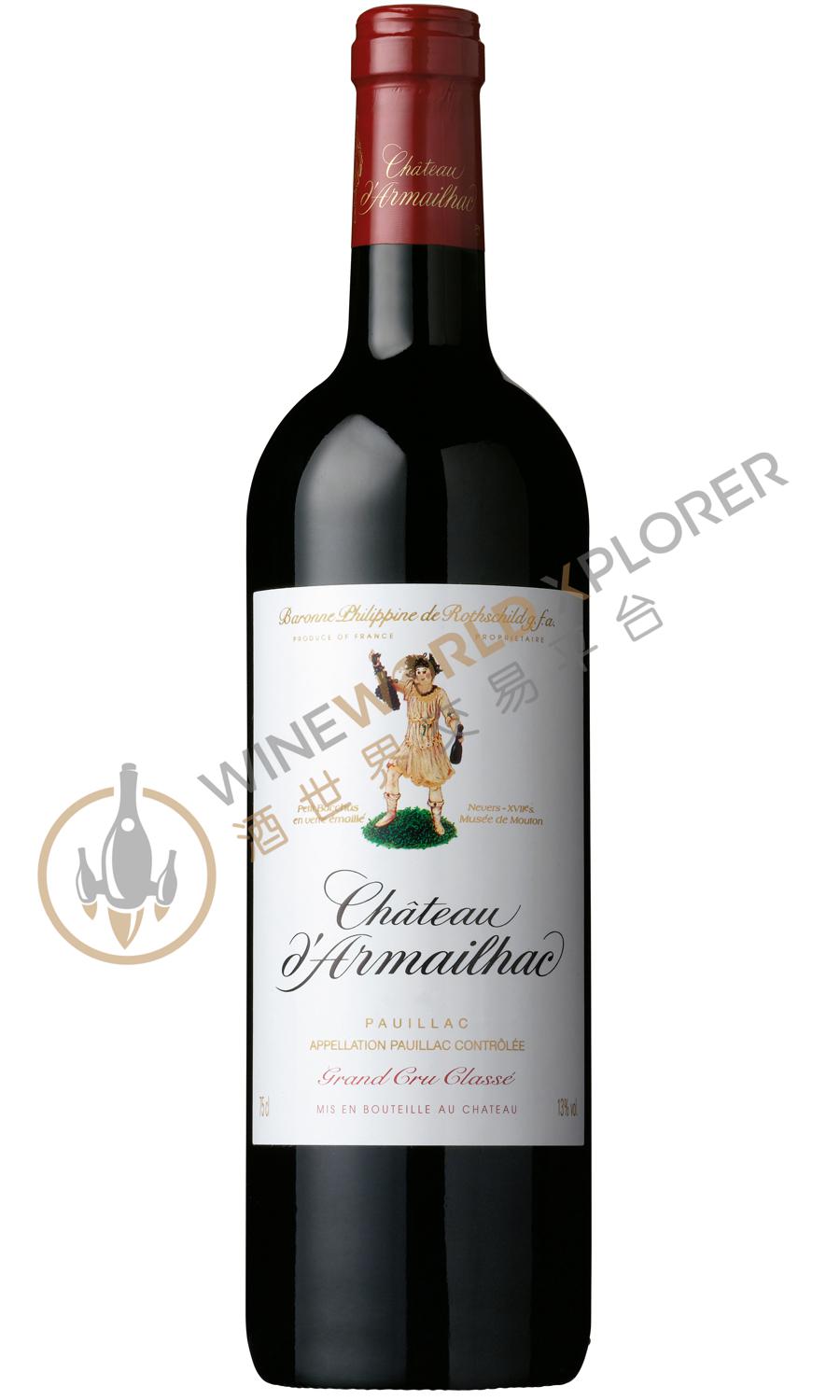
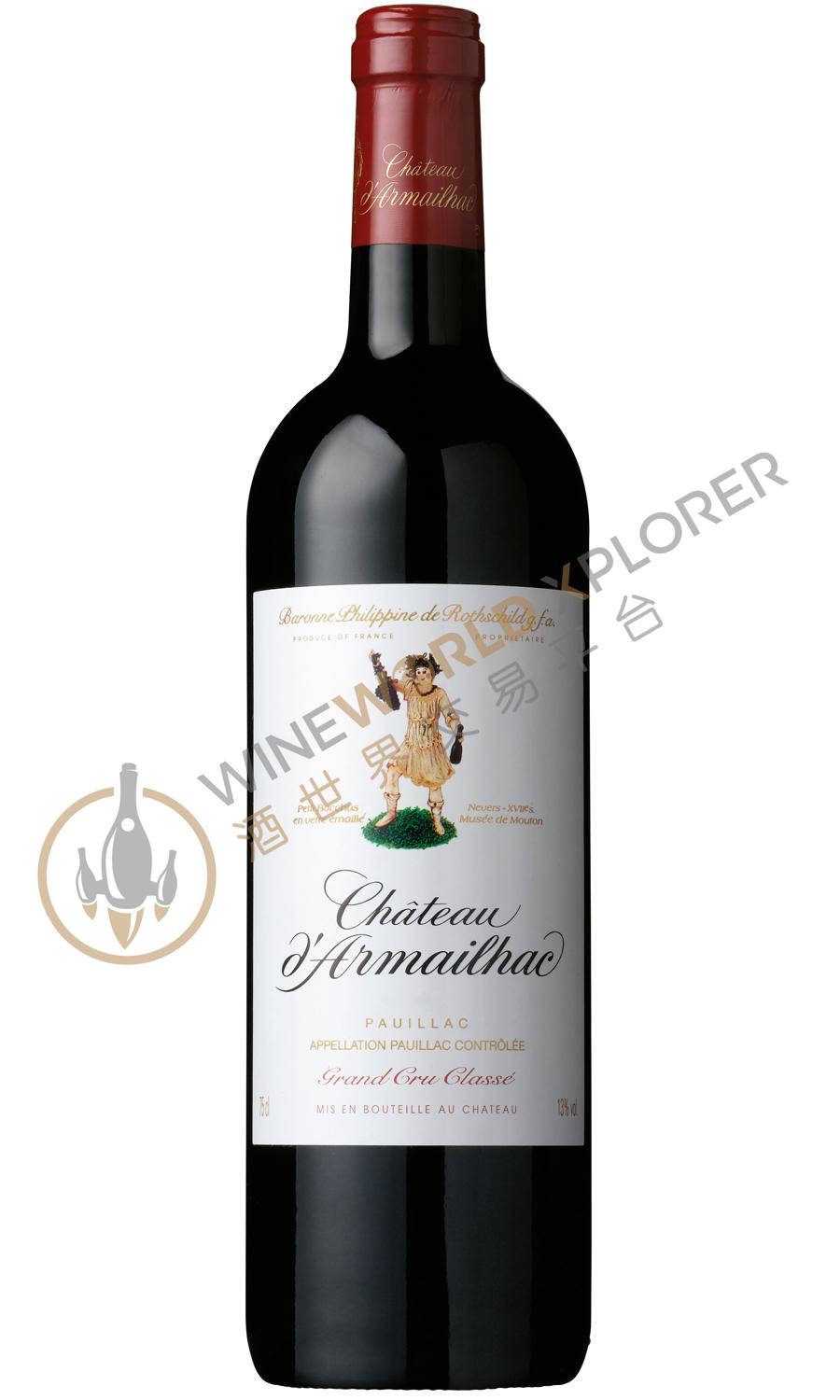
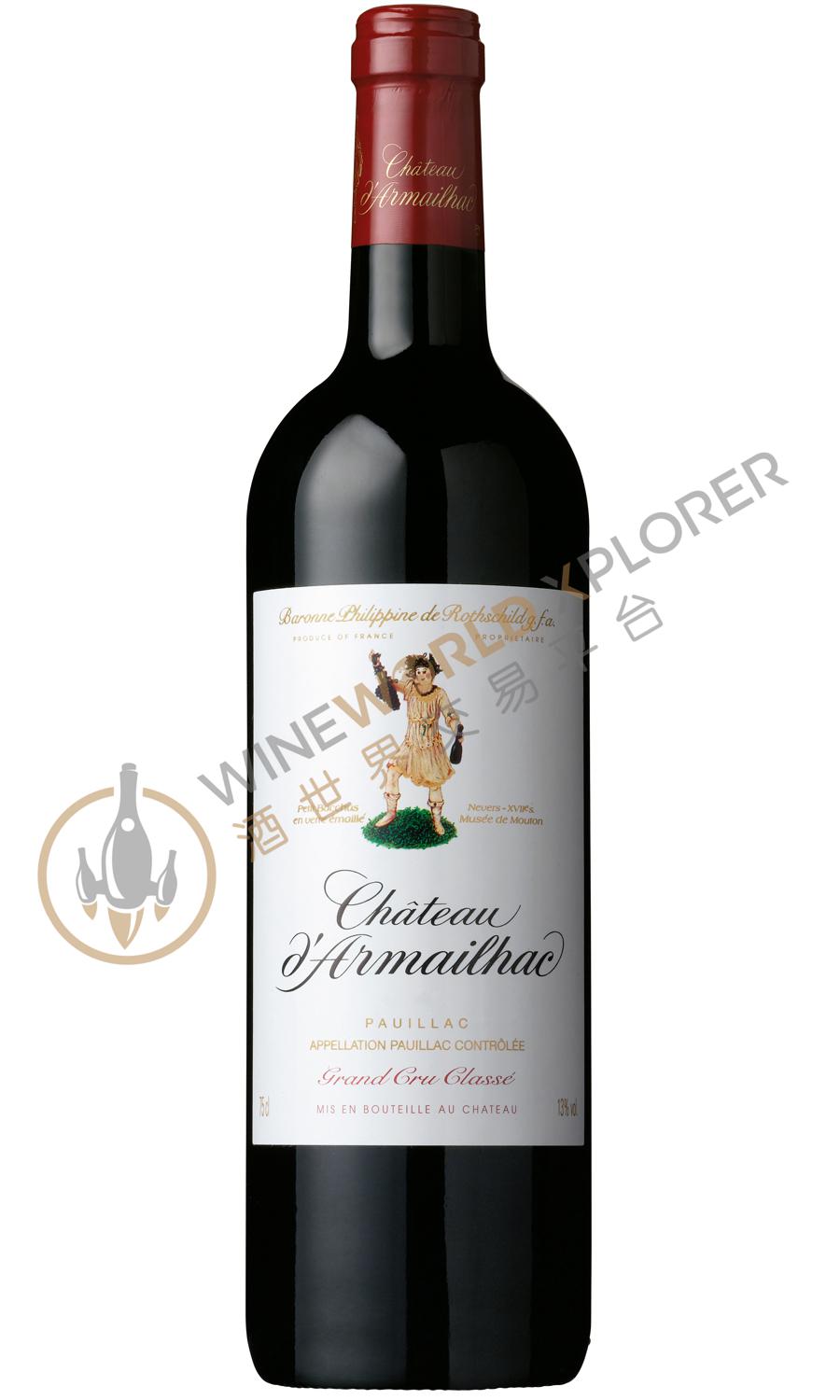
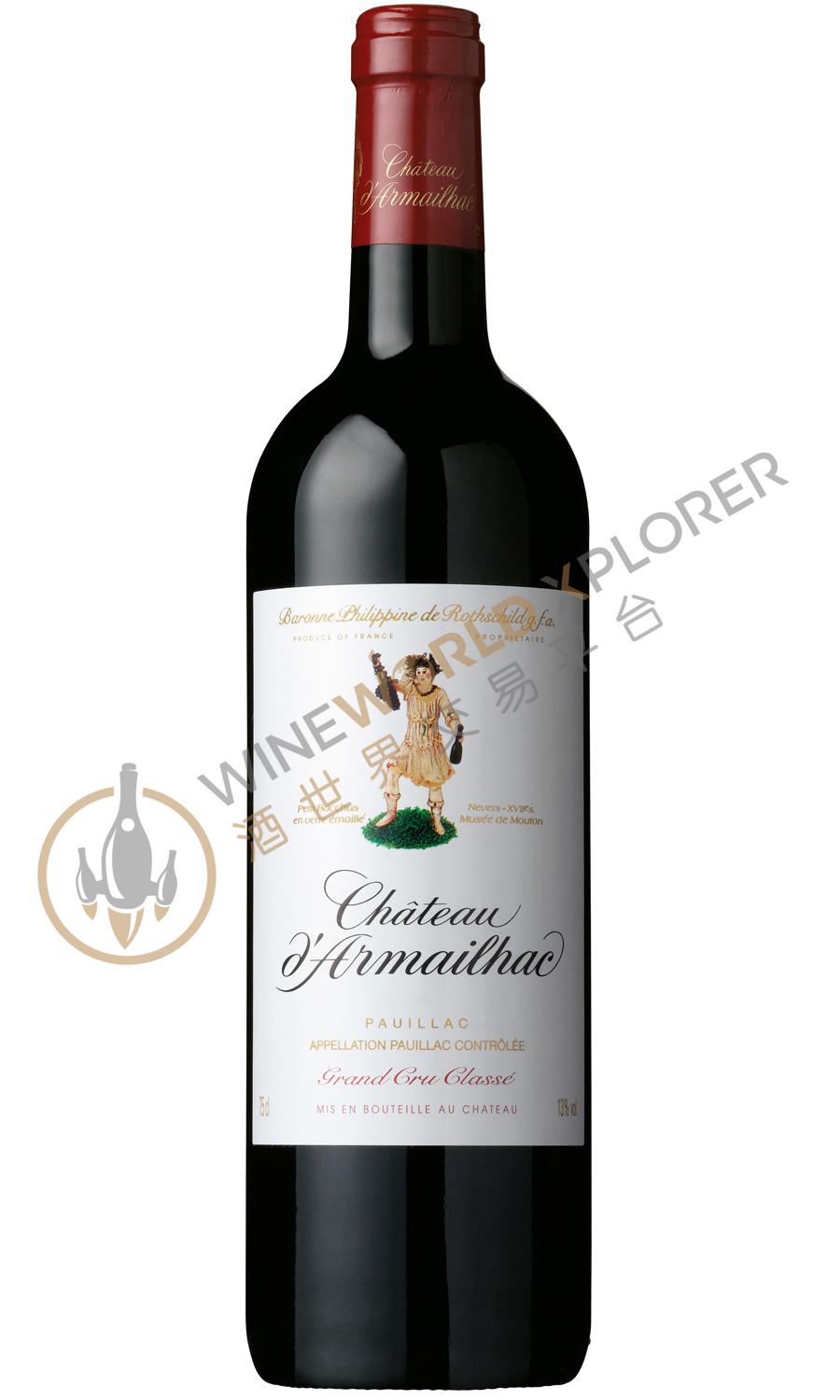
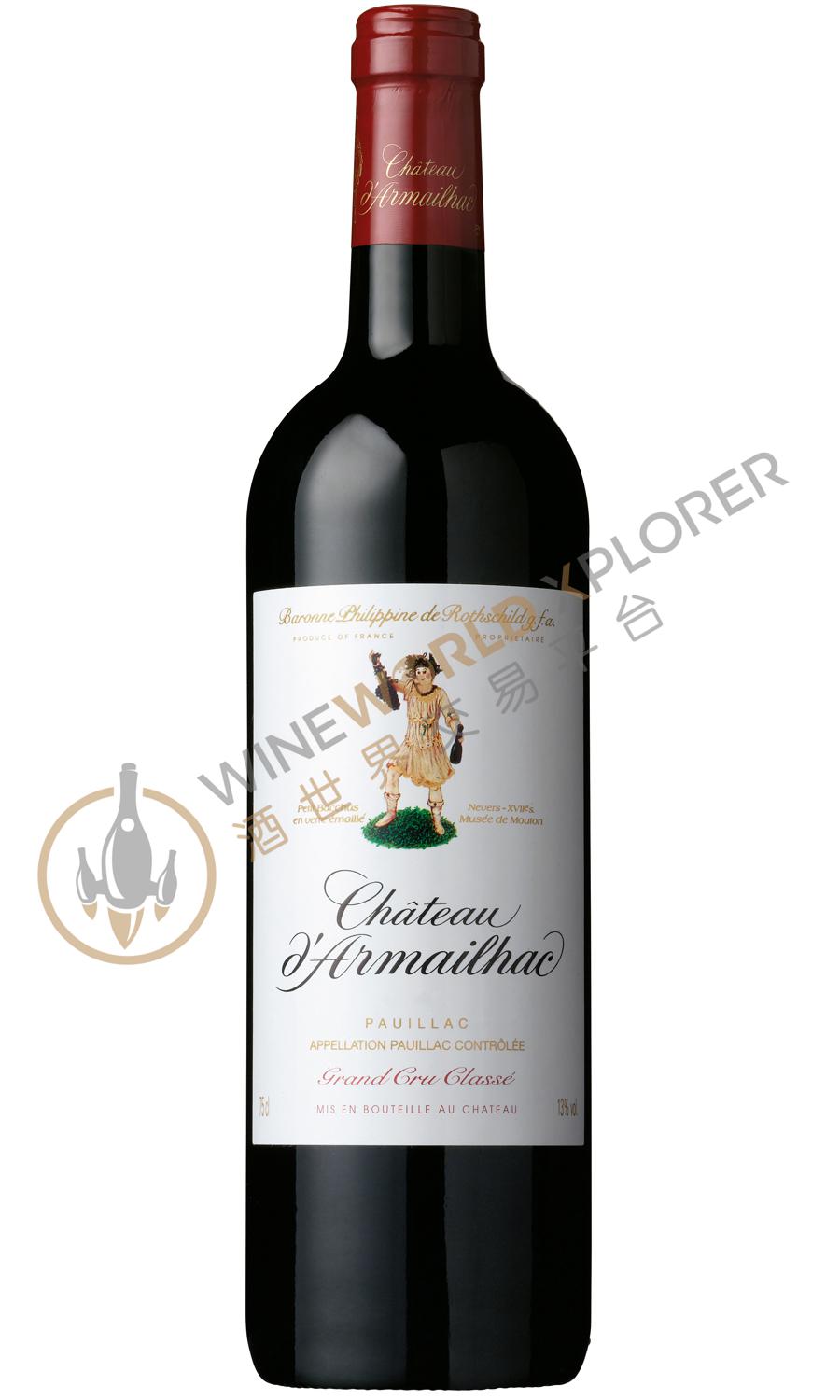
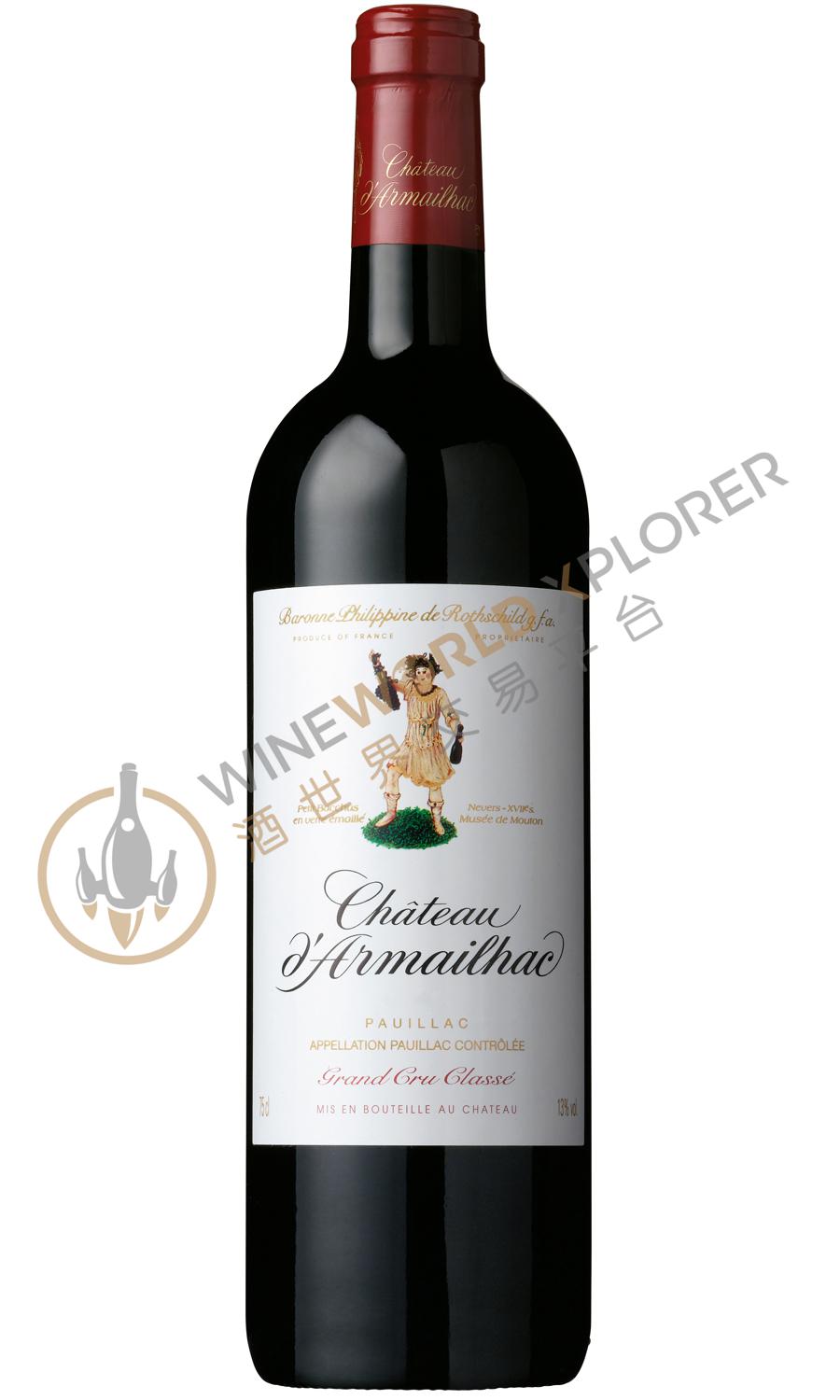
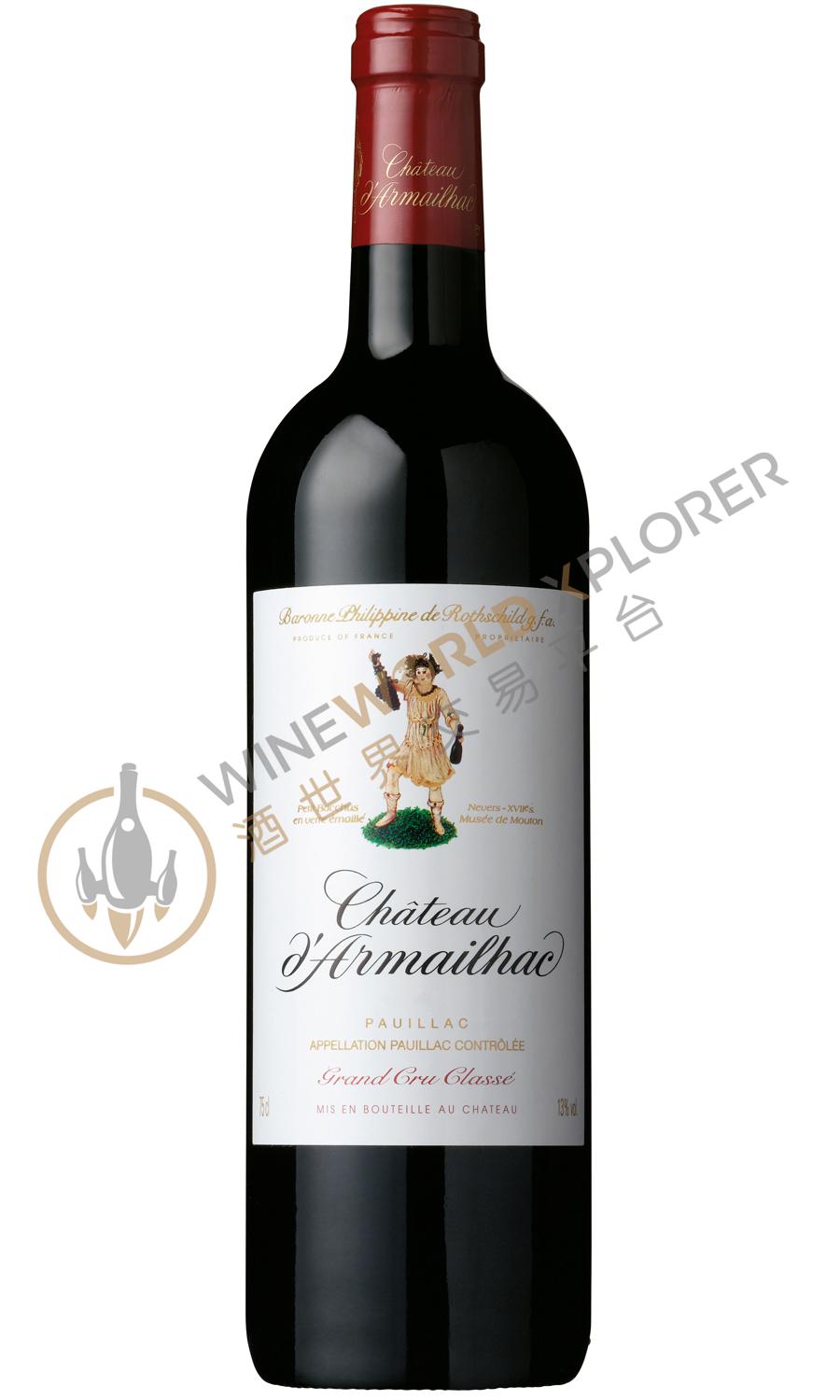
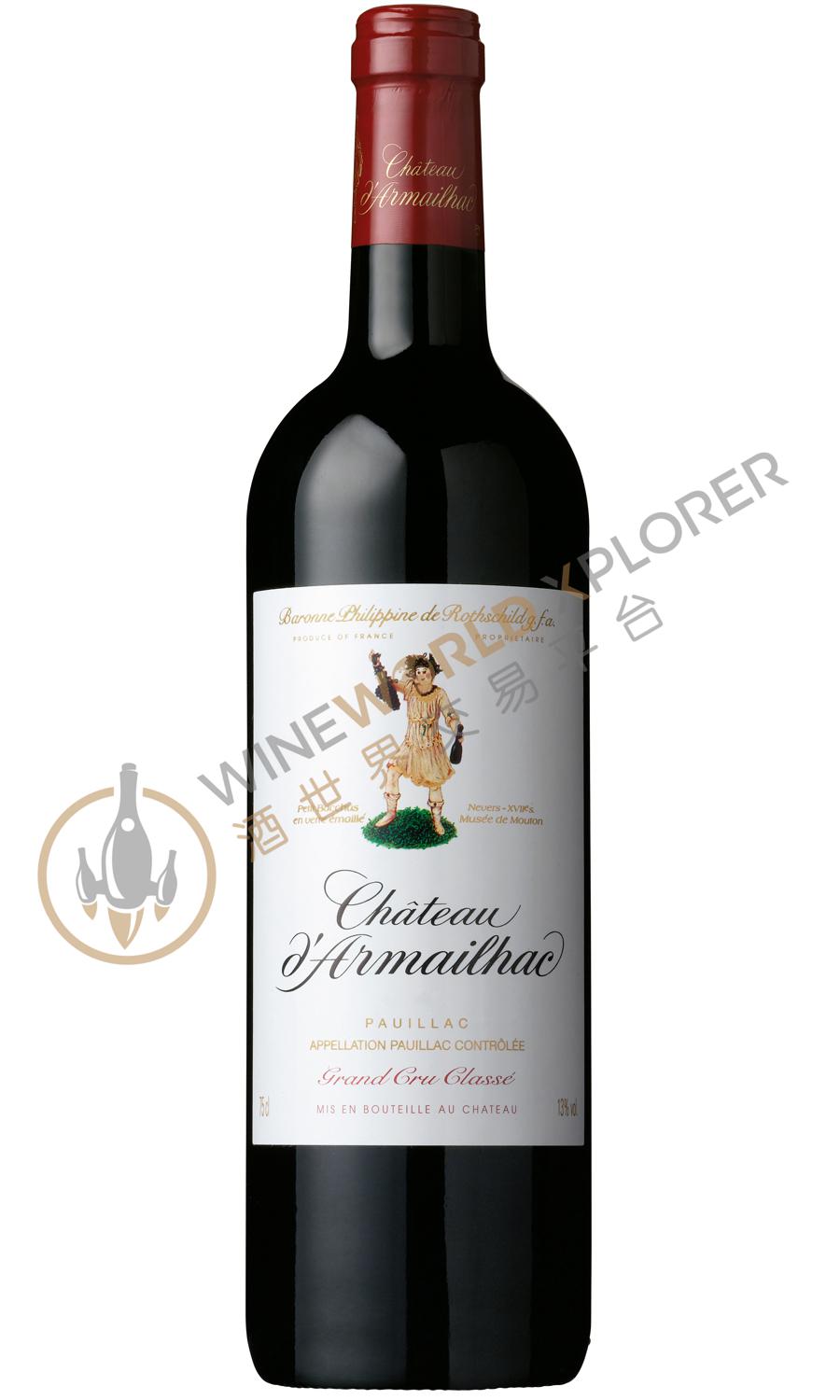
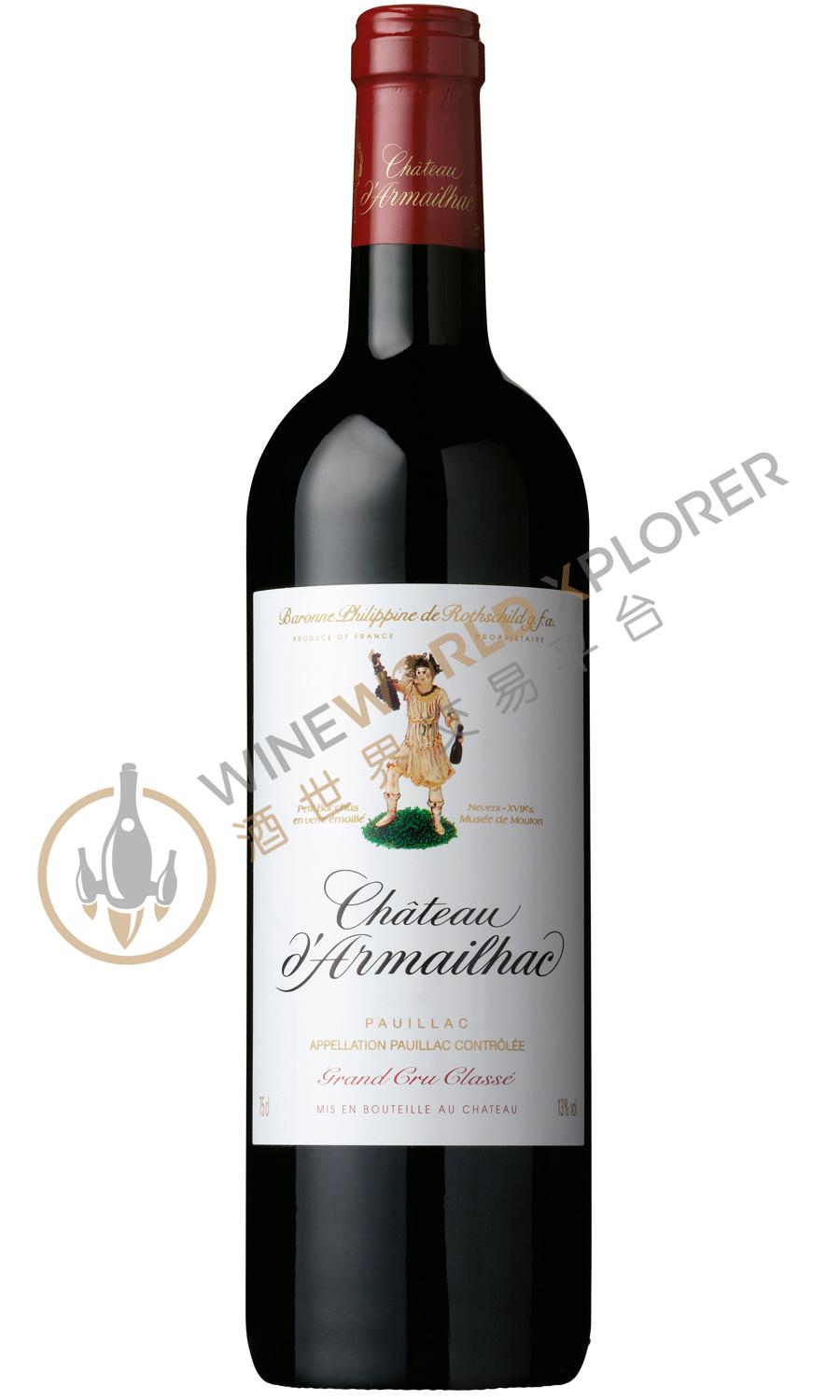
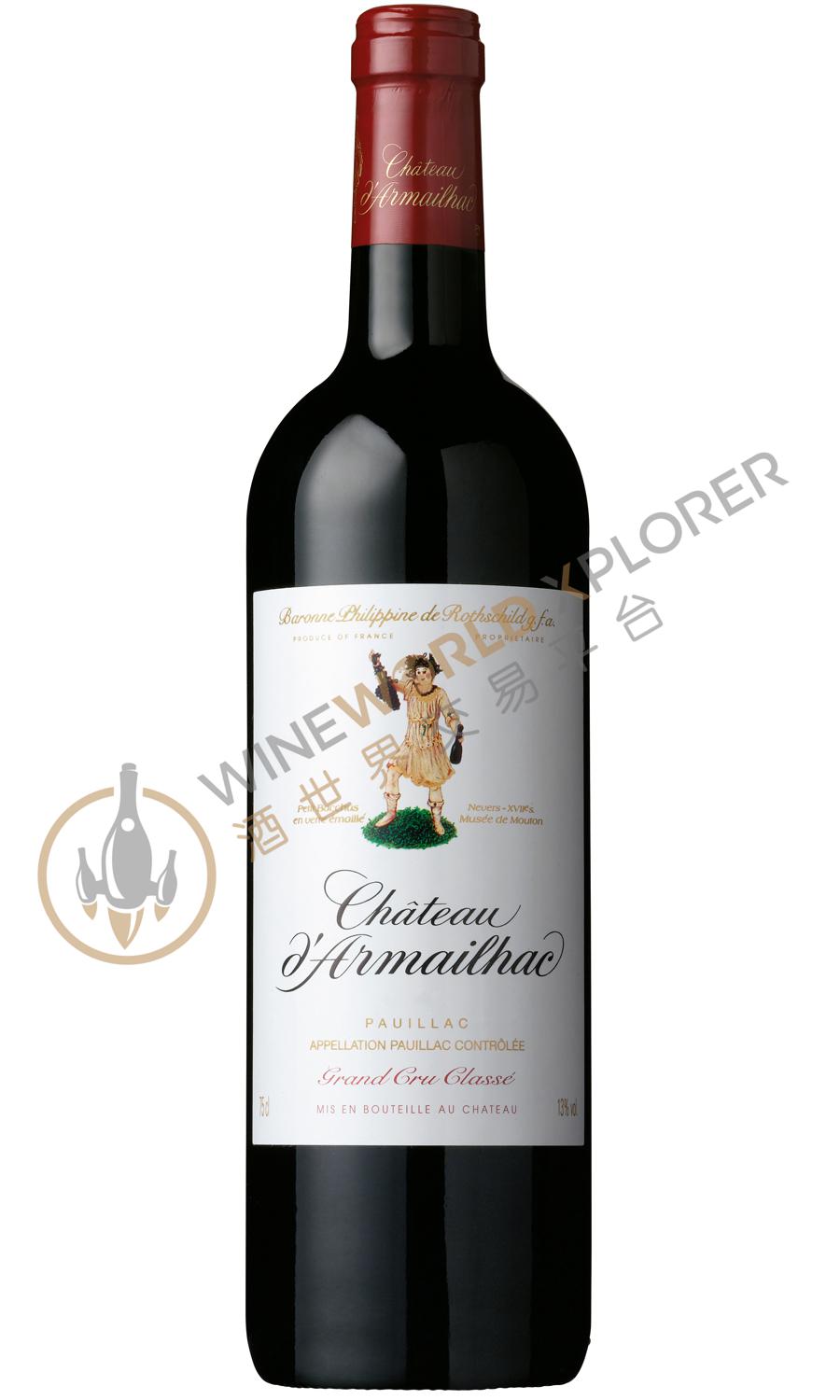
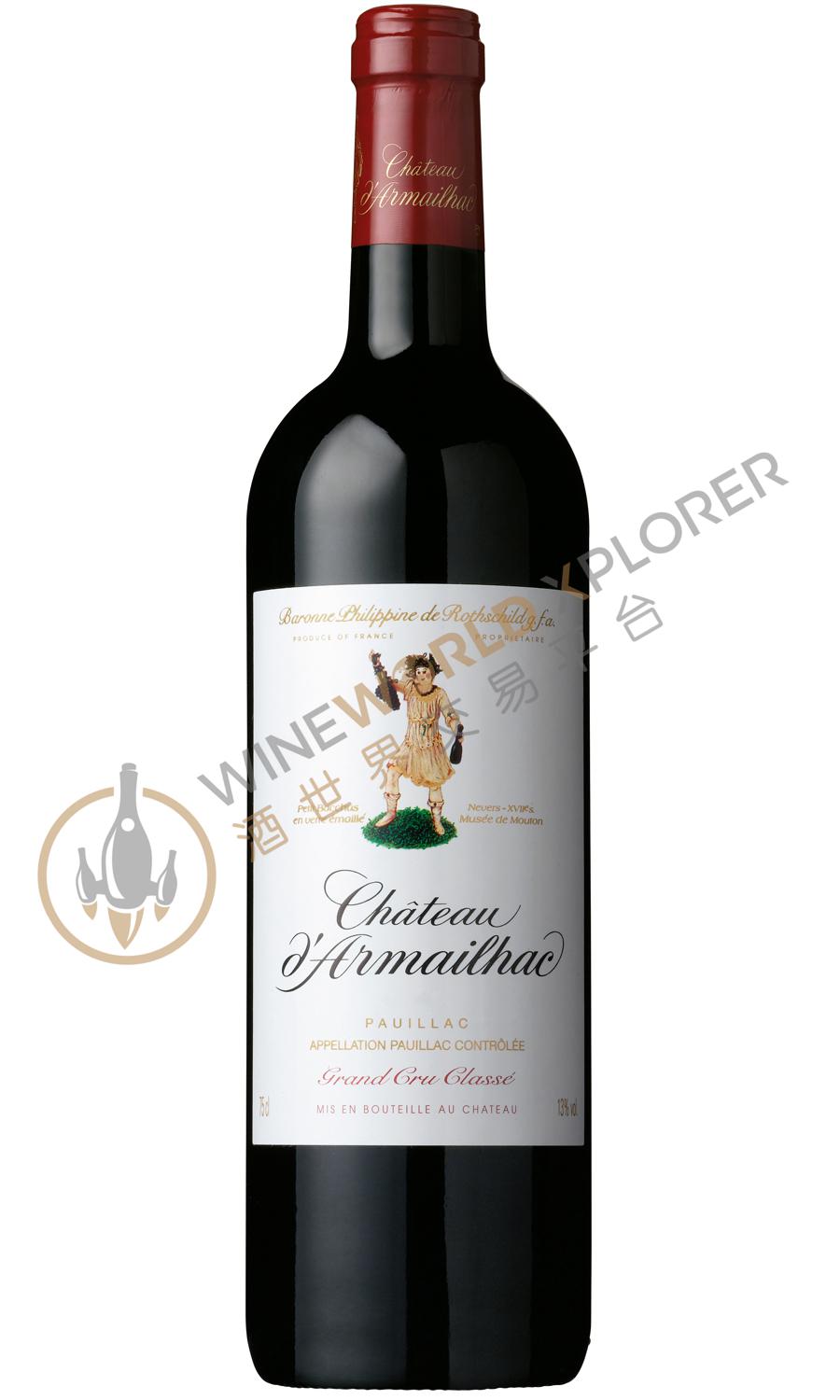
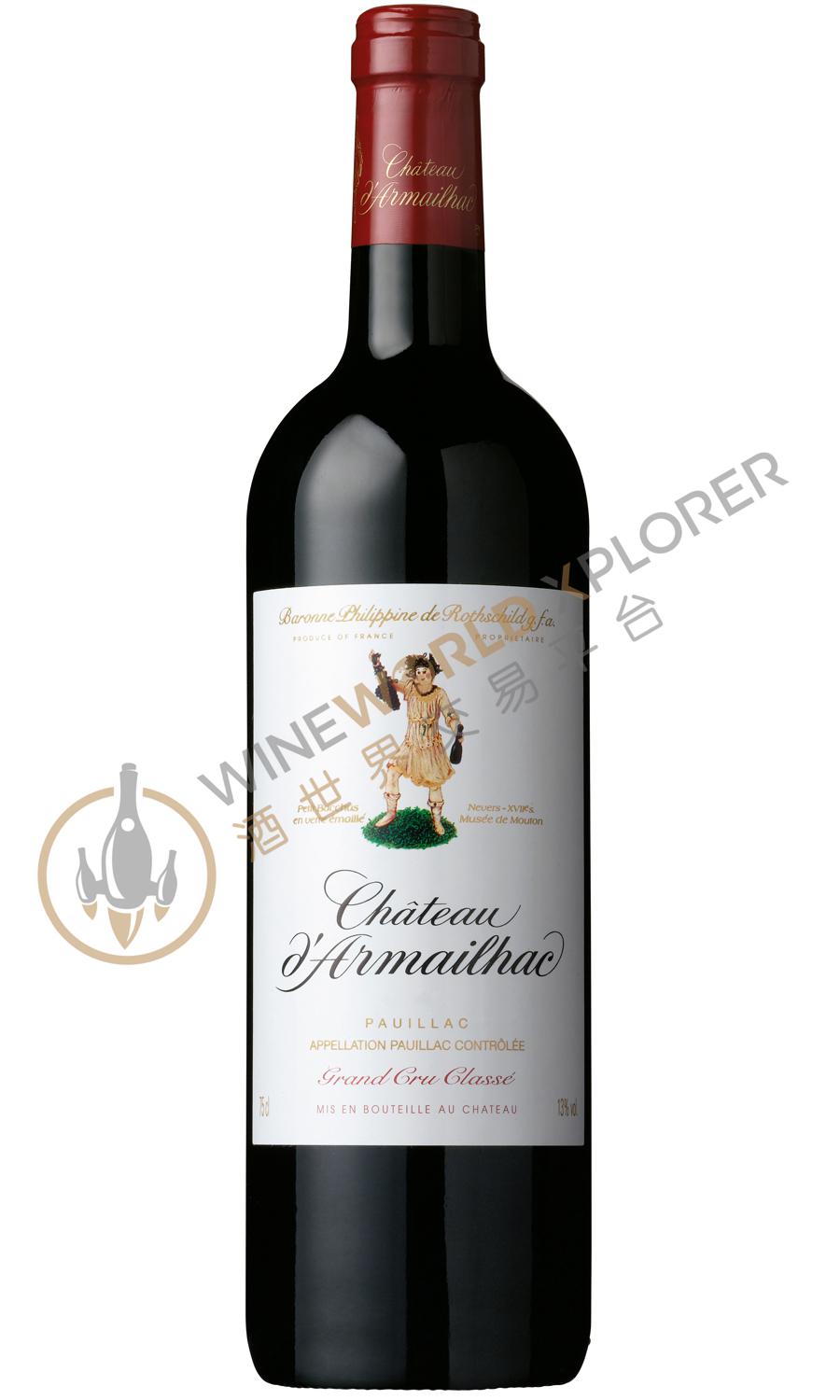
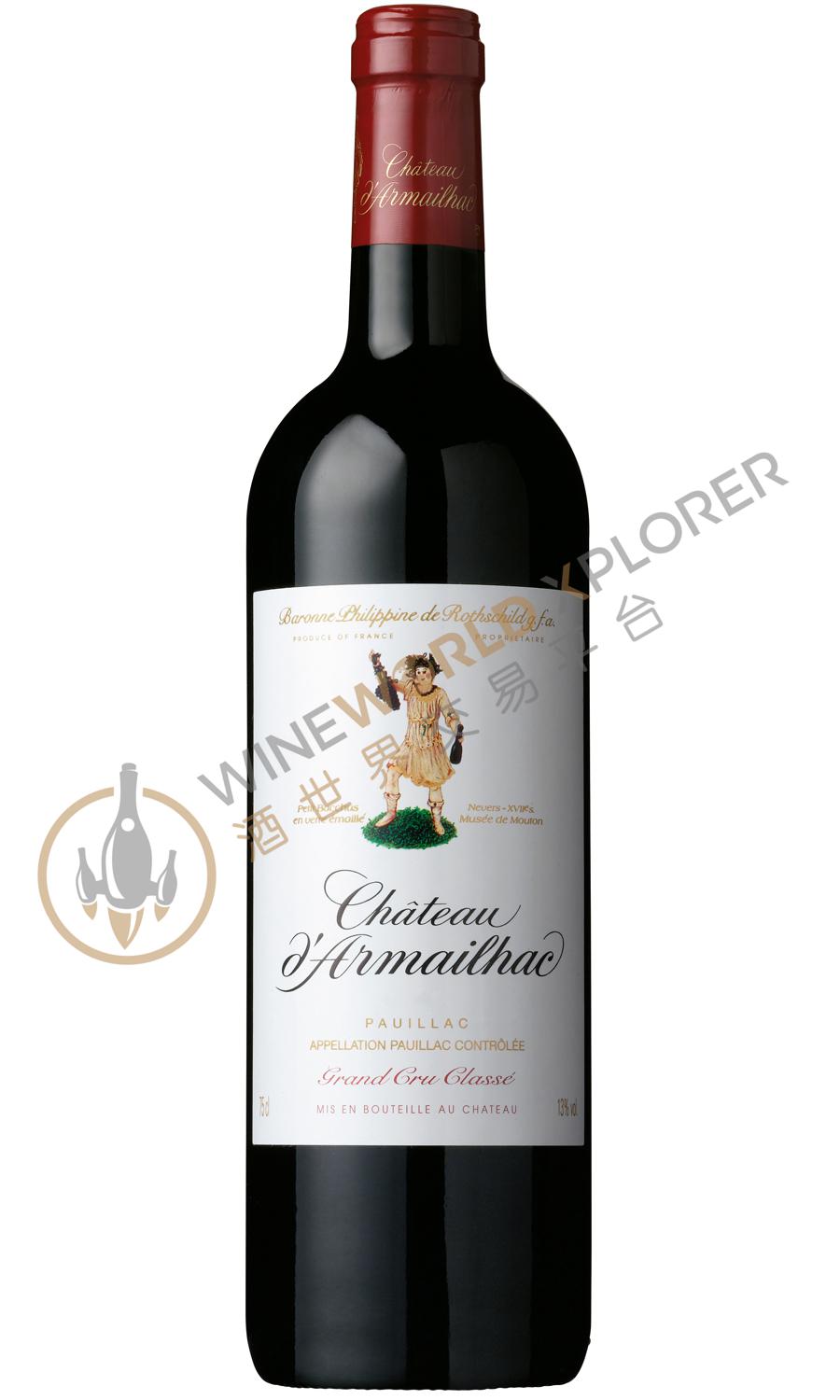
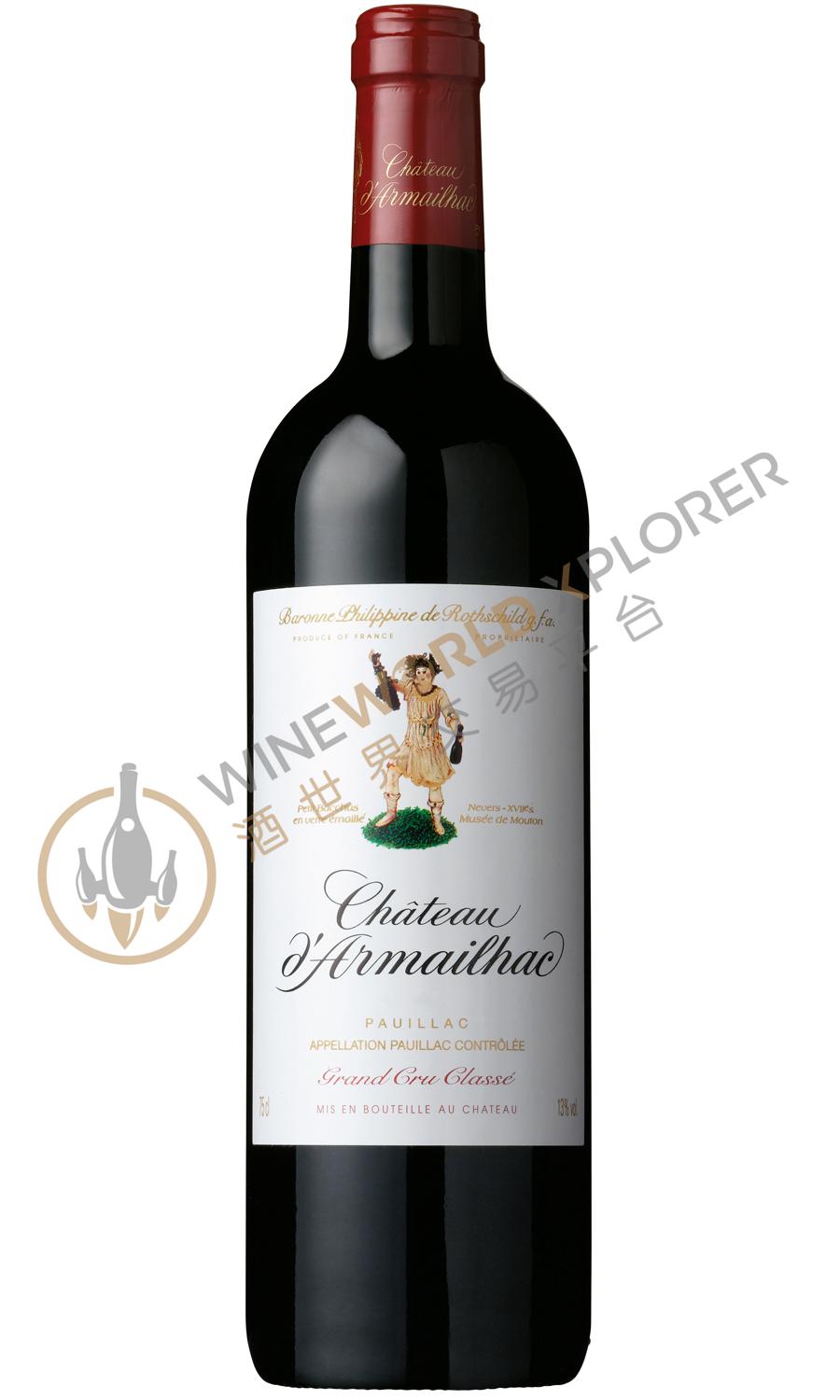
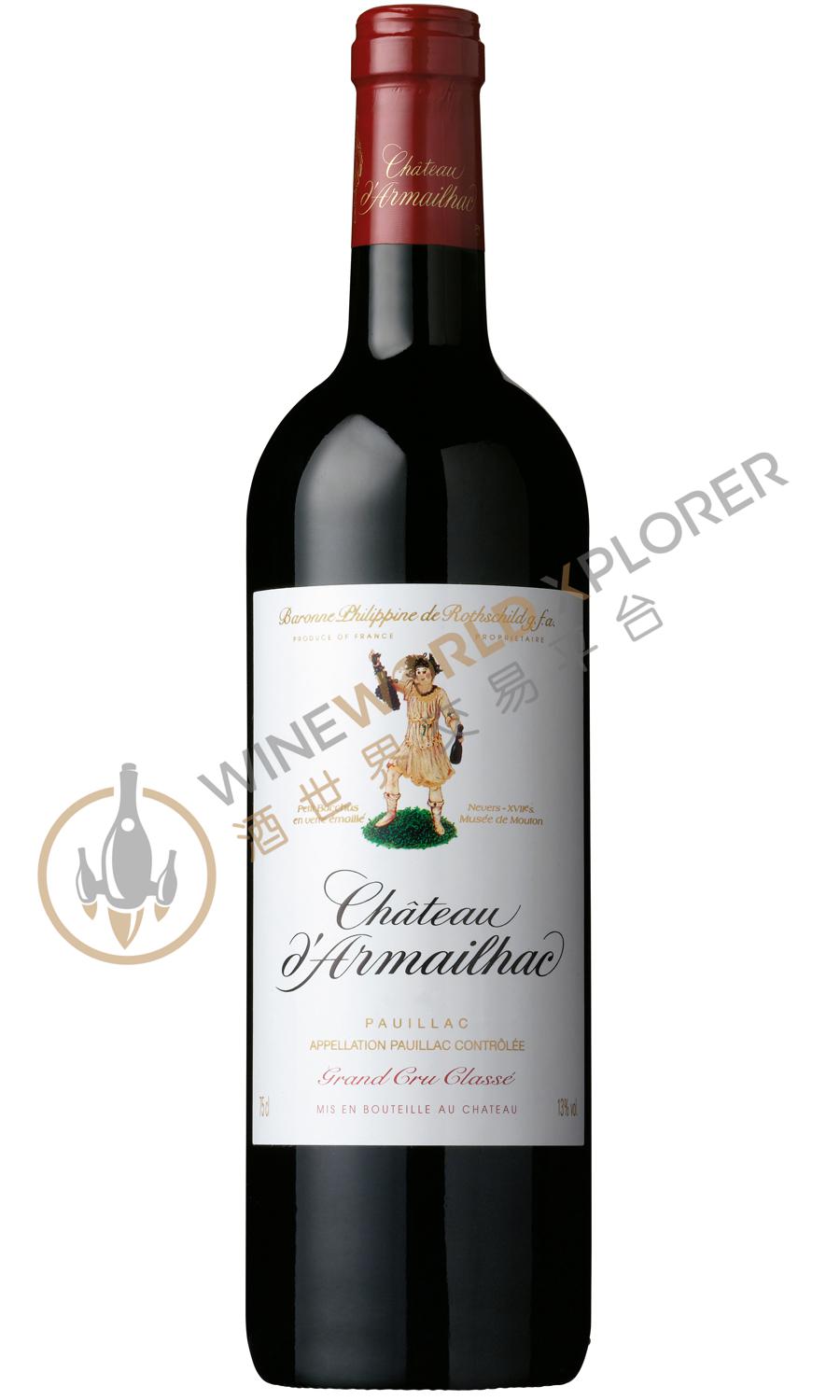
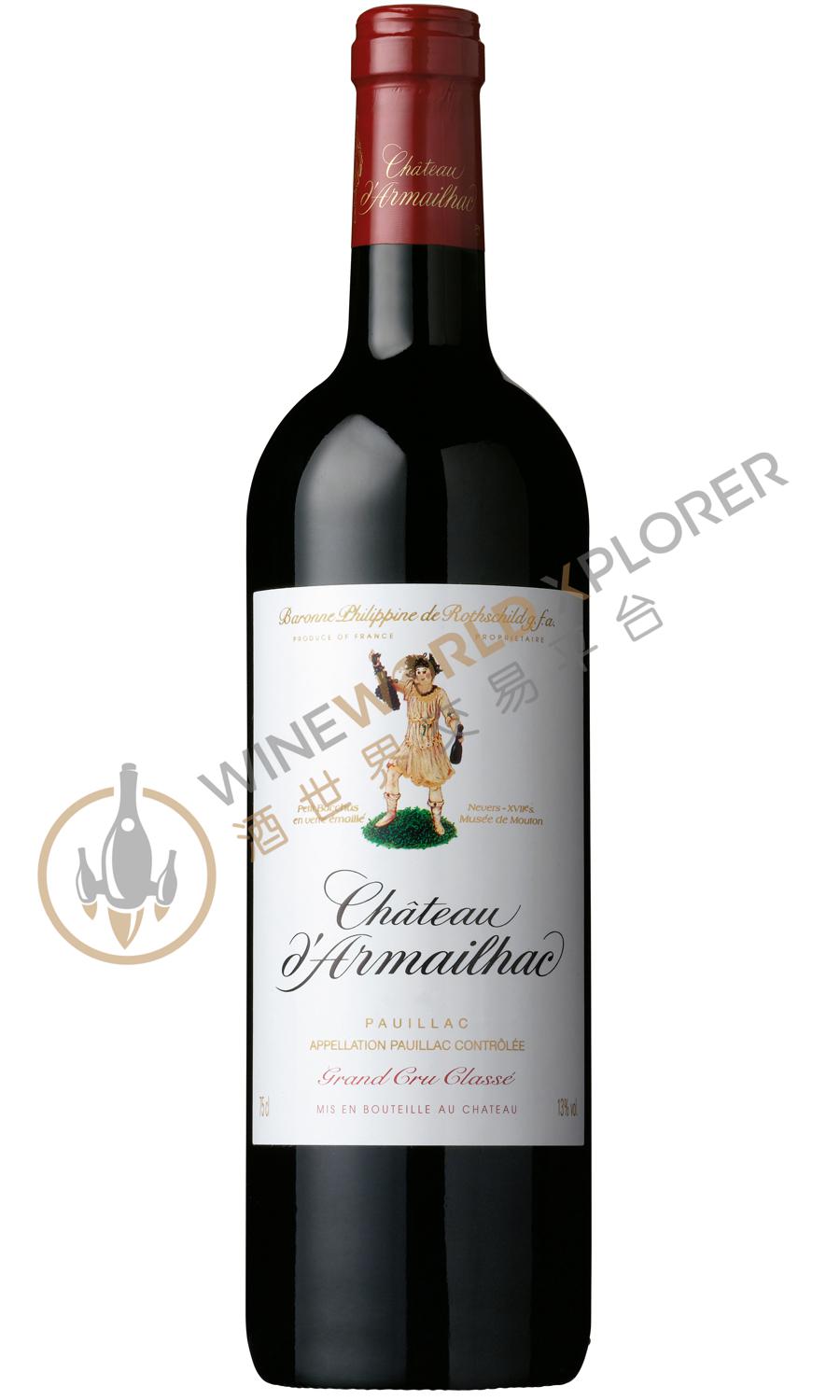
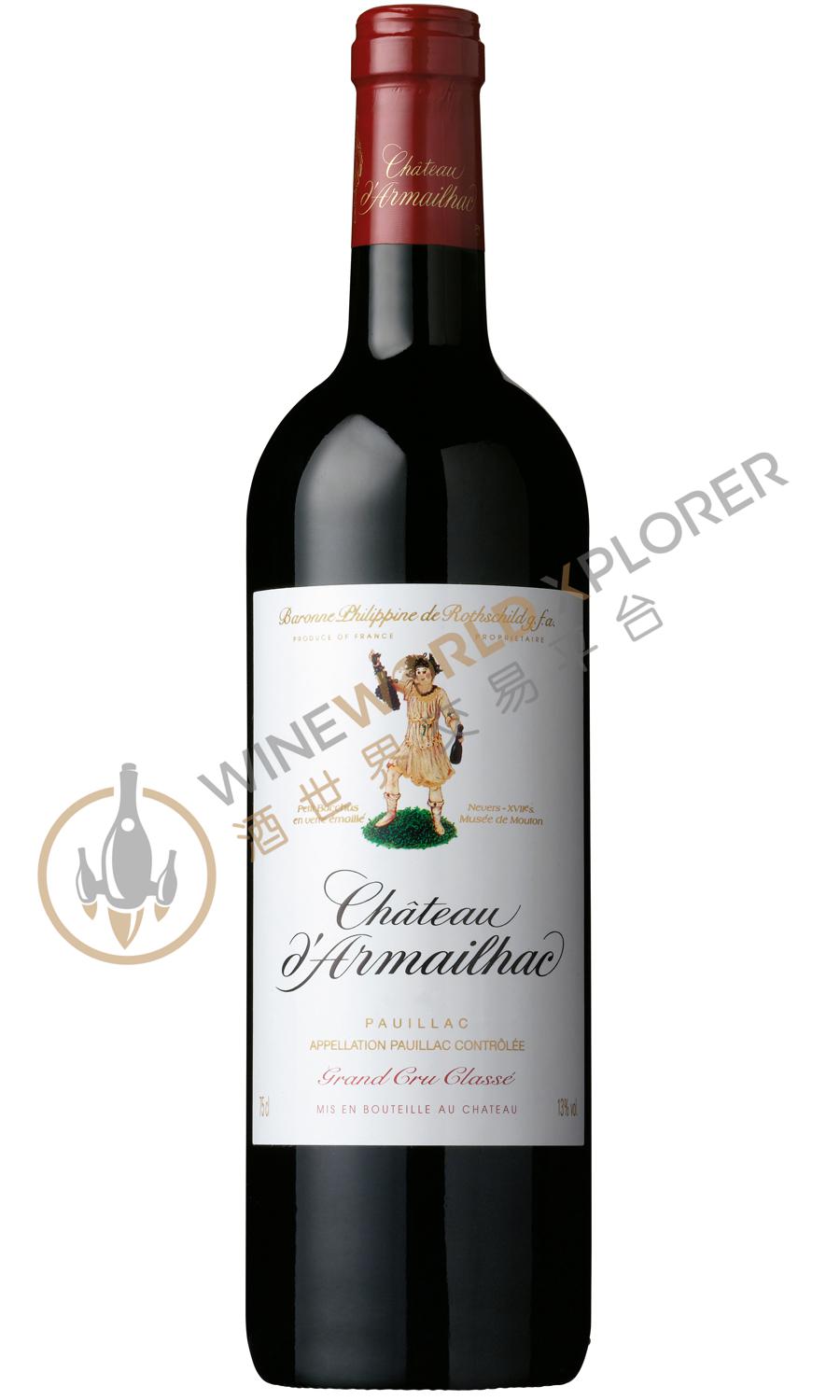
D'Armailhac 2018
 View analysis


Description
Tasting notes

Reviewed by: Lisa Perrotti-Brown
Deep garnet-purple colored, the 2018 D’Armailhac (a blend of 55% Cabernet Sauvignon, 30% Merlot, 10% Cabernet Franc and 5% Petit Verdot) hits the ground running with wonderfully open-knit, flamboyant scents of Morello cherries, black raspberries, blackcurrant jelly and rose oil, leading to an undercurrent of cinnamon toast, aniseed and mossy tree bark. The medium to full-bodied palate is charged with energy and expressiveness, delivering red and black berry layers with loads of spicy sparks, framed by plush tannins, finishing long and fragrant.
Reviewed by: Lisa Perrotti-Brown
The 2018 D'Armailhac (14.5% alcohol) is composed of 55% Cabernet Sauvignon, 30% Merlot, 10% Cabernet Franc and 5% Petit Verdot, harvested September 12 to October 3. Deep garnet-purple colored, it reveals a very fruity nose of crushed blackberries, warm black cherries and mulberries plus hints of potpourri, spice cake and pencil shavings. Full-bodied, the decadent palate delivers loads of black berry layers and a firm, grainy frame with underlying freshness and an earthy finish. Wonderfully opulent D’Armailhac!
Reviewed by: Antonio Galloni
The 2018 d'Armailhac is bright, fresh and so inviting, just as it was en primeur. Sweet red cherry fruit, cedar, spice, tobacco and anise add lovely aromatic complexity. All of the intensity of the year comes through nicely and yet the personality of Armailhac is evident also. I would cellar the 2018 for at least a few years, to allow some of the baby fat to melt away. There is a bit more breadth and richness that is the result of yields that were just 32 hectoliters per hectare as opposed to the more typical 42 or so. It was a vintage marked by heat stress, small berries and lower juice to skin ratio, as well as some parcels affected by mildew.
Reviewed by: Antonio Galloni
The 2018 d'Armailhac is lifted, floral and nicely focused, although a touch closed today. Bright red cherry and floral notes add nuance throughout. Medium in body and fresh, the 2018 has quite a bit of aromatic depth from the Cabernet Franc and Petit Verdot, which helps hide the 14.5% alcohol nicely. Yields were just 32 hectoliters per hectare as opposed to 42-46, which is the norm. The blend is 55% Cabernet Sauvignon, 30% Merlot, 10% Cabernet Franc and 5% Petit Verdot. Tasted two times.
Reviewed by: Neal Martin
The 2018 d’Armailhac has retained its alluring floral bouquet, delivering layers of blackberry and boysenberry fruit, crushed violet petals and background scents of marjoram and sage, all beautifully defined. The palate is perhaps just a little oakier than I recollect from barrel [I subsequently found out that this spent 17 months in barrel, longer than in the past] but still very well balanced, with a fine bead of acidity. Harmonious and silky-smooth toward the finish, with a touch of graphite lingering on the aftertaste. It may merit a higher score with cellaring but I will remain prudent with my score... for now.
Reviewed by: Neal Martin
The 2018 d’Armailhac has a fragrant, floral bouquet of blackberry and boysenberry fruit infused with pressed iris flowers, the new oak (45%, which is higher than vintages six years ago) beautifully assimilated and allowing it to retain superb delineation. The palate is medium-bodied with fine-grained tannins, a little more backbone and density than the 2017 tasted alongside, and conspicuous salinity toward the precise finish. This is a superb d’Armailhac in the making.
Reviewed by: James Suckling
A soft and generous red with plum, tobacco and currant character and a delicious, full body and brightness. Juicy. Attractive, earthy aftertaste. Layered and dense.
Reviewed by: James Suckling
Complex aromas of blackcurrant, black olive, clove, oyster shell, pencil lead and tobacco. It’s full-bodied with firm, tightly knit tannins. Concentrated and focused with a very long, spice and mineral finish. Fantastic bottle. Try from 2026.
About the Producer
The existence of Château d’Armailhac dates back to the late 17th century, as evidenced in a land register from 1680 which mentions the brothers Dominique and Guilhem Armailhacq, owners of parcels of land in Pauillac. Another land register from 1750 notes that their descendants have “planted with vines” the family estate, covering 15 to 16 hectares (37-39 acres). By the end of the 18th century the estate has grown to 52 hectares (128 acres) but the brokers of the time describe its wine as “disappointingly thin”. Throughout the following century, Mouton d’Armailhacq’s owners work unceasingly to improve its quality, using techniques such as topping-up, running-off, barrel disinfection and fining. Their efforts are rewarded in 1831, when the wines of Mouton d’Armailhacq sell for twice as much as their more highly reputed neighbours. The ultimate recompense, Château Mouton d’Armailhacq is given Fifth Growth status in the 1855 Classification – the same one which made Château Mouton Rothschild “First of the Seconds”. The “first wine”, the only one authorised to bear the growth’s name, is distinguished from the “second wine”, less rich and sold for consumption in local taverns. In 1931, the young Baron Philippe de Rothschild became a minority shareholder of the Société Anonyme du Domaine de Mouton d’Armailhacq, then in 1933 acquired all the shares from the Comte de Ferrand in return for a life annuity. A year later, on the Comte de Ferrand’s death, he became the effective owner of the estate. The Mouton d’Armailhacq portfolio included the Société Vinicole de Pauillac, forerunner of what is now Baron Philippe de Rothschild SA. Inseparable from Château Mouton Rothschild, Château Mouton d’Armailhacq houses all the technical and agricultural equipment for the two estates in its extensive outbuildings. From 1956 to 1988, the wine was called Mouton Baron Philippe, then Mouton Baronne Philippe. A Fifth Growth of acknowledged quality, its original identity as Château d’Armailhac was patly restored in 1989.
1964(2)1973(1)1978(1)1986(1)1987(1)1989(1)1995(2)1996(2)2000(4)2001(5)2002(1)2003(3)2004(2)2005(5)2006(2)2007(2)2008(5)2009(10)2010(6)2011(7)2012(4)2013(3)2014(10)2015(4)2016(21)2017(15)
Package Size
12 x 75cl