Wine Advisor



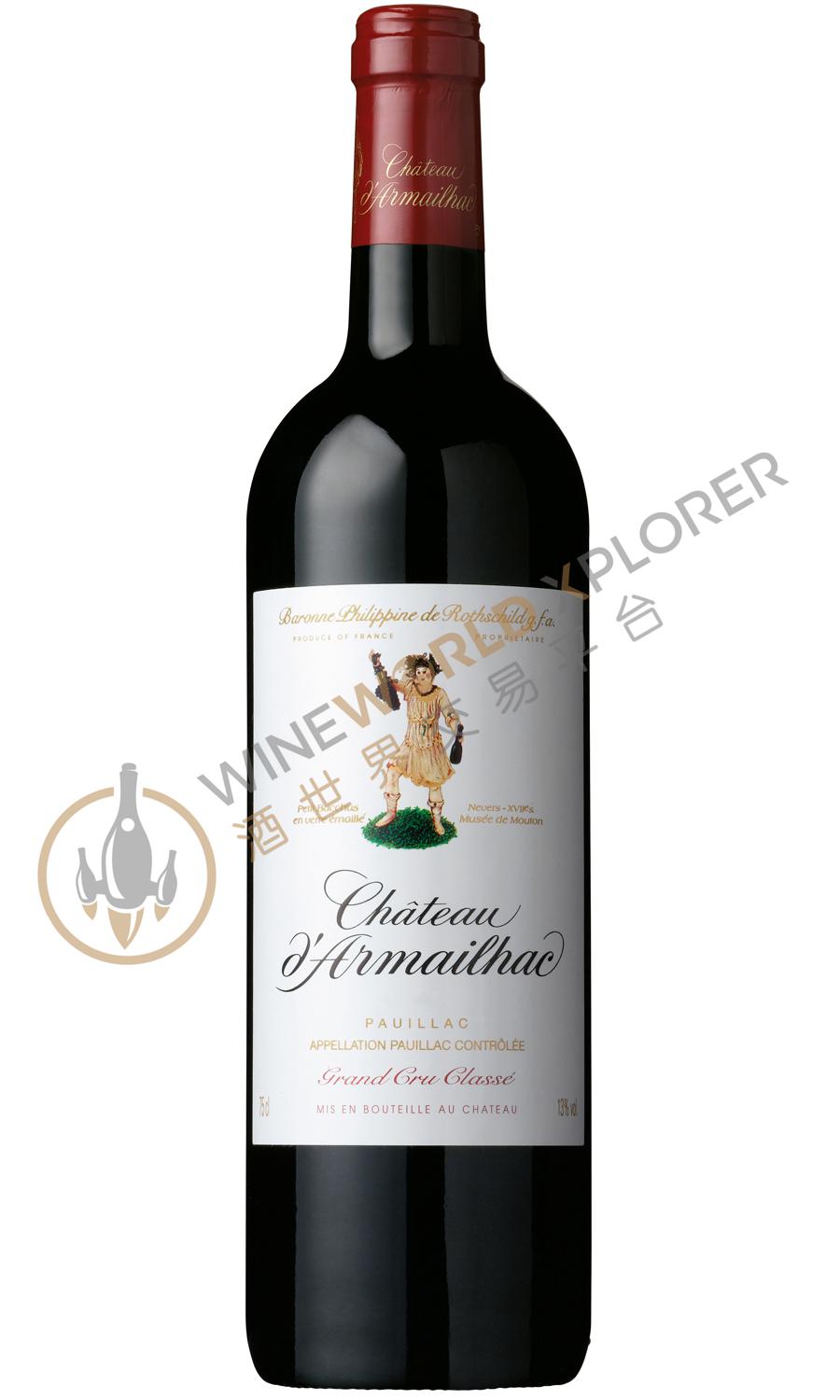
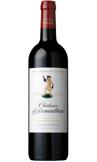
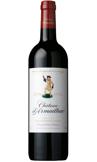
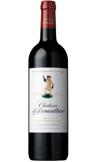
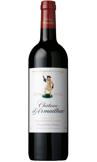
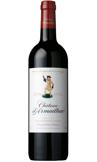
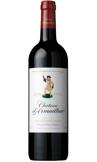
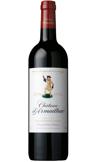
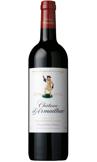
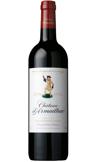
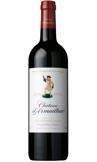
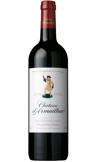
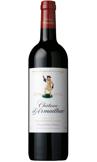
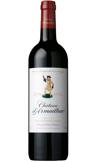
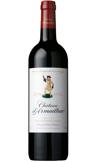
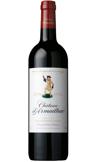
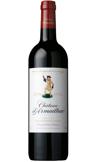
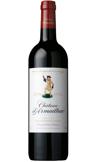
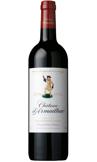
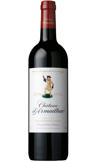
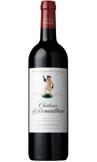
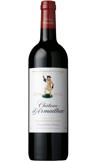
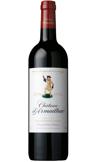
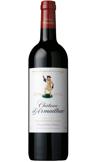
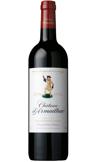
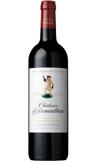
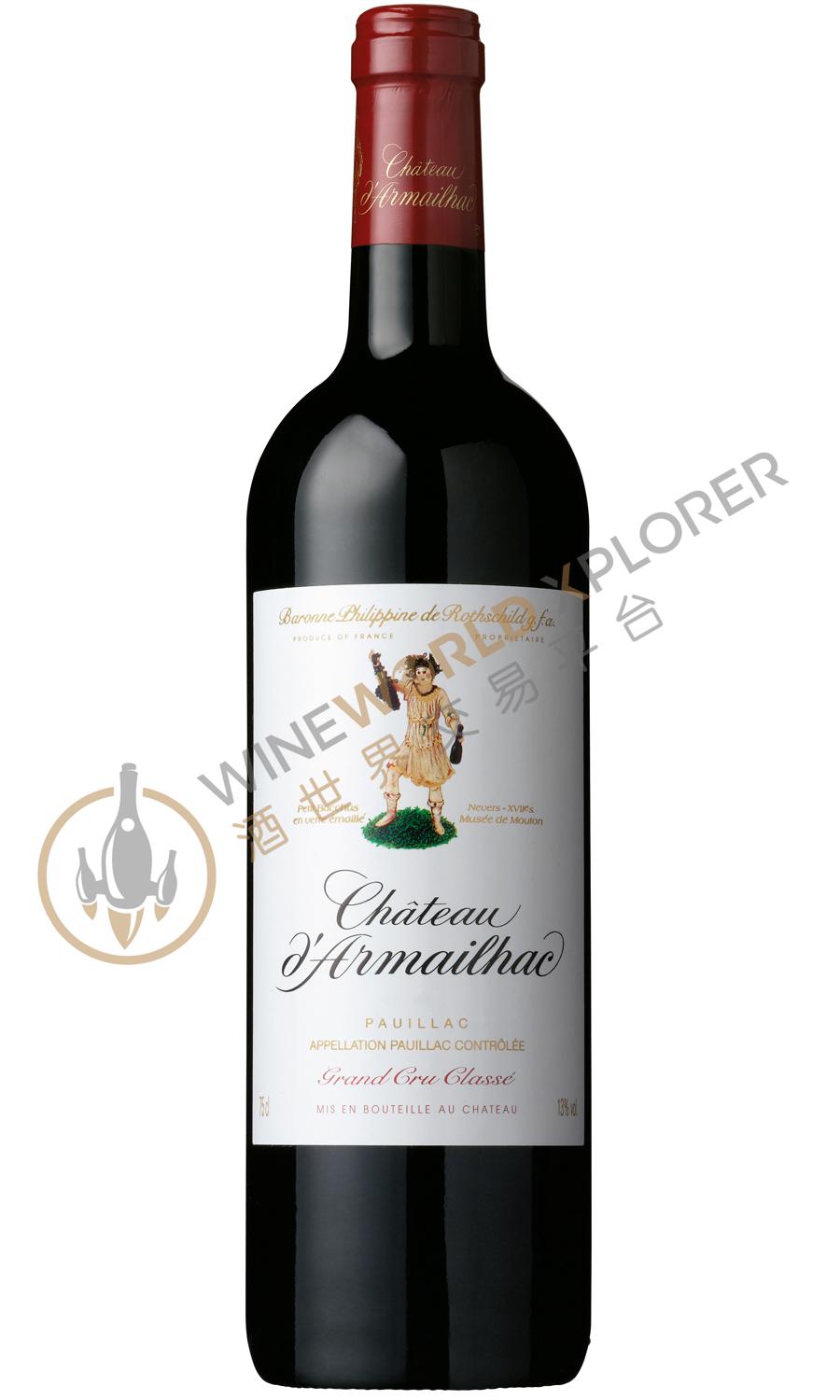
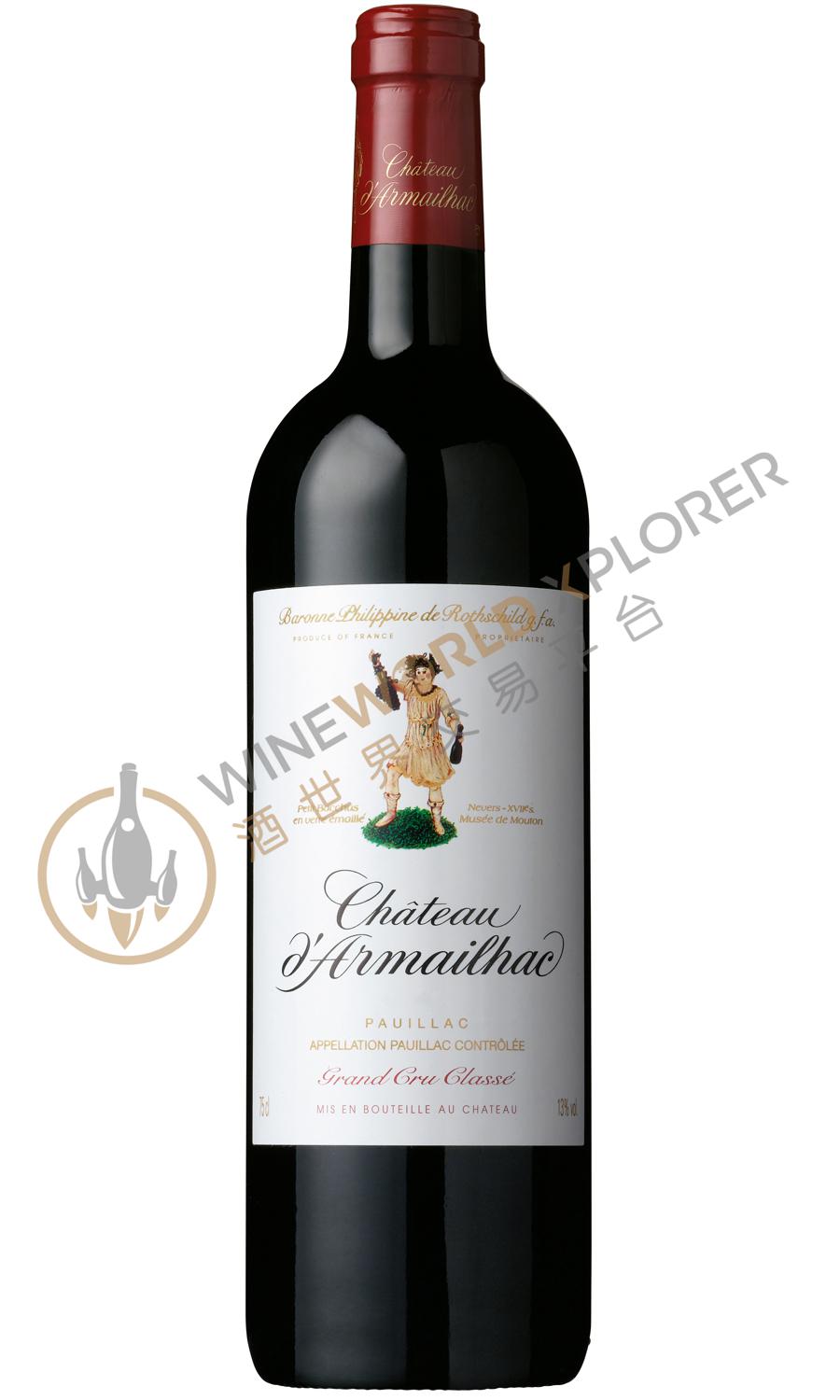
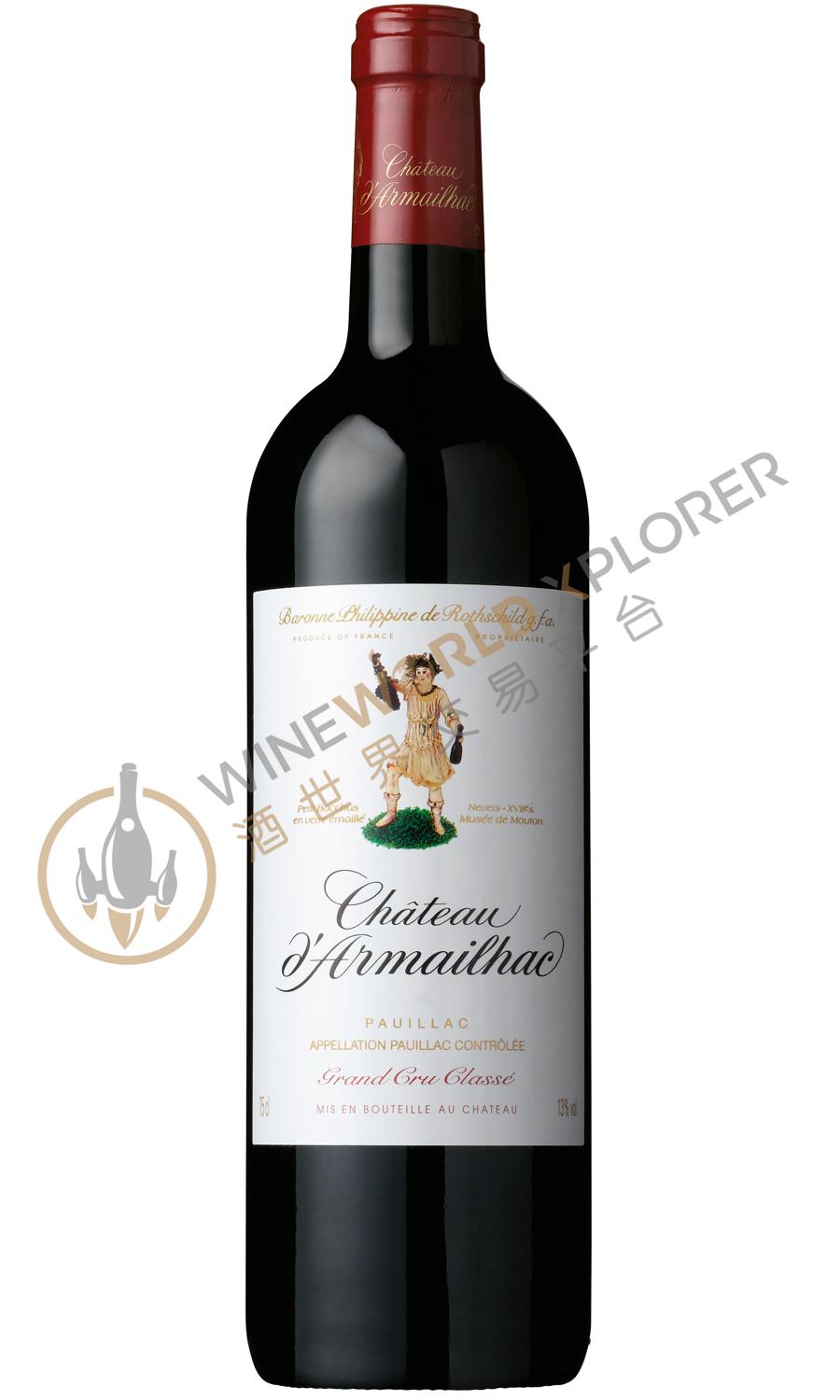
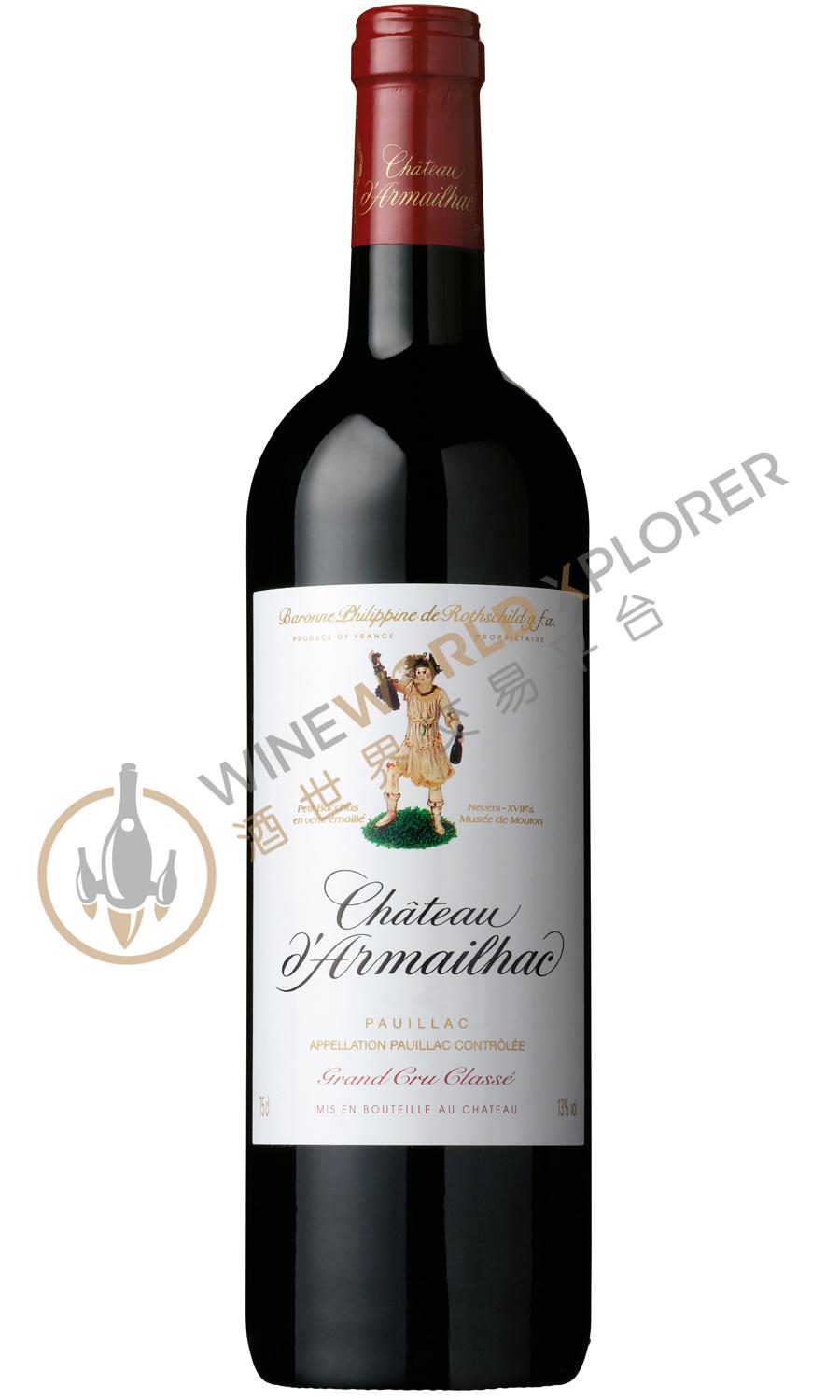
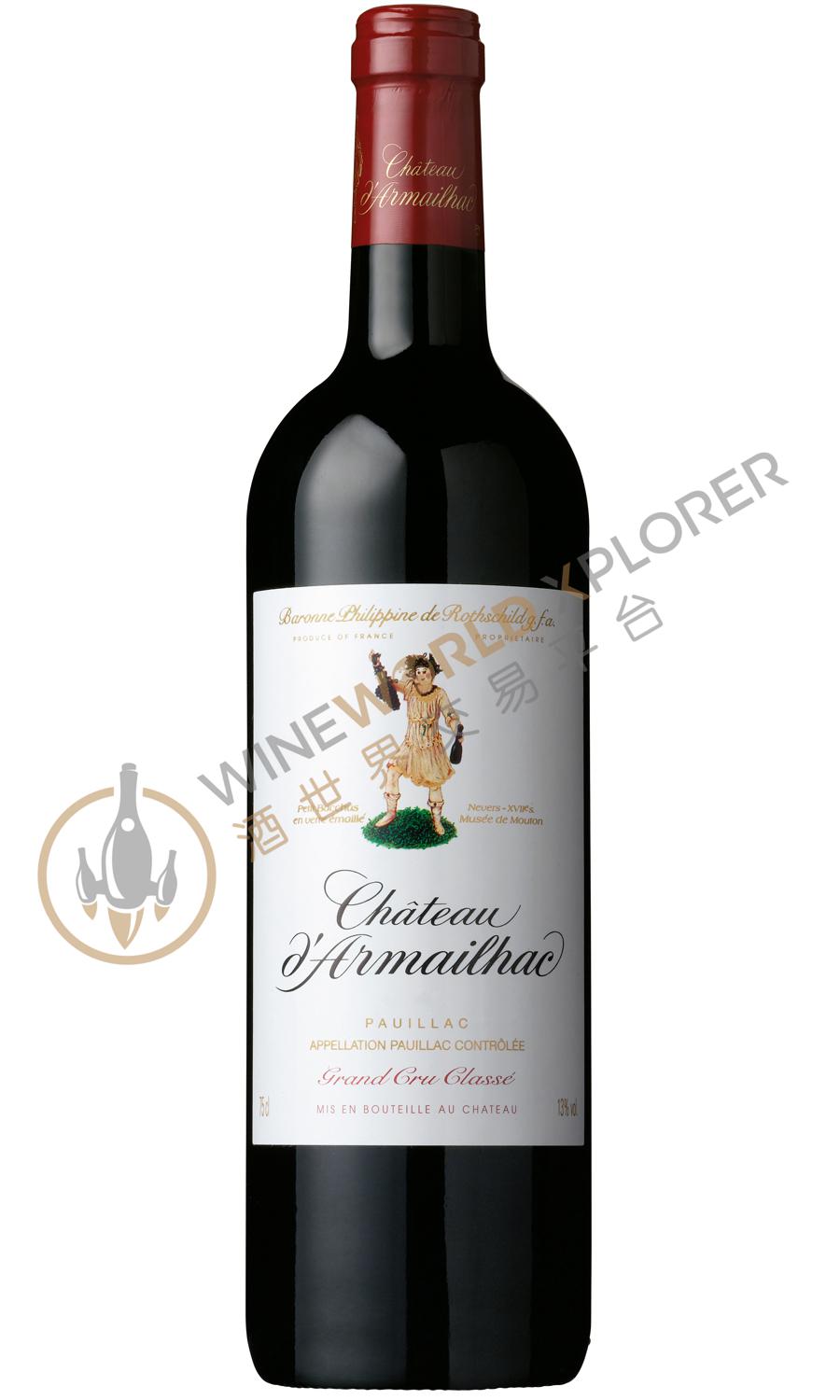
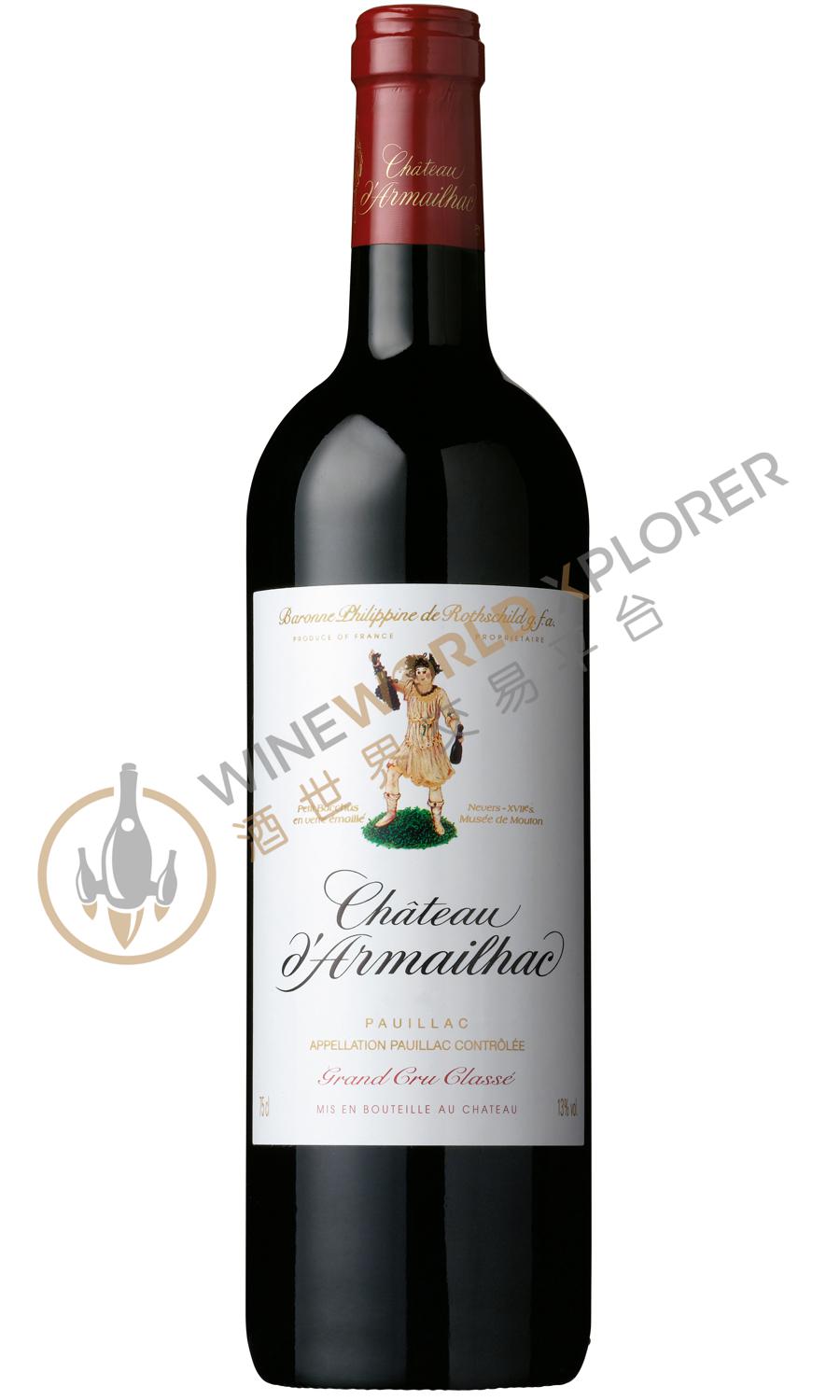
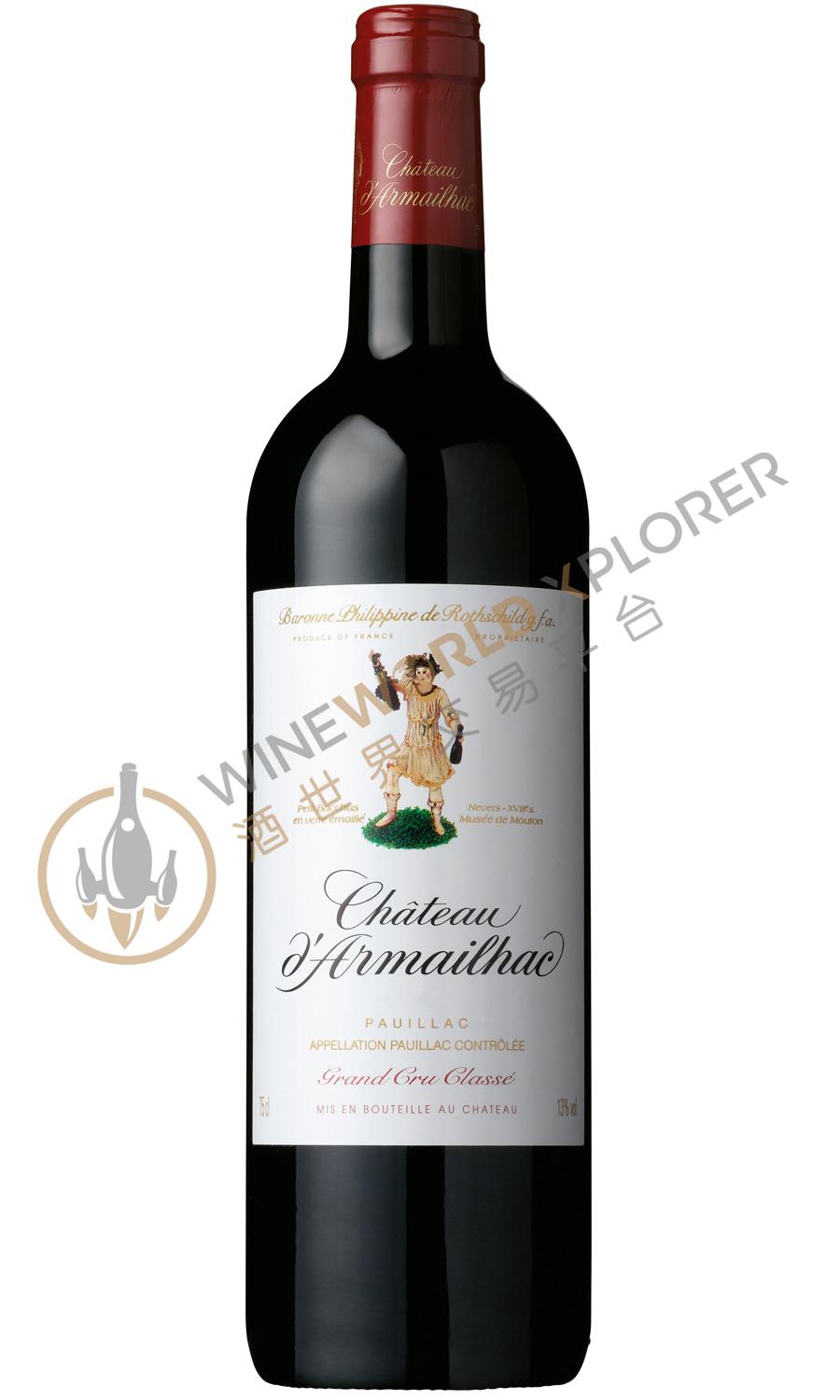
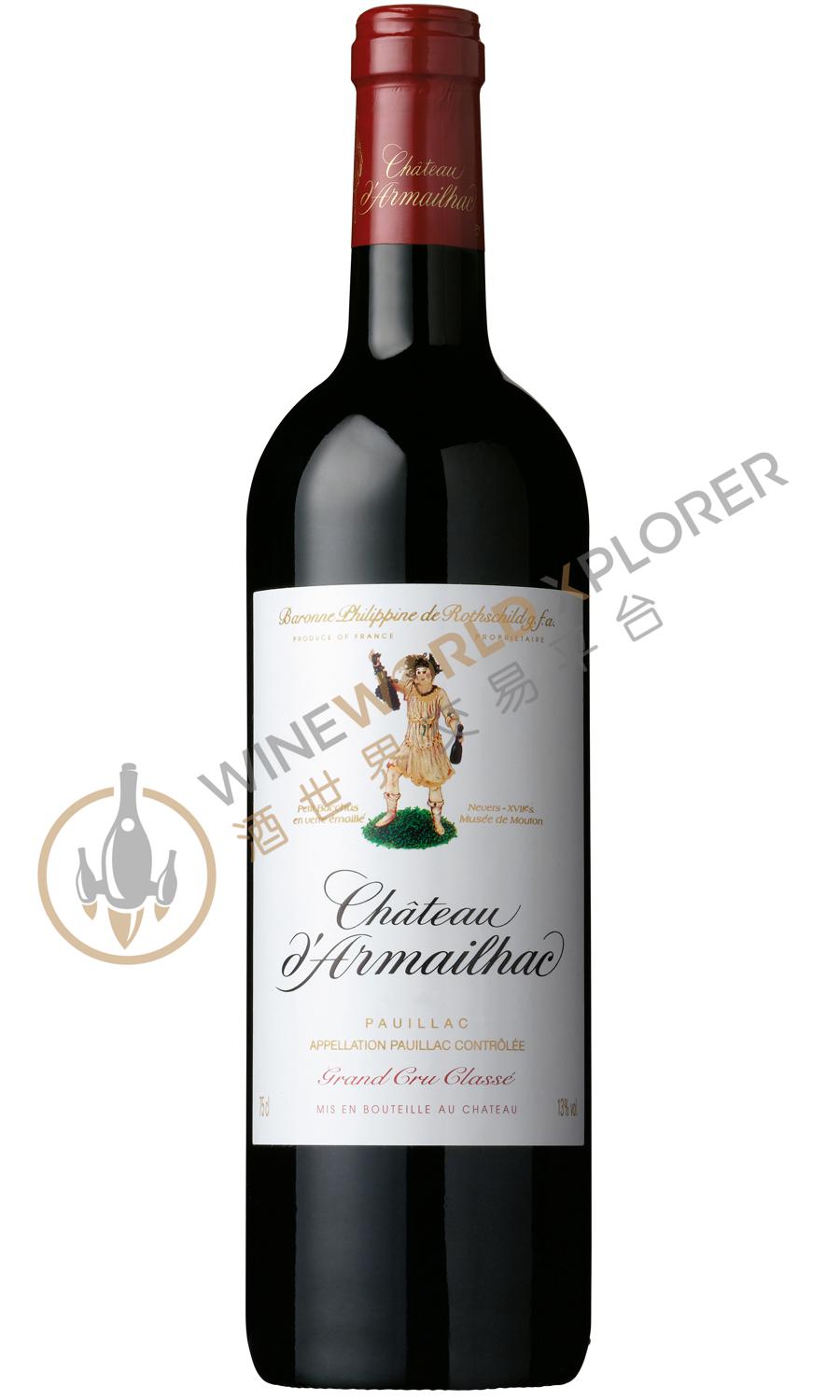
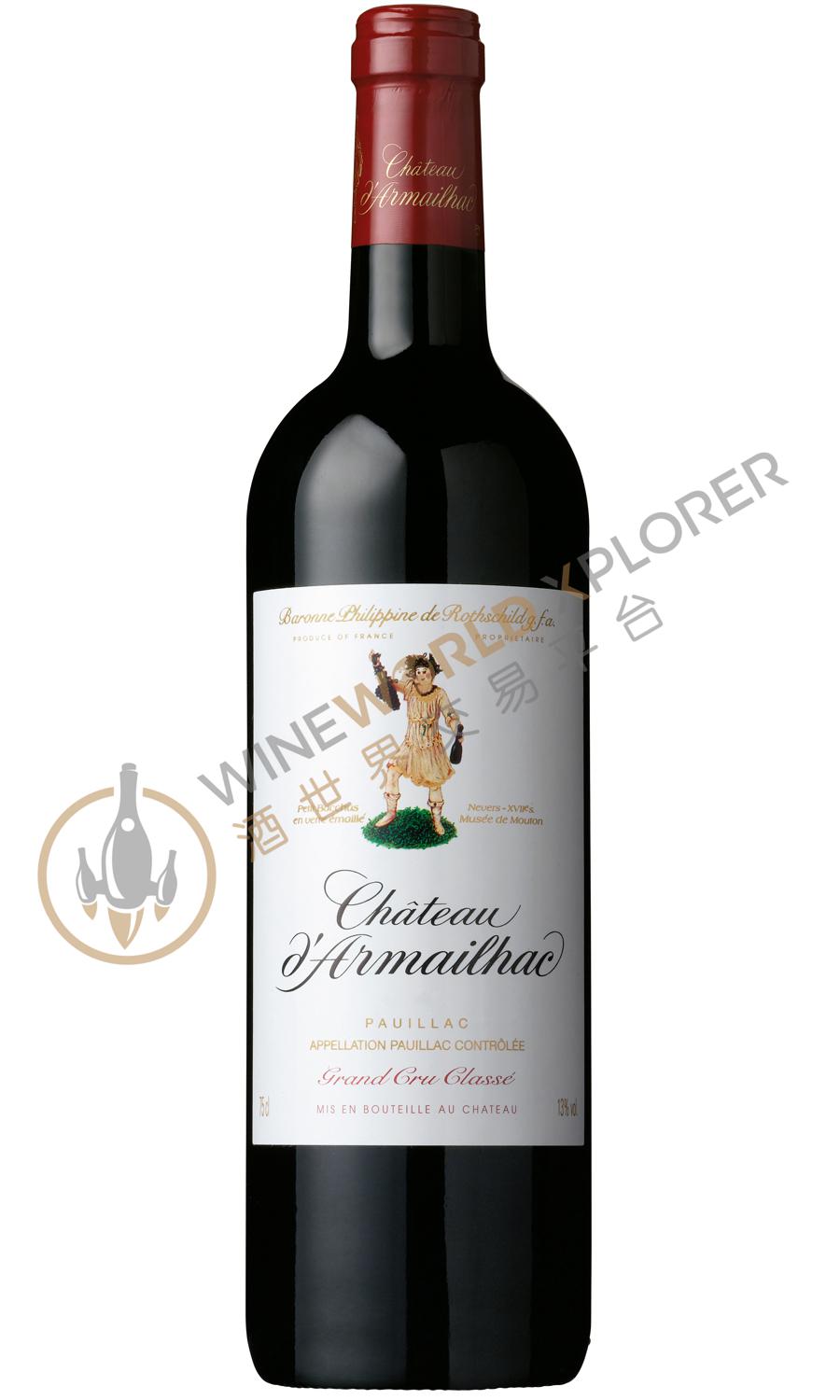
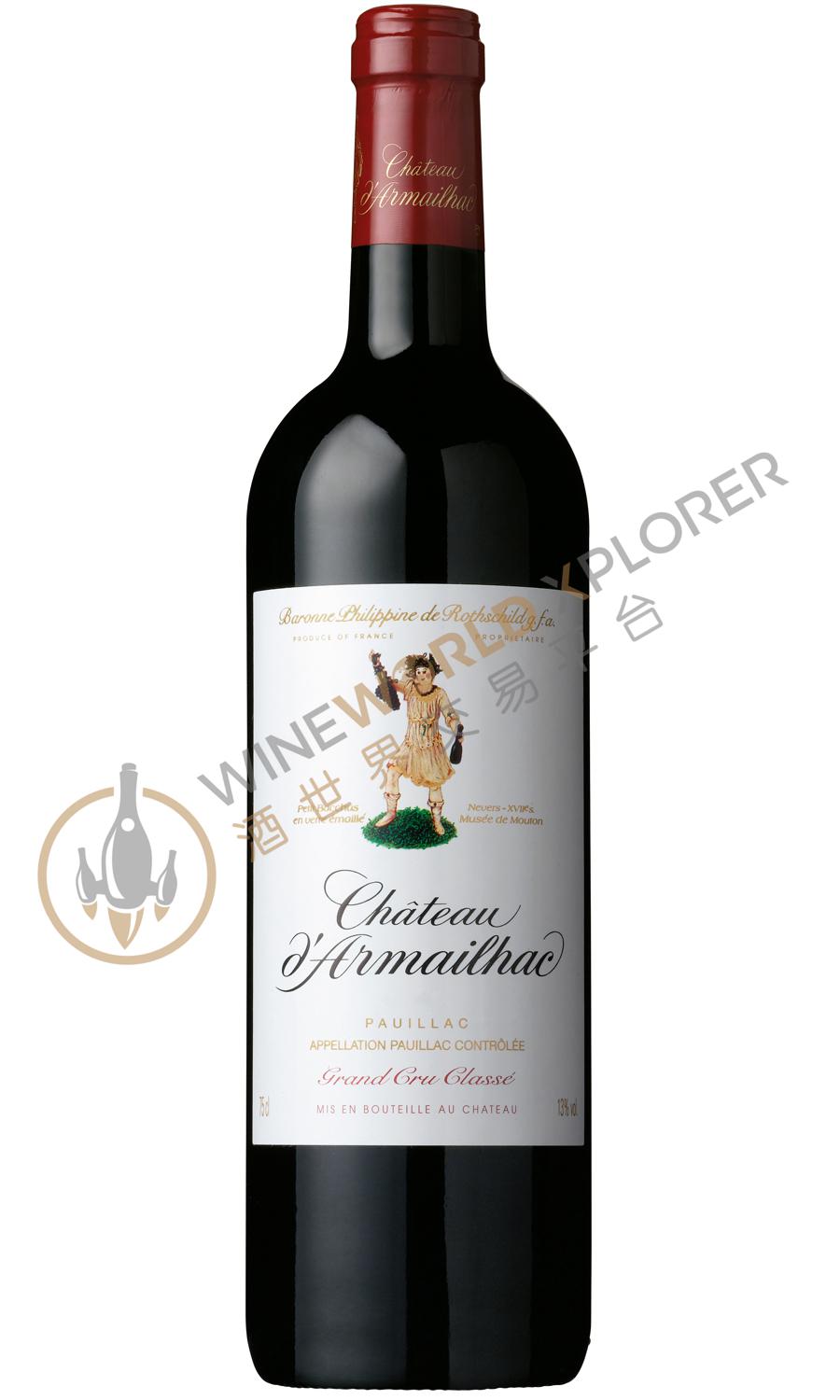
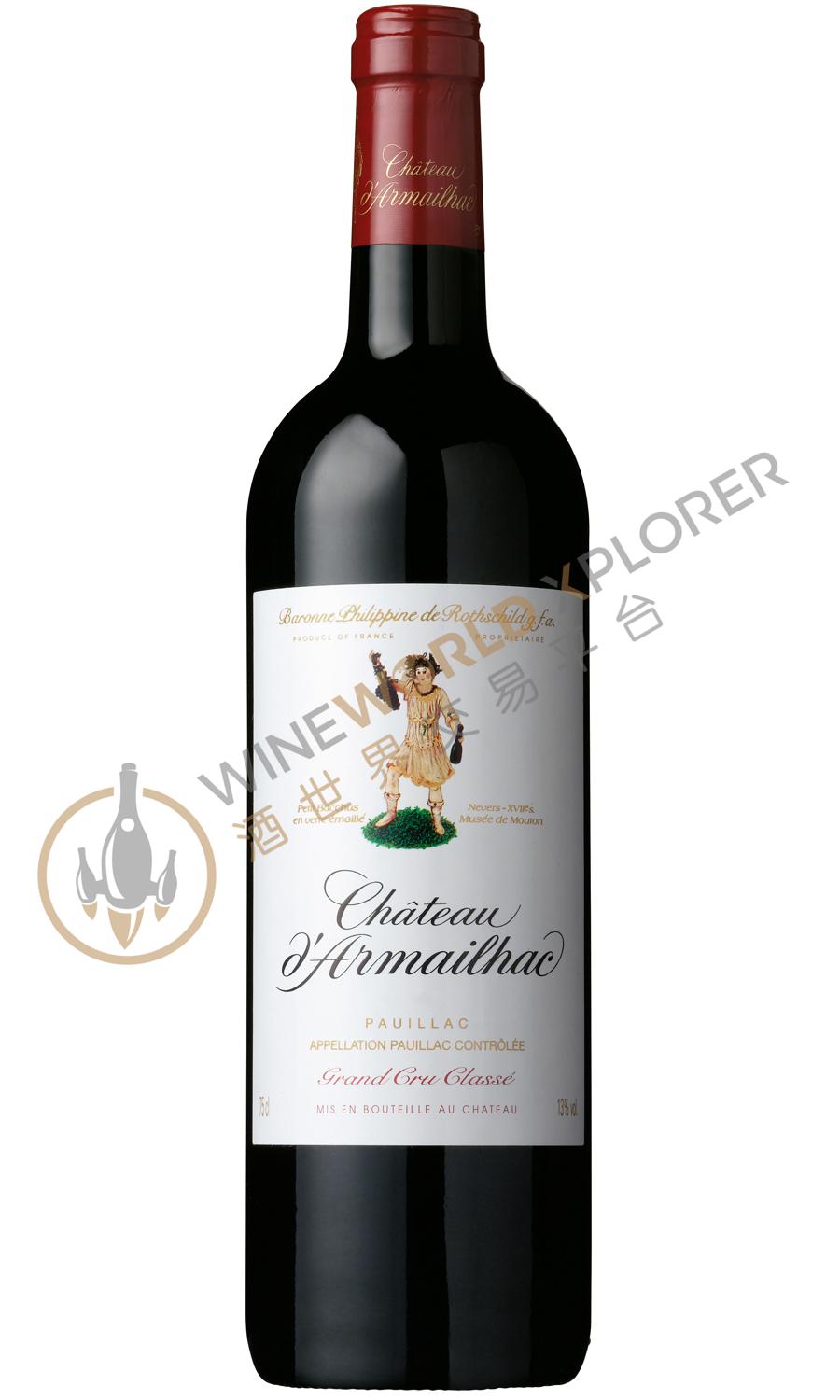
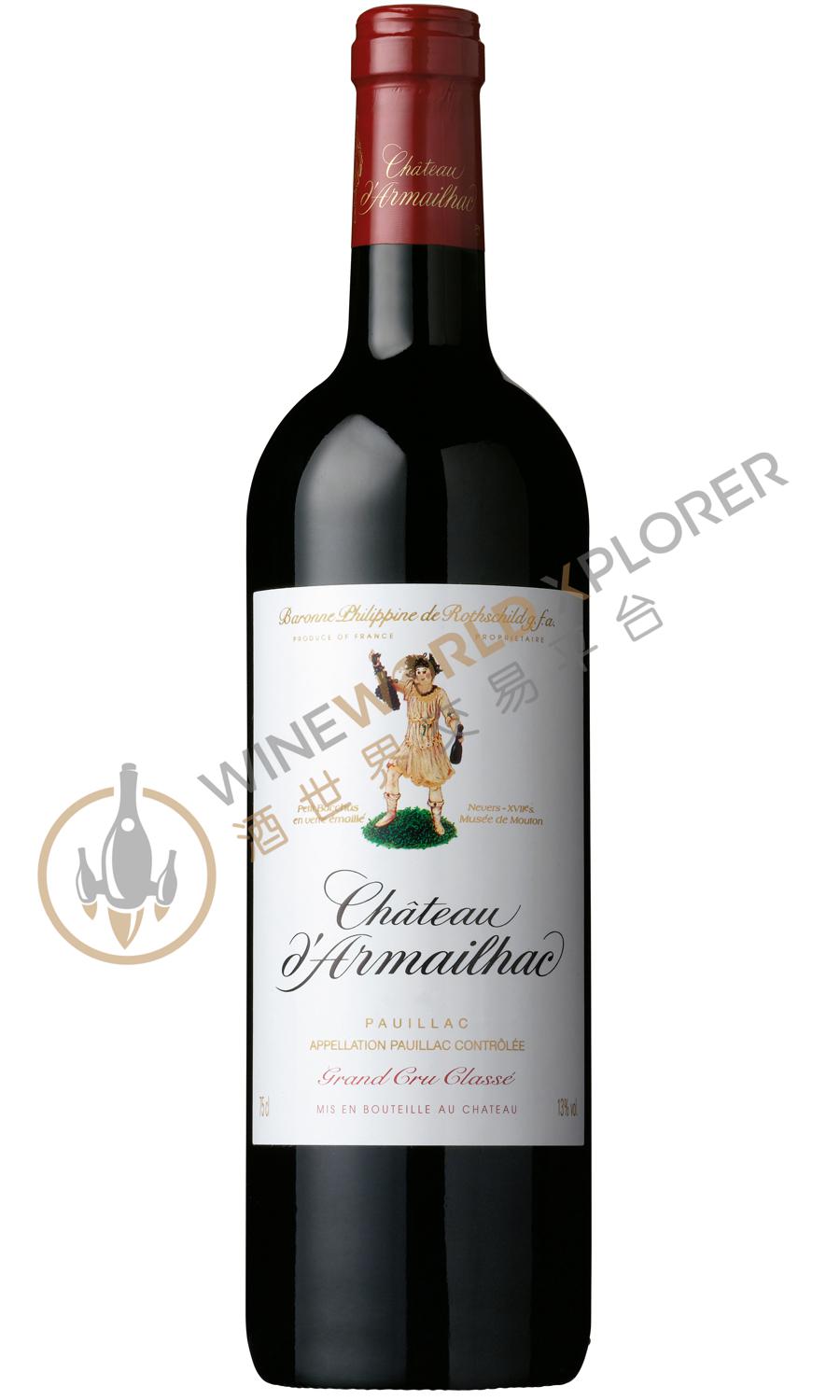
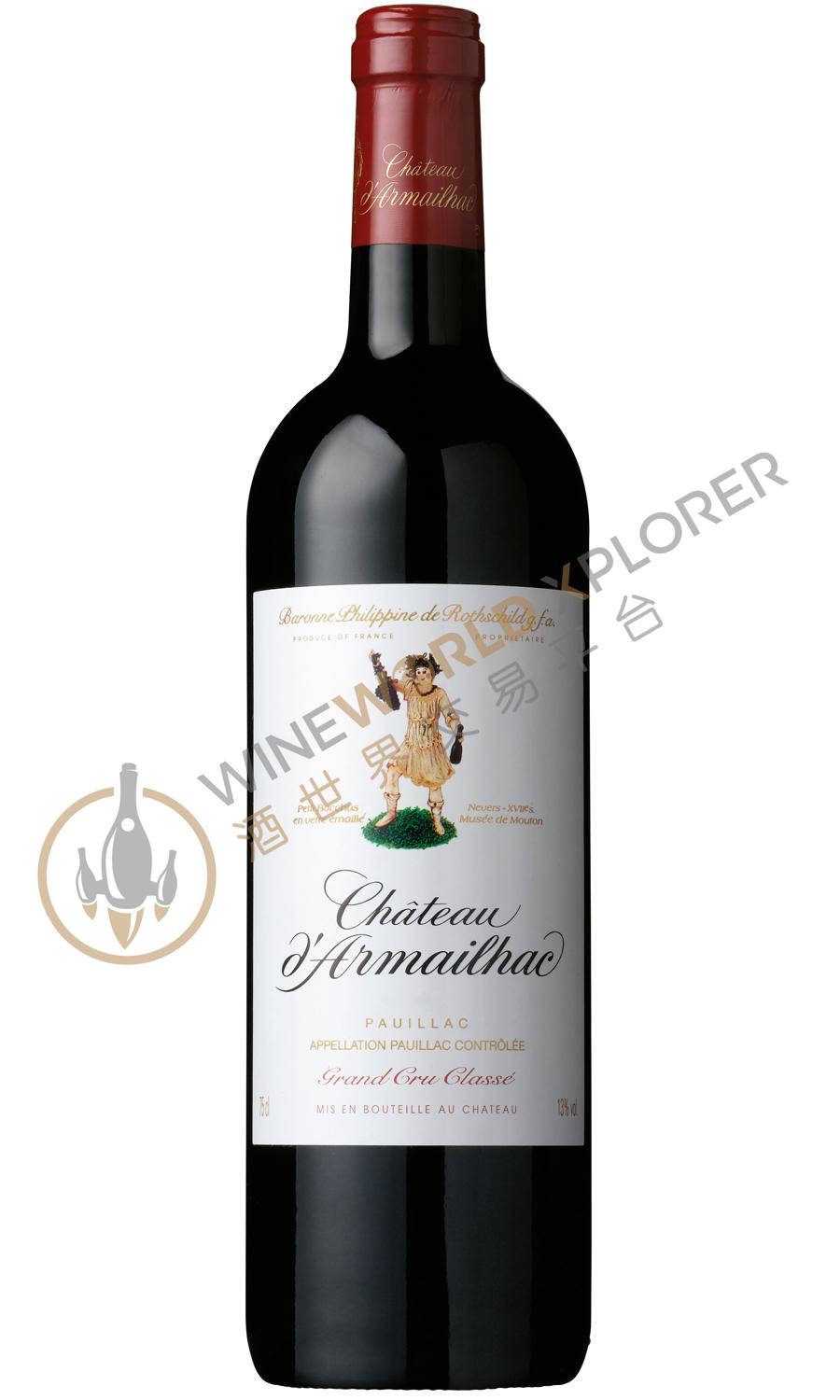
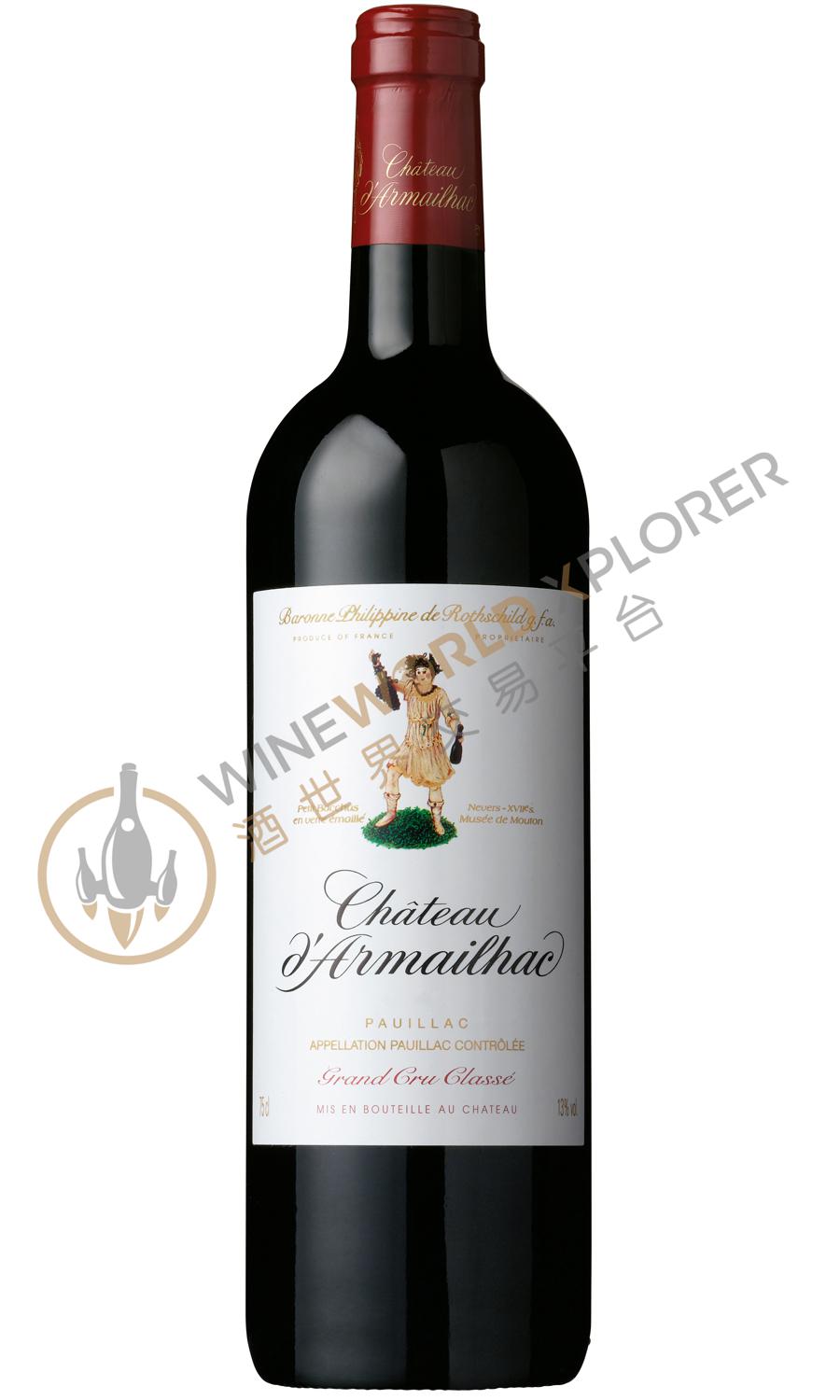
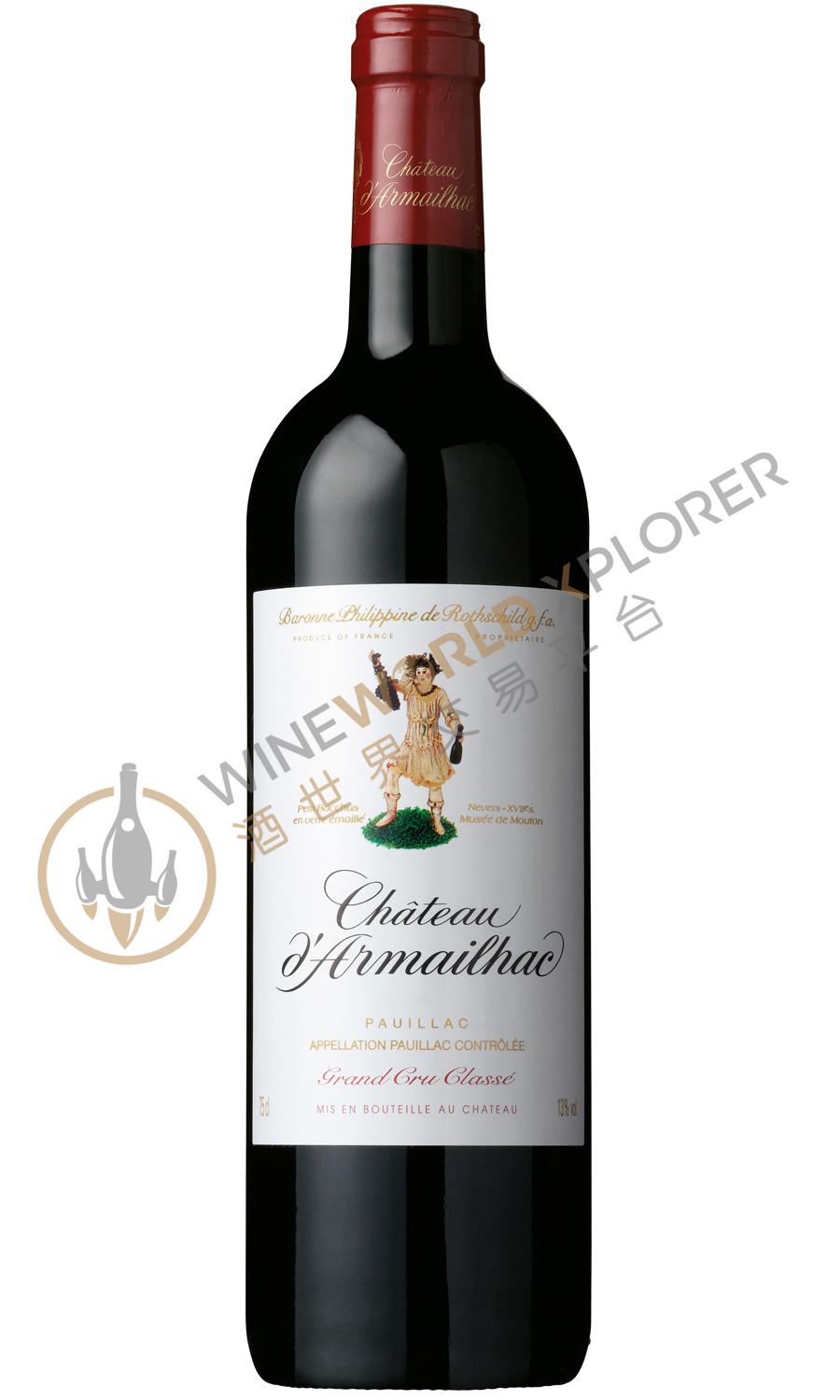
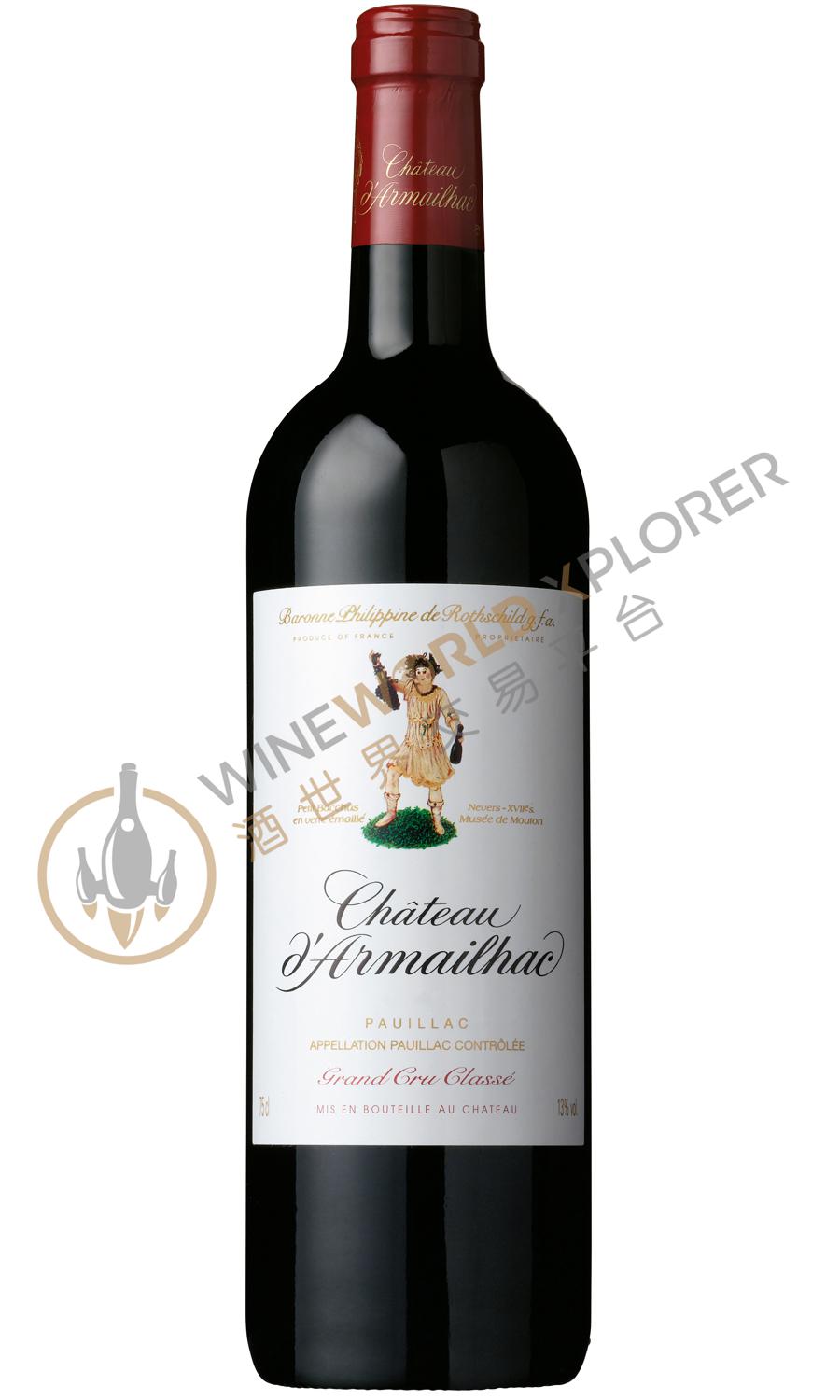
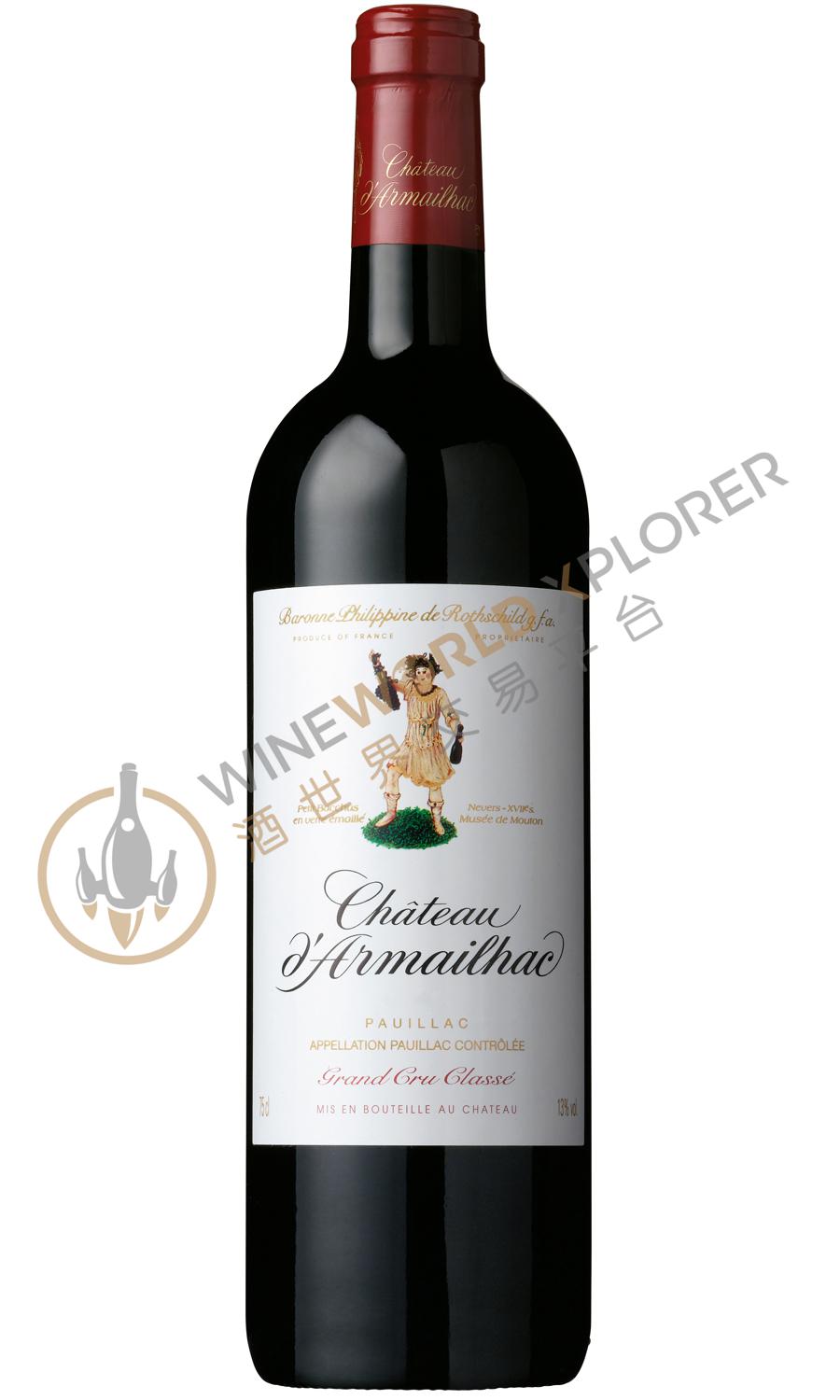
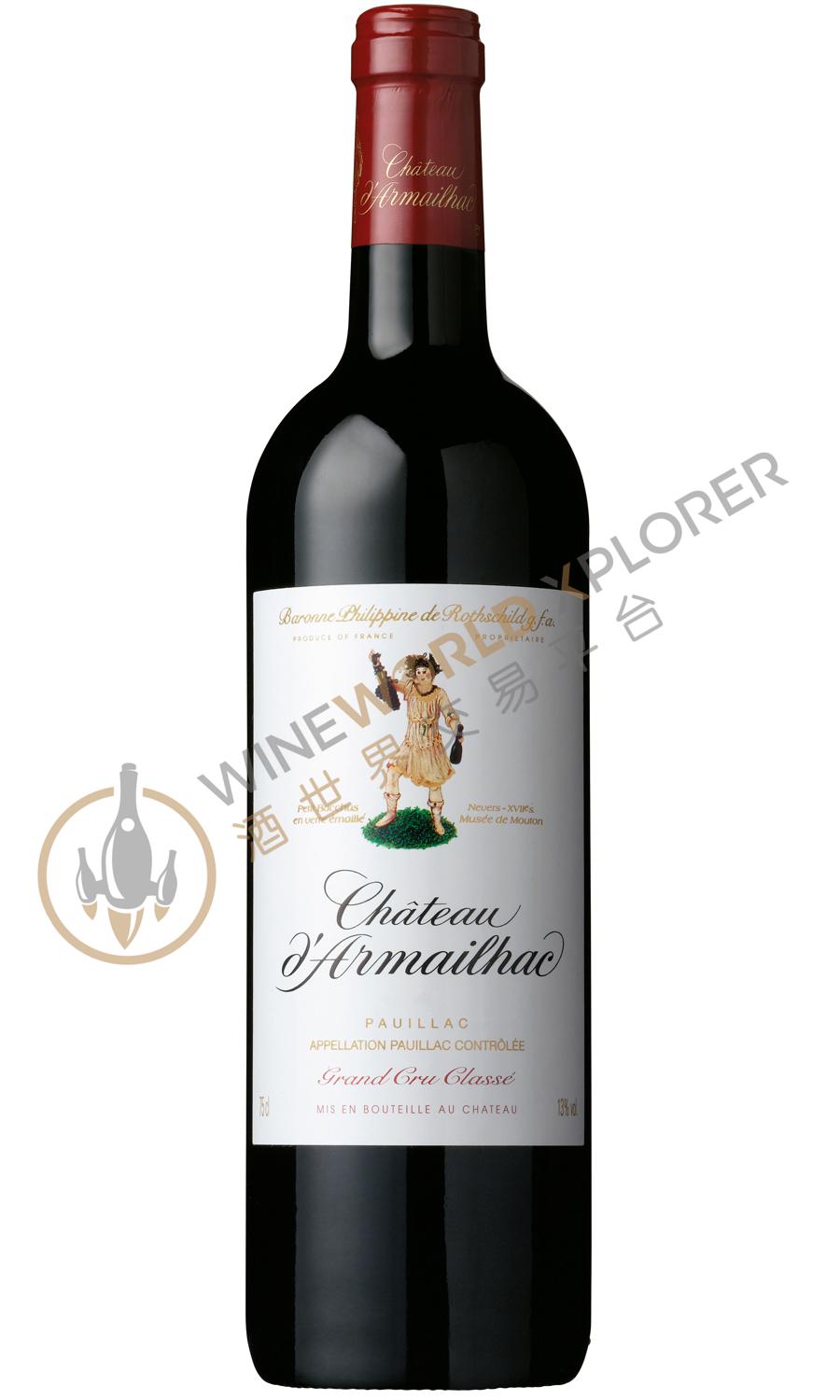
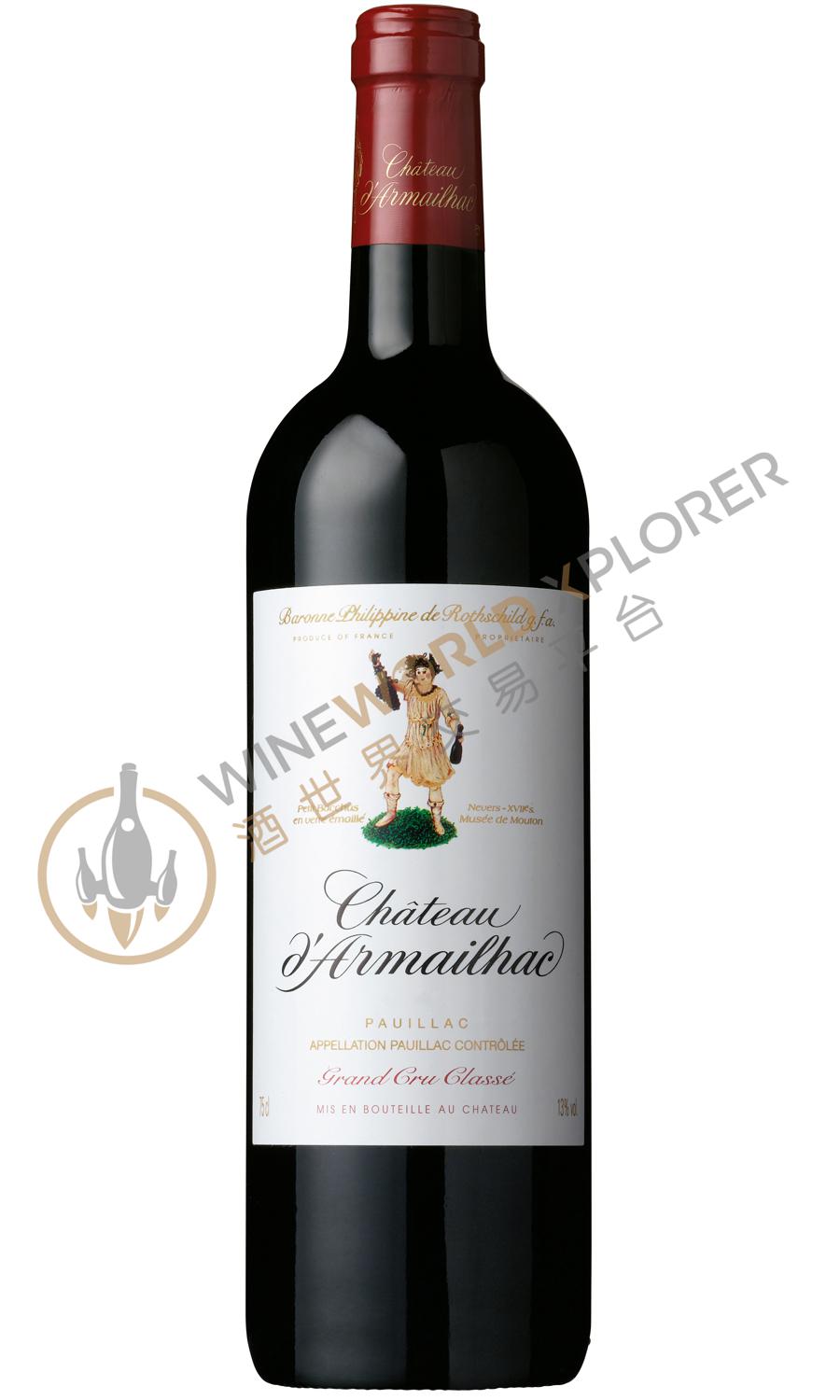
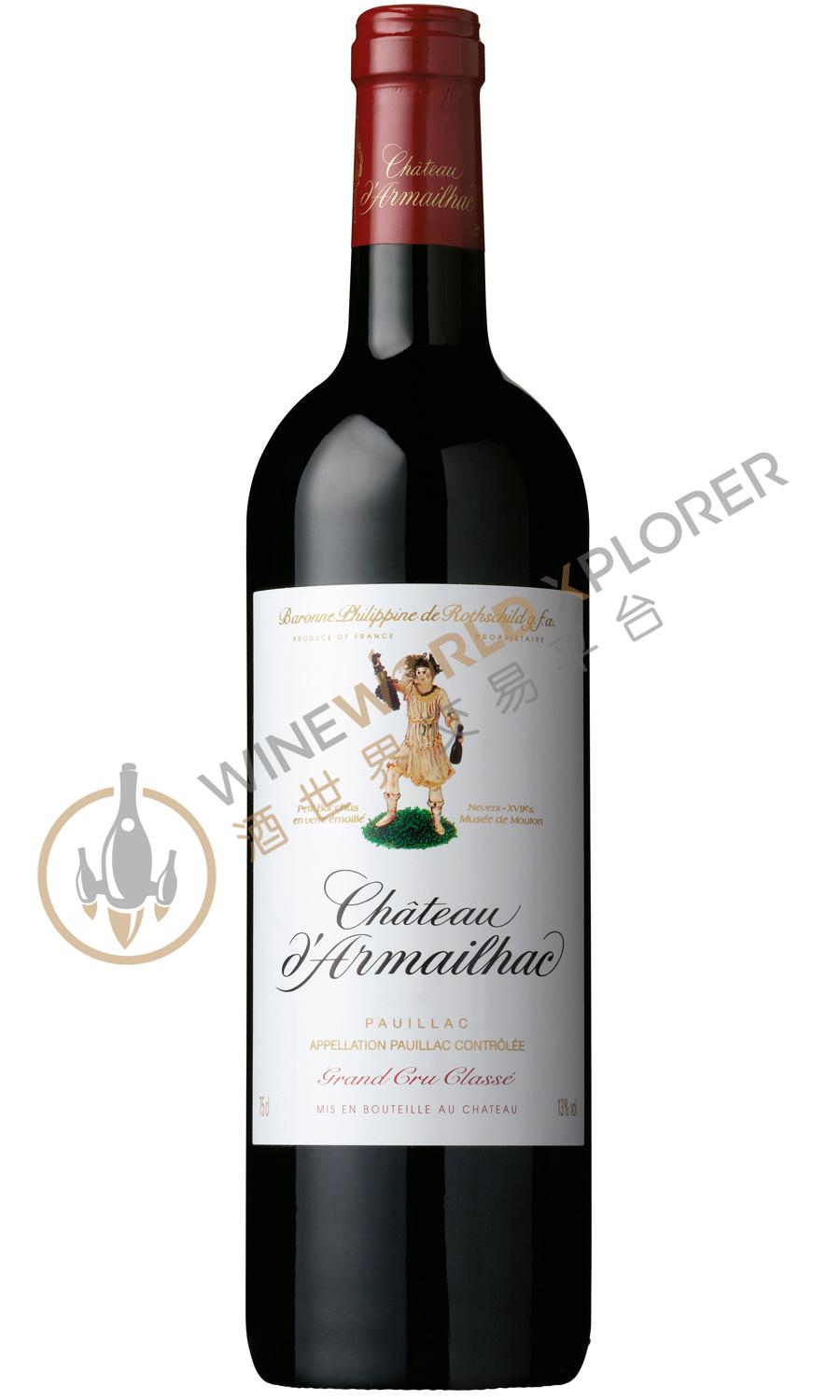
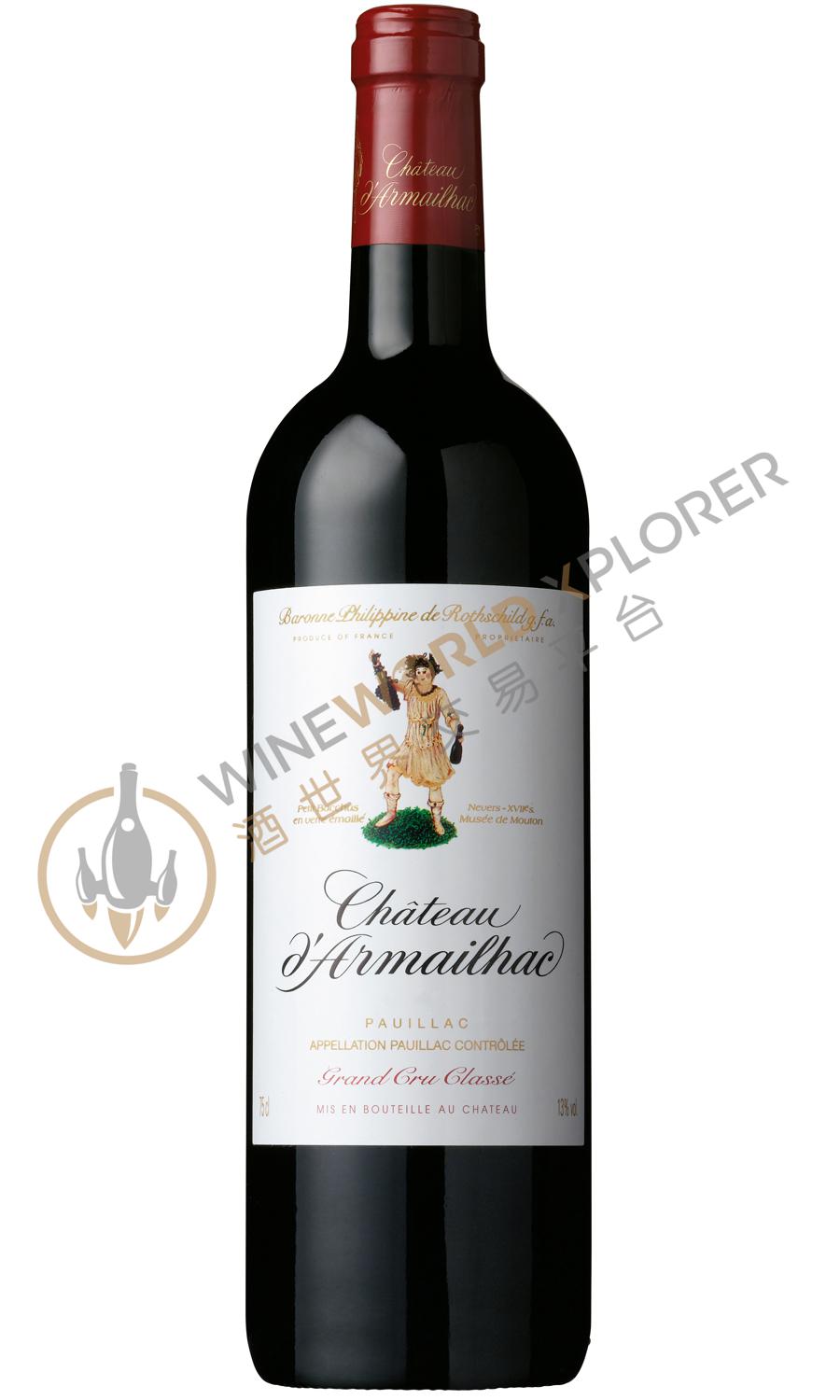
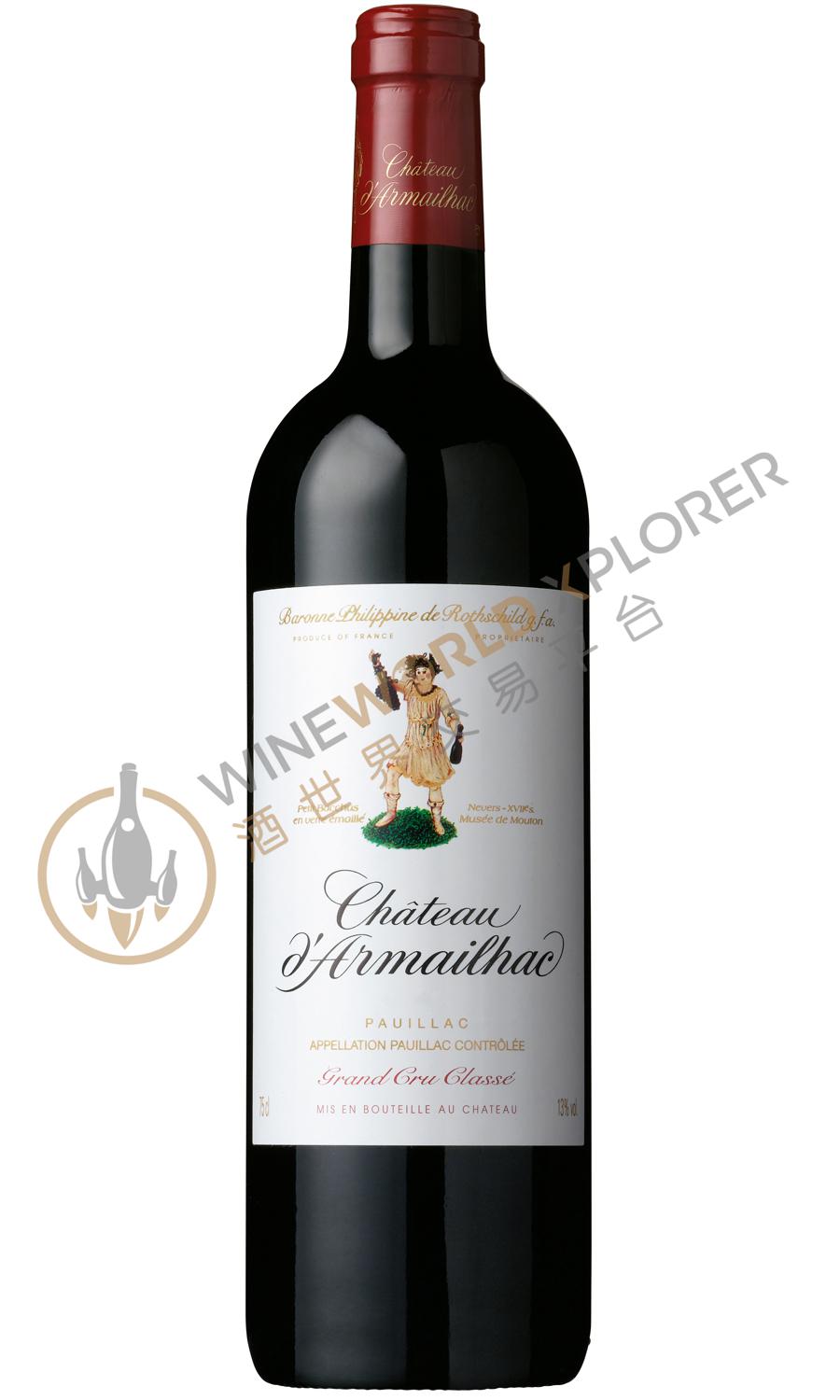
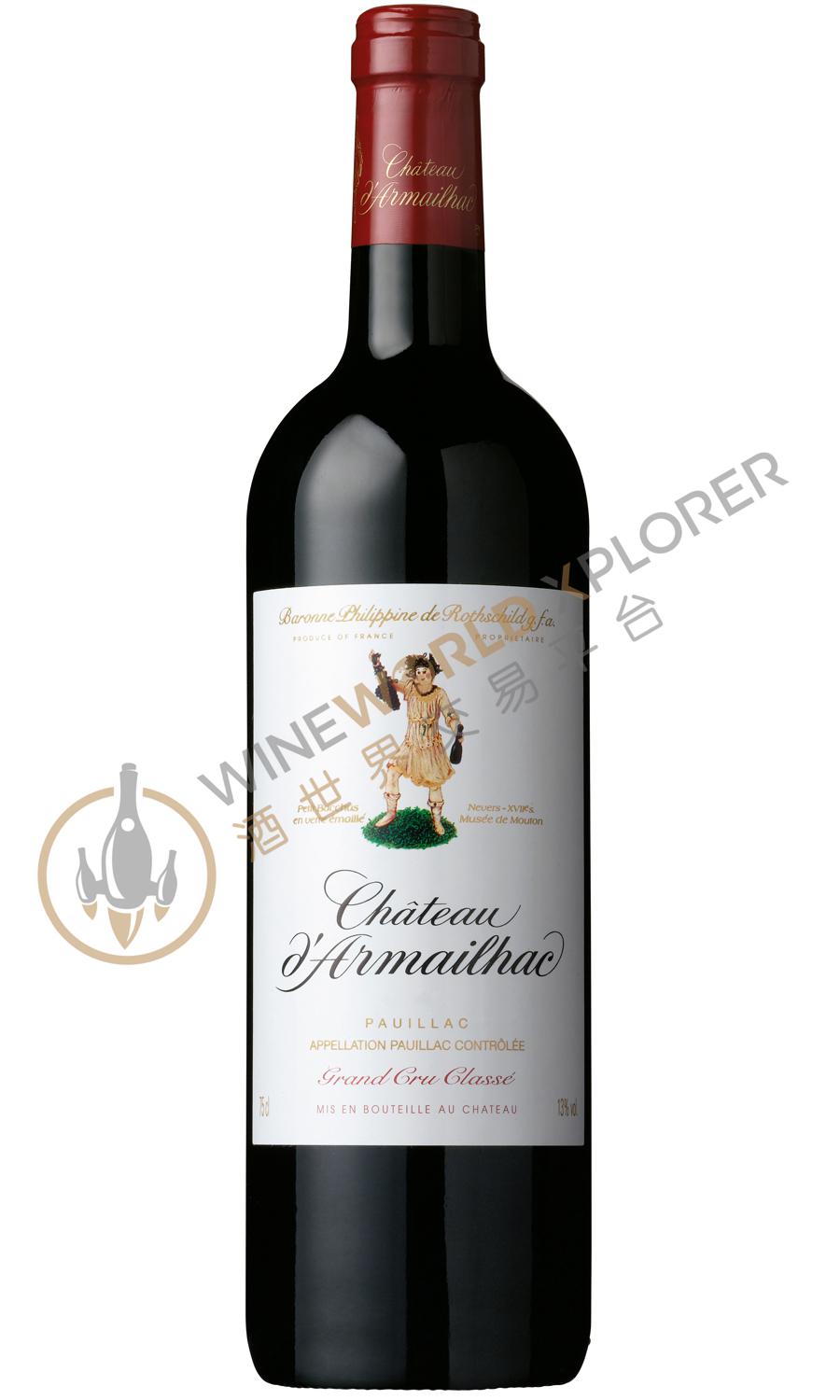
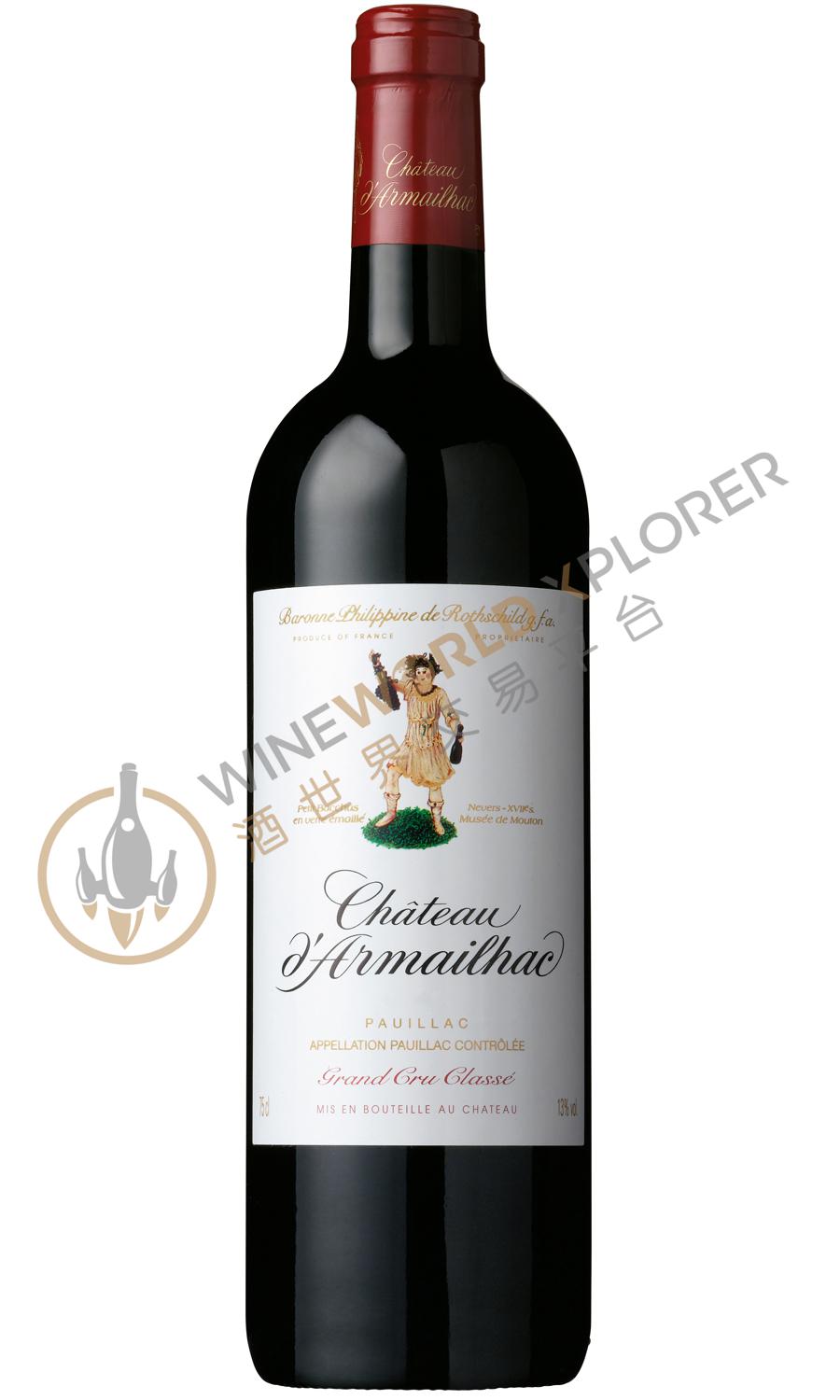
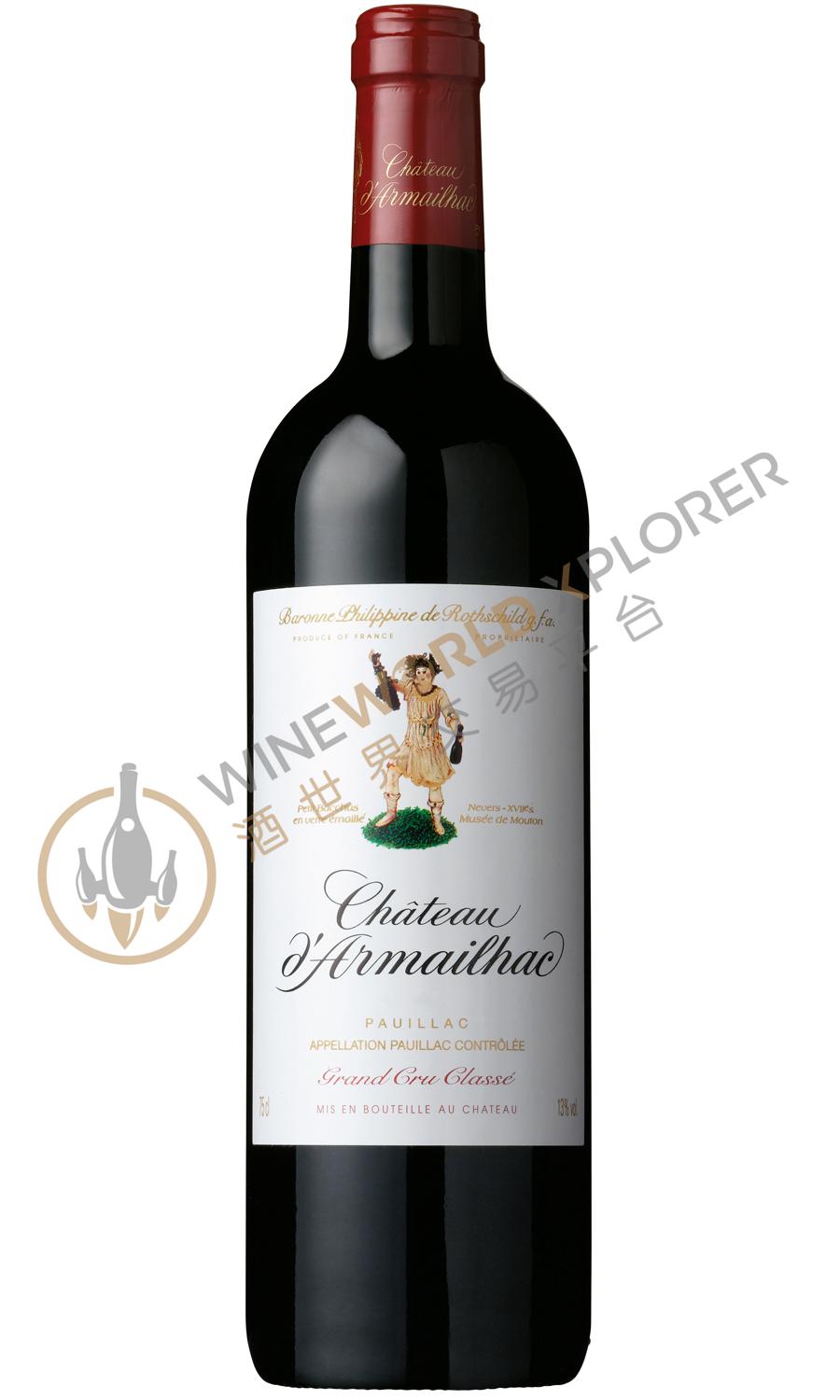
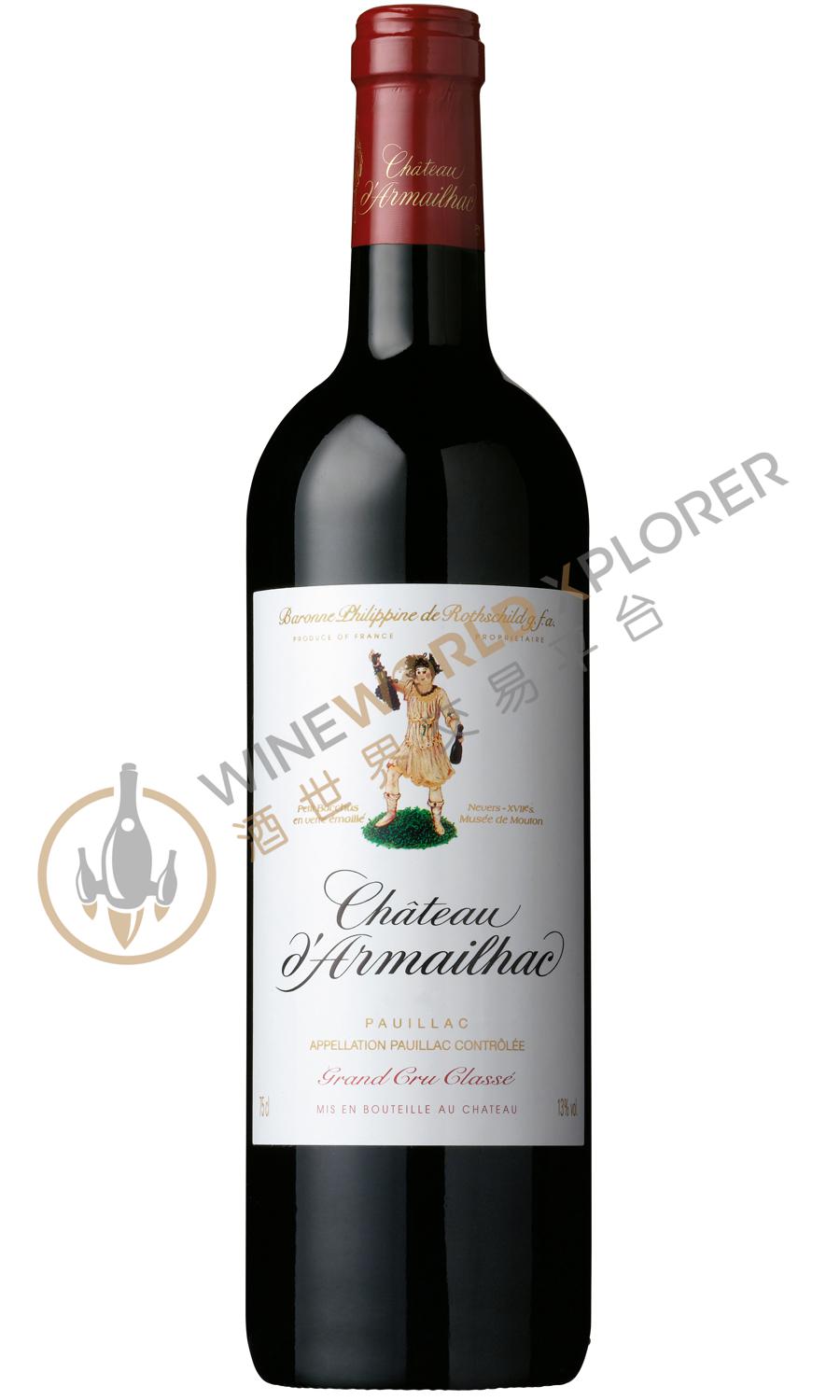
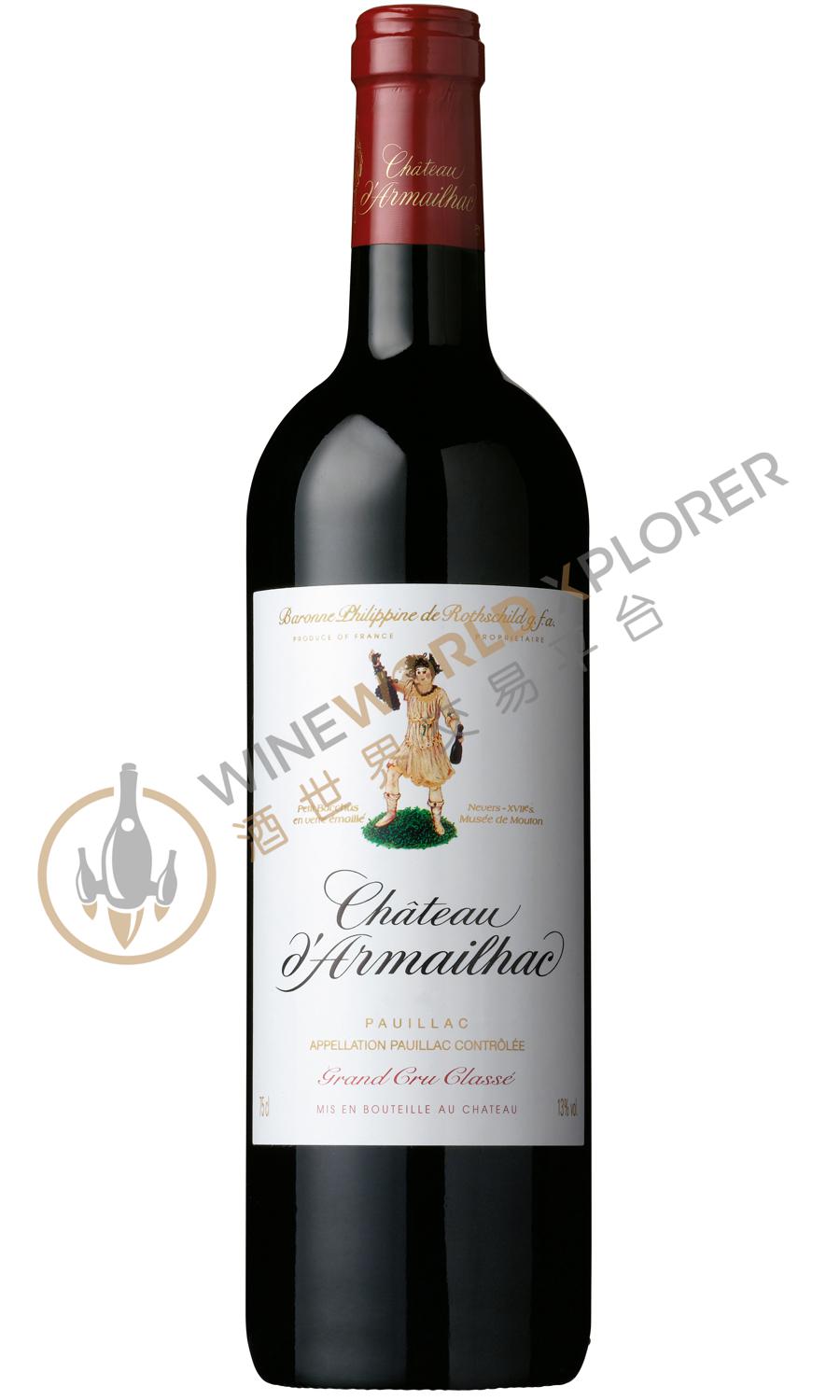
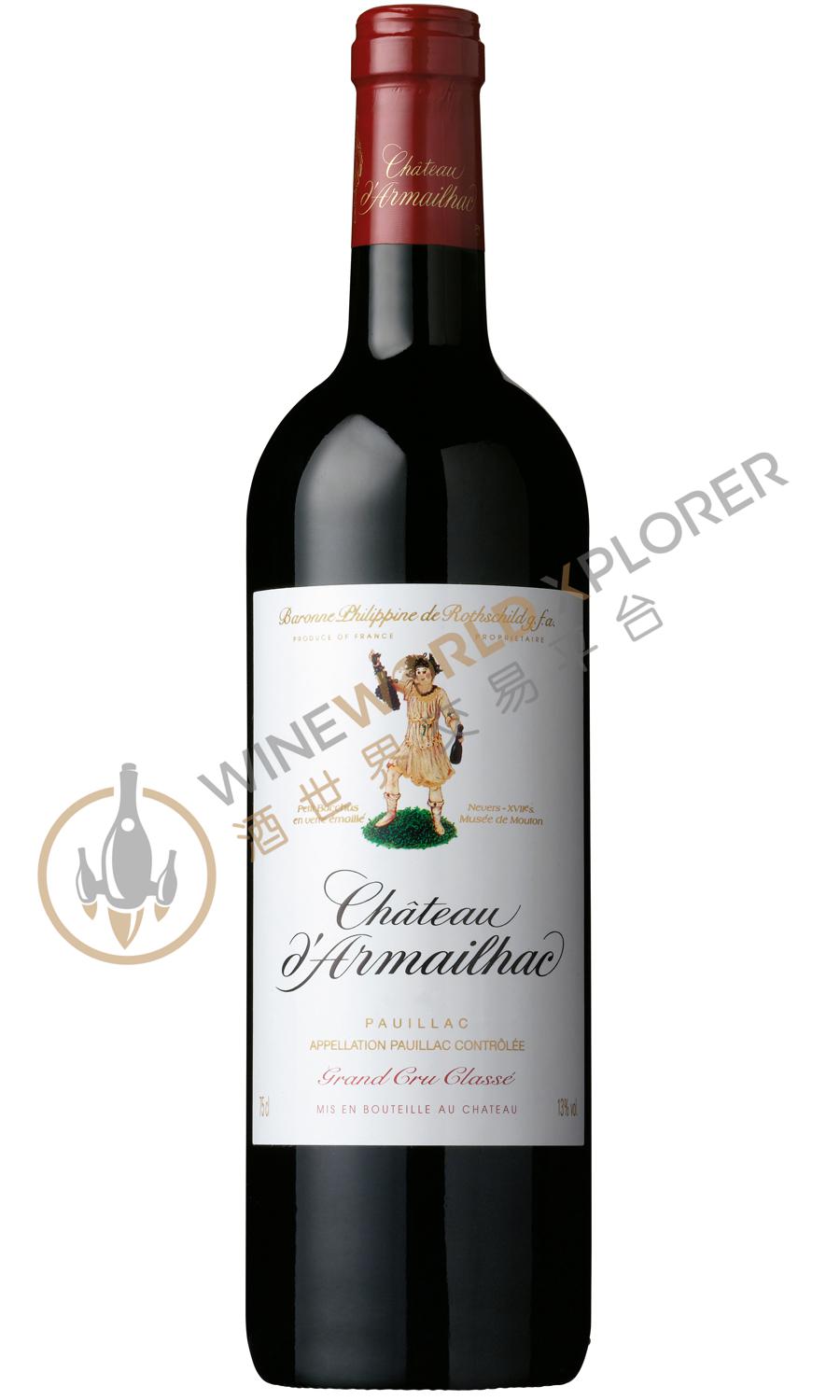
D'Armailhac 2017
 View analysis


Description
Tasting notes

Reviewed by: Lisa Perrotti-Brown
Medium to deep garnet-purple colored, the 2017 D'Armailhac comes bounding out of the glass with bold notions of baked plums, redcurrant jelly and crème de cassis plus wafts of violets, dark chocolate and fragrant earth. Medium-bodied, the palate bursts with energetic red and black fruits, framed by ripe, grainy tannins and oodles of freshness, finishing long and vibrant.
Reviewed by: Lisa Perrotti-Brown
A blend of 68% Cabernet Sauvignon, 22% Merlot, 7% Cabernet Franc and 3% Petit Verdot, the 2017 D'Armailhac is deep garnet-purple in color and very open on the nose with expressive notes of crushed black cherries, black raspberries and cassis with hints of baking spices, lavender and wood smoke. The palate is medium-bodied with a great core of vibrant red and black fruits, ripe, grainy tannins and superb freshness, finishing long and minerally.
Reviewed by: Antonio Galloni
The 2017 d'Armailhac is juicy, luscious and super appealing. Sweet red cherry, red plum, cedar, tobacco and licorice are all pushed forward in a racy, mid-weight Pauillac that will drink well right out of the gate.
Reviewed by: Antonio Galloni
The 2017 d'Armailhac is soft, open-knit and fruity, with plenty of luscious fruit and considerable near-term appeal. Gentle contours, silky tannins and lifted aromatics add to the wine's appeal. Because of the late-season rains and their negative effect on Merlot, the 2017 has the highest percentage of Cabernet Sauvignon (68%) since records exist, with the exception of the 2002. After the frost, which did not really affect us, the major challenge in 2017 was heat stress, Mouton Technical Director Philippe Dhalluin told me. We had no rain until the end of June. Then, in September, when we needed a bit of rain again, we got more than double what would have been optimal. The September rain affected the Merlot and Cabernet Franc, while the Cabernet Sauvignon was able to take advantage of the last 15 days of the growing season, which were much more favorable. In the cellar, we opted for longer macerations at lower temperatures, as we wanted to avoid extracting the type of hard tannins that mark other vintages with very dry summers, such as 2011.
Reviewed by: Neal Martin
The 2017 d’Armailhac, which was bottled in June 2019, has an attractive bouquet with blackberry and bilberry fruit. The oak is nicely integrated, maybe a little conservative compared to other vintages though that is in keeping with the style of the year. The palate is medium-bodied with grainy tannin, a little "angular" perhaps, with a fine bead of acidity and touches of iron-tinged red fruit on the finish. Probably an earlier drinking d’Armailhac, but one with plenty of character.
Reviewed by: Neal Martin
The 2017 d’Armailhac has an opulent bouquet despite this comprising one of the highest percentages of Cabernet Sauvignon ever, which Philippe Dhalluin attributes to the maturity of the berries. There is some lovely cassis and blueberry fruit here with a smear of vanilla. The palate is structured with fine tannin, here the Cabernets are much more expressive with a fine bead of acidity, an attractive pencil lead tincture coming through towards the finish. This is a more floral d’Armailhac that will drink well for the next decades. [Readers should note that my sample included 60% new oak although the final blend will be 40%.] Tasted three times with consistent notes.
Reviewed by: Neal Martin
The 2017 d’Armailhac, which was bottled in June 2019, has an attractive bouquet with blackberry and bilberry fruit. The oak is nicely integrated, maybe a little conservative compared to other vintages though that is in keeping with the style of the year. The palate is medium-bodied with grainy tannin, a little "angular" perhaps, with a fine bead of acidity and touches of iron-tinged red fruit on the finish. Probably an earlier drinking d’Armailhac, but one with plenty of character.
Reviewed by: James Suckling
Opulent and powerful for d’Armailhac with blackcurrants, blackberries and black olives. Full-bodied, tannic and extremely muscular. Very well done indeed.
Reviewed by: James Suckling
Lots of chocolate and berry aromas with currants. Full-bodied, round and juicy with hints of blueberries and white pepper. Long and flavorful. Firm. A blend of 68% cabernet sauvignon, 22% merlot, 7% cabernet franc and 3% petit verdot. Needs another two or three years to soften. Better after 2022.
About the Producer
The existence of Château d’Armailhac dates back to the late 17th century, as evidenced in a land register from 1680 which mentions the brothers Dominique and Guilhem Armailhacq, owners of parcels of land in Pauillac. Another land register from 1750 notes that their descendants have “planted with vines” the family estate, covering 15 to 16 hectares (37-39 acres). By the end of the 18th century the estate has grown to 52 hectares (128 acres) but the brokers of the time describe its wine as “disappointingly thin”. Throughout the following century, Mouton d’Armailhacq’s owners work unceasingly to improve its quality, using techniques such as topping-up, running-off, barrel disinfection and fining. Their efforts are rewarded in 1831, when the wines of Mouton d’Armailhacq sell for twice as much as their more highly reputed neighbours. The ultimate recompense, Château Mouton d’Armailhacq is given Fifth Growth status in the 1855 Classification – the same one which made Château Mouton Rothschild “First of the Seconds”. The “first wine”, the only one authorised to bear the growth’s name, is distinguished from the “second wine”, less rich and sold for consumption in local taverns. In 1931, the young Baron Philippe de Rothschild became a minority shareholder of the Société Anonyme du Domaine de Mouton d’Armailhacq, then in 1933 acquired all the shares from the Comte de Ferrand in return for a life annuity. A year later, on the Comte de Ferrand’s death, he became the effective owner of the estate. The Mouton d’Armailhacq portfolio included the Société Vinicole de Pauillac, forerunner of what is now Baron Philippe de Rothschild SA. Inseparable from Château Mouton Rothschild, Château Mouton d’Armailhacq houses all the technical and agricultural equipment for the two estates in its extensive outbuildings. From 1956 to 1988, the wine was called Mouton Baron Philippe, then Mouton Baronne Philippe. A Fifth Growth of acknowledged quality, its original identity as Château d’Armailhac was patly restored in 1989.
1964(2)1973(1)1978(1)1986(1)1987(1)1989(1)1995(2)1996(2)2000(4)2001(5)2002(1)2003(3)2004(2)2005(5)2006(2)2007(2)2008(5)2009(10)2010(6)2011(7)2012(4)2013(3)2014(10)2015(4)2016(21)
Package Size
1 x 3L12 x 75cl