Wine Advisor



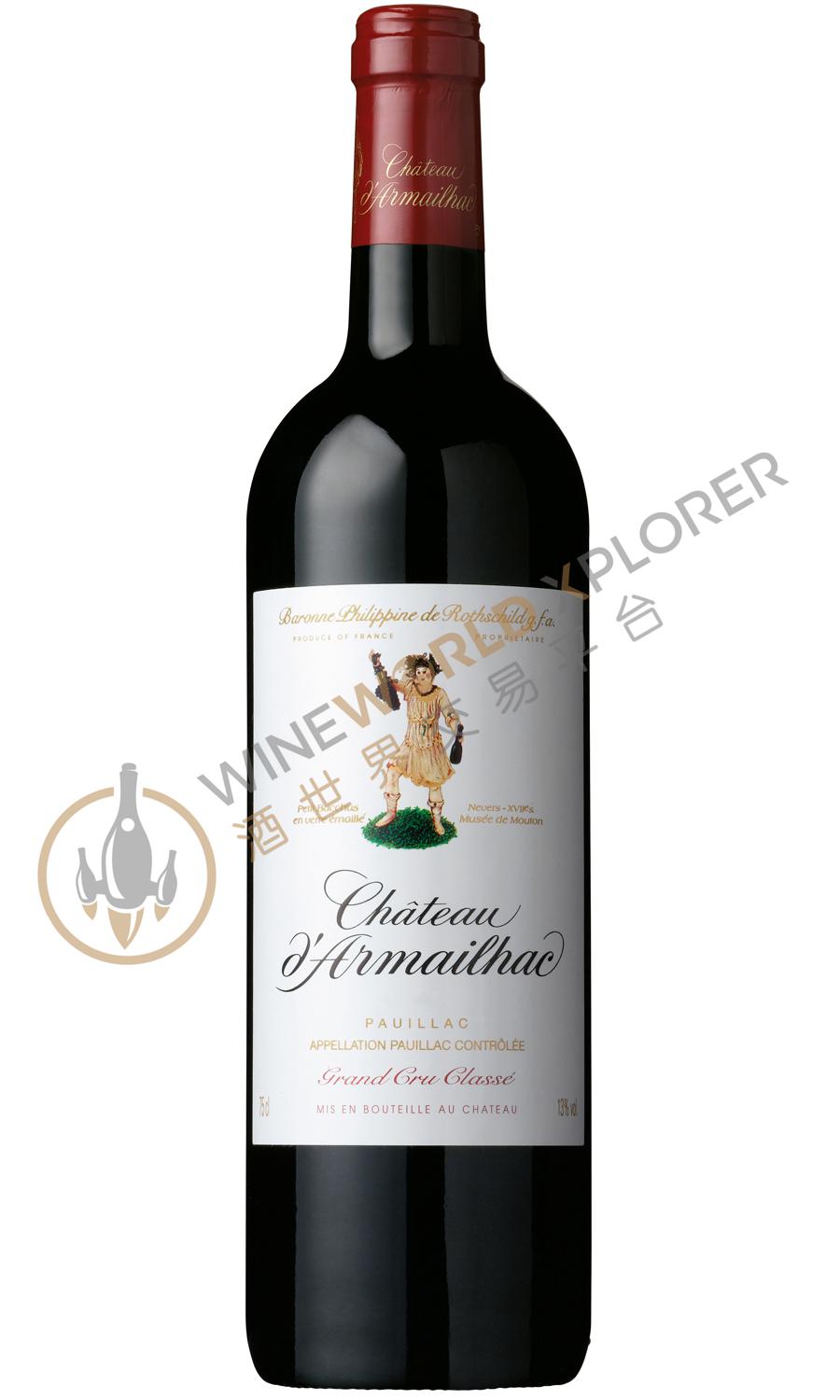
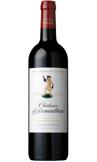
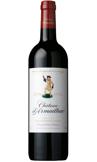
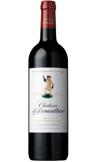
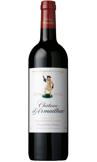
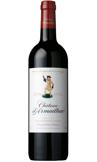
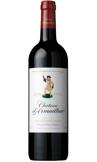
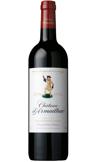
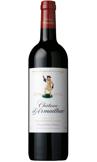
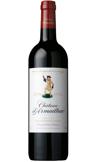
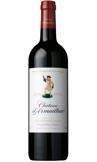
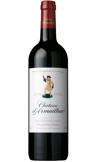
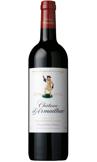
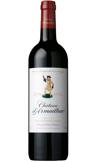
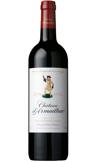
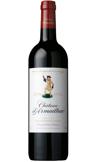
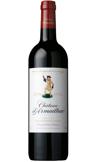
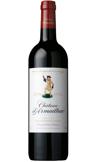
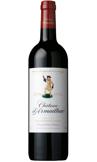
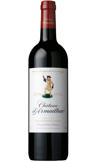
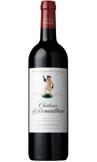
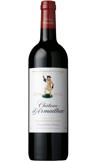
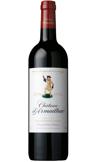
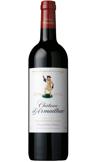
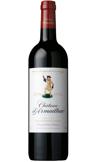
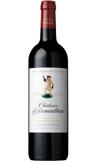
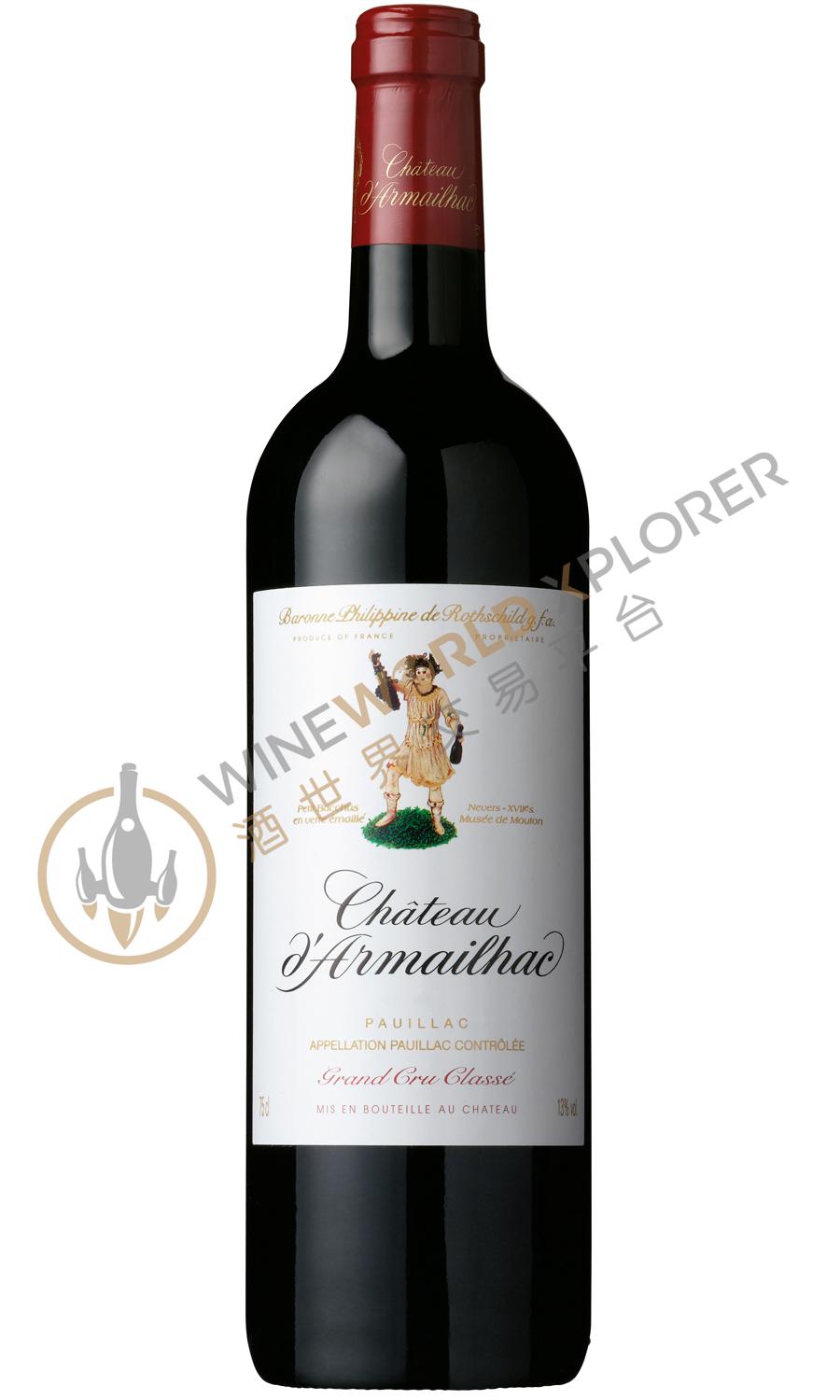
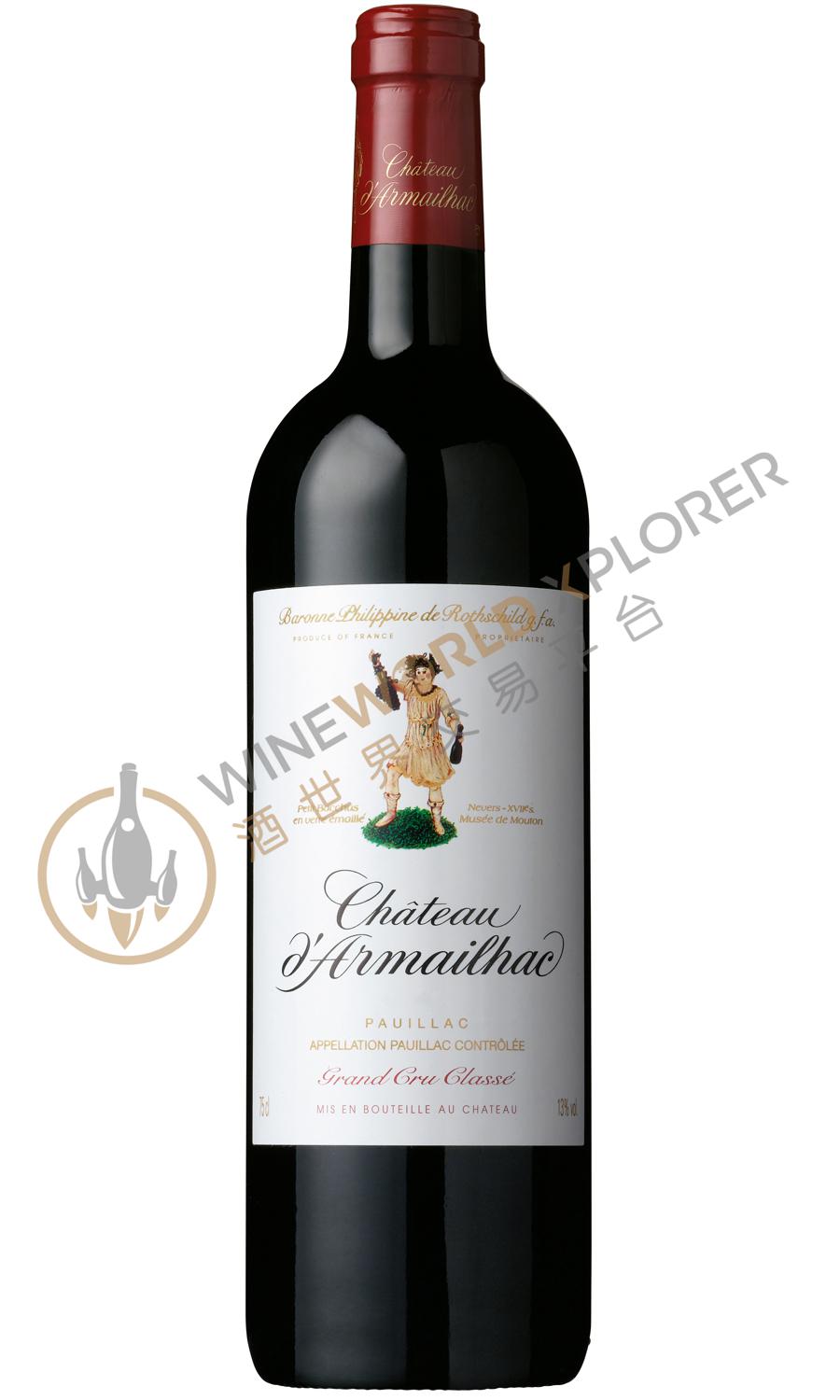
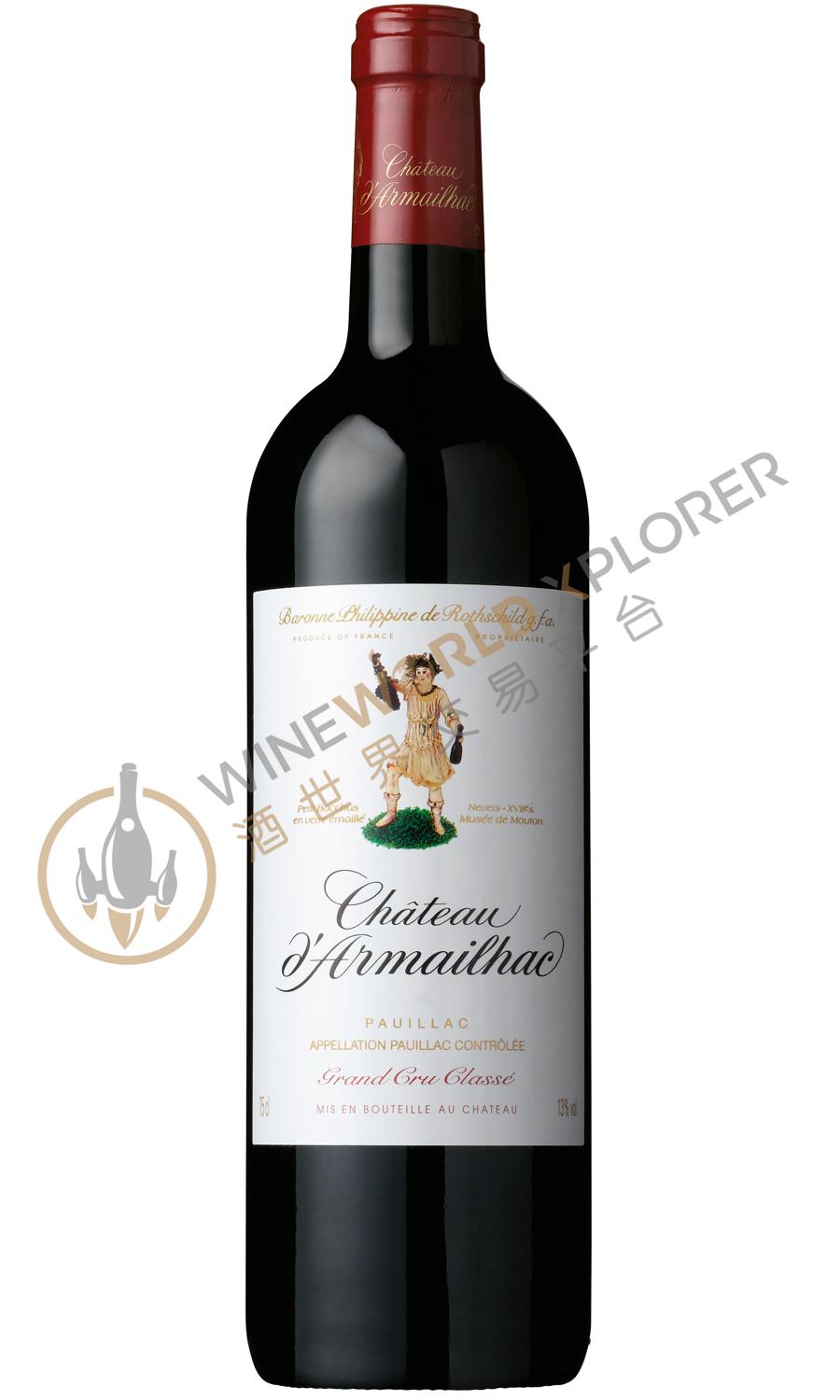
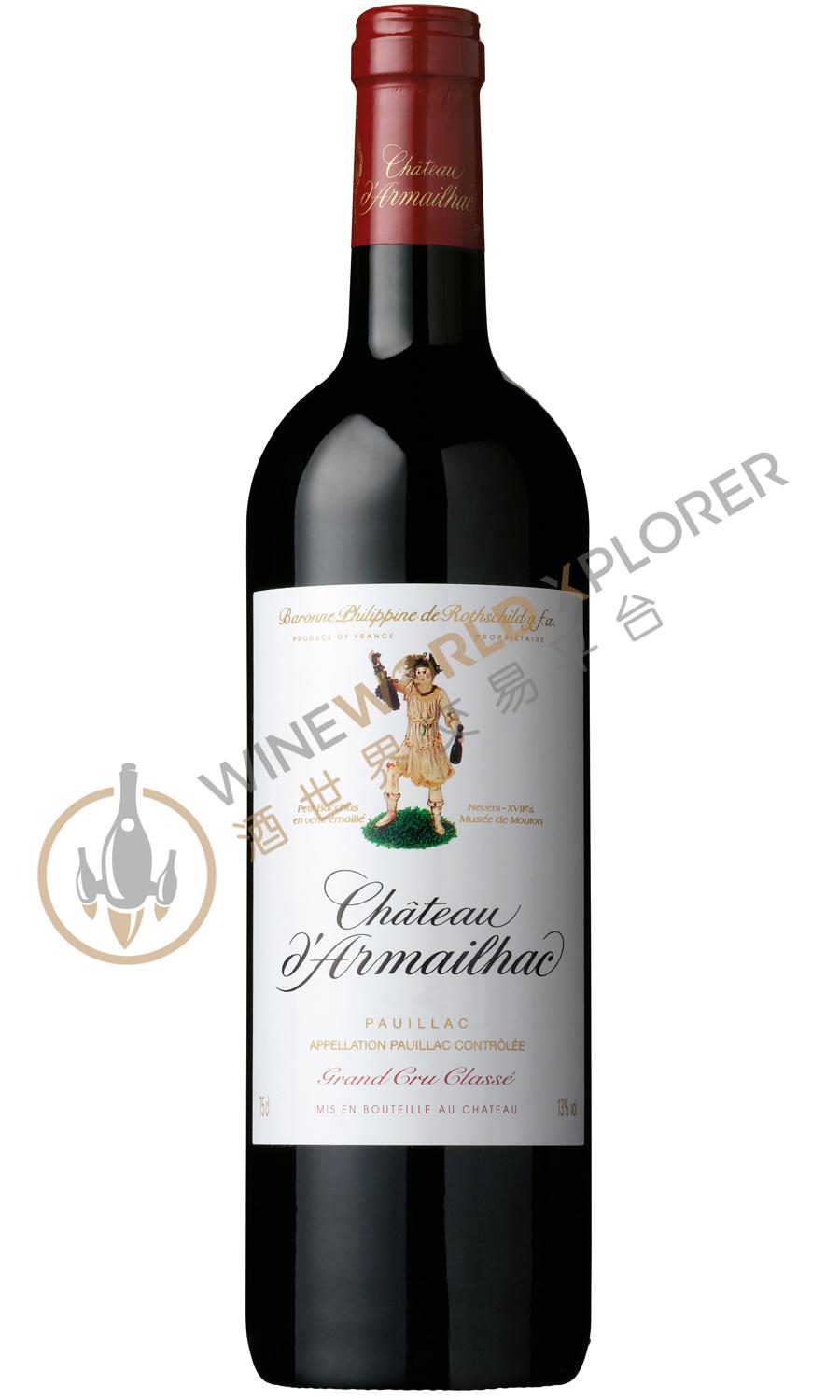
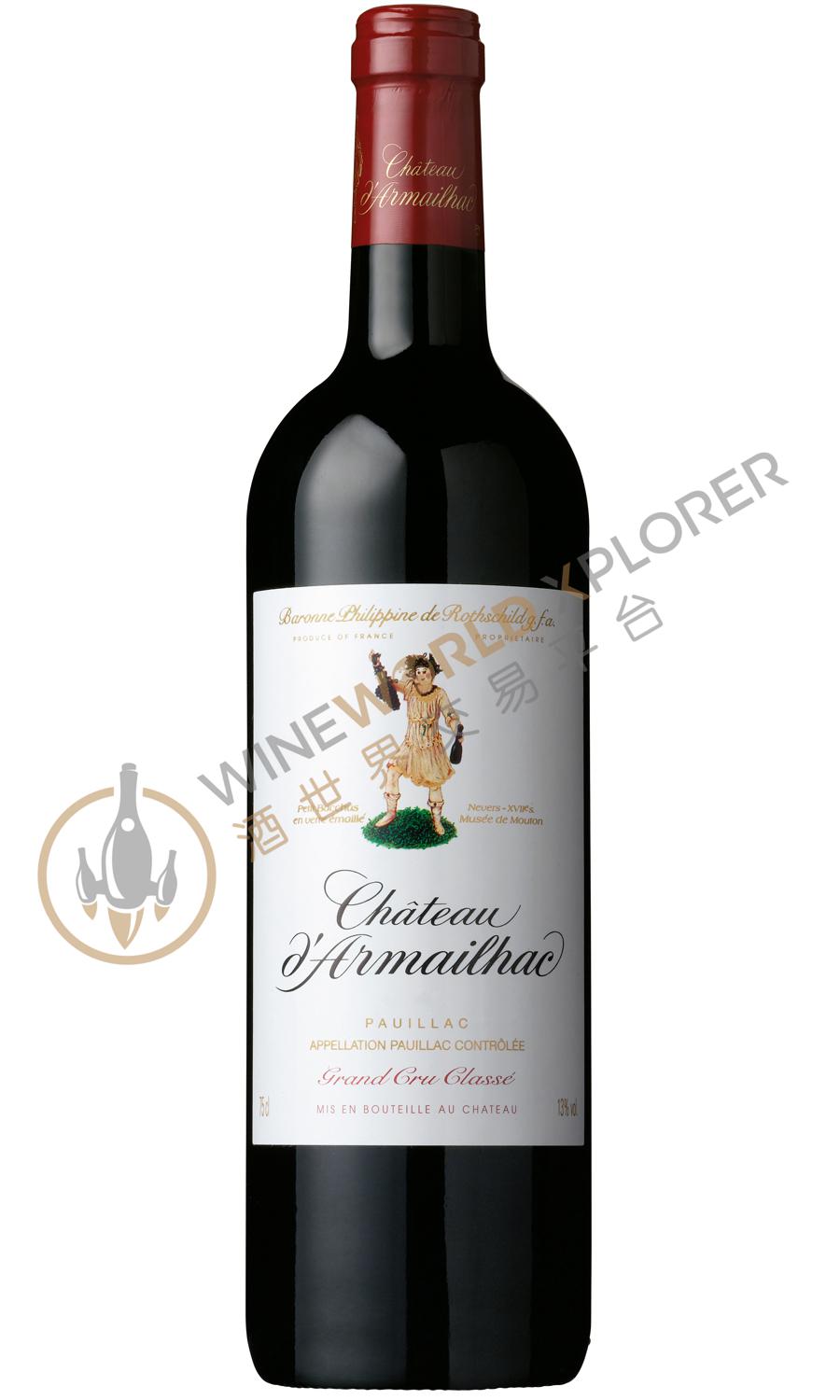
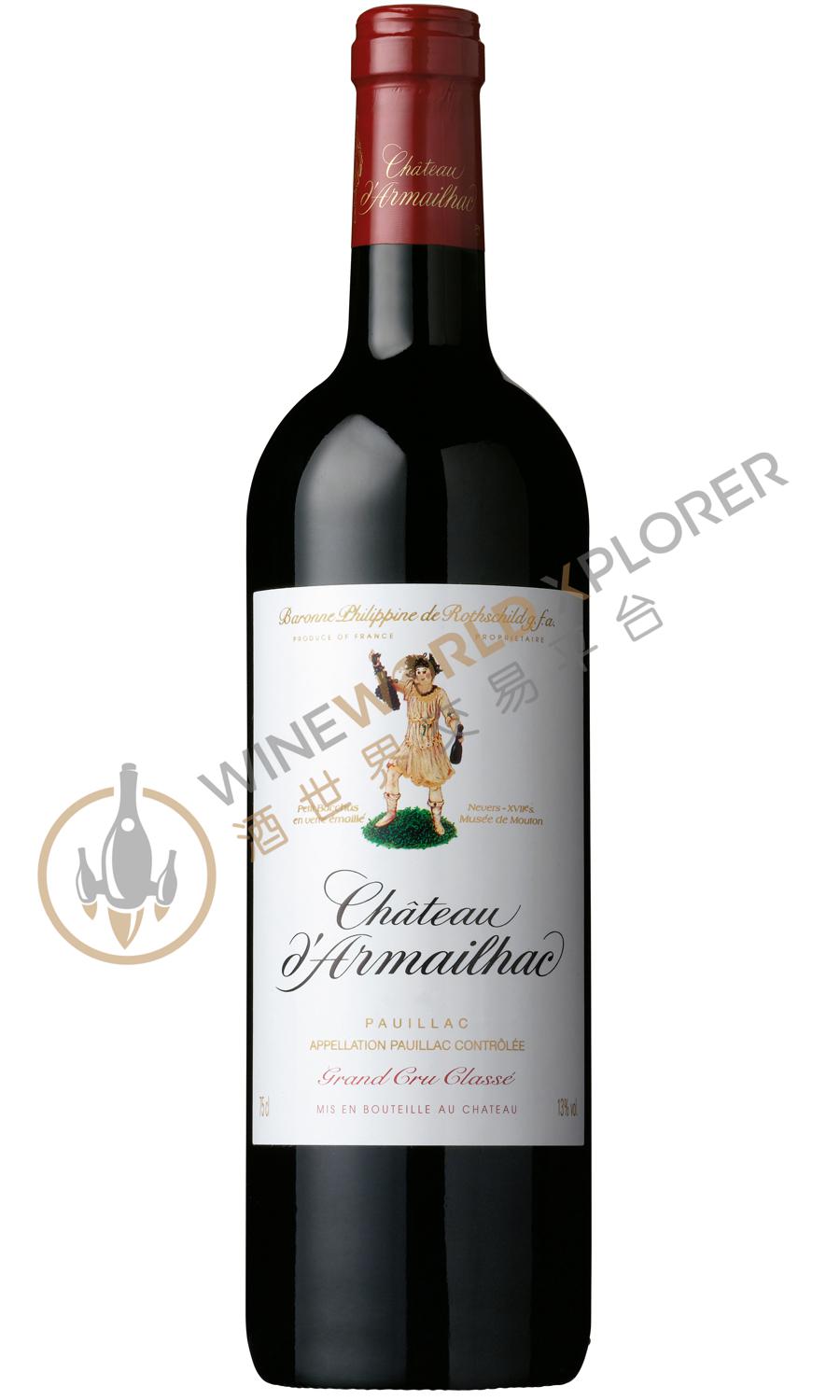
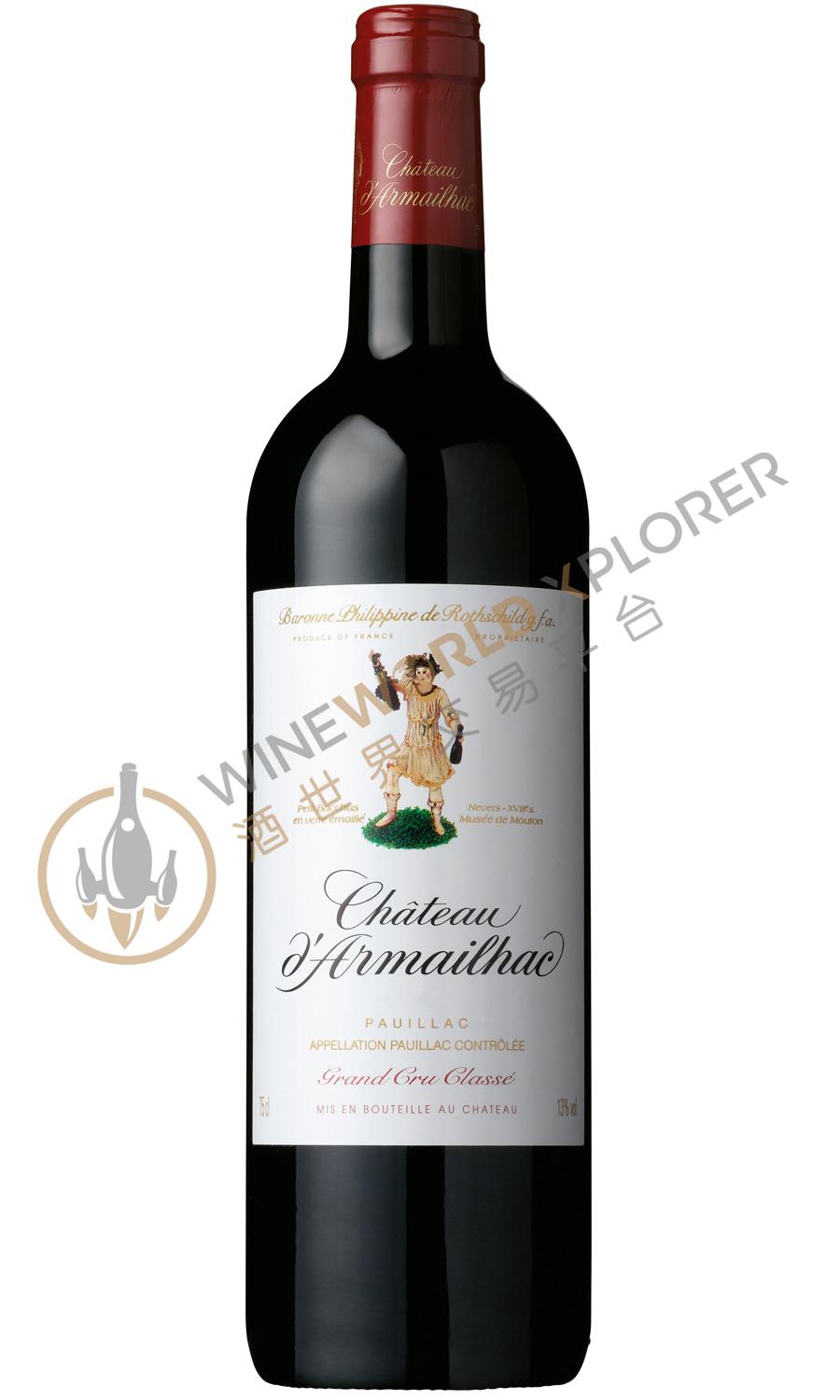
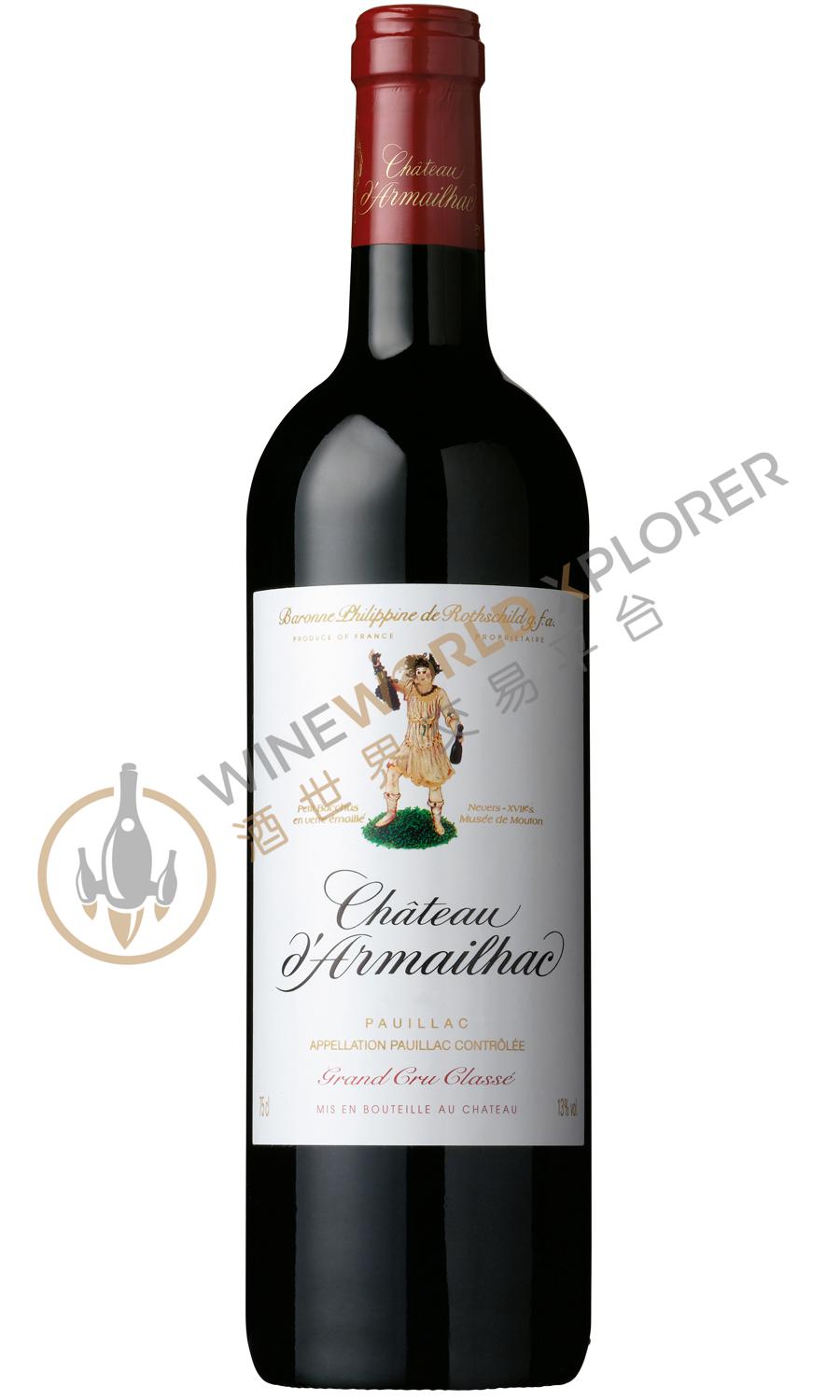
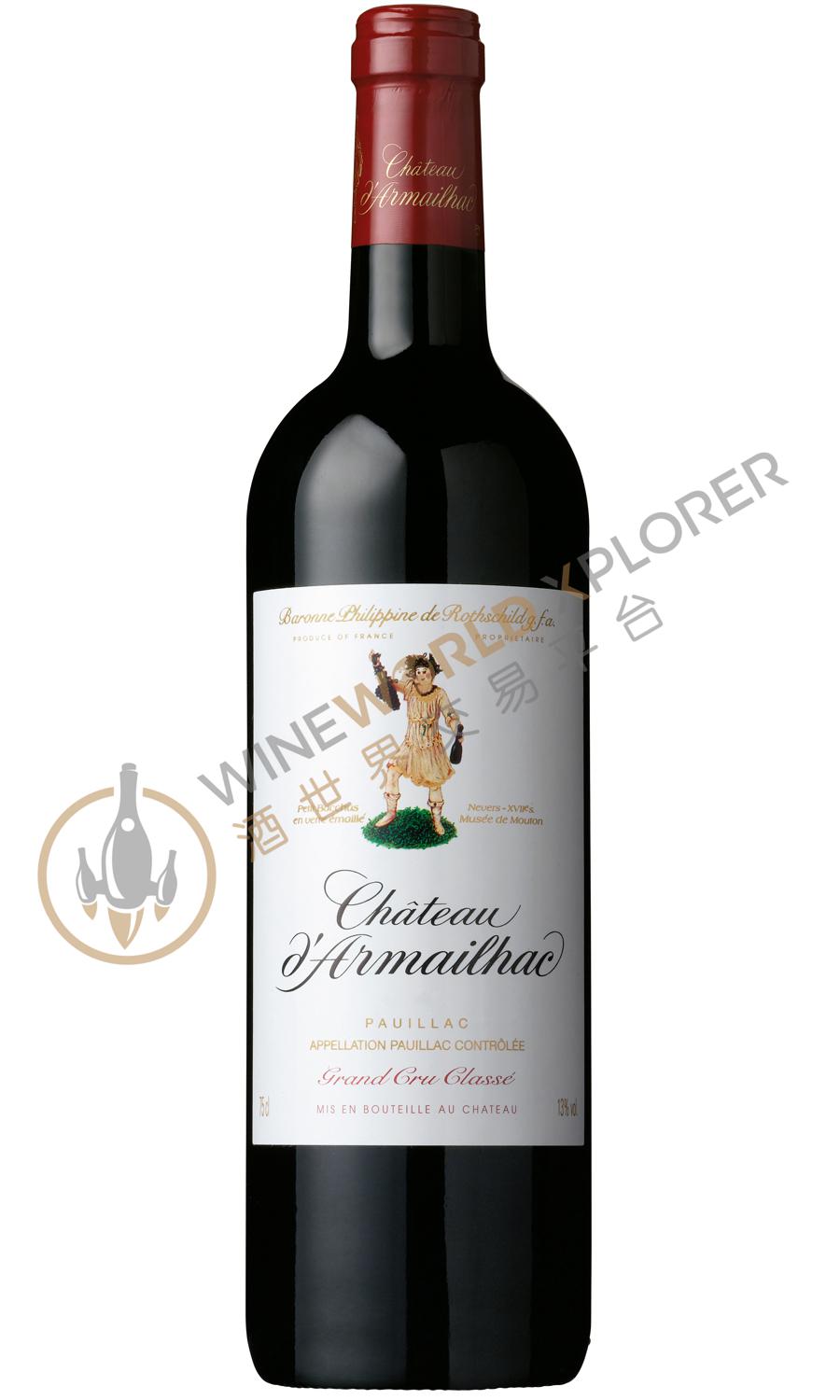
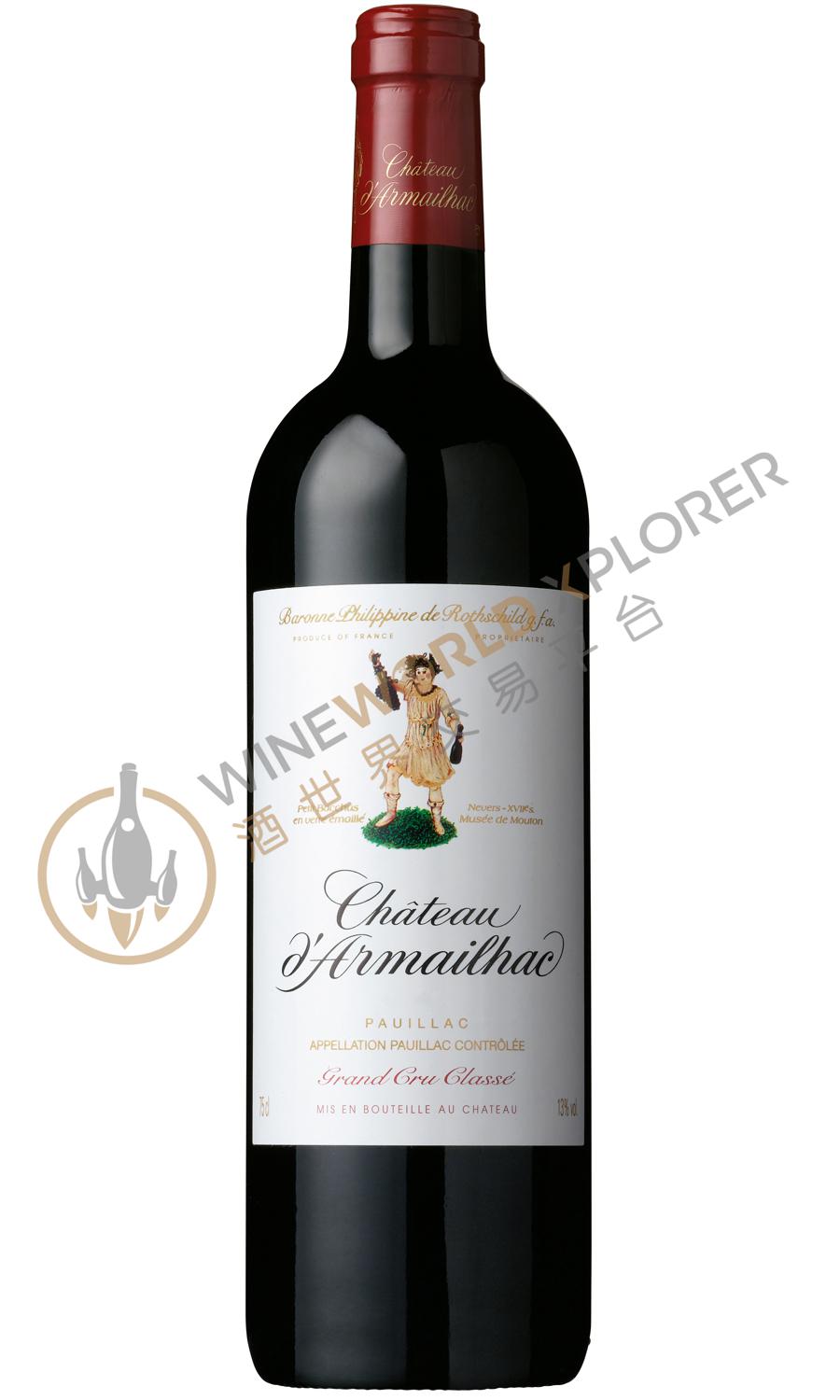
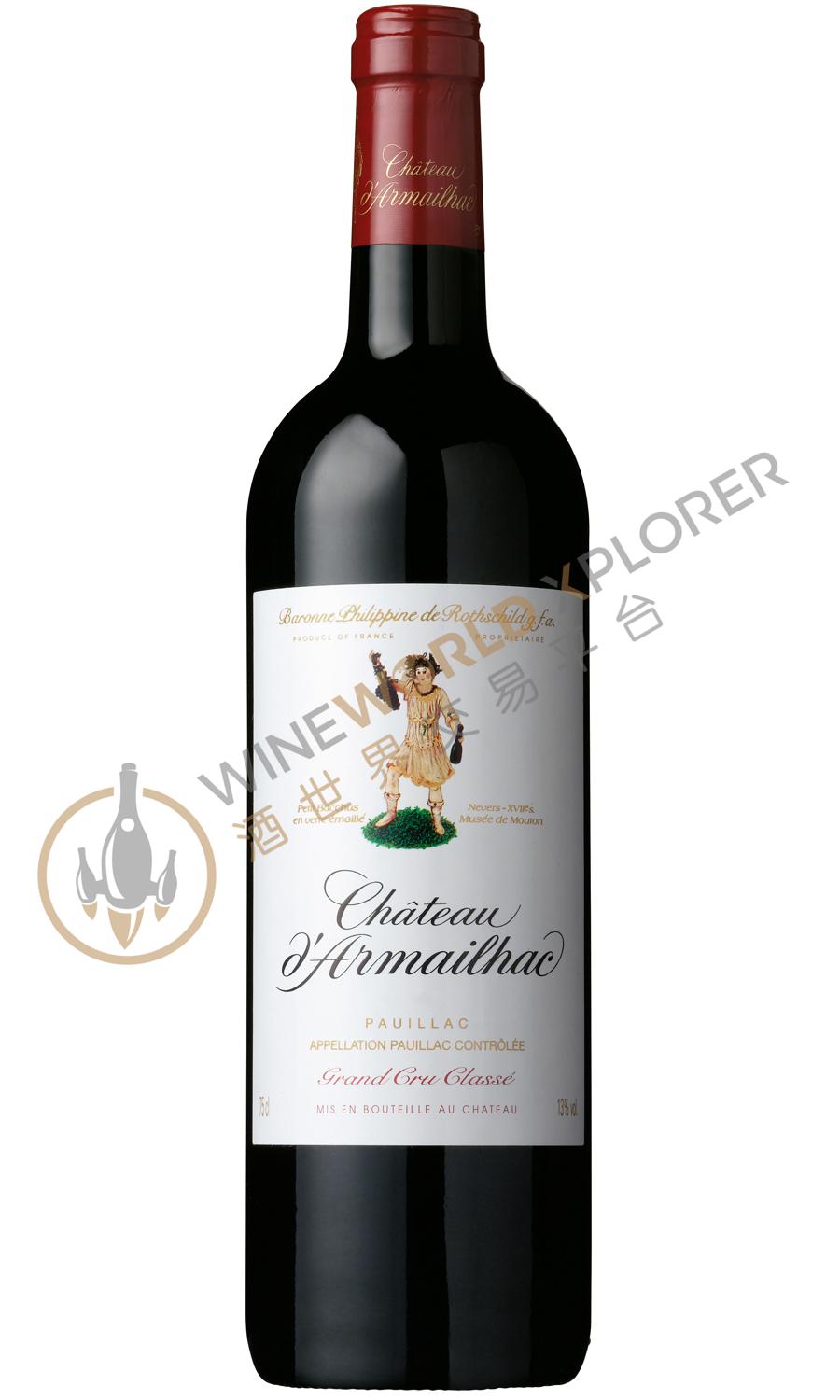
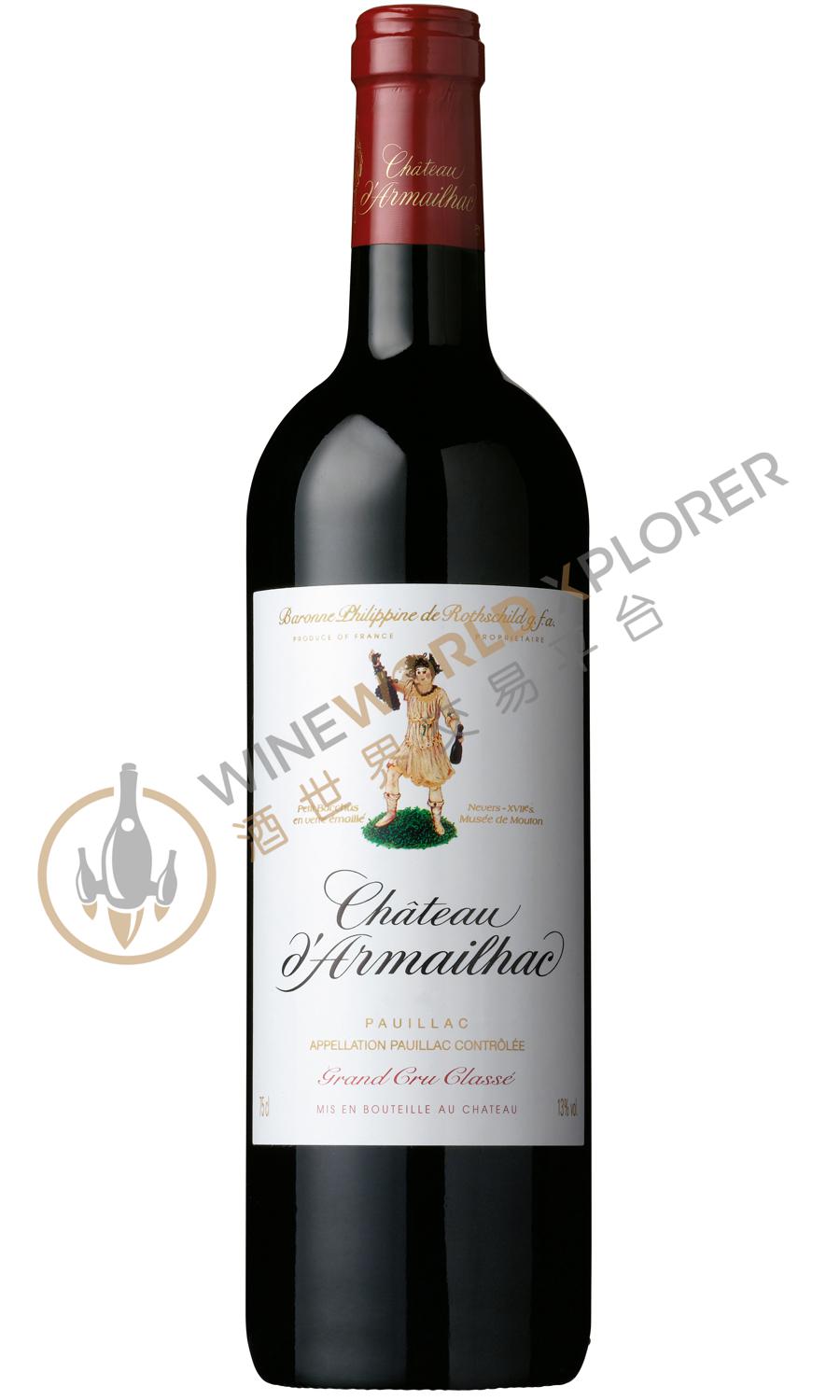
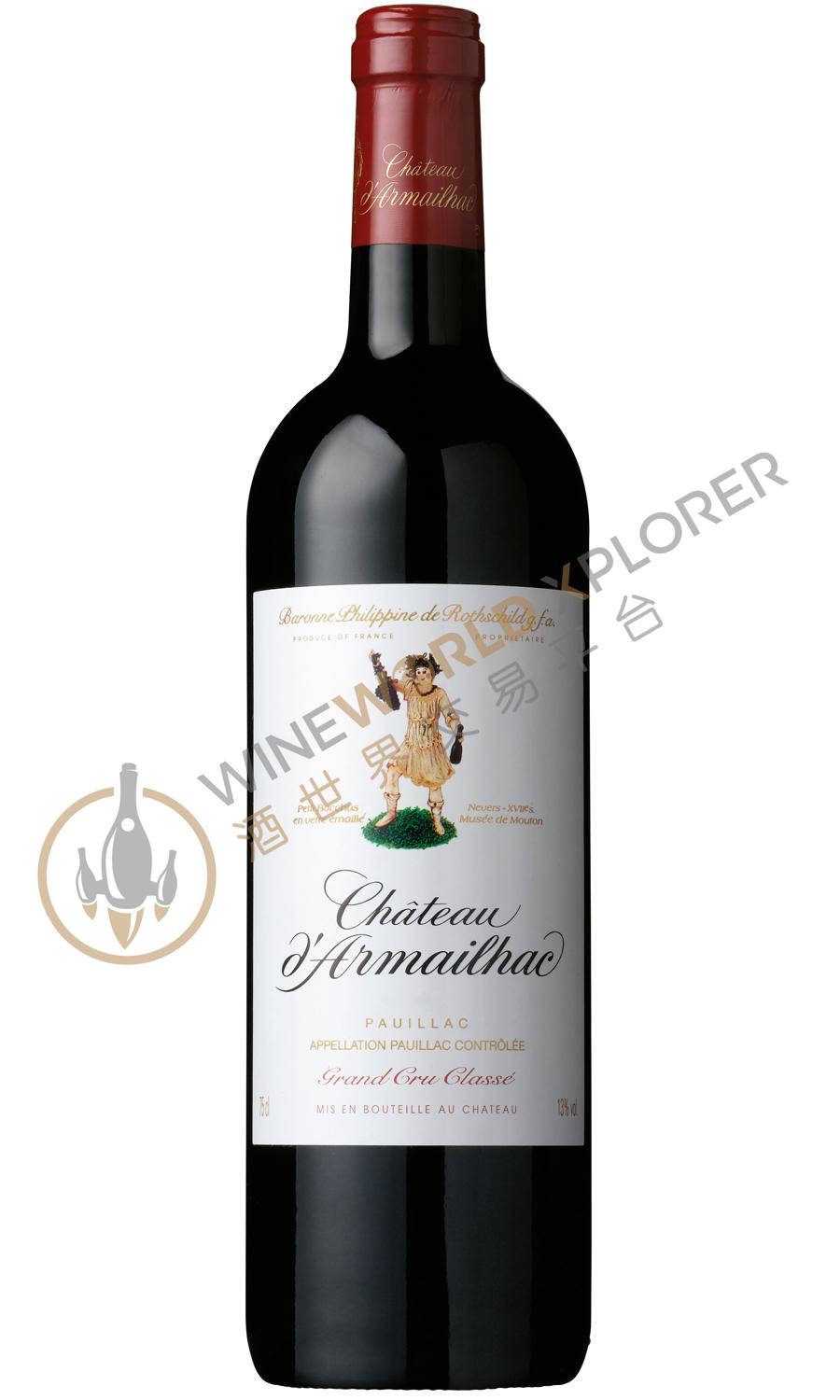
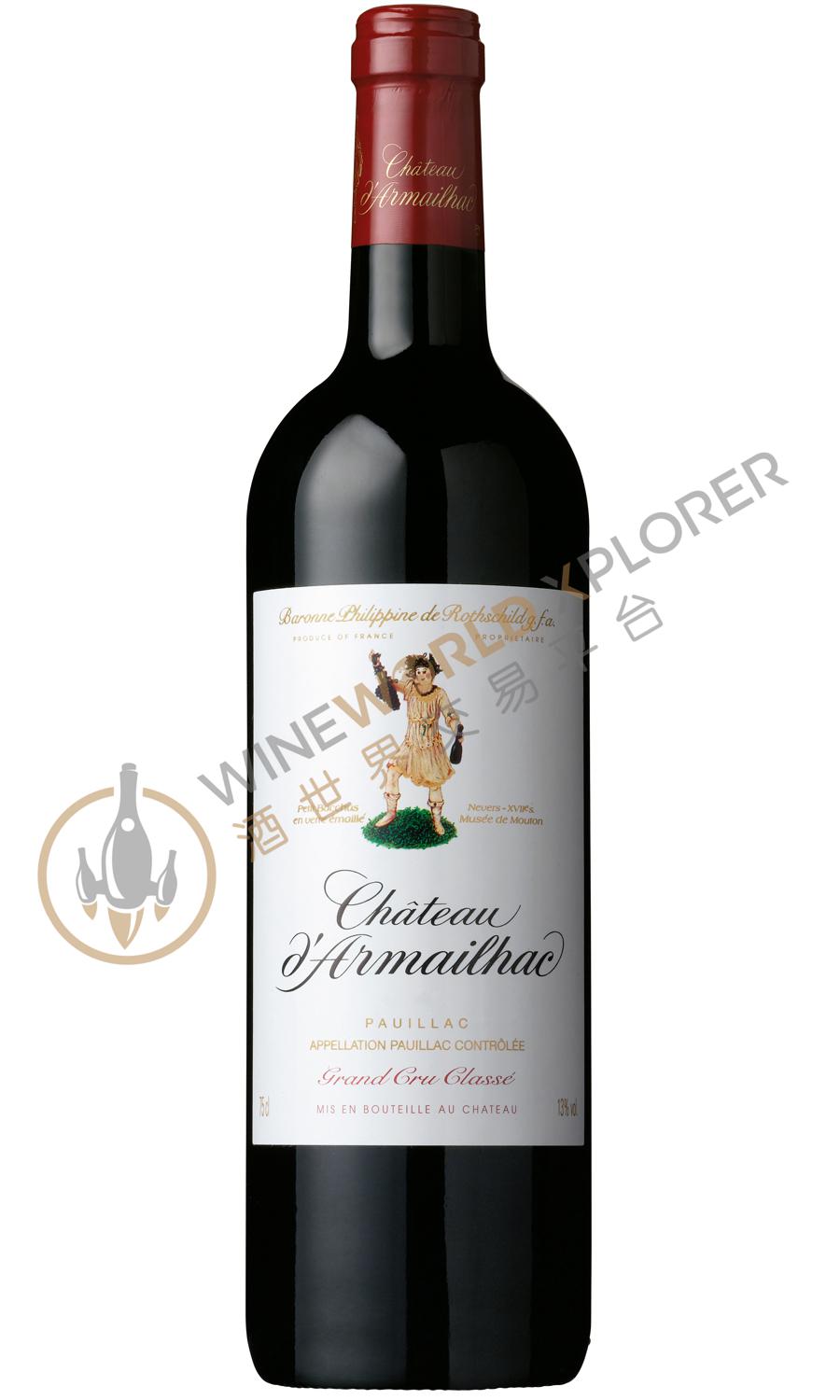
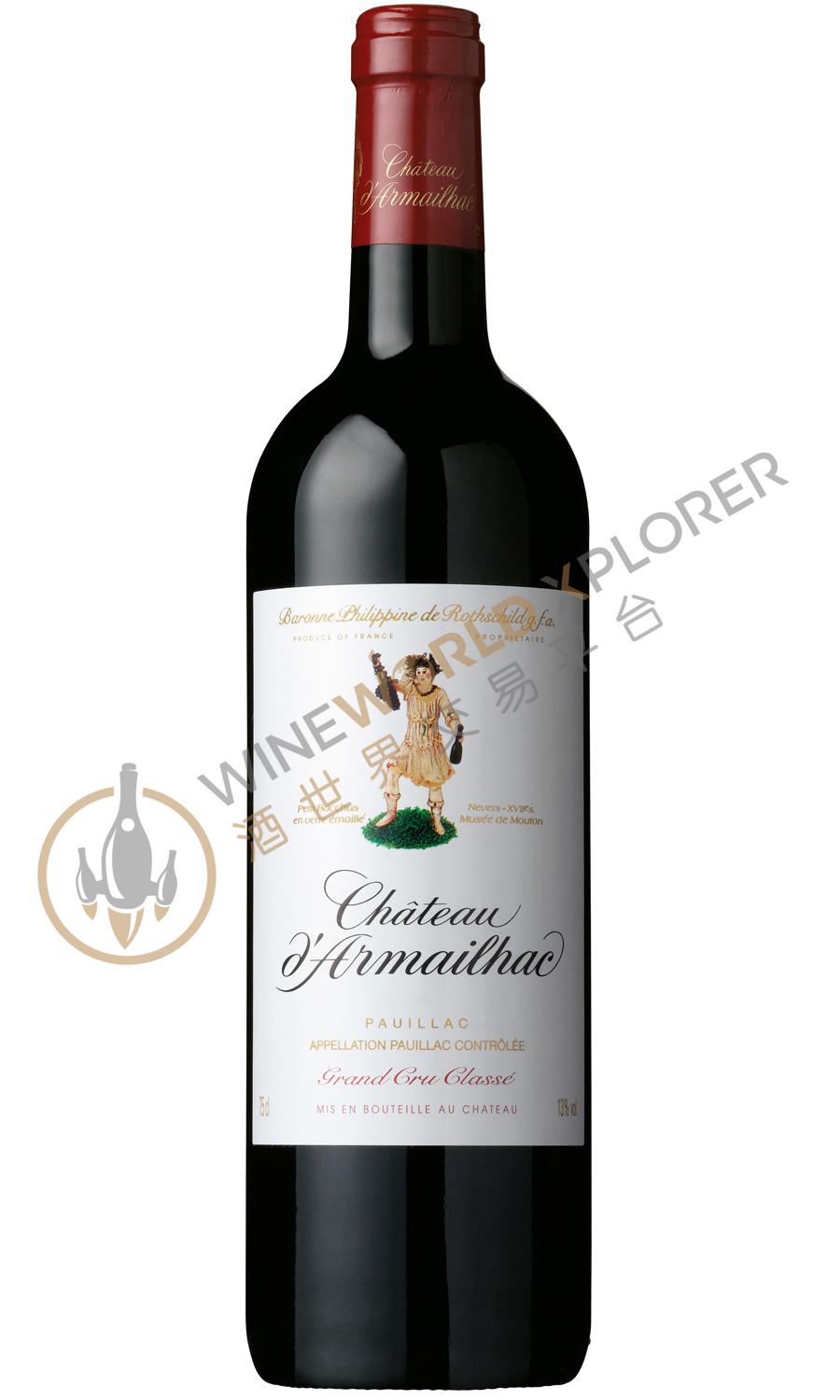
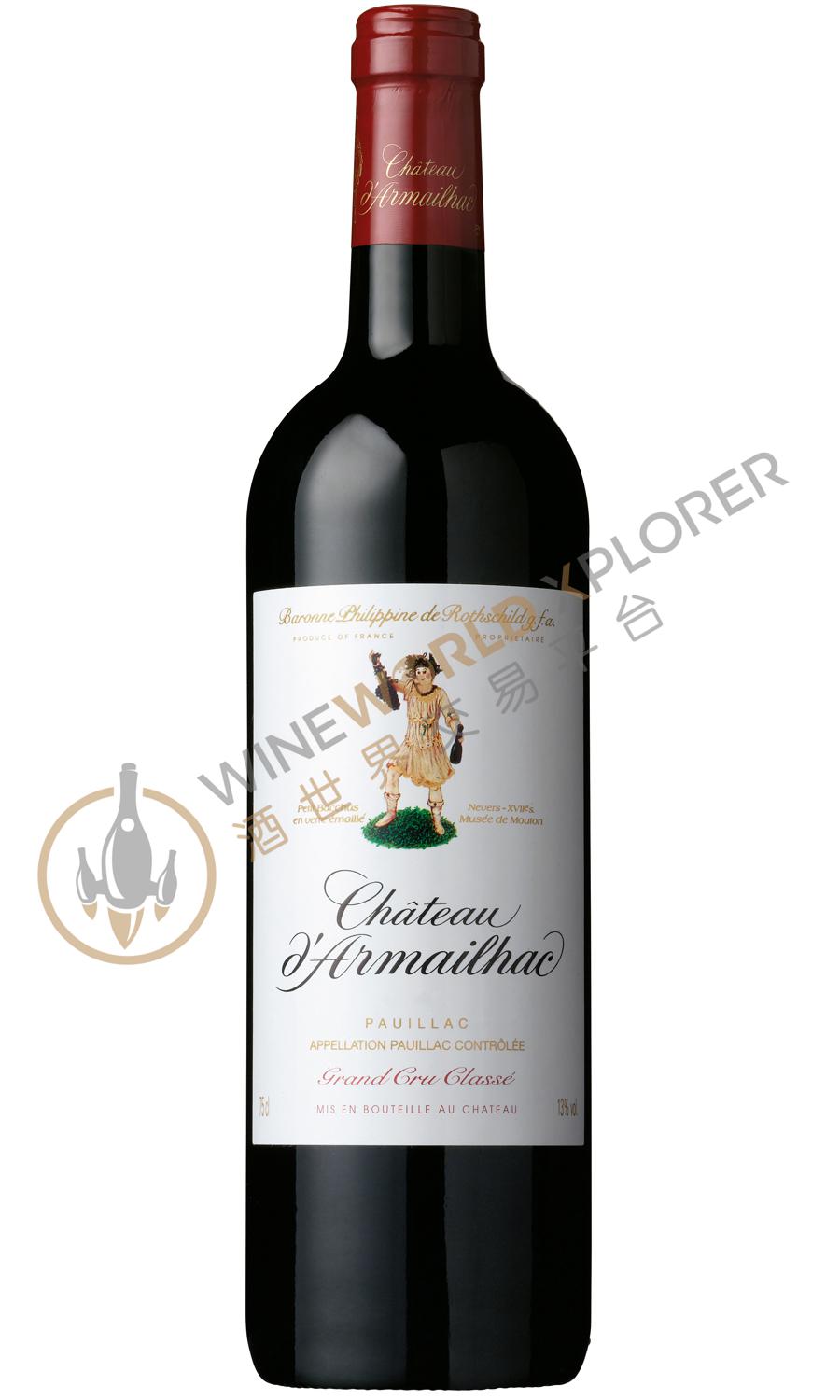
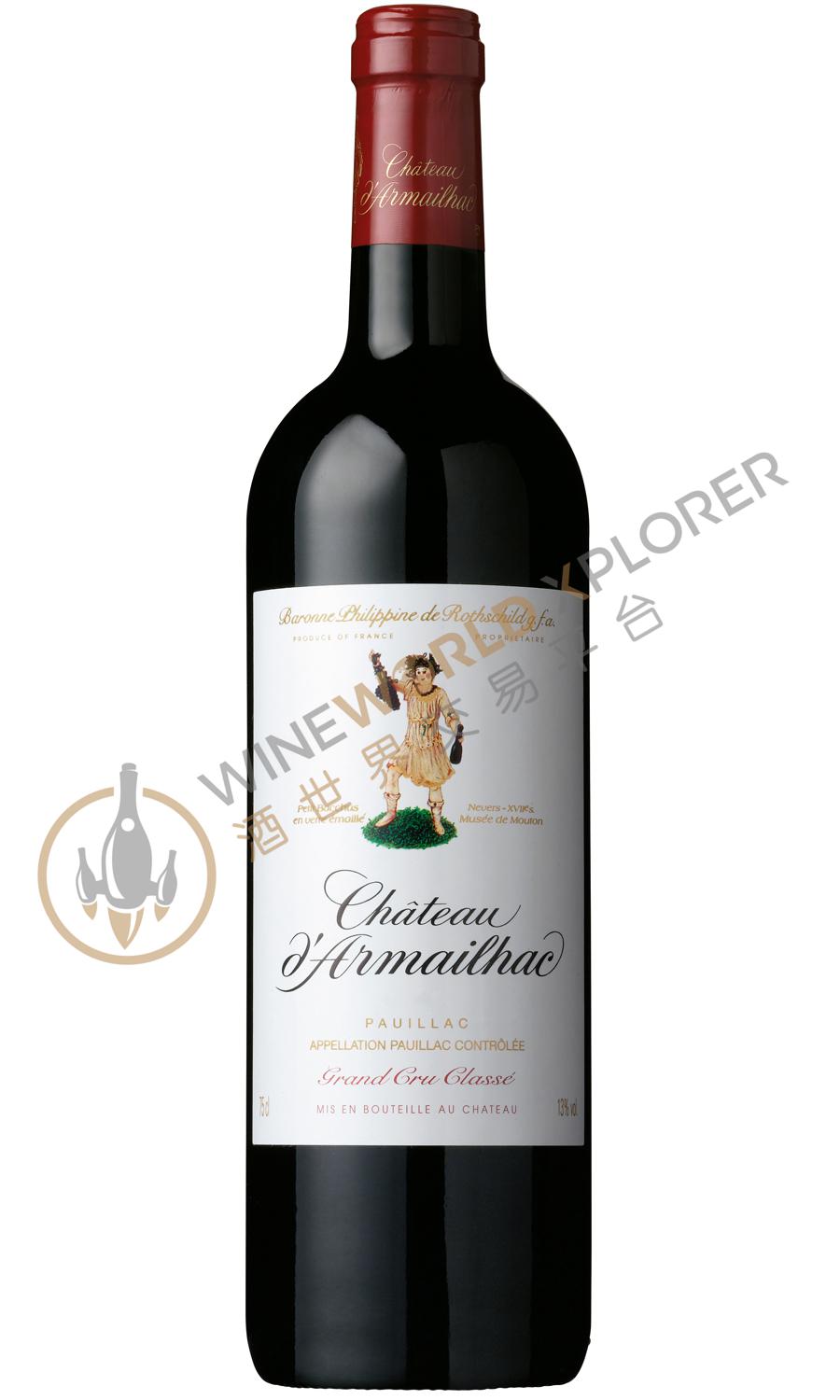
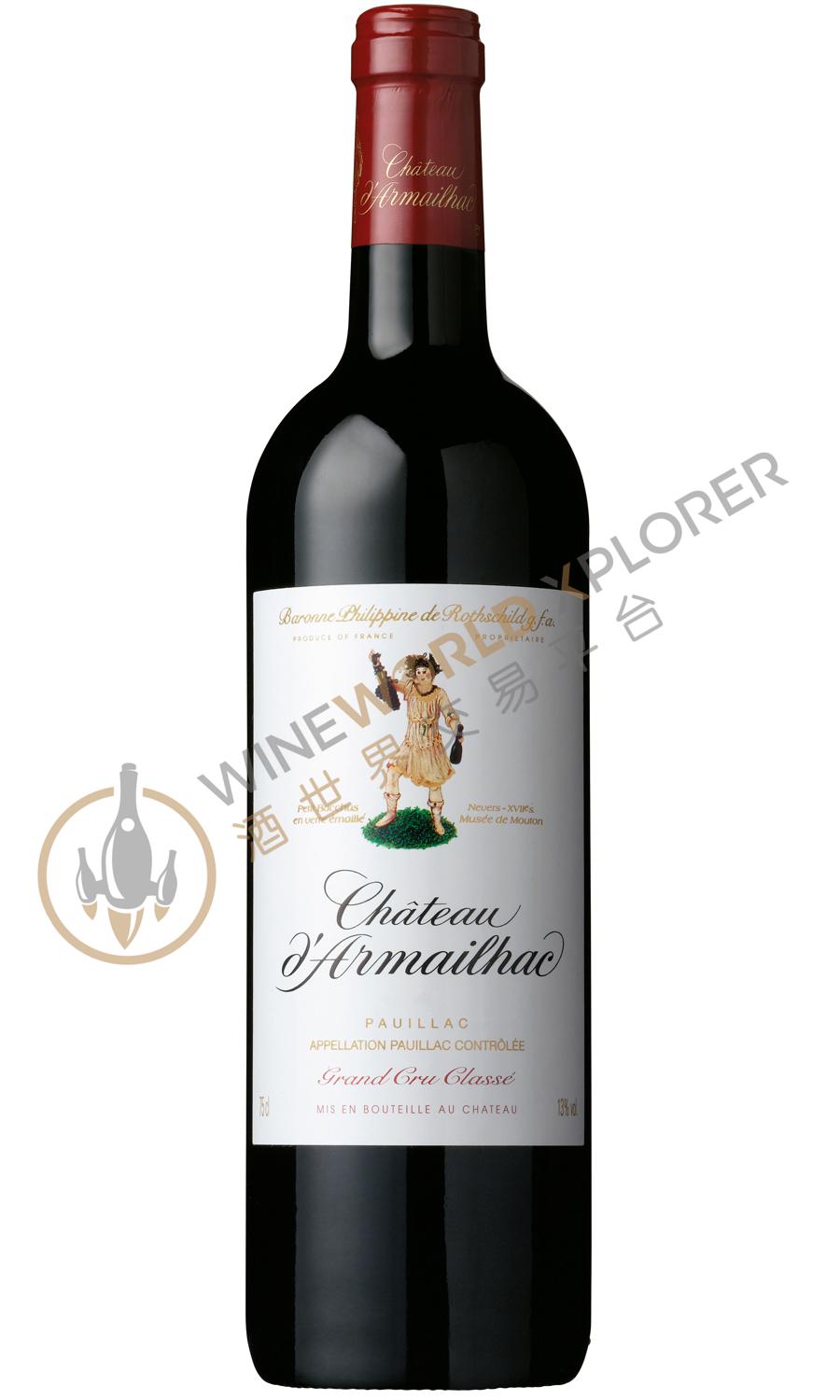
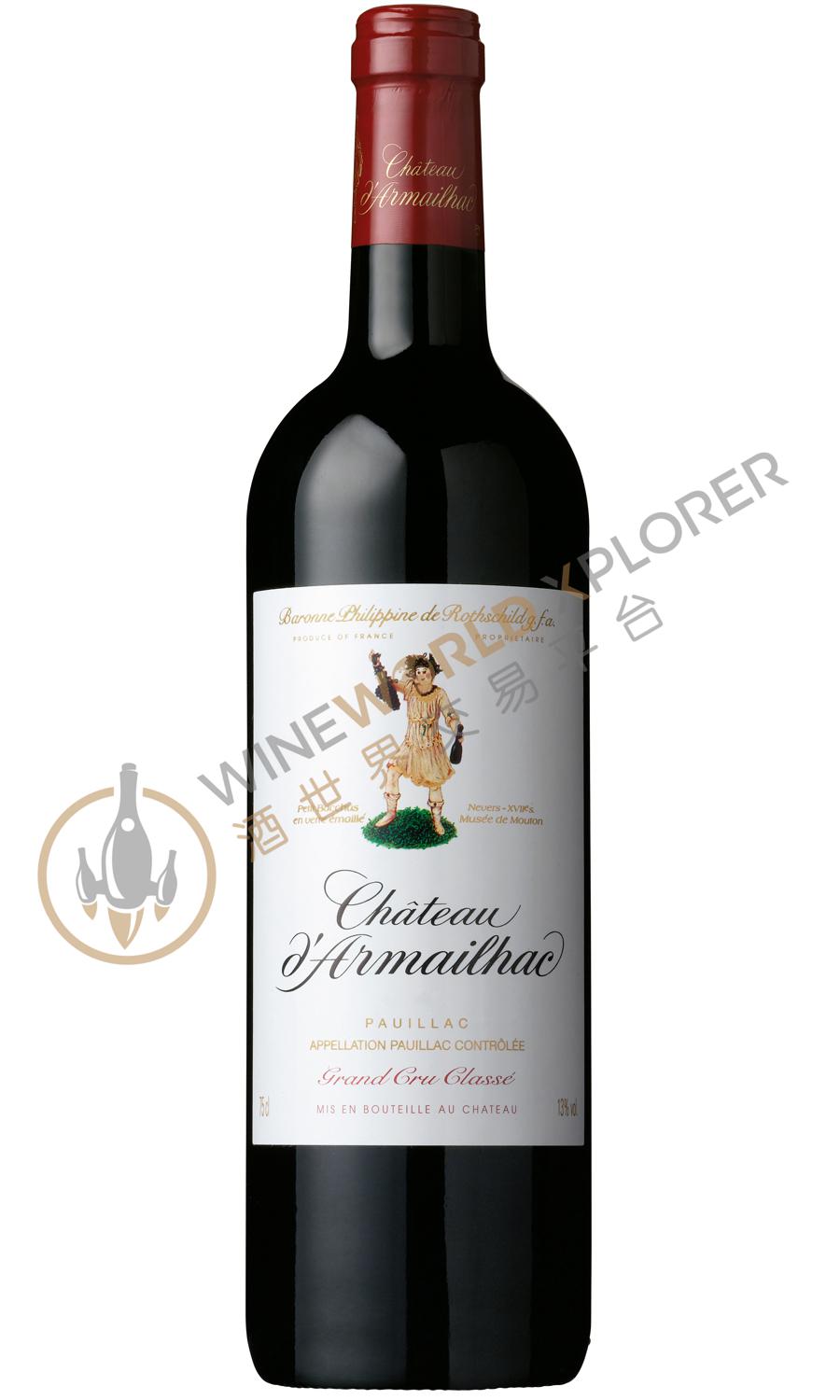
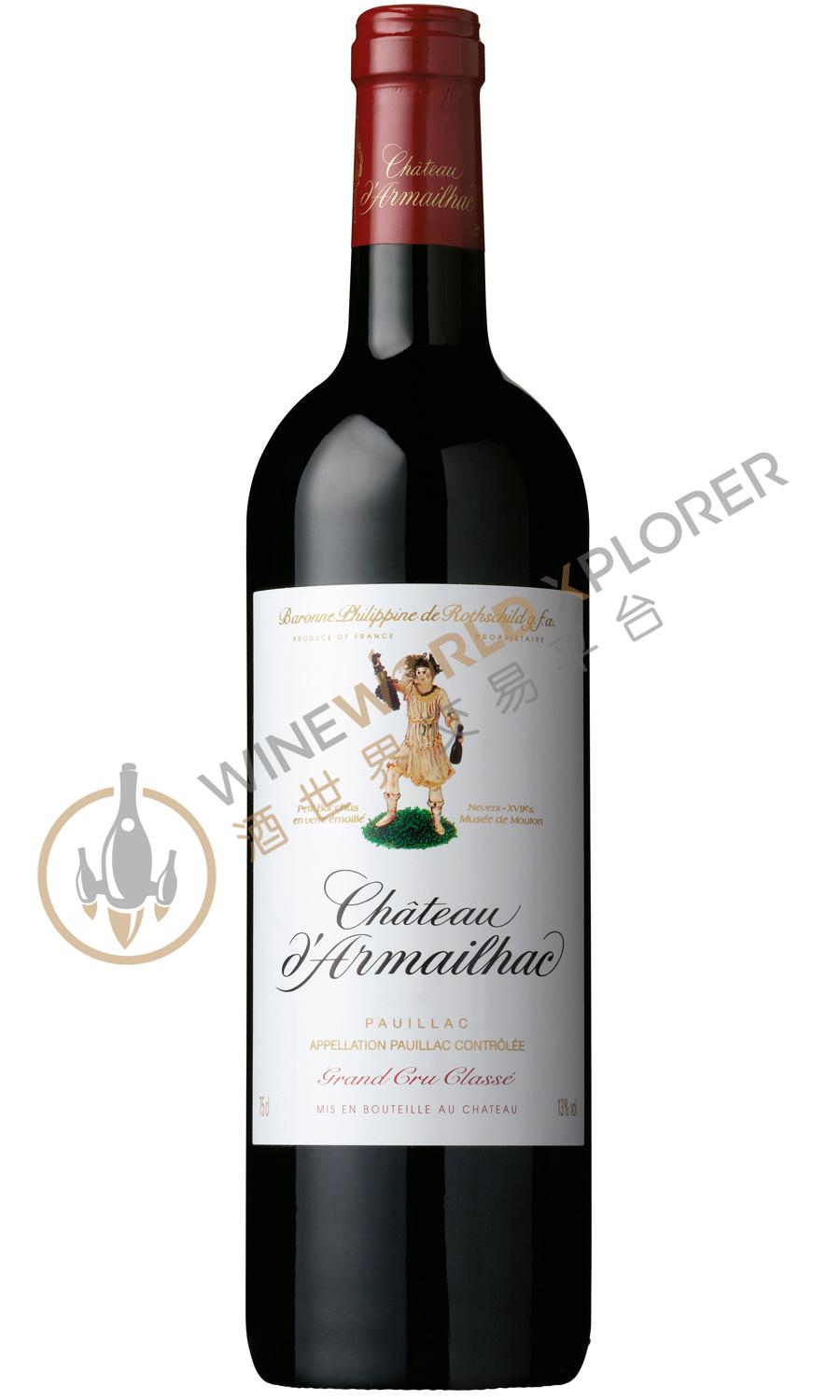
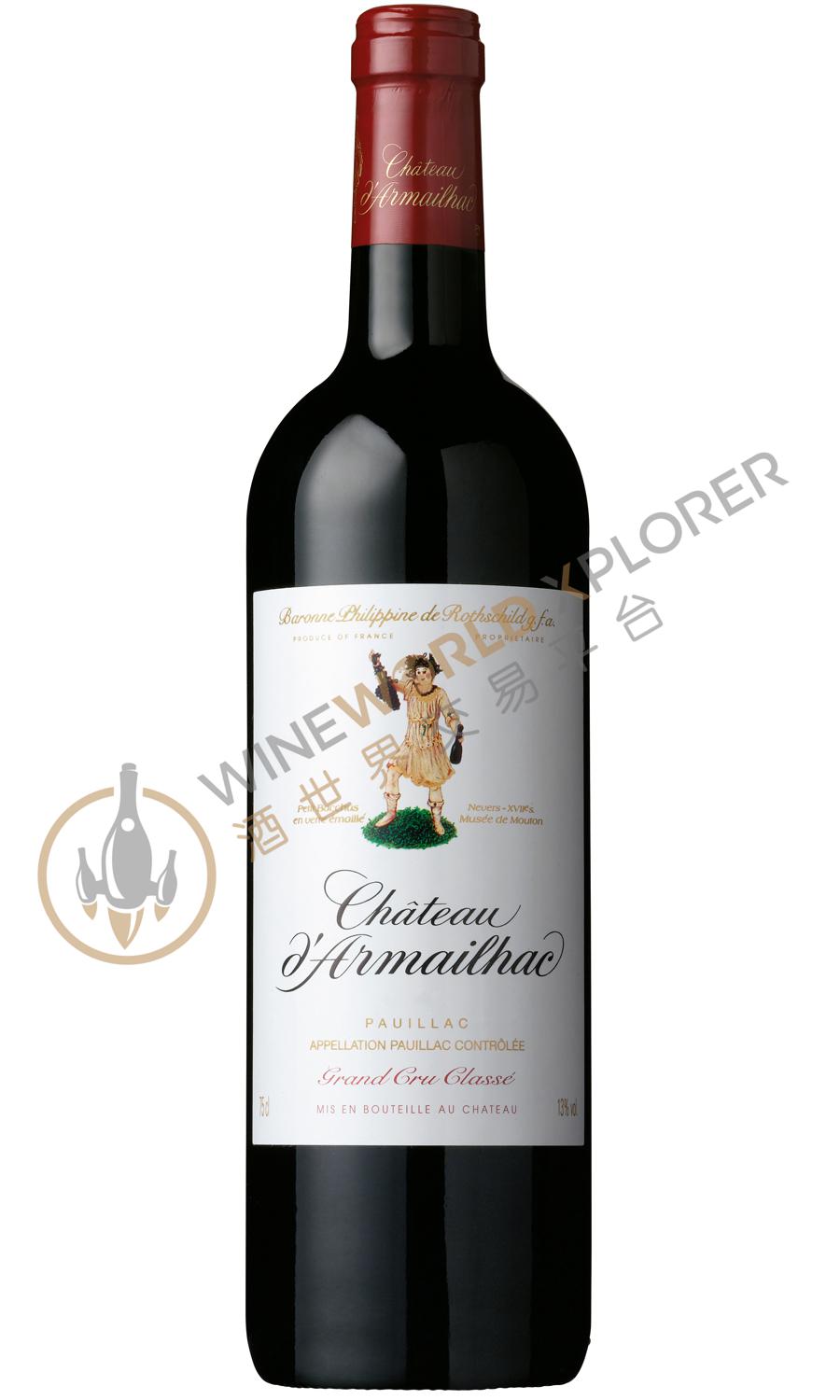
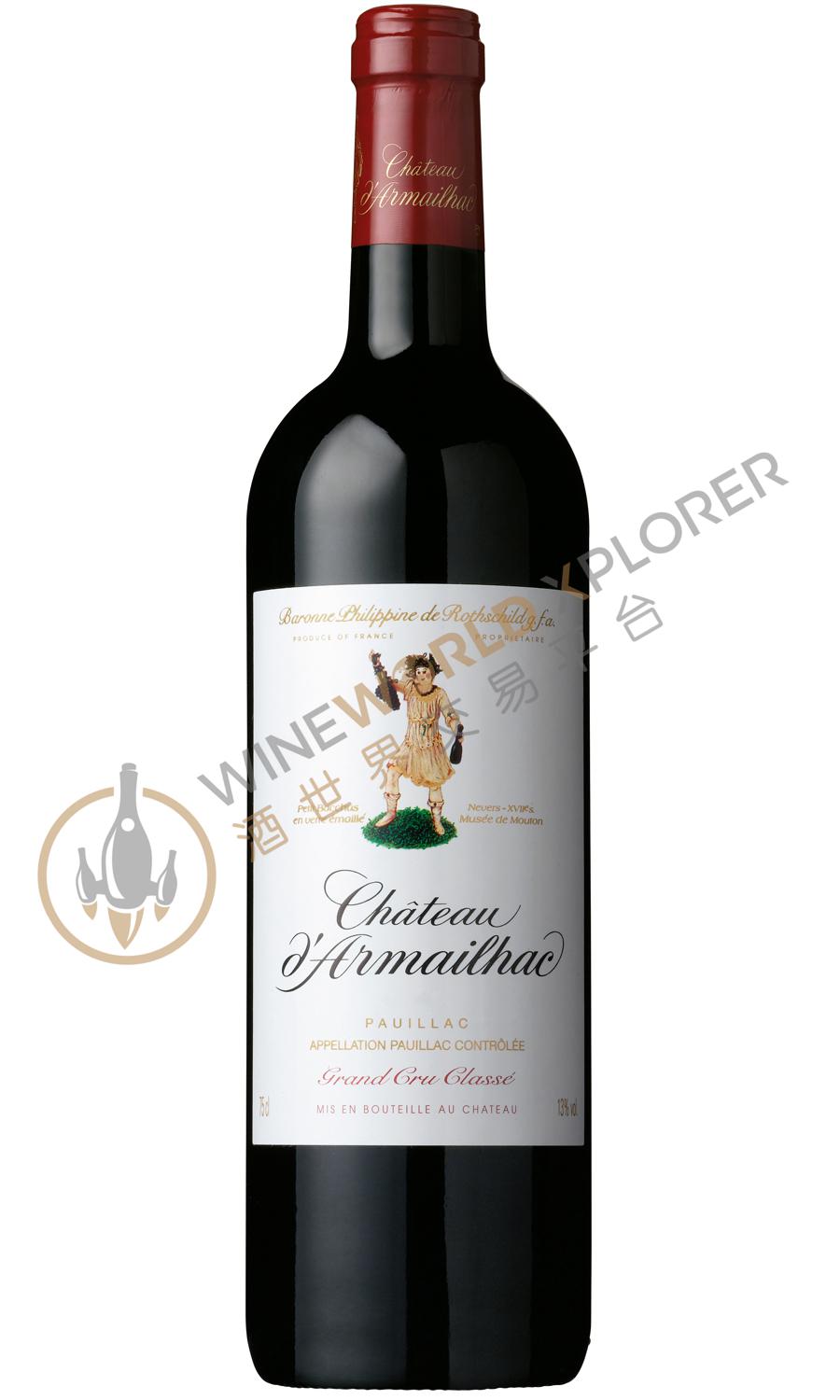
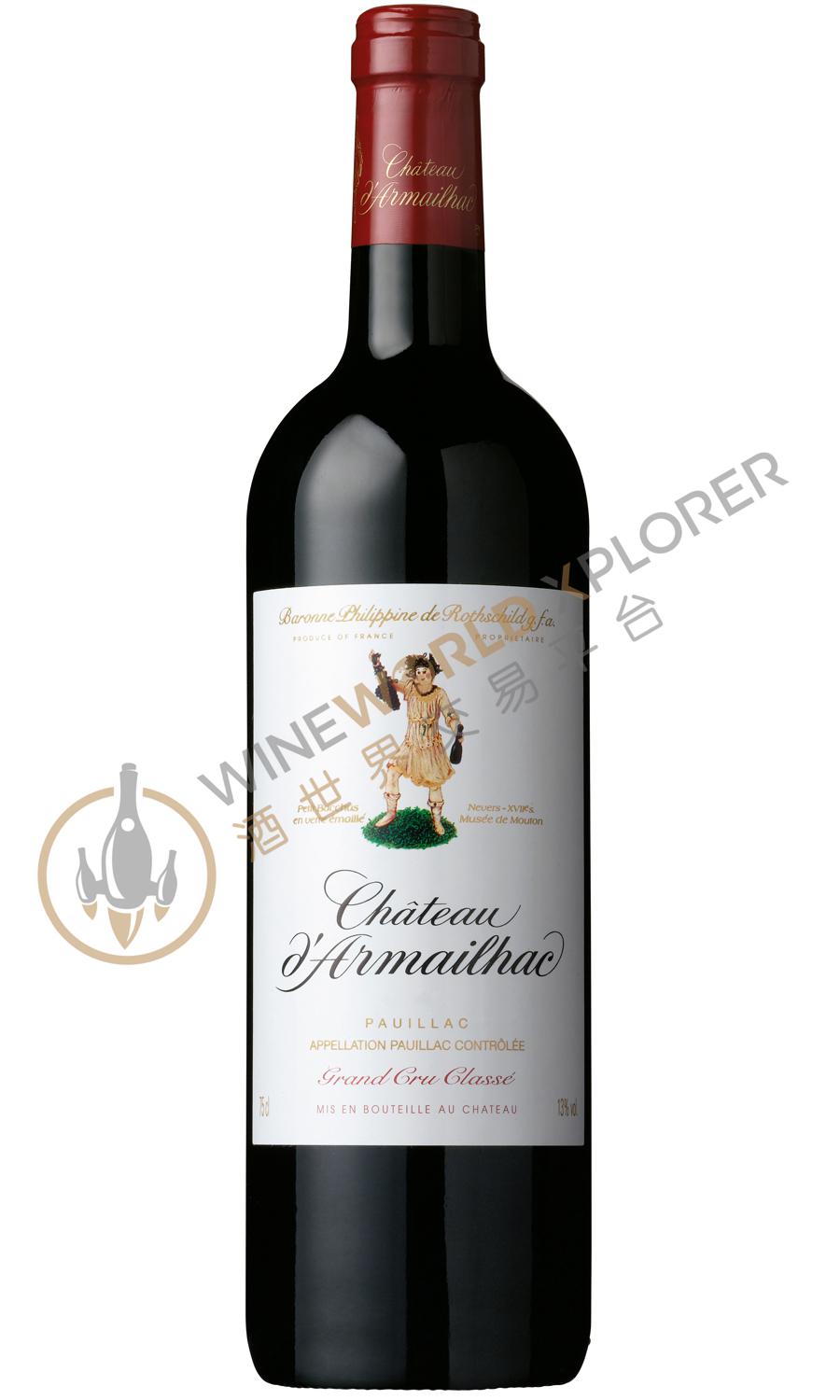
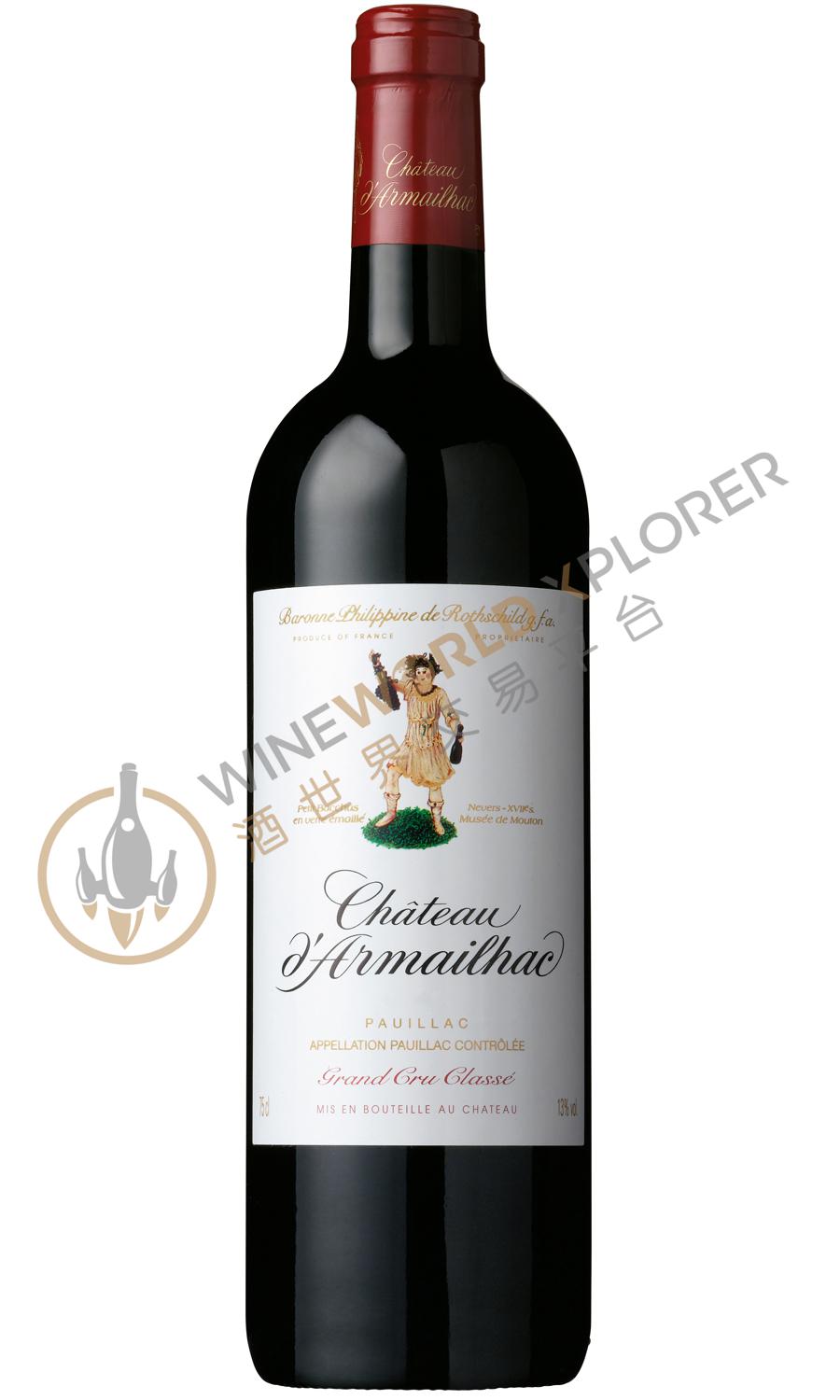
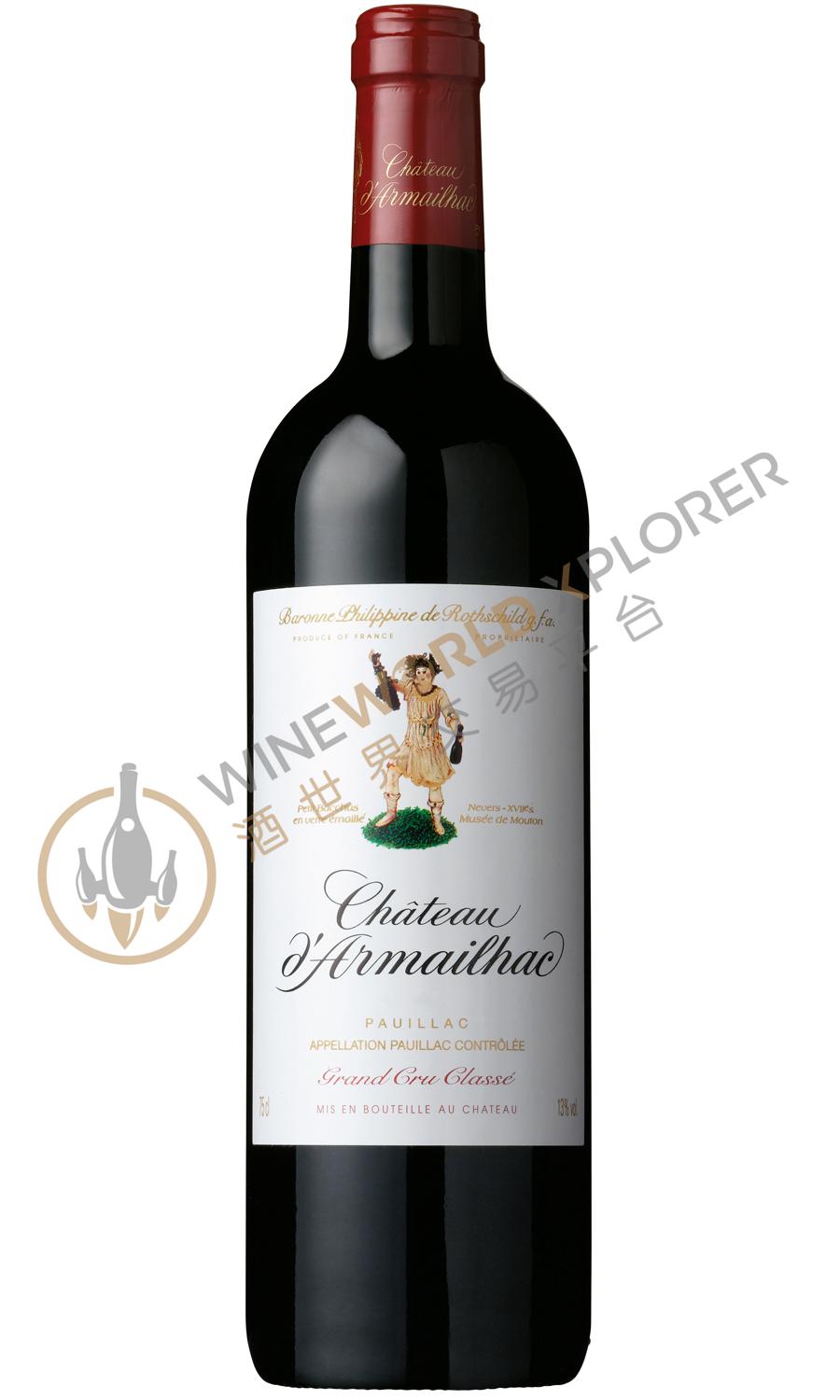
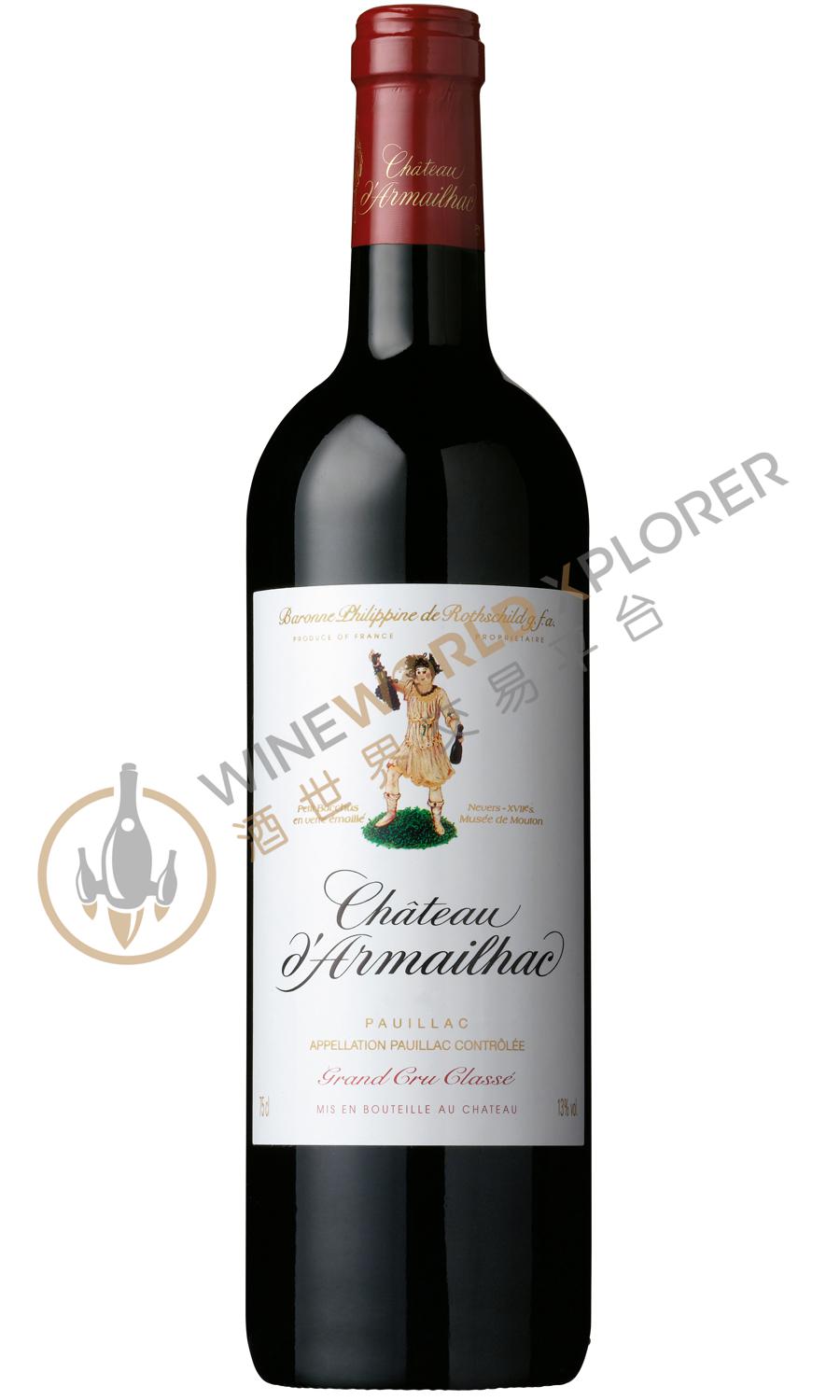
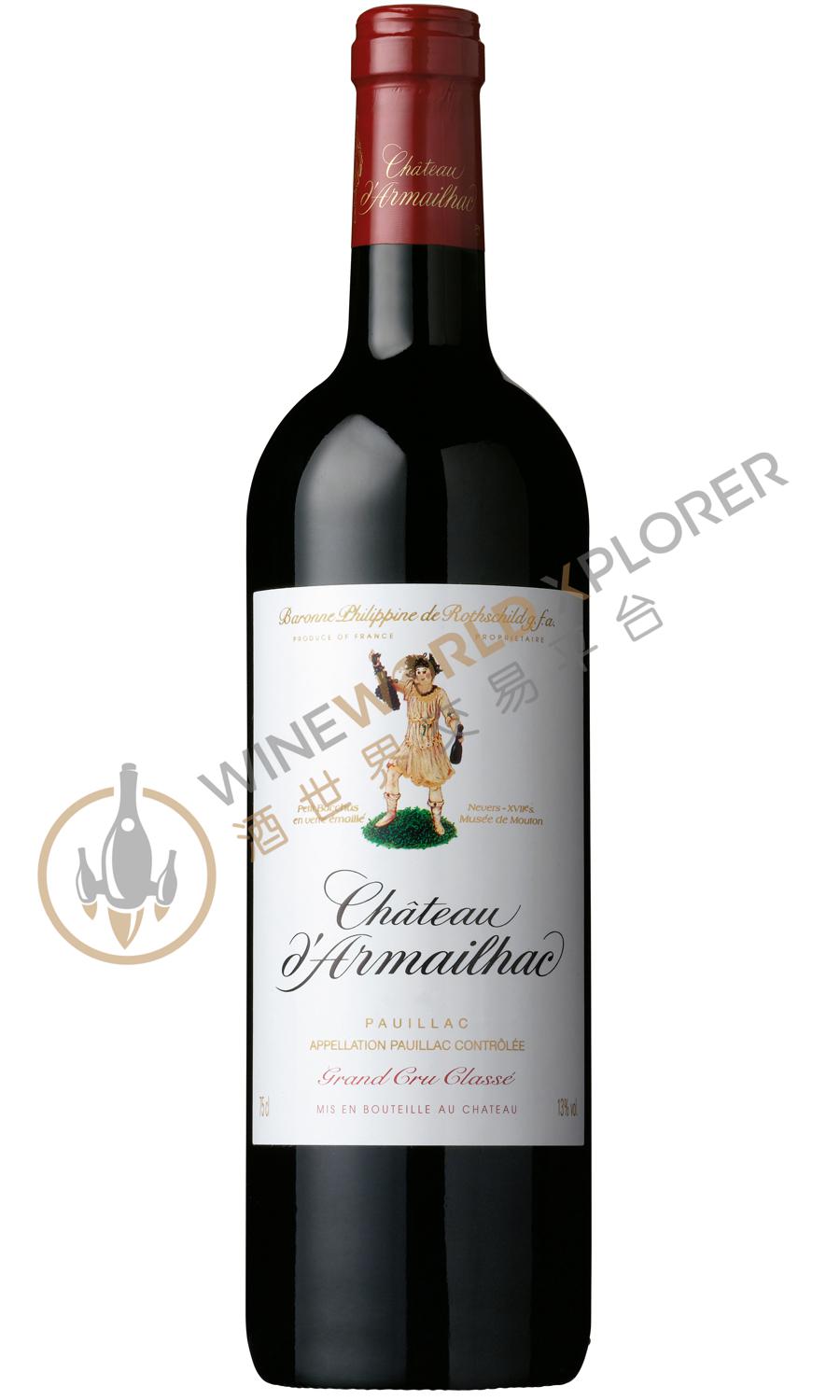
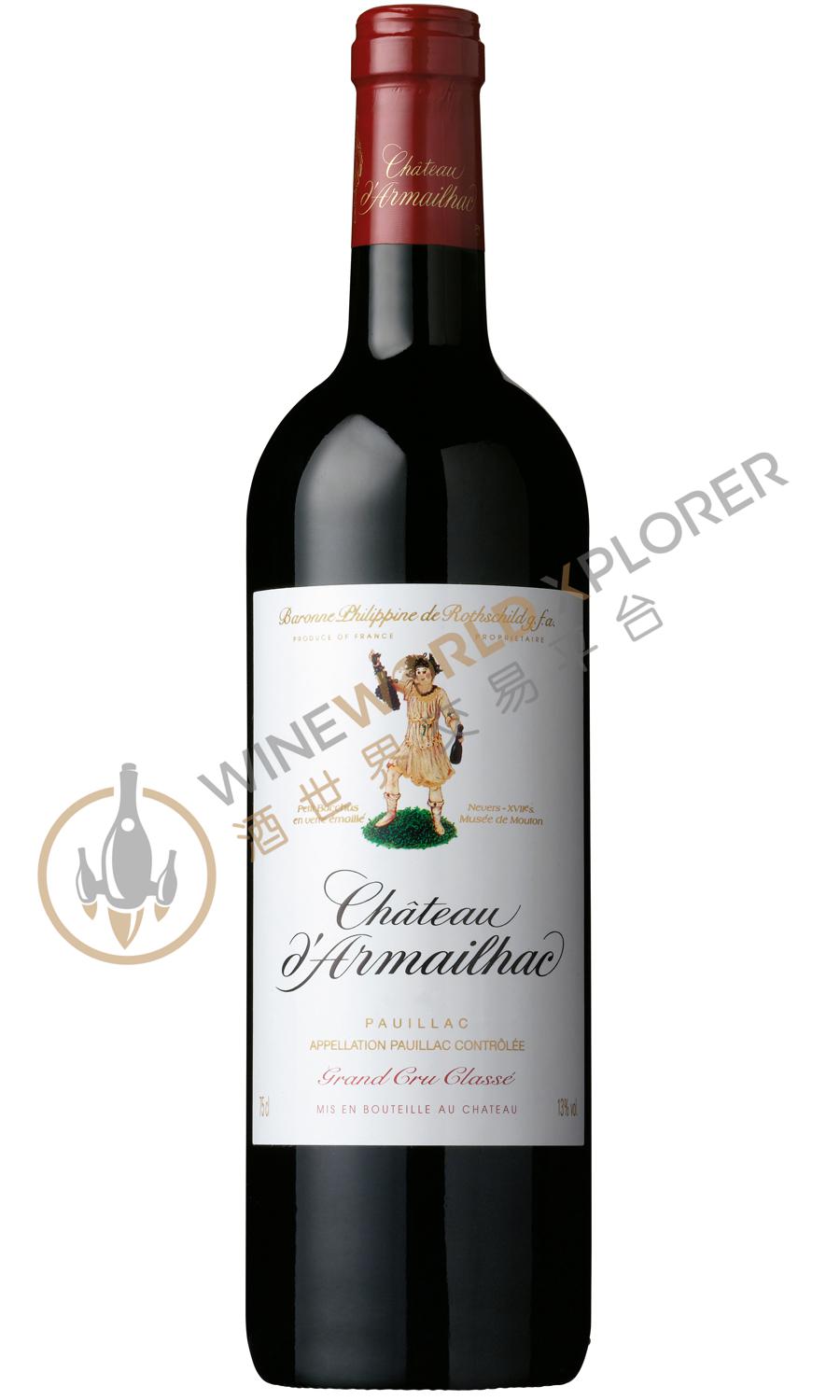
D'Armailhac 2016
 View analysis


Description
Tasting notes

Reviewed by: Neal Martin
The 2016 D'Armailhac is a blend of 62% Cabernet Sauvignon, 28% Merlot, 8% Cabernet Franc and 2% Petit Verdot that was picked between 27 September and 14 October. The bouquet is very impressive, typical d'Armaihlac in terms of the opulence and flamboyance with lush black cherry and boysenberry fruit, a subtle floral note developing with time in the glass. The palate is medium-bodied with a crisp and tensile entry; there is immense purity here with some lovely blue fruit appearing on the finish. This is a d'Armailhac that is emboldened by unprecedented tannic structure that gives it real backbone and a sense of authority. Quite simply, this is one of the best wines of Château D'Armailhac that I have tasted, somehow not a million miles away from Grand Puy Lacoste in style.
Reviewed by: Antonio Galloni
The 2016 d'Armailhac is powerful and dense, just as it was from barrel. Readers will have to give the 2016 at least a few years in bottle, as the tannins are imposing. Dark red plum, licorice, spice, iron, game and scorched earth all give d'Armailhac its distinctive savory flavor profile that is quite appealing. Time in the glass brings out additional layers of nuance that complete the wine nicely.
Reviewed by: Neal Martin
The 2016 d’Armailhac, which was bottled in May 2018, has an elegant bouquet that unfolds in the glass, offering blackberries, briar and a touch of cedar and mint. The palate is medium-bodied with dense tannin, grippy in the mouth, and quite voluminous, with perhaps more density on the solid, almost broad-shouldered finish compared to the Clerc-Milon. This fulfills all my expectations from my barrel tasting and is quite simply one of the best d’Armailhac wines ever made.
Reviewed by: Lisa Perrotti-Brown
Deep garnet-purple colored, the 2016 D'Armailhac opens with gregarious crème de cassis, blackberry pie and mulberries scents with hints of chocolate box, roses and charcoal with a waft of dried sage. Medium-bodied, the palate has a rock-solid frame of firm, grainy tannins and wonderful freshness, finishing long and earthy.
Reviewed by: Antonio Galloni
The 2016 d'Armailhac is powerful and dense, just as it was from barrel. Readers will have to give the 2016 at least a few years in bottle, as the tannins are imposing. Dark red plum, licorice, spice, iron, game and scorched earth all give d'Armailhac its distinctive savory flavor profile that is quite appealing. Time in the glass brings out additional layers of nuance that complete the wine nicely.
Reviewed by: James Suckling
This is really tannic and muscular for d’Armailhac. Perhaps the most powerful ever. Full and chewy yet balanced and polished. Very, very impressive. Greatest ever?
Reviewed by: James Suckling
This is a really driven d’Armailhac showing blackcurrants and fruit tea with hints of bark on the nose and palate. Full-bodied, very firm and structured with a long and powerful finish. Direct and linear. Try after 2023.
About the Producer
The existence of Château d’Armailhac dates back to the late 17th century, as evidenced in a land register from 1680 which mentions the brothers Dominique and Guilhem Armailhacq, owners of parcels of land in Pauillac. Another land register from 1750 notes that their descendants have “planted with vines” the family estate, covering 15 to 16 hectares (37-39 acres). By the end of the 18th century the estate has grown to 52 hectares (128 acres) but the brokers of the time describe its wine as “disappointingly thin”. Throughout the following century, Mouton d’Armailhacq’s owners work unceasingly to improve its quality, using techniques such as topping-up, running-off, barrel disinfection and fining. Their efforts are rewarded in 1831, when the wines of Mouton d’Armailhacq sell for twice as much as their more highly reputed neighbours. The ultimate recompense, Château Mouton d’Armailhacq is given Fifth Growth status in the 1855 Classification – the same one which made Château Mouton Rothschild “First of the Seconds”. The “first wine”, the only one authorised to bear the growth’s name, is distinguished from the “second wine”, less rich and sold for consumption in local taverns. In 1931, the young Baron Philippe de Rothschild became a minority shareholder of the Société Anonyme du Domaine de Mouton d’Armailhacq, then in 1933 acquired all the shares from the Comte de Ferrand in return for a life annuity. A year later, on the Comte de Ferrand’s death, he became the effective owner of the estate. The Mouton d’Armailhacq portfolio included the Société Vinicole de Pauillac, forerunner of what is now Baron Philippe de Rothschild SA. Inseparable from Château Mouton Rothschild, Château Mouton d’Armailhacq houses all the technical and agricultural equipment for the two estates in its extensive outbuildings. From 1956 to 1988, the wine was called Mouton Baron Philippe, then Mouton Baronne Philippe. A Fifth Growth of acknowledged quality, its original identity as Château d’Armailhac was patly restored in 1989.
1964(2)1973(1)1978(1)1986(1)1987(1)1989(1)1995(2)1996(2)2000(4)2001(5)2002(1)2003(3)2004(2)2005(5)2006(2)2007(2)2008(5)2009(10)2010(6)2011(7)2012(4)2013(3)2014(10)2015(4)
Package Size
1 x 3L