Wine Advisor



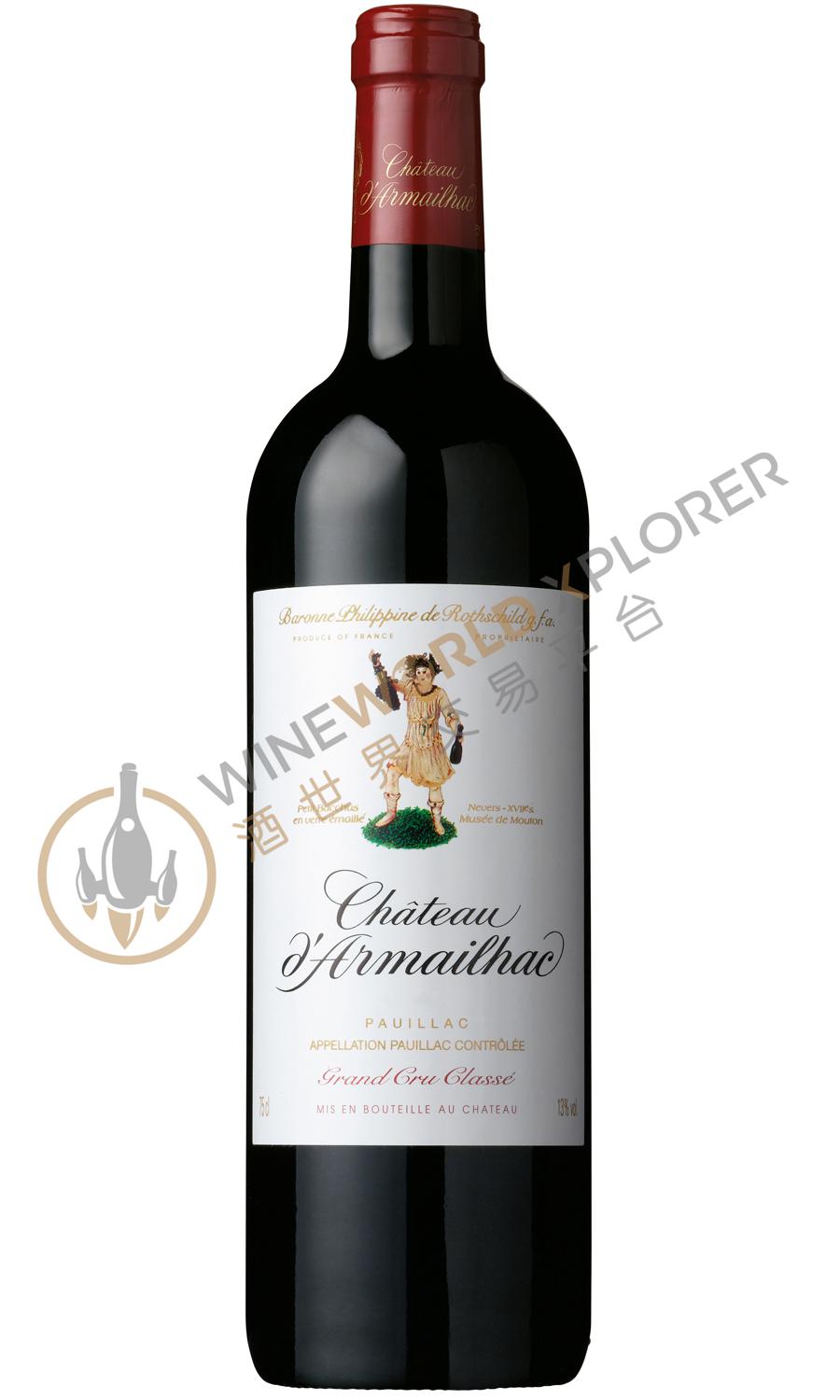
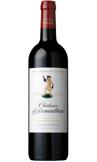
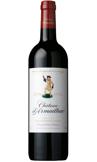
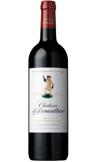
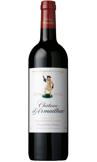
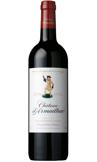
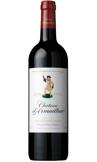
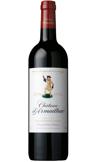
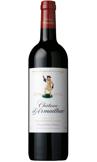
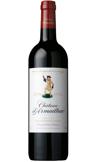
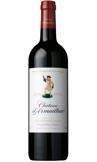
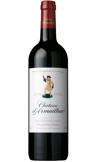
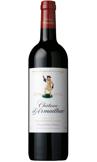
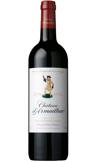
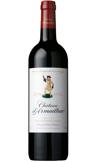
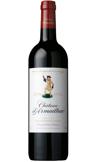
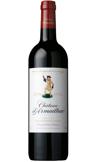
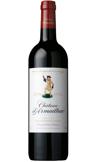
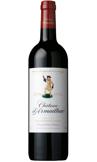
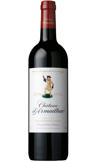
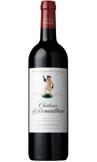
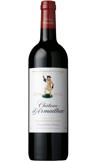
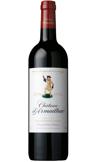
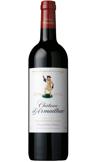
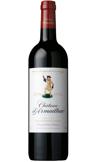
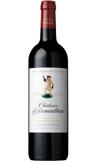
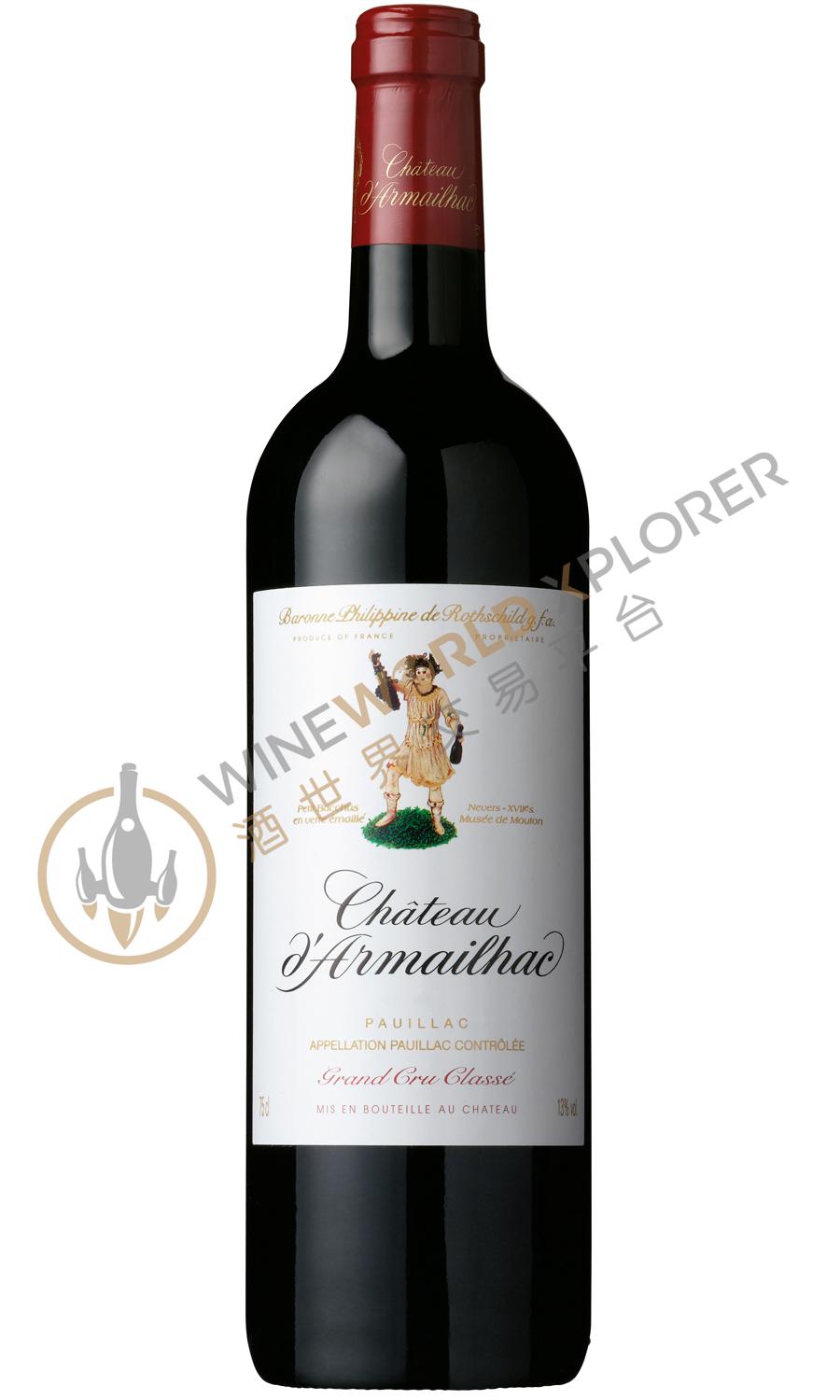
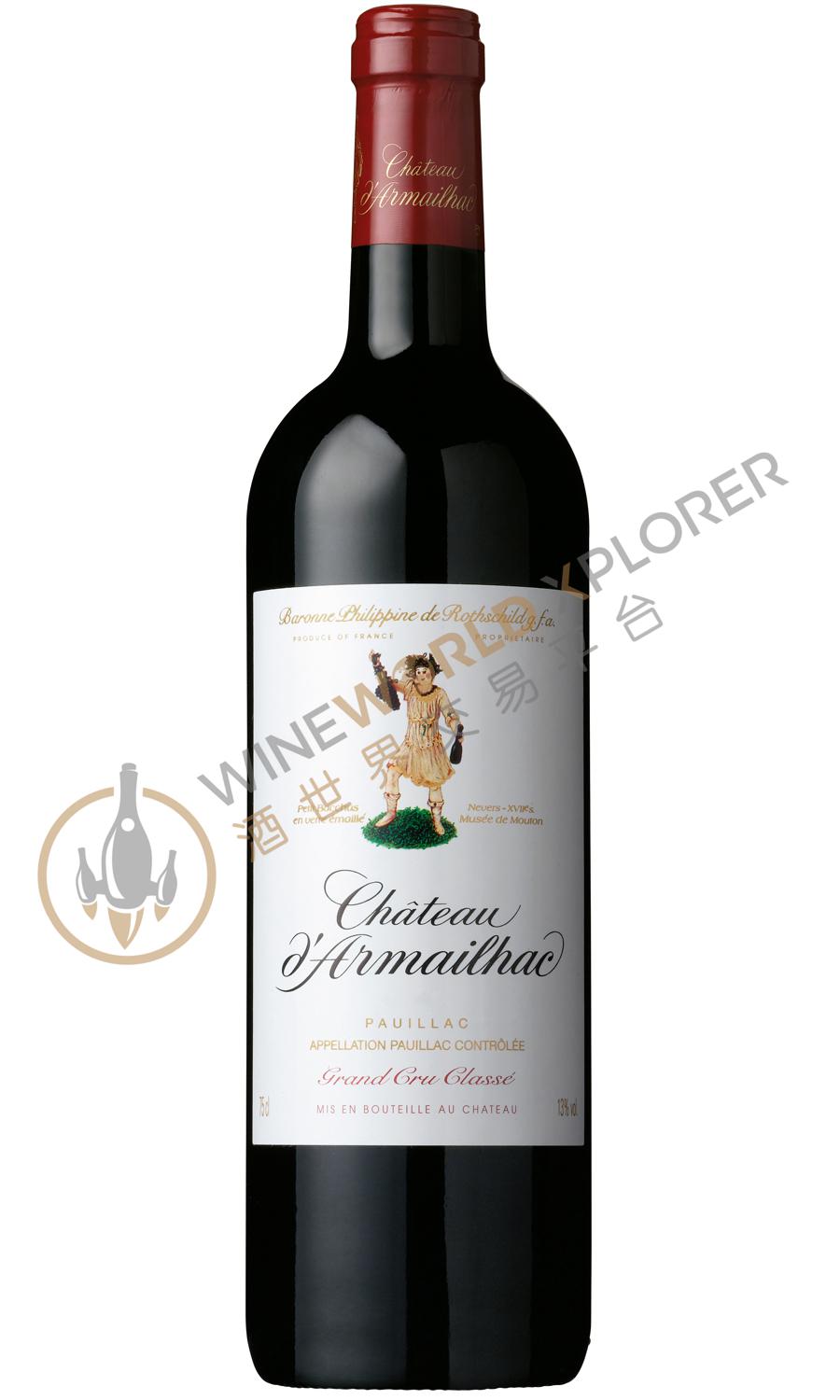
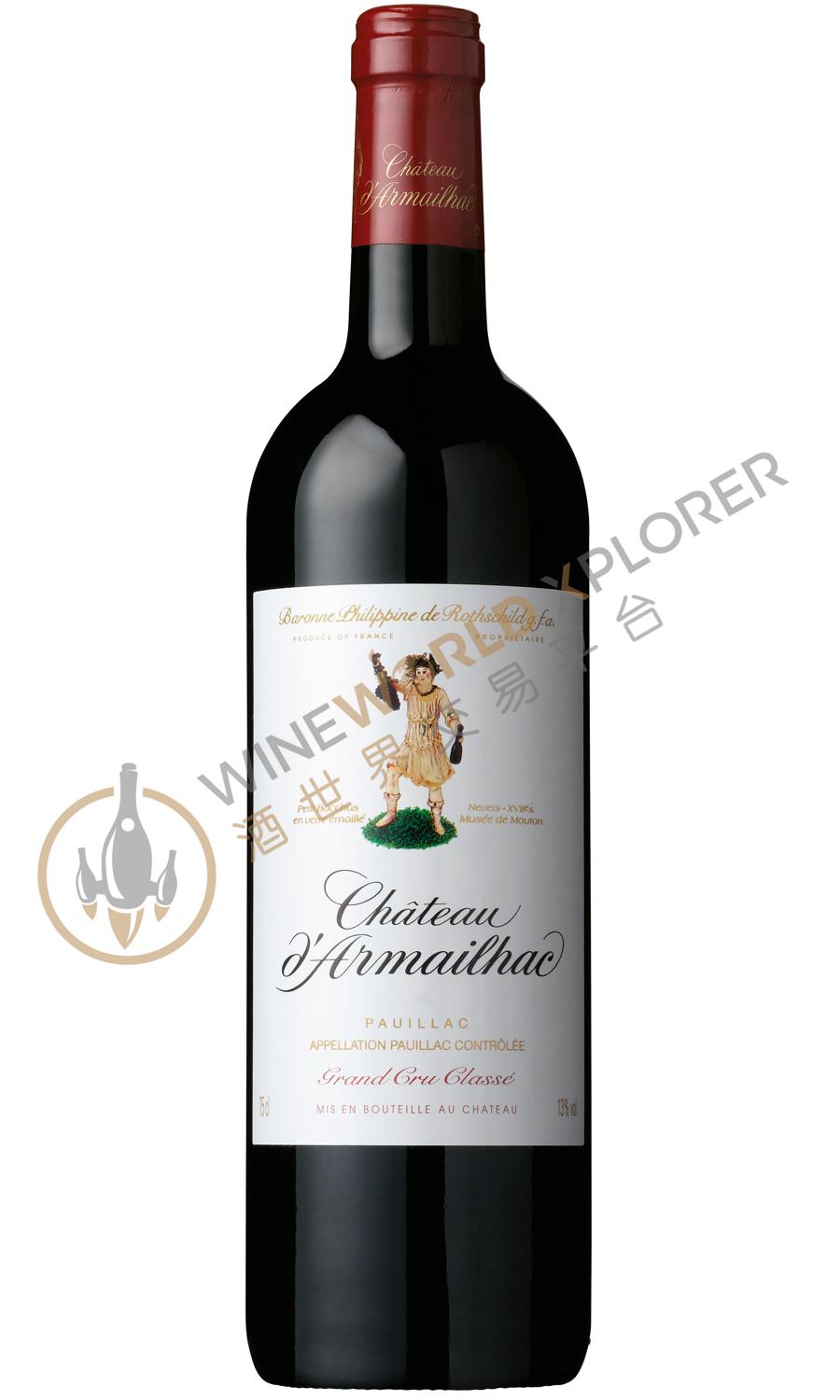
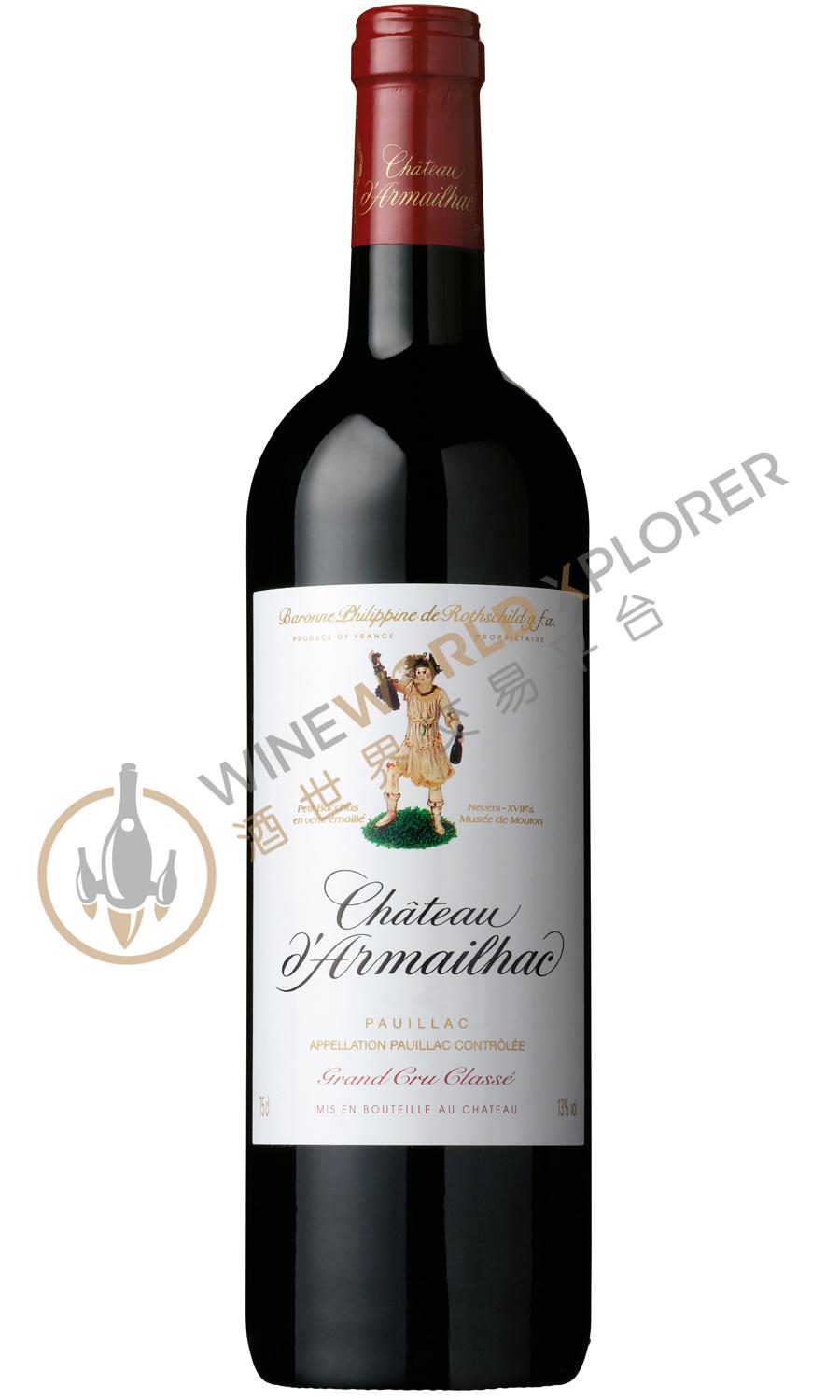
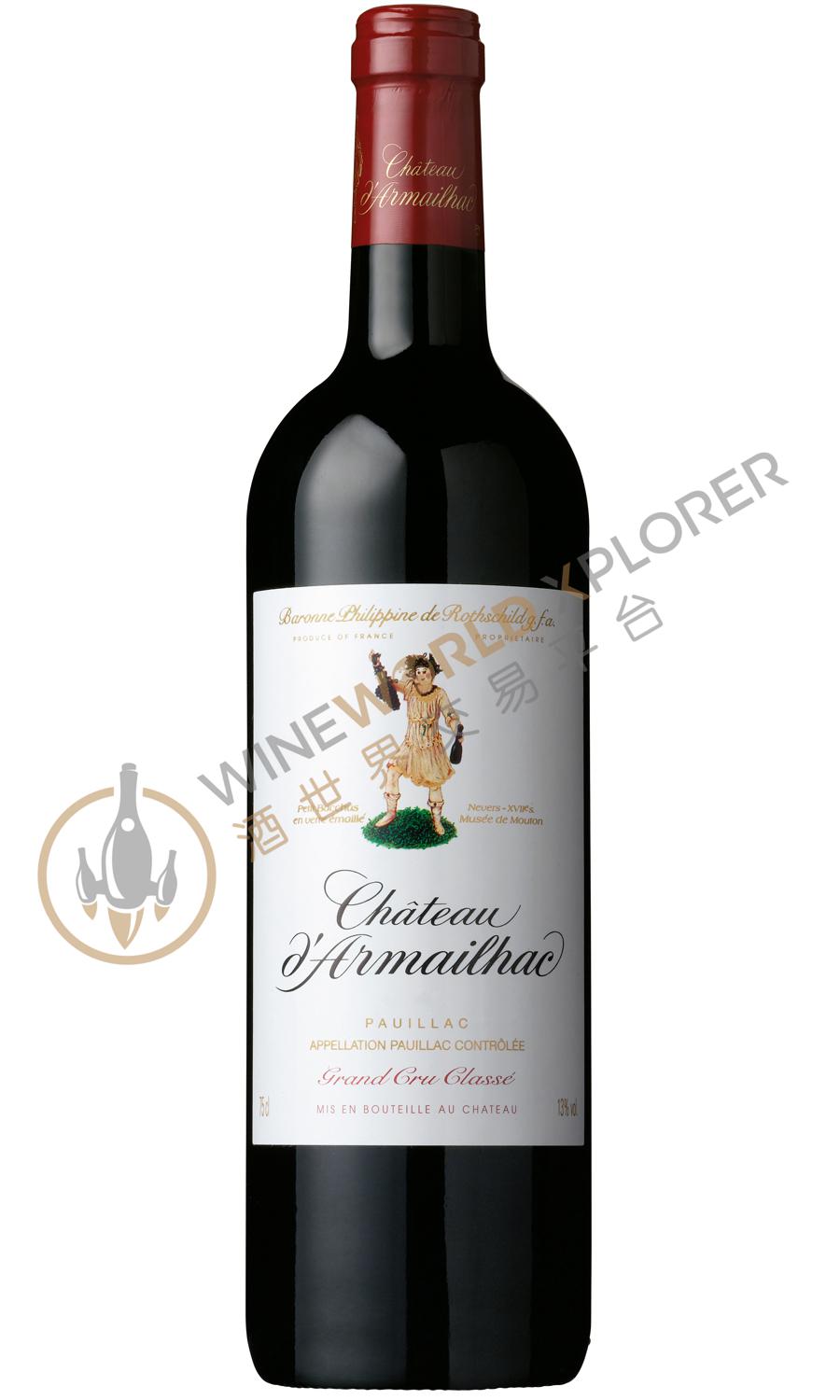
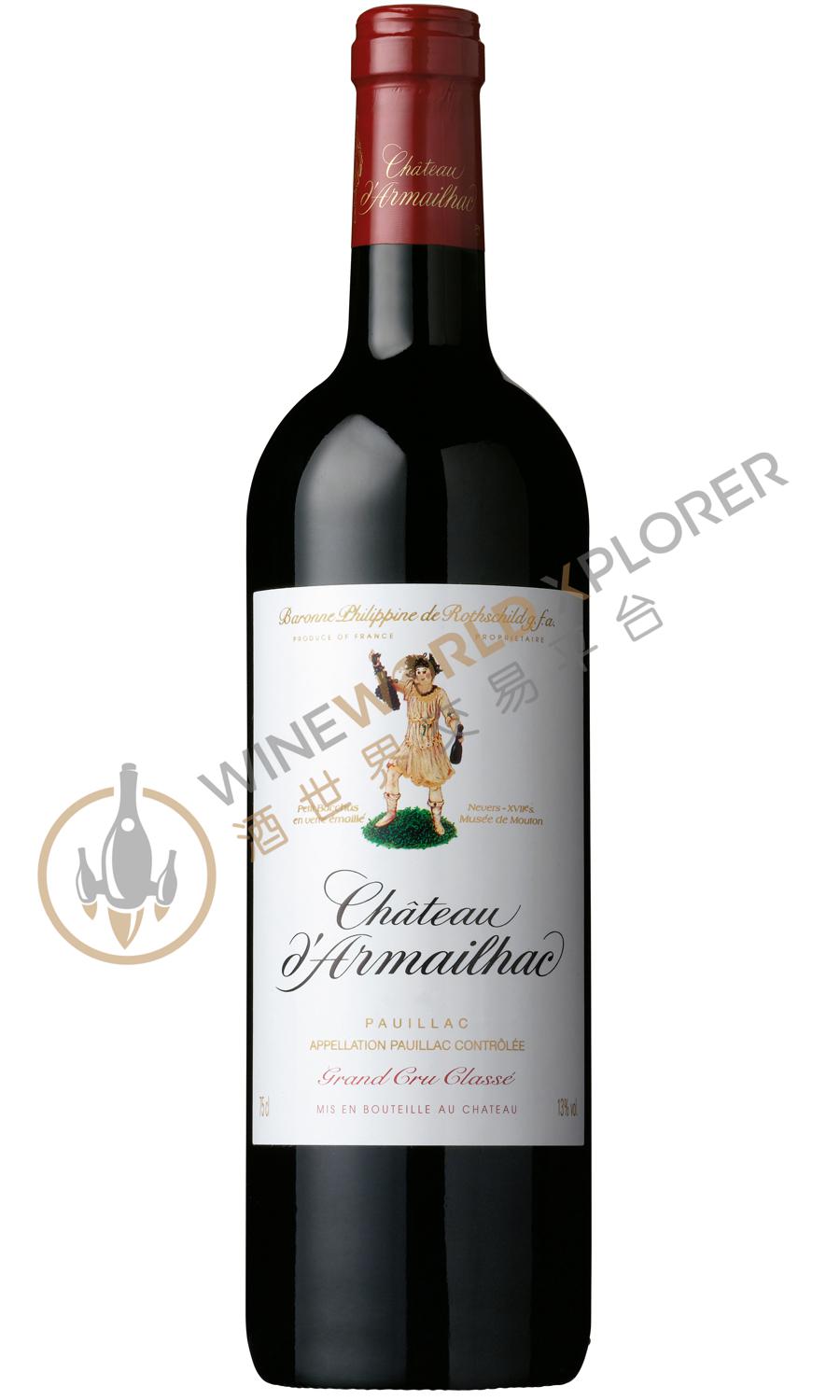
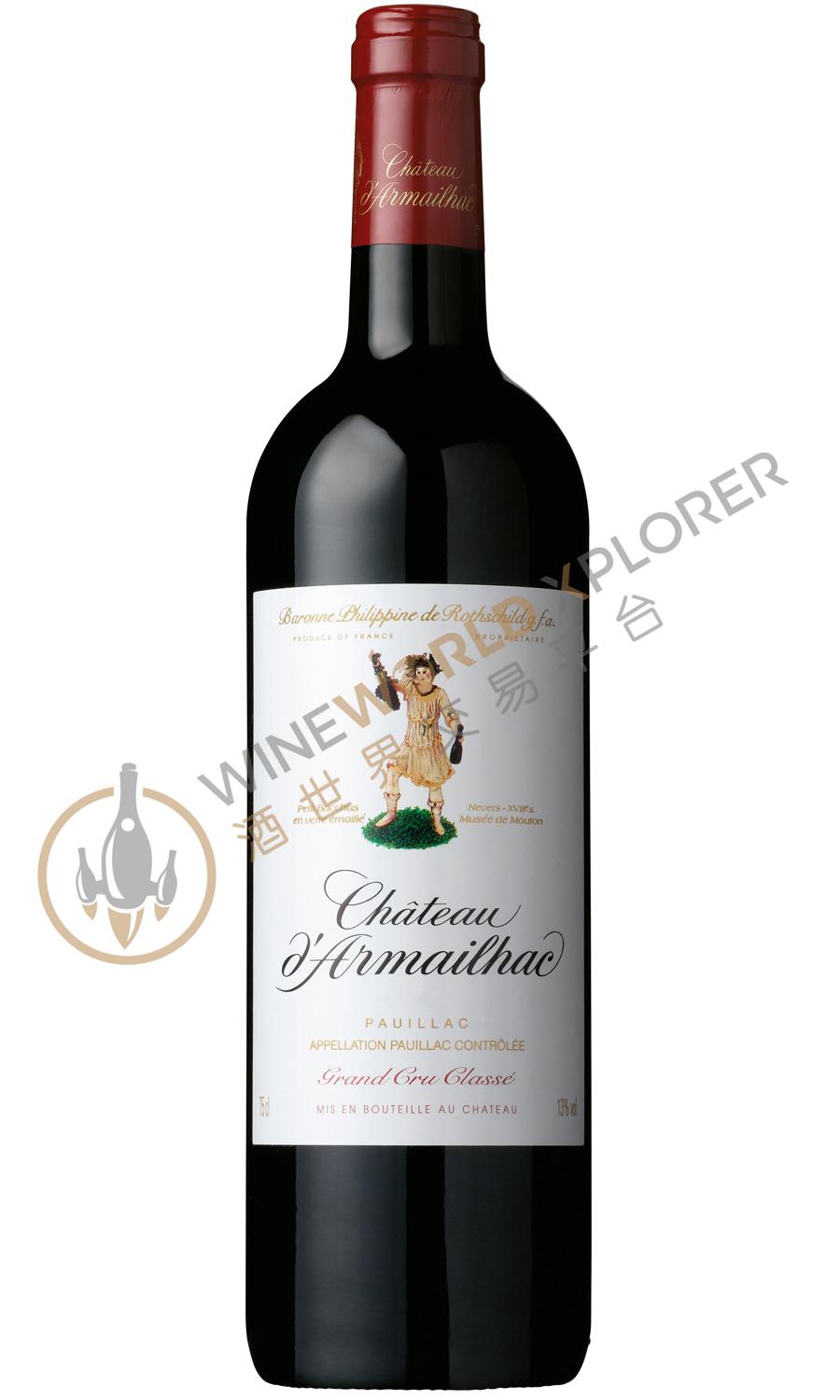
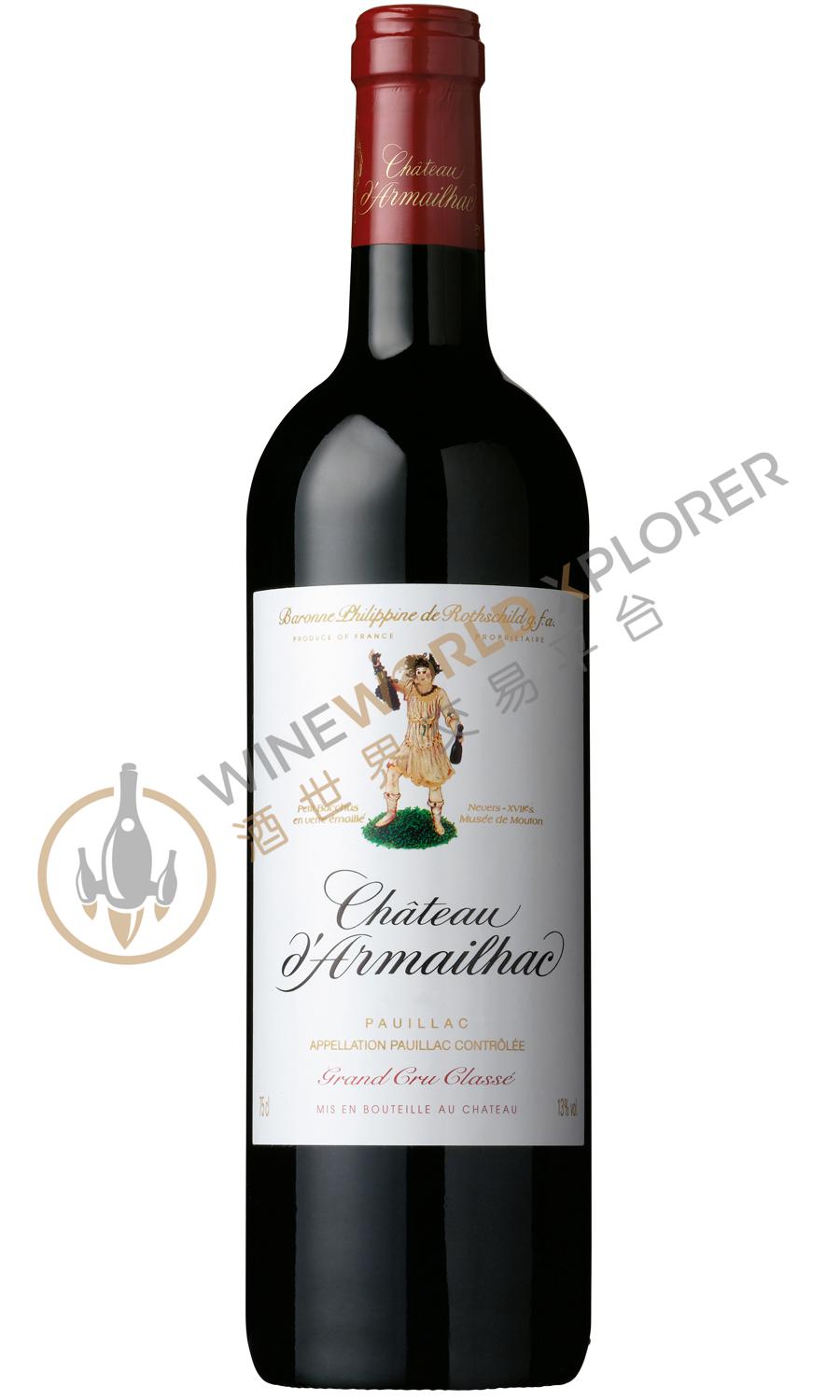
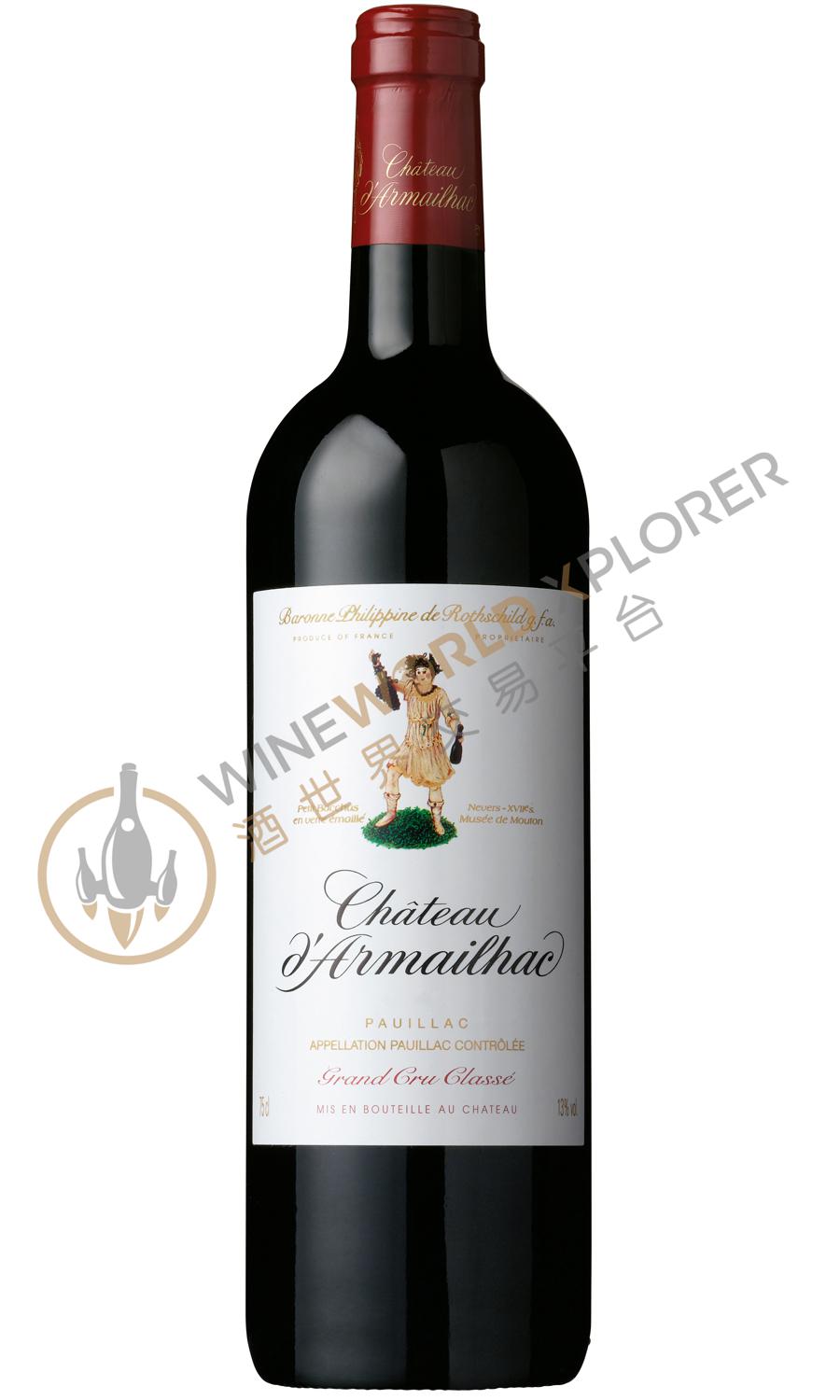
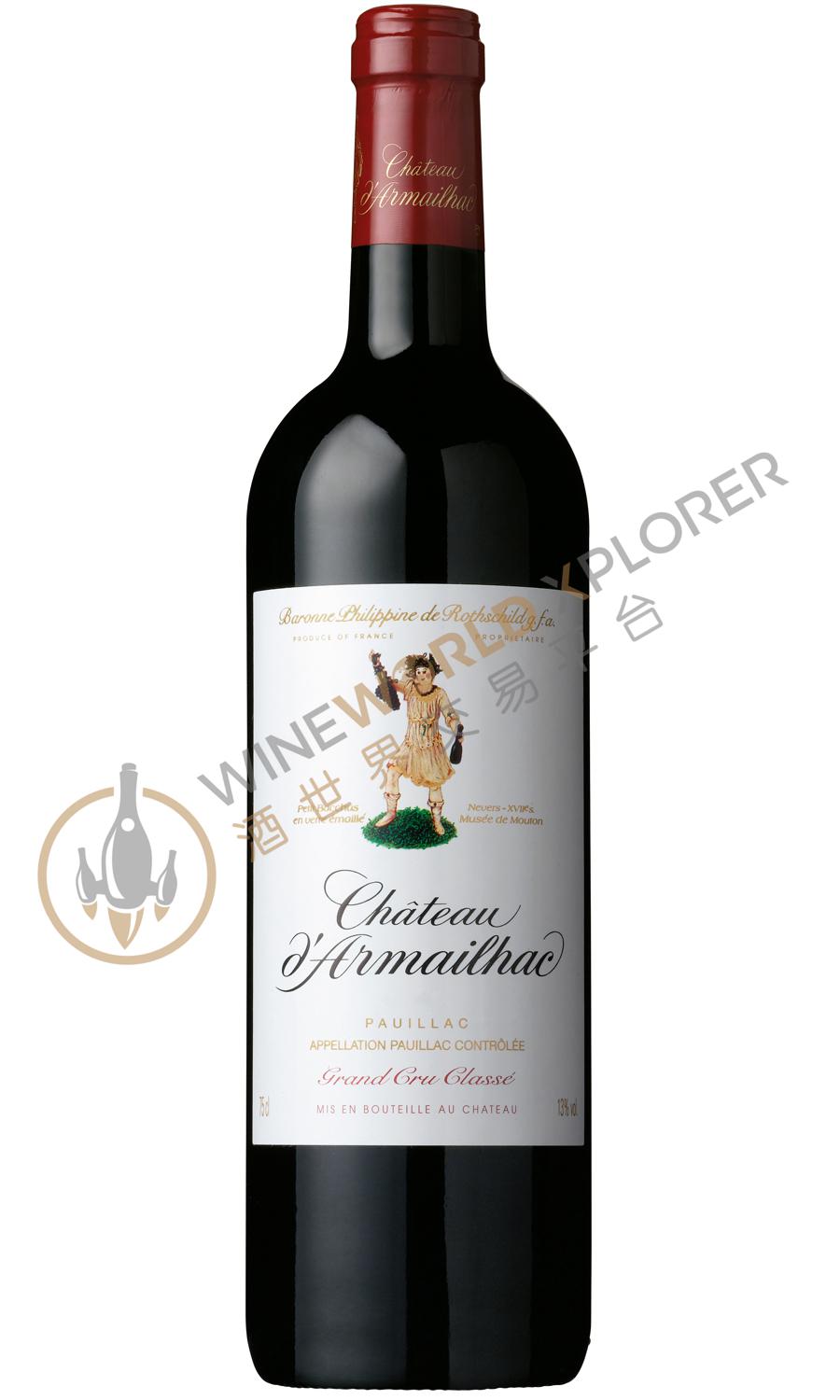
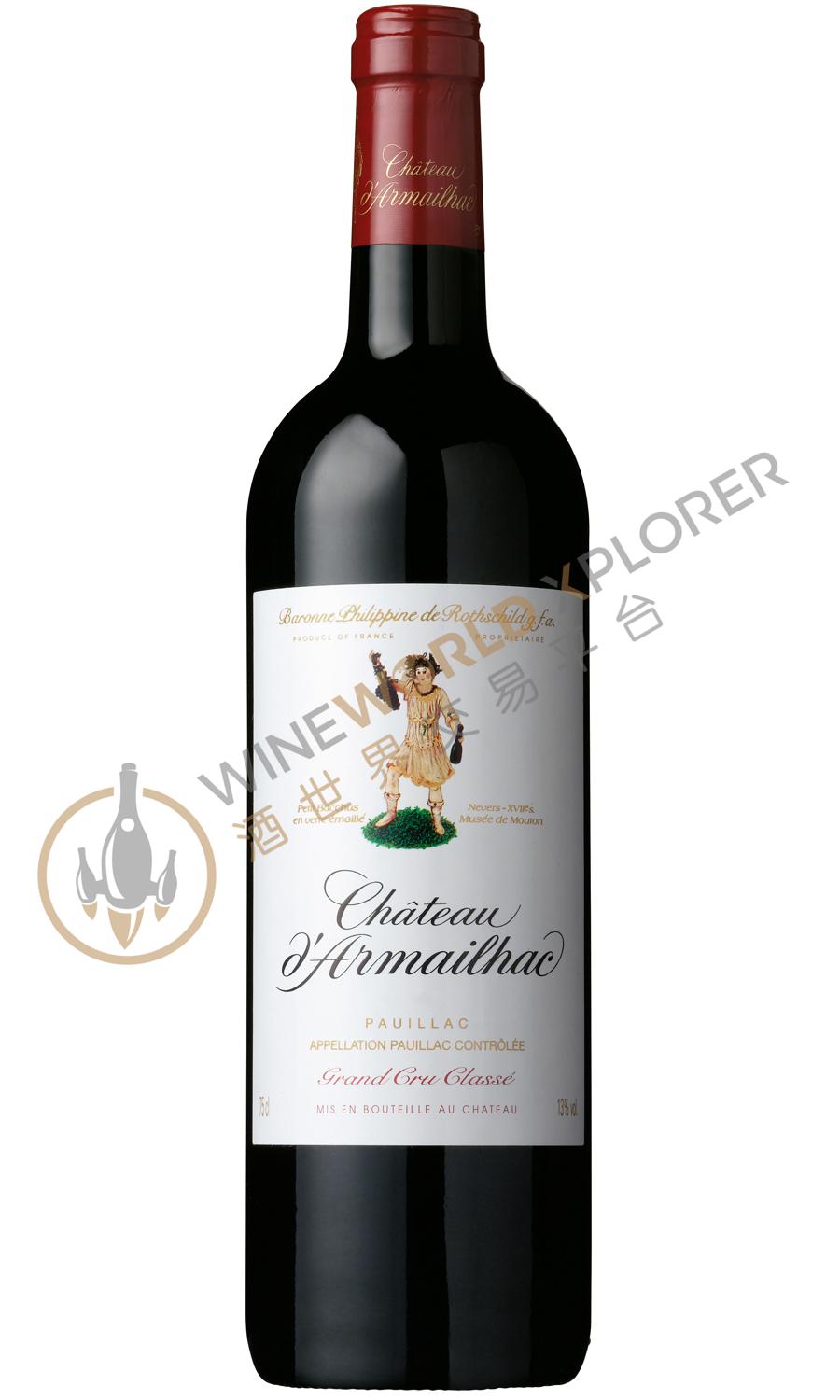
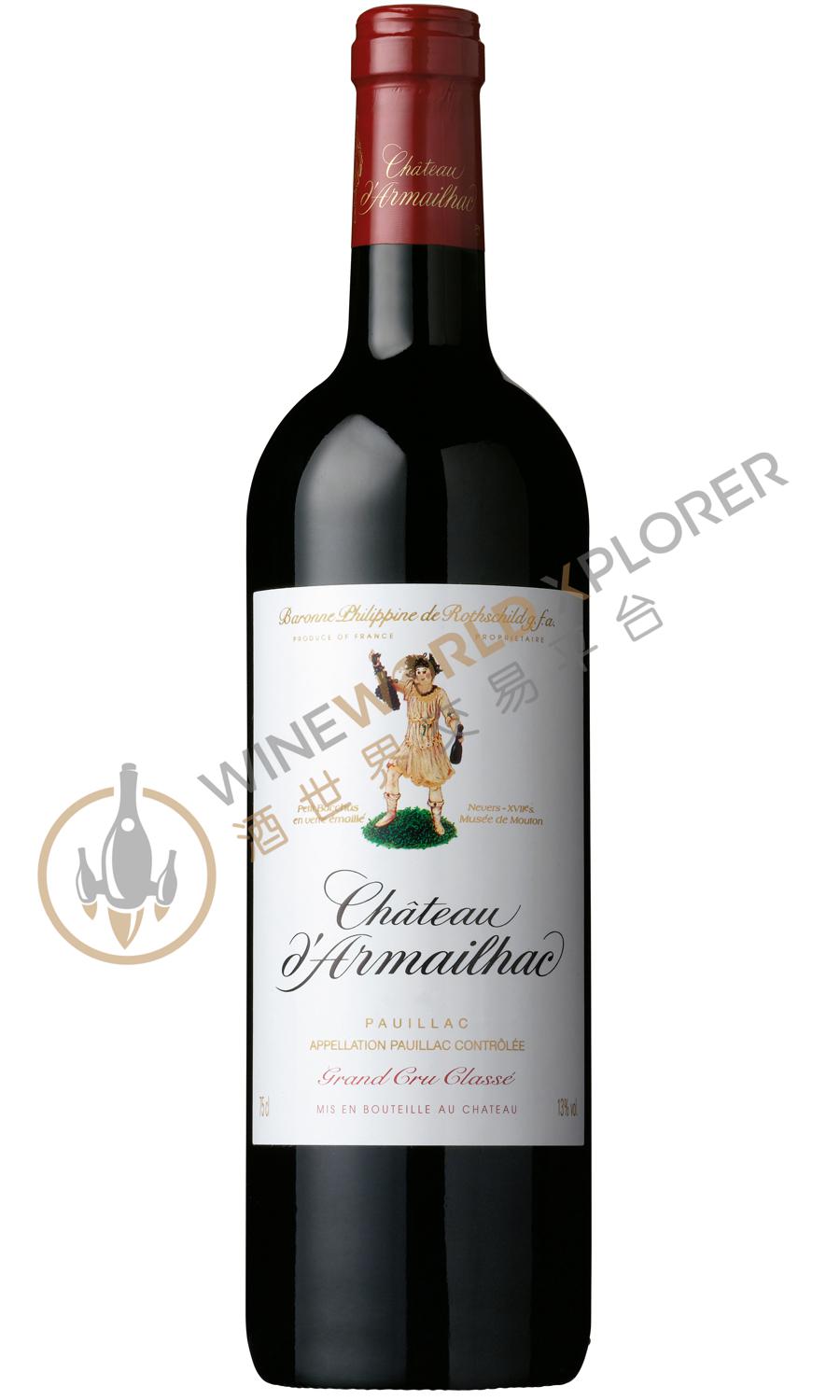
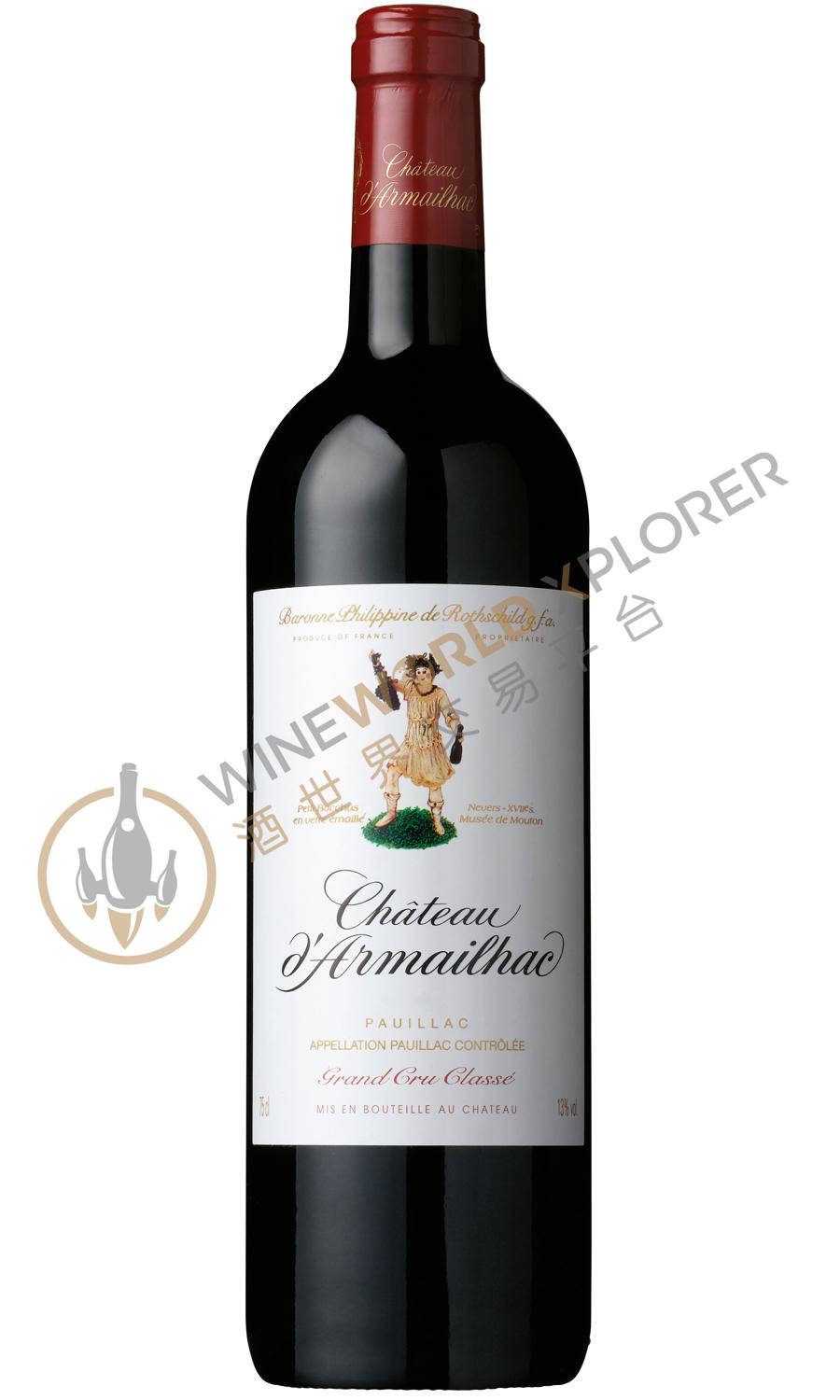
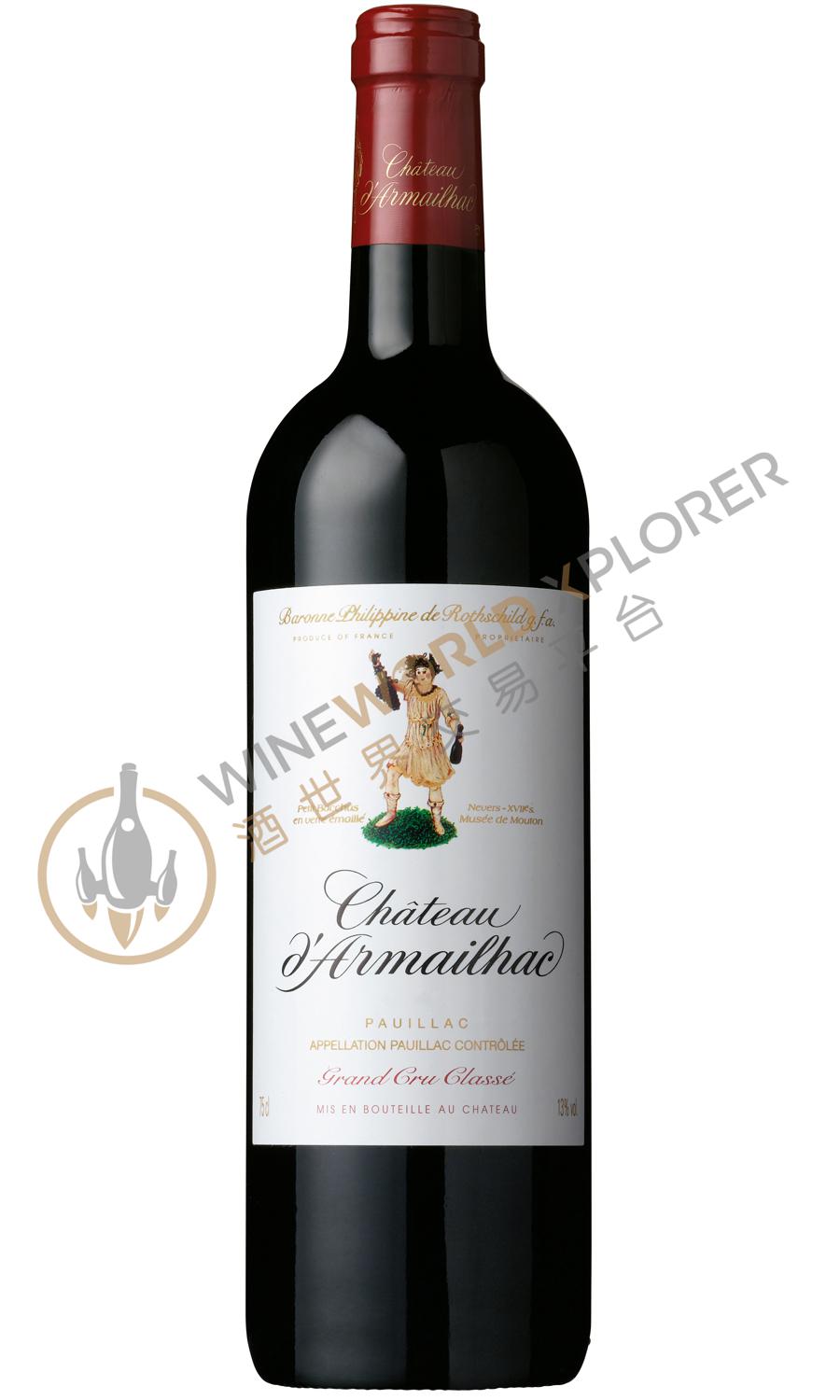
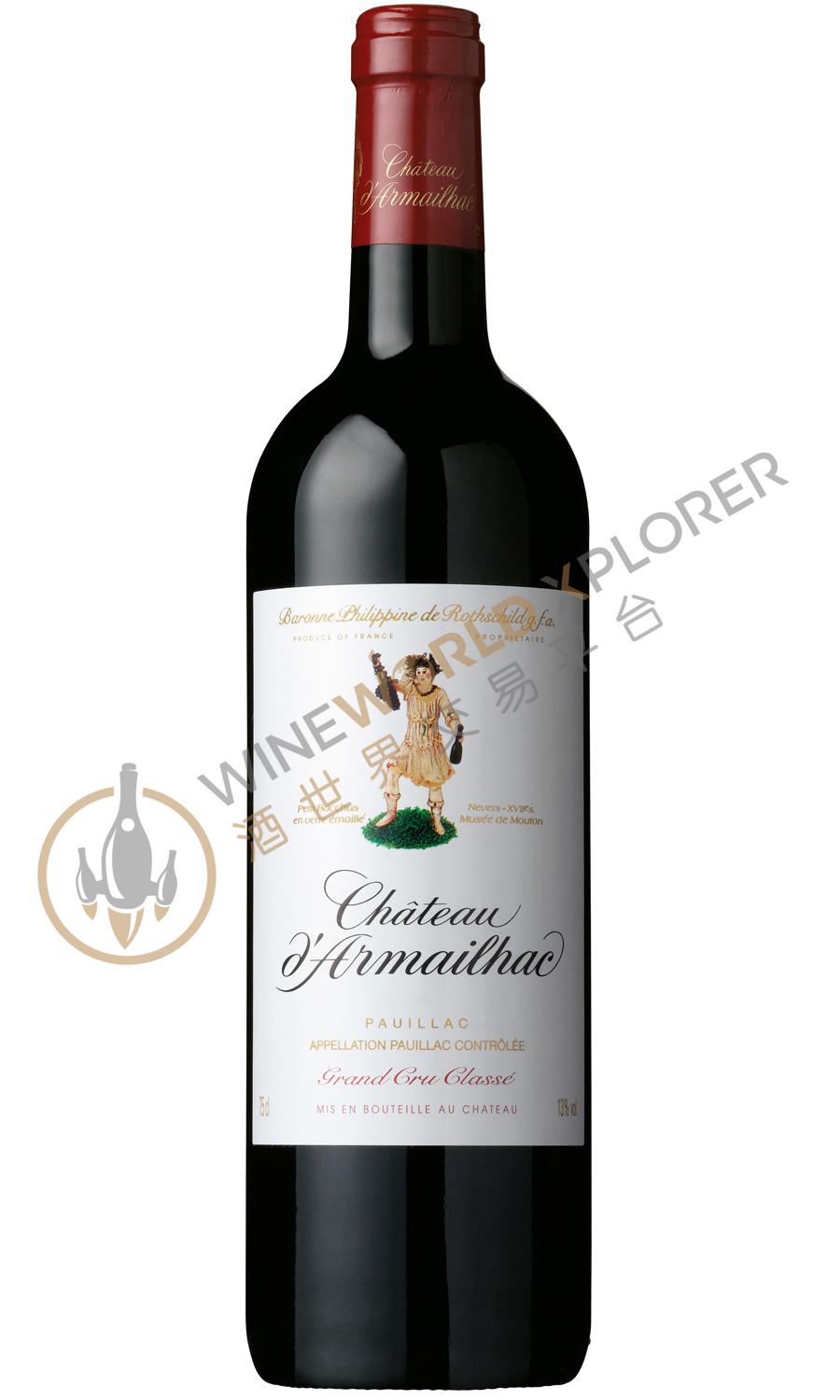
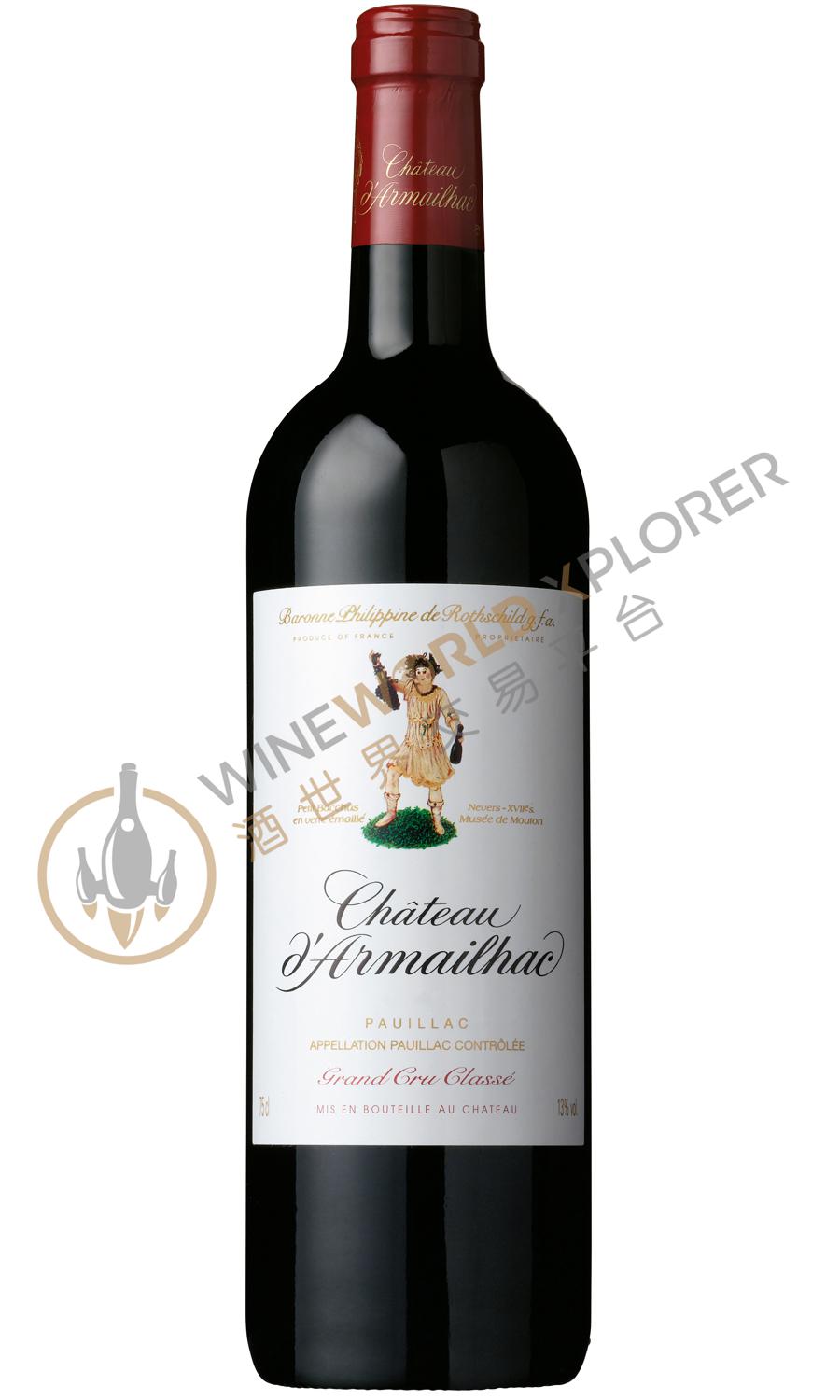
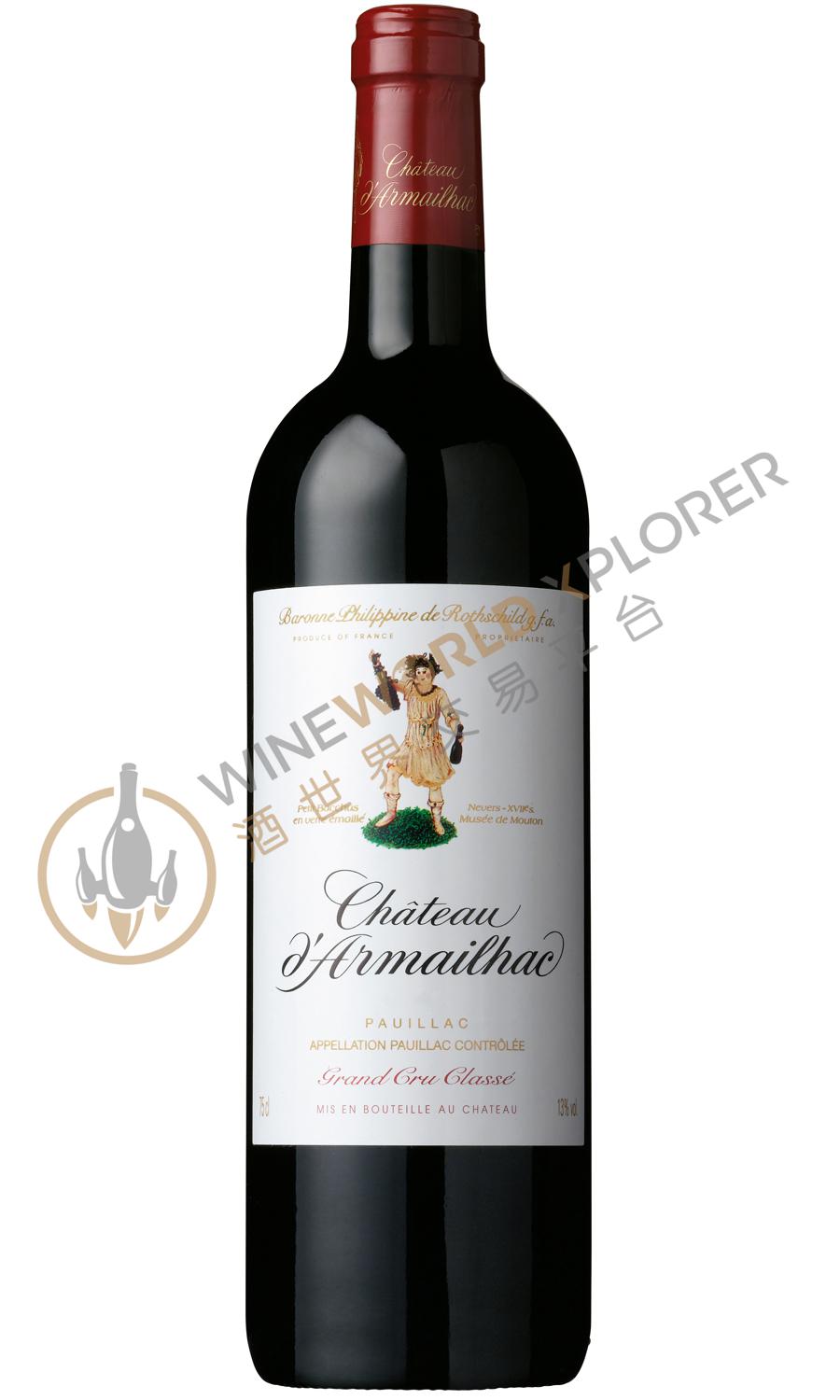
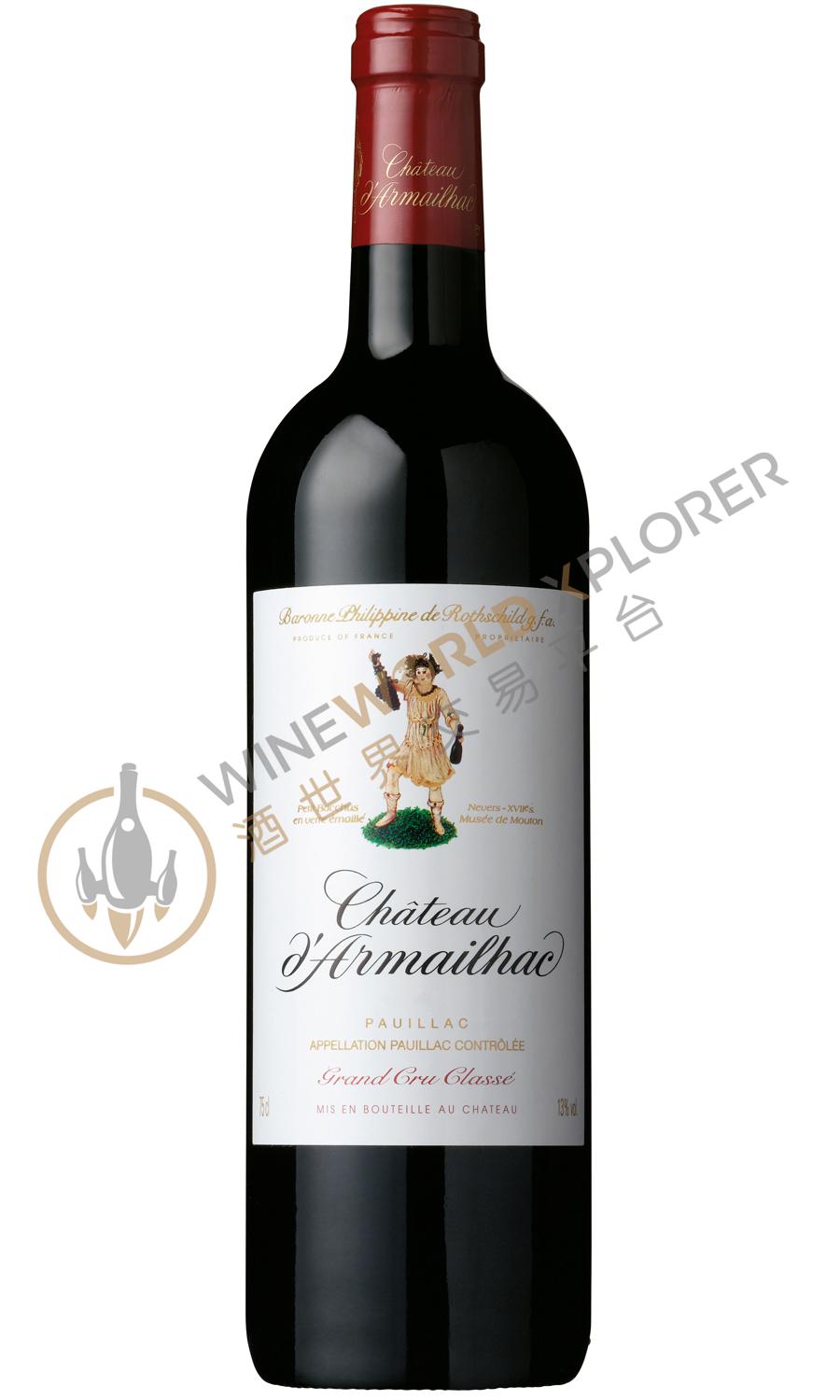
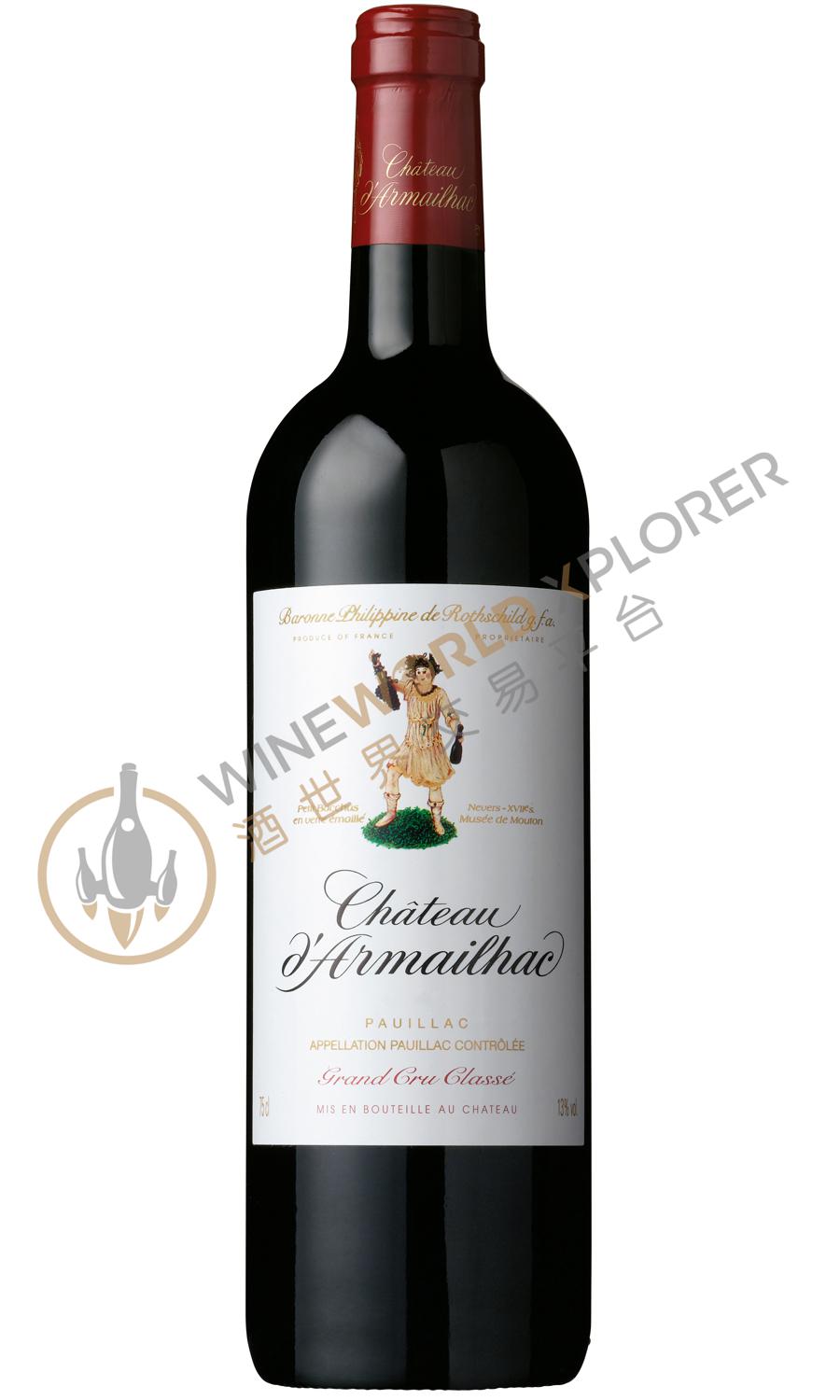
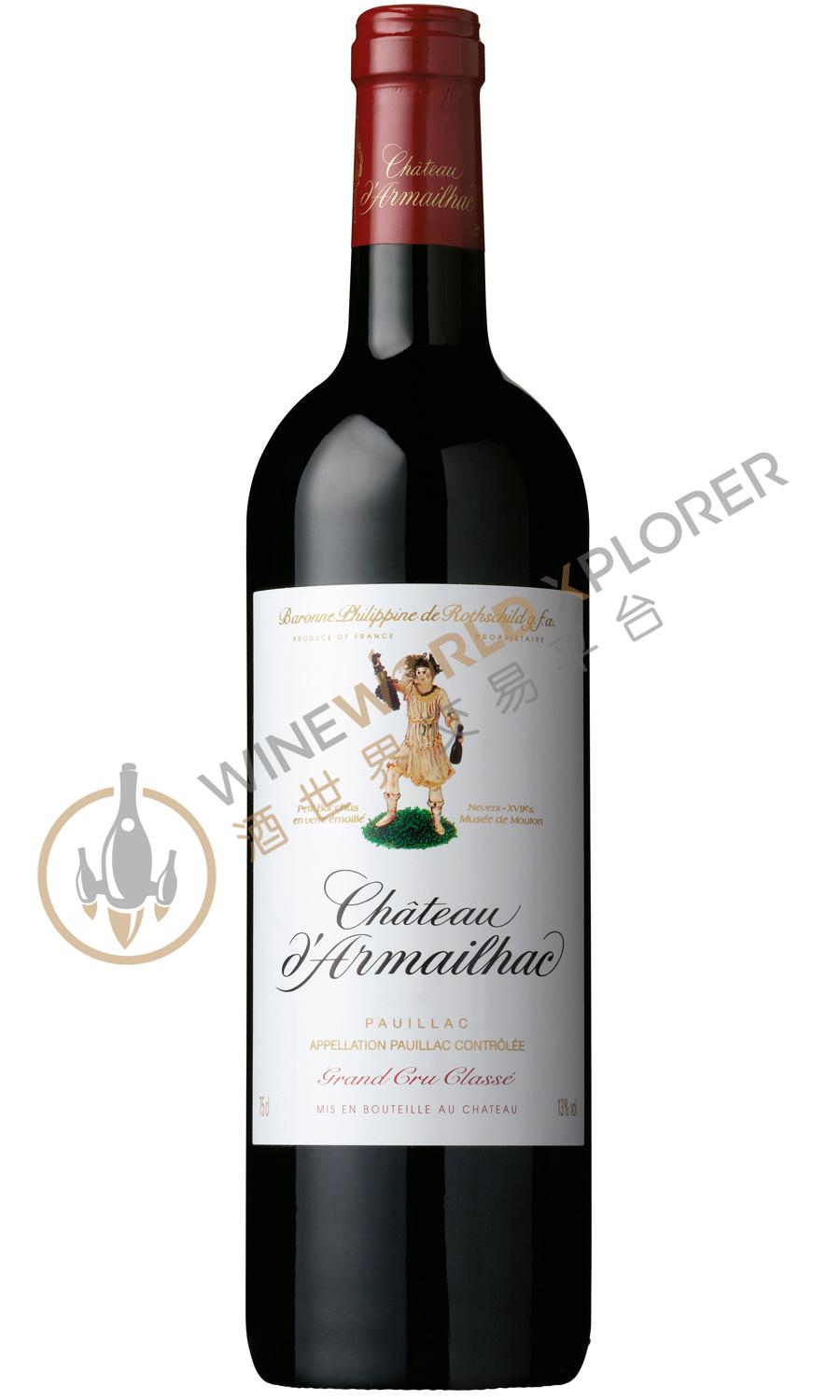
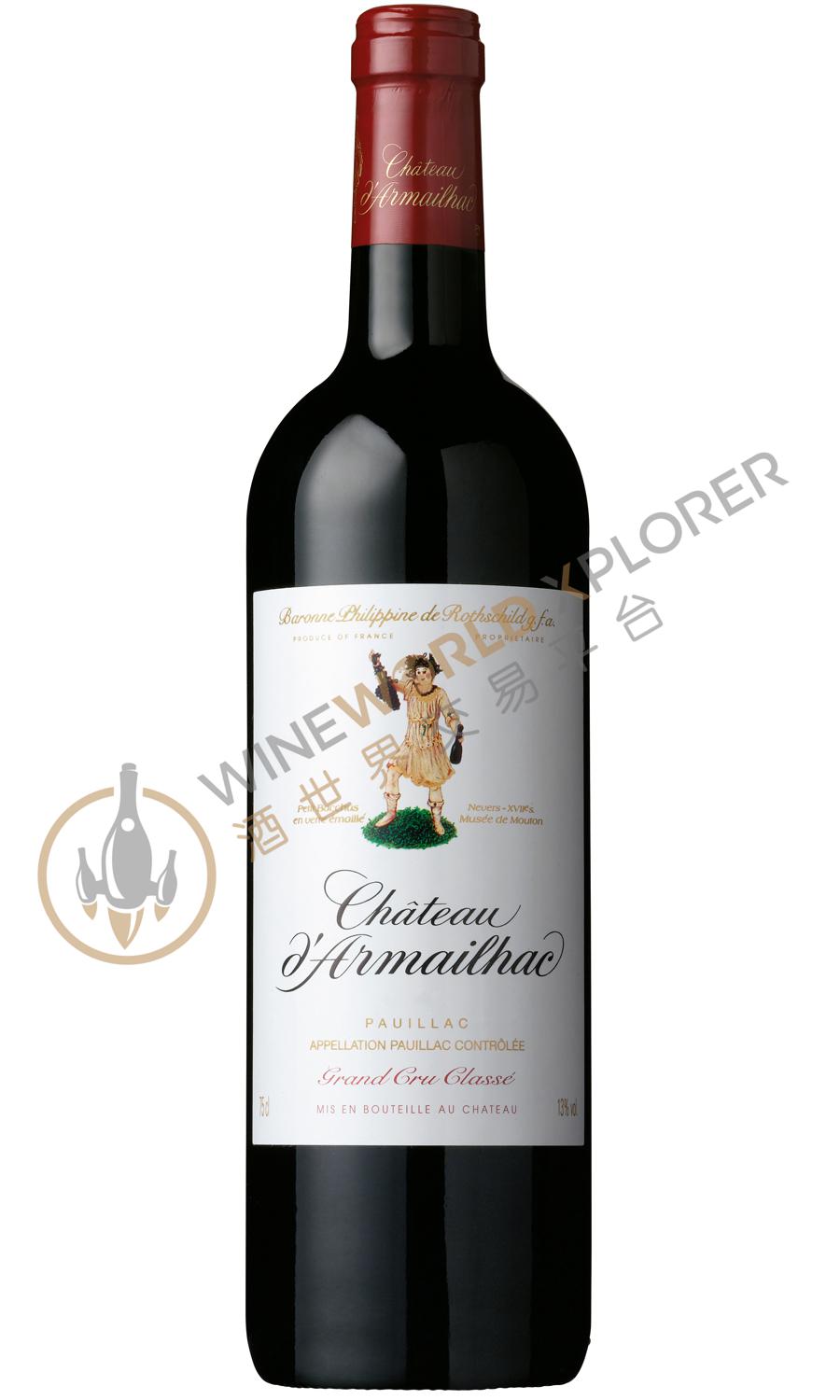
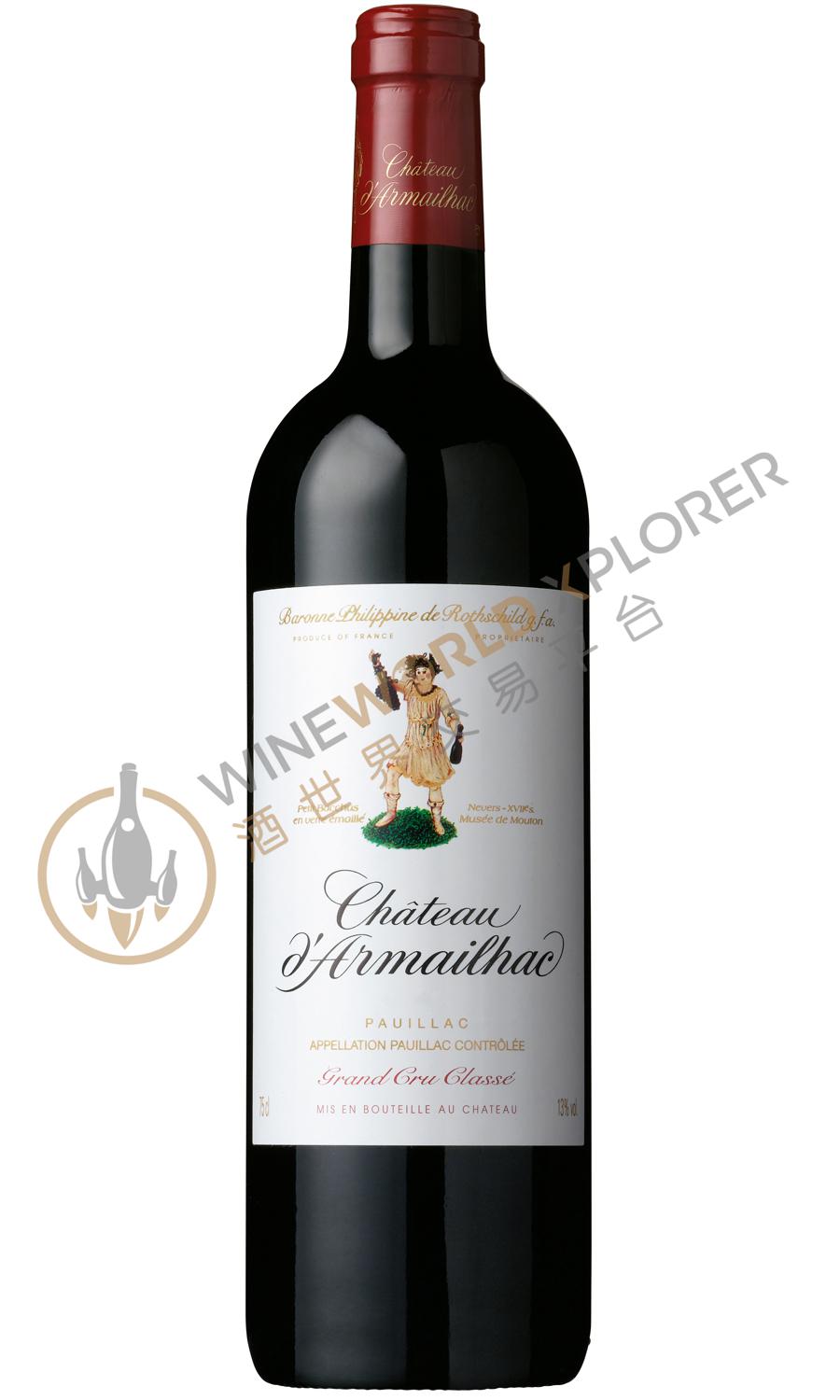
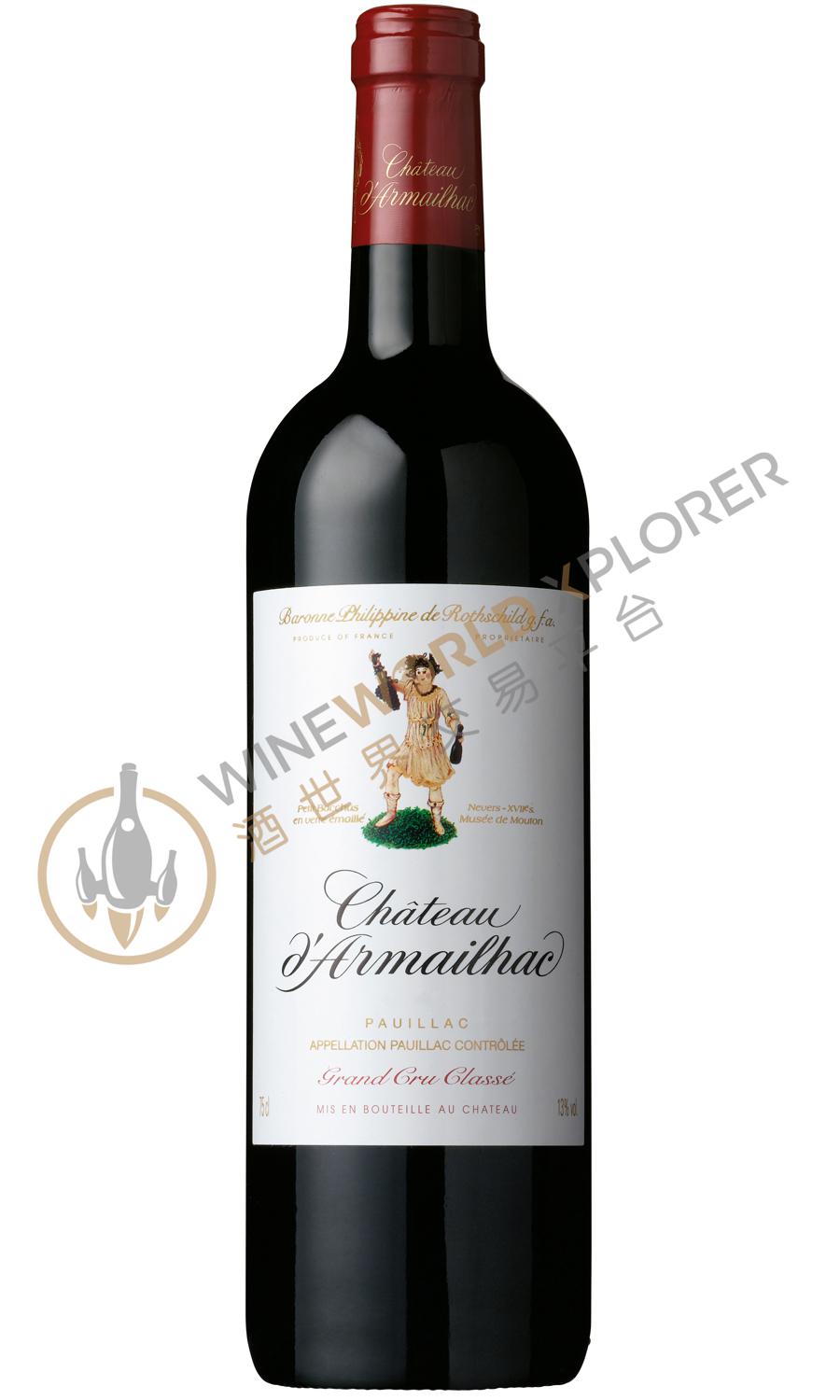
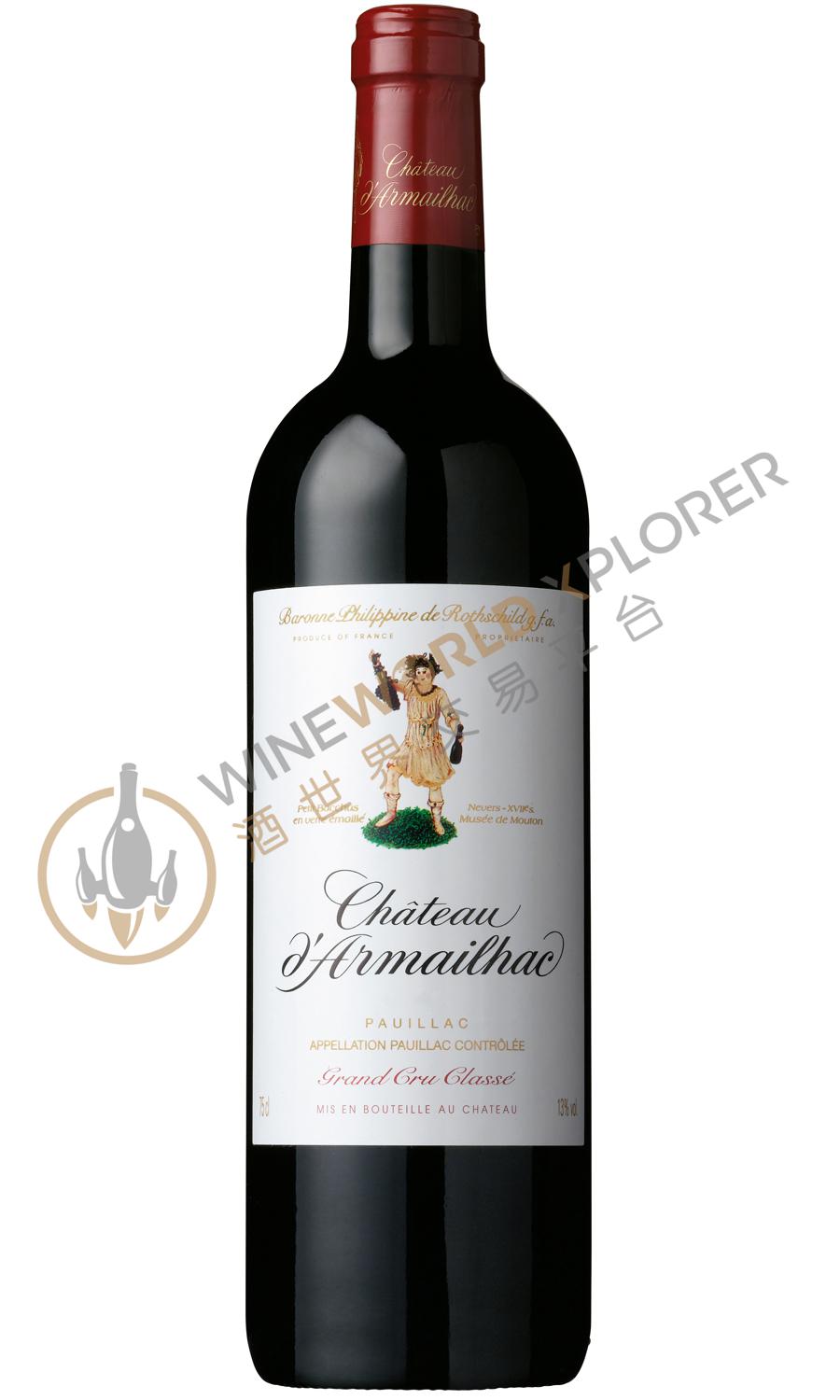
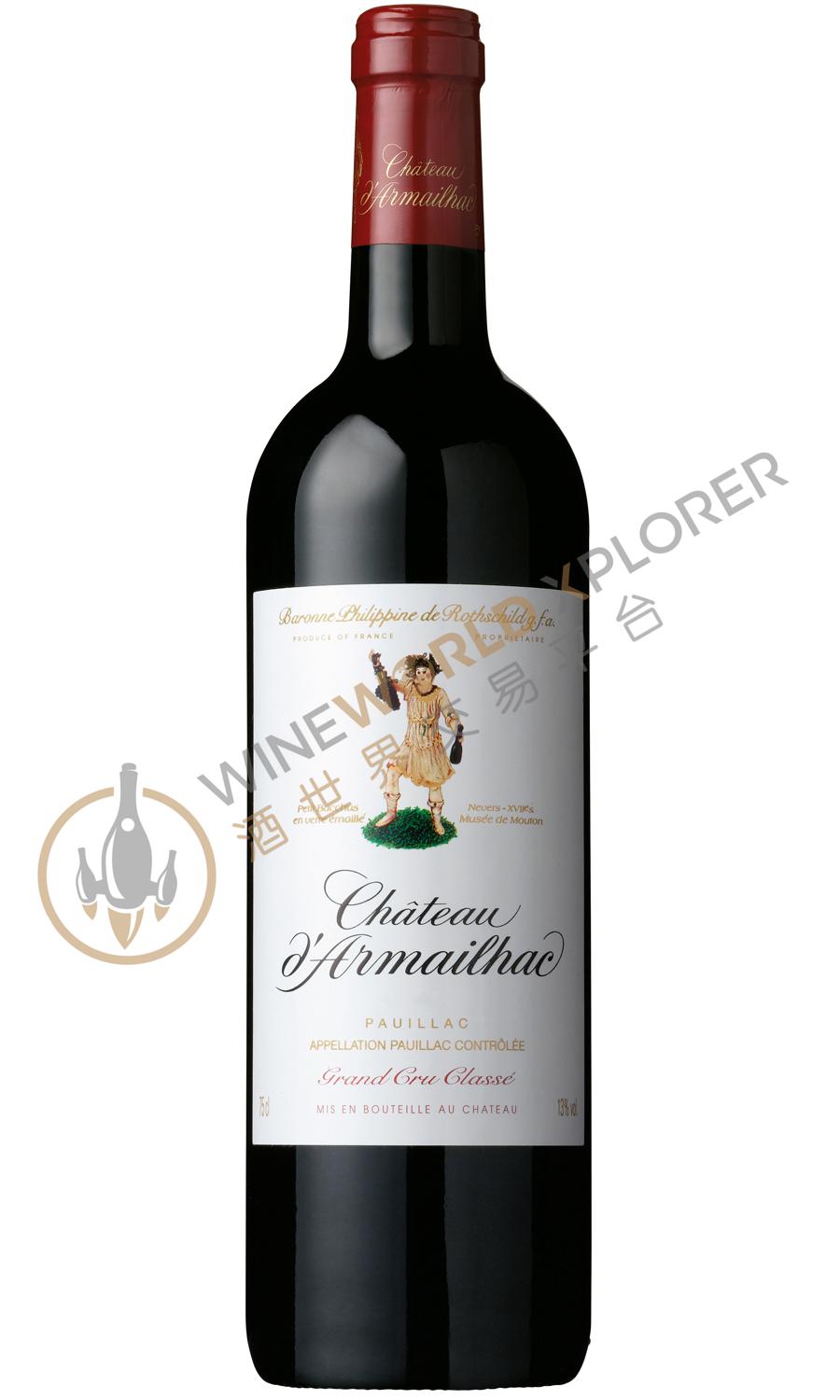
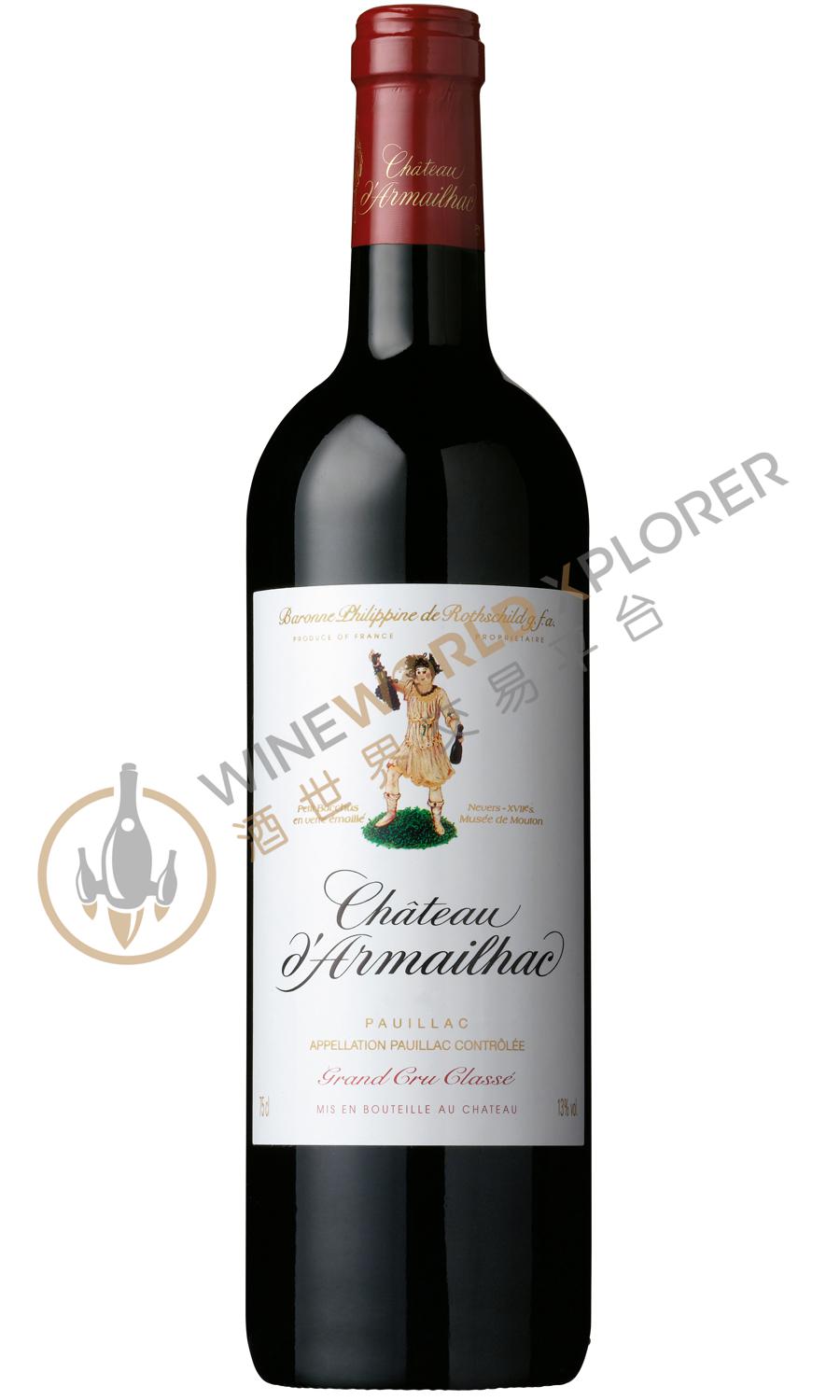
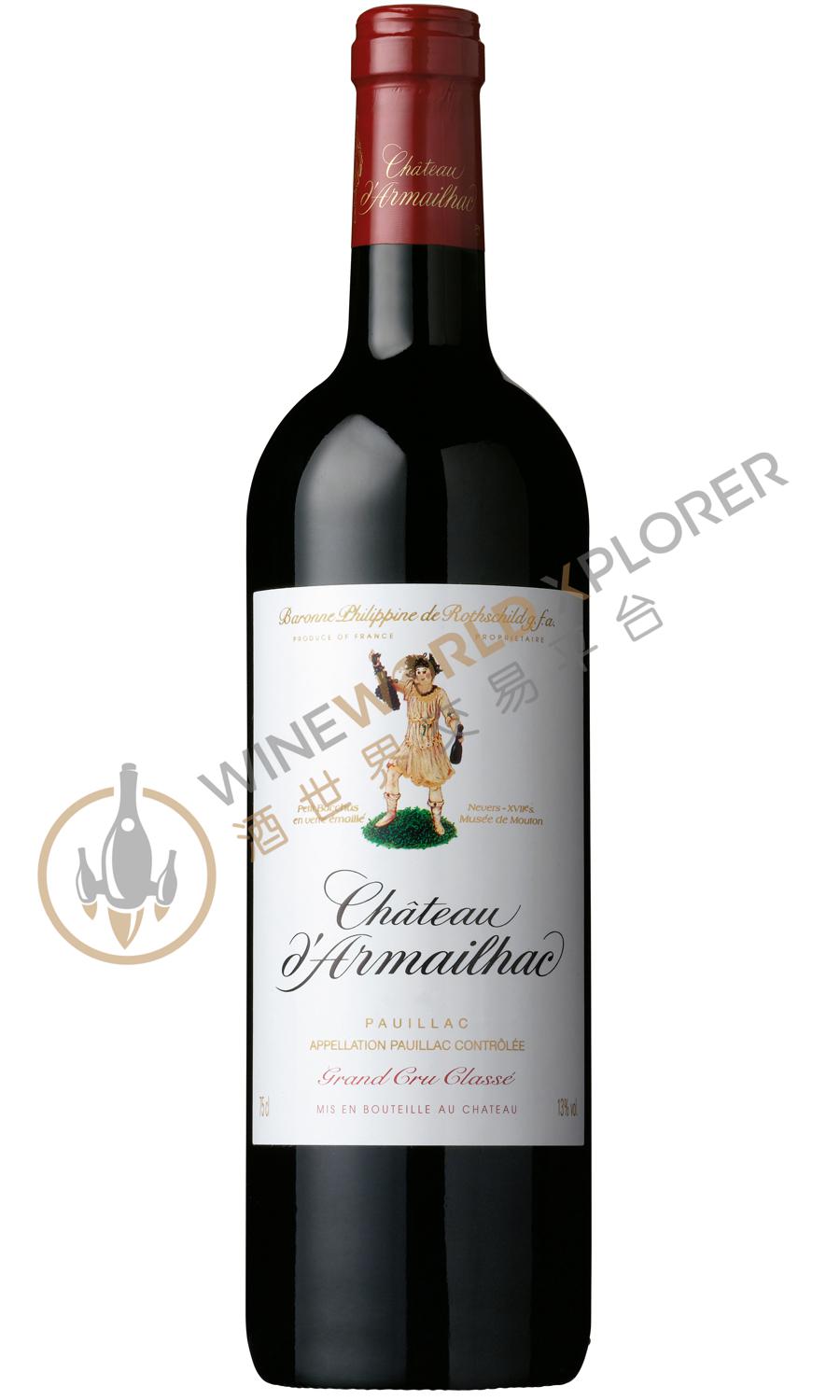
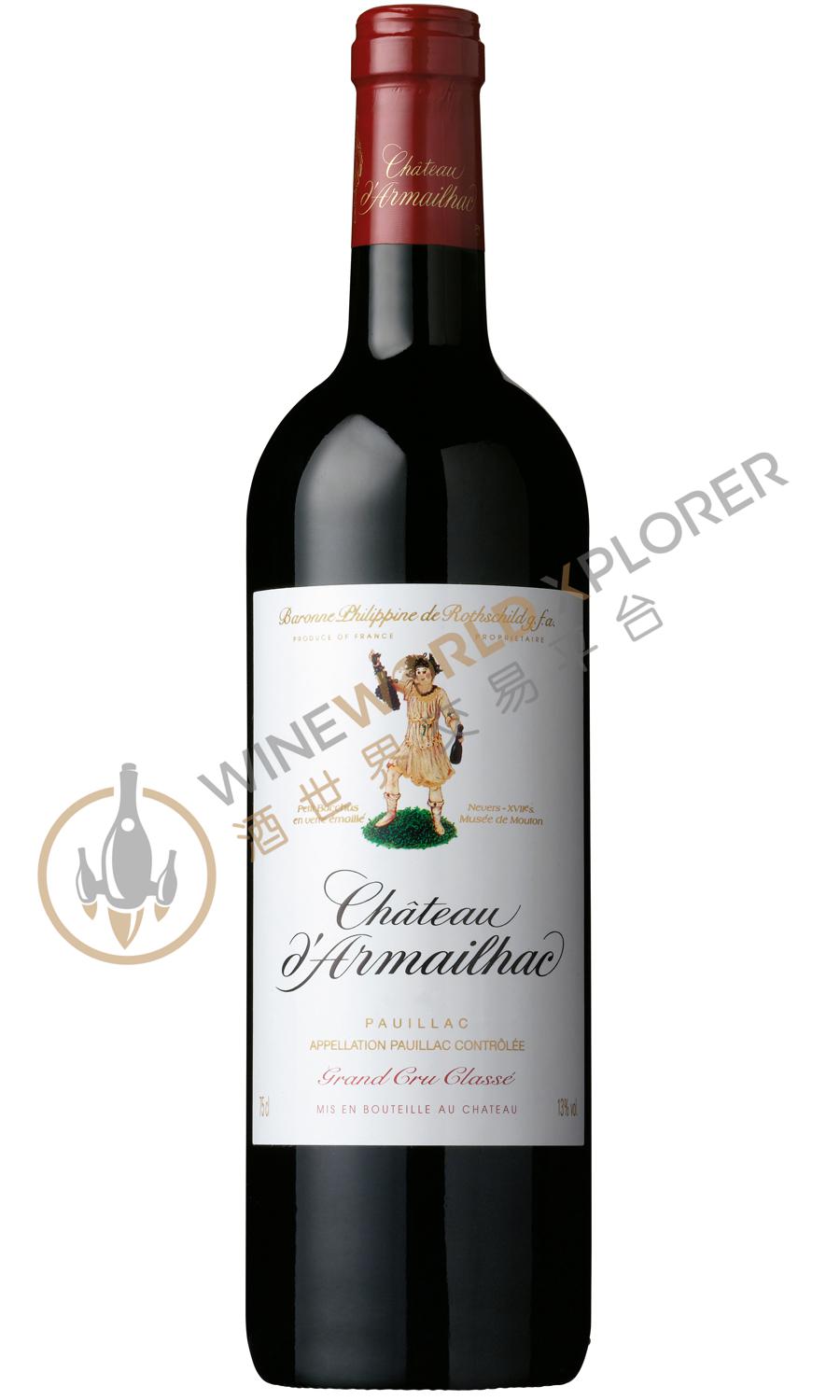
D'Armailhac 2012
 View analysis


Description
Tasting notes

Reviewed by: Robert M. Parker, Jr.
A stronger effort than its stablemate, Clerc-Milon, the 2012 d’Armailhac is an intriguing blend of 54% Cabernet Sauvignon, 29% Merlot, 14% Cabernet Franc and 3% Petit Verdot. Complex notes of menthol, coffee beans, black cherries and black currants are followed by a rich, medium-bodied wine with copious tannin as well as sufficient fat and flesh to cover the structure. The harvest took place during the first ten days of October, most of the grapes being brought in prior to the deluge that began on October 7 and lasted until October 9. This excellent Pauillac is a successful Medoc in this challenging vintage for this region.
Reviewed by: Neal Martin
Tasted twice en primeur at Mouton-Rothschild. The Chateau d’Armailhac is a blend of 54% Cabernet Sauvignon, 29% Merlot, 14% Cabernet Franc and 3% Petit Verdot. The nose is rather muted at the moment – usually at this stage it is more flamboyant and vivacious. A second sample one week later (under low pressure) accentuated the aromatic leanness. The palate is medium-bodied with crisp tannins, controlled blackberry fruit infused with tobacco and graphite. It is harmonious and precise, although the fresh finish is missing just a little depth, with the Cabernet Franc imparting herbaceousness on the aftertaste. I hope this will muster more vigour and depth during elevage. Tasted April 2013.
Reviewed by: Robert M. Parker, Jr.
Part of the empire of the Chateau Mouton Rothschild, this estate was once known as Mouton Baronne Philippe. This impressive, deep, opaque ruby/purple wine, with loads of charcoal, crème de cassis and a flowery-ness, this is rich, medium to full-bodied, beautifully textured, quite pure, and avoids any of the astringency or hollowness that some Médocs possess in this vintage. The wine is complete and finishes authoritatively. The tannins are there, but ripe, integrated and velvety. This is a very impressive d’Armailhac to drink over the next 20-25 years.
Reviewed by: Antonio Galloni
A very pretty wine for the year, the 2012 d'Armailhac is plush, open and seductive. Dark red cherry, tobacco, wild herbs, smoke, leather and game are all pushed forward in a pliant, supple Pauillac that is already quite open and expressive. Dark red cherry, plum, tobacco, smoke and licorice meld into the pliant finish, all with sweet floral overtones that add to the wine's considerable appeal.
Reviewed by: Ian d'Agata
(54% cabernet sauvignon, 29% merlot, 14% cabernet franc and 3% petit verdot): Good medium ruby-red. Enticing, pure aromas of blackcurrant, raspberry, red licorice, violet and crushed stone on the knockout nose. Fresh, dense and suave; a step up in intensity from most Pauillacs in this vintage, with brisk acidity framing the perfumed flavors of dark berries, sweet spices and minerals. Finishes very long and smooth, with sneaky aromatic persistence. As usual, Armailhac is heavily dominated on the nose by its cabernet franc component, giving it amazingly refined violet and cocoa aromas. If you are surprised by the 3% petit verdot in a vintage characterized by a very wet late season (which is normally when the late-ripening petit verdot needs sunlight and warmth), the 18-year-old petit verdot vines at Armailhac are of particularly high quality, according to general director Philippe Dhalluin. Petit verdot likes to have its head in the sun and its feet in the water, said Dhalluin. The best vines we own are located in the Behère area at the southwestern tip of our estate near the river, so these vines have lots of heat and water, which allowed them to weather the difficult conditions of 2012. Superb wine in the making.
Reviewed by: Neal Martin
The 2012 Château d'Armailhac has a taut nose with blackberry, briary and graphite aromas that need more intensity. The palate is medium-bodied with grainy tannins, quite sweet with a light bitter edge, fine density with a graceful and peppery finish. It's just a bit slight for a Pauillac, rather conservative compared to other vintages. Tasted twice at Bordeaux Index's Ten Year-On tasting and blind at the Southwold Ten-Year On tasting.
Reviewed by: Antonio Galloni
A very pretty wine for the year, the 2012 d'Armailhac is plush, open and seductive. Dark red cherry, tobacco, wild herbs, smoke, leather and game are all pushed forward in a pliant, supple Pauillac that is already quite open and expressive. Dark red cherry, plum, tobacco, smoke and licorice meld into the pliant finish, all with sweet floral overtones that add to the wine's considerable appeal.
Reviewed by: James Suckling
This is a very attractive young wine. Medium-to-full body, with creamy tannins and a fresh finish. Refined for the vintage. 54% Cabernet Sauvignon, 29% Merlot, 14% Cabernet Franc, and 3% Petit Verdot.
Reviewed by: James Suckling
This is very polished and refined with blackcurrant, raspberry and citrus-peel undertones. Full body, extremely fine texture and a long, long finish.
About the Producer
The existence of Château d’Armailhac dates back to the late 17th century, as evidenced in a land register from 1680 which mentions the brothers Dominique and Guilhem Armailhacq, owners of parcels of land in Pauillac. Another land register from 1750 notes that their descendants have “planted with vines” the family estate, covering 15 to 16 hectares (37-39 acres). By the end of the 18th century the estate has grown to 52 hectares (128 acres) but the brokers of the time describe its wine as “disappointingly thin”. Throughout the following century, Mouton d’Armailhacq’s owners work unceasingly to improve its quality, using techniques such as topping-up, running-off, barrel disinfection and fining. Their efforts are rewarded in 1831, when the wines of Mouton d’Armailhacq sell for twice as much as their more highly reputed neighbours. The ultimate recompense, Château Mouton d’Armailhacq is given Fifth Growth status in the 1855 Classification – the same one which made Château Mouton Rothschild “First of the Seconds”. The “first wine”, the only one authorised to bear the growth’s name, is distinguished from the “second wine”, less rich and sold for consumption in local taverns. In 1931, the young Baron Philippe de Rothschild became a minority shareholder of the Société Anonyme du Domaine de Mouton d’Armailhacq, then in 1933 acquired all the shares from the Comte de Ferrand in return for a life annuity. A year later, on the Comte de Ferrand’s death, he became the effective owner of the estate. The Mouton d’Armailhacq portfolio included the Société Vinicole de Pauillac, forerunner of what is now Baron Philippe de Rothschild SA. Inseparable from Château Mouton Rothschild, Château Mouton d’Armailhacq houses all the technical and agricultural equipment for the two estates in its extensive outbuildings. From 1956 to 1988, the wine was called Mouton Baron Philippe, then Mouton Baronne Philippe. A Fifth Growth of acknowledged quality, its original identity as Château d’Armailhac was patly restored in 1989.
1964(2)1973(1)1978(1)1986(1)1987(1)1989(1)1995(2)1996(2)2000(4)2001(5)2002(1)2003(3)2004(2)2005(5)2006(2)2007(2)2008(5)2009(10)2010(6)2011(7)
Package Size