Wine Advisor



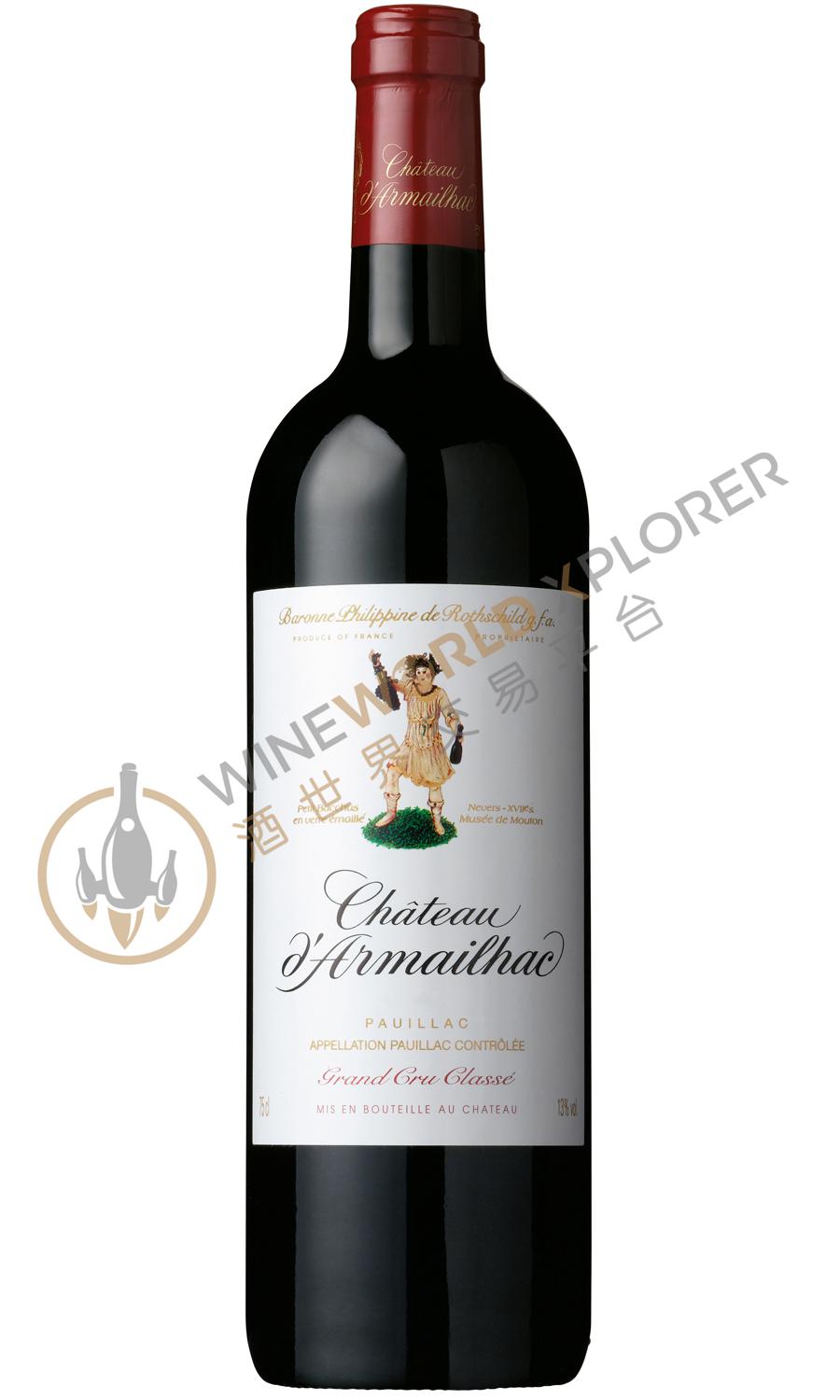
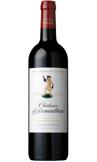
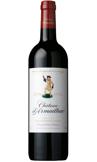
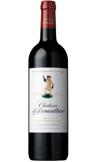
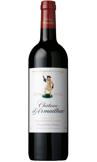
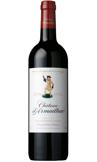
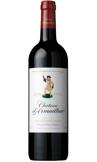
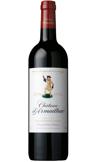
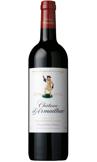
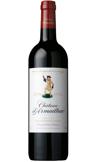
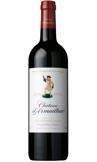
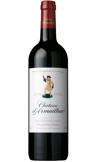
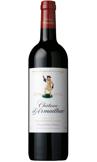
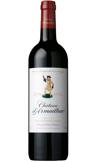
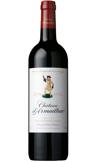
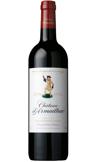
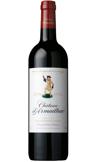
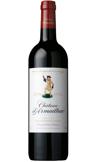
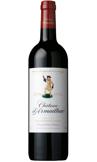
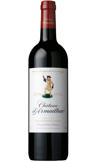
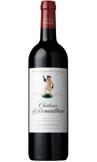
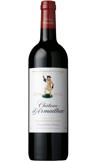
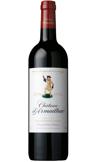
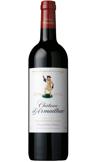
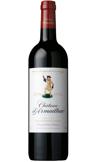
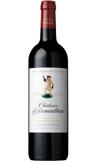
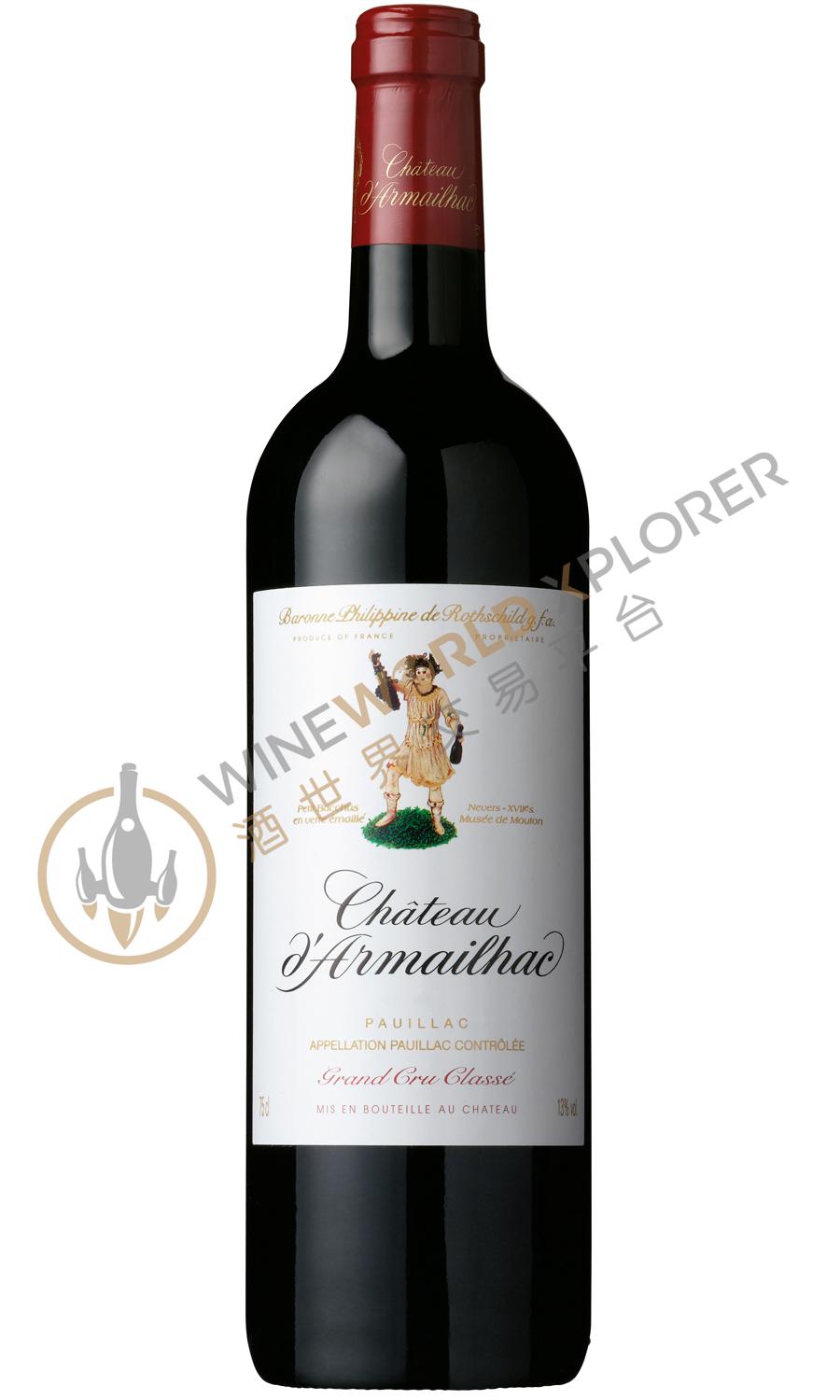
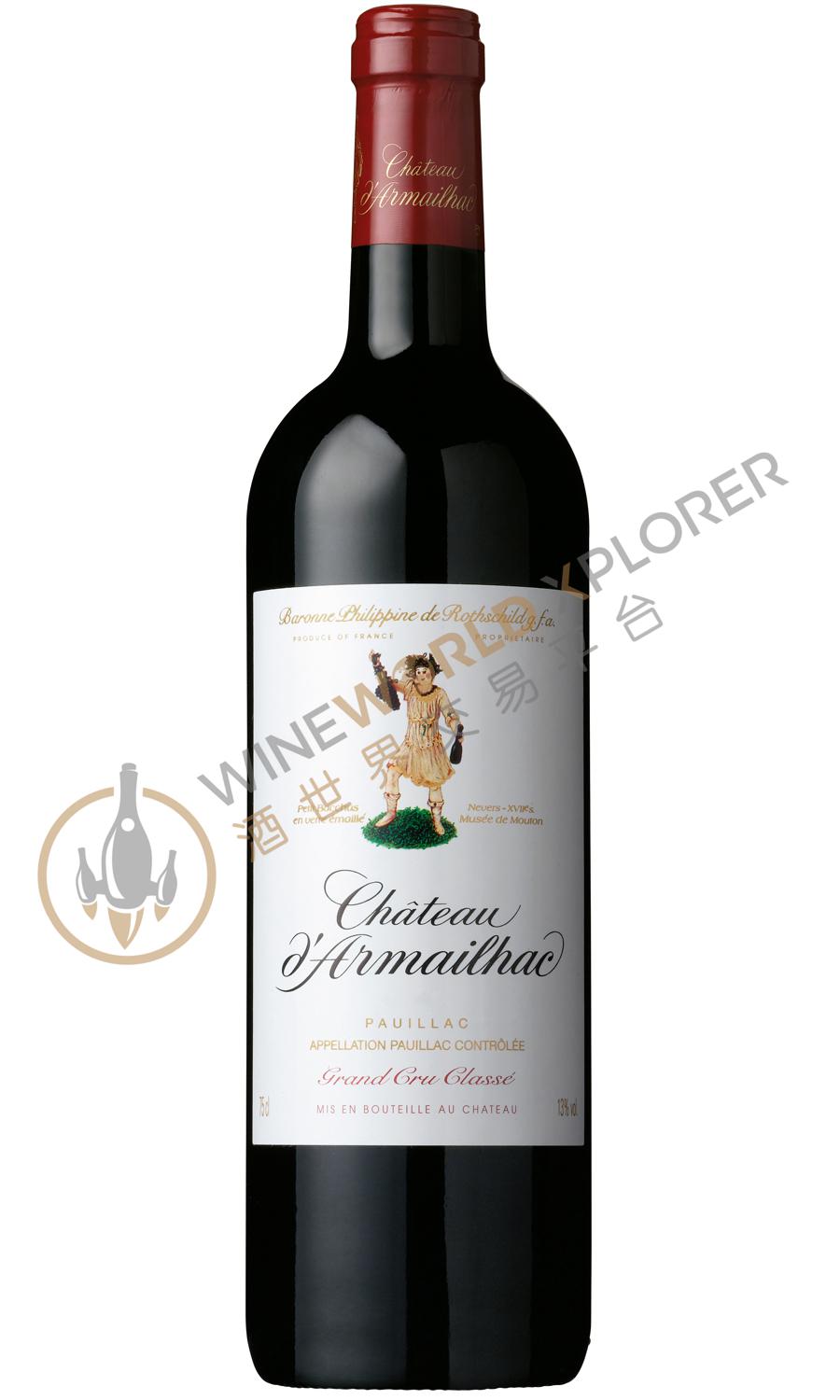
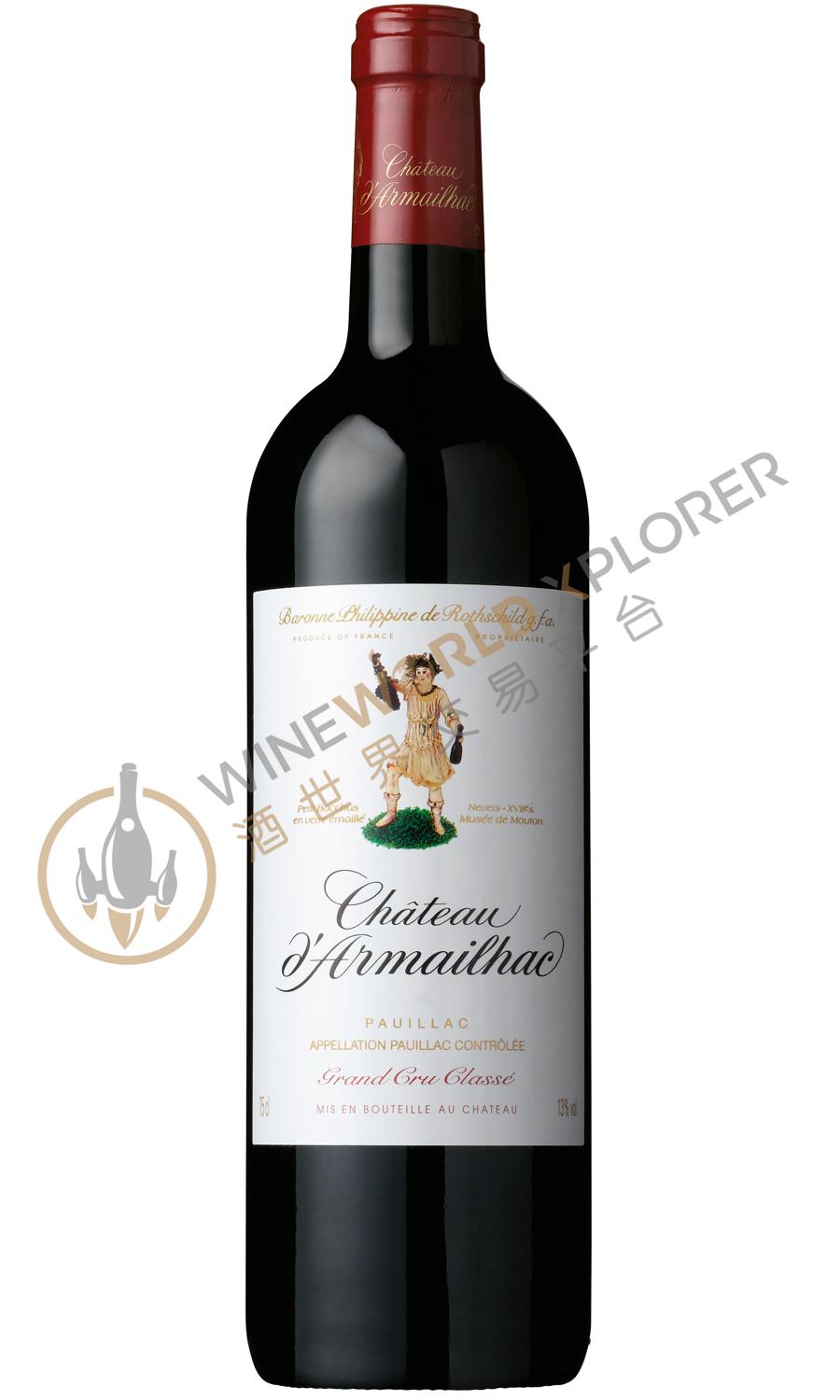
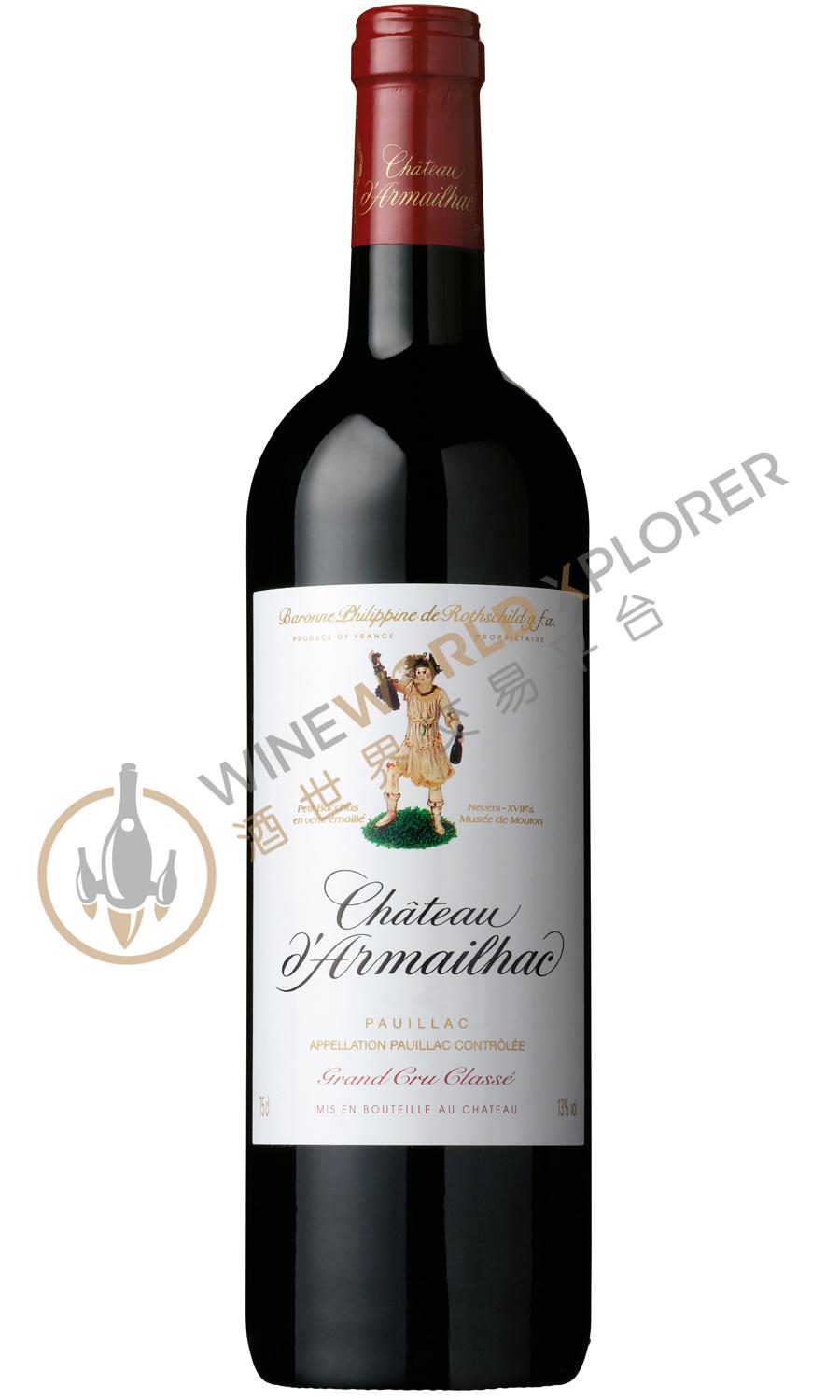
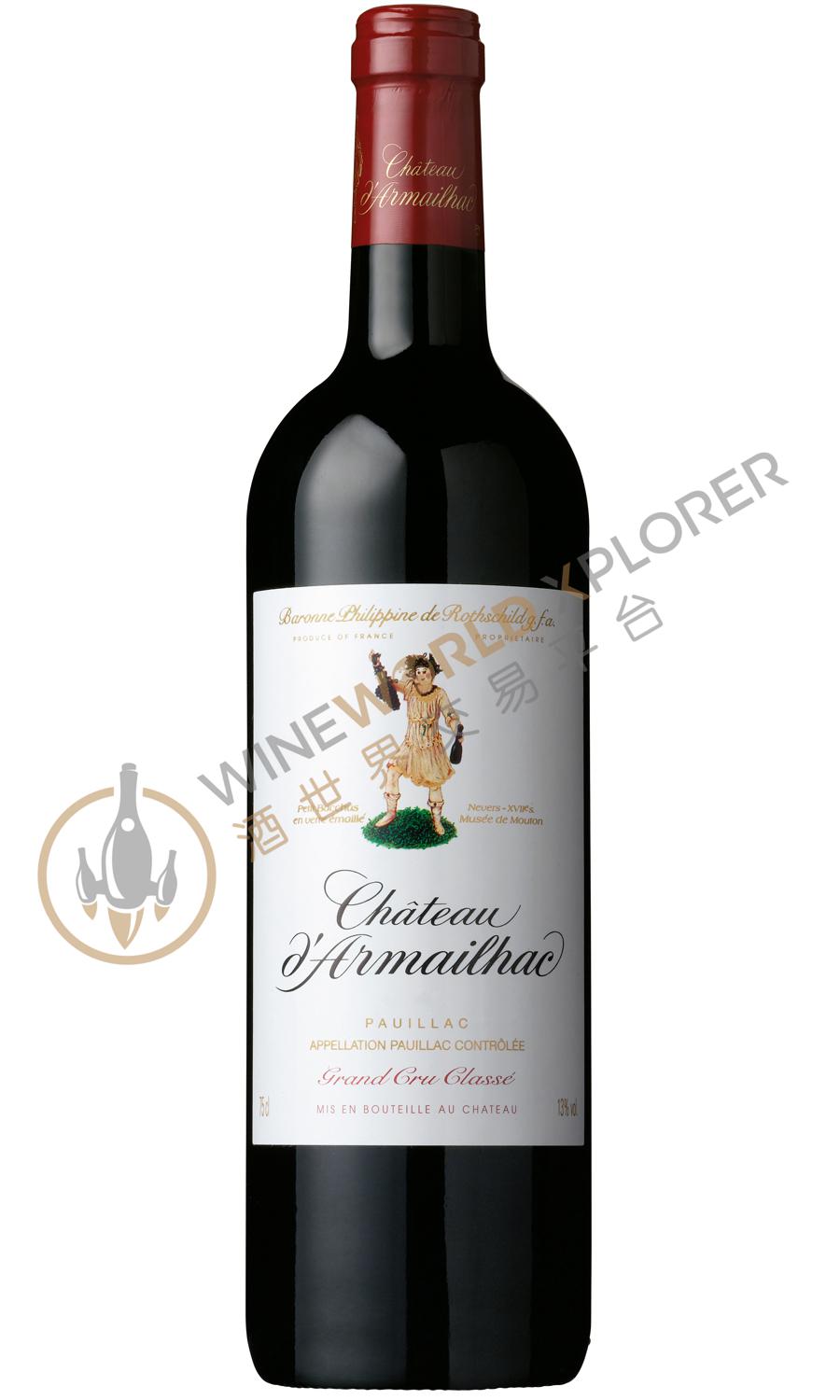
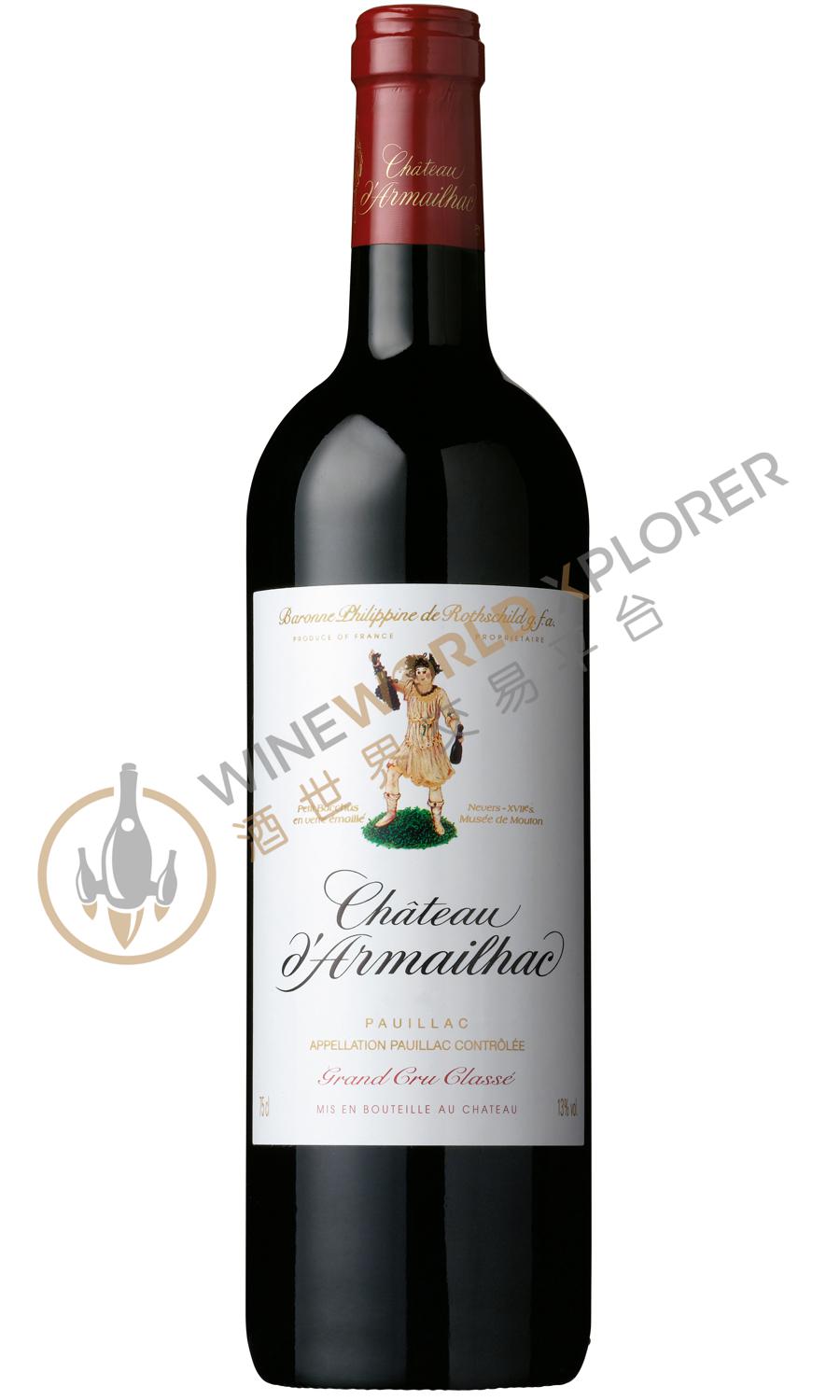
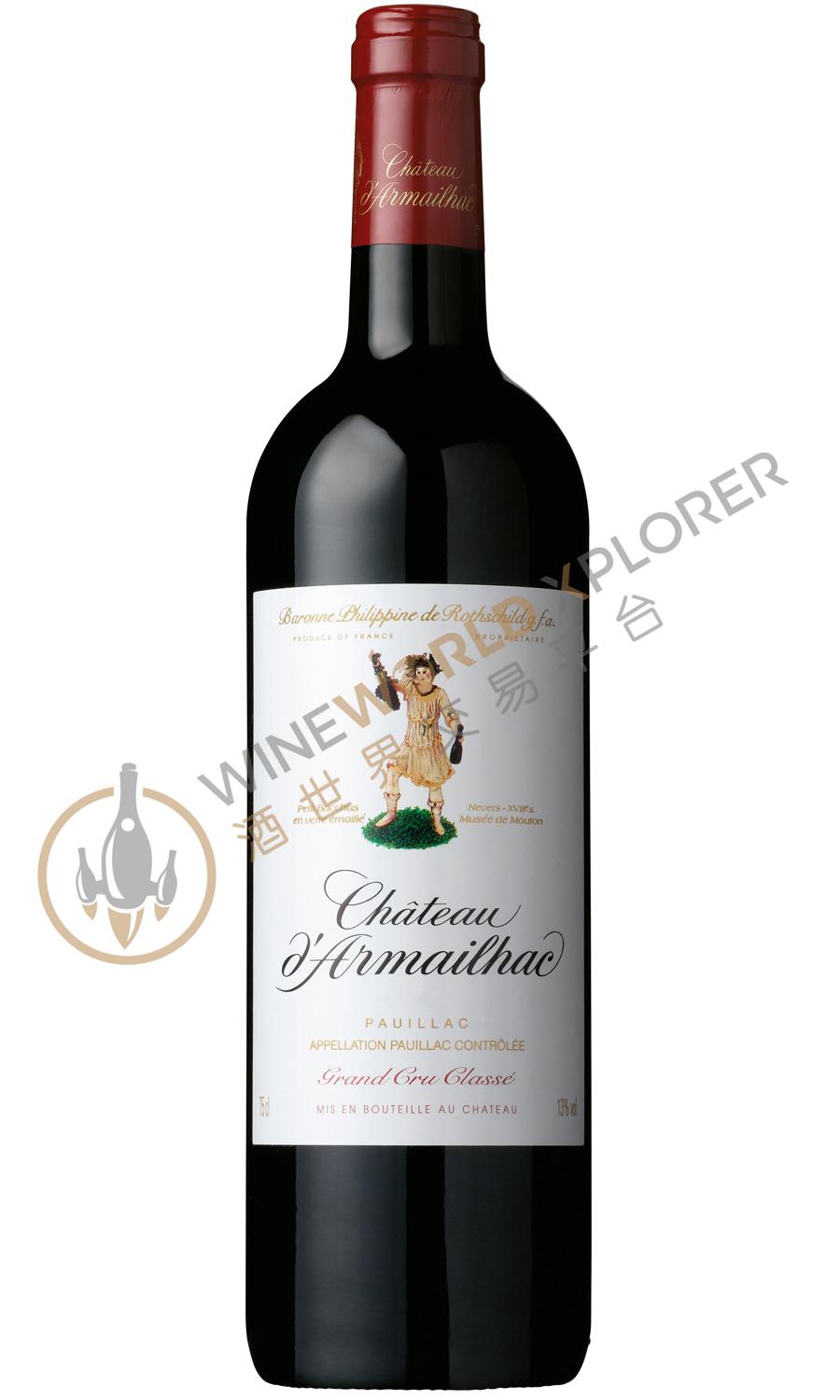
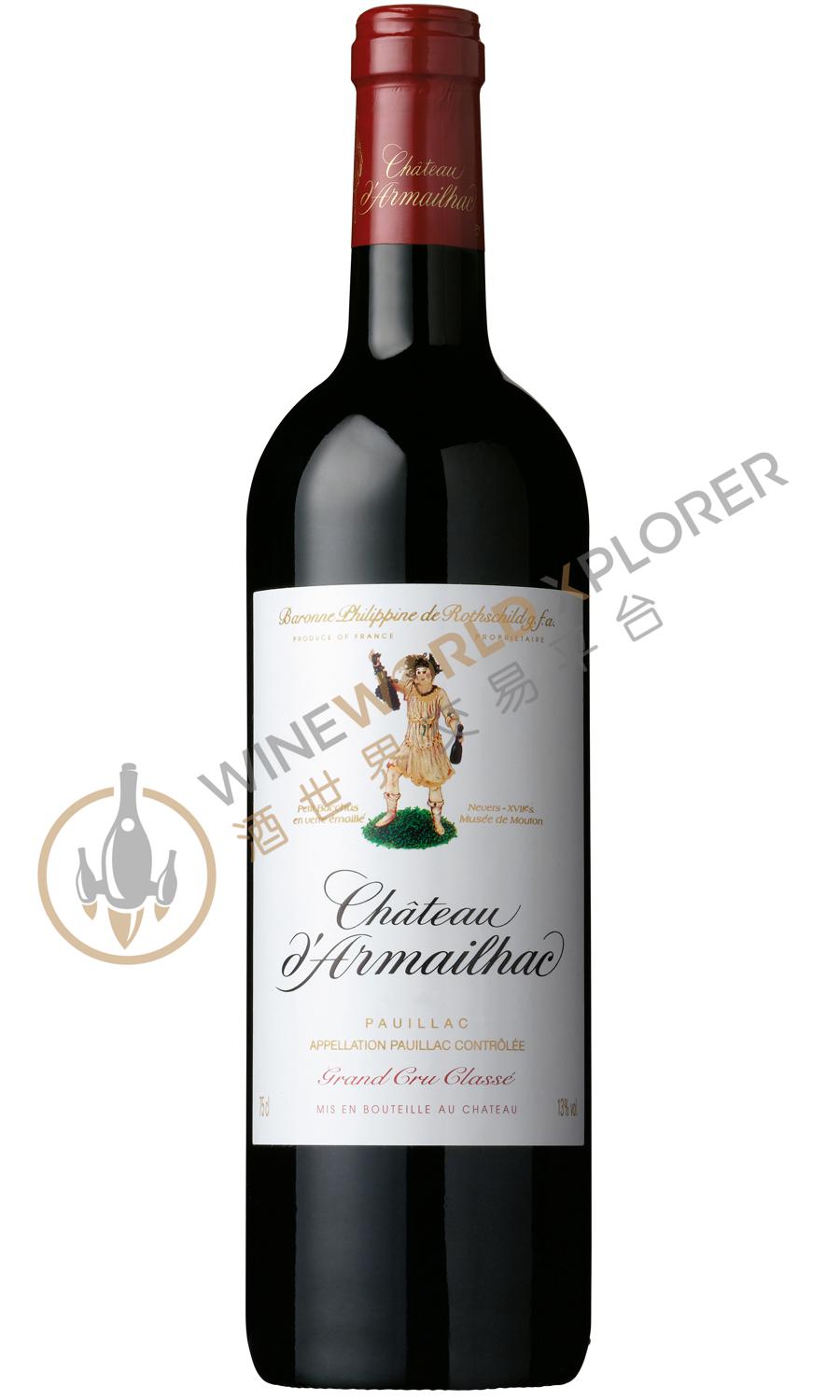
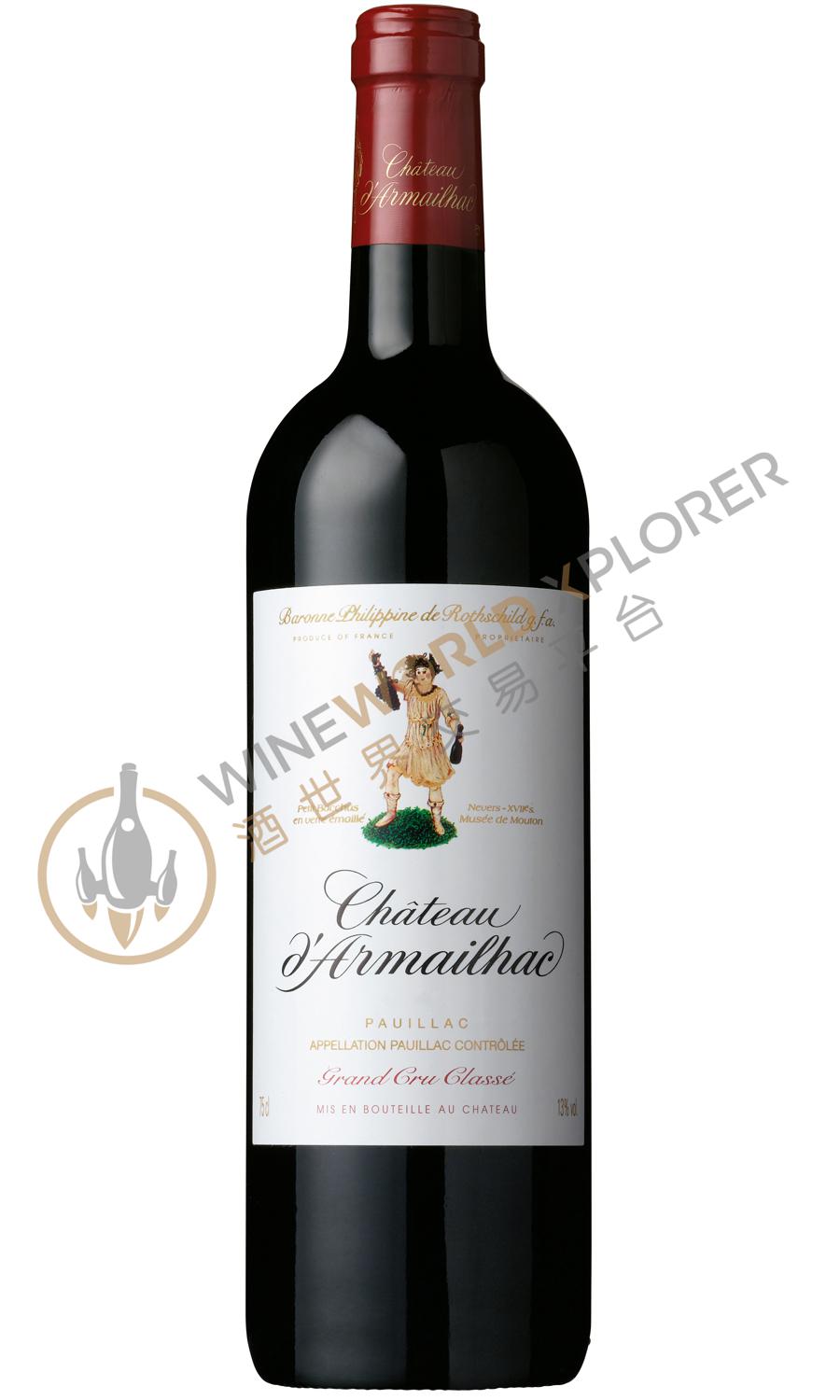
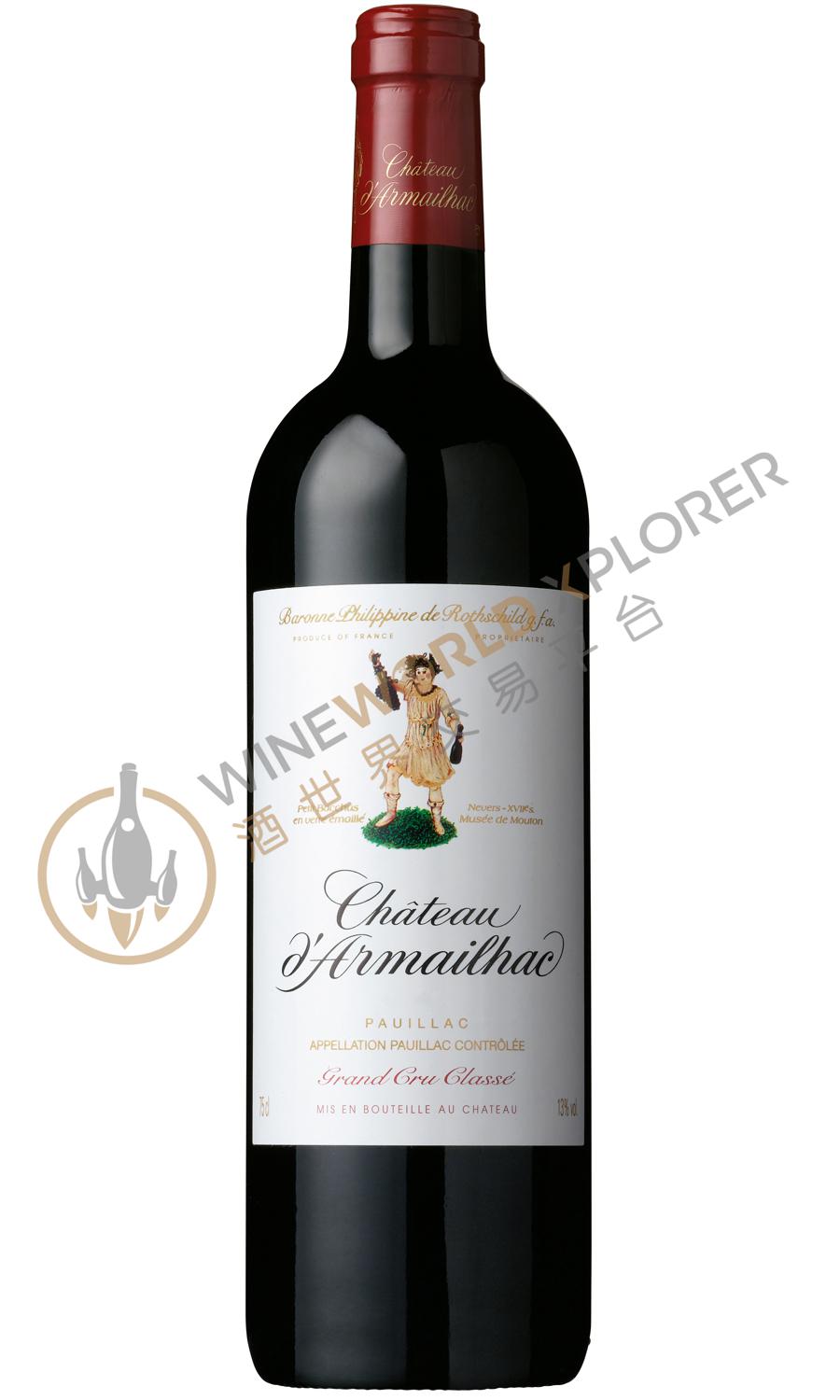
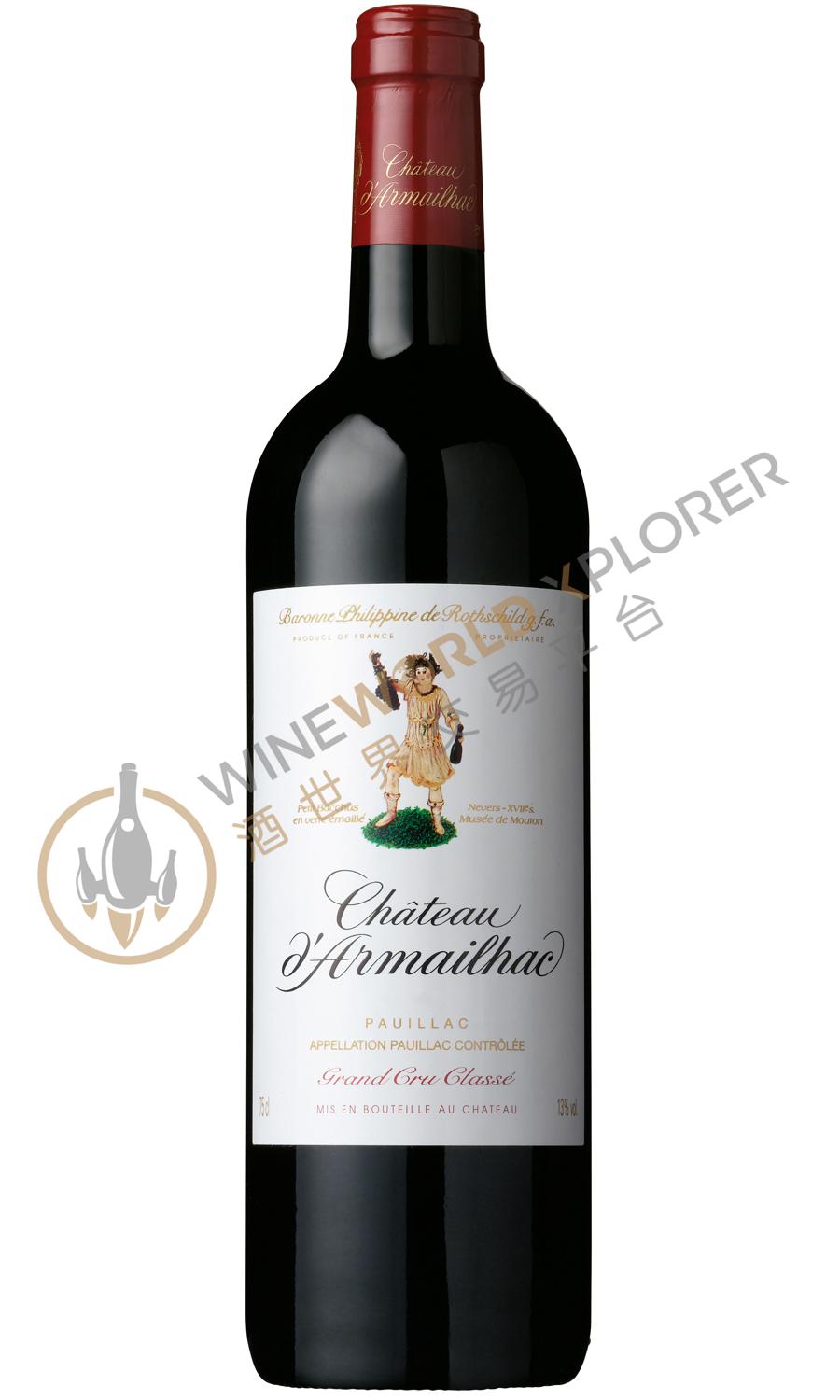
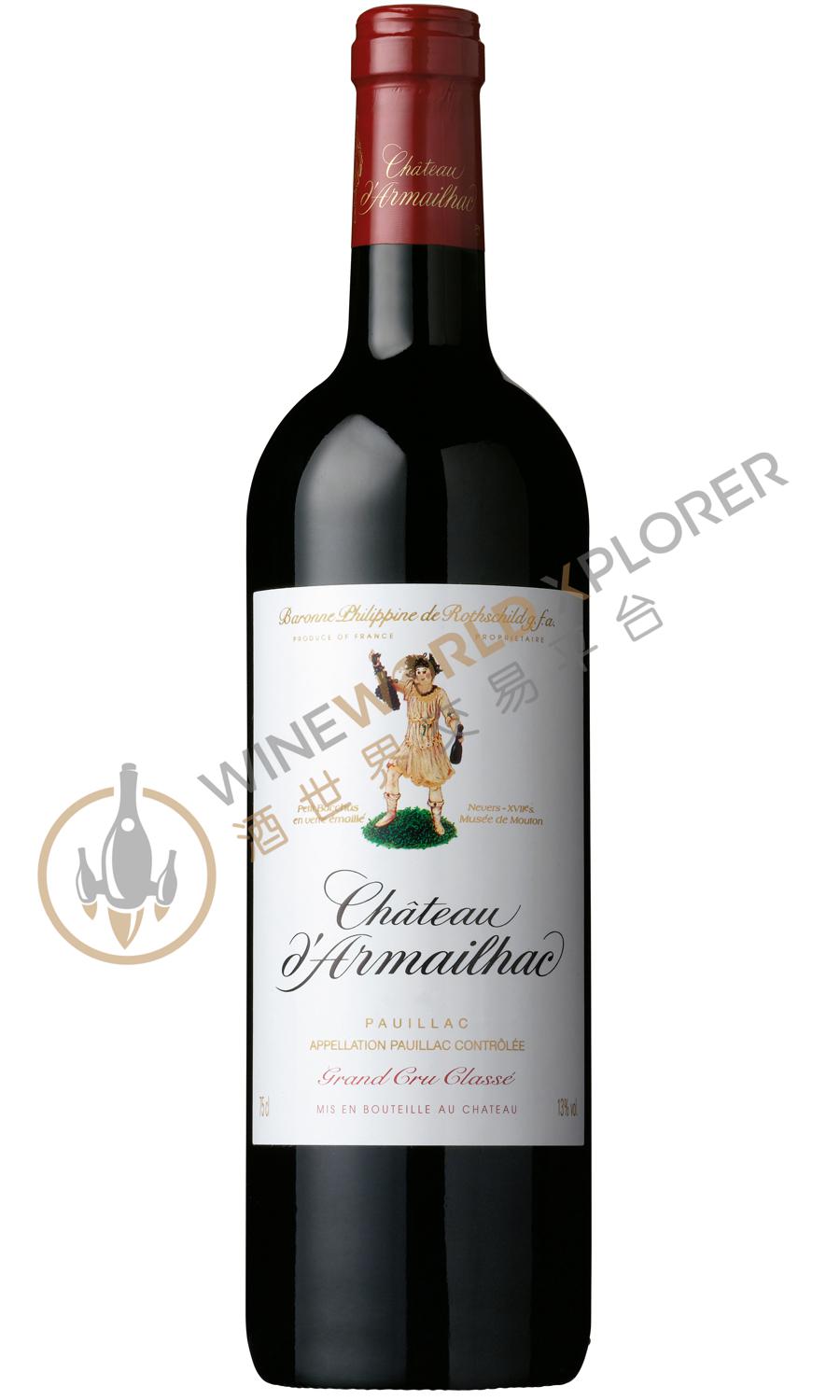
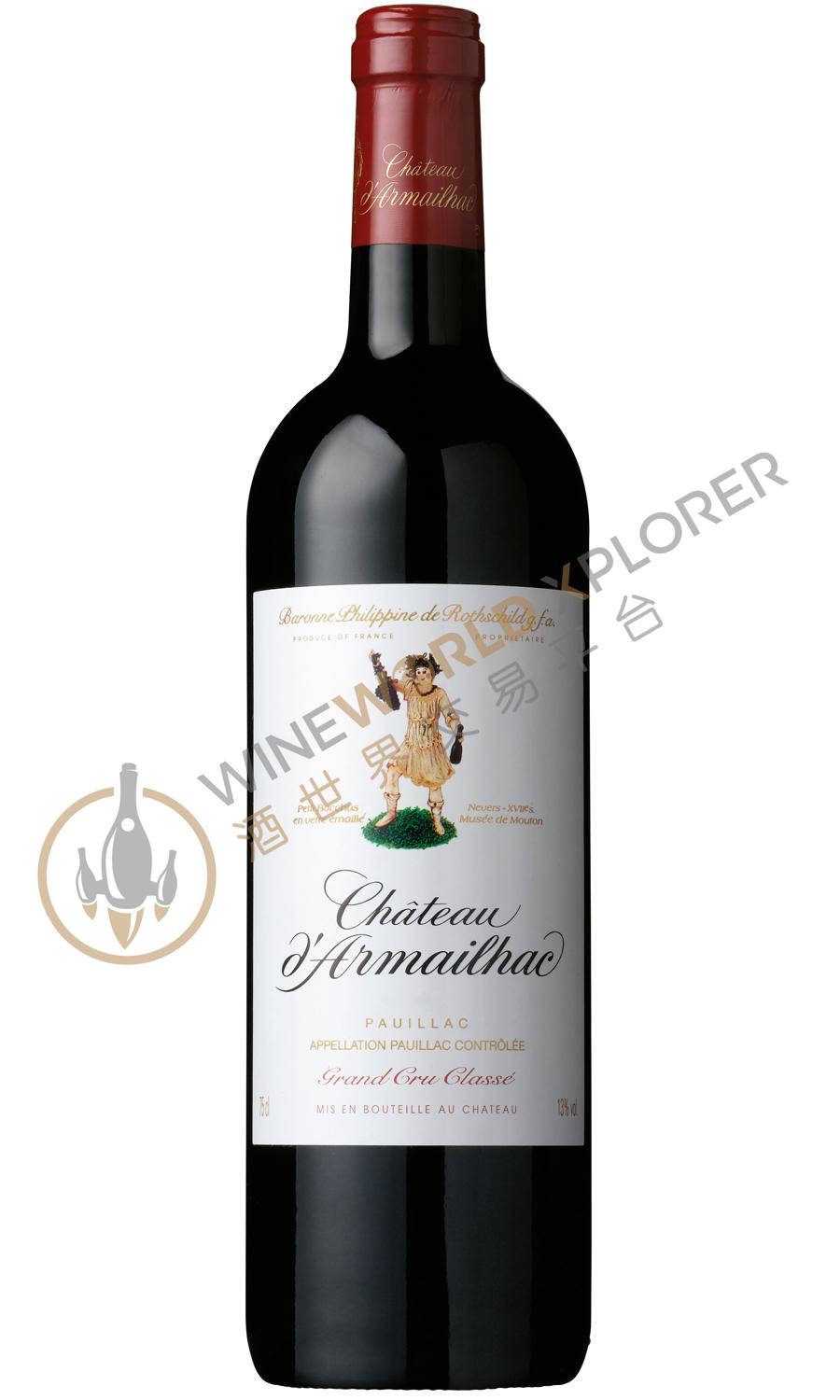
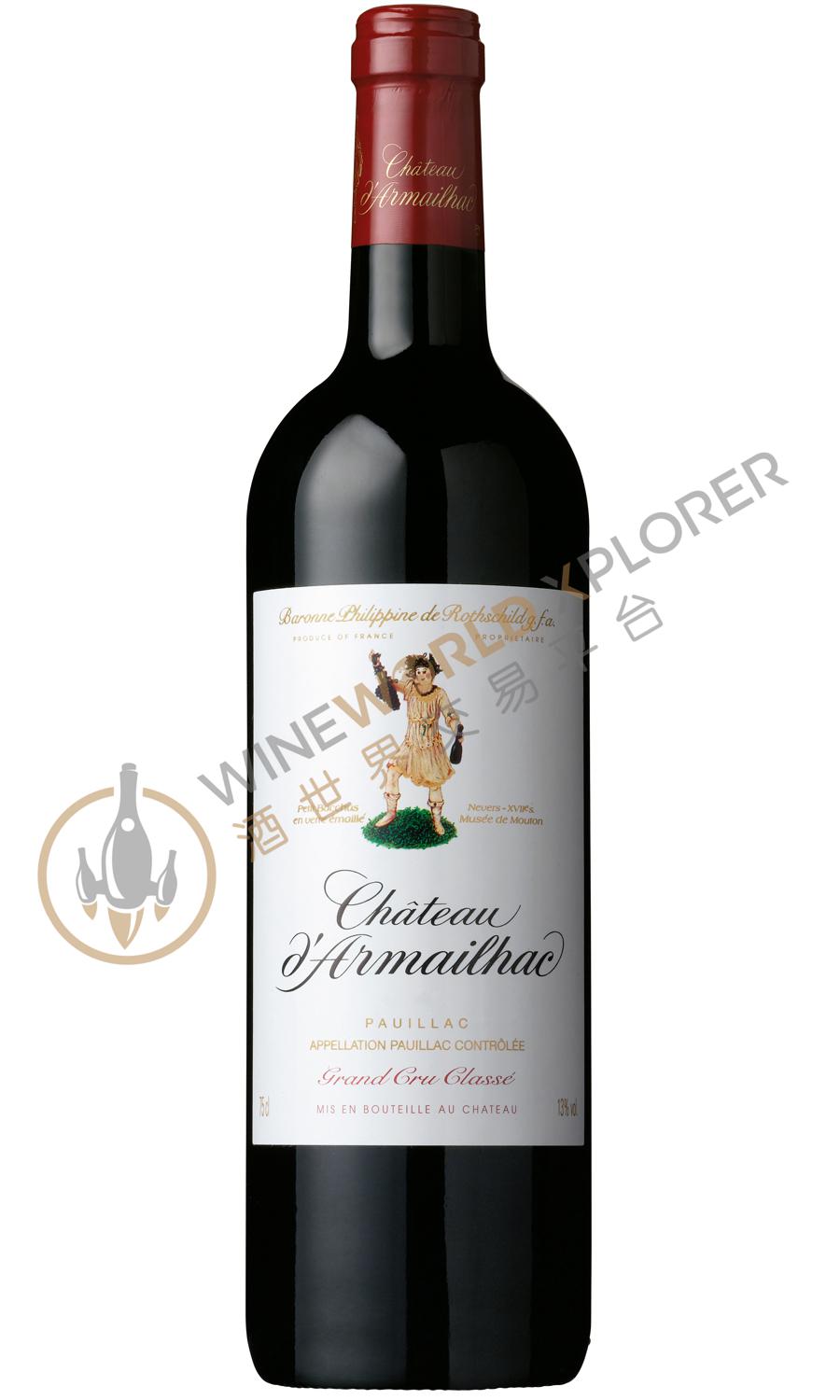
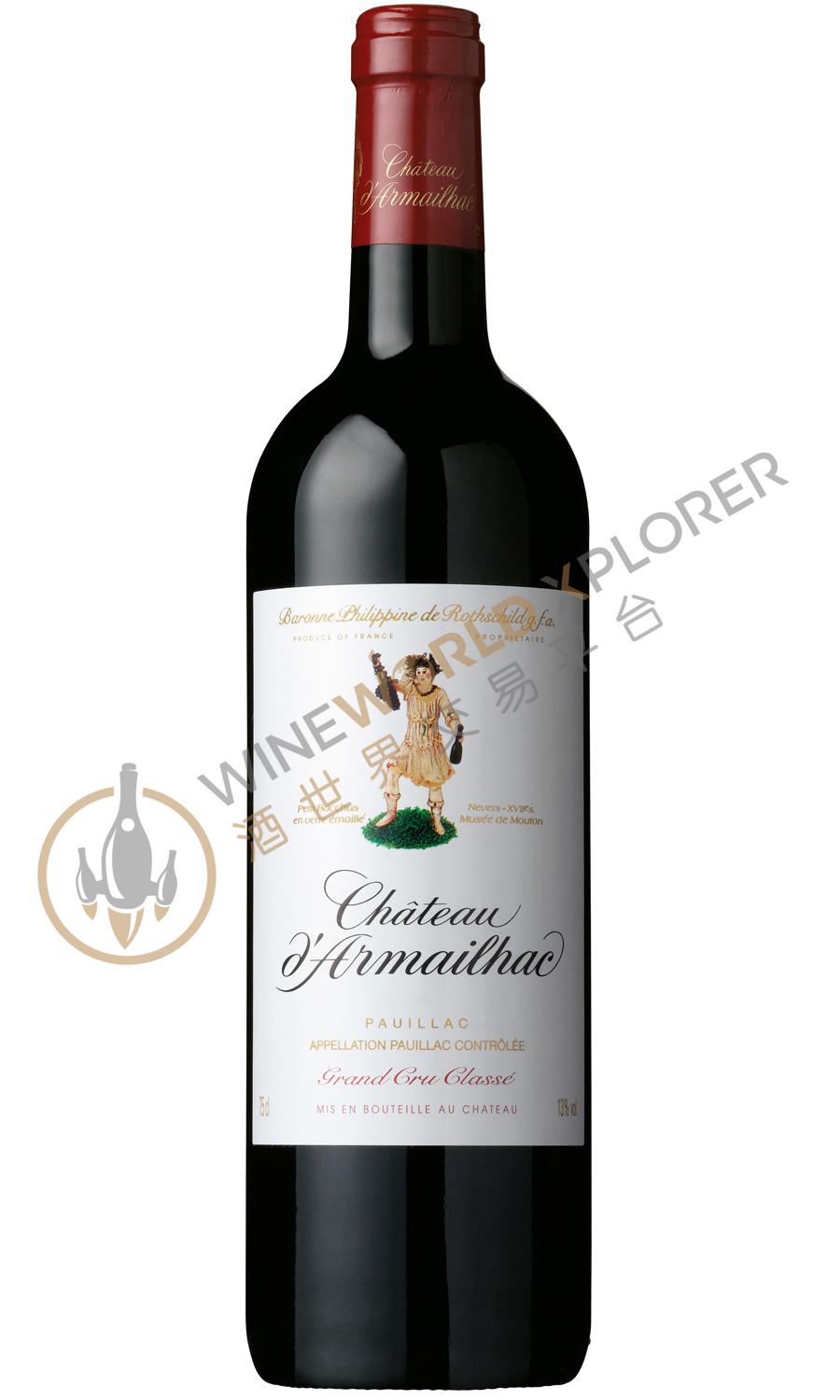
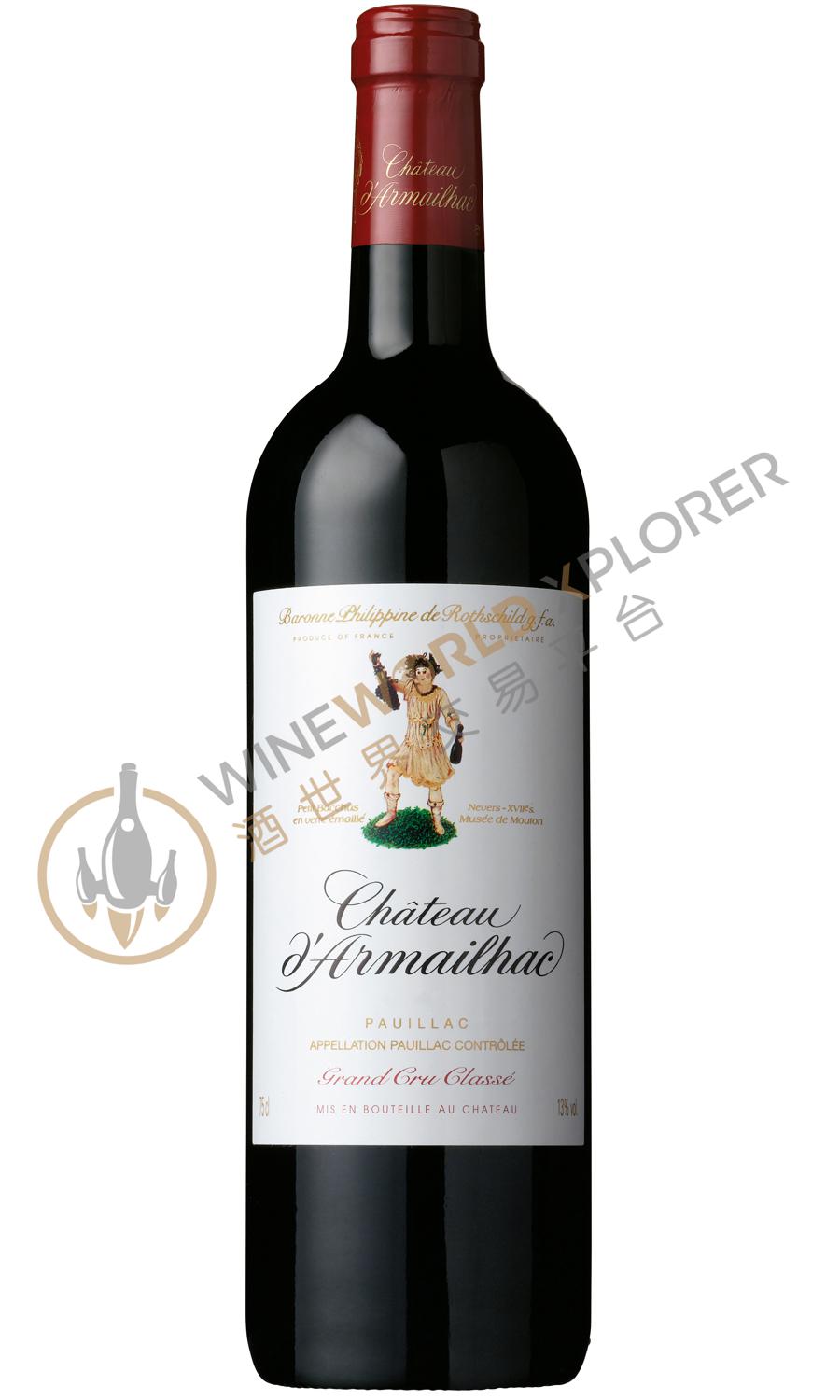
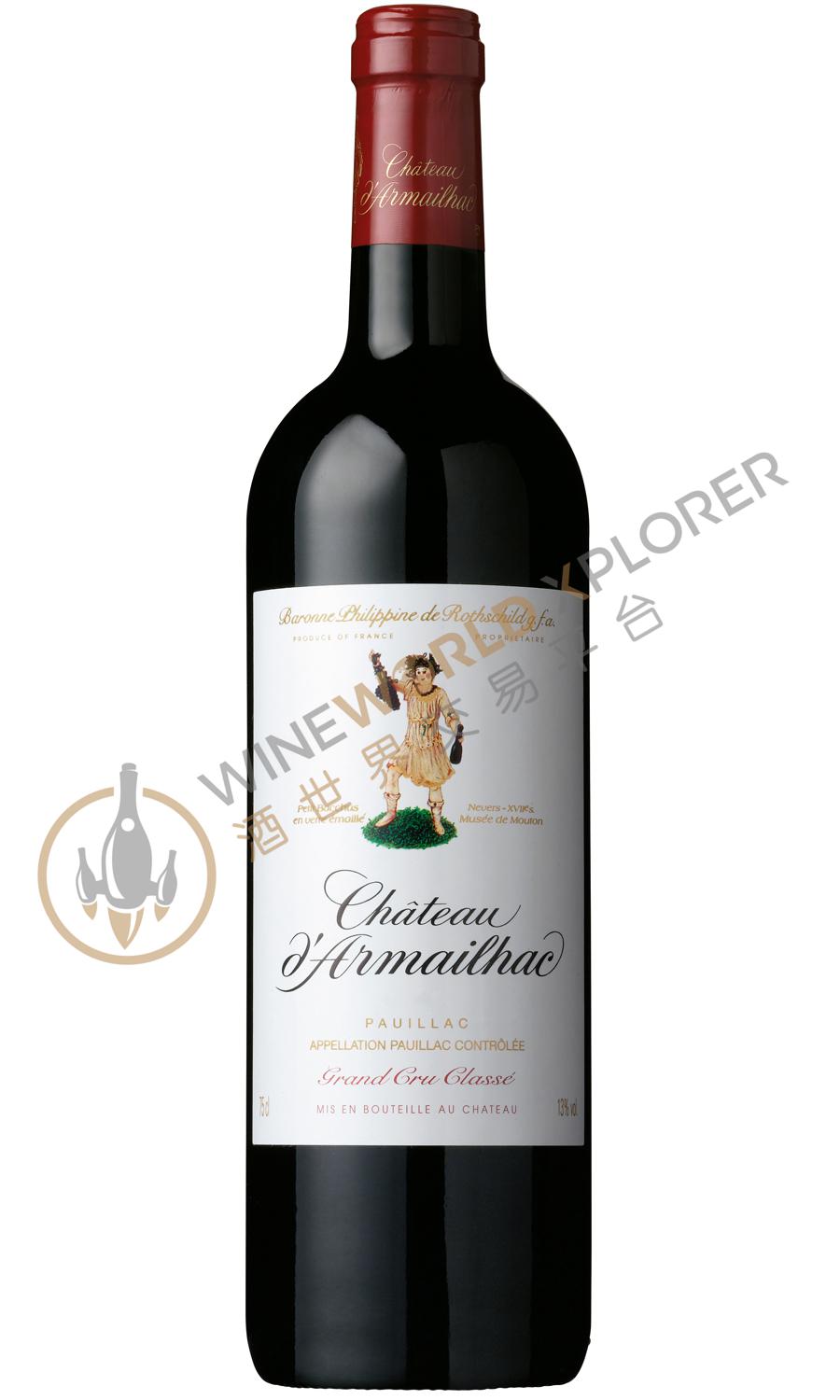
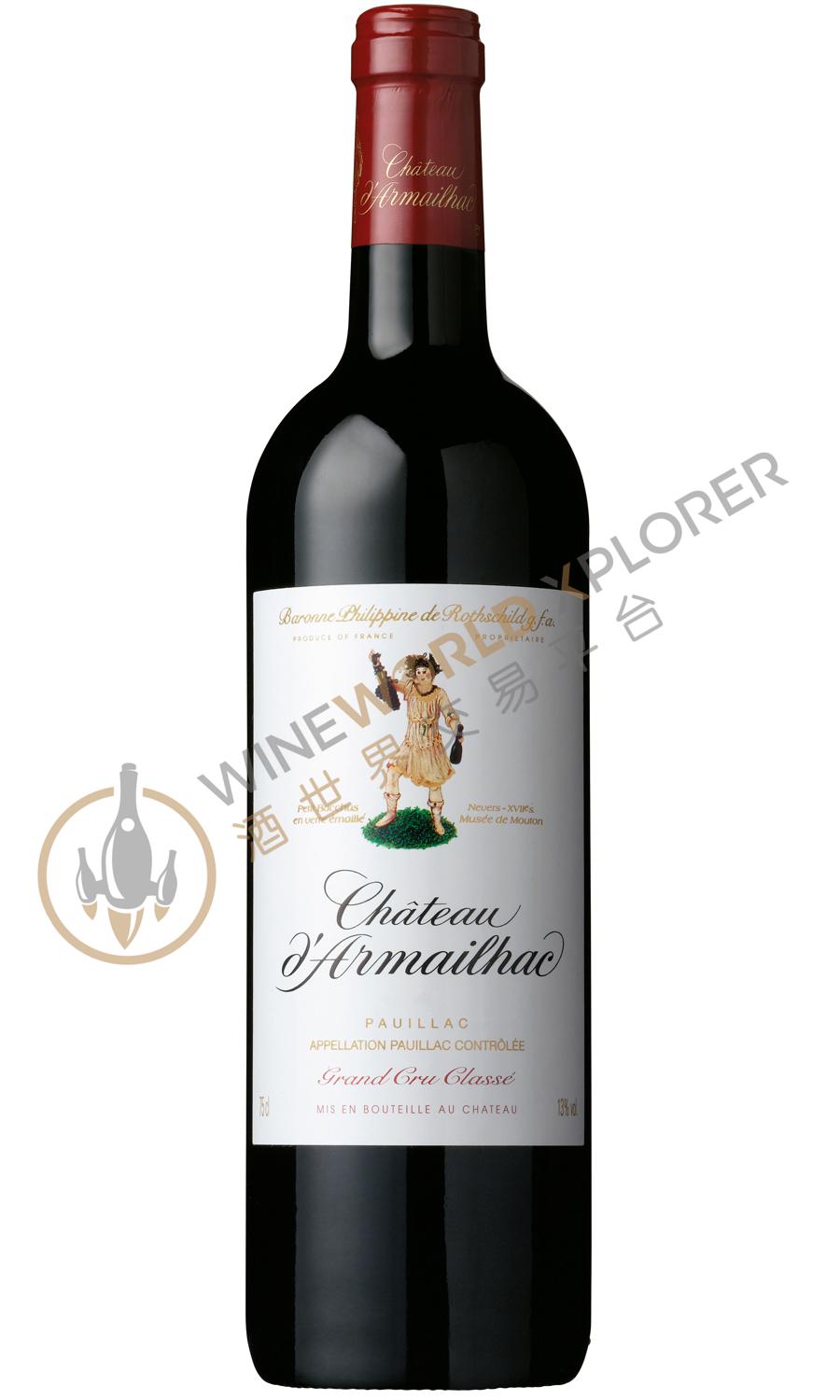
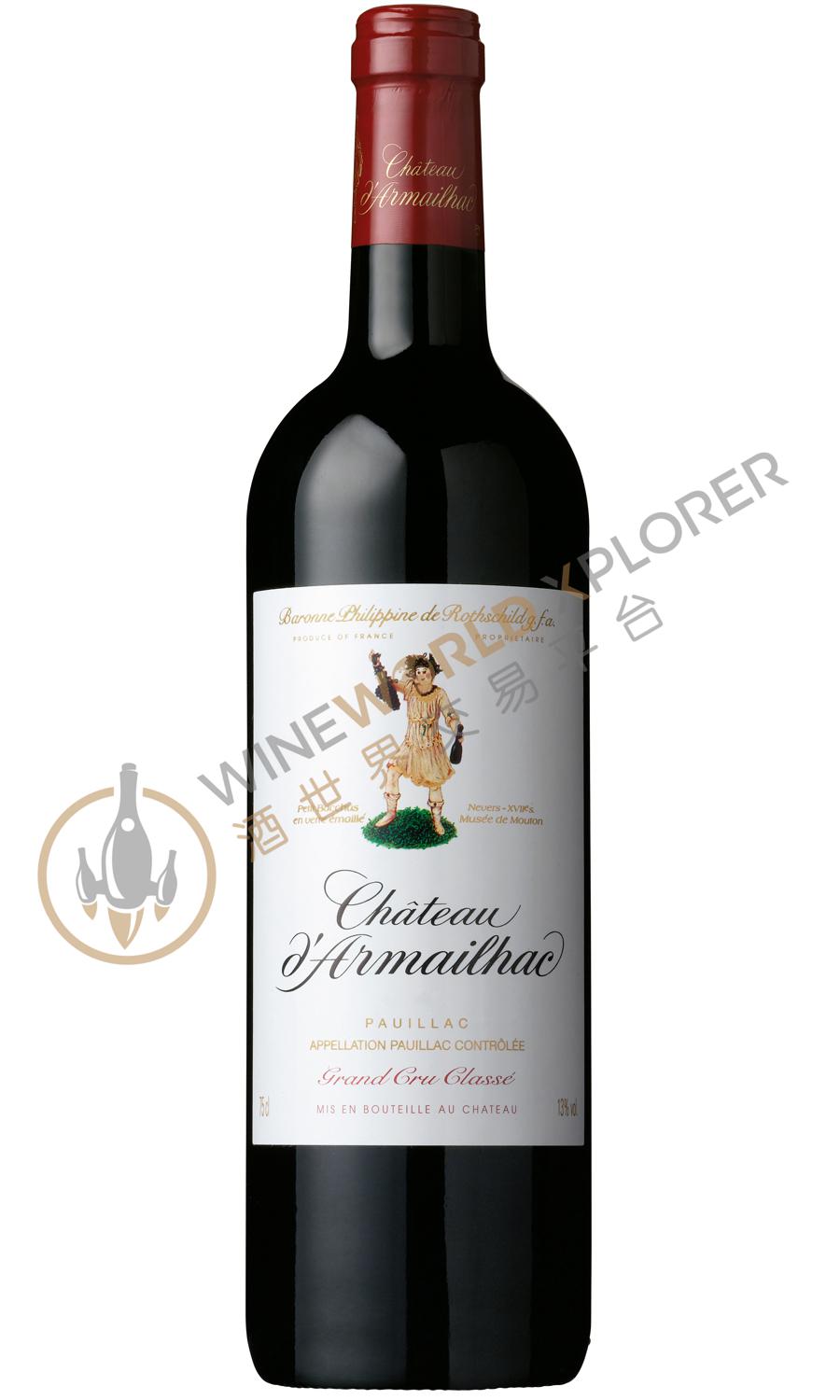
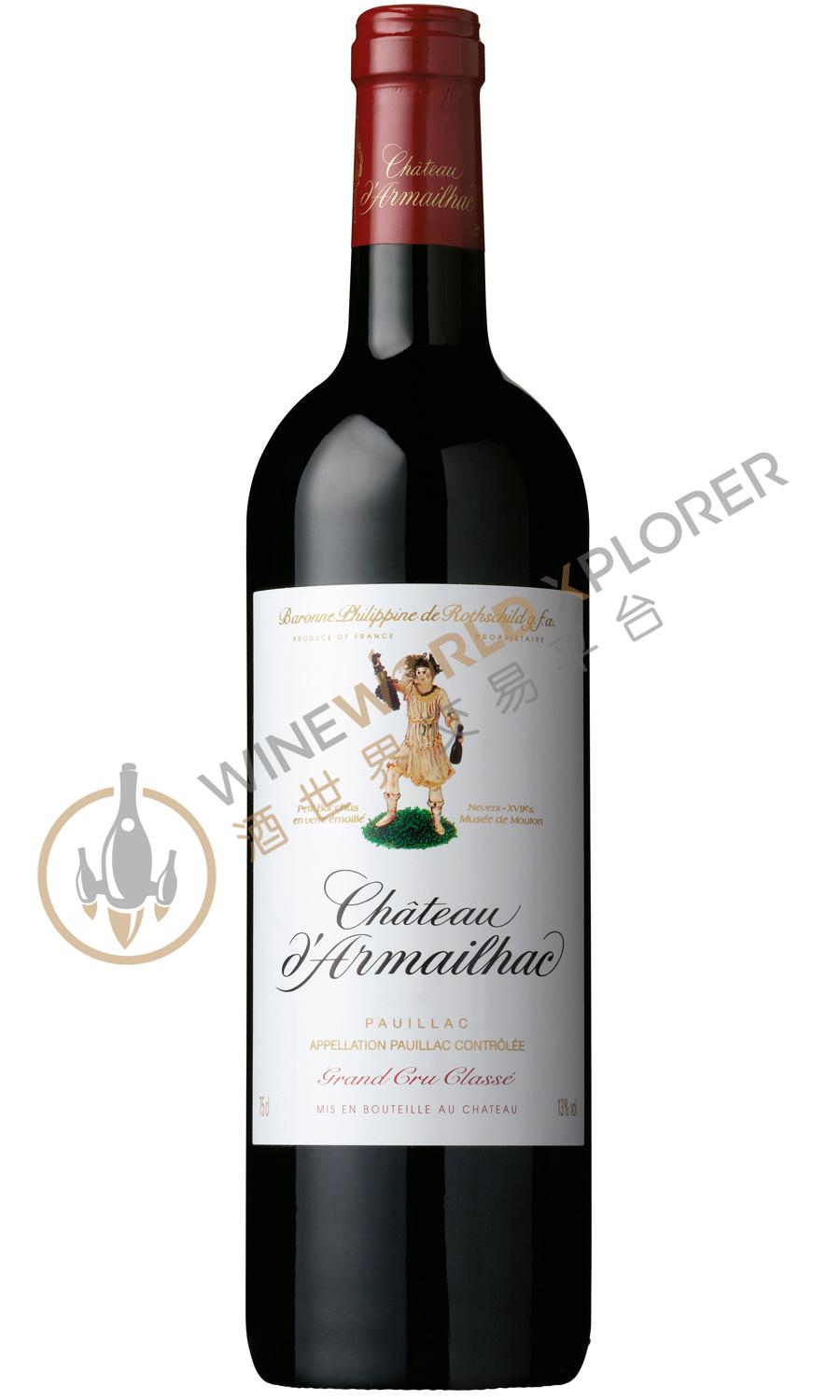
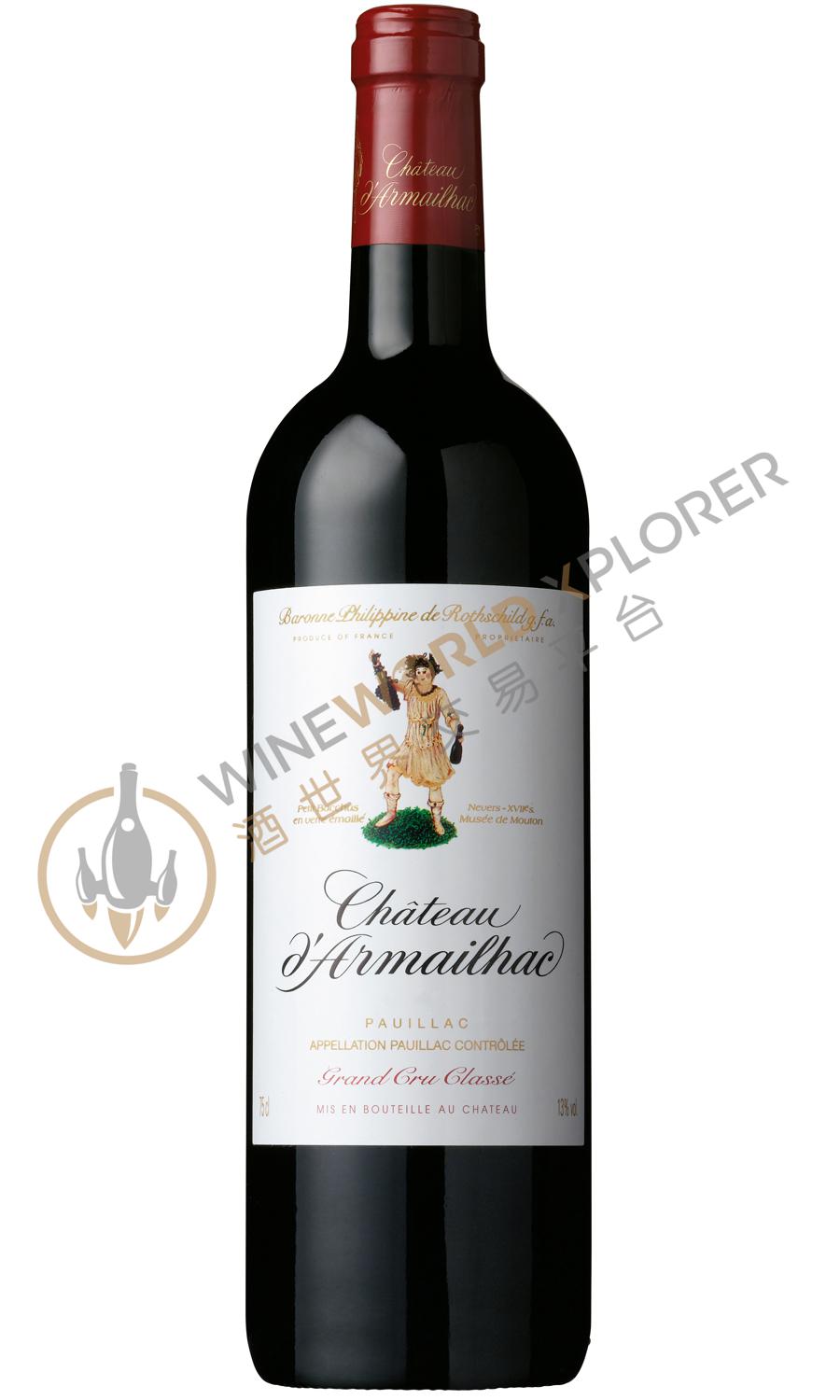
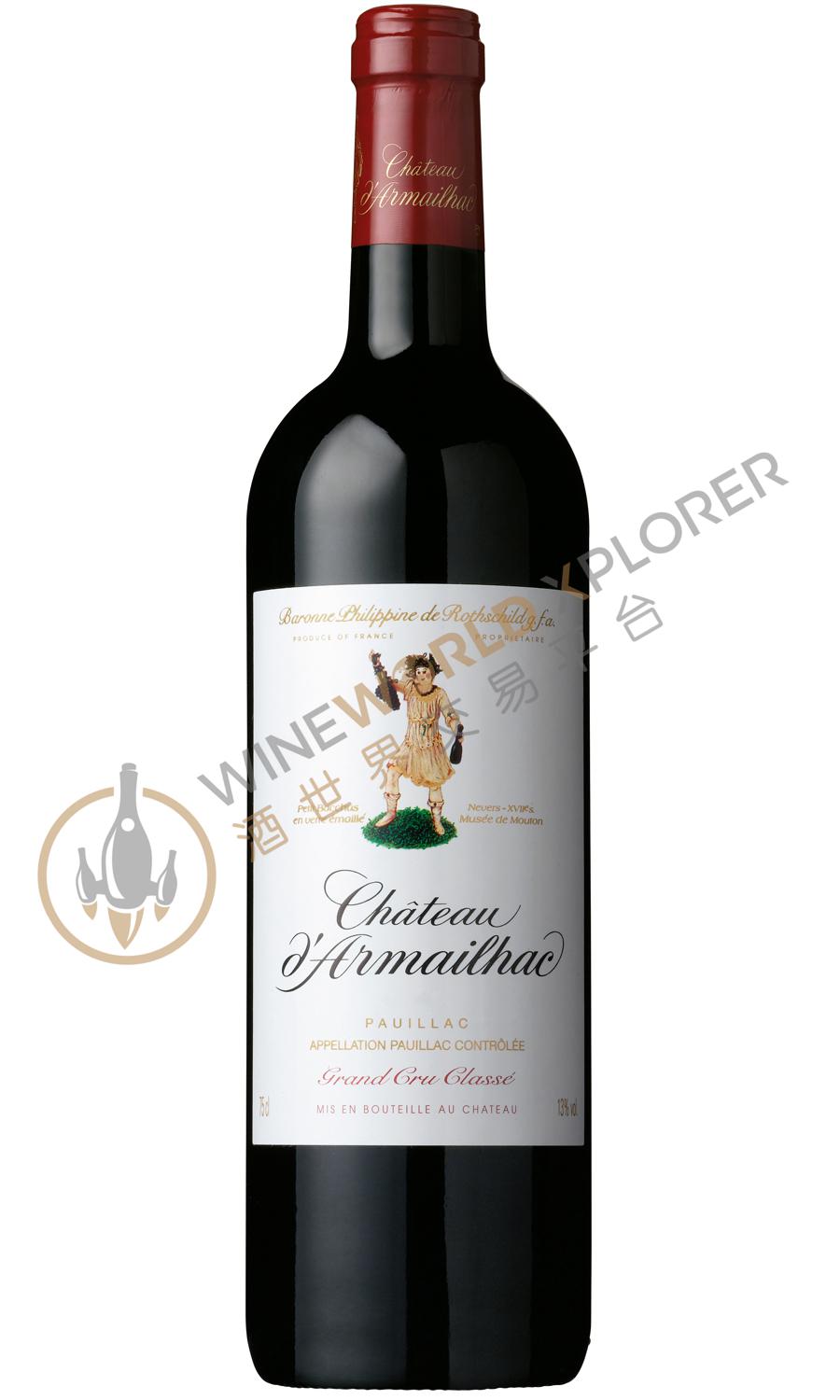
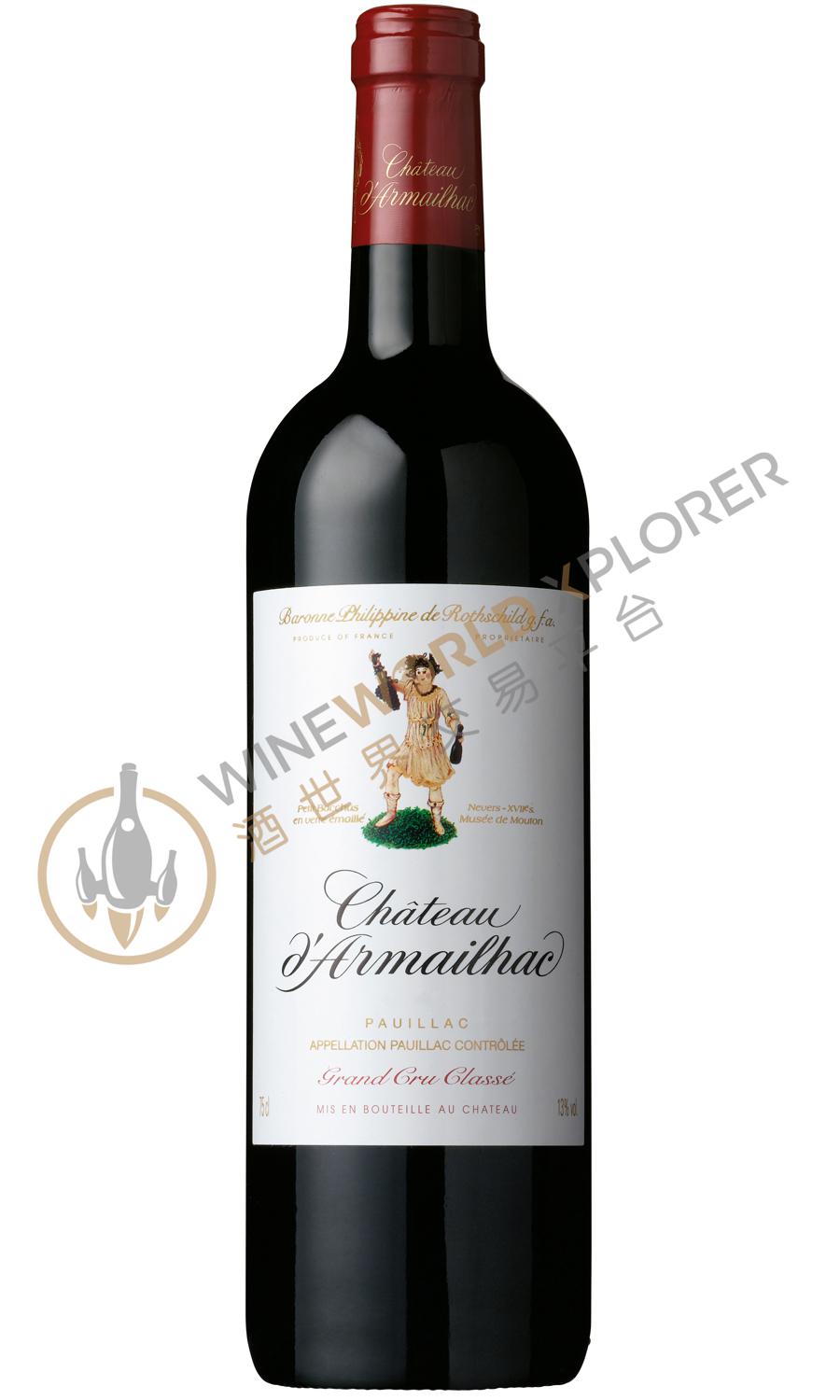
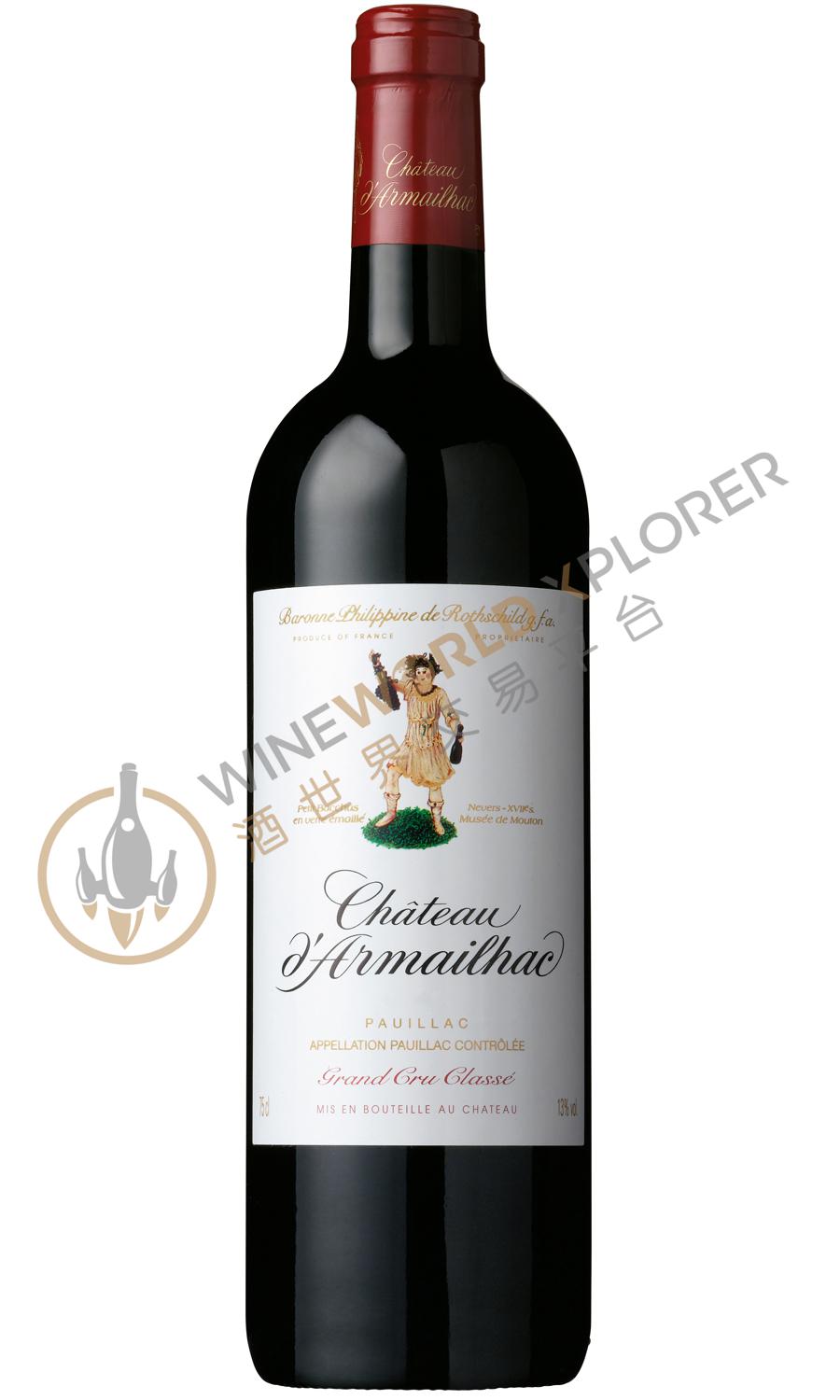
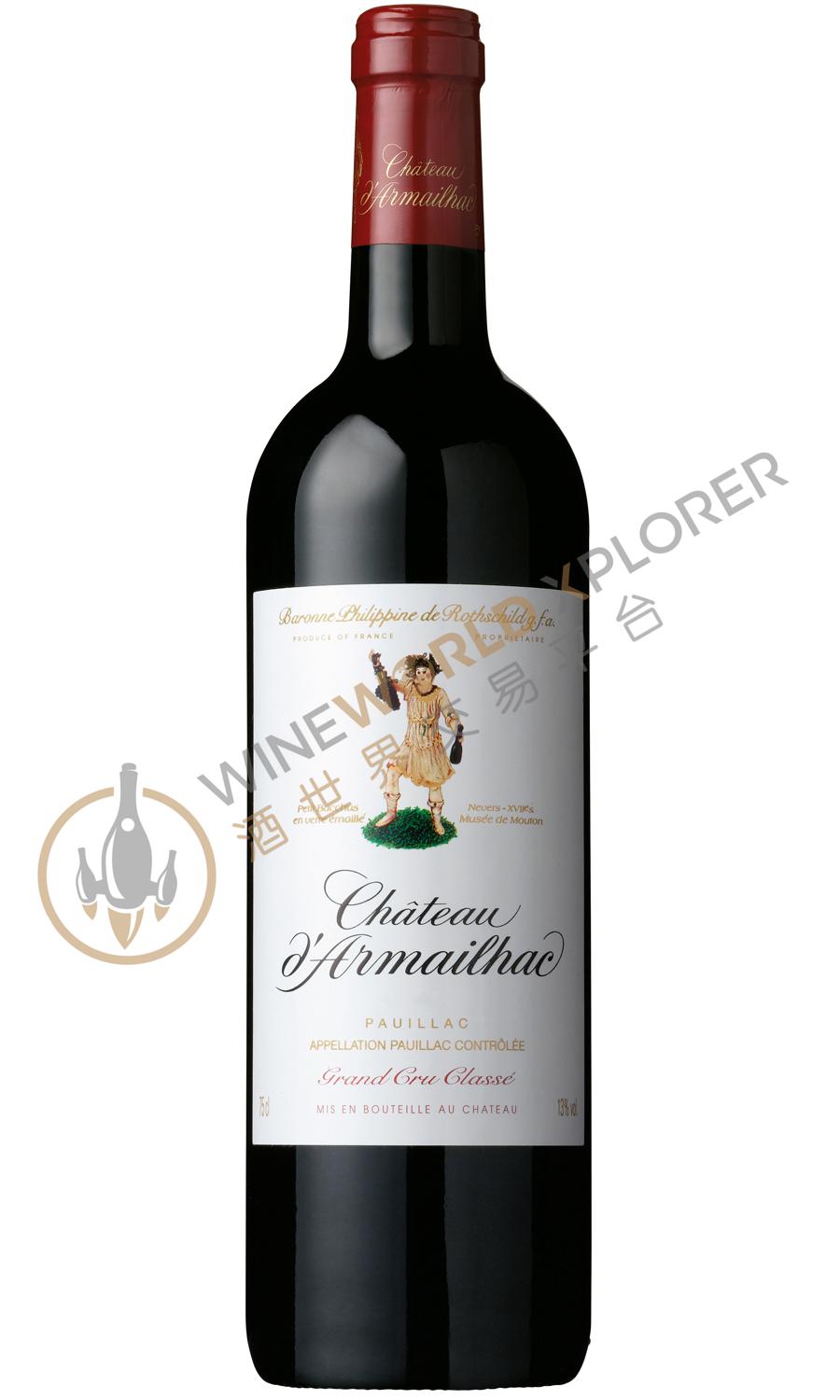
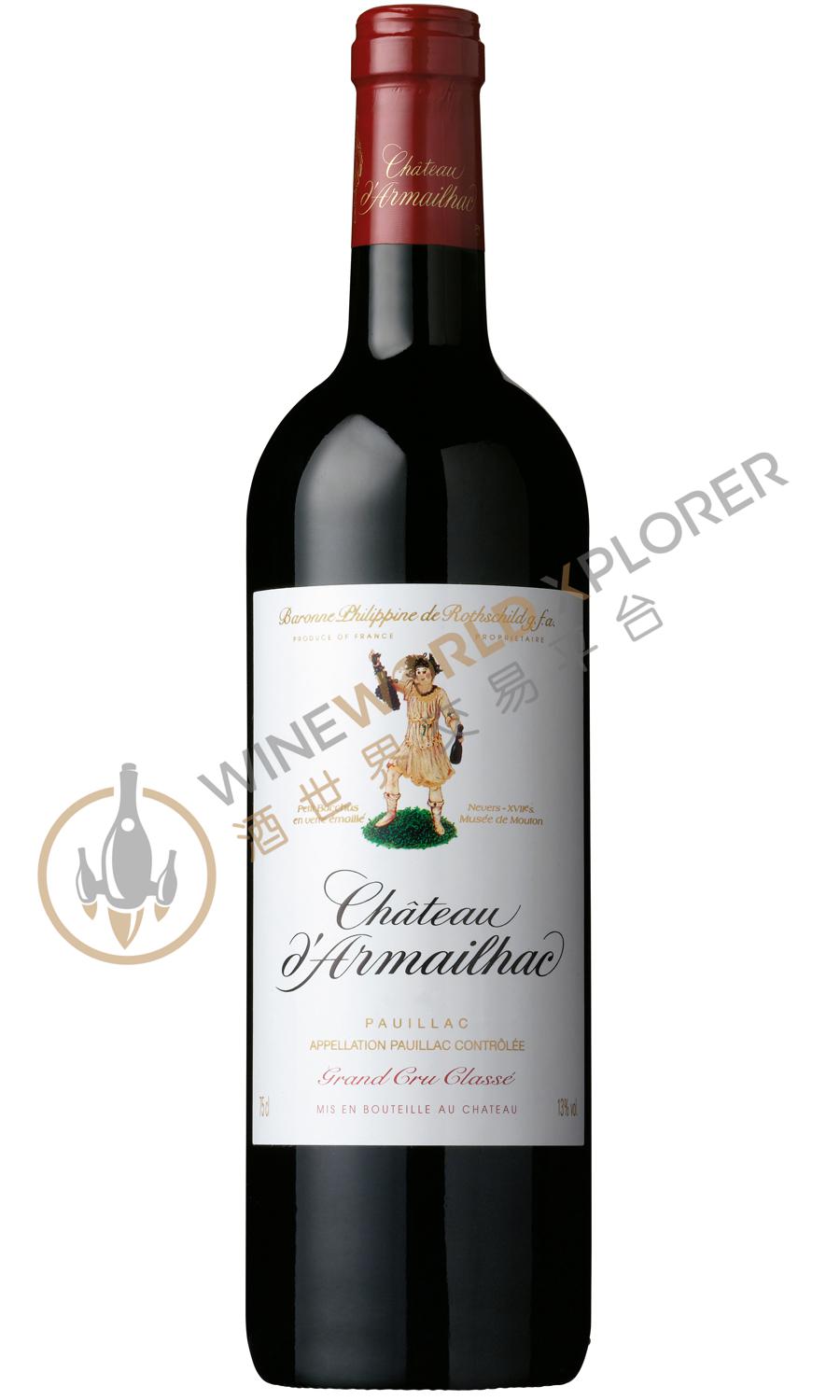
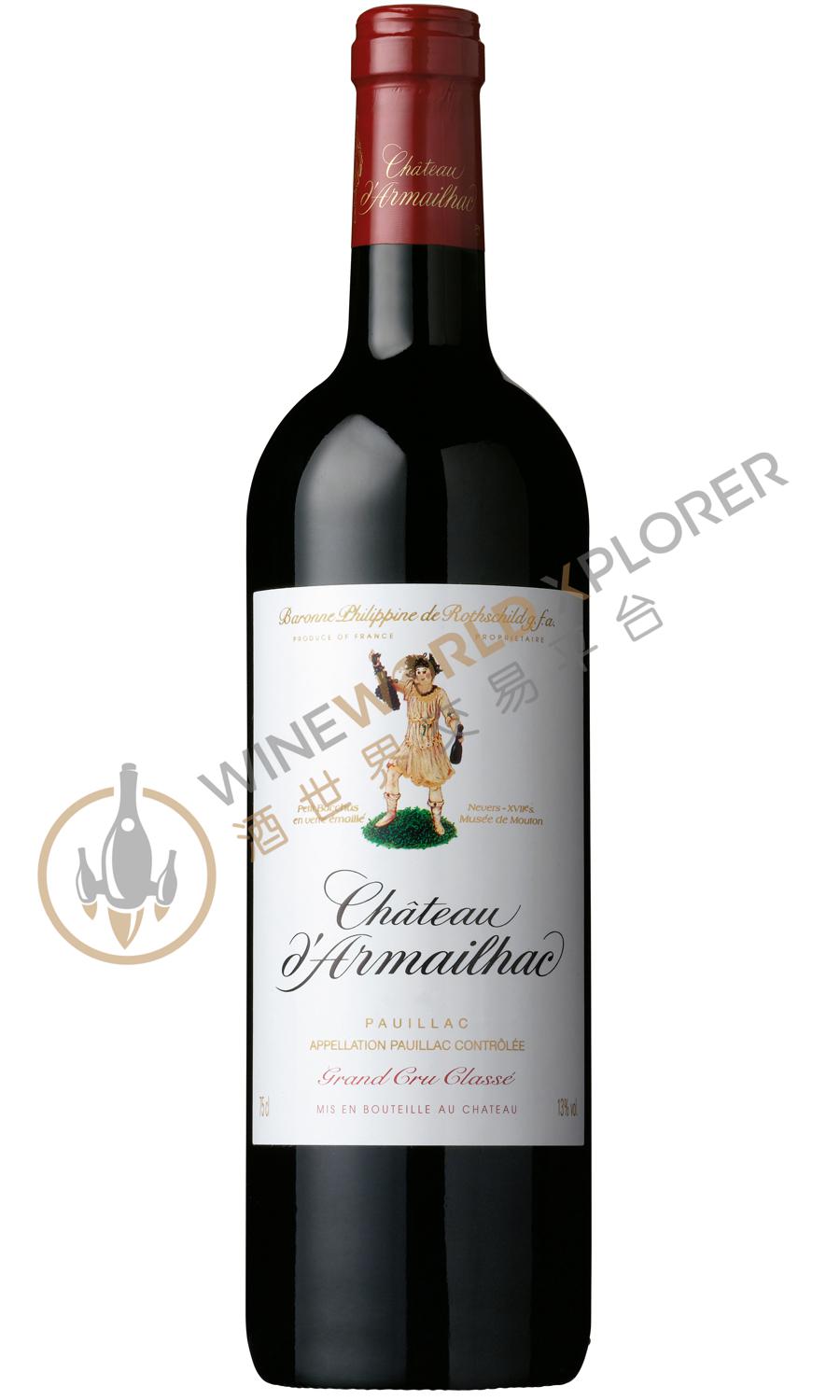
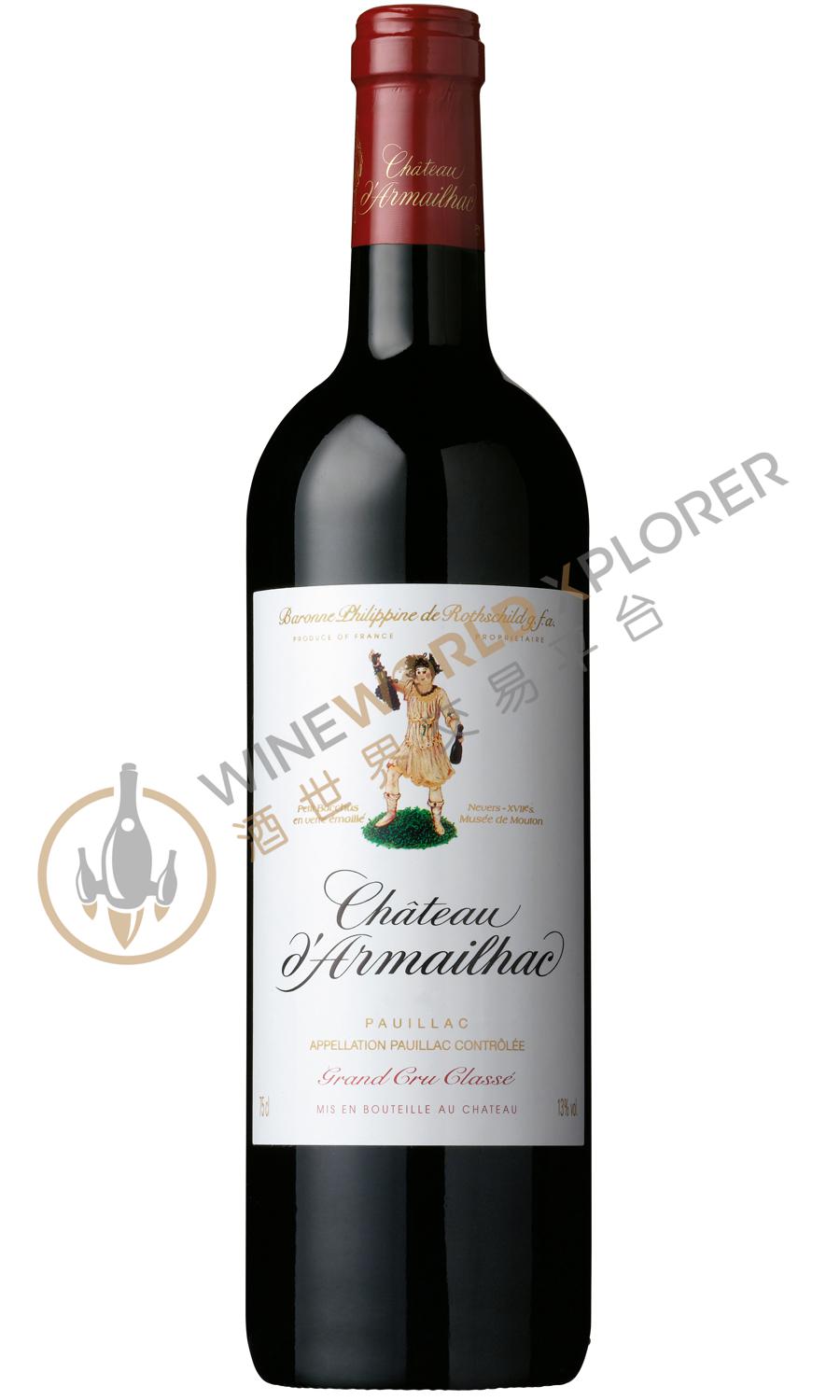
D'Armailhac 2010
 View analysis


Description
Tasting notes

Reviewed by: Neal Martin
Tasted blind at the Southwold Bordeaux 2010 tasting. The d'Armailhac 2010 has an intense bouquet with blackberry and briary aromas leaping from the glass, quickly followed by cedar and tobacco scents, later something more exotic like creme de cassis. The palate is medium-bodied with quite dry but fine tannins. It feels saline in the mouth with very good acidity and hints of black olive compote towards the austere but compelling finish. This is generating a lot of pleasure now and over the next 15 to 20 years. Tasted January 2014.
Reviewed by: Robert M. Parker, Jr.
A blend of 60% Cabernet Sauvignon, 23% Merlot, 15% Cabernet Franc and the rest Petit Verdot, the 2010 achieved in excess of 14% natural alcohol. It exhibits a dense ruby/purple color along with a pronounced nose of underbrush, cedarwood, licorice and black currants. This attractive, elegant, mid-weight Pauillac should be drinkable early in life and last for 15+ years.
Reviewed by: Neal Martin
A blend of 60% Cabernet Sauvignon, 23% Merlot, 15% Cabernet Franc and 2% Petit Verdot, delivering 13.85% alcohol with close 3.74 pH. The nose is a little muted at the moment despite rigorous coaxing, quite Zen-like with crushed stone, traces of blackberry leaf and cassis, gaining momentum with aeration. The palate is medium-bodied with slightly abrasive tannins on the entry although they will soften. This is a relatively masculine d’Armailhac without the glycerine you often find at this stage. More masculine, the Cabernet Sauvignon driving along to a stern but fresh finish. Good potential, but it will require cellaring more than usual. Drink 2017- Tasted April 2011.
Reviewed by: Neal Martin
Tasted at the UGC in London and at Chateau Mouton Rothschild. The d’Armailhac is more reticent on the nose with lifted dark cherry and blackberry fruit; some attractive sage and cedar wood scents emerging with aeration. The palate is medium-bodied with a succulent entry. This has a fleshy, silky texture, the 30% new oak deftly integrated into the black fruit profile with a slight chewiness towards the finish. This is a very accomplished d’Armailhac, the 15% Cabernet Franc lending this Pauillac an attractive peppery note on the aftertaste. Tasted November 2012.
Reviewed by: Robert M. Parker, Jr.
Another sensational effort from Philippe Dhaluin, the administrator of Mouton Rothschild, this blend of 60% Cabernet Sauvignon, 23% Merlot, 15% Cabernet Franc and the rest Petit Verdot shows complex floral notes intermixed with forest floor, camphor, black currants and mulberries that all jump from the glass of this aromatic style of d’Armailhac. This wine possesses very good acidity, a surprisingly higher percentage of Merlot than usual, but the quality is impressive, and the good news is that there are 20,000 cases of this full-bodied beauty, which should age nicely for 15-20+ years.
Reviewed by: Neal Martin
Tasted at the château, the 2010 D'Armailhac has a fabulous, opulent bouquet, with black cherries, boysenberry, almond and hints of cooked meat as it dabbles with secondary aromas. The palate is medium-bodied, with bold tannin, grippy in the mouth and immense weight. This is a very structured d'Armailhac, although it probably does not possess the finesse of the 2016, which I tasted alongside. There is great density here—tensile and bold, with a grippy finish. It is a long-term prospect. Tasted April 2017.
Reviewed by: Lisa Perrotti-Brown
Deep garnet in color, the 2010 D'Armailhac leaps from the glass with vivacious scents of baked raspberries, blueberry pie and kirsch plus hints of candied violets and pencil shavings. Medium to full-bodied, the palate has lovely energy with a lively backbone and well-played chewy tannins supporting the delicate flavors, finishing minerally.
Reviewed by: Ian d'Agata
(60% cabernet sauvignon, 23% merlot, 15% cabernet franc and 2% petit verdot; 13.8% alcohol) Medium-deep ruby. Austere nose hints at red fruits, cassis, cedar and minerals. Soft and luscious on entry, then tighter and more linear in its saline black fruit and delicately herbal flavors. The fine tannins show a slightly bitter quality on the lingering finish. This came across as a bit simple, and though it's a very well made wine with a varietal composition similar to the 2009, I find the latter to be much finer.
Reviewed by: Neal Martin
The 2010 d’Armailhac seems to be opening nicely on the nose with scents of raspberry, cranberry, brown spices and an underlying ferrous element. Good definition. The palate is medium-bodied with fine-boned tannins and well judged acidity. This feels harmonious and smoother in texture than many of its peers, tobacco and black pepper towards the finish. This is ready for business and should drink well over the next decade. Tasted blind at Farr Vintners 10-Year On Bordeaux horizontal.
Reviewed by: Stephen Tanzer
Good bright ruby-red. Complex, perfumed aromas of blueberry, boysenberry, smoke, mocha, spices and cedar. Sweet and plush in the mouth, with an enticing floral element and a whiff of orange peel lifting the blueberry, coffee, camphor and spice flavors. Fine-grained, concentrated, minerally Pauillac with suave, fully buffered tannins and excellent length and lingering perfume. And no shortage of acidity here.
Reviewed by: James Suckling
Very strong and muscular d’Armailhac with mineral and currant character. Full, linear and toned. Very racy and long. Plenty of finesse too. It’s 55% Cabernet Sauvignon, 29% Merlot, 15% Cabernet Franc, and 1% Petit Verdot.
Reviewed by: James Suckling
Polished and very fine with pretty fruit and berry structure. Full and silky with a delicious finish. It's so good now to drink but has depth and structure. Drink or hold.
About the Producer
The existence of Château d’Armailhac dates back to the late 17th century, as evidenced in a land register from 1680 which mentions the brothers Dominique and Guilhem Armailhacq, owners of parcels of land in Pauillac. Another land register from 1750 notes that their descendants have “planted with vines” the family estate, covering 15 to 16 hectares (37-39 acres). By the end of the 18th century the estate has grown to 52 hectares (128 acres) but the brokers of the time describe its wine as “disappointingly thin”. Throughout the following century, Mouton d’Armailhacq’s owners work unceasingly to improve its quality, using techniques such as topping-up, running-off, barrel disinfection and fining. Their efforts are rewarded in 1831, when the wines of Mouton d’Armailhacq sell for twice as much as their more highly reputed neighbours. The ultimate recompense, Château Mouton d’Armailhacq is given Fifth Growth status in the 1855 Classification – the same one which made Château Mouton Rothschild “First of the Seconds”. The “first wine”, the only one authorised to bear the growth’s name, is distinguished from the “second wine”, less rich and sold for consumption in local taverns. In 1931, the young Baron Philippe de Rothschild became a minority shareholder of the Société Anonyme du Domaine de Mouton d’Armailhacq, then in 1933 acquired all the shares from the Comte de Ferrand in return for a life annuity. A year later, on the Comte de Ferrand’s death, he became the effective owner of the estate. The Mouton d’Armailhacq portfolio included the Société Vinicole de Pauillac, forerunner of what is now Baron Philippe de Rothschild SA. Inseparable from Château Mouton Rothschild, Château Mouton d’Armailhacq houses all the technical and agricultural equipment for the two estates in its extensive outbuildings. From 1956 to 1988, the wine was called Mouton Baron Philippe, then Mouton Baronne Philippe. A Fifth Growth of acknowledged quality, its original identity as Château d’Armailhac was patly restored in 1989.
1964(2)1973(1)1978(1)1986(1)1987(1)1989(1)1995(2)1996(2)2000(4)2001(5)2002(1)2003(3)2004(2)2005(5)2006(2)2007(2)2008(5)2009(10)
Package Size
12 x 75cl