Wine Advisor



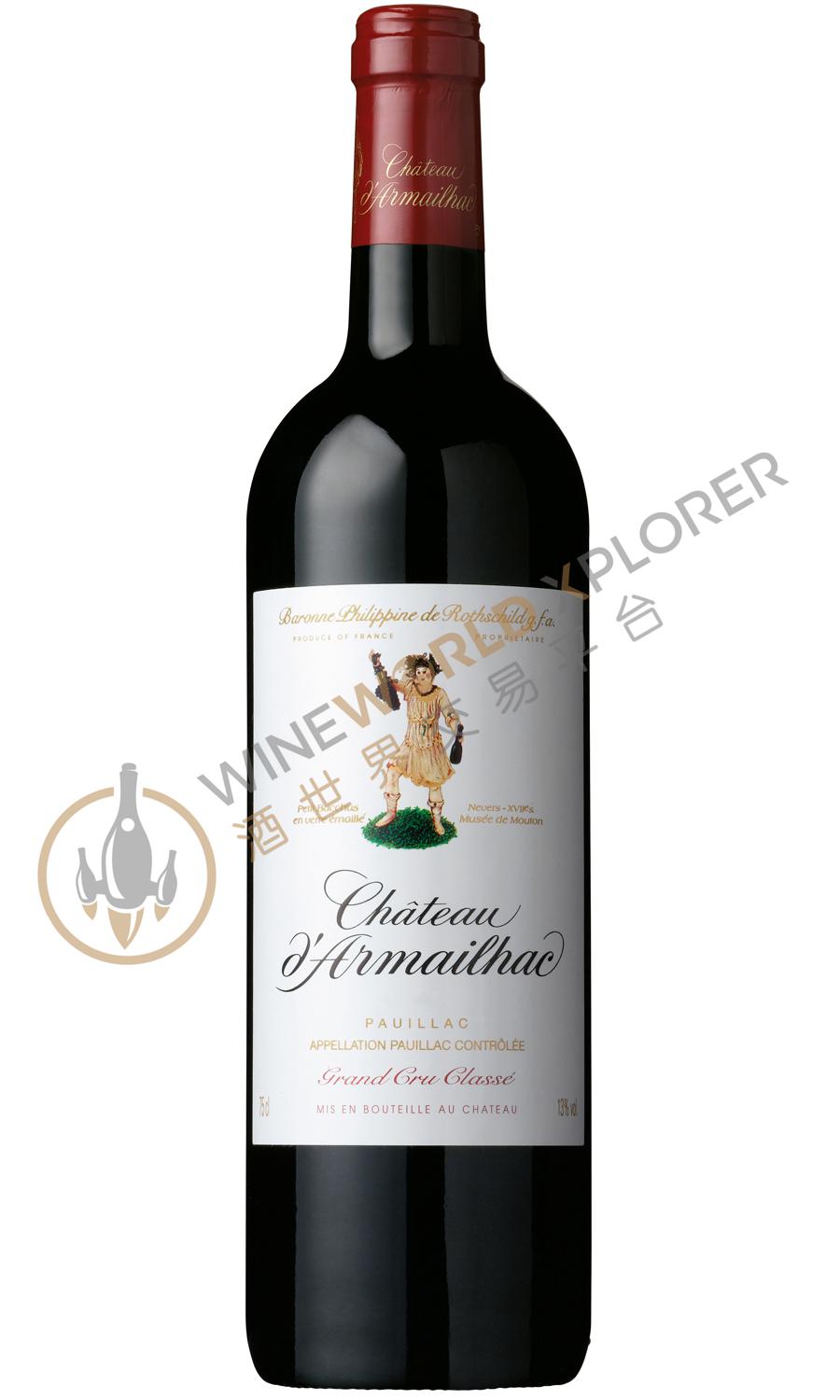
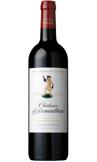
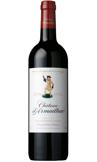
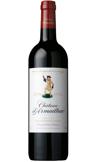
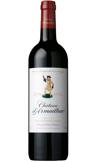
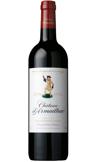
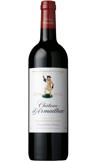
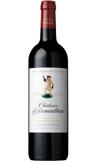
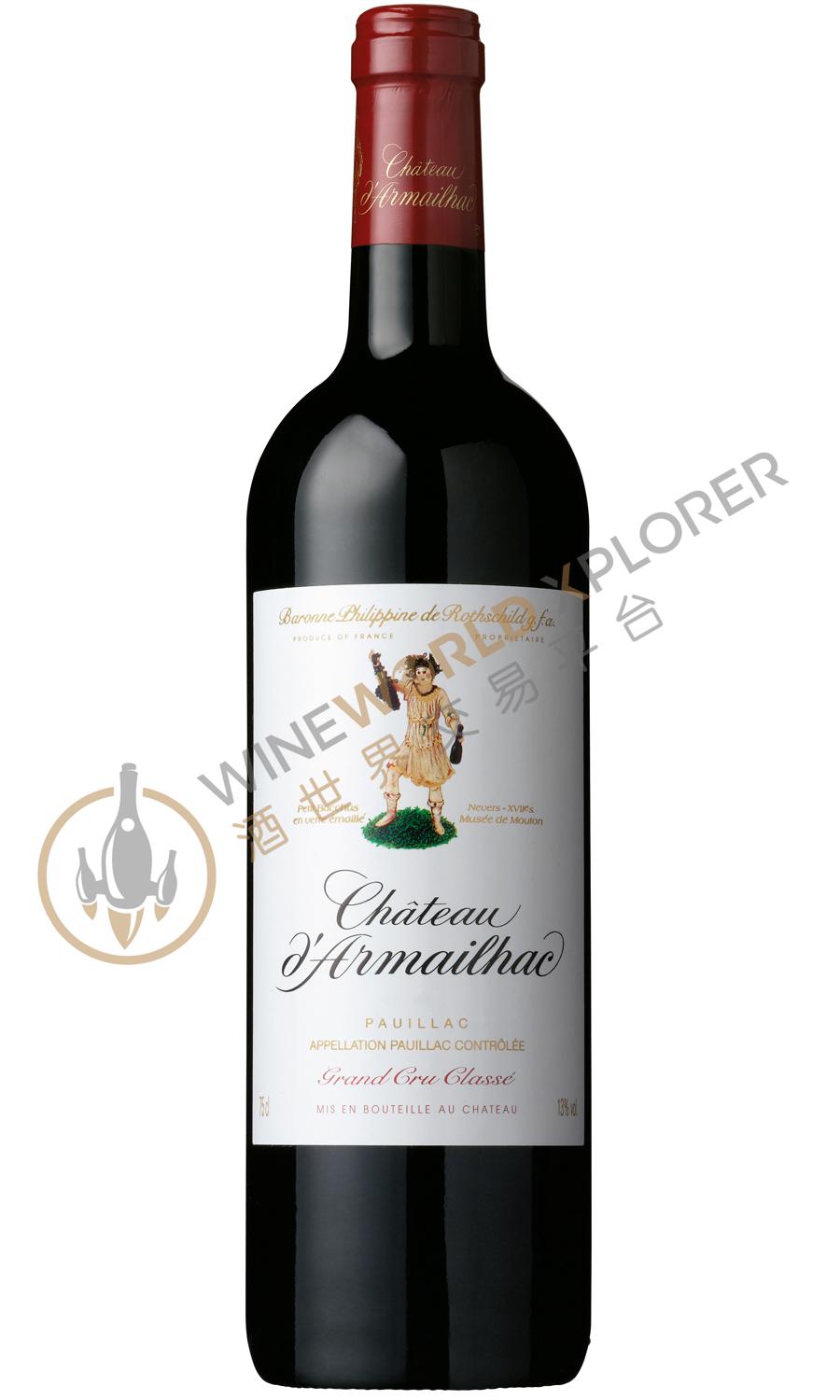
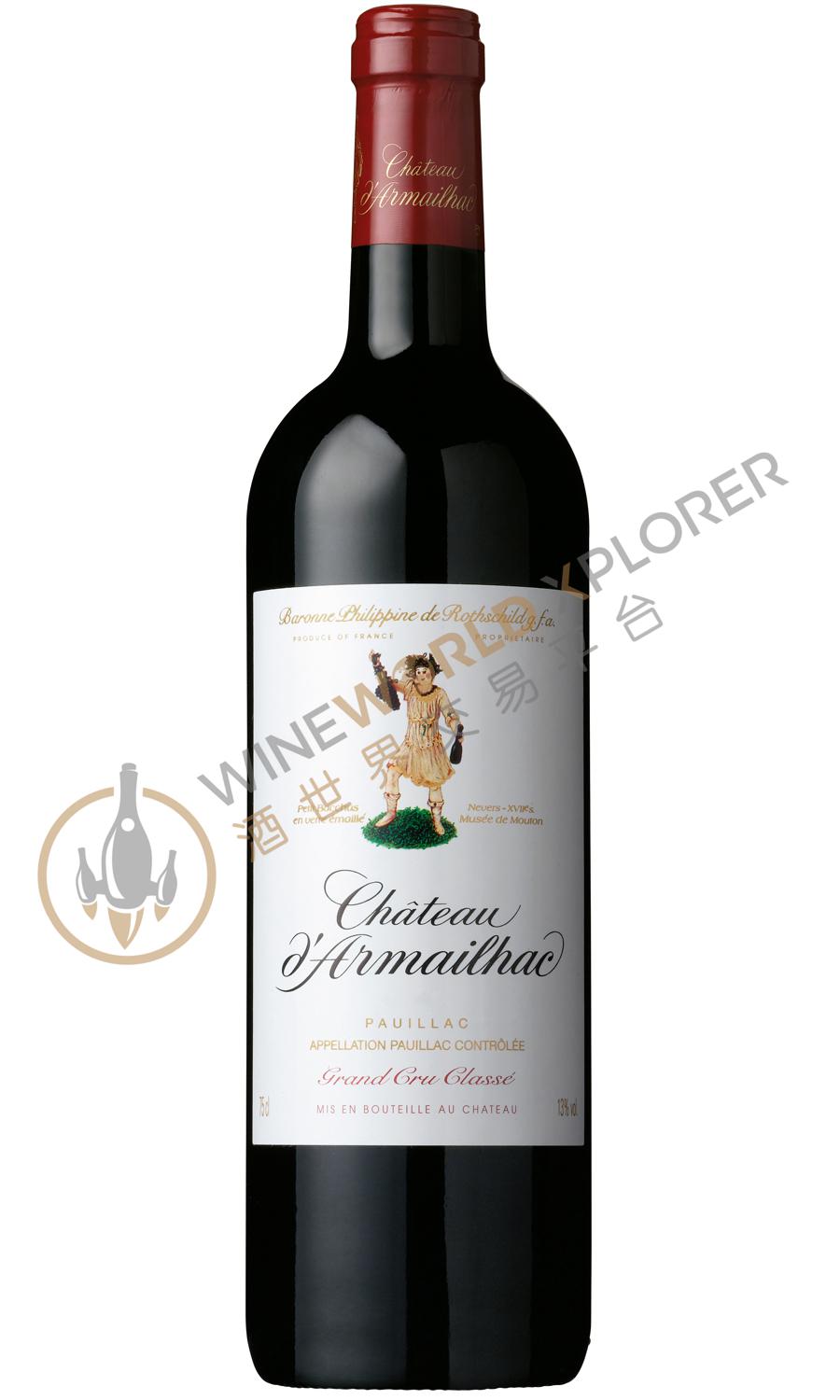
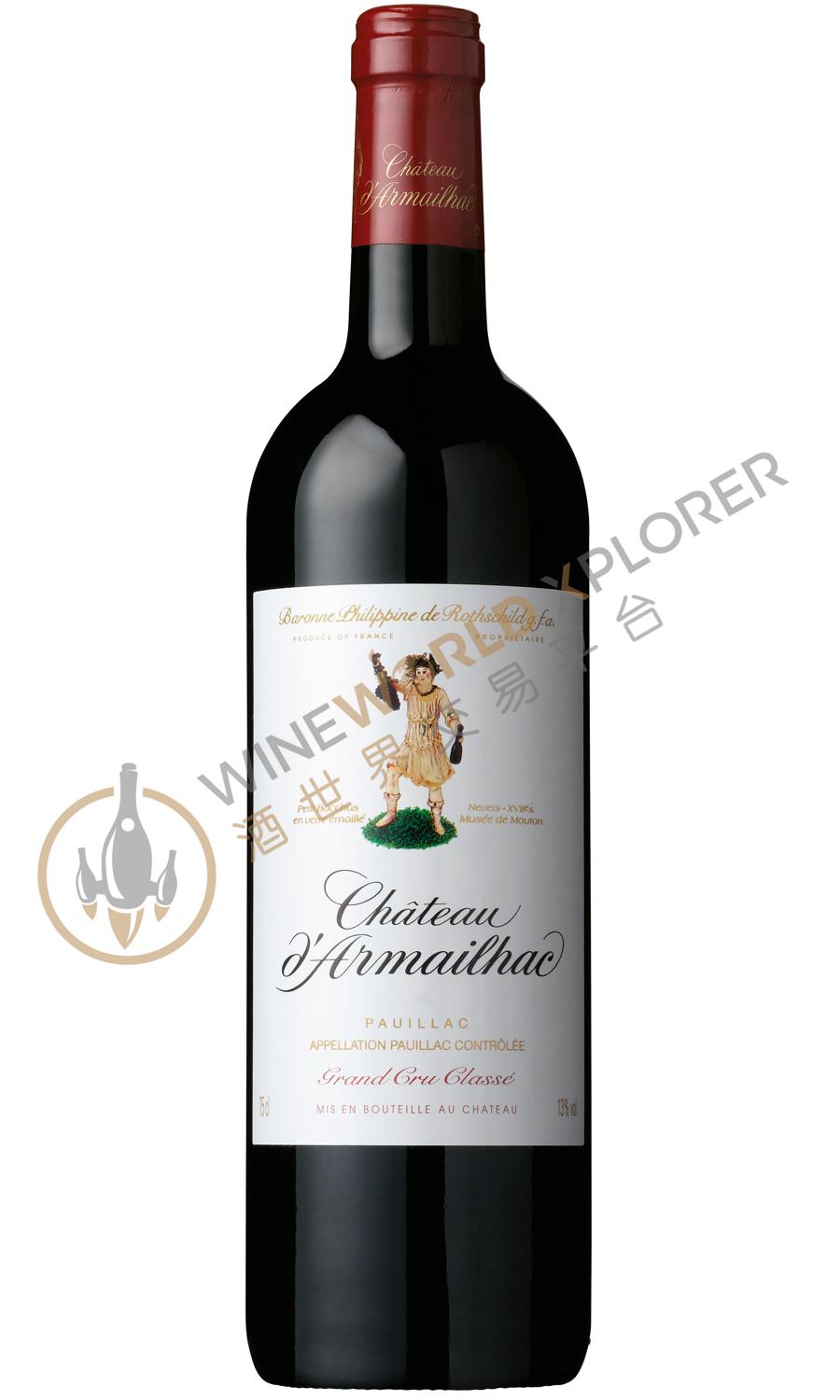
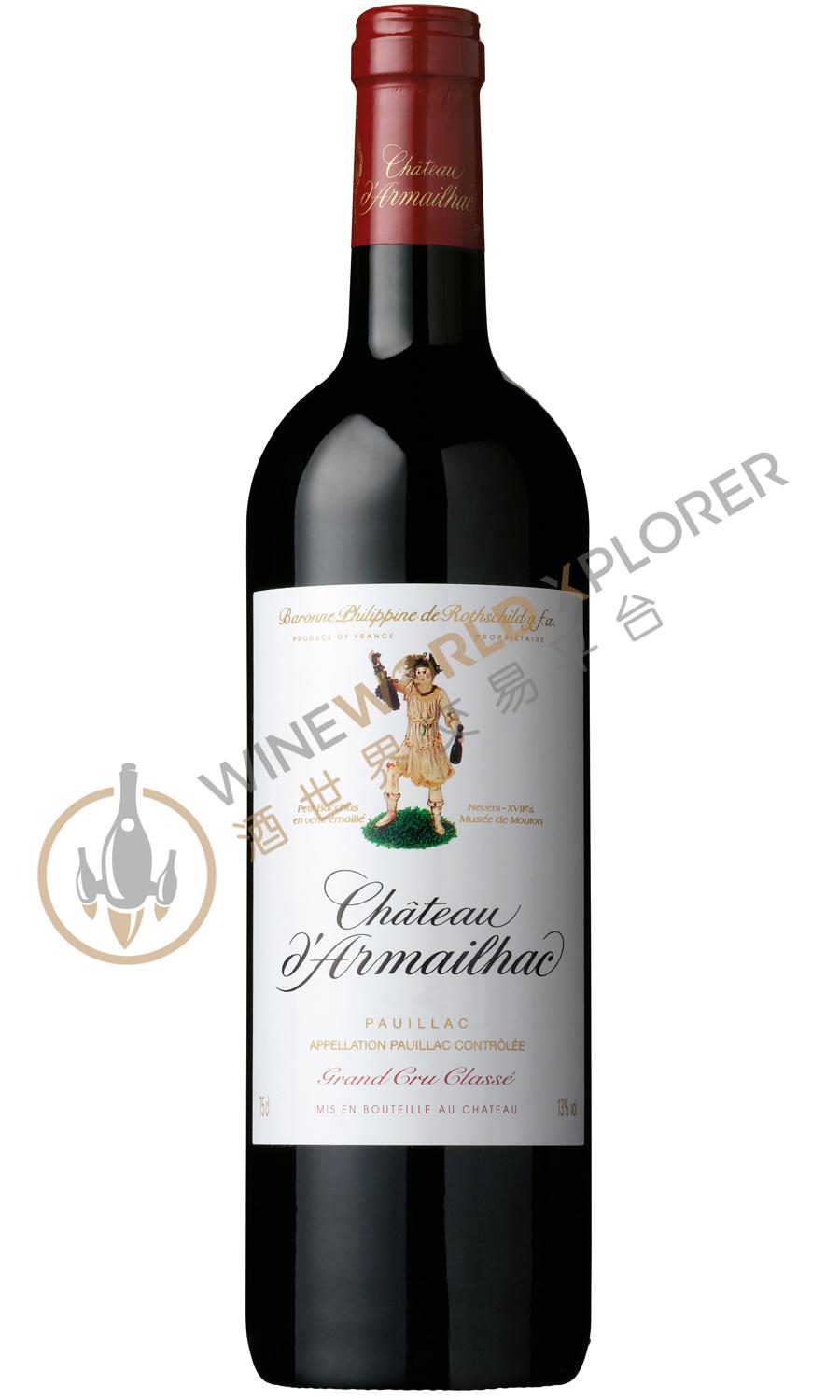
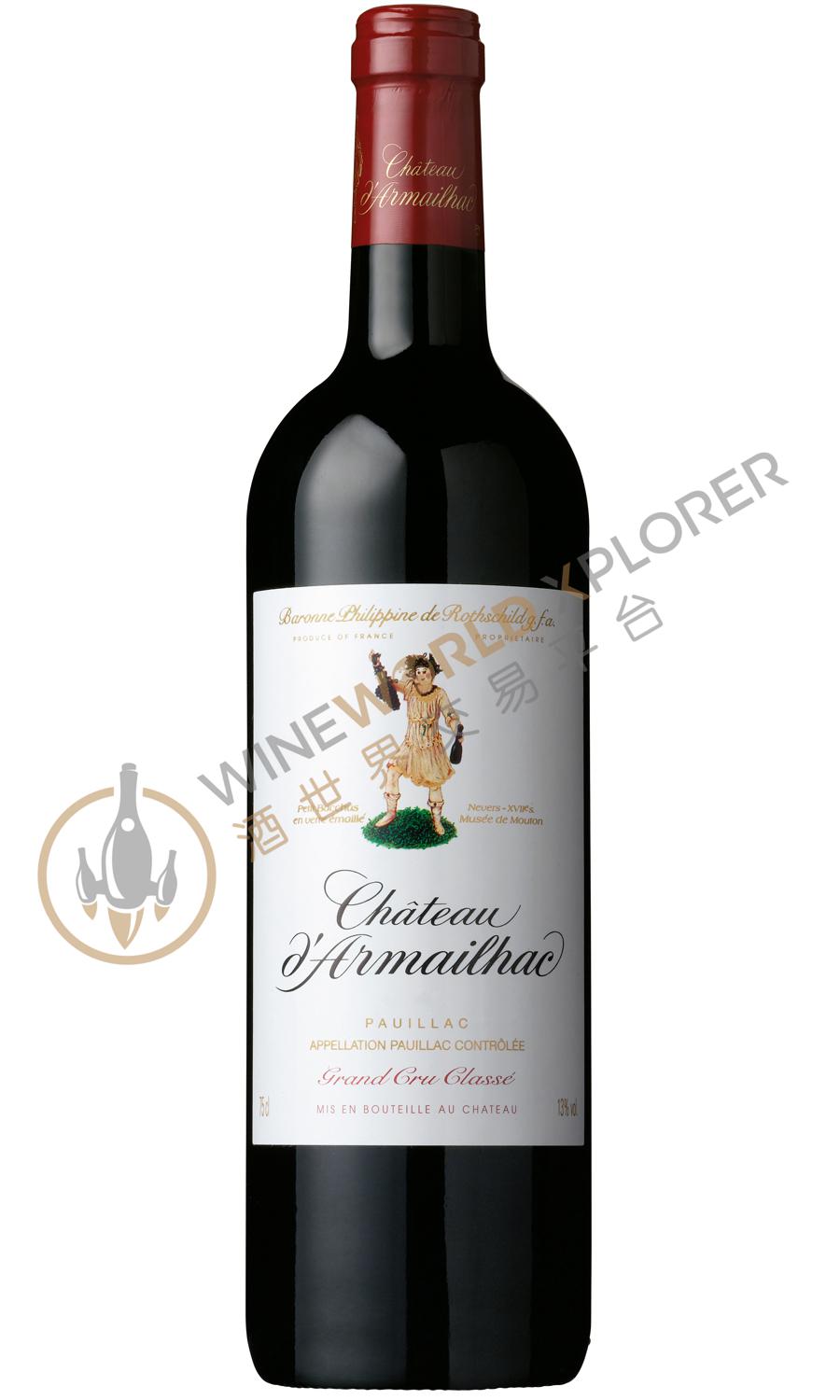
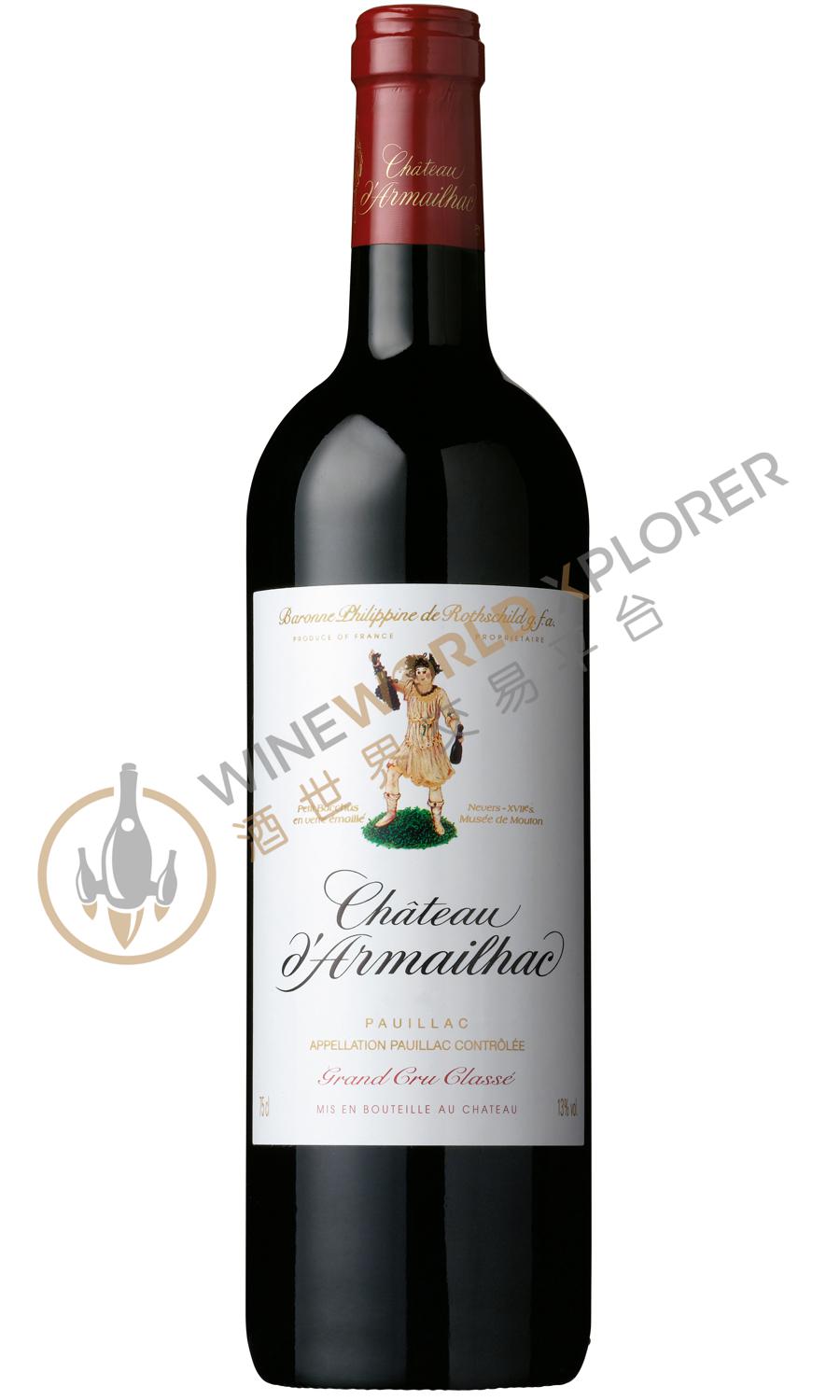
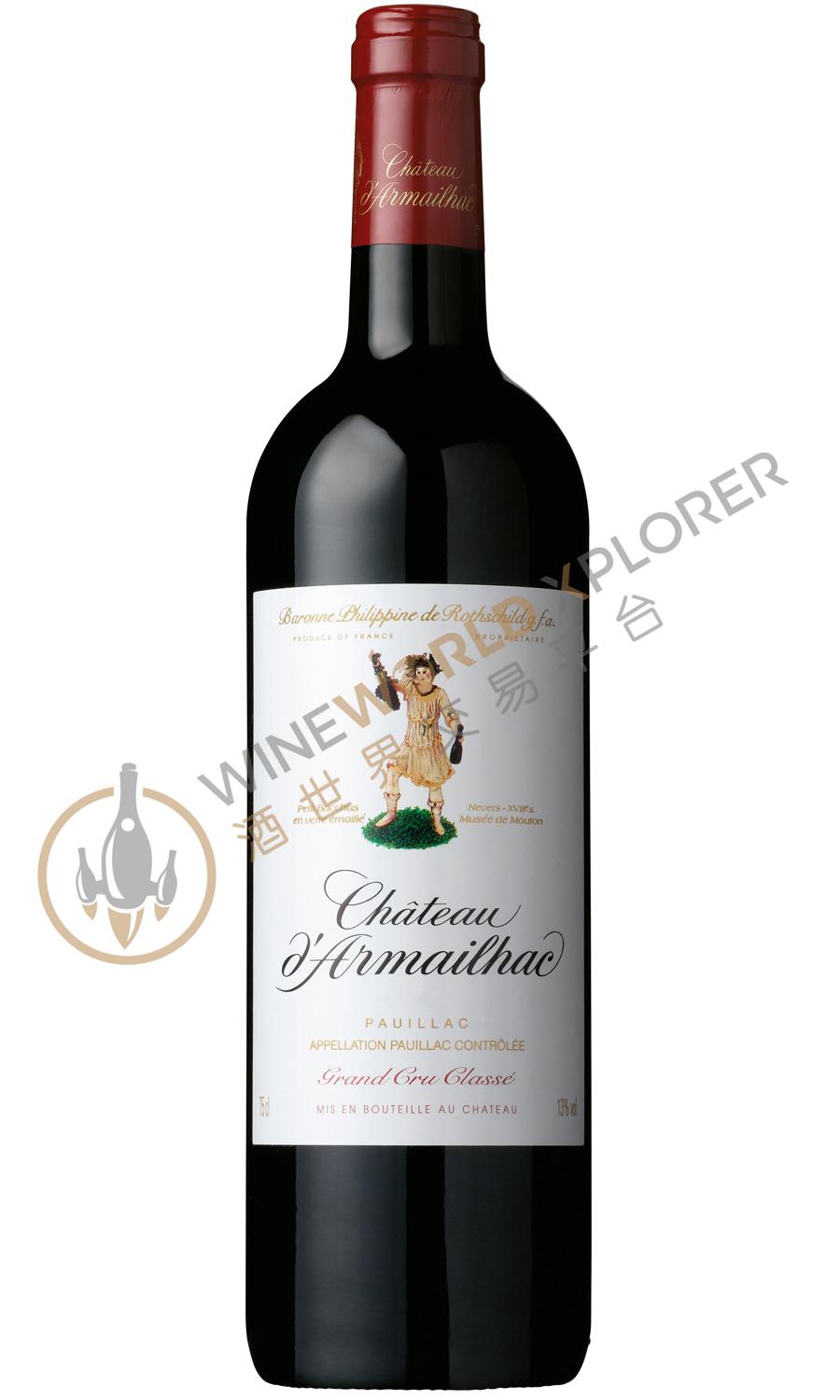
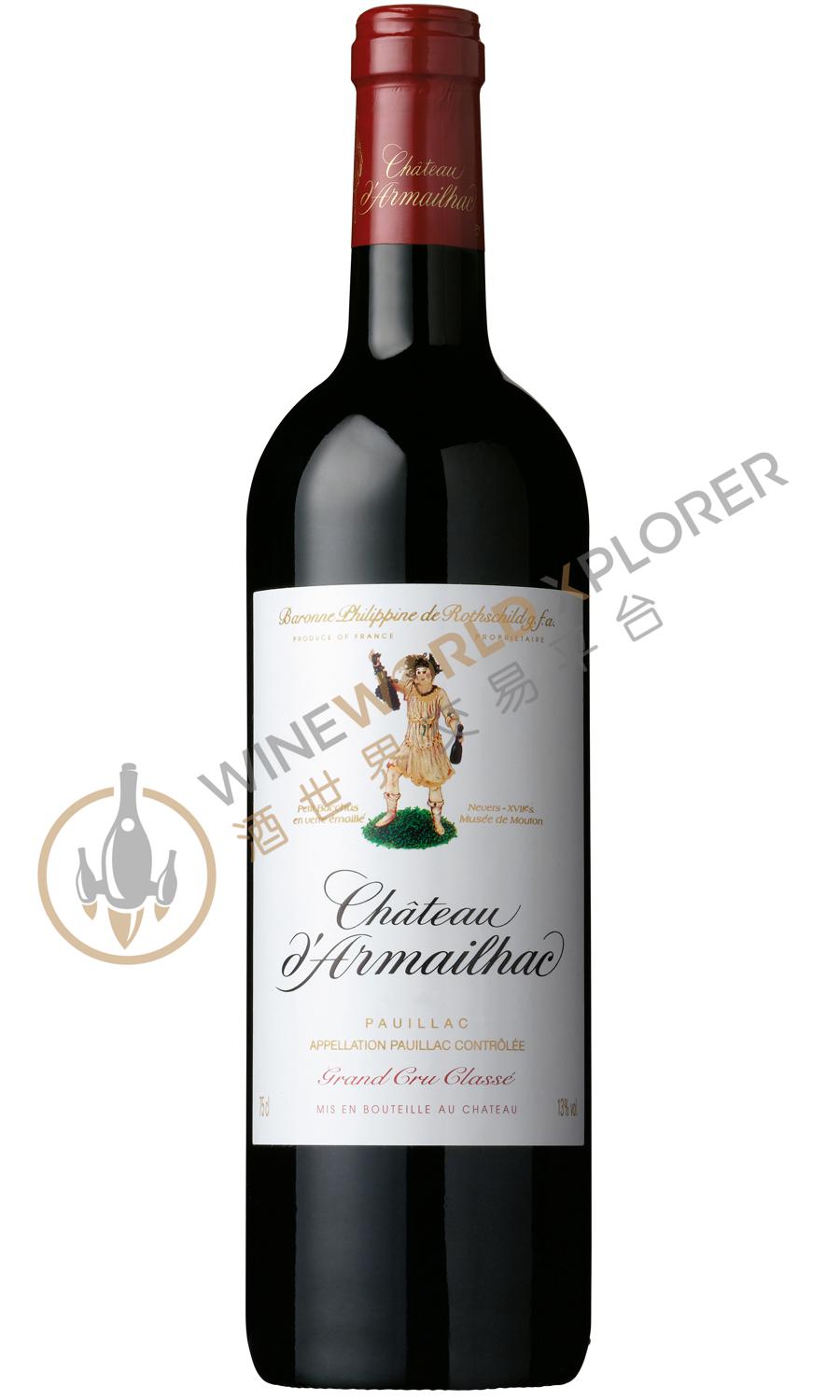
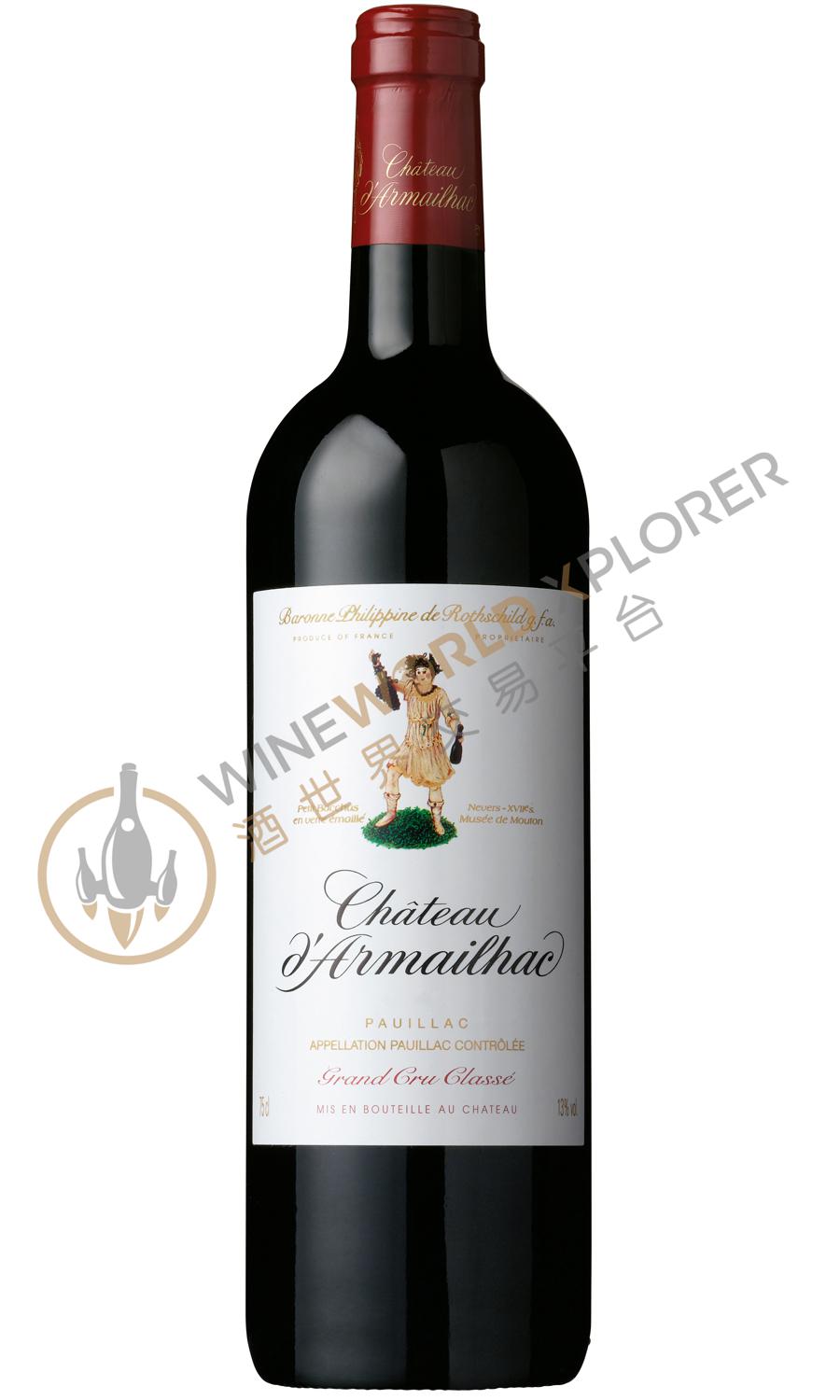
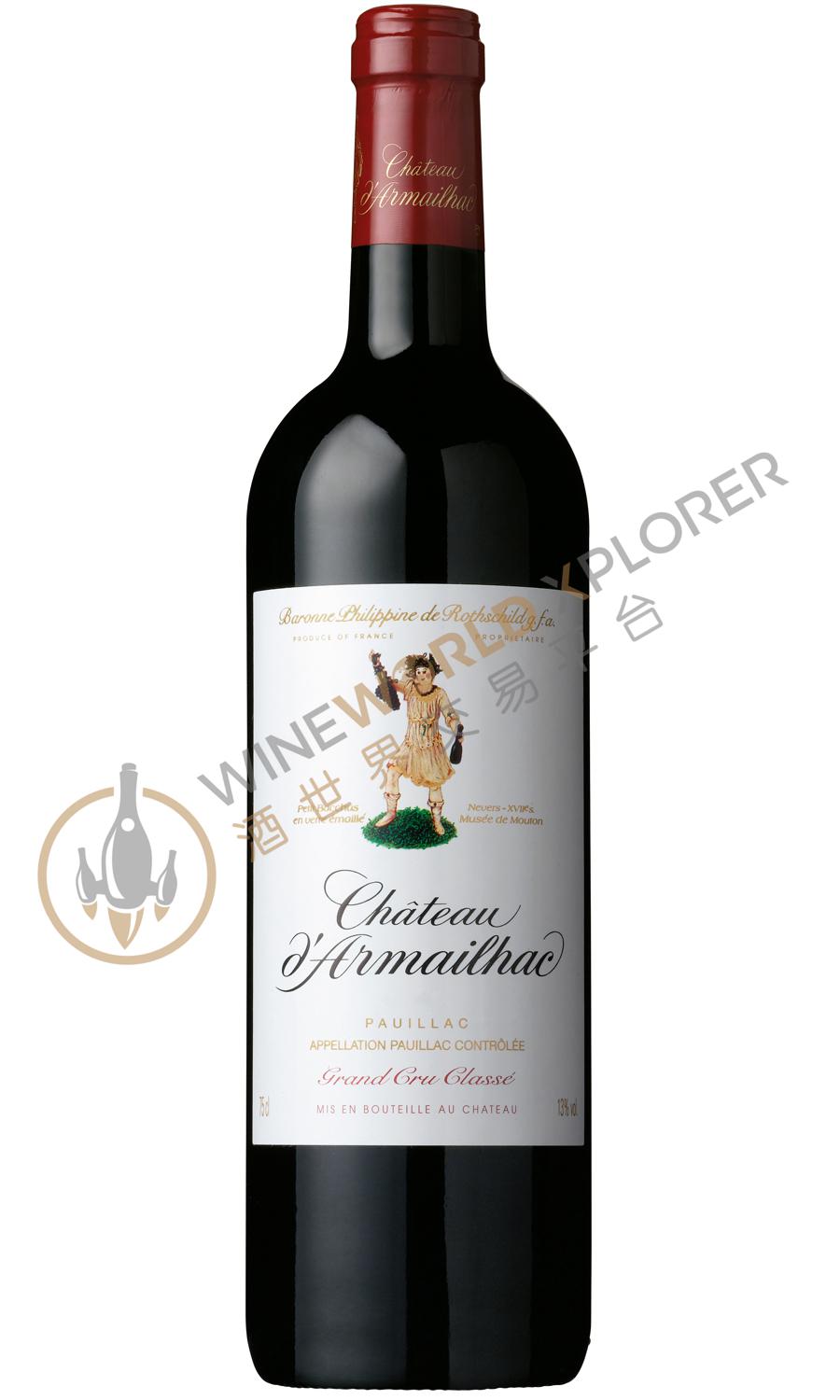
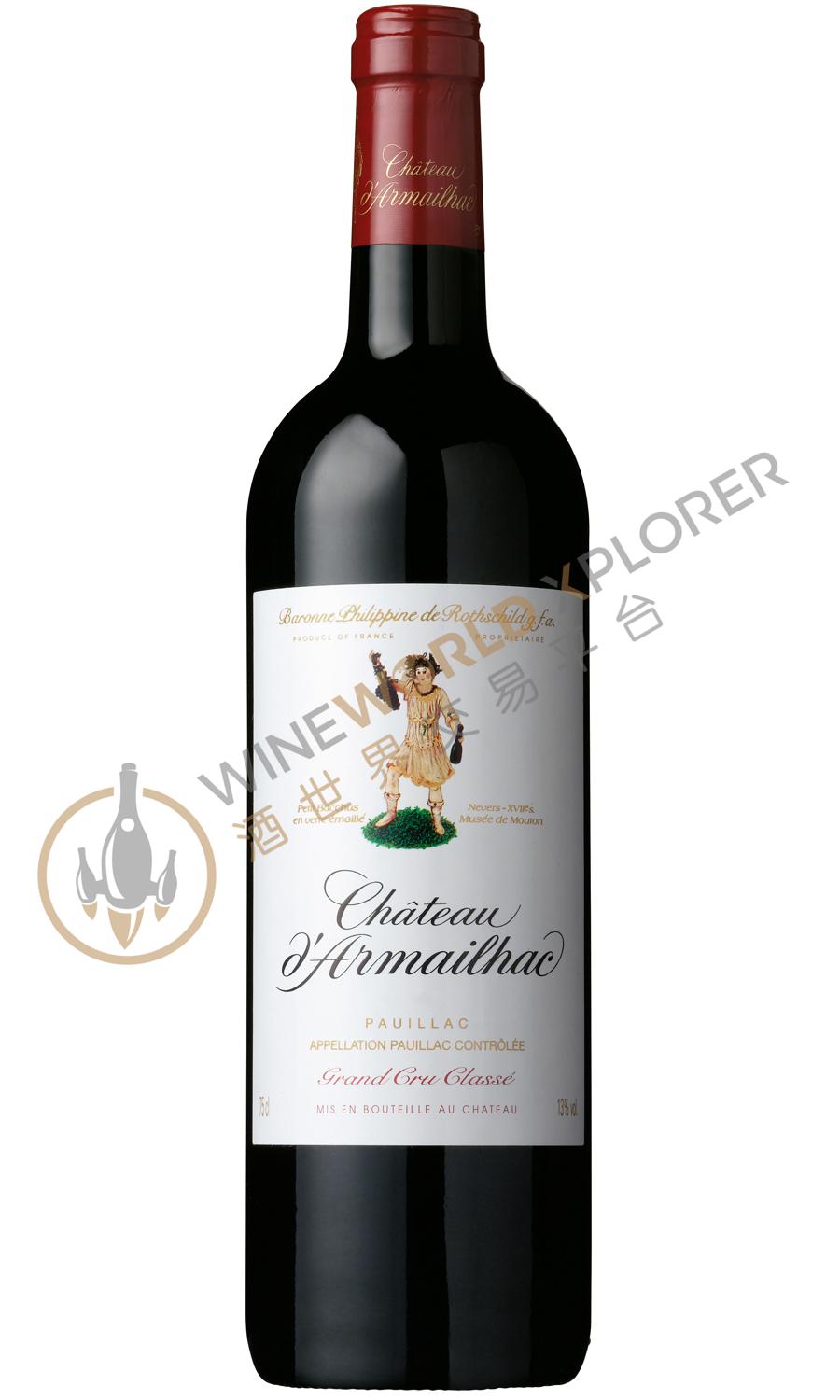
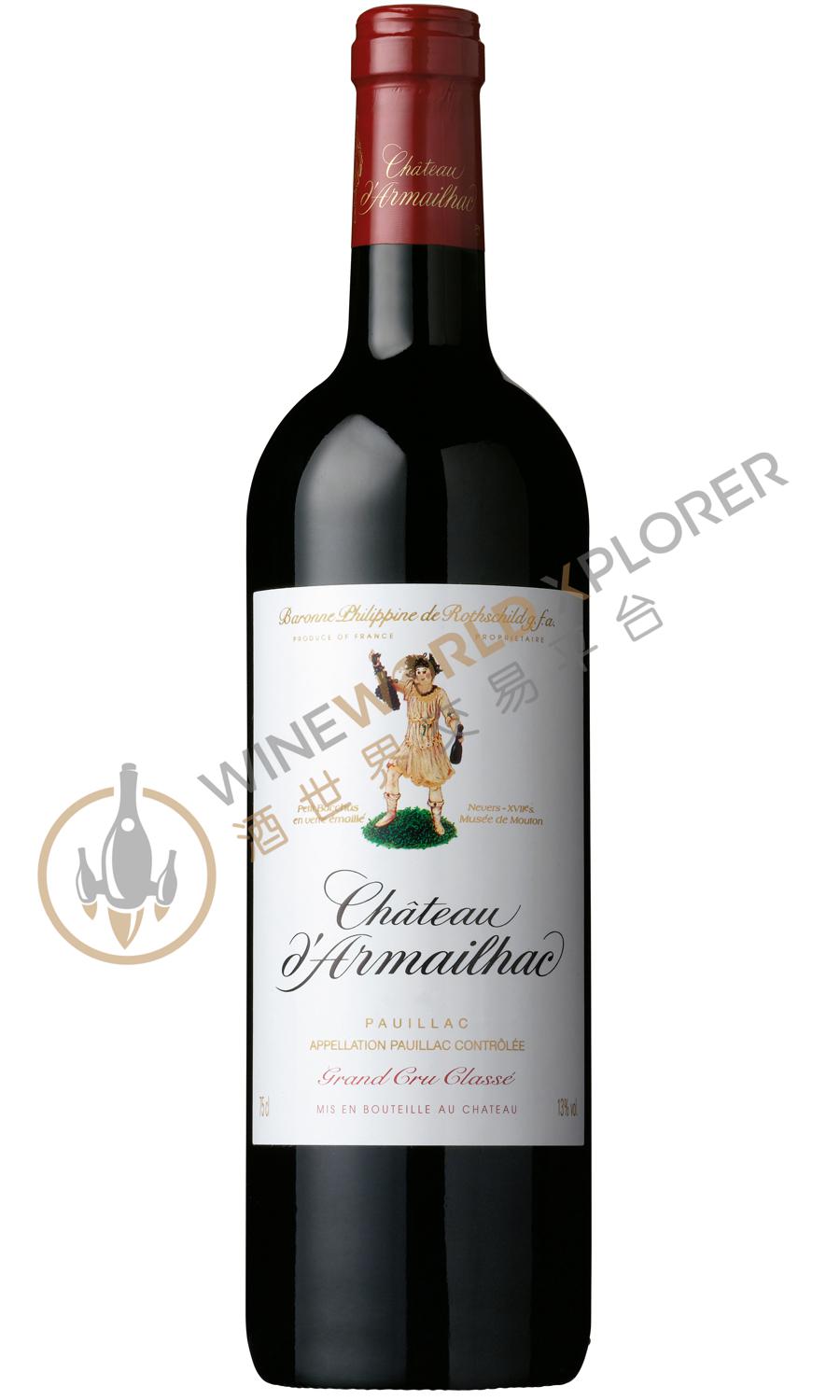
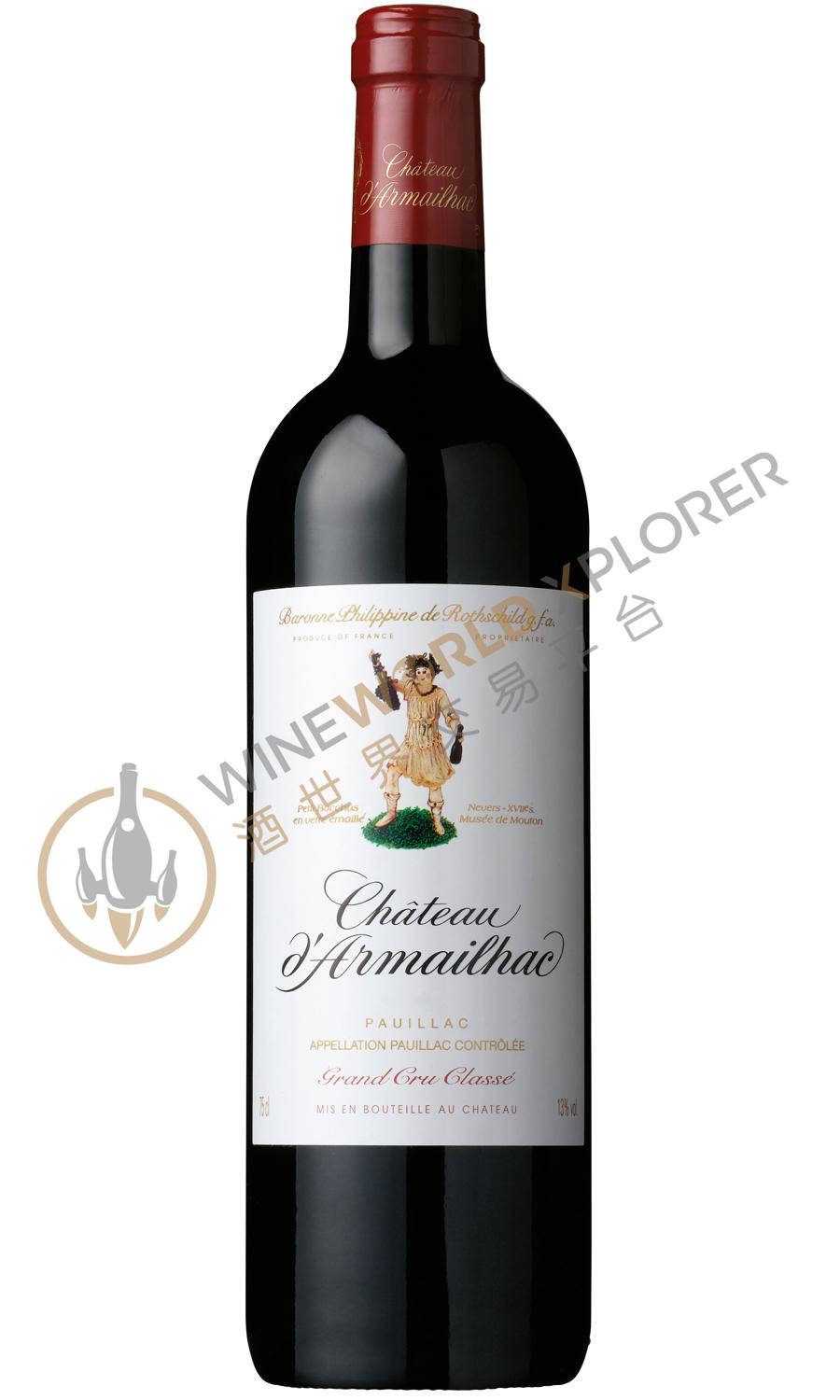
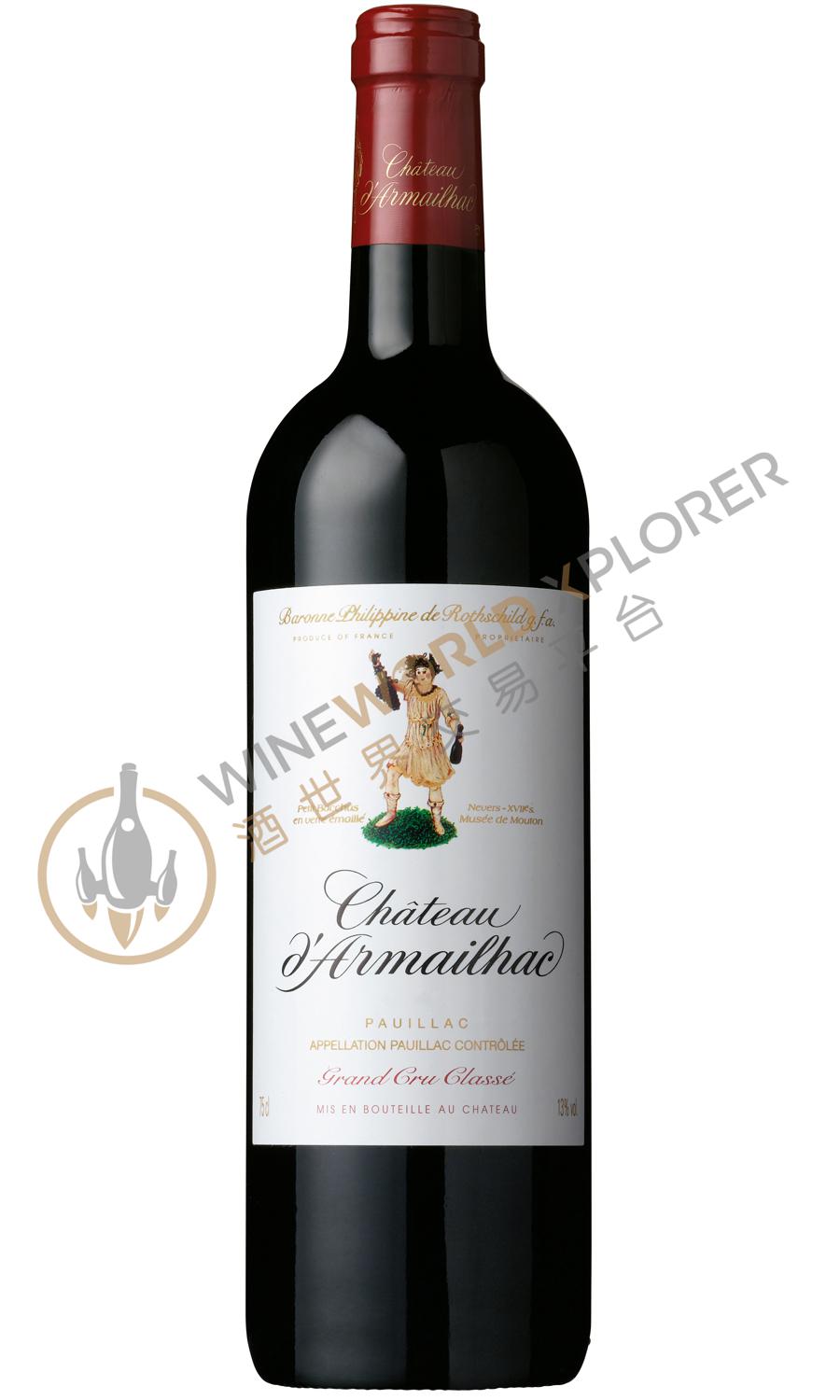
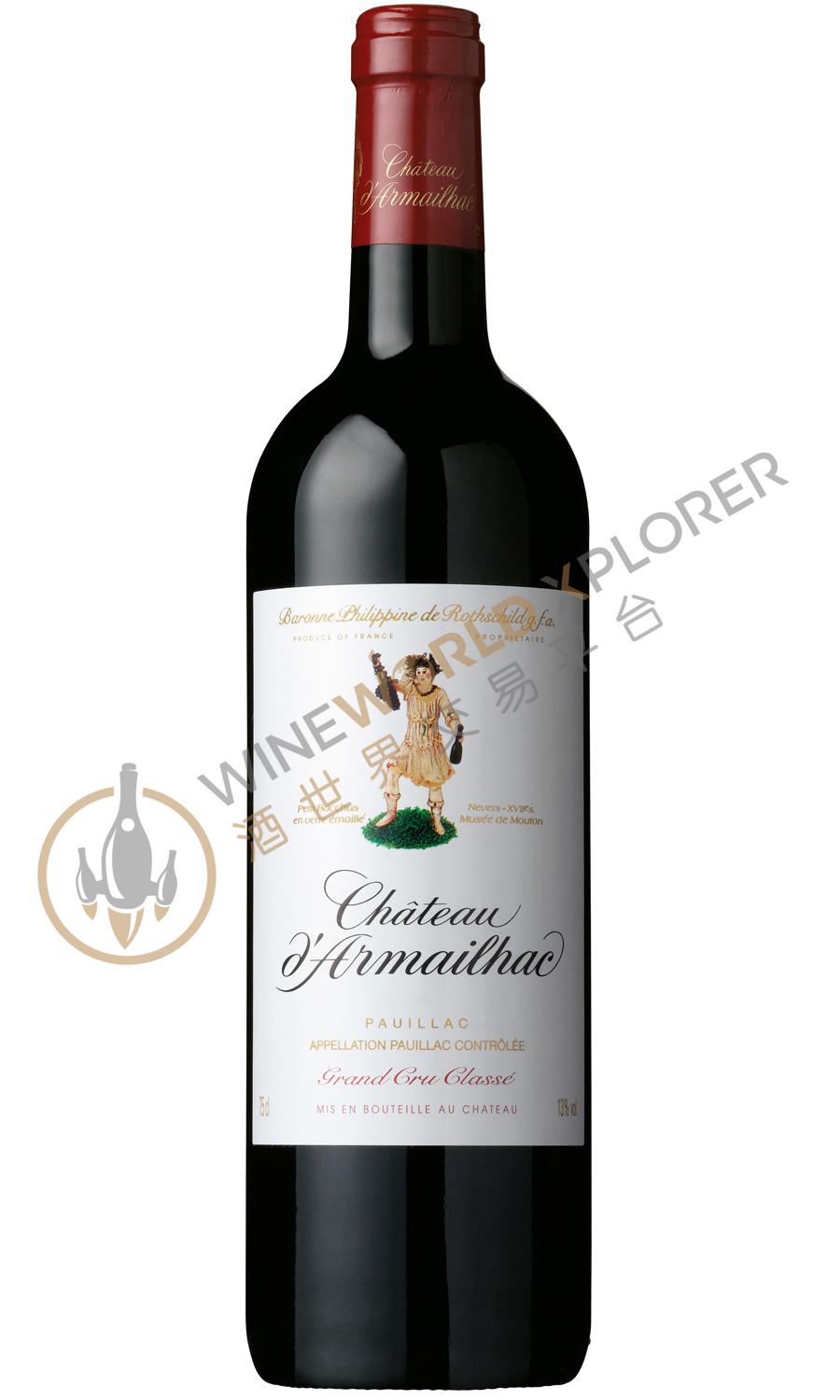
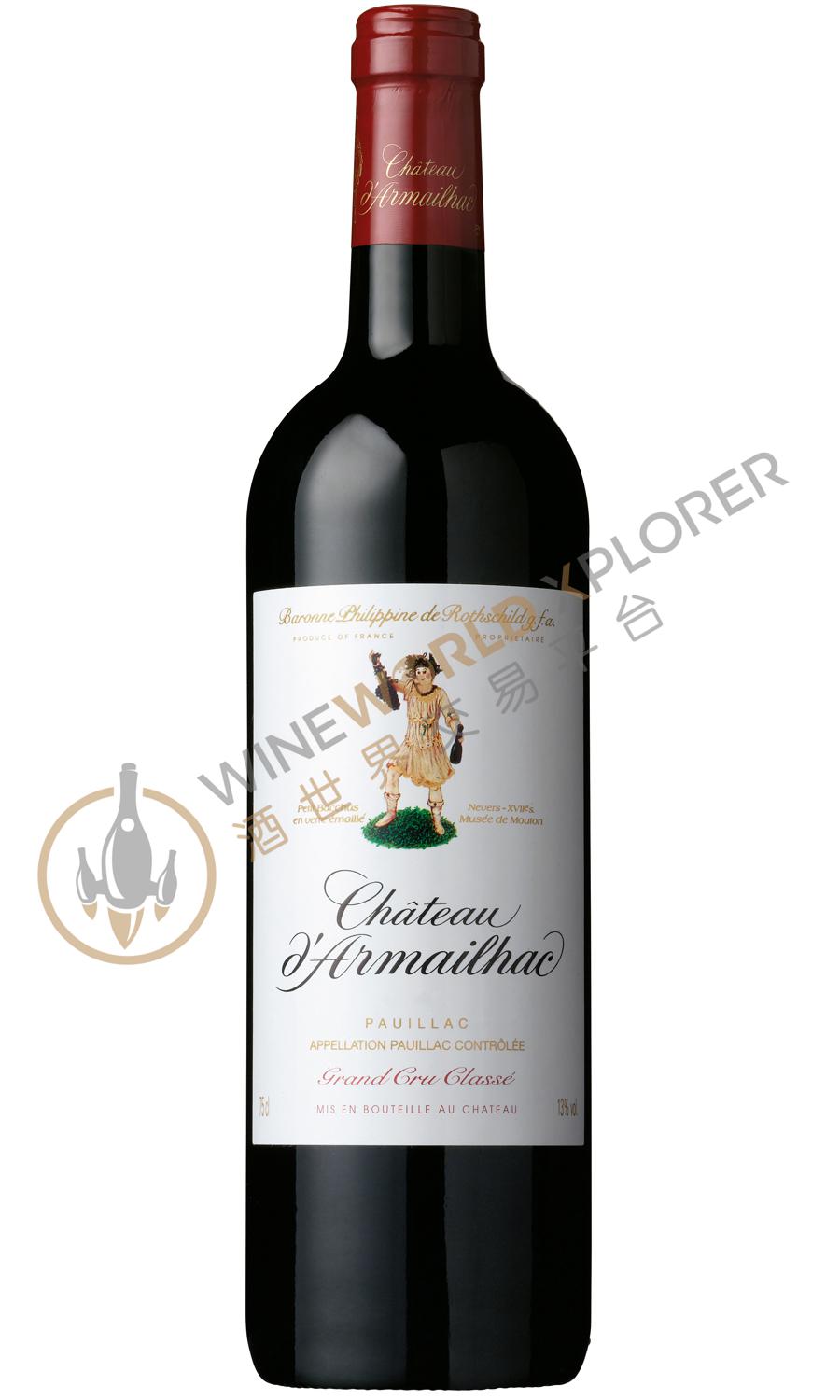
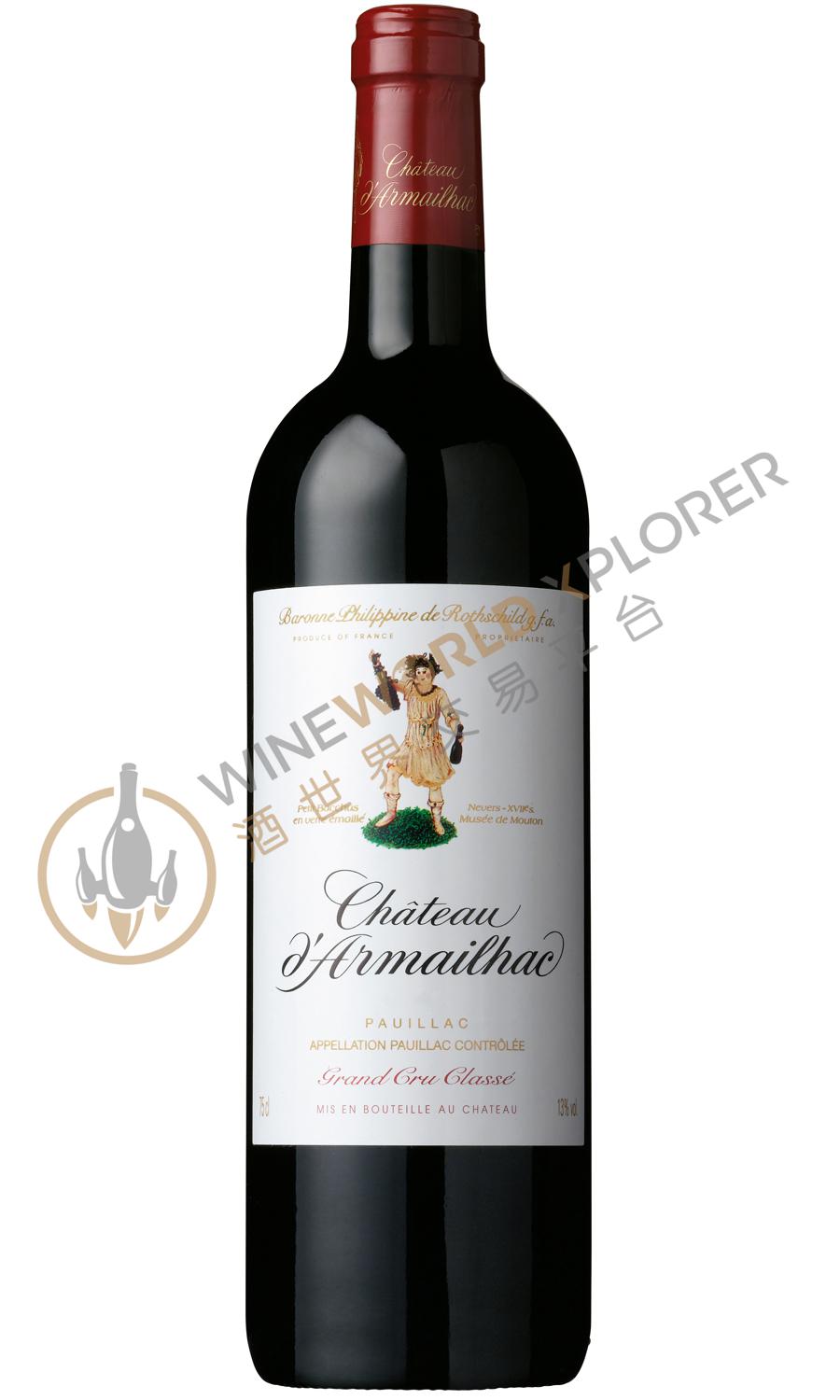
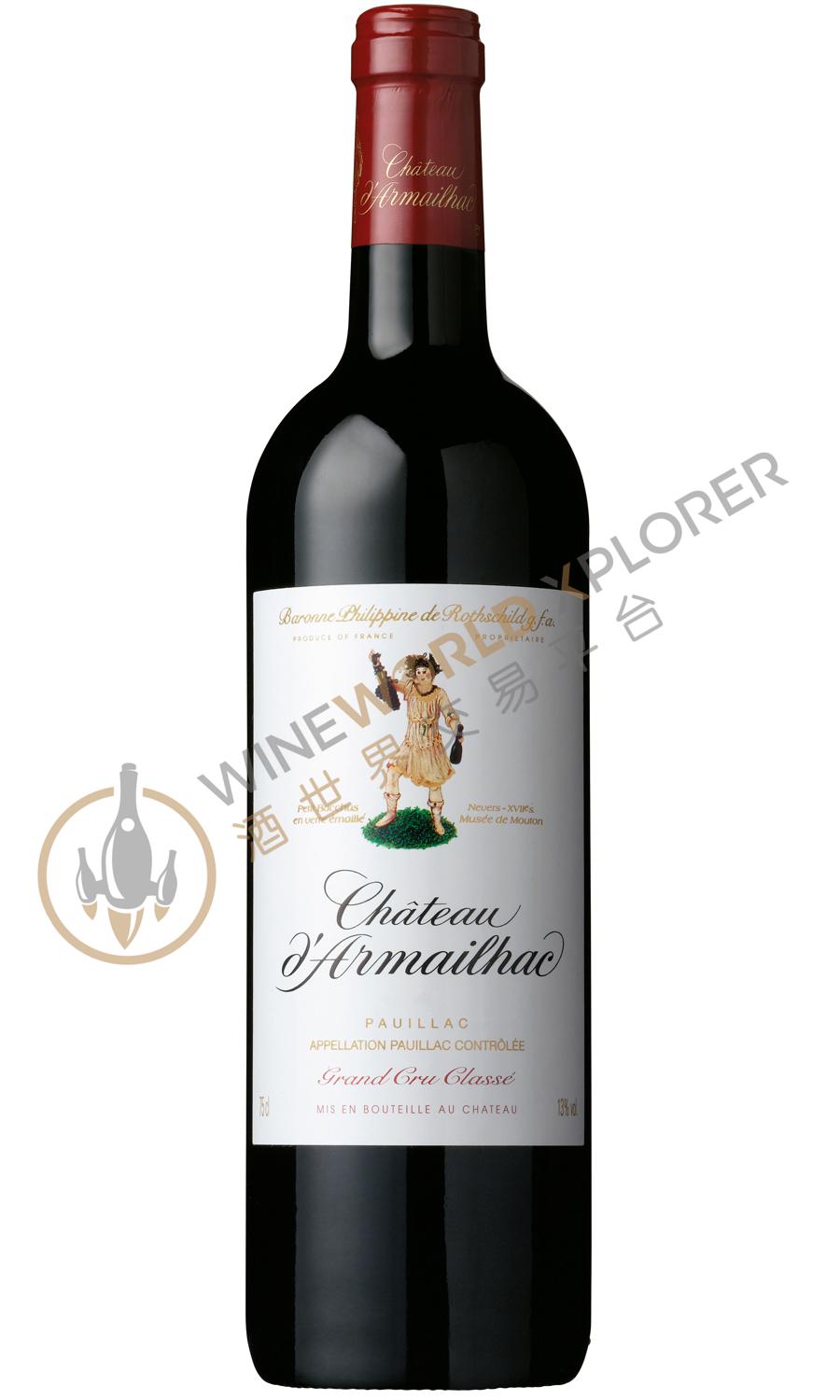
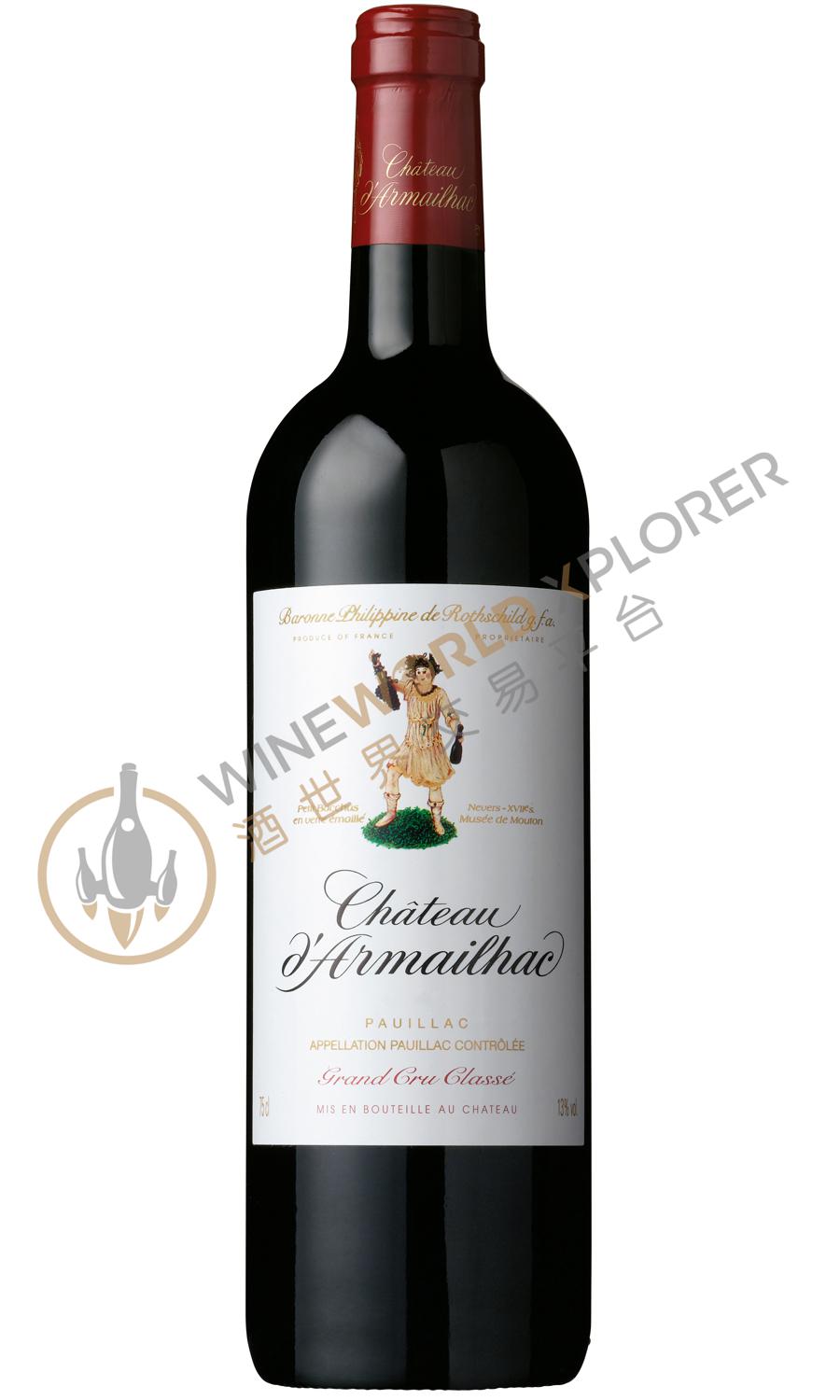
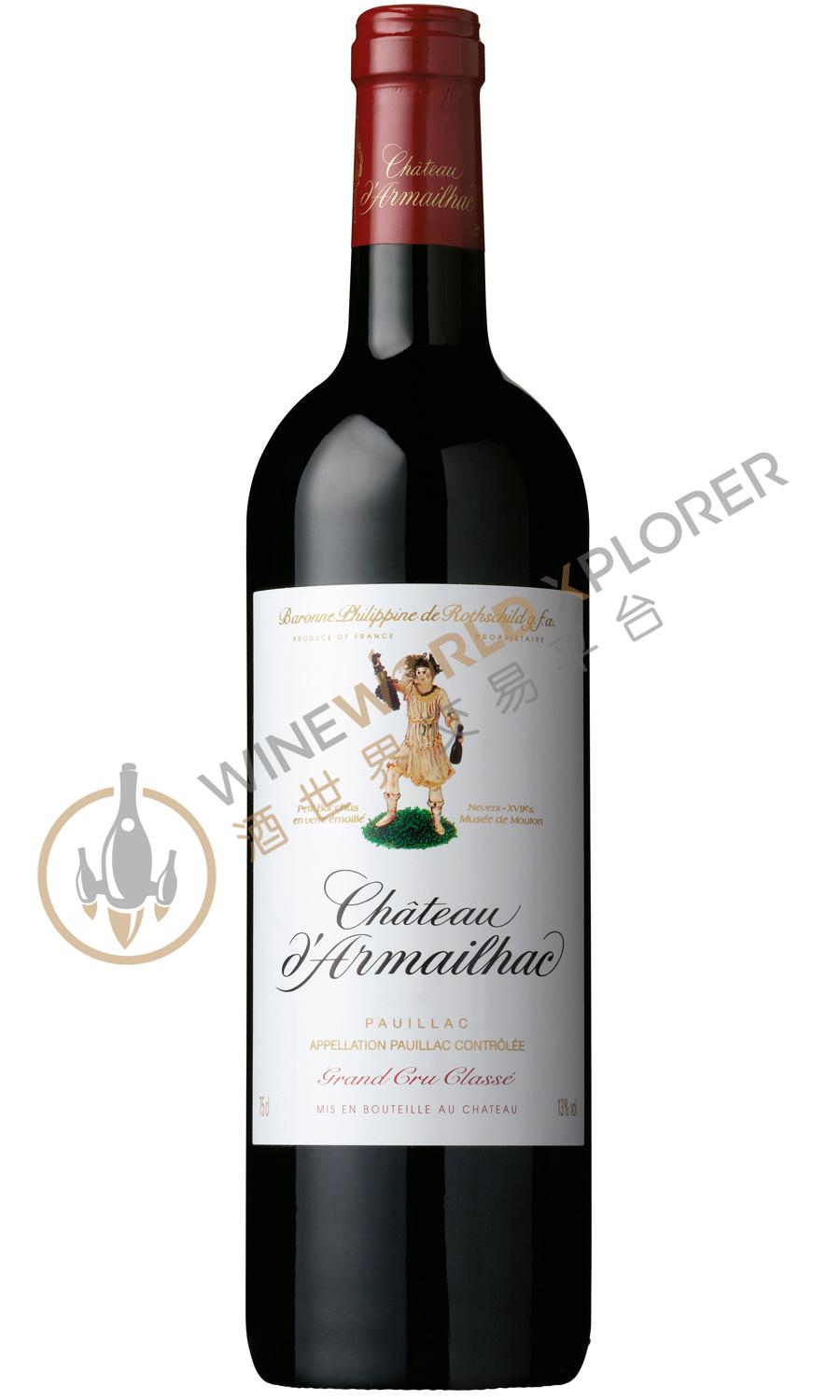
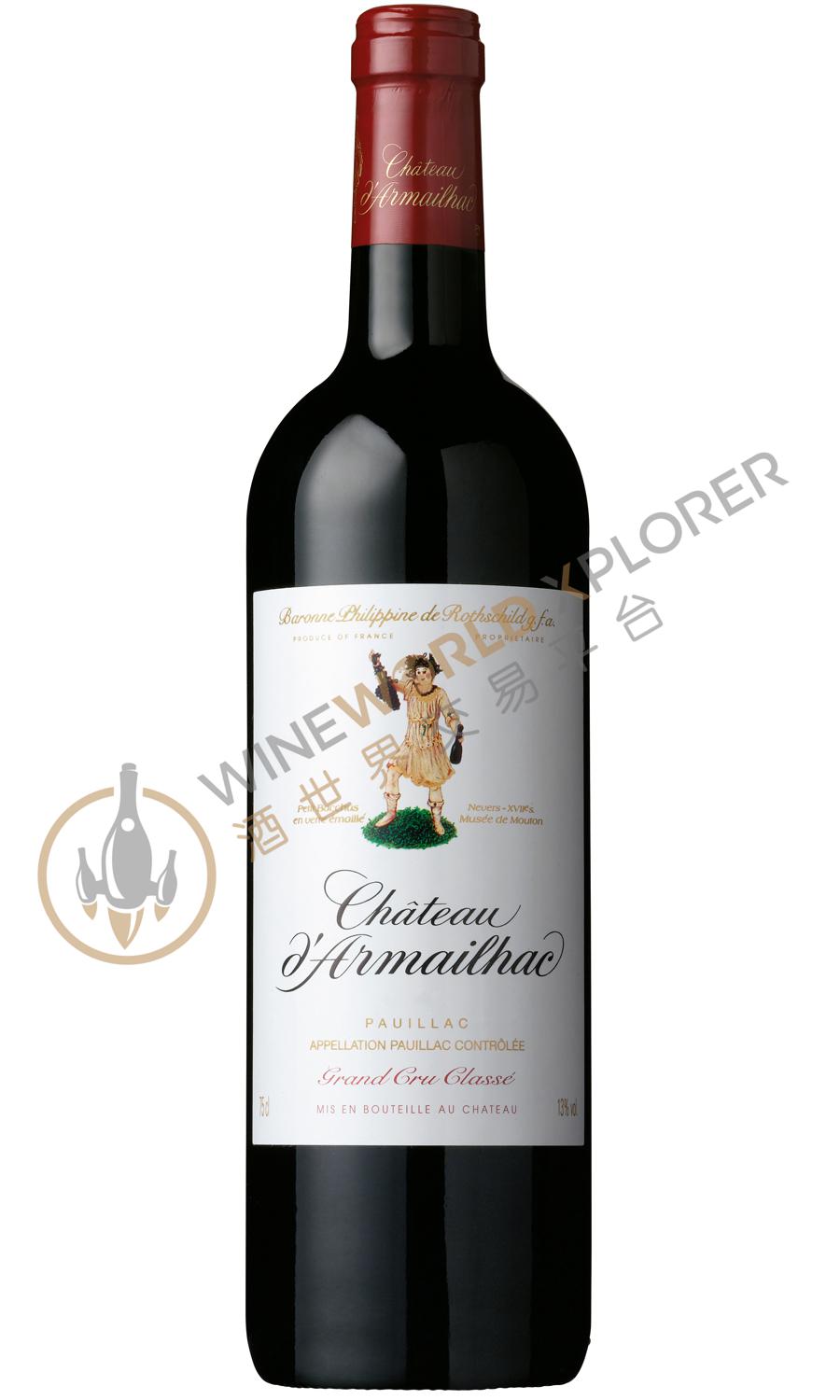
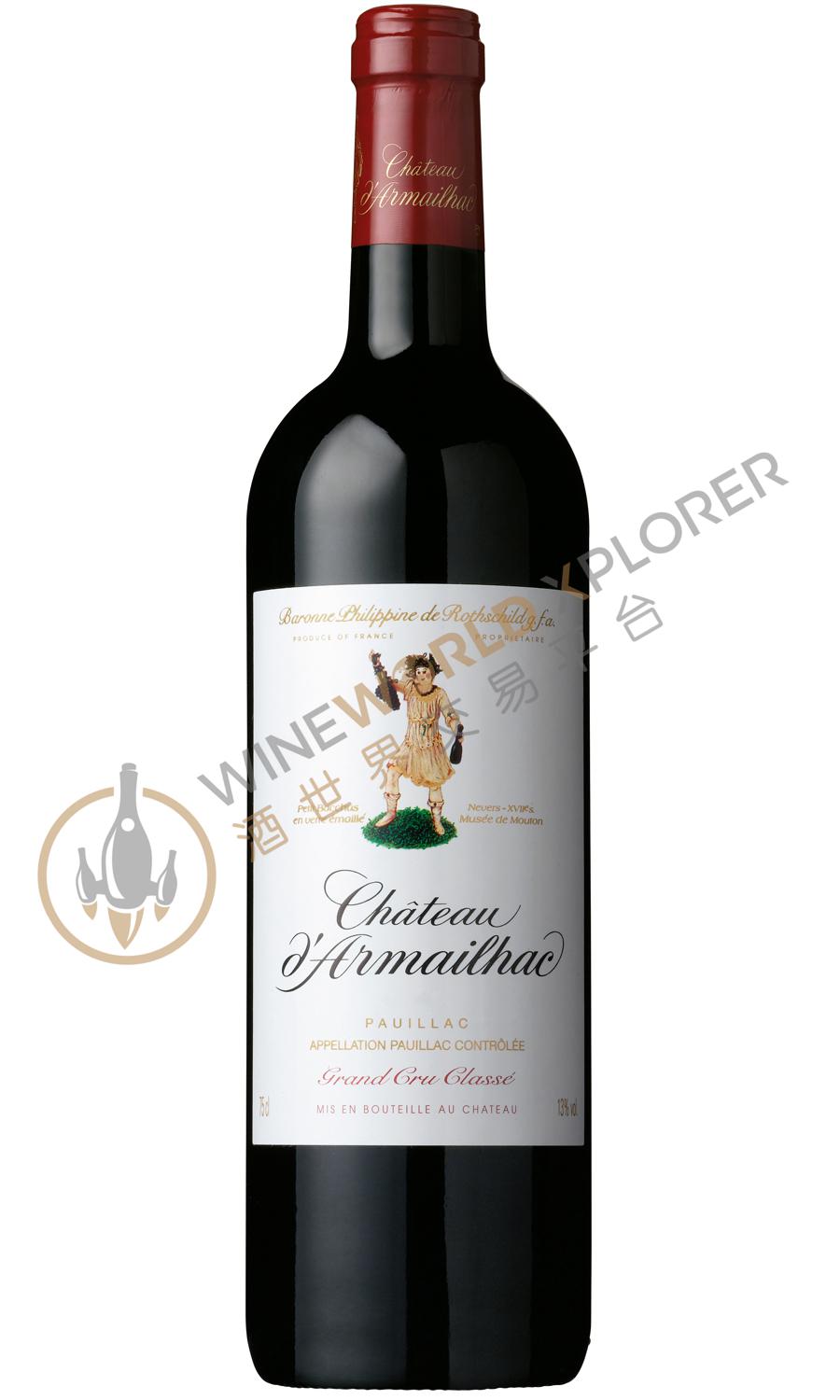
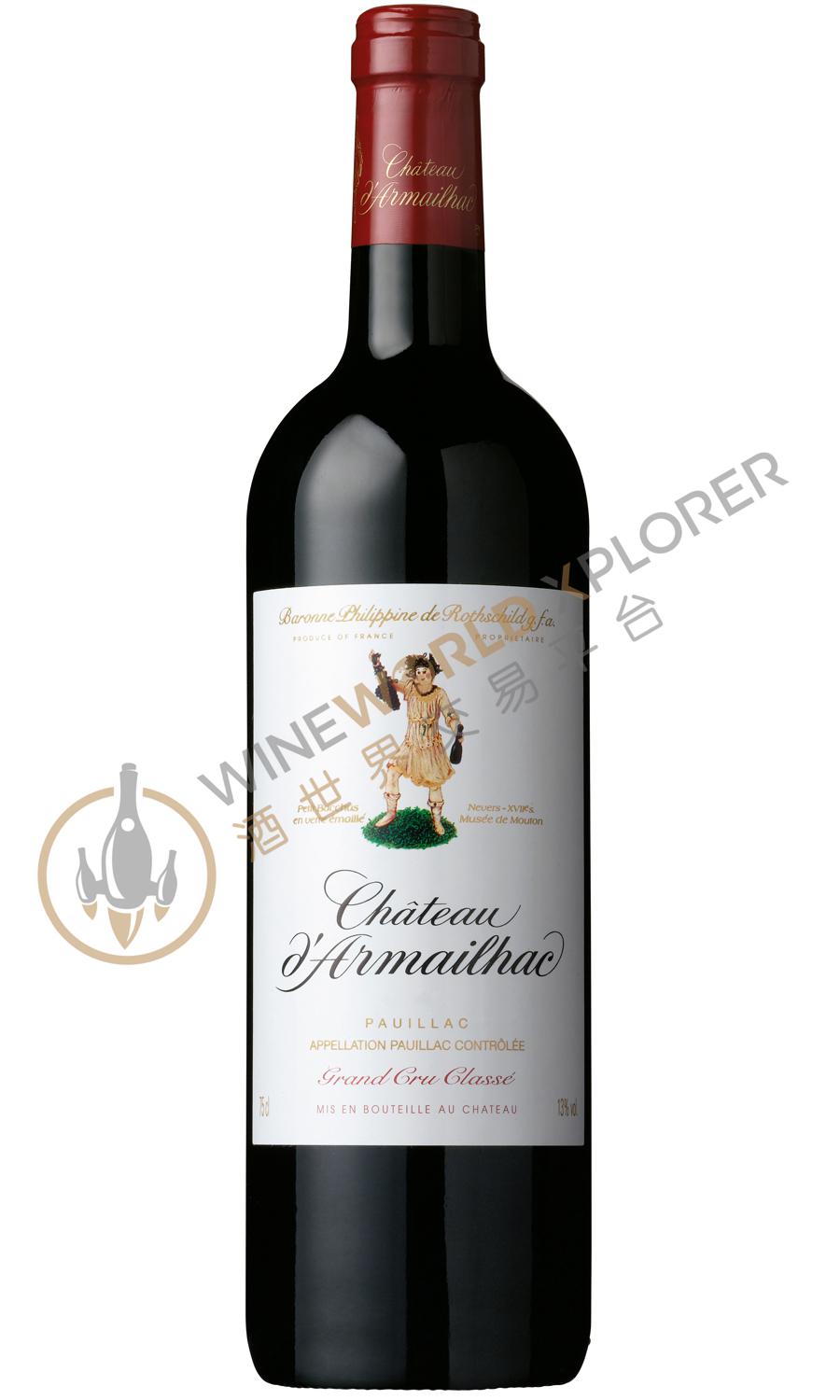
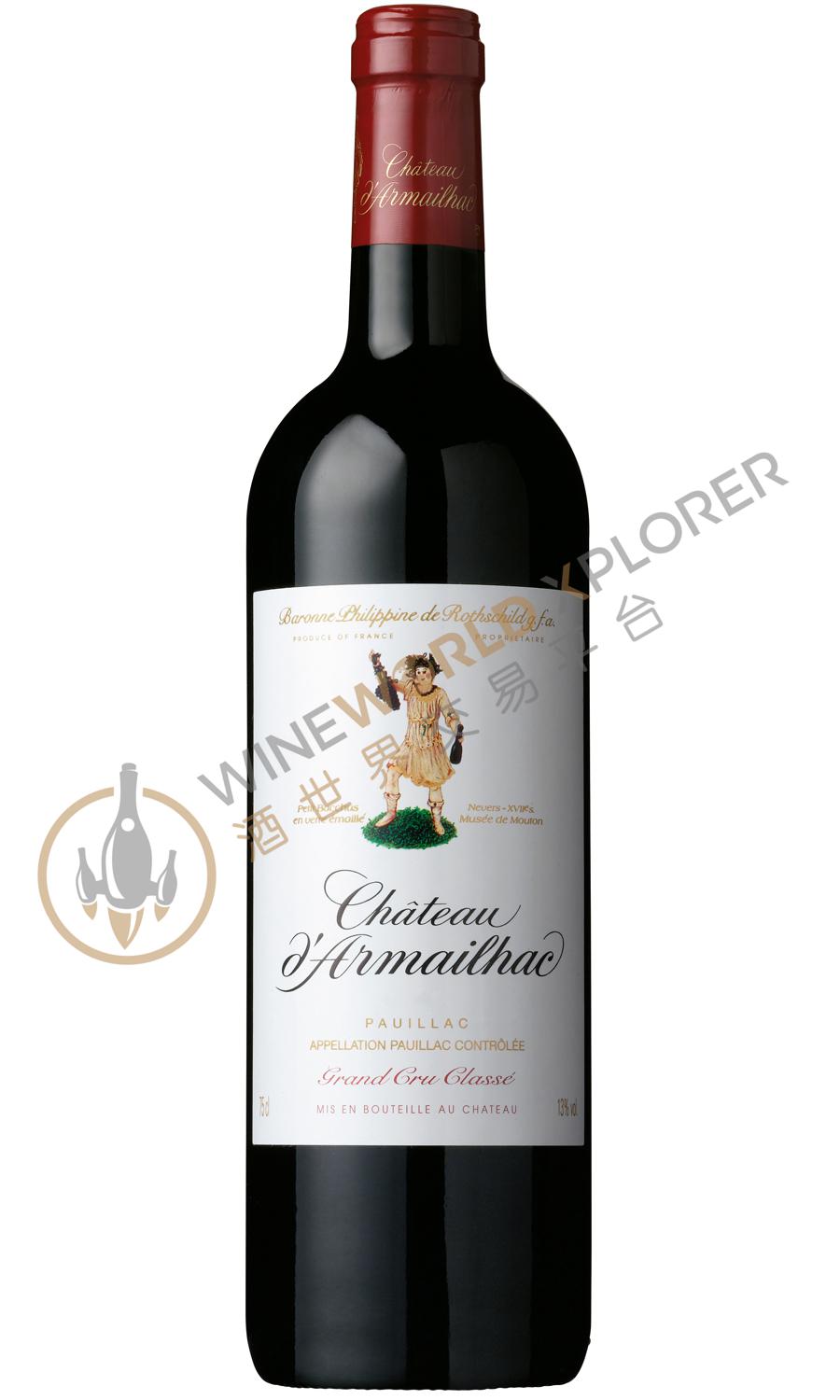
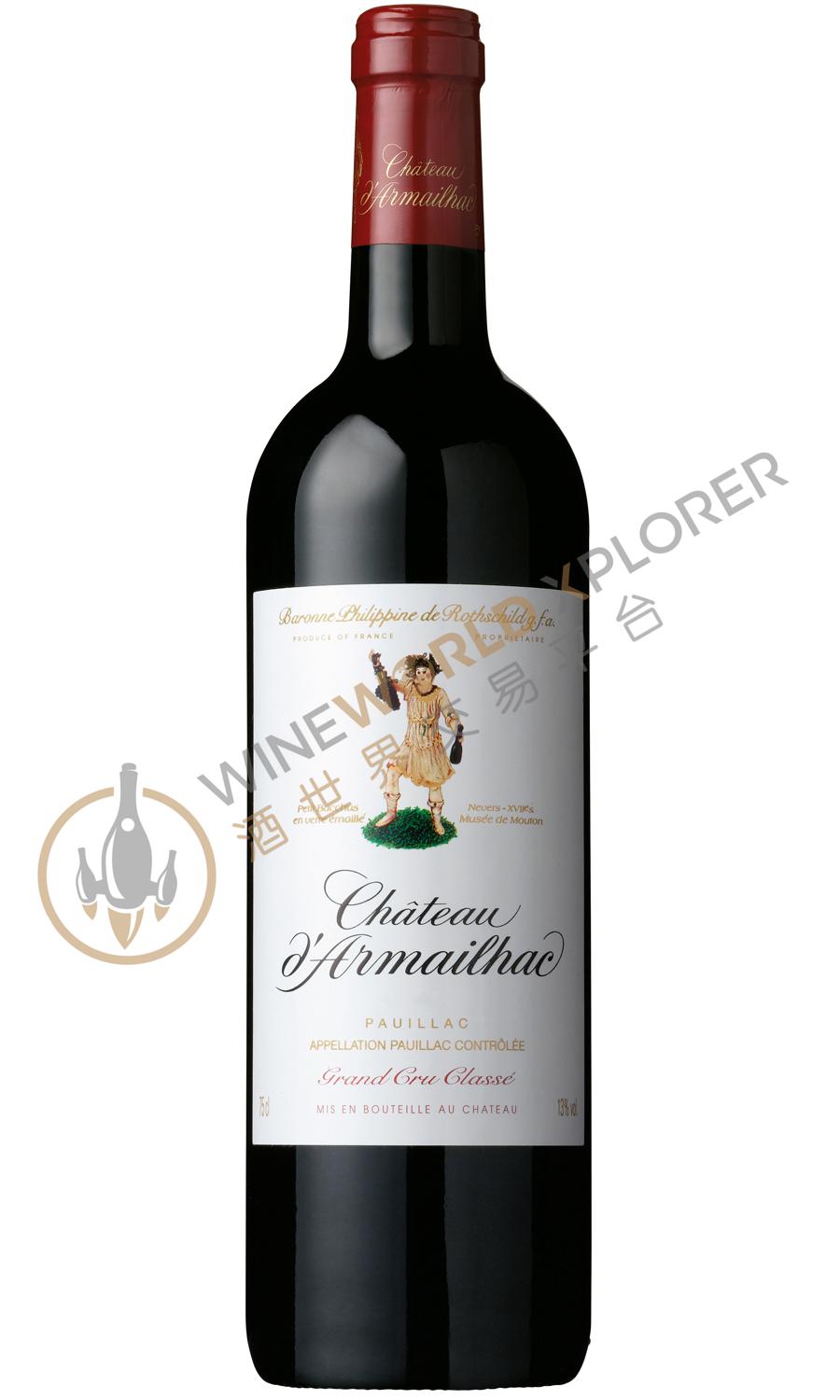
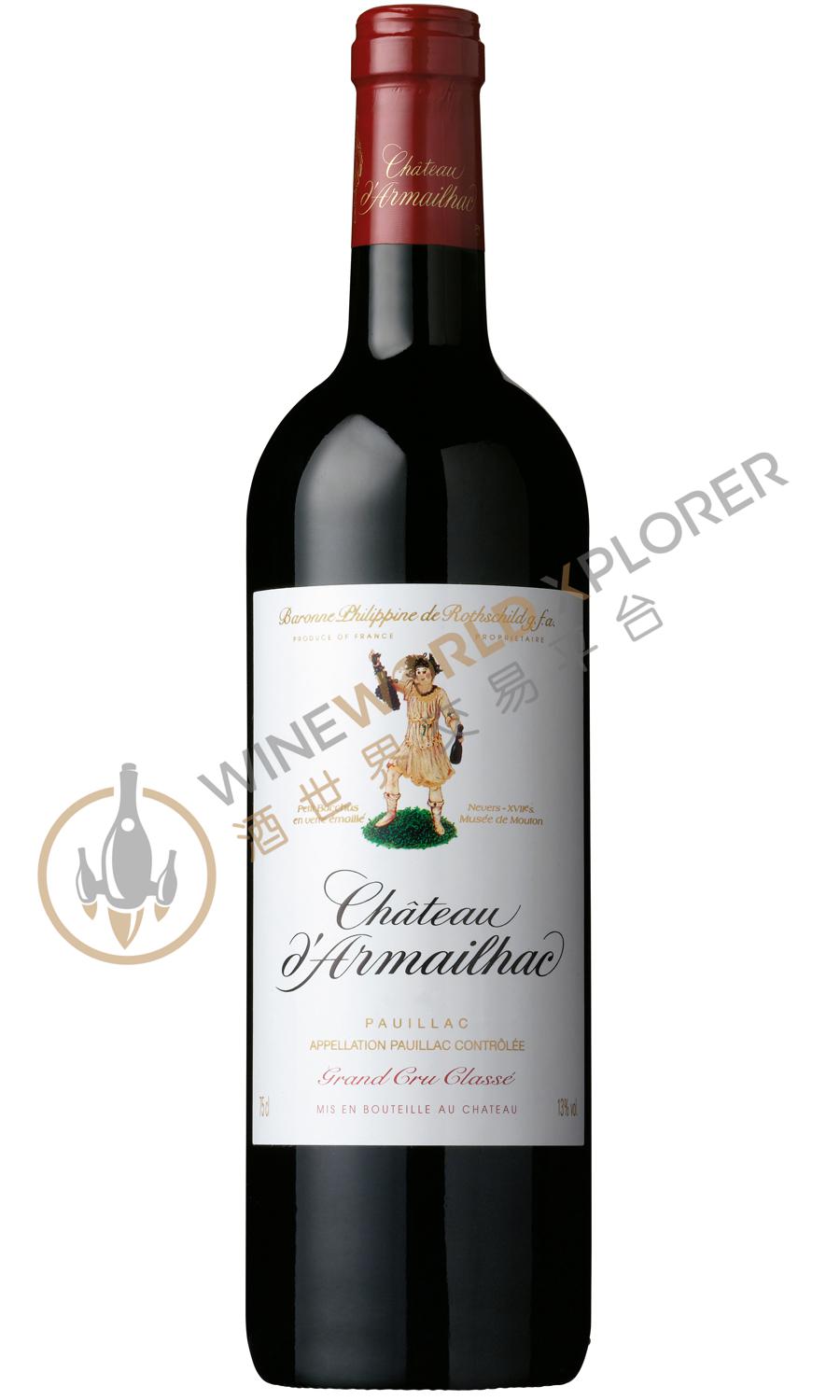
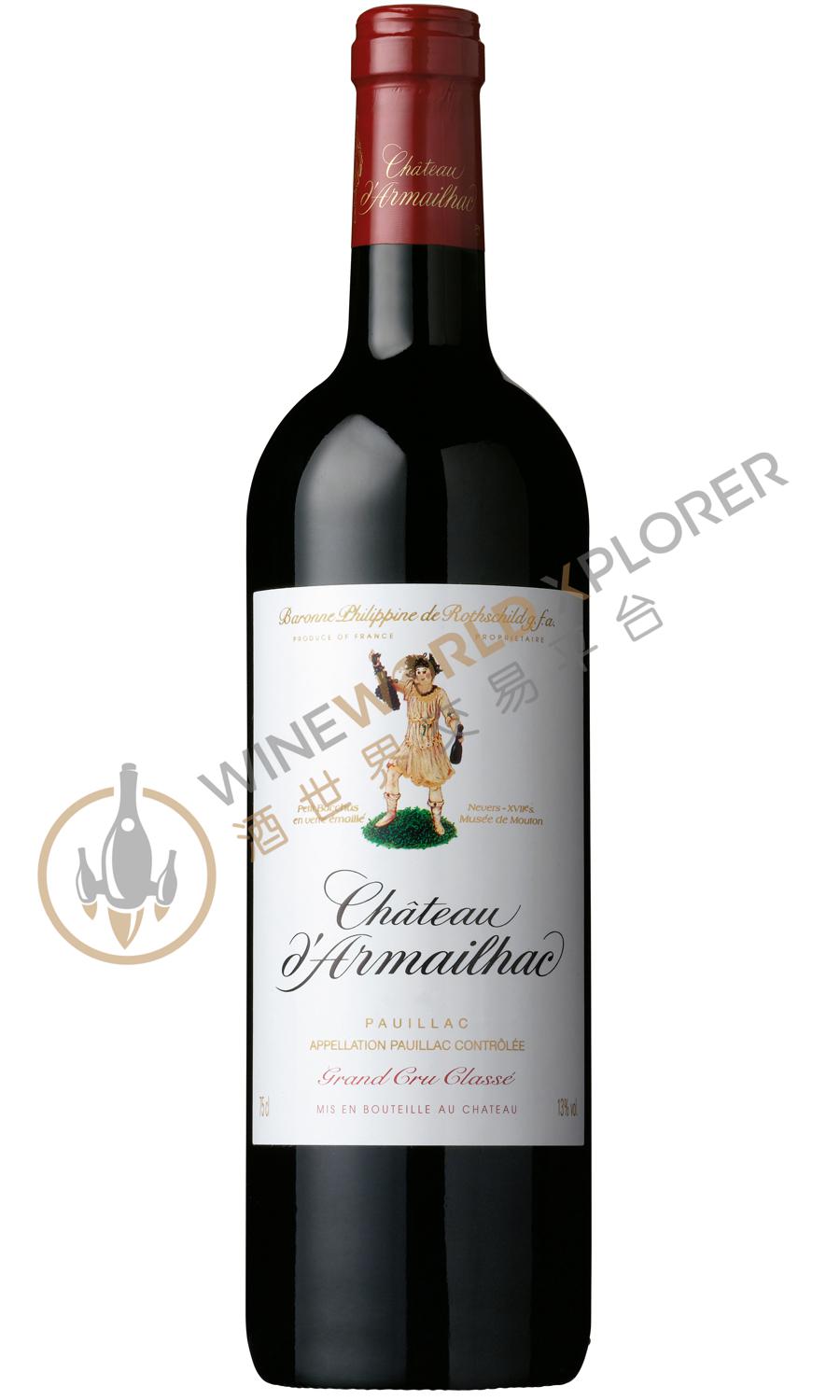
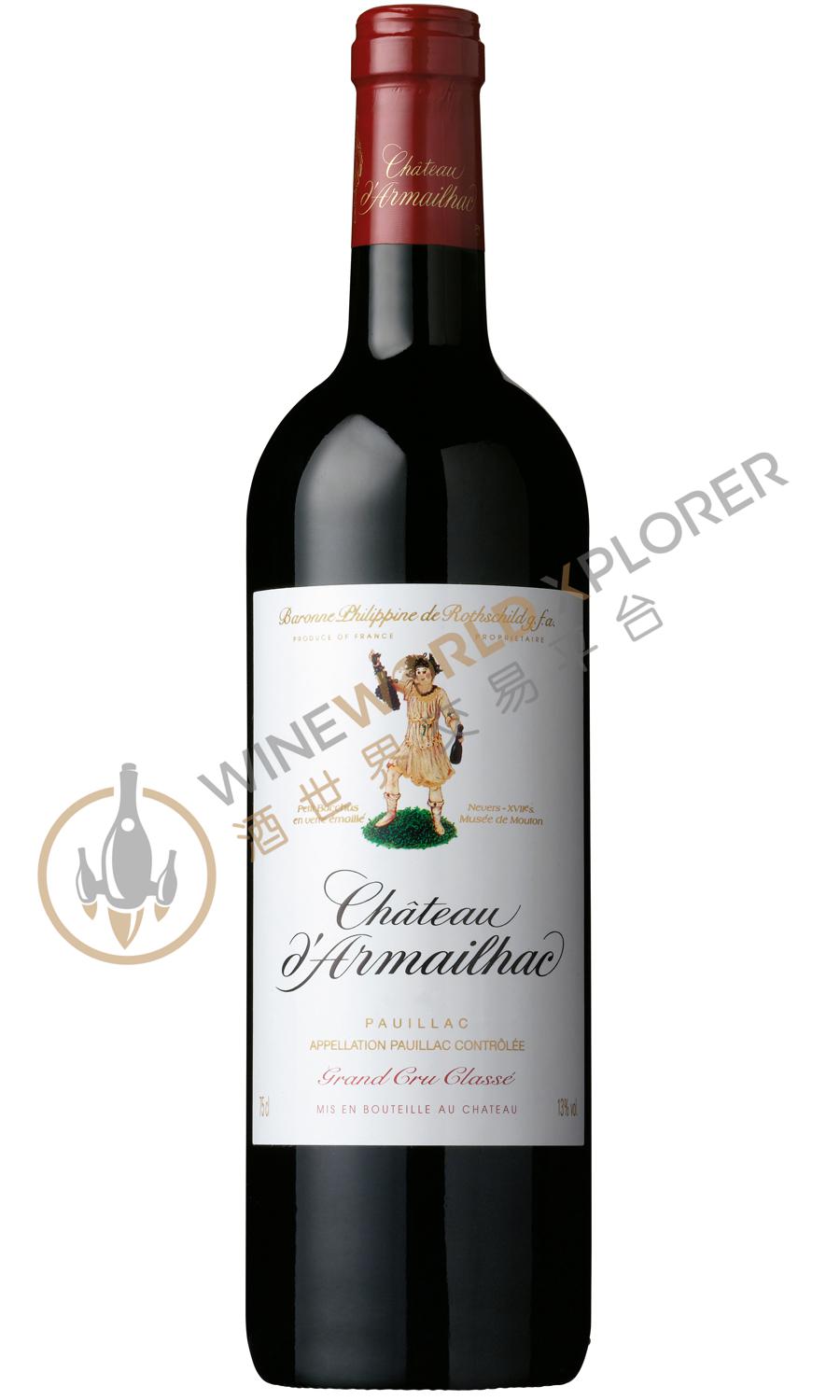
D'Armailhac 2008
 View analysis


Description
Tasting notes

Reviewed by: Neal Martin
This has a deep, rather broody nose that appears to have shut down since primeur in April. But good definition, blackberry, cedar with a hint of thyme. Less flamboyant that other vintages. The palate is medium-bodied, more austere than I was expecting, good weight, firm backbone with the Cabernet driving this along. Good ageing potential, but it may go through a sulky period after bottling. Tasted September 2009.
Reviewed by: Neal Martin
Tasted ex-chateau and single blind in Southwold. I am a little vexed about this d’Armailhac. Under blind conditions it merely confirms my questionable notes from October 2010. The nose is very austere and leafy, not as clean as its peers with some green aromas. The palate is austere and mean, very dry and musty on the finish. Approach with caution. Tasted January 2012.
Reviewed by: Robert M. Parker, Jr.
A dense plum/purple color is followed by a supple, evolved, medium-bodied wine revealing an elegant bouquet of red and black currants, charcoal, toast and earth. Enjoy this impressive 2008 over the next 12-15 years.
Reviewed by: Robert M. Parker, Jr.
Although unevolved, the fresh, medium-bodied 2008 d’Armailhac is a more elegant, delicate take on this vintage than some of the more concentrated wines from the Medoc and the right bank. Fresh cranberry, sweet cherry, and spicy notes are present in this wine. While it does not appear to be one of the stars of the vintage, it possesses brilliant delineation as well as an exceptionally pretty style somewhat reminiscent of the 1996 vintage. The blend is 54% Cabernet Sauvignon, 29% Merlot, and the rest Cabernet Franc and Petit Verdot. This wine may put on weight and flesh out given its late malolactic fermentation and retarded harvest.
Reviewed by: Neal Martin
There is just a touch of leanness on the nose, which is quite surprising for d-Armailhac and a second sample in Bordeaux is not different. The palate is medium-bodied with quite sharp acidity, a little disjointed and hard with touches of tobacco and cedar toward the tannic finish. Out of all the 2008s, this is the one that does not want to play ball at the moment. Tasted October 2010.
Reviewed by: Neal Martin
En primeur barrel sample. This has a deep broody nose with dark fruits, briary, a touch of dark chocolate. Very pure but introverted. Lots of cedar fruit coming through, a touch of autumn leaves. The palate is medium-bodied, fine tannins, ripe black fruits, cedar, touches of dark cherry and boysenberry. Vibrant and fresh towards the finish. Moderate length. This is a great effort – lip-smackingly tasty! Tasted April 2009.
Reviewed by: Neal Martin
The 2008 d’Armailhac has a pretty, floral bouquet with red cherries and crushed strawberry fruit laced with rose petals. The palate is sweet on the entry, one of the relatively corpulent 2008 Bordeaux Left Bank wines, one that is finely balanced with a touch of cedar and spice decorating the understated, easy-going finish. Very fine. (Tasted at BI Wine & Spirit’s annual 10-Year On tasting.)
Reviewed by: James Suckling
Balanced and fruity with tobacco and berry character. Full and very soft with fine tannins, and a juicy fruit character on the finish. Best in 2012.
About the Producer
The existence of Château d’Armailhac dates back to the late 17th century, as evidenced in a land register from 1680 which mentions the brothers Dominique and Guilhem Armailhacq, owners of parcels of land in Pauillac. Another land register from 1750 notes that their descendants have “planted with vines” the family estate, covering 15 to 16 hectares (37-39 acres). By the end of the 18th century the estate has grown to 52 hectares (128 acres) but the brokers of the time describe its wine as “disappointingly thin”. Throughout the following century, Mouton d’Armailhacq’s owners work unceasingly to improve its quality, using techniques such as topping-up, running-off, barrel disinfection and fining. Their efforts are rewarded in 1831, when the wines of Mouton d’Armailhacq sell for twice as much as their more highly reputed neighbours. The ultimate recompense, Château Mouton d’Armailhacq is given Fifth Growth status in the 1855 Classification – the same one which made Château Mouton Rothschild “First of the Seconds”. The “first wine”, the only one authorised to bear the growth’s name, is distinguished from the “second wine”, less rich and sold for consumption in local taverns. In 1931, the young Baron Philippe de Rothschild became a minority shareholder of the Société Anonyme du Domaine de Mouton d’Armailhacq, then in 1933 acquired all the shares from the Comte de Ferrand in return for a life annuity. A year later, on the Comte de Ferrand’s death, he became the effective owner of the estate. The Mouton d’Armailhacq portfolio included the Société Vinicole de Pauillac, forerunner of what is now Baron Philippe de Rothschild SA. Inseparable from Château Mouton Rothschild, Château Mouton d’Armailhacq houses all the technical and agricultural equipment for the two estates in its extensive outbuildings. From 1956 to 1988, the wine was called Mouton Baron Philippe, then Mouton Baronne Philippe. A Fifth Growth of acknowledged quality, its original identity as Château d’Armailhac was patly restored in 1989.
1964(2)1973(1)1978(1)1986(1)1987(1)1989(1)1995(2)1996(2)2000(4)2001(5)2002(1)2003(3)2004(2)2005(5)2006(2)2007(2)
Package Size