Wine Advisor



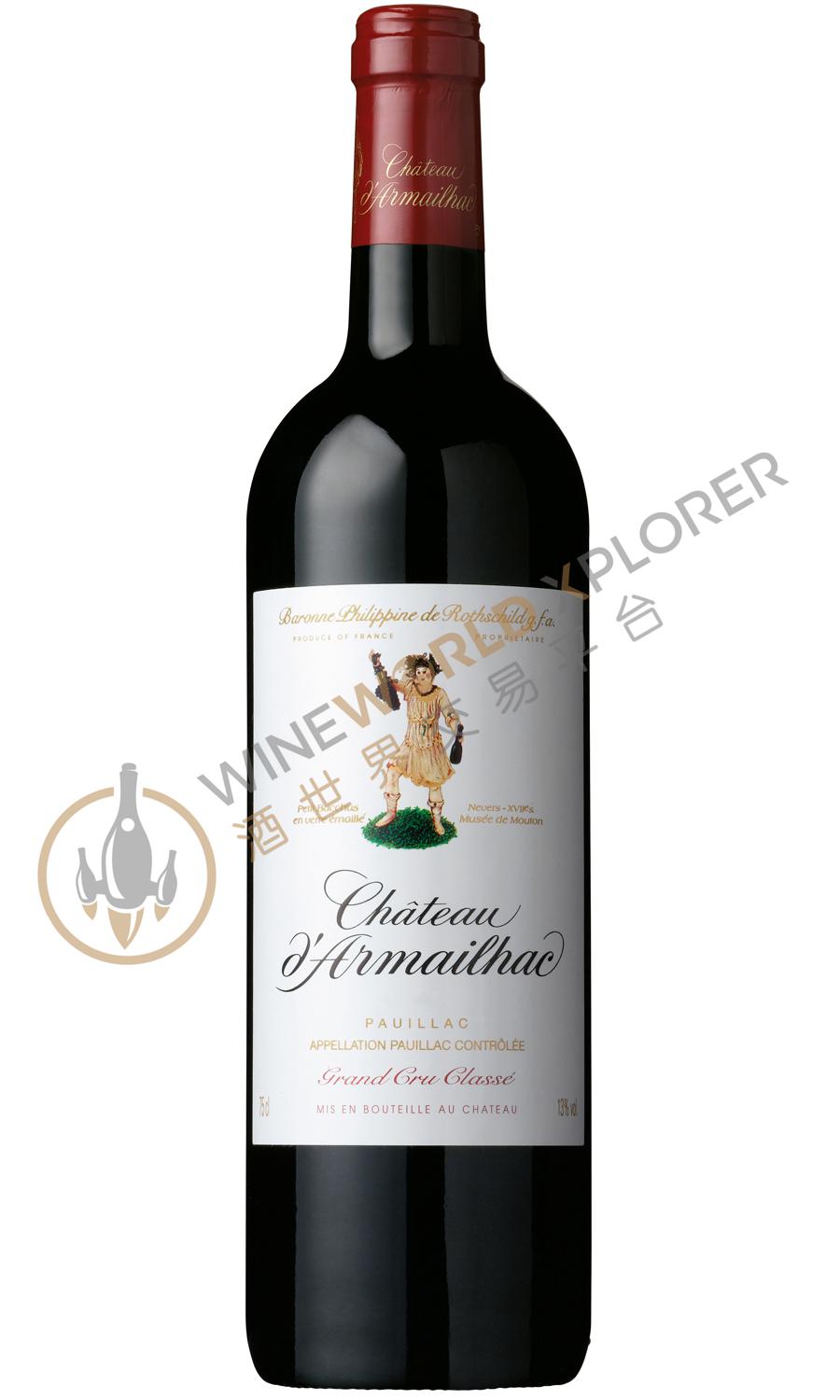
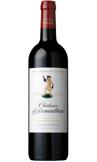
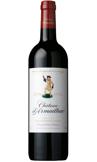
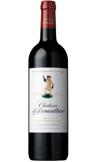
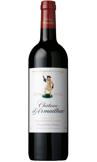
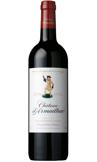
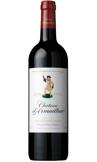
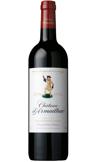
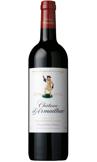
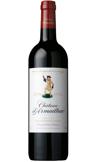
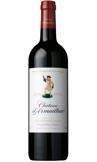
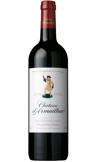
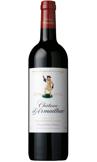
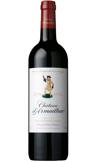
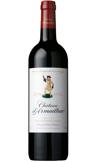
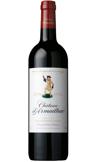
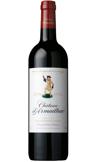
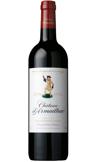
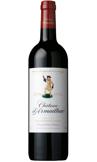
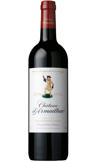
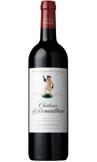
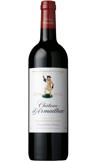
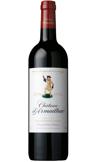
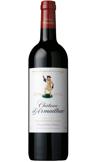
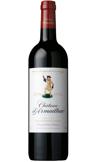
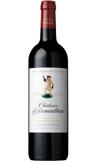
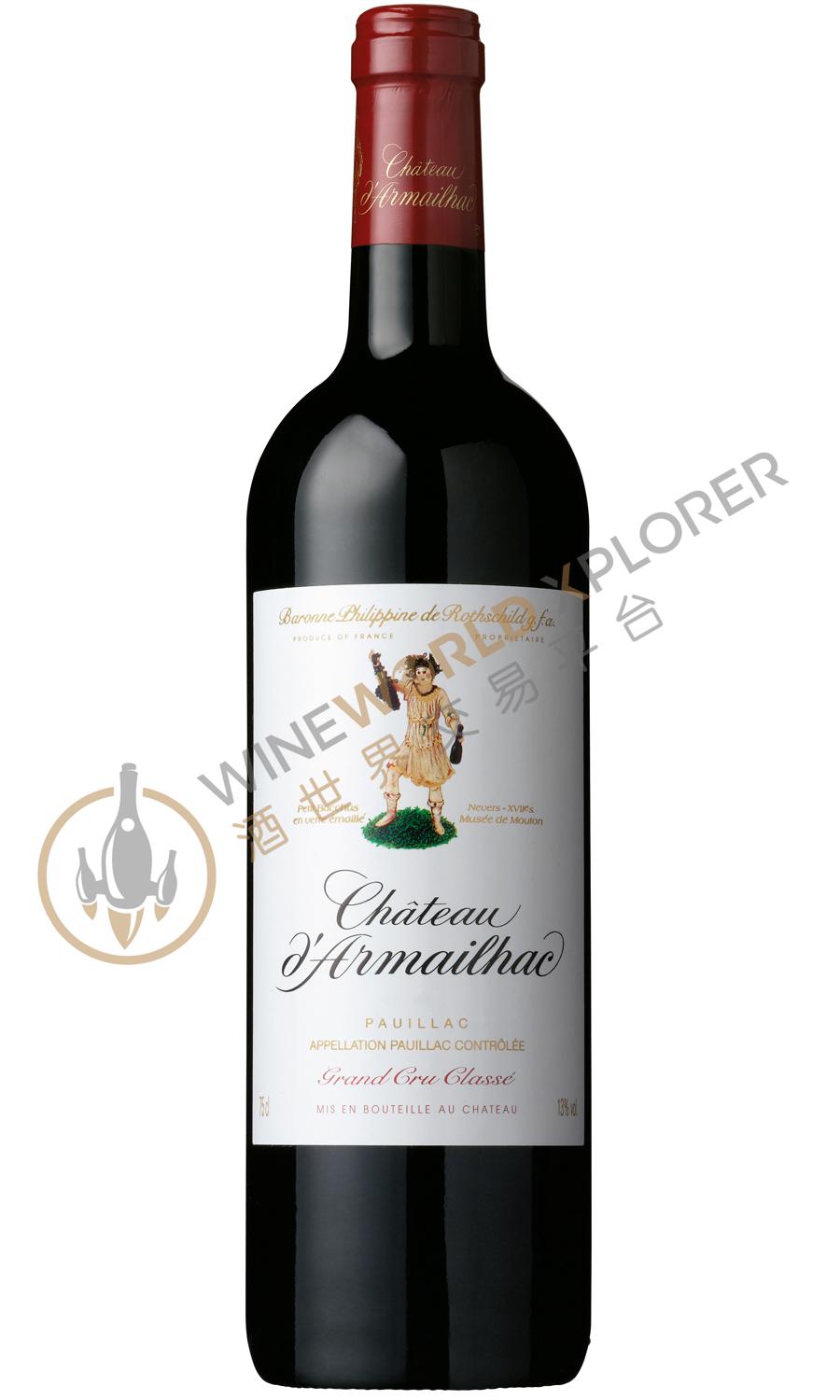
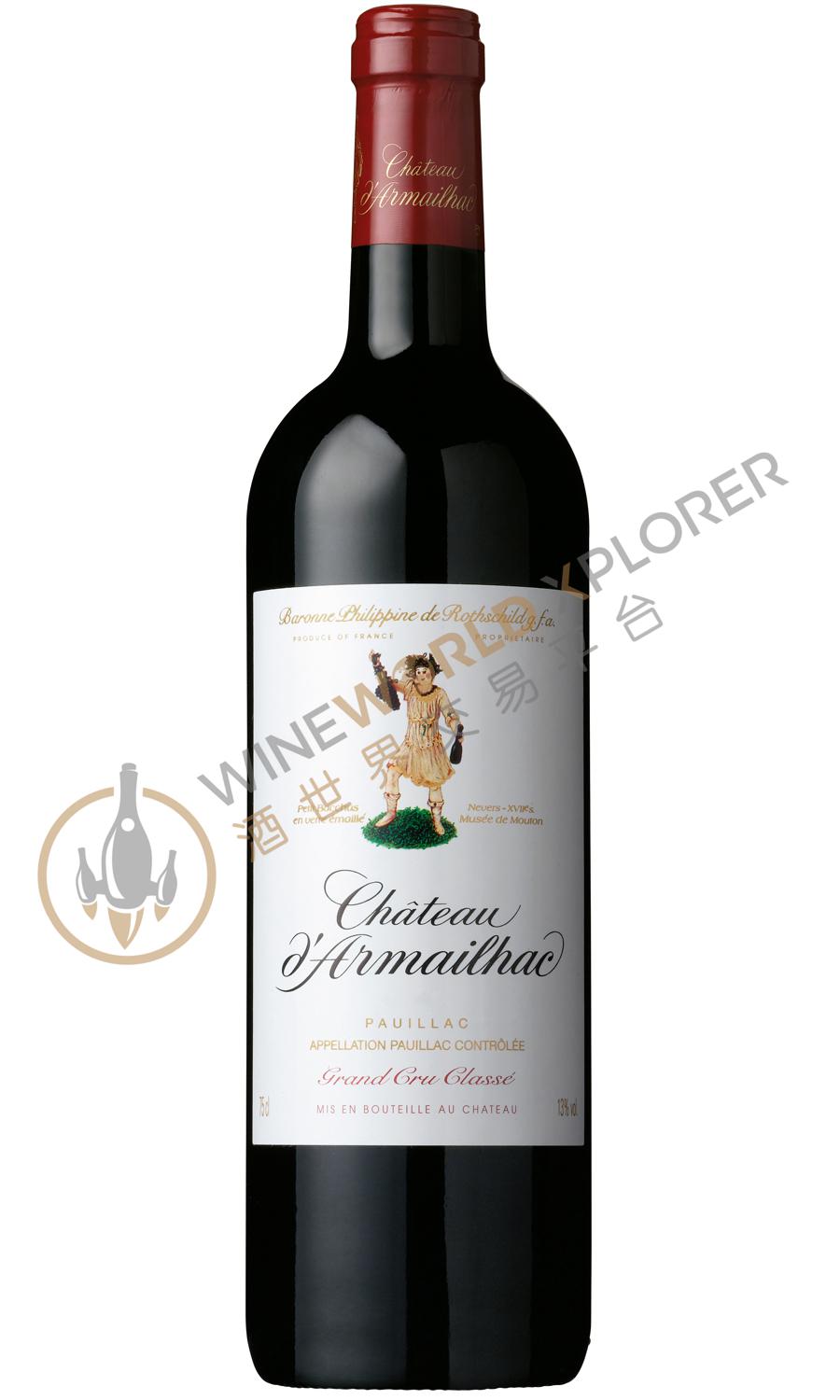
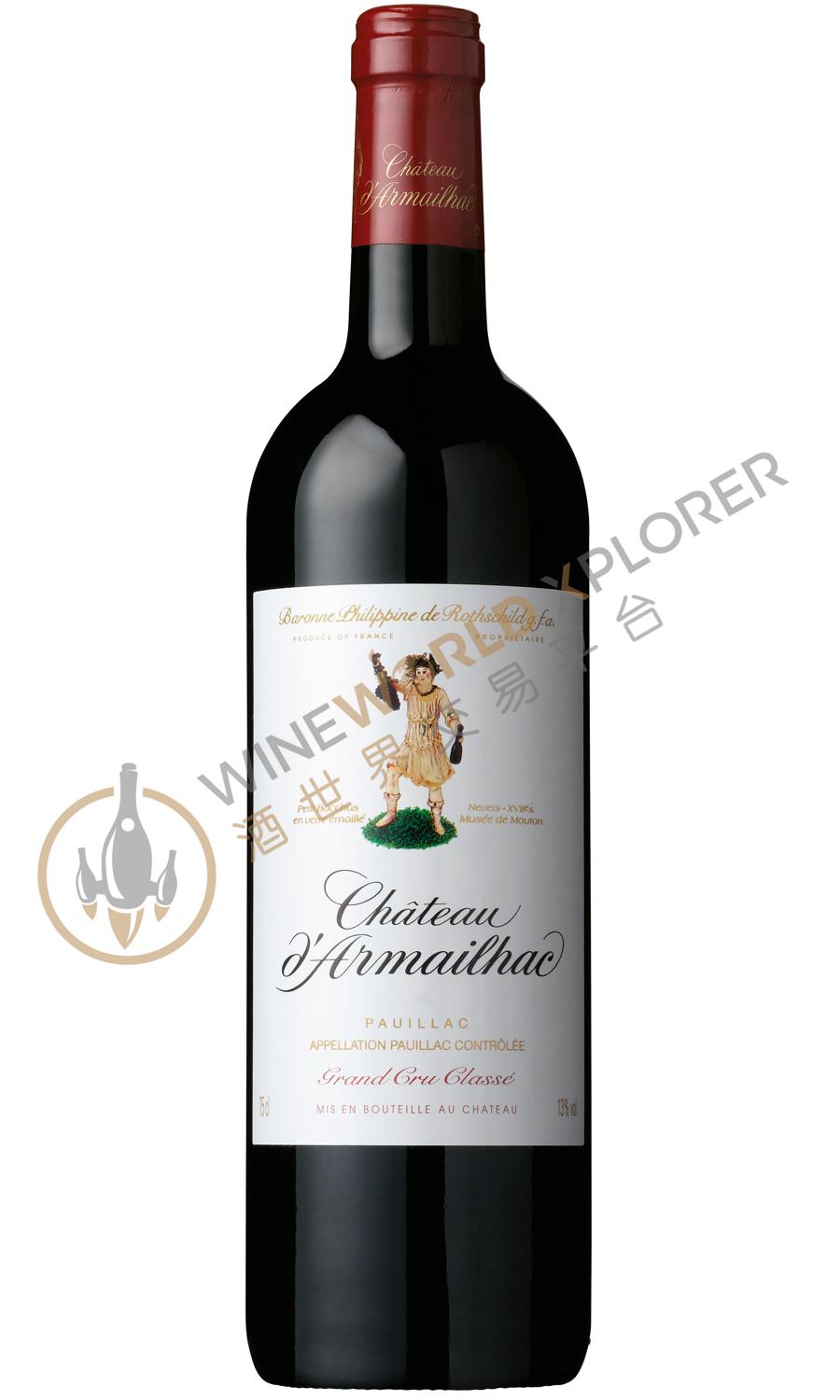
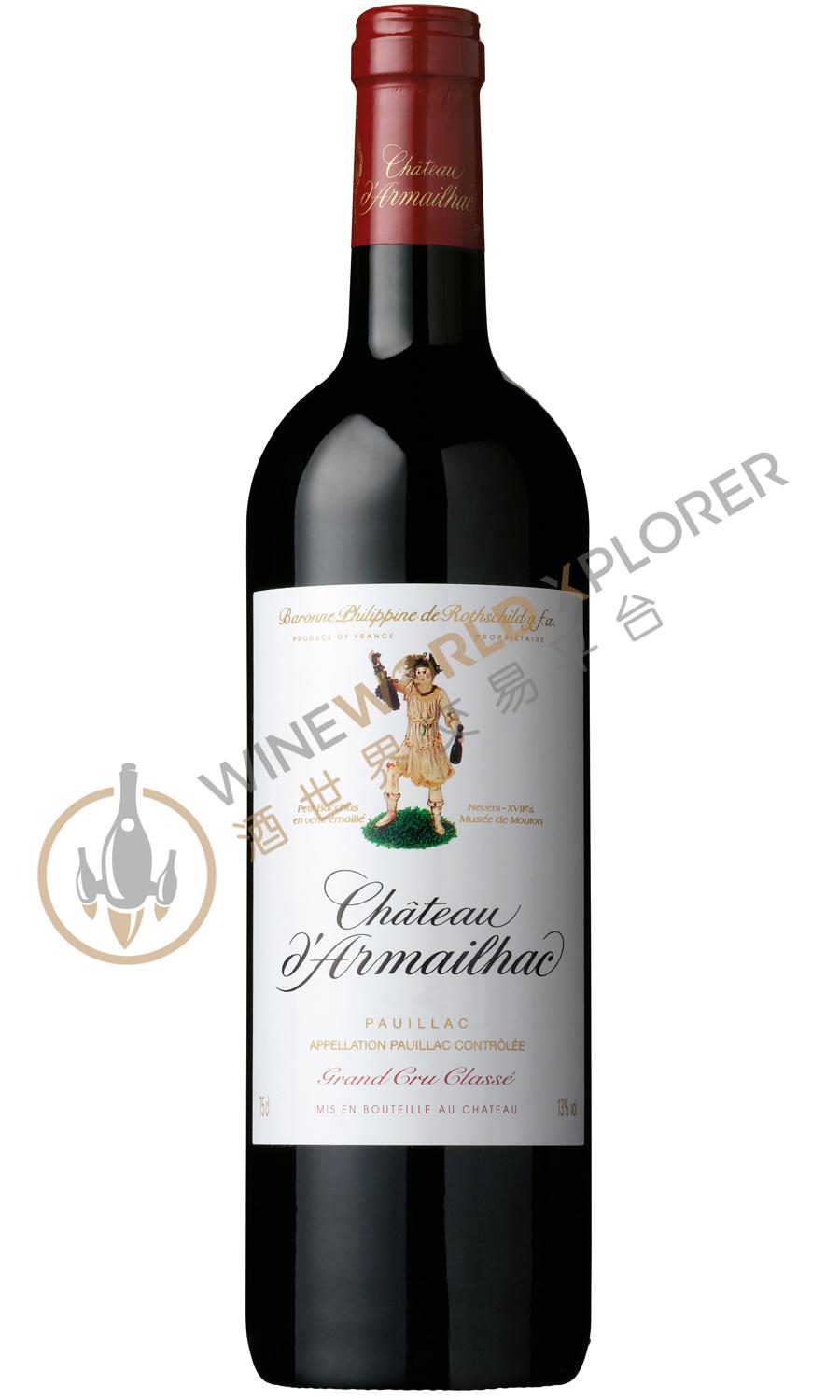
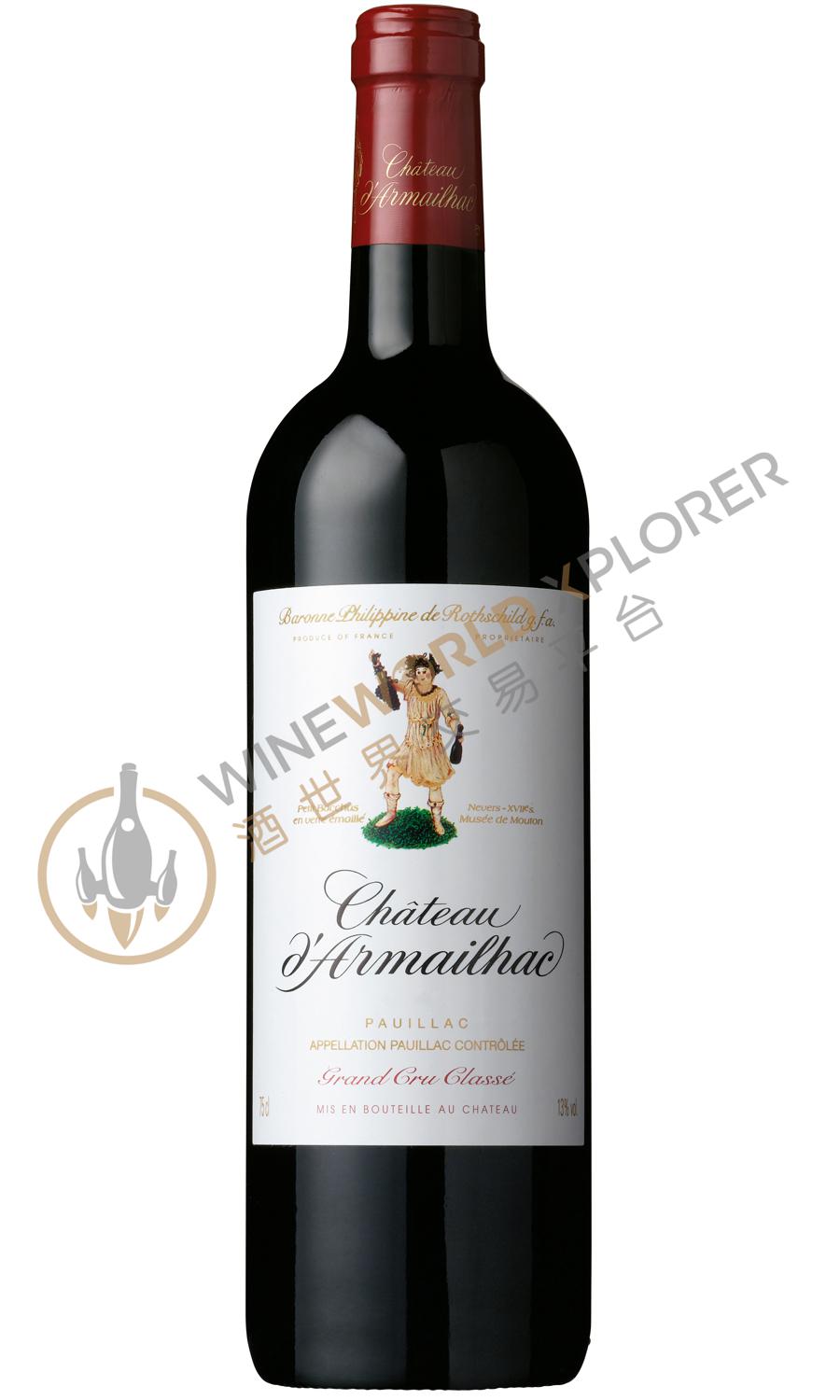
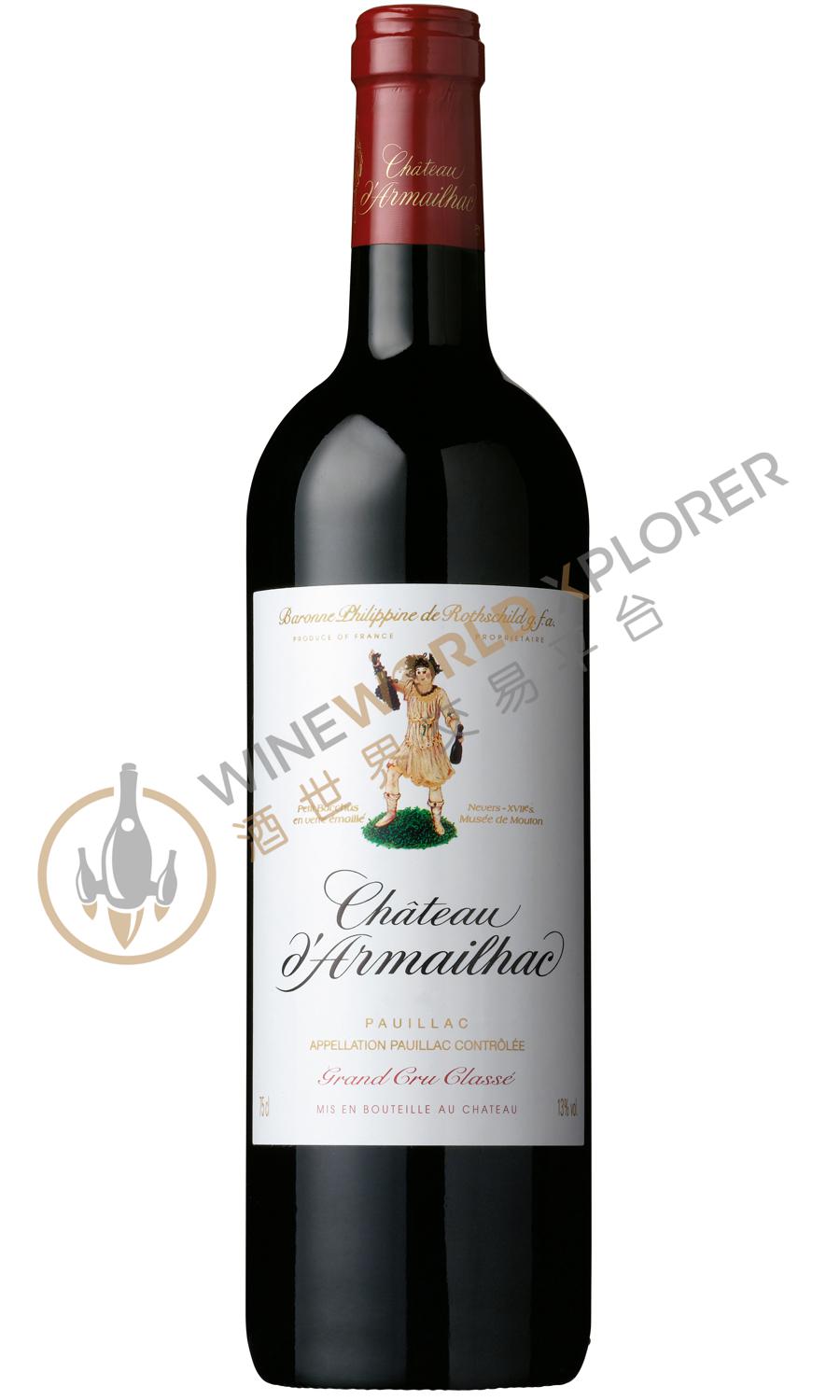
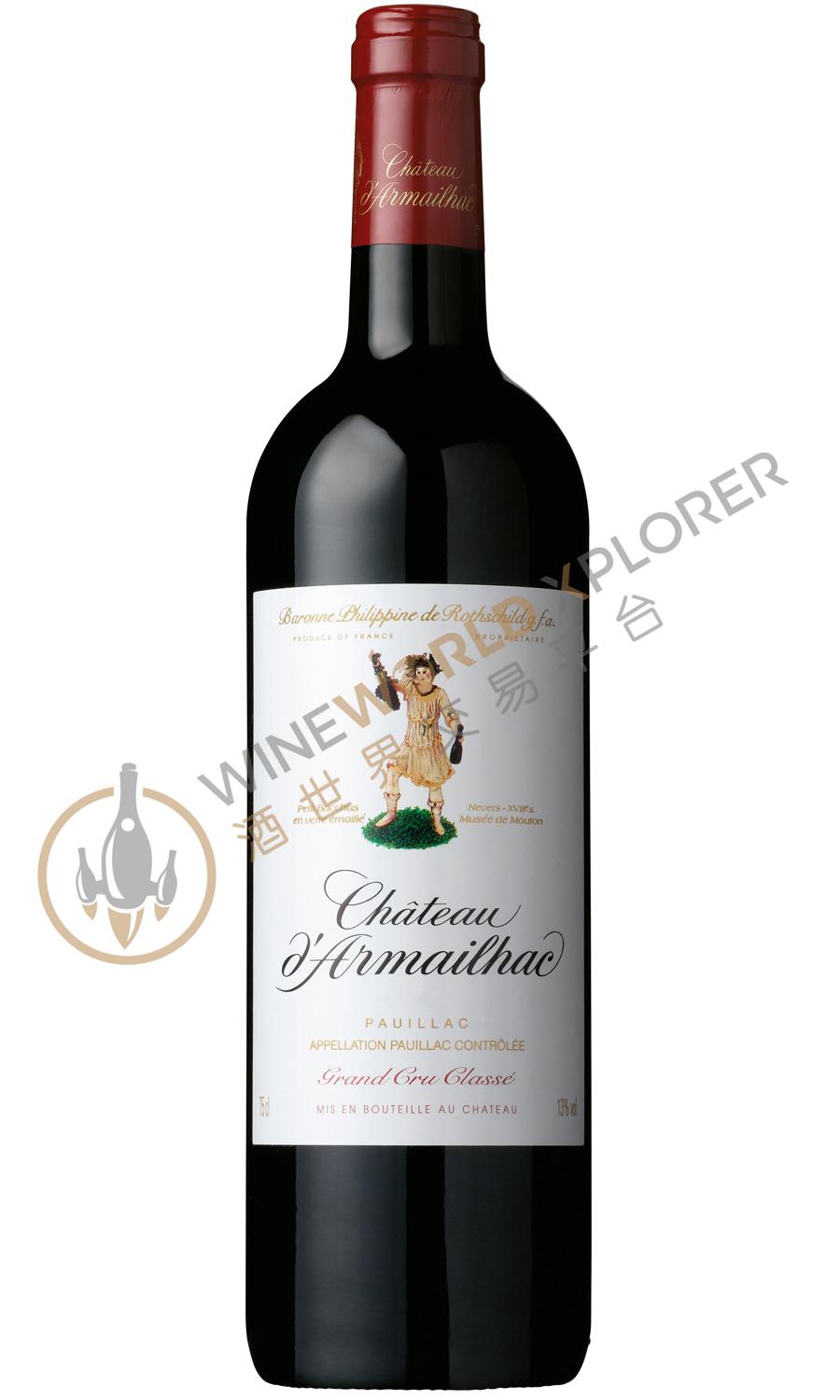
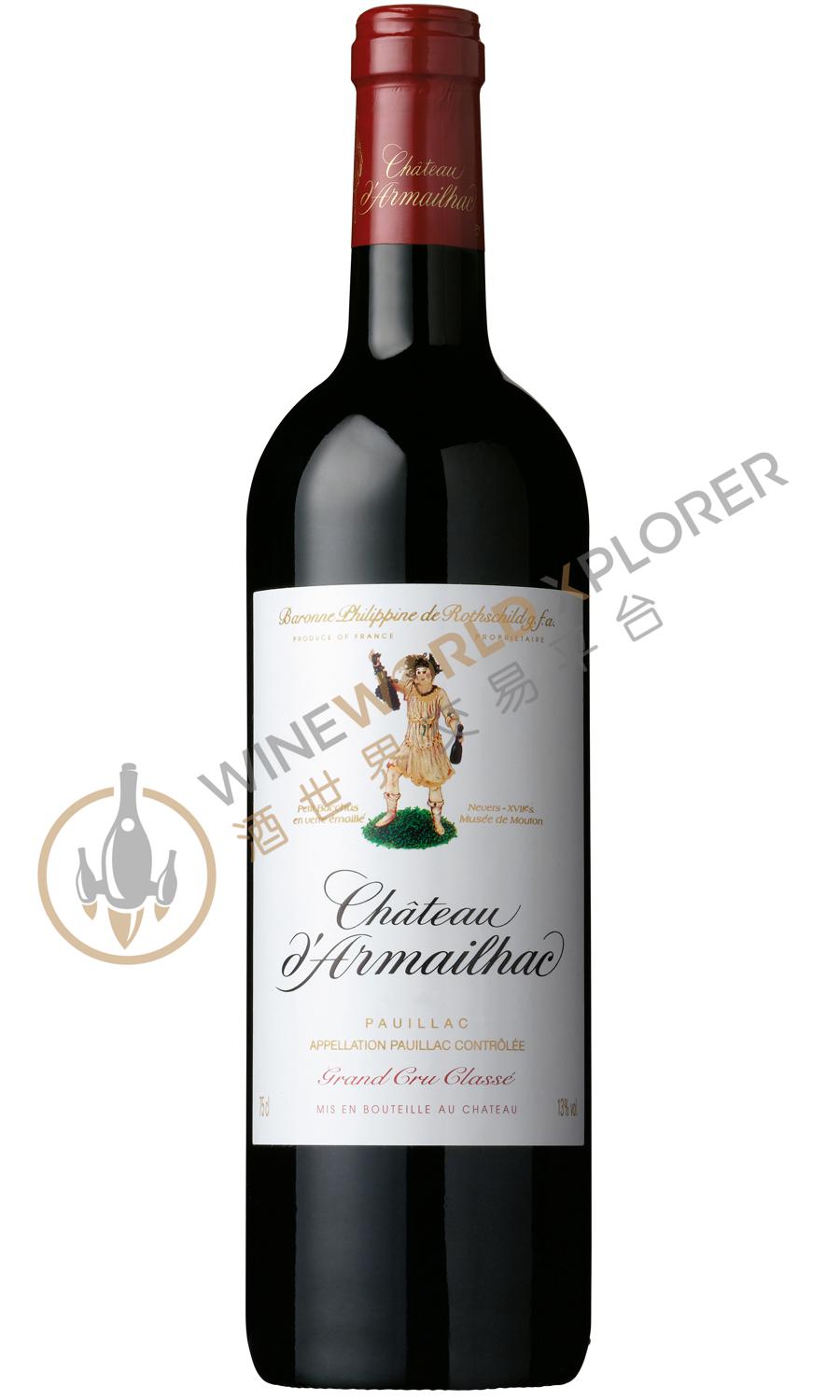
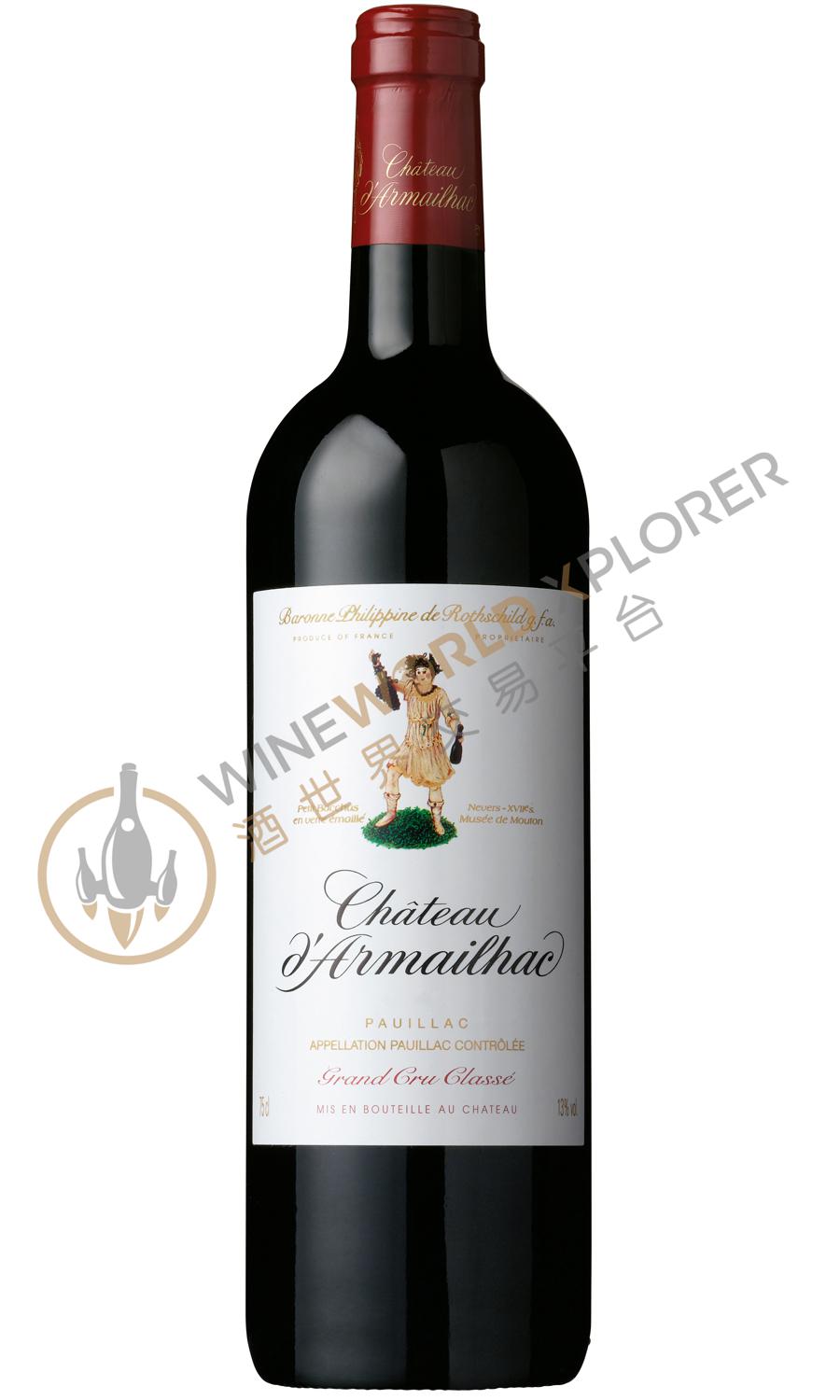
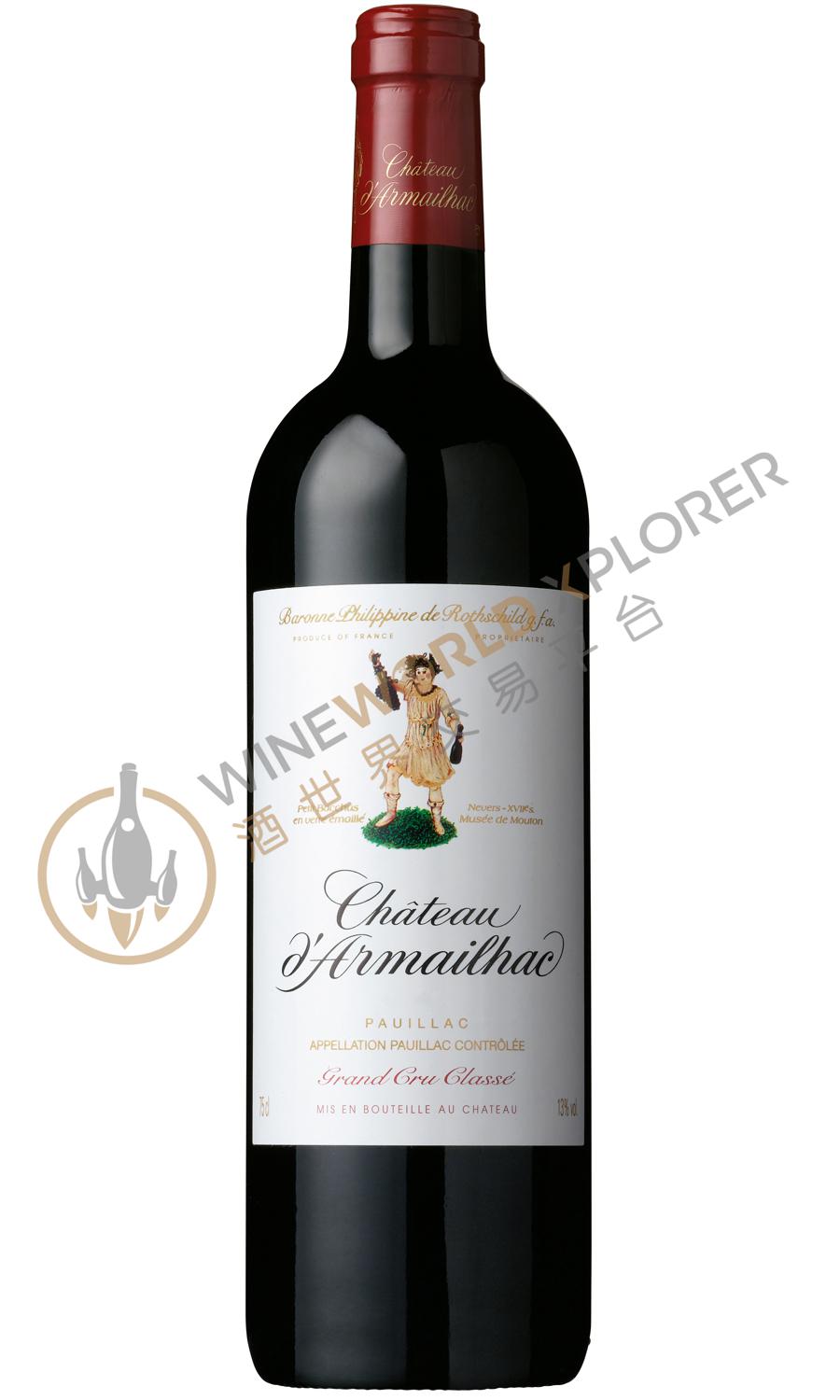
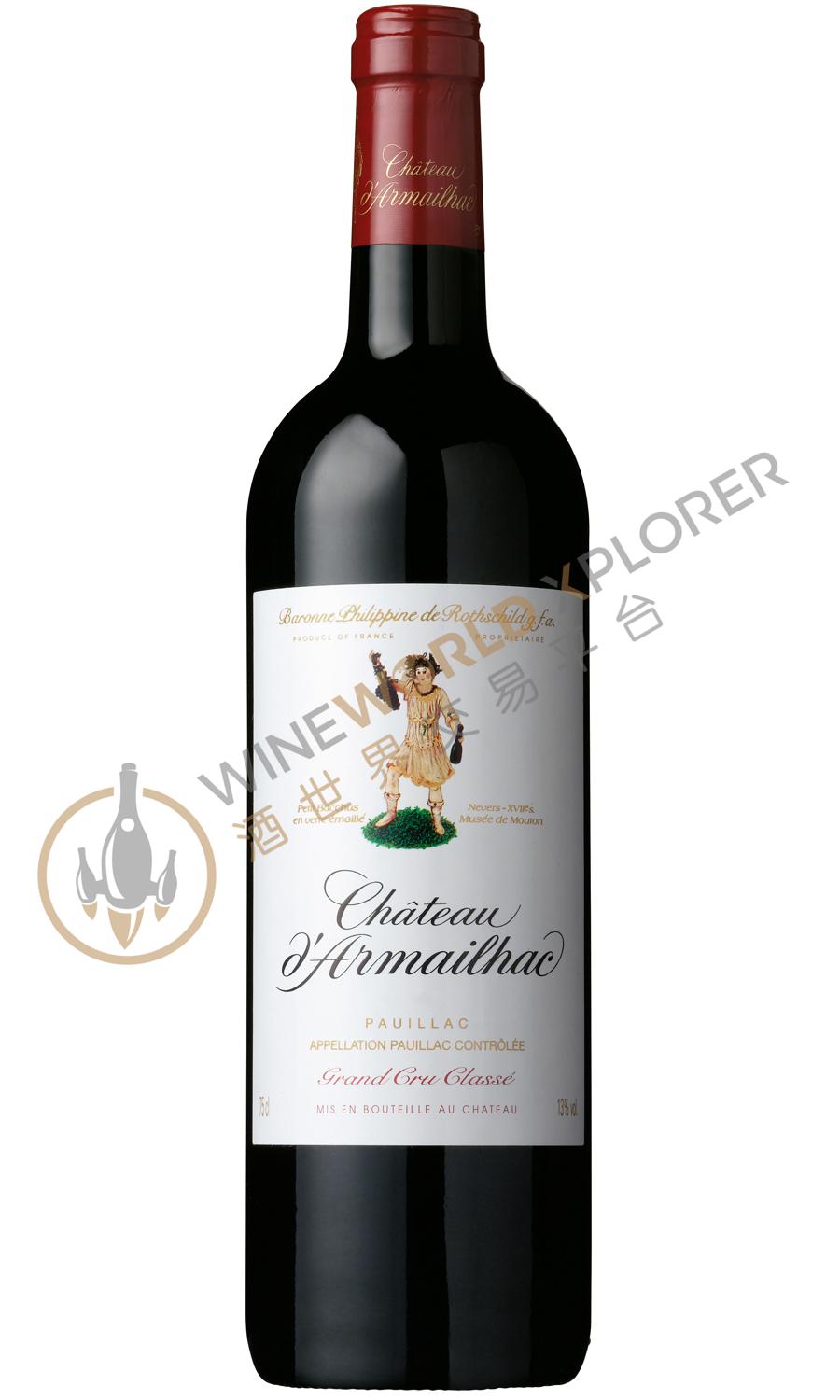
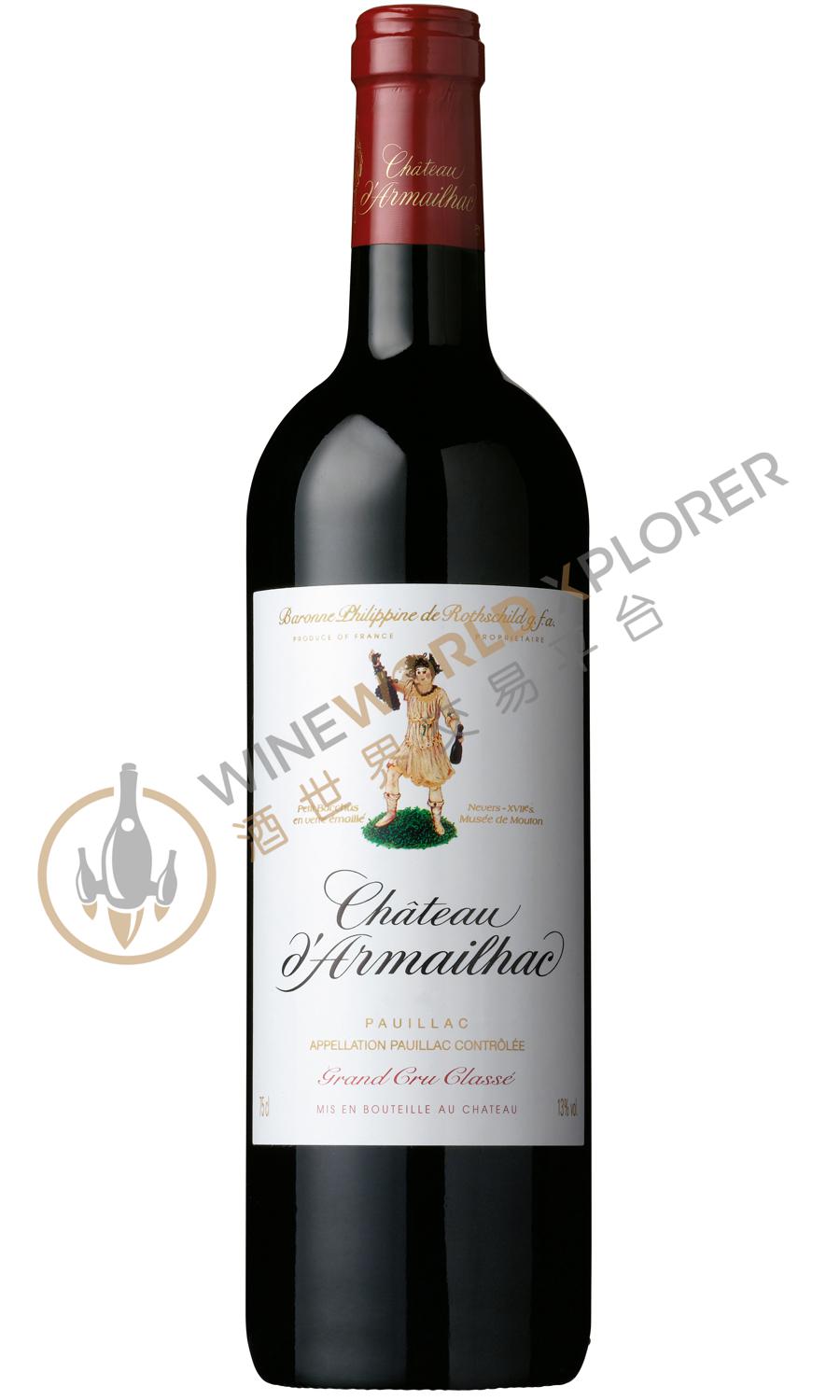
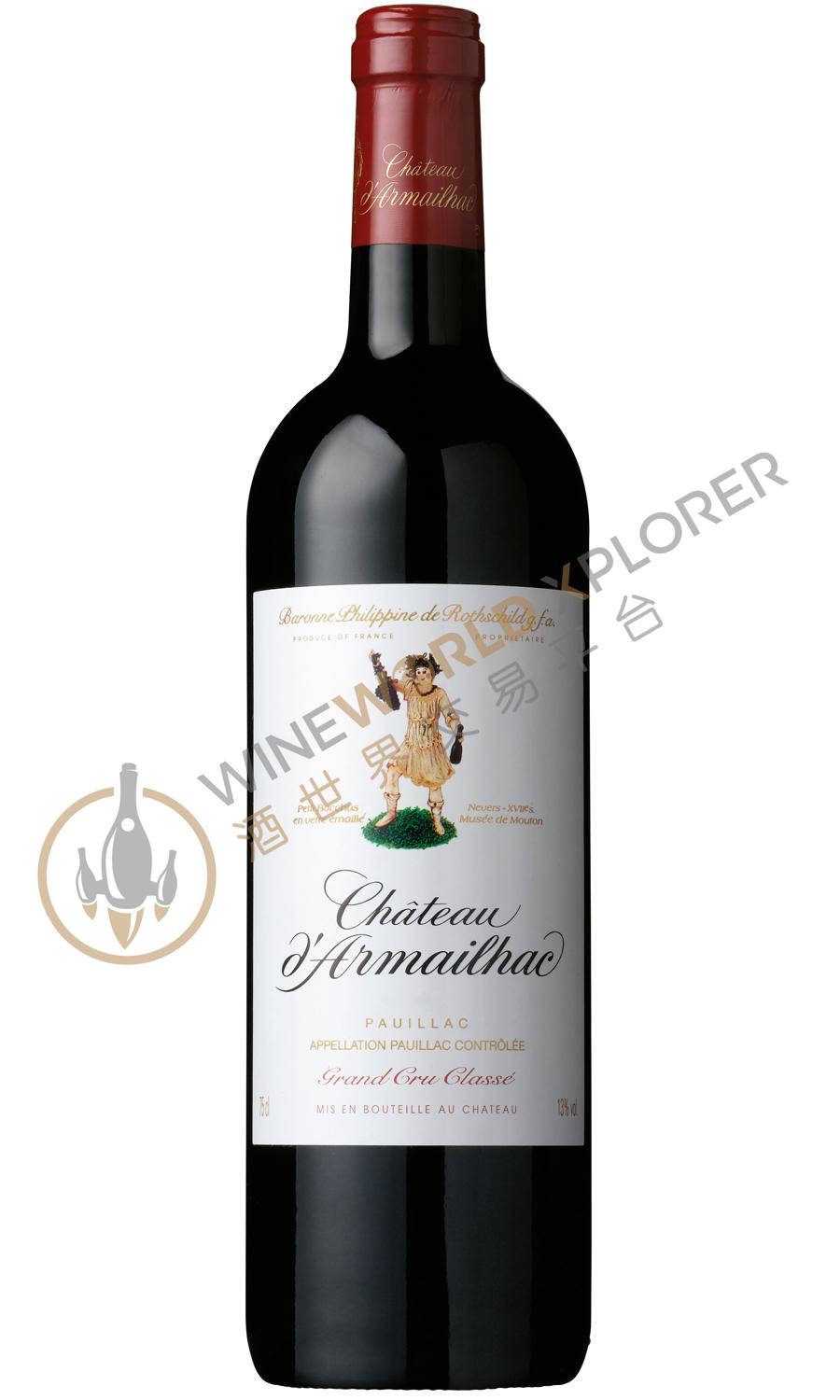
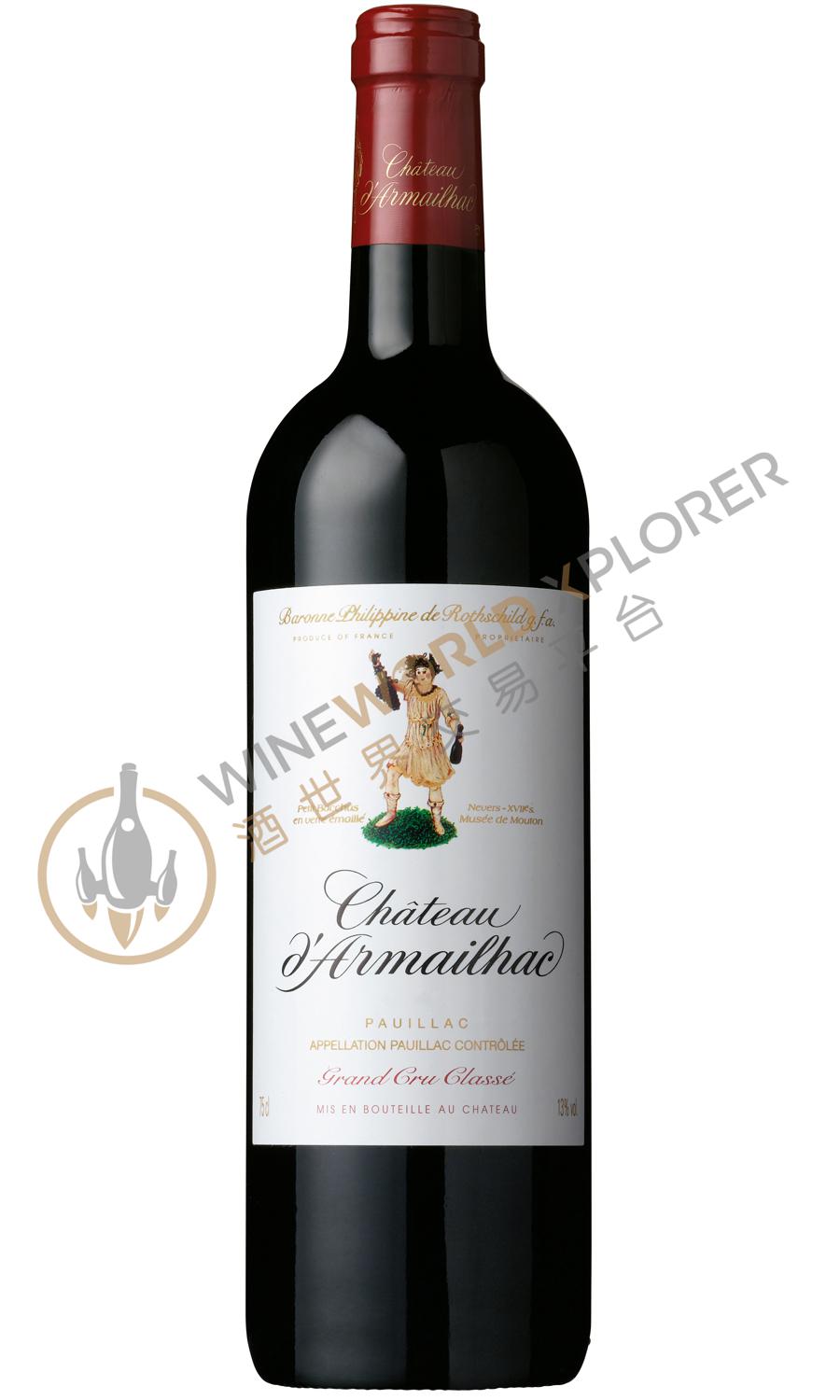
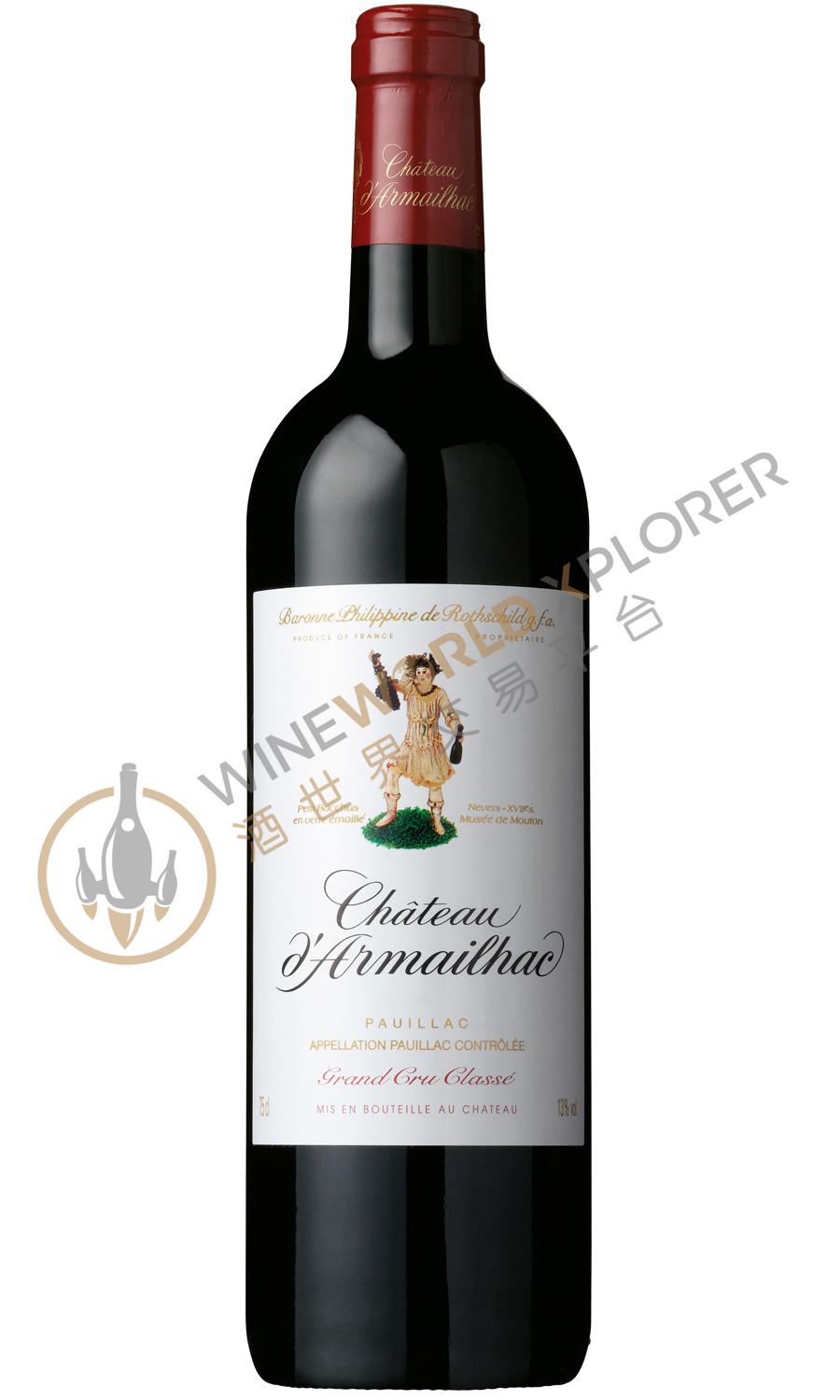
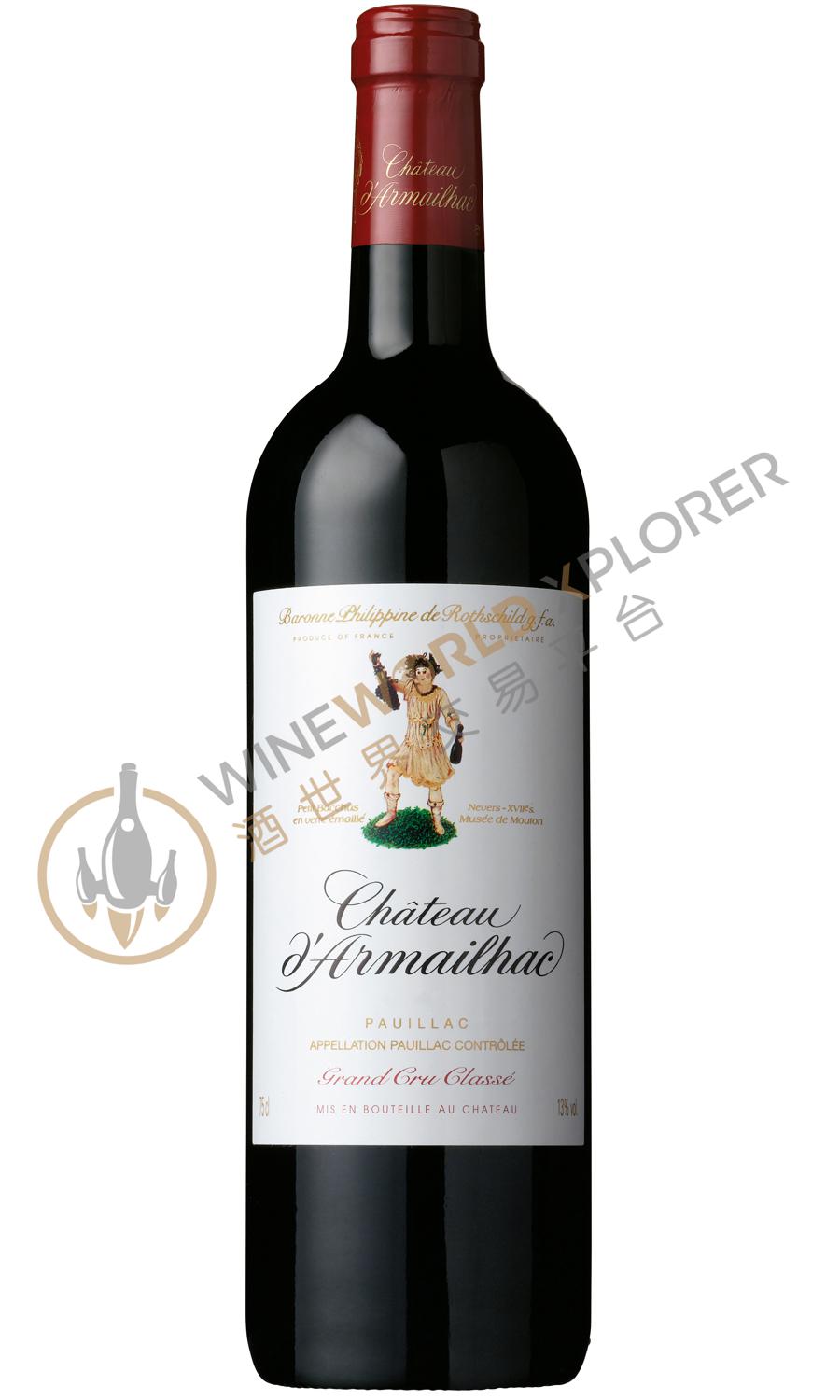
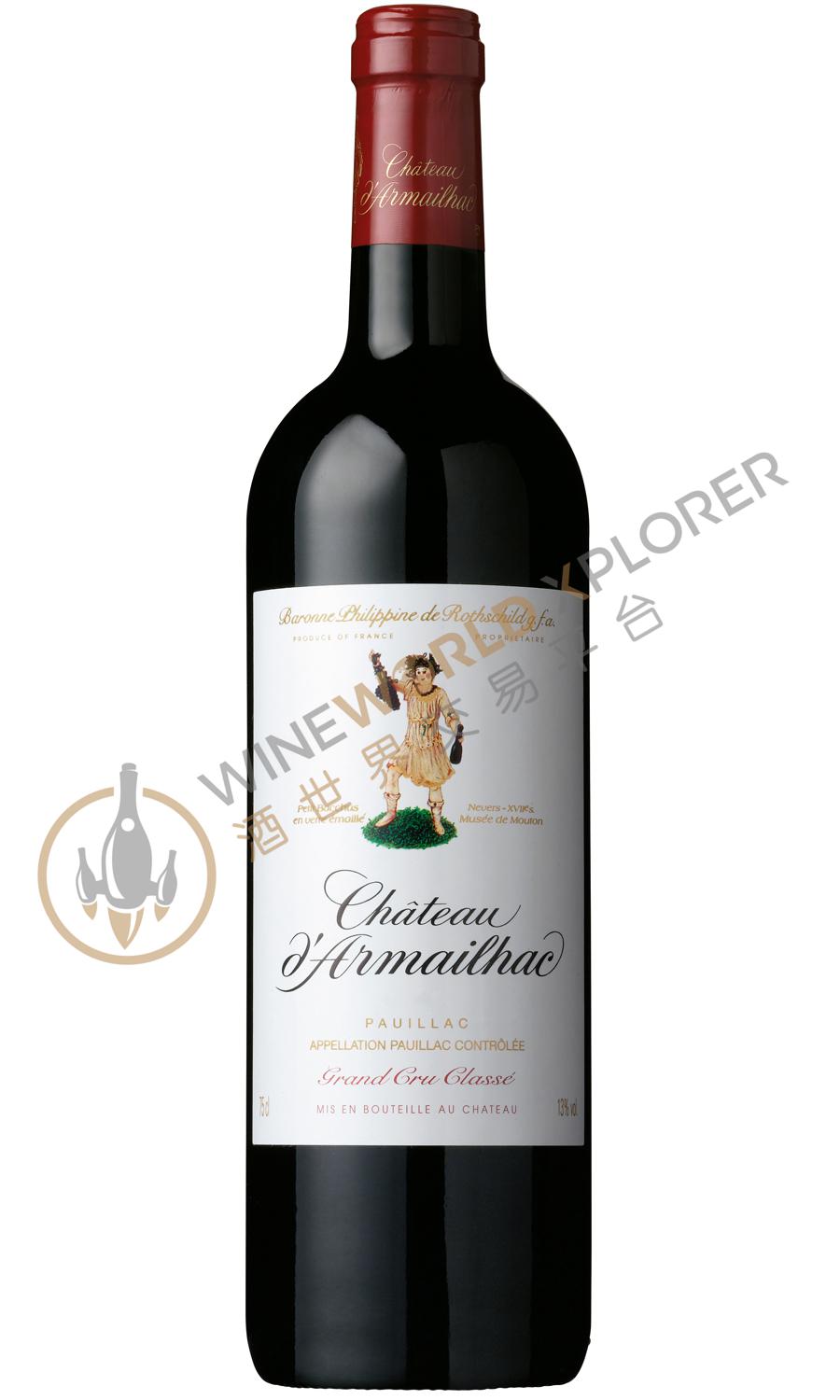
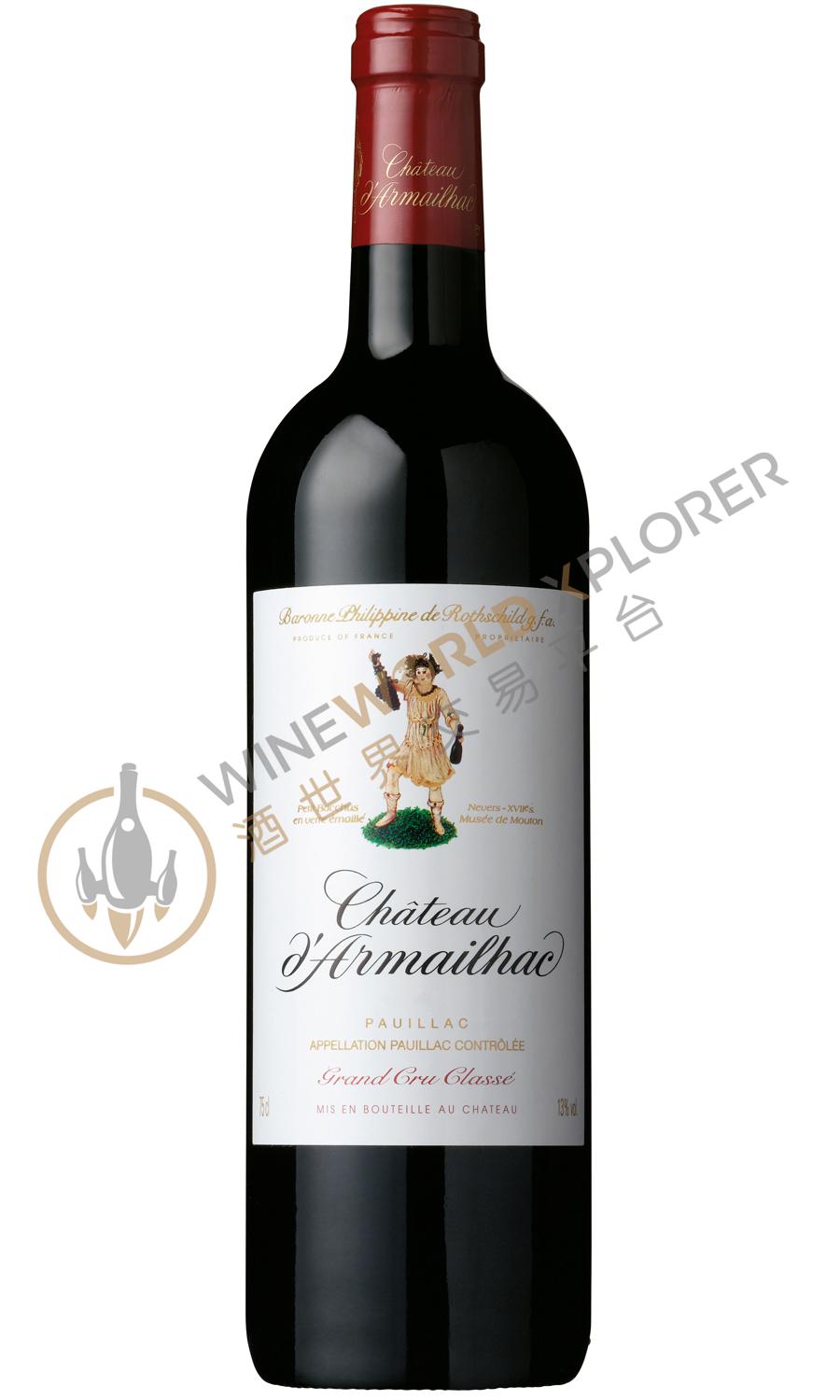
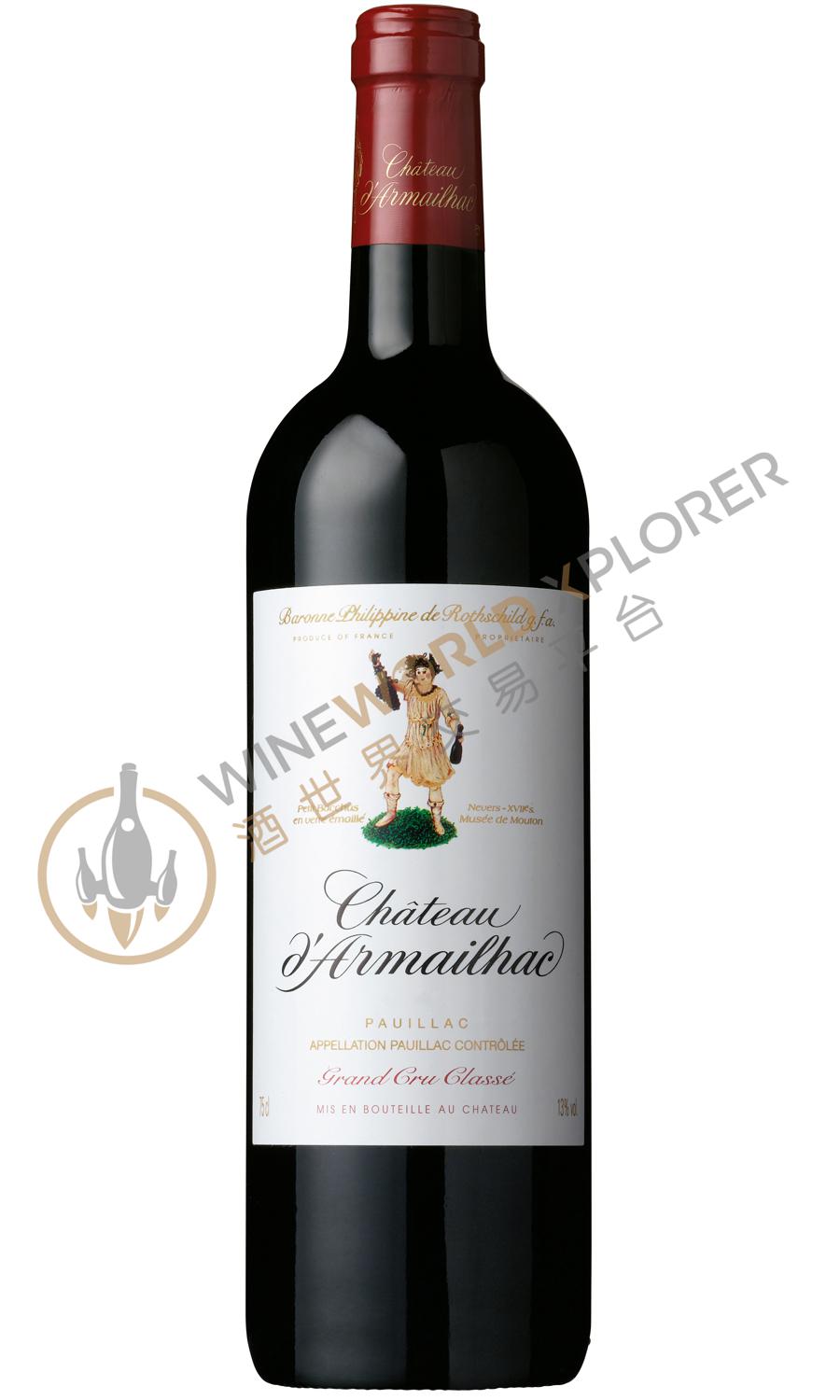
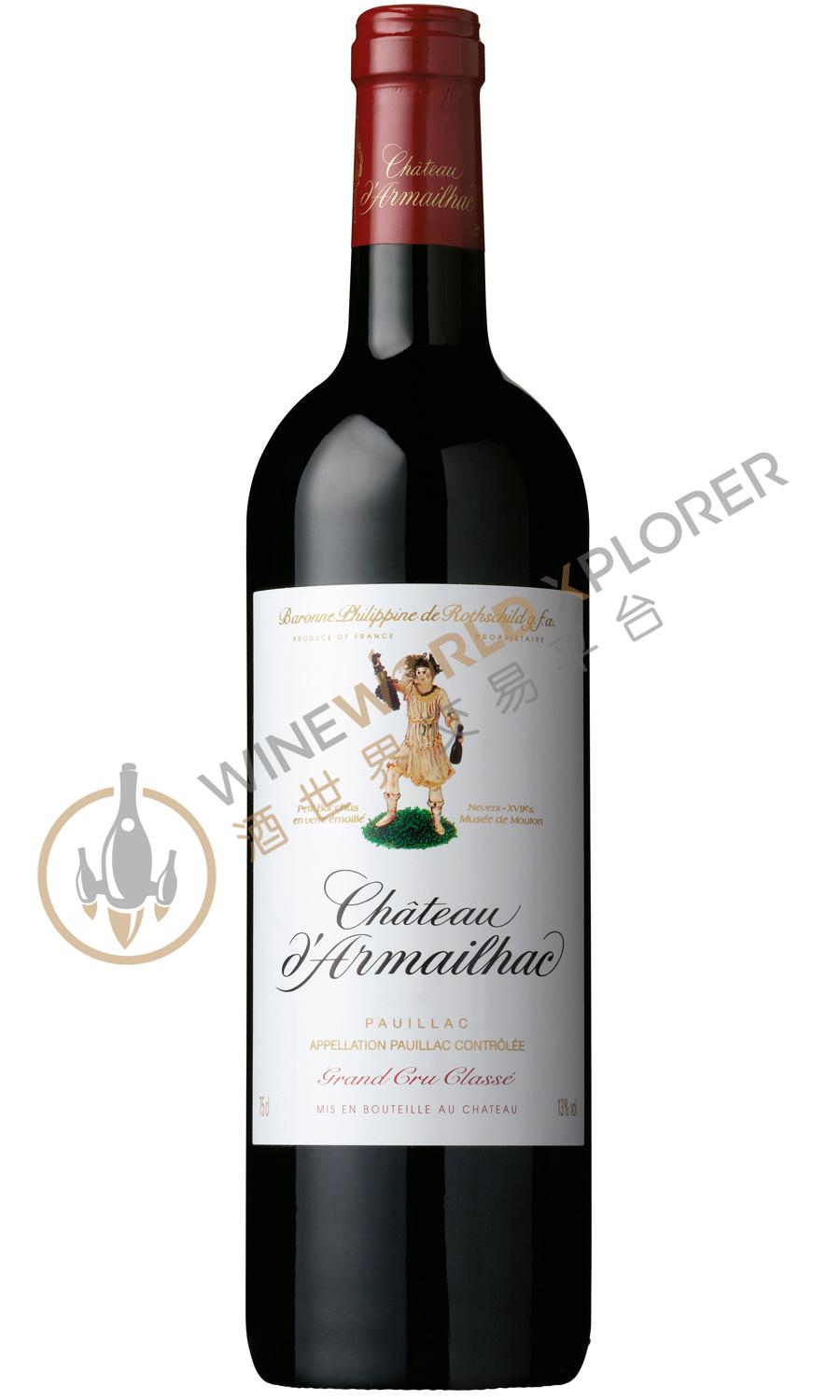
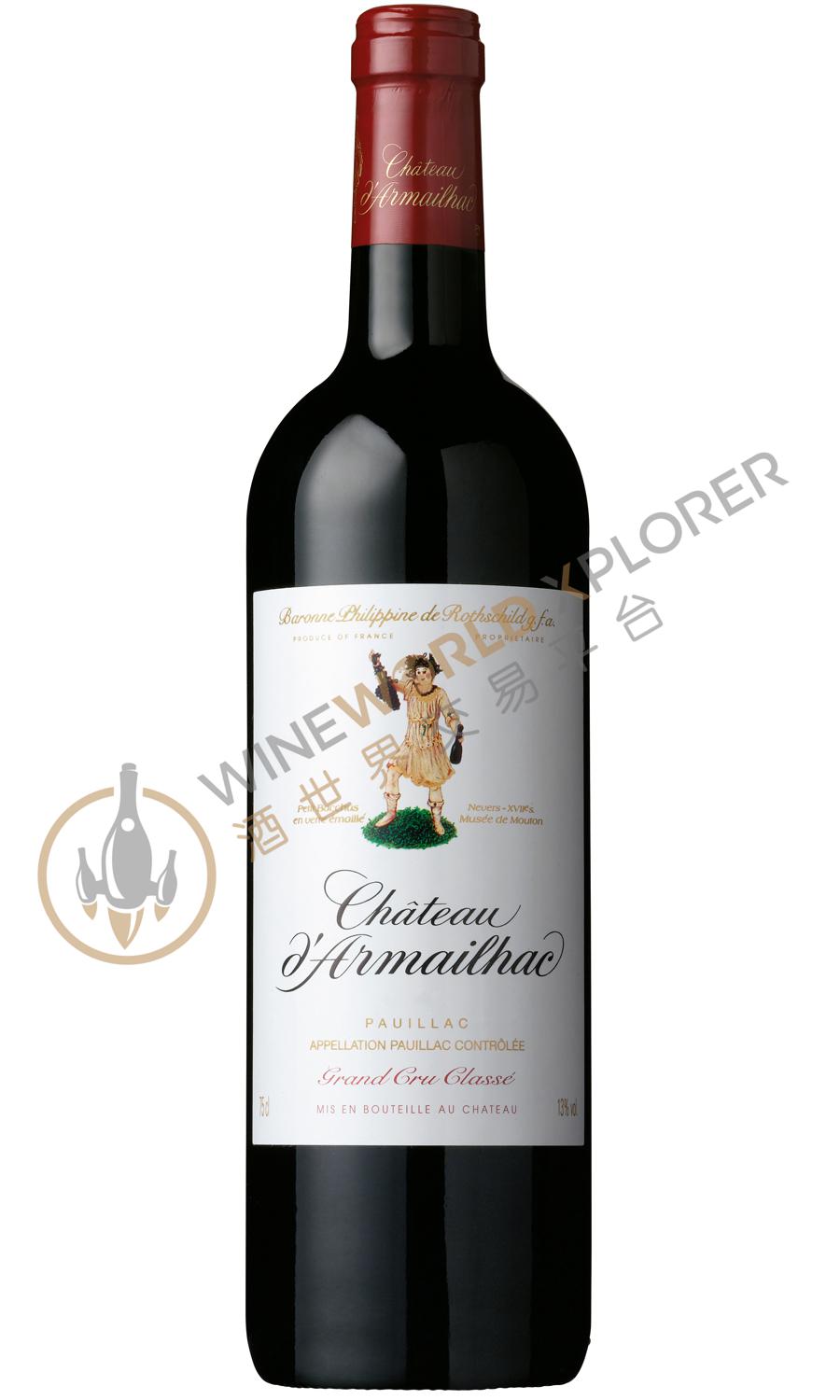
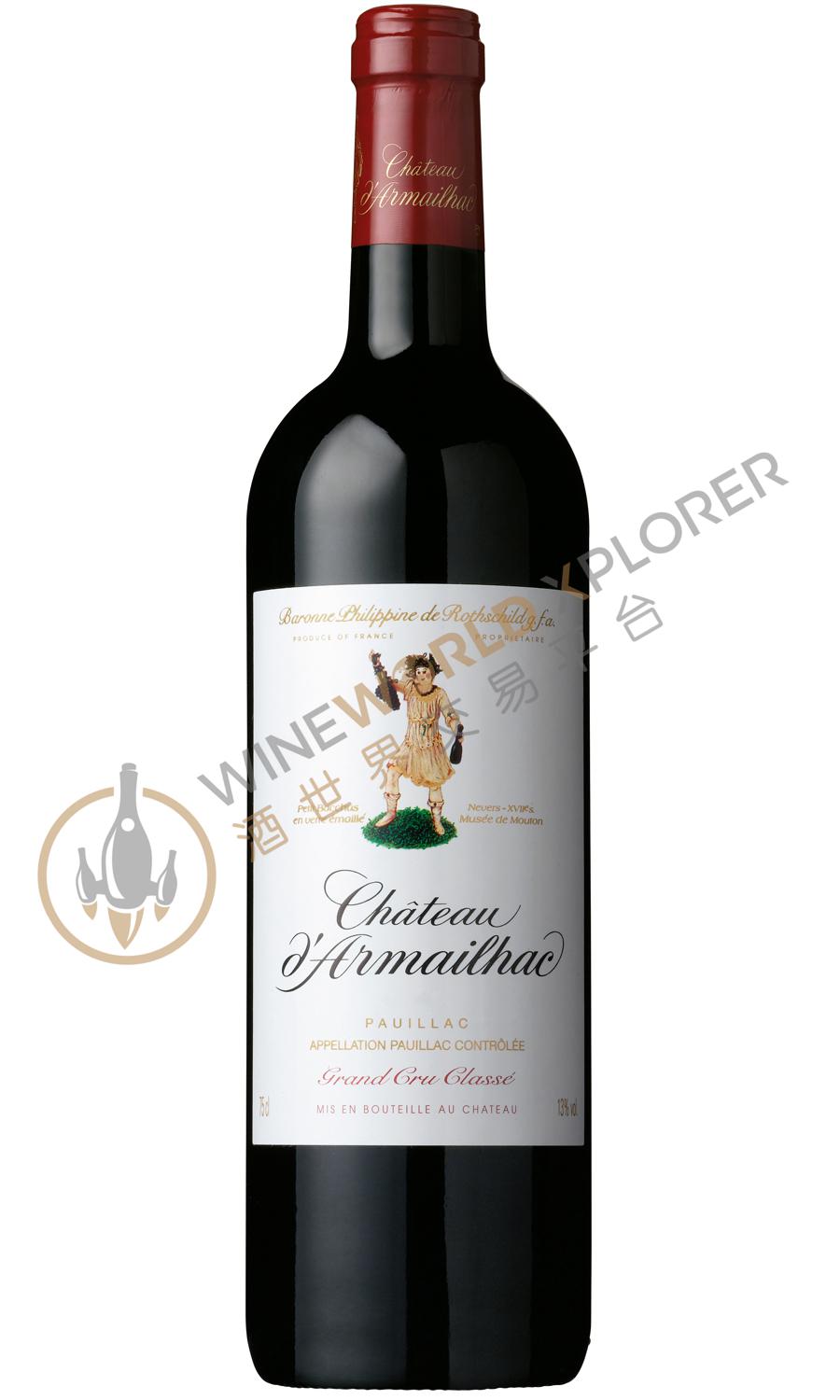
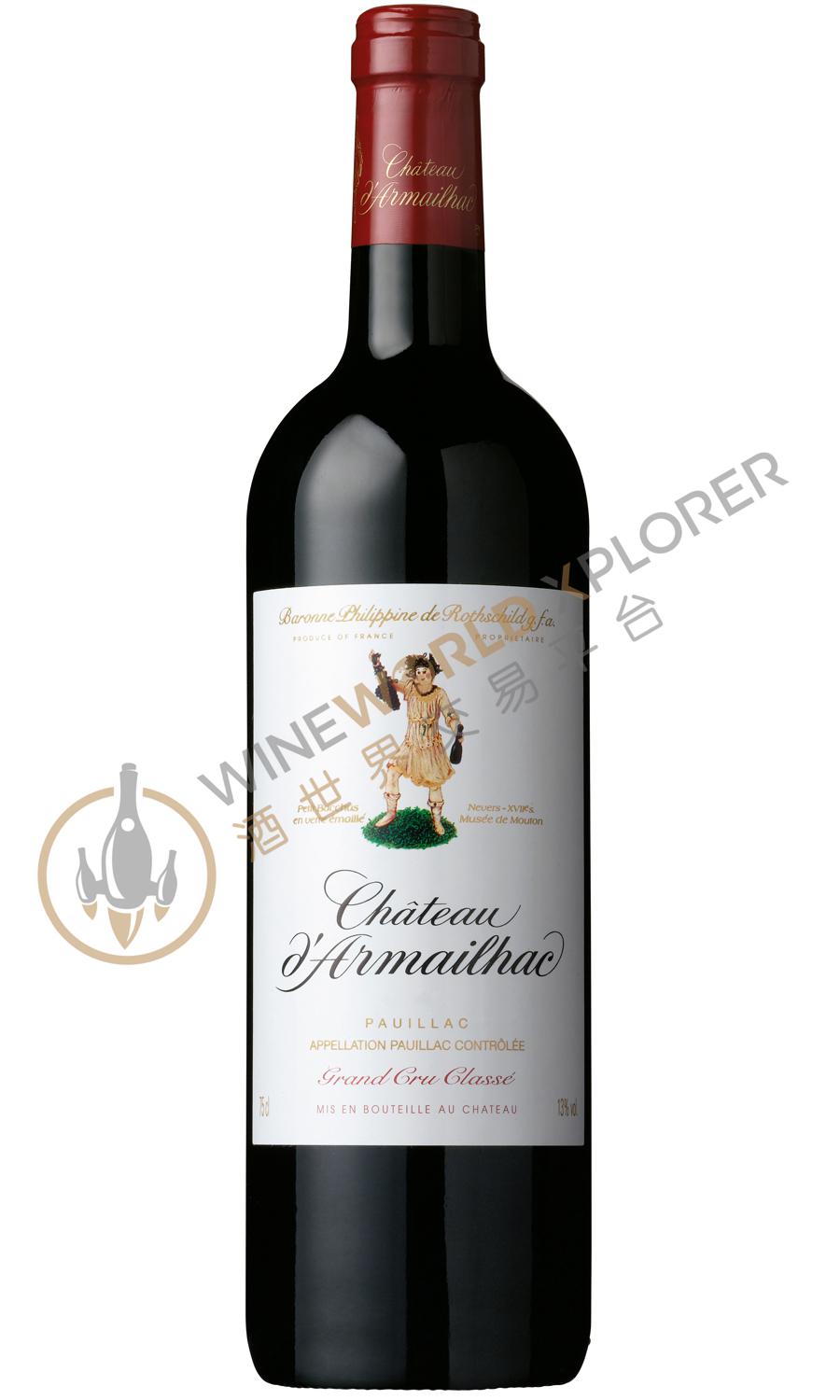
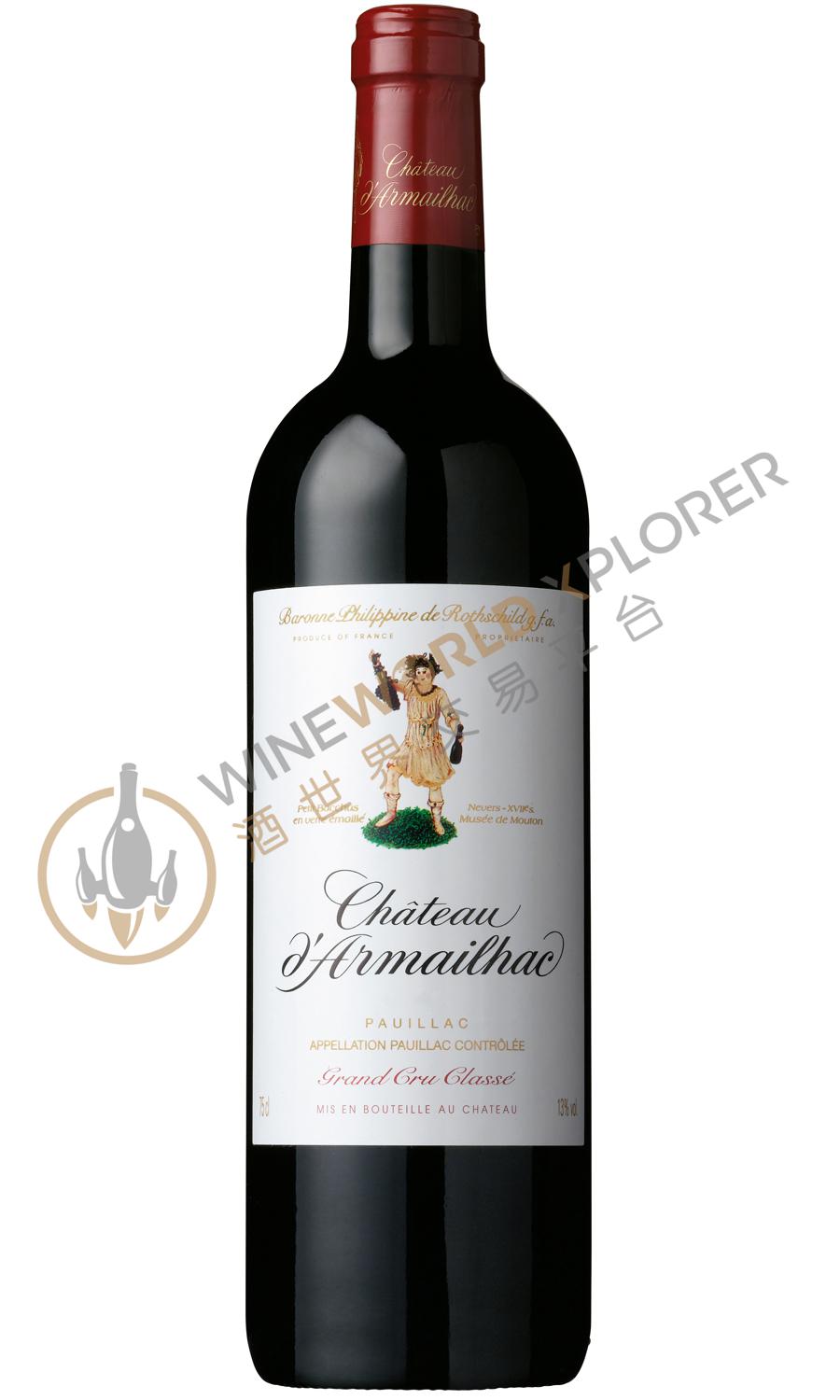
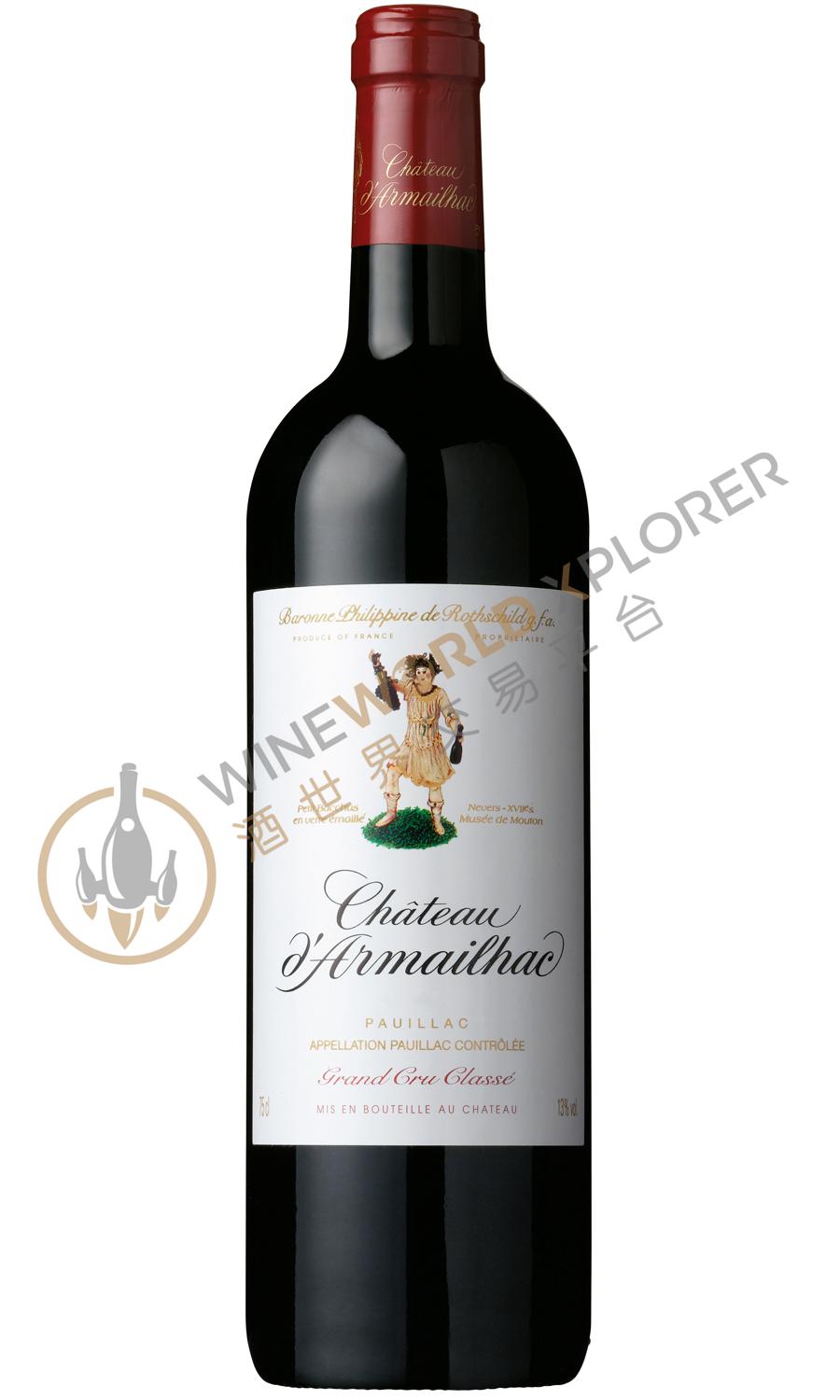
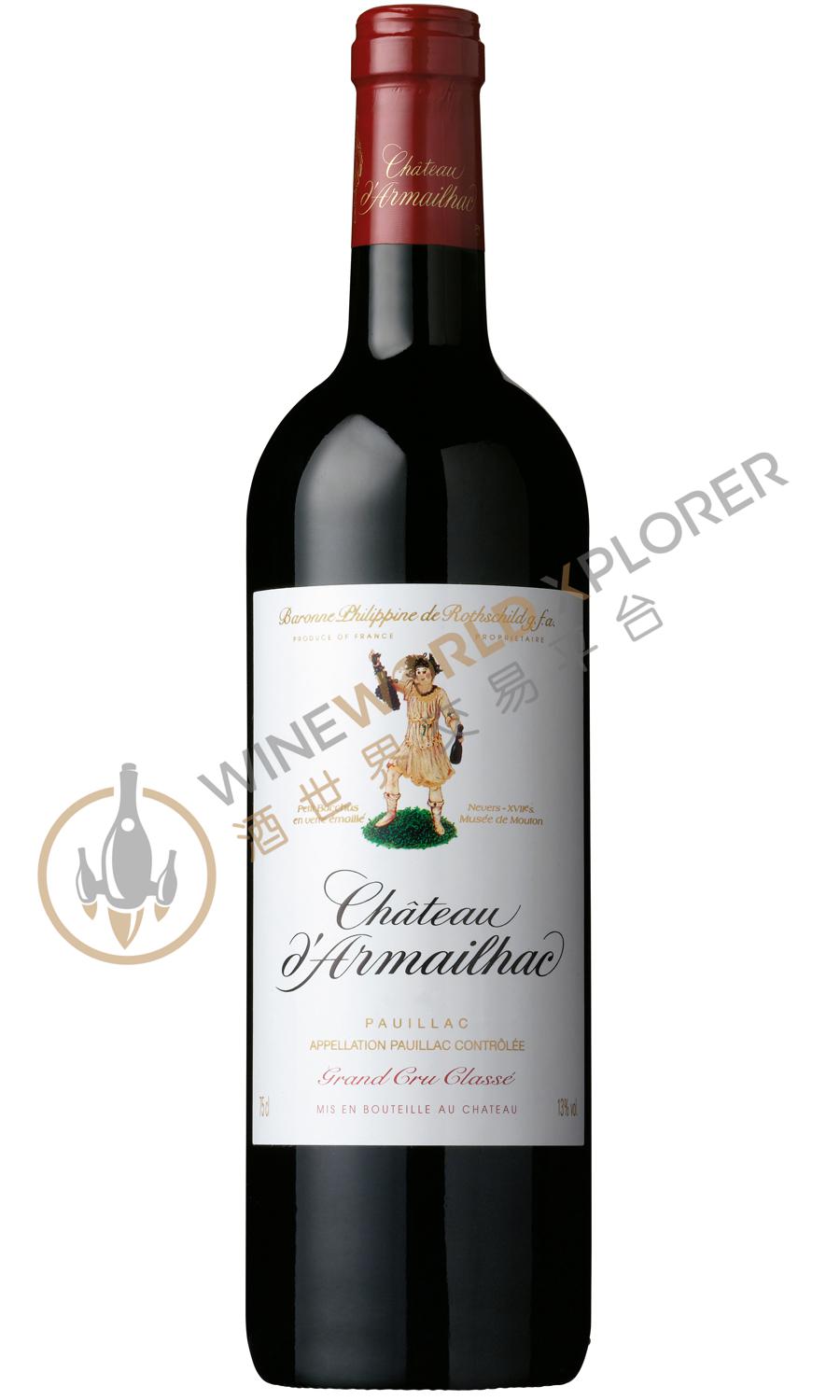
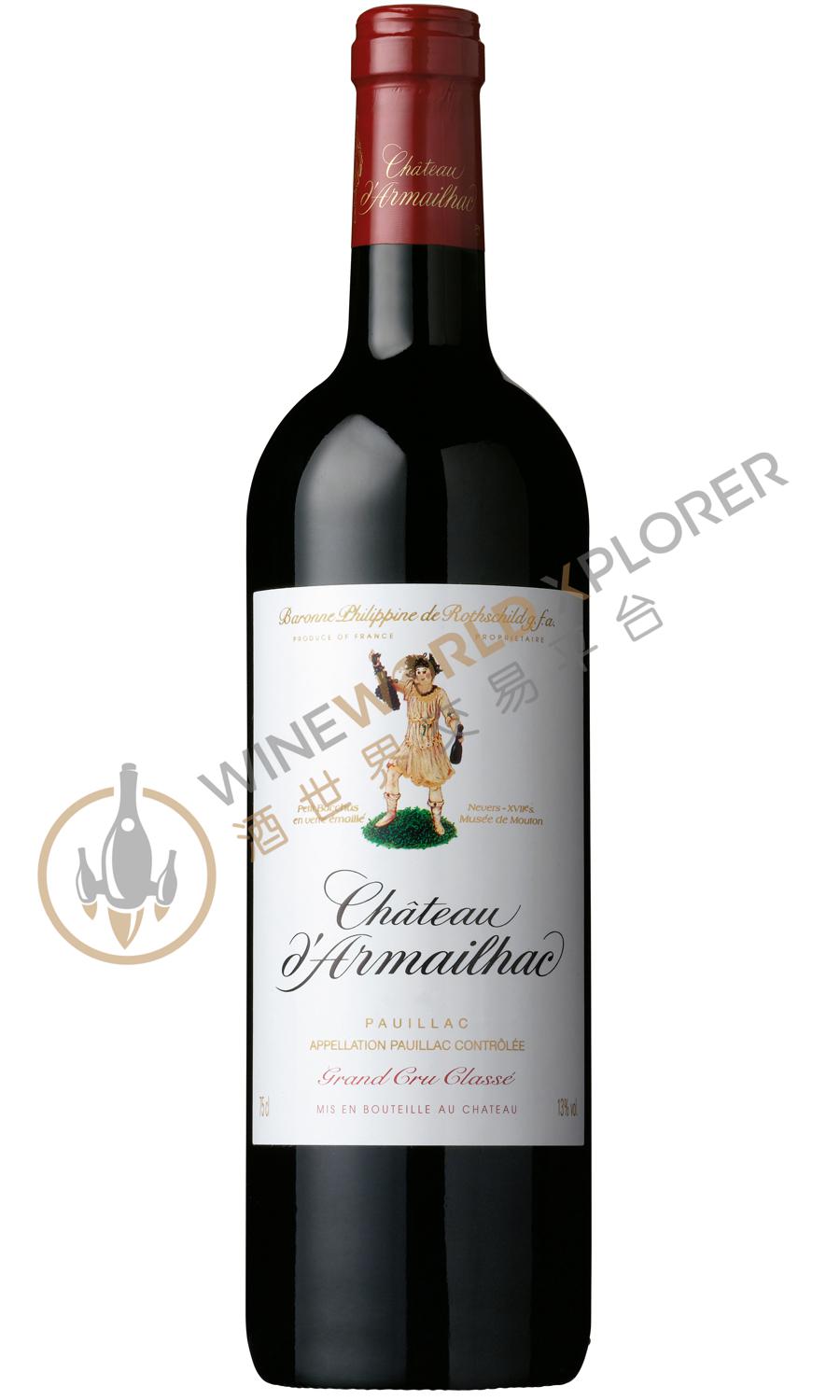
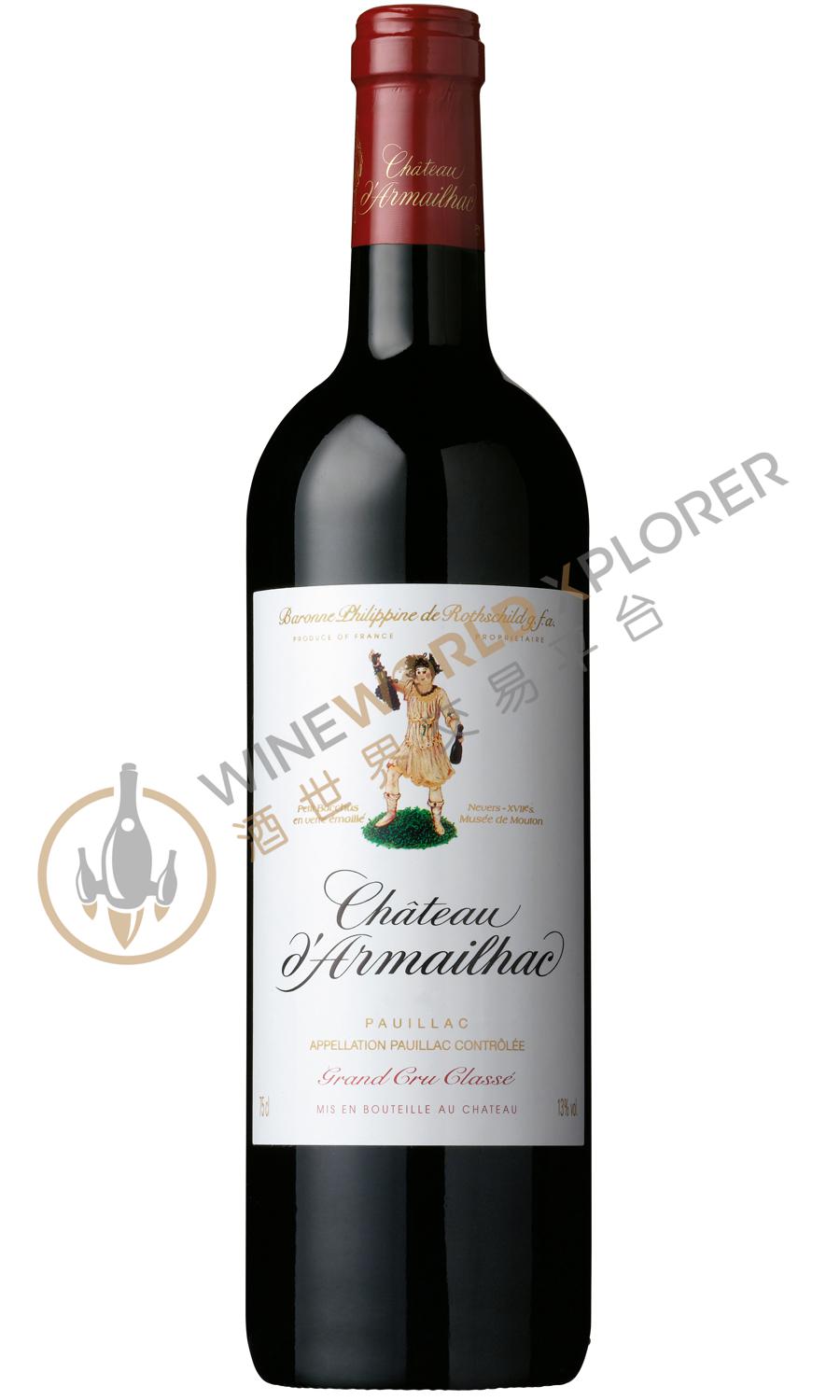
D'Armailhac 2003
 View analysis


Description
Tasting notes

Reviewed by: Neal Martin
This has a very sweet, vanillary nose, lacking a little definition, perhaps sullen. The palate is the opposite: exuberant, quite complex and rich. Chewy tannins, firm structure with notes of dried blood, raisin and Xmas cake leading to an irony finish. One of those wines you cannot help but enjoy, if not a wine that provides an intellectual experience. Drink 2009-2014. Tasted January 2007.
Reviewed by: Neal Martin
Not quite sure about this. A very rich chocolaty nose with mountains of black fruits. Fine, but it's the palate where I found the problem: incredibly tannic. Monolithic with a slightly astringent finish. Like Duhart-Milon, I am aware there could be bottle variation so it is a wine that might iron itself out during barrel aging. But at this point I worry whether the wine is just a bit OTT. Tasted March 2004.
Reviewed by: Robert M. Parker, Jr.
This huge black/purple-colored 2003 reveals tremendous opulence, low acidity, and loads of licorice-infused black fruit. A soft, dense, chewy wine (reminiscent of a 1982), it offers tremendous fruit, power, and intensity. The pH is high (3.92) in this blend of 65% Cabernet Sauvignon, 20% Merlot, 12% Cabernet Franc, 3% Petit Verdot. It should be drinkable within 3-5 years of bottling, and last for 15+ years.
Reviewed by: Neal Martin
Tasted blind at Farr Vintner’s Left Bank tasting. A delightful, fresh, cedar-infused nose with fine definition: freshly rolled tobacco, just a touch of undergrowth, quite classic in style. The palate is medium-bodied, dry and austere on the entry, well defined with a tobacco dominated finish. This is sheer joy. Tasted October 2010.
Reviewed by: Robert M. Parker, Jr.
This wine, which tips the scales at 13.1% alcohol, is a relatively big, soft, plump style of Pauillac with a deep ruby/purple color and a sweet nose of black currants intermixed with licorice, espresso notes, and a hint of coffee. The wine is opulent, medium to full-bodied, chewy, dense, and stylistically seems more approachable and much more seductive than the brawny, muscular 2002. The chateau tends to think this is the best d’Armailhac made in recent memory. The final blend was 65% Cabernet Sauvignon, 20% Merlot, 13% Cabernet Franc, and 2% Petit Verdot. Anticipated maturity: 2009-2020+.
Reviewed by: Neal Martin
Tasted at Bordeaux Index's "10-Year On" tasting in London. The Chateau d'Armailhac has a ripe, dark plum, Morello cherry and mint-scented bouquet with touches of leather emerging with aeration. The palate is medium-bodied with a savoury, slightly gamey entry. There is good weight and volume here, decent acidity and a pleasant build in the mouth to the meaty finish with just a dash of white pepper. Fine. Tasted March 2013.
Reviewed by: Robert M. Parker, Jr.
The deep ruby/purple-hued 2003 d’Armailhac exhibits notes of Asian plum sauce interwoven with creme de cassis, licorice, and roasted herbs. With moderately high yet sweet tannin, an earthy character, and chewy, muscular, deep fruit as well as medium to full body, it should be drunk between 2008-2019.
Reviewed by: James Suckling
Very fruity with strawberry and currants on the nose. Full bodied, with silky tannins and a long, fruity finish. Notes of toasted oak and spice develop on the palate, but this still needs some bottle age. Pull the cork after 2013. Find the wine
About the Producer
The existence of Château d’Armailhac dates back to the late 17th century, as evidenced in a land register from 1680 which mentions the brothers Dominique and Guilhem Armailhacq, owners of parcels of land in Pauillac. Another land register from 1750 notes that their descendants have “planted with vines” the family estate, covering 15 to 16 hectares (37-39 acres). By the end of the 18th century the estate has grown to 52 hectares (128 acres) but the brokers of the time describe its wine as “disappointingly thin”. Throughout the following century, Mouton d’Armailhacq’s owners work unceasingly to improve its quality, using techniques such as topping-up, running-off, barrel disinfection and fining. Their efforts are rewarded in 1831, when the wines of Mouton d’Armailhacq sell for twice as much as their more highly reputed neighbours. The ultimate recompense, Château Mouton d’Armailhacq is given Fifth Growth status in the 1855 Classification – the same one which made Château Mouton Rothschild “First of the Seconds”. The “first wine”, the only one authorised to bear the growth’s name, is distinguished from the “second wine”, less rich and sold for consumption in local taverns. In 1931, the young Baron Philippe de Rothschild became a minority shareholder of the Société Anonyme du Domaine de Mouton d’Armailhacq, then in 1933 acquired all the shares from the Comte de Ferrand in return for a life annuity. A year later, on the Comte de Ferrand’s death, he became the effective owner of the estate. The Mouton d’Armailhacq portfolio included the Société Vinicole de Pauillac, forerunner of what is now Baron Philippe de Rothschild SA. Inseparable from Château Mouton Rothschild, Château Mouton d’Armailhacq houses all the technical and agricultural equipment for the two estates in its extensive outbuildings. From 1956 to 1988, the wine was called Mouton Baron Philippe, then Mouton Baronne Philippe. A Fifth Growth of acknowledged quality, its original identity as Château d’Armailhac was patly restored in 1989.
1964(2)1973(1)1978(1)1986(1)1987(1)1989(1)1995(2)1996(2)2000(4)2001(5)2002(1)
Package Size