Wine Advisor



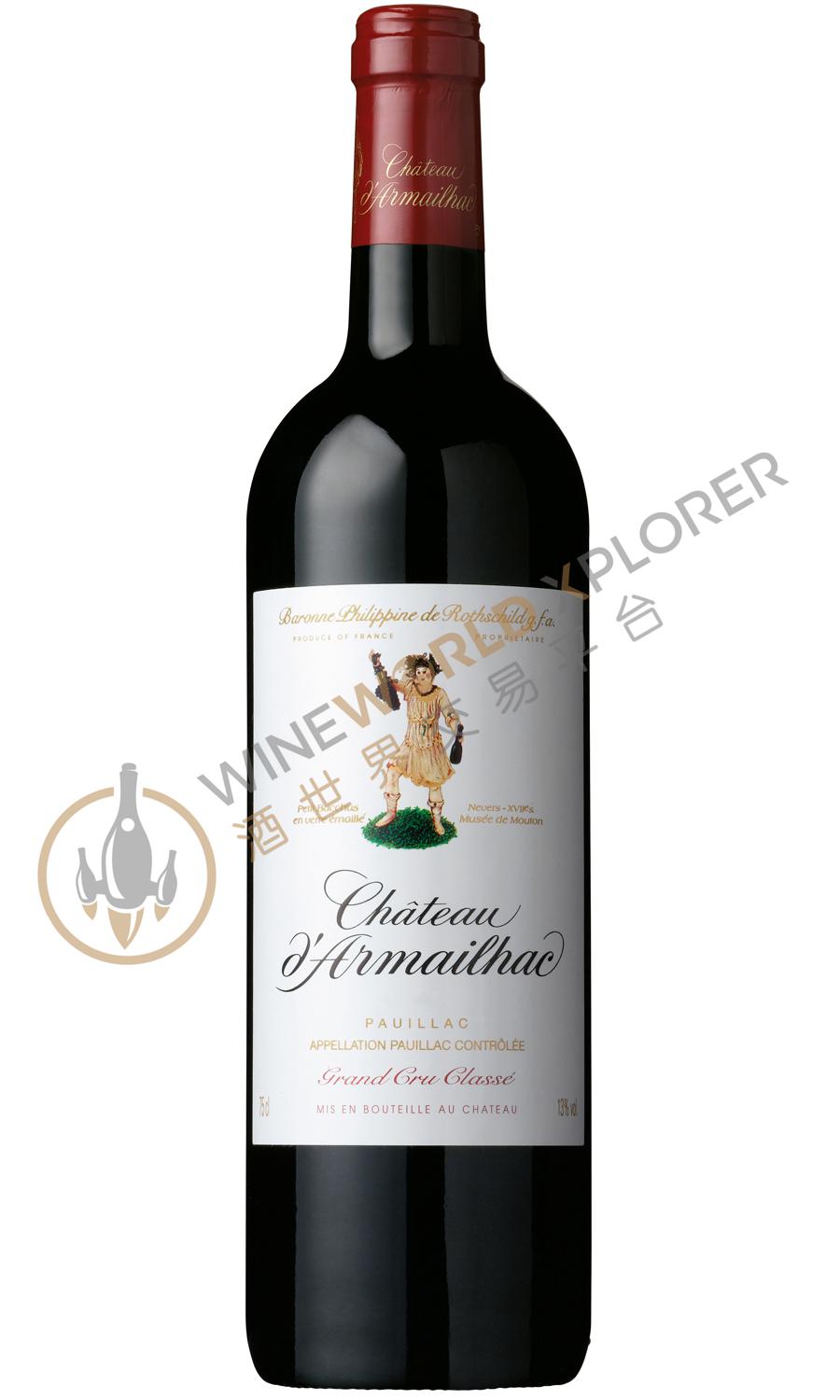
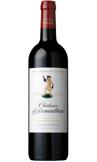
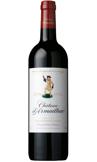
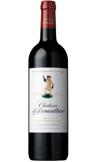
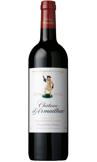
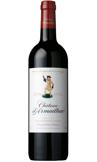
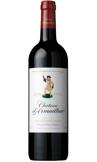
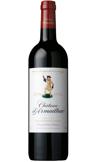
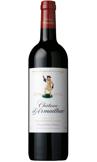
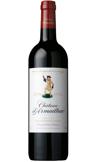
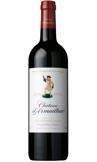
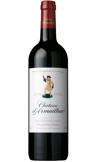
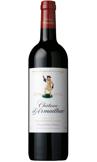
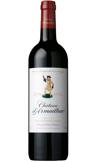
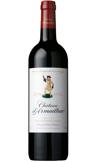
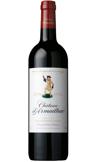
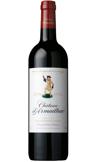
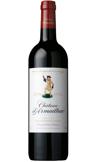
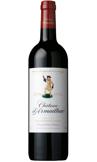
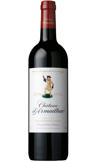
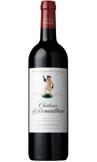
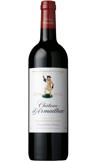
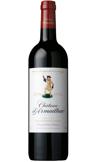
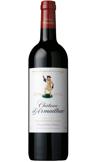
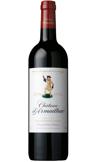
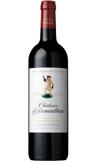
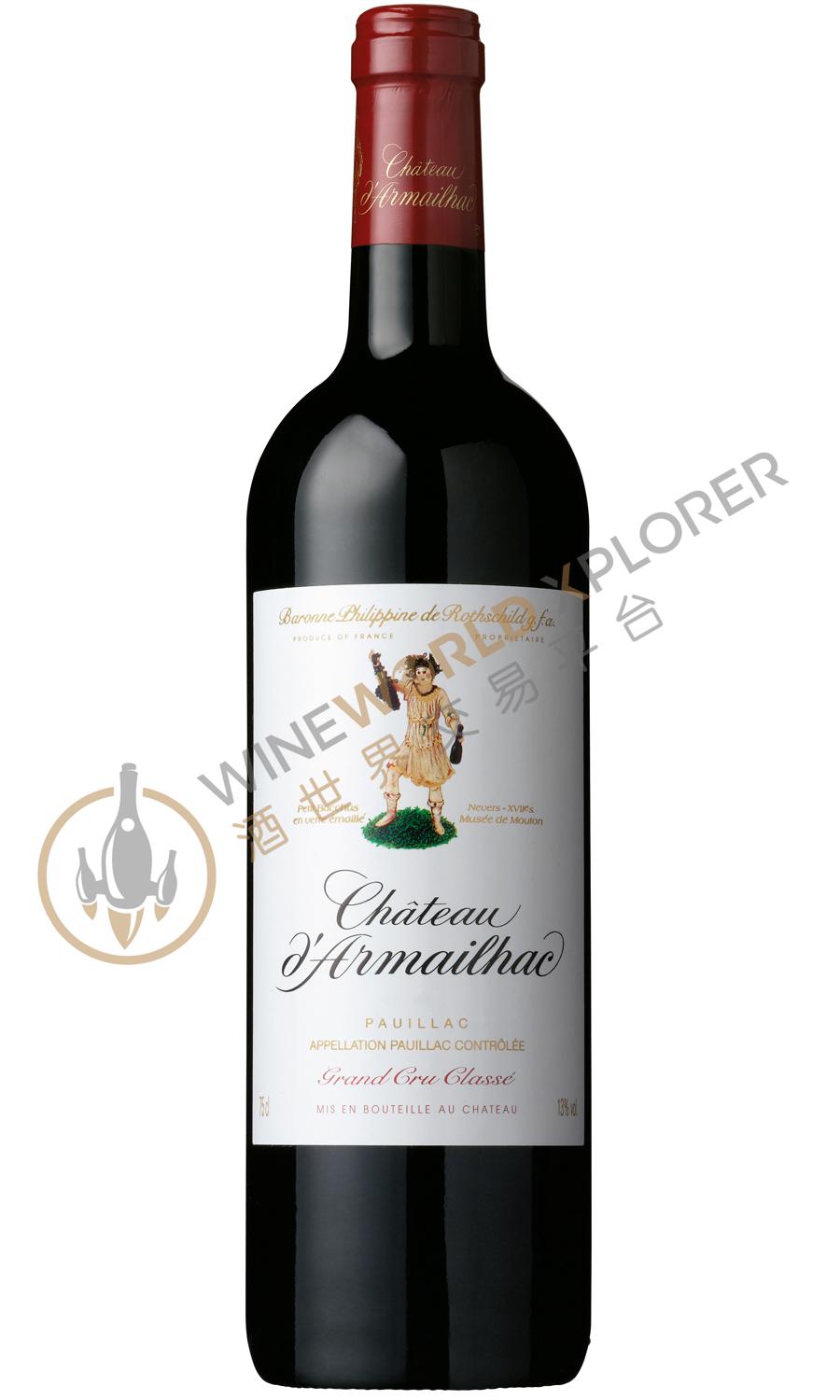
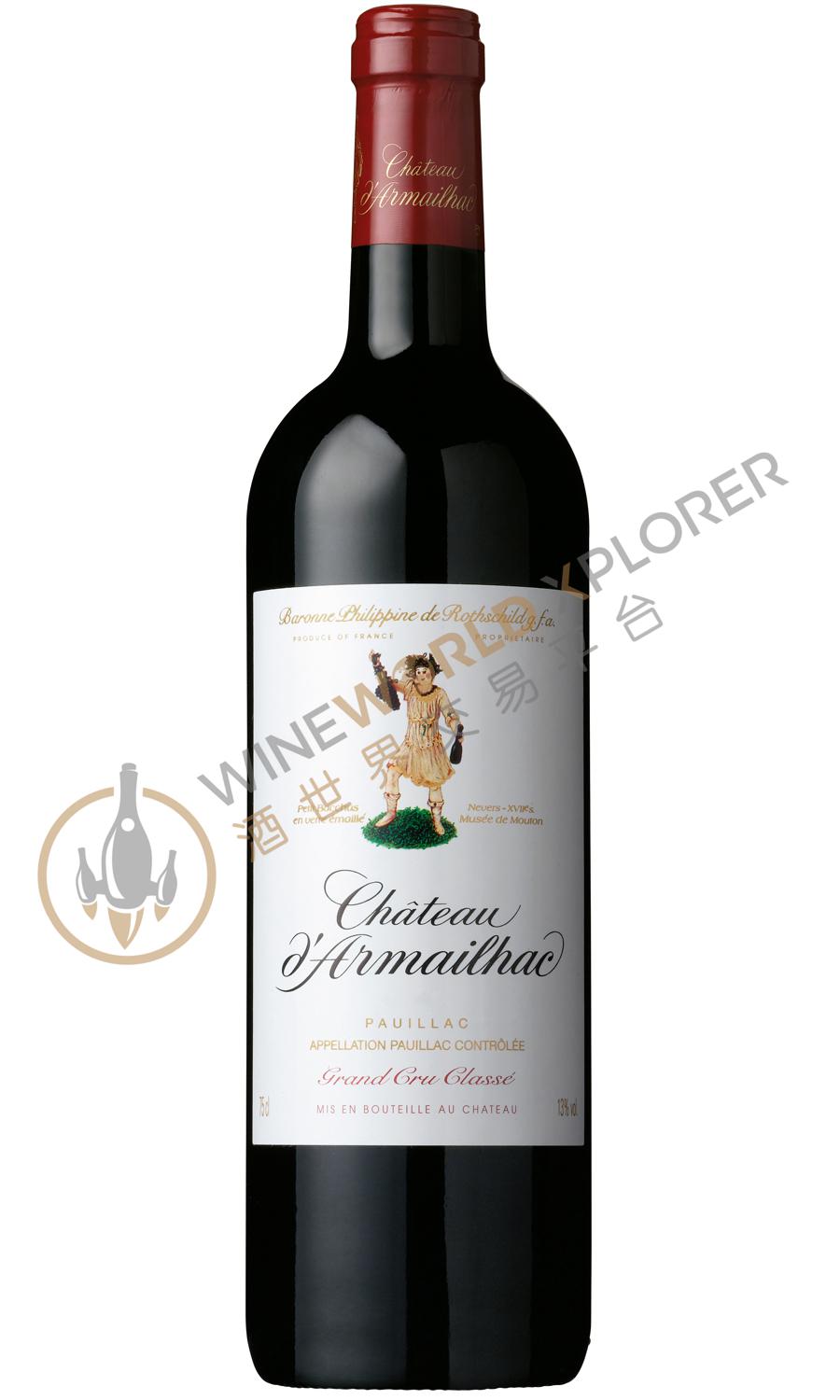
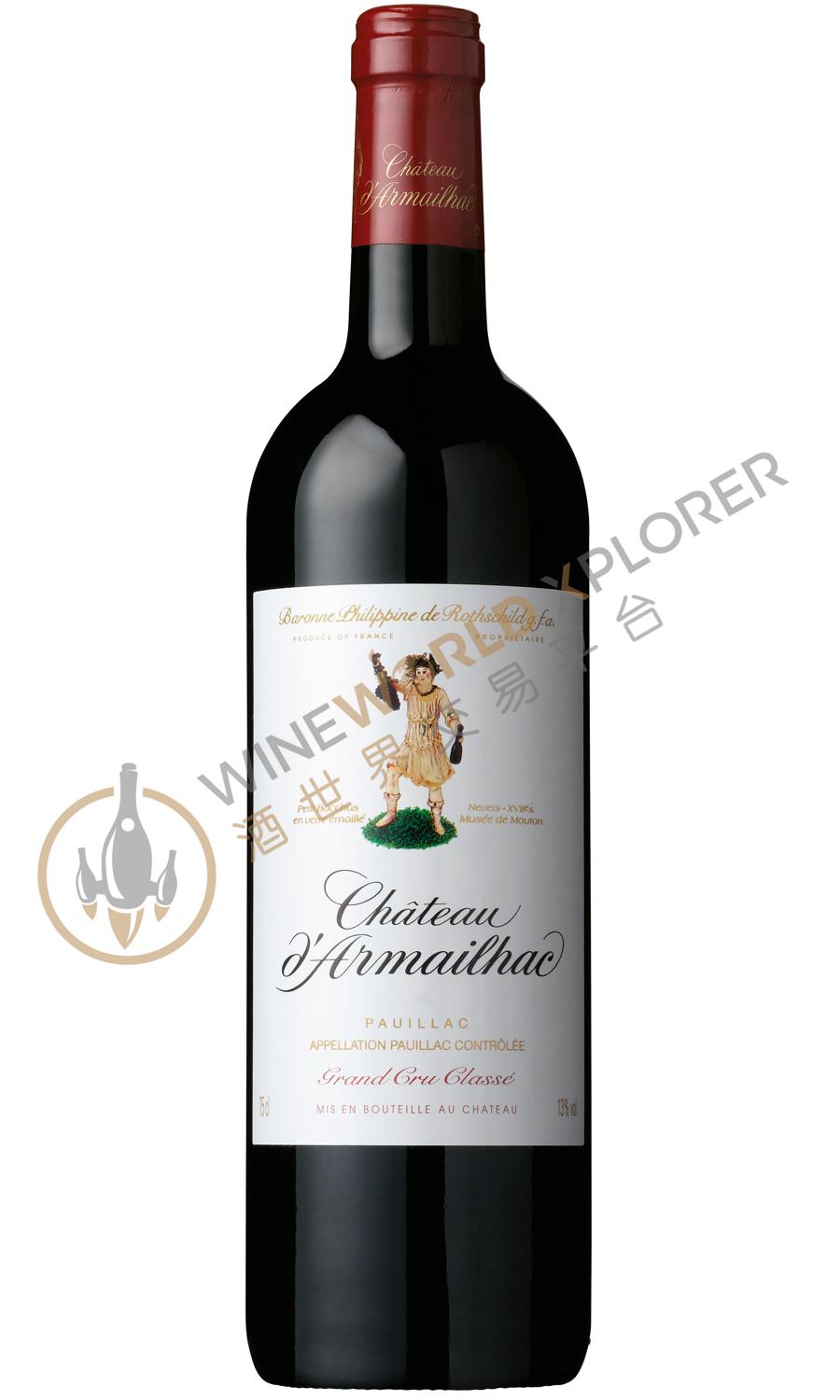
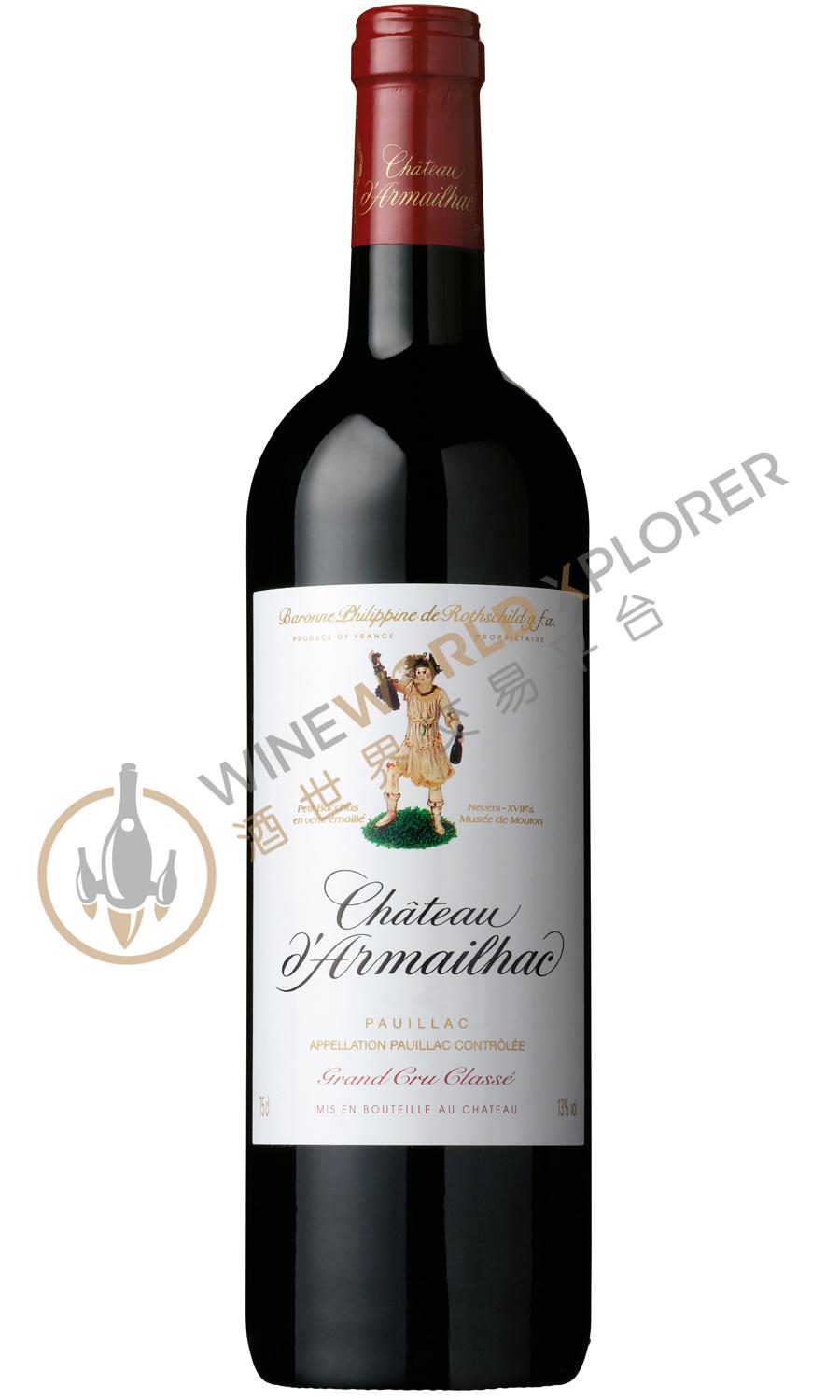
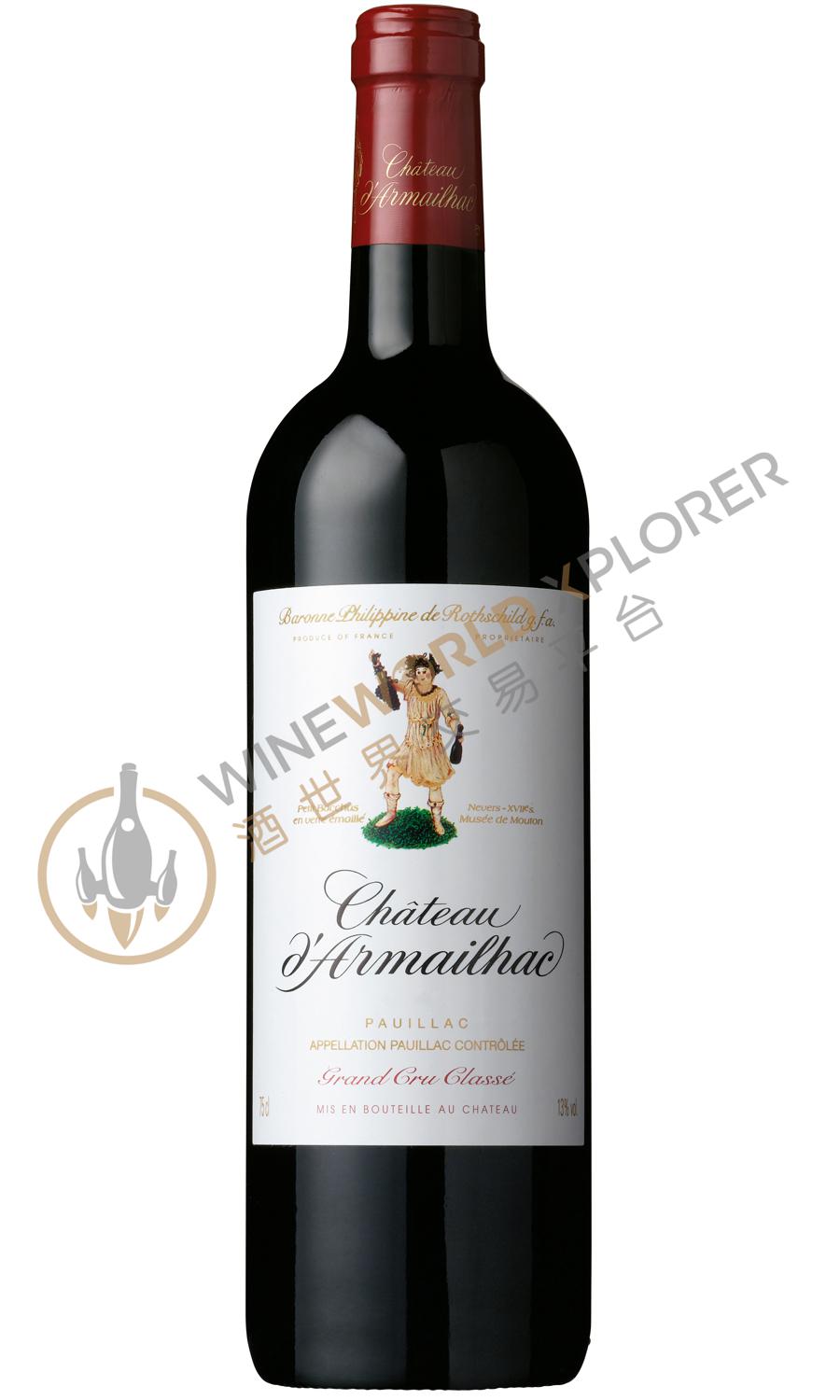
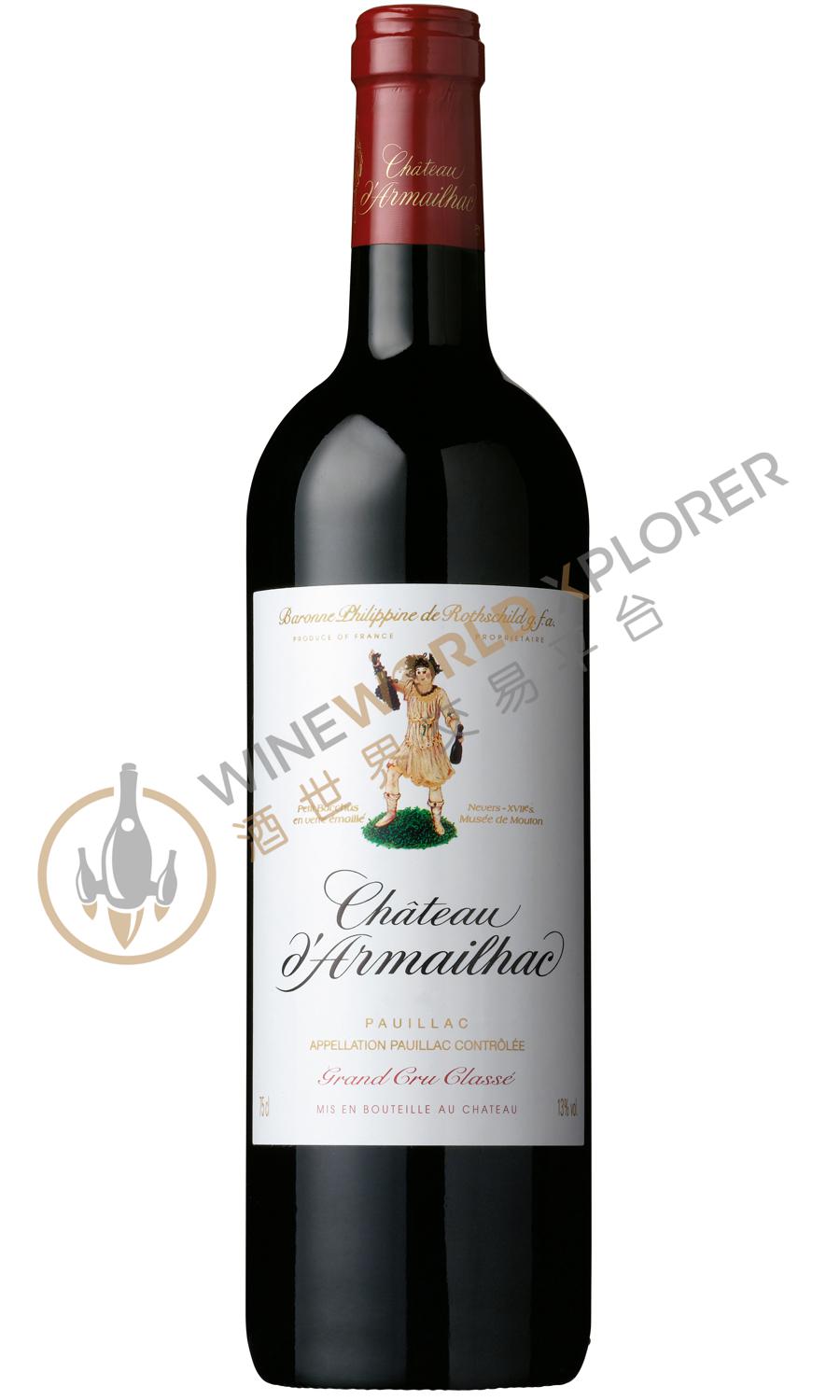
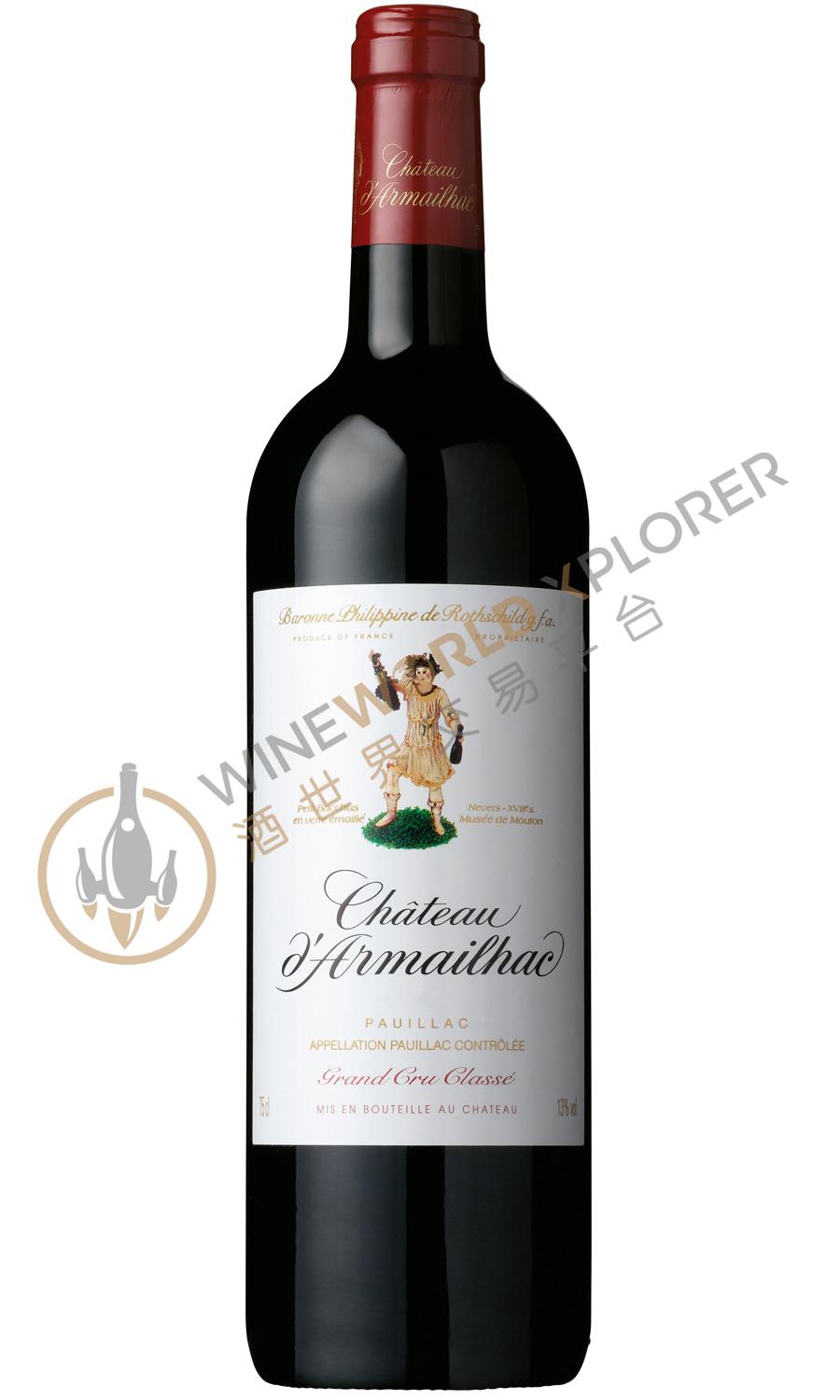
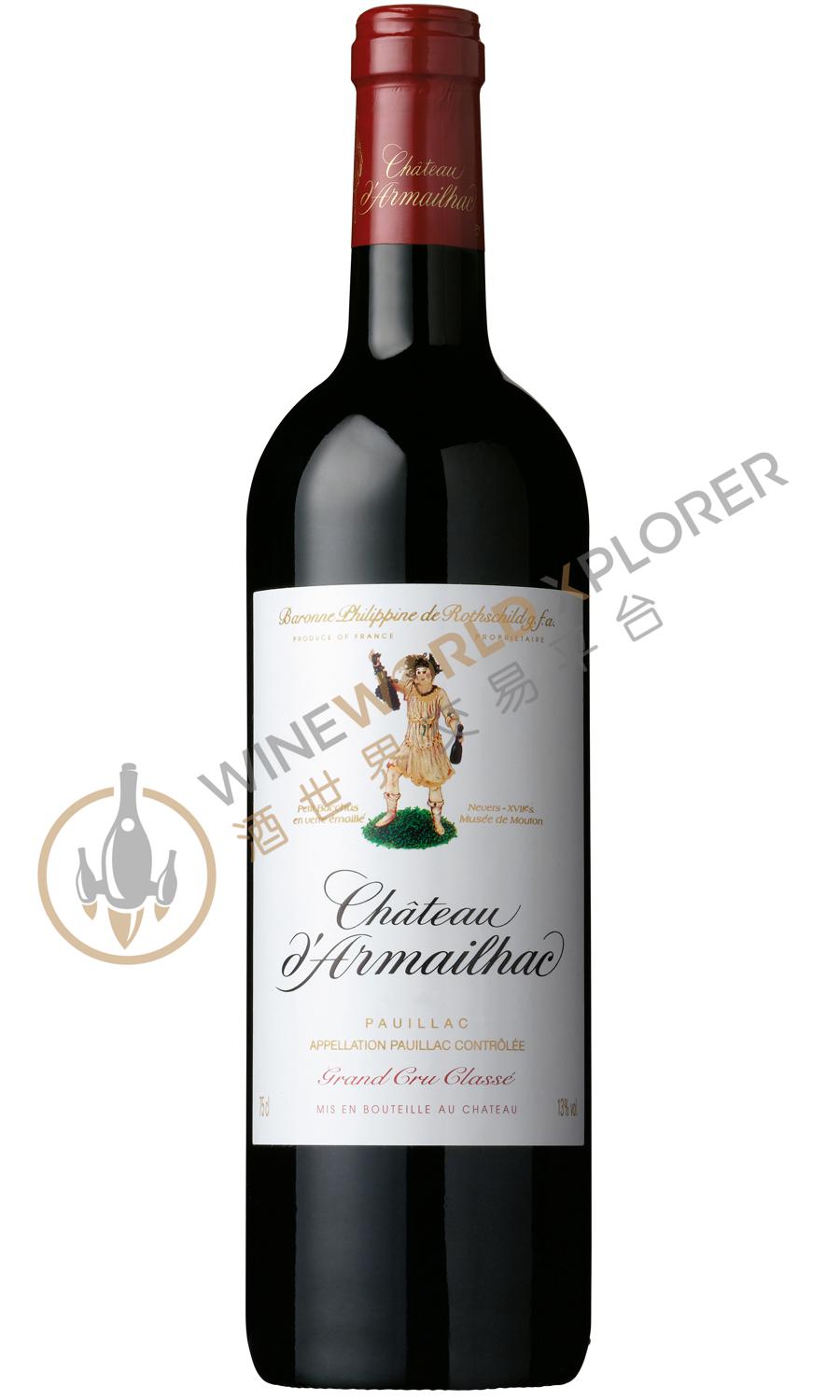
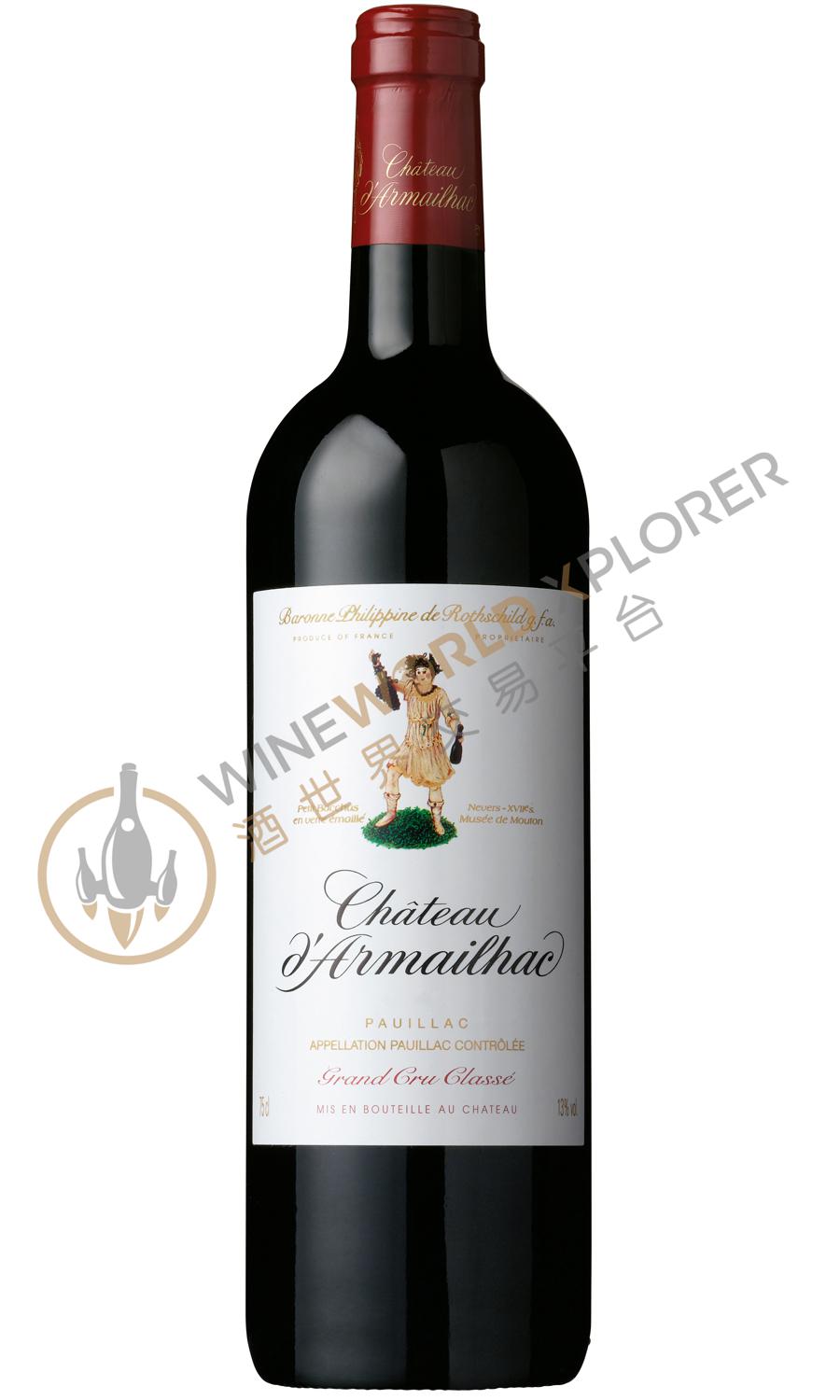
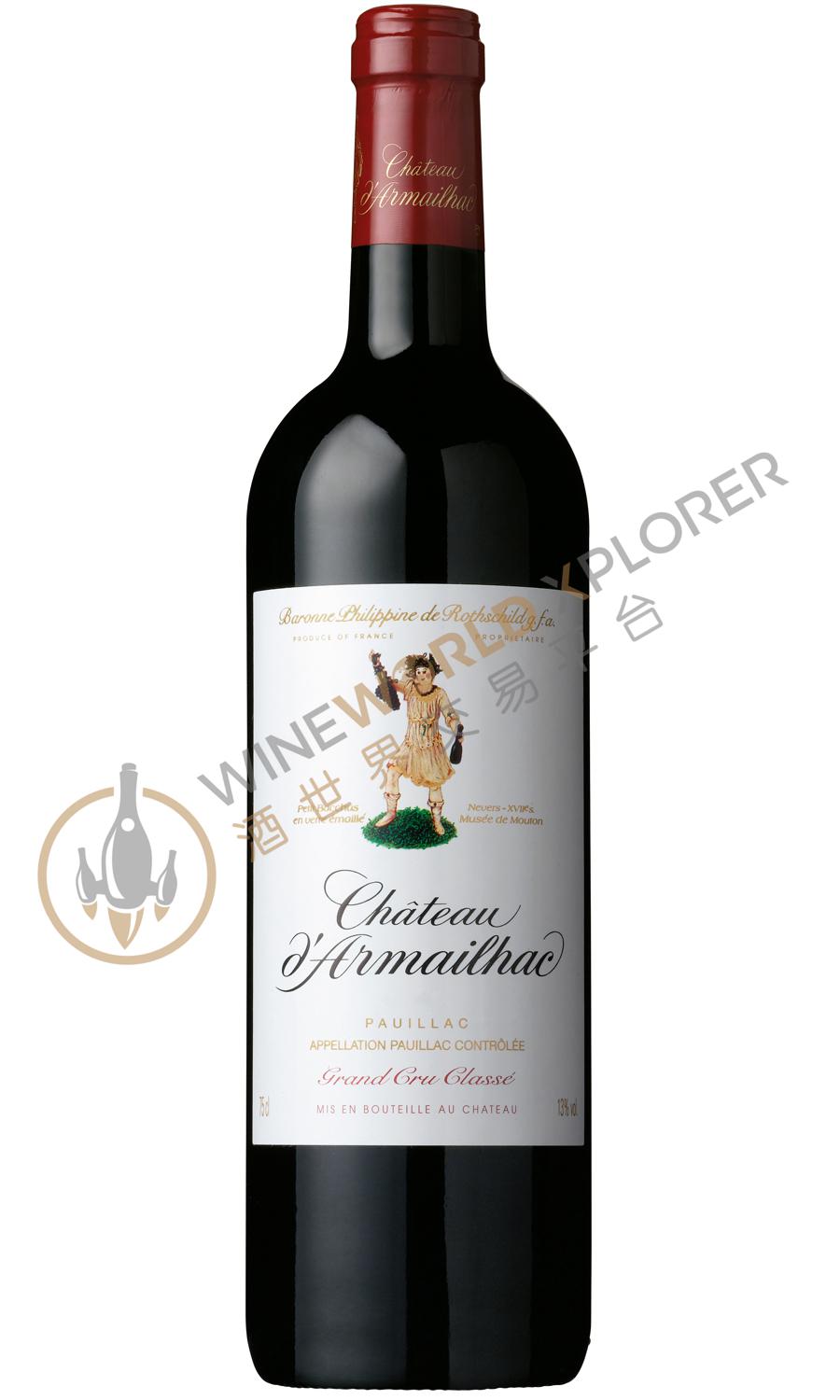
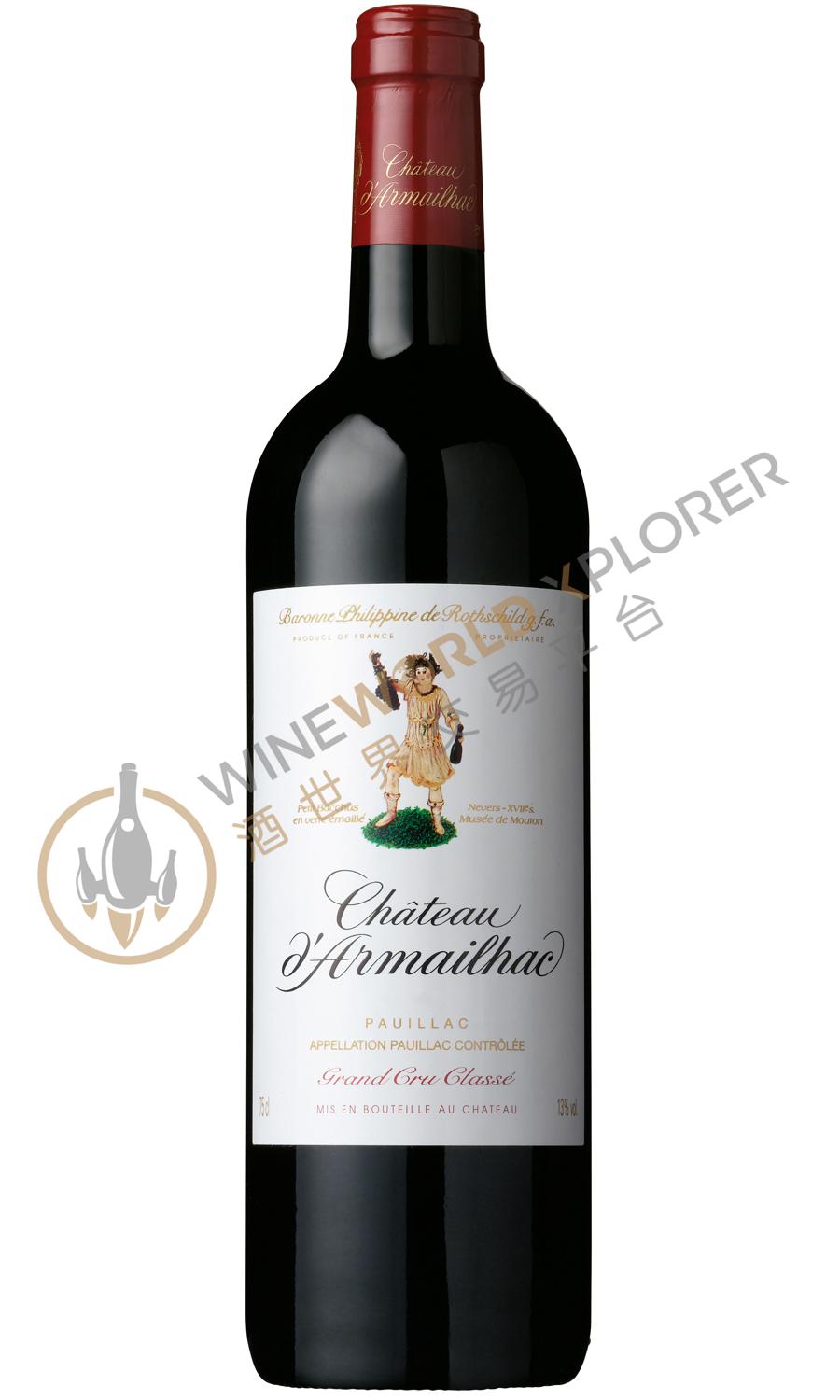
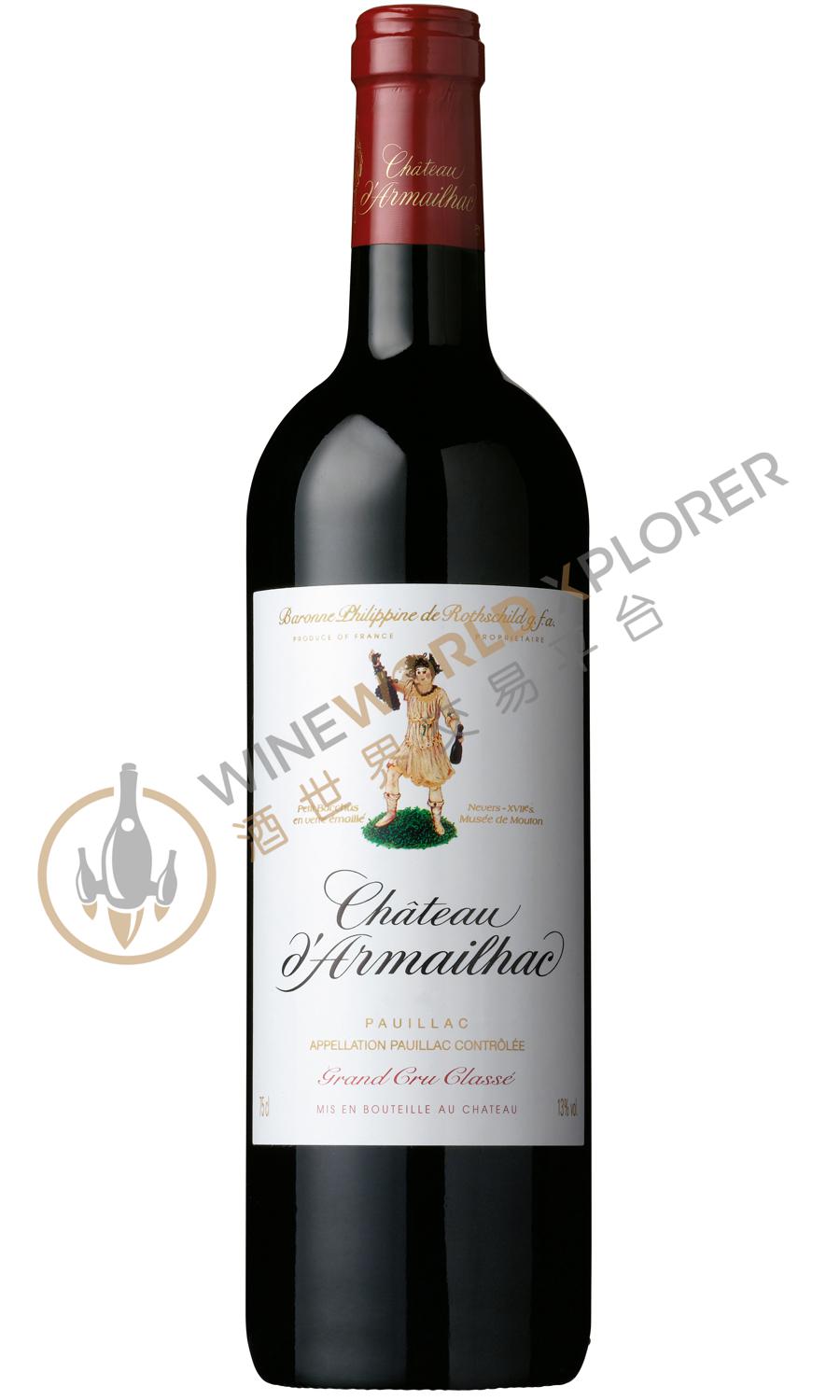
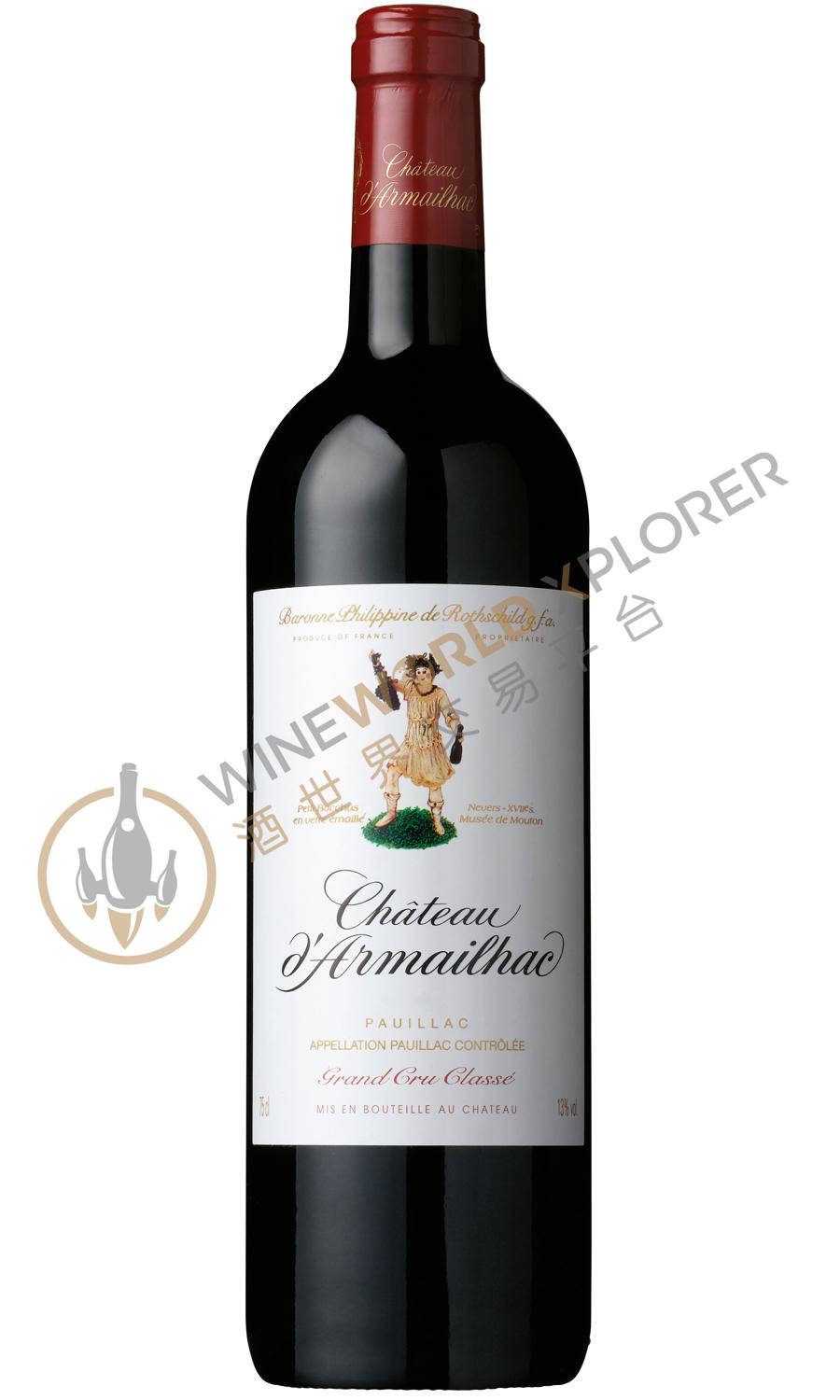
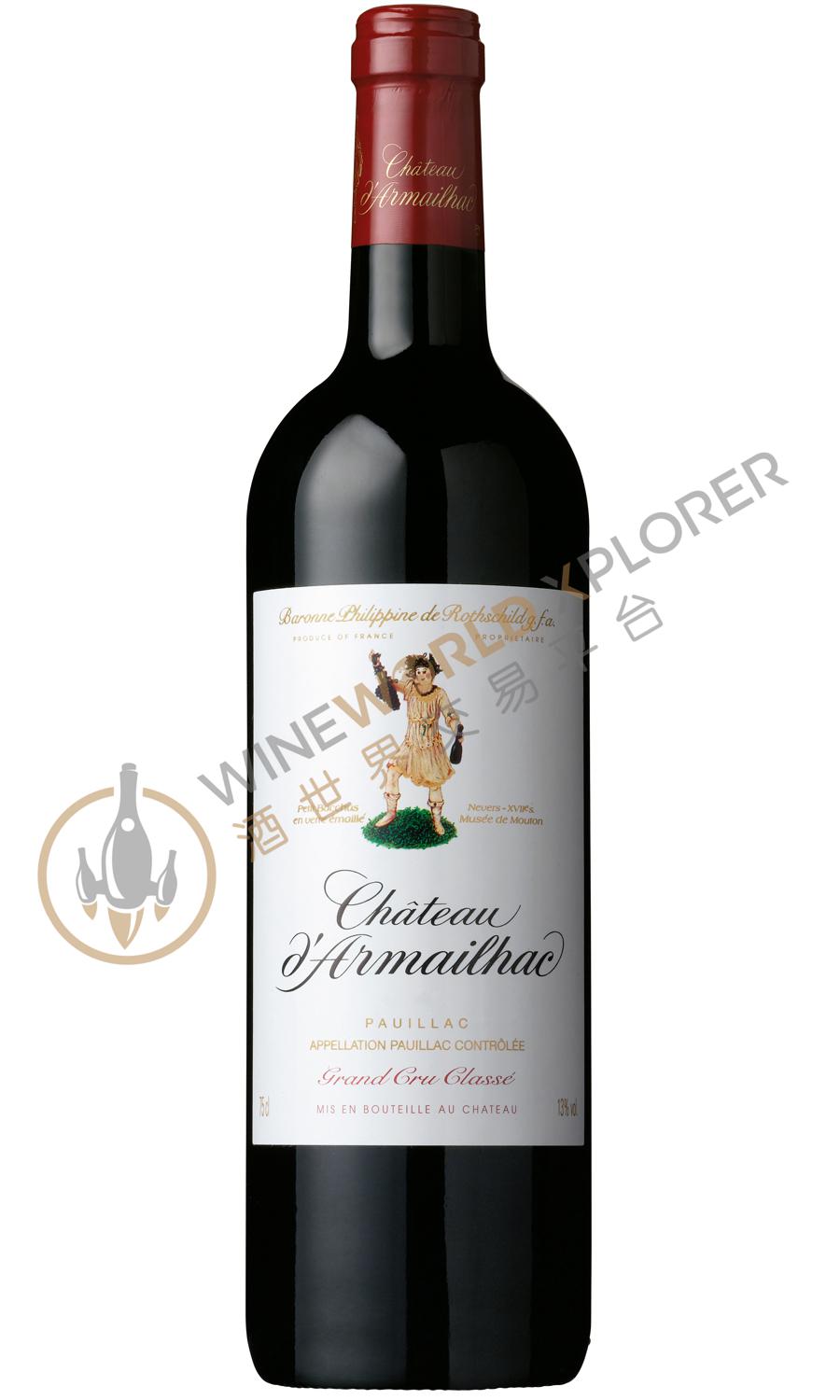
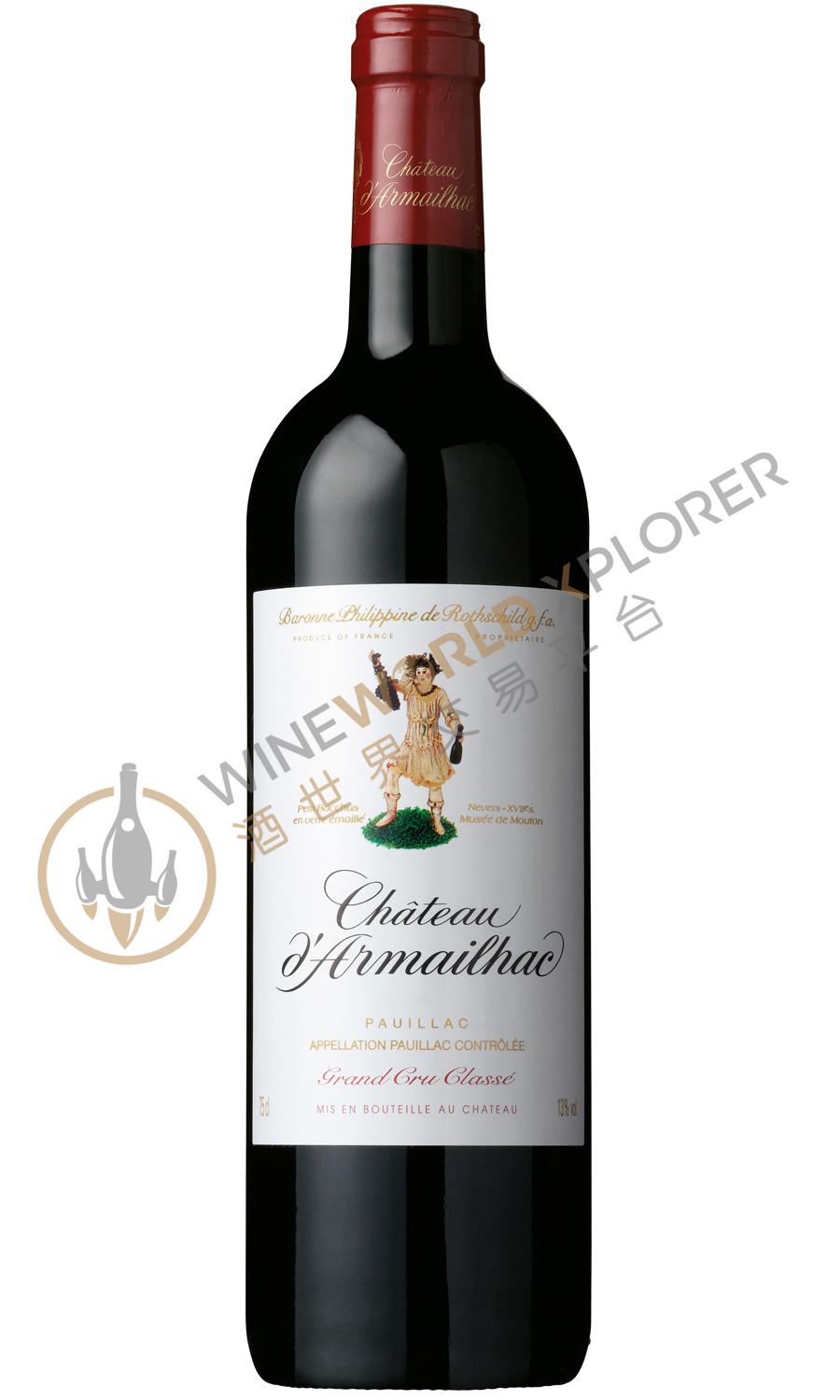
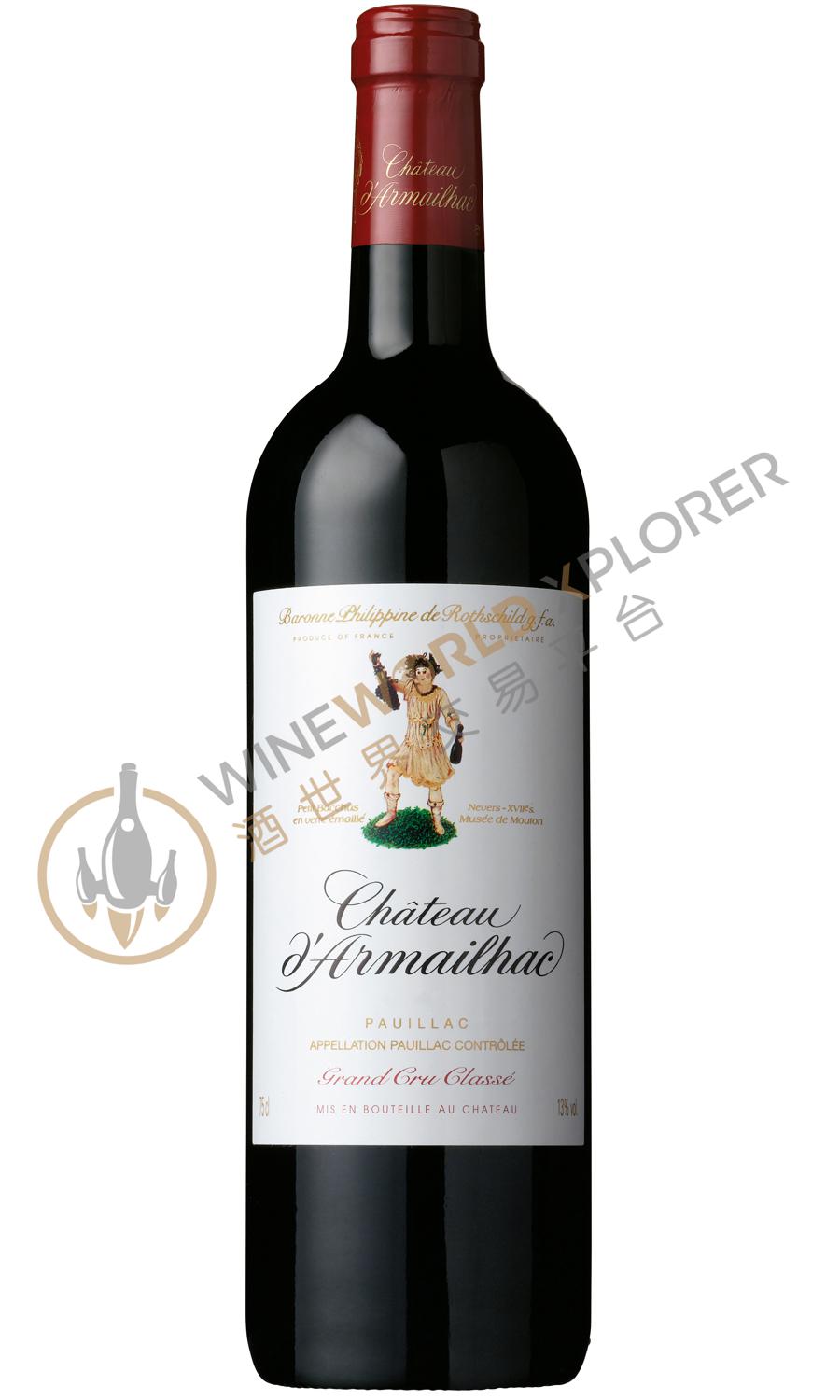
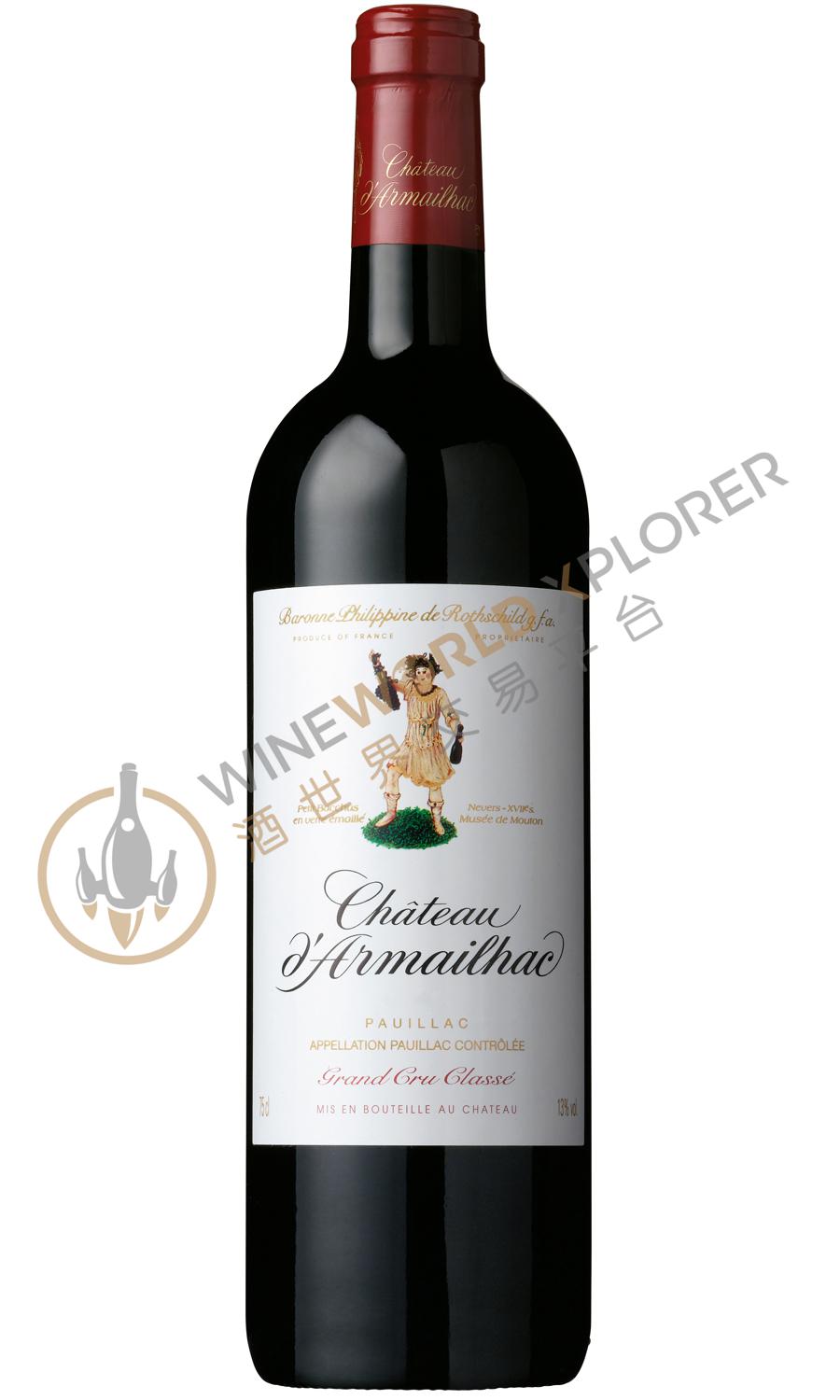
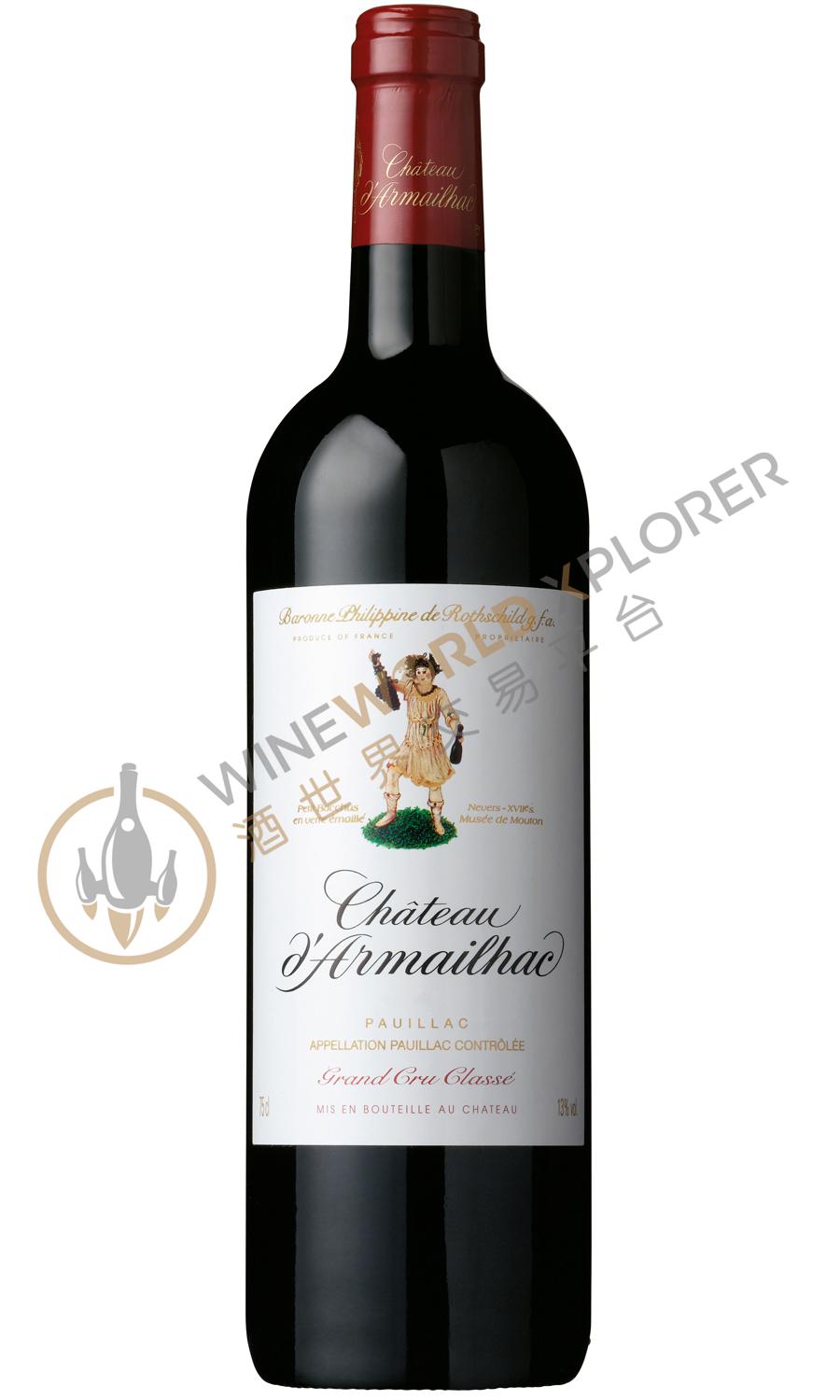
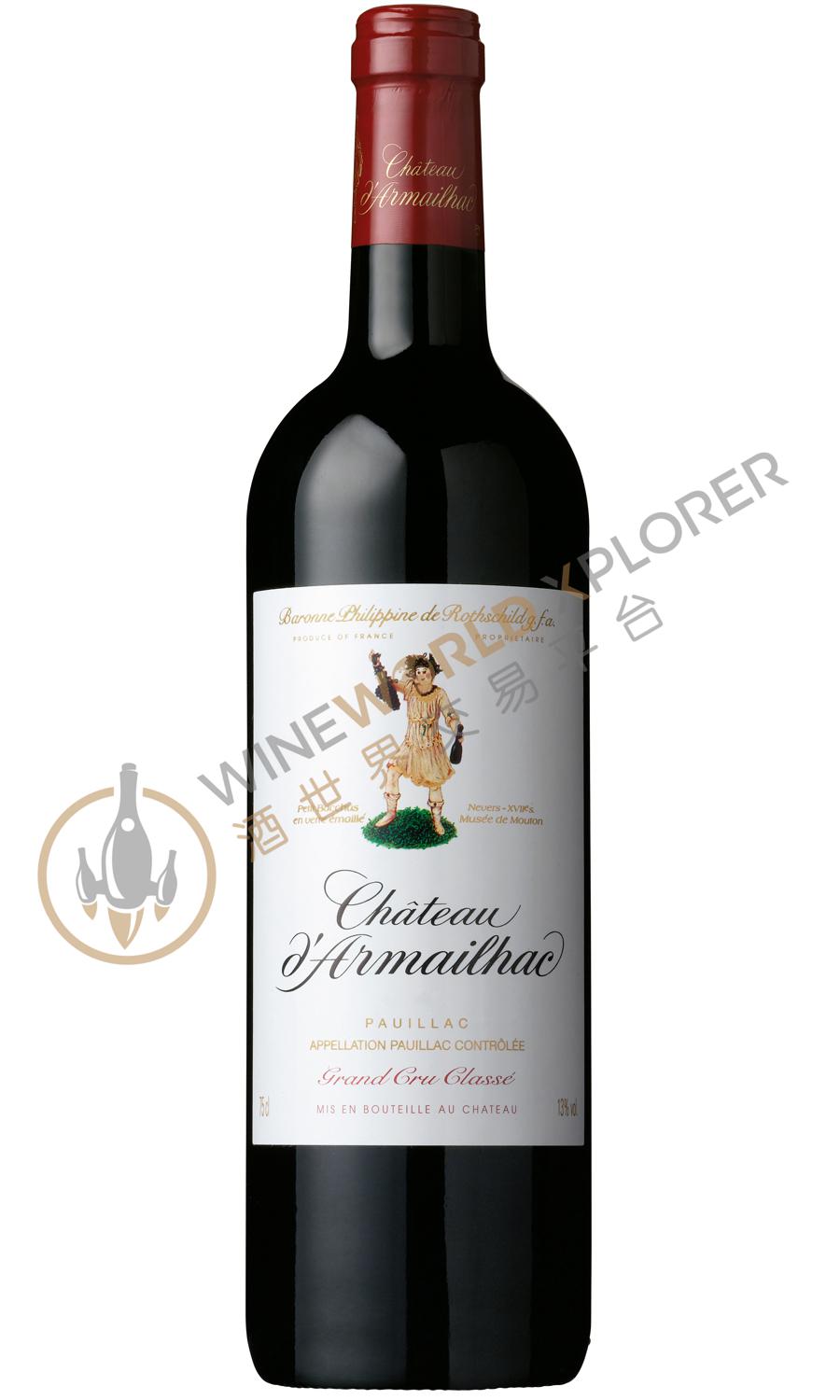
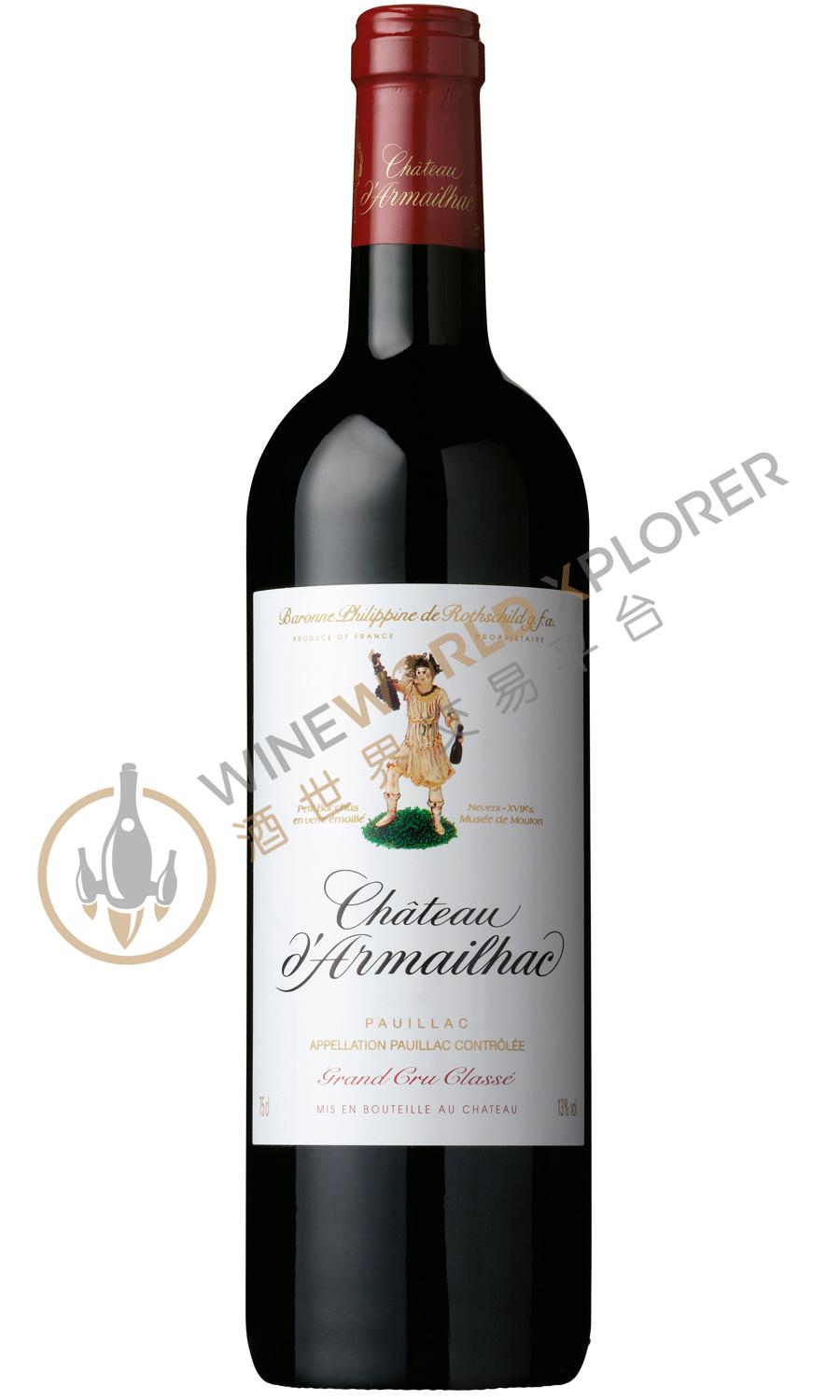
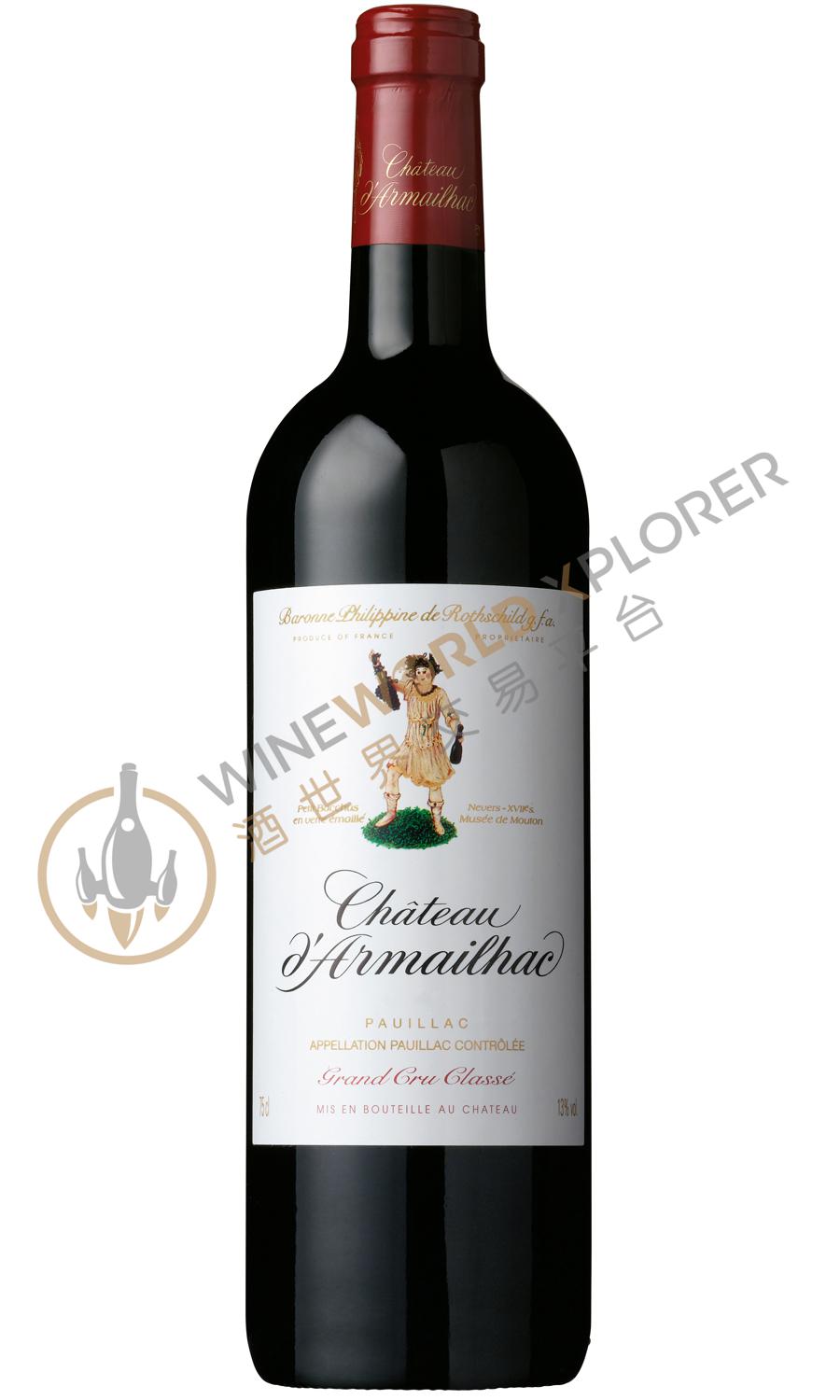
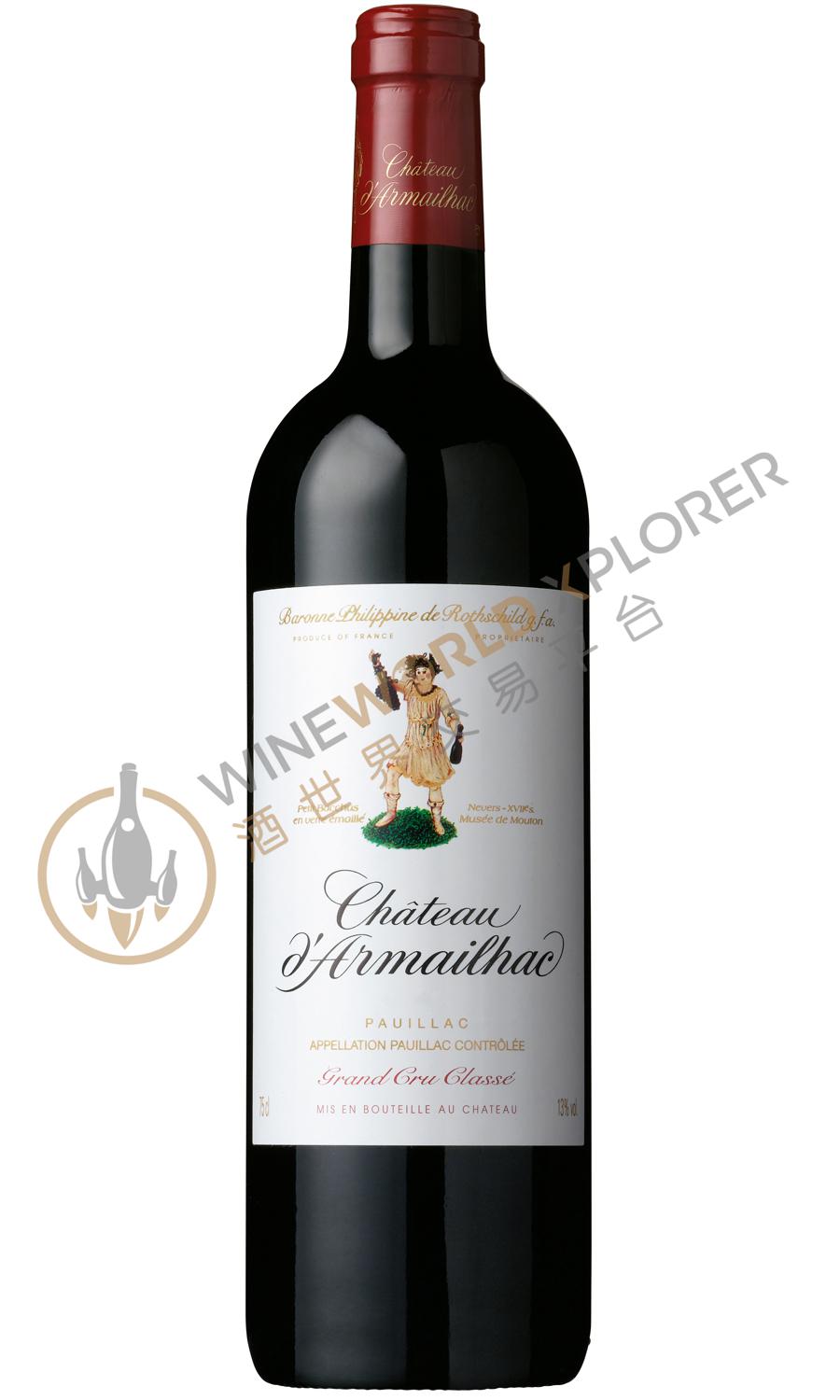
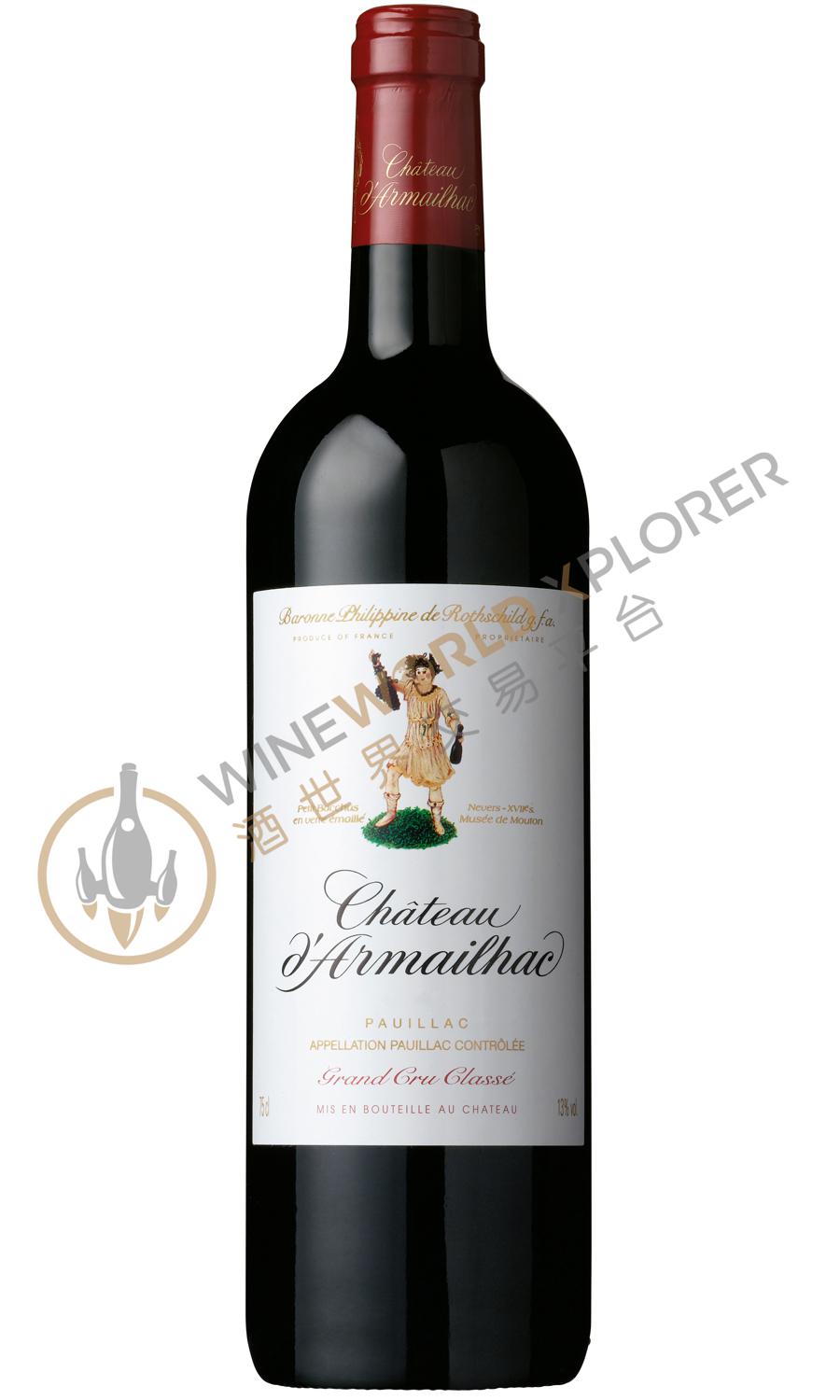
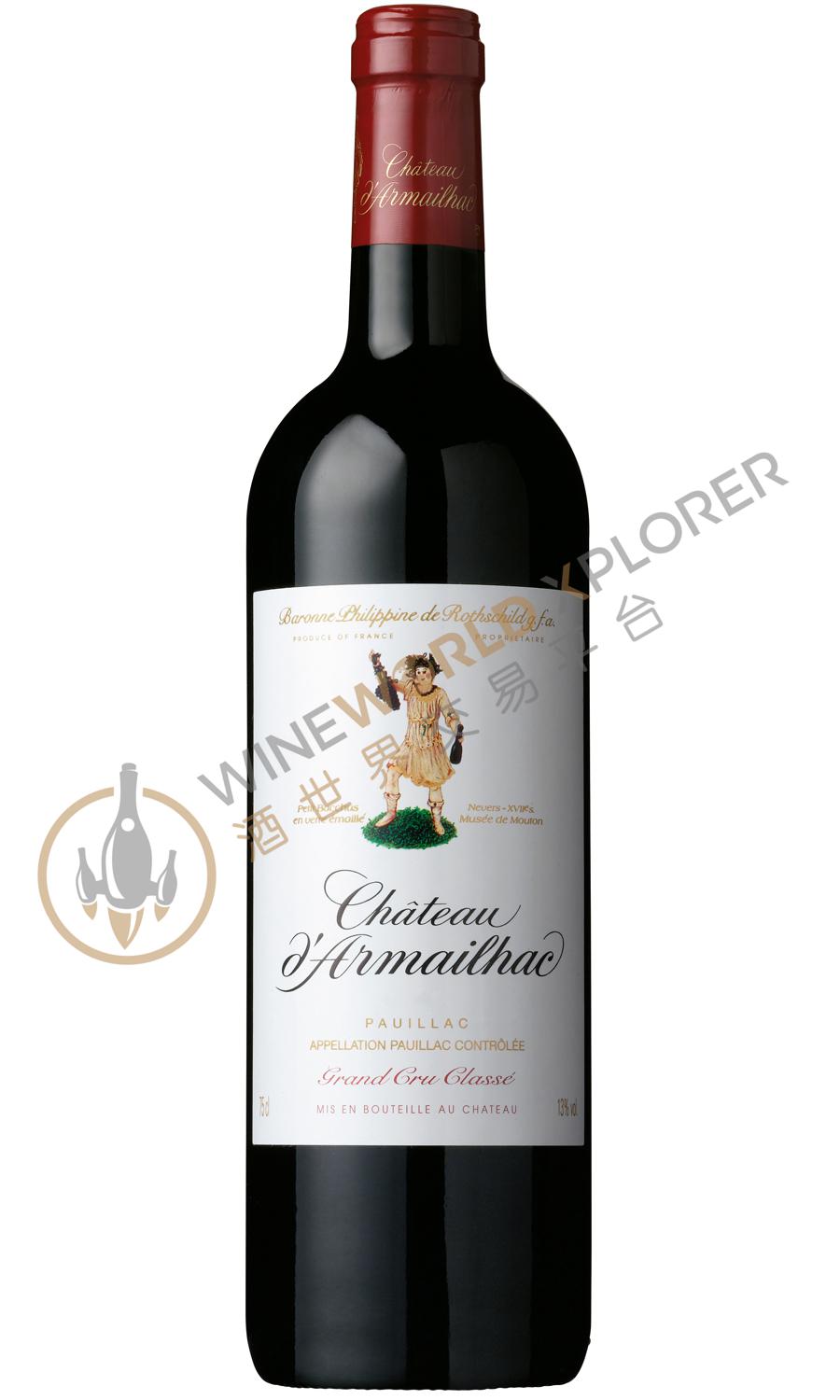
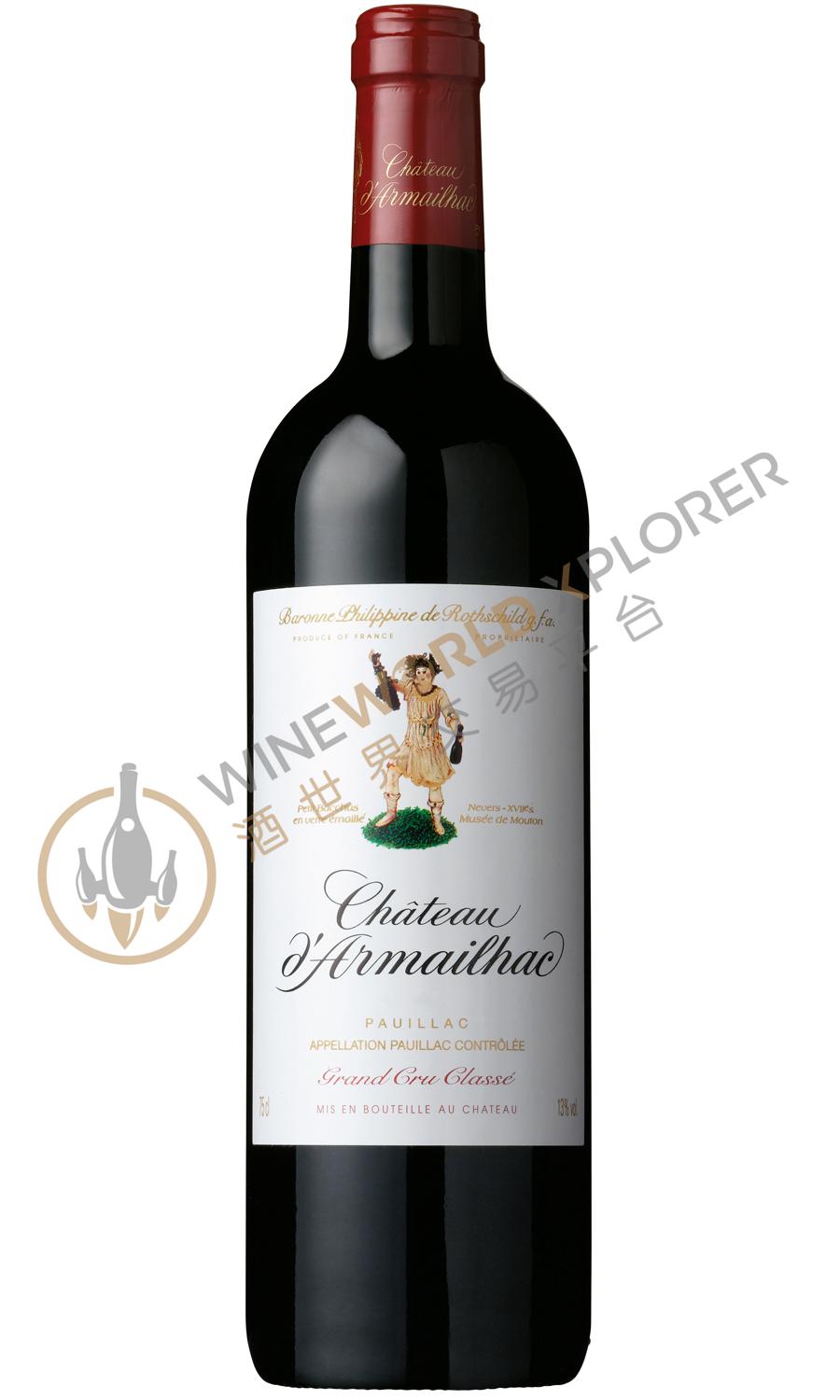
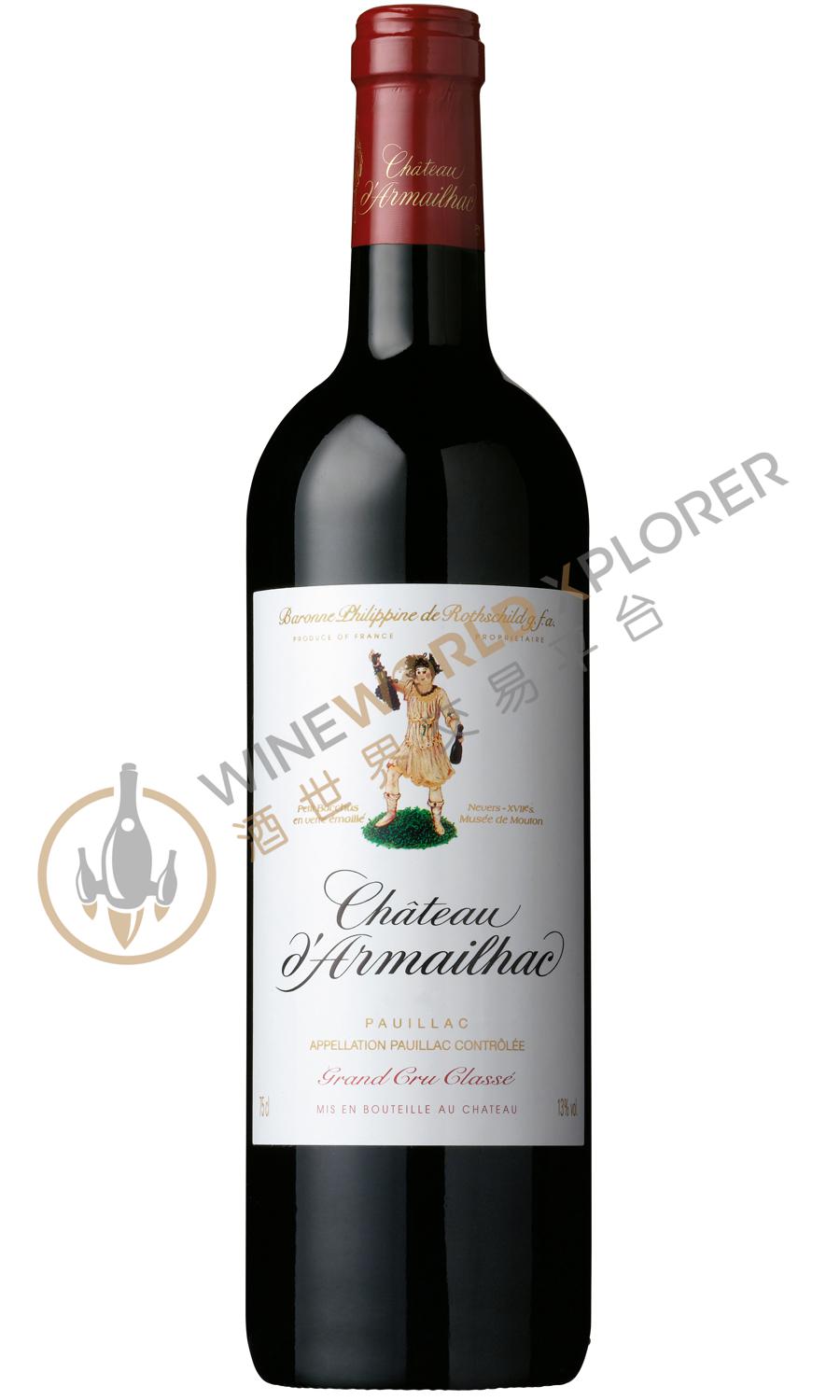
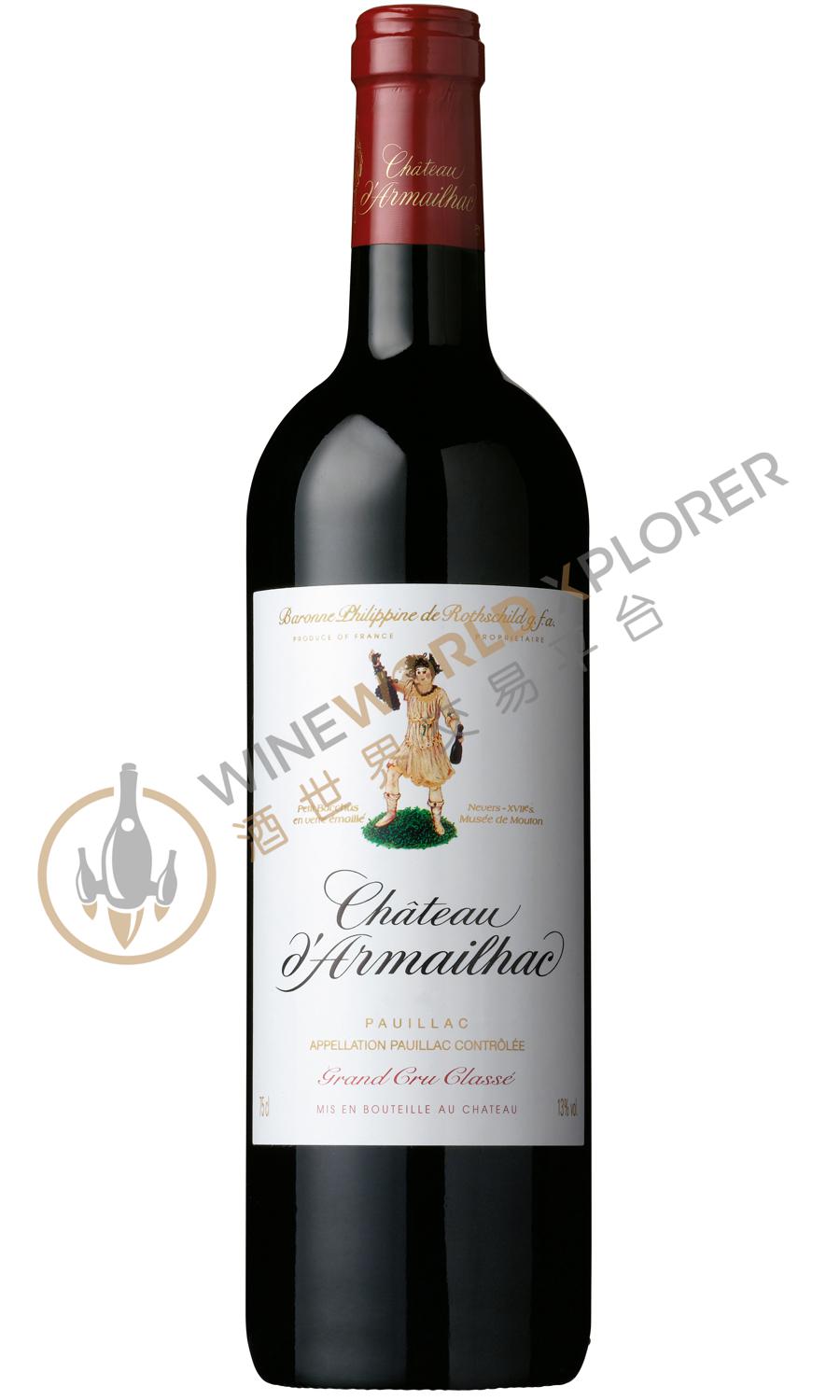
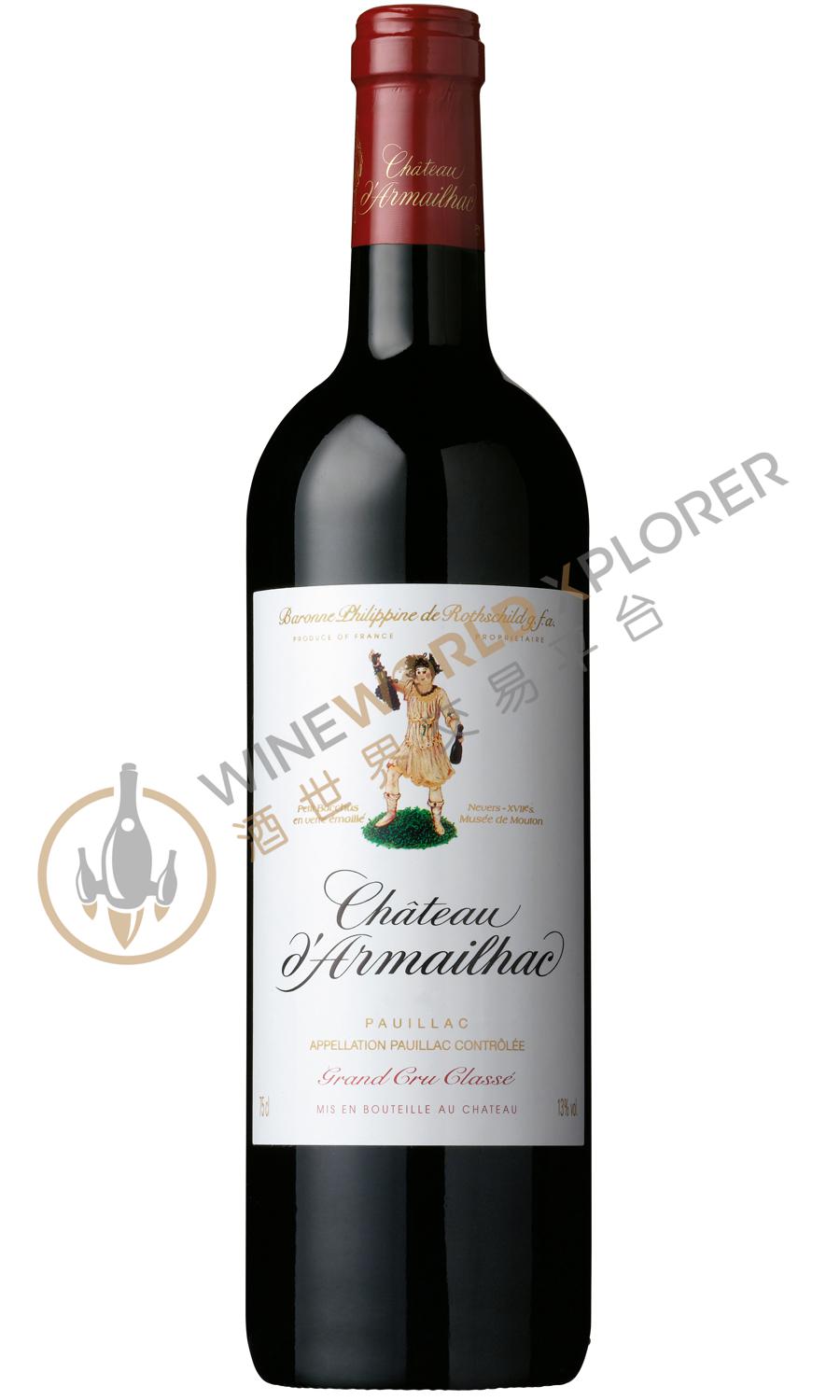
D'Armailhac 2001
 View analysis


Description
Tasting notes

Reviewed by: Neal Martin
A ripe, fleshy nose of cooked meats, red-berried fruit, leather and roasted herbs. Quite Rhone-like in some ways. Medium-bodied, gamey palate that lacks acidity and tension. Meaty and quite Saint-Julien like on the finish. Lacks a little direction but has some hedonistic charm. Tasted October 2007.
Reviewed by: Robert M. Parker, Jr.
Probably as successful as the 2000, this blend of 60% Cabernet Sauvignon and 40% Merlot exhibits an inky purple color, good sweetness, and plenty of toasty oak, licorice, and spice box notes. Pure, with ripe tannin and low acidity, it should be delicious young and age nicely for up to 12-15 years.
Reviewed by: Neal Martin
First tasted in July 2003. Very deep colour - almost opaque. Pure cassis and blackcurrant on the nose. Tannic as usual with substantial grip. Masculine, a little brusque but with an attractive austere feel. Lacks the finesse of Clerc-Milon but a good wine. Drink over 5 years. Then at the IMW 2001 tasting in November 2005. The nose is broody, sulky and laden with toasty new oak, lacking definition. The palate is very rich and corpulent with notes of black cherries and cassis. Good acidity, markedly less austere than a couple of years ago, with an abrupt finish and seems a little overdone. Not bad if you like a modern, opulent style of Pauillac, but it lacks "soul".
Reviewed by: Robert M. Parker, Jr.
This blend of 60% Cabernet Sauvignon and 40% Merlot was produced from modest yields of 36 hectoliters per hectare. According to administrator Patrick Leon, no Cabernet Franc was utilized because its quality was not satisfactory. A dark ruby color is followed by a tight, firm, medium-bodied Pauillac with noticeable tannin, and an aggressive palate impression. Anticipated maturity: 2005-2014. As with many estates, the 2000 blows away the 2001.
Reviewed by: Robert M. Parker, Jr.
Medium deep ruby/purple-colored with a sweet perfume of cedar wood, chocolate, oak, and black currants, this medium-bodied, attractive, soft Pauillac is ideal for drinking now and over the next 12-13 years.
About the Producer
The existence of Château d’Armailhac dates back to the late 17th century, as evidenced in a land register from 1680 which mentions the brothers Dominique and Guilhem Armailhacq, owners of parcels of land in Pauillac. Another land register from 1750 notes that their descendants have “planted with vines” the family estate, covering 15 to 16 hectares (37-39 acres). By the end of the 18th century the estate has grown to 52 hectares (128 acres) but the brokers of the time describe its wine as “disappointingly thin”. Throughout the following century, Mouton d’Armailhacq’s owners work unceasingly to improve its quality, using techniques such as topping-up, running-off, barrel disinfection and fining. Their efforts are rewarded in 1831, when the wines of Mouton d’Armailhacq sell for twice as much as their more highly reputed neighbours. The ultimate recompense, Château Mouton d’Armailhacq is given Fifth Growth status in the 1855 Classification – the same one which made Château Mouton Rothschild “First of the Seconds”. The “first wine”, the only one authorised to bear the growth’s name, is distinguished from the “second wine”, less rich and sold for consumption in local taverns. In 1931, the young Baron Philippe de Rothschild became a minority shareholder of the Société Anonyme du Domaine de Mouton d’Armailhacq, then in 1933 acquired all the shares from the Comte de Ferrand in return for a life annuity. A year later, on the Comte de Ferrand’s death, he became the effective owner of the estate. The Mouton d’Armailhacq portfolio included the Société Vinicole de Pauillac, forerunner of what is now Baron Philippe de Rothschild SA. Inseparable from Château Mouton Rothschild, Château Mouton d’Armailhacq houses all the technical and agricultural equipment for the two estates in its extensive outbuildings. From 1956 to 1988, the wine was called Mouton Baron Philippe, then Mouton Baronne Philippe. A Fifth Growth of acknowledged quality, its original identity as Château d’Armailhac was patly restored in 1989.
1964(2)1973(1)1978(1)1986(1)1987(1)1989(1)1995(2)1996(2)2000(4)
Package Size