Wine Advisor



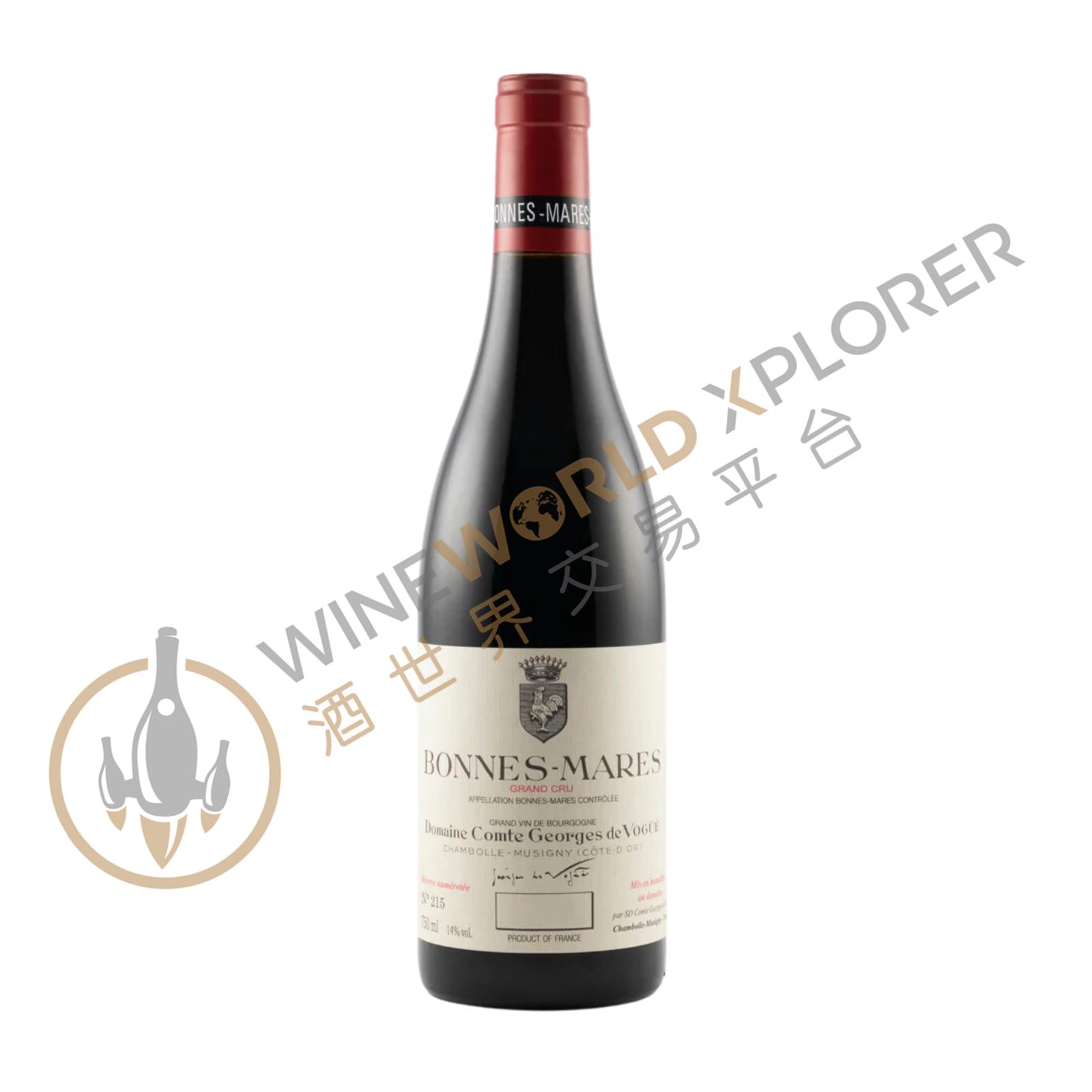
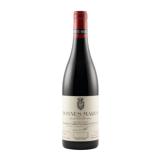
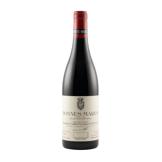
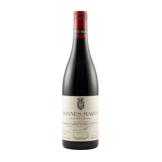
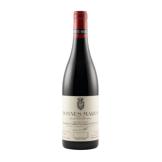
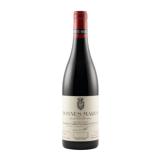
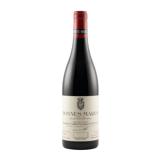
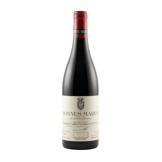
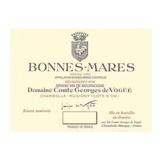
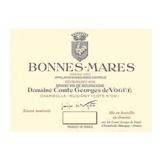
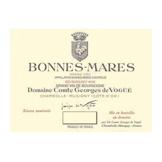
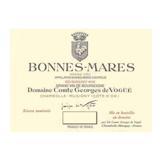
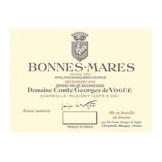
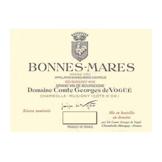
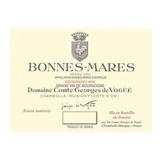
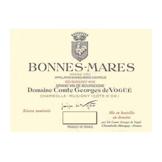
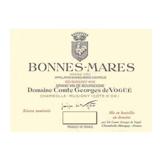
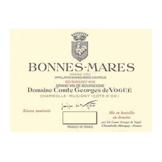
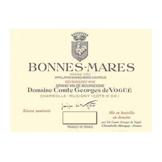
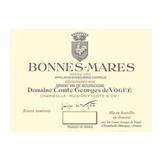
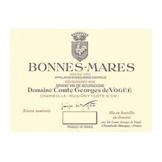
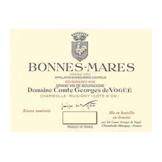
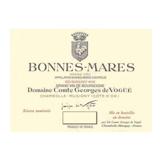
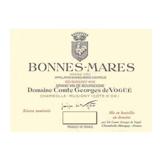
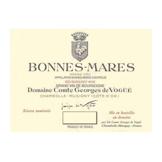
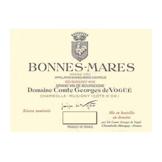
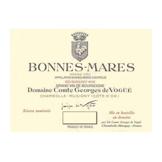
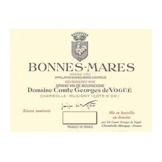
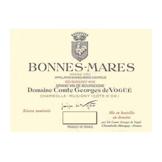
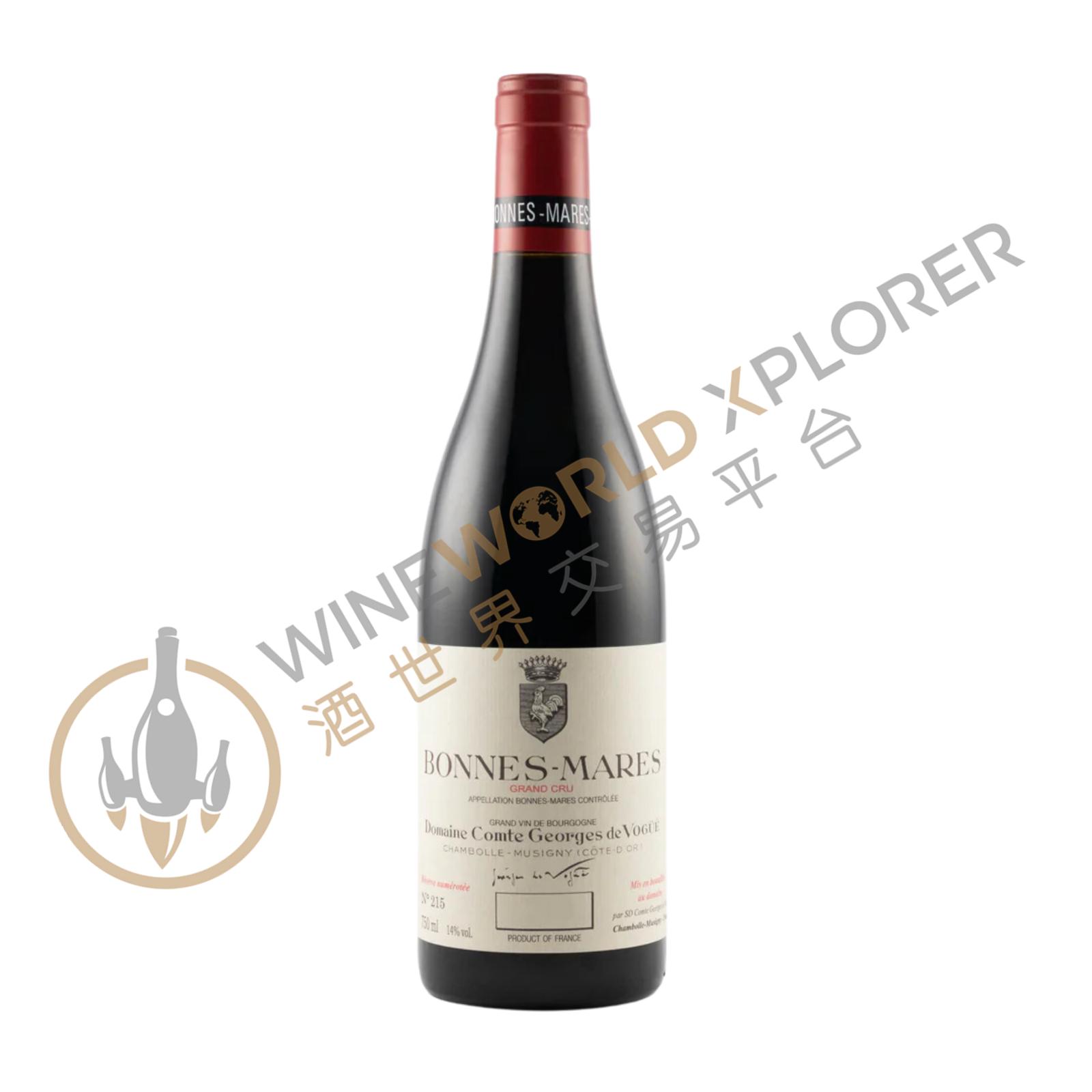
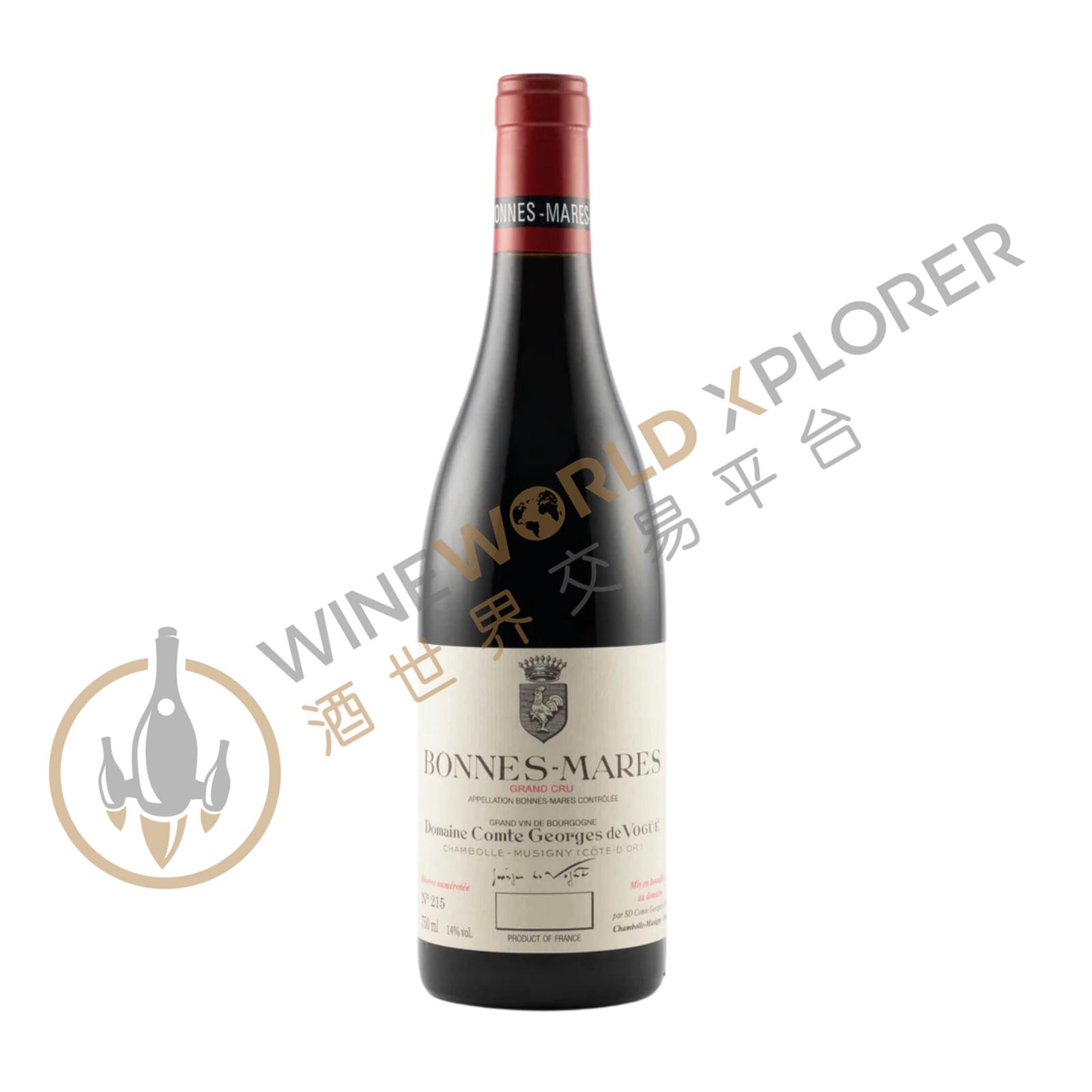
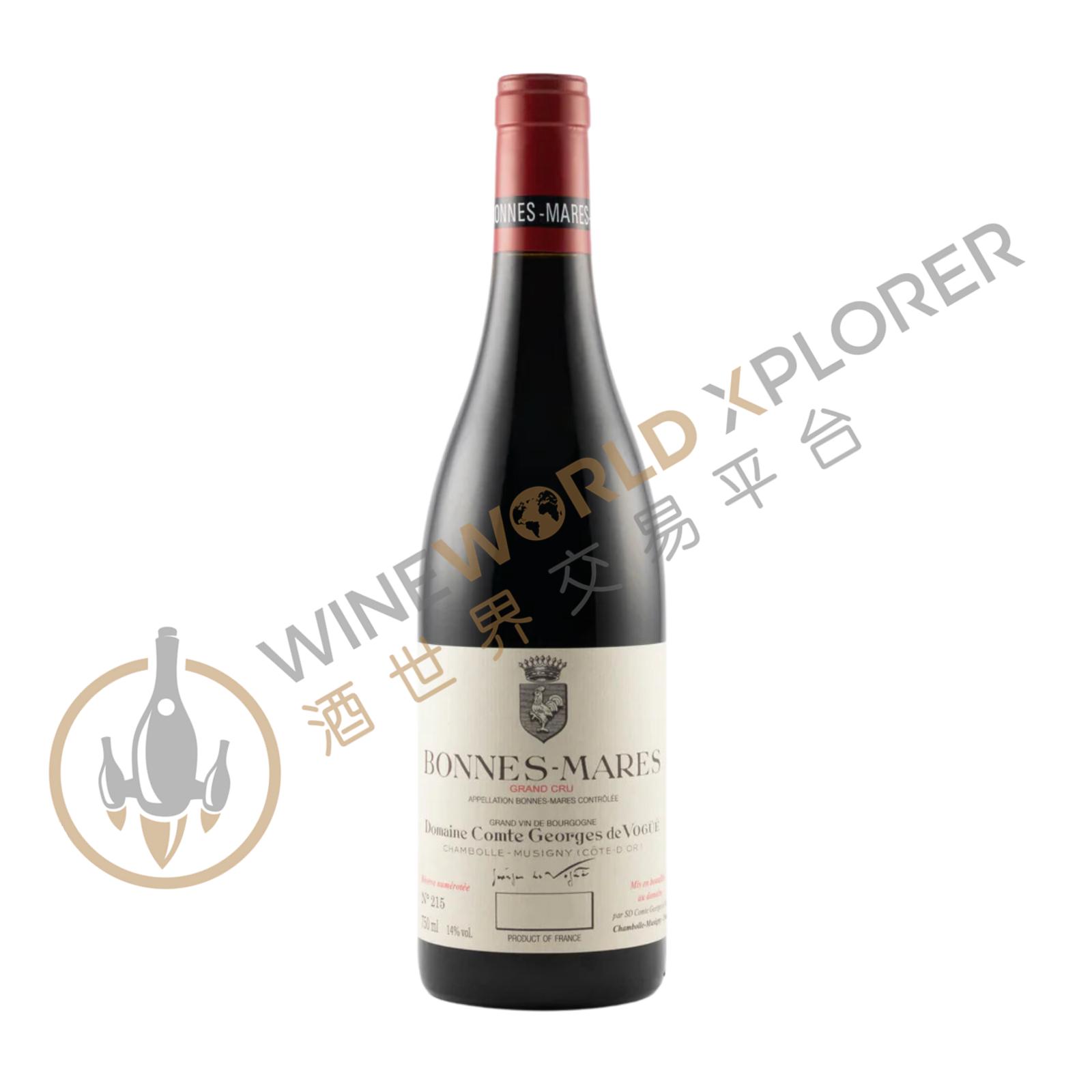
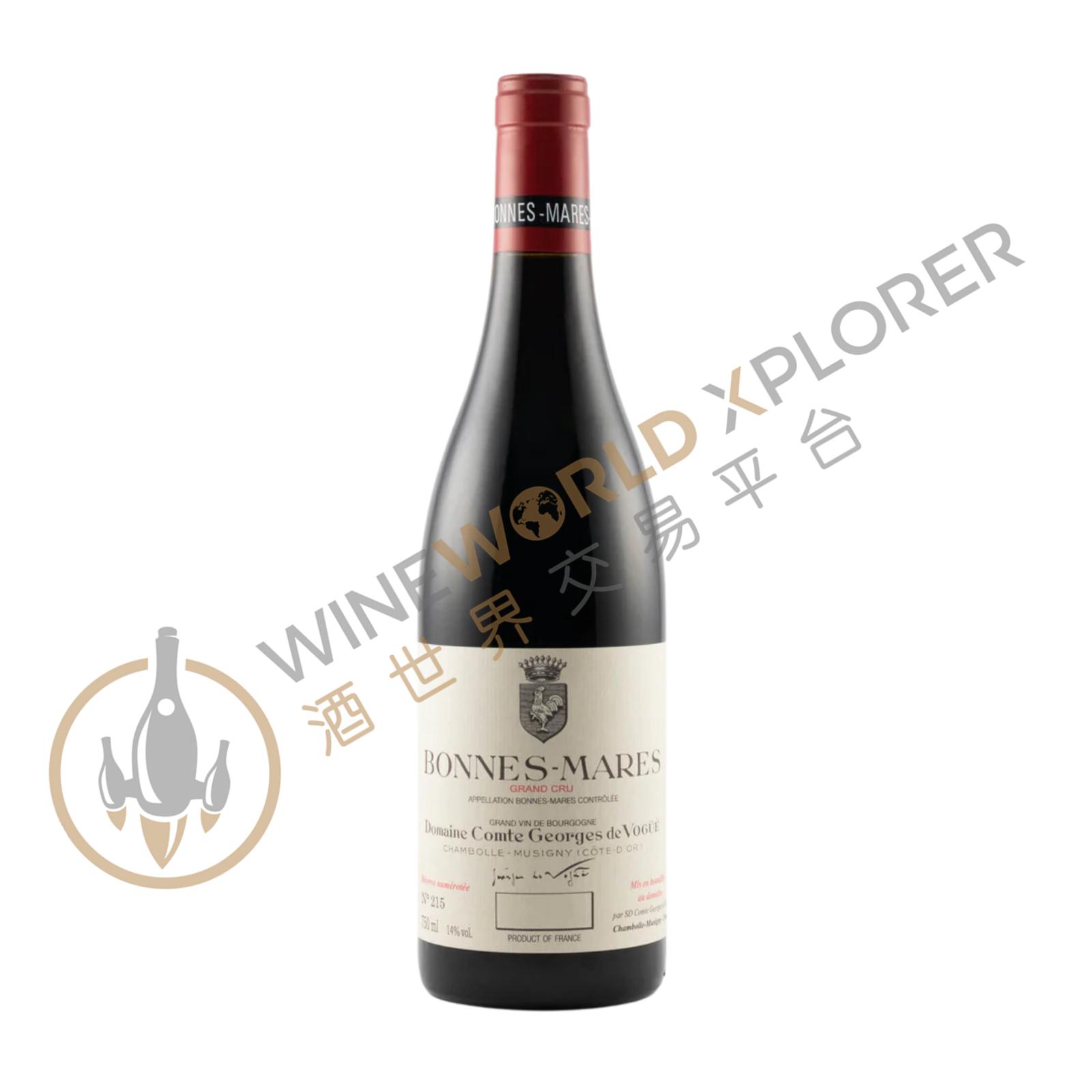
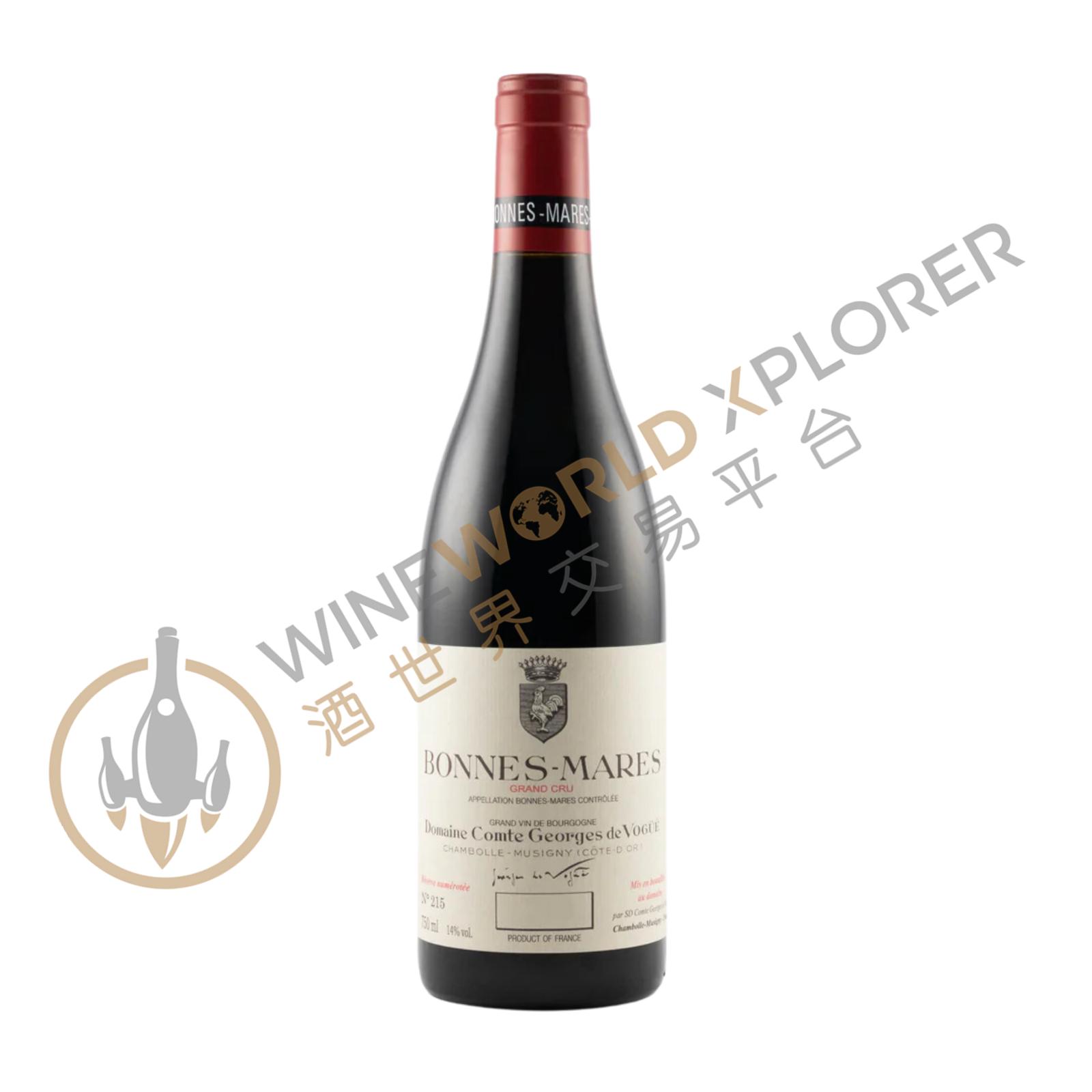
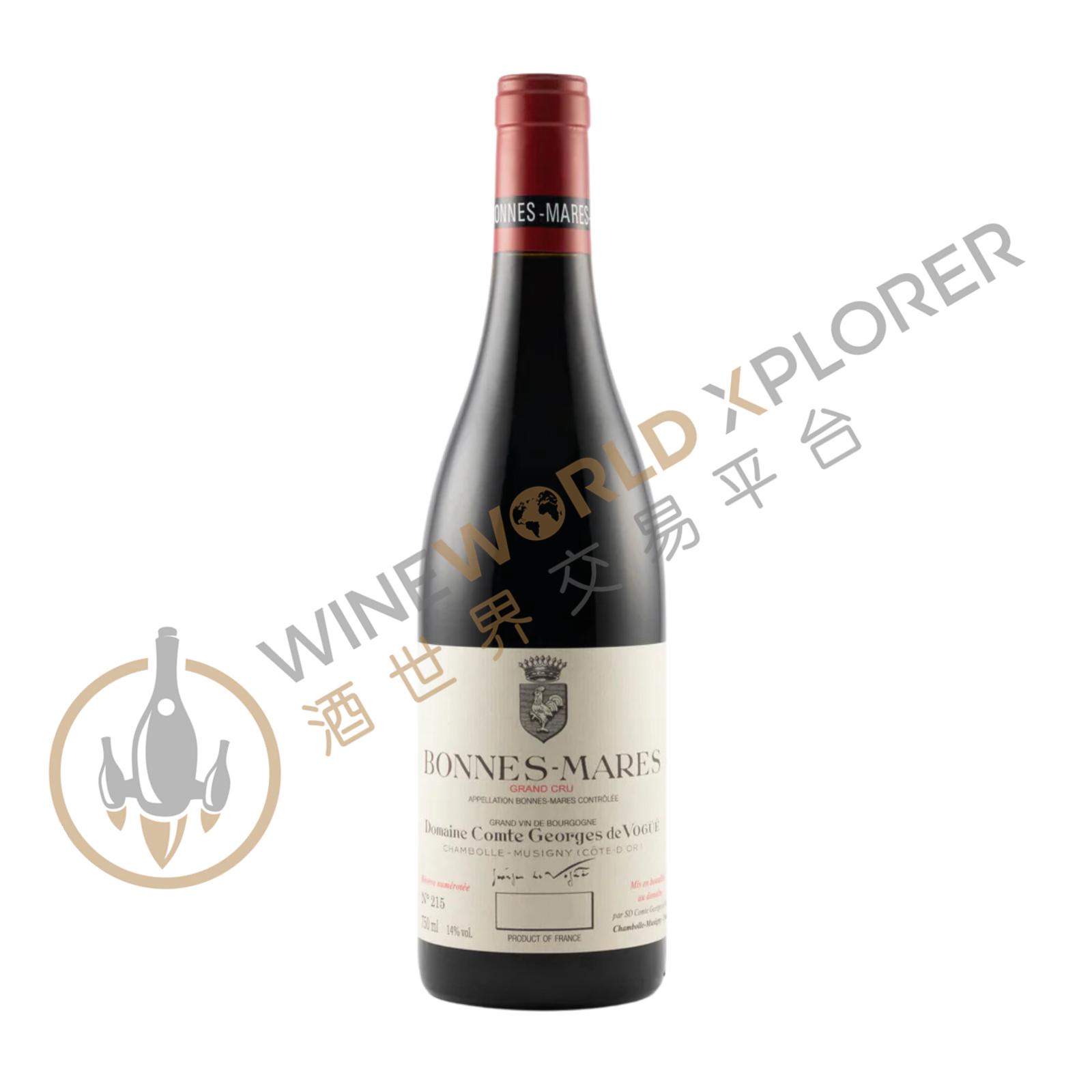
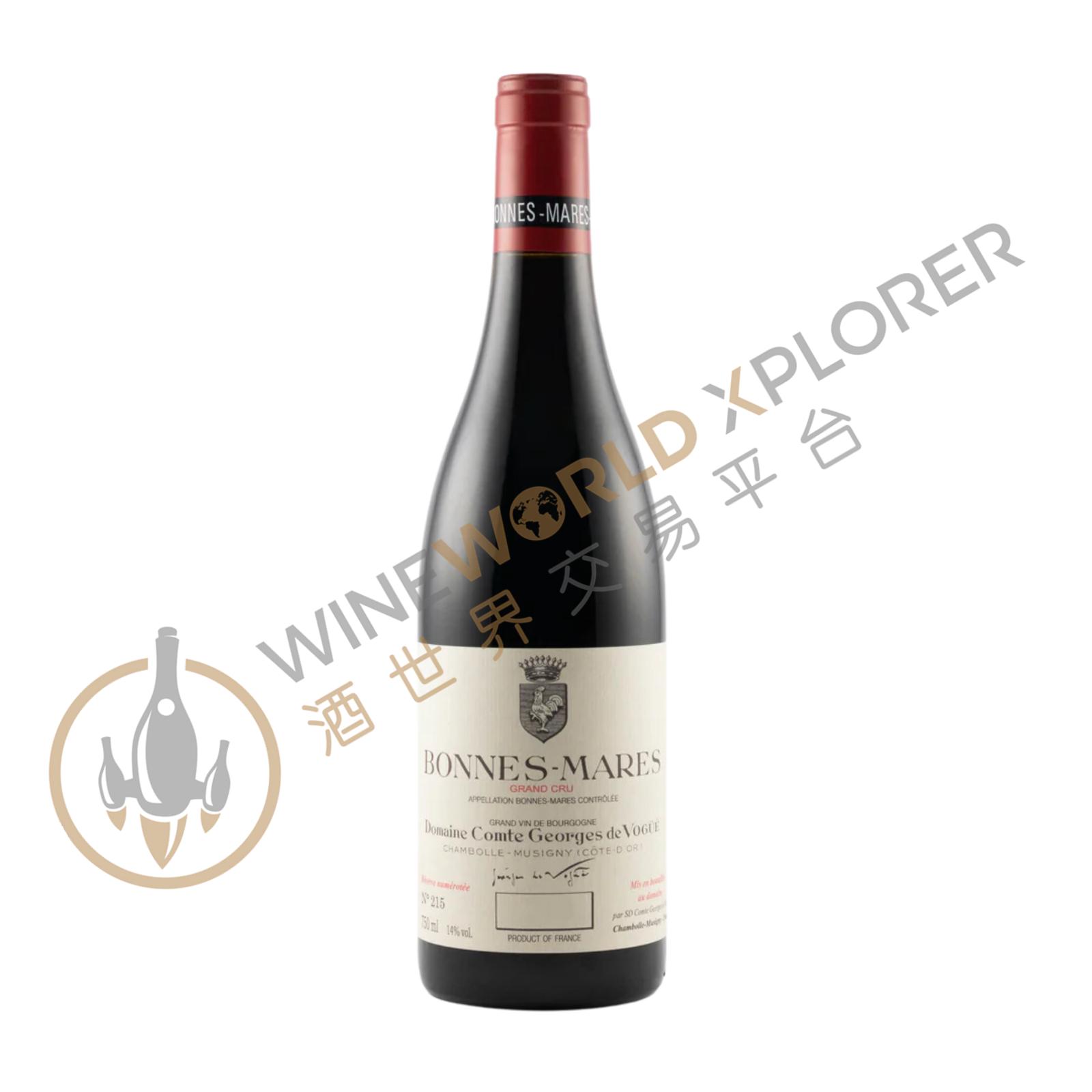
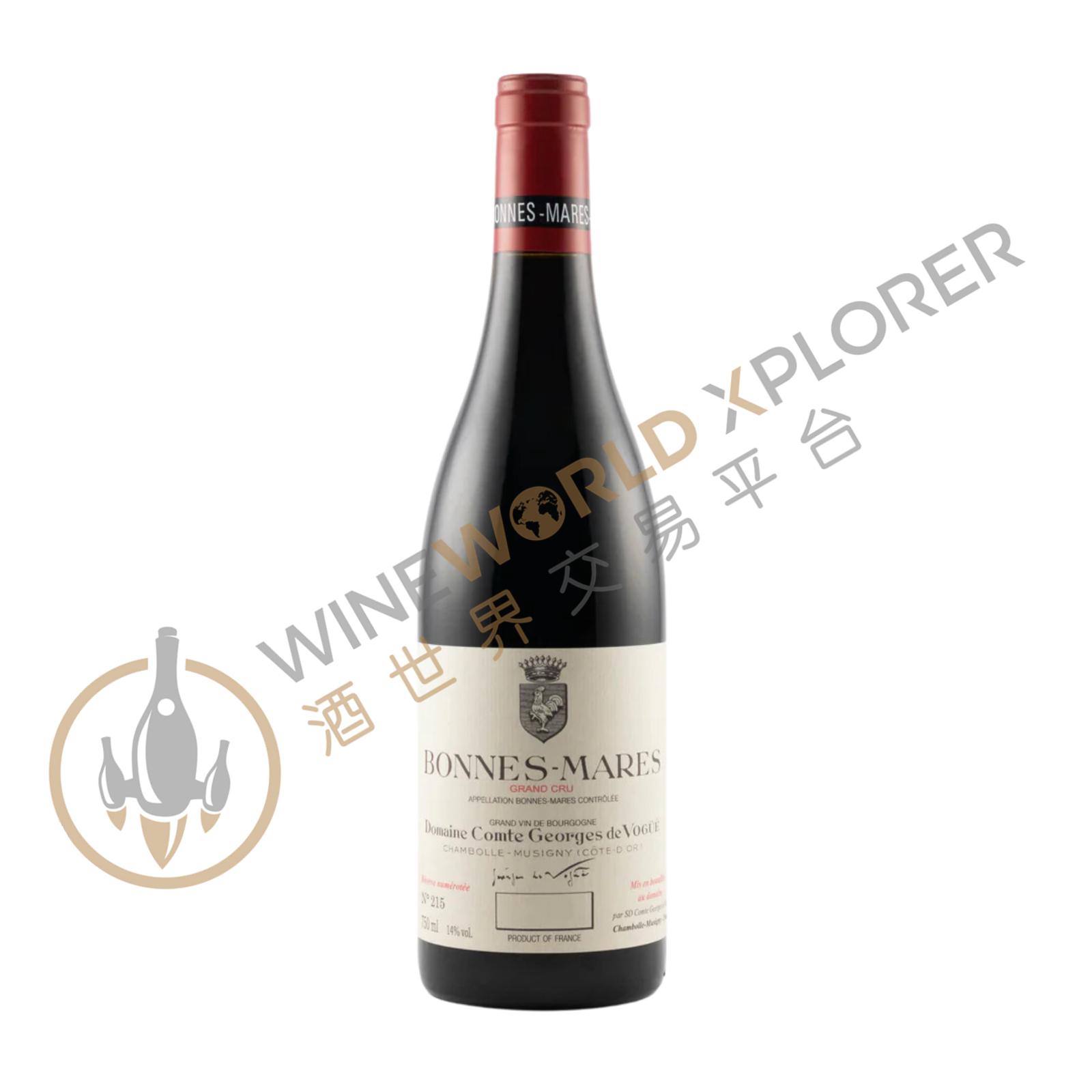
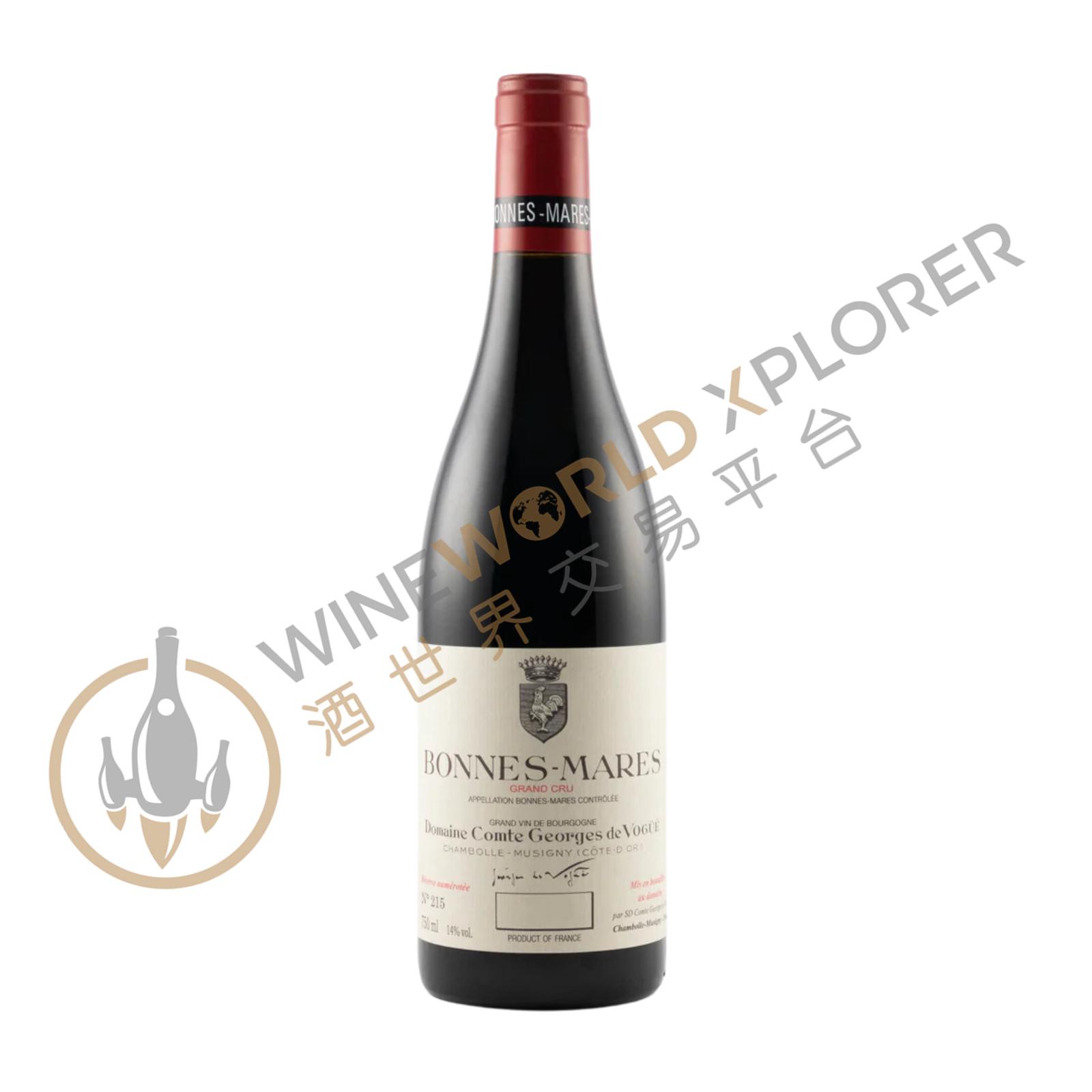
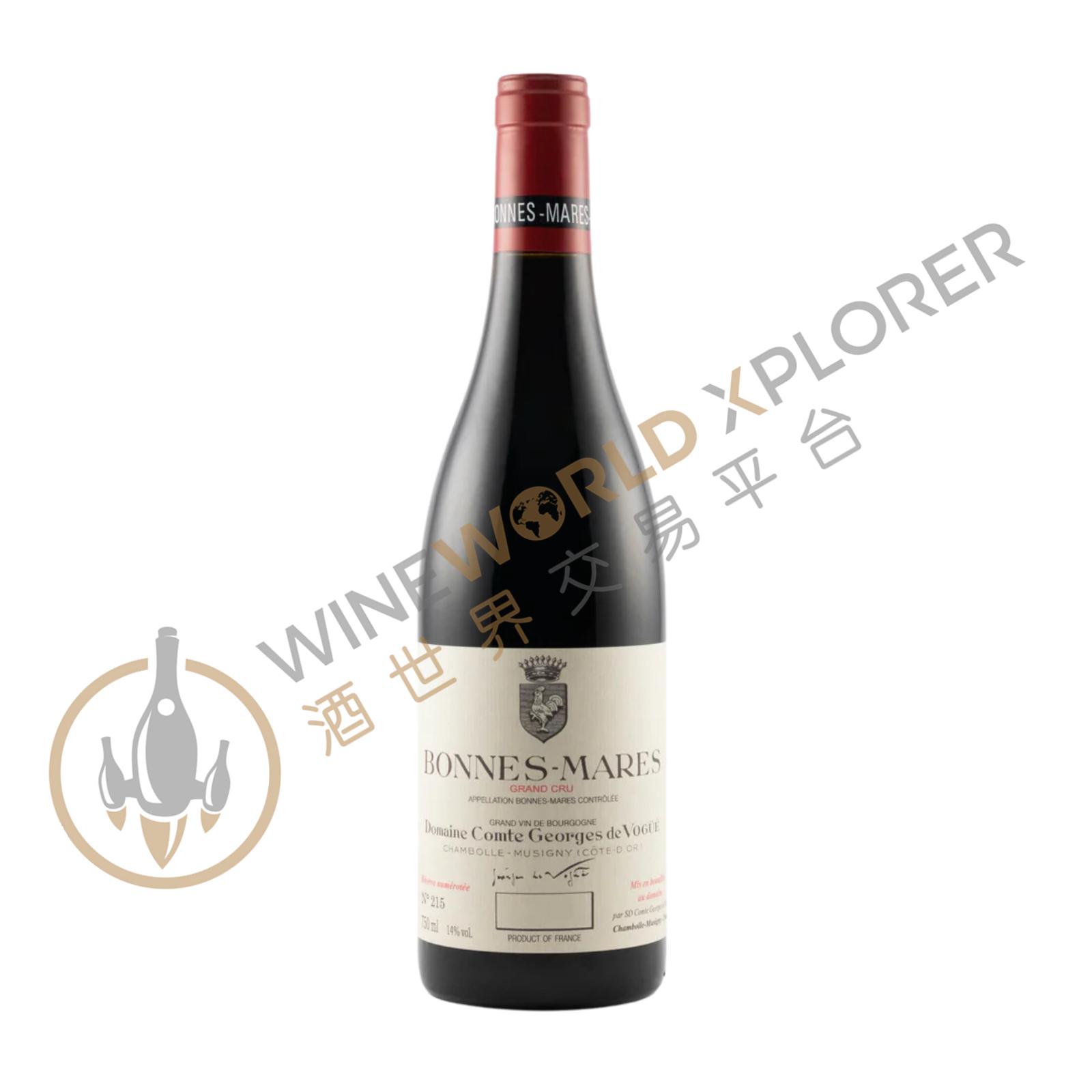
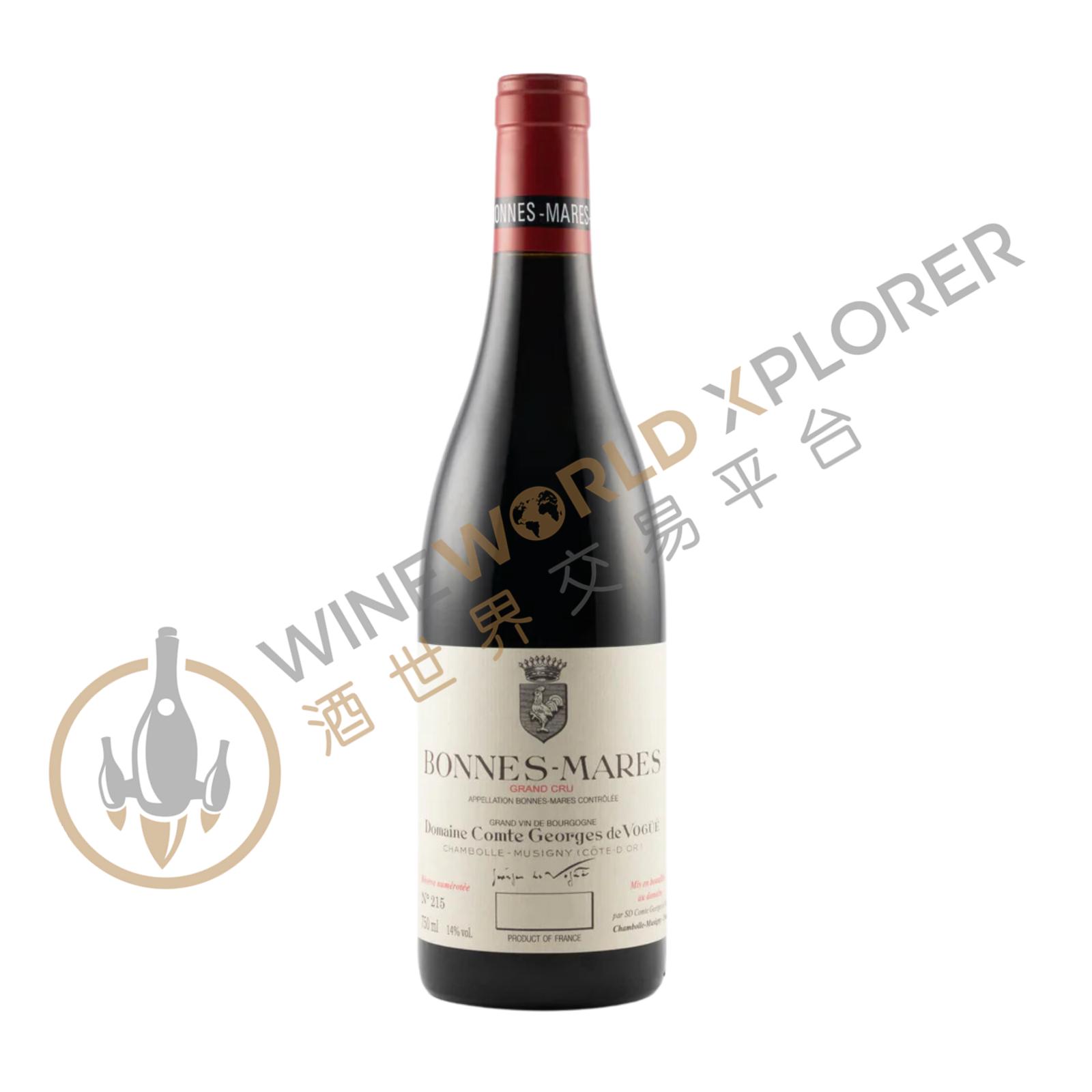
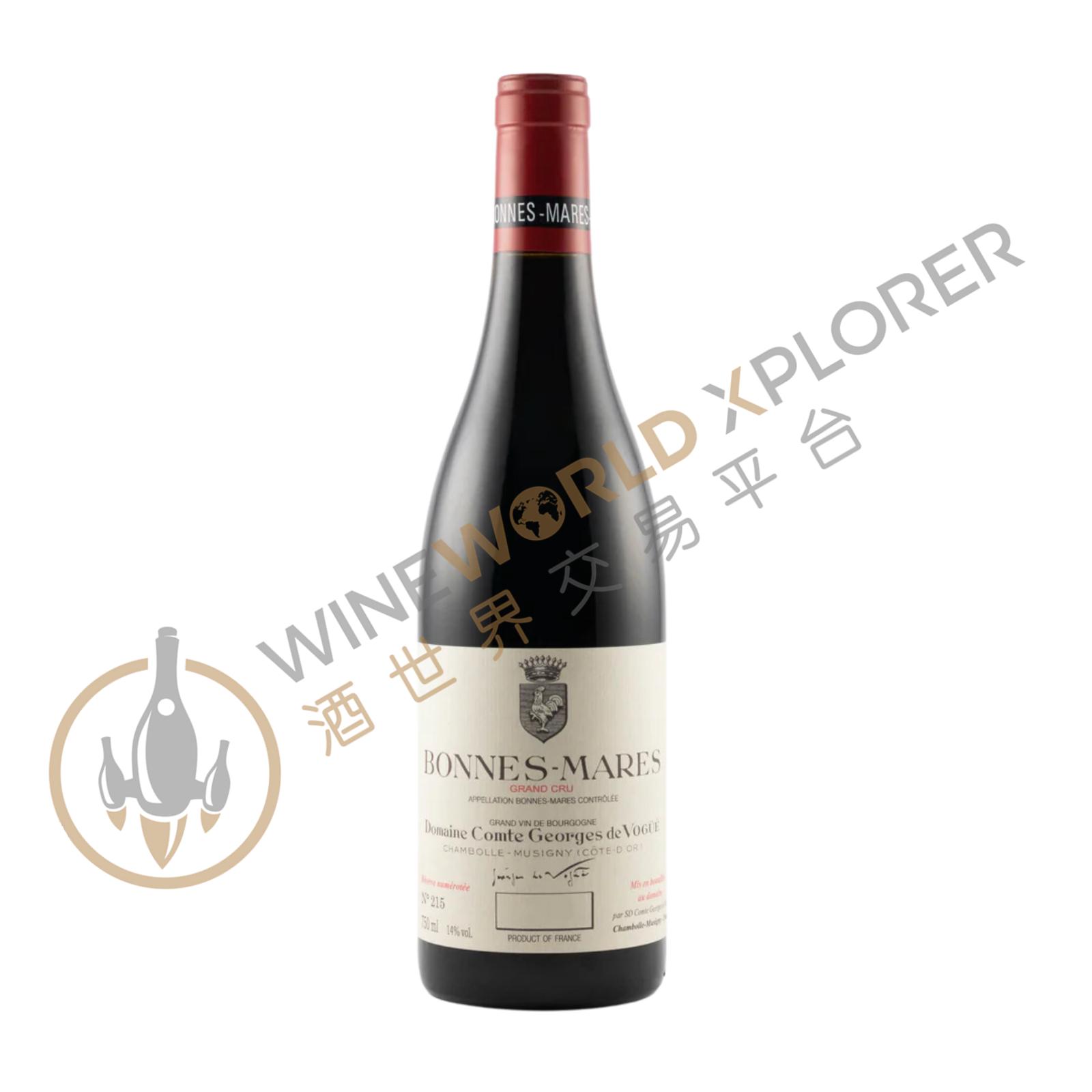
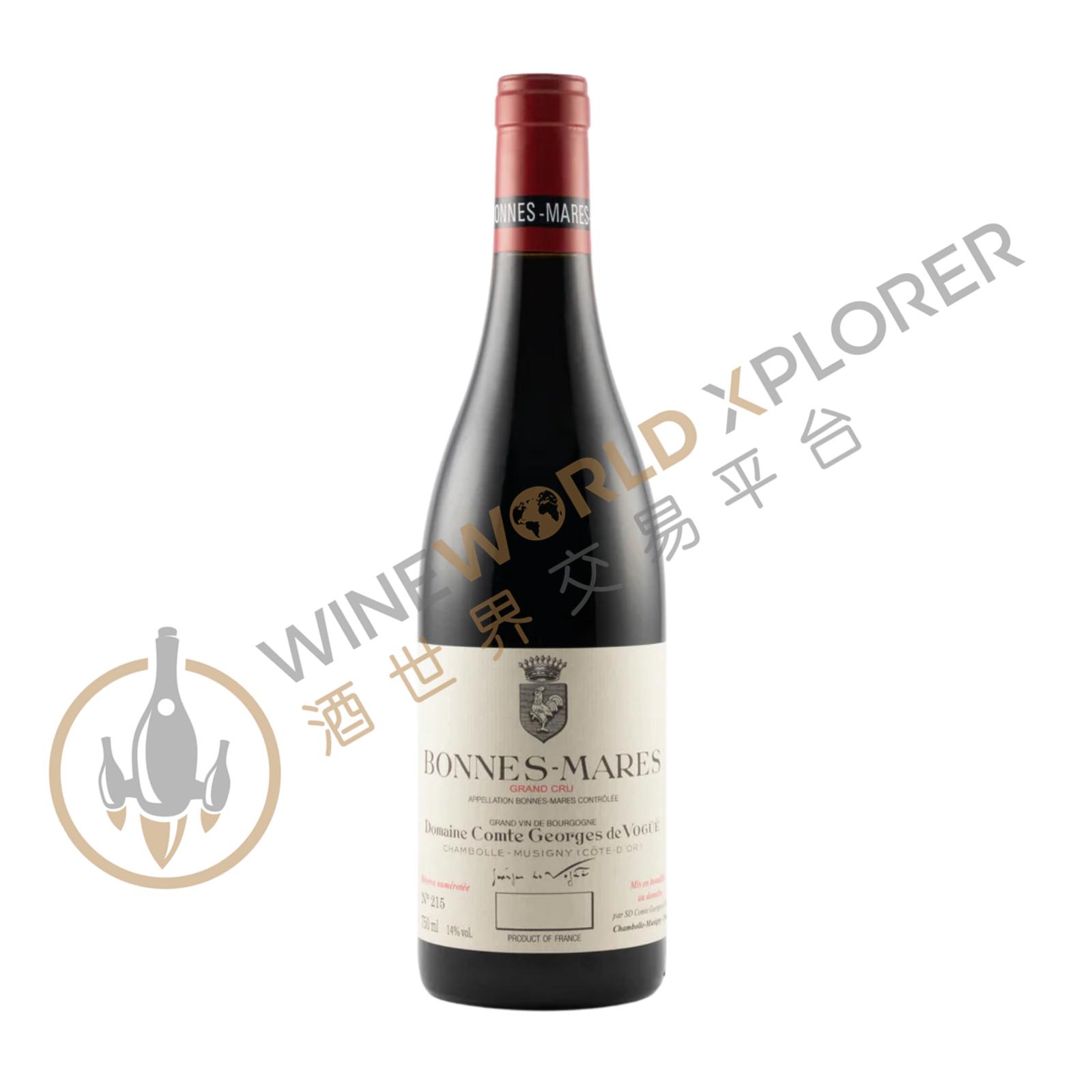
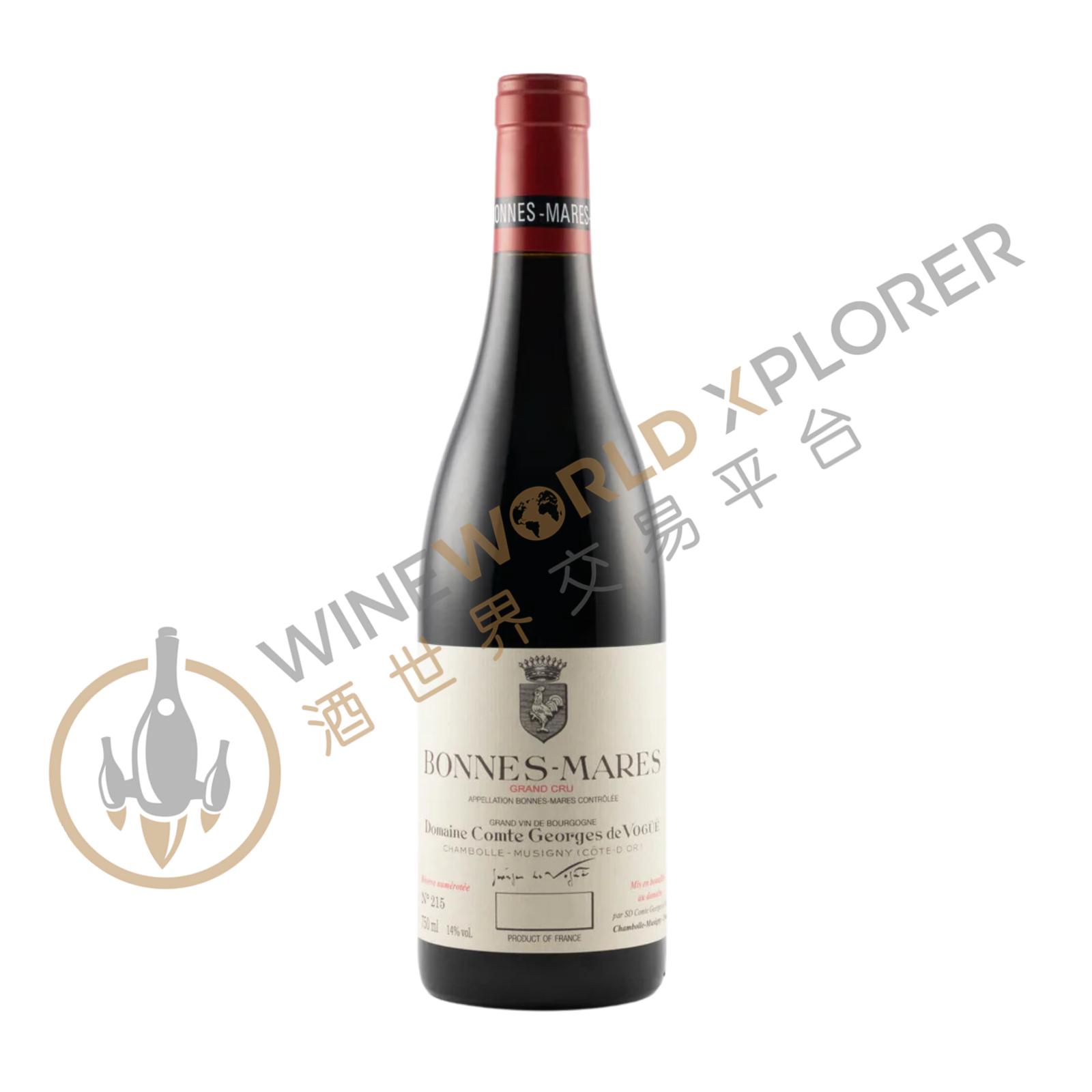
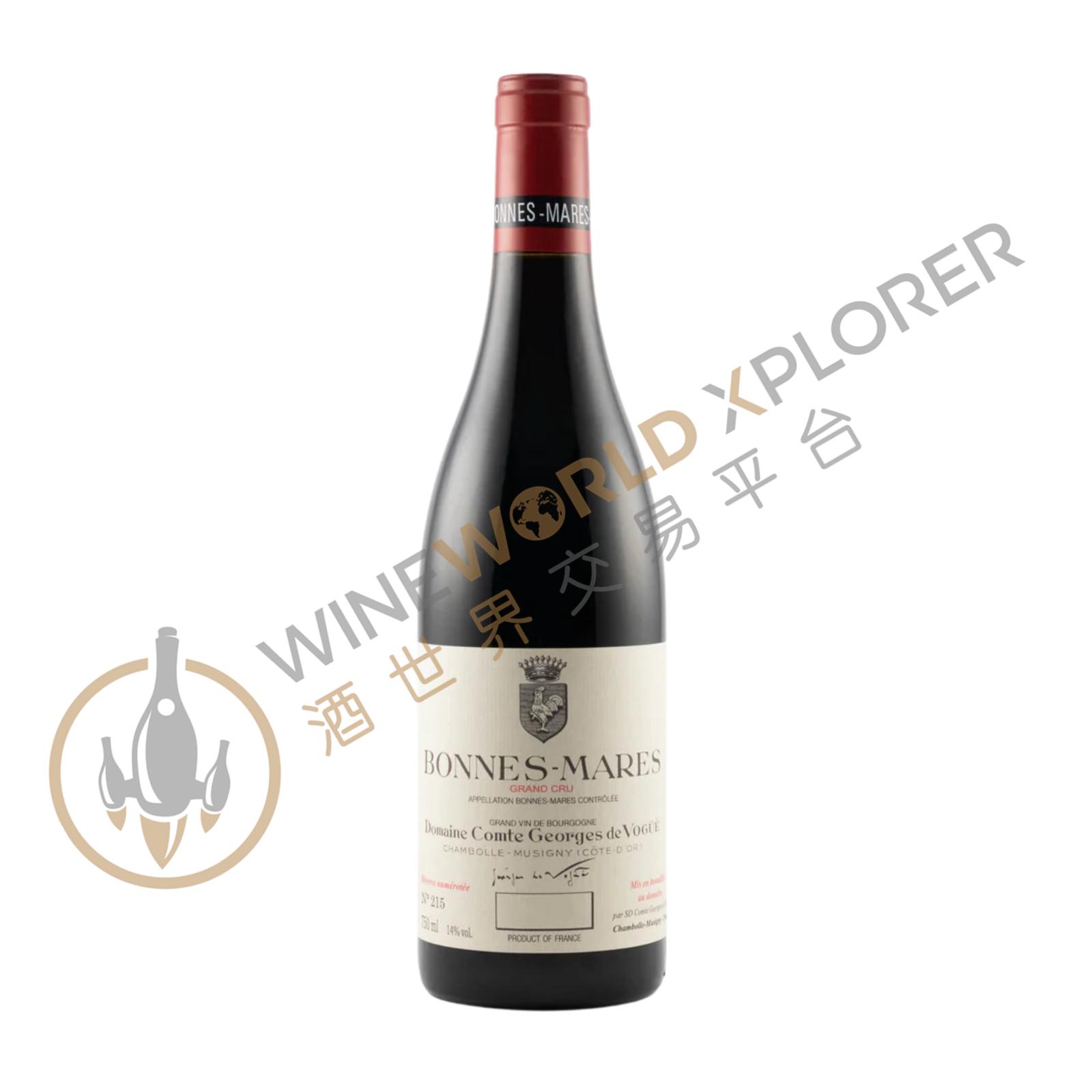
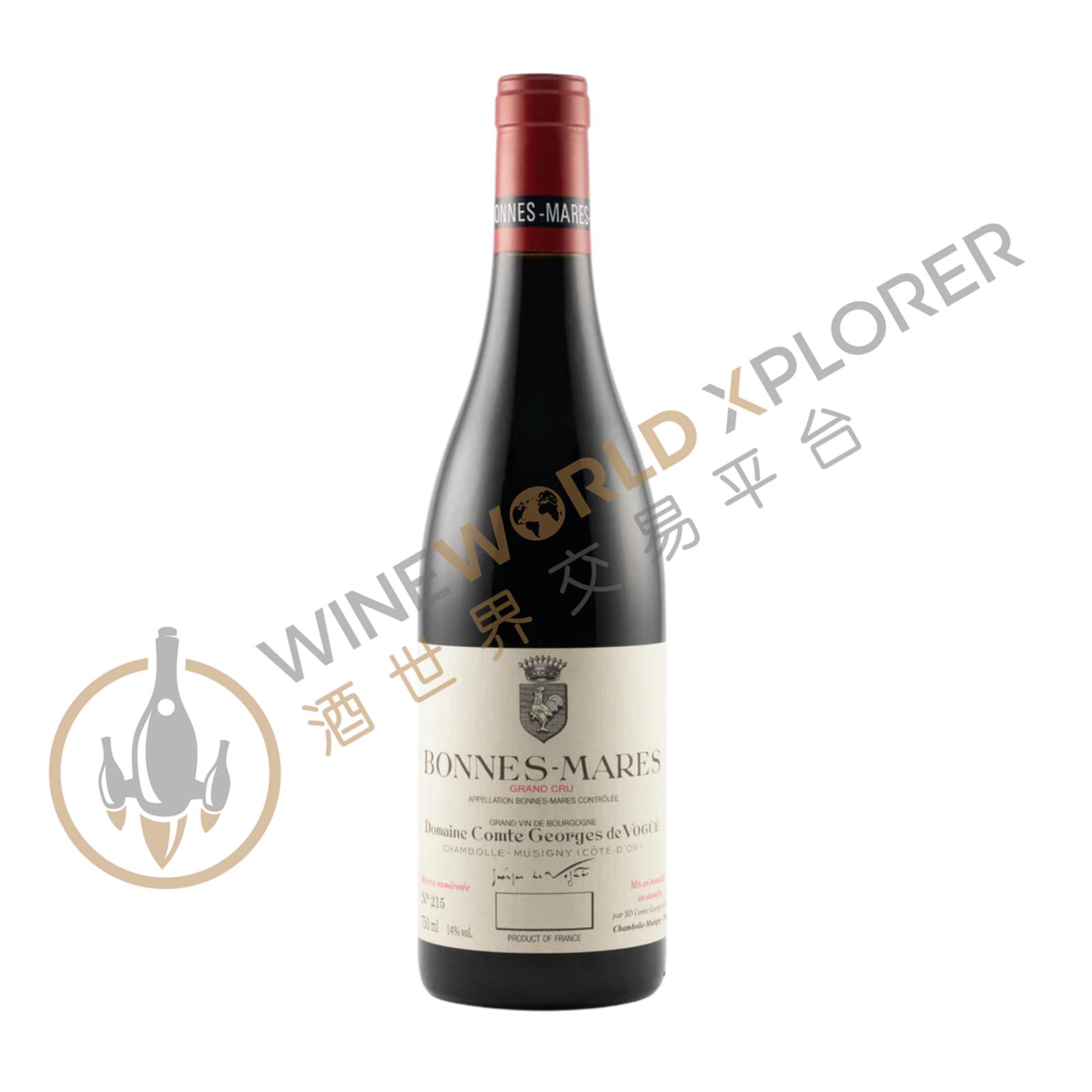
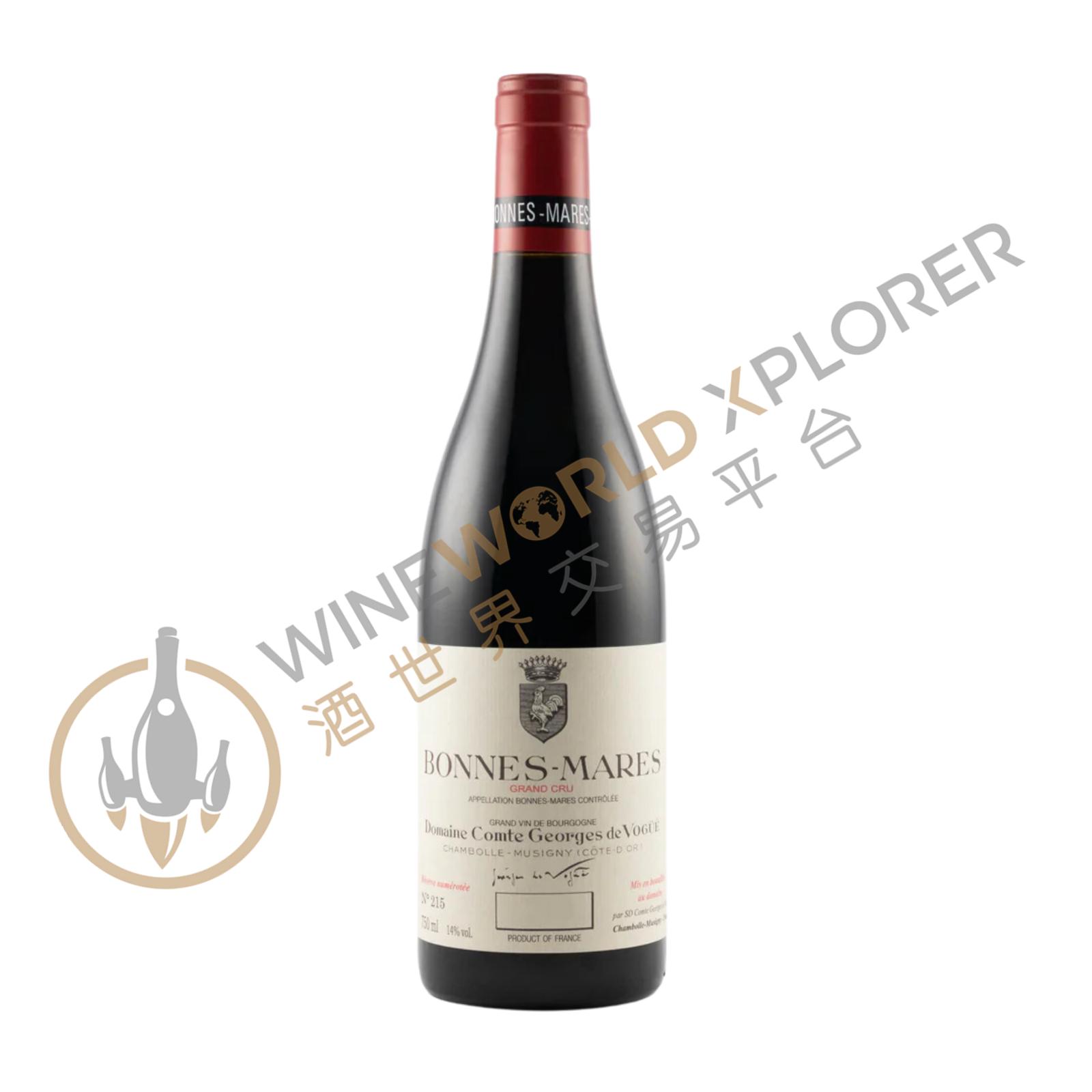
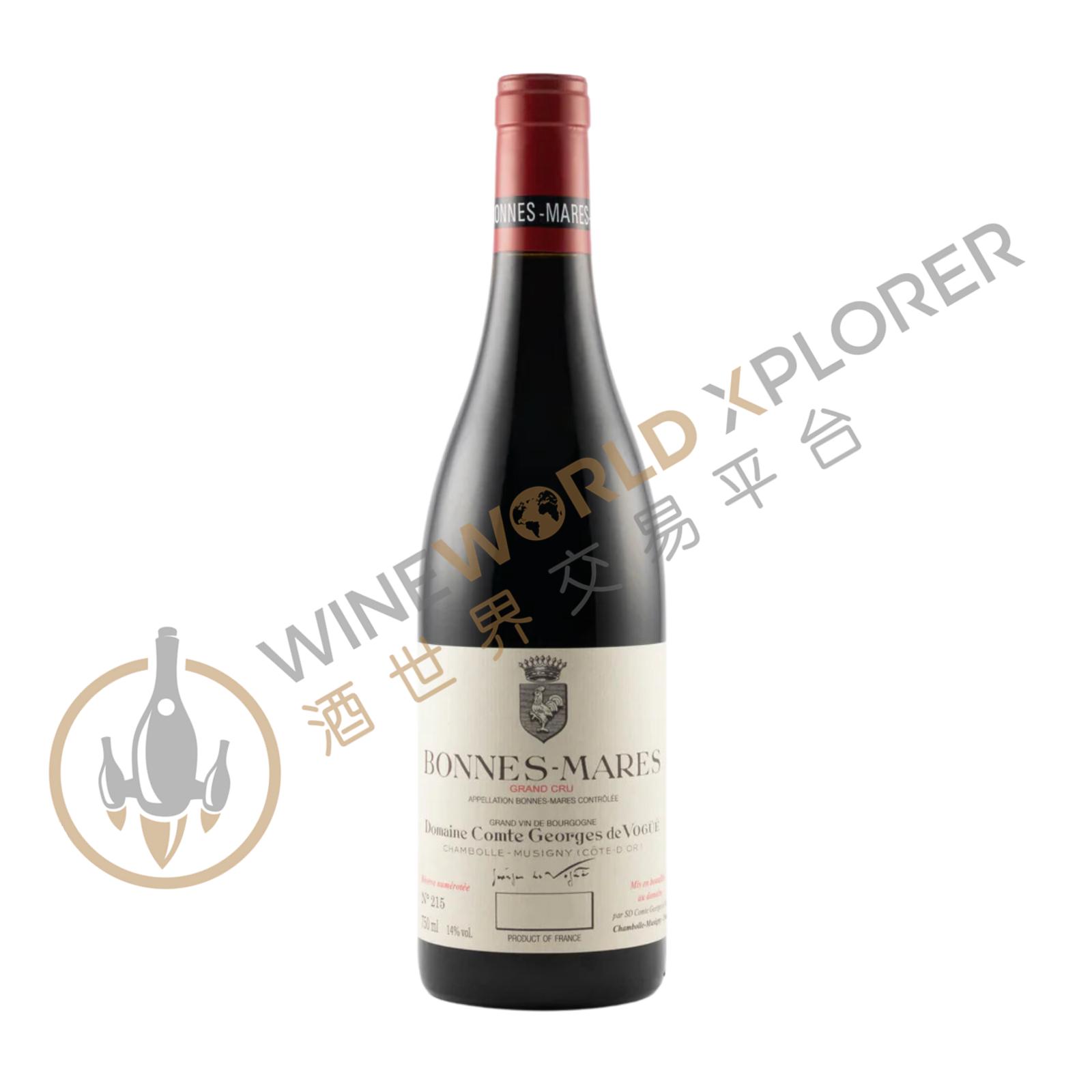
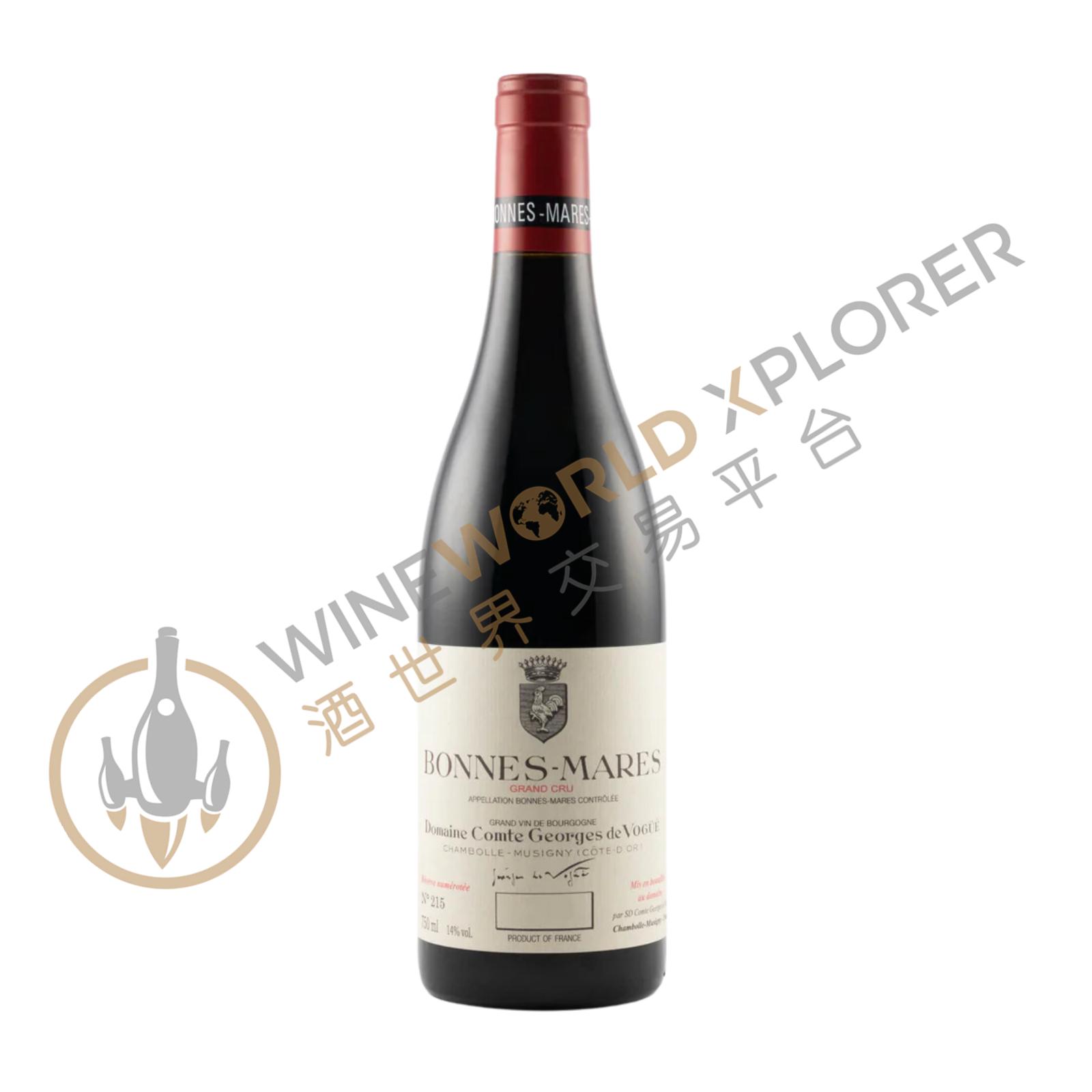
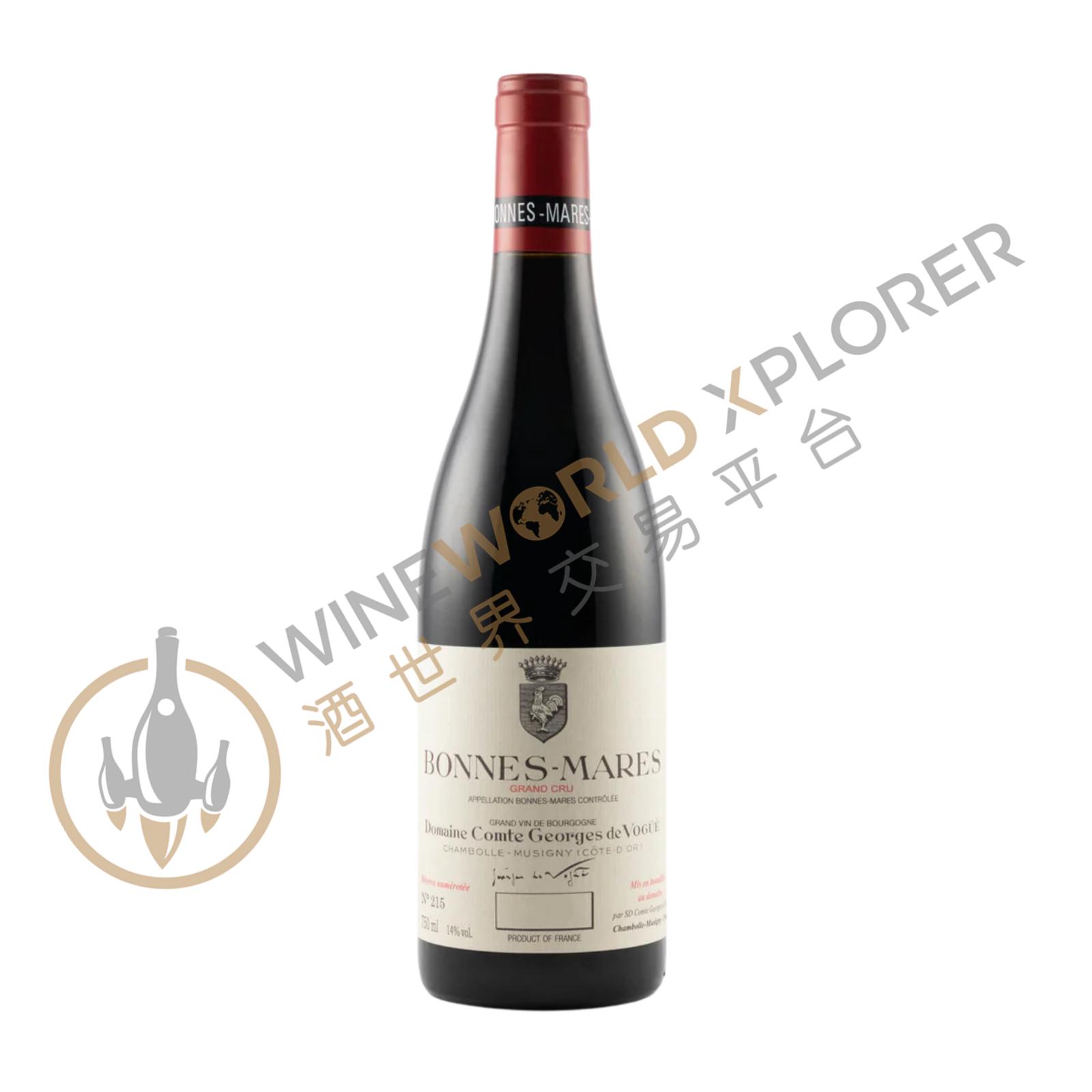
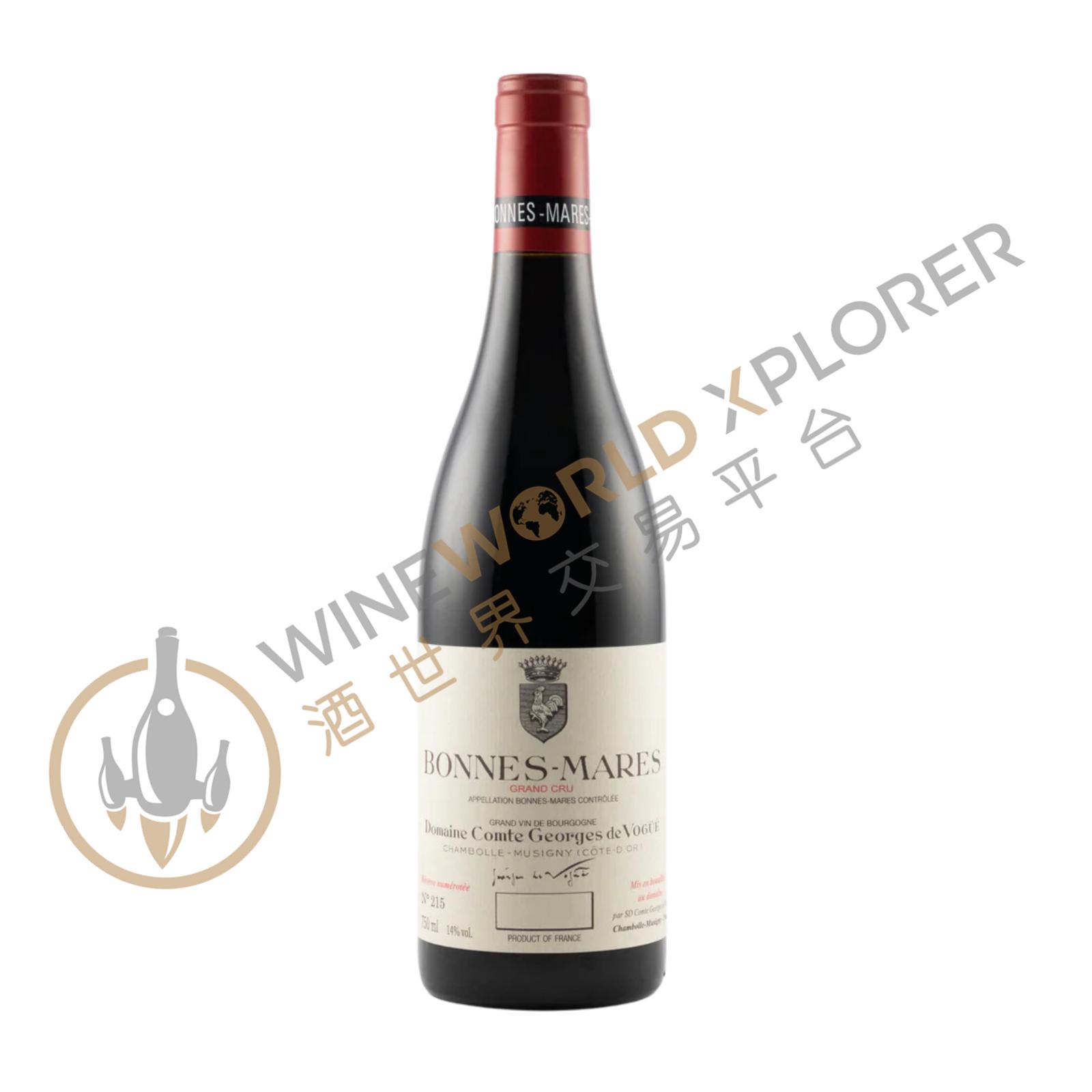
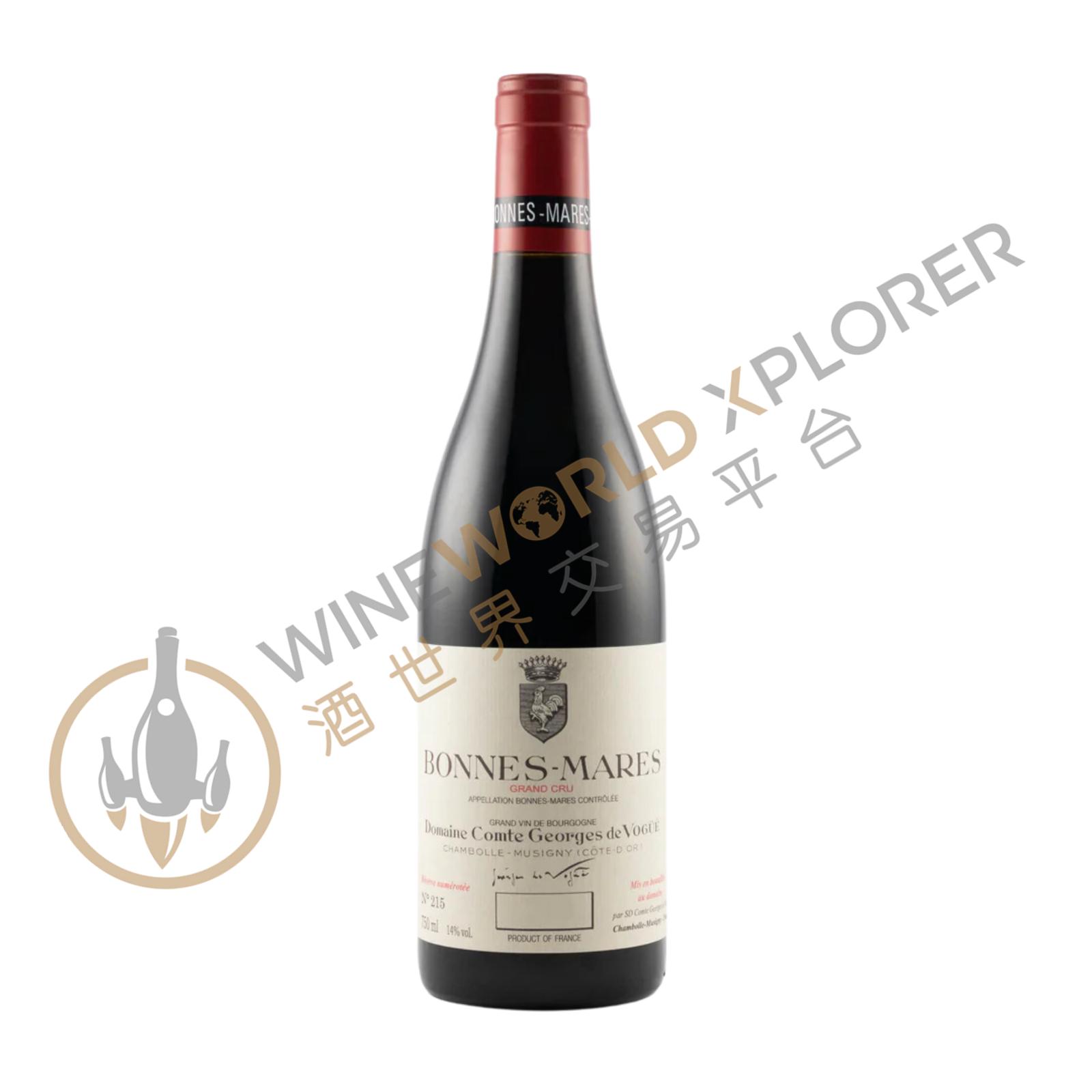
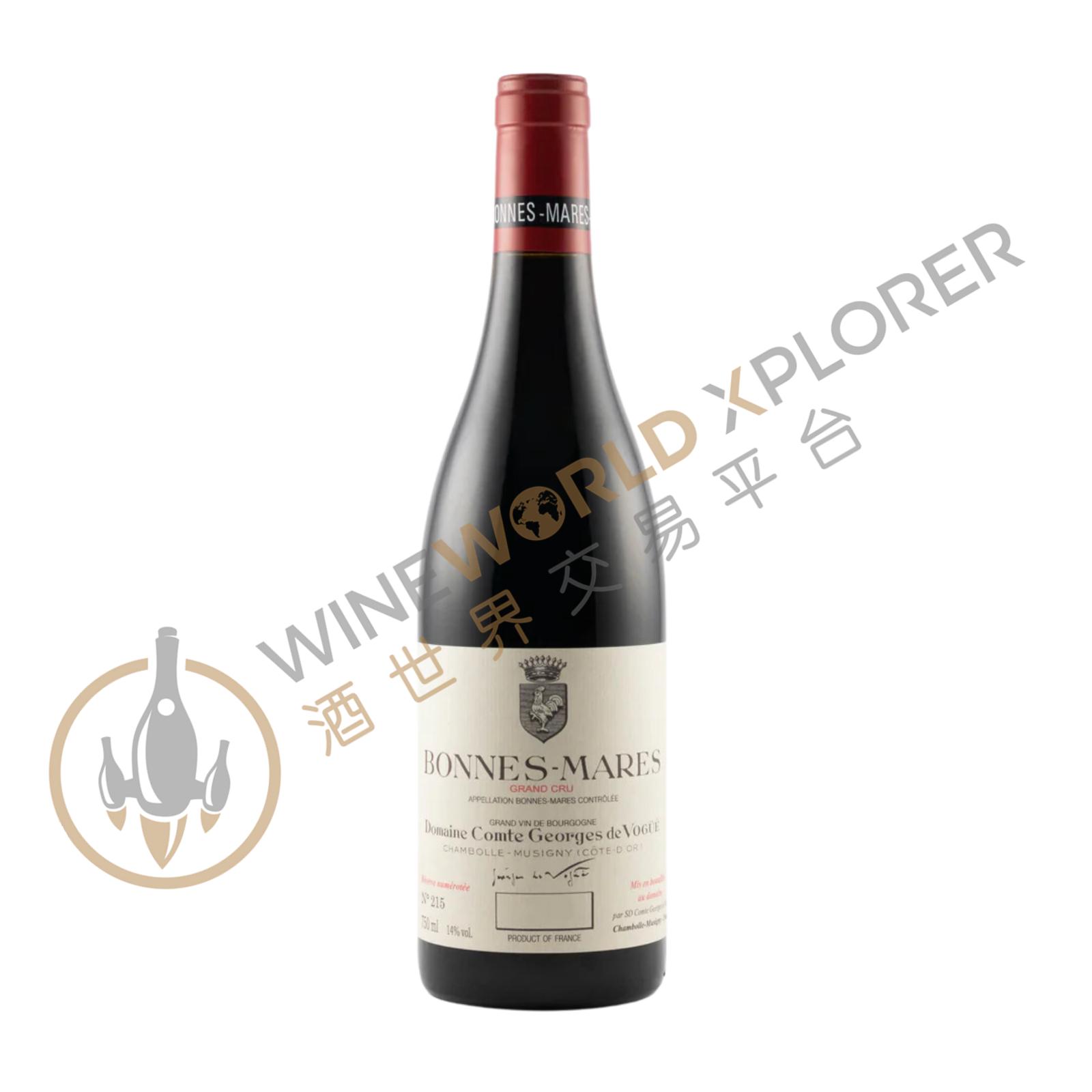
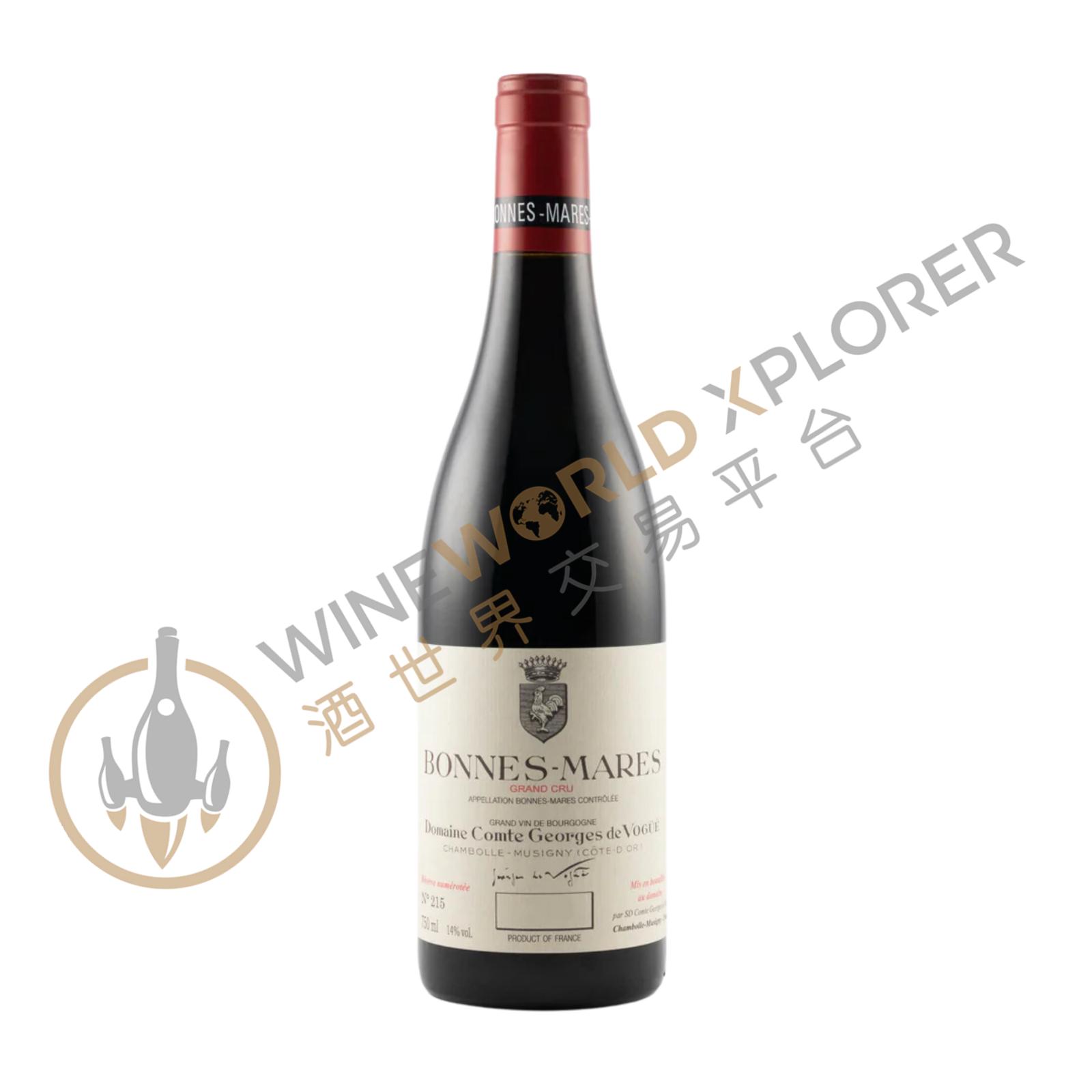
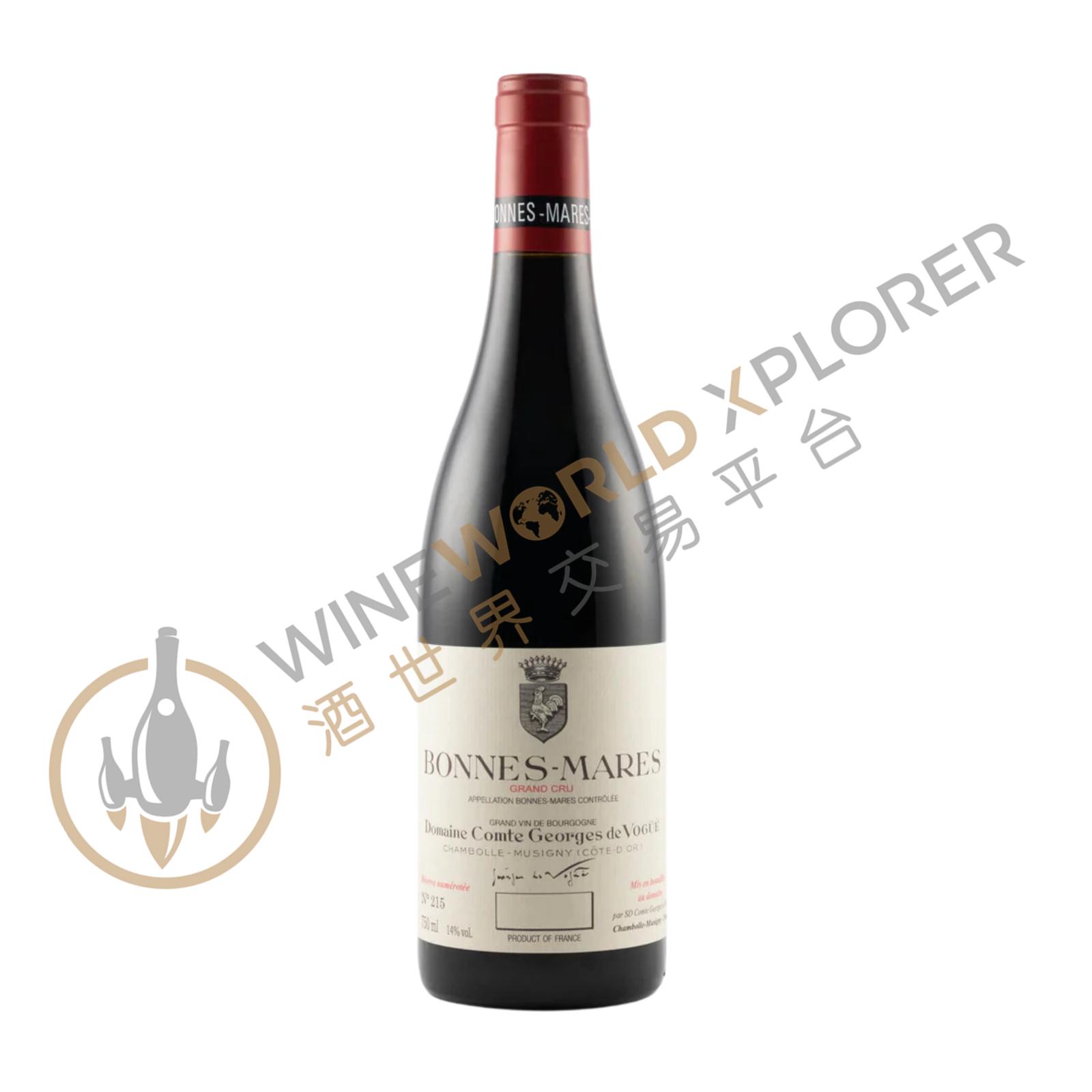
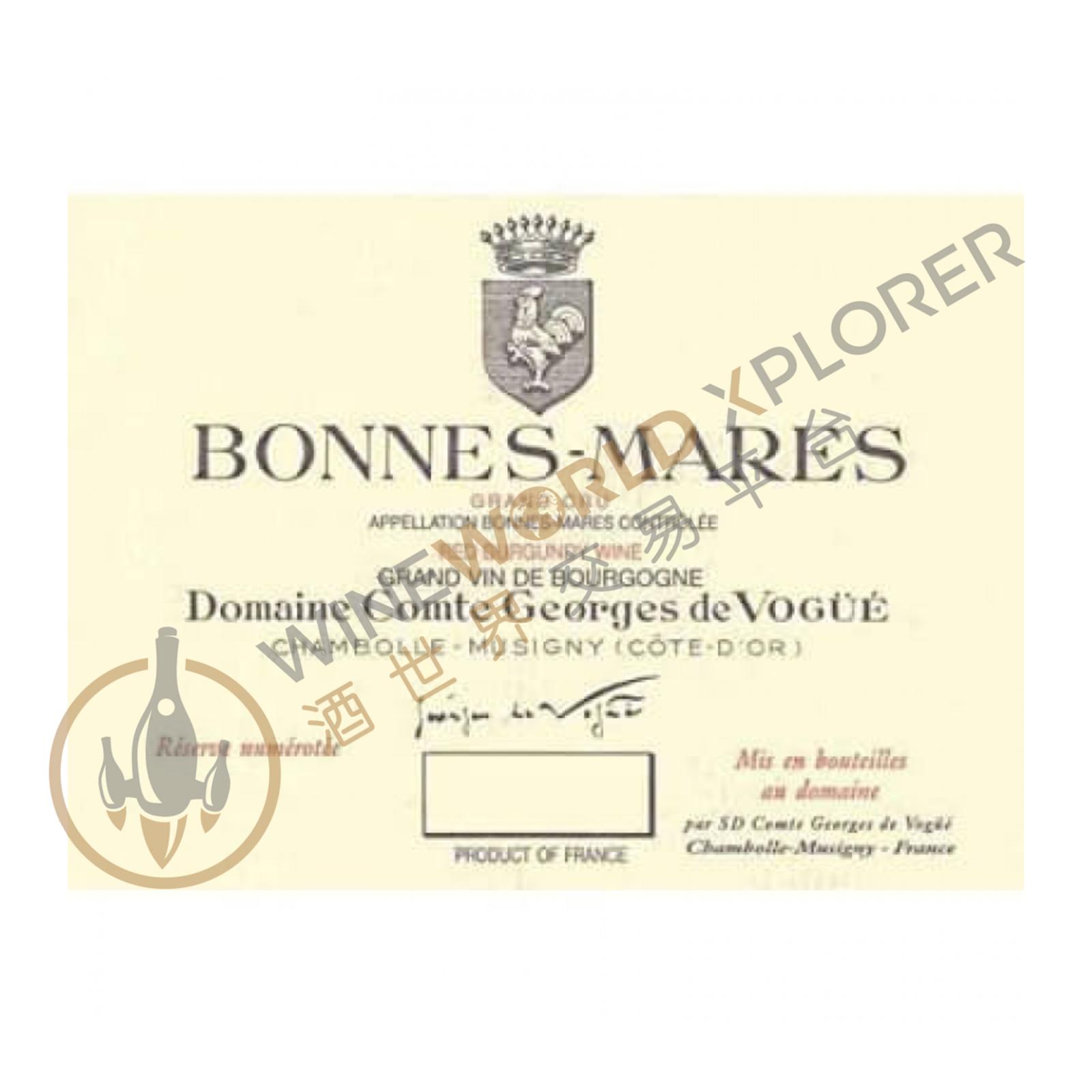
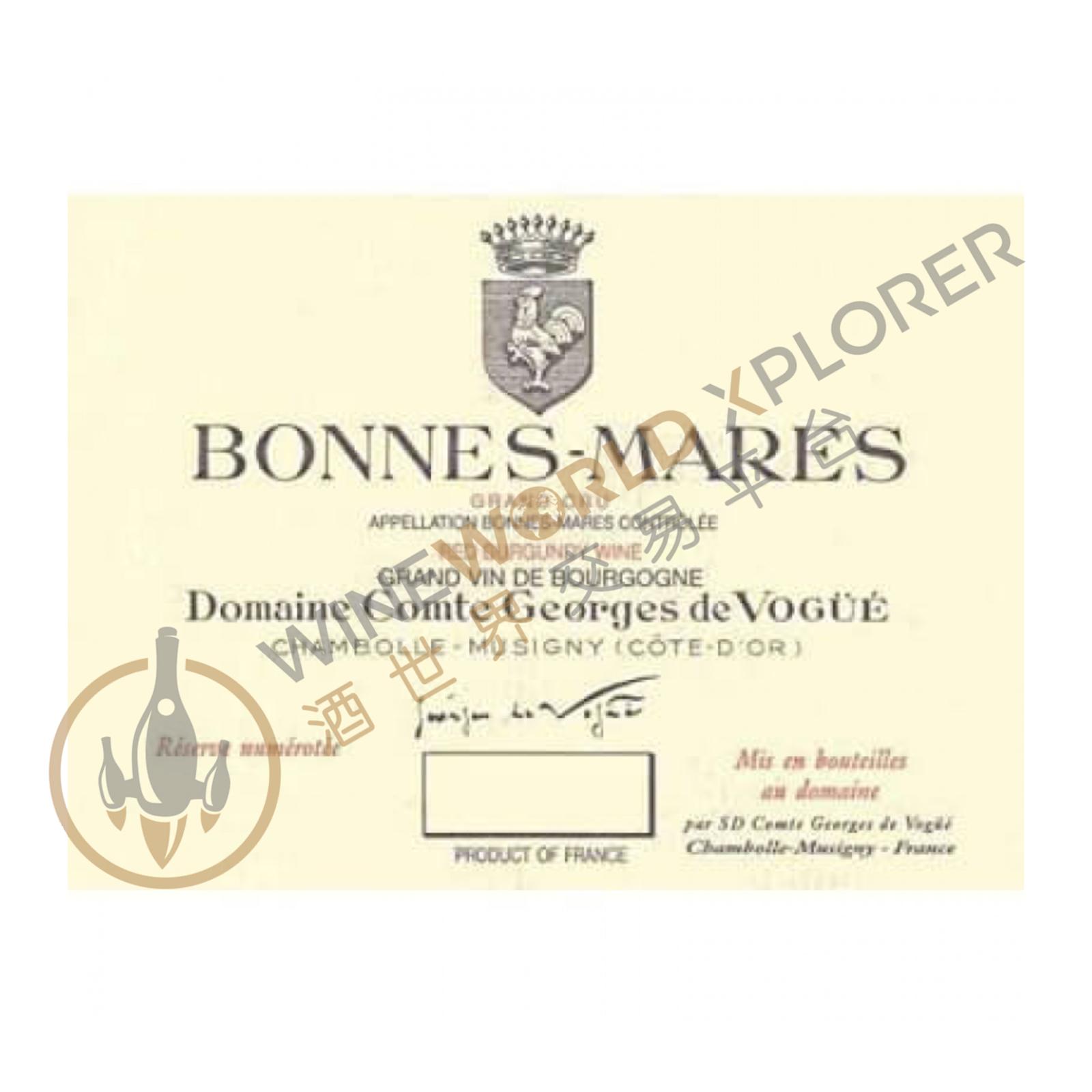
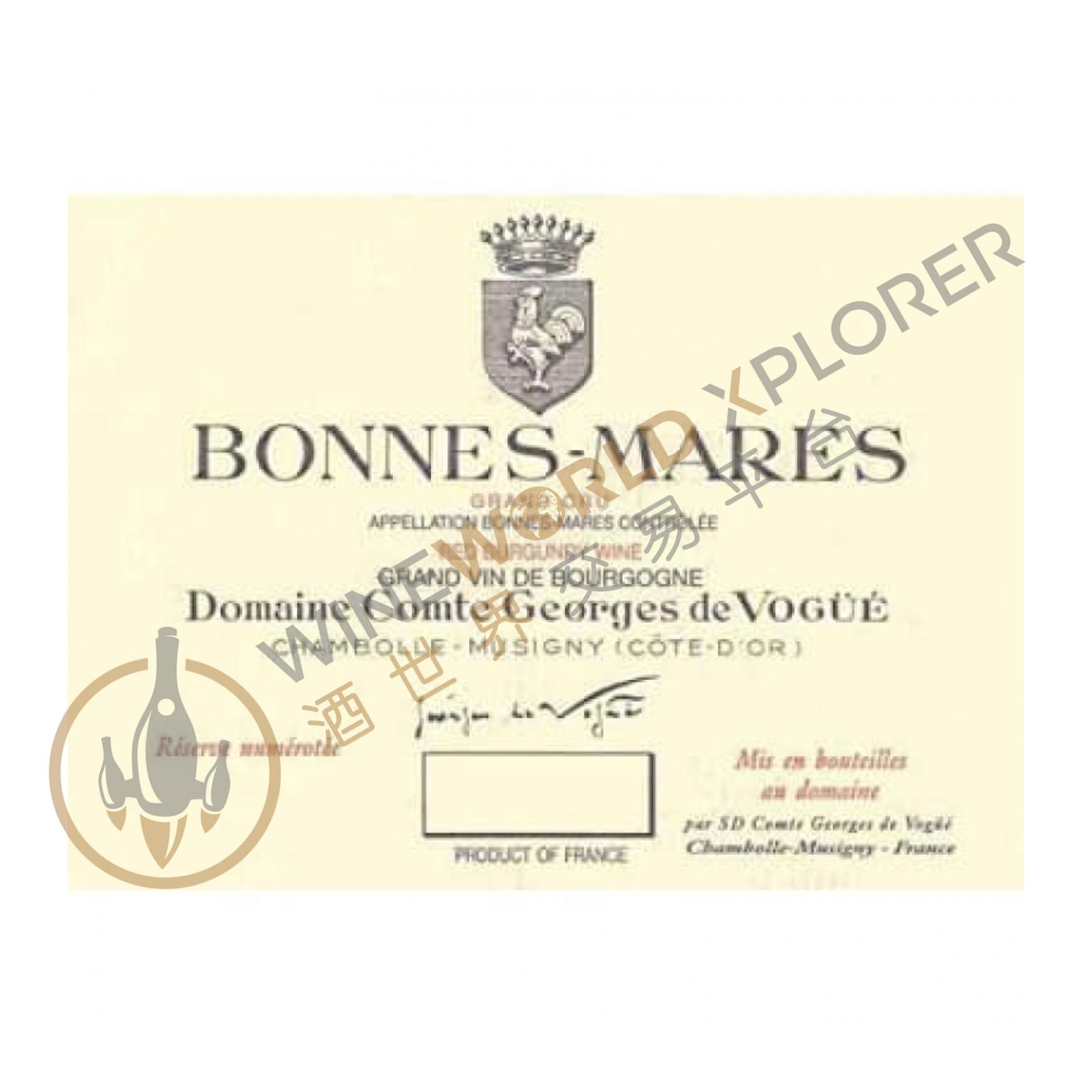
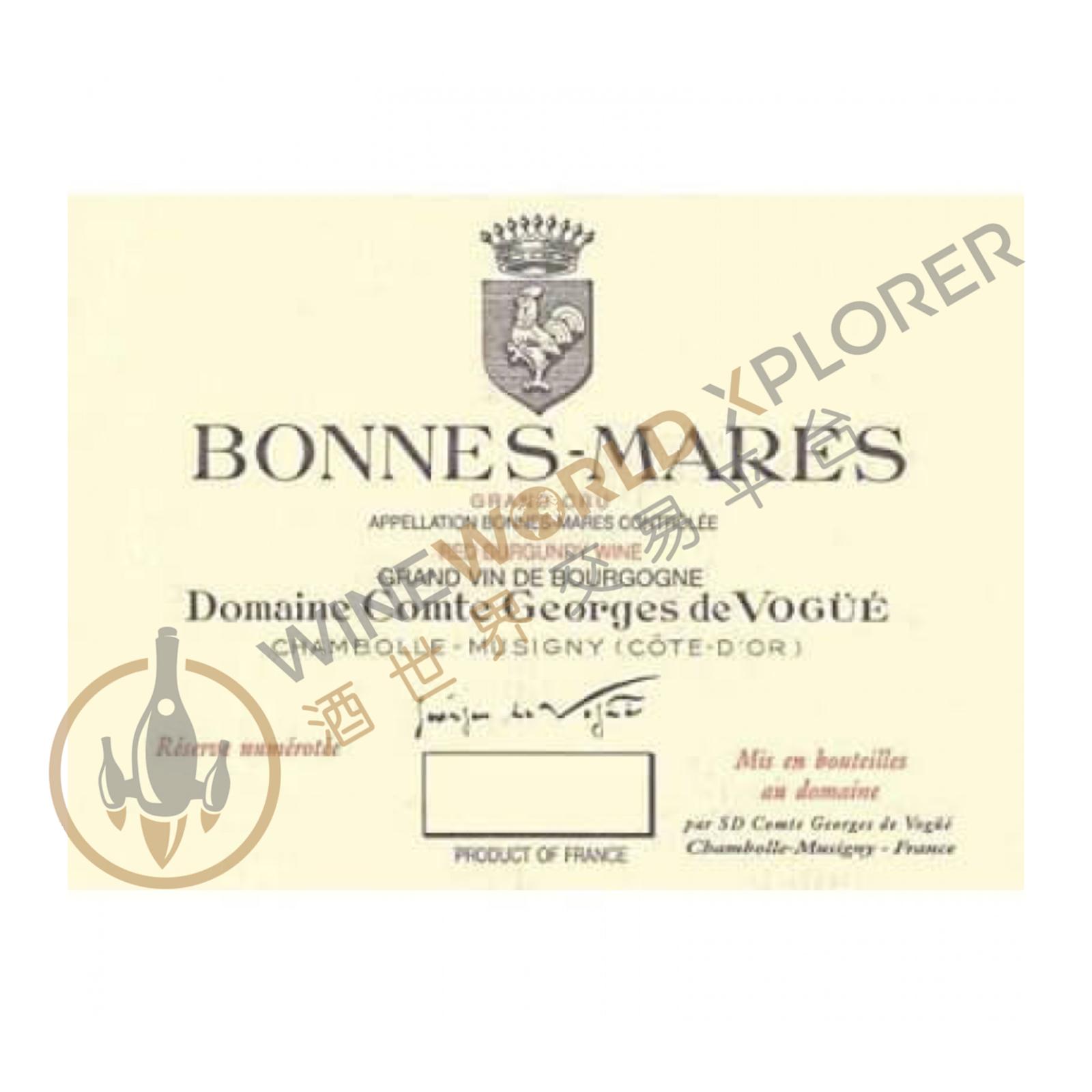
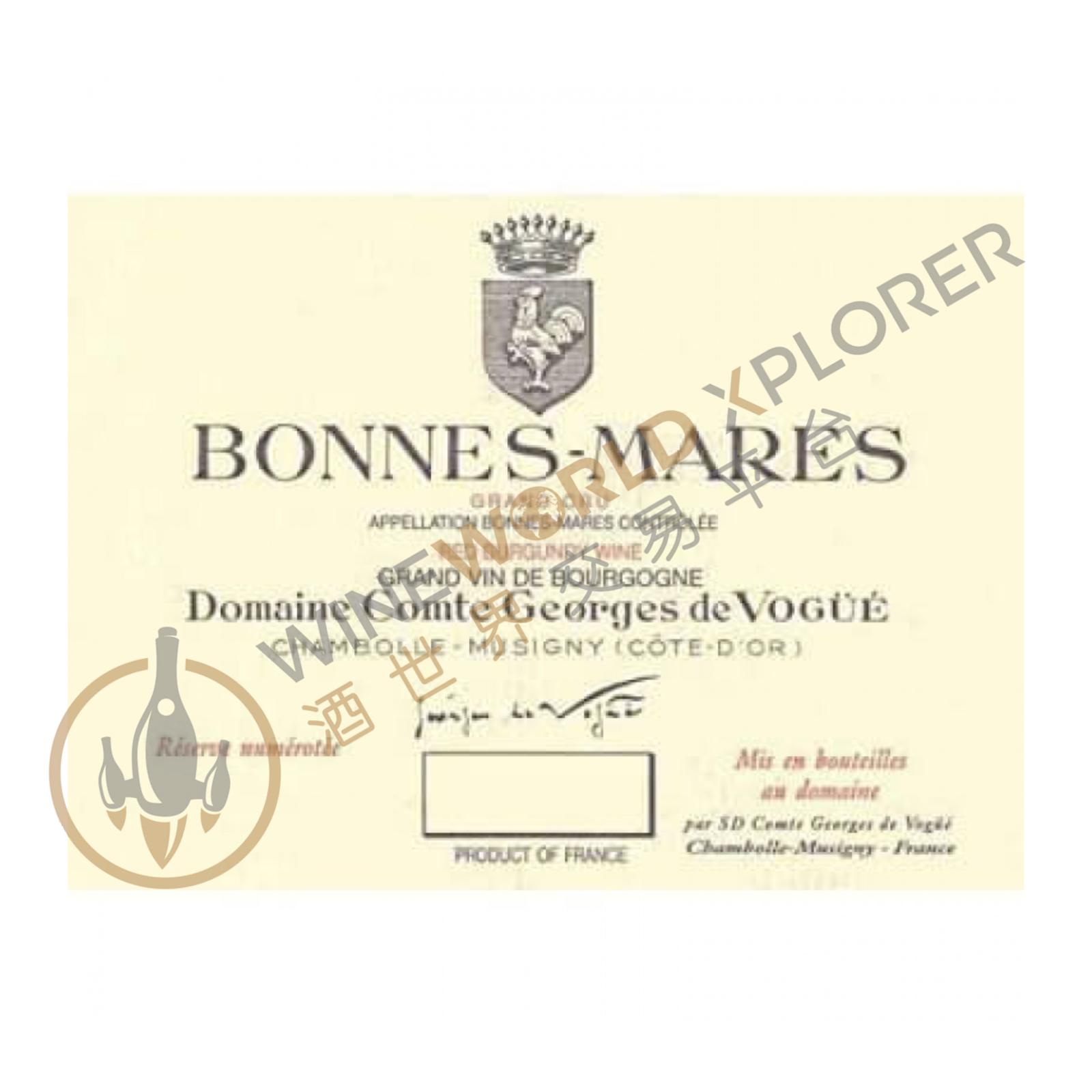
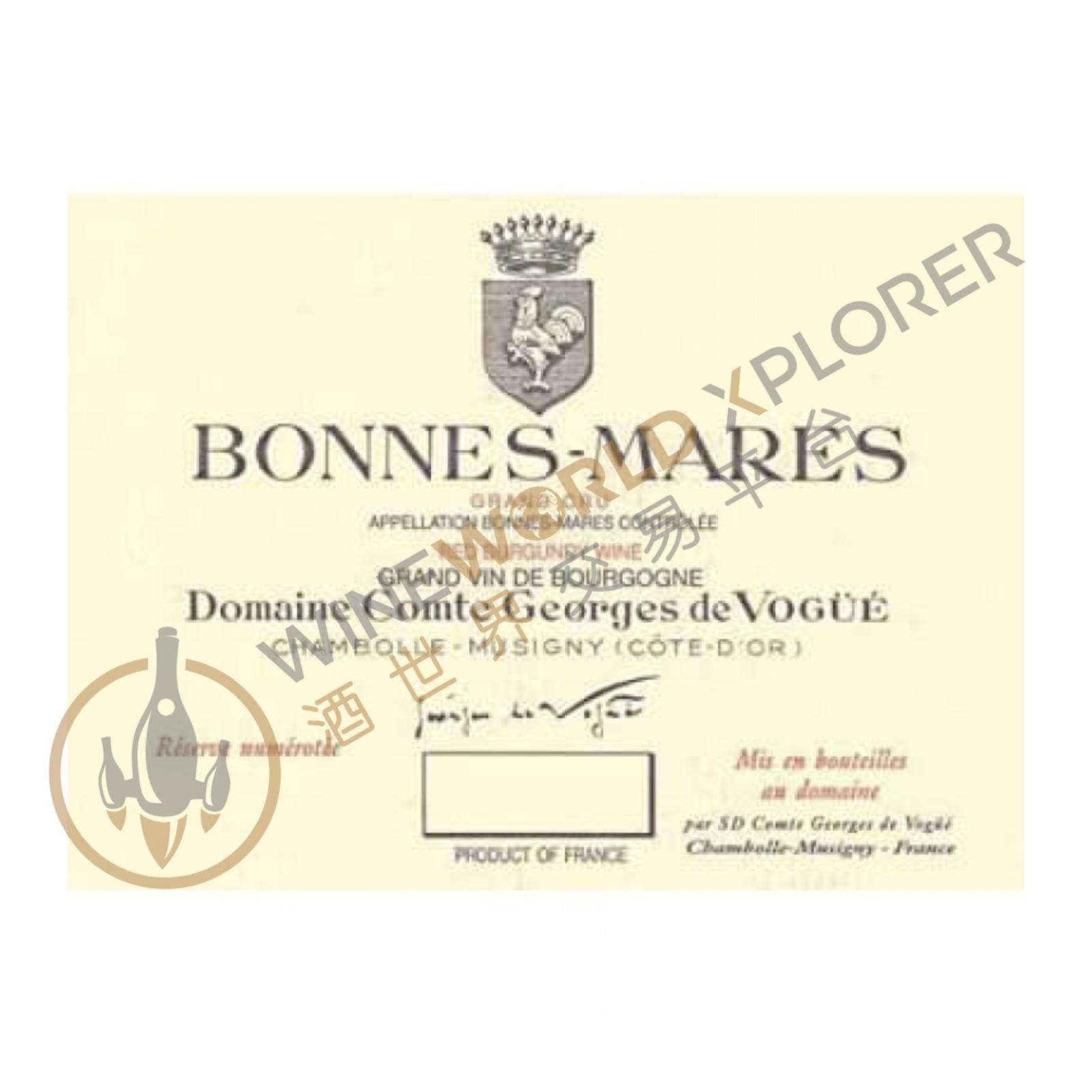
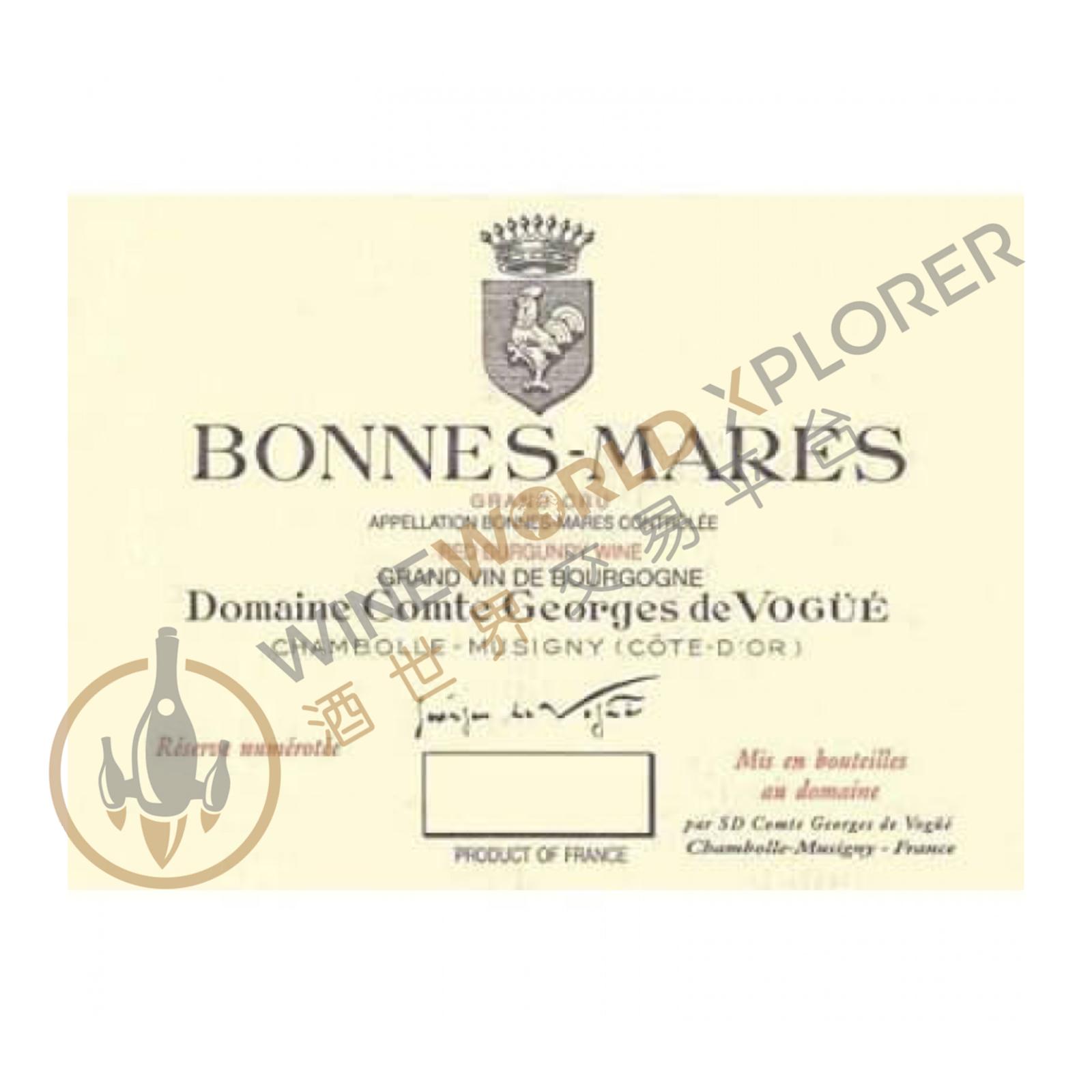
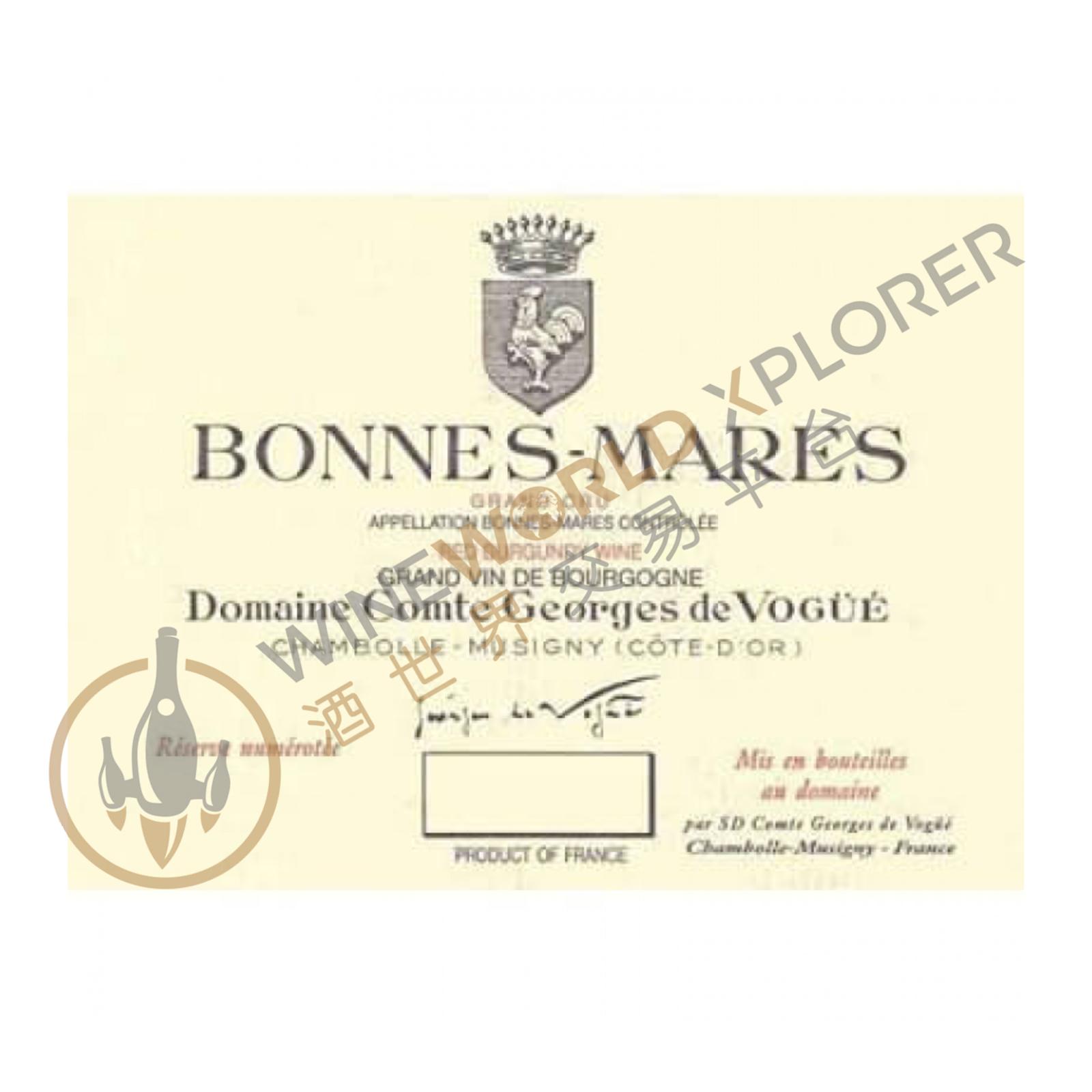
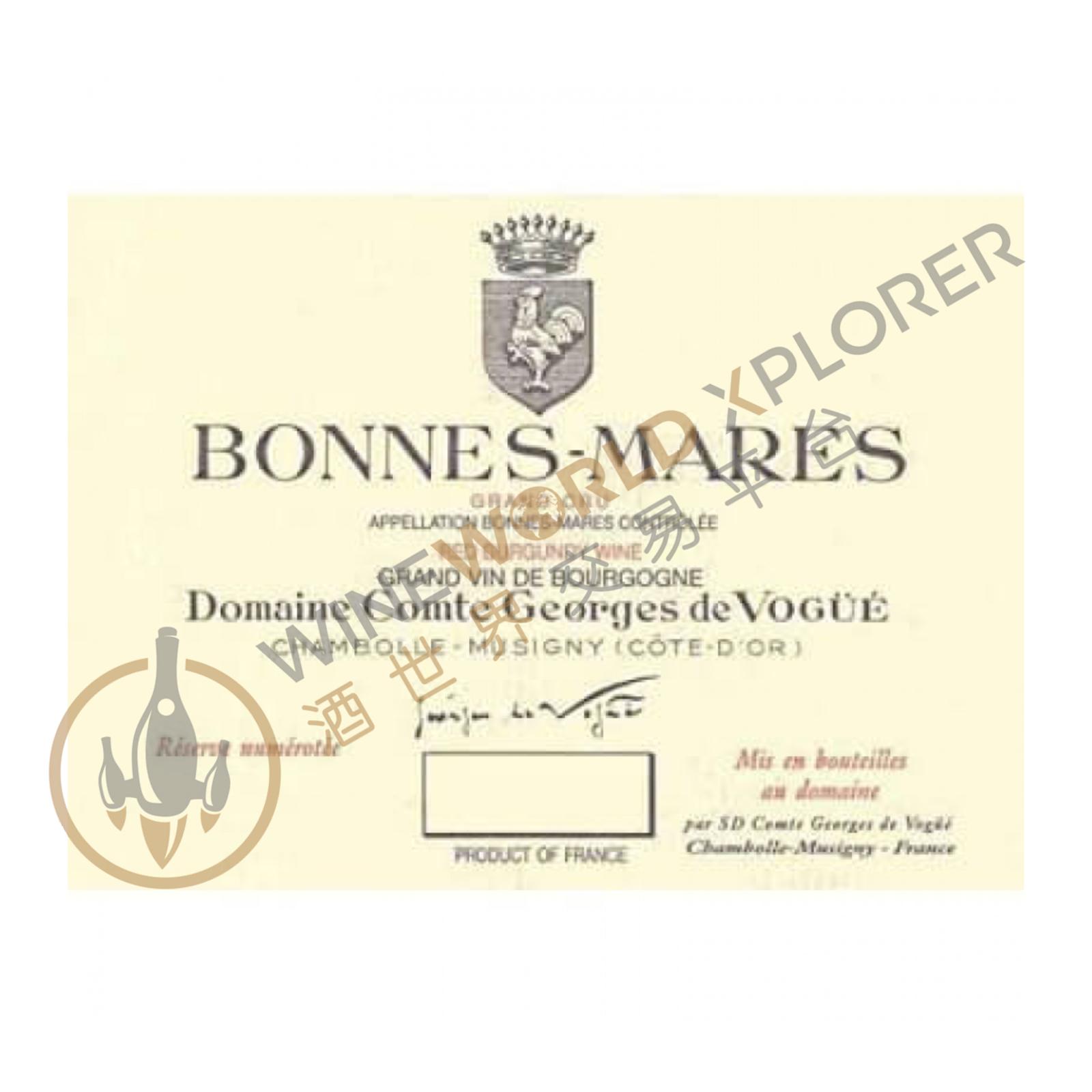
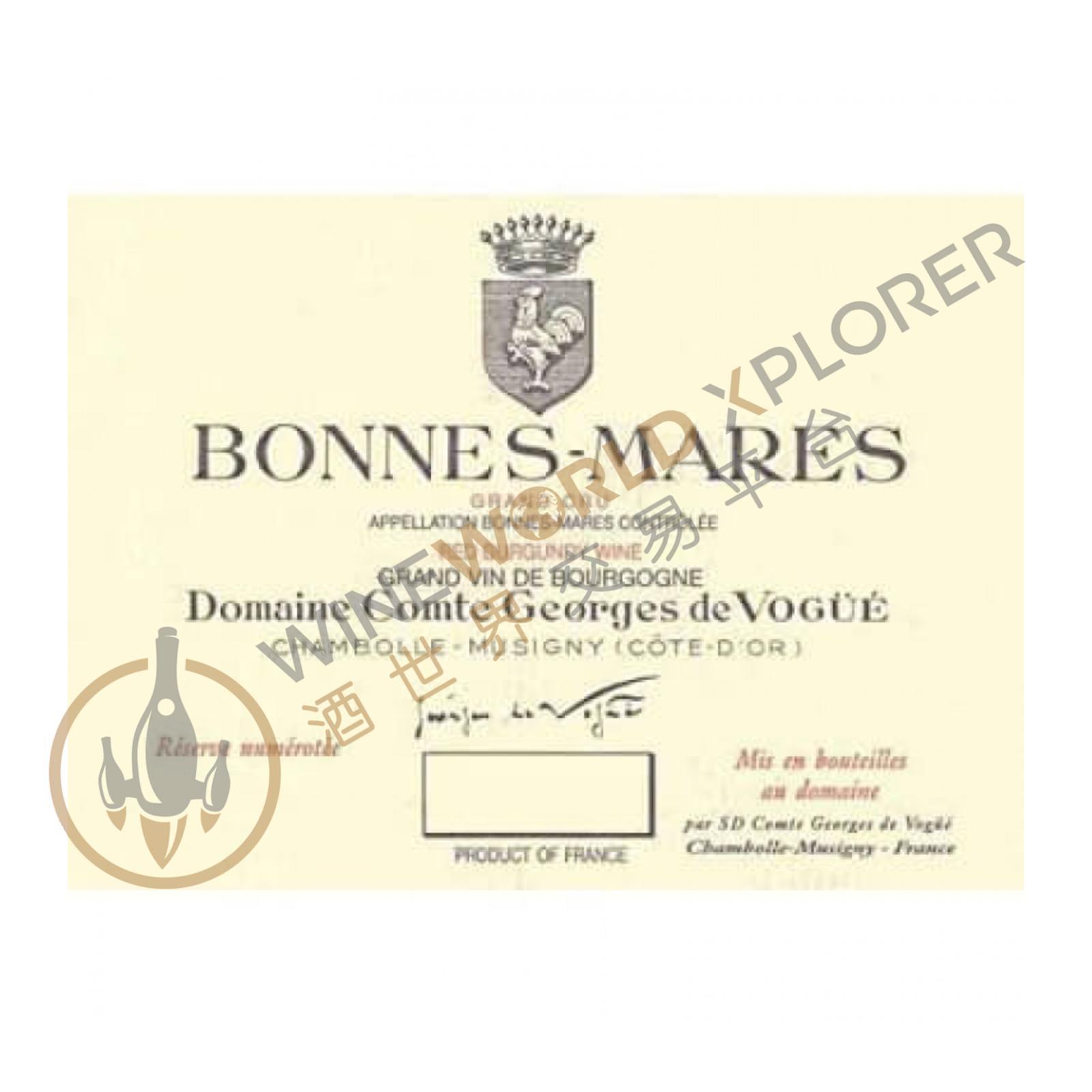
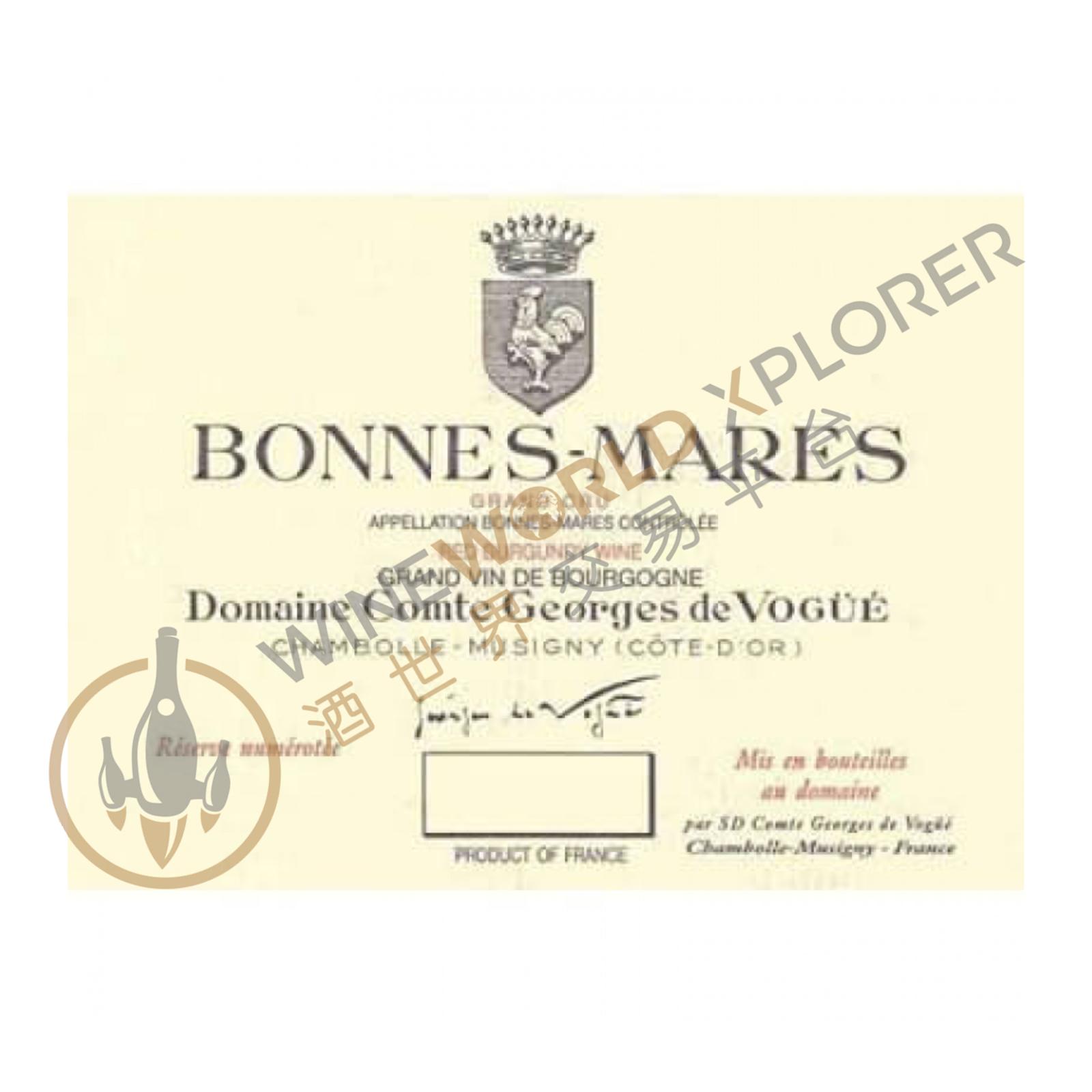
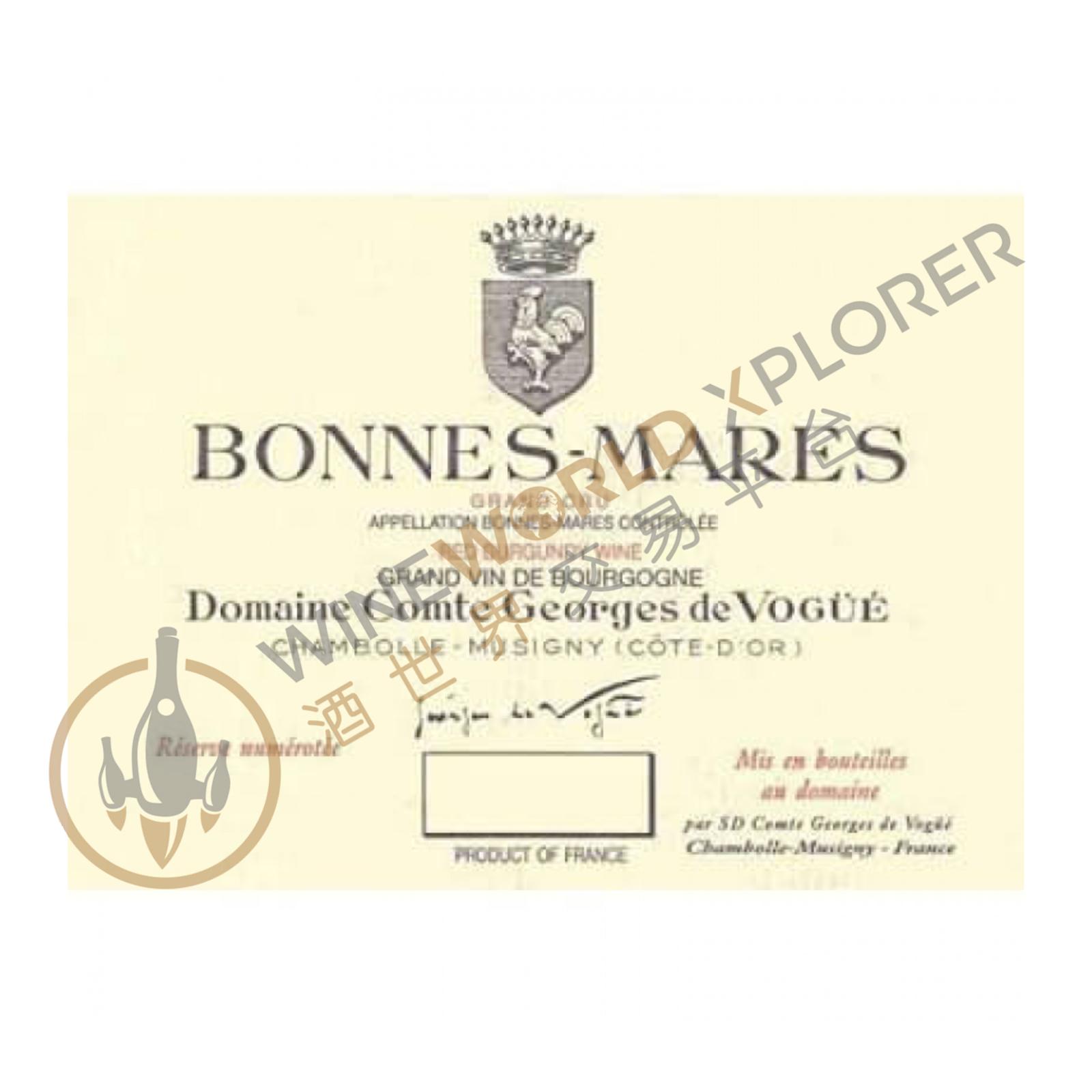
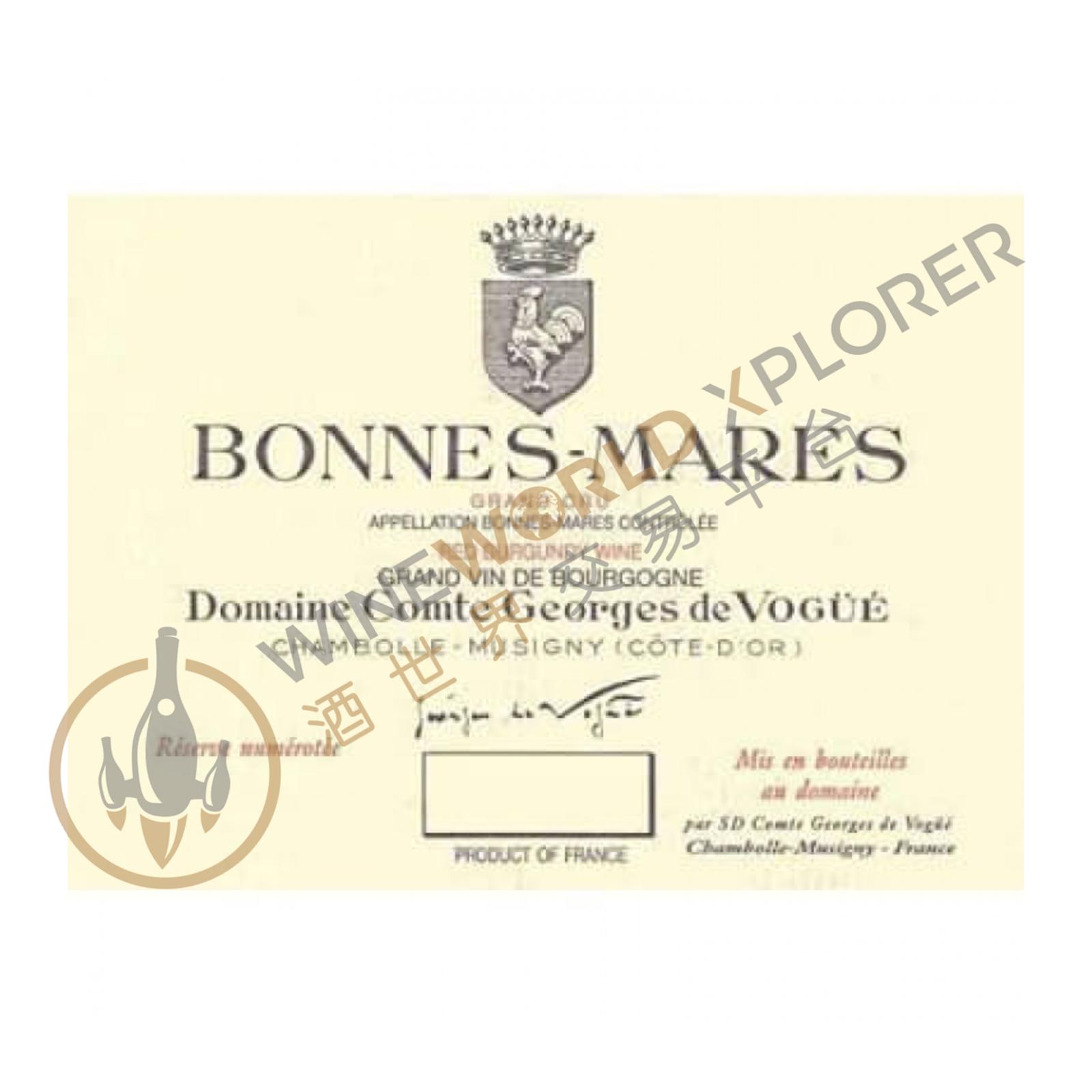
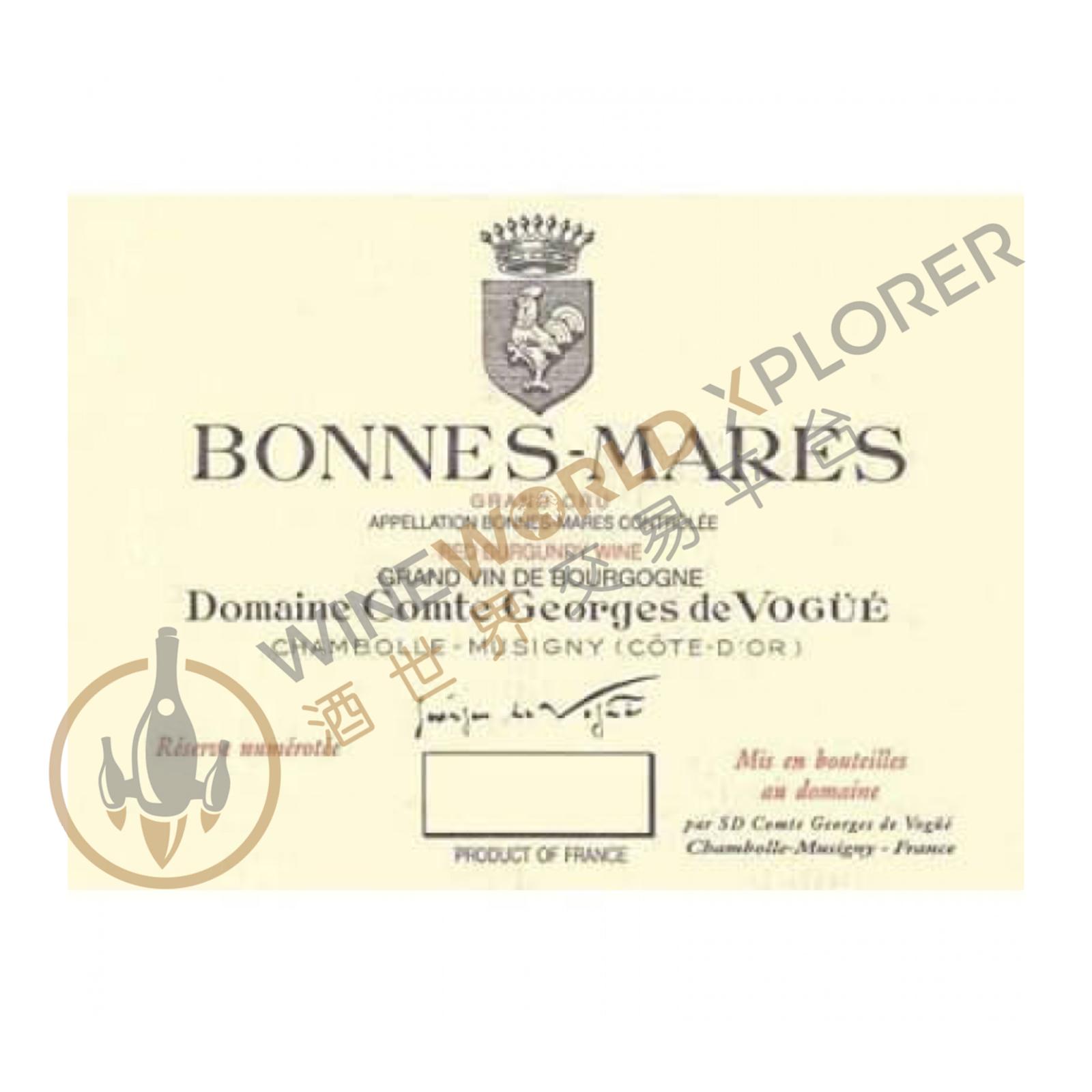
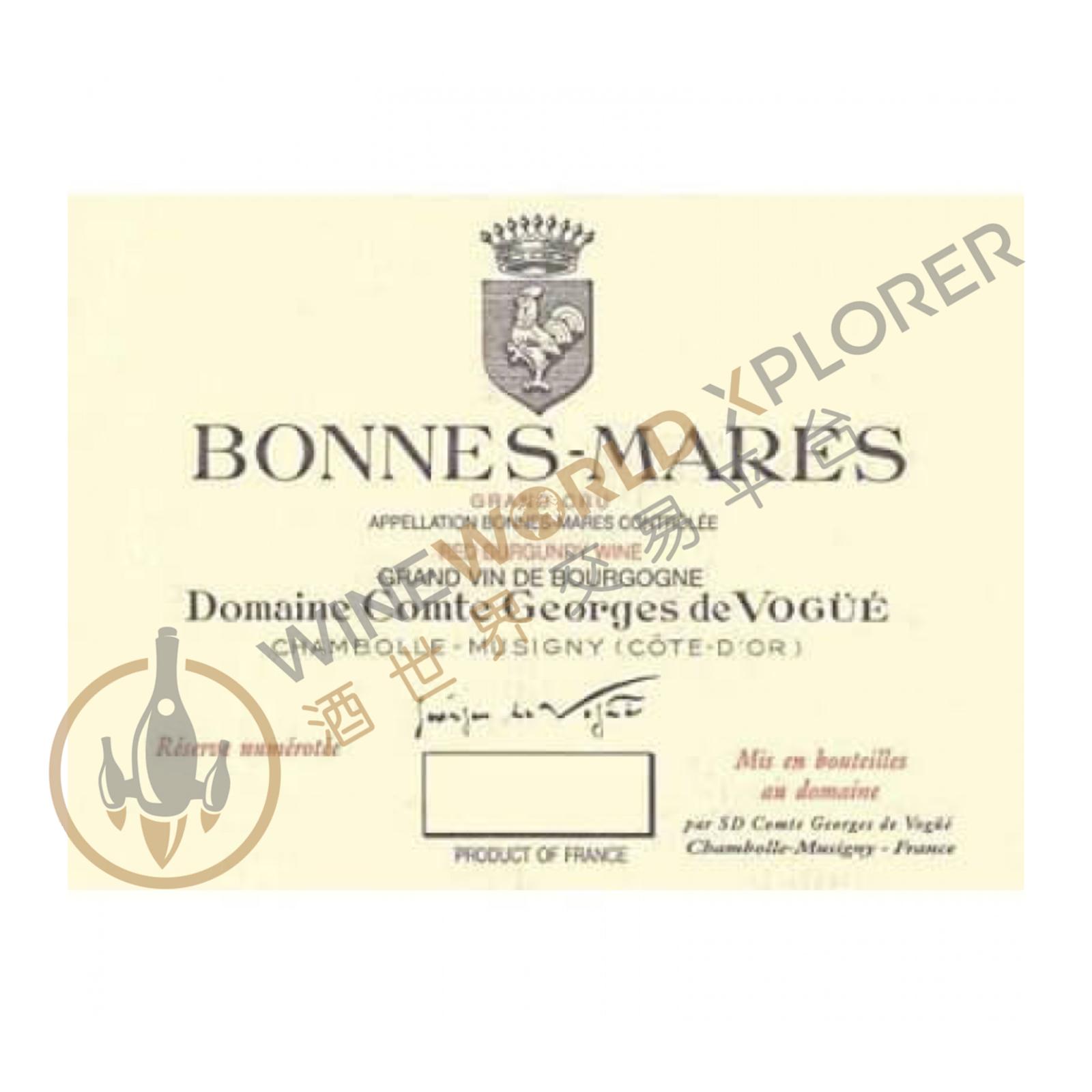
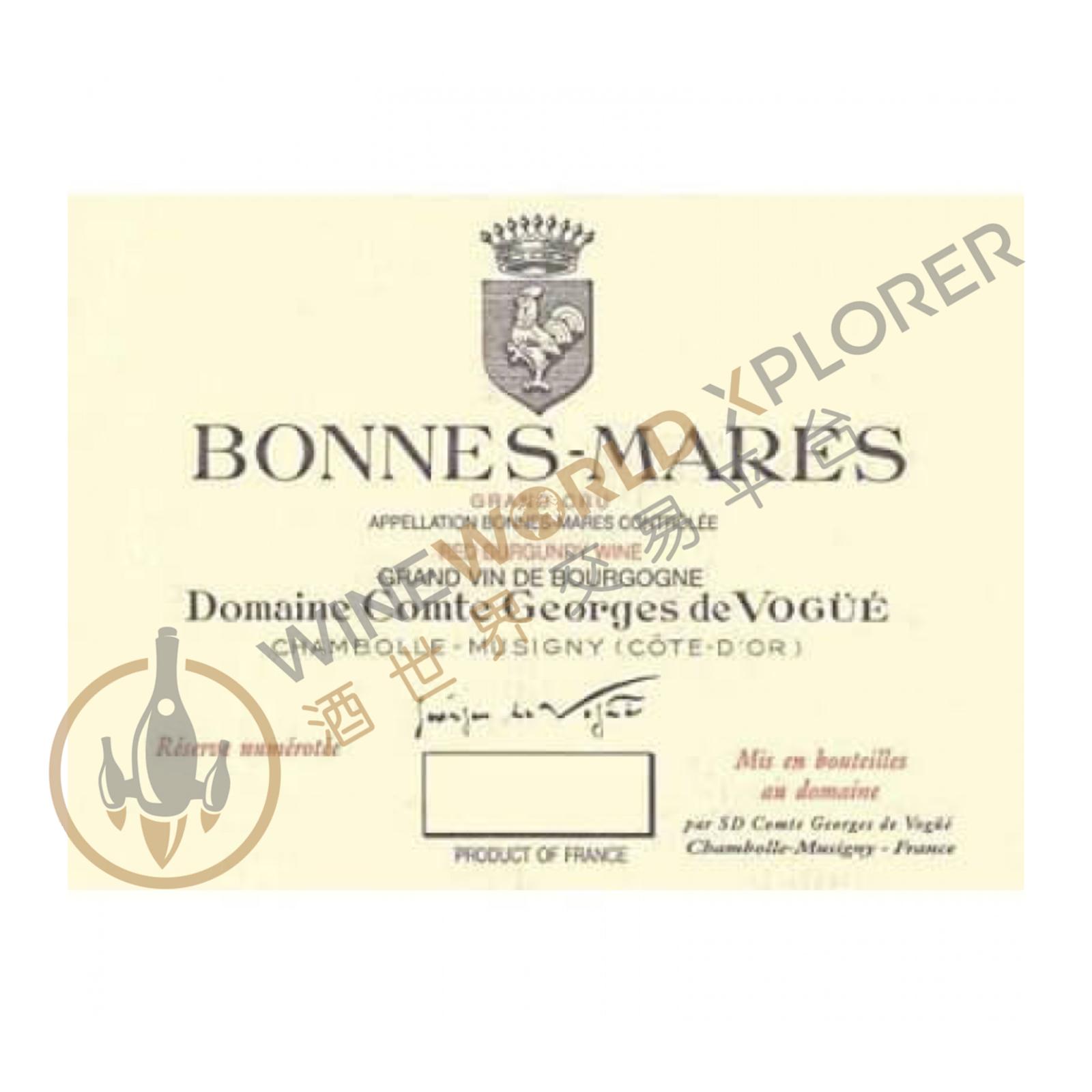
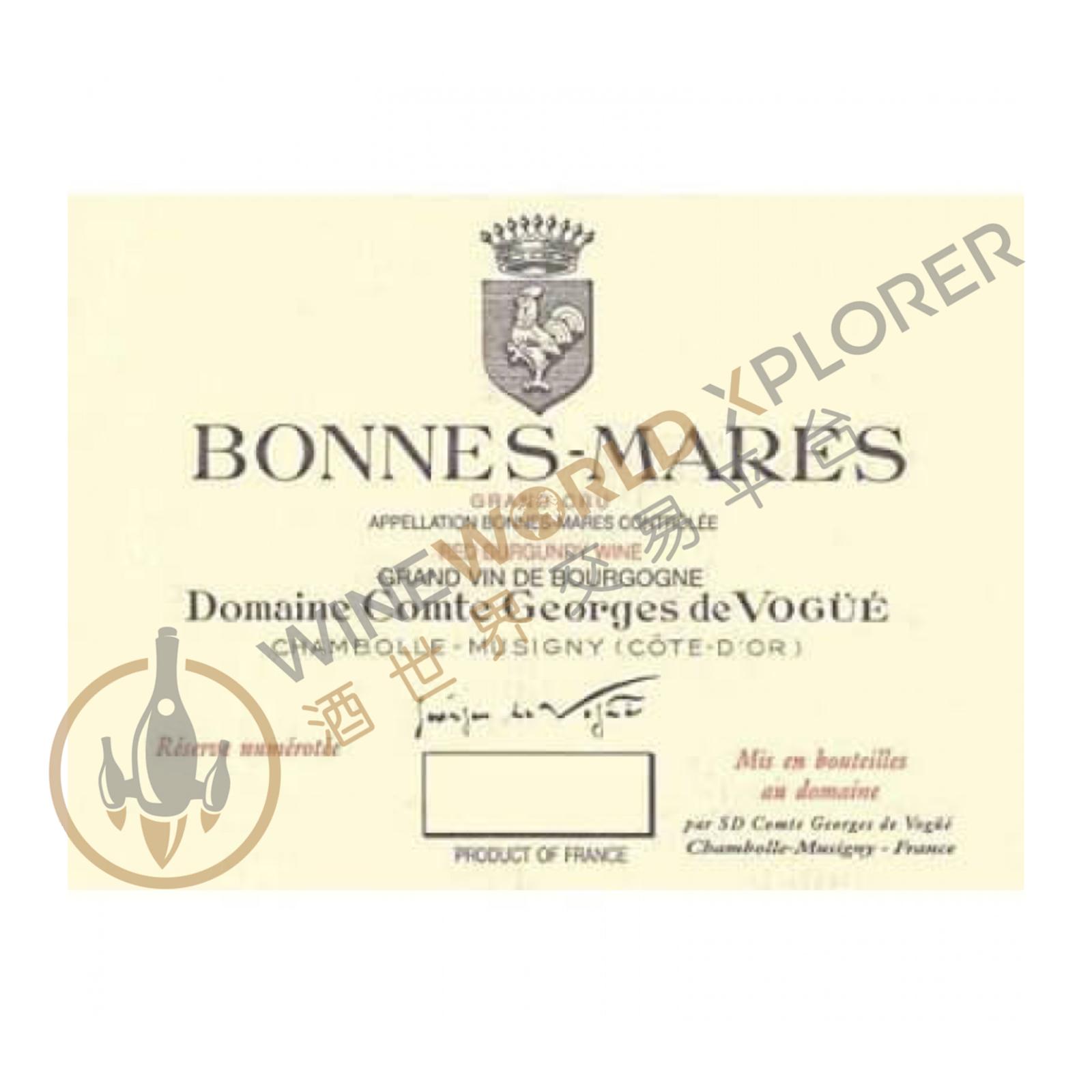
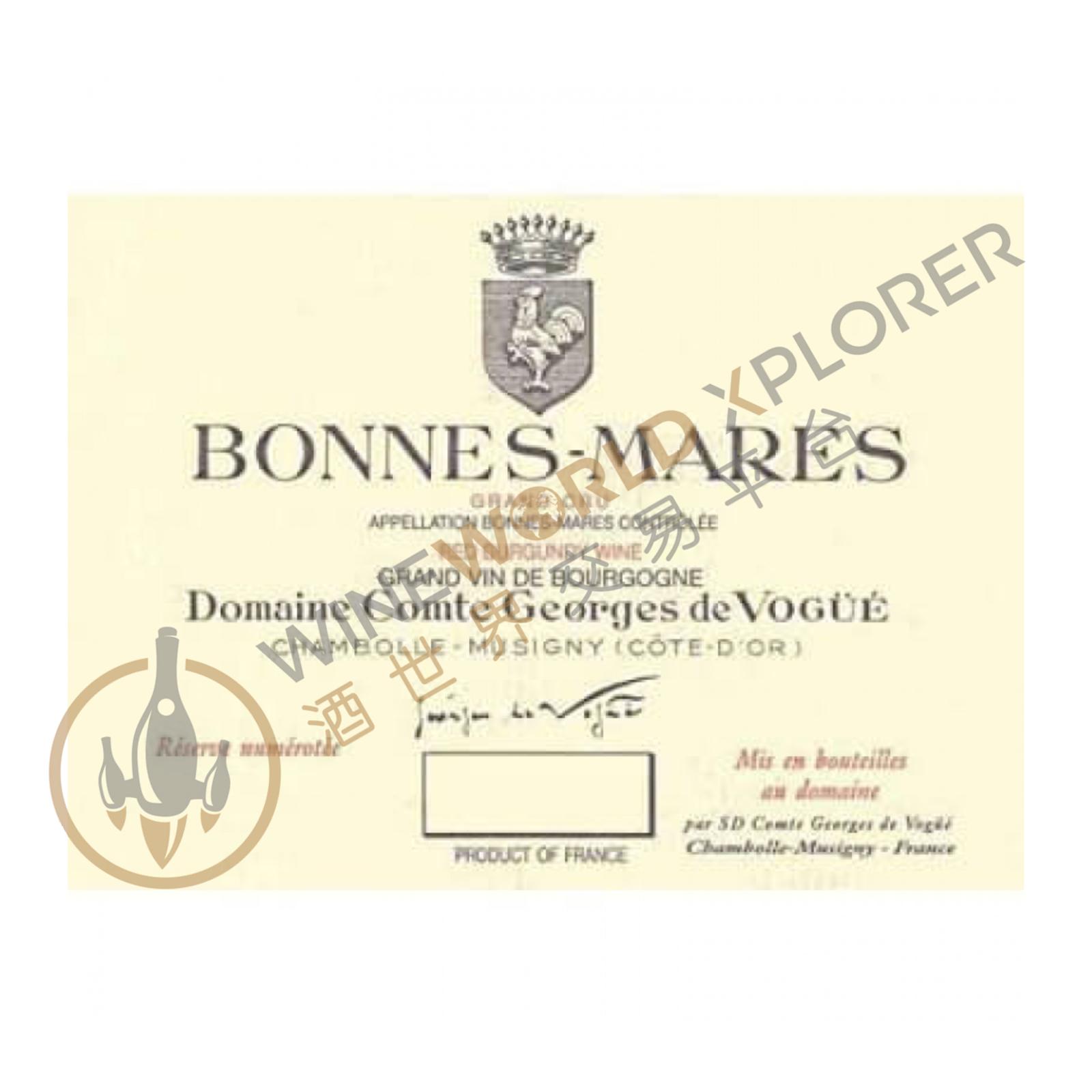
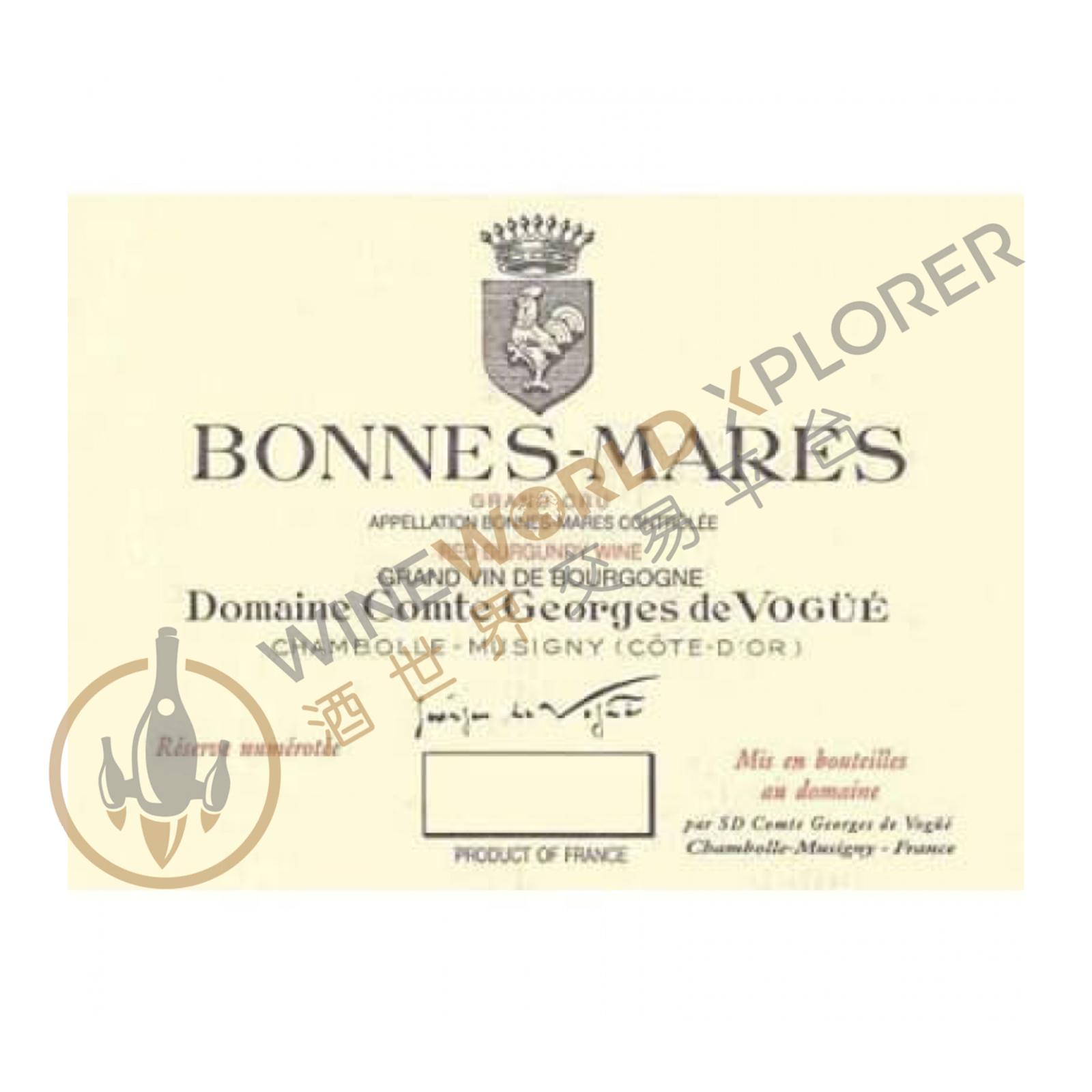
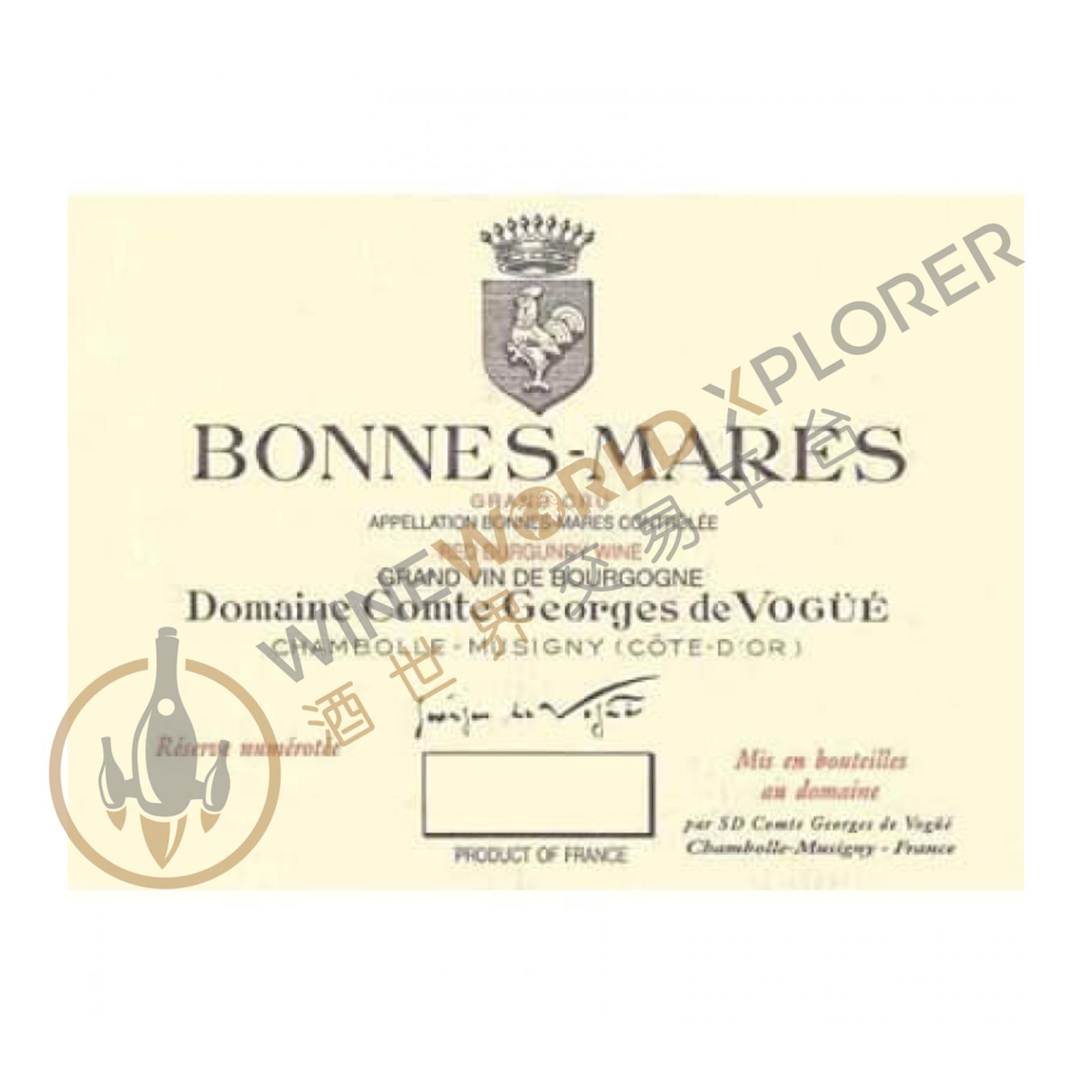
Comte Georges de Vogue, Bonnes Mares Grand Cru 2012
 View analysis


Description
Tasting notes

Reviewed by: Neal Martin
The 2012 Bonnes-Mares Grand Cru has a compelling peppermint and star anis-tinged bouquet that comes racing out of the blocks and begs you to love it. And you will. I must confess that when Frédéric asked my opinion I replied that I thought it was the Amoureuses! The palate is very well balanced with pure black fruit interlaced with mint and spices, a dash of black pepper and a gentle grip toward the finish. This is an exuberant Bonnes-Mares, which is exactly how it should be.
Reviewed by: Neal Martin
From the southeast corner on red clay soils, the 2012 Bonnes-Mares Grand Cru has a sensual, understated bouquet compared to others, with ebullient raspberry and pomegranate notes, minerals and dried flowers, all with wonderful definition. The palate is clearly cut from the same cloth as the Amoureuses with a killer line of acidity that maintains fine tension and nervosite throughout. This is not a sumptuous Bonnes-Mares – this is much more linear, almost foursquare, but very complex with a very taut and regal finish. When I reviewed de Vogue’s 2011s six months ago, I tempered my praise for this historical estate’s wines, confessing that I fail to connect with them, to engage with their personalities and form the same bond as I have fostered with say, Armand Rousseau or Denis Bachelet. That is one of the fundamentals of Burgundy: the connection between personalities of drinker and grower. I guess it had just never “clicked”. However, their 2012s are probably the first new-born de Vogue’s where I found that connection. That is not to say that they might turn out to be superior to any vintage ever produced at the estate, but this time I departed asking myself that prosaic question: “Are these wines that I would choose at a restaurant?” I answered to myself, “Most definitely – yes.” As usual I met with winemaker Francois Millet, who was in philosophical form, discussing the “innocence” of the 2012s, an analogy that flew way over my head. So let’s get down to some facts “We had a lot of millerandage,” he began. “The flowering was terrible but from 10 August until 22 September when the harvest began, we had much better conditions. We lost 5-10% (of the crop) due to hail and suffered some sunburn because the vines were used to the cold conditions, which damaged another 5-10%. During that favorable window we managed to catch up the maturity and there was no grey rot. Bunches were very healthy and we just needed to sort relatively little. The rendement was even less than last year’s, something between 15 and 20 hectoliters per hectare.” I enquired about the vinification of the 2012s and what approach he had taken. “I was very cautious with the Chambolle Amoureuses and Musigny, not to extract a vegetal element from outside influences. It was important to be very cautious. The malo-lactics were very slow – maybe because the yeast produced something that can be stressful for the bacterium. But they finished in August.” Francois compares the 2012s with more mineral-driven vintages, which he named as 2008, 2010 and 2011. “There is mineralite and freshness?like a bonbon,” he continued. “When you bite into it you get a contrast of flavors. You have the joy of living with this vintage: innocence and candor. Behind this innocence is a sense of reserve, which is good for the future. There is something serious about the vintage.” For me, there was a lightness of touch that I really appreciated about the wines – the 2012s seemed less “earnest” than previous vintages, less eager to please but their concentration and structure, much more refined and transparent and as a consequence they expressed their respective terroirs with clarity, unobscured by effort. I also tasted the Bourgogne Blanc, which for some curious reason I had never tasted before (although just 48 hours later I was drinking some Musigny Blanc whose notes will soon appear in “Up From the Cellar”.) For the first time I can remember, Francois intimated that the white wine will finally be worthy of grand cru status in 4 or 5 years’ time not that the vines are over 20 years old. Importer: A Becky Wasserman Selection, Le Serbet, various American importers, including: Atlanta Wholesale Wines, Atlanta, GA; tel. (404) 696-9440; C’Est Vin, District of Columbia; tel. (703) 243-3559; Dreyfus Ashby & Co., New York, NY; tel. (212) 818-0770. Also available through agents Corney & Barrow in the UK.
Reviewed by: Neal Martin
Tasted blind at the annual "Burgfest" tasting in Beaune. The 2012 Bonnes Mares Grand Cru from de Vogüé has a very refined nose: brambly red berry fruit, raspberry preserve and just a touch of damp undergrowth coming through with time. The reduction actually becomes more pronounced with time. The palate is medium-bodied, perhaps lighter and airier than I was anticipated yet still displaying exquisite balance with an innocuous but charming, light-hearted finish that seems less exuberant than a year ago. I am sure this will gain more volume with bottle age.
Reviewed by: Stephen Tanzer
de Vogüé's 2012 Bonnes-Mares explodes from the glass with a soaring mélange of aromas and flavors. Violets, licorice, cloves and tar are some of the notes that add complexity to a core of dark blue and black-toned fruit. Explosive and insanely beautiful, the 2012 is utterly captivating. The overall sensation is like biting into a hard candy, with the crunchy outer sugar representing the firmness of the grape skin and the inner sweetness of the candy as the pure fruit. What a magnificent wine this is.
About the Producer
Domaine Comte Georges de Vogue is one of the most important estates in the Chambello-Musigny appellation, thanks to its stake in important vineyards. The Comte de Vogue is, as the English writer Charles Dickens once said, "as historic and admirable as a great mountain". The vineyard of the Comte de Vugo covers approximately 12.5 hectares, of which about 7 hectares are located in the Mussini vineyard (70% of the entire top vineyard) and about 2.5 hectares in the nearby Bernemar region. The grapes are all hand-harvested and the vast majority are destemmed (although in 1990 100% of the stems were retained). The wines are first fermented in vats, then aged for 18 months in small oak barrels (40% to 45% renewed), clarified with egg whites and lightly filtered before bottling. The wines are extremely intense and full-bodied, which is not surprising given the extremely low yields and the limestone soils of the Mussini vineyards. The wines of the Comtes de Vugo are not meant to be tasted young, and in outstanding vintages these very long-lived wines usually require 10 to 15 years of ageing. However, it is worth noting that the 2002 vintage of Musigny Old Vine is of particularly high quality. It has intense aromas of red cherry, spice and candied raspberry aromas, with a hint of oak. This noble, full-bodied, refined wine has fragrant floral flavours with fruity notes of red and black fruits. A more feminine wine than the bold, chewy, highly robust 1990 vintage, this is a work of art with delicate tannins.
1969(1)1978(1)1980(1)1985(2)1986(1)1987(1)1988(1)1989(1)1990(1)1991(1)1996(3)1997(1)1998(1)1999(3)2002(3)2004(2)2005(11)2006(5)2007(10)2008(11)2009(10)2010(10)2011(8)
Package Size