Wine Advisor



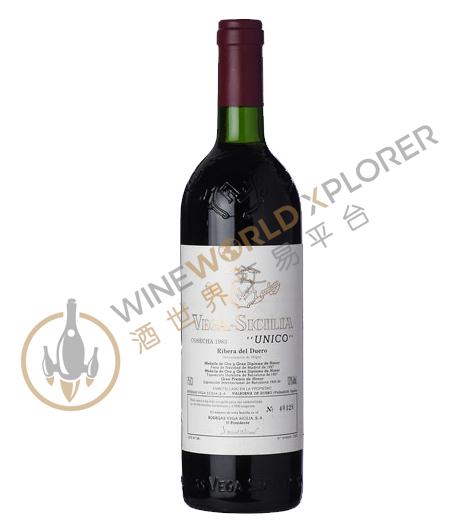
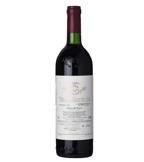
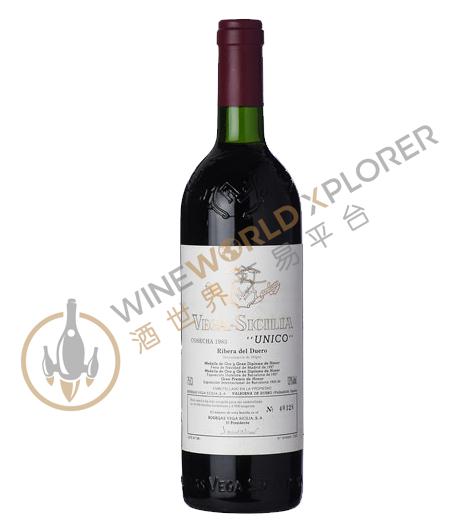
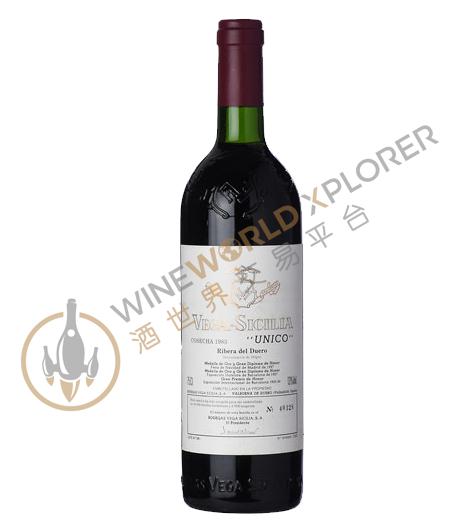
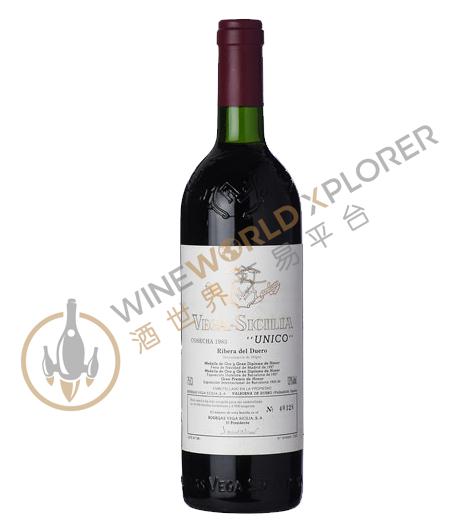
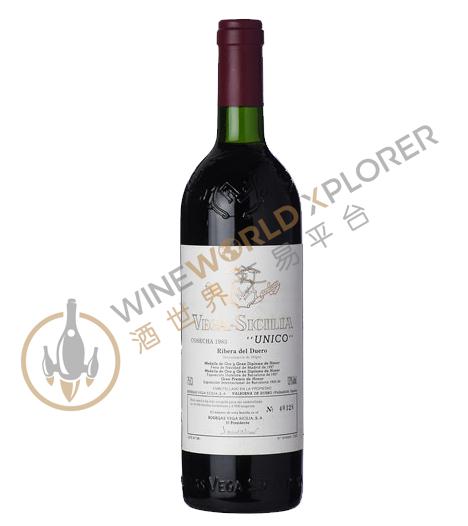
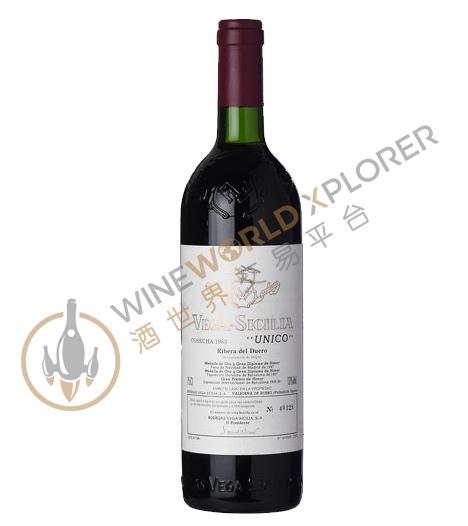
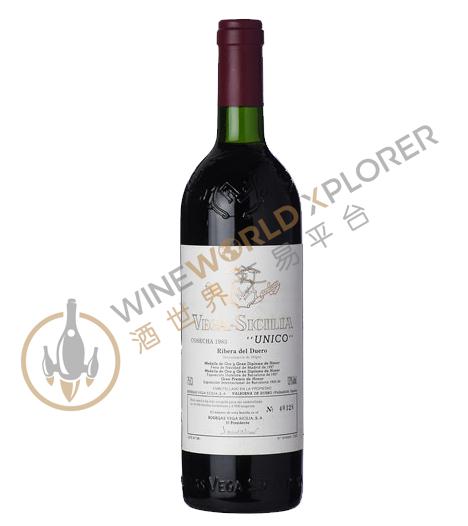
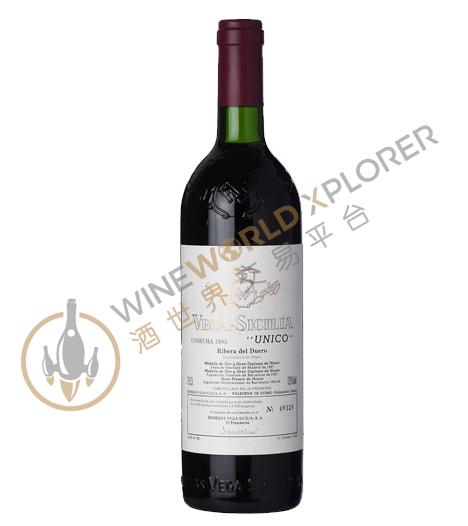
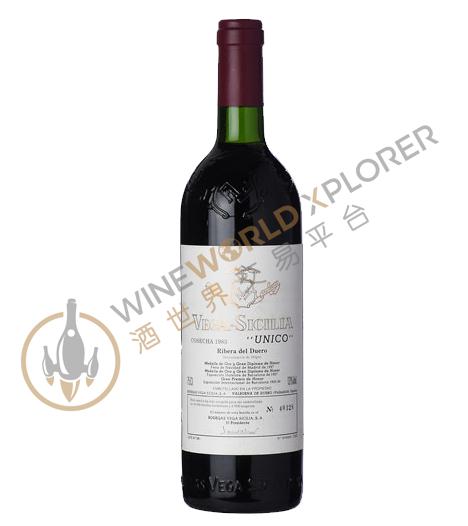
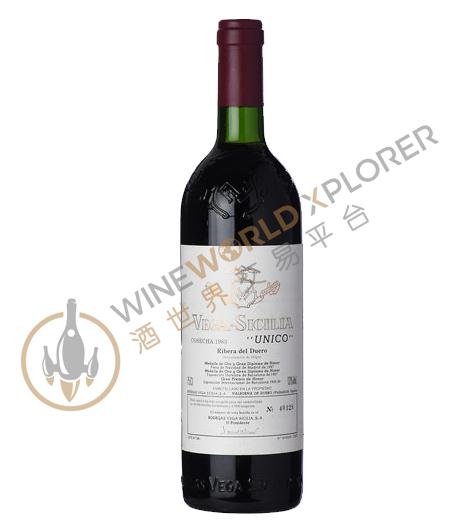
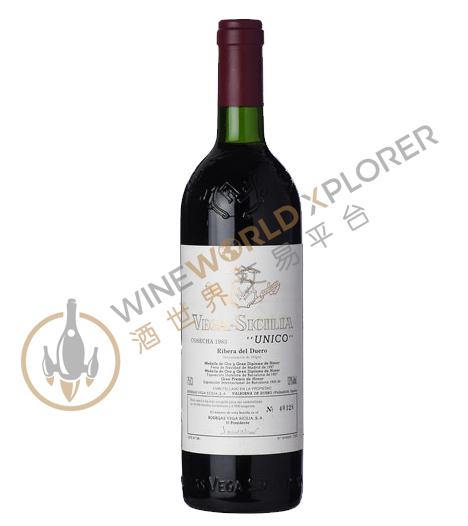
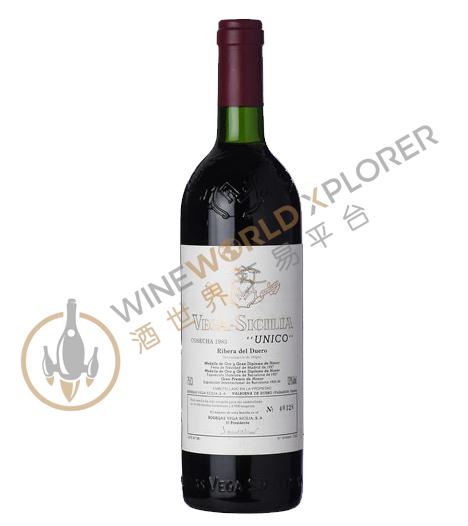
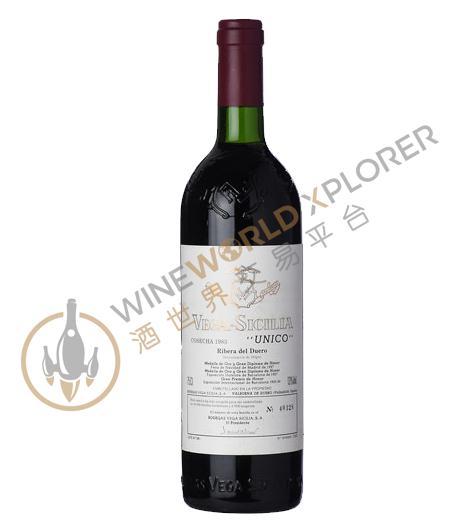
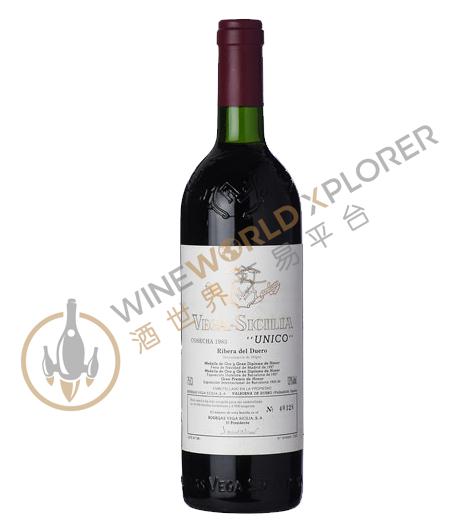
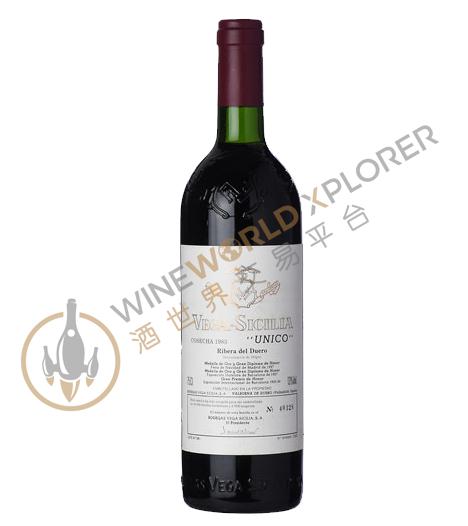
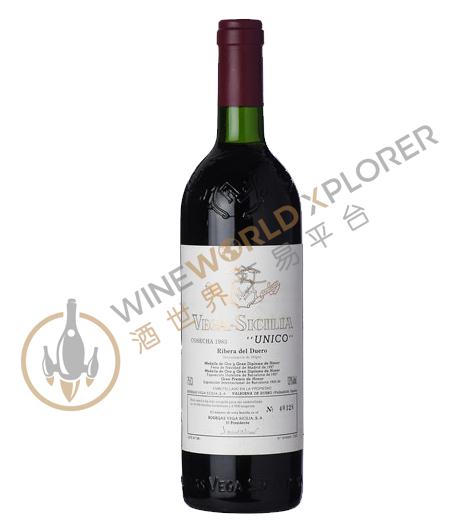
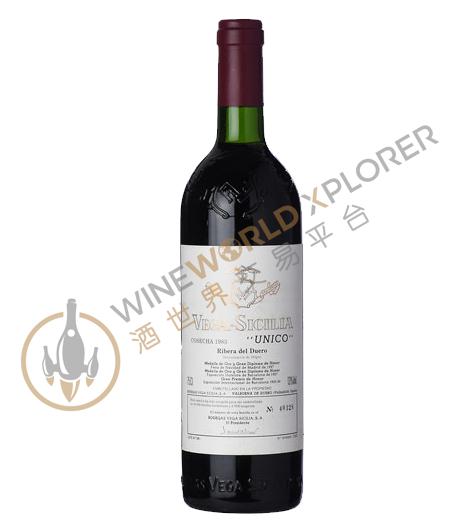
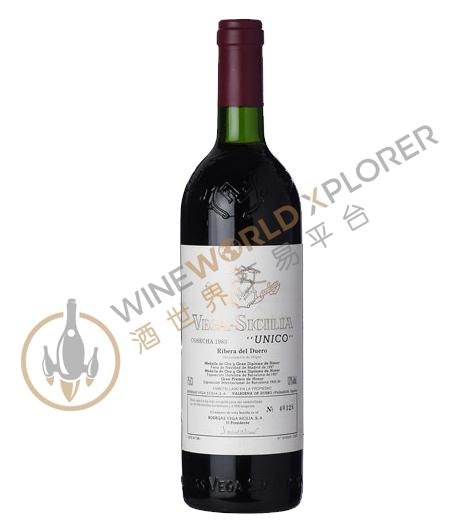
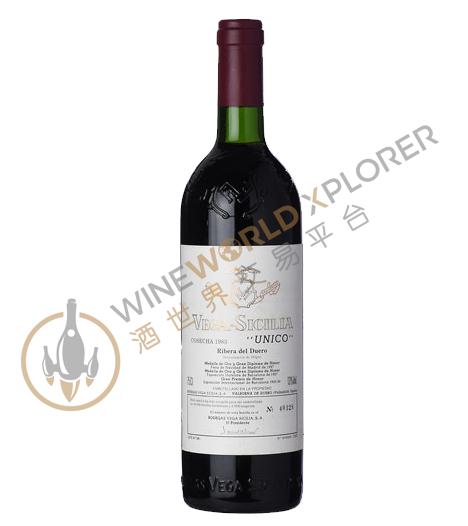
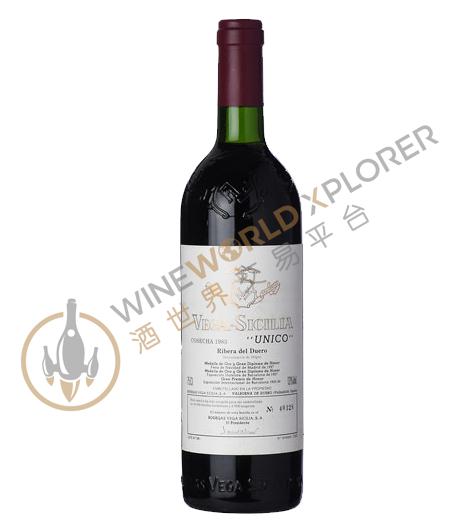
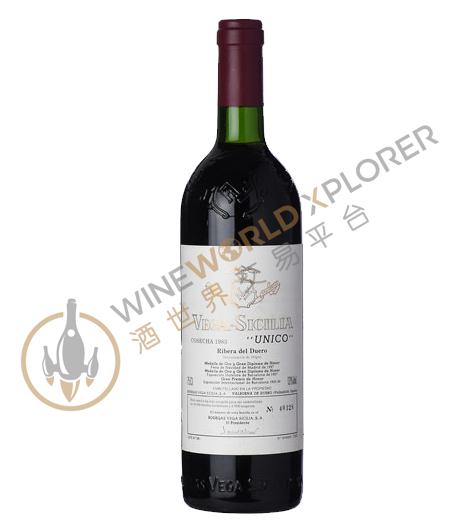
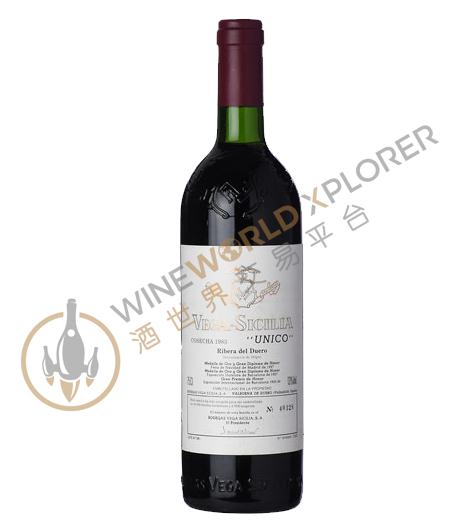
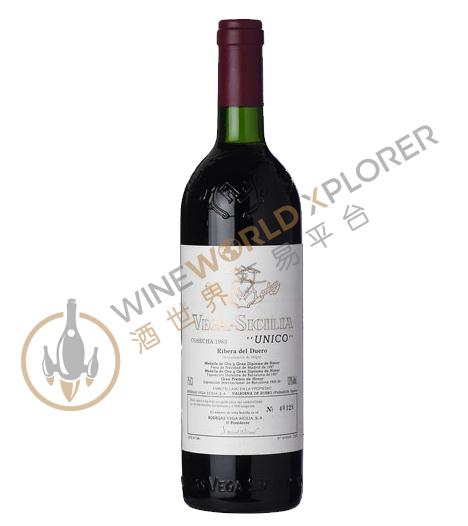
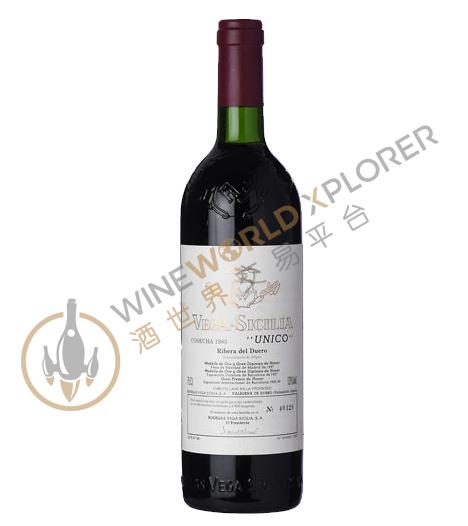
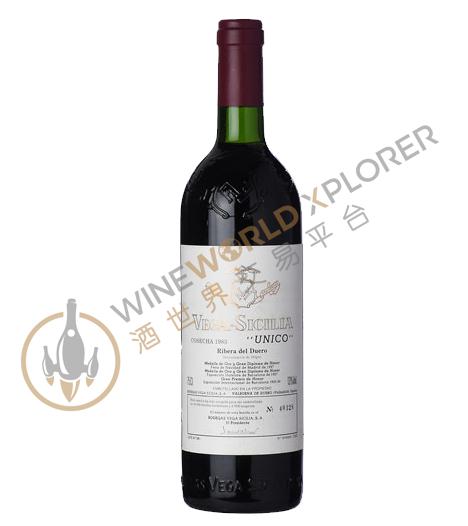
Vega Sicilia, Unico 2003
 View analysis


Description
Tasting notes

Reviewed by: Luis Gutiérrez
Vega Sicilia’s 2003 Unico, mainly Tempranillo with a balancing 8% of Cabernet Sauvignon, was aged in wood for nearly seven years before being bottled, starting with 15 months in large oak vats, followed by 25 months in new barriques, before being transferred to used ones for another 17 months and ending its elevage with a further 22 months in those large wood vats again. As I uncork the bottle, the aroma reminds me of a classical Tempranillo, with some dill notes from the American oak and a minty hint from the Cabernet. It actually makes me think of traditional Rioja, believe it or not. The wine doesn’t show the heat of the vintage, and manages to transmit a general sensation of balance and finesse that is quite remarkable for the characteristics of the year. The aim here was to avoid the confited and raisiny notes of the fruit and the spirity character so common in that vintage. It starts off slightly lactic, with notes of cafe au lait, coconut and cola. With a bit of time, it turns more flowery and shows more red fruit. It is very aromatic, with plenty dry herbs, thyme and rosemary, even pine nuts, a bit of resin and some cured meat, and overall has a very complex nose. The mouth is a little more transparent toward the heat of the vintage, it is powerful and full-bodied, but manages to keep freshness. The minty note is there, with some hints of chalk that make it very tasty. It feels briary and opulent. A success over the vintage conditions, it already shows some signs of complexity, which points at an approachable Unico. Even though it can be drunk now, it will get more polished and integrated with a few years in bottle. 76,050 bottles and 2,616 magnums were filled (on the low-ish side for Unico), but the magnums will be sold later; they are currently offering 2000 in magnum and 1999 in double-magnum. Anticipated maturity: 2013-2023. 2003 presented many challenges to winegrowers and winemakers throughout Europe, with one of the most intense summer heat waves in modern times. Ribera del Duero was no exception, suffering a warm and dry summer, which for Unico resulted in both an early and quick harvest between September 20 and 26 (when traditional harvesting dates would have been around mid-October). Importer: Christopher Cannan, Europvin; www.europvin.com
Reviewed by: Luis Gutiérrez
2003 was the year of the "canicule" in Europe, an extremely warm summer that made Germans acidify their Rieslings and saw Bordeaux with 40 degrees Celsius during Vinexpo. In that context, the 2003 Único showed surprisingly well. It's tannic, serious and austere, a little in the style of 2005. It's mainly Tempranillo with 8% of Cabernet Sauvignon and 14% alcohol with a warm nose and a softer palate, gentler compared with 2005. 2,616 magnums produced. Artwork Manolo Valdés.
Reviewed by: Josh Raynolds
Inky ruby. Highly aromatic scents of ripe cherry and dark berries, singed plum, cured tobacco and succulent herbs, with a vanilla undertone. Sweet, expansive and powerful, offering intense black and blue fruit flavors with smoke and floral accents. Rich and full but surprisingly lively, with excellent finishing thrust and sweet, harmonious tannins adding grip. Shows the ripeness of the vintage to good effect; this is a somewhat approachable and exotic Unico, especially with some air, but it has the concentration to age slowly.
About the Producer
The wines produced by Bodegas Vega-Sicilia are known as the "kings of wine" in the Spanish wine world and are among the most admired in the world. It has become Spain's most recognizable and expensive wine for over a century. In 1864, the wealthy Eloy Lecanda family acquired a vineyard on the banks of the Duero River in northwestern Spain and named it Bodegas de Lecanda (later "Bega"). Winery of Sicilia"), began a complex and wonderful saga. As early as the early days of the establishment of the garden, the Lacanda family introduced international grape varieties such as Cabernet Sauvignon, Merlot and Malbec from Bordeaux, France, to make up for the Spanish ace grape Tempranillo. This is also the beginning of the introduction of French varieties in Spain. At the end of the 19th century, the Vega Sicilia winery began producing its first wines, bottled and sold exclusively in the Rioja region. At this time, the Vega Sicilia winery was not well-known and the production was very limited, and it did not start to improve until the 20th century. Vega Sicilia Winery was originally called "Lacanda Winery", and later changed its name to "Antonio Herrero Winery". It was not until the early 20th century that the current winery name was finally determined. In the 1920s, some vintages from Vega Sicilia were featured in international wine festivals. From the 1940s to the 1960s, Don Jesus Anadon, a highly influential and legendary winemaker in Spain, was responsible for brewing many high-quality vintages. Until 1964, when the winery was sold to a Neumann family from the Czech Republic or Venezuela, Anato continued to work at the winery. In 1982, El Enebro S.A., a company of the Alvarez family, purchased the winery and vineyards of Vega Sicilia from Newman, and since then Vega Sicilia has been taken over by the Alvarez family . After the new owner entered the vineyard, he took a series of reform measures, including formulating a long-term development plan for the winery, adding new brewing equipment, increasing efforts to develop overseas markets, and continuing the position of chief winemaker Anato. This was seen as the most important move, and at the same time, Mariano Garcia, a young winemaker who was already well-known at the time, was hired as Anato's assistant, a decision that also created Vega Sicilia. After 20 years of glory. The current CEO of Vega Sicilia is Pablo Alvarez, an energetic and visionary manager. The winery still practices innovative winemaking techniques and produces wines of superior quality and inspiring. In addition, the estate's owner has started an exciting new project in the Toro appellation. The vineyards of Vega Sicilia are located on a 700-meter-high hillside on the south bank of the Duero River. The natural environment there is extremely harsh, with cold winters and frosty springs. It is such a harsh natural environment forging the tough nature of the vine. In addition, the sun is abundant, and the temperature difference between day and night is very large, so that the grapes can maintain sufficient acidity while ripe, and the wines produced have both good ripeness and a strong sense of structure. The vineyard has calcareous clays with excellent drainage and deep potential, ideal for growing grapes. The average age of the vines is more than 30 years, and the age of the vines in some gardens is even more than 70 years old. At the same time, in order to make the grapes get more nutrients, Vega Sicilia also pays great attention to controlling the planting amount per hectare, and the planting density is extremely high. Low, about 2,200 plants per hectare. This figure is already much lower than the regulations of the Spanish D.O., and even lower than the planting density of the Bordeaux Grand Crus. Since its establishment in 1864, Vega Sicilia Winery has been using traditional winemaking techniques in order to produce wines with the least human interference. The fermentation of the wine takes place in oak barrels, stainless steel barrels and epoxy-lined concrete vats, followed by malolactic fermentation in epoxy-lined concrete vats. The winery also uses French and American casks of varying sizes. The Unico is quite flexible, typically aged in small oak barrels (new and old) for 2-4 years, and then transferred to large oak barrels for blending and purification. Unique Collections are only made in the best vintages, and some vintages (like 1970) are said to be kept in wooden barrels for up to 16 years.
1939(1)1940(1)1947(1)1948(1)1953(1)1958(1)1960(1)1961(1)1962(2)1966(1)1967(1)1968(3)1969(1)1970(1)1972(2)1975(1)1976(2)1981(2)1983(1)1985(1)1986(1)1989(1)1990(2)1991(1)1994(2)1995(2)1996(4)1998(2)1999(3)2000(3)2002(4)
Package Size