Wine Advisor



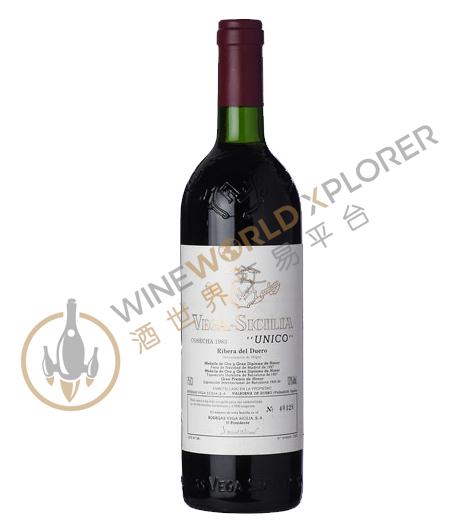
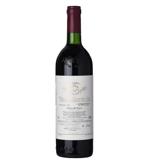
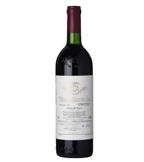
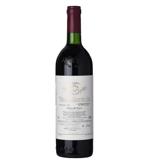
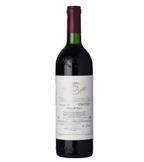
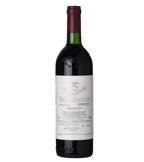
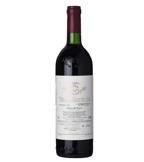
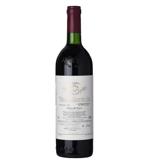
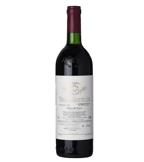
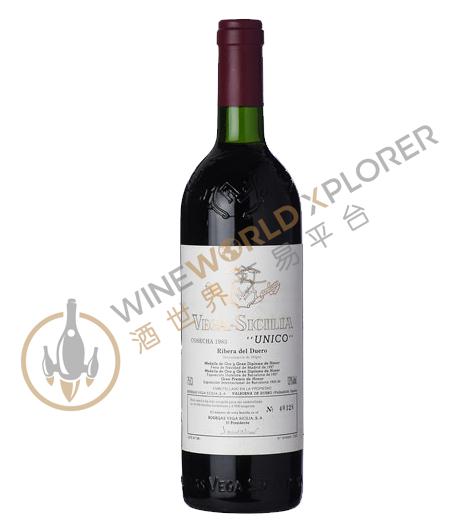
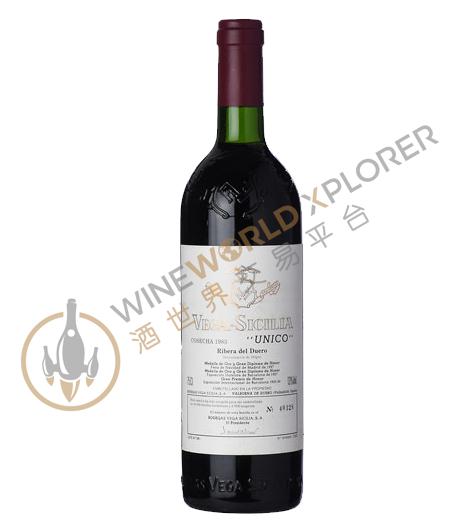
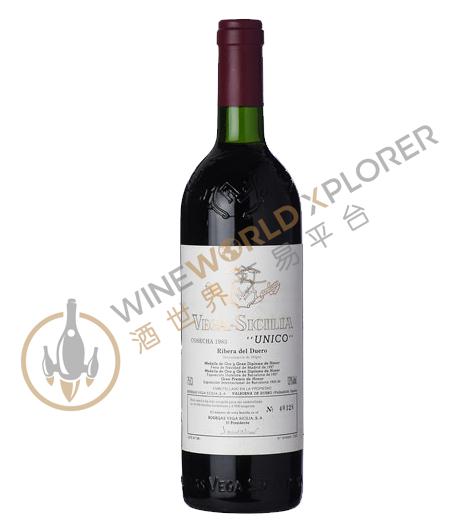
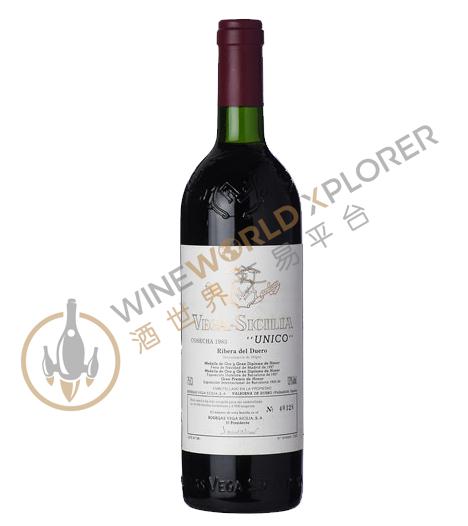
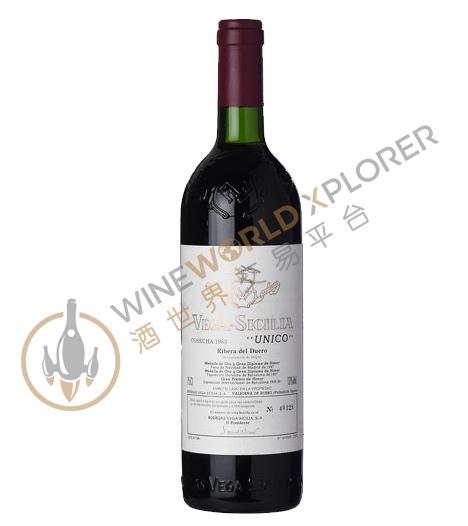
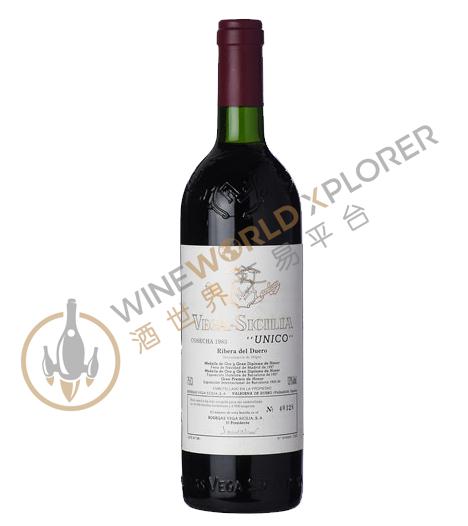
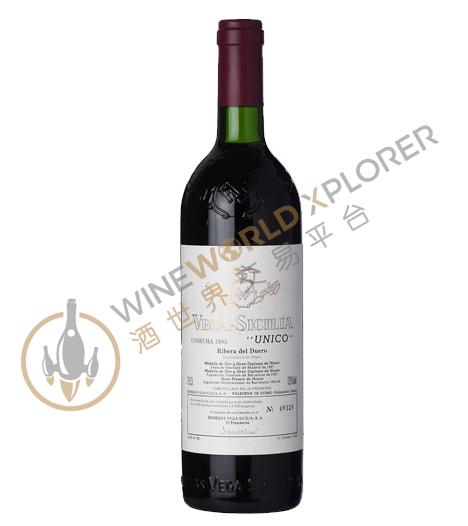
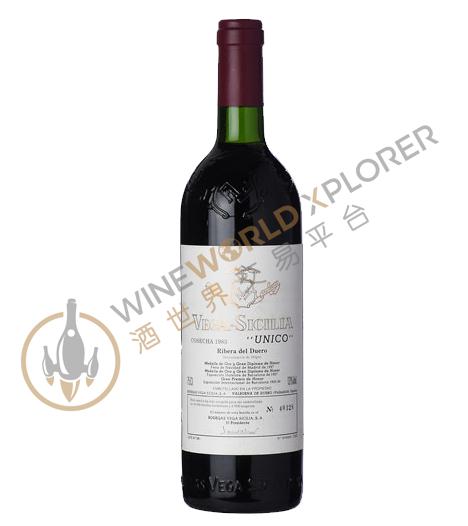
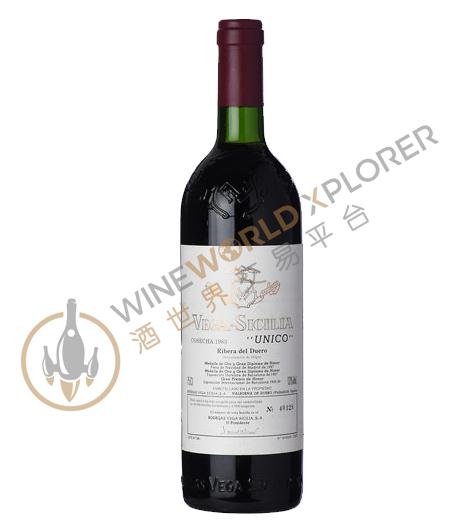
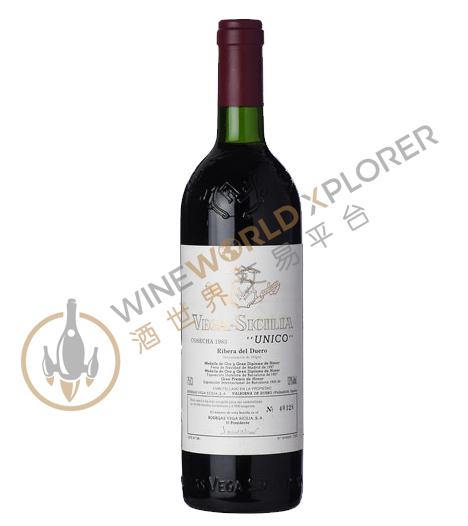
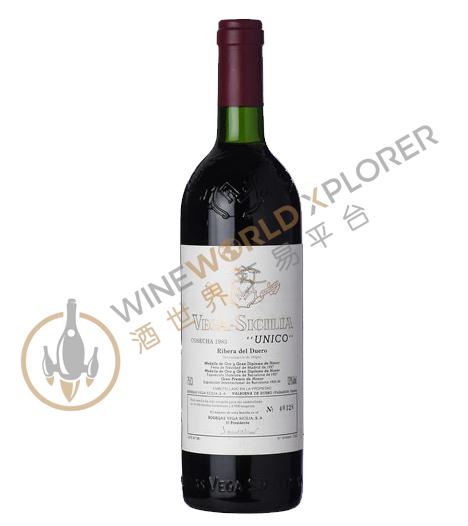
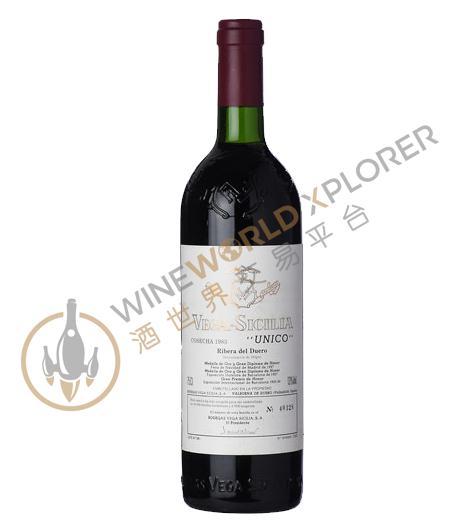
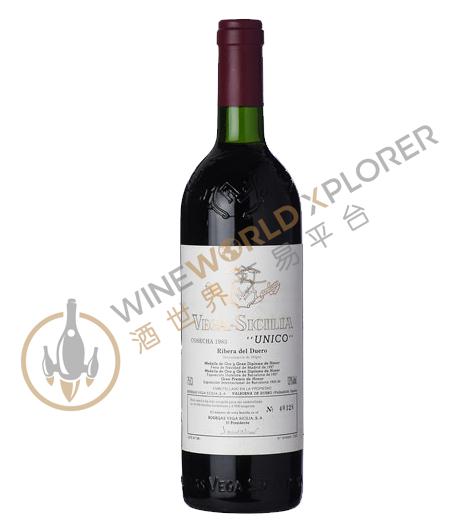
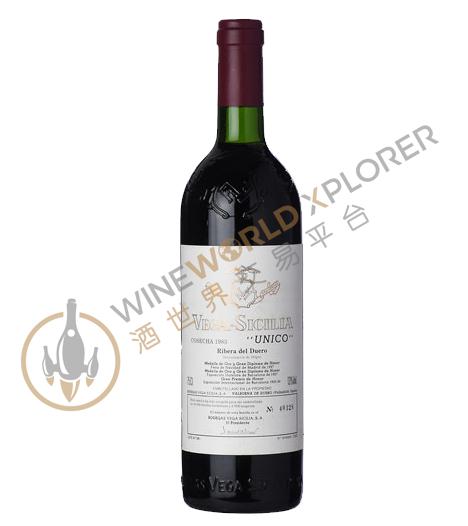
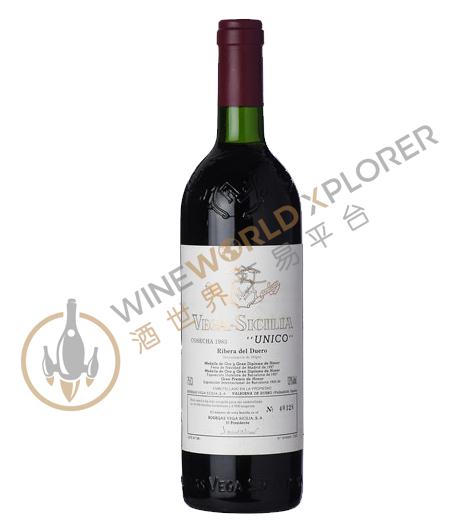
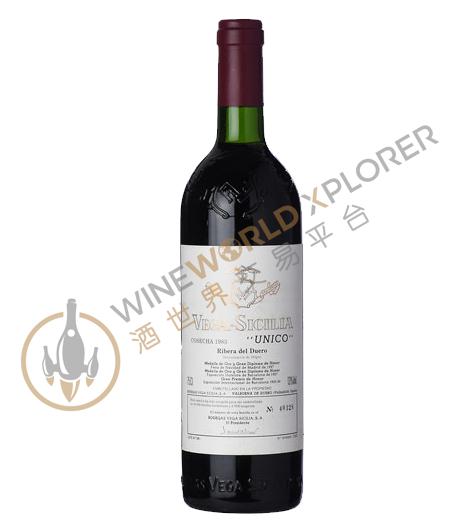
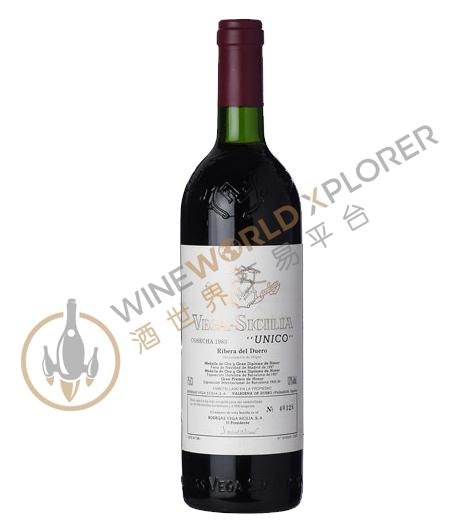
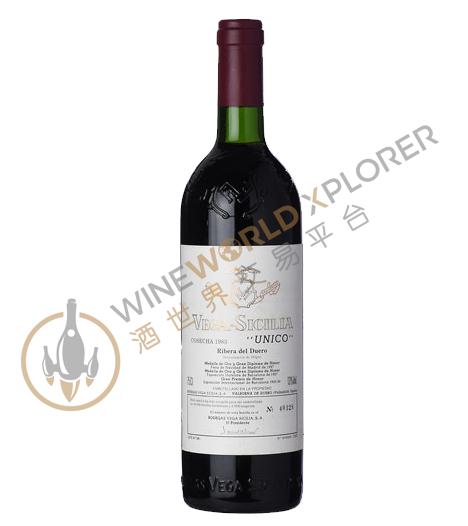
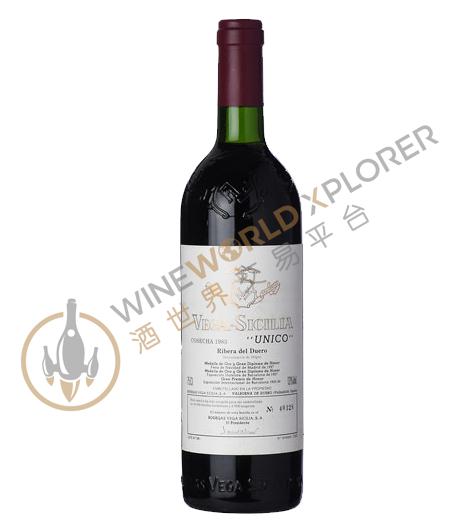
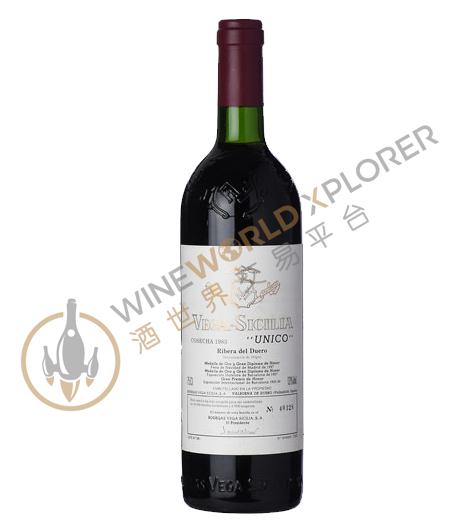
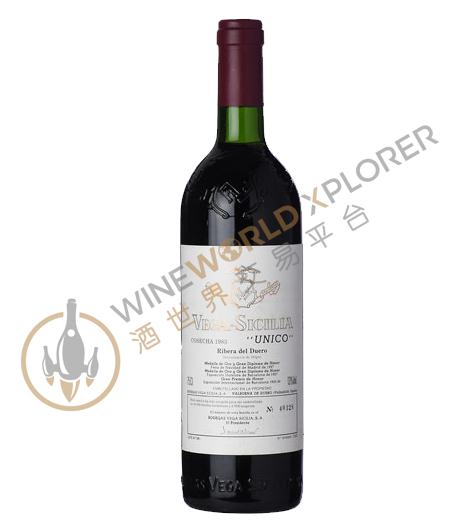
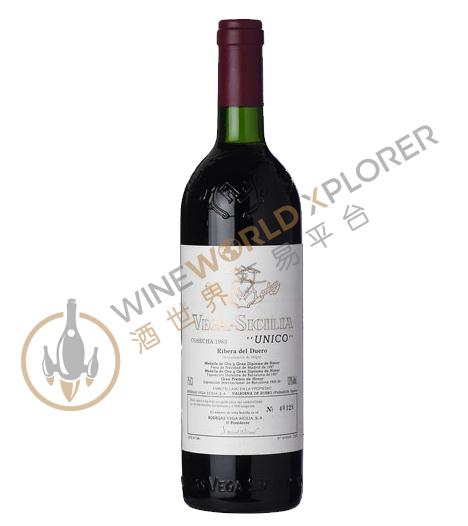
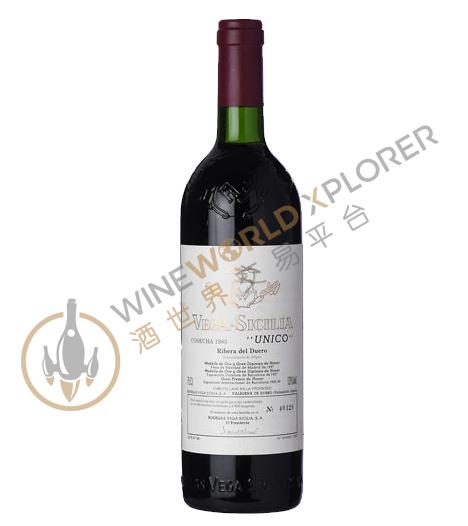
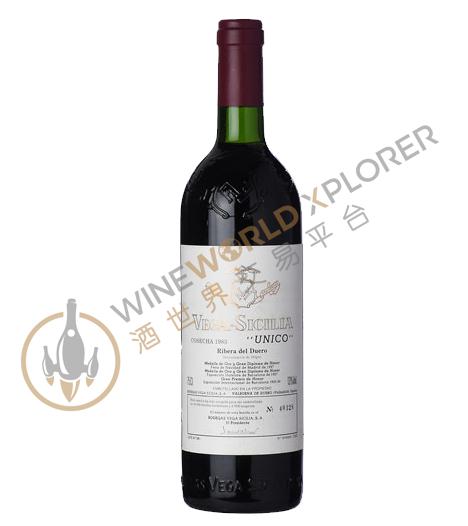
Vega Sicilia, Unico 1991
 View analysis


Description
Tasting notes

Reviewed by: Neal Martin
Served at Decanter’s Vega vertical in London. The nose is still closed but within a couple of minutes there are hints of caramel and green pepper. It has a full-bodied palate with electrifying acidity and superb delineation with multi-layered ripe black cherries and plum with a black coffee note on the finish. This pup is very unresolved at the moment, but I suspect that it will probably surpass the 1990 in a few years time. Tasted November 2003.
Reviewed by: Neal Martin
Served at Chateau Gruaud Larose (as something different!) this is a brilliant Unico with lascivious black fruits, creme de menthe and melted chocolate decorating the nose that just soars from the glass. The palate is full-bodied with ripe blackberry, cassis, macerated dark cherries, powerful and swarthy but very fine poise on the velutinous finish that almost overwhelms the senses with pleasure. Sensational. Drink 2015-2030+ Tasted Marcy 2010.
Reviewed by: Luis Gutiérrez
The 1991 Único comes through as very classical in a Bordeaux sense (it contains 15% Cabernet Sauvignon); it's serious, austere, with contained ripeness, starting to show more tertiary notes and some development, really very good. It's a wine that could evolve in the style of the 1953, which is reminiscent of the 1985, but one gear below. The grapes were picked from the 30th of September in very warm weather, but the season saw enough rain. Very good. 2,222 magnums. Artwork from Francisco Iturrino.
Reviewed by: Robert M. Parker, Jr.
The current release of Vega Sicilia’s flagship offering, the 1991 Unico Reserva, will have to satisfy lovers of this great Spanish red until the 1994 is released in 2005. The 1991 is a gorgeous, deep ruby/purple-colored, remarkably youthful effort offering sweet vanilla notes intertwined with black currants, cherry liqueur, flowers, spice box, and tobacco leaves. Full-bodied and intense, with sweet tannin, outstanding density as well as purity, and a layered mouthfeel, this unevolved 1991 needs another 3-4 years of cellaring; it should last for 20-25 years. It’s a wine of great elegance as opposed to power. Importer: a Christopher Cannan Selection, various American importers including Michael Skurnik, Syosset, NY; tel. (516) 677-9300 and Diamond Wine Merchants, Oakland, CA; tel. (510) 567-9897
About the Producer
The wines produced by Bodegas Vega-Sicilia are known as the "kings of wine" in the Spanish wine world and are among the most admired in the world. It has become Spain's most recognizable and expensive wine for over a century. In 1864, the wealthy Eloy Lecanda family acquired a vineyard on the banks of the Duero River in northwestern Spain and named it Bodegas de Lecanda (later "Bega"). Winery of Sicilia"), began a complex and wonderful saga. As early as the early days of the establishment of the garden, the Lacanda family introduced international grape varieties such as Cabernet Sauvignon, Merlot and Malbec from Bordeaux, France, to make up for the Spanish ace grape Tempranillo. This is also the beginning of the introduction of French varieties in Spain. At the end of the 19th century, the Vega Sicilia winery began producing its first wines, bottled and sold exclusively in the Rioja region. At this time, the Vega Sicilia winery was not well-known and the production was very limited, and it did not start to improve until the 20th century. Vega Sicilia Winery was originally called "Lacanda Winery", and later changed its name to "Antonio Herrero Winery". It was not until the early 20th century that the current winery name was finally determined. In the 1920s, some vintages from Vega Sicilia were featured in international wine festivals. From the 1940s to the 1960s, Don Jesus Anadon, a highly influential and legendary winemaker in Spain, was responsible for brewing many high-quality vintages. Until 1964, when the winery was sold to a Neumann family from the Czech Republic or Venezuela, Anato continued to work at the winery. In 1982, El Enebro S.A., a company of the Alvarez family, purchased the winery and vineyards of Vega Sicilia from Newman, and since then Vega Sicilia has been taken over by the Alvarez family . After the new owner entered the vineyard, he took a series of reform measures, including formulating a long-term development plan for the winery, adding new brewing equipment, increasing efforts to develop overseas markets, and continuing the position of chief winemaker Anato. This was seen as the most important move, and at the same time, Mariano Garcia, a young winemaker who was already well-known at the time, was hired as Anato's assistant, a decision that also created Vega Sicilia. After 20 years of glory. The current CEO of Vega Sicilia is Pablo Alvarez, an energetic and visionary manager. The winery still practices innovative winemaking techniques and produces wines of superior quality and inspiring. In addition, the estate's owner has started an exciting new project in the Toro appellation. The vineyards of Vega Sicilia are located on a 700-meter-high hillside on the south bank of the Duero River. The natural environment there is extremely harsh, with cold winters and frosty springs. It is such a harsh natural environment forging the tough nature of the vine. In addition, the sun is abundant, and the temperature difference between day and night is very large, so that the grapes can maintain sufficient acidity while ripe, and the wines produced have both good ripeness and a strong sense of structure. The vineyard has calcareous clays with excellent drainage and deep potential, ideal for growing grapes. The average age of the vines is more than 30 years, and the age of the vines in some gardens is even more than 70 years old. At the same time, in order to make the grapes get more nutrients, Vega Sicilia also pays great attention to controlling the planting amount per hectare, and the planting density is extremely high. Low, about 2,200 plants per hectare. This figure is already much lower than the regulations of the Spanish D.O., and even lower than the planting density of the Bordeaux Grand Crus. Since its establishment in 1864, Vega Sicilia Winery has been using traditional winemaking techniques in order to produce wines with the least human interference. The fermentation of the wine takes place in oak barrels, stainless steel barrels and epoxy-lined concrete vats, followed by malolactic fermentation in epoxy-lined concrete vats. The winery also uses French and American casks of varying sizes. The Unico is quite flexible, typically aged in small oak barrels (new and old) for 2-4 years, and then transferred to large oak barrels for blending and purification. Unique Collections are only made in the best vintages, and some vintages (like 1970) are said to be kept in wooden barrels for up to 16 years.
1939(1)1940(1)1947(1)1948(1)1953(1)1958(1)1960(1)1961(1)1962(2)1964(1)1966(1)1967(1)1968(2)1969(1)1970(2)1972(2)1975(1)1976(2)1981(2)1985(1)1986(1)1989(1)1990(2)
Package Size