Wine Advisor



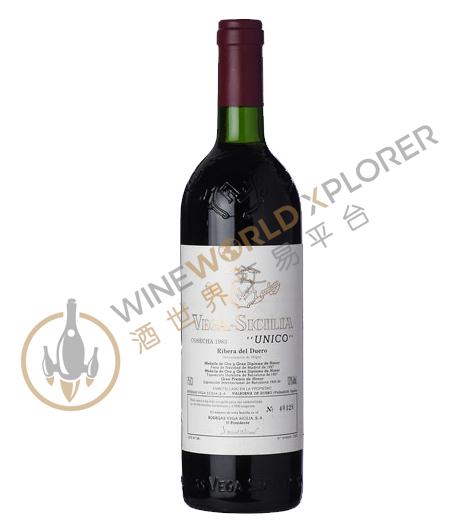
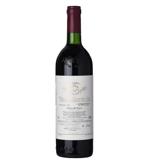
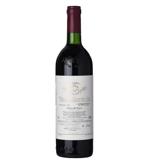
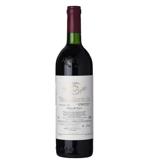
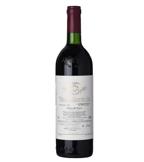
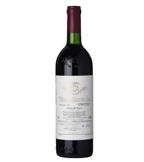
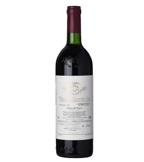
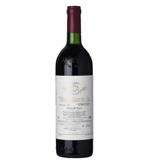
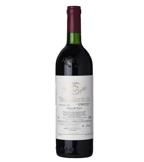
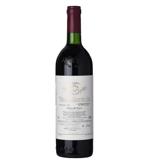
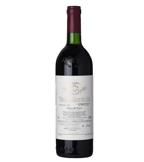
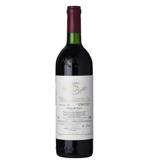
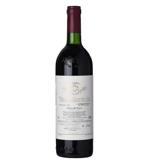
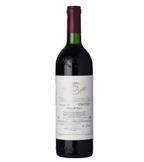
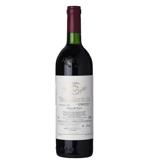
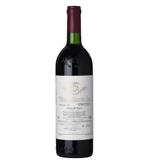
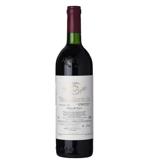
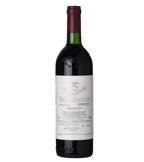
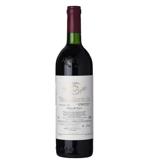
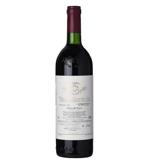
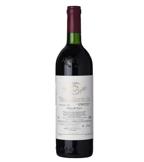
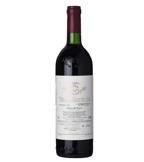
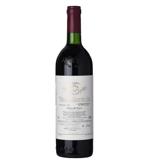
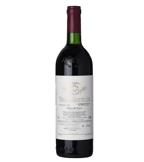
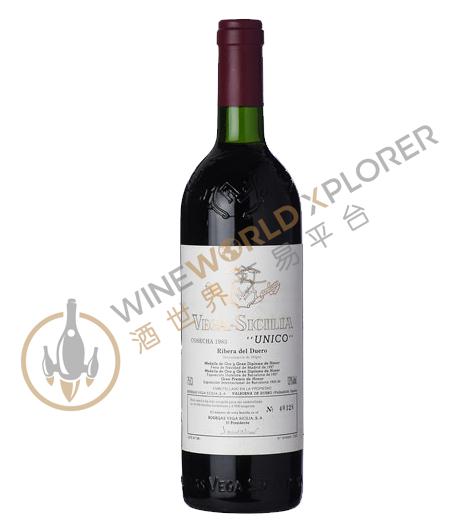
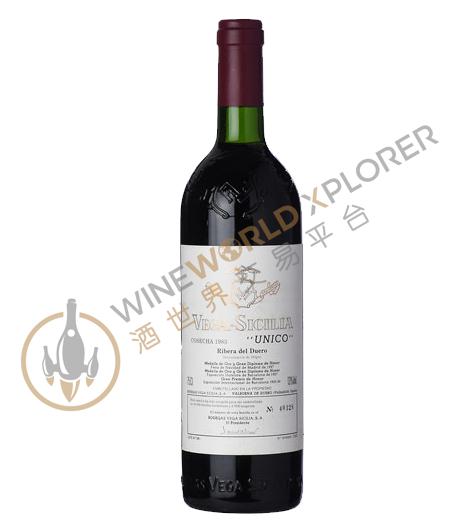
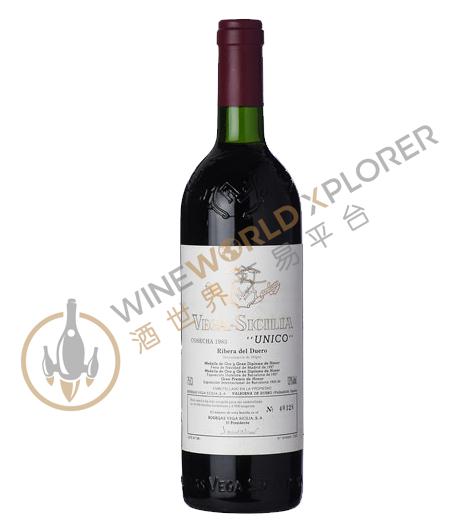
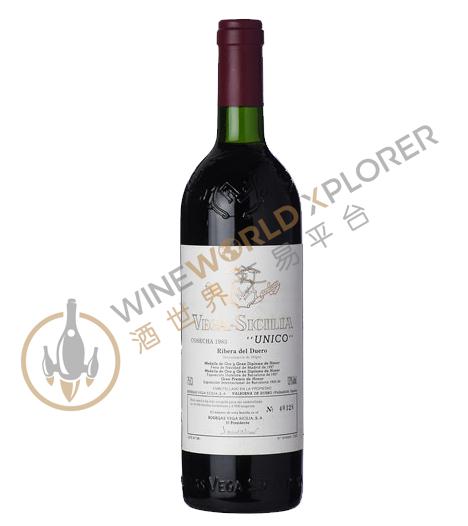
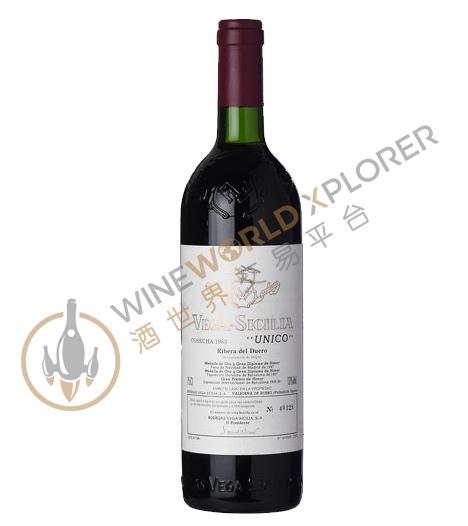
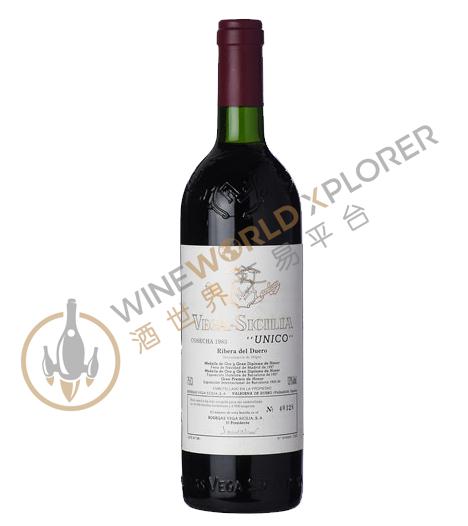
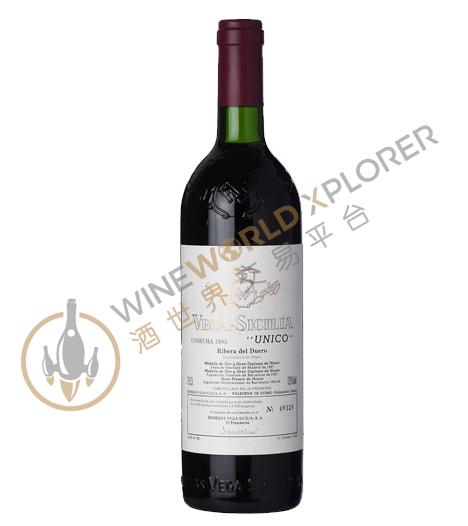
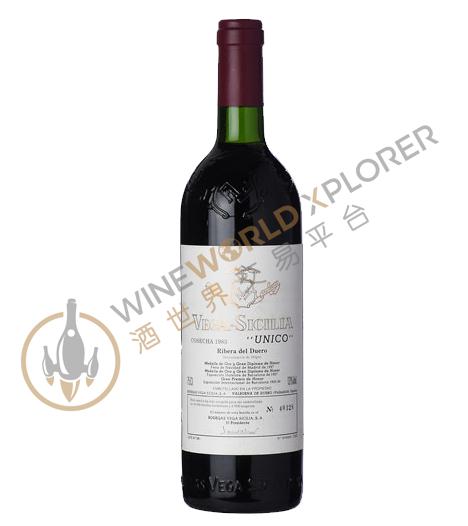
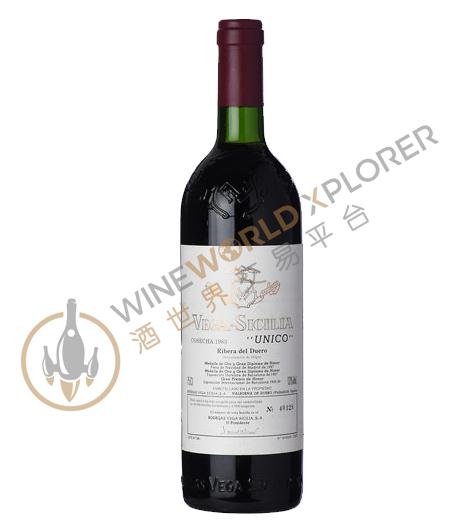
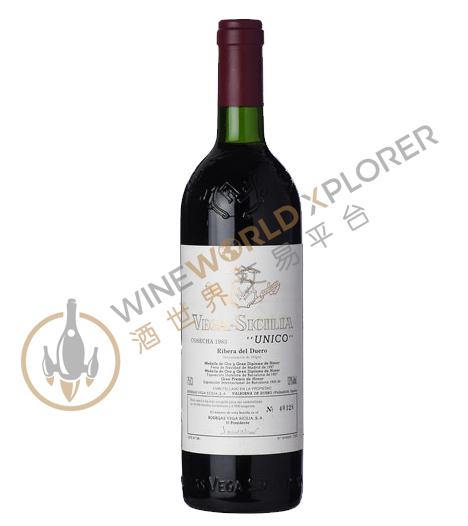
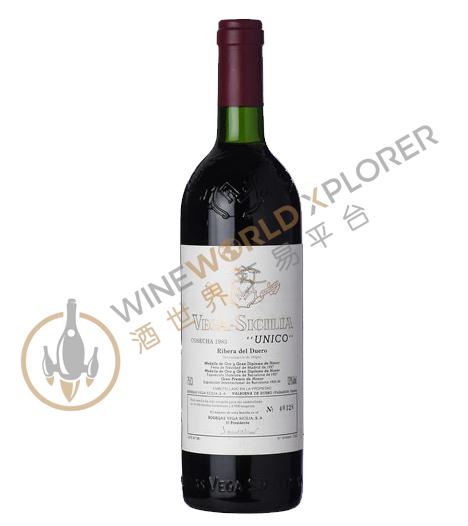
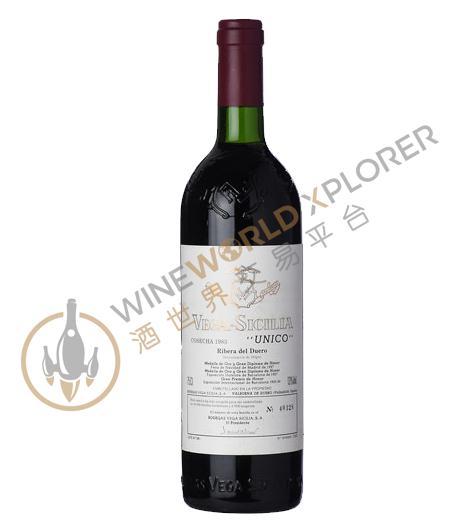
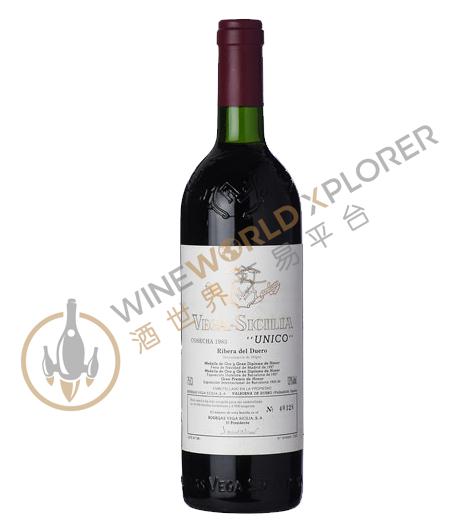
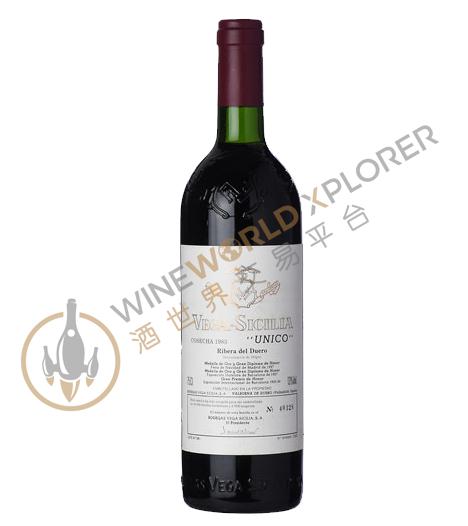
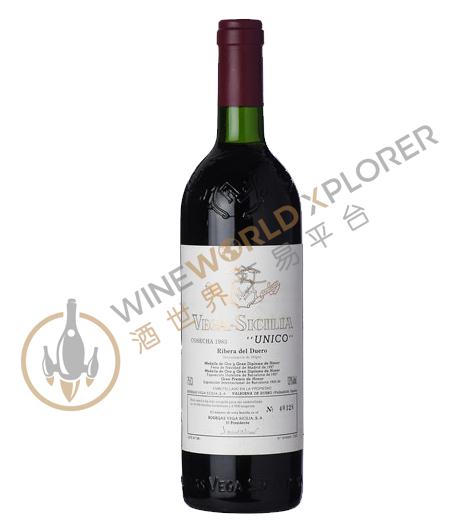
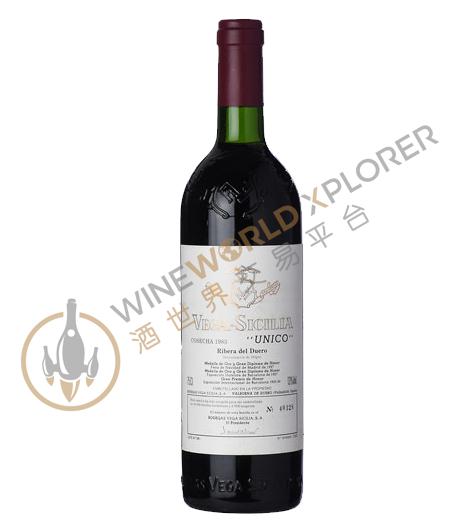
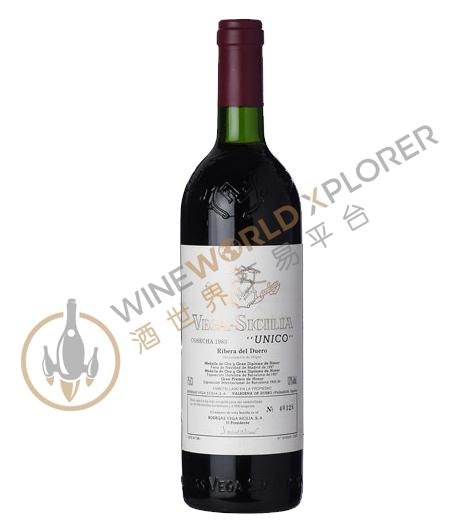
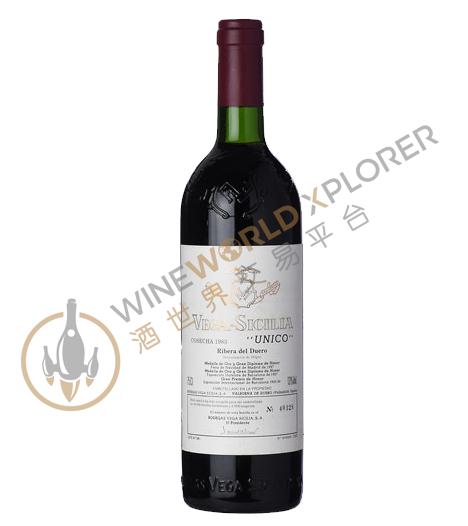
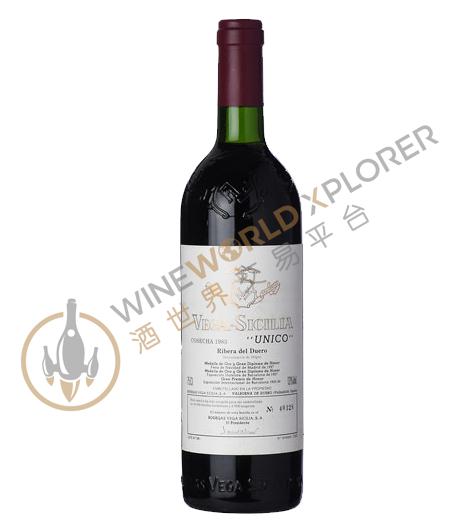
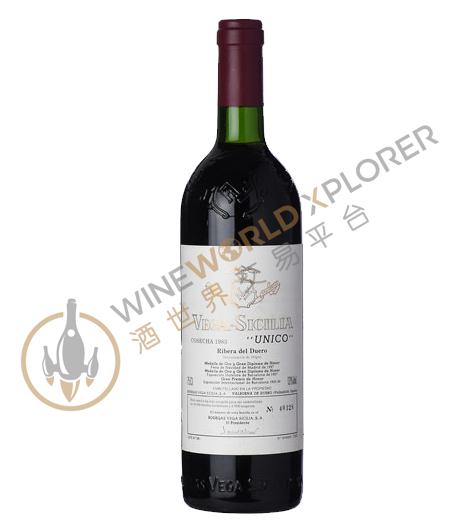
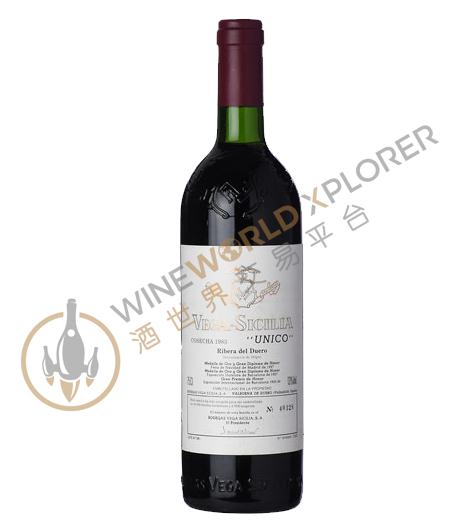
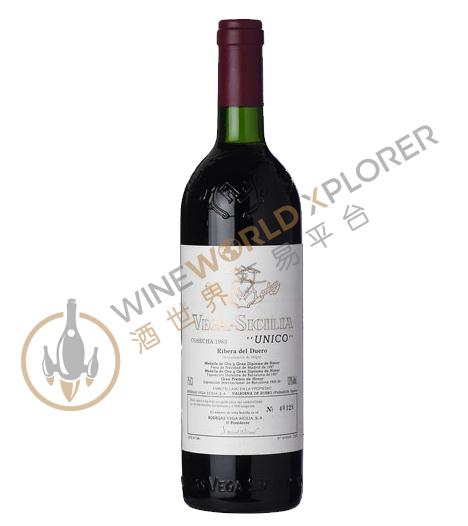
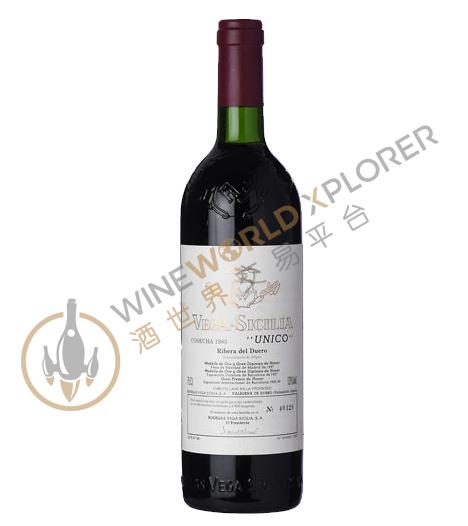
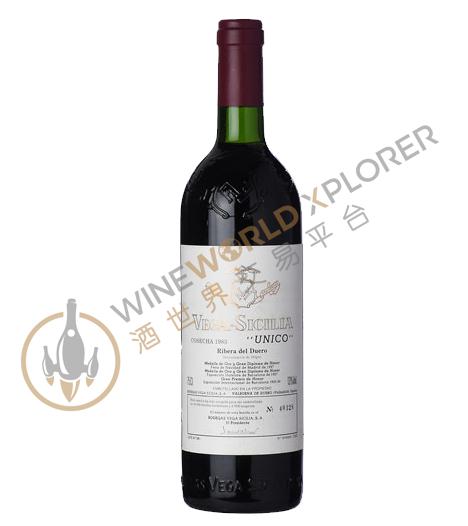
Vega Sicilia, Unico 1970
 View analysis


Description
Tasting notes

Reviewed by: Neal Martin
Without doubt, the best Spanish wine that I have ever tasted. A very deep black/garnet core: look five rather than thirty-five years old. An amazing, spellbinding nose: blackberry, iodine, blueberry and just a touch of boot-polish. It has astounding definition and vitality. The full-bodied palate is wonderfully balanced, assertive but not over-powering with stunning focus. Notes of blackberry, espresso and raisin and boatloads of glycerin on the quasi-Saint Emilion finish. This Unico has incredible length, a multi-dimensional wine that must have 20-30 years ahead of it. A bona fide legend. Tasted March 2006.
Reviewed by: Luis Gutiérrez
The 1970 Único magnum has for a long time been considered one of the greatest wines from Vega Sicilia ever, even if there might be some bottle variation, as not all the bottles were filled at the same time, and the time between the first and last bottling could have been up to five years or more. The 1970 magnums were released much later than the regular bottles, and every one I've had has been nothing short of phenomenal. This one was no exception. My scribbling was enthusiastic: "atomic bottle, better than the '68. It's still young and lively; it has fruit and a juicy texture. Perfect tannins!" It was produced with 70% Tinto Fino, 20% Cabernet Sauvignon and 10% Merlot and Malbec bottled at a moderate 13% alcohol. The wine feels very young, partly because it was a great vintage but also because the wine stayed for at least five years in large oak vats, where the wine evolves at a very slow pace, then it spent no less than 10 years in barrels, used and quite neutral, where the evolution was also slow. It was also a good crop, and 94,500 bottles and 2,000 magnums were produced. Artwork by Benjamín Palencia. The magnums were released after the year 2000 as full-fledged Ribera del Duero appellation wines, even if the appellation was not created until 1982.
Reviewed by: Neal Martin
For many years, the 1970 Unico was the greatest Spanish wine that I had ever tasted, and although this was not the same caliber as the previous perfect example, it remains a fabulous wine. It is a blend of 70% Tinto Fino, 20% Cabernet Sauvignon and 10% Merlot and Malbec and aged for ten years in barriques. It has a thrilling Bordeaux-like personality on the nose that is more aloof than other vintages. The Cabernet component in the blend is pronounced, forming the backbone and austerity of this wine. However, you cannot deny its power and its breeding, or indeed its obdurate, masculine finish that demands respect. This is a Unico you have to look up to, perhaps the sister of Chateau Latour in this same year. 94,500 bottles produced. Drink now-2030+.
Reviewed by: Robert M. Parker, Jr.
One of Vega Sicilia's distinctive practices is to release magnums of great vintages well after the wine's initial release. Magnums of the fabulous 1970 Unico Reserva Especial have just been released. This wine boasts an elegant, complex bouquet of cedar wood, blackberries, cherry liqueur, and vanilla. Opulently-textured, with fabulous unctuosity, vivaciousness, and vigor, superb ripeness, a full-bodied, super-concentrated attack as well as lush mid-palate and finish, this seamless classic can be drunk now, or cellared for two decades. This wine was brilliant from the 750 ml format, and is equally compelling from magnum. Importer: A Christopher Cannan Selection, various American importers including Michael Skurnik, Syosset, NY; tel. (516) 677-9300 and Diamond Wine Merchants, Oakland, CA; tel. (510) 567-9897
Reviewed by: Robert M. Parker, Jr.
Finally, the 1970 Vega Sicilia Unico has been released. It has long been reputed to be one of the all time greats from Spain's most renowned and expensive producer. Just how good is it? I do not think those readers who have the financial means to afford the wine will be disappointed with what's in the bottle. I have always believed the 1968 (which has just been released in magnum) is the most concentrated and potentially profound Vega Sicilia yet produced. The 1970 falls just a notch below the 1968 in terms of pure extraction. It surpasses the 1968 in its exceptional perfume and seductive, gorgeously-textured, voluptuous, and sexy style. The color is a healthy dark ruby. The nose offers up smashingly intense aromas of lavishly-oaked, but gorgeously pure black-cherries and currants. The wine is full-bodied, and nearly sweet tasting because of the fruit's exceptional ripeness. Expansive and deep, with the wood, tannin, and acidity nearly masked by the sheer quantity of fruit, the 1970 Vega Sicilia Unico is a velvety-textured, seamless, rich, profound wine that is more approachable than the 1968, yet, along with that legendary wine, remarkably fresh and youthful. It is astonishing that a twenty-five year old wine could look, smell, and taste so young, yet also be so complex. No one knows how Vega Sicilia achieves such brilliance, but the proof is in the bottle. This wine is frightfully expensive ($135-$150 per bottle), as well as absurdly rare (most of it is gobbled up by millionaires in Spain and Western Europe), but it is a winemaking tour de force and one of the world's greatest red wines. The 1970 Vega Sicilia Unico should drink well for 15-25 more years. I rated it 96. Importer: Europvin USA, Watertown, MA; tel. (617) 924-7620
Reviewed by: Antonio Galloni
The 1970 is the most subtle of these Unicos, although I have tasted fresher examples. Delicate and perfumed throughout, the 1970 is laced with the essence of crushed flowers, tobacco, dried cherries and mint.
About the Producer
The wines produced by Bodegas Vega-Sicilia are known as the "kings of wine" in the Spanish wine world and are among the most admired in the world. It has become Spain's most recognizable and expensive wine for over a century. In 1864, the wealthy Eloy Lecanda family acquired a vineyard on the banks of the Duero River in northwestern Spain and named it Bodegas de Lecanda (later "Bega"). Winery of Sicilia"), began a complex and wonderful saga. As early as the early days of the establishment of the garden, the Lacanda family introduced international grape varieties such as Cabernet Sauvignon, Merlot and Malbec from Bordeaux, France, to make up for the Spanish ace grape Tempranillo. This is also the beginning of the introduction of French varieties in Spain. At the end of the 19th century, the Vega Sicilia winery began producing its first wines, bottled and sold exclusively in the Rioja region. At this time, the Vega Sicilia winery was not well-known and the production was very limited, and it did not start to improve until the 20th century. Vega Sicilia Winery was originally called "Lacanda Winery", and later changed its name to "Antonio Herrero Winery". It was not until the early 20th century that the current winery name was finally determined. In the 1920s, some vintages from Vega Sicilia were featured in international wine festivals. From the 1940s to the 1960s, Don Jesus Anadon, a highly influential and legendary winemaker in Spain, was responsible for brewing many high-quality vintages. Until 1964, when the winery was sold to a Neumann family from the Czech Republic or Venezuela, Anato continued to work at the winery. In 1982, El Enebro S.A., a company of the Alvarez family, purchased the winery and vineyards of Vega Sicilia from Newman, and since then Vega Sicilia has been taken over by the Alvarez family . After the new owner entered the vineyard, he took a series of reform measures, including formulating a long-term development plan for the winery, adding new brewing equipment, increasing efforts to develop overseas markets, and continuing the position of chief winemaker Anato. This was seen as the most important move, and at the same time, Mariano Garcia, a young winemaker who was already well-known at the time, was hired as Anato's assistant, a decision that also created Vega Sicilia. After 20 years of glory. The current CEO of Vega Sicilia is Pablo Alvarez, an energetic and visionary manager. The winery still practices innovative winemaking techniques and produces wines of superior quality and inspiring. In addition, the estate's owner has started an exciting new project in the Toro appellation. The vineyards of Vega Sicilia are located on a 700-meter-high hillside on the south bank of the Duero River. The natural environment there is extremely harsh, with cold winters and frosty springs. It is such a harsh natural environment forging the tough nature of the vine. In addition, the sun is abundant, and the temperature difference between day and night is very large, so that the grapes can maintain sufficient acidity while ripe, and the wines produced have both good ripeness and a strong sense of structure. The vineyard has calcareous clays with excellent drainage and deep potential, ideal for growing grapes. The average age of the vines is more than 30 years, and the age of the vines in some gardens is even more than 70 years old. At the same time, in order to make the grapes get more nutrients, Vega Sicilia also pays great attention to controlling the planting amount per hectare, and the planting density is extremely high. Low, about 2,200 plants per hectare. This figure is already much lower than the regulations of the Spanish D.O., and even lower than the planting density of the Bordeaux Grand Crus. Since its establishment in 1864, Vega Sicilia Winery has been using traditional winemaking techniques in order to produce wines with the least human interference. The fermentation of the wine takes place in oak barrels, stainless steel barrels and epoxy-lined concrete vats, followed by malolactic fermentation in epoxy-lined concrete vats. The winery also uses French and American casks of varying sizes. The Unico is quite flexible, typically aged in small oak barrels (new and old) for 2-4 years, and then transferred to large oak barrels for blending and purification. Unique Collections are only made in the best vintages, and some vintages (like 1970) are said to be kept in wooden barrels for up to 16 years.
1939(1)1940(1)1947(1)1948(1)1953(1)1958(1)1960(1)1961(1)1962(2)1964(1)1966(1)1967(1)1968(2)1969(1)
Package Size