
 Wine Advisor



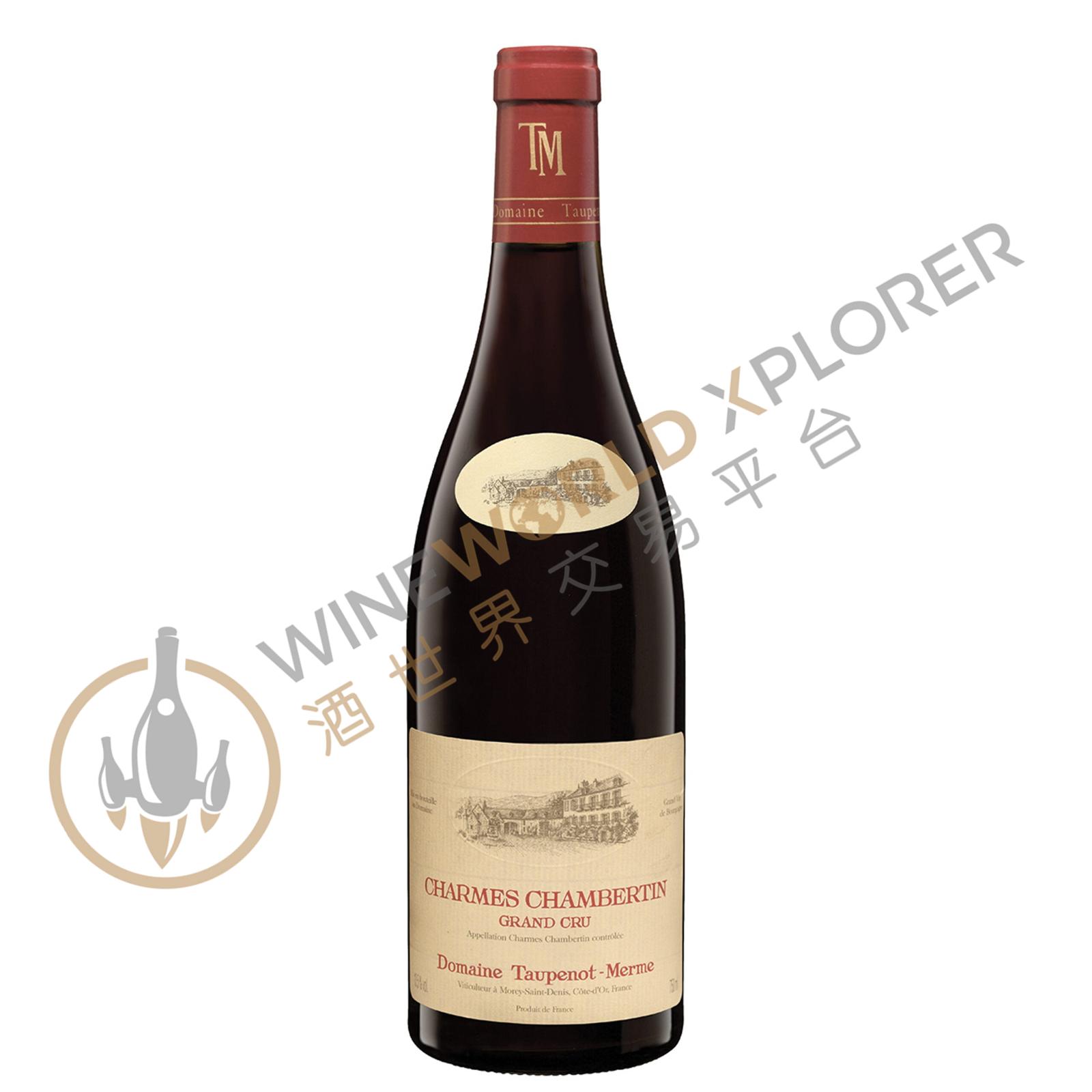
Taupenot Merme, Charmes Chambertin Grand Cru 2016
 View analysis


Description
Tasting notes

Reviewed by: Stephen Tanzer
Bright red-ruby. Slightly medicinal aromas of blackberry, licorice and violet complicated by a rocky quality. Pungent, tangy and high-pitched, offering a very fine-grained texture to its flavors of cassis, black cherry and violet; aeration brought a slightly less black note of raspberry and sexy savory soil tones. From vines on very shallow soil just across the Route des Grands Crus from Chambertin, this wine offers terrific punch and building sweetness. Both these vines and those in Mazoyères-Chambertin were planted shortly after World War II but a small part of the Charmes was replanted in 1998.
Reviewed by: Neal Martin
The 2016 Charmes-Chambertin Grand Cru has quite a candied bouquet with vivacious red fruit laced with orange blossom and a touch of Earl Grey tea. The palate is medium-bodied with fine tannin, juicier than the Corton Rognet but maybe without the same degree of precision on the finish. This is a gutsy, generous Charmes-Chambertin that should age well over the next 10 to 12 years, though in this vintage it is the Mazoyères that has the upper hand.
About the Producer
Romain Taupenot is the ninth generation to run this family domaine in Morey-Saint-Denis. While records show his ancestors practiced viticulture as far back as the 17th century, the domaine as we know it today truly came to be after the marriage of Romain’s parents, Denise Merme and Jean Taupenot, in 1963. The domaine’s diverse vineyard sites across both the Côte de Nuits and Côte de Beaune can be traced back to this union of holdings from the Taupenot family, based in Saint-Romain, with those belonging to the Mermes, from Morey-Saint-Denis. With 9 hectares in the Côte de Nuits and another 4.5 hectares in the Côte de Beaune, Romain and Virginie now produce nineteen different wines across seventeen appellations. A significant portion of their holdings are in premier cru and grand cru appellations, and all of their premiers crus are enviably placed. Old vines represent a significant proportion of the domaine’s holdings, with new plantings created from sélection massale cuttings of their best vines. Having farmed organically since 2001, the Taupenots seek to respect the character of each climat to yield wines of purity and grace that are faithful to their appellation of origin. Romain jokingly refers to himself as a “lazy winemaker,” prioritizing work in the vineyard in order to minimize the need for intervention in the cellar. Their hand-harvested grapes are de-stemmed and undergo a cold soak before fermentation with wild yeast, a method pioneered by the late, great Henri Jayer. Cellar operations like pigeages and remontages are gentle and performed with the goal of expressing the nuances of each site. Accordingly, commercial yeasts, bacteria, enzymes and other additives are out of the question, and new oak is used judiciously. With few exceptions, the wines are bottled unfiltered, while sulfur doses are kept to a minimum.
