
 Wine Advisor



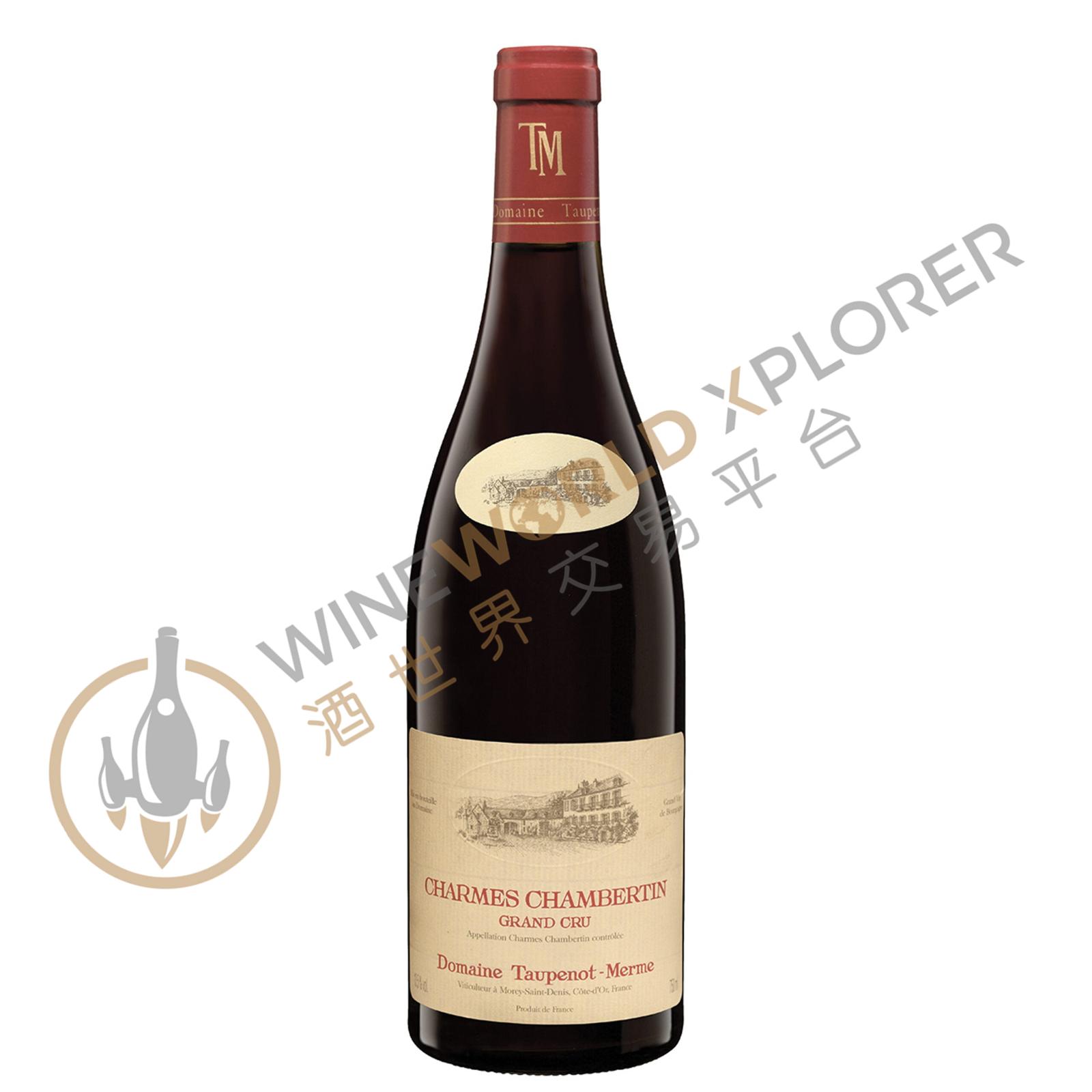
Taupenot Merme, Charmes Chambertin Grand Cru 2008
 View analysis


Description
Tasting notes

Reviewed by: Neal Martin
Tasted out of barrel at the Domaine. This has a very fine nose with floral red-berried fruit, touches of redcurrant, cranberry and wild strawberry, a hint of apricot and dried honey developing with time. The palate has a palpable sense of energy and frission, fine tannins, smooth texture though not silky, a slight chalkiness, with bittersweet cherry, strawberry and raspberry on the finish. Just lacking a little persistency on the finish. Tasted November 2009.
Reviewed by: David Schildknecht
The Taupenots’ 2008 Charmes Chambertin displays kirsch as well as candied cherry on the nose, which are allied to (or is that pitted against?) tart rhubarb on a bright, firm palate. This is suffused with both chalky and invigoratingly saline mineral manifestations; rose hip, cherry pit, and smoky black tea adding further, piquant complexity that follows into a long, lip-smacking finish. An extreme expression of its cru, it will strike some tasters as too lean, tart, and bitter, but I find it not quite too much of the above three and tonic-like in its fascination and vivacity. Romain Taupenot is clearly taking important steps to build on his family’s experience and do justice to their extensive list of appellations in parcels spread out along the Cote d’Or (and in both Pinot and Chardonnay). My tastings of wines from the last three vintages turned up some fine and above all highly distinctive bottlings which, if I were to guess, will probably please some pinotphiles more than my scores might suggest, and please the rest less! Taupenot – who prefers closed fermentors in order, he claims, to prevent influence of the yeasts in one batch on this in another – opined that his raw material in 2008 permitted sparing punch-downs in the early stage of fermentation, whereas he did not trust his 2007 fruit to respond well to as aggressive a regimen of extraction. “You had to be careful not to do too-short maceration in 2008” though, he maintains, “because whereas usually the extraction of tannin in the presence of alcohol is steady, in 2008 the tannin was not extracted until very late.” The 2008s here had been bottled a month before my February visit, all with light filtration, because, Taupenot says, “the levels of turbidity I measured were too high for me to omit filtration, whereas in 2007 I bottled some of the wines without filtration.” This estate is perhaps best known for their few rows of Clos de Lambrays, on account of which that site misses being a monopole of the Domaine des Lambrays; but as I did not have time to taste the entire Taupenot-Merme range, I did not insist on sampling the less-than-barrique-sized quantity of that particular cru. Imported by Scott Paul Wines, Carlton, OR; tel. (503) 852 7300; also and a Scott Levy Selection, Norcross, GA; tel. (770) 730-0361
About the Producer
Romain Taupenot is the ninth generation to run this family domaine in Morey-Saint-Denis. While records show his ancestors practiced viticulture as far back as the 17th century, the domaine as we know it today truly came to be after the marriage of Romain’s parents, Denise Merme and Jean Taupenot, in 1963. The domaine’s diverse vineyard sites across both the Côte de Nuits and Côte de Beaune can be traced back to this union of holdings from the Taupenot family, based in Saint-Romain, with those belonging to the Mermes, from Morey-Saint-Denis. With 9 hectares in the Côte de Nuits and another 4.5 hectares in the Côte de Beaune, Romain and Virginie now produce nineteen different wines across seventeen appellations. A significant portion of their holdings are in premier cru and grand cru appellations, and all of their premiers crus are enviably placed. Old vines represent a significant proportion of the domaine’s holdings, with new plantings created from sélection massale cuttings of their best vines. Having farmed organically since 2001, the Taupenots seek to respect the character of each climat to yield wines of purity and grace that are faithful to their appellation of origin. Romain jokingly refers to himself as a “lazy winemaker,” prioritizing work in the vineyard in order to minimize the need for intervention in the cellar. Their hand-harvested grapes are de-stemmed and undergo a cold soak before fermentation with wild yeast, a method pioneered by the late, great Henri Jayer. Cellar operations like pigeages and remontages are gentle and performed with the goal of expressing the nuances of each site. Accordingly, commercial yeasts, bacteria, enzymes and other additives are out of the question, and new oak is used judiciously. With few exceptions, the wines are bottled unfiltered, while sulfur doses are kept to a minimum.
