
 Wine Advisor



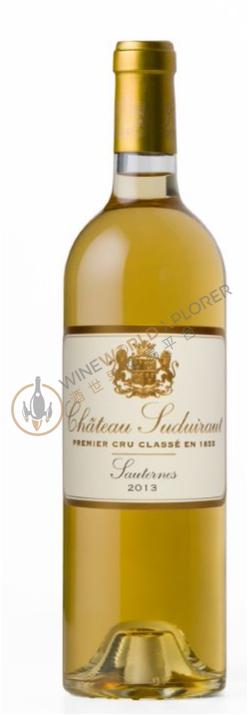
Suduiraut 1989
 View analysis


Description
Tasting notes

Reviewed by: Neal Martin
Tasted from the Chateau reserves at the estate. The ’89 is a little lighter in hue compared to the Suduiraut ’90. The nose offers caramelized pear, frangipane, yellow flowers and a touch of quince, moderate vigour at first, but opening nicely with aeration. The palate is medium-bodied with a touch of bitter orange rind on the entry, marmalade, quince and a mandarin and dried apricot on the finish. There is good length to this Suduiraut, although it misses a little breeding, perhaps due to the denuding by the Creme de Tete. Tasted February 2011.
Reviewed by: Neal Martin
First tasted in November 2003 when it was quite Barsac in style with a banana-tinged finish. Then tasted at the Suduiraut vertical in June 2006. A clear amber hue. The nose is a little disappointing, lacking the intensity of the 1990. Very minerally, white flowers and a touch of coconut milk. The palate is well-balanced with very good acidity. Quite straight-laced and conservative, with an elegant lemon curd finish (no banana note this time).
Reviewed by: Robert M. Parker, Jr.
The 1989 is the most well-balanced of the 1988, 1989 and 1990 vintages, but its fruit does not appear to be sufficient to stand up to the wine's high alcohol and aggressive style. The close to 15% alcohol made the wine taste very hot. The wine does not offer much delineation, so cellaring should prove beneficial as it does have admirable levels of extract. Suduiraut can make powerful, rich wines that are often rustic and excessively alcoholic and hot when young. I am told they become more civilized with age, and certainly older, classic Suduiraut vintages have proven that to be true. I feel this estate's propensity to produce a luxury cuvee (Cuvee Madame) in vintages such as 1989 tends to have a negative impact on the regular cuvee.
Reviewed by: Robert M. Parker, Jr.
The 1989 is the most well-balanced wine of this trio, but its fruit does not appear to be sufficient to stand up to the wine's high alcohol and aggressive style. None of these wines offers much delineation, so cellaring should prove beneficial as they do have admirable levels of extract. Last tasted 11/94
Reviewed by: Neal Martin
The 1989 Suduiraut has always shown better than the 1990. The bouquet is quite vivacious with quince and frangipane, hints of pear and crème brûlée, certainly responding to aeration. The palate has similar weight and texture to the 1990 although, there is slightly more tension here with orange rind and marmalade imparting Barsac-like notes towards the finish. It lacks the sophistication of 21st century vintages but there is joie-de-vivre here. 89gm/L residual sugar. Tasted at a private dinner in Switzerland.
About the Producer
Chateau Suduiraut is located in the Sauternes appellation of Bordeaux, France, which is known for its rich and sweet noble rot wines. In the 1855 Sauternes and Barsac classification, Chateau d'Yquem is the only Grand Cru classed. In addition, Château d'Yquem occupies one of the 11 châteaux in the classification that are now classified as First Growths. Château d'Yquem has a long history: in 1580, Nicole d'Allard married Leonard de Suduiraut, and the estate took its name. At the end of the 18th century, Jean Joseph Duroy, nephew of a member of the Suduiraut family at the time, took over the estate and renamed it Cru du Roy. The emblems of the two families, Xukin and Duroy, were then fused together to form the present logo of the estate. The château is a palace-like building with a beautiful garden designed by Le Notre, Louis XIV's royal gardener. In 1992, AXA Millesimes, the French insurance giant, acquired Château Xugene. AXA Millesimes is a powerful group that also owns the famous Pauillac estate, Chateau Pichon-Longueville Baron. The 91 hectares of vineyards at Château d'Azur are planted with 90% Semillon and 10% Sauvignon Blanc. Semillon is a traditional Sauternes variety that provides powerful structure to the wines, bringing full-bodied flavors of roasted dried fruit, acacia flowers and candied fruit. Sauvignon Blanc, on the other hand, is an aromatic, high-acid variety with very distinctive aromas of citrus and white peach that add complexity and acidity to the wine. The soil is predominantly gravelly and sandy clay, which is permeable and poor, requiring the vines to be deeply rooted to extract nutrients, resulting in low yields and intense mineral flavors. The gravel on the surface of the soil also absorbs heat from the sun, which helps the grapes to ripen more quickly. The planting density of the Chateau Xugene vineyard is 7,000 vines per hectare, and the average age of the vines is 35 years. The vineyard's proximity to the Ciron and Garonne rivers, with cool nights, early autumn mists and sunny afternoons, creates the right conditions for the formation and growth of noble rot. The winery prunes the grapes short to allow the bunches to enjoy more sunlight. The harvesting process at Château Xugene is very delicate, with workers picking the grapes in batches according to the infestation of noble rot, and even picking a vine several times. In terms of winemaking, Château Xukin adheres to a philosophy of quality first. The hand-picked grapes undergo a long and careful pressing process to obtain the most aromatic juice, and the fermented wine is then matured in oak barrels for 18-24 months to allow the wine to develop its full flavor and structure. The winery has strict quality standards, and if the quality of the wine does not meet expectations in a given year, the winery will even abandon the production of the year's main wine, Chateau Suduiraut, Sauternes, France. Currently, Chateau Suduiraut produces three sweet white wines, including Chateau Suduiraut, Sauternes, France, which are the best expression of the Sauternes terroir.
1948(1)1983(3)1988(1)
Package Size
