
 Wine Advisor



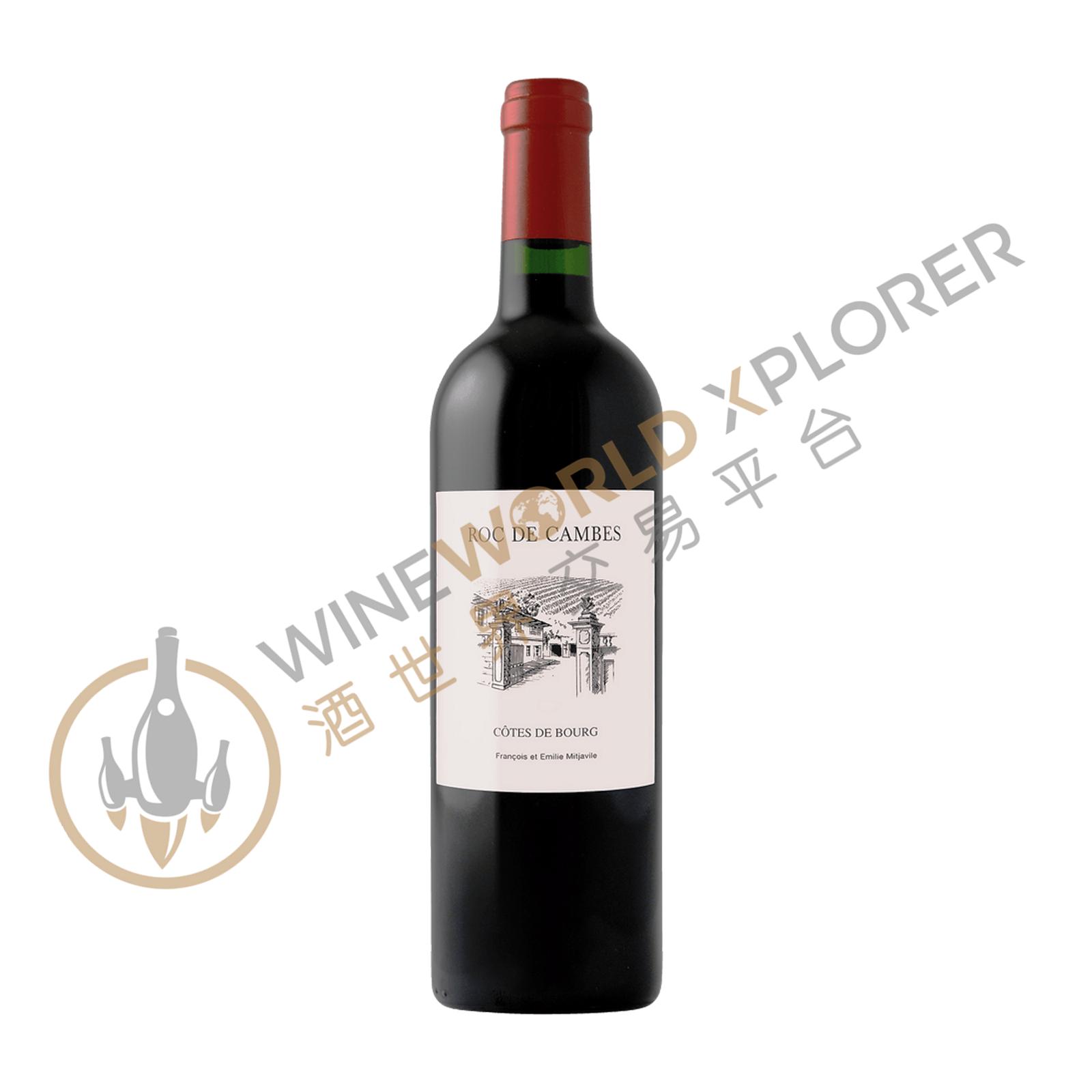
Roc de Cambes 1989
 View analysis


Description
Tasting notes

Reviewed by: William Kelley
The 1989 Roc de Cambes continues to drink very well today, exhibiting aromas of rich black fruits, asphalt, black truffle and sweet soil tones. Medium to full-bodied, concentrated and muscular, it's chunkier and less sensual than Mitjaville's subsequent vintages, but it remains a very persuasive wine.
Reviewed by: Robert M. Parker, Jr.
Absolutely delicious, the 1989 Roc de Cambes reveals an impressive, opaque, dark ruby/purple color. The fragrant, chocolaty, sweet, berry-scented nose, deep, dense, full-bodied flavors, low acidity, and a long, lush finish make for a convincingly satisfying glass of wine. Anticipated maturity: Now-1998.
Reviewed by: Robert M. Parker, Jr.
I have been a big believer in this Cote de Bourg made by the obsessive/compulsive Francois Mitjavile, who is better known for his outstanding small St.-Emilion estate, Le Tertre-Roteboeuf. I initially rated these wines 89 for the 1990 and 88 for the 1989. In this recent tasting I was thrilled to see how well the wines showed. Both are fully mature, yet capable of lasting another 7-8 years. With the price escalation for wines such as Le Tertre-Roteboeuf, I suppose Roc de Cambes will now be known as the "poor person's Roteboeuf." The 1989 revealed the high PH color (plenty of amber at the edges), a tobacco, spicy, Graves-like nose, beefy, animal-like flavors, gobs of fruit, and a soft, round finish. Both the 1989 and 1990 are at their peak of maturity, but with its greater length and riper fruit, the 1990 will outlive the 1989 by 3-5 years. Readers who bought these wines early should be pleased that their $16-$18 investments now taste like wines costing $50-$100.
About the Producer
This is his property in the Côtes de Bourg, a vineyard reminiscent of Tertre Roteboeuf, being as it is, a natural amphitheatre with a perfect aspect overlooking the Gironde River. It comprises fourteen hectares of old vines planted on the most highly reputed slope of the Côtes (les Croutes), where the heat of the sun on the slope is regulated by the effects of the estuary and cool clay/limestone soils. This makes for regular growth and wonderfully ripe, concentrated fruit. Essentially François Mitjavile’s approach was to coax optimal quality in a region with great, but often unrealised, potential. He made Roc de Cambes flourish. With his son Louis (now owner of L’Aurage) and his daughter Nina (increasingly at the helm) his experience and philosophy from St Emilion come into play here. Together they control vigour and pick only when the grapes are super-ripe. They have succeeded in creating a wine which has led to many an embarrassing moment at blind tastings when compared to received “great” wines, first growths included. Roc de Cambes has a wow factor in spades.
