
 Wine Advisor



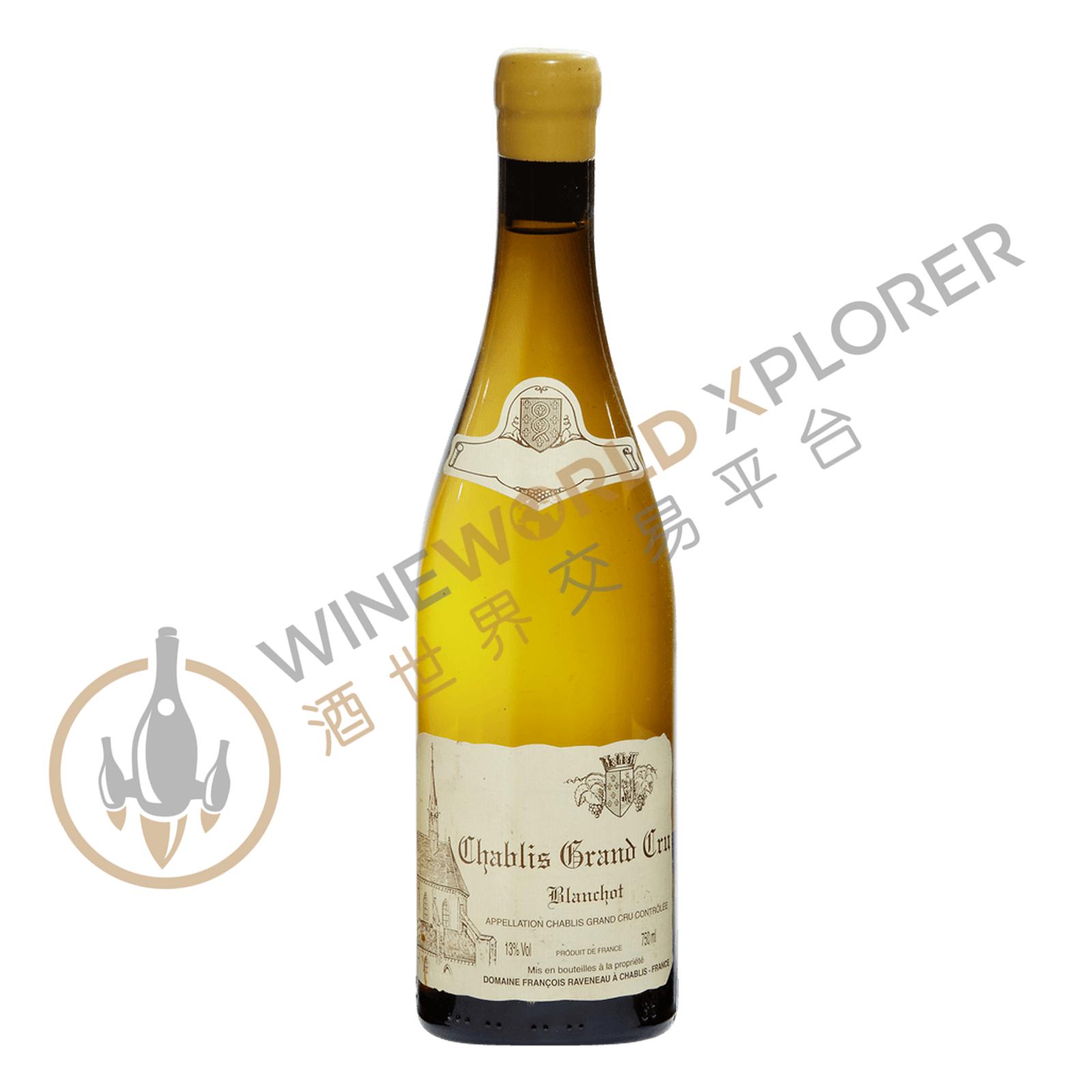
Raveneau, Chablis Grand Cru Blanchots 2010
 View analysis


Description
Tasting notes

Reviewed by: Antonio Galloni
An intriguing, rich, almost tropical expression of fruit emerges from the 2010 Chablis Blanchot, owing to the warmer microclimate in this site. The Blanchots is ripe, seductive and enveloping. Stylistically it is one of the flashier 2010s here. Layers of fruit build to the deeply resonant, radiant finish. The Blanchot should drink well relatively early. Anticipated maturity: 2015+. (Not yet released) My visit with Bernard Raveneau was one of the highlights of my trip to Chablis earlier this summer. At their best, Raveneau’s wines are contemplative and breathtakingly beautiful. I never miss a chance to drink them whenever I can. The 2011 harvest started on September 5th and lasted 6 days. Hail was an issue in some spots, most notable Les Clos and Montee de Tonnerre, where yields were down 25%. Raveneau adds that a measure of minerality is missing because of the late rains in the season. Raveneau thinks the 2010s have more character than the 2011s. The irregular flowering was most severe on the right bank (Clos and Montee de Tonnerre in particular), while the left bank, which was a week later to flower moved through the flowering with only a 10-15% reduction in yields, modest within the context of the vintage. Raveneau told me the 2010s were very austere at the outset. He thought they might stay that way, instead the wines softened considerably after the malos, which turned out to be a pleasant surprise. The 2010s were bottled end of May 2012, quite late by Chablis standards. As for the wines, they are pretty stratospheric. There is a sense of utter life and vividness in the 2010s that makes them utterly irresistible. Importer: Kermit Lynch Wine Merchant, Berkeley, CA; tel. (510) 524-1524
About the Producer
Domaine Raveneau is Chablis's finest producer. Jean Raveneau has 7 hectares of vines and produces beautifully crafted wines from three Grands Crus (Blanchot, les Clos and Valmur and four Premiers Crus (Montée de Tonnerres, les Vaillons, Butteaux and Chapelot) All the grapes are hand harvested (one of the very few remaining growers in Chablis to do so) and Jean Marie prefers to pick early rather than late, with the aim of preserving the grapes' acidities. The grapes are fermented in stainless steel vats and the wine are then aged in large oak feuilletes (the barrels have an average age of 7-8 years) for 18 months. Very low yields allied to meticulous wine making techniques are what make these wines so highly prized. They are renowned for their pure, racy minerality and rich, honeyed fruit, as well as for their ageworthiness - it would be a pity not to let them have the five to ten years in the cellar that they need to reach their sublime best.
1994(1)1997(5)1999(1)2001(1)2003(3)2004(2)2005(2)2006(5)2007(5)2008(1)2009(9)
Package Size
