
 Wine Advisor



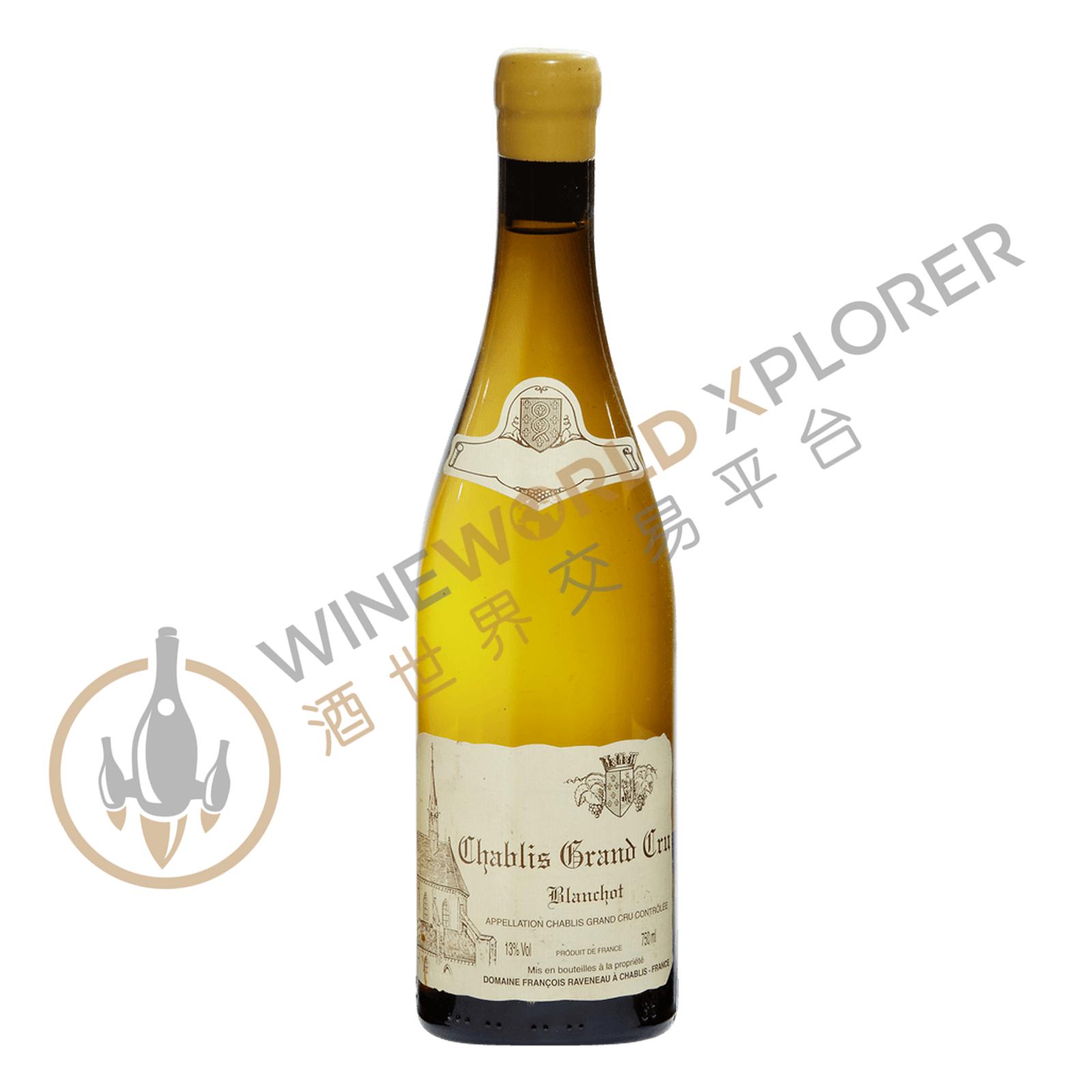
Raveneau, Chablis Grand Cru Blanchots 2009
 View analysis


Description
Tasting notes

Reviewed by: Antonio Galloni
The 2009 Chablis Blanchots is deep, powerful and intense, particularly in the way it blossoms on the palate with layers of radiant fruit. This is a striking wine graced with an expressive, open personality that resonates through to the generous finish. I especially like the raciness of the fruit. Anticipated maturity: 2012-2024. (Not yet released) Bernard Raveneau provides unusual perspective with regards to the 2010s. While most of his colleagues talk about a vintage with high acidity, Raveneau points out that the 2010s are actually low in acidity relative to the wines Chablis produced in the 1970s and 1980s. Yields in 2010 were 20% lower than in 2009. The vineyards on the right bank were affected by the irregular flowering, while the vineyards on the left bank were hit by hail in July. August was warm until the end of the month, when rain became a bit of an issue. Raveneau began harvesting the 2010s on September 22, while the 2009s were brought in beginning on September 14. The 2009s were bottled two weeks before my visit. These are two thrilling collections from one of the village’s uncontested superstars. Importer: Kermit Lynch Wine Merchant, Berkeley, CA; tel. (510) 524-1524
About the Producer
Domaine Raveneau is Chablis's finest producer. Jean Raveneau has 7 hectares of vines and produces beautifully crafted wines from three Grands Crus (Blanchot, les Clos and Valmur and four Premiers Crus (Montée de Tonnerres, les Vaillons, Butteaux and Chapelot) All the grapes are hand harvested (one of the very few remaining growers in Chablis to do so) and Jean Marie prefers to pick early rather than late, with the aim of preserving the grapes' acidities. The grapes are fermented in stainless steel vats and the wine are then aged in large oak feuilletes (the barrels have an average age of 7-8 years) for 18 months. Very low yields allied to meticulous wine making techniques are what make these wines so highly prized. They are renowned for their pure, racy minerality and rich, honeyed fruit, as well as for their ageworthiness - it would be a pity not to let them have the five to ten years in the cellar that they need to reach their sublime best.
1994(1)1997(5)1999(1)2001(1)2003(3)2004(2)2005(2)2006(5)2007(5)2008(1)
Package Size
