
 Wine Advisor



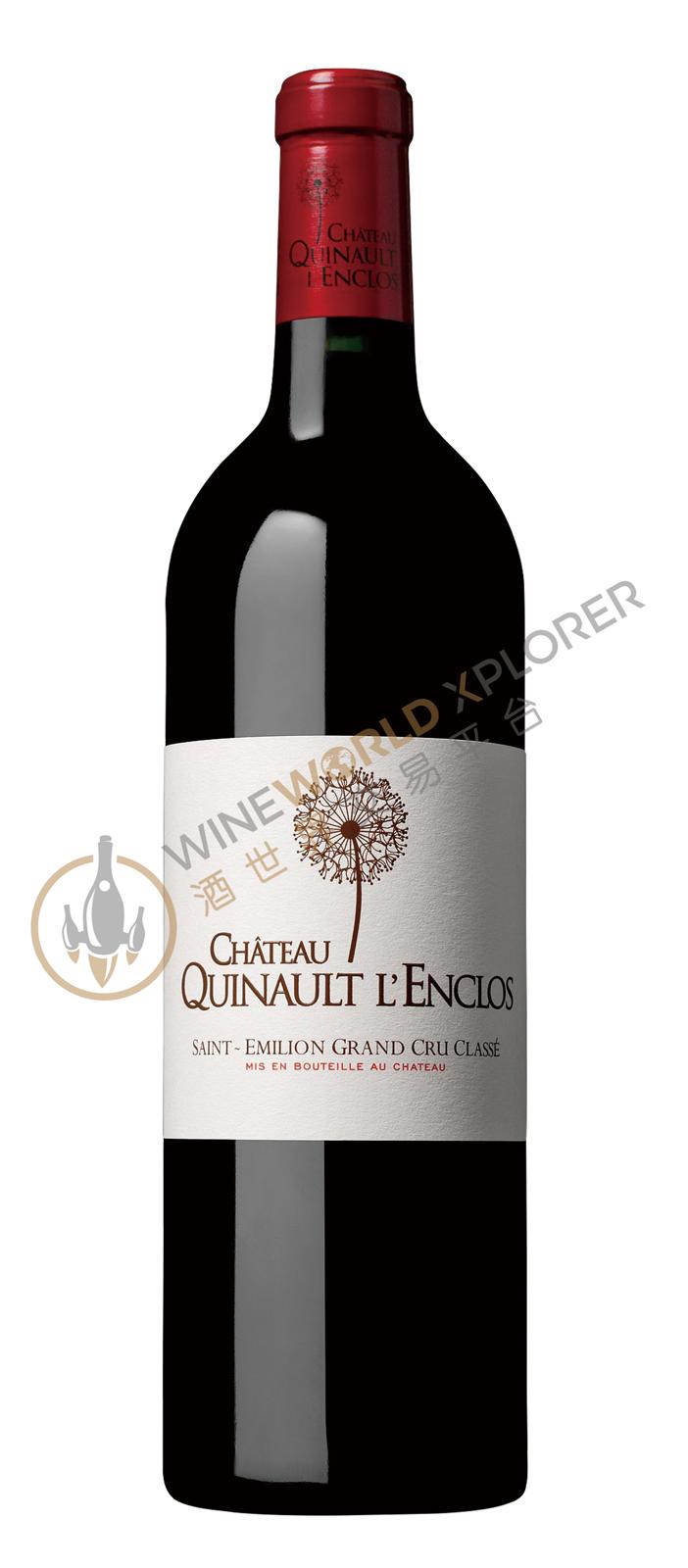
Quinault l'Enclos 2011
 View analysis


Description
Tasting notes

Reviewed by: Robert M. Parker, Jr.
A dark ruby/purple color, attractive raspberry and blueberry fruit, a floral character, noteworthy elegance and undeniable purity and texture make for a complex, mid-weight, delicious Quinault from the owners of Cheval Blanc. Drink it over the next decade.
Reviewed by: Neal Martin
A blend of 70% Merlot, 20% Cabernet Franc and 10% Cabernet Sauvignon and the third year in organic production, picked between 8th and 27th September, the Quinault l’Enclos has a clean, precise bouquet with crisp raspberry and cranberry fruit with tangible underlying minerality, the oak in synch with the fruit. The palate is tensile and taut, not a great depth of fruit but fresh and citrusy. The finish is just a little attenuated but I think Pierre Lurton has resisted temptation to eke too much from a vineyard, which they are still working hard to reconstitute. Tasted April 2012.
Reviewed by: Robert M. Parker, Jr.
Somewhat 2008-ish in style with high acidity, medium body and a vibrant, berry fruitiness, the dark ruby/purple-colored 2011 is fragrant and attractive, but it would benefit from more flesh and substance on the mid-palate. It should keep for a decade.
Reviewed by: Ian d'Agata
(70% merlot, 20% cabernet franc and 10% cabernet sauvignon): Medium ruby-red. Complex nose combines black cherry, cassis, menthol and licorice. Mouthfilling and shapely, with a bright, layered texture to the flavors of cassis, licorice and candied violet. Starts fruitier than most 2011s, but becomes a little tighter and leaner on the back end. With its ripe tannins and lingering notes of violet and licorice, this wine is long on personality. The Cheval Blanc team told me this is the first vintage of Quinault that they feel expresses the grace and refinement of which the site is capable.
Reviewed by: Ian d'Agata
(a blend of 70% merlot, 20% cabernet franc and 10% cabernet sauvignon): Bright ruby-red. Captivating aromas of red berries, blackberry and sweet spices. Dense, juicy and clean, with lovely purity of red fruit flavors and a persistent supple finish. The best wine in years from this property. Kees Van Leeuwen told me the owners finally feel comfortable showing this wine alongside Cheval Blanc at the Primeurs. We bought the property in 2008 but the wine was a very different style then, he explained. We began working on the extraction levels and reducing rack and returns and the percentage of new oak, which is now only 40%. And as there's lots of gravel here we plan to increase the percentage of cabernet sauvignon.
Reviewed by: James Suckling
This is really well made with super fine tannins and pretty fruit with blueberry and mineral. Fresh finish. Solid and polished. The land is now biodynamic. Same owners as Cheval Blanc. Close to quality of 2010.
Reviewed by: James Suckling
A wine with soft, silky tannins and pretty fruit. Medium to full body with juicy fruit. Savory and flavorful. This is balanced and delicious. Very well done. Best wine in a long time from here.
About the Producer
Chateau Quinault l'Enclos is located in the Saint-Emilion appellation of Bordeaux, France, and dates back to the 17th century. The winery takes its name from a writer named Philipe Quinault. In 1930, the estate of the Château de Montréal was only 8 hectares. Until the 1990s, when Chateau Quinault l'Enclos came under the wing of the famous winemaking family - Raynaud Family, Dr. Alain Raynaud invested heavily in Chateau Quinault, eventually making it one of the most famous châteaux in Saint-Emilion. In 2008, Quinault l'Enclos was taken over by Bernard Arnault and Albert Frere, owners of the LVMH group. Then the winery became part of the LVMH group, along with the famous Chateau Cheval Blanc and Chateau La Tour Figeac, and the estate's vineyard area was expanded. The winemaking team became the Pierre Lurton team of Château Cheval Blanc. Michel Rolland, the famous "flying winemaker", was also hired as a consultant. Now, the vineyard is approximately 20 hectares, planted with 83% Merlot, 12% Cabernet Franc and 5% Cabernet Sauvignon. The oldest vines were planted in 1930, and the average age is 45 years. The vineyard was taken over by LVMH in 2008 and was converted to organic farming, and in 2012 it was successfully certified as such. When Dr. Alain Raynaud was at the helm of Château Grand Cru, the wines produced were straightforward, sweet and ripe, round and soft, in the typical style of Saint-Emilion wines, suitable for drinking in their youth, with an optimum age of 10 to 12 years. Today's winemaking team, Pierre Lurton's team, produces wines that are clearer and fresher on the palate, with pleasantly soft tannins and well-integrated oak flavours.
