
 Wine Advisor



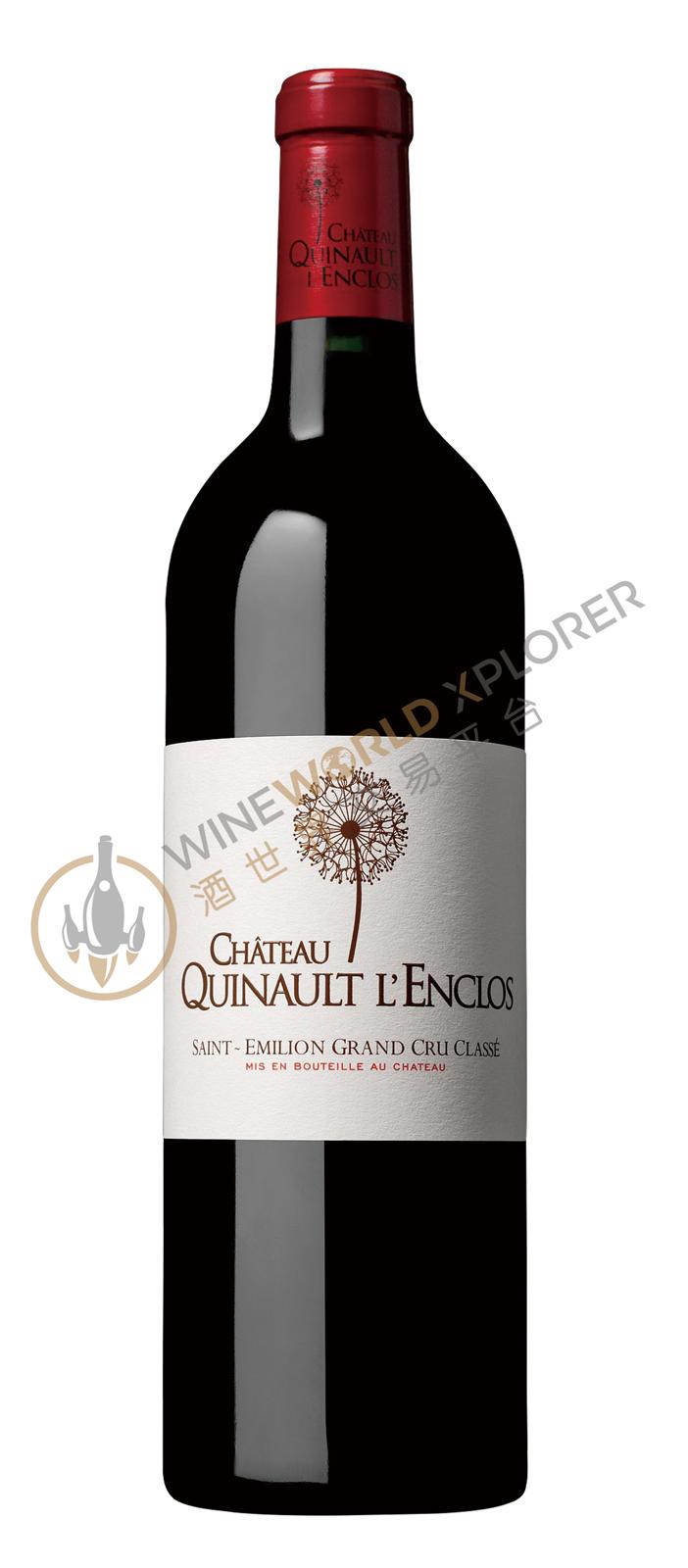
Quinault l'Enclos 2009
 View analysis


Description
Tasting notes

Reviewed by: Robert M. Parker, Jr.
The style here has changed completely since it was purchased from Dr. Alain Raynaud by the owners of Cheval Blanc. The 2009, a blend of 60% Merlot, 25% Cabernet Sauvignon and the rest Cabernet Franc from this enclosed vineyard situated within the town of Libourne, displays loads of blueberry and raspberry fruit along with crushed rock and a host of floral notes. Deliciously fruity, medium-bodied, and very elegant, with a nice succulence, this is not a big wine by any means, but it is very stylish, pure, velvety textured and precocious. Drink it over the next 10-15 years.
Reviewed by: Neal Martin
Tasted at a negociant. This has a rather ersatz nose with macerated red cherries, gingerbread and chocolate. Somehow reminds me of a South African Merlot. The palate is better with quite strict tannins and a decent amount of freshness, but lacking real personality. Tasted March 2010.
Reviewed by: Robert M. Parker, Jr.
Now owned by the proprietors of Cheval Blanc, the 2009 Quinault l’Enclos (composed of 70% Merlot, 20% Cabernet Franc, and 10% Cabernet Sauvignon) exhibits an opaque purple color, notes of licorice, incense, raspberries, and black cherries, medium body, elegant, stylish flavors, and no hint of oak. This is a beautifully made, pure, deep wine that continues to confirm what Dr. Alain Raynaud suspected when he bought this property in 1997. The naysayers all said this terroir was suspect, but that has been proven wrong by the wines that have been produced. This 2009 should drink well for 10-20 years. (Tasted once.)
Reviewed by: Neal Martin
Served blind at the Southwold 2009 tasting. This is a very decent showing from Alain Raynaud’s former estate. The 2009 has a rich, fleshy, dark plum and bilberry scented bouquet with very expressive Merlot, although it seems rather one-dimensional. The palate is medium-bodied and Rhone-like on the animally entry. There is a lot of toasty oak here, although the texture is smooth and harmonious with an attractive bitter edge on the finish. Tasted January 2013.
Reviewed by: Robert M. Parker, Jr.
The style here has changed completely since it was purchased from Dr. Alain Raynaud by the owners of Cheval Blanc. The 2009, a blend of 60% Merlot, 25% Cabernet Sauvignon and the rest Cabernet Franc from this enclosed vineyard situated within the town of Libourne, displays loads of blueberry and raspberry fruit along with crushed rock and a host of floral notes. Deliciously fruity, medium-bodied, and very elegant, with a nice succulence, this is not a big wine by any means, but it is very stylish, pure, velvety textured and precocious. Drink it over the next 10-15 years.
Reviewed by: James Suckling
A soft and fruity wine, with orange peel and berries and plums. Full body, with super fine tannins and a fruity finish. Refined and very pretty. Structured in the end. Fresh. Succulent. A style away from the over extracted one a few years ago. Try after 2018.
About the Producer
Chateau Quinault l'Enclos is located in the Saint-Emilion appellation of Bordeaux, France, and dates back to the 17th century. The winery takes its name from a writer named Philipe Quinault. In 1930, the estate of the Château de Montréal was only 8 hectares. Until the 1990s, when Chateau Quinault l'Enclos came under the wing of the famous winemaking family - Raynaud Family, Dr. Alain Raynaud invested heavily in Chateau Quinault, eventually making it one of the most famous châteaux in Saint-Emilion. In 2008, Quinault l'Enclos was taken over by Bernard Arnault and Albert Frere, owners of the LVMH group. Then the winery became part of the LVMH group, along with the famous Chateau Cheval Blanc and Chateau La Tour Figeac, and the estate's vineyard area was expanded. The winemaking team became the Pierre Lurton team of Château Cheval Blanc. Michel Rolland, the famous "flying winemaker", was also hired as a consultant. Now, the vineyard is approximately 20 hectares, planted with 83% Merlot, 12% Cabernet Franc and 5% Cabernet Sauvignon. The oldest vines were planted in 1930, and the average age is 45 years. The vineyard was taken over by LVMH in 2008 and was converted to organic farming, and in 2012 it was successfully certified as such. When Dr. Alain Raynaud was at the helm of Château Grand Cru, the wines produced were straightforward, sweet and ripe, round and soft, in the typical style of Saint-Emilion wines, suitable for drinking in their youth, with an optimum age of 10 to 12 years. Today's winemaking team, Pierre Lurton's team, produces wines that are clearer and fresher on the palate, with pleasantly soft tannins and well-integrated oak flavours.
