
 Wine Advisor



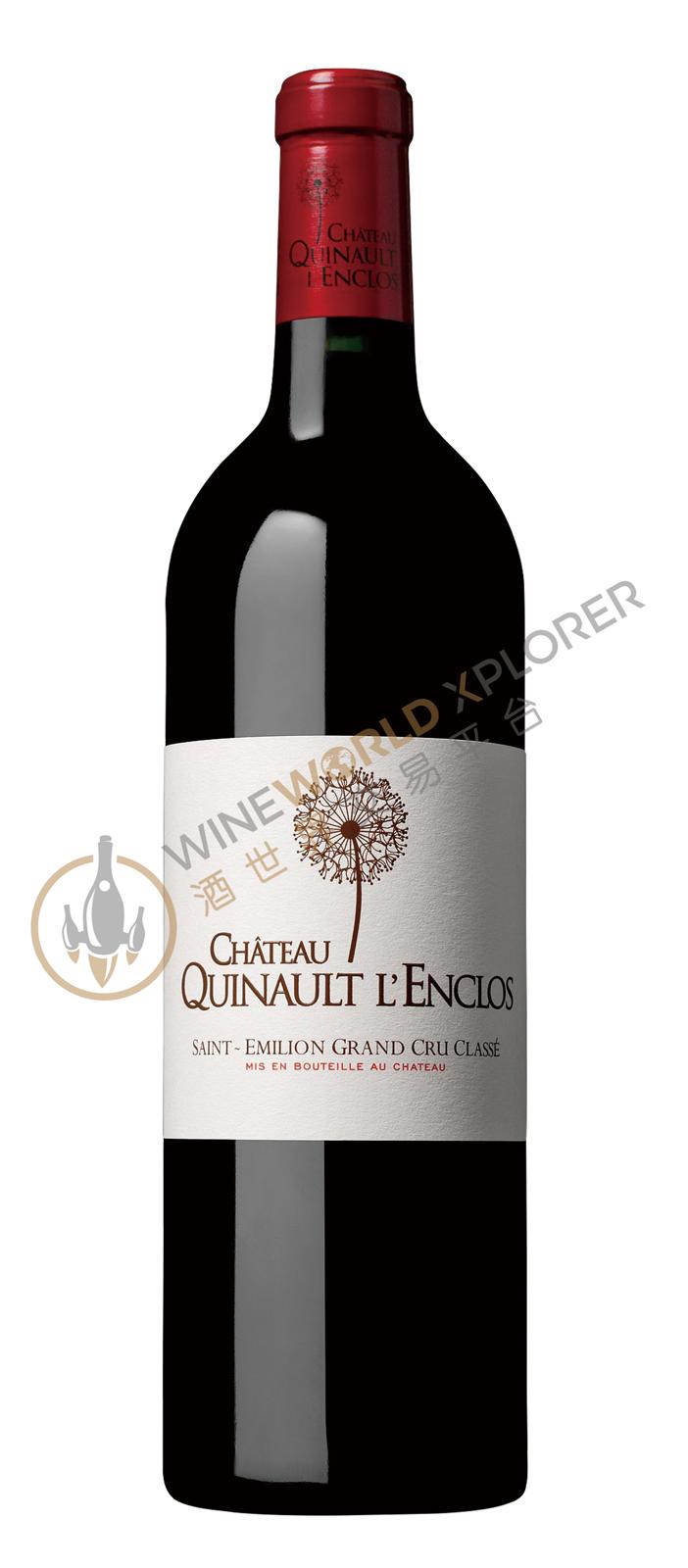
Quinault l'Enclos 1999
 View analysis


Description
Tasting notes

Reviewed by: Stephen Tanzer
Full ruby-red. Nose of roasted tobacco, mocha and currant offers considerable sex appeal. Silky, vinous and long on personality; warm iron and graphite notes add complexity to the red and black berry flavors. Very rich and deep. Finishes quite long, with lovely dusty tannins. With his third commercial release, Raynaud has produced a wine that proves the high quality potential of his site.
Reviewed by: Stephen Tanzer
Bright ruby. Aromas of blackberry, iron, graphite and violet. Quite thick, rich and concentrated; even deeper than the '98, with no loss of suavity. Impressive intensity of flavor. Slow-mounting, very long finish features ripe, chocolatey tannins that hit the palate quite late. Seriously interesting wine. The index of polyphenols was an extremely high 107, largely due to the fact that the small crop was thoroughly ripe early and thus could be harvested before the worst of the mid-September rains.
Reviewed by: Robert M. Parker, Jr.
This small, walled vineyard within Libourne's city limits is owned by Dr. Alain Raynaud and his wife, Francoise. Quinault l'Enclos is quickly emerging as one St.-Emilion's superstars. Made from low yields of 38 hectoliters per hectare, this exquisite opaque purple-colored wine exhibits an atypical personality for a 1999. It offers gorgeously rich, concentrated notes of blueberries, blackberries, prunes, minerals, and toasty oak. This medium to full-bodied 1999 brilliantly marries power and concentration with complexity and finesse. A thrilling sweet mid-palate accompanies the wine's fragrant personality. Moreover, it is rich, persistent, and intense. The 1999 represents a greater achievement given the difficulties imposed by the vintage conditions. Anticipated maturity: 2002-2016.
Reviewed by: Neal Martin
Intense ripe cherries on the nose, kirsch, almost some volatility. Rounded, polished, lush red fruits on the palate: very concentrated with sensuous tannins. It just seems a little over-extracted that detracts from any subtlety. Exotic and hedonistic - not my style.
Reviewed by: Robert M. Parker, Jr.
The 1999 offers a dense purple color as well as super-rich aromas and flavors of blueberries, blackberries, prunes, and smoky oak. A silky, thick character is undoubtedly due to lower acidity and more glycerin. Anticipated maturity: 2002-2017.
Reviewed by: Robert M. Parker, Jr.
This elegant, exotic, lush, medium-bodied, Burgundian-styled St.-Emilion boasts great complexity along with an enticing perfume of blueberries, blackberries, and flowers. Although it does not possess a great deal of weight, it offers pure fruit, sweet tannin, and no hard edges. This is a textbook example of Bordeaux at its richest and most elegant. It will be delicious in a few years, and evolve gracefully for 14-15 years.
About the Producer
Chateau Quinault l'Enclos is located in the Saint-Emilion appellation of Bordeaux, France, and dates back to the 17th century. The winery takes its name from a writer named Philipe Quinault. In 1930, the estate of the Château de Montréal was only 8 hectares. Until the 1990s, when Chateau Quinault l'Enclos came under the wing of the famous winemaking family - Raynaud Family, Dr. Alain Raynaud invested heavily in Chateau Quinault, eventually making it one of the most famous châteaux in Saint-Emilion. In 2008, Quinault l'Enclos was taken over by Bernard Arnault and Albert Frere, owners of the LVMH group. Then the winery became part of the LVMH group, along with the famous Chateau Cheval Blanc and Chateau La Tour Figeac, and the estate's vineyard area was expanded. The winemaking team became the Pierre Lurton team of Château Cheval Blanc. Michel Rolland, the famous "flying winemaker", was also hired as a consultant. Now, the vineyard is approximately 20 hectares, planted with 83% Merlot, 12% Cabernet Franc and 5% Cabernet Sauvignon. The oldest vines were planted in 1930, and the average age is 45 years. The vineyard was taken over by LVMH in 2008 and was converted to organic farming, and in 2012 it was successfully certified as such. When Dr. Alain Raynaud was at the helm of Château Grand Cru, the wines produced were straightforward, sweet and ripe, round and soft, in the typical style of Saint-Emilion wines, suitable for drinking in their youth, with an optimum age of 10 to 12 years. Today's winemaking team, Pierre Lurton's team, produces wines that are clearer and fresher on the palate, with pleasantly soft tannins and well-integrated oak flavours.
