Wine Advisor



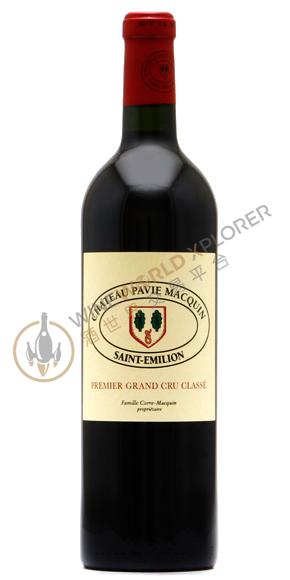
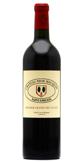
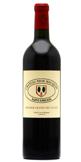
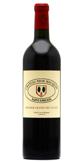
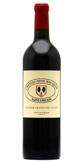
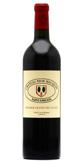
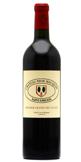
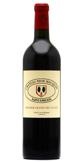
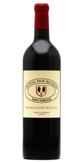
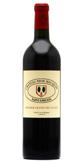
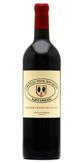
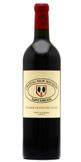
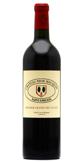
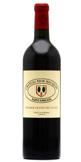
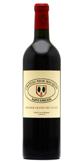
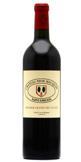
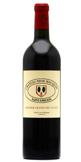
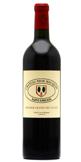
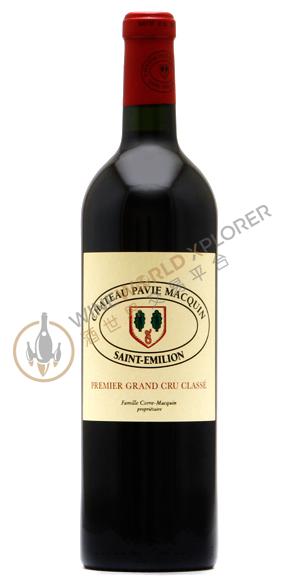
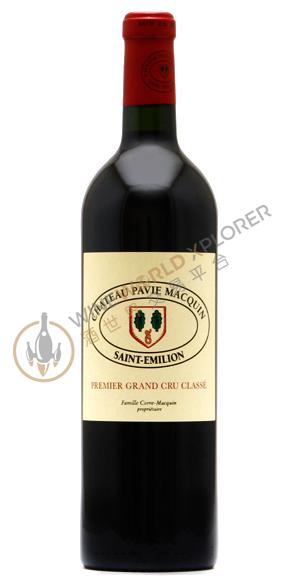
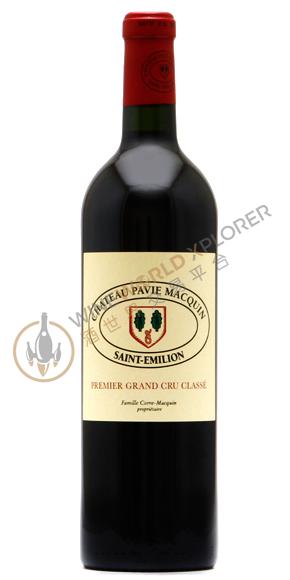
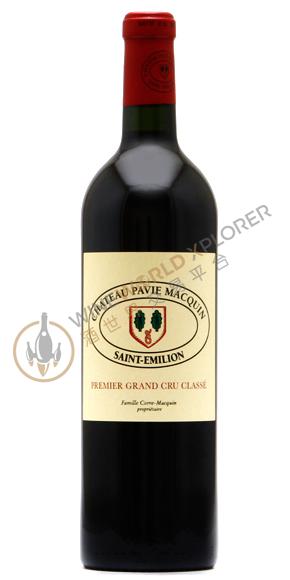
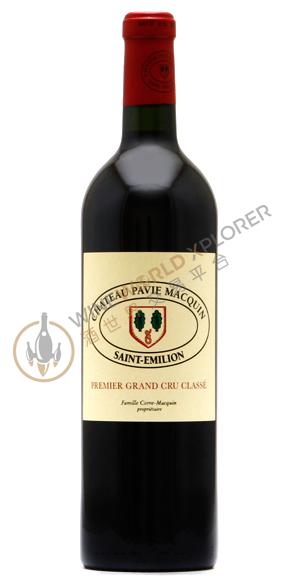
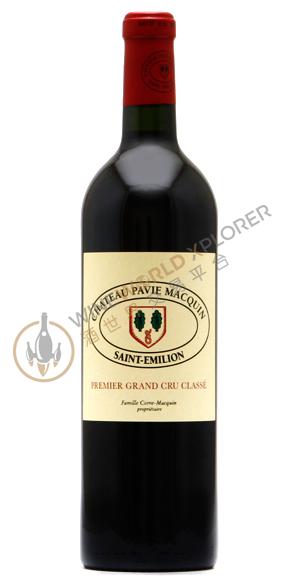
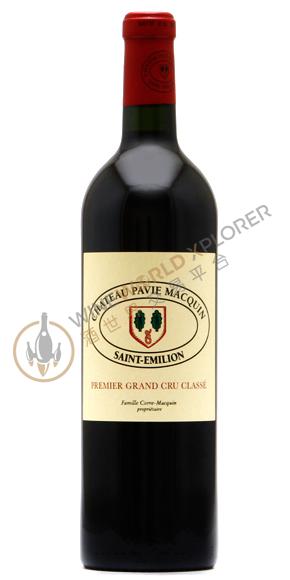
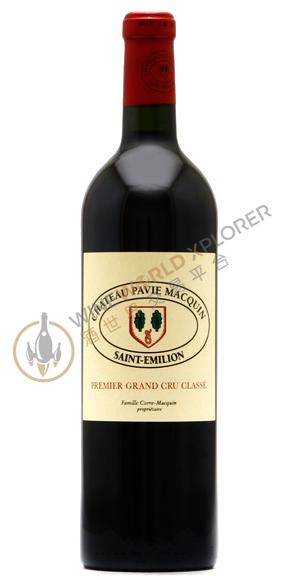
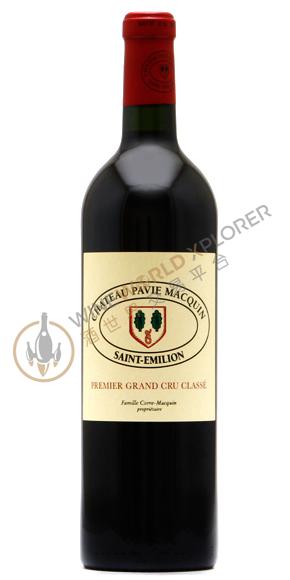
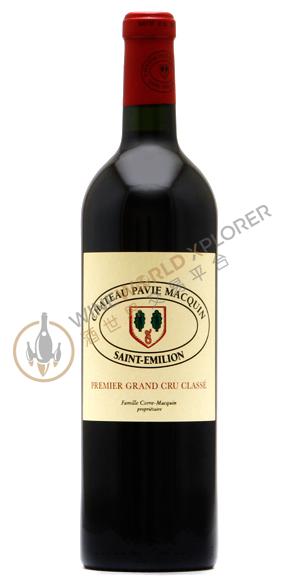
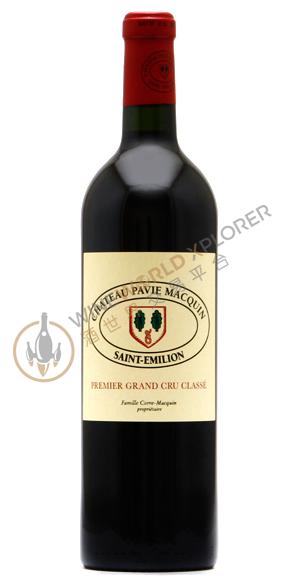
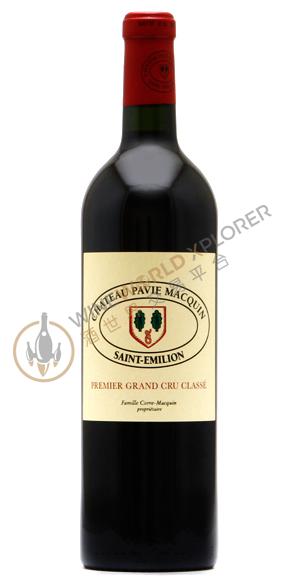
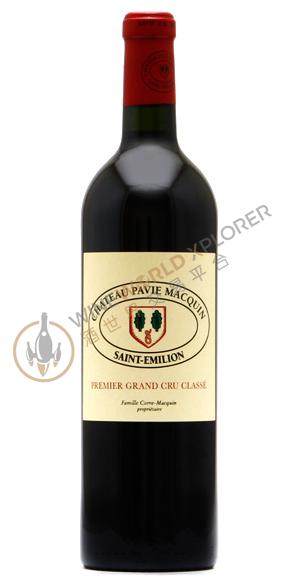
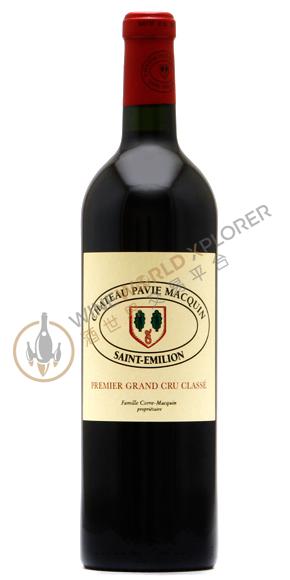
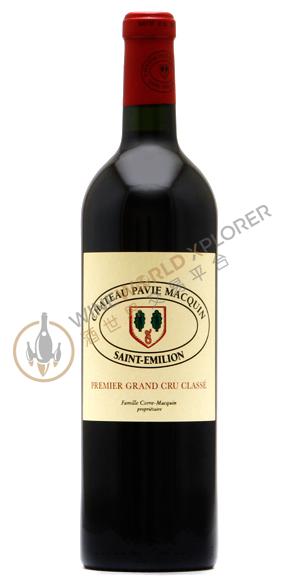
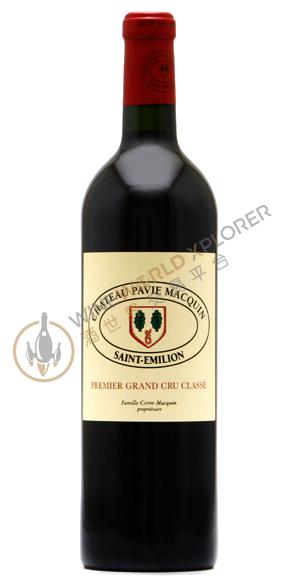
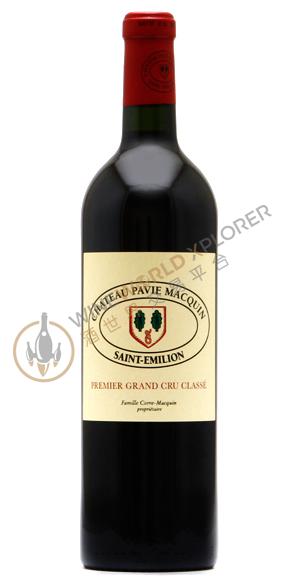
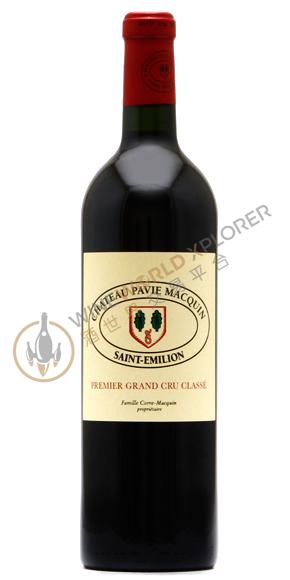
Pavie Macquin 2010
 View analysis


Description
Tasting notes

Reviewed by: Robert M. Parker, Jr.
Although not as potent alcoholically as its 2009 counterpart (14.5% in 2010 versus 15% in 2009), the 2010 is still a very big wine. The final blend was 85% Merlot, 14% Cabernet Franc and 1% Cabernet Sauvignon and production was slightly more than 3,400 cases. This black/purple-tinged wine exhibits lots of minerality (from this terroir’s clay and limestone soils) as well as the entire spectrum of black fruits. Full-bodied and backward, it’s like drinking crushed limestone/chalk when you taste this intense, tannic, powerful wine. It will require 8-10 years of cellaring and should evolve for 35-40+ years.
Reviewed by: Neal Martin
The Pavie Macquin has a gorgeous, lifted, opulent bouquet with pure dark berries, boysenberry and dark plums with superb delineation. Seductive indeed. The palate is medium-bodied with ripe, juicy tannins, layers of pure vanilla-tinged red fruits with a harmonious silky finish that retains freshness and vibrancy. This is yet another lovely Pavie-Macquin. Tasted April 2011.
Reviewed by: Neal Martin
Tasted at the Union de Grand Cru in London. The Pavie-Macquin has wonderful delineation and poise on the nose: raspberry, wild strawberry, crushed stone and a hint of apricot. It is quite modern in style – but wonderfully controlled and generous, almost to the point of Burgundian purity. The palate is medium-bodied with super-fine tannins. There are hints of sage and quince infusing the red fruit profile, whilst the finish is silky smooth. It is perhaps just a little sweeter than I envisaged out of barrel? Hopefully it will calm down in bottle. Tasted November 2012.
Reviewed by: Antonio Galloni
A towering, statuesque wine, the 2010 Pavie-Macquin is distinguished by its vertical explosiveness and soaring intensity. Red cherry jam, plums and dried flowers are some of the many aromas and flavors that open up as the 2010 gains breadth over time. Naturally, the 2010 is still a very young wine, but it is incredibly impressive just the same, not to mention one of the highlights of the morning.
Reviewed by: Ian d'Agata
(14.7% alcohol; 3.24 pH): Fully saturated deep red. Ripe aromas of spicy red cherry jam, plum, dried herbs, sweet spices and clove. Rich, ripe and dense on entry, then austere and precise in the middle, showing deep flavors of cassis, cinnamon, minerals and savory herbs. Finishes lush, floral and long, with a chocolatey note. This bright, seamless wine strikes me as a very ripe but not over-the-top style of Pavie Macquin. It improves noticeably with aeration, becoming more minerally and less obviously ripe, and I really didn't notice the high alcohol. Great wine.
Reviewed by: Ian d'Agata
(3.3 pH; 15% alcohol) Deep violet-ruby. Knockout bomb of a nose offers perfumed scents of ripe black cherry and cassis complicated by cinnamon, incense and bay leaf. Decadently sweet and opulent, with seamless flavors of superripe black cherry, coffee and underbrush. This impressive wine finishes very long, with noble, peppery tannins that will require at least mid-term aging to resolve fully. There's a trace of warmth at the back, but I would never have guessed that this wine clocks in at 15%. Very well done.
Reviewed by: Neal Martin
The sample of 2010 Pavie Macquin was oxidized. Tasted blind at Farr Vintners 10-Year On Bordeaux horizontal.
Reviewed by: Stephen Tanzer
(84% merlot, 14% cabernet franc and 2% cabernet sauvignon): Bright saturated ruby. Vibrant aromas of cassis, licorice, bitter chocolate, herbs and sexy oak. Tightly wound, primary and uncompromising, conveying a low-pH mouth feel to its medicinal black fruit, espresso and pungent spice and mineral flavors. This wine's superb richness and weight (the label says 14.5% alcohol) are currently hidden by its firm spine. The brooding, youthfully imploded, slightly saline finish builds slowly and inexorably. Lay this beauty down and forget about it for a decade.
Reviewed by: Robert M. Parker, Jr.
This is always an extremely masculine, dense, burly wine, and the 2010, which tips the scales at 14.5% alcohol (just slightly under that of the 2009), has a final blend of 80% Merlot and the rest virtually all Cabernet Franc, with just 1% Cabernet Sauvignon. Loads of crushed rock and chalkiness, along with licorice, black truffle, smoked game and black fruits dominate the aromatics and flavor. Backward, formidably endowed, full-bodied and almost atypically massive and huge, with gargantuan extraction, this is a wine for patient connoisseurs to forget about for close to a decade. Anticipated maturity: 2022-2040+.
Reviewed by: James Suckling
Gorgeous nose with great complexity. Blackberry, licorice and a steely mineral note. Lots of chalk, nutmeg and violets too. Dense and full-bodied on the palate with a beautiful fruit and a sumptuous fruity finish that just goes on and on. Velvety tannins and layered texture with lots of raw licorice. Drink from 2018.
About the Producer
Located in the Saint-Emilion region on the right bank of the Bordeaux coast, the Chateau Pavie Macquin has been a Premier Grand Cru Classe B in Saint-Emilion since 2006, and its wines are highly sought after for their consistency. Since 1887, Albert Macquin has acquired a number of châteaux, acquiring some 26 hectares of land, thus giving shape to the Château de Berfet-Marcet. Albert was a pioneering agricultural engineer who pioneered and promoted the grafting and transplanting technique when phylloxera was sweeping through France, making a remarkable contribution to the fight against the spread of phylloxera and gaining acclaim in Saint-Emilion and throughout France. Today, the winery is managed by his grandsons Benoit Corre, Bruno Corre, Marie Jacques Charpentier and their children. In 1990, Stephane Derenoncourt, the famous winemaker, joined the estate as a consultant winemaker. A specialist in terroir, Stephane was considered to be the next Michel Rolland, and his wines were often highly regarded. In 1994, Nicolas Thienpont was recruited to run the Château de Pape Marquet. Nicolas comes from the Thienpont family, a well-known Bordeaux wine family with a strong background in winemaking and winery management, and now oversees both Chateau Beausejour Heritiers Duffau Lagarrosse and Château Las Dugas. He is also the owner of two first class B estates, Chateau Larcis Ducasse and Beausejour Heritiers Duffau Lagarrosse. Under the leadership of Stephane and Nicolas, Château Beausejour Heritiers Duffau Lagarrosse has progressed to become a First Growth of Saint-Emilion in 2006. The vineyard is situated at an altitude of 65-100 metres above sea level and covers 15 hectares of land adjacent to the three Grand Crus of Saint-Emilion - Chateau Pavie, Chateau Troplong Mondot and Chateau Trottevieille - and has a privileged terroir. The terroirs are covered with a limestone clay soil with a water-holding layer of stellate limestone 20-150 cm thick, producing fresh, full-bodied, powerful wines with a distinctive mineral flavour. Depending on the terroir of each plot, 84% Merlot, 14% Cabernet Franc and 2% Cabernet Sauvignon are planted on the estate, with an average age of over 30 years. The vineyard is managed with respect for the terroir, using organic farming methods, planting companion plants and installing drainage systems to maintain soil vigour and ecological balance. In addition, the vineyard staff keep a close eye on the health of the vines, replanting those that have failed, and strictly controlling the planting density to ensure the production of quality fruit. In addition, the winery team carefully selects old vines and uses their cuttings to grow new vines, thus promoting genetic diversity while maintaining the good characteristics of the old vines. Château Lafite Marquet believes that wine is a joint crystallisation of the soil and the vines, and that it should reflect the delicate balance of the ecological environment, the variability of the vintages and the continuity of the local terroir. For this reason, the winery controls each step of the winemaking process with precision, producing individual grapes from different plots of land to create a wine that reflects the characteristics of the terroir. The grapes are hand-picked, optically screened and destemmed, and then fermented in large open-topped oak barrels for some of the grapes, and in concrete tanks for others. During the fermentation, the winemakers extract the pigments and phenolics from the skins in a gentle pressure cap process. After the alcoholic fermentation, the wine is transferred to oak barrels for malolactic fermentation and is then matured in 60% new French oak barrels for around 18 months, including 6 months of sludge ageing, resulting in a wine with silky tannins, intense and concentrated flavours, freshness and distinctive mineral characteristics. The result is a wine with silky tannins, intense flavours and a fresh, mineral character.
1989(1)1995(1)1998(4)2000(3)2003(7)2004(8)2005(4)2006(6)2007(2)2008(3)2009(14)
Package Size
1 x 1.5L12 x 75cl