Wine Advisor



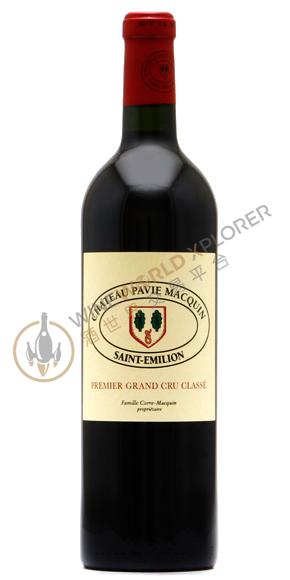
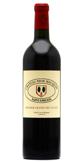
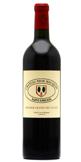
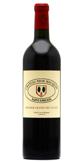
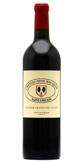
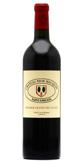
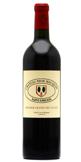
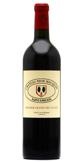
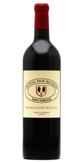
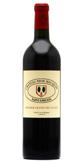
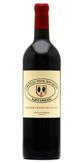
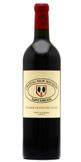
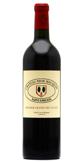
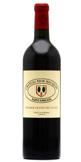
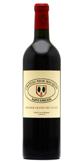
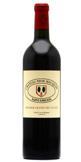
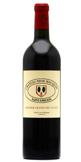
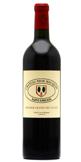
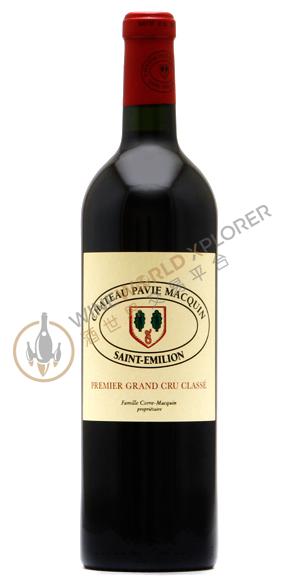
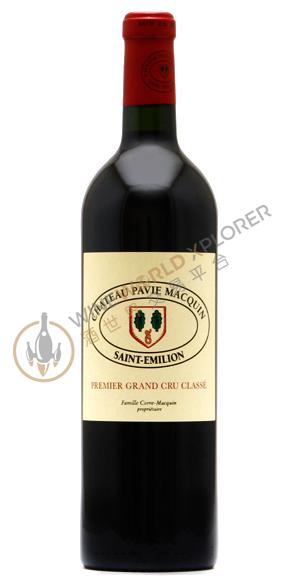
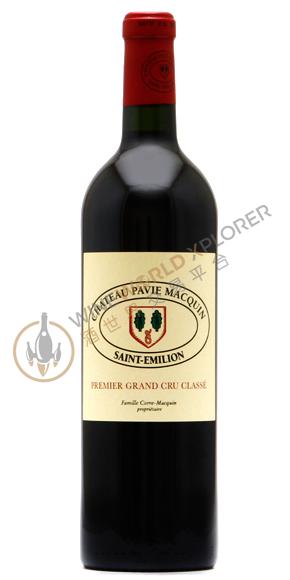
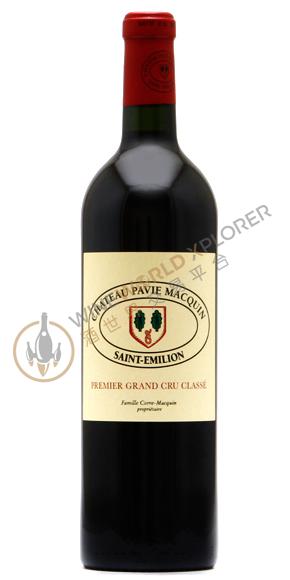
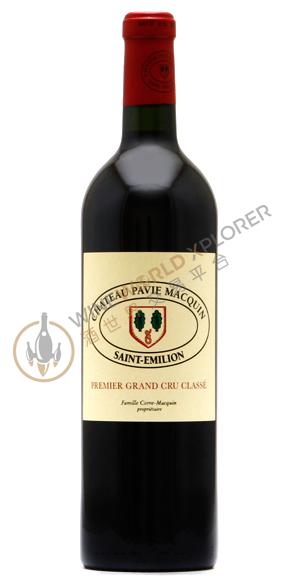
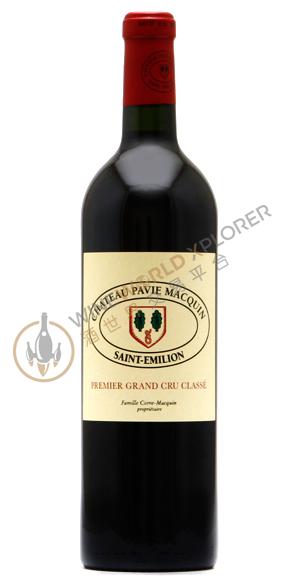
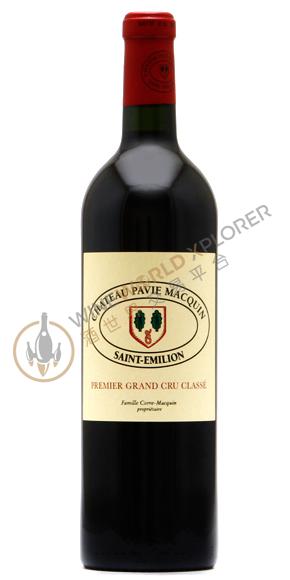
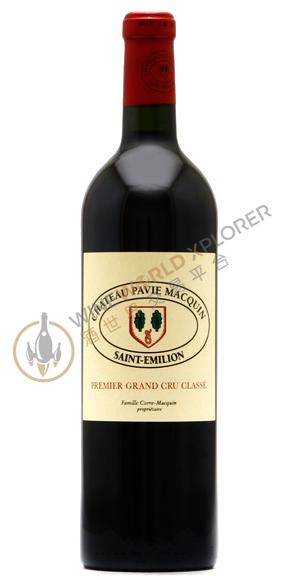
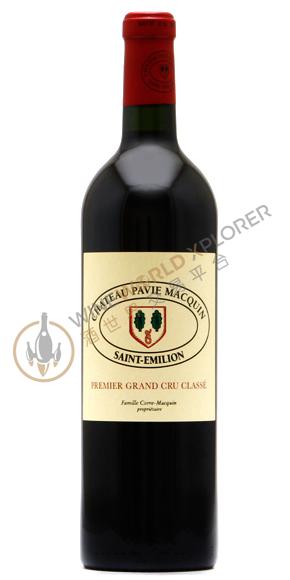
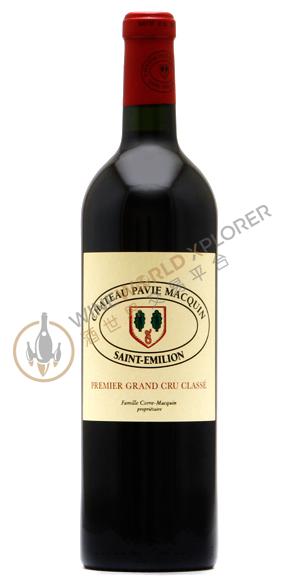
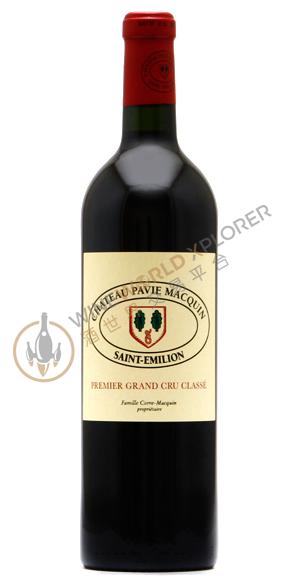
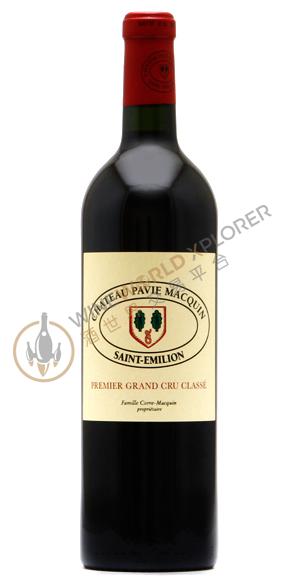
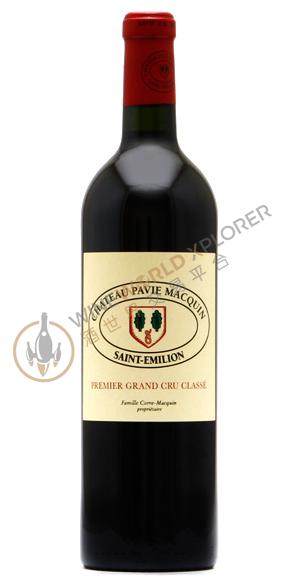
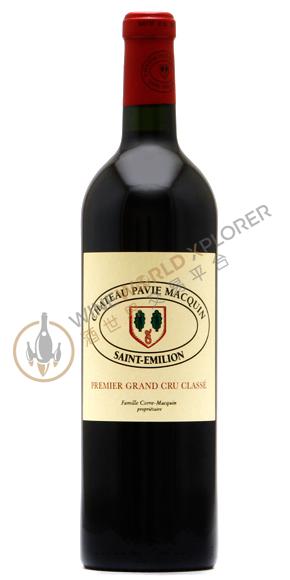
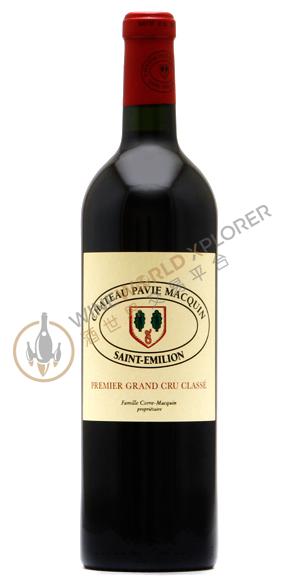
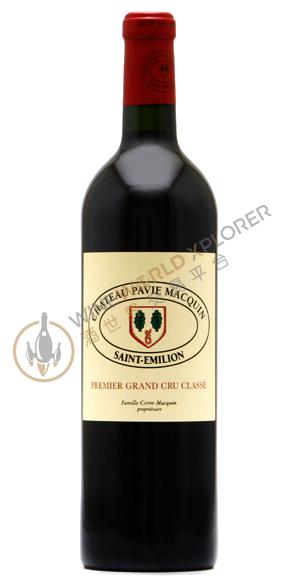
Pavie Macquin 1995
 View analysis


Description
Tasting notes

Reviewed by: Robert M. Parker, Jr.
This well-situated estate, with a high percentage of old vines and uncompromising biodynamic viticultural practices, represents a wine that could be called the Chateau Lafleur of St.-Emilion. These are powerful, backward, tannic wines that should be purchased by those with the discipline, patience, and the requisite youthfulness to wait 10-12 years for them to round into shape. Because of their severity, these wines can be admired more than enjoyed, but their impressive old vine core of fruit, and extraordinary purity and ripeness are noteworthy. The 1995 offers the same scenario - plenty of pure, black-raspberry, cherry, floral-scented fruit with a touch of minerals. There is fine power, extract, and old vine intensity, but mouthsearing tannin levels make for a wine that can be admired, but one that is difficult to cuddle up to. This wine could turn out to be outstanding, or it could dry out. Anticipated maturity: 2007-2025.
Reviewed by: Robert M. Parker, Jr.
The 1995 offers plenty of pure, black-raspberry, cherry, floral-scented fruit with a touch of minerals. There is fine power, extract, and old vine intensity, but mouthsearing tannin levels make for a wine that can be admired, but one that is difficult to cuddle up to. This wine could turn out to be outstanding, or it could dry out. Anticipated maturity: 2007-2025. Last tasted 11/97
Reviewed by: Robert M. Parker, Jr.
The 1995 reveals a similar style to the 1994, with an even more opaque purple color, and more evidence of new oak in the wine's toasty, black fruit-scented nose. Extremely concentrated and ripe, with low acidity and high tannin, this dense, broodingly backward wine will have 20 years of longevity. Much like the 1994, it will require patience. For statisticians, Pavie-Macquin is a blend of 75% Merlot, 20% Cabernet Franc, and 5% Cabernet Sauvignon. As I have reported previously, this biodynamically-farmed vineyard has some of the lowest yields in Bordeaux because of the extremely old age of the vines. This wine has come of age since the late eighties and is consistently one of the finest wines produced in St.-Emilion. In addition to its powerful, old style, it has another advantage - the presence of world-class oenologist Michel Rolland. The style is comparable to the intensely-concentrated, structured wines of the famous Pomerol estate, Lafleur. All of the wines in this segment were tasted between March 19 and March 28 in Bordeaux. Most of the important wines from both the 1994 and 1995 vintages were tasted three separate times during my ten-day stay in Bordeaux.
Reviewed by: Robert M. Parker, Jr.
Made in a style similar to the 1996, the 1995 reveals copious quantities of black fruits, obvious old vine intensity (note the minerals and deep mid-palate), but mouthsearing levels of tannin will only be enjoyed by masochists. There are many good things about this wine, but the elevated tannin level is cause for concern. If the tannin melts away and the fruit holds, this will be an outstanding effort. Anticipated maturity: 2008-2025. I don't think you have to be a gambler to purchase this wine, but the question mark does suggest a level of aggressive tannin that makes forecasting fraught with peril. This is an exceptionally powerful, uncompromising, classic, old style Bordeaux that should age for three decades or more. The only questions are: (1) to what degree will the tannin melt away, and (2) how much fruit will remain? No one can doubt the seriousness or concentration of this wine, but its tannin level is cause for concern.
Reviewed by: Stephen Tanzer
The 1995 Pavie-Macquin lacks both mid-palate and freshness. Time in the glass brings out a range of pretty floral and savory notes, but the 1995 is rather light. Of course, 1995 was a vintage with high yields. The realities facing the new management were stark as the château struggled for its survival. "We needed to have quantity to pay off the banks," Nicolas Thienpont states.
About the Producer
Located in the Saint-Emilion region on the right bank of the Bordeaux coast, the Chateau Pavie Macquin has been a Premier Grand Cru Classe B in Saint-Emilion since 2006, and its wines are highly sought after for their consistency. Since 1887, Albert Macquin has acquired a number of châteaux, acquiring some 26 hectares of land, thus giving shape to the Château de Berfet-Marcet. Albert was a pioneering agricultural engineer who pioneered and promoted the grafting and transplanting technique when phylloxera was sweeping through France, making a remarkable contribution to the fight against the spread of phylloxera and gaining acclaim in Saint-Emilion and throughout France. Today, the winery is managed by his grandsons Benoit Corre, Bruno Corre, Marie Jacques Charpentier and their children. In 1990, Stephane Derenoncourt, the famous winemaker, joined the estate as a consultant winemaker. A specialist in terroir, Stephane was considered to be the next Michel Rolland, and his wines were often highly regarded. In 1994, Nicolas Thienpont was recruited to run the Château de Pape Marquet. Nicolas comes from the Thienpont family, a well-known Bordeaux wine family with a strong background in winemaking and winery management, and now oversees both Chateau Beausejour Heritiers Duffau Lagarrosse and Château Las Dugas. He is also the owner of two first class B estates, Chateau Larcis Ducasse and Beausejour Heritiers Duffau Lagarrosse. Under the leadership of Stephane and Nicolas, Château Beausejour Heritiers Duffau Lagarrosse has progressed to become a First Growth of Saint-Emilion in 2006. The vineyard is situated at an altitude of 65-100 metres above sea level and covers 15 hectares of land adjacent to the three Grand Crus of Saint-Emilion - Chateau Pavie, Chateau Troplong Mondot and Chateau Trottevieille - and has a privileged terroir. The terroirs are covered with a limestone clay soil with a water-holding layer of stellate limestone 20-150 cm thick, producing fresh, full-bodied, powerful wines with a distinctive mineral flavour. Depending on the terroir of each plot, 84% Merlot, 14% Cabernet Franc and 2% Cabernet Sauvignon are planted on the estate, with an average age of over 30 years. The vineyard is managed with respect for the terroir, using organic farming methods, planting companion plants and installing drainage systems to maintain soil vigour and ecological balance. In addition, the vineyard staff keep a close eye on the health of the vines, replanting those that have failed, and strictly controlling the planting density to ensure the production of quality fruit. In addition, the winery team carefully selects old vines and uses their cuttings to grow new vines, thus promoting genetic diversity while maintaining the good characteristics of the old vines. Château Lafite Marquet believes that wine is a joint crystallisation of the soil and the vines, and that it should reflect the delicate balance of the ecological environment, the variability of the vintages and the continuity of the local terroir. For this reason, the winery controls each step of the winemaking process with precision, producing individual grapes from different plots of land to create a wine that reflects the characteristics of the terroir. The grapes are hand-picked, optically screened and destemmed, and then fermented in large open-topped oak barrels for some of the grapes, and in concrete tanks for others. During the fermentation, the winemakers extract the pigments and phenolics from the skins in a gentle pressure cap process. After the alcoholic fermentation, the wine is transferred to oak barrels for malolactic fermentation and is then matured in 60% new French oak barrels for around 18 months, including 6 months of sludge ageing, resulting in a wine with silky tannins, intense and concentrated flavours, freshness and distinctive mineral characteristics. The result is a wine with silky tannins, intense flavours and a fresh, mineral character.
1989(1)
Package Size