Wine Advisor



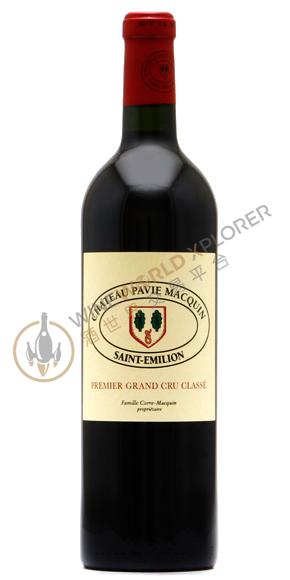
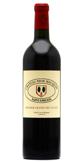
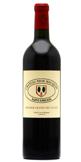
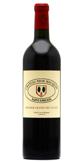
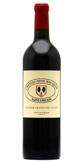
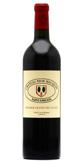
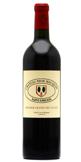
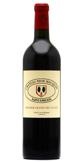
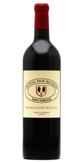
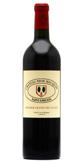
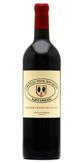
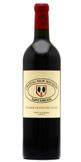
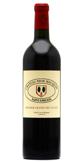
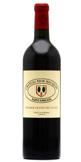
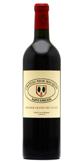
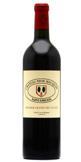
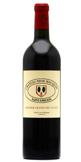
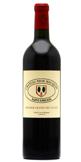
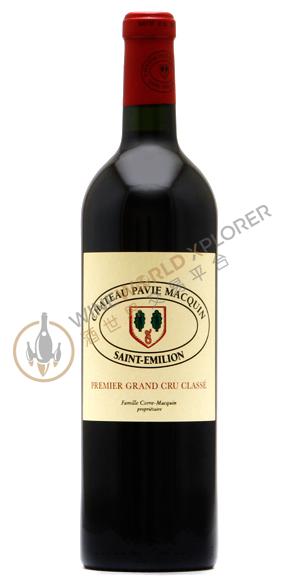
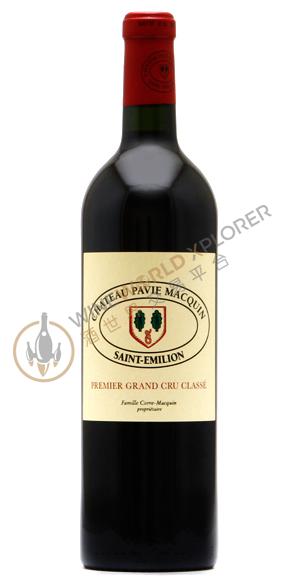
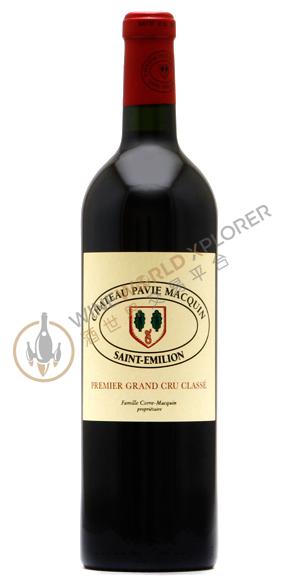
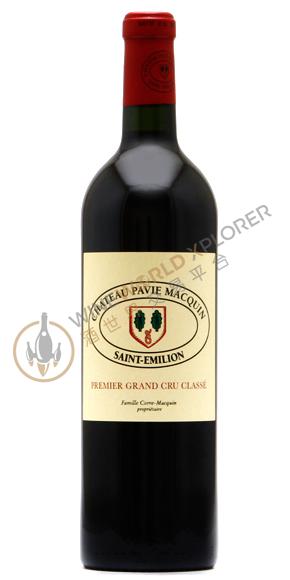
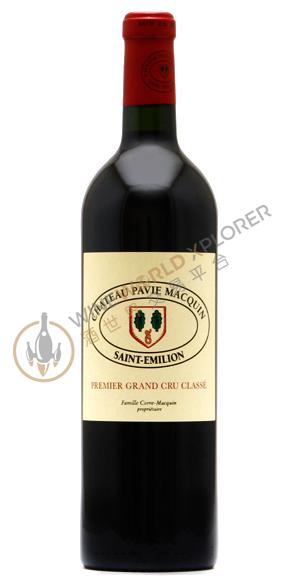
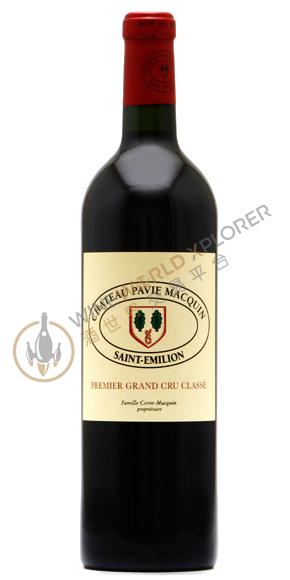
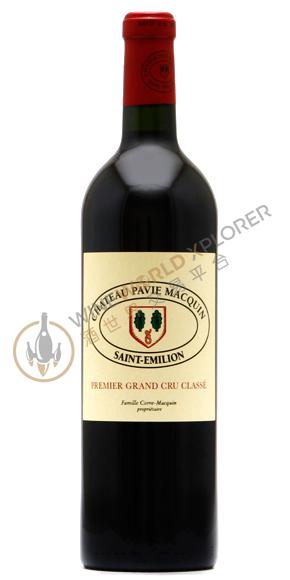
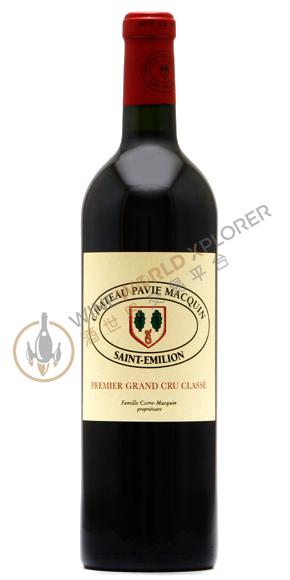
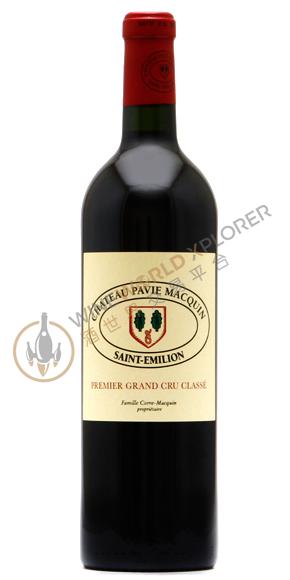
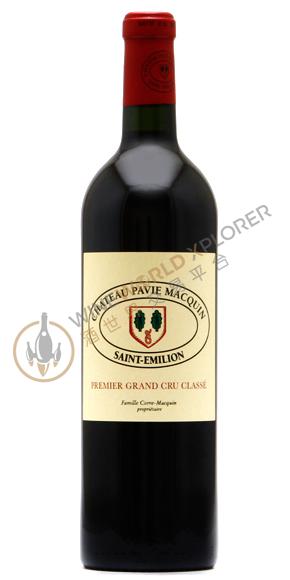
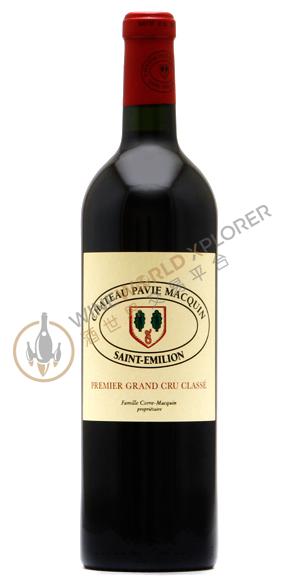
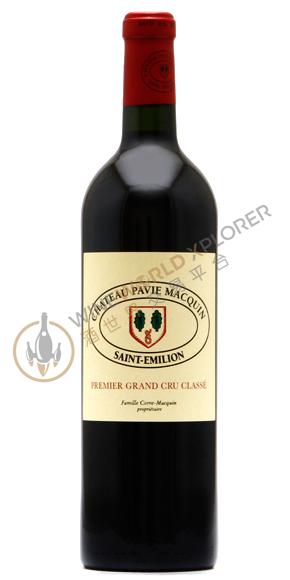
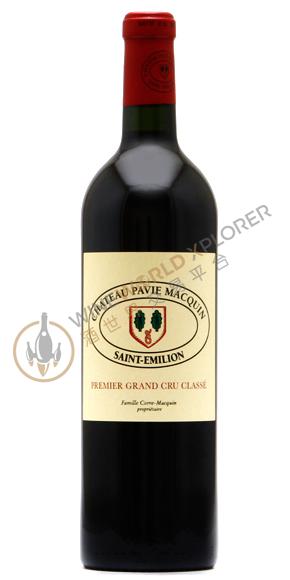
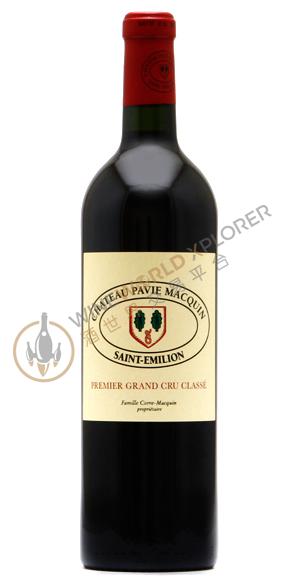
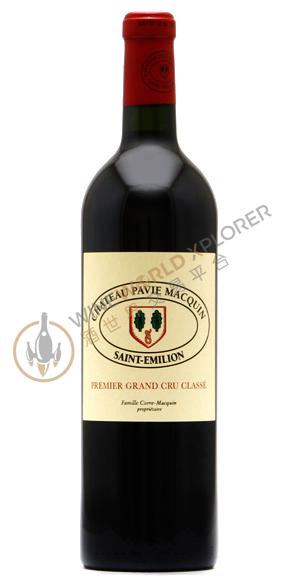
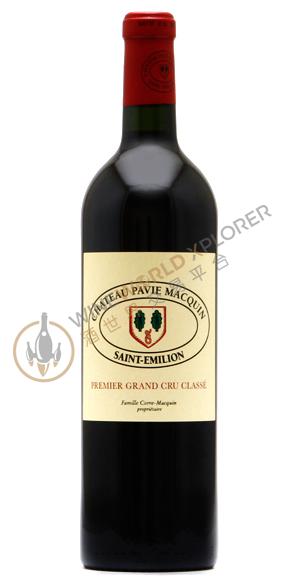
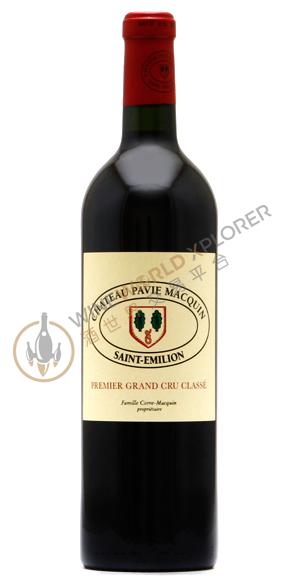
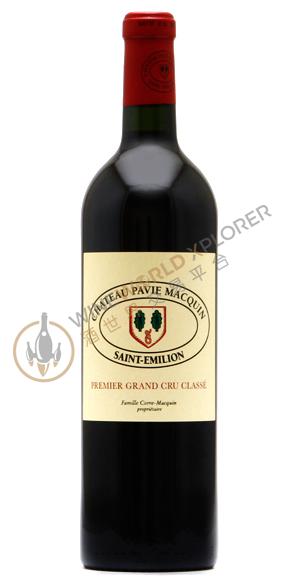
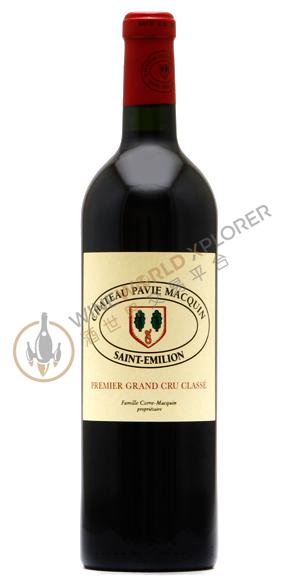
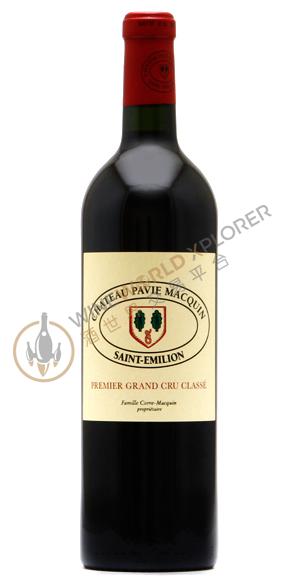
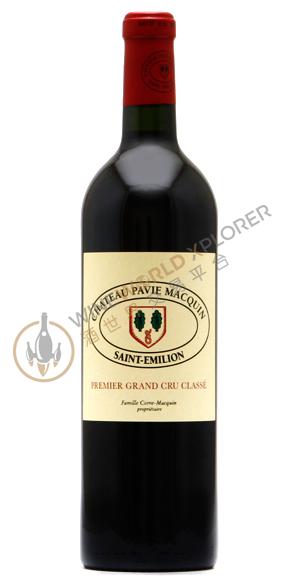
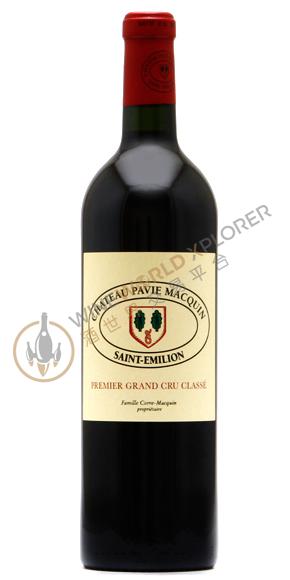
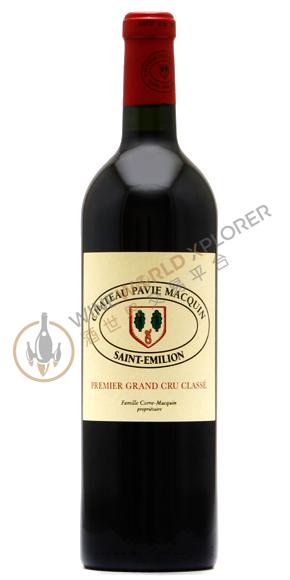
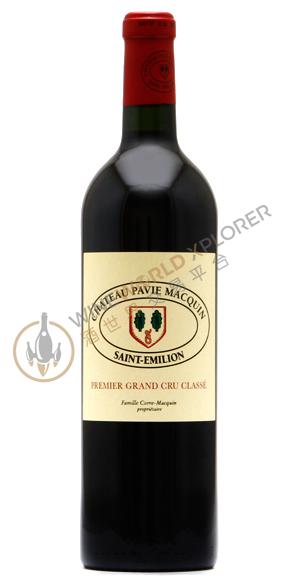
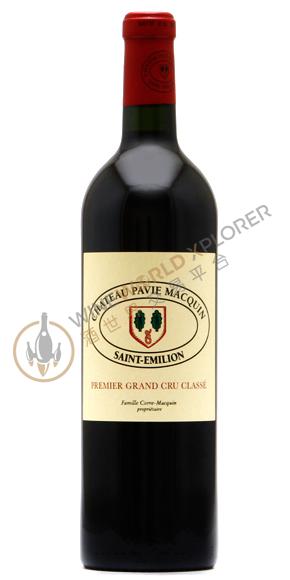
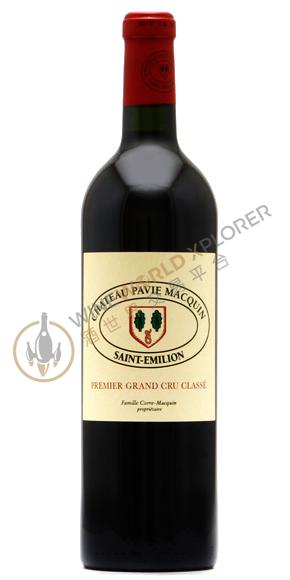
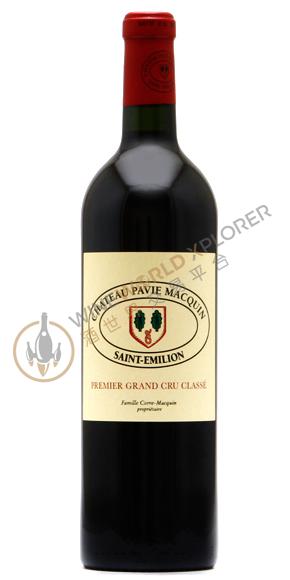
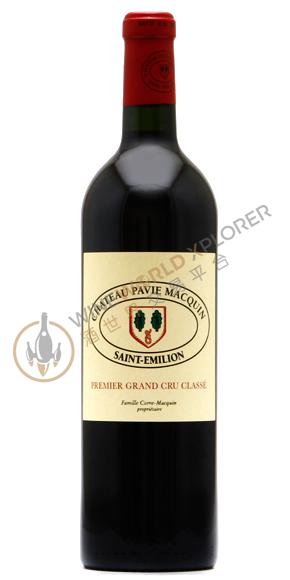
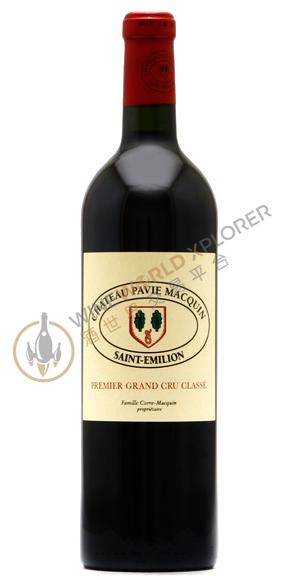
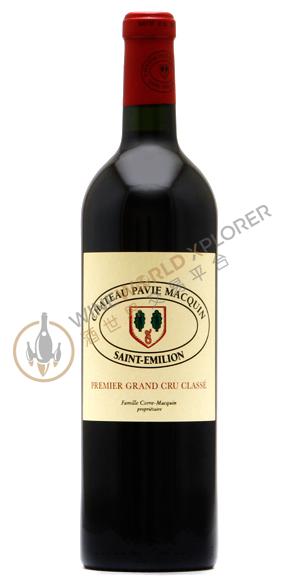
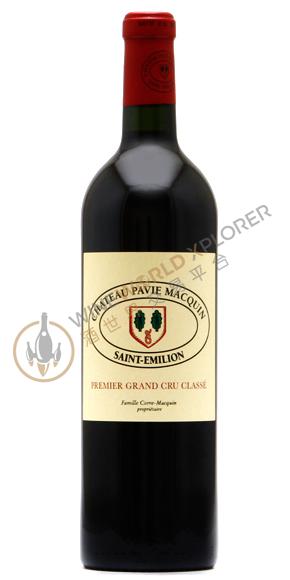
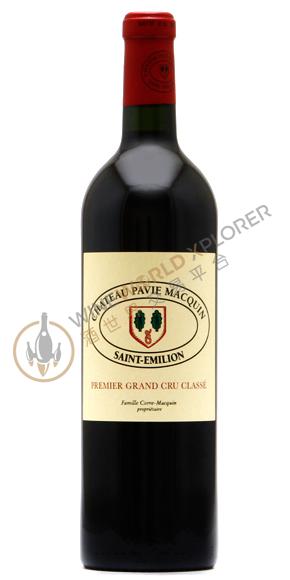
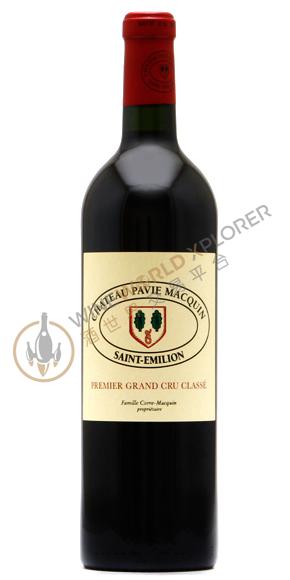
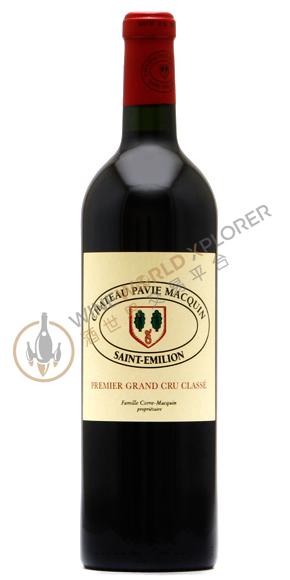
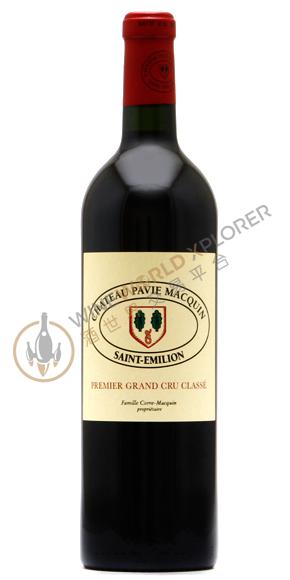
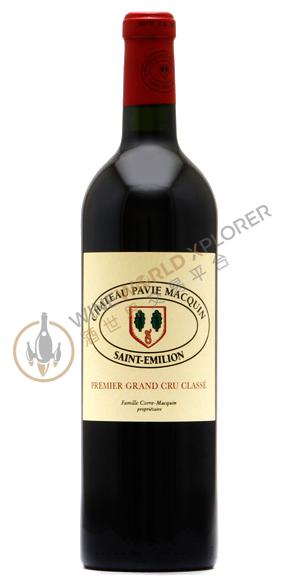
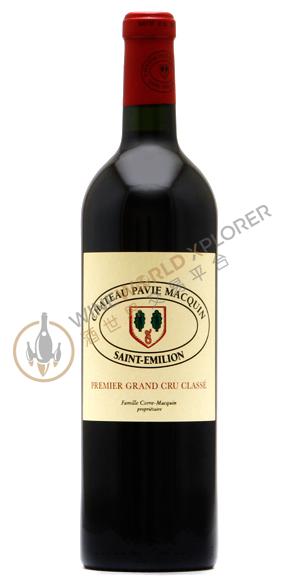
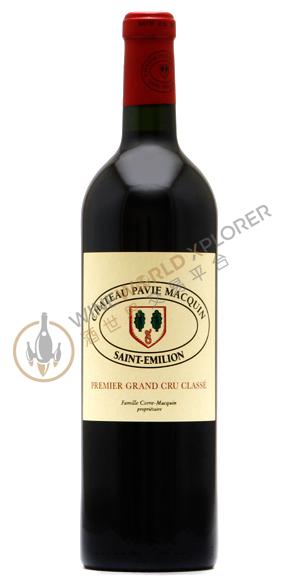
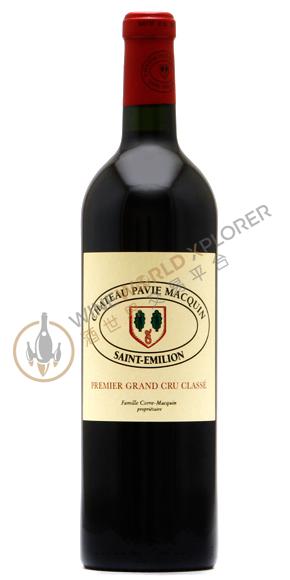
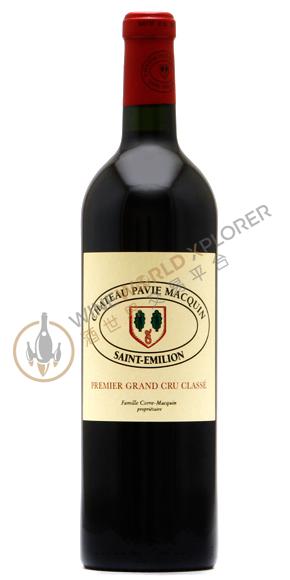
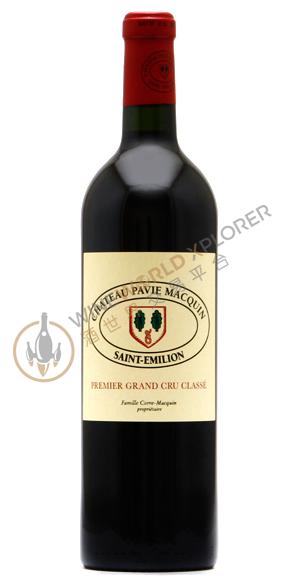
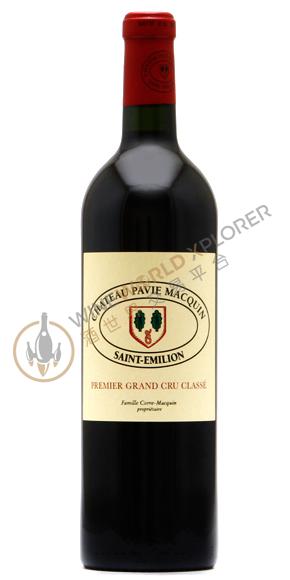
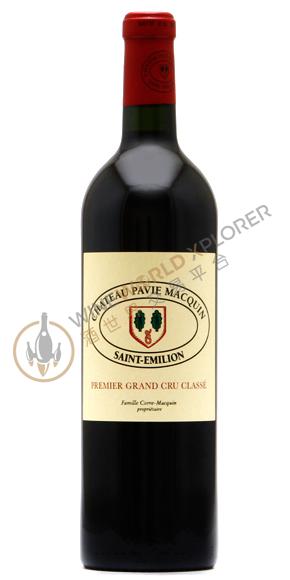
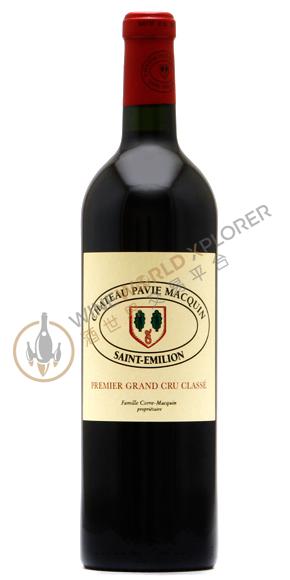
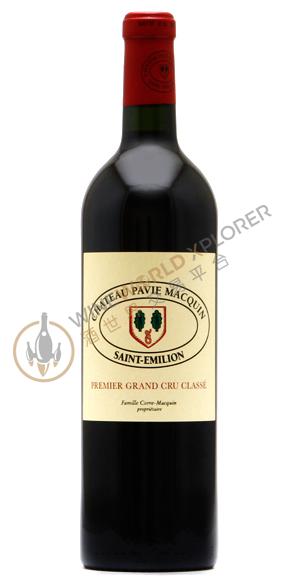
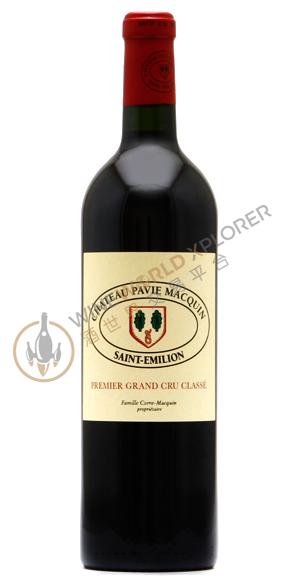
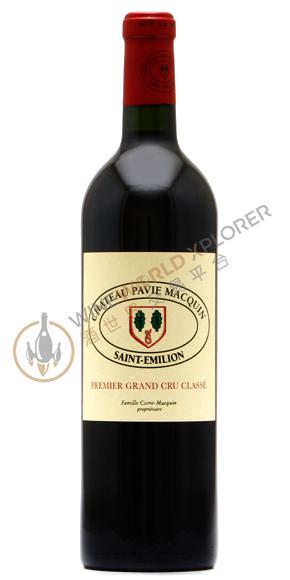
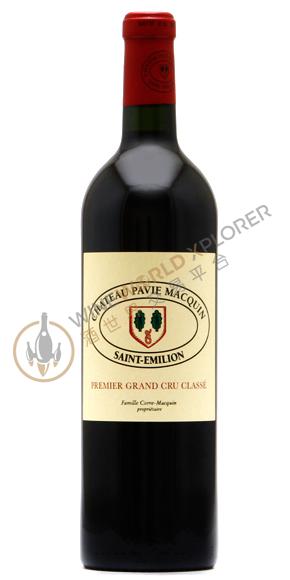
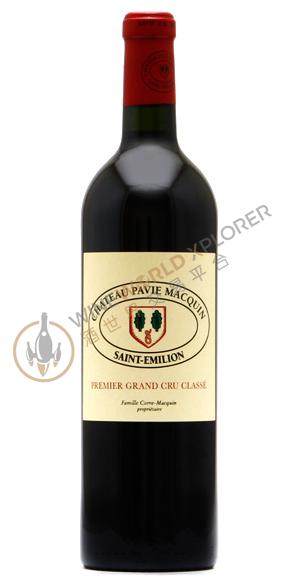
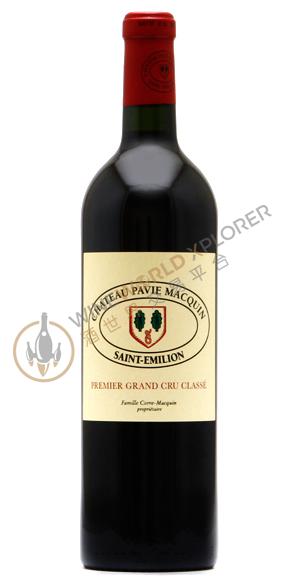
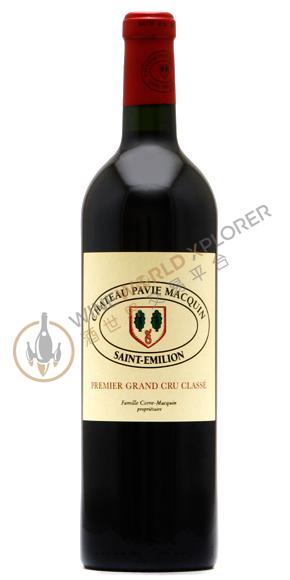
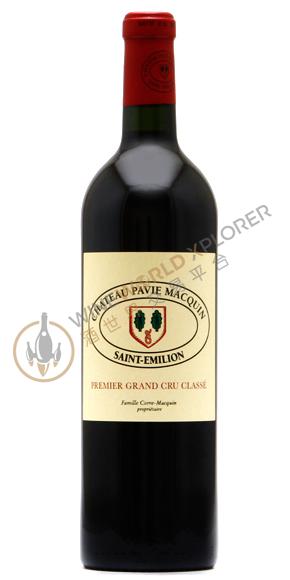
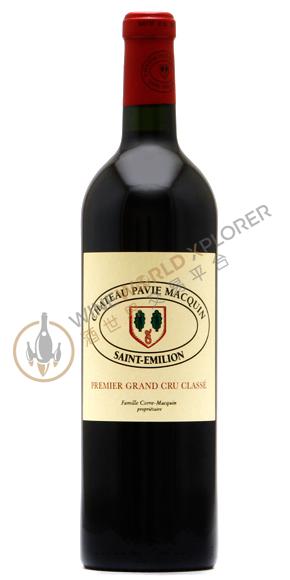
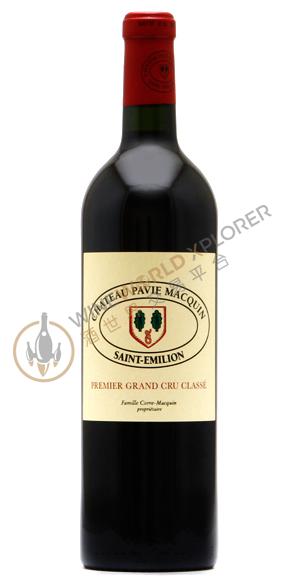
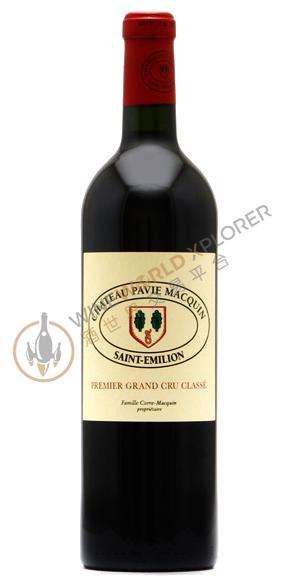
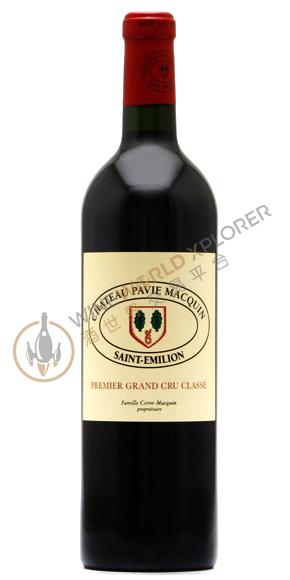
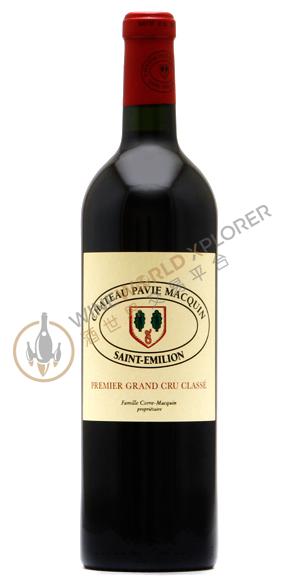
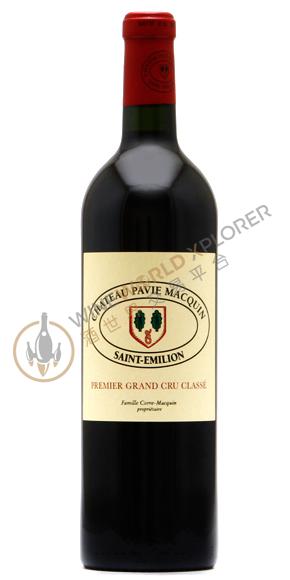
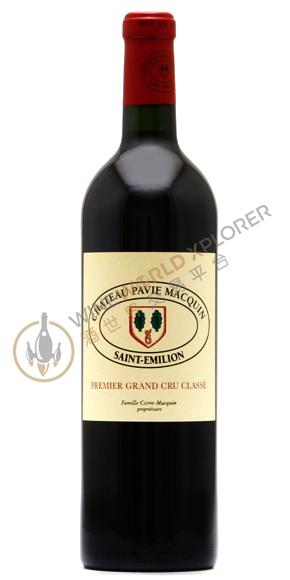
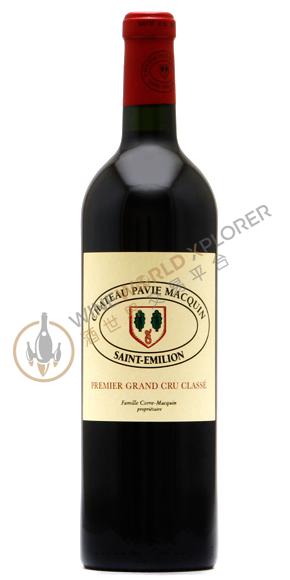
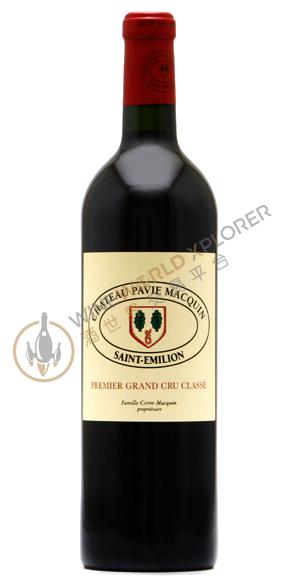
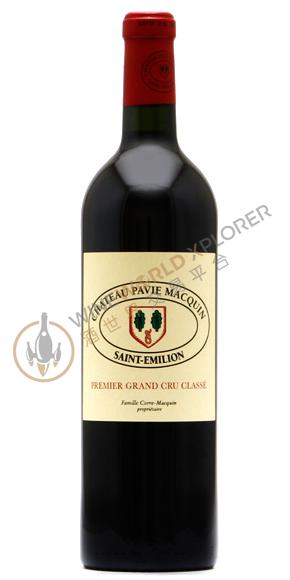
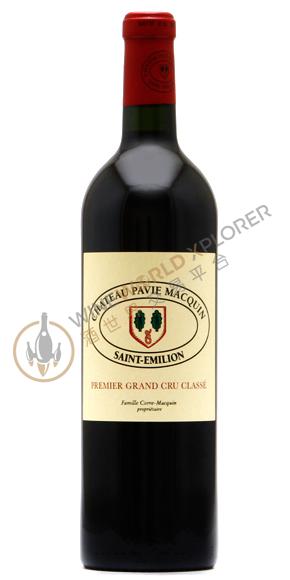
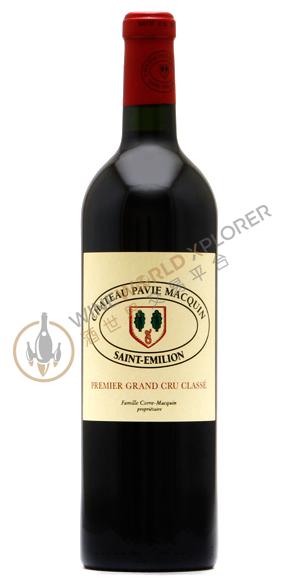
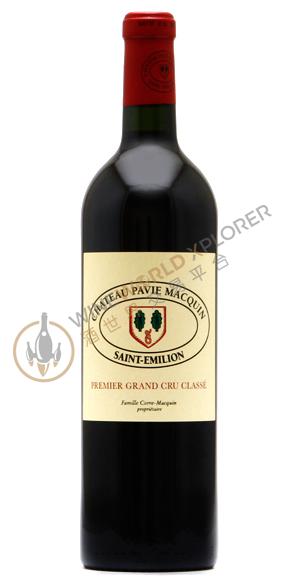
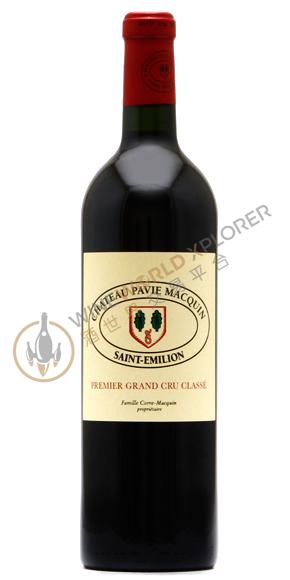
Pavie Macquin 1998
 View analysis


Description
Tasting notes

Reviewed by: Robert M. Parker, Jr.
I adored this wine. The estate's old vines have produced a wine with none of the razzle-dazzle ostentatiousness found in some of the new breed St.-Emilions. Fabulously concentrated, it possesses a nobility and grandeur that must be tasted to be believed. In short, this wine represents the essence of its vineyard. The 1998 may be the finest Pavie-Macquin yet produced. It manifests a saturated black/purple color, as well as astounding aromatics of blackberry, blueberry, and cassis fruit with whiffs of minerals and steel. A 1998 of extraordinary purity and great symmetry, its medium to full-bodied personality oozes with fruit and extract. This 1998 will require 4-6 years of cellaring, possibly longer depending on which direction the tannin goes. Anticipated maturity: 2005-2020.
Reviewed by: Robert M. Parker, Jr.
This tasted fabulous last spring, exhibiting a personality reminiscent of the greatest vintages of Lafleur. Tasted twice in January, 2000, it confirmed all the promise exhibited last year. An opaque black/purple color is accompanied by aromas of overripe blueberries and blackberries, flowers, licorice, and minerals. Powerful, with fabulous concentration as well as an explosive finish, this profound wine is layered, long, and unbelievably promising. However, it is unyielding, so patience will be essential for prospective purchasers. Anticipated maturity: 2008-2030. An amazing effort!
Reviewed by: Neal Martin
Comparing this to the Beausejour Becot 1998, I actually prefer the Becot. Pourquoi? Nosing the two, the Becot has greater definition on the nose, the Pavie-Macquin sweet and ripe, yet rather forced and lacking freshness. Blackberry, a touch of dark chocolate and damson. The palate is full-bodied, layers of sweet black fruits with raspberry and redcurrant coming through. The problem is that although the wine is phenolically ripe, it sits there in the glass waiting for me to fawn over it. But it is not quite good enough for me to do that. Drink 2010-2020. Tasted September 2008.
Reviewed by: Robert M. Parker, Jr.
Nearly exaggerated levels of intensity, extract, and richness are apparent in this opaque blue/purple-colored wine. Sumptuous aromas of blueberries, blackberries, and cherries combine with smoke, licorice, vanillin, and truffles to create a compelling aromatic explosion. The wine is fabulously dense, full-bodied, and layered, with multiple dimensions, gorgeous purity, and superbly integrated acidity as well as tannin. One of the most concentrated wines of the vintage, it possesses immense potential, but patience is required. Anticipated maturity: 2006-2030.
Reviewed by: Neal Martin
The Pavie-Macquin ‘98 has a crisp graphite nose: quite tight which is surprising after 15 years, with smoke and truffle scents emerging with time. The palate is quite dense with plenty of sappy red fruit infused with tobacco. The problem is the same I found before, a sense of inertia and a lack of animation within this wine. It is as if all the components are there, but they are not working together. In my opinion, recent vintages from Nicolas Thienpont’s estate have been in a different class. Tasted December 2012.
Reviewed by: Lisa Perrotti-Brown
Pale to medium garnet-brick in color, the 1998 Pavie Macquin simply sings with incredibly pure, spritely notes of blueberry preserves, blackberry pie and black cherry compote, revealing loads of eucalyptus, mocha, dried lavender and Chinese five spice accents. Medium to full-bodied, the palate is has wonderfully seductive blue and black fruit layers, framed by velvety tannins and the perfect amount of freshness to create tantalizing tension, finishing with incredible length and depth. Effortlessly delicious and yet possessing plenty of subtext for intellectual stimulation, I just love where this compelling '98 is at right now!
About the Producer
Located in the Saint-Emilion region on the right bank of the Bordeaux coast, the Chateau Pavie Macquin has been a Premier Grand Cru Classe B in Saint-Emilion since 2006, and its wines are highly sought after for their consistency. Since 1887, Albert Macquin has acquired a number of châteaux, acquiring some 26 hectares of land, thus giving shape to the Château de Berfet-Marcet. Albert was a pioneering agricultural engineer who pioneered and promoted the grafting and transplanting technique when phylloxera was sweeping through France, making a remarkable contribution to the fight against the spread of phylloxera and gaining acclaim in Saint-Emilion and throughout France. Today, the winery is managed by his grandsons Benoit Corre, Bruno Corre, Marie Jacques Charpentier and their children. In 1990, Stephane Derenoncourt, the famous winemaker, joined the estate as a consultant winemaker. A specialist in terroir, Stephane was considered to be the next Michel Rolland, and his wines were often highly regarded. In 1994, Nicolas Thienpont was recruited to run the Château de Pape Marquet. Nicolas comes from the Thienpont family, a well-known Bordeaux wine family with a strong background in winemaking and winery management, and now oversees both Chateau Beausejour Heritiers Duffau Lagarrosse and Château Las Dugas. He is also the owner of two first class B estates, Chateau Larcis Ducasse and Beausejour Heritiers Duffau Lagarrosse. Under the leadership of Stephane and Nicolas, Château Beausejour Heritiers Duffau Lagarrosse has progressed to become a First Growth of Saint-Emilion in 2006. The vineyard is situated at an altitude of 65-100 metres above sea level and covers 15 hectares of land adjacent to the three Grand Crus of Saint-Emilion - Chateau Pavie, Chateau Troplong Mondot and Chateau Trottevieille - and has a privileged terroir. The terroirs are covered with a limestone clay soil with a water-holding layer of stellate limestone 20-150 cm thick, producing fresh, full-bodied, powerful wines with a distinctive mineral flavour. Depending on the terroir of each plot, 84% Merlot, 14% Cabernet Franc and 2% Cabernet Sauvignon are planted on the estate, with an average age of over 30 years. The vineyard is managed with respect for the terroir, using organic farming methods, planting companion plants and installing drainage systems to maintain soil vigour and ecological balance. In addition, the vineyard staff keep a close eye on the health of the vines, replanting those that have failed, and strictly controlling the planting density to ensure the production of quality fruit. In addition, the winery team carefully selects old vines and uses their cuttings to grow new vines, thus promoting genetic diversity while maintaining the good characteristics of the old vines. Château Lafite Marquet believes that wine is a joint crystallisation of the soil and the vines, and that it should reflect the delicate balance of the ecological environment, the variability of the vintages and the continuity of the local terroir. For this reason, the winery controls each step of the winemaking process with precision, producing individual grapes from different plots of land to create a wine that reflects the characteristics of the terroir. The grapes are hand-picked, optically screened and destemmed, and then fermented in large open-topped oak barrels for some of the grapes, and in concrete tanks for others. During the fermentation, the winemakers extract the pigments and phenolics from the skins in a gentle pressure cap process. After the alcoholic fermentation, the wine is transferred to oak barrels for malolactic fermentation and is then matured in 60% new French oak barrels for around 18 months, including 6 months of sludge ageing, resulting in a wine with silky tannins, intense and concentrated flavours, freshness and distinctive mineral characteristics. The result is a wine with silky tannins, intense flavours and a fresh, mineral character.
1989(1)1995(1)
Package Size