Wine Advisor



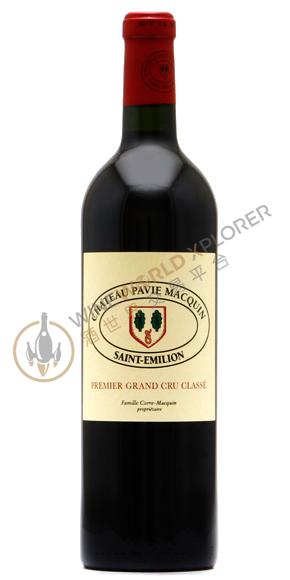
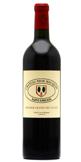
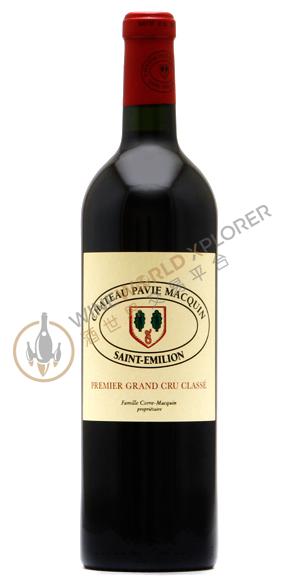
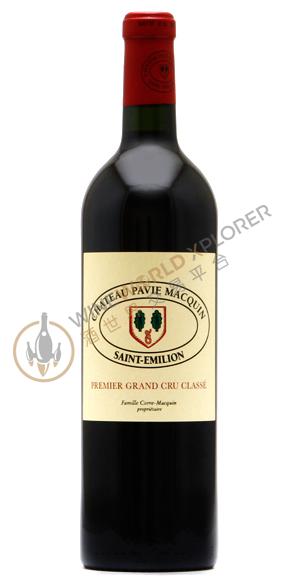
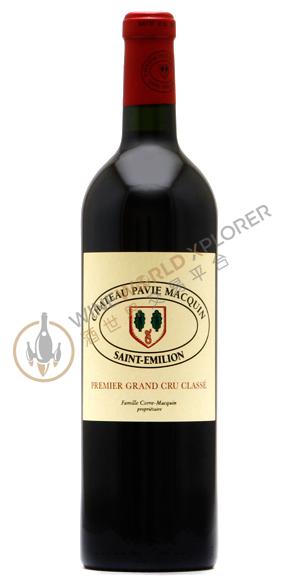
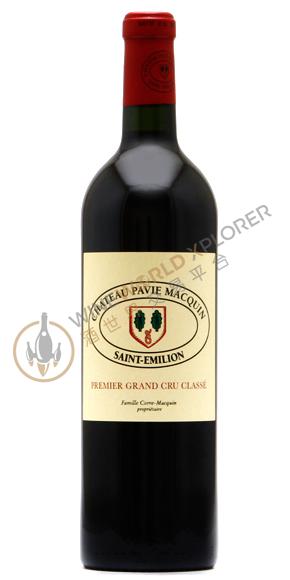
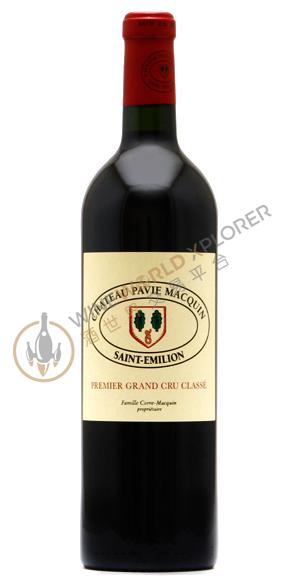
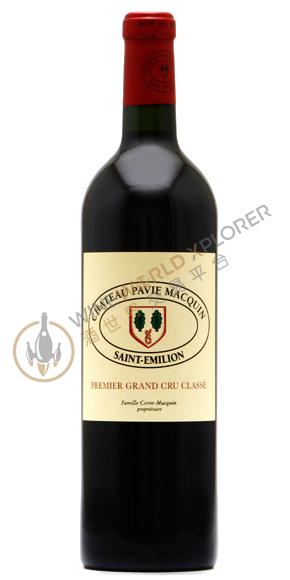
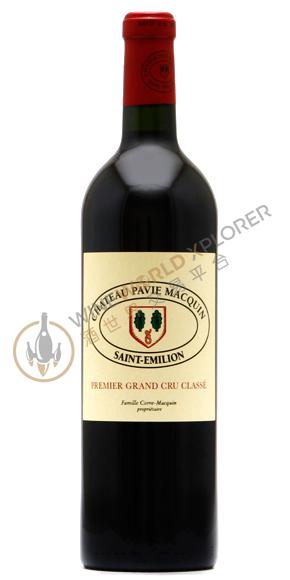
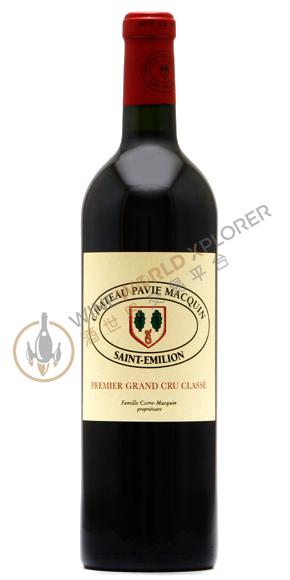
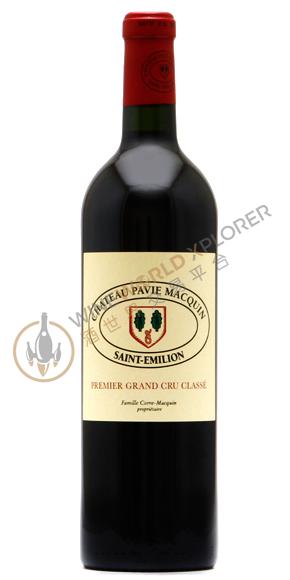
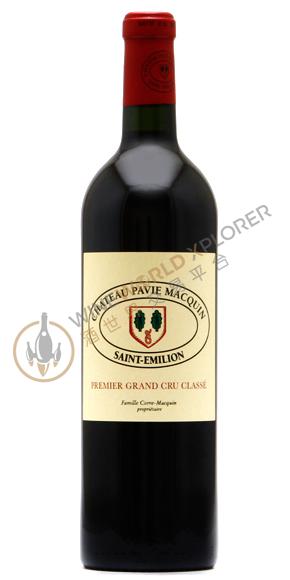
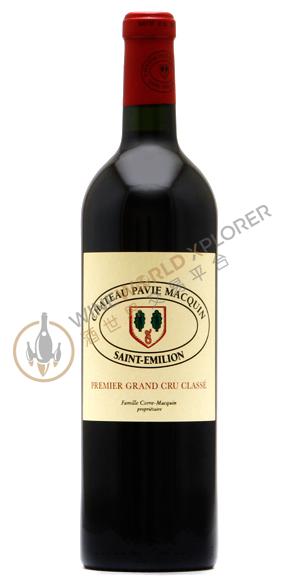
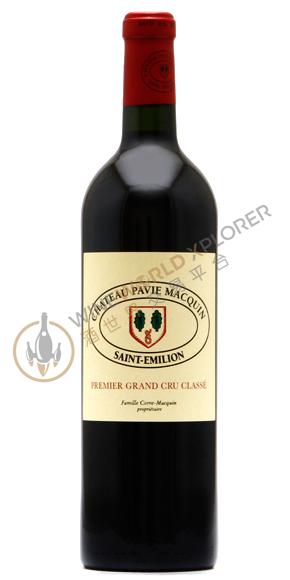
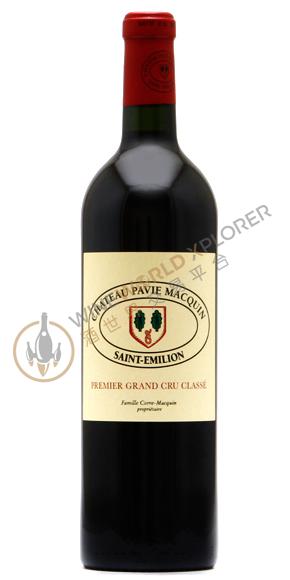
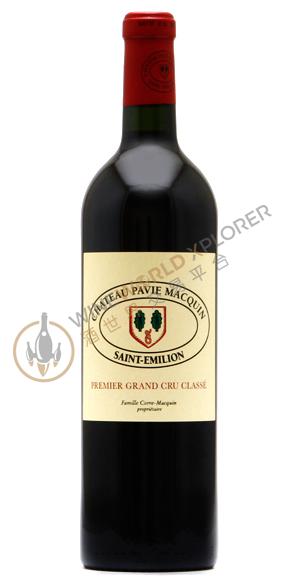
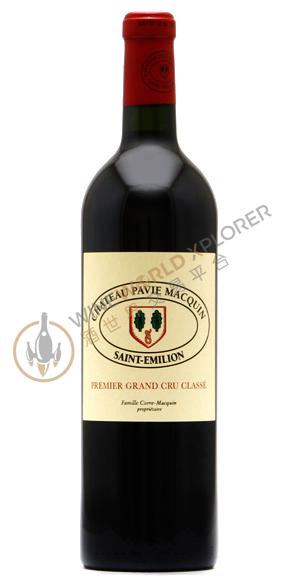
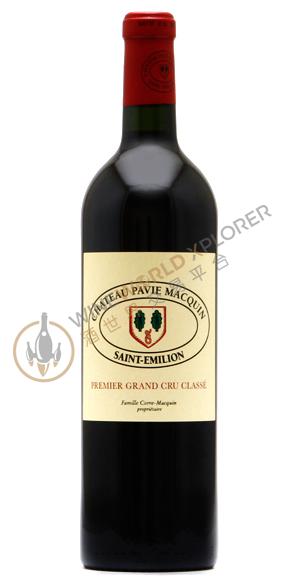
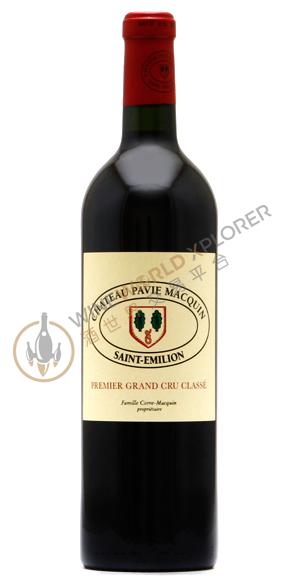
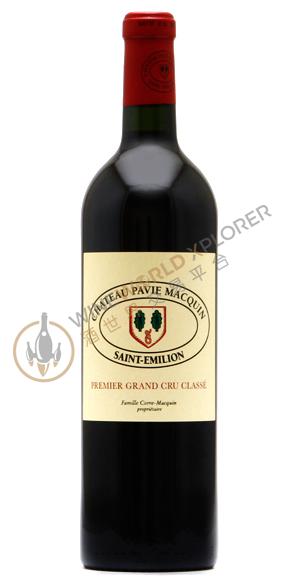
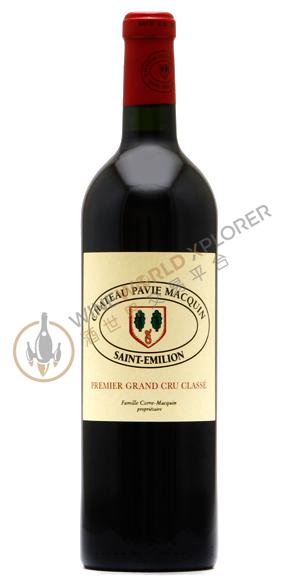
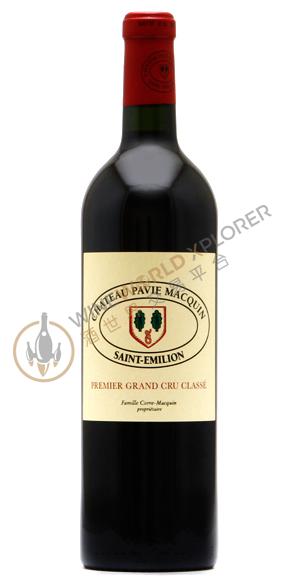
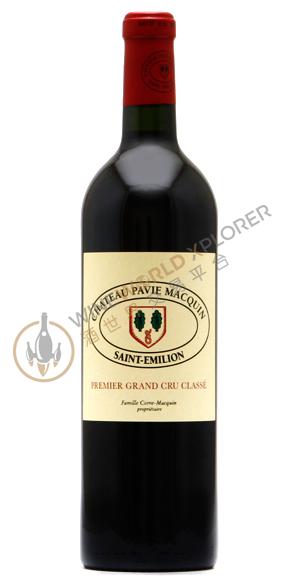
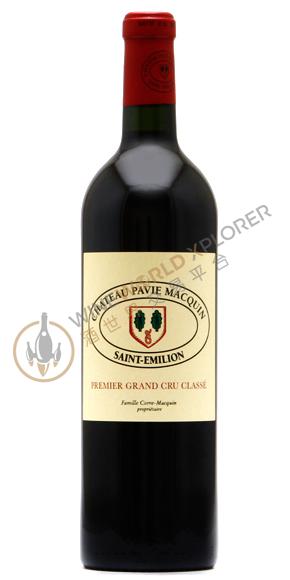
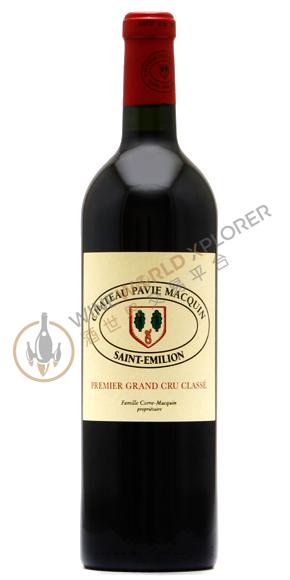
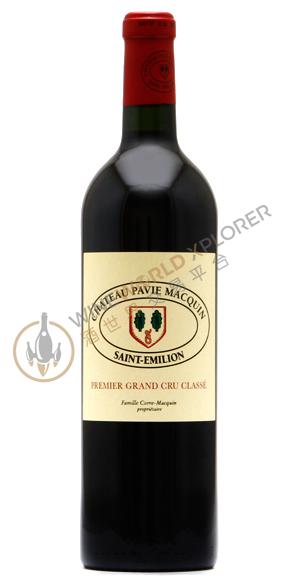
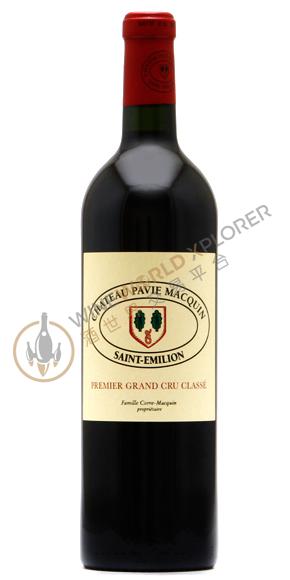
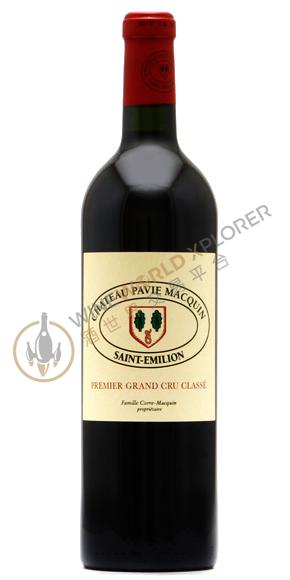
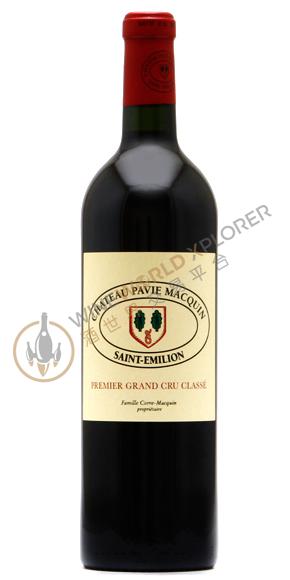
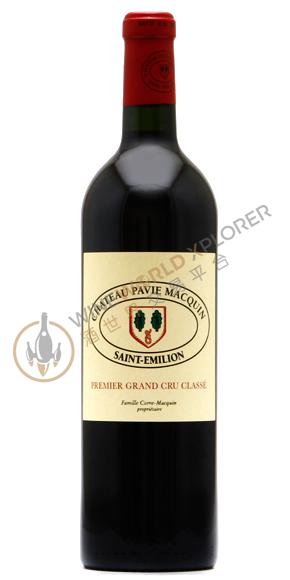
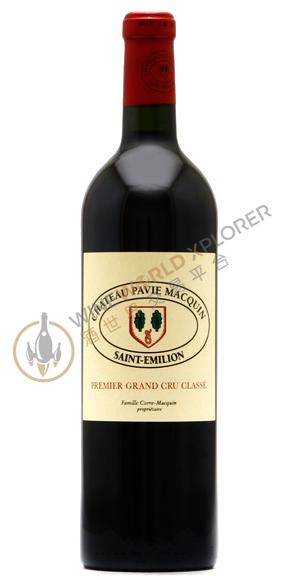
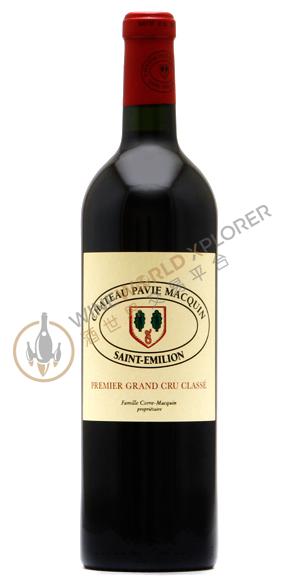
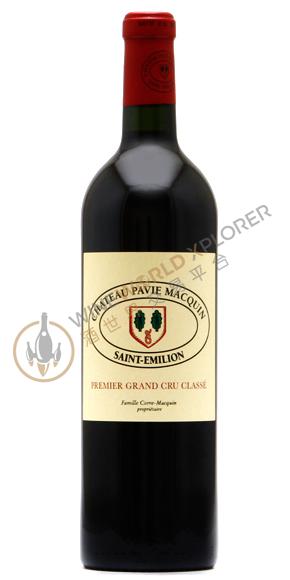
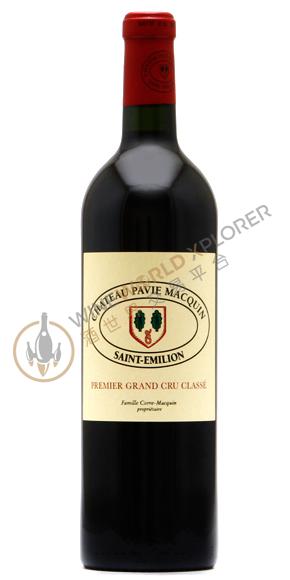
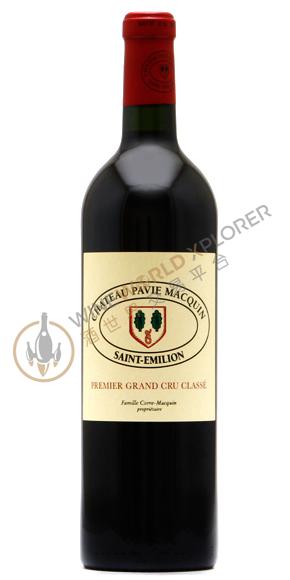
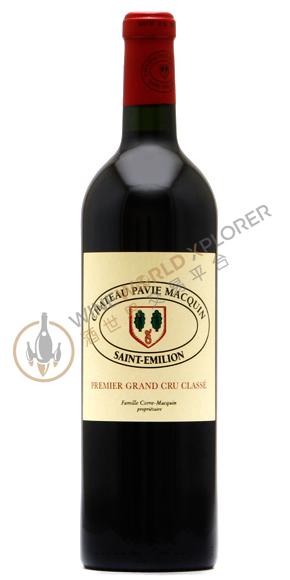
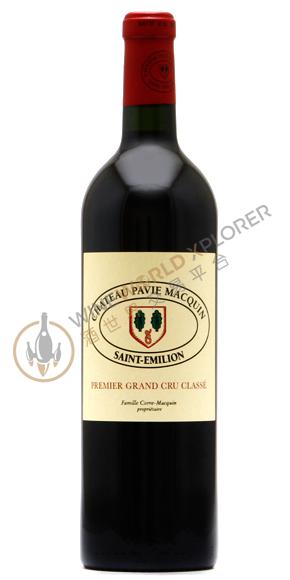
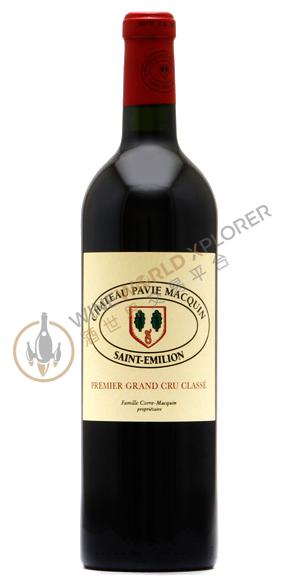
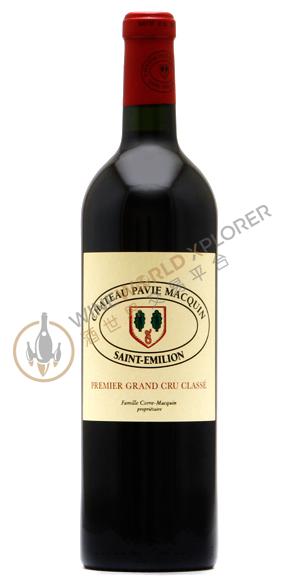
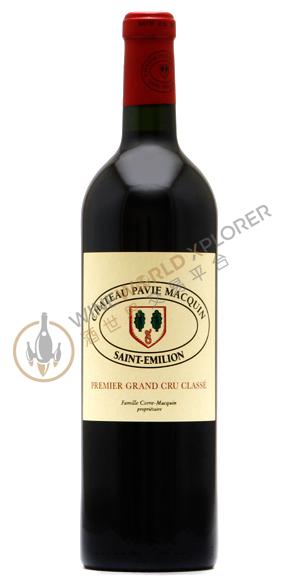
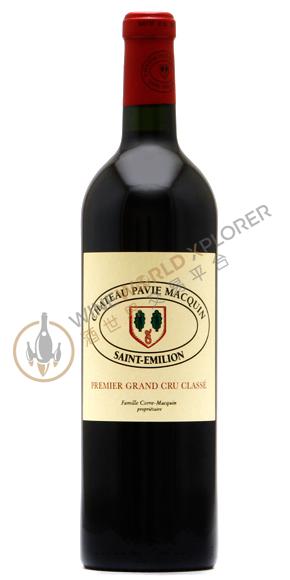
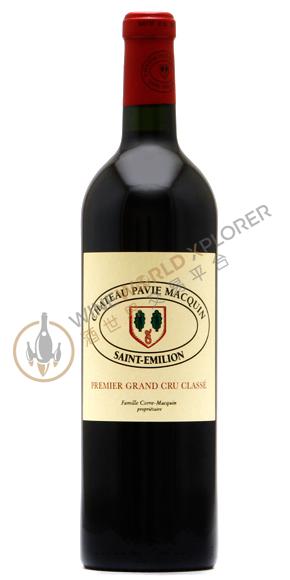
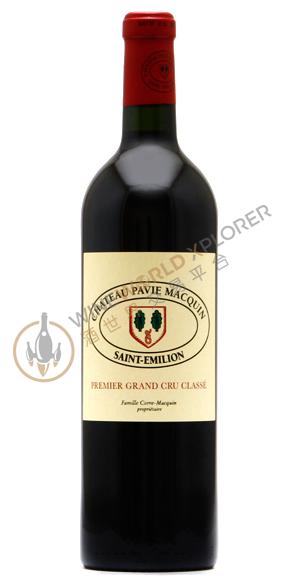
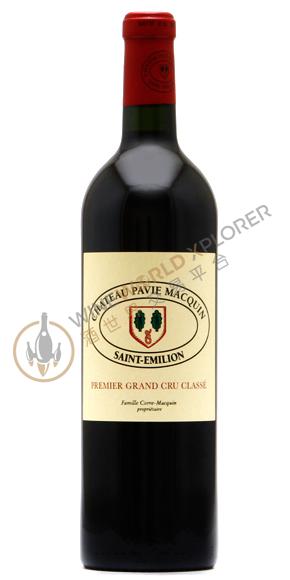
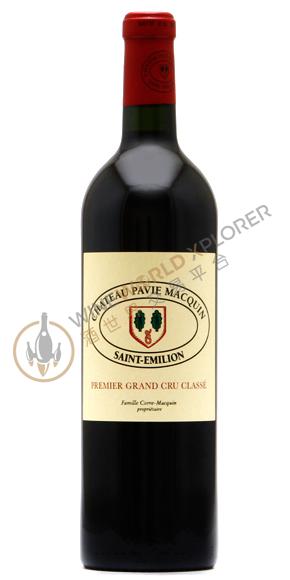
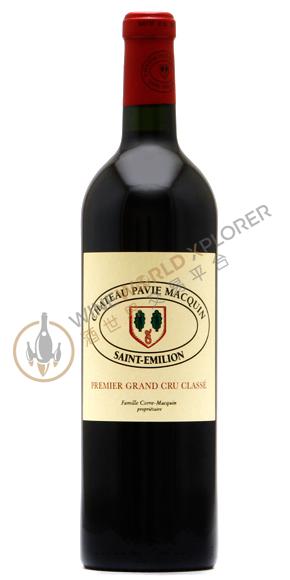
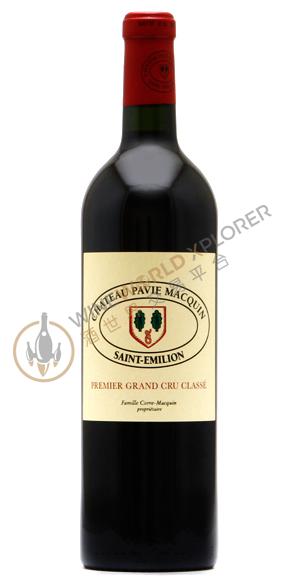
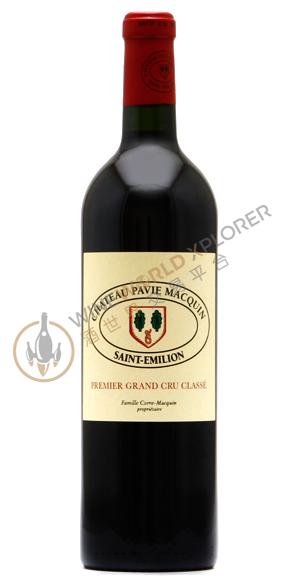
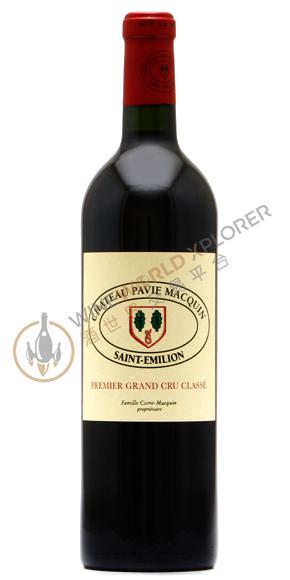
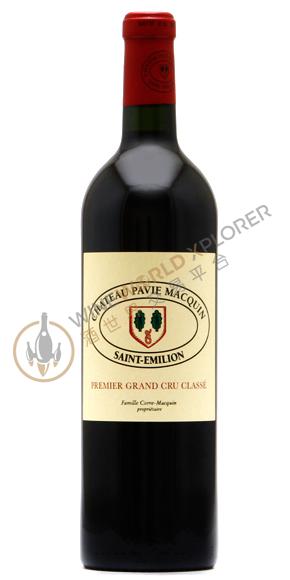
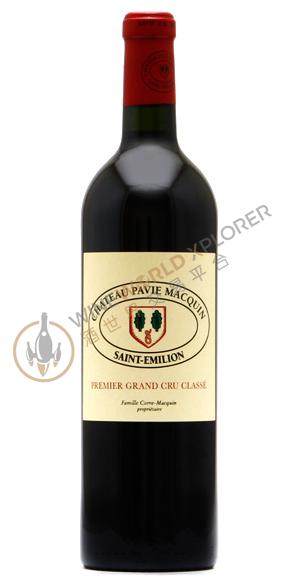
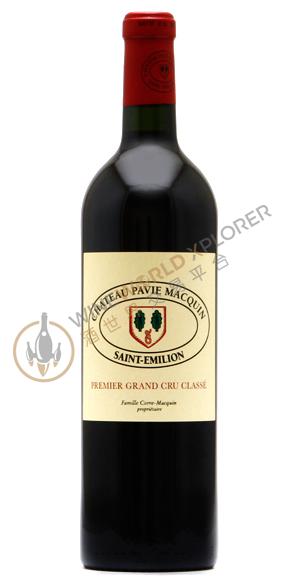
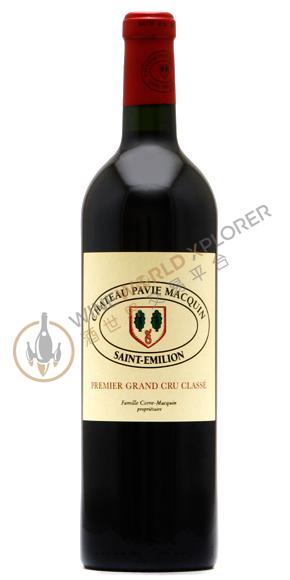
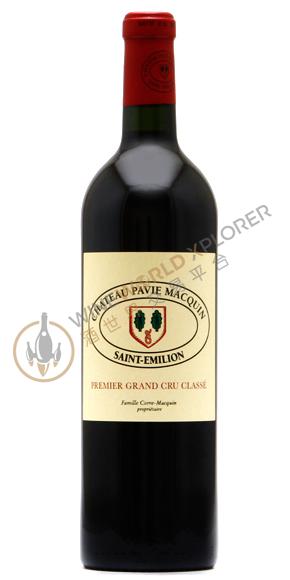
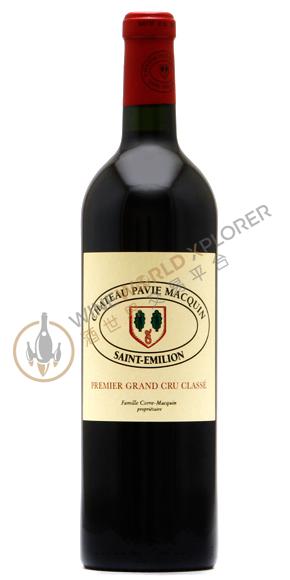
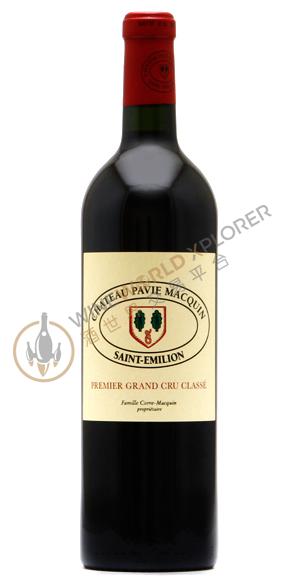
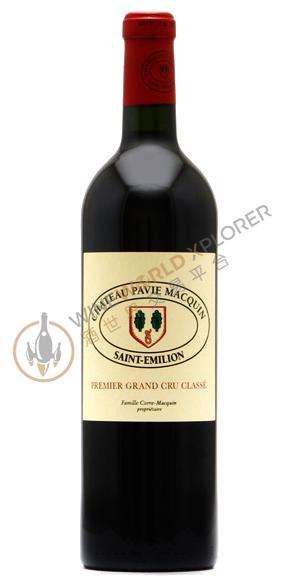
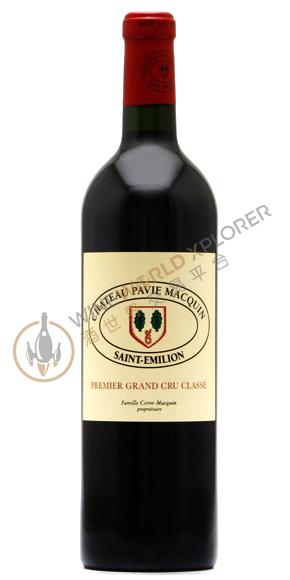
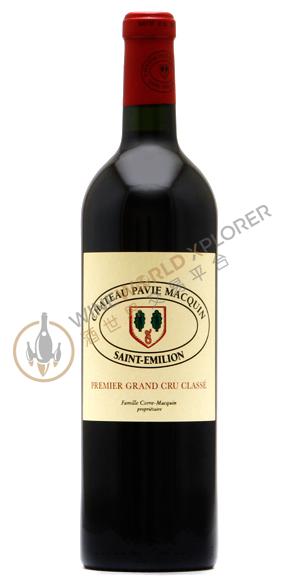
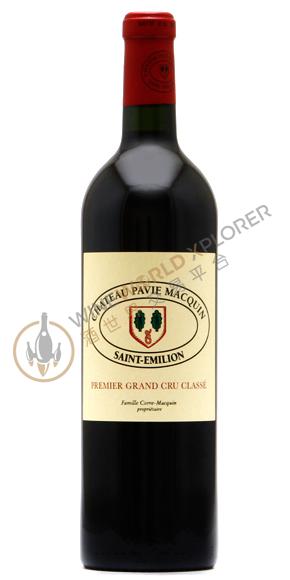
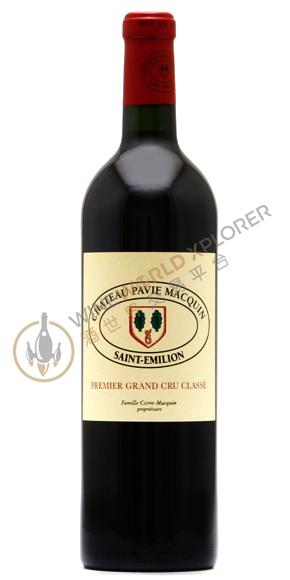
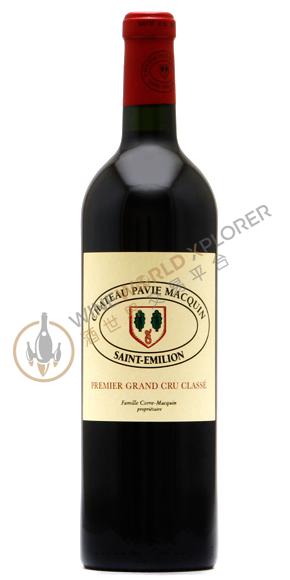
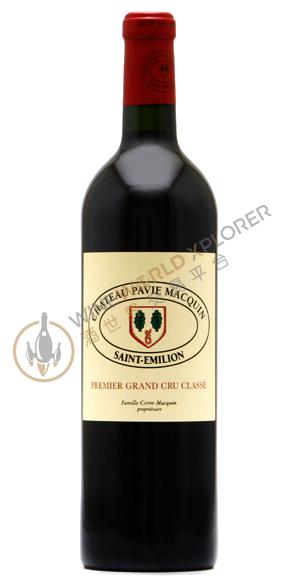
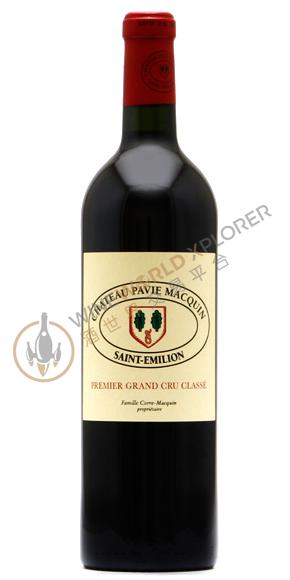
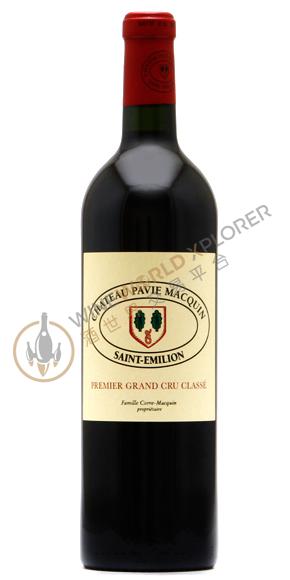
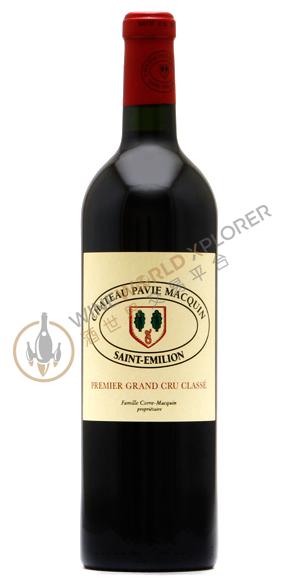
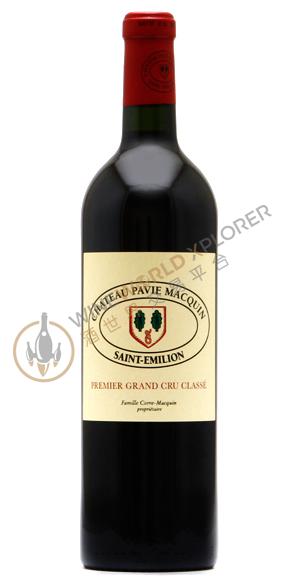
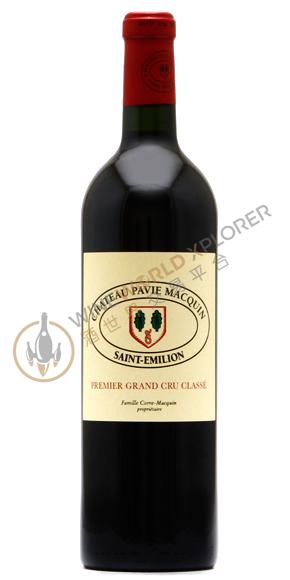
Pavie Macquin 2006
 View analysis


Description
Tasting notes

Reviewed by: Robert M. Parker, Jr.
As of this vintage, Pavie Macquin is entitled to a premier grand cru classe designation in the revised classification of the wines of St.-Emilion (suspended in March because of pending litigation). Overseen by the dynamic duo of Nicolas Thienpont and Stephane Derenoncourt, the 2006, a blend of 70% Merlot, 25% Cabernet Franc, and 5% Cabernet Sauvignon, should turn out to be one of the top wines of the vintage. It boasts an inky/blue/purple color as well as an extraordinary bouquet of charcoal, blackberries, blueberries, licorice, and smoke. Full-bodied, powerful, and rich, it is nearly as prodigious as the virtually perfect 2005. An amazing wine for the vintage, it clearly emerges from a magnificent terroir. Anticipated maturity: 2013-2030.
Reviewed by: Neal Martin
An attractive, floral nose with blueberry, violets, a hint of cherry and mandarin. Good definition and poise. The palate is vibrant and very fresh, less malo than other wines but I think it suits it well, lending it vibrancy and tension. Much better than at en primeur. Feminine and lithe. Pert finish. Very fine. Tasted February 2008.
Reviewed by: Neal Martin
Tasting in London. A very tight nose of blackberry, a touch of leather and boysenberry. Full-bodied on the palate with firm tannins, very cohesive and harmonious with beautifully integrated new oak. Very focused with superb definition on the finish. This is an exquisite Pavie Macquin: sensuous, vivacious and seductive. Tasted April 2007.
Reviewed by: Robert M. Parker, Jr.
From a superbly situated on St.-Emilion’s plateau, 38-acre vineyard planted on primarily limestone and clay, this 2006 is meant for long-term aging. A combination of 80% Merlot and the rest Cabernet Franc and Cabernet Sauvignon, it is a backward, brawny, muscular, long distance runner. Consumers lacking patience are advised to steer clear of this wine. Its dense purple color is followed by aromas of graphite, sweet cassis, pen ink, and charcoal. This powerful, dense, concentrated wine possesses high tannins and lots of structure. One of the more backward offerings from the right bank in 2006, it will not be close to drinkability for 8-10 years. Anticipated maturity: 2018-2030
Reviewed by: Antonio Galloni
The 2006 Pavie-Macquin is a powerful, burly wine, especially in its feel. Game, smoke, leather, dark spice, chocolate and licorice add to a feeling of virile intensity. Disease pressure at the end of a cool growing season led to a compact harvest in 2006. There is good depth, but less in the way of charm and sensuality. I imagine the 2006 will always retain its somewhat rustic personality.
Reviewed by: Ian d'Agata
(13.7% alcohol; 3.29 pH): Bright, deep red. An initial note of reduction blows off to reveal delicate aromas of floral red fruits, cinnamon and minerals. Bright and juicy on entry, then a little lean in the middle, with high acidity nicely framing clean red fruit and mineral flavors; very calcaire-influenced in its energy and tension. Finishes clean and long, with silky tannins, but I found myself wishing for a little more generosity and flesh. About 15% to 20% of the harvest was eliminated due to rot; that hard work really paid off, as this wine's aroma and flavor profile is beautifully pure.
Reviewed by: Stephen Tanzer
Bright ruby-red. Superripe, high-toned blackberry and blueberry liqueur aromas are given a brisk quality by pungent minerality and lifted by violet. Dense, sweet and liqueur-like, with powerful, penetrating dark berry and mineral flavors saturating the palate. Inky and quite primary today. Huge tannins and very firm underlying acids will probably require at least six or seven years of patience, but this very backward wine should gain in bottle for 20 years or more.
Reviewed by: Stephen Tanzer
Good full medium ruby. Vibrant aromas of blackberry and licorice lifted by mint. Vinous and energetic, with burnished oak flavors and juicy dark berries dominating. Wonderfully vibrant, limestone-driven wine, but in an awkward stage today owing to its substantial wood tannins.
Reviewed by: Stephen Tanzer
Good full ruby. High-pitched, brooding aromas of dark fruits, shoe polish, bitter chocolate and smoky oak. Silky on entry, then bright and penetrating in the middle palate, with terrific definition and floral lift to the black fruit and mineral flavors. Primary, palate-staining wine with superb vinosity; very much a limestone wine. Finishes very long and sweet, with a distinctly fresh aftertaste. Stephane Derenoncourt told me he eliminated 15% to 20% of the fruit due to rot, like everywhere, then did a long cuvaison with a very gentle extraction. This is 14% alcohol with a low pH of 3.45 and a full 4 grams of acidity.
Reviewed by: Neal Martin
The 2006 Château Pavie Macquin has a ripe, sensual bouquet with copious kirsch and blueberry scents, fine tension and poise, a faint whiff of boot polish in the background. The palate is very elegant on the entry, pure and supple in the mouth, succulent with vivid black cherry and dark plum notes. It is that keen line of acidity cutting through the fruit that takes this Saint Emilion to a higher level and it comes highly recommended. Tasted February 2016.
About the Producer
Located in the Saint-Emilion region on the right bank of the Bordeaux coast, the Chateau Pavie Macquin has been a Premier Grand Cru Classe B in Saint-Emilion since 2006, and its wines are highly sought after for their consistency. Since 1887, Albert Macquin has acquired a number of châteaux, acquiring some 26 hectares of land, thus giving shape to the Château de Berfet-Marcet. Albert was a pioneering agricultural engineer who pioneered and promoted the grafting and transplanting technique when phylloxera was sweeping through France, making a remarkable contribution to the fight against the spread of phylloxera and gaining acclaim in Saint-Emilion and throughout France. Today, the winery is managed by his grandsons Benoit Corre, Bruno Corre, Marie Jacques Charpentier and their children. In 1990, Stephane Derenoncourt, the famous winemaker, joined the estate as a consultant winemaker. A specialist in terroir, Stephane was considered to be the next Michel Rolland, and his wines were often highly regarded. In 1994, Nicolas Thienpont was recruited to run the Château de Pape Marquet. Nicolas comes from the Thienpont family, a well-known Bordeaux wine family with a strong background in winemaking and winery management, and now oversees both Chateau Beausejour Heritiers Duffau Lagarrosse and Château Las Dugas. He is also the owner of two first class B estates, Chateau Larcis Ducasse and Beausejour Heritiers Duffau Lagarrosse. Under the leadership of Stephane and Nicolas, Château Beausejour Heritiers Duffau Lagarrosse has progressed to become a First Growth of Saint-Emilion in 2006. The vineyard is situated at an altitude of 65-100 metres above sea level and covers 15 hectares of land adjacent to the three Grand Crus of Saint-Emilion - Chateau Pavie, Chateau Troplong Mondot and Chateau Trottevieille - and has a privileged terroir. The terroirs are covered with a limestone clay soil with a water-holding layer of stellate limestone 20-150 cm thick, producing fresh, full-bodied, powerful wines with a distinctive mineral flavour. Depending on the terroir of each plot, 84% Merlot, 14% Cabernet Franc and 2% Cabernet Sauvignon are planted on the estate, with an average age of over 30 years. The vineyard is managed with respect for the terroir, using organic farming methods, planting companion plants and installing drainage systems to maintain soil vigour and ecological balance. In addition, the vineyard staff keep a close eye on the health of the vines, replanting those that have failed, and strictly controlling the planting density to ensure the production of quality fruit. In addition, the winery team carefully selects old vines and uses their cuttings to grow new vines, thus promoting genetic diversity while maintaining the good characteristics of the old vines. Château Lafite Marquet believes that wine is a joint crystallisation of the soil and the vines, and that it should reflect the delicate balance of the ecological environment, the variability of the vintages and the continuity of the local terroir. For this reason, the winery controls each step of the winemaking process with precision, producing individual grapes from different plots of land to create a wine that reflects the characteristics of the terroir. The grapes are hand-picked, optically screened and destemmed, and then fermented in large open-topped oak barrels for some of the grapes, and in concrete tanks for others. During the fermentation, the winemakers extract the pigments and phenolics from the skins in a gentle pressure cap process. After the alcoholic fermentation, the wine is transferred to oak barrels for malolactic fermentation and is then matured in 60% new French oak barrels for around 18 months, including 6 months of sludge ageing, resulting in a wine with silky tannins, intense and concentrated flavours, freshness and distinctive mineral characteristics. The result is a wine with silky tannins, intense flavours and a fresh, mineral character.
1989(1)1995(1)1998(4)2000(3)2003(7)2004(8)2005(4)
Package Size
1 x 6L