Wine Advisor



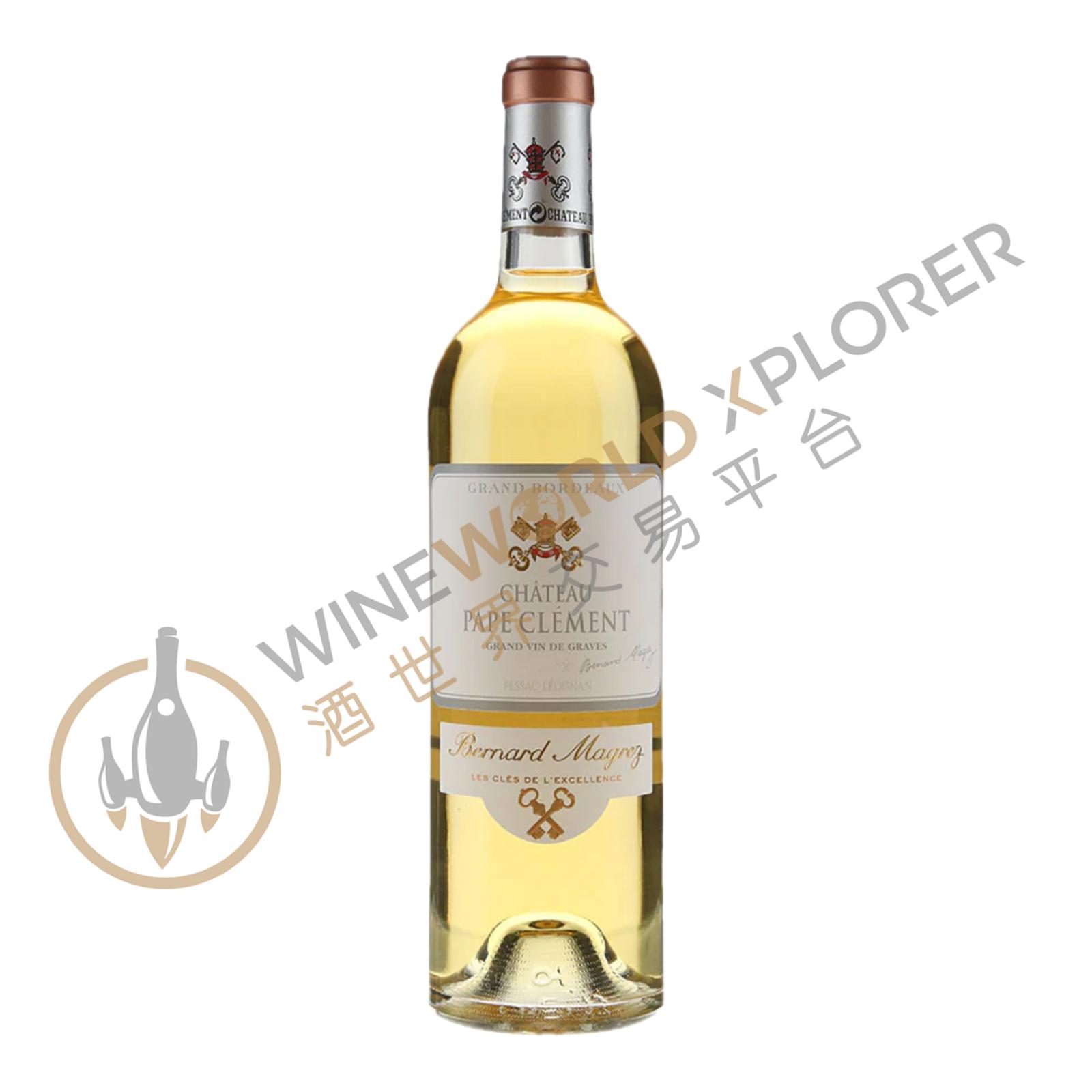
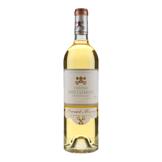
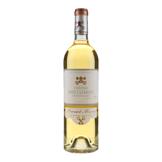
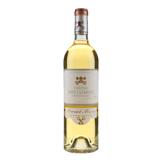
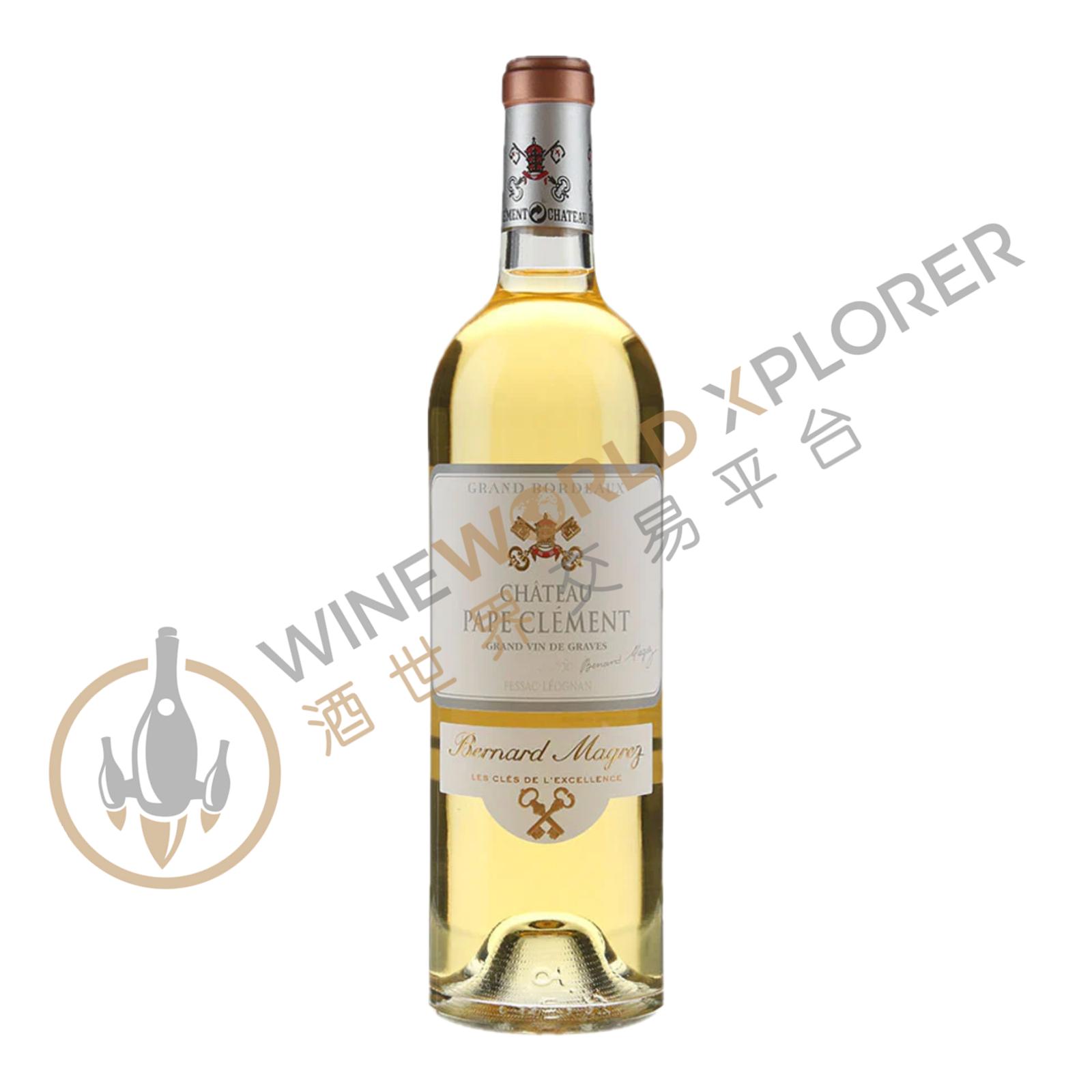
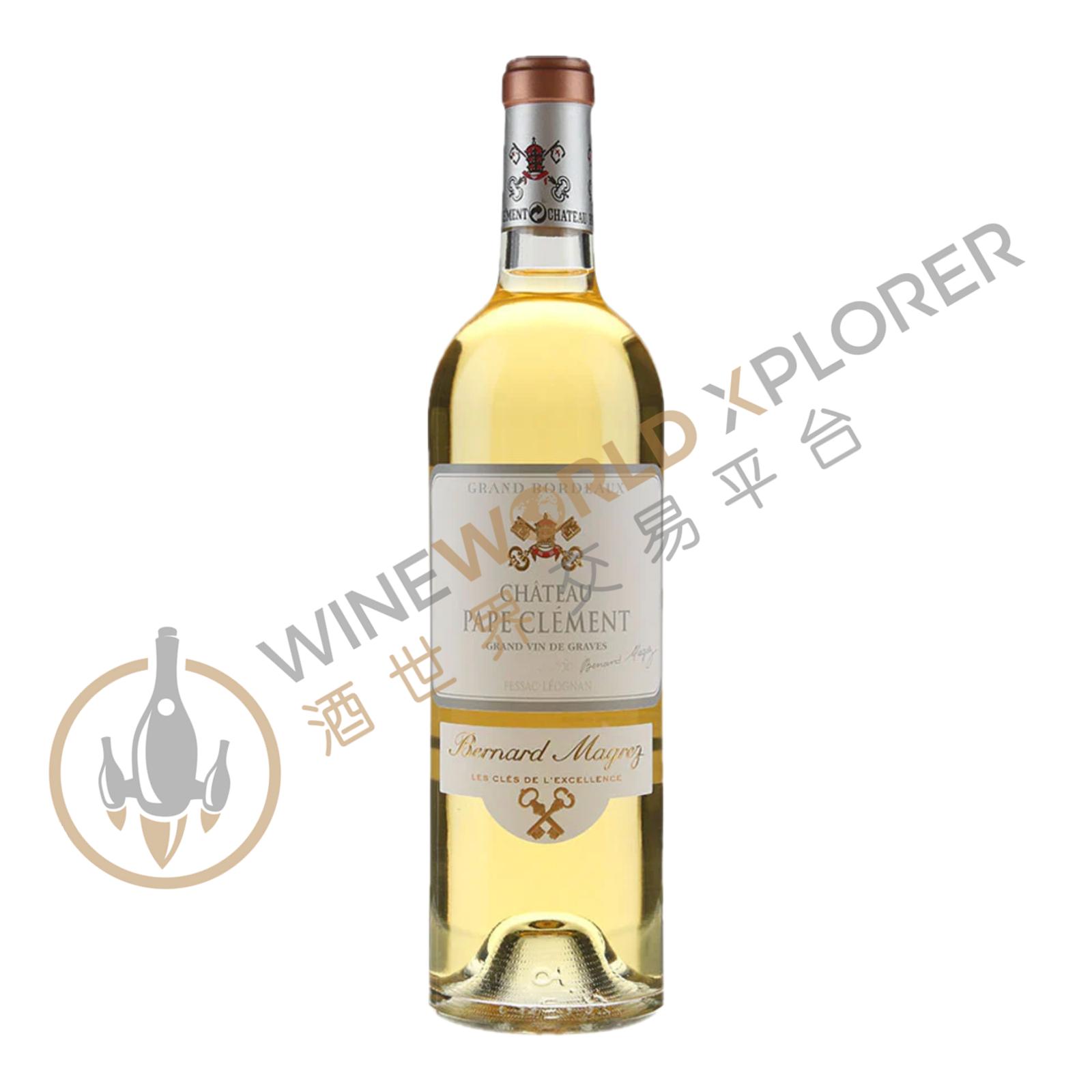
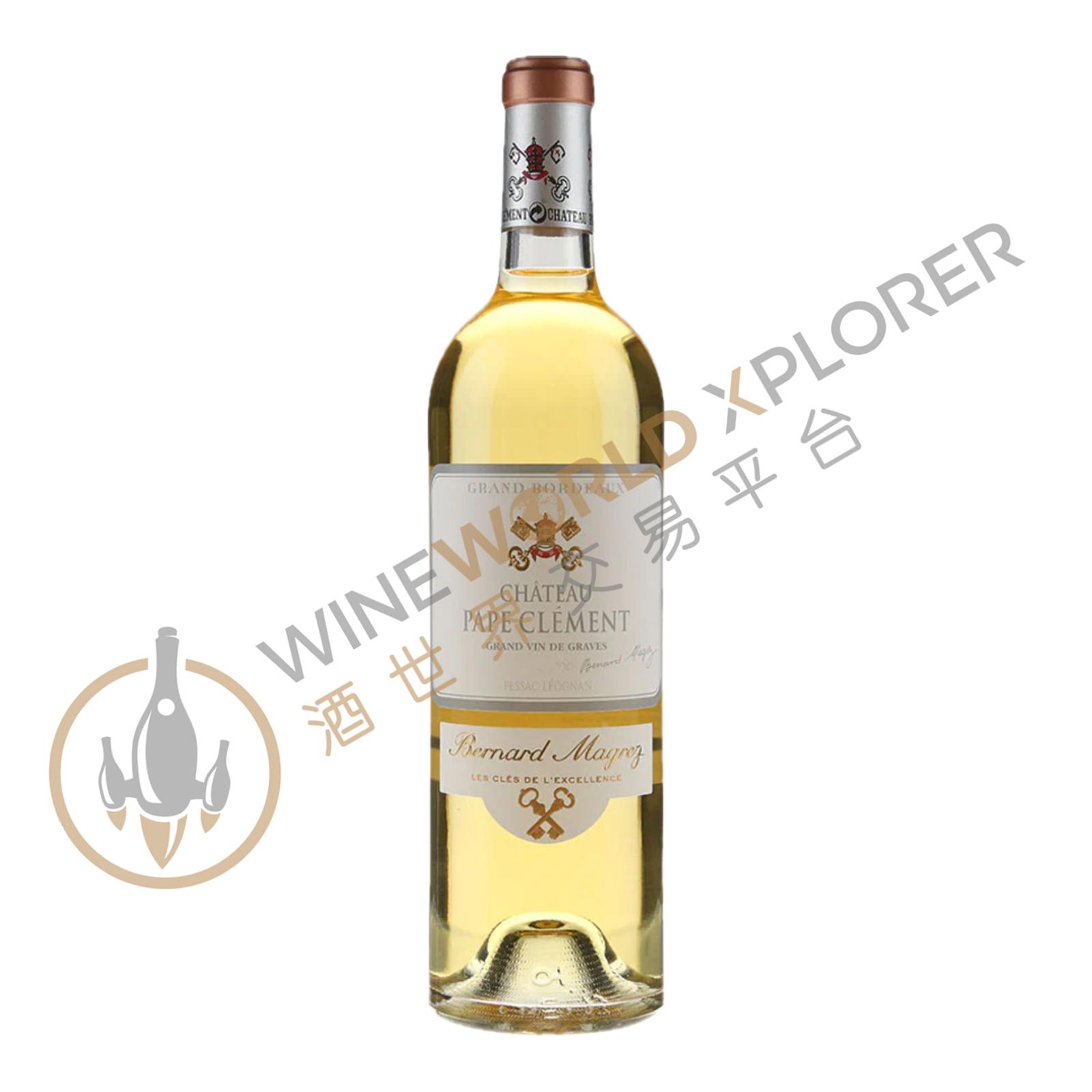
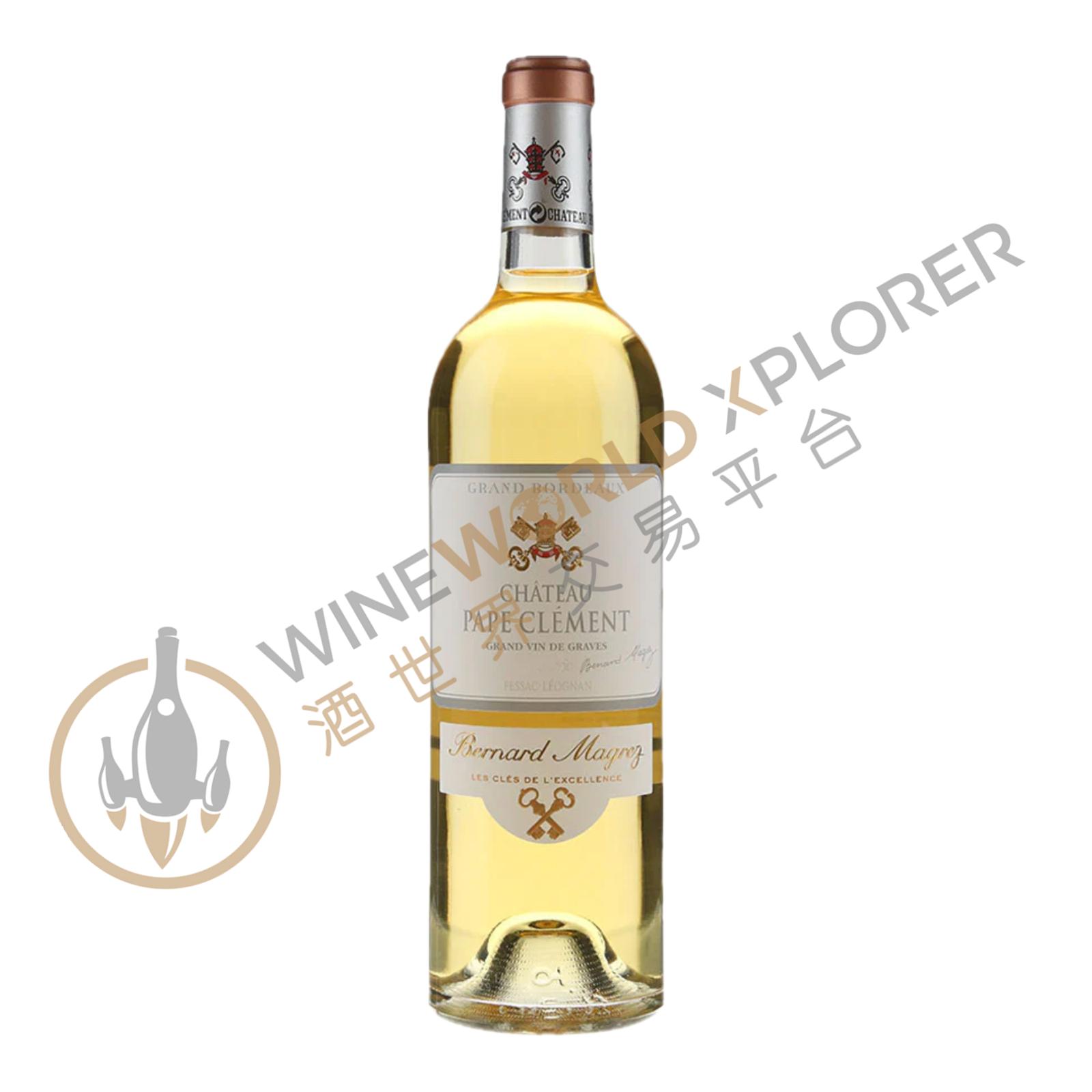
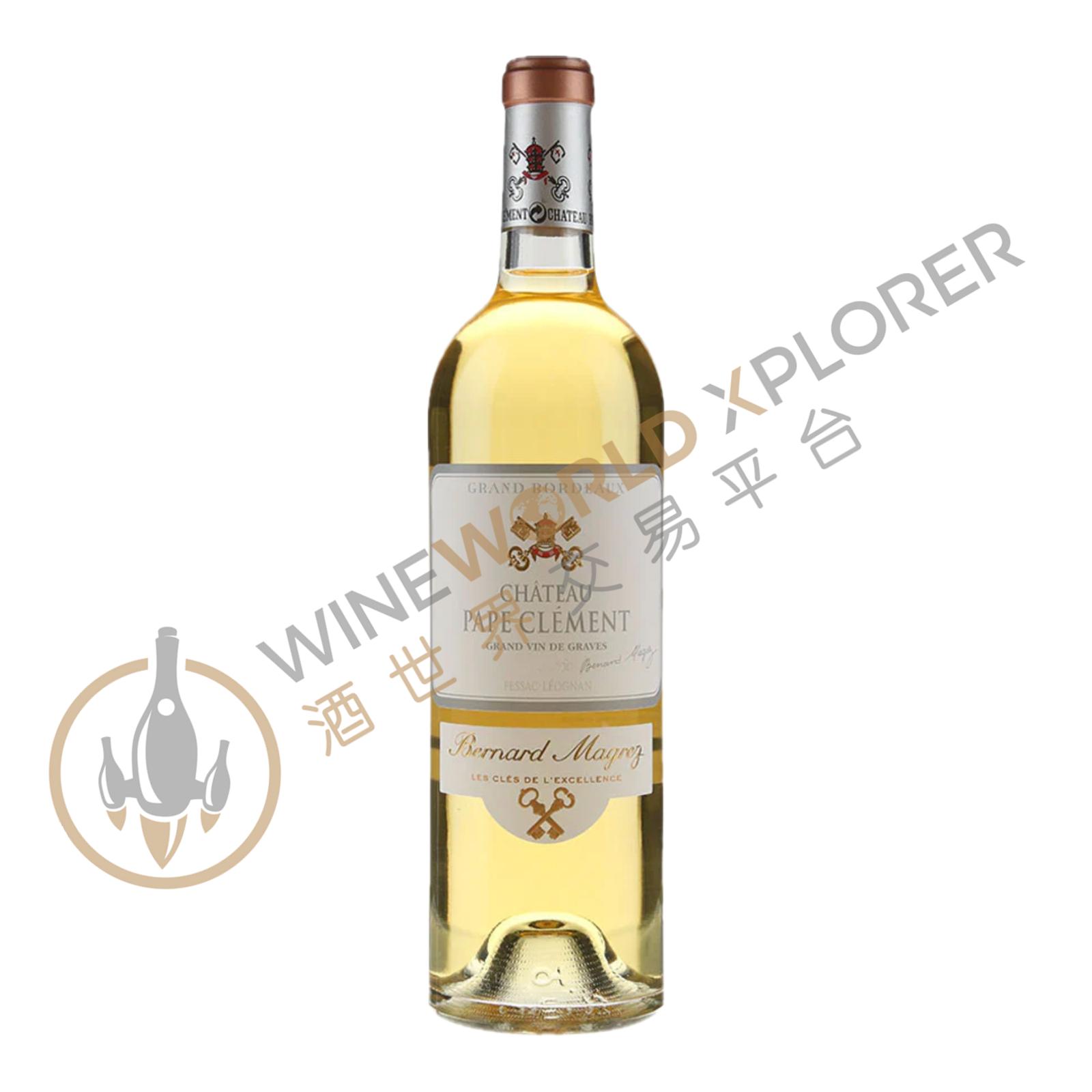
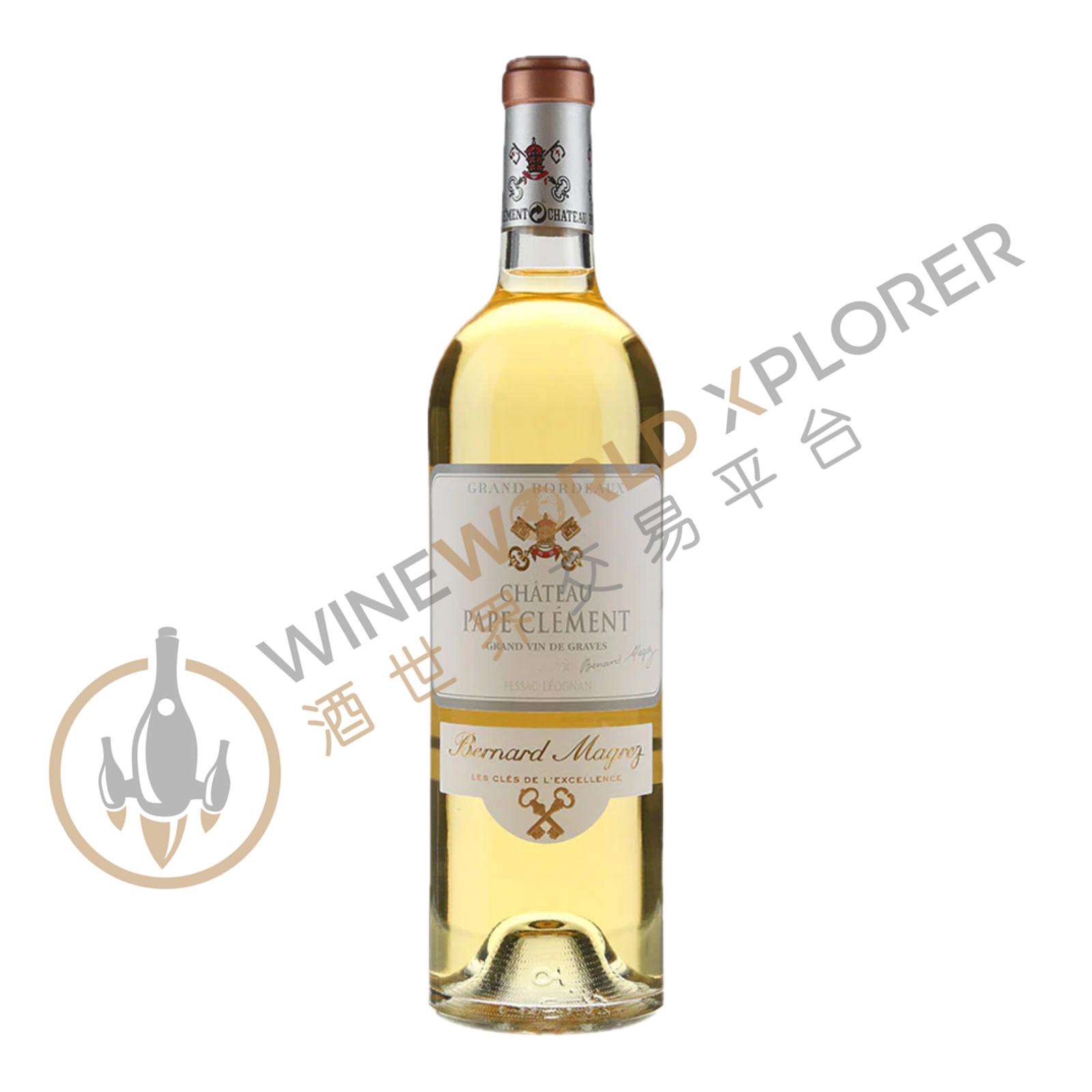
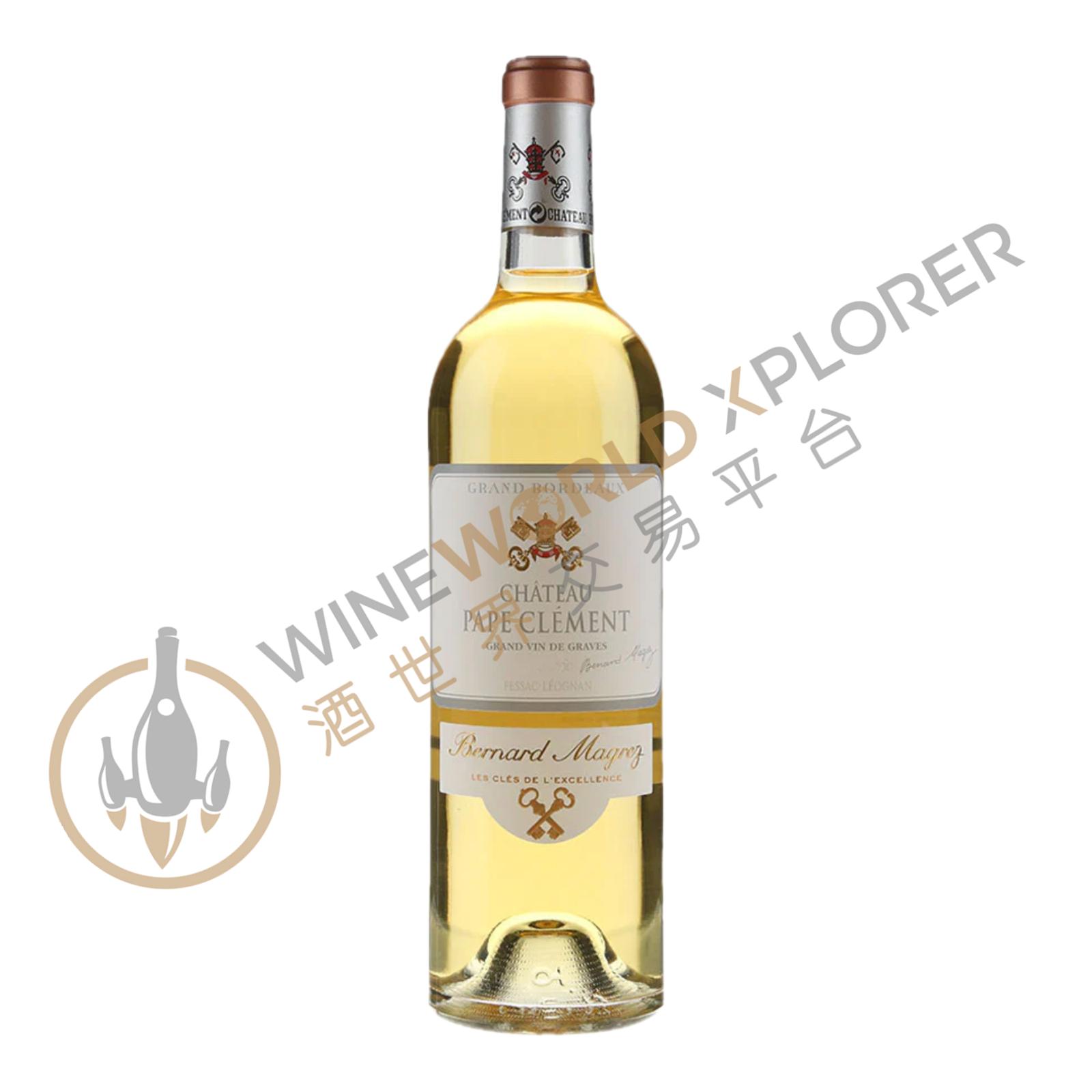
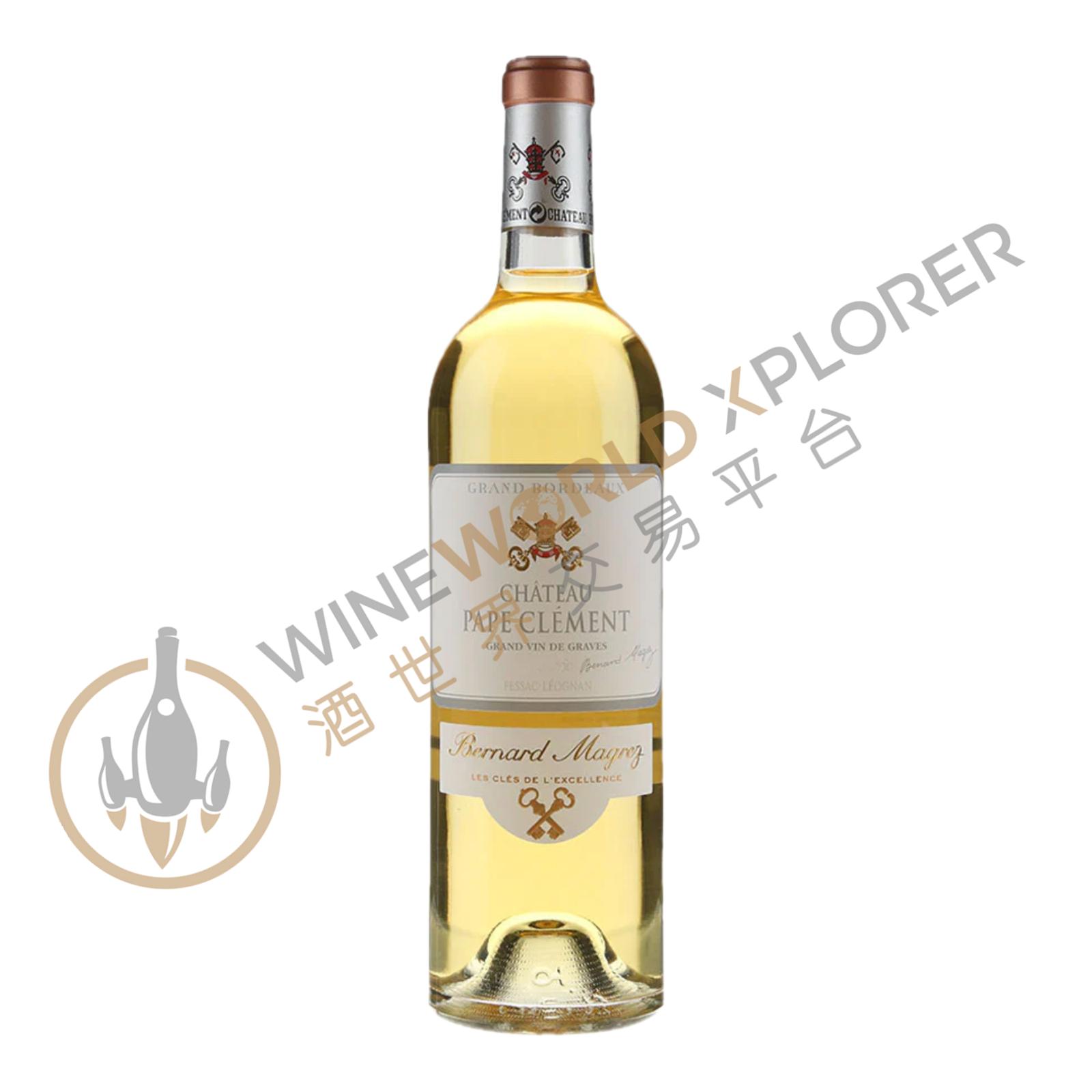
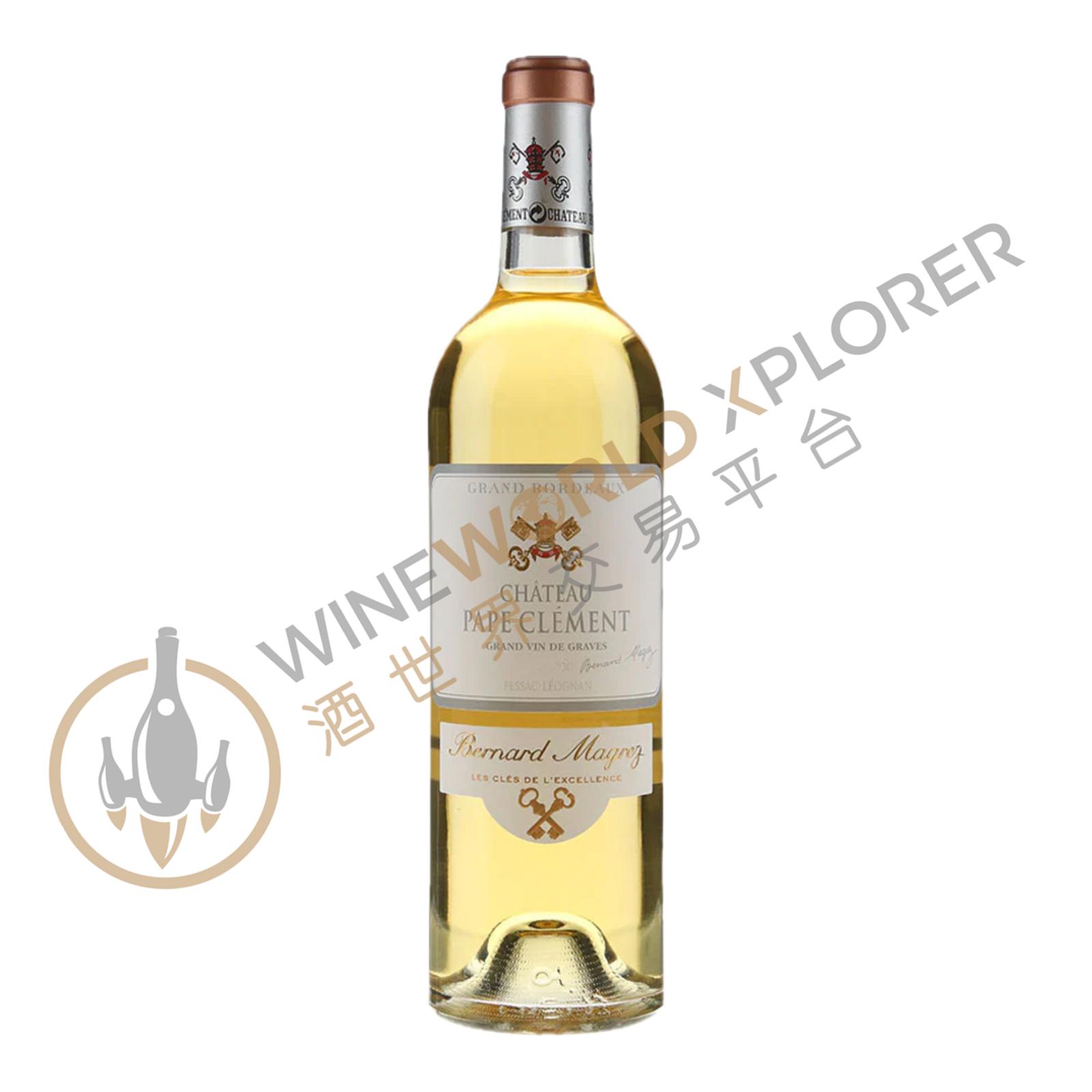
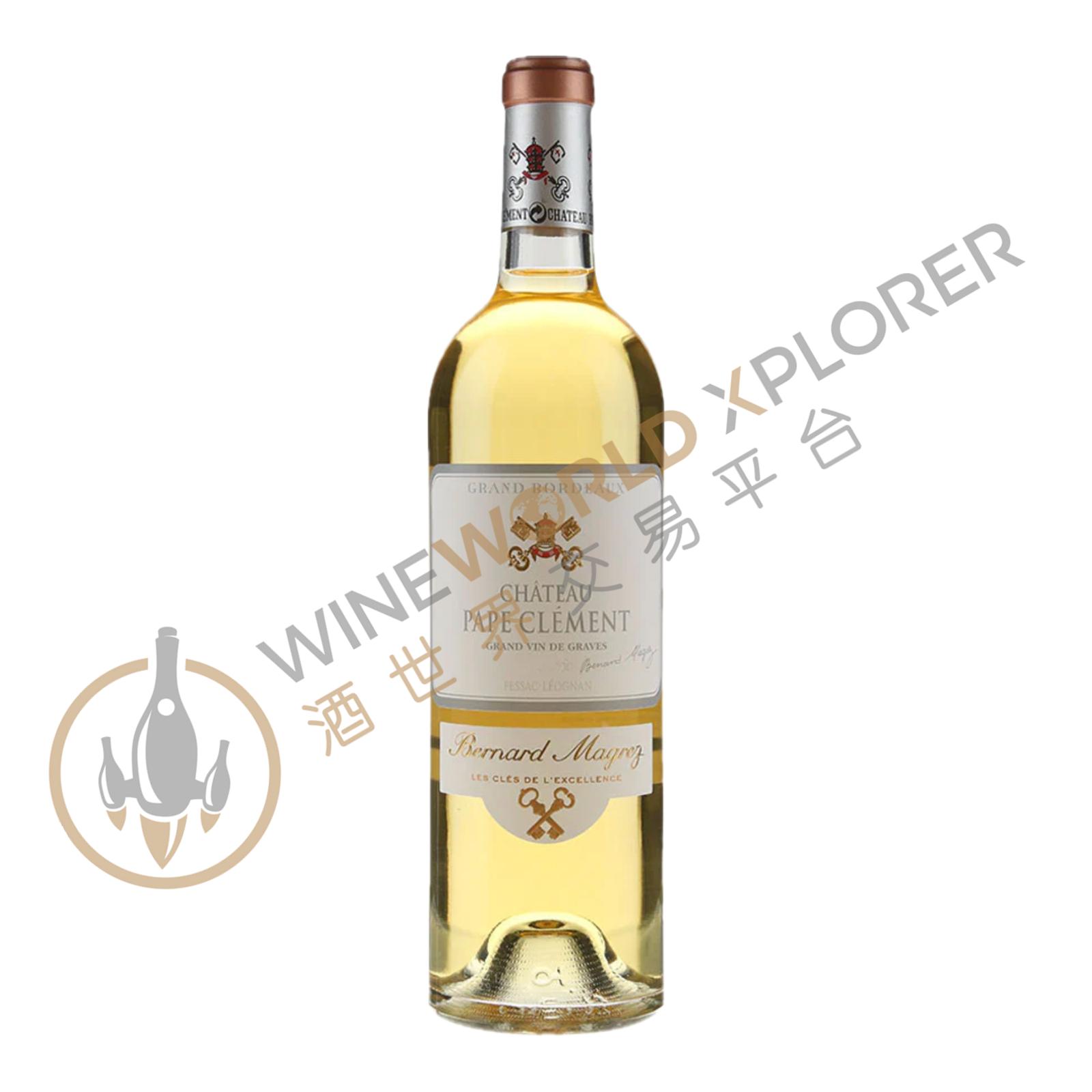
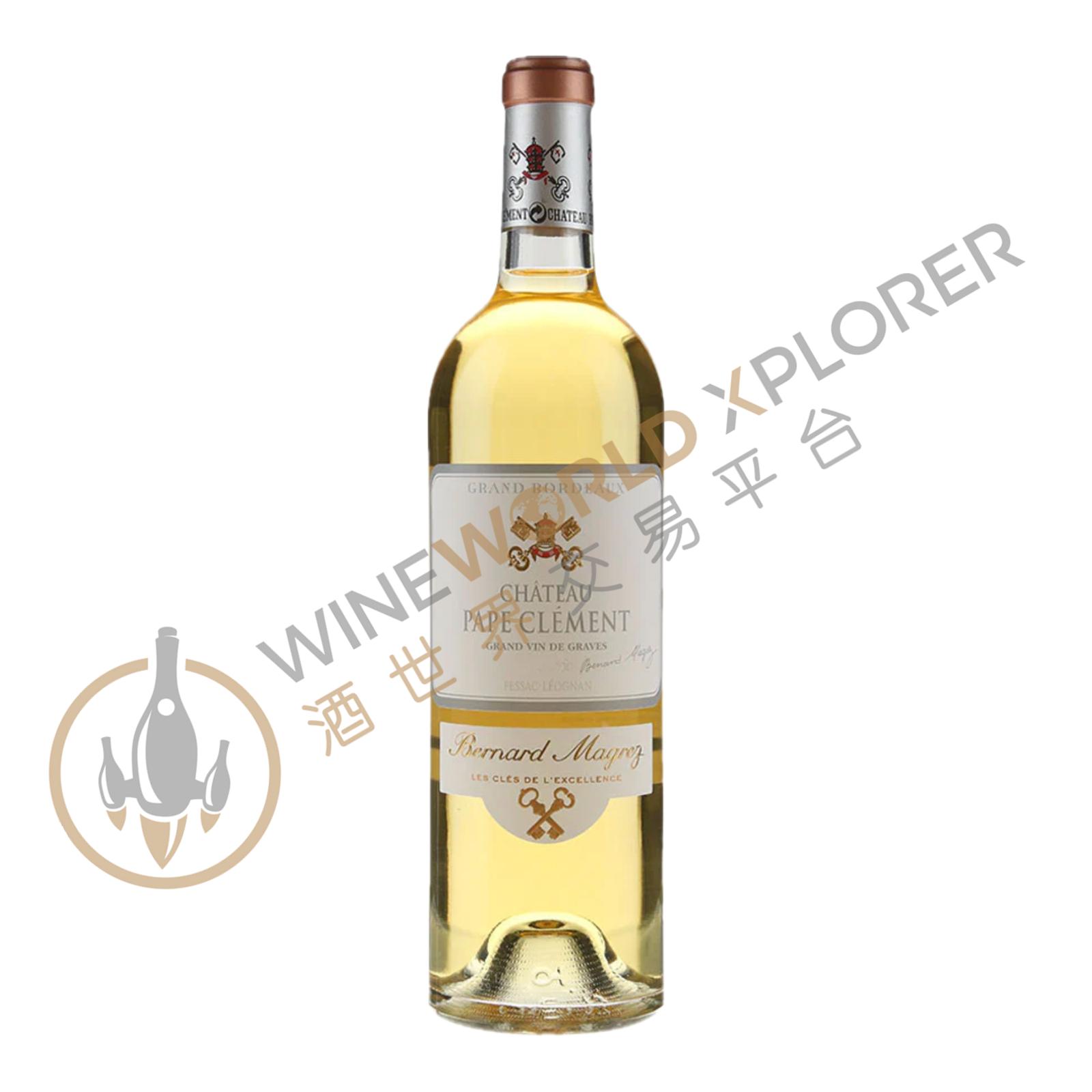
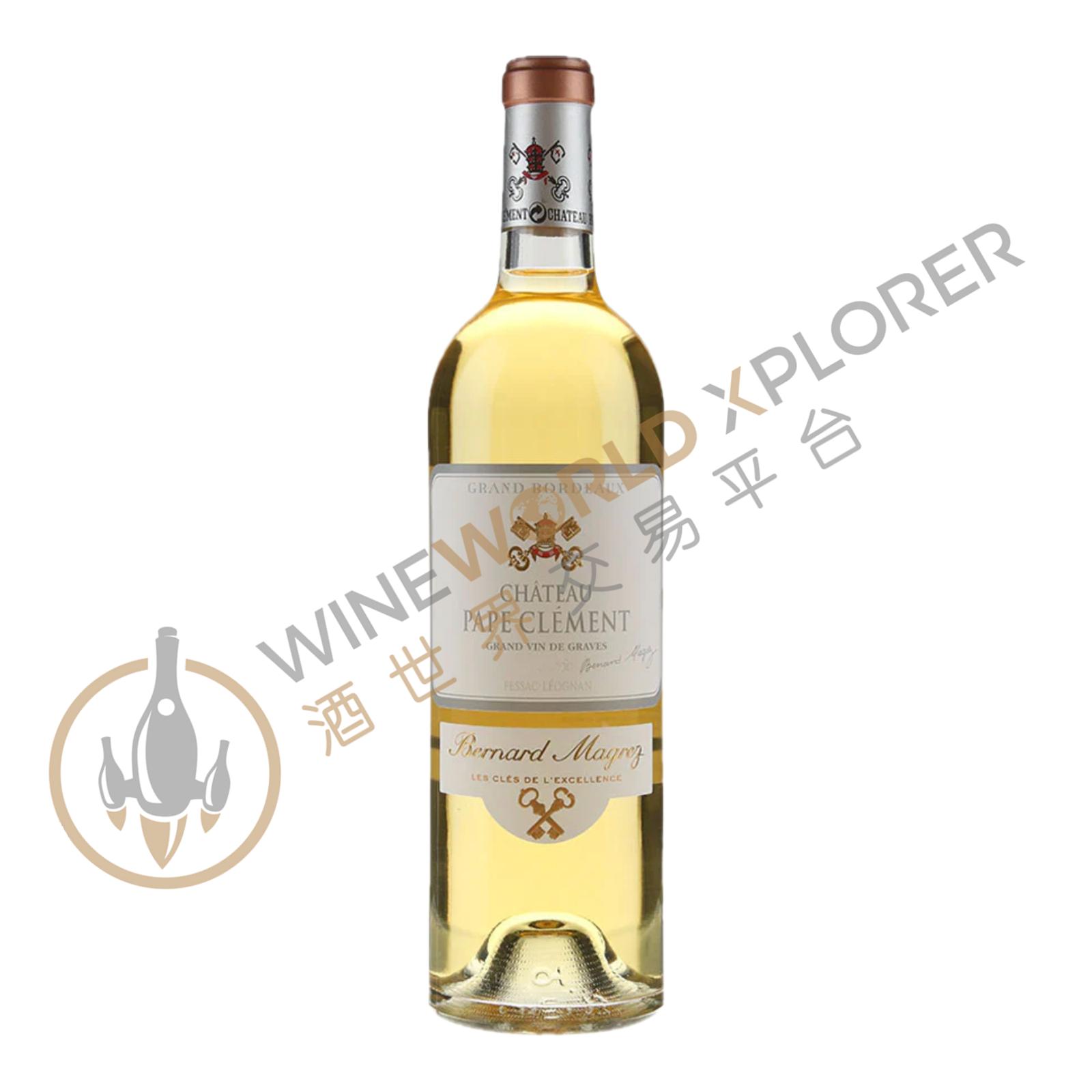
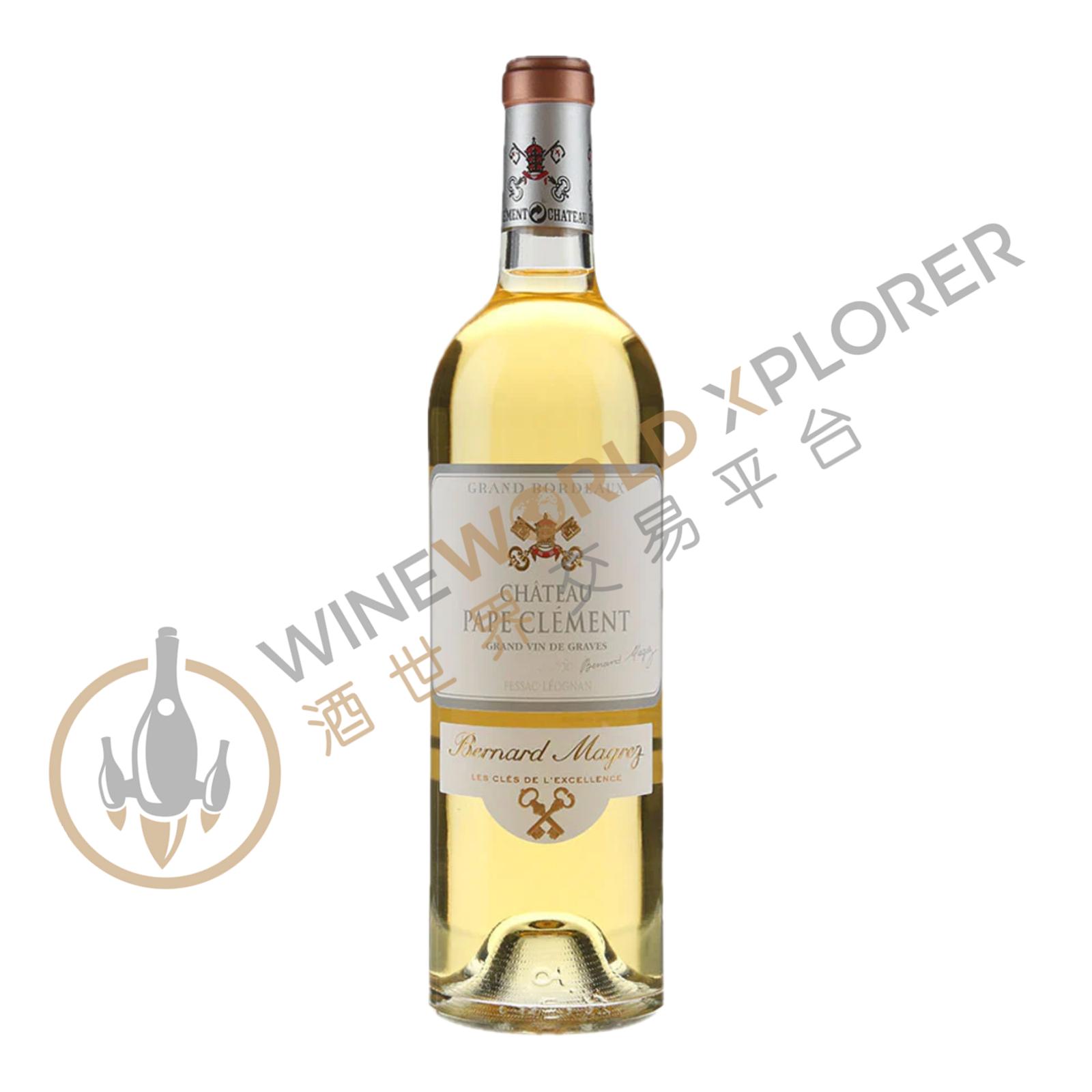
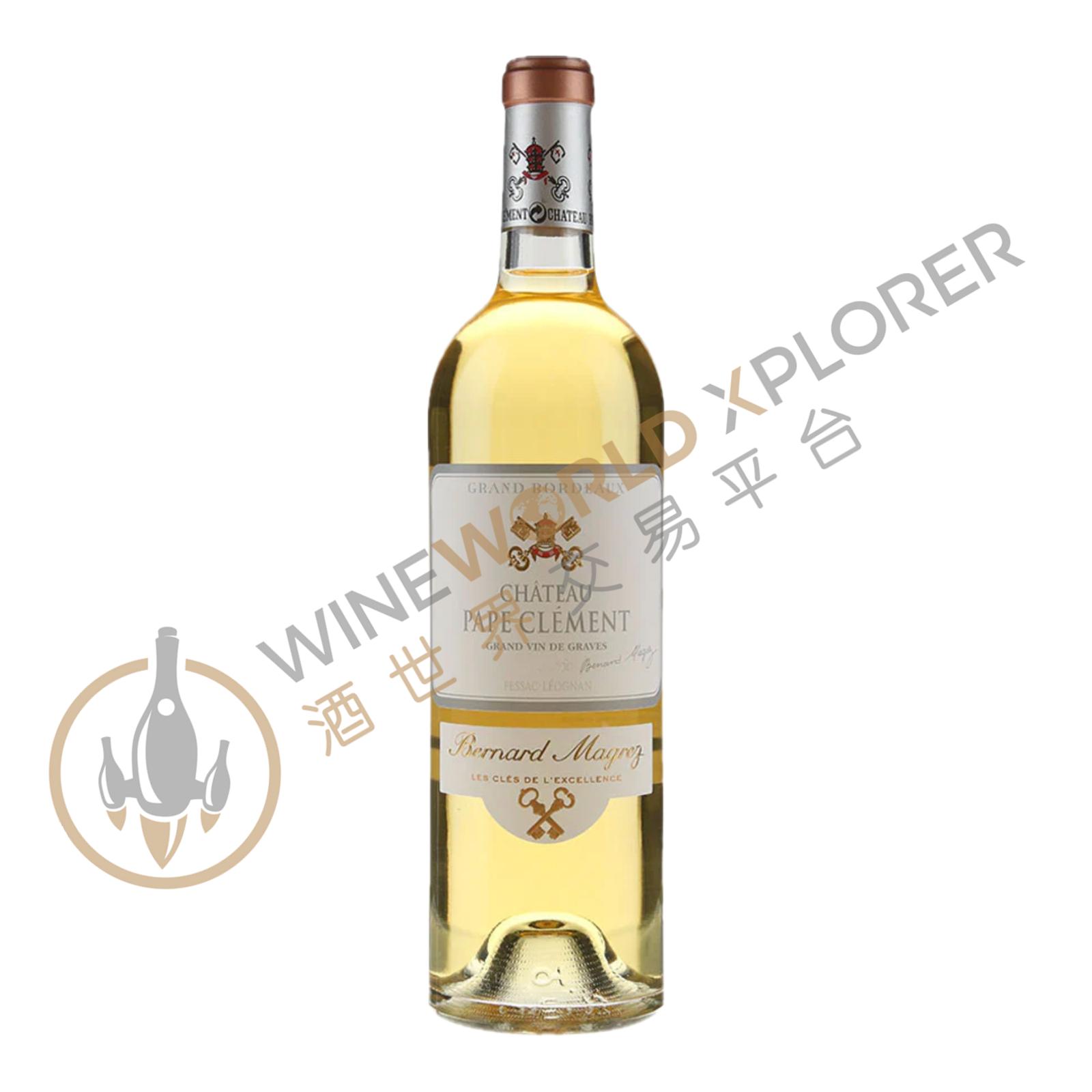
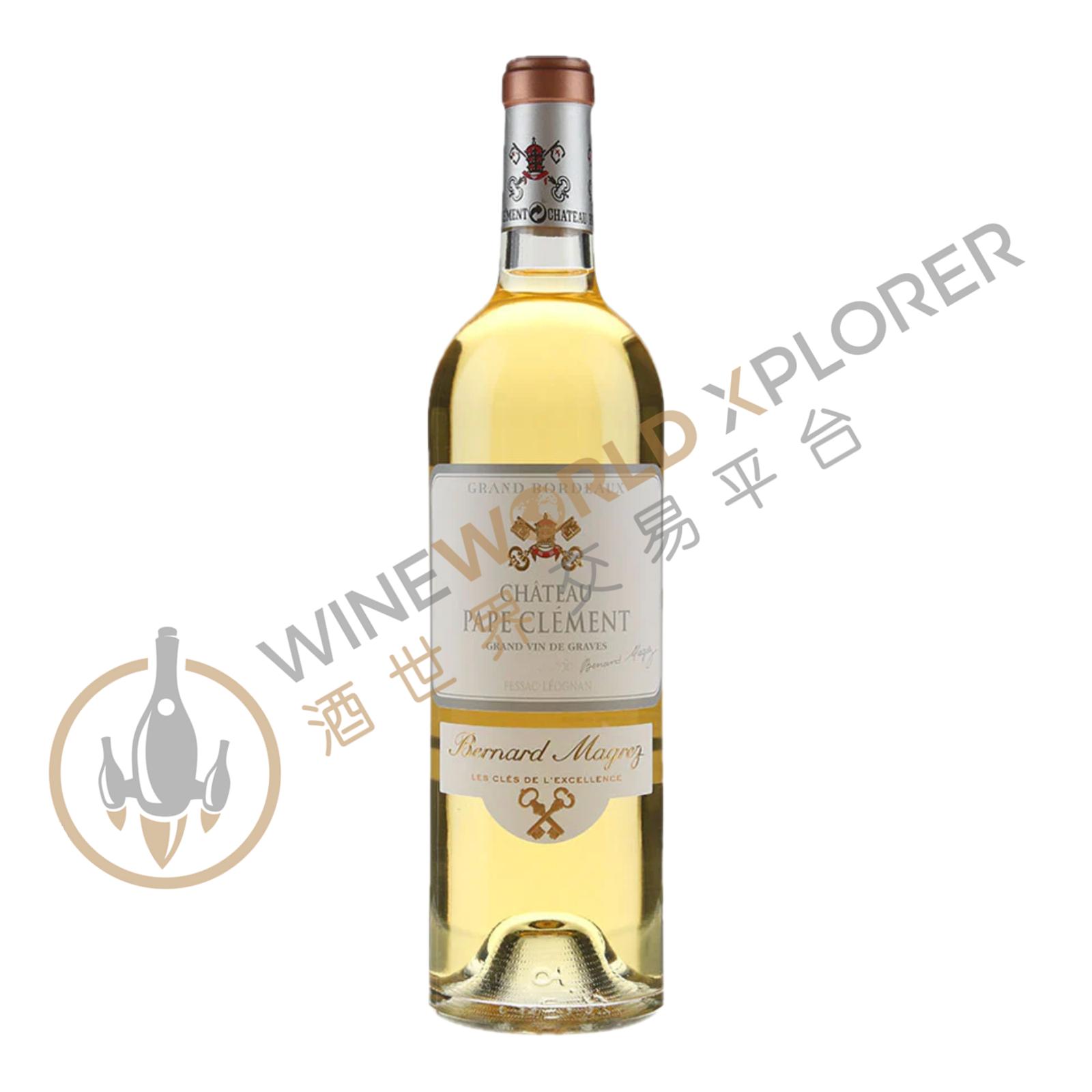
Pape Clement, Blanc 2022
 View analysis


Description
Pape Clement, Pessac Leognan, Bordeaux, France, Still, White, 2012
Tasting notes

Reviewed by: Yohan Castaing
A blend of 63% Sauvignon Blanc, 35% Sémillon and 2% Muscadelle, the 2022 Pape Clément Blanc exhibits aromas of spices, spring flowers, lemon, peach and hints of jasmine and grapefruit. The palate is medium to full-bodied, fleshy and satiny, with an oaky frame. The finish is long, persistent and elegantly spicy.
Reviewed by: Neal Martin
The 2022 Pape Clément Blanc has an attractive nose with honeysuckle candle wax, mandarin and lanolin aromas. The palate is well balanced with a keen line of acidity and tropical notes of passionfruit and guava, which furnish rather than define the wine. It offers fine tension on the finish with a slightly honeyed aftertaste. This will be difficult to resist in its youth.
Reviewed by: James Suckling
The purity of fruit is really impressive here with crushed apples, pears and lemons. Some mineral and stone, too. Honeysuckle. Very clear and bright. The palate is full and very direct and focused, with a long, salty dried lemon finish and minerality. Fine phenolics at the end. 63% sauvignon blanc, 35% semillon and 2% muscadelle.
Reviewed by: Zekun Shuai
Crystal clear, but with quite impressive concentration. Limes, minerals, creamy fruit, sliced apples and touches of golden kiwis and ripe gooseberries. Pretty full-bodied and weighty, with creamy flavors and fresh, balanced acidity throughout. Long and attractive, with fine phenolics at the end adding interest and complexity. Drink or hold.
About the Producer
Chateau Pape Clement is located in the Pessac-Leognan appellation in Graves, Bordeaux, France. The Château has been selected as a Grand Cru Classe de Graves for its outstanding red wines, and also produces very good quality white wines. In 1299, Pope Boniface VIII appointed Bertrand de Goth as Archbishop of Bordeaux. In the same year, Bertrand de Goth received a vineyard called "Mothe" as a gift for his appointment. In 1305, Bertrand Guth was elected as the new Pope and renamed Pope Clement V, hence the name Château Clermont. Leaving Bordeaux, he chose to leave the estate in the hands of his successors as Archbishop of the Archdiocese of Bordeaux. This succession of bishops continued until the eve of the French Revolution. In the late 18th century, the then Archbishop of Bordeaux was dispossessed of all his property and Château Clermont fell into private hands. After several changes of hands, the estate was purchased in 1858 by Jean-Baptiste Clerc, a Bordeaux wine merchant. In the second half of the 19th century, the château was ravaged by powdery mildew, fungus and phylloxera, but it still produced some of the most acclaimed wines in the world, winning prizes in various competitions. As the 20th century progressed, Château Clermont was affected by natural disasters, economic crises and wars, and its ownership was sold several times. It was not until the 1980s that Château Clermont received its current owner, Bernard Magrez, and the double key, a symbol of papal power, became the hallmark of Bernard Magrez's products. The vineyards of Château Clermont cover 63 hectares of soft and complex soils with a mixture of gravel, sand, clay and limestone, with a subsoil of iron-rich limestone. The vineyard is planted with 55 hectares of red grapes, including 60% Cabernet Sauvignon and 40% Merlot, and the average age of the vines is 40 years. The vineyard is planted with 8 hectares of white grapes, including 45% Sauvignon Blanc, 45% Semillon and 10% Muscadelle, with an average age of 18 years. The vineyards are planted at a high density of 7,700 to 9,000 vines per hectare, thus creating competition between the vines and better ripening of the grapes. With a sustainable approach, Château Clermont Pope insists on pruning, leaf thinning and green harvesting of the vines, as well as managing the vineyards by animal farming and cover crops. Depending on the weather conditions each year, the winery arranges for a harvesting team of 30-100 people to pick the grapes separately from the different plots. In winemaking, Château Clermont Pope uses traditional techniques, supplemented by modern technology, to produce wines of the highest quality. The grapes are de-stemmed by hand in order to preserve the integrity of each grape. For white wines, the fruit is gently pressed using an airbag press before the juice is transferred by gravity to barrels for alcoholic fermentation. For the red wines, the winery controls the fermentation temperature between 29°C and 30°C and the maceration temperature between 27°C and 29°C to better extract tannins and colour, and the whole fermentation process usually lasts around 20-35 days. It is also worth noting that the grapes from different plots are fermented separately in small fermentation vessels to bring out the terroir of each plot and to provide more options for blending. The finished wines are transferred by gravity to carefully selected oak barrels for ageing. The red wines are aged in new oak barrels for 18-20 months, during which malolactic fermentation takes place, while the white wines are aged for 12-18 months, with the barrels kept at a low temperature during the ageing period. No chemical clarification is used during the bottling process. Both the red and white wines of Château Clermont are of excellent quality. The reds have great intensity and complexity, with a distinct smoky and spicy flavour, and are elegant, elegant and balanced.
2002(1)2008(1)2009(1)2010(2)2011(5)2012(5)2013(4)2014(4)2015(2)2016(2)2017(12)2018(23)2019(11)2020(4)2021(7)
Package Size
3 x 75cl