Wine Advisor



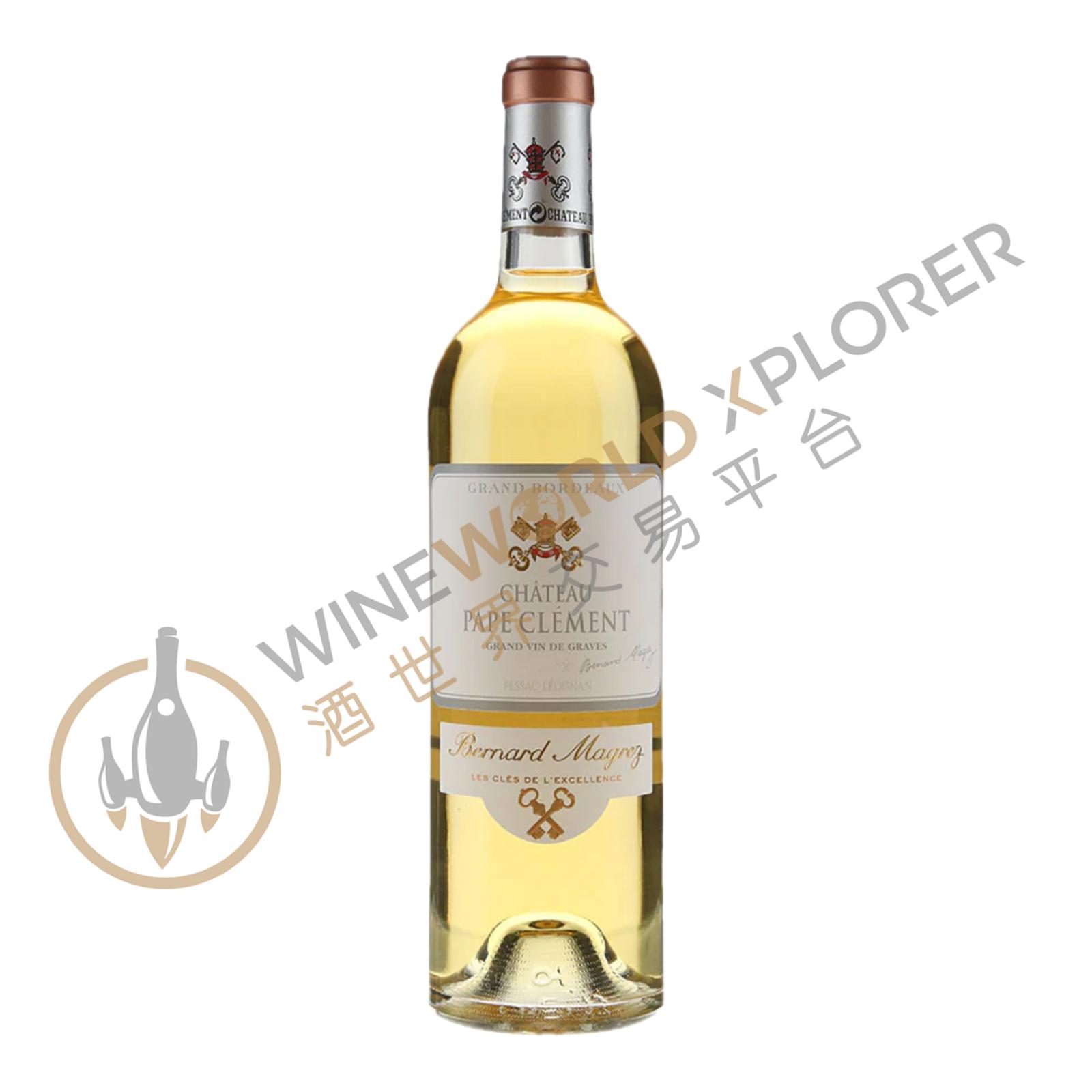
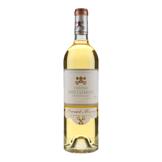
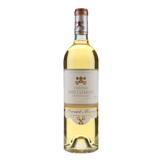
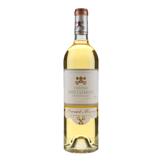
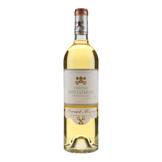
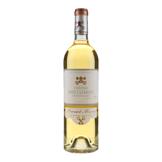
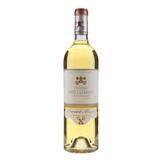
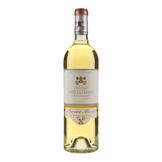
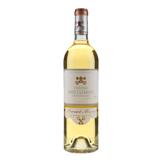
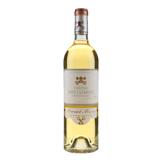
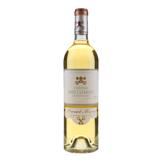
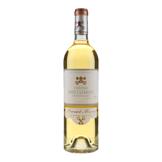
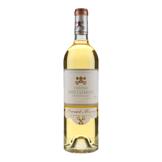
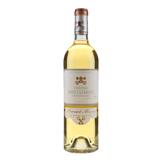
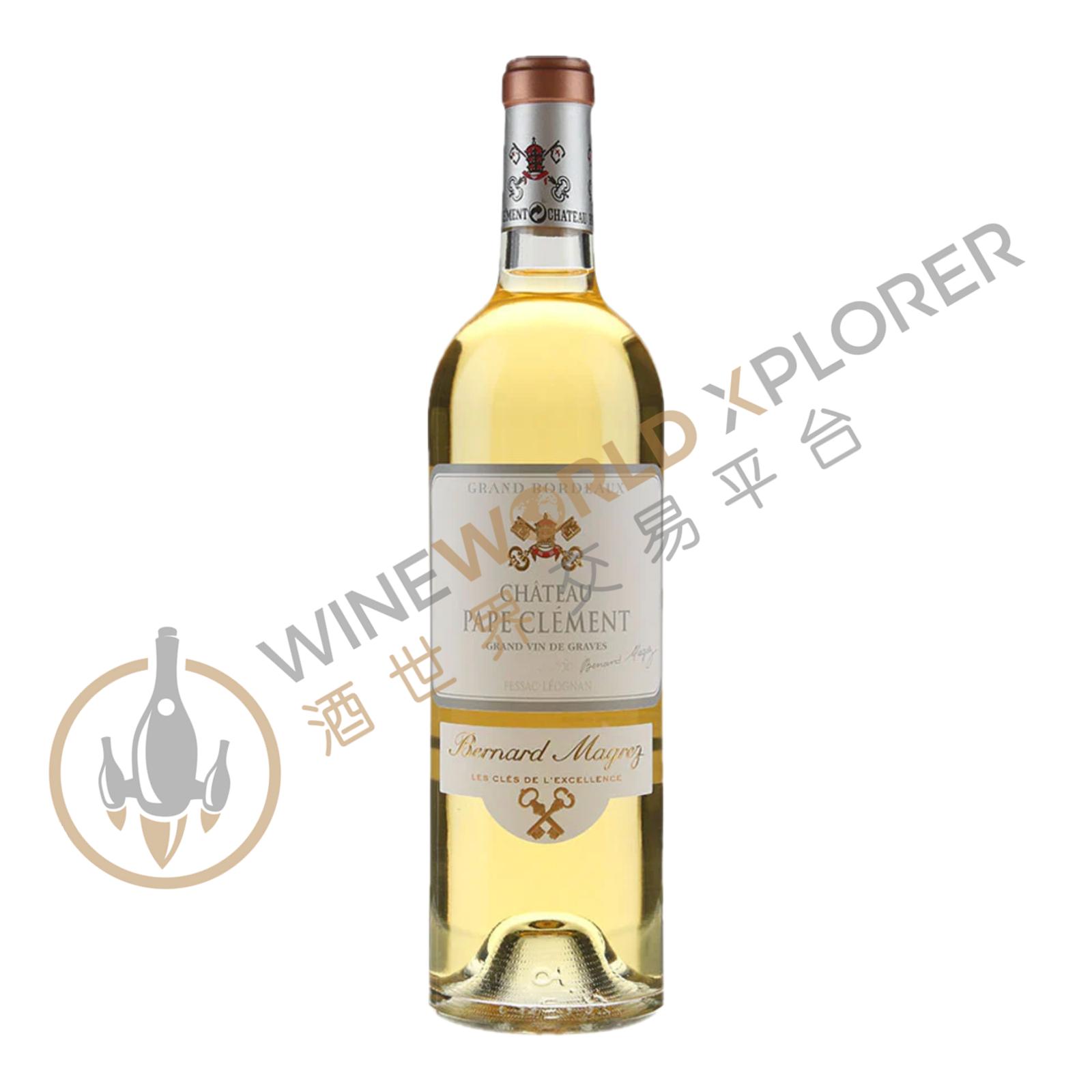
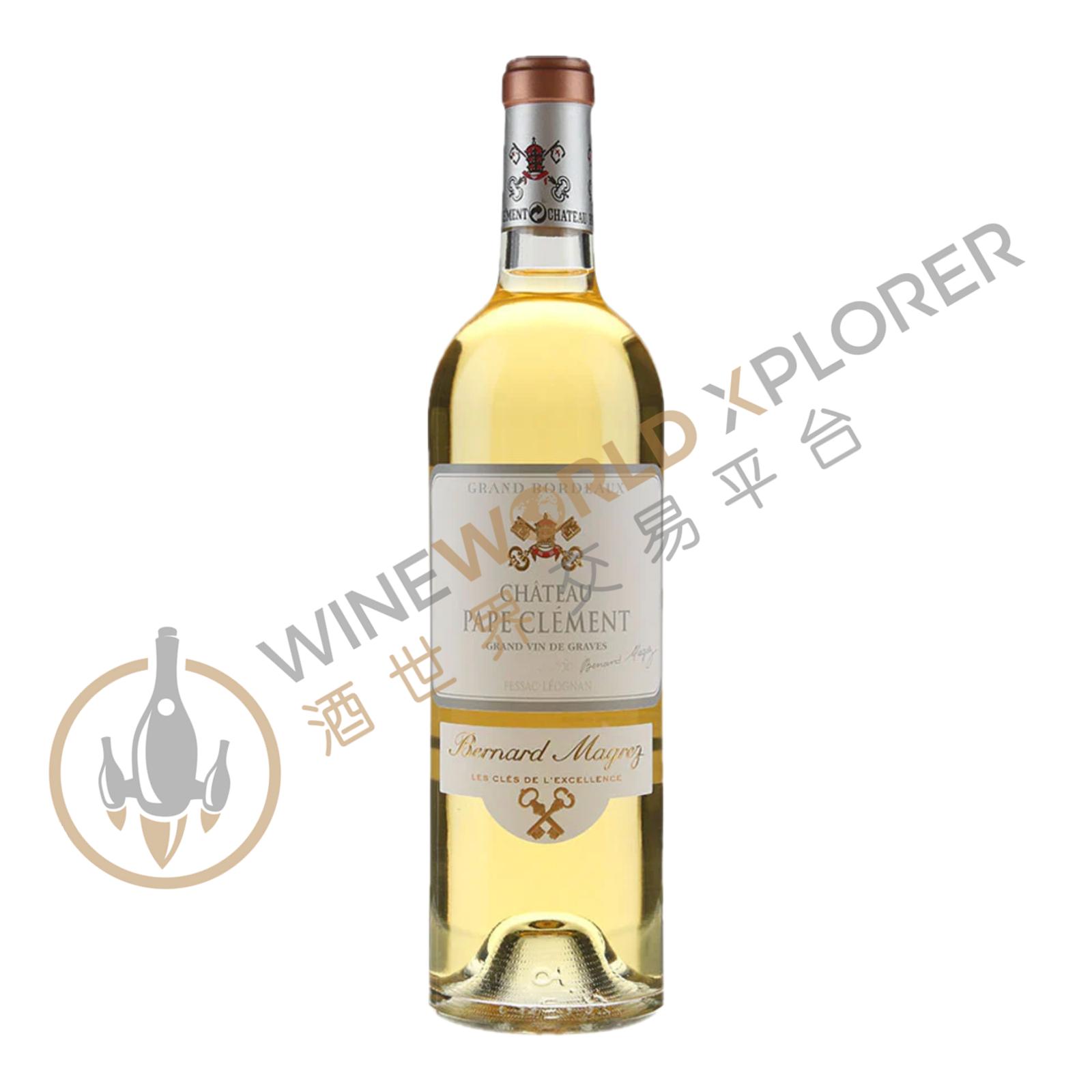
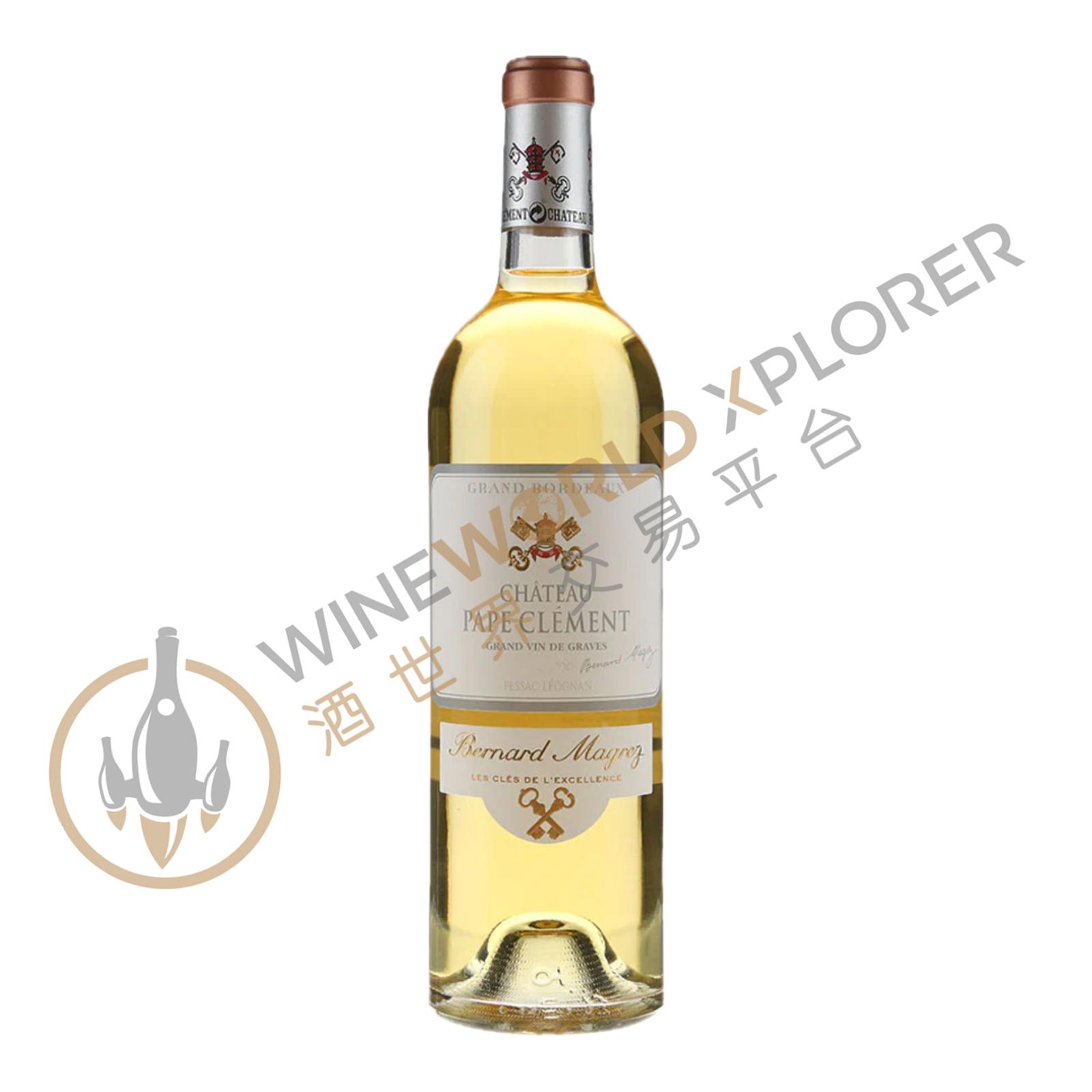
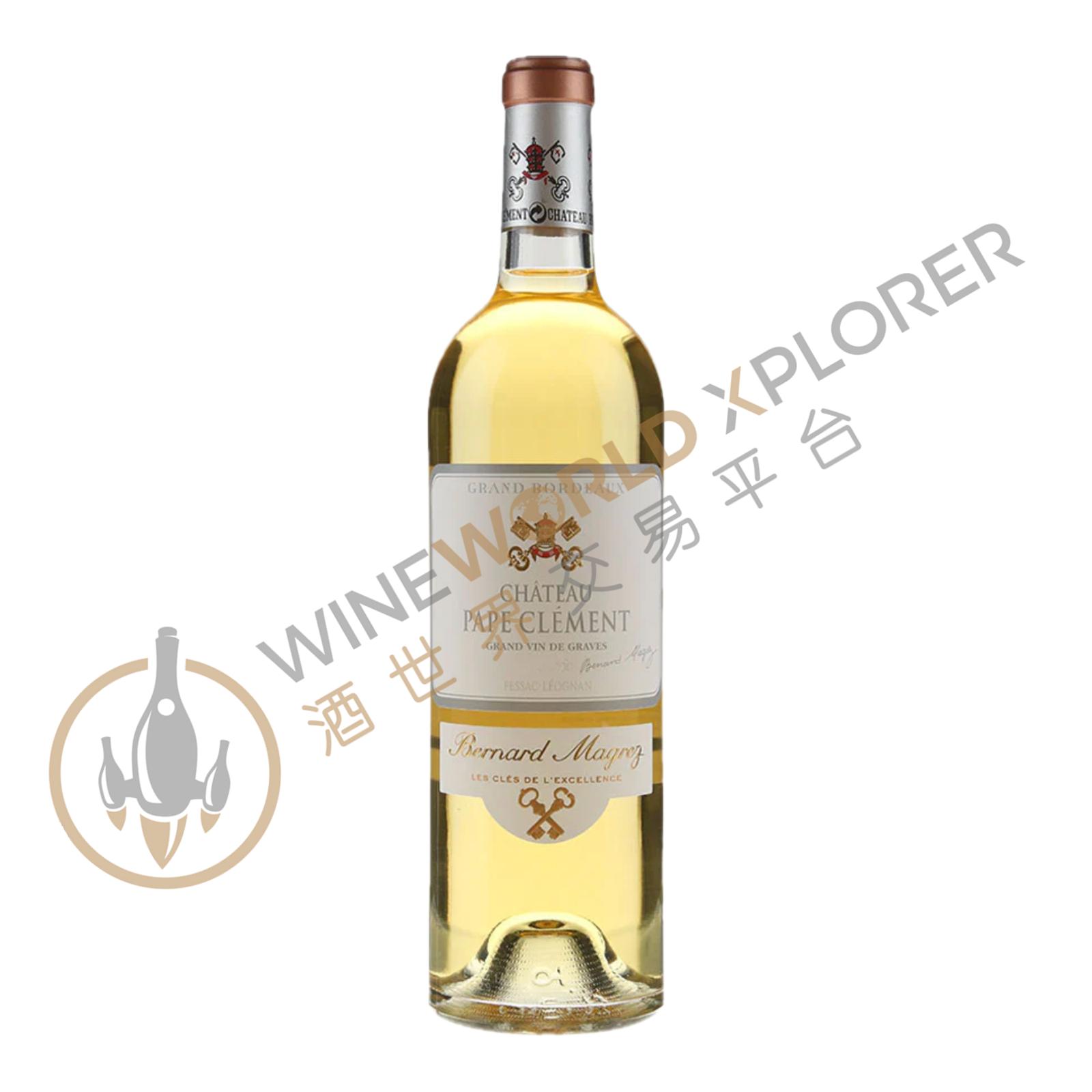
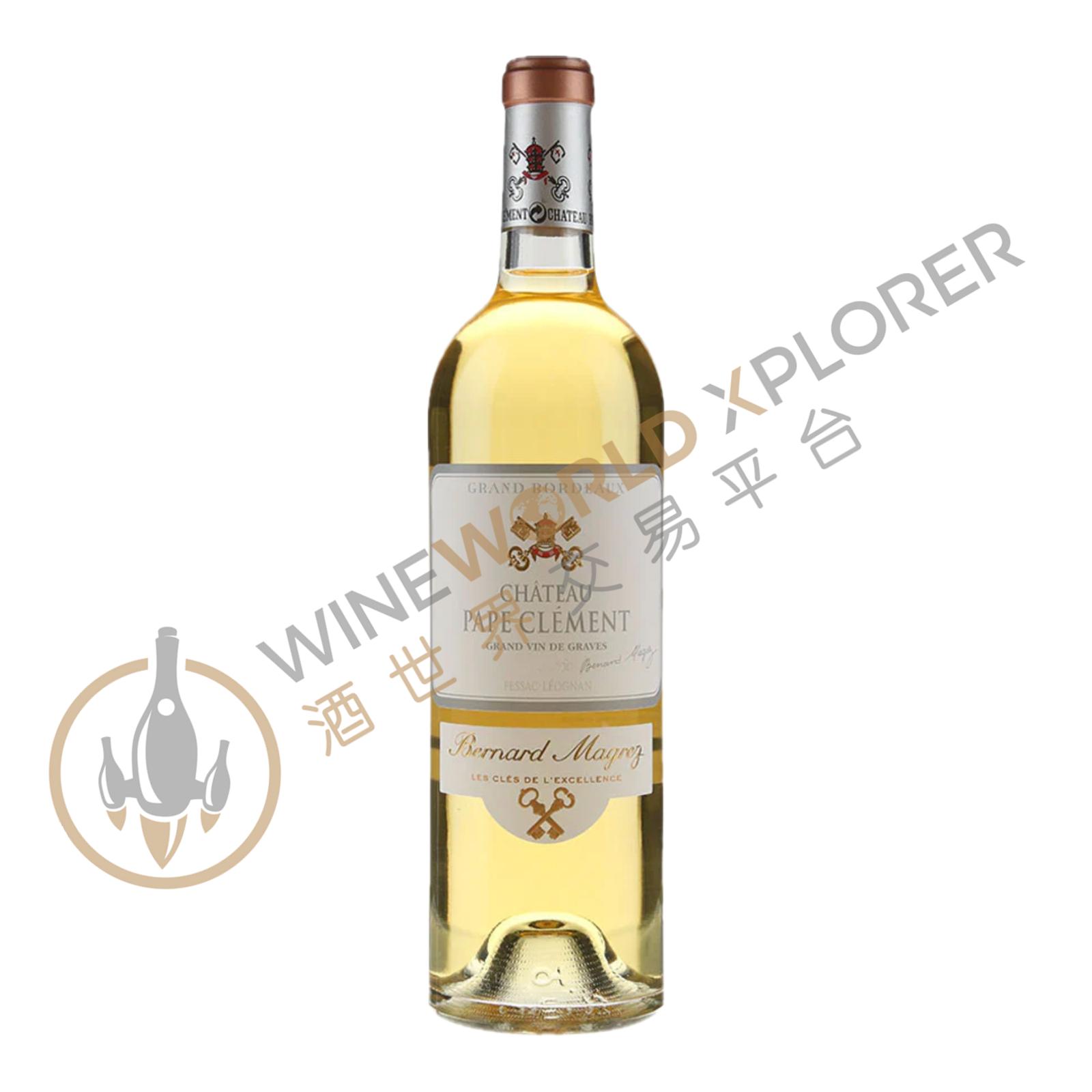
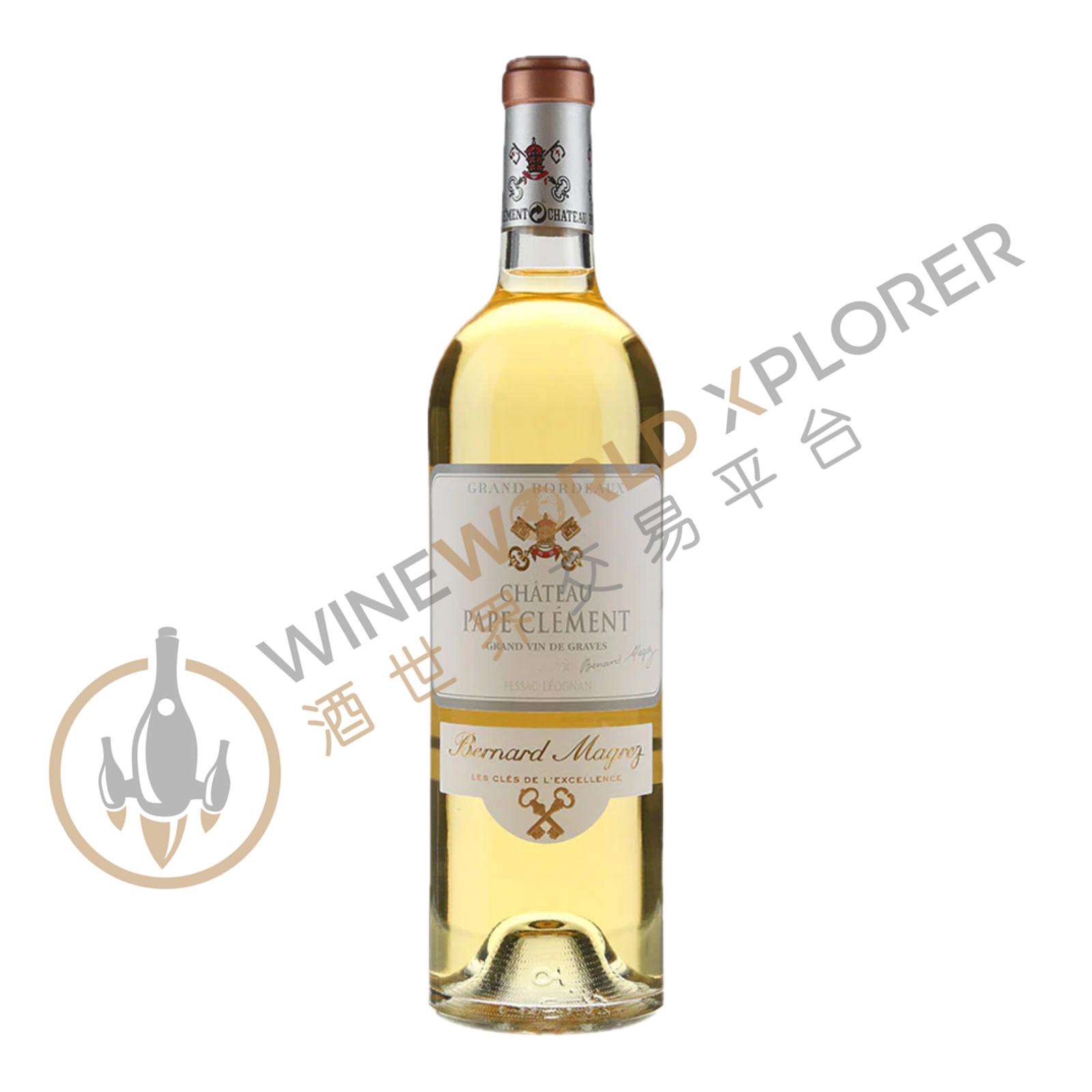
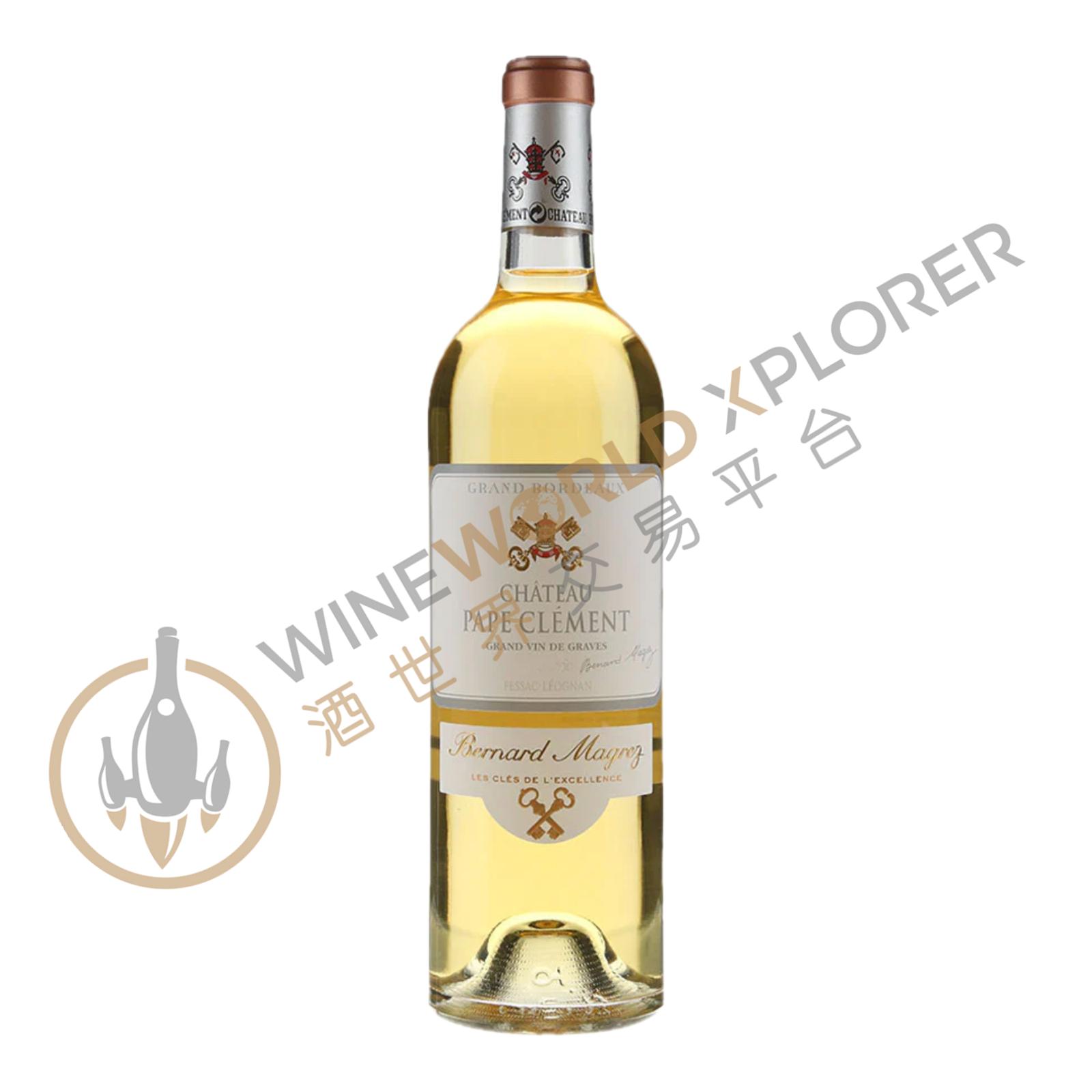
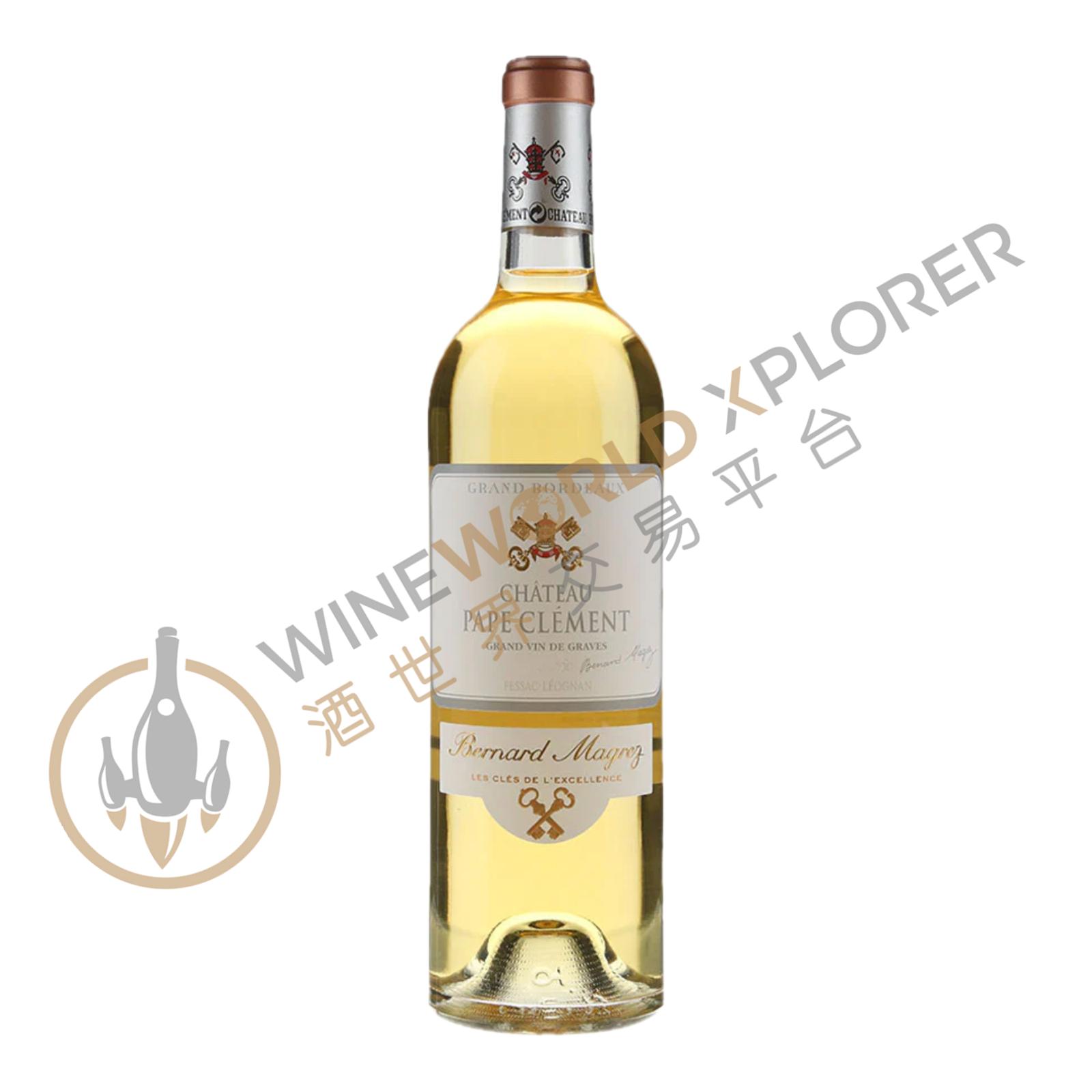
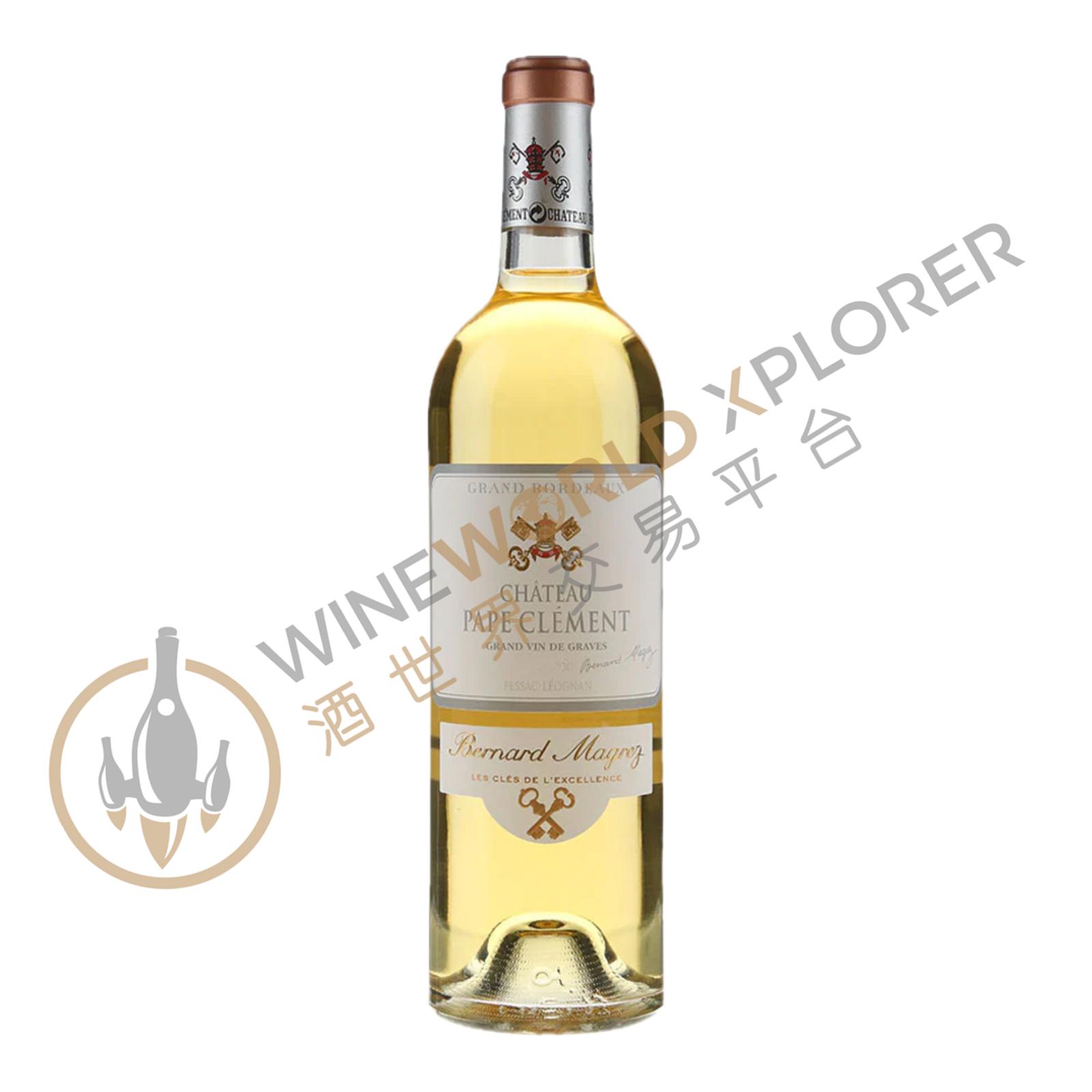
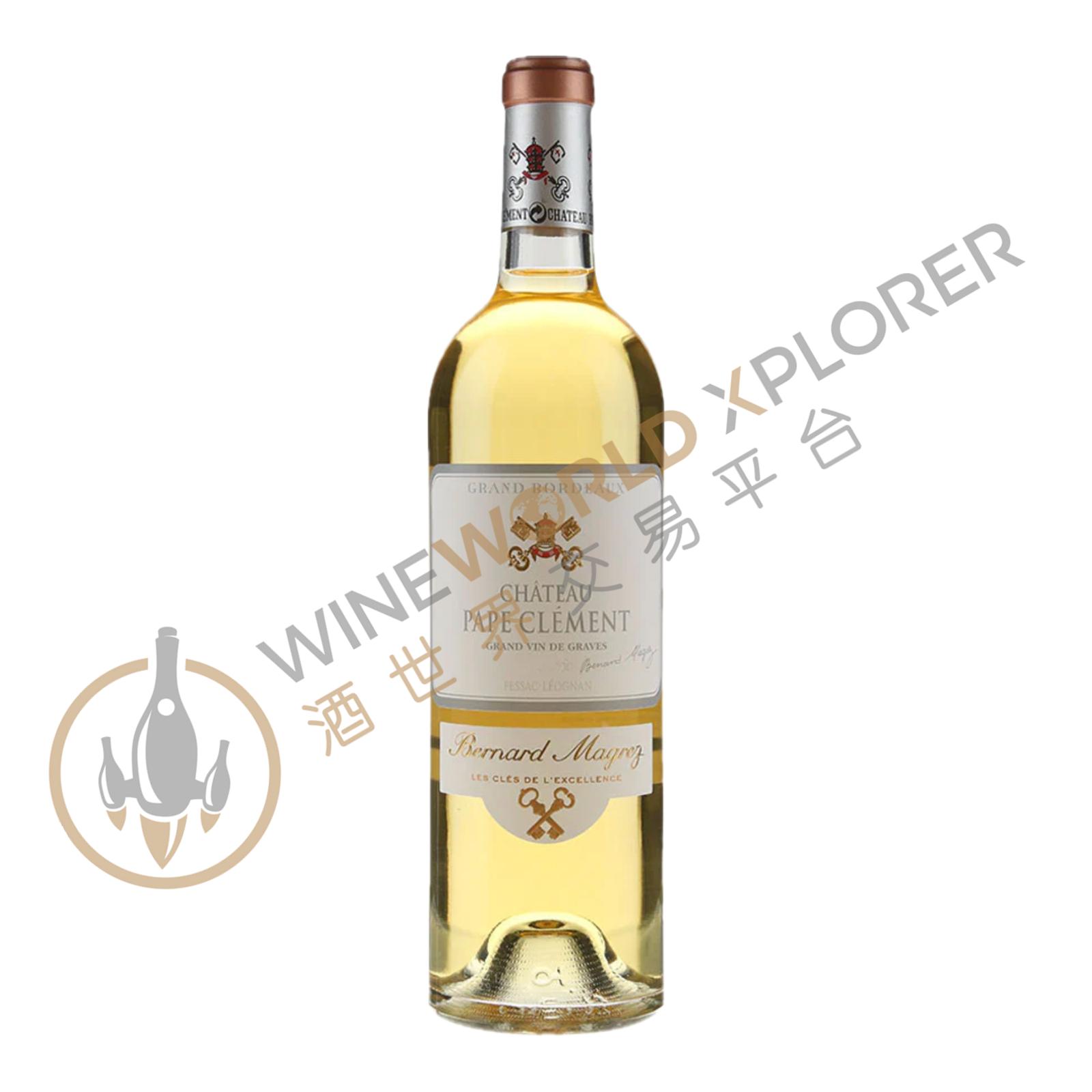
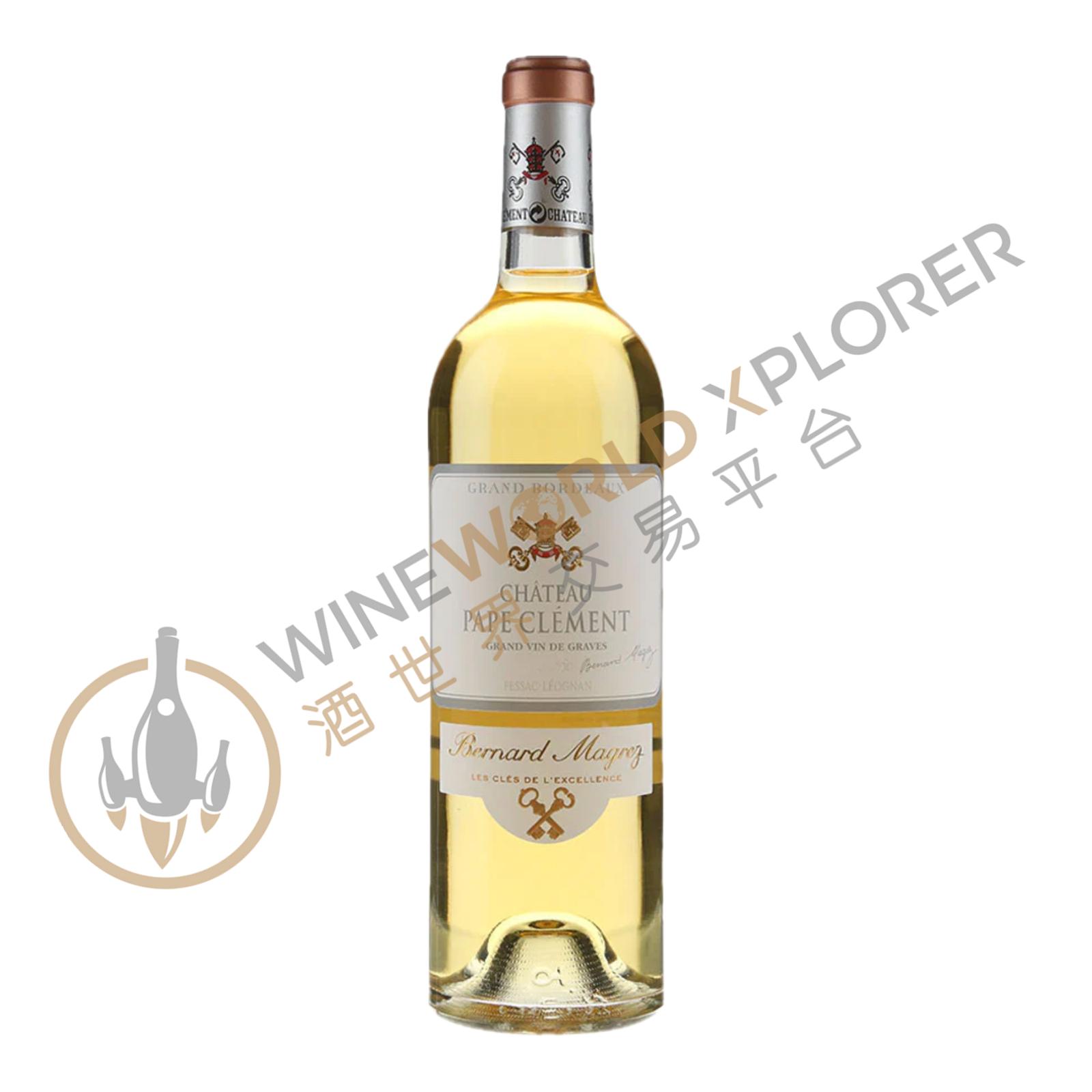
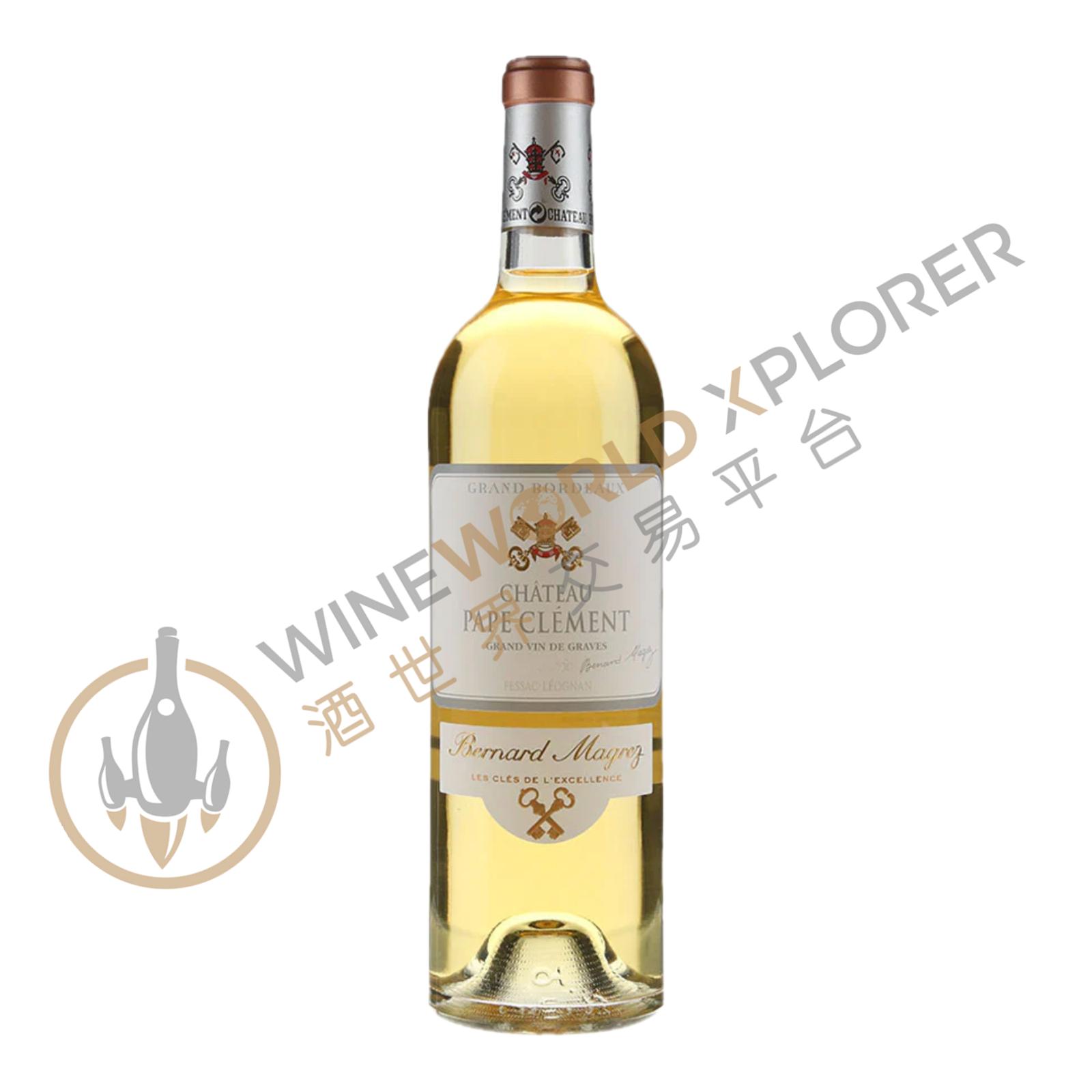
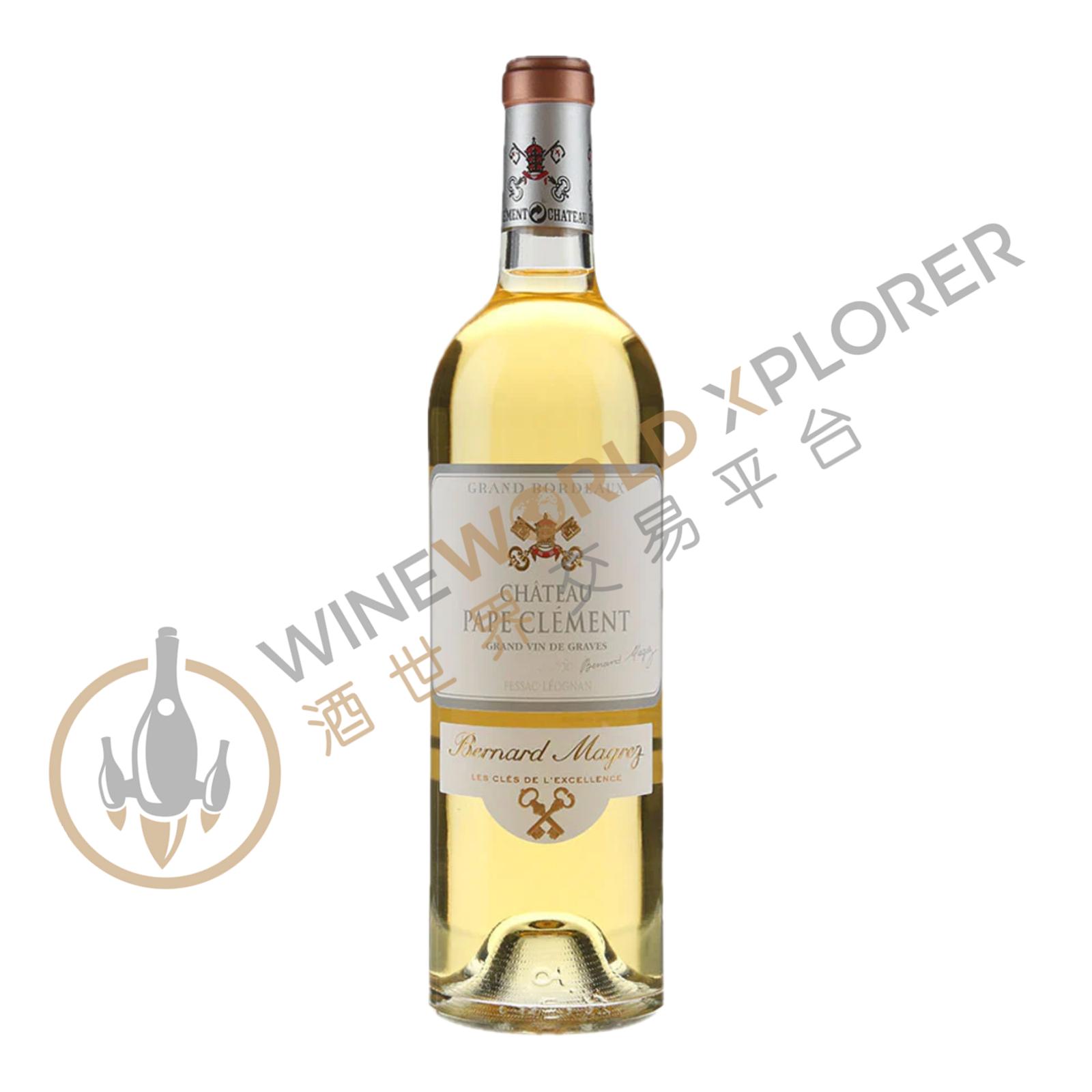
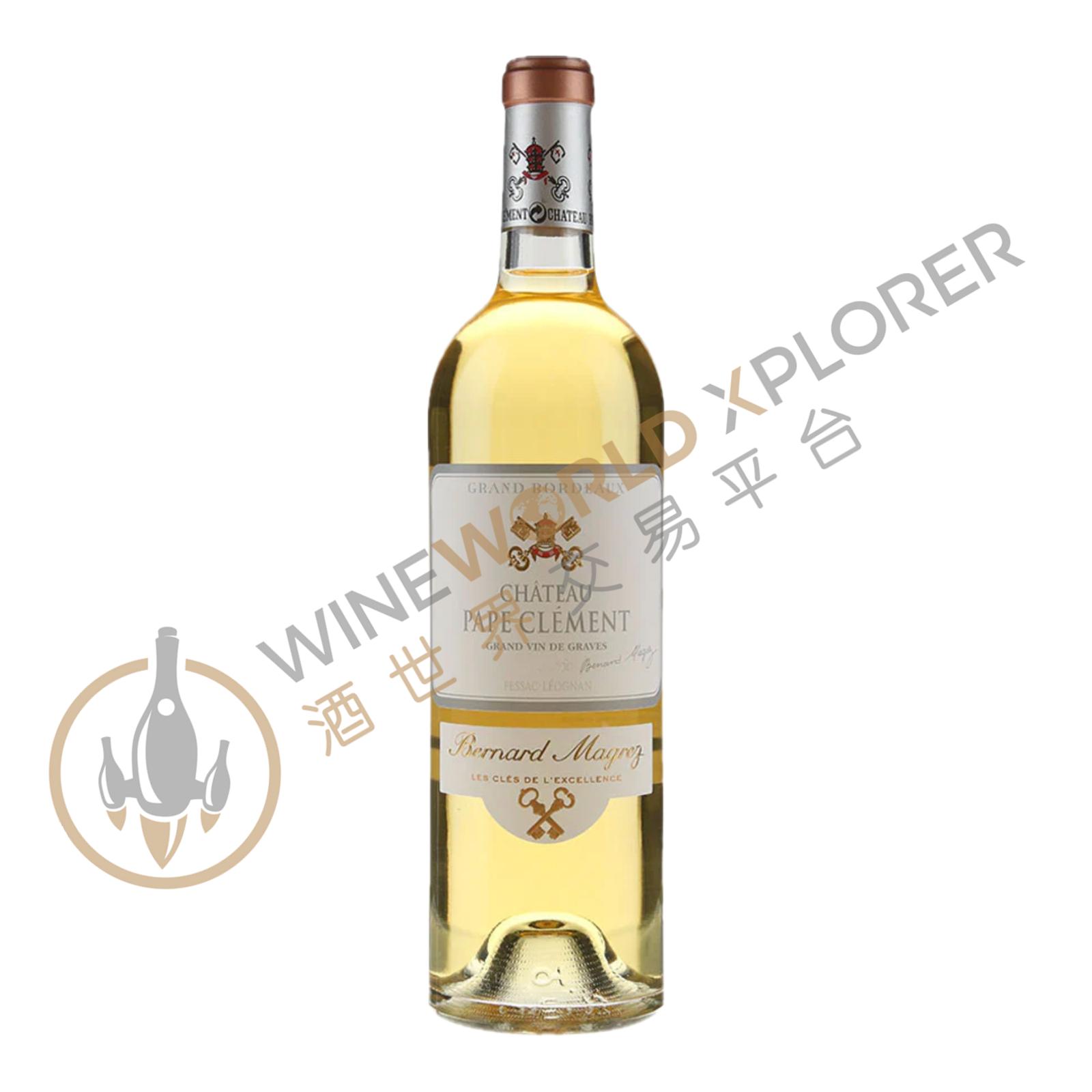
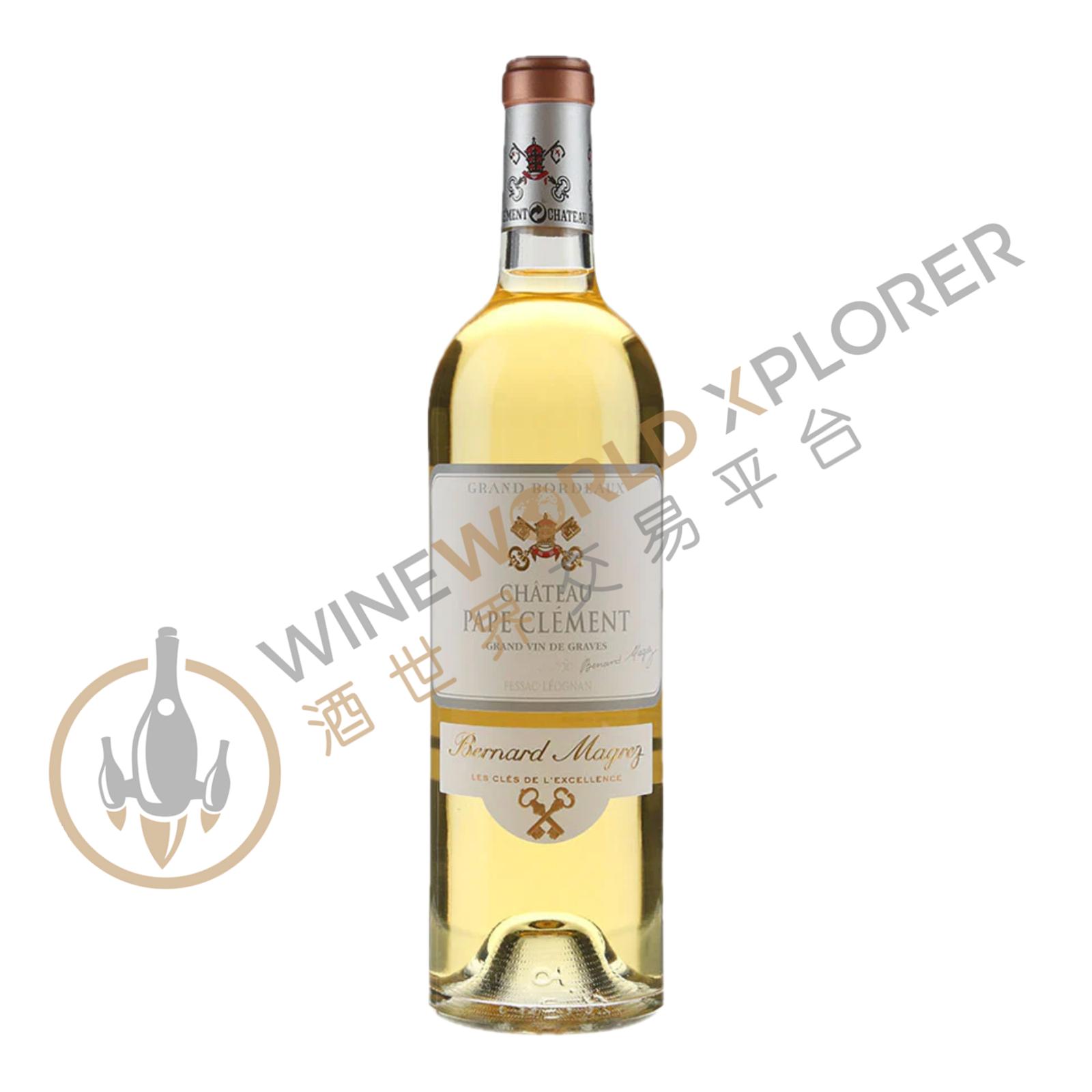
Pape Clement, Blanc 2016
 View analysis


Description
Pape Clement, Pessac Leognan, Bordeaux, France, Still, White, 2012
Tasting notes

Reviewed by: Antonio Galloni
The 2016 Pape Clément Blanc is quite soft, silky and open-knit, qualities that will make it easy to enjoy and drink young. White flowers, mint, lemon confit, melon and lightly honeyed notes fill out the wine's creamy, textured frame effortlessly. There is a lovely sense of brightness that runs through the Blanc that keeps the wine vibrant. Pape Clément Blanc is one of the better whites of the year.
Reviewed by: Antonio Galloni
The 2016 Pape Clément Blanc is rich and inviting to the core. A wine of notable depth and viscosity, it nevertheless retains striking freshness and verve. In 2016, a challenging year for whites, most wines are missing something, most often freshness or body. Pape Clément Blanc, on the other hand, has it all. The 2016 is shaping up to be a jewel of a wine.
Reviewed by: Neal Martin
The 2016 Pape Clément Blanc has a lighter bouquet than the Smith Haut Lafitte Blanc, but it is still well defined and unfurls nicely in the glass to offer orange blossom, pineapple and light candle wax aromas. The palate is well balanced with a dab of ginger on the entry. There is a fine waxy texture here, hints of rhubarb and lemongrass furnishing a finish that just needs a little more persistence. Not bad at all. Tasted blind at the annual Southwold tasting.
Reviewed by: Neal Martin
The 2016 Pape Clement Blanc is a blend of 55% Sauvignon Blanc and 45% Sémillon that was cropped at 45 hectoliters per hectare between 12-27 September. It has quite an understated bouquet, stony and a little distant at first but then opening up with lime flower, kiwi fruit and a touch of limestone. The palate is fresh on the entry, the Sauvignon Blanc driving this Pape Clement along, perhaps less flamboyant and viscous in style than previous vintages, but I appreciate the tautness and delineation here, the persistent and slightly saline finish. This is excellent.
Reviewed by: Lisa Perrotti-Brown
The Pape Clement 2016 Blanc is a blend of 50% Sauvignon Blanc, 36% Sémillon, 9% Sauvignon Gris and 5% Muscadelle. It leaps from the glass with gregarious scents of ripe peaches, fresh grapefruit and key lime pie plus touches of cedar, honeysuckle and toast. Medium-bodied, the palate offers fantastic precision and depth, with layers of citrus and stone fruit flavors supported by a racy line of freshness, finishing very long.
Reviewed by: James Suckling
A solid and four-square white with lemon-rind and dried-apple character. Pears, too. Full and dense with layers of fruit and phenolic character. Red wine texture in a white. One for aging.
Reviewed by: James Suckling
High-end Pessac-Léognan can sometimes be too imposing to drink when it is young. But here, there’s such freshness to the melon, pear and white-peach aromas with hints of candied lemon and vanilla, that you can’t resist. Concentrated, but with a sleek silhouette, this moves extremely gracefully across the palate. The super-elegant finish has vibrancy that suggests very long aging potential. A blend of 48.5 per cent sauvignon blanc, 38.5 per cent semillon, 7.5 per cent sauvignon gris and 5.5 per cent muscadelle. Drink or hold.
About the Producer
Chateau Pape Clement is located in the Pessac-Leognan appellation in Graves, Bordeaux, France. The Château has been selected as a Grand Cru Classe de Graves for its outstanding red wines, and also produces very good quality white wines. In 1299, Pope Boniface VIII appointed Bertrand de Goth as Archbishop of Bordeaux. In the same year, Bertrand de Goth received a vineyard called "Mothe" as a gift for his appointment. In 1305, Bertrand Guth was elected as the new Pope and renamed Pope Clement V, hence the name Château Clermont. Leaving Bordeaux, he chose to leave the estate in the hands of his successors as Archbishop of the Archdiocese of Bordeaux. This succession of bishops continued until the eve of the French Revolution. In the late 18th century, the then Archbishop of Bordeaux was dispossessed of all his property and Château Clermont fell into private hands. After several changes of hands, the estate was purchased in 1858 by Jean-Baptiste Clerc, a Bordeaux wine merchant. In the second half of the 19th century, the château was ravaged by powdery mildew, fungus and phylloxera, but it still produced some of the most acclaimed wines in the world, winning prizes in various competitions. As the 20th century progressed, Château Clermont was affected by natural disasters, economic crises and wars, and its ownership was sold several times. It was not until the 1980s that Château Clermont received its current owner, Bernard Magrez, and the double key, a symbol of papal power, became the hallmark of Bernard Magrez's products. The vineyards of Château Clermont cover 63 hectares of soft and complex soils with a mixture of gravel, sand, clay and limestone, with a subsoil of iron-rich limestone. The vineyard is planted with 55 hectares of red grapes, including 60% Cabernet Sauvignon and 40% Merlot, and the average age of the vines is 40 years. The vineyard is planted with 8 hectares of white grapes, including 45% Sauvignon Blanc, 45% Semillon and 10% Muscadelle, with an average age of 18 years. The vineyards are planted at a high density of 7,700 to 9,000 vines per hectare, thus creating competition between the vines and better ripening of the grapes. With a sustainable approach, Château Clermont Pope insists on pruning, leaf thinning and green harvesting of the vines, as well as managing the vineyards by animal farming and cover crops. Depending on the weather conditions each year, the winery arranges for a harvesting team of 30-100 people to pick the grapes separately from the different plots. In winemaking, Château Clermont Pope uses traditional techniques, supplemented by modern technology, to produce wines of the highest quality. The grapes are de-stemmed by hand in order to preserve the integrity of each grape. For white wines, the fruit is gently pressed using an airbag press before the juice is transferred by gravity to barrels for alcoholic fermentation. For the red wines, the winery controls the fermentation temperature between 29°C and 30°C and the maceration temperature between 27°C and 29°C to better extract tannins and colour, and the whole fermentation process usually lasts around 20-35 days. It is also worth noting that the grapes from different plots are fermented separately in small fermentation vessels to bring out the terroir of each plot and to provide more options for blending. The finished wines are transferred by gravity to carefully selected oak barrels for ageing. The red wines are aged in new oak barrels for 18-20 months, during which malolactic fermentation takes place, while the white wines are aged for 12-18 months, with the barrels kept at a low temperature during the ageing period. No chemical clarification is used during the bottling process. Both the red and white wines of Château Clermont are of excellent quality. The reds have great intensity and complexity, with a distinct smoky and spicy flavour, and are elegant, elegant and balanced.
2002(1)2008(1)2009(1)2010(2)2011(5)2012(5)2013(4)2014(4)2015(2)
Package Size