Wine Advisor



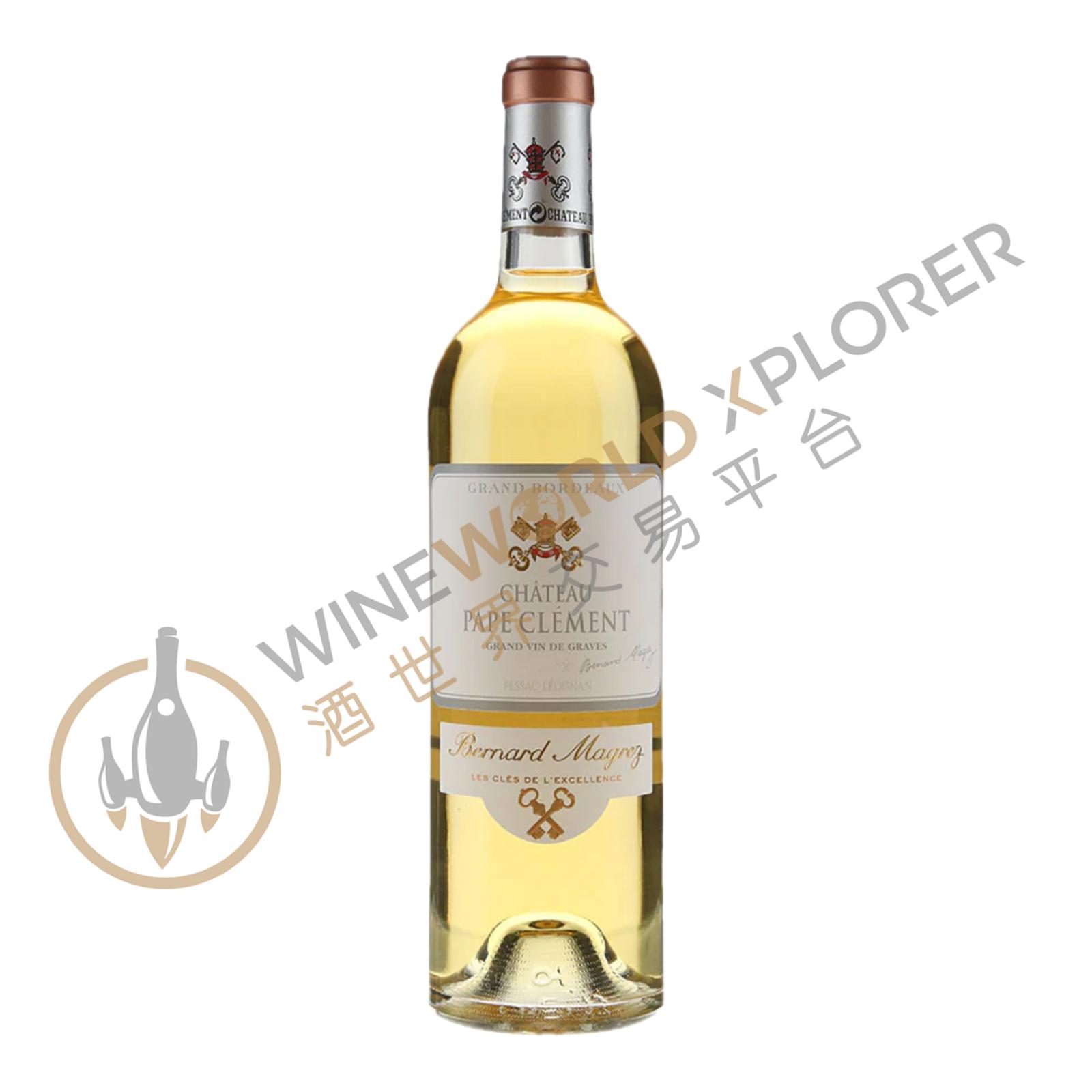
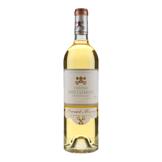
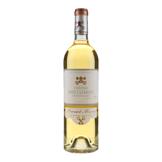
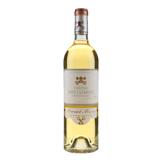
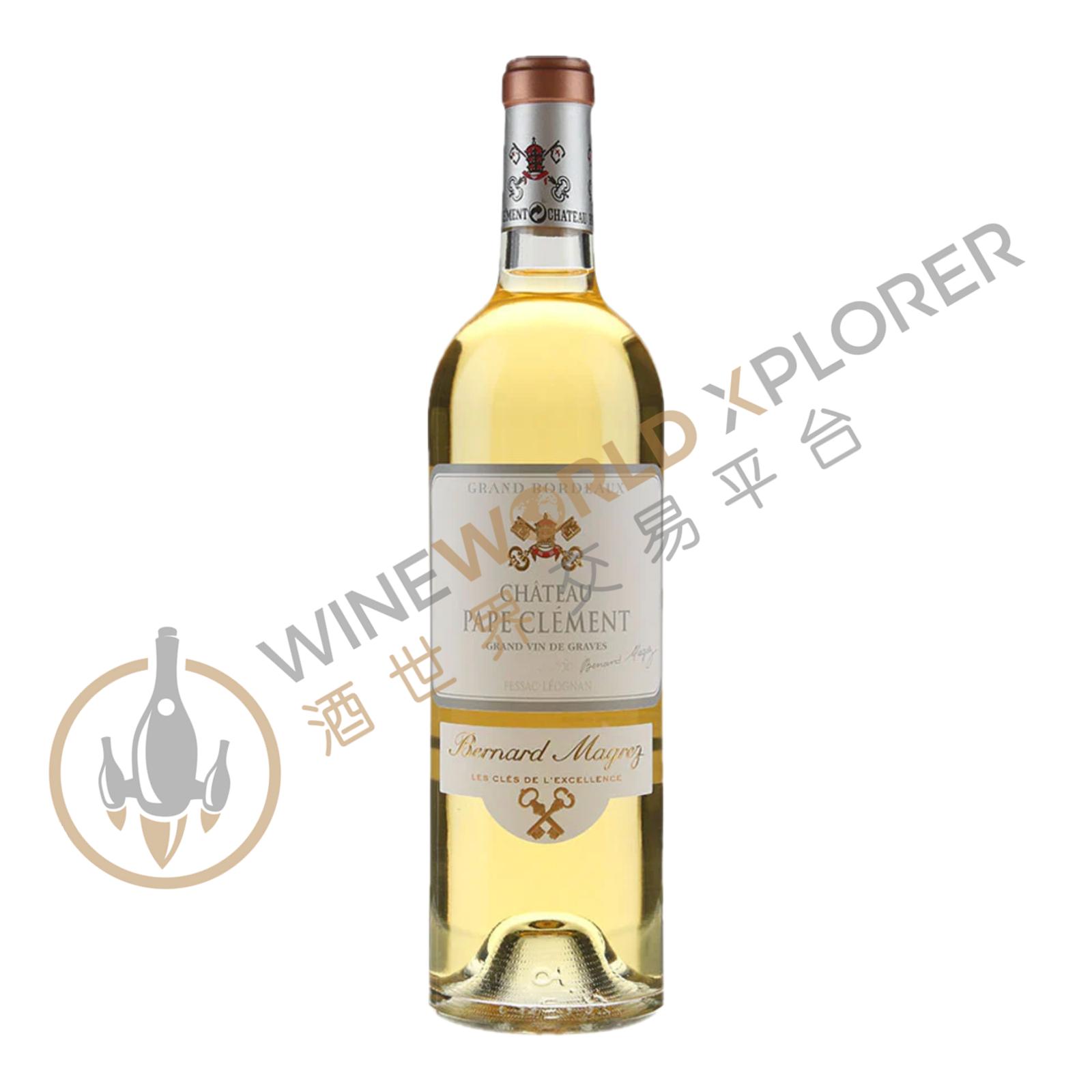
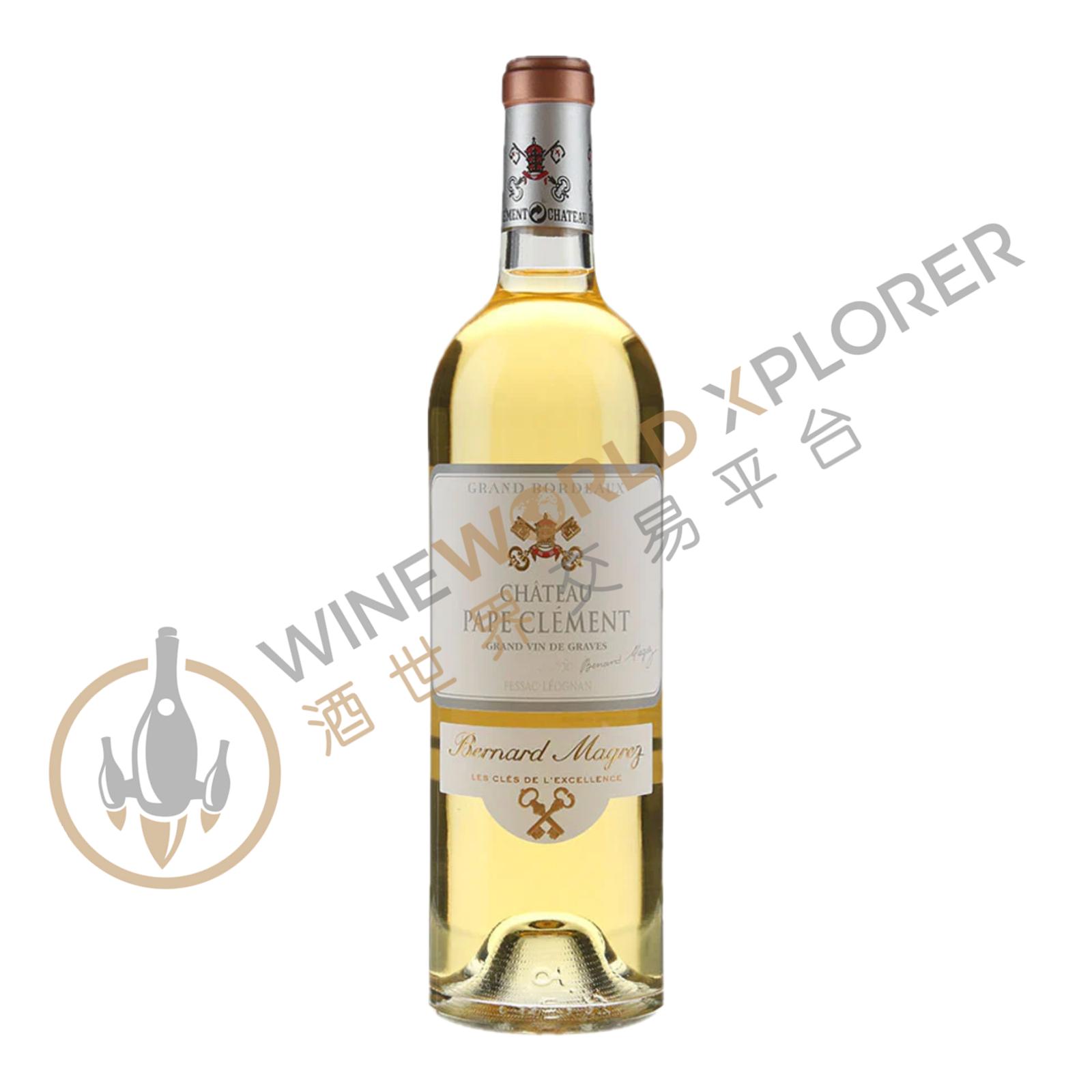
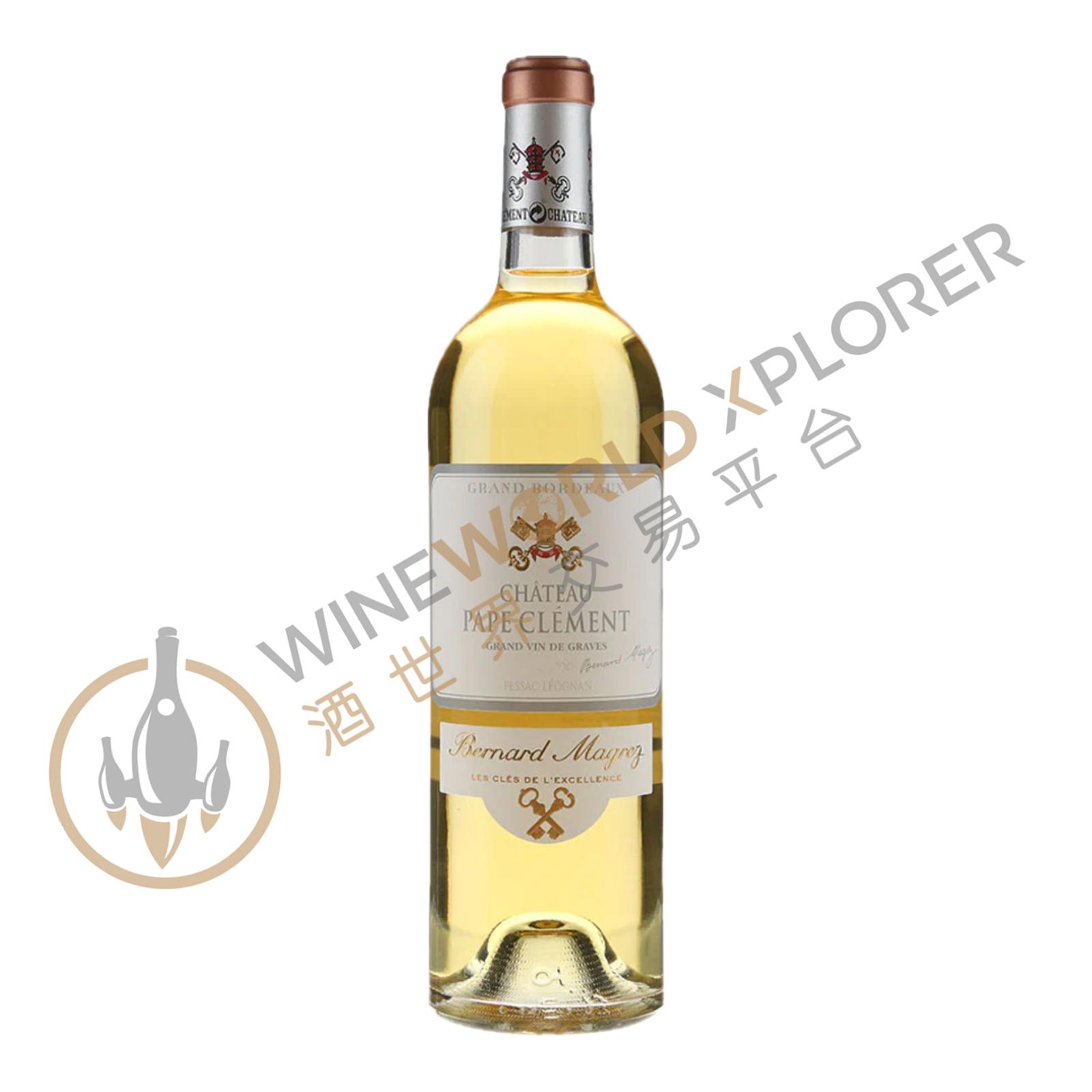
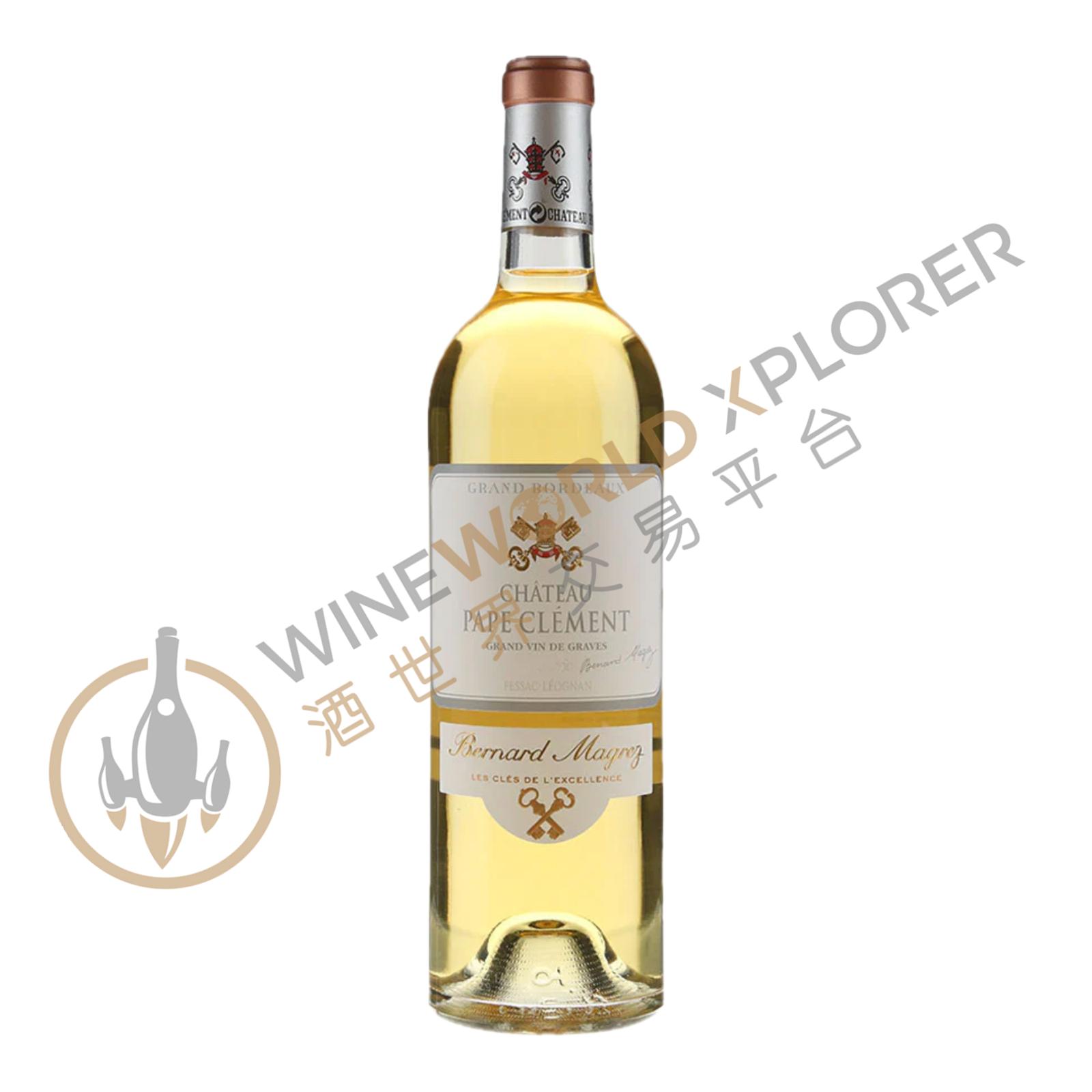
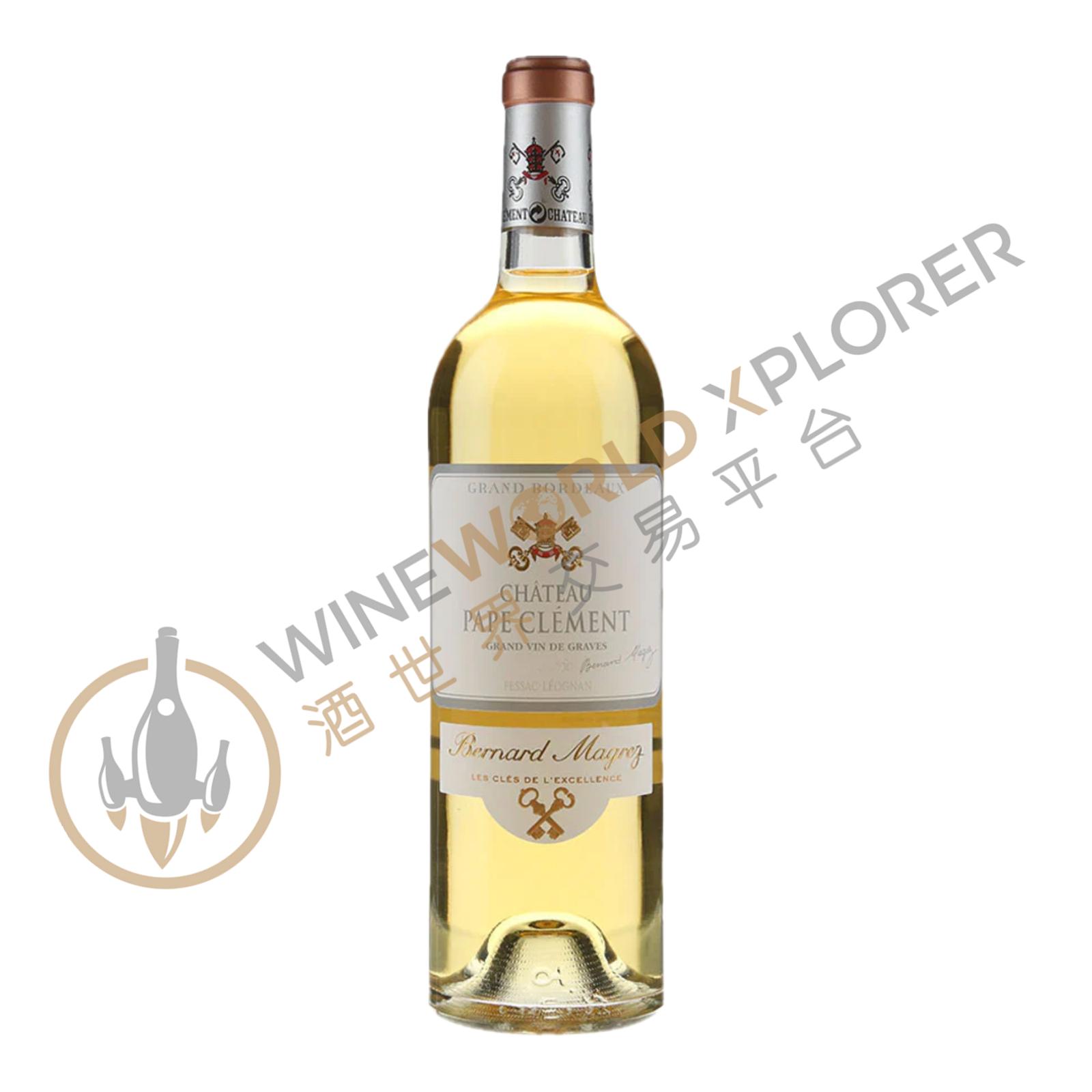
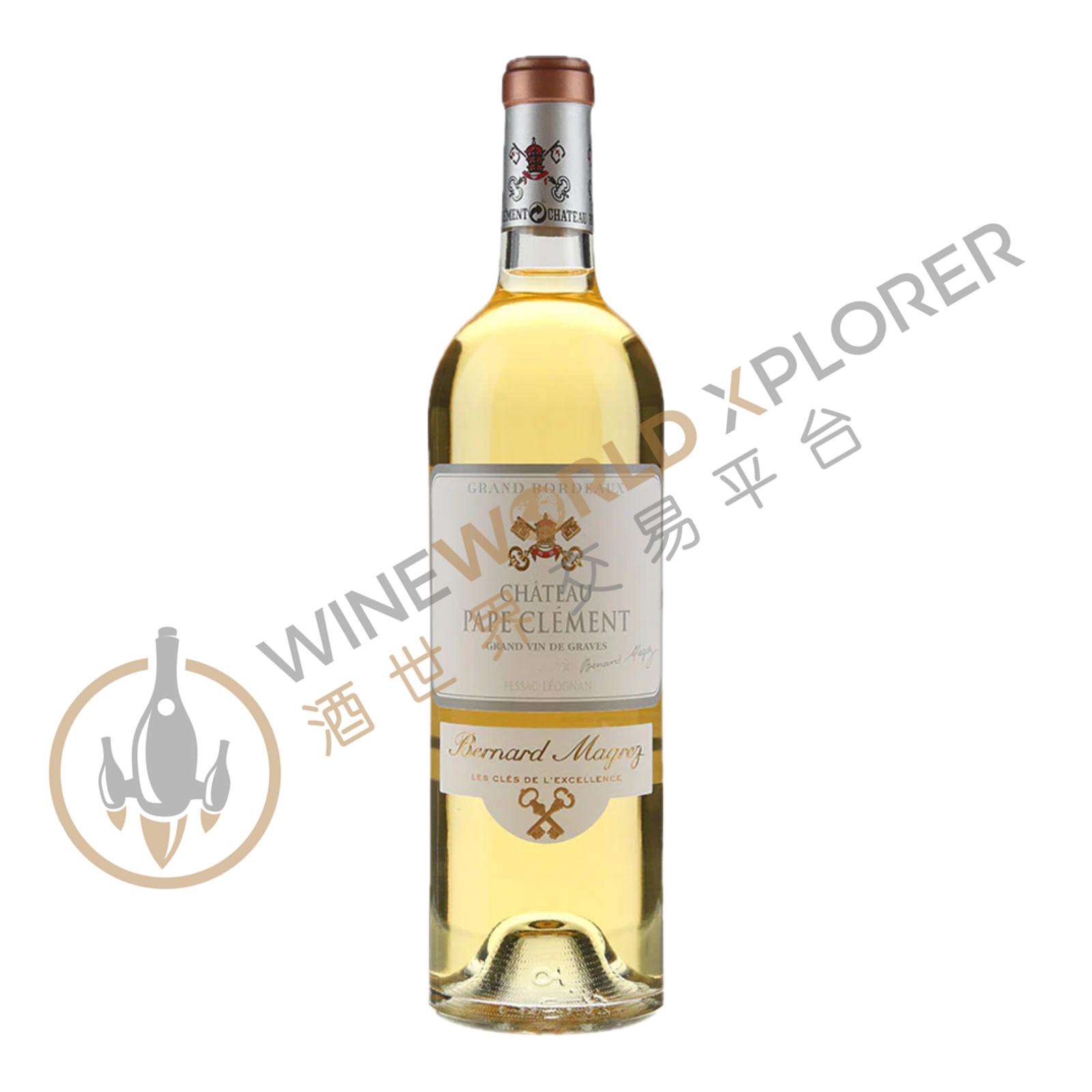
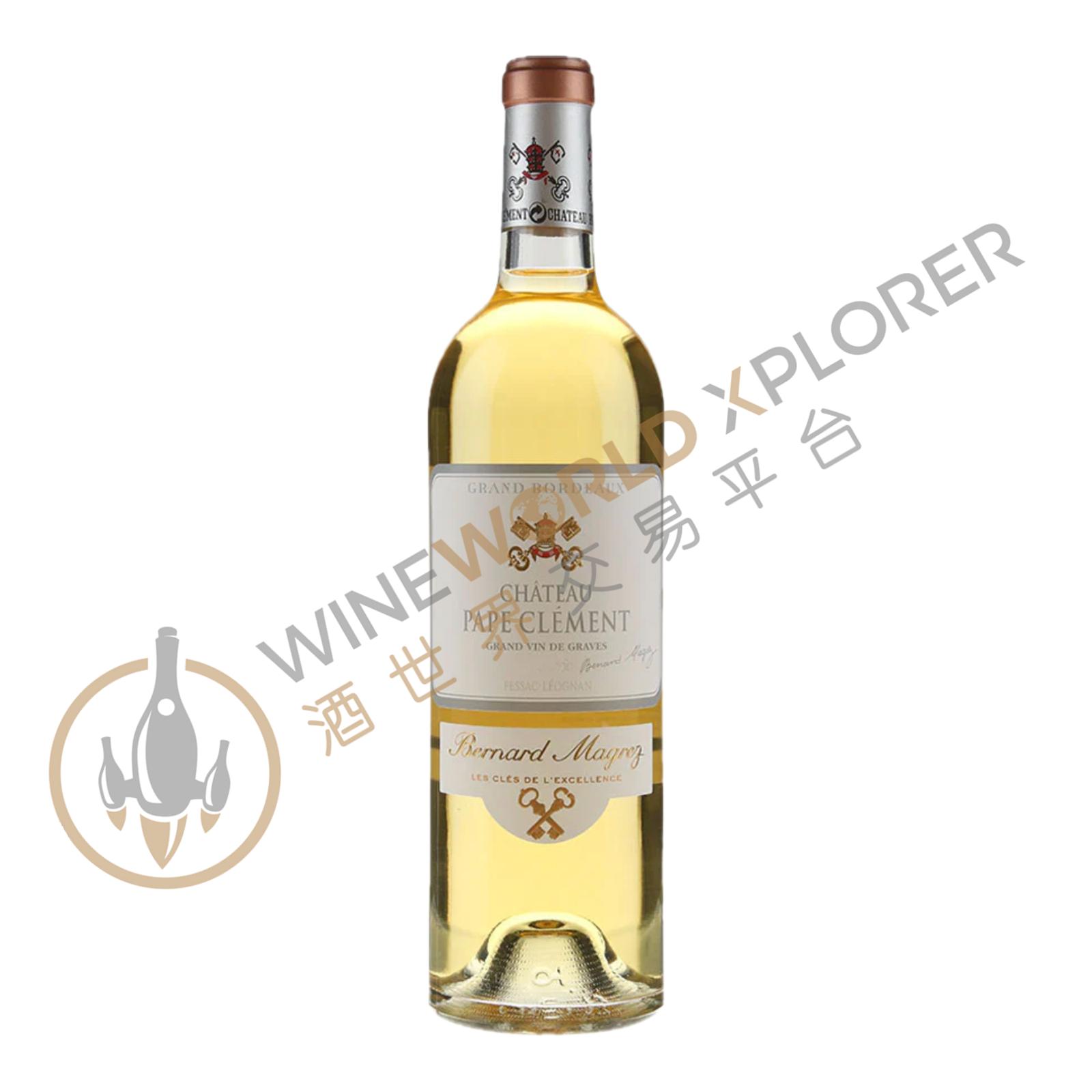
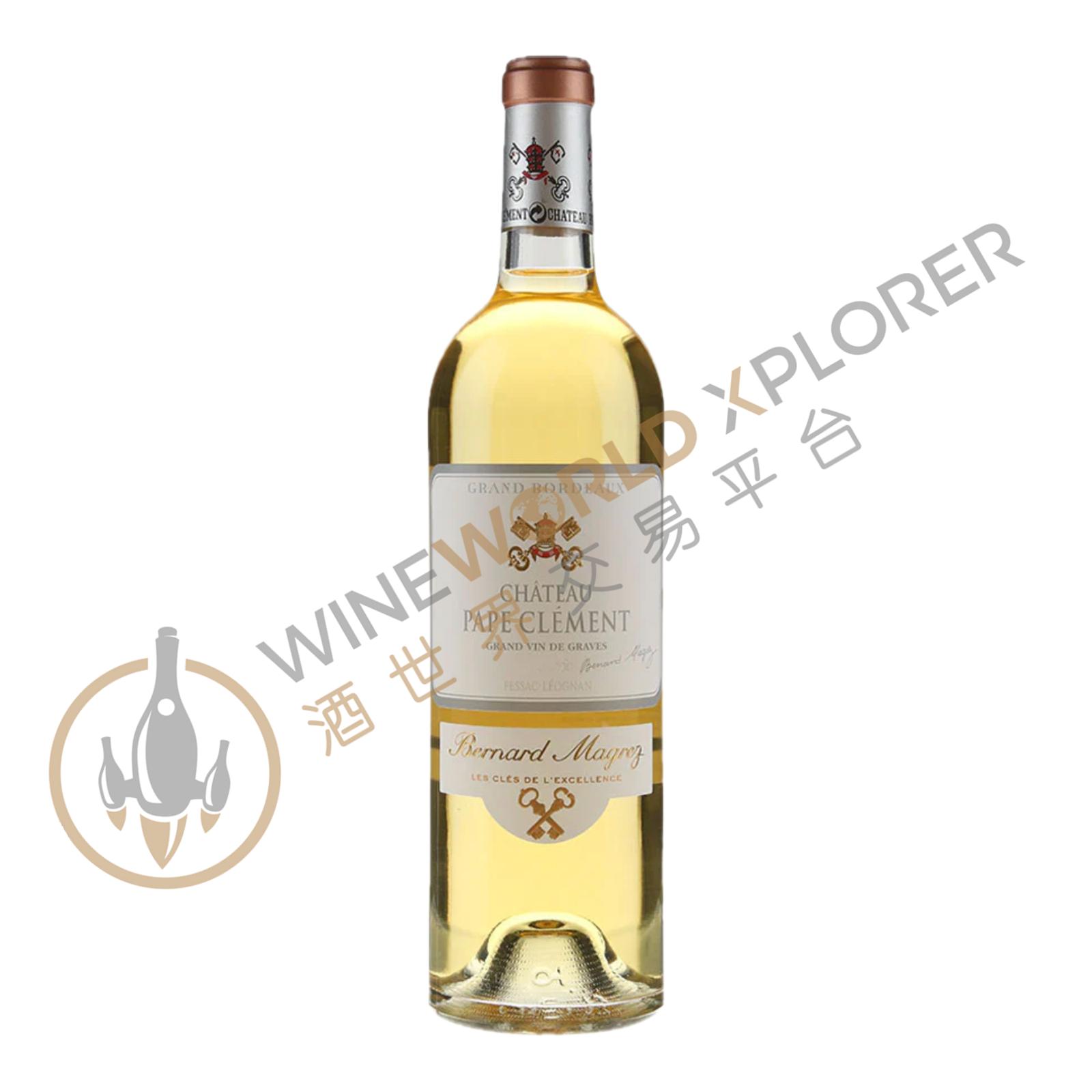
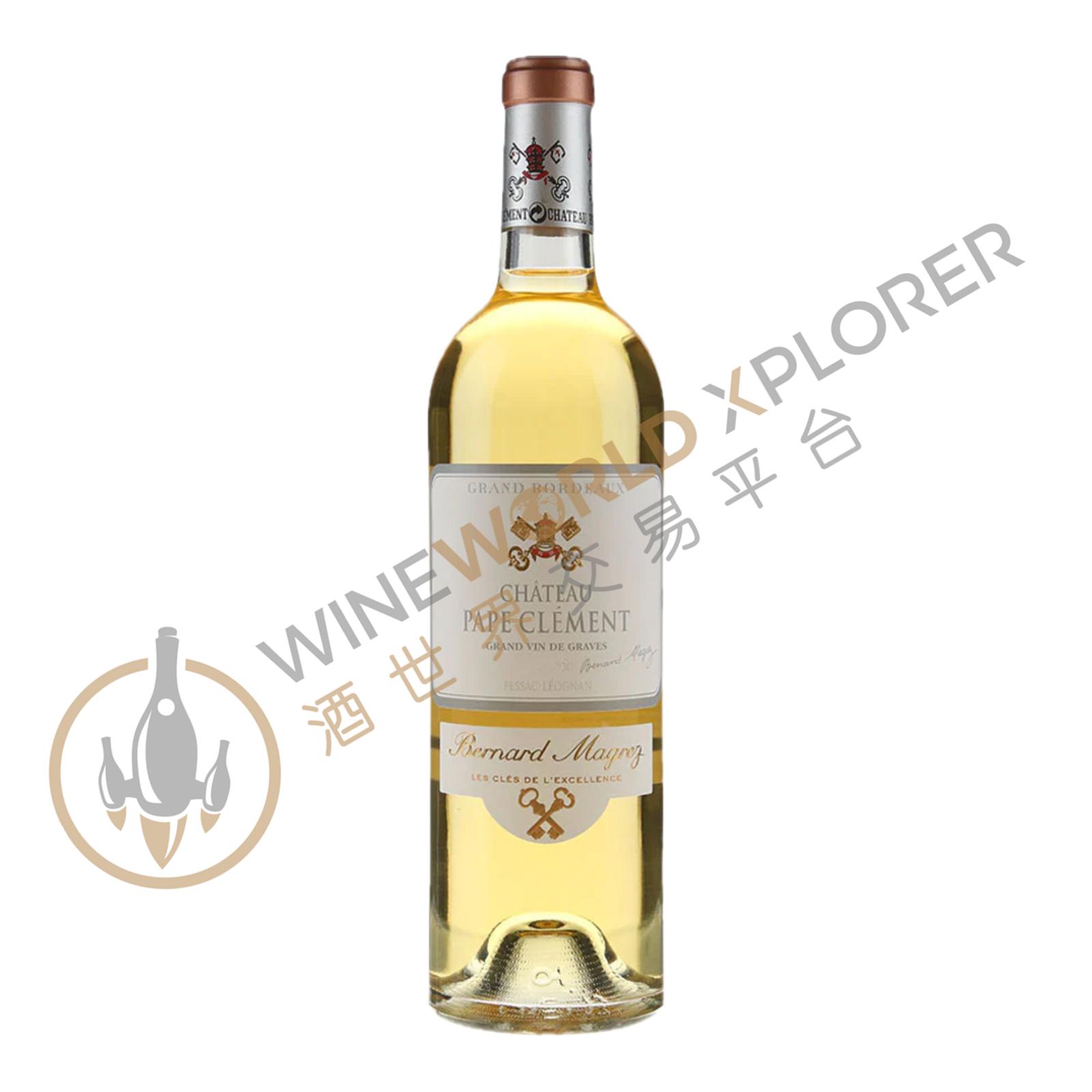
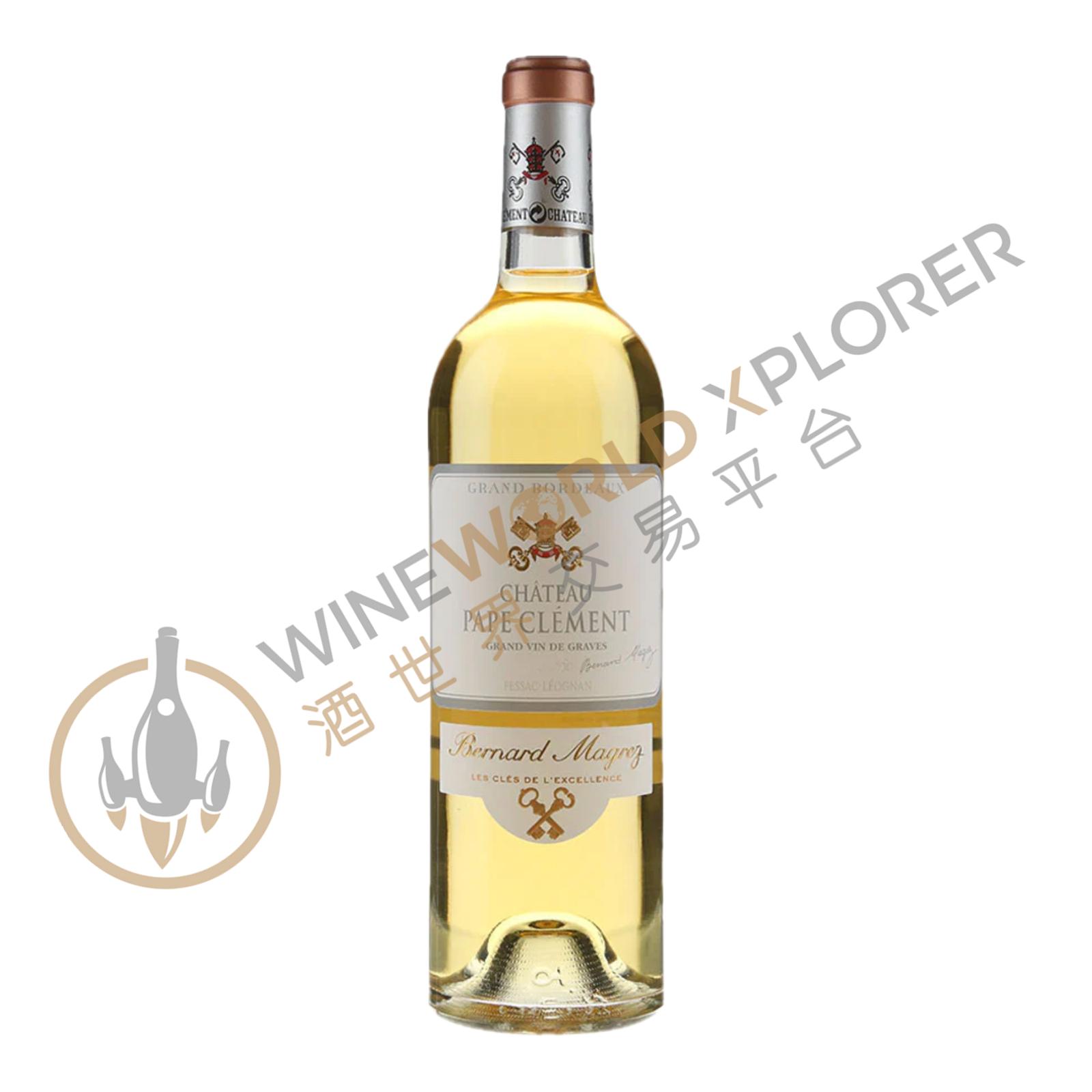
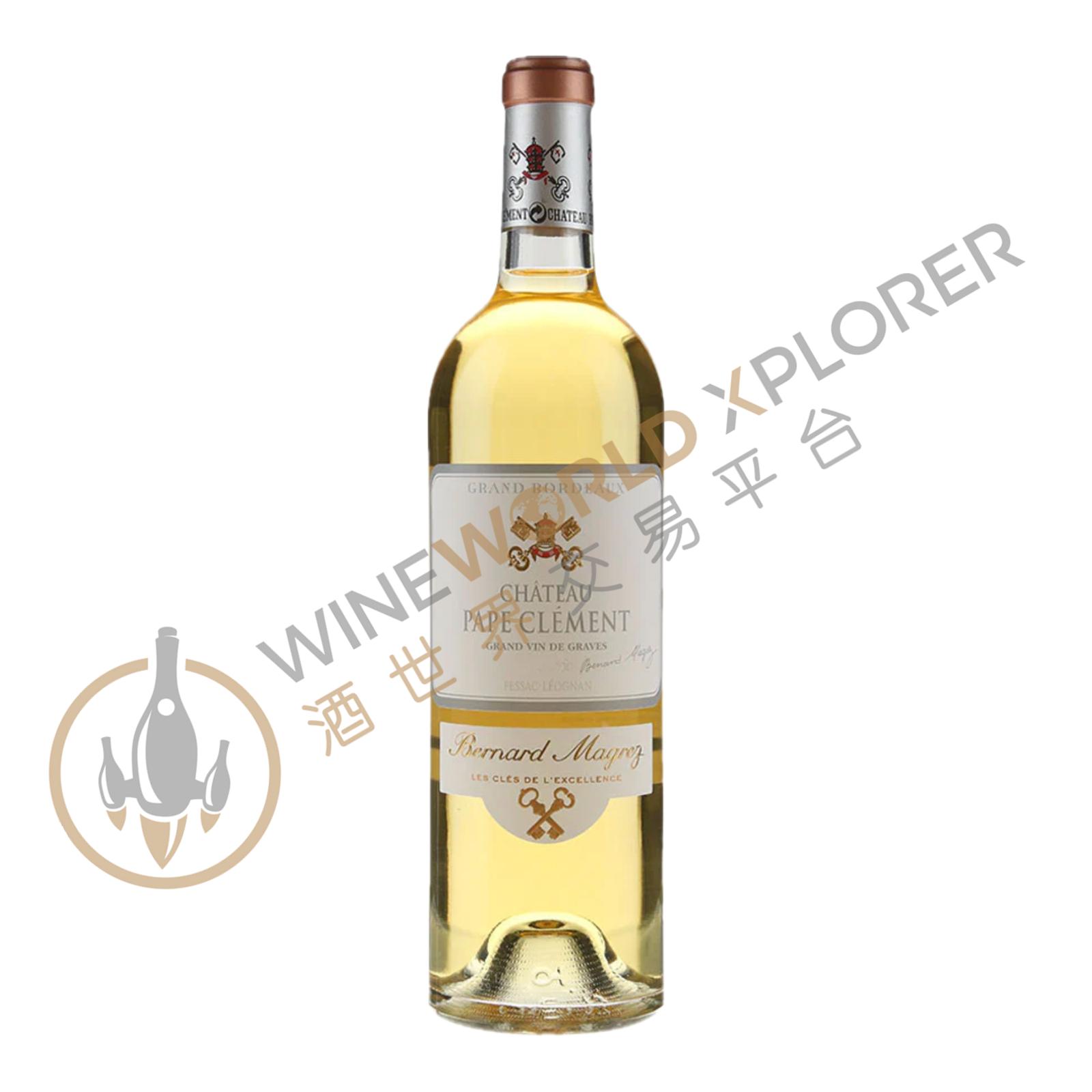
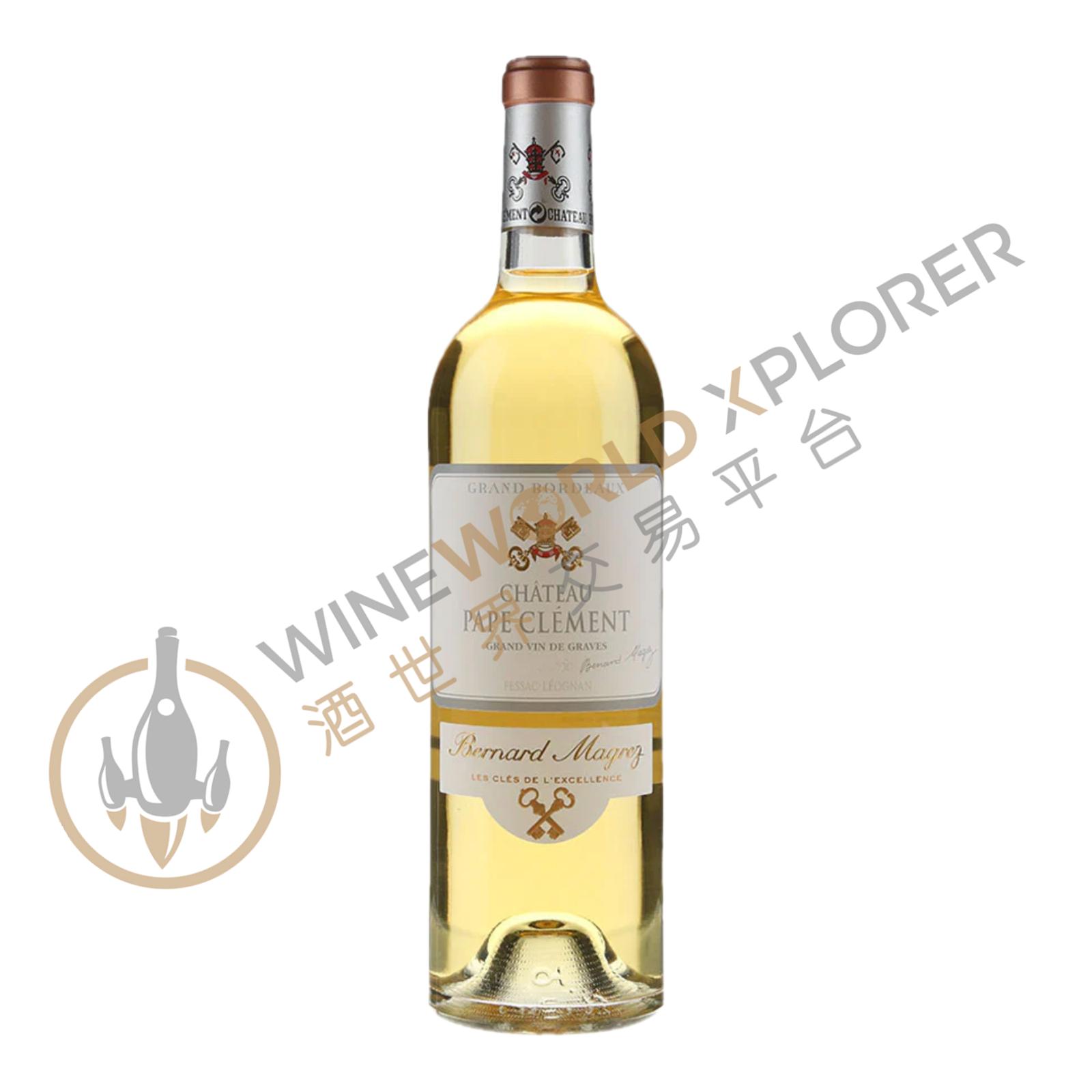
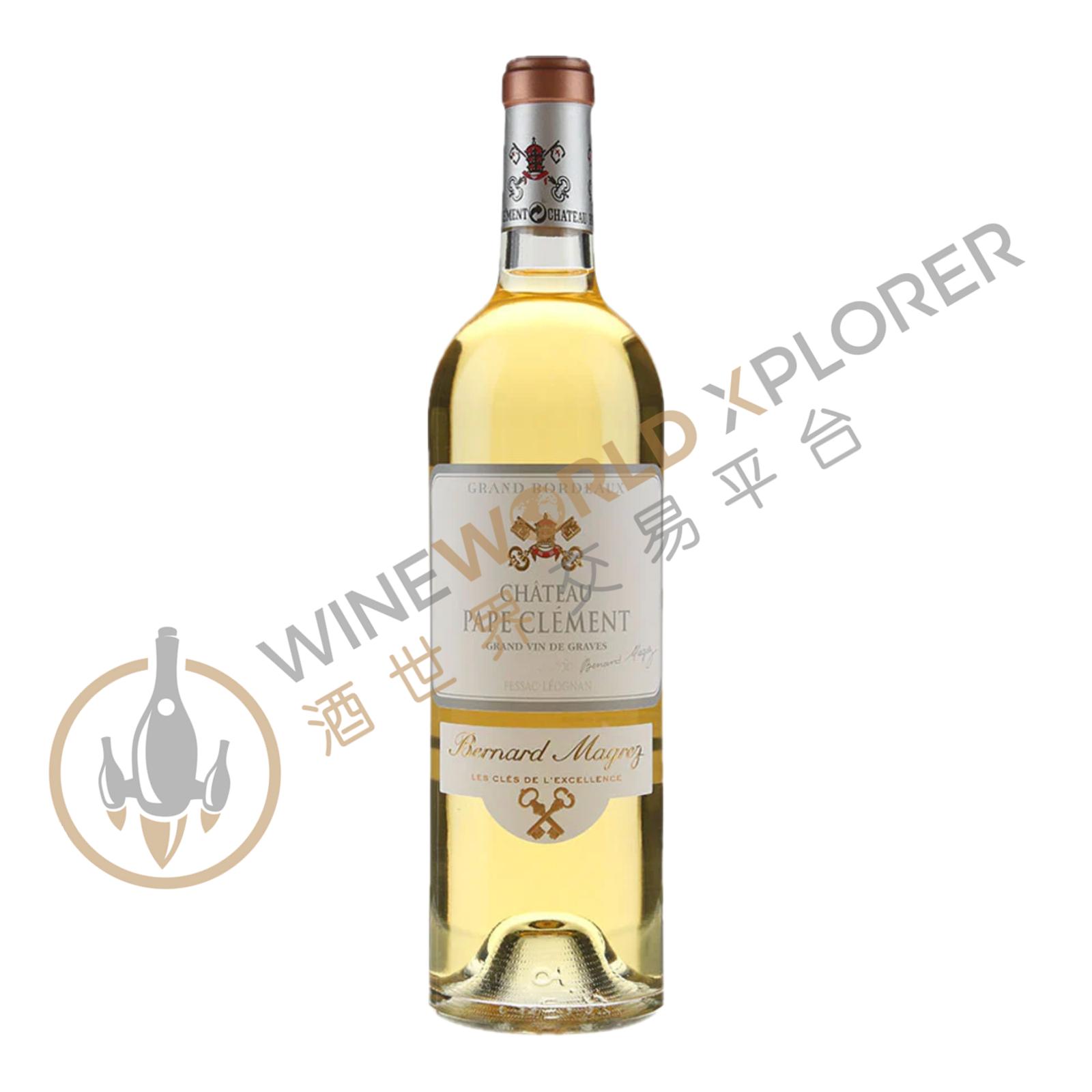
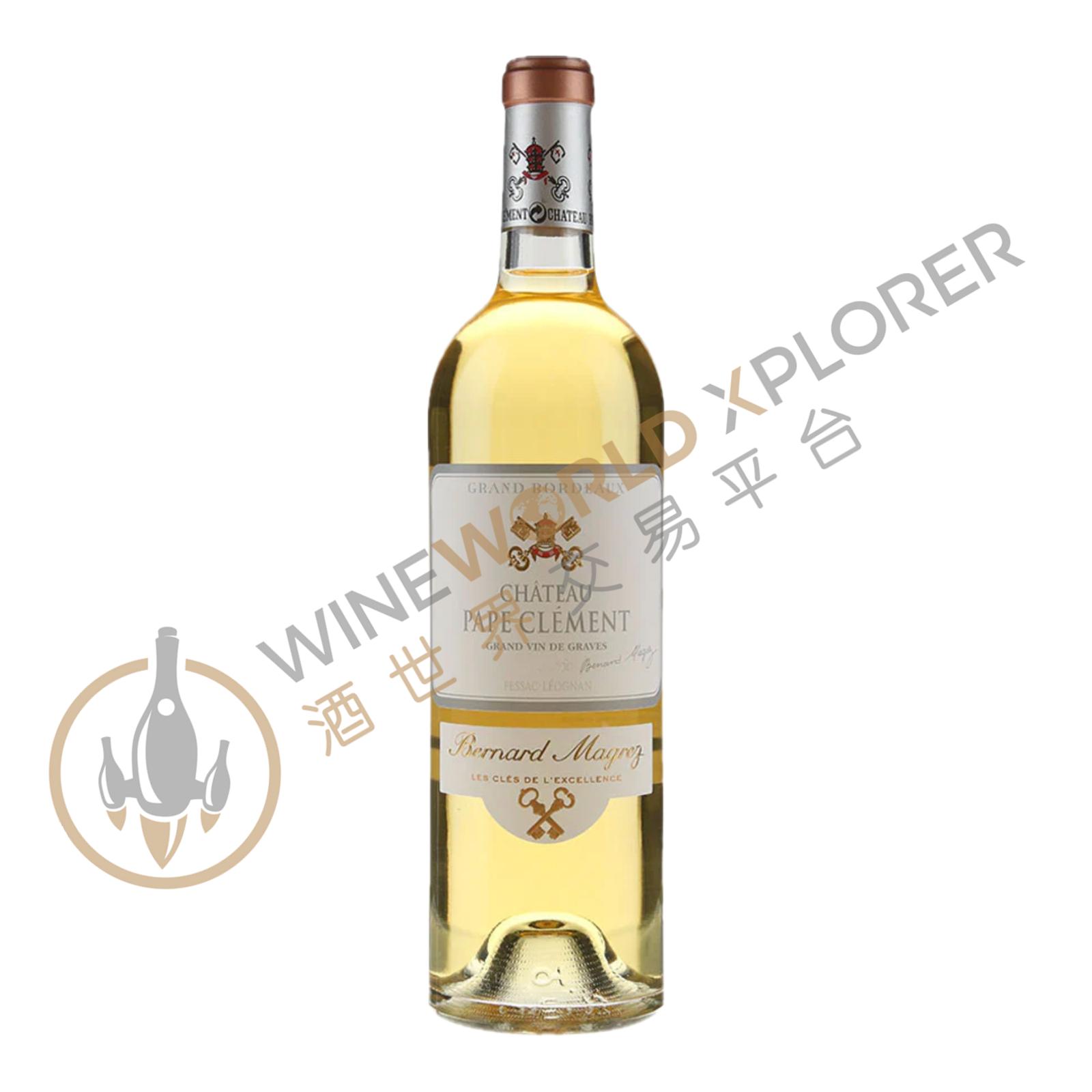
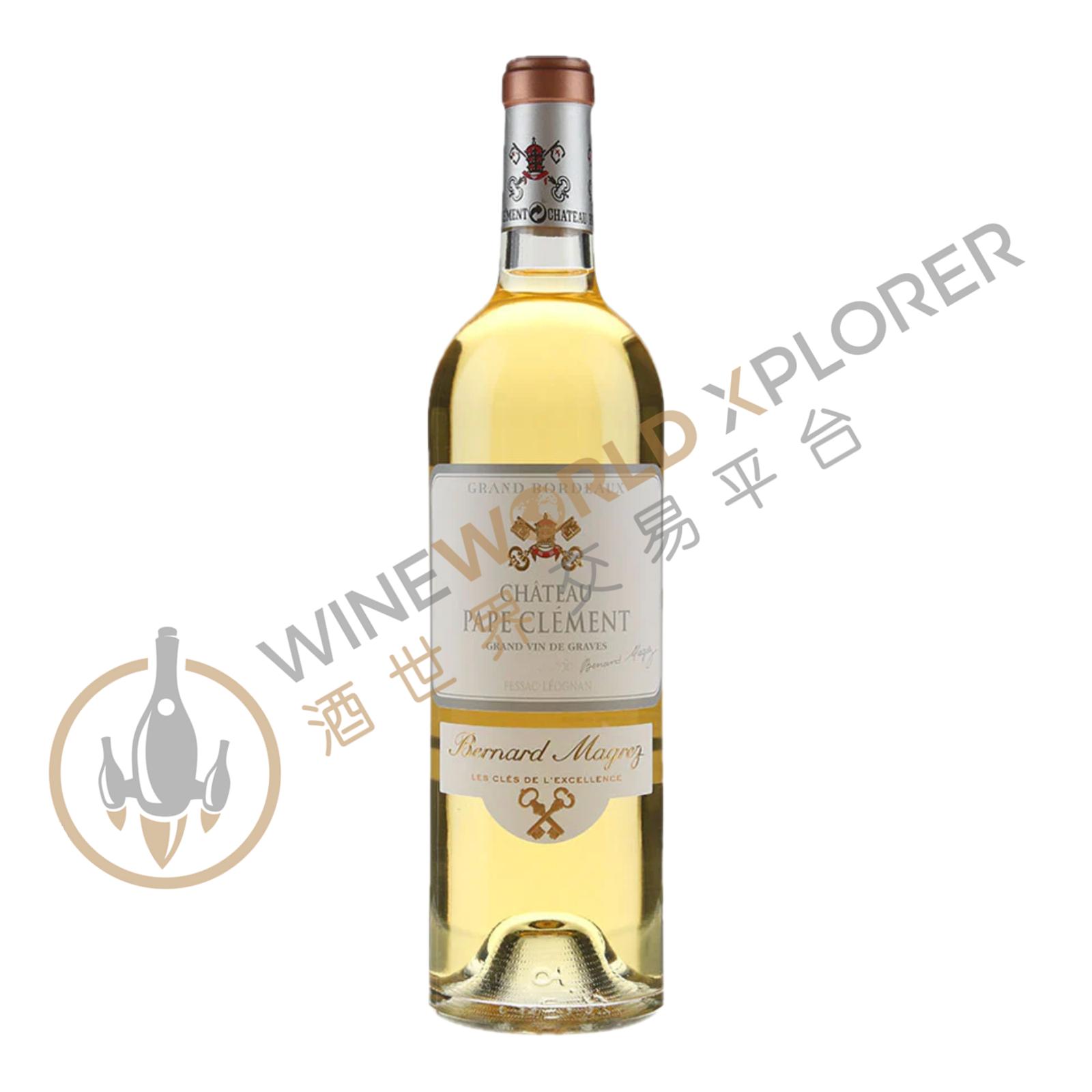
Pape Clement, Blanc 2009
 View analysis


Description
Pape Clement, Pessac Leognan, Bordeaux, France, Still, White, 2012
Tasting notes

Reviewed by: Robert M. Parker, Jr.
The 2009 Pape Clement Blanc is an absolutely remarkable wine, which is not a surprise given what this historic estate has done in both white and red over the last 20 years. Their white wine, an intriguing blend of 40% Sauvignon Blanc, 35% Semillon, 16% Sauvignon Gris and the rest Muscadelle, comes from 7.5 acres of pure gravelly soil. An exquisite nose of honeysuckle, tropical fruit, pineapple, green apples, and orange and apricot marmalade soar from the glass. Great acidity, a full-bodied mouthfeel and a texture more akin to great grand cru white Burgundy put this wine in a class by itself. I wouldn’t be surprised if there were others who also think this is pure perfection in white Bordeaux. I tasted this wine four separate times and gave it a perfect score three of the four times. It is one of most exquisite dry white I have ever tasted from anywhere – period. Certainly the founder of Pape Clement, Bertrand de Goth, would be happy with his decision to plant a vineyard here in 1305. Pure genius!
Reviewed by: Neal Martin
Tasted at the chateau. A blend of 48% Sauvignon Blanc, 40% Semillon, 6% Muscadelle and 6% Sauvignon Gris, cropped at 47hl.ha between 10th and 22nd September, this has a lovely, quite floral bouquet with good definition: lemon, lemon curd, lime flower and orange-blossom. The palate is well balanced, moderate acidity, a little waxy in texture and just missing some delineation and complexity towards the grapefruit finish. I much prefer the bouquet to the palate. Tasted April 2010.
Reviewed by: Robert M. Parker, Jr.
Because of both time and space constraints, I am not able to provide tasting notes for the 2009 dry white Bordeaux, but it is an extremely strong vintage. Most châteaux equaled the dazzling quality of the 2007 dry whites. That said, the 2009s tend to be less classic than 2007, but more exotic, honeyed, and higher in alcohol, with compelling richness. The 2009s will probably have a shorter evolutionary curve, but these wines tend to last a long time, even in a vintage such as this. They are fascinating dry white wines.
Reviewed by: Neal Martin
Tasted at the Union de Grand Cru in London. The nose is very clean with well-integrated oak, although showing just a little sulphur at the moment. The palate is very refined with rosewater, citrus lemon, apricot and star fruit. Nice weight on the finish although not the most complex Pape Clement Blanc that I have encountered. Tasted October 2011.
Reviewed by: Neal Martin
Served blind at the Southwold 2009 tasting. A solid performance from the Pape-Clement Blanc. It has a simple, pleasant apple blossom scented nose, complemented by crushed stone, light beeswax notes. There is a lot of oak on the palate, but it is well balanced with fine nutty notes, touches of lime, pear and Granny Smith apple. This appears to be on an upward trajectory. Tasted January 2013.
Reviewed by: James Suckling
This really is phenomenal. It shows subtle complexity with dried lemons, papaya, and hints of vanilla. What blows you away is the palate. It is so dense yet agile with amazing tension and a bright finish. It builds and builds in the finish. Superb. Speechless. Drink or hold.
About the Producer
Chateau Pape Clement is located in the Pessac-Leognan appellation in Graves, Bordeaux, France. The Château has been selected as a Grand Cru Classe de Graves for its outstanding red wines, and also produces very good quality white wines. In 1299, Pope Boniface VIII appointed Bertrand de Goth as Archbishop of Bordeaux. In the same year, Bertrand de Goth received a vineyard called "Mothe" as a gift for his appointment. In 1305, Bertrand Guth was elected as the new Pope and renamed Pope Clement V, hence the name Château Clermont. Leaving Bordeaux, he chose to leave the estate in the hands of his successors as Archbishop of the Archdiocese of Bordeaux. This succession of bishops continued until the eve of the French Revolution. In the late 18th century, the then Archbishop of Bordeaux was dispossessed of all his property and Château Clermont fell into private hands. After several changes of hands, the estate was purchased in 1858 by Jean-Baptiste Clerc, a Bordeaux wine merchant. In the second half of the 19th century, the château was ravaged by powdery mildew, fungus and phylloxera, but it still produced some of the most acclaimed wines in the world, winning prizes in various competitions. As the 20th century progressed, Château Clermont was affected by natural disasters, economic crises and wars, and its ownership was sold several times. It was not until the 1980s that Château Clermont received its current owner, Bernard Magrez, and the double key, a symbol of papal power, became the hallmark of Bernard Magrez's products. The vineyards of Château Clermont cover 63 hectares of soft and complex soils with a mixture of gravel, sand, clay and limestone, with a subsoil of iron-rich limestone. The vineyard is planted with 55 hectares of red grapes, including 60% Cabernet Sauvignon and 40% Merlot, and the average age of the vines is 40 years. The vineyard is planted with 8 hectares of white grapes, including 45% Sauvignon Blanc, 45% Semillon and 10% Muscadelle, with an average age of 18 years. The vineyards are planted at a high density of 7,700 to 9,000 vines per hectare, thus creating competition between the vines and better ripening of the grapes. With a sustainable approach, Château Clermont Pope insists on pruning, leaf thinning and green harvesting of the vines, as well as managing the vineyards by animal farming and cover crops. Depending on the weather conditions each year, the winery arranges for a harvesting team of 30-100 people to pick the grapes separately from the different plots. In winemaking, Château Clermont Pope uses traditional techniques, supplemented by modern technology, to produce wines of the highest quality. The grapes are de-stemmed by hand in order to preserve the integrity of each grape. For white wines, the fruit is gently pressed using an airbag press before the juice is transferred by gravity to barrels for alcoholic fermentation. For the red wines, the winery controls the fermentation temperature between 29°C and 30°C and the maceration temperature between 27°C and 29°C to better extract tannins and colour, and the whole fermentation process usually lasts around 20-35 days. It is also worth noting that the grapes from different plots are fermented separately in small fermentation vessels to bring out the terroir of each plot and to provide more options for blending. The finished wines are transferred by gravity to carefully selected oak barrels for ageing. The red wines are aged in new oak barrels for 18-20 months, during which malolactic fermentation takes place, while the white wines are aged for 12-18 months, with the barrels kept at a low temperature during the ageing period. No chemical clarification is used during the bottling process. Both the red and white wines of Château Clermont are of excellent quality. The reds have great intensity and complexity, with a distinct smoky and spicy flavour, and are elegant, elegant and balanced.